FMCG Creator Storefront Software for Affiliate Storefront Management
Fast-moving consumer goods brands face a unique challenge in social commerce: products move quickly off shelves, purchase cycles are short, and brand loyalty is won or lost in seconds of scrolling. Traditional e-commerce funnels struggle to keep pace with the velocity FMCG demands. Creator storefronts change that equation entirely by turning every creator partnership into a persistent, shoppable destination that drives repeat purchases across categories.
FMCG affiliate storefront management requires more than handing a creator a discount code. It means curating product assortments by creator audience, refreshing seasonal bundles weekly, tracking sell-through rates on individual SKUs, and ensuring that every piece of creator content feeds back into a storefront that converts. When you multiply that across hundreds of creators promoting snacks, beverages, personal care, or household essentials, the operational complexity becomes unmanageable without purpose-built software.
Socialscale provides FMCG brands with the infrastructure to launch, manage, and optimize creator storefronts at scale. From onboarding micro-creators in specific retail geographies to embedding shoppable content on your DTC site, every workflow is designed for the speed and volume that FMCG marketing teams operate at daily.
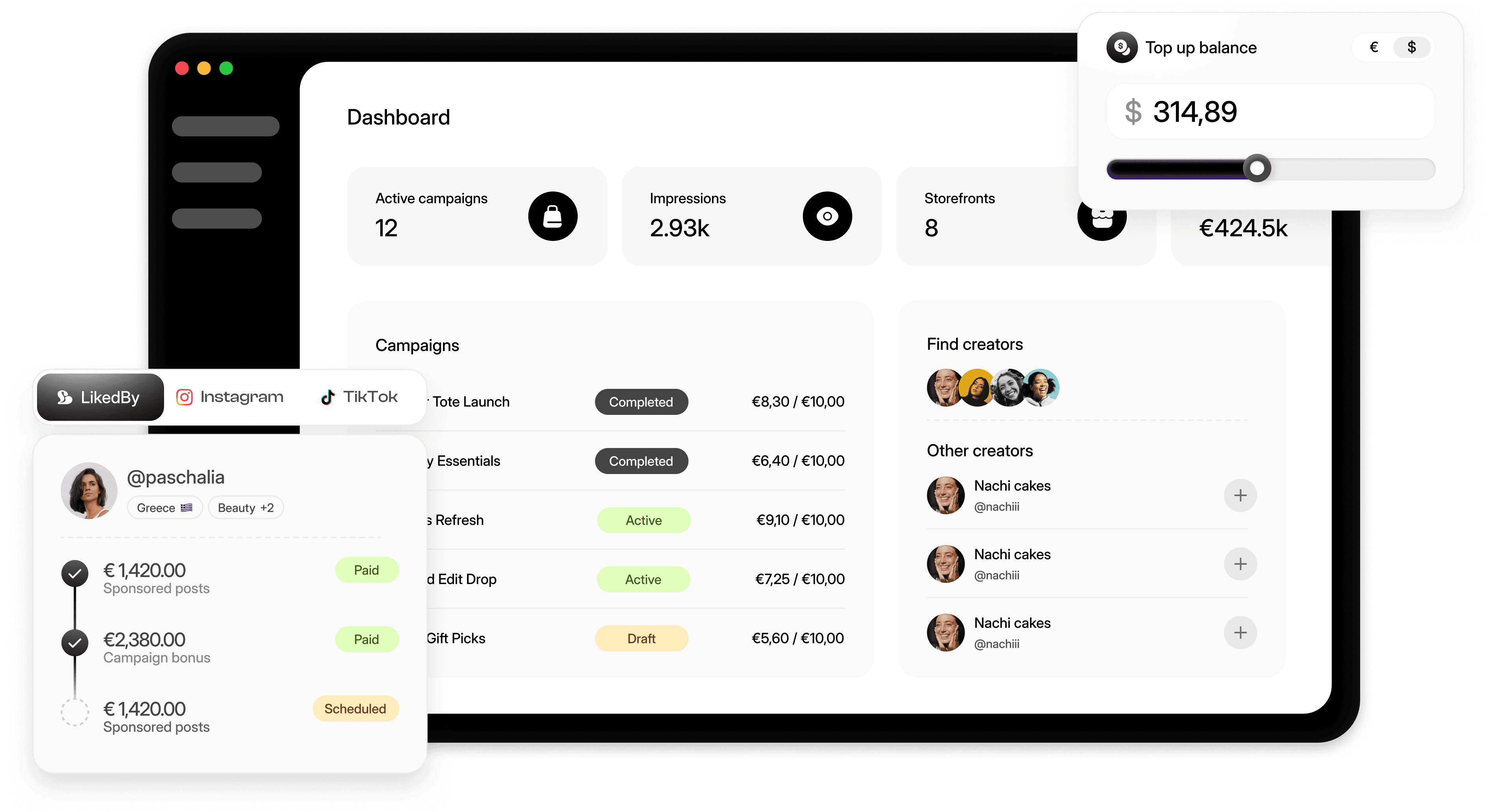
Core Challenges FMCG Brands Face with Creator Storefronts
FMCG brands operate under conditions that make creator storefront programs uniquely difficult to scale. Below are the most pressing operational challenges that influencer marketing managers and e-commerce directors encounter.
1. High SKU Velocity and Seasonal Rotations
FMCG product lines change frequently. Limited-edition flavors, seasonal packaging, promotional bundles, and new product launches mean that creator storefronts need constant curation. Manually updating hundreds of storefronts every time a SKU is added or discontinued creates enormous operational drag.
2. Large Creator Rosters with Varying Commitment Levels
FMCG programs often rely on a mix of macro-influencers, micro-creators, and brand ambassadors. Managing storefront access, commission tiers, and product allocations across this spectrum without a centralized system leads to inconsistencies and missed revenue.
3. Low Average Order Values Demand Volume
Unlike luxury or electronics, FMCG products typically carry lower price points. This means creator storefronts must drive high transaction volumes to generate meaningful affiliate revenue, requiring constant content refreshes and promotional cadences.
4. Fragmented Content Across Platforms
Creators produce content for TikTok, Instagram Reels, YouTube Shorts, and Stories simultaneously. Without a unified system, FMCG teams lose track of which content links to which storefront, making attribution nearly impossible.
5. Retailer and DTC Channel Conflicts
Many FMCG brands sell through both retail partners and their own DTC channels. Creator storefronts must be carefully managed to avoid channel conflicts, requiring granular control over which products appear and where traffic is directed.
6. Compliance and Ingredient Claim Oversight
Food, beverage, and personal care brands must ensure creators do not make unauthorized health or ingredient claims. Every piece of storefront-linked content needs review workflows that traditional influencer tools rarely provide.
7. Difficulty Measuring Incremental Lift
FMCG brands need to distinguish between sales that would have happened anyway and those genuinely driven by creator storefronts. Without robust performance tracking tied to individual storefronts, proving ROI to leadership remains a persistent challenge.
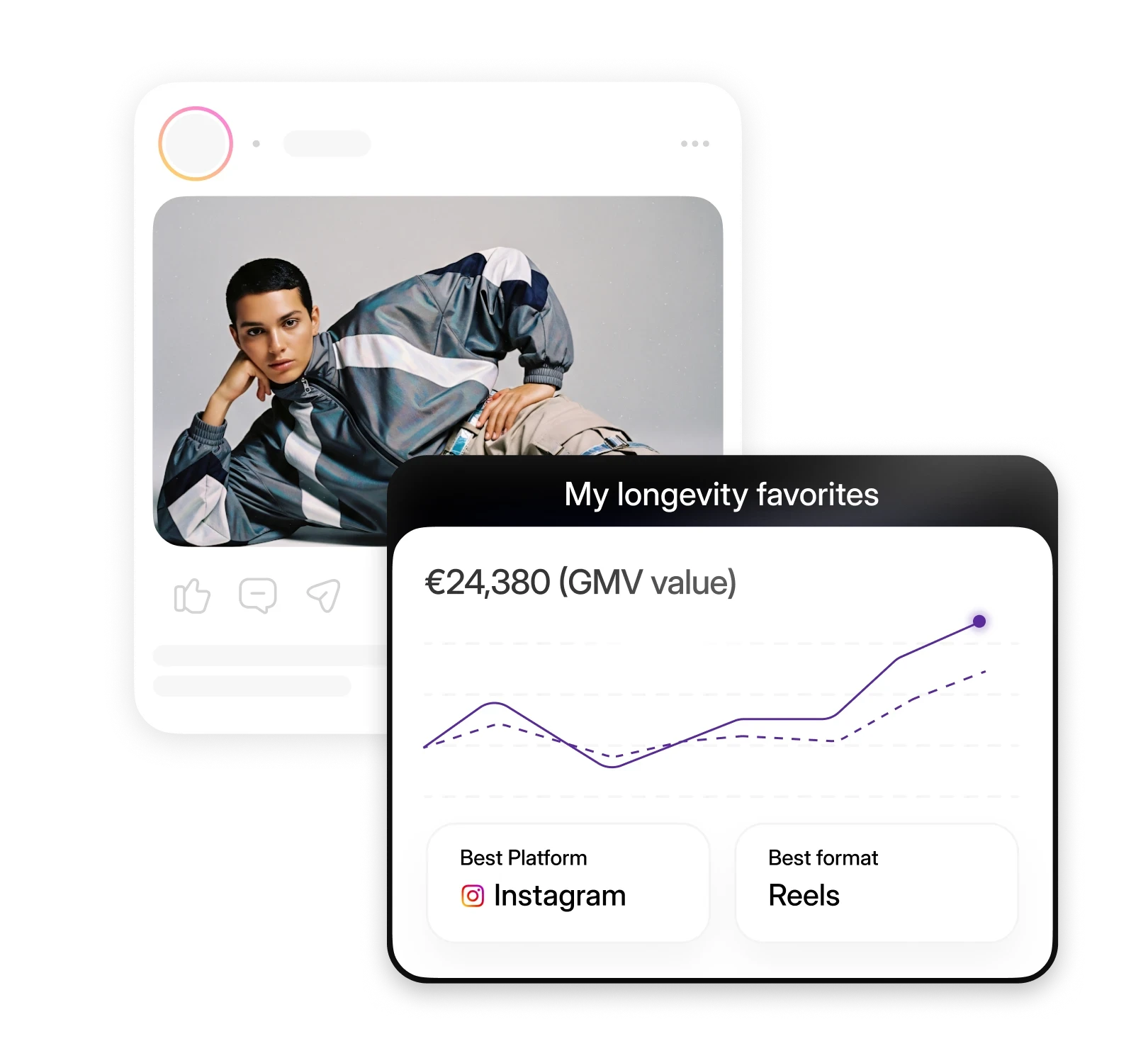
Why Traditional Tools Fail FMCG Storefront Programs
Spreadsheets Cannot Handle SKU-Level Storefront Management
Most FMCG teams start managing creator storefronts in spreadsheets, tracking which creators carry which products, their commission rates, and content links. This approach collapses within weeks as product rotations accelerate and creator counts grow. Version control issues, broken links, and outdated product listings become the norm rather than the exception.
Generic Influencer Platforms Lack Storefront Infrastructure
Standard influencer marketing software focuses on campaign briefs, content approvals, and payment processing. They were not built for persistent storefronts that need ongoing product curation, real-time inventory awareness, and continuous performance optimization. The storefront is treated as an afterthought rather than a core revenue channel.
Affiliate Networks Offer No Content or Relationship Context
Pure affiliate platforms like ShareASale or CJ track clicks and conversions but provide zero visibility into the creator relationship, content quality, or brand alignment. FMCG teams end up toggling between an affiliate dashboard for revenue data and a separate tool for creator communications, losing the operational thread that connects content to commerce.
No Single Source of Truth for Content Assets
When a creator posts a recipe video featuring your snack brand, that asset needs to be stored, tagged, approved, and potentially repurposed on your DTC site. Traditional tools scatter these assets across email threads, Google Drives, and platform DMs, making UGC management a full-time scavenger hunt.
Reporting Is Retrospective, Not Operational
Most tools generate monthly reports that tell you what happened. FMCG storefront programs need daily and weekly signals: which storefronts are underperforming, which creators need new product drops, which content is driving the highest conversion rate. Without real-time operational data, teams are always reacting instead of optimizing.
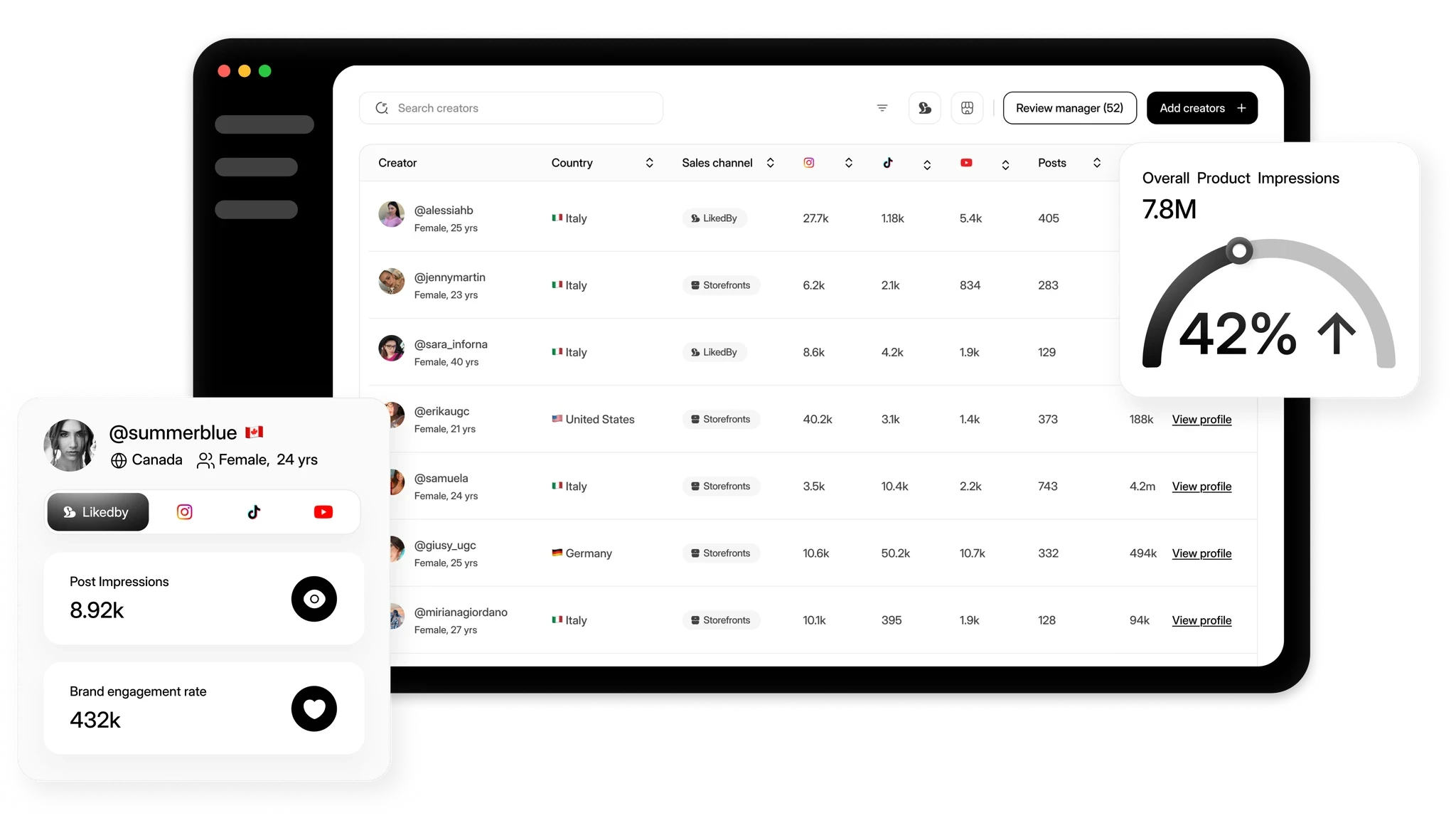
How Socialscale Powers FMCG Creator Storefront Programs
Socialscale is the creator marketing platform built for brands that need to run creator storefront programs with the same rigor they apply to retail distribution. It connects every stage of the creator lifecycle—from recruitment to revenue—inside a single operating system designed for social commerce at scale.
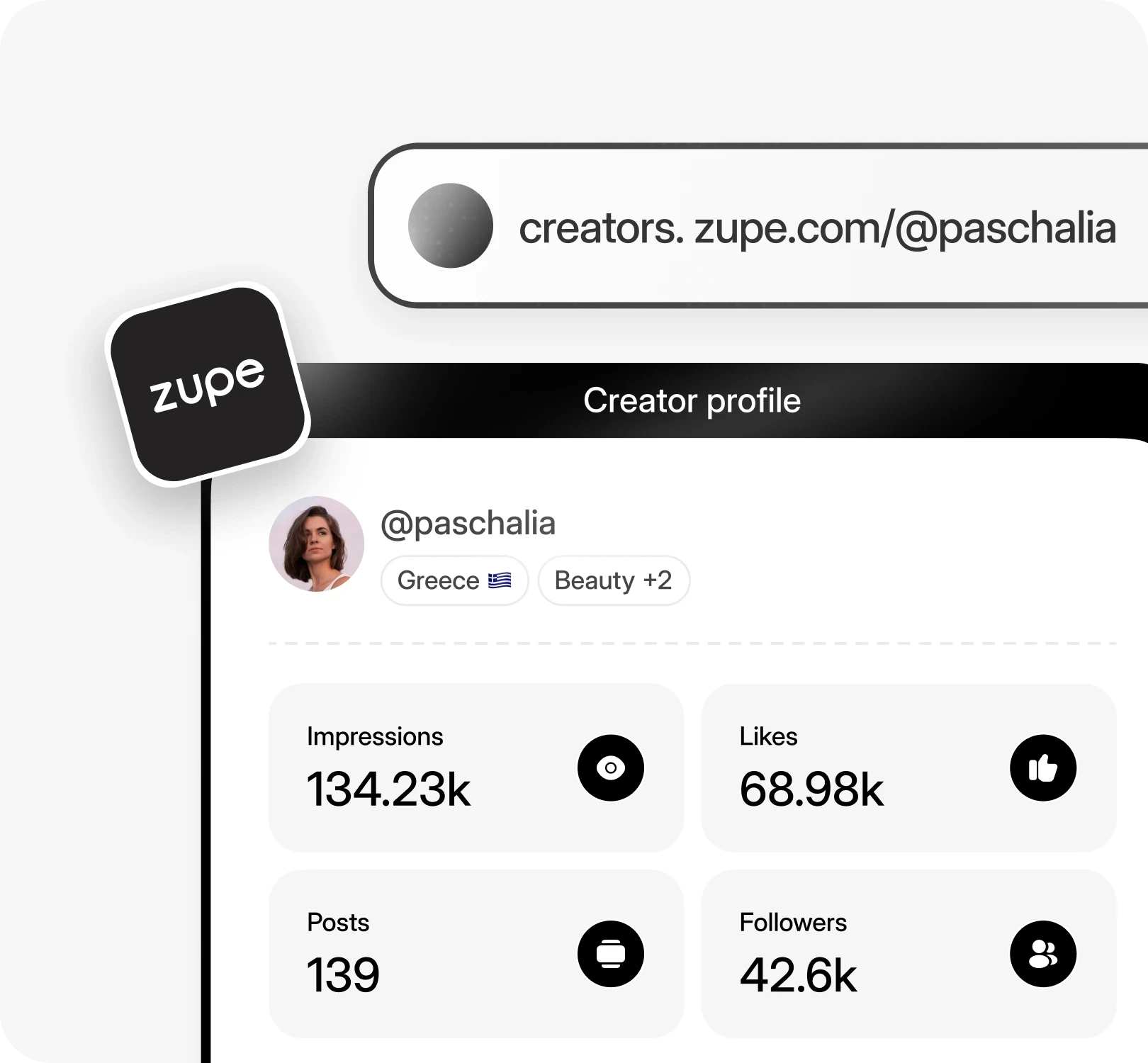
For FMCG brands specifically, Socialscale enables teams to onboard creators into structured storefront programs, assign product assortments by category or campaign, and track storefront-level performance down to the SKU. The platform's creator CRM maintains a complete relationship history for every creator, including past collaborations, content approvals, commission structures, and storefront configurations. This means your team never loses context when rotating seasonal products or scaling into new creator tiers.
Content produced by creators flows directly into Socialscale's centralized asset library, where it can be reviewed, approved, tagged, and deployed as shoppable content on your owned channels using creator widgets. The result is a closed loop: creators produce content, content populates storefronts, storefronts generate sales, and sales data informs the next round of creator activations.
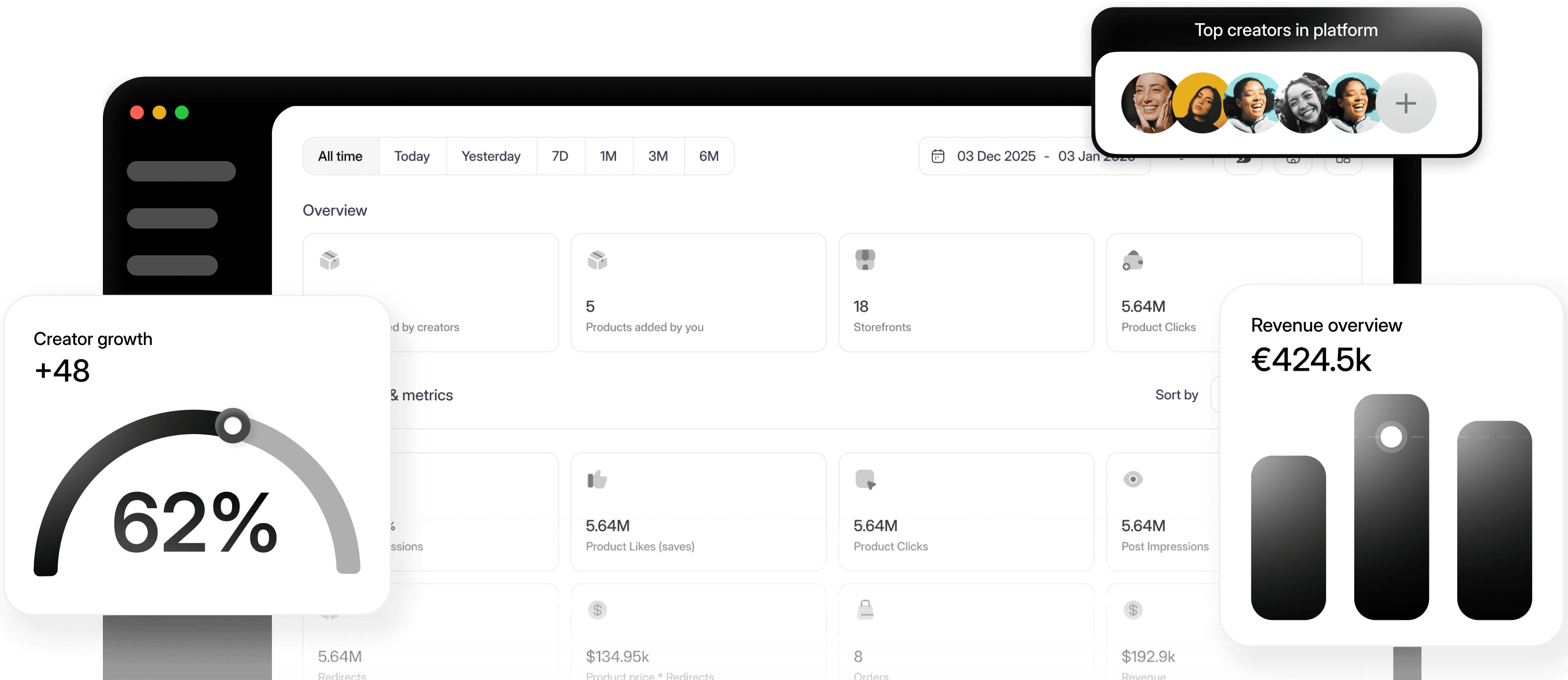
Feature Breakdown: FMCG Creator Storefront Software Capabilities
Creator Onboarding and Storefront Provisioning
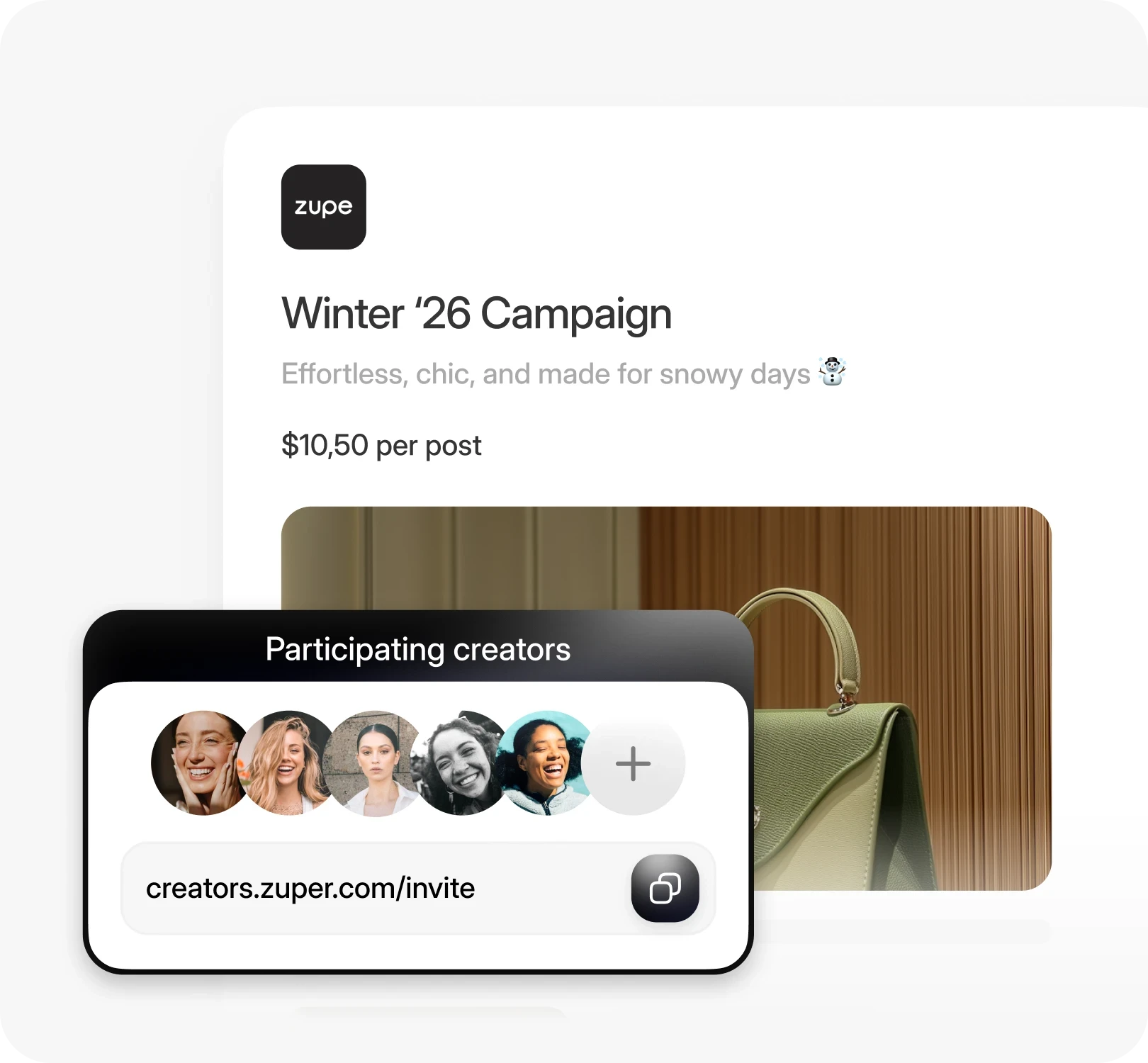
Socialscale streamlines creator onboarding with customizable application forms, automated vetting workflows, and instant storefront provisioning. When a new creator is approved, their storefront is configured with the correct product assortment, commission tier, and branding elements without manual setup. For FMCG brands running ambassador programs with 200+ creators, this eliminates weeks of back-and-forth.
Dynamic Product Assortment Management
Assign specific SKUs, bundles, or product categories to individual storefronts or creator segments. When a limited-edition flavor launches, push it to relevant storefronts in bulk. When a product is discontinued, remove it across all storefronts simultaneously. This feature is critical for FMCG brands managing rapid product rotations across beverage, snack, or personal care lines.
Content Review and Compliance Workflows
Every piece of content linked to a creator storefront passes through configurable approval workflows. FMCG compliance teams can flag unauthorized ingredient claims, ensure FTC disclosure requirements are met, and approve content before it goes live. Approved content is automatically stored in the platform's asset management system for future repurposing.
Centralized Creator Content Storage
All creator-generated assets—videos, photos, stories, reviews—are organized in a searchable library tagged by creator, campaign, product, and content type. FMCG teams use this library to identify top-performing content for paid amplification, website embedding, or retail partner presentations. This replaces scattered folders and email attachments with a single source of truth for UGC management.
Shoppable Content Embedding
Transform creator content into shoppable experiences on your DTC site. Embed creator videos and photos with direct add-to-cart functionality, turning your website into an extension of your creator storefront program. For FMCG brands, this means a creator's TikTok recipe video can drive conversions directly on your product page.
Affiliate Commission and Payout Tracking
Configure tiered commission structures based on creator level, product category, or campaign type. Track earned commissions in real time and manage payout cycles without exporting data to external systems. This is particularly valuable for FMCG affiliate creator programs where commission rates may vary between hero products and new launches.
Performance Analytics by Storefront and SKU
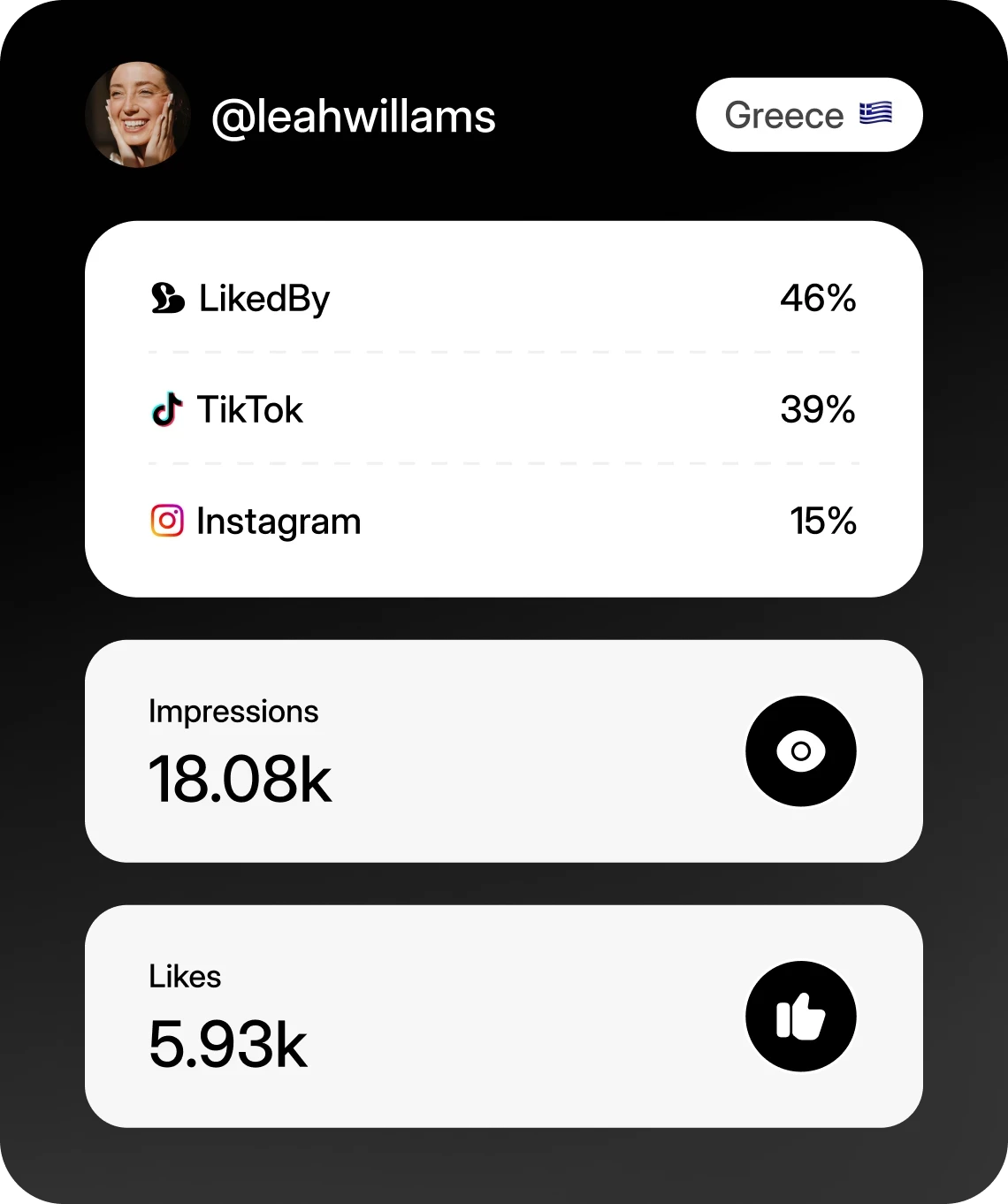
Monitor storefront-level metrics including traffic, conversion rate, average order value, and revenue. Drill down to individual SKU performance within each storefront to understand which products resonate with which creator audiences. This granularity enables FMCG teams to make data-driven decisions about product allocation and creator investment.
Use Cases: FMCG Creator Storefronts in Action
The following scenarios illustrate how FMCG brands can leverage creator storefront software to drive measurable commercial outcomes across different program structures.
1. Beverage Brand Seasonal Launch Program
A sparkling water brand prepares to launch three summer-exclusive flavors. The marketing team recruits 150 lifestyle and fitness micro-creators, each receiving a personalized storefront featuring the new flavors alongside bestselling SKUs. Creators receive product samples and a brief encouraging recipe and unboxing content. As content is published across Instagram and TikTok, each storefront captures traffic from creator bios and link-in-bio tools. The brand tracks which flavor generates the most storefront conversions by region, using that data to inform retail distribution decisions for the following quarter.
2. Personal Care Brand Ambassador Tier System
A natural skincare brand segments its 300-person creator community into three tiers: advocates, ambassadors, and partners. Each tier unlocks different storefront privileges—advocates get a curated selection of five hero products, ambassadors access the full catalog, and partners receive exclusive early access to new launches. Commission rates scale with tier, incentivizing creators to produce consistent content and drive repeat purchases. Monthly storefront performance reviews determine tier promotions or adjustments, creating a self-sustaining growth loop.
3. Snack Brand Retail-to-DTC Bridge Campaign
A snack company that primarily sells through grocery retail launches a DTC subscription box. They activate 80 food creators with storefronts featuring the subscription offering alongside individual product packs. Creators produce taste-test and pantry-stocking content, driving traffic to their storefronts. The brand uses storefront conversion data to identify which creator audiences have the highest subscription sign-up rates, then allocates paid media budget to amplify those creators' content on Meta and TikTok.
4. Household Essentials Brand Multi-Market Expansion
A cleaning products brand expanding into three new metropolitan markets recruits local creators in each city. Each creator's storefront is geo-configured with products available in their region's retail partners and DTC shipping zones. Content is produced in local contexts—apartment cleaning routines, family home organization—and storefront performance is tracked by market. The brand uses city-level conversion data to prioritize retail expansion and local advertising spend.
Weekly Operational Workflow for FMCG Storefront Management
Running an FMCG creator storefront program requires disciplined weekly and monthly cadences. The following workflow outlines the operational steps that keep storefronts active, optimized, and revenue-generating.
Monday: Storefront Health Check
Review storefront-level dashboards to identify underperforming storefronts, broken product links, and creators who have not posted new content in the past seven days. Flag storefronts with declining traffic or conversion rates for intervention. Use creator performance tracking data to prioritize outreach.
Tuesday: Product Assortment Updates
Coordinate with the product and merchandising team to update storefront assortments. Add newly launched SKUs, remove discontinued items, and refresh seasonal bundles. Push updates across all relevant storefronts in bulk to ensure consistency.
Wednesday: Creator Communications and Briefs
Send weekly content briefs to active creators, including product highlights, promotional messaging, and content format suggestions. Use the creator CRM to personalize communications based on each creator's past performance and content style. Address any creator questions or commission inquiries.
Thursday: Content Review and Approval
Process incoming creator content through the compliance and approval workflow. Review for brand alignment, ingredient claim accuracy, FTC disclosure compliance, and visual quality. Approve content for storefront linking and flag top-performing assets for repurposing on owned channels.
Friday: Performance Reporting and Optimization
Generate weekly performance reports covering storefront revenue, top-performing creators, SKU-level conversion data, and content output metrics. Share insights with the broader marketing team. Identify creators eligible for tier upgrades, bonus commissions, or additional product seeding.
Bi-Weekly: Creator Recruitment and Onboarding
Review inbound creator applications and proactively recruit creators in underrepresented categories or geographies. Onboard approved creators with storefront provisioning, product sampling, and welcome briefs. Ensure new creators are integrated into the active communication cadence.
Monthly: Program Strategy Review
Conduct a monthly review of overall program performance against targets. Analyze trends in storefront GMV, creator activation rates, content volume, and customer acquisition cost. Adjust commission structures, product assortments, and creator tier thresholds based on data. Present findings to leadership with clear ROI metrics.
Key Performance Indicators for FMCG Creator Storefront Programs
Tracking the right metrics ensures your storefront program delivers measurable commercial value. The following KPIs should be monitored at the program, creator, and storefront levels.
Creator Activation Rate: Percentage of onboarded creators who have published at least one piece of storefront-linked content within their first 14 days.
Content Approval Turnaround Time: Average hours from content submission to approval, directly impacting how quickly storefronts receive fresh content.
Weekly Content Output per Creator: Number of storefront-linked posts, stories, or videos produced per creator per week.
Storefront Click-Through Rate (CTR): Percentage of storefront visitors who click on a product, indicating assortment relevance and storefront design effectiveness.
Storefront Conversion Rate (CVR): Percentage of storefront visitors who complete a purchase, the most direct measure of storefront commercial performance.
Gross Merchandise Value (GMV) per Storefront: Total revenue generated through each creator's storefront, used to rank creators and inform tier assignments.
Average Order Value (AOV): Mean transaction value per storefront order, critical for FMCG brands seeking to drive bundle purchases and subscription sign-ups.
Return on Ad Spend (ROAS) on Amplified Creator Content: Revenue generated per dollar spent amplifying top-performing creator storefront content through paid channels.
Customer Acquisition Cost (CPA) via Storefronts: Total program cost divided by new customers acquired through creator storefronts, benchmarked against other acquisition channels.
Repeat Purchase Rate from Storefront Customers: Percentage of storefront-acquired customers who make a second purchase within 60 days, measuring the quality of creator-driven traffic.
SKU-Level Sell-Through Rate: Units sold per SKU per storefront, informing product assortment decisions and identifying creator-audience-product fit.
Scenario: Mid-Size Beverage Brand Scales Creator Storefronts
A functional beverage brand with 45 SKUs across energy drinks, hydration mixes, and wellness shots wanted to build a creator-driven DTC channel to complement its retail presence in 2,000 grocery locations. The brand's influencer marketing manager had been running a loosely managed affiliate program through a generic affiliate network, with 60 creators sharing a single brand landing page and using individual discount codes.
The Problem
Attribution was unreliable—discount codes were shared on coupon sites, diluting creator-specific data. The team had no visibility into which creators drove genuine new customers versus bargain hunters. Content was scattered across email threads, and product launches required manually emailing each creator with updated links. Monthly reporting took three days to compile from multiple data sources.
The Approach
The brand migrated its program to a structured storefront model. Each of the 60 existing creators received a personalized storefront curated with products aligned to their audience—fitness creators featured energy drinks, wellness creators featured vitamin shots, and lifestyle creators featured variety packs. Twenty-five new creators were recruited to fill geographic and demographic gaps. Commission tiers were established at 8%, 12%, and 15% based on monthly GMV thresholds. Content approval workflows were implemented to ensure compliance with FDA-adjacent beverage marketing guidelines.
Results After 90 Days
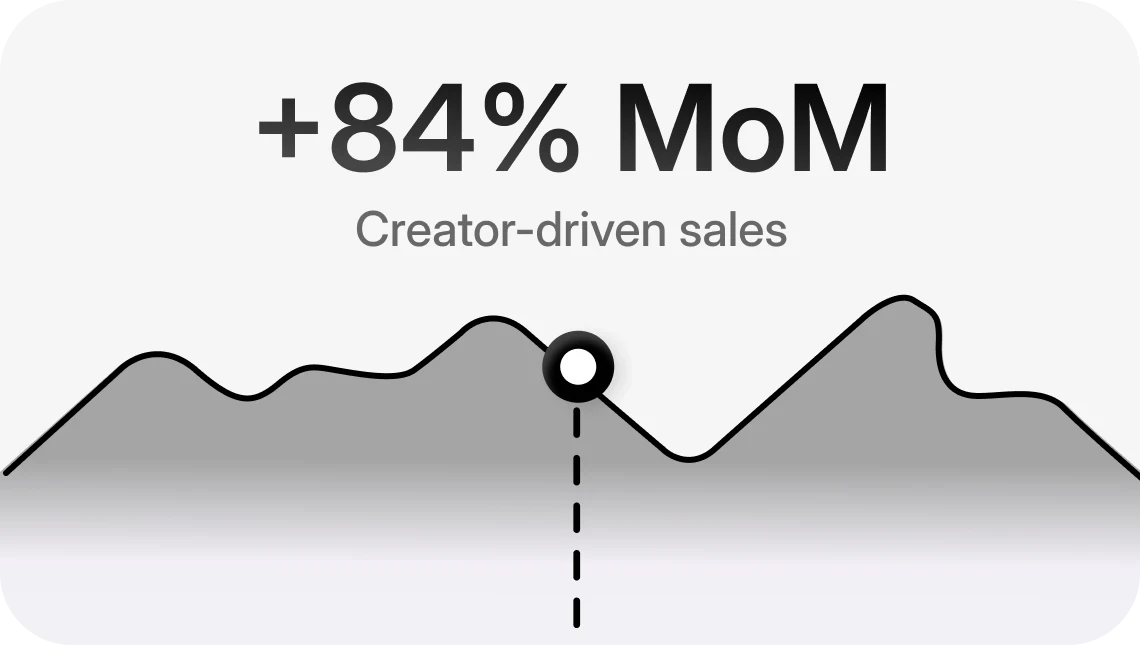
The program grew from 60 to 85 active creators with a 91% activation rate within the first two weeks. Weekly content output increased from an average of 1.2 posts per creator to 2.4 posts per creator. Storefront conversion rates averaged 4.7%, compared to 1.9% on the previous generic landing page. Total storefront GMV reached $187,000 in the third month, a 3.2x increase over the prior quarter's affiliate revenue. Content approval turnaround dropped from 72 hours to 18 hours. The brand identified its top 10 storefronts by GMV and allocated $12,000 in paid amplification budget to those creators' content, generating a 5.8x ROAS. Customer acquisition cost through storefronts was $11.40, compared to $22.60 through branded paid social campaigns.
Frequently Asked Questions
What makes FMCG creator storefront software different from a standard affiliate platform?
Standard affiliate platforms track clicks and conversions but offer no tools for managing the creator relationship, curating product assortments, reviewing content for compliance, or storing creator assets. FMCG creator storefront software integrates the entire creator lifecycle—onboarding, content management, storefront configuration, and performance analytics—into a single system designed for the high SKU velocity and volume requirements of consumer goods brands.
How many creators can an FMCG brand manage with Socialscale?
Socialscale is built to support programs ranging from 20 creators to several thousand. The platform's bulk operations—storefront provisioning, product assortment updates, and communication workflows—are specifically designed to maintain operational efficiency as programs scale. FMCG brands typically start with 50–100 creators and expand based on storefront performance data.
Can creator storefronts be customized by product category or campaign?
Yes. Each storefront can be configured with a unique product assortment, commission structure, and branding. FMCG brands commonly create category-specific storefronts—for example, a snack-focused storefront for food creators and a wellness-focused storefront for health creators—ensuring product-audience alignment that drives higher conversion rates.
How does Socialscale handle content compliance for regulated FMCG categories?
Socialscale provides configurable content approval workflows where designated team members review creator content before it is linked to storefronts or published. For FMCG categories with regulatory considerations—food and beverage claims, personal care ingredient disclosures, FTC affiliate disclosures—these workflows ensure every piece of content meets brand and legal standards before going live.
What is the typical timeline to launch an FMCG creator storefront program?
Most FMCG brands can launch their first cohort of creator storefronts within two to three weeks. This includes platform setup, product catalog integration, creator onboarding, storefront configuration, and initial content briefs. Brands with existing creator relationships can accelerate this timeline by migrating creators from previous programs directly into the storefront infrastructure.