FMCG Creator Collaboration Software for Scalable Influencer Seeding Coordination
Fast-moving consumer goods brands operate in a world where shelf velocity, trial generation, and repeat purchase depend on sustained visibility across social channels. Traditional advertising alone cannot keep pace with the volume of content needed to stay top-of-mind in categories like snacks, beverages, personal care, and household essentials. That is why leading FMCG teams are building always-on creator collaboration programs that turn product seeding into a reliable engine for social commerce growth.
Coordinating influencer seeding at scale across dozens or hundreds of creators, multiple SKUs, and overlapping campaign windows demands more than spreadsheets and email threads. FMCG brands need a purpose-built creator collaboration software that handles outreach, product fulfillment tracking, content approvals, rights management, and performance measurement in one place.
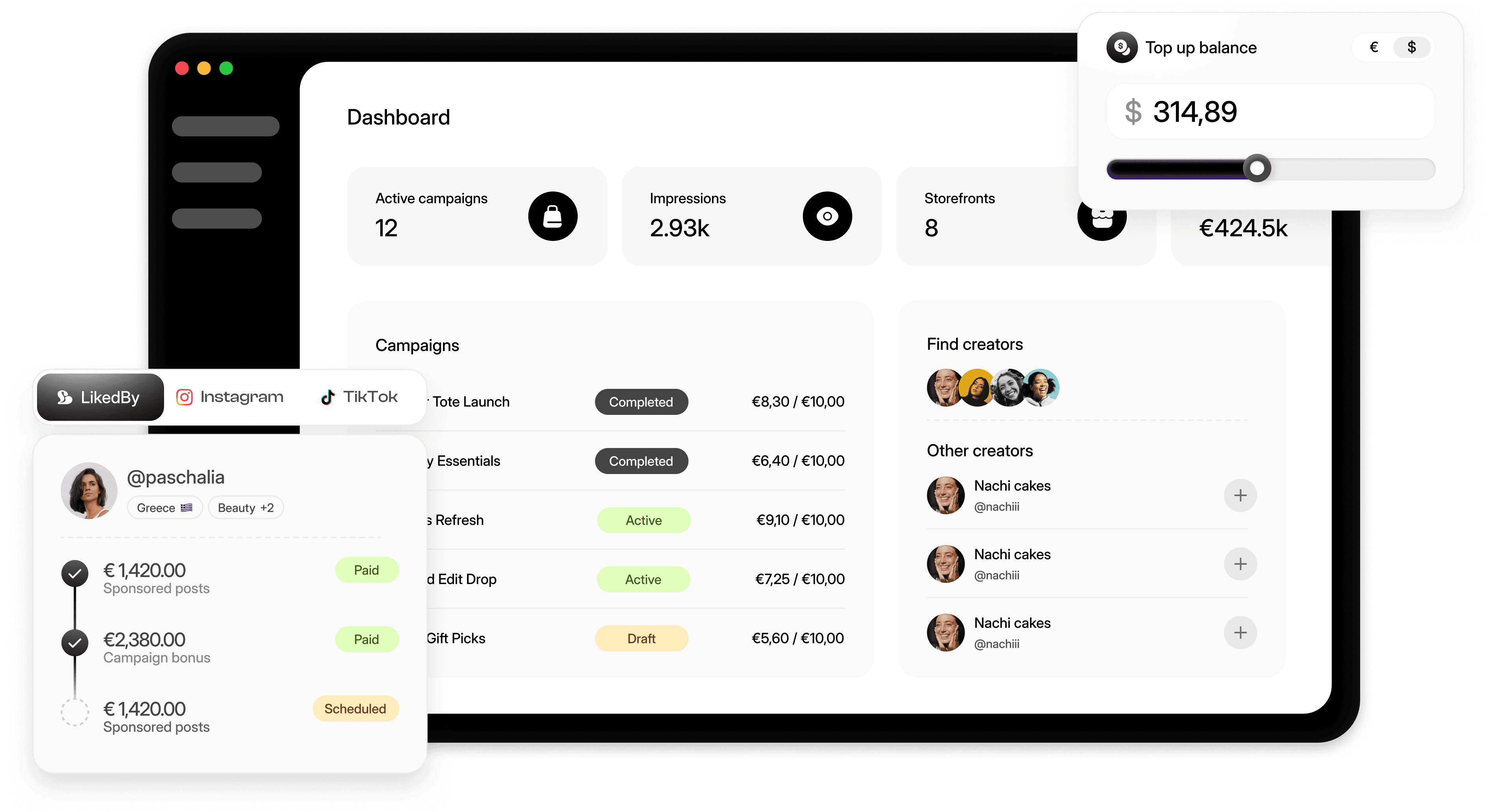
Socialscale is the operating system for social commerce that gives FMCG marketing teams end-to-end control over creator programs. From onboarding micro-creators for a new flavor launch to embedding shoppable creator content on product detail pages, Socialscale replaces fragmented workflows with a single platform designed for the speed and volume FMCG demands.
Key Challenges FMCG Brands Face with Creator Collaborations
FMCG marketing teams deal with unique operational pressures that make creator programs harder to scale than in most other industries. Below are the most common pain points that slow down influencer seeding coordination and limit return on creator investment.
1. High SKU Volume and Rapid Launch Cycles
FMCG brands regularly launch new variants, limited editions, and seasonal products. Each launch may require a distinct seeding wave with tailored briefs, different product shipments, and unique messaging. Managing this across dozens of creators per wave quickly overwhelms manual processes.
2. Coordinating Product Fulfillment at Scale
Unlike digital products, physical goods must be picked, packed, and shipped to creators with tracking. When seeding 200 creators for a new beverage SKU, a single fulfillment gap means missed posting windows, wasted product, and broken campaign timelines.
3. Content Quality and Brand Safety in High-Volume Programs
FMCG brands operate under strict regulatory and brand guidelines, especially in food, health, and personal care. Reviewing and approving content from hundreds of creators without a centralized approval workflow leads to off-brand posts, compliance risks, and delayed go-live dates.
4. Fragmented Creator Communication
Teams juggle DMs, emails, WhatsApp threads, and agency intermediaries. Critical details like posting deadlines, discount codes, and product claims get lost, resulting in inconsistent execution across creator cohorts.
5. Difficulty Measuring Seeding ROI
Most FMCG teams can track impressions and engagement, but connecting creator content to actual trial, conversion, or retail sell-through remains a persistent gap. Without clear performance data, it is hard to justify scaling budgets.
6. Lack of Reusable Content Infrastructure
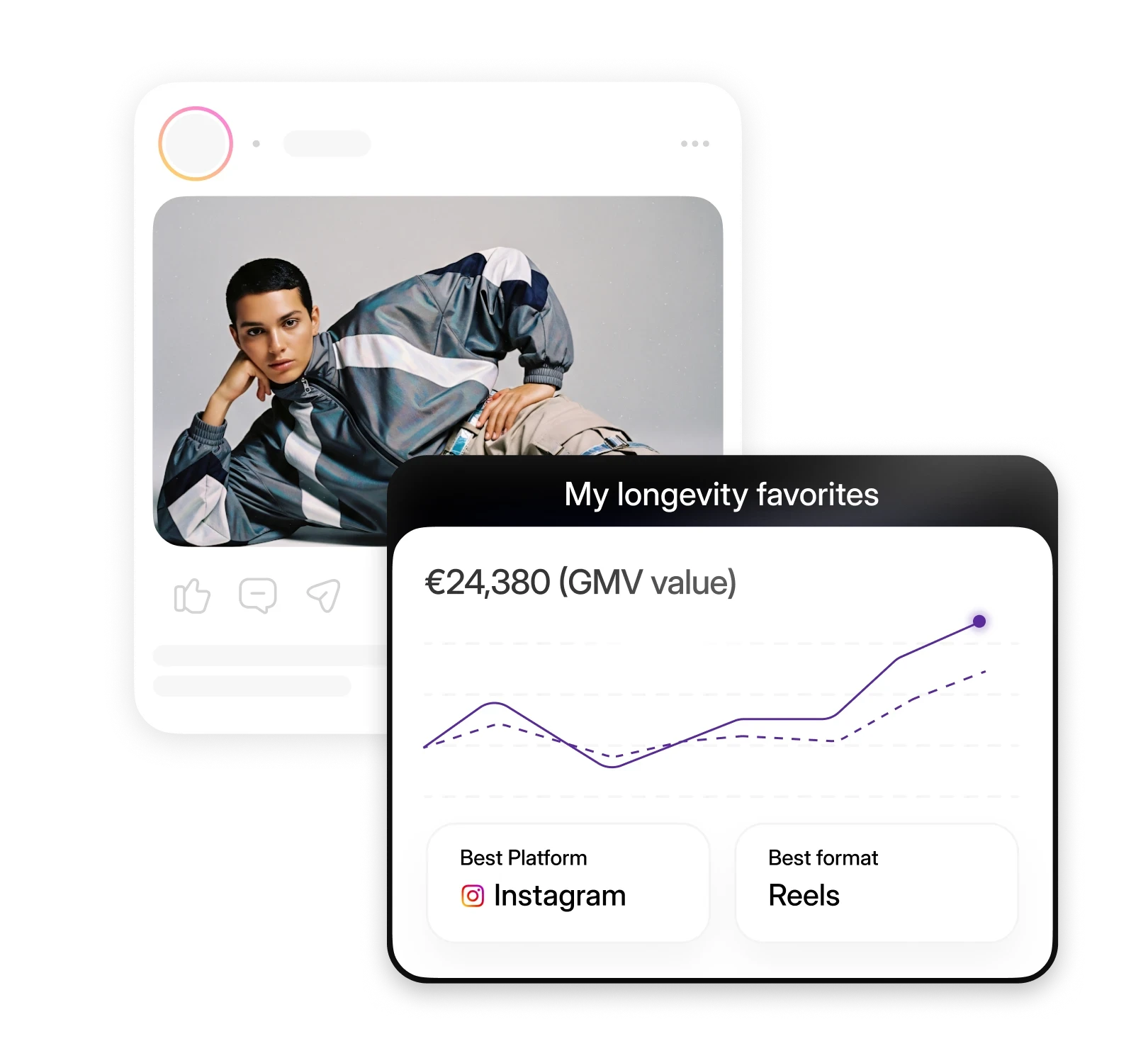
Creator-generated content often lives in scattered Google Drives, agency folders, and expired social posts. FMCG brands miss the opportunity to repurpose high-performing UGC across e-commerce pages, paid media, and retail media networks.
7. Managing Overlapping Campaign Windows
A typical FMCG brand might run a Ramadan campaign, a summer hydration push, and a back-to-school snack activation within the same quarter. Without a unified collaboration system, teams cannot see which creators are already committed, which are available, and which have exclusivity conflicts.
Why Traditional Tools Fail FMCG Creator Programs
Spreadsheets Cannot Handle Multi-Wave Seeding
A spreadsheet might work for a one-off campaign with 10 creators. When an FMCG brand runs monthly seeding waves across three product lines with 50 to 300 creators each, spreadsheets become error-prone bottlenecks. Version control breaks down, fulfillment status is never current, and there is no way to automate follow-ups or content collection.
Generic Project Management Tools Miss Creator-Specific Workflows
Tools like Asana or Monday.com can organize tasks, but they lack native support for creator onboarding forms, content approval pipelines, rights management, affiliate link generation, or performance tracking. Teams end up stitching together five or six tools, creating data silos and manual handoff points.
Influencer Marketplaces Focus on Discovery, Not Operations
Most influencer marketing platforms emphasize creator discovery and outreach. Once a creator is selected, the operational work of managing briefs, tracking shipments, reviewing content drafts, storing approved assets, and measuring downstream commerce impact falls outside the platform. FMCG teams need software that covers the full lifecycle, not just the top of the funnel.
Agency Dashboards Lack Brand-Side Visibility
When agencies manage creator programs on behalf of FMCG brands, the brand team often has limited real-time visibility into campaign status, content pipelines, and creator performance. This creates reporting delays and makes it difficult to make mid-campaign optimizations.
How Socialscale Solves FMCG Creator Collaboration at Scale
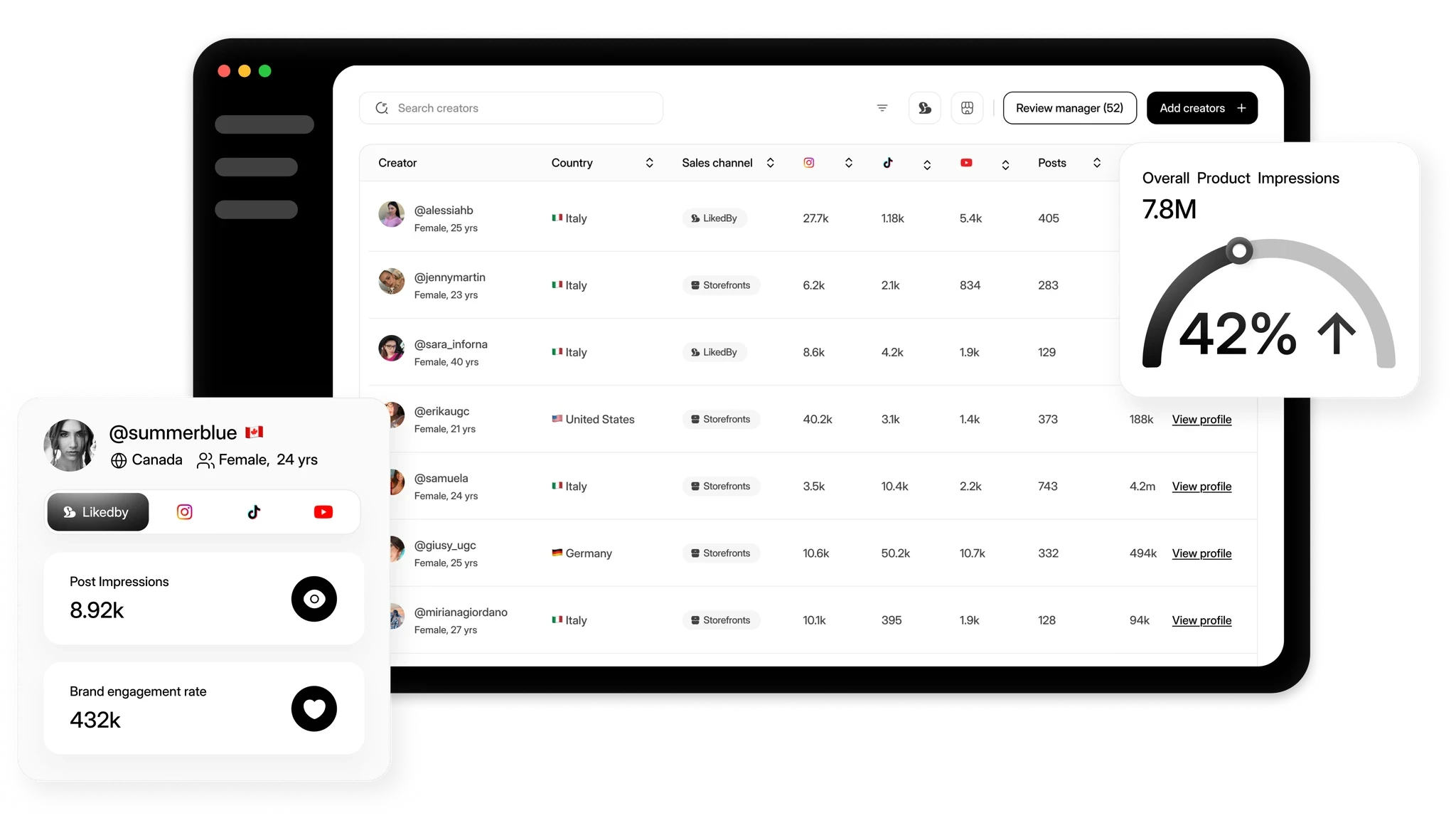
Socialscale is built as the operating system for social commerce, giving FMCG brands and their agency partners a single platform to run creator programs from first outreach to final revenue attribution. Instead of patching together discovery tools, email, cloud storage, and analytics dashboards, teams manage every step inside one system purpose-built for high-volume creator collaborations.
For FMCG brands running influencer seeding coordination across multiple SKUs and campaign waves, Socialscale provides structured collaboration workflows. Teams create campaign briefs with product-specific guidelines, onboard creators through branded intake forms, track product shipment and delivery status, collect and approve content through a centralized review pipeline, and store all approved assets in a searchable creator content library. Every piece of creator content is tagged by product, campaign, creator tier, and usage rights, making it instantly available for repurposing across e-commerce, paid social, and retail media.
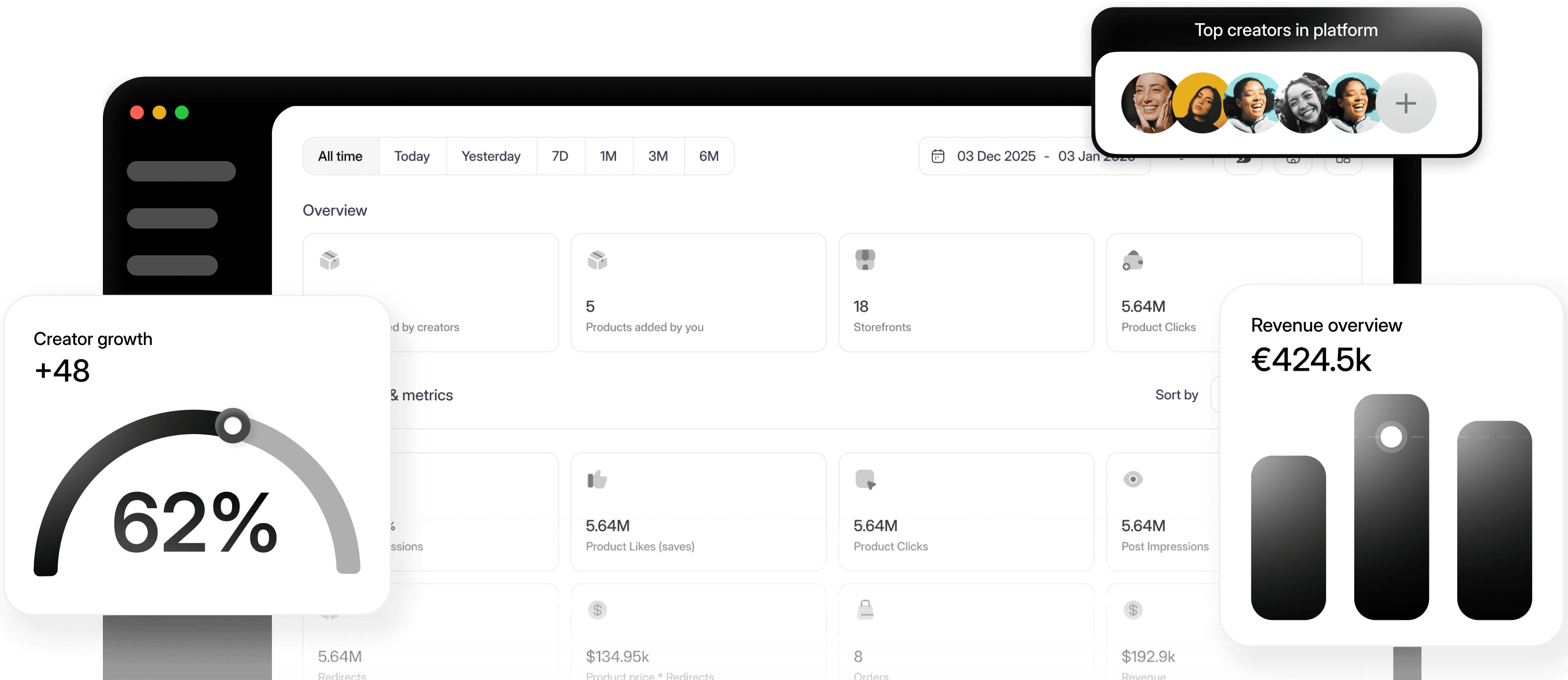
Performance tracking is built into the workflow. Socialscale connects creator output to commerce signals so FMCG teams can see which creators, content formats, and product categories drive the most engagement, traffic, and conversion. The creator analytics dashboard surfaces these insights in real time, enabling teams to double down on top performers and adjust seeding allocations mid-campaign.
Whether you are a brand team of three managing 100 creators or an agency coordinating programs for five FMCG clients simultaneously, Socialscale replaces operational chaos with repeatable, measurable workflows.
Feature Breakdown: FMCG Creator Collaboration Capabilities
Campaign and Brief Management
Create structured campaign briefs that include product details, key claims, do-and-don't lists, posting schedules, and hashtag requirements. Each brief can be customized per creator tier or product line, ensuring that a micro-creator seeding wave for a new snack bar has different guidelines than a macro-influencer partnership for a flagship beverage. Briefs are versioned and stored centrally, eliminating the confusion of emailed PDF attachments.
Creator Onboarding and CRM
Onboard creators through branded intake forms that capture shipping addresses, content preferences, audience demographics, dietary restrictions for food products, and contractual agreements. All creator data flows into a unified creator CRM where teams can segment by category affinity, past performance, location, and platform. This makes it fast to assemble the right cohort for each seeding wave without starting from scratch.
Product Seeding and Fulfillment Tracking
Log product shipments per creator, track delivery confirmation, and trigger automated reminders when products are delivered but content has not been submitted. For FMCG brands shipping perishable or temperature-sensitive goods, the ability to monitor fulfillment timelines is critical to ensuring creators receive products in optimal condition and post within the campaign window.
Content Review and Approval Pipeline
Creators submit drafts directly into the platform. Brand teams review, request revisions, and approve content through a structured pipeline with status tracking. Compliance teams can be added as reviewers for regulated categories like health supplements or baby care. Approved content is automatically tagged and moved into the asset library with full usage rights metadata.
UGC Asset Storage and Rights Management
Every approved photo, video, and story is stored in a centralized content drive organized by campaign, product, creator, and content type. Usage rights, expiration dates, and licensing terms are attached to each asset. FMCG e-commerce teams can pull high-performing UGC directly for product detail pages, email campaigns, and paid media without hunting through agency folders or expired Dropbox links.
Shoppable Creator Content Embedding
Embed creator content directly on e-commerce product pages, landing pages, and category pages using customizable widgets. For FMCG brands selling direct-to-consumer or through platforms like Shopify, this turns creator UGC into a conversion tool at the point of purchase, not just a top-of-funnel awareness play.
Creator Performance Tracking and Attribution
Track each creator's output across impressions, engagement rate, click-throughs, and downstream commerce actions. Assign affiliate links or discount codes to measure direct revenue contribution. Over time, build a performance database that informs future seeding decisions, budget allocation, and creator tier upgrades.
Use Cases: FMCG Creator Collaboration Scenarios
1. New Product Launch Seeding for a Snack Brand
A snack brand is launching a new protein bar in three flavors. The marketing team needs to seed 150 micro-creators across fitness, lifestyle, and foodie niches within a two-week window. Each creator receives a mixed flavor box with a personalized note and a unique discount code. The team uses structured briefs with flavor-specific talking points, tracks shipment delivery to trigger posting reminders, collects and approves content within five business days, and measures which flavor and which creator niche drives the most code redemptions. Top-performing creators are flagged for the next quarterly launch wave.
2. Seasonal Campaign Coordination for a Beverage Company
A beverage company runs a summer hydration campaign spanning June through August with three distinct creator waves: launch week buzz, mid-summer recipe content, and back-to-school wrap-up. Each wave involves 80 to 120 creators across TikTok and Instagram. The team manages overlapping timelines, ensures no creator is double-booked across waves unless intentional, and collects a library of recipe and lifestyle content that is repurposed on the brand's DTC site and Amazon storefront throughout the season.
3. Always-On Affiliate Creator Program for a Personal Care Brand
A personal care brand maintains an ongoing affiliate creator program with 300 active creators who receive new products quarterly and earn commission on sales driven through their unique storefronts. The program requires continuous onboarding of new creators, quarterly product shipment coordination, monthly performance reviews to identify top earners, and a content pipeline that feeds the brand's social commerce channels with fresh UGC every week. The team tracks creator lifetime value alongside individual campaign metrics.
4. Multi-Market Seeding for a Household Essentials Brand
A household essentials brand expanding into three new markets needs to seed local creators in each region with culturally relevant briefs and locally available SKUs. The team manages separate creator cohorts per market, customizes briefs for local language and usage context, coordinates with regional fulfillment partners, and consolidates performance data into a single dashboard. This enables the global marketing team to compare creator program effectiveness across markets and allocate budget to the highest-performing regions.
Weekly and Monthly Operational Workflow for FMCG Creator Seeding
Running a high-volume influencer seeding program requires disciplined operational cadences. Below is a practical workflow that FMCG teams can follow using a dedicated creator collaboration platform.
Campaign Planning and Brief Creation (Monthly)
At the start of each month, the marketing team defines upcoming seeding waves, selects target SKUs, sets campaign objectives and KPIs, and builds structured briefs with product claims, visual guidelines, posting schedules, and compliance requirements. Briefs are reviewed by legal or regulatory teams for categories that require it.
Creator Selection and Cohort Assembly (Monthly)
Using the creator CRM, the team filters and segments creators by niche, platform, past performance, location, and availability. Creators are grouped into campaign-specific cohorts. Returning high-performers are prioritized, and new creators are onboarded through intake forms to fill gaps in coverage or reach new audience segments.
Product Fulfillment and Shipment Tracking (Weekly)
The team coordinates with warehouse or fulfillment partners to ship products to each creator in the active cohort. Shipment tracking numbers are logged per creator. Automated notifications alert the team when deliveries are confirmed, and follow-up reminders are triggered if a creator has not acknowledged receipt within a set window.
Content Submission and Review (Weekly)
Creators submit draft content through the platform. The brand team reviews each submission against the brief, requests revisions where needed, and approves final versions. Approved content is tagged with campaign, product, and rights metadata and stored in the centralized asset library.
Content Go-Live and Amplification (Weekly)
Approved creators publish content on their channels according to the posting schedule. The team monitors live posts for compliance, tracks early engagement signals, and identifies content suitable for paid amplification or embedding on e-commerce pages as shoppable UGC.
Performance Monitoring and Mid-Campaign Optimization (Weekly)
The team reviews creator-level and campaign-level performance data including impressions, engagement rate, link clicks, discount code usage, and conversion metrics. Underperforming creators receive additional support or adjusted briefs. Budget is reallocated toward top-performing creator segments or content formats.
Monthly Reporting and Creator Tier Updates (Monthly)
At month end, the team compiles a performance report covering total content output, aggregate reach, commerce-driven revenue, cost per acquisition, and creator activation rate. High-performing creators are upgraded to higher tiers with increased product access or compensation. Inactive creators are flagged for re-engagement or removal from the active roster.
Asset Repurposing and Content Distribution (Ongoing)
The e-commerce and paid media teams pull top-performing UGC from the asset library for use on product pages, social ads, email campaigns, and retail media placements. Content performance in these secondary channels is tracked to build a full picture of creator content ROI beyond organic social.
Key Performance Metrics for FMCG Creator Collaboration Programs
Measuring the right KPIs ensures that FMCG creator seeding programs deliver measurable business outcomes, not just vanity metrics. The following metrics should be tracked at both the individual creator level and the aggregate campaign level.
Creator Activation Rate: Percentage of seeded creators who actually publish content within the campaign window. Target: above 80% for well-managed programs.
Content Approval Time: Average number of days from content submission to final approval. Faster approval means content goes live closer to the optimal posting window.
Content Output per Creator: Number of approved assets (photos, videos, stories) produced per creator per campaign wave.
Total Content Library Growth: Cumulative volume of approved, rights-cleared UGC assets available for repurposing across channels.
Engagement Rate: Average likes, comments, shares, and saves per post, segmented by platform, creator tier, and content format.
Click-Through Rate (CTR): Percentage of viewers who click affiliate links, discount codes, or shoppable content embeds.
Conversion Rate (CVR): Percentage of clicks that result in a purchase, sign-up, or other defined conversion action.
Gross Merchandise Value (GMV): Total revenue generated through creator-driven commerce actions including affiliate sales, discount code redemptions, and shoppable content purchases.
Return on Ad Spend (ROAS) / Cost Per Acquisition (CPA): When creator content is amplified through paid media, track ROAS and CPA to compare creator-driven paid performance against non-creator ad creative.
Creator Retention Rate: Percentage of creators who participate in multiple campaign waves, indicating program health and creator satisfaction.
Fulfillment Success Rate: Percentage of product shipments delivered on time and in good condition, critical for perishable FMCG goods.
Realistic Scenario: Mid-Size Beverage Brand Scales Creator Seeding
A mid-size functional beverage brand selling through Shopify DTC and Amazon was running creator seeding manually using spreadsheets, email, and Google Drive. The marketing team of four managed approximately 60 creators per quarter across Instagram and TikTok, spending roughly 25 hours per week on coordination, content collection, and reporting.
The Problem
The team wanted to scale to 200 creators per quarter to support three new flavor launches and a summer campaign. At their current pace, this would require hiring two additional coordinators. Content was scattered across email attachments and personal drives, making it impossible for the e-commerce team to find and repurpose UGC. There was no reliable way to connect creator posts to actual sales, so budget justification relied on impressions alone.
The Approach
The team adopted a dedicated FMCG creator collaboration software to centralize their program. They built standardized campaign briefs per flavor, onboarded all 200 creators through branded intake forms, tracked product fulfillment with delivery confirmations, collected and approved content through a single review pipeline, and stored all approved assets in a tagged content library. Affiliate links and unique discount codes were assigned to every creator for attribution.
Results Over One Quarter
Creator activation rate increased from 62% to 88%.
Average content approval time dropped from 8 days to 2.5 days.
Total approved UGC assets grew from 95 to 410 pieces in one quarter.
The e-commerce team embedded top-performing creator videos on five product pages, increasing product page conversion rate by 18%.
Discount code tracking attributed $47,000 in direct DTC revenue to the creator program, establishing a measurable ROAS of 4.2x on total program costs including product and shipping.
Weekly coordination time per team member dropped from 25 hours to 11 hours, freeing capacity for strategic planning without additional hires.
The brand now runs quarterly seeding waves as a repeatable process and uses creator performance data to inform retail buyer presentations and retail media creative selection.
Frequently Asked Questions
What makes FMCG creator collaboration software different from general influencer marketing platforms?
General influencer marketing platforms focus primarily on creator discovery and outreach. FMCG creator collaboration software covers the full operational lifecycle including product fulfillment tracking, content approval workflows with compliance review, UGC asset storage with rights management, and commerce attribution through discount codes and affiliate links. These capabilities are essential for FMCG brands that ship physical products to large creator cohorts on recurring schedules.
How many creators can an FMCG brand manage with Socialscale?
Socialscale is designed for programs ranging from 50 to thousands of active creators. The platform's structured workflows, automated reminders, and centralized content pipeline mean that a small team can manage hundreds of creators without proportional increases in headcount. Most FMCG teams see meaningful efficiency gains once they move beyond 75 active creators.
Can Socialscale handle multiple campaigns running simultaneously?
Yes. FMCG brands frequently run overlapping campaigns across product lines, seasons, and markets. Socialscale allows teams to manage multiple active campaigns with separate briefs, creator cohorts, and performance tracking while maintaining a unified view of all program activity in one dashboard.
How does creator content get repurposed for e-commerce and paid media?
All approved creator content is stored in a centralized asset library with tags for campaign, product, creator, content type, and usage rights. E-commerce teams can search and pull assets for product pages, and paid media teams can export content for ad creative. Shoppable content widgets allow brands to embed creator UGC directly on Shopify storefronts and landing pages.
What is the typical onboarding timeline for an FMCG brand?
Most FMCG teams are fully operational within two to three weeks. This includes configuring campaign templates, importing existing creator contacts into the CRM, setting up fulfillment tracking workflows, and training the team on content review and approval processes. Brands with existing creator rosters can begin running their first campaign within the first month.