Enterprise Creator Storefront Software Built for Brand-Scale Social Commerce
Enterprise brands investing in creator-led revenue channels need more than a basic affiliate link generator. They need enterprise creator storefront software that gives every creator a branded, shoppable destination while giving the brand full control over product catalogs, commission structures, content approvals, and performance attribution. That is the infrastructure layer where social commerce actually scales.
For teams managing hundreds or thousands of creators across multiple product lines, regions, and campaign cycles, the storefront is the conversion point where creator influence turns into measurable revenue. Without a centralized system to provision, manage, and optimize these storefronts, enterprise programs devolve into spreadsheet chaos, inconsistent brand experiences, and attribution gaps that make it impossible to defend budget.
This page breaks down how enterprise affiliate storefront infrastructure works inside Socialscale, what operational workflows it supports, and why legacy tools consistently fail brands operating at scale. If your team is evaluating influencer marketing software that can handle the complexity of enterprise creator programs, this is the architecture you need to understand.
Storefront Provisioning at Scale Is Manual and Slow
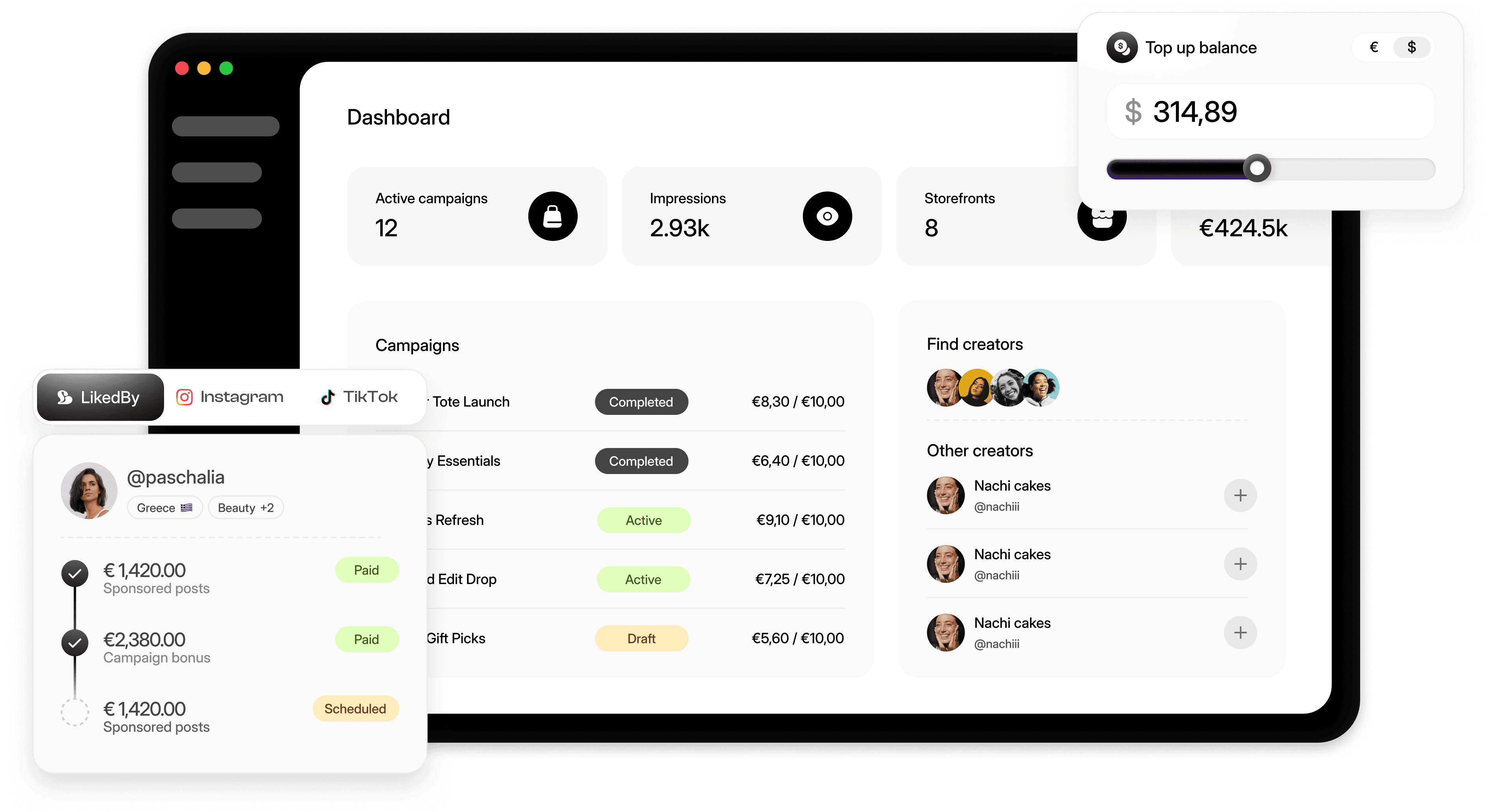
When an enterprise brand onboards 500 creators for a seasonal campaign, each creator needs a personalized storefront with curated product selections, unique tracking, and brand-compliant design. Most teams handle this through a painful combination of spreadsheets, email threads, and platform-specific workarounds that consume days of operational time per launch cycle.
Brand Consistency Breaks Down Across Creator Touchpoints
Enterprise brands invest heavily in brand guidelines, yet creator storefronts often look inconsistent. Different creators receive different product feeds, outdated imagery, or mismatched messaging. Without centralized storefront templates and approval workflows, the brand experience fragments across every creator touchpoint.
Attribution and Revenue Tracking Lack Granularity
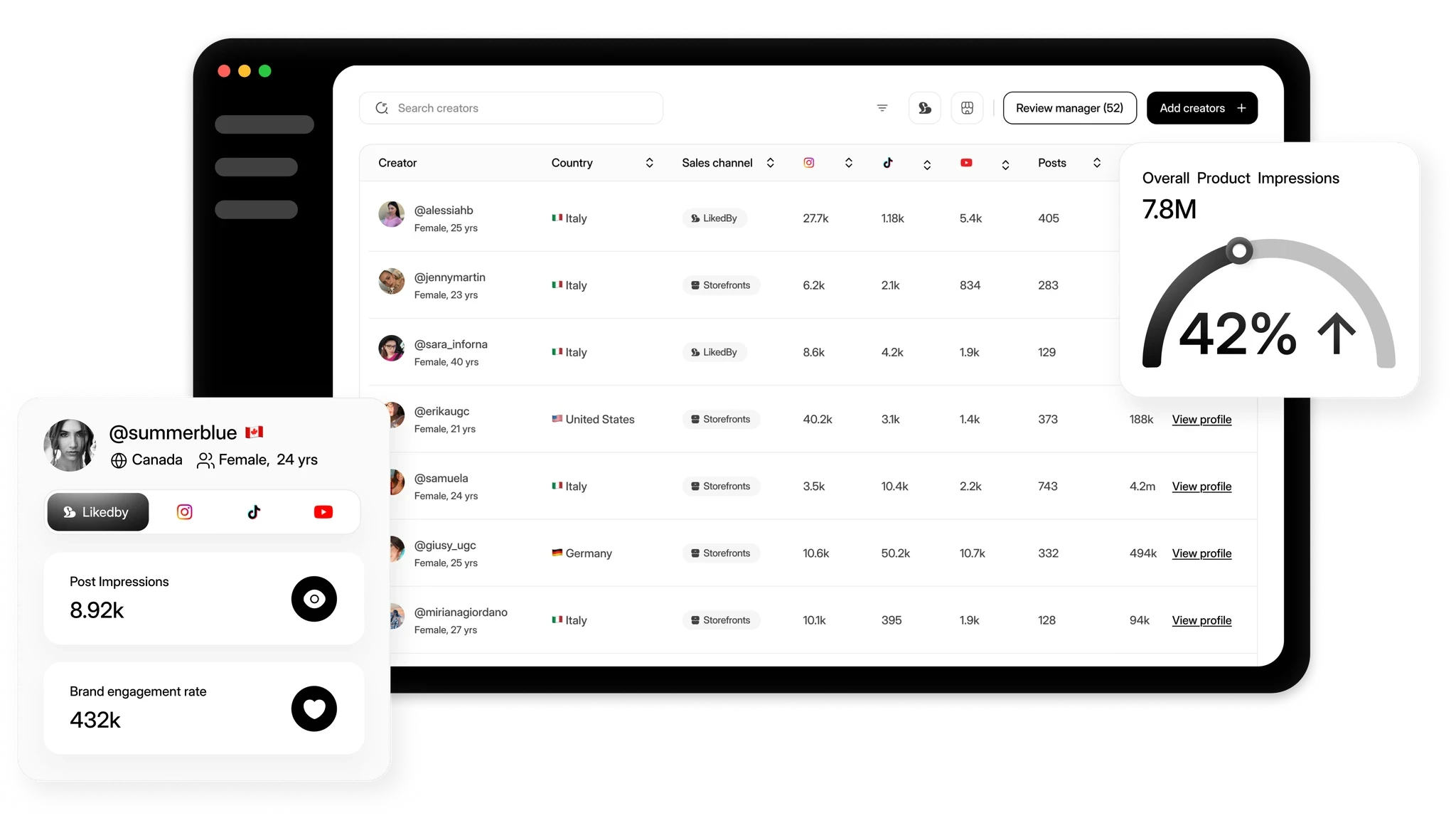
Finance and performance marketing teams need storefront-level revenue attribution broken down by creator, product SKU, campaign, and time period. Most affiliate tools provide aggregate data that cannot support the granular reporting enterprise brands require for budget allocation and creator tier optimization.
Commission Structures Cannot Reflect Program Complexity
Enterprise programs rarely use a flat commission rate. Brands need tiered commissions by creator performance level, product margin, campaign priority, and geographic market. Legacy tools force workarounds that create accounting headaches and creator disputes.
Content on Storefronts Is Static and Disconnected from UGC Pipelines
Creator storefronts should feature the creator's own content, including product reviews, styling videos, and unboxing clips. But most storefront tools treat content and commerce as separate systems, so storefronts display generic product images instead of the shoppable content that actually converts.
Creator Self-Service Is Limited or Nonexistent
At enterprise scale, the operations team cannot manually update every storefront for every creator. Creators need self-service capabilities to customize their storefronts within brand-approved guardrails, select featured products, and view their own performance data without generating support tickets.
Cross-Platform Storefront Management Creates Silos
Enterprise brands run creator programs across Instagram, TikTok, YouTube, and owned web properties simultaneously. Managing storefronts that work across these channels, each with different link formats, embed requirements, and audience behaviors, requires infrastructure that most point solutions cannot provide.
Affiliate Networks Were Built for Publishers, Not Creators
Traditional affiliate platforms like CJ, Rakuten, and ShareASale were designed for coupon sites and content publishers. Their storefront capabilities are limited to basic link pages with no brand customization, no UGC integration, and no creator-facing experience that feels native to social commerce workflows. Enterprise brands trying to force these platforms into creator storefront use cases end up with poor creator adoption and minimal conversion lift.
Influencer Platforms Stop at Campaign Management
Most influencer marketing software focuses on discovery, outreach, and campaign briefs. They treat the storefront as an afterthought, offering a generic landing page with affiliate links rather than a fully branded, shoppable creator destination. The result is a disconnected experience where campaign management lives in one tool, storefronts live in another, and performance data never reconciles cleanly.
Homegrown Solutions Cannot Keep Pace
Some enterprise brands build internal storefront tools using their e-commerce platform's API. These solutions work initially but become maintenance burdens as the program scales. Every new feature request, whether it is dynamic product feeds, creator-level analytics, or content embedding, requires engineering resources that should be focused on core product development.
Spreadsheet-Based Tracking Collapses Under Volume
Teams managing storefront assignments, commission calculations, and performance reporting in spreadsheets hit a ceiling around 50 to 100 active creators. Beyond that threshold, errors compound, reporting lags behind decisions, and the operations team spends more time on data management than on strategic program optimization.
How Socialscale Powers Enterprise Creator Storefront Infrastructure
Socialscale is the creator marketing platform purpose-built for brands and agencies that need to operate creator programs end-to-end, from onboarding through revenue attribution. The storefront capability is not a bolt-on feature. It is a core layer of the system, tightly integrated with creator onboarding, content management, collaboration workflows, and performance tracking.
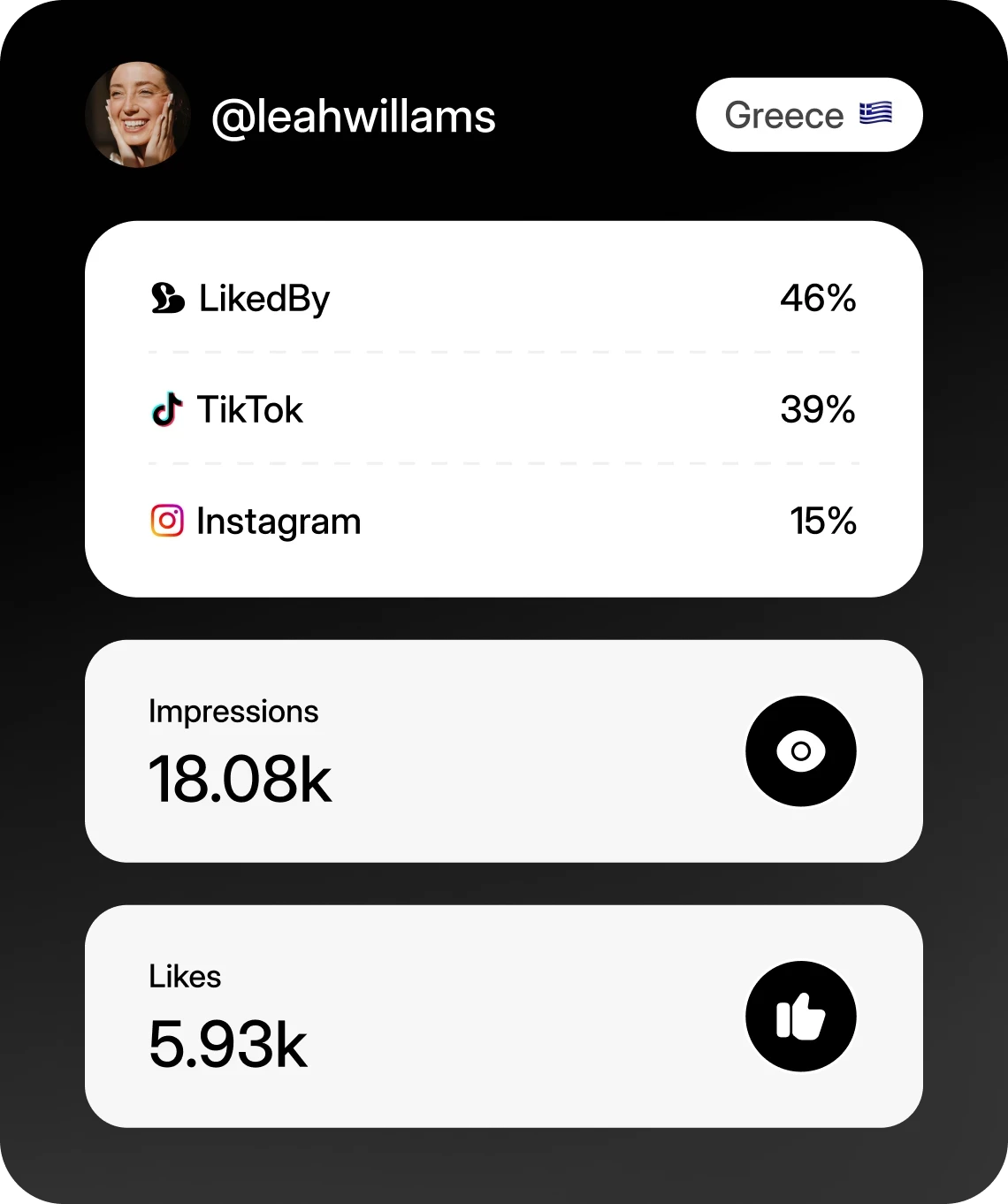
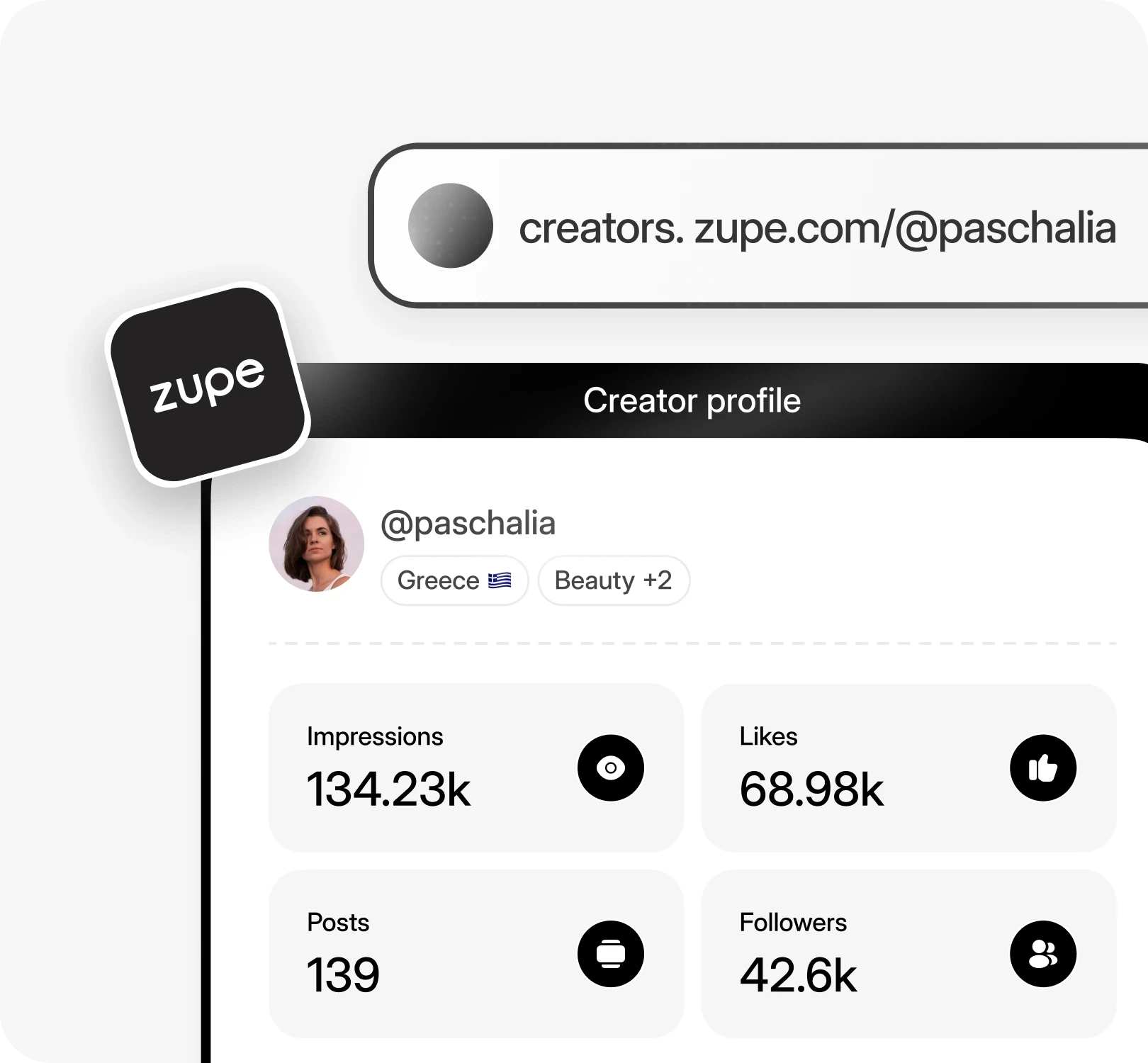
At the storefront level, Socialscale enables enterprise brands to provision branded, shoppable creator storefronts at scale. Each storefront pulls from a centralized product catalog, displays the creator's own approved content via shoppable creator widgets, and tracks every click, add-to-cart, and purchase back to the individual creator and campaign. Brands control the design templates, product availability, and commission rules centrally while giving creators self-service access to personalize within approved parameters.
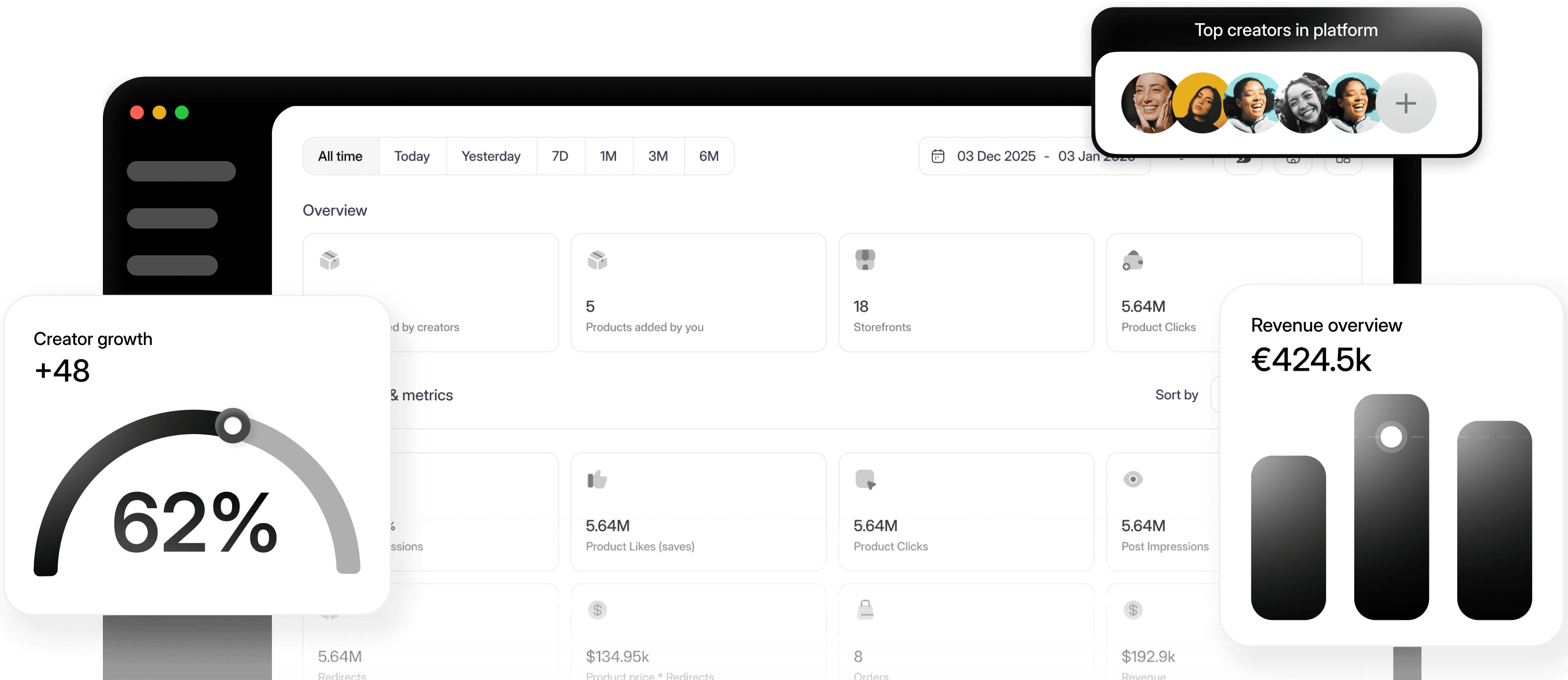
The platform connects storefront data directly to the creator analytics dashboard, so performance marketing managers can see storefront conversion rates, average order values, and revenue contribution by creator tier in real time. This eliminates the reconciliation gap between affiliate data and campaign reporting that plagues most enterprise programs.
For teams managing UGC pipelines alongside storefronts, Socialscale's content storage and approval workflows ensure that every piece of creator content flowing into a storefront has been reviewed, rights-cleared, and tagged for performance tracking. The storefront becomes a living, converting asset rather than a static link page.
Enterprise Storefront Capabilities in Detail
Centralized Storefront Provisioning and Templates
Brand teams create storefront templates that enforce visual guidelines, product catalog rules, and messaging standards. When a new creator is onboarded through the creator CRM, their storefront is automatically provisioned from the appropriate template based on their tier, product vertical, or campaign assignment. This reduces storefront setup time from hours per creator to seconds.
Dynamic Product Catalog Management
Storefronts pull from a centralized product feed that the brand controls. When products go out of stock, prices change, or seasonal collections rotate, every creator storefront updates automatically. Brands can also assign product subsets to specific creator segments, ensuring that a fitness creator's storefront only features activewear while a beauty creator's storefront highlights skincare.
Shoppable Creator Content Embedding
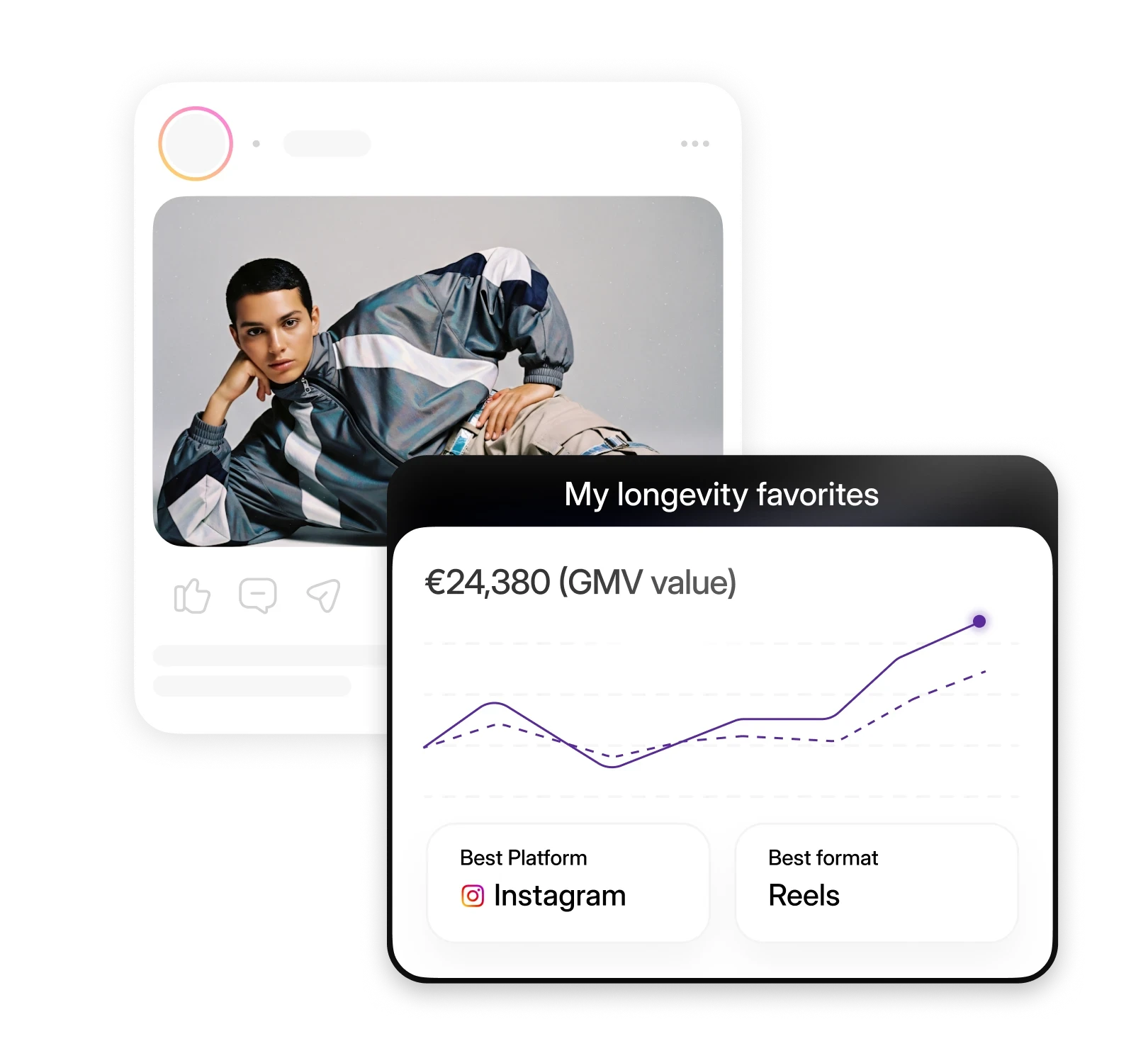
Each storefront can display the creator's own approved content, including video reviews, styled photography, and tutorial clips, directly alongside product listings. This transforms the storefront from a generic product page into a creator-curated shopping experience that mirrors the social commerce behavior audiences expect. Content is managed and approved through the platform's UGC management workflows before it appears on any storefront.
Tiered and Dynamic Commission Structures
Enterprise brands configure commission rules that reflect real program economics. Set base rates by product category, apply multipliers for top-performing creators, run bonus commission windows during campaign peaks, and adjust rates by geographic market. All commission calculations are automated and visible to creators in their self-service dashboard, reducing disputes and support overhead.
Creator Self-Service Dashboard
Creators access their own storefront management panel where they can select featured products from the approved catalog, customize their storefront bio and imagery within brand guidelines, view real-time performance metrics, and track their earnings. This self-service layer is critical at enterprise scale because it reduces the operational burden on the brand team while keeping creators engaged and invested in their storefront performance.
Storefront-Level Attribution and Tracking
Every storefront interaction is tracked with granular attribution. The system captures traffic source, product views, add-to-cart events, purchases, and return rates at the individual storefront and creator level. This data feeds directly into campaign-level and program-level reporting, giving performance marketing managers the attribution clarity they need to optimize spend and creator mix.
Content Rights and Approval Workflows
Before any creator content appears on a storefront, it passes through a configurable approval workflow. Brand teams review content for compliance, messaging accuracy, and visual quality. Approved content is tagged with usage rights metadata and stored in the platform's creator content storage system, creating a permanent, searchable library of rights-cleared assets tied to specific storefronts and campaigns.
Multi-Channel Storefront Distribution
Storefronts are designed to work across channels. Creators share their storefront link on Instagram bios, TikTok profiles, YouTube descriptions, and email newsletters. The storefront experience is optimized for mobile-first audiences, and tracking persists across referral sources so the brand can see which channels drive the most storefront revenue per creator.

Enterprise Storefront Scenarios in Practice
Global CPG Brand Scaling Regional Creator Programs
A consumer packaged goods company operating in 12 markets needs localized creator storefronts for each region. Each storefront features region-specific product assortments, local pricing, and creator content in the local language. Regional marketing managers control their creator rosters and storefront configurations while the global team maintains brand template standards and monitors aggregate performance across all markets. The storefront infrastructure handles currency, product availability, and commission rules per region without requiring separate platform instances.
Fashion Retailer Running Seasonal Affiliate Creator Campaigns
A fashion enterprise launches four major seasonal campaigns per year, each involving 300 to 500 creators across micro, mid-tier, and macro segments. For each campaign, creator storefronts are provisioned with the new seasonal collection, updated hero imagery, and campaign-specific commission bonuses. Creators receive their storefront links within 24 hours of campaign kickoff. As the season progresses, the brand rotates featured products on storefronts based on inventory levels and sell-through rates, ensuring creators are always promoting available, high-margin items.
Consumer Electronics Brand Building Always-On Creator Storefronts
Rather than running episodic campaigns, a consumer electronics company maintains persistent creator storefronts for its top 200 brand ambassadors. Each storefront evolves as new products launch, with the brand pushing updated product feeds and creator content to storefronts automatically. Creators treat their storefront as a long-term revenue asset, regularly creating new content to drive traffic. The brand monitors monthly storefront GMV by creator tier and uses performance data to adjust commission tiers quarterly, rewarding consistent performers with higher rates and exclusive product access.
Multi-Brand Holding Company Centralizing Creator Commerce
A holding company with five distinct consumer brands consolidates its creator storefront infrastructure onto a single platform. Each brand maintains its own storefront templates, product catalogs, and creator rosters, but the holding company's commerce team has a unified view of creator performance, commission payouts, and revenue attribution across all brands. This centralization eliminates redundant tooling costs, enables cross-brand creator identification, and provides executive-level reporting on the total creator commerce contribution across the portfolio.
Weekly and Monthly Operational Workflow for Enterprise Storefront Management
Running enterprise creator storefronts requires disciplined operational cadences. Below is the workflow that high-performing brand teams follow to keep their storefront programs optimized and scalable.
Creator Onboarding and Storefront Provisioning (Ongoing)
As new creators are approved through the creator CRM, their storefronts are automatically provisioned based on their assigned tier and product vertical. The operations team reviews each new storefront within 48 hours to confirm product selection accuracy and brand compliance before the creator begins promoting.
Weekly Product Feed Updates
Every Monday, the e-commerce team syncs the product catalog to reflect inventory changes, new arrivals, and discontinued items. Storefront product displays update automatically, but the operations team spot-checks high-traffic storefronts to ensure featured products are in stock and correctly priced.
Content Review and Storefront Refresh (Weekly)
The brand team reviews newly submitted creator content each Wednesday. Approved content is pushed to the relevant creator storefronts, replacing older assets and keeping the shopping experience fresh. Content that does not meet brand standards is flagged with revision notes and returned to the creator through the collaboration workflow.
Weekly Performance Review
Every Friday, the performance marketing manager pulls storefront-level reports covering traffic, conversion rate, average order value, and revenue by creator. Underperforming storefronts are flagged for optimization, which may include product assortment changes, content refreshes, or direct outreach to the creator with promotional guidance.
Bi-Weekly Creator Communication
Every two weeks, the creator operations team sends performance summaries to all active storefront creators. Top performers receive recognition and early access to new product launches. Creators below activation thresholds receive tailored recommendations for improving their storefront traffic and conversion.
Monthly Commission Reconciliation and Payout
At month-end, the finance team reviews automated commission calculations, verifies against return and cancellation data, and processes payouts. The platform's commission engine handles tiered rates, bonus multipliers, and campaign-specific overrides, reducing manual calculation to exception handling only.
Monthly Program Optimization Review
The social commerce lead convenes a monthly review with performance marketing, brand, and operations stakeholders. The team analyzes storefront GMV trends, creator tier distribution, content performance on storefronts, and commission ROI. Decisions are made on tier adjustments, product catalog strategy, and creator recruitment targets for the coming month.
Quarterly Strategic Planning
Each quarter, the program lead presents storefront performance data to executive stakeholders, including total GMV attributed to creator storefronts, cost per acquisition through the storefront channel, and year-over-year growth. This data informs budget allocation for the next quarter's creator recruitment, commission investment, and platform feature requests.
Key Performance Indicators for Enterprise Creator Storefronts
Measuring the right KPIs ensures that storefront programs deliver measurable business outcomes rather than vanity metrics. The following indicators should be tracked at the individual storefront, campaign, and program levels.
Storefront Activation Rate: Percentage of onboarded creators who actively promote their storefront within the first 14 days. Target: above 75% for managed programs.
Storefront Traffic Volume: Unique visitors per storefront per week, segmented by referral channel (Instagram, TikTok, YouTube, direct).
Storefront Conversion Rate (CVR): Percentage of storefront visitors who complete a purchase. Enterprise benchmarks typically range from 2.5% to 6% depending on product category and price point.
Average Order Value (AOV): Mean purchase value per storefront transaction, tracked by creator tier and product vertical.
Gross Merchandise Value (GMV): Total revenue generated through creator storefronts, reported weekly, monthly, and quarterly at program and individual creator levels.
Click-Through Rate (CTR): Rate at which storefront visitors click on individual product listings, indicating product assortment relevance and content effectiveness.
Content Approval Turnaround Time: Average time from creator content submission to approval and storefront publication. Target: under 48 hours for enterprise programs.
Commission-to-Revenue Ratio: Total commission paid as a percentage of storefront GMV, used to evaluate program profitability and optimize commission structures.
Return on Ad Spend (ROAS) for Amplified Storefronts: When brands invest paid media behind creator storefronts, ROAS measures the efficiency of that amplification spend relative to storefront revenue.
Cost Per Acquisition (CPA): Total program cost (commissions, platform fees, operational overhead) divided by the number of new customers acquired through creator storefronts.
Creator Retention Rate: Percentage of storefront creators who remain active quarter over quarter, indicating program health and creator satisfaction.
Content Output per Creator: Average number of approved content assets produced per creator per month, measuring creator engagement depth beyond simple link sharing.
Enterprise Scenario: Global Athleisure Brand Scales Creator Storefronts Across Three Regions
A global athleisure brand with $2B in annual revenue decided to consolidate its fragmented creator affiliate programs across North America, Europe, and Asia-Pacific into a unified storefront infrastructure. Previously, each region operated independently using different affiliate networks, spreadsheet-based tracking, and inconsistent creator experiences. The brand's social commerce lead identified three critical problems: creator onboarding took an average of 12 days per region, storefront conversion rates varied wildly due to inconsistent product feeds, and the finance team spent 40 hours per month reconciling commission data across three separate systems.
After implementing centralized enterprise creator storefront software, the brand provisioned standardized storefront templates for each region with localized product catalogs, pricing, and language. Creator onboarding time dropped from 12 days to 3 days because storefront provisioning was automated upon CRM approval. The brand onboarded 1,200 creators across all three regions within the first quarter.
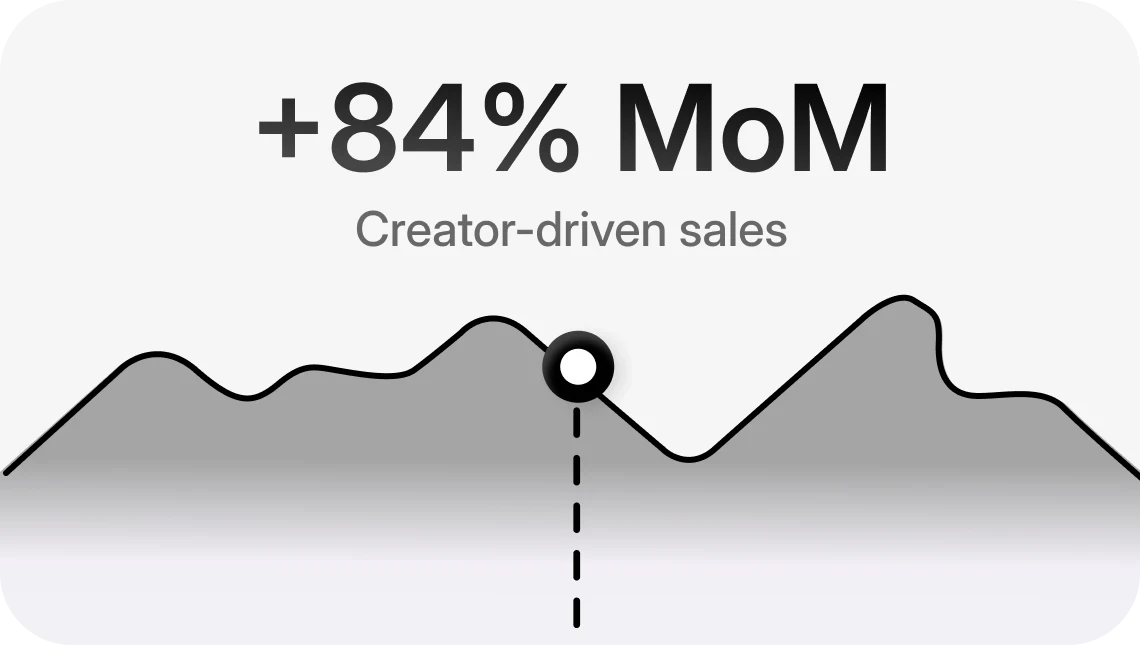
Within six months, the program delivered measurable results. Storefront activation rate reached 82%, meaning 82% of onboarded creators were actively driving traffic within two weeks. Average storefront conversion rate improved from 2.1% to 4.3% after the brand began embedding approved creator content directly on storefronts instead of using generic product imagery. Monthly GMV attributed to creator storefronts grew from $340,000 to $1.8M. The commission-to-revenue ratio stabilized at 11.5%, well within the brand's target margin. Finance team reconciliation time dropped from 40 hours to 6 hours per month due to automated commission calculations and centralized reporting.
The brand's e-commerce director reported that creator storefronts became the fastest-growing owned revenue channel, outpacing email marketing in customer acquisition cost efficiency by the second quarter of operation. The program is now expanding to include a fourth region and testing paid amplification of top-performing creator storefronts to further scale GMV.
Frequently Asked Questions About Enterprise Creator Storefront Software
How is enterprise creator storefront software different from a standard affiliate link platform?
Standard affiliate platforms generate tracking links that direct users to the brand's main website. Enterprise creator storefront software creates dedicated, branded shopping destinations for each creator with curated product selections, embedded creator content, and granular attribution. The storefront functions as a personalized shopping experience that converts at higher rates than generic affiliate links because it combines creator trust with a tailored product assortment. Additionally, enterprise storefront infrastructure supports tiered commissions, automated provisioning at scale, and centralized content approval workflows that affiliate link platforms do not offer.
How many creator storefronts can be managed simultaneously?
Enterprise storefront infrastructure is designed to support thousands of concurrent storefronts. The system uses template-based provisioning, so adding a new storefront requires only assigning a creator to a template and product catalog segment. Brands managing 500 to 5,000 active storefronts use automated workflows to handle product feed updates, content refreshes, and performance monitoring without proportional increases in operational headcount.
Can creator storefronts display the creator's own content instead of generic product images?
Yes. This is one of the most important differentiators of a modern creator storefront. Approved creator content, including product review videos, styled photography, and tutorial clips, can be embedded directly on the storefront alongside product listings. This shoppable content approach mirrors the social commerce experience that audiences expect and consistently outperforms storefronts that rely on standard product catalog imagery.
How does storefront revenue attribution work across multiple channels?
Each creator storefront has a unique URL and tracking parameters. When a creator shares their storefront link on Instagram, TikTok, YouTube, or any other channel, the platform captures the referral source alongside all downstream engagement and purchase events. This means the brand can see not only which creator drove a sale but which specific channel and content piece originated the storefront visit. Attribution data is available in real time and aggregated into campaign and program-level reports.
What level of brand control exists over creator storefront appearance and product selection?
Enterprise brands maintain full control through centralized templates and product catalog rules. The brand team defines storefront design templates, approved color palettes, logo placement, product catalog segments, and messaging guidelines. Creators can personalize within these guardrails, such as selecting featured products from their approved catalog or customizing their bio, but they cannot override brand-level design or product rules. This balance ensures brand consistency while giving creators enough ownership to stay engaged with their storefront.