Enterprise Creator Drive for Luxury Brands: Secure Influencer Asset Storage Built for Prestige
Luxury brands operate under a different set of rules. Every image, video, and piece of creator content must meet exacting brand standards, comply with licensing agreements, and remain accessible only to authorized stakeholders. When your brand collaborates with dozens or hundreds of creators across seasonal campaigns, editorial partnerships, and social commerce activations, the volume of high-resolution assets grows rapidly—and so does the risk of misuse, version confusion, and lost content.
An enterprise creator drive purpose-built for luxury brands solves this by centralizing every piece of influencer-generated content in a secure, organized, and searchable environment. Rather than scattering assets across email threads, Google Drive folders, and agency portals, teams gain a single source of truth where every file is tagged by campaign, creator, product line, usage rights, and approval status.
This is not generic cloud storage. It is a content operations layer designed for the specific workflows of luxury influencer marketing—where brand integrity is non-negotiable, where assets fuel shoppable content across owned channels, and where social commerce performance depends on having the right creative at the right moment.
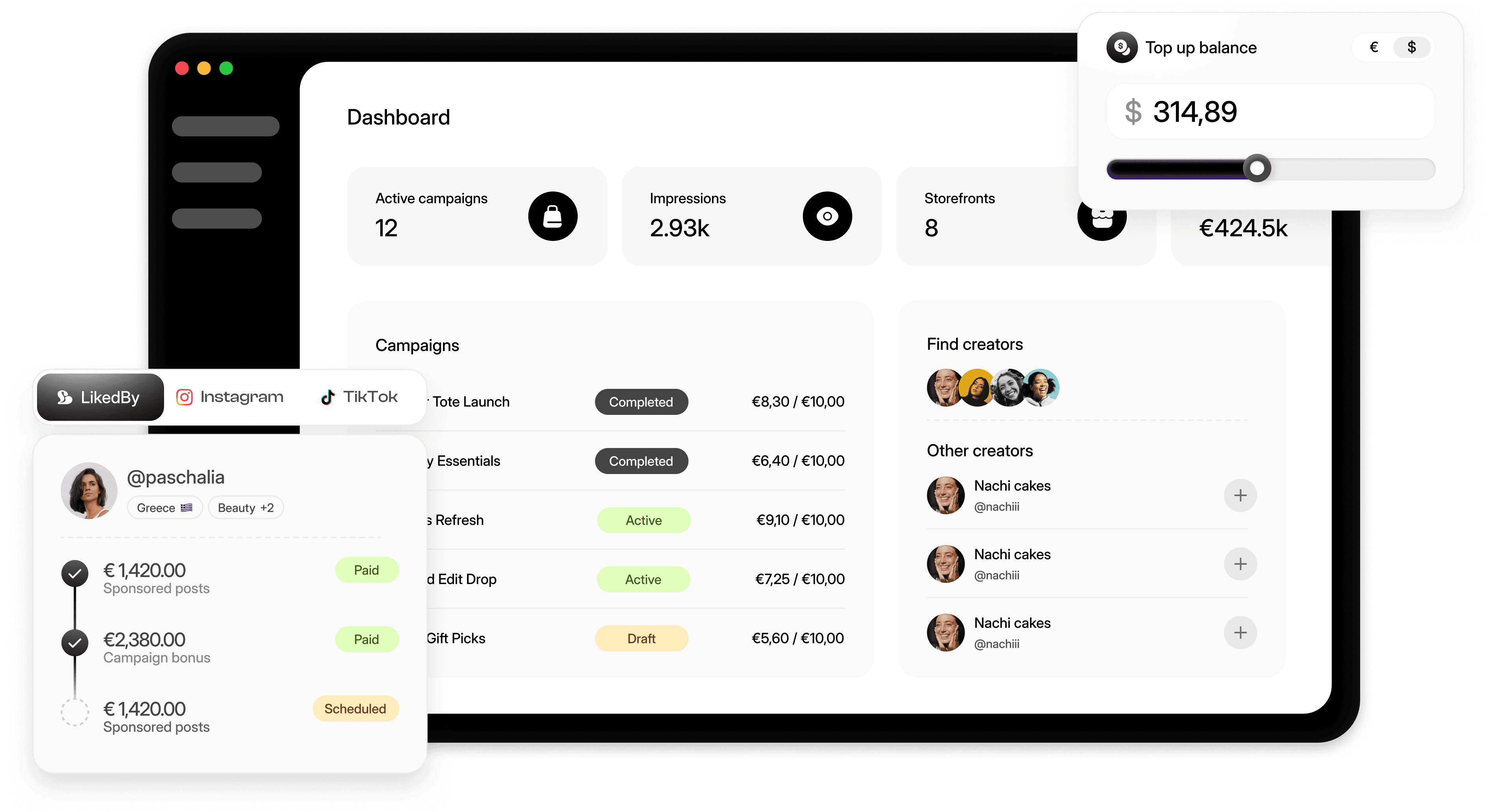
Brand Integrity at Scale
Luxury brands invest heavily in visual identity. When creator content enters the ecosystem, maintaining consistency across hundreds of assets—from haute couture campaign shoots to influencer unboxing videos—becomes a serious operational challenge. A single off-brand image surfacing on a product page can erode the perception of exclusivity that took years to build.
Complex Usage Rights and Licensing
Creator contracts in the luxury space often include highly specific usage terms: geographic restrictions, channel limitations, time-bound licenses, and exclusivity clauses. Tracking which assets can be repurposed, where, and for how long is nearly impossible when files live in disconnected systems.
High-Volume Seasonal Campaigns
From Resort and Pre-Fall to Holiday Gift Guides and Couture Week activations, luxury brands run overlapping campaigns with tight timelines. Each campaign generates a wave of creator content that must be ingested, reviewed, approved, and deployed without delay.
Multi-Stakeholder Approval Workflows
Content produced by creators typically passes through brand managers, legal teams, creative directors, and sometimes regional marketing leads before it can go live. Without a centralized system, approval bottlenecks slow down time-to-market and frustrate creator relationships.
Protecting Unreleased Product Imagery
Luxury brands frequently share pre-launch products with creators under embargo. Leaked imagery of an unreleased handbag or fragrance can undermine an entire go-to-market strategy. Secure access controls are essential, not optional.
Disconnected Content and Commerce
Creator content that performs well on social channels often never makes it to product detail pages, lookbooks, or shoppable galleries. The disconnect between where content is stored and where it needs to be deployed costs luxury brands measurable revenue in their social commerce programs.
Agency and Internal Team Fragmentation
Many luxury houses work with multiple agencies across regions—one for North America, another for EMEA, a third for APAC. Each agency may use its own storage solution, making it impossible to maintain a unified content library or enforce consistent brand standards globally.
Generic Cloud Storage Lacks Context
Tools like Google Drive, Dropbox, and Box were designed for general file storage, not for managing creator content. They offer no way to tag assets by campaign, creator handle, product SKU, usage rights expiration, or approval status. Teams end up building fragile folder structures that break down as soon as campaign volume increases.
DAM Systems Are Overbuilt and Disconnected
Enterprise Digital Asset Management platforms like Bynder or Brandfolder serve brand-produced assets well, but they were never designed to handle the unique metadata and workflows of influencer-generated content. They lack native connections to creator CRM data, collaboration histories, or performance metrics—making it impossible to understand which creator assets actually drive results.
Email and Messaging Threads Create Black Holes
A significant percentage of creator content in luxury programs is still exchanged via email attachments, WeTransfer links, and WhatsApp messages. These assets are effectively lost the moment the thread is archived. When a brand manager needs to pull a specific creator's holiday campaign video six months later for a retrospective or re-licensing discussion, it simply cannot be found.
No Link Between Storage and Performance
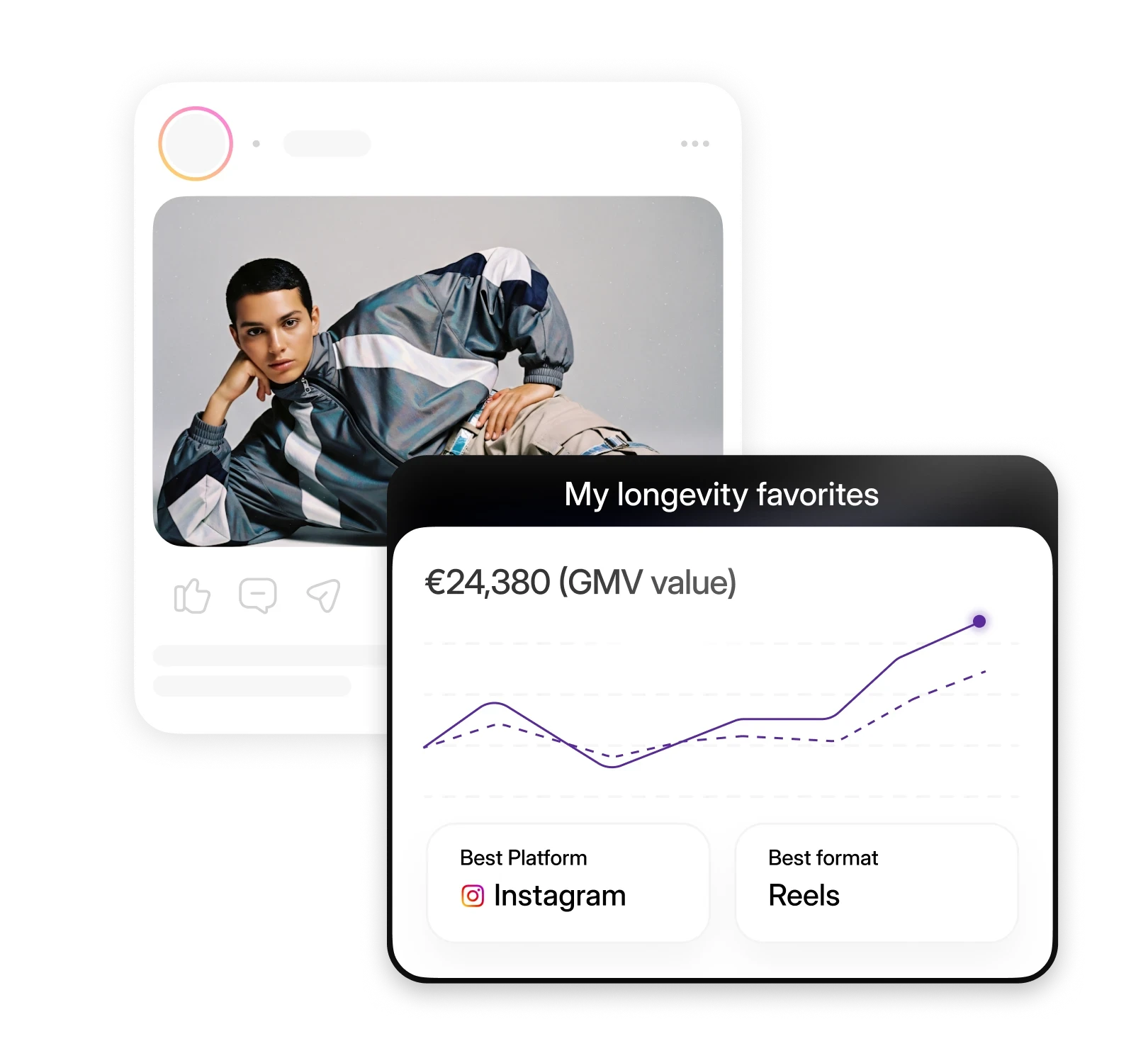
Traditional tools treat content as static files. They cannot tell you which creator's product flat-lay generated the highest click-through rate when embedded on a product page, or which video drove the most affiliate conversions. Without this connection, luxury brands cannot make data-informed decisions about which content to amplify, re-license, or use as a benchmark for future briefs.
Security and Permissions Are Rudimentary
Luxury brands need role-based access that goes beyond simple view/edit permissions. They need the ability to restrict access by campaign, by region, by product category, and by embargo date. Most general-purpose storage tools cannot enforce these granular controls without cumbersome workarounds.
How Socialscale's Creator Drive Solves Secure Asset Storage for Luxury Brands
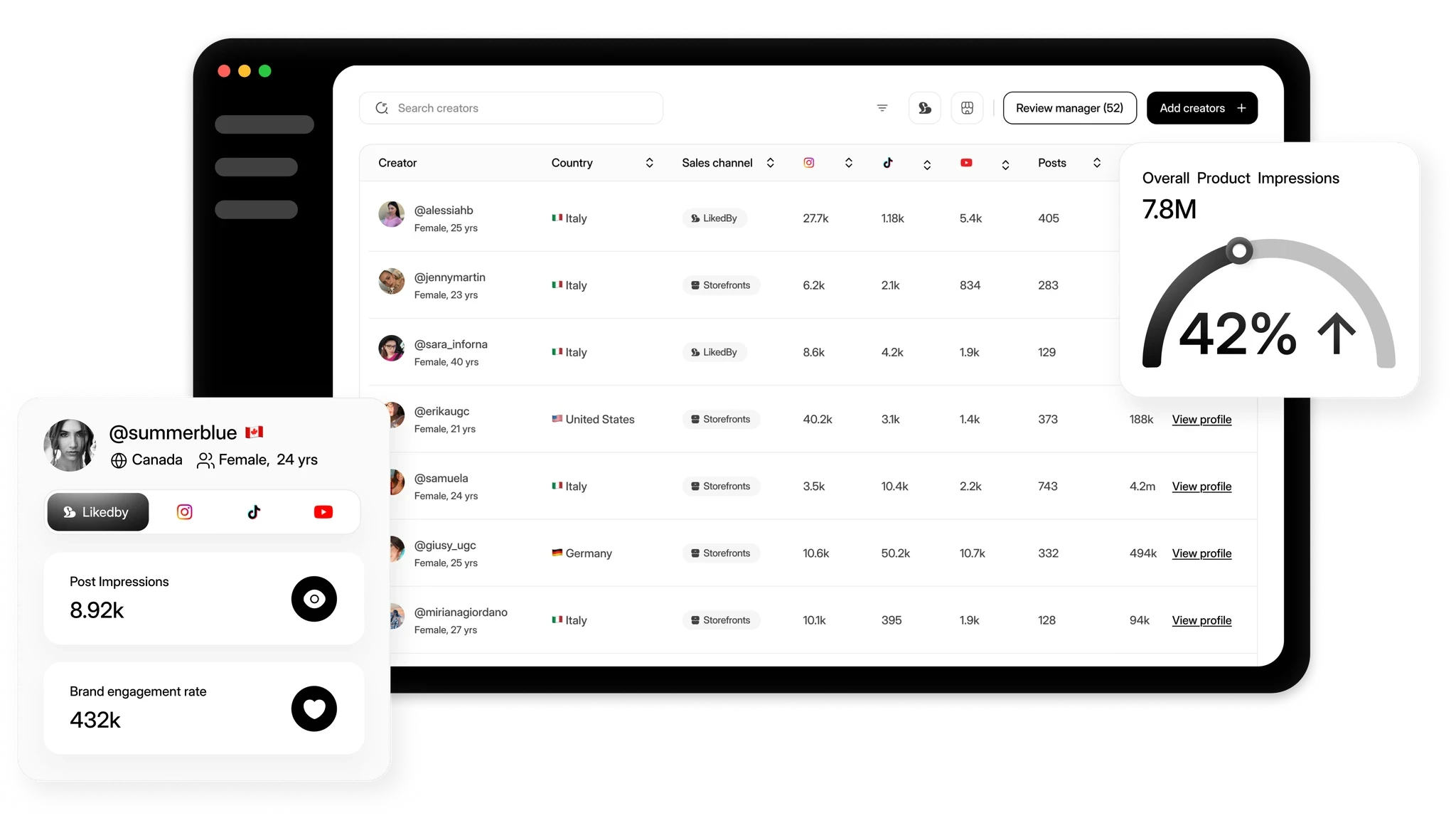
Socialscale's Creator Drive is a purpose-built content storage and management layer designed specifically for creator programs. It sits at the center of the Socialscale platform, connecting every asset to the creator who produced it, the campaign it belongs to, the products it features, and the performance data it generates once deployed.
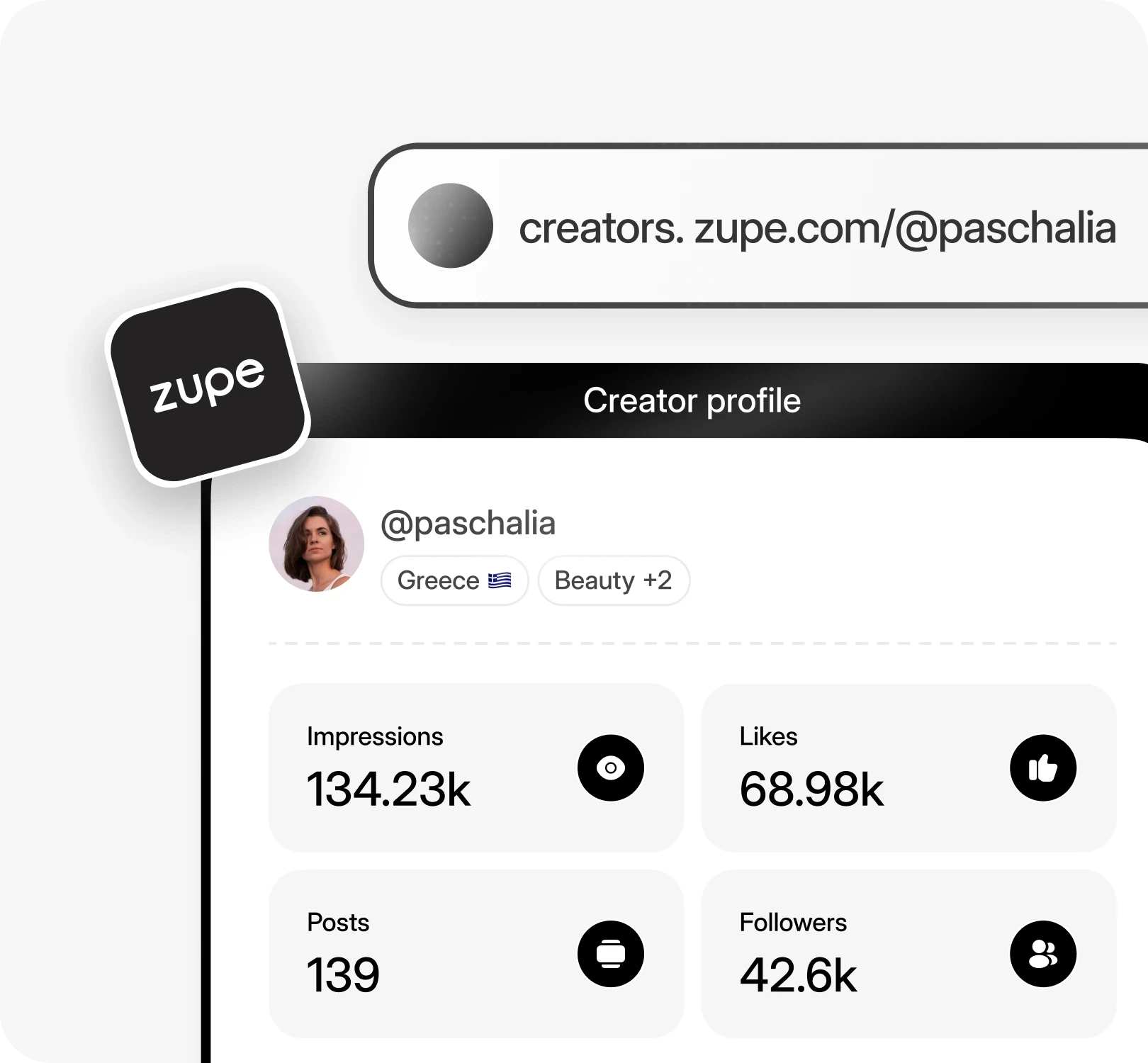
For luxury brands, this means every piece of influencer content—from a high-resolution editorial image shot for a capsule collection launch to a 60-second TikTok styling video—lives in a single, secure, searchable library. Assets are automatically tagged with creator metadata pulled from the creator CRM, so teams can filter by creator tier, campaign name, product line, content format, approval status, and usage rights expiration date.
The drive integrates directly with Socialscale's collaboration and approval workflows. When a creator submits content through a creator collaboration brief, the files land in the drive pre-tagged and ready for review. Brand managers, creative directors, and legal teams can approve or request revisions without leaving the platform. Once approved, assets can be pushed directly to shoppable galleries, product pages, and creator storefronts—closing the gap between content storage and social commerce activation.
Security is built into every layer. Role-based permissions ensure that agency partners in one region cannot access embargoed content intended for another market. Audit logs track every download, share, and status change, giving luxury brand compliance teams full visibility into how creator assets are being used across the organization.
Feature Breakdown: Creator Drive Capabilities for Luxury Brands
Campaign-Based Asset Organization
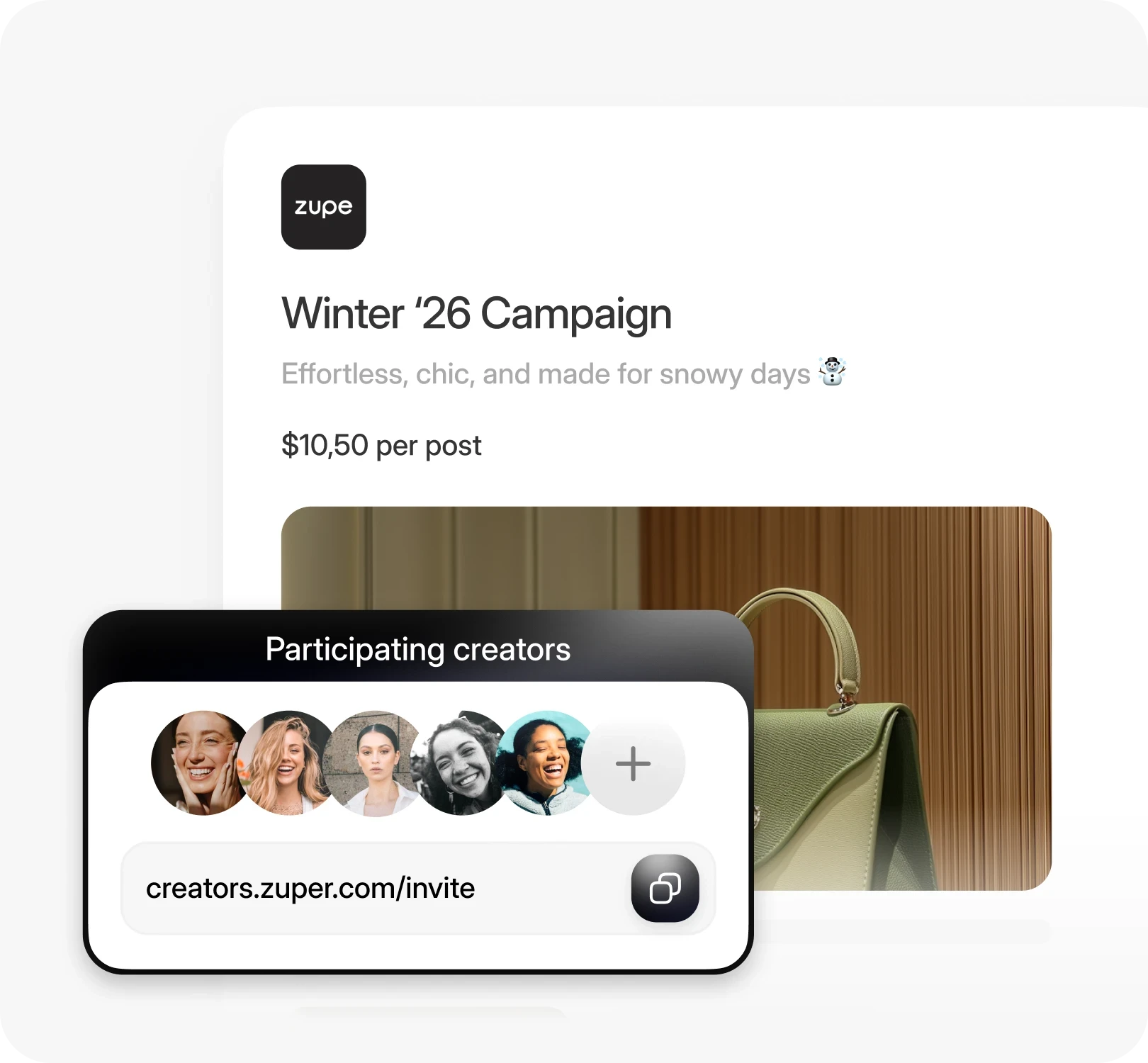
Every asset in the Creator Drive is organized by campaign, making it simple to navigate between a Spring/Summer editorial activation, a Holiday Gift Guide creator push, and an ongoing ambassador program. Within each campaign folder, content is further segmented by creator, product category, and content type (photo, video, story, reel). This structure mirrors how luxury marketing teams actually think about their content—not by file name, but by business context.
Automated Creator Metadata Tagging
When a creator submits content, the drive automatically attaches their profile data: name, handle, follower count, tier classification, past campaign history, and contract terms. This eliminates manual tagging and ensures that every asset carries the context needed for future search, reporting, and re-licensing decisions.
Usage Rights Tracking and Expiration Alerts
Each asset can be assigned specific usage rights parameters: channels where it may be published, geographic territories, duration of license, and exclusivity terms. The system sends automated alerts when a license is approaching expiration, preventing luxury brands from inadvertently using creator content beyond its contractual window—a common and costly compliance risk.
Multi-Stage Approval Workflows
The drive supports configurable approval chains. A typical luxury brand workflow might route content first to the influencer marketing manager for initial review, then to the creative director for brand alignment, and finally to legal for rights confirmation. Each stage is tracked with timestamps and reviewer notes, creating a complete audit trail.
Granular Role-Based Access Controls
Permissions can be set at the campaign level, the folder level, or the individual asset level. A regional agency partner can be granted access to their market's content without seeing global campaign assets. Embargo controls prevent any user from downloading or sharing pre-launch content before a specified date and time.
Direct-to-Commerce Asset Deployment
Approved assets can be pushed directly from the drive into shoppable content widgets embedded on product pages, landing pages, and creator storefronts. This eliminates the manual export-and-upload cycle that typically delays content activation by days. When a creator's styling video is approved on Monday, it can be live on a product page generating revenue by Tuesday.
Performance Data Overlay
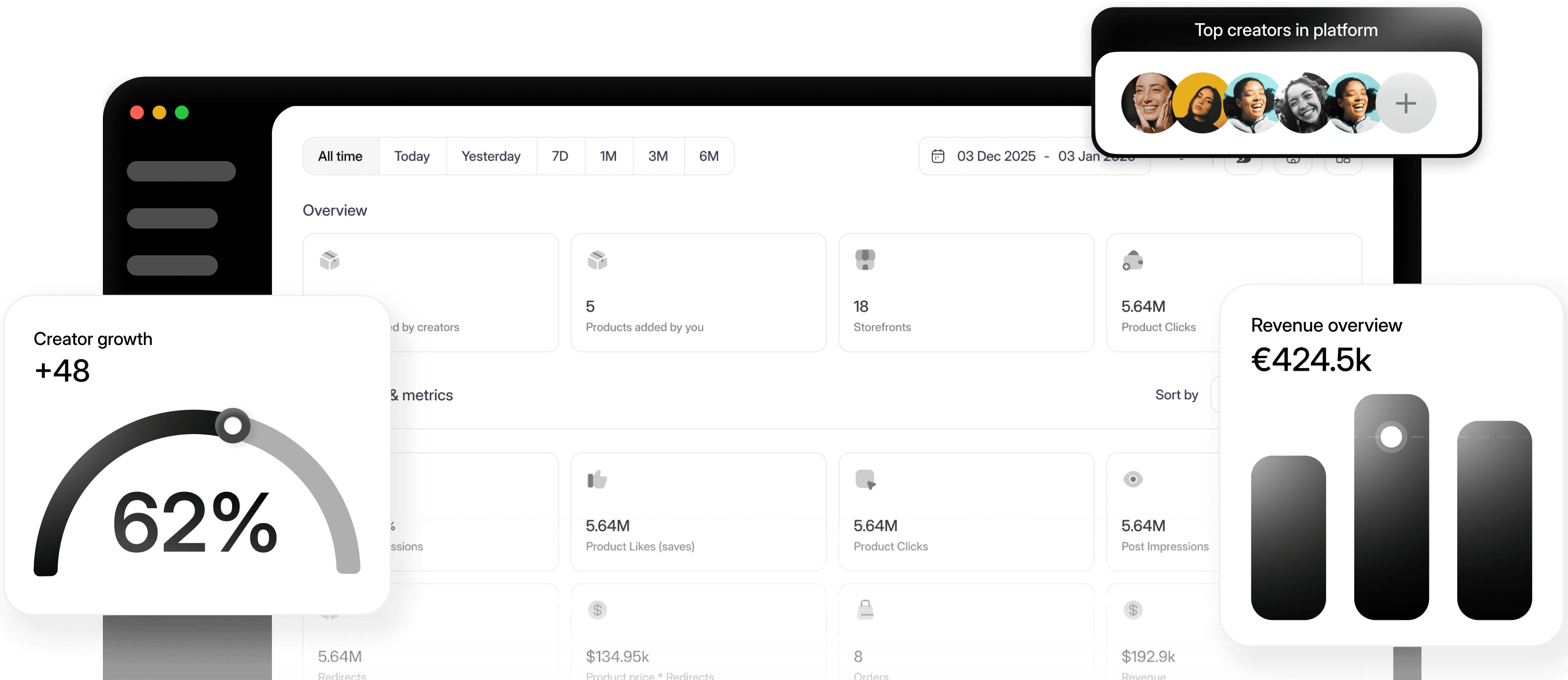
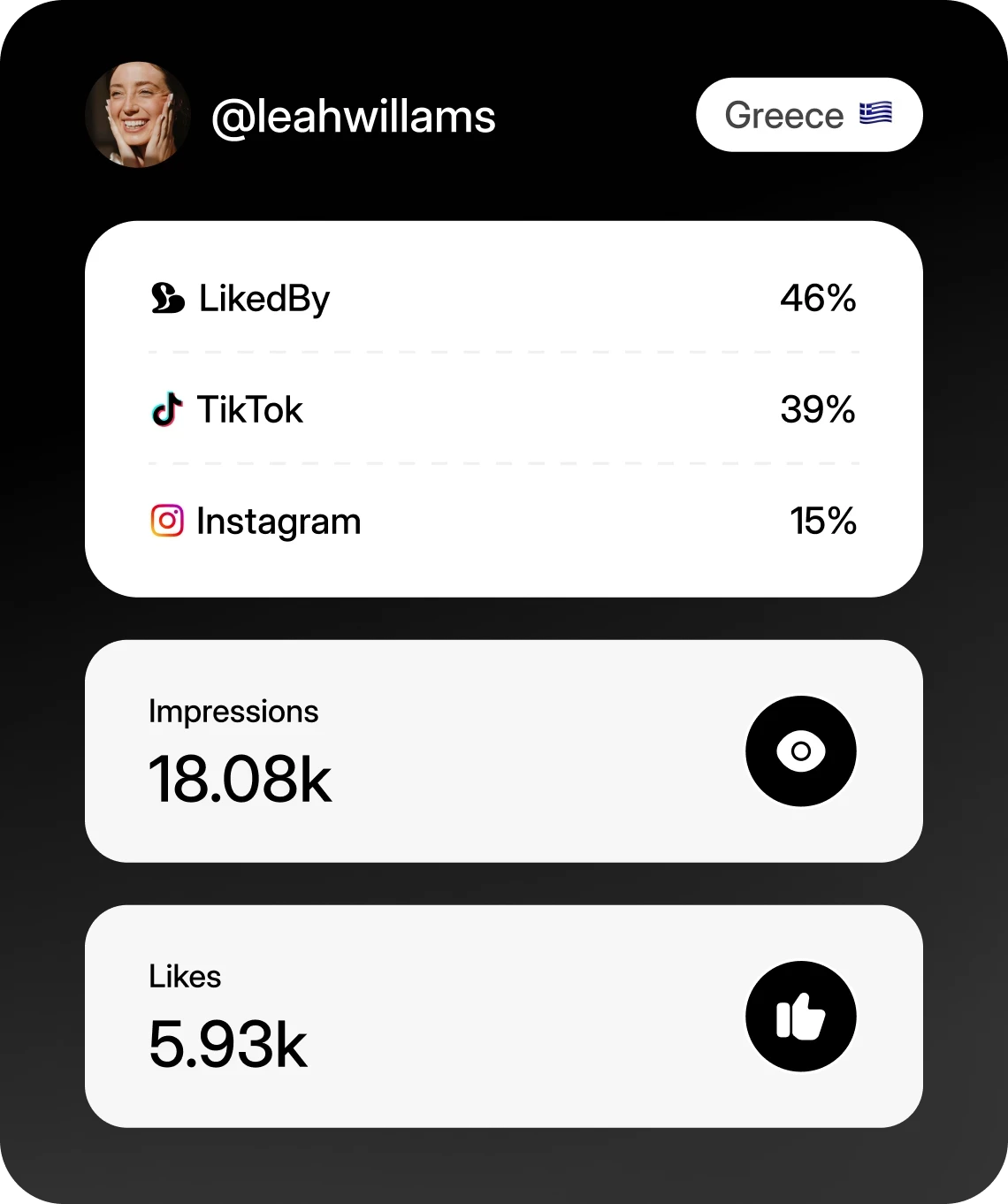
Each asset in the drive displays its downstream performance metrics: impressions, clicks, click-through rate, conversions, and revenue attributed. This transforms the drive from a passive storage tool into an active intelligence layer, helping luxury brand teams identify their highest-performing creator content and inform future campaign briefs accordingly.
Search and Filtering
The drive supports full-text search across file names, tags, creator names, campaign titles, and product SKUs. Advanced filters allow teams to surface, for example, all approved video content from Tier 1 creators featuring leather goods from the Fall/Winter collection with active usage rights—in seconds.
Use Cases: How Luxury Brand Teams Leverage Secure Creator Asset Storage
1. Couture Week Creator Activation
A luxury fashion house invites 40 creators to attend its Couture Week show in Paris. Each creator produces content across multiple formats—backstage stories, front-row reels, outfit-of-the-day posts, and long-form YouTube reviews. Within 72 hours, the brand's content library swells by over 500 assets. A centralized creator drive allows the marketing team to ingest, tag, and route all content for approval in real time. The creative director reviews assets on mobile between shows, approving hero content for immediate deployment on the brand's e-commerce site as shoppable galleries. Embargoed backstage footage is locked until the official campaign launch date, with access restricted to the global marketing lead and legal counsel.
2. Ongoing Ambassador Program for Fine Jewelry
A fine jewelry maison runs a year-round ambassador program with 15 high-profile creators, each contracted to deliver monthly content featuring new collections. Over 12 months, this generates nearly 1,000 assets with varying usage rights—some licensed for social only, others approved for print and out-of-home. The creator drive tracks every license term, sends expiration alerts 30 days before renewal deadlines, and allows the partnerships team to quickly pull a creator's full content history when negotiating contract extensions. Performance data attached to each asset shows which creator's content consistently drives the highest conversion rate on product pages, informing budget allocation for the following year.
3. Regional Holiday Gift Guide Campaign
A global luxury beauty brand runs separate Holiday Gift Guide campaigns in North America, Europe, and Asia-Pacific, each managed by a different agency partner. All three agencies submit creator content to the same centralized drive, but regional access controls ensure that each agency only sees its own market's assets. The global brand team has a unified view across all regions, enabling them to identify top-performing content from one market and adapt it for use in another—while respecting creator licensing terms that may restrict cross-regional deployment.
4. Pre-Launch Product Seeding Under Embargo
A luxury fragrance brand seeds its upcoming scent to 25 creators three weeks before the public launch. Creators submit their content—unboxing videos, scent reviews, lifestyle imagery—into the creator drive, where it is held under embargo with strict access controls. Only the brand's influencer marketing manager and the head of communications can view submissions. On launch day, all embargoed content is released simultaneously, and approved assets are instantly deployed to shoppable widgets on the brand's e-commerce site and across creator storefronts, creating a coordinated wave of content that drives both awareness and immediate purchase.
Weekly and Monthly Operational Workflow for Luxury Brand Creator Drive
Managing creator content for a luxury brand requires disciplined, repeatable processes. Below is a practical workflow that influencer marketing and content operations teams can follow to keep their creator drive organized, compliant, and commercially productive.
Campaign Setup and Folder Structure (Monthly or Per Campaign)
At the start of each campaign or collection cycle, the influencer marketing manager creates a new campaign workspace in the creator drive. Folders are structured by content type, creator tier, and product category. Approval chains are configured based on the campaign's stakeholder requirements—typically including brand, creative, and legal review stages.
Creator Brief Distribution and Content Submission (Ongoing)
Creators receive briefs through Socialscale's collaboration tools. When they submit content, files are automatically deposited into the correct campaign folder with creator metadata pre-attached. No manual uploading or tagging is required from the brand team.
Initial Content Review (Within 24–48 Hours of Submission)
The influencer marketing manager reviews incoming assets for brief compliance—correct products featured, required hashtags included, format specifications met. Non-compliant content is flagged with revision notes sent directly to the creator through the platform.
Brand and Creative Approval (Within 48–72 Hours)
Approved assets advance to the creative director for brand alignment review. The creative team evaluates visual quality, tone, and consistency with the maison's aesthetic standards. Assets that pass are marked as approved; those that need adjustments receive annotated feedback.
Legal and Rights Confirmation (Within 72 Hours)
The legal team confirms that each approved asset's usage rights align with the intended deployment channels. License terms, exclusivity clauses, and geographic restrictions are verified and recorded against each file in the drive.
Commerce Deployment (Same Day as Final Approval)
Fully approved assets are pushed from the drive to shoppable content widgets on product pages, lookbook landing pages, and creator storefronts. The e-commerce team confirms that product links and attribution tags are correctly mapped.
Performance Monitoring (Weekly)
Every week, the performance marketing manager reviews asset-level metrics within the drive—click-through rates, conversion rates, and revenue attributed to each piece of creator content. Underperforming assets are deprioritized in widget rotations; top performers are flagged for potential re-licensing or amplification through paid media.
Rights Expiration Audit and Content Archival (Monthly)
At the end of each month, the team runs a rights expiration report. Assets approaching license expiry are flagged for renewal negotiation or removal from active deployment. Expired content is moved to an archive folder, maintaining the historical record while ensuring only rights-cleared assets remain in active circulation.
Key Performance Indicators for Luxury Brand Creator Drive Operations
Tracking the right metrics ensures that your creator drive is not just a storage solution but an active driver of content operations efficiency and social commerce revenue. Below are the KPIs that luxury brand teams should monitor.
Content Ingestion Rate: Number of creator assets submitted per campaign cycle, tracked against brief targets to measure creator activation rate.
Average Approval Time: Time elapsed from content submission to final approval. Luxury brands should target under 72 hours to maintain campaign momentum.
Approval Rate: Percentage of submitted assets that pass all review stages without revision. A rising approval rate indicates improving brief clarity and creator alignment.
Content Output per Creator: Average number of approved, deployable assets produced per creator per campaign, segmented by tier.
Active vs. Expired Assets: Ratio of rights-cleared, deployable content to expired or archived content. A healthy ratio ensures the brand always has fresh, compliant assets available.
Click-Through Rate (CTR) on Deployed Assets: CTR of creator content embedded on product pages and shoppable galleries, measured per asset and per creator.
Conversion Rate (CVR): Percentage of clicks on deployed creator content that result in a purchase, segmented by content type, creator, and product category.
Revenue Attributed to Creator Content: GMV directly attributed to shoppable creator content deployed from the drive, tracked at the asset level.
ROAS on Creator Content: Return on ad spend when approved creator assets are amplified through paid channels, compared against brand-produced creative.
Cost Per Acquisition (CPA) via Creator Assets: CPA for conversions driven by creator content versus other content sources, informing budget allocation decisions.
Rights Compliance Rate: Percentage of deployed assets that are confirmed rights-cleared at time of audit. Target: 100%.
Scenario: A Luxury Accessories Brand Streamlines Creator Content Operations
A European luxury accessories brand known for its leather goods and silk scarves was running creator programs across three regions with five agency partners. Creator content was scattered across 12 different Google Drive folders, three Dropbox accounts, and countless email threads. The brand's internal audit revealed that 30% of creator content deployed on its e-commerce site had expired usage rights—a significant legal and reputational risk.
The brand implemented Socialscale's Creator Drive as its centralized content hub. All agency partners were onboarded to submit content through Socialscale's collaboration workflows, with assets automatically tagged by campaign, creator, product SKU, and usage rights terms.
Within the first 90 days, the brand achieved measurable results:
Average content approval time dropped from 8 days to 2.5 days, thanks to structured multi-stage approval workflows.
Rights compliance rate reached 100%—every deployed asset was confirmed rights-cleared, with automated expiration alerts preventing future lapses.
The team identified that creator video content drove a 3.2x higher conversion rate than static imagery when embedded on product pages, leading to a shift in brief strategy toward video-first deliverables.
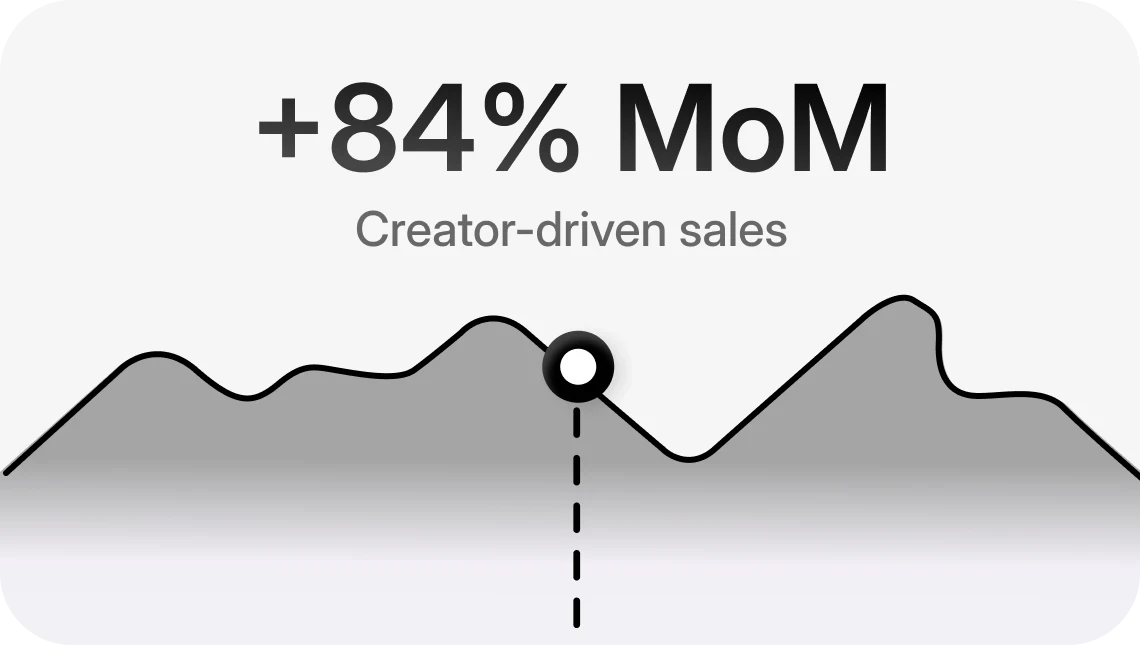
Revenue attributed to shoppable creator content on product pages increased by 47% quarter-over-quarter, as the faster approval cycle meant content went live within days of submission rather than weeks.
The global marketing director gained a unified view of creator content across all five agency partners for the first time, enabling cross-regional content sharing that reduced redundant creator spend by an estimated 15%.
The brand's influencer marketing director noted that the creator drive transformed their content operations from a reactive, compliance-heavy process into a proactive commercial engine—where every approved asset was not just stored, but actively generating revenue through shoppable deployment.
Frequently Asked Questions
How does Creator Drive differ from a traditional Digital Asset Management (DAM) system?
Traditional DAM platforms are designed for brand-produced assets and lack native integration with creator workflows. Socialscale's Creator Drive is built specifically for influencer-generated content, automatically attaching creator metadata, campaign context, usage rights, and downstream performance data to every asset. It connects directly to creator collaboration tools, approval workflows, and shoppable content deployment—capabilities that generic DAM systems do not offer.
Can we control access for different agency partners across regions?
Yes. The Creator Drive supports granular role-based access controls at the campaign, folder, and individual asset level. You can grant a North American agency access to their regional campaign content while restricting visibility into EMEA or APAC assets. Embargo controls add an additional layer, preventing any user from accessing pre-launch content before a specified release date and time.
How are usage rights tracked and enforced?
Each asset can be assigned specific usage rights parameters including permitted channels, geographic territories, license duration, and exclusivity terms. The system sends automated alerts as licenses approach expiration, and expired assets are flagged for removal from active deployment. Monthly rights audit reports provide a compliance snapshot that legal and brand teams can review.
Can creator content stored in the drive be deployed directly to our e-commerce site?
Yes. Approved assets can be pushed from the Creator Drive directly into shoppable content widgets that embed on product pages, collection pages, and landing pages. These widgets are connected to your product catalog, so every piece of creator content is linked to the correct SKU for attribution and conversion tracking. This eliminates the manual export-and-upload process that typically delays content activation.
What file formats and content types does the Creator Drive support?
The drive supports all standard image formats (JPEG, PNG, TIFF, WebP), video formats (MP4, MOV), and document formats (PDF for contracts and briefs). Content types include Instagram posts, Reels, Stories, TikTok videos, YouTube videos, product photography, lifestyle imagery, and any other creator-produced asset. High-resolution files are stored at original quality to support both digital and potential print usage.