Enterprise Creator Collaboration Software for Large-Scale Brand Campaigns
Enterprise brands operate creator programs at a scale that demands more than spreadsheets and email threads. When you are coordinating hundreds of creators across product lines, regions, and campaign windows, the margin for error shrinks and the cost of disorganization compounds. Enterprise creator collaboration software exists to solve this exact problem: giving brand teams a single system to brief, negotiate, approve, and track every creator partnership without losing visibility or control.
Social commerce has transformed how enterprise brands convert attention into revenue. Creator-driven storefronts, shoppable content embedded on product pages, and affiliate-driven campaigns now represent meaningful revenue channels. But capturing that revenue requires operational rigor. Every collaboration must move through structured workflows, from initial outreach and contract execution to content approval and performance measurement.
Socialscale provides the operating system enterprise brands need to run creator collaborations at scale. Rather than stitching together disconnected tools for outreach, asset management, and analytics, teams manage the entire creator lifecycle in one platform. The result is faster campaign launches, higher content output per creator, and clear attribution from creator activity to commercial outcomes.
Managing Creator Volume Across Business Units
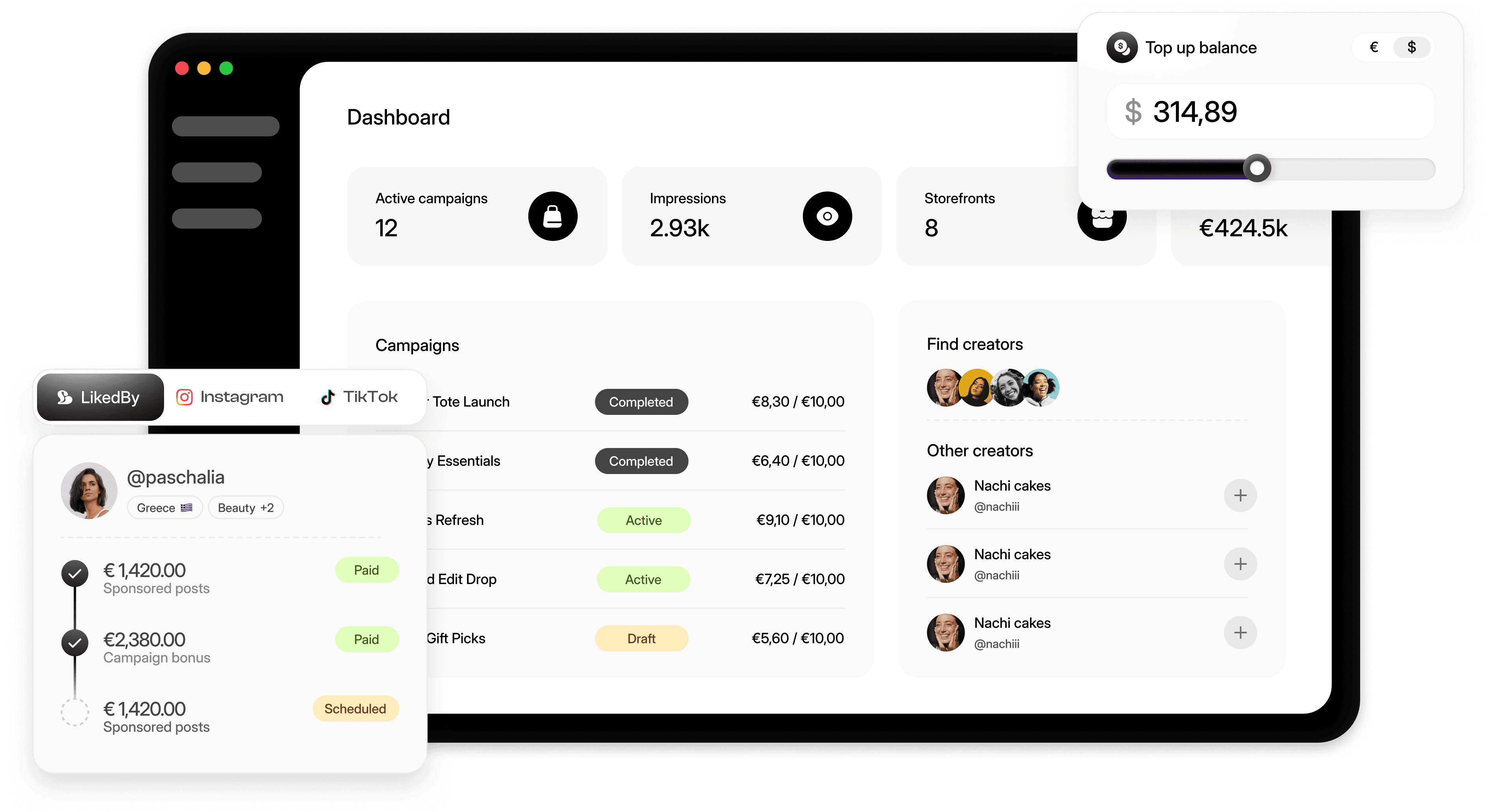
Enterprise brands often run creator programs across multiple divisions, product categories, or geographic markets simultaneously. Without a centralized system, each team builds its own processes, leading to duplicated effort, inconsistent brand messaging, and zero cross-functional visibility into who is working with which creators.
Slow Content Approval Cycles
Legal, brand, and compliance teams all need to review creator content before it goes live. In enterprise environments, these review chains can stretch across days or even weeks, causing missed campaign windows and frustrated creators who move on to more responsive brand partners.
Fragmented Creator Data
Creator contact information, past performance data, contract terms, and content assets often live in separate systems. This fragmentation makes it nearly impossible to answer basic questions like which creators drove the most revenue last quarter or which contracts are expiring next month.
Inconsistent Creator Onboarding
When onboarding processes vary by team or region, enterprise brands end up with incomplete tax documentation, missing usage rights, and creators who do not fully understand campaign expectations. These gaps create legal exposure and operational drag.
Difficulty Attributing Revenue to Creator Activity
Enterprise brands invest heavily in creator programs but often struggle to connect creator content to downstream commercial metrics like conversion rate, average order value, and gross merchandise value. Without clear attribution, it becomes difficult to justify budget allocation or optimize program spend.
Content Asset Disorganization
Thousands of creator-generated images, videos, and stories accumulate across campaigns. Without a structured content library, teams waste hours searching for assets, re-requesting content that already exists, or losing high-performing creative that could be repurposed across paid media and owned channels.
Scaling Affiliate and Commission Structures
Enterprise programs frequently use tiered commission models, performance bonuses, and hybrid compensation structures. Managing these at scale with manual tracking is error-prone and creates payment disputes that damage creator relationships.
Maintaining Brand Safety at Scale
The larger the creator roster, the higher the risk of off-brand content, regulatory violations, or association with creators whose public behavior conflicts with brand values. Enterprise teams need systematic safeguards, not reactive damage control.
Project Management Tools Were Not Built for Creator Workflows
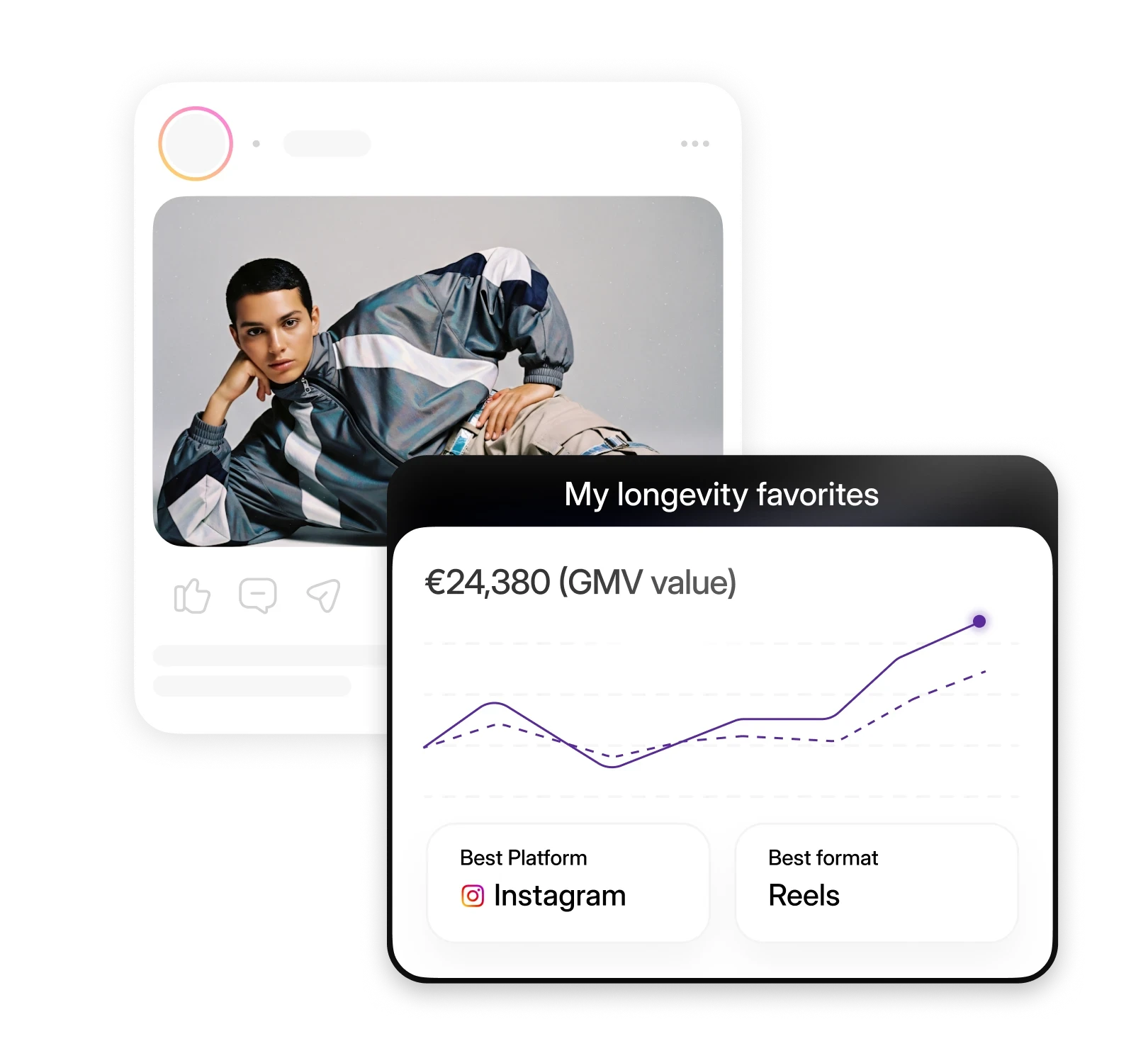
Tools like Asana, Monday, or Trello can track tasks, but they have no native understanding of creator-specific workflows. They cannot store creator profiles alongside performance history, manage content approval with visual previews, or connect campaign activity to e-commerce revenue. Enterprise teams that rely on these tools end up building elaborate workarounds that break as programs scale.
Influencer Marketplaces Focus on Discovery, Not Operations
Most influencer marketing platforms emphasize creator discovery and initial outreach. Once a brand moves past the sourcing phase, these platforms offer limited support for the operational reality of enterprise collaboration: multi-round content reviews, contract management, asset organization, and ongoing performance tracking across campaigns.
Spreadsheets Cannot Handle Enterprise Complexity
Spreadsheets remain the default system for many enterprise creator programs, but they fail catastrophically at scale. Version control issues, manual data entry errors, and the inability to support real-time collaboration across distributed teams make spreadsheets a liability rather than an asset. When a brand manages 500 or more active creator relationships, a single misplaced formula can cascade into payment errors, missed deadlines, and inaccurate reporting.
Disconnected Point Solutions Create Data Silos
Enterprise brands often assemble a stack of specialized tools: one for outreach, another for contracts, a third for content storage, and a fourth for analytics. Each tool holds a piece of the picture, but no single system provides the unified view that operational leaders need to make informed decisions. Integration maintenance becomes a burden, and data discrepancies between systems erode trust in reporting.
How Socialscale Powers Enterprise Creator Collaborations
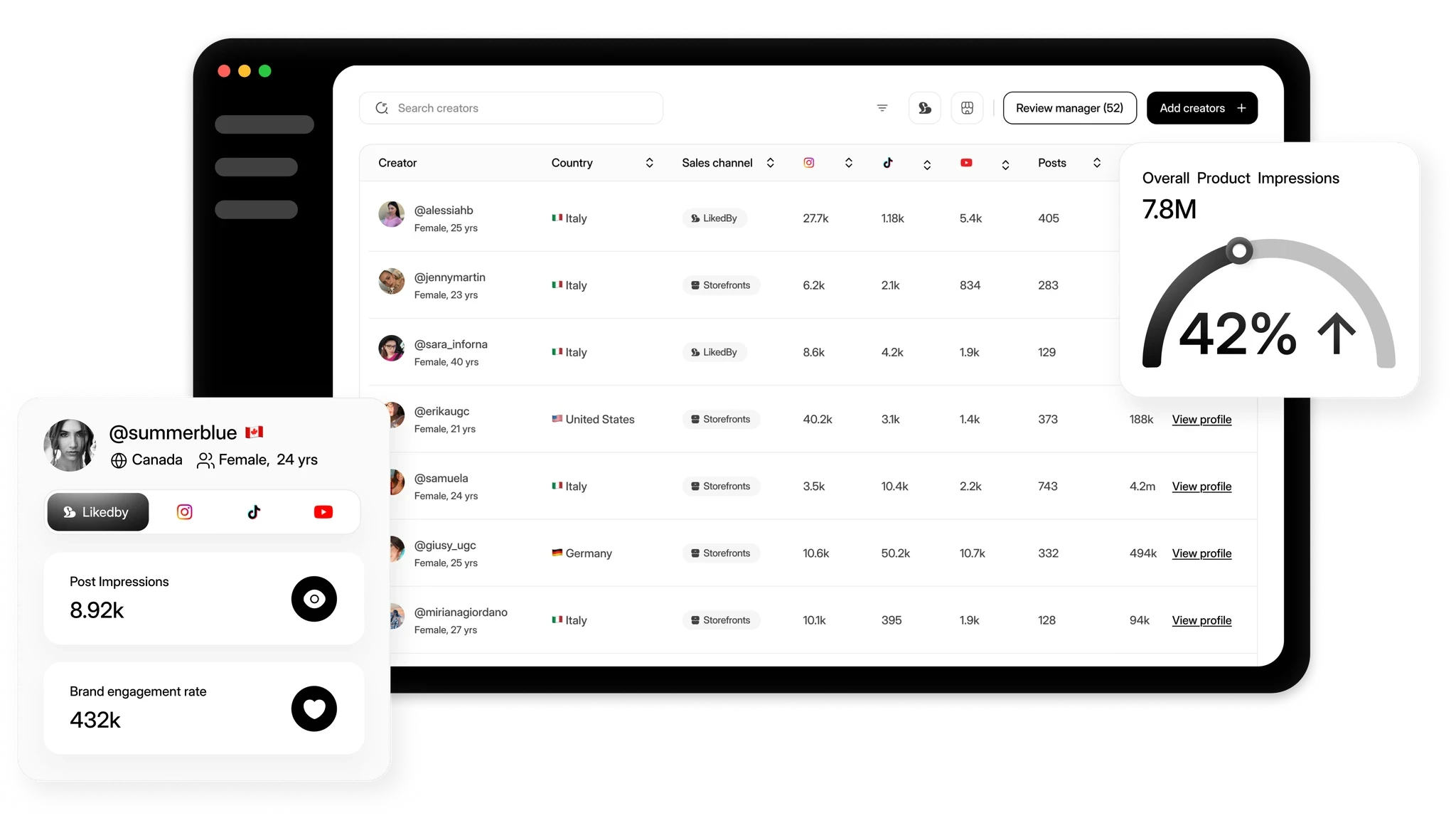
Socialscale replaces the patchwork of disconnected tools with a single platform purpose-built for scalable influencer campaign orchestration. Every stage of the creator collaboration lifecycle lives in one system, from initial creator identification and onboarding through content production, approval, distribution, and performance measurement.
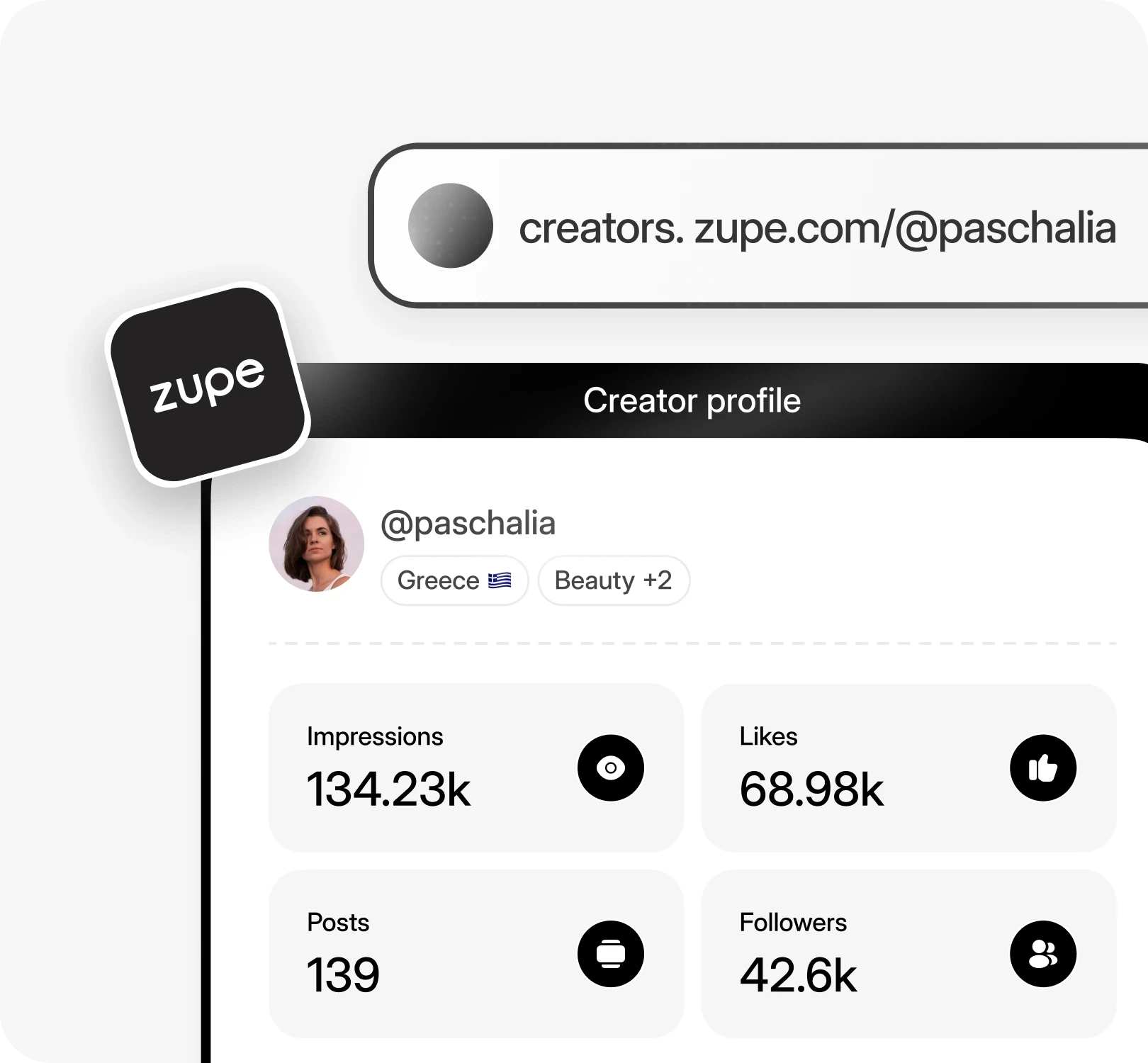
At the core of the platform is a creator CRM that stores every data point about your creator relationships: contact details, contract terms, content history, performance metrics, communication logs, and payment records. This eliminates the fragmentation that plagues enterprise programs and gives every stakeholder a single source of truth.
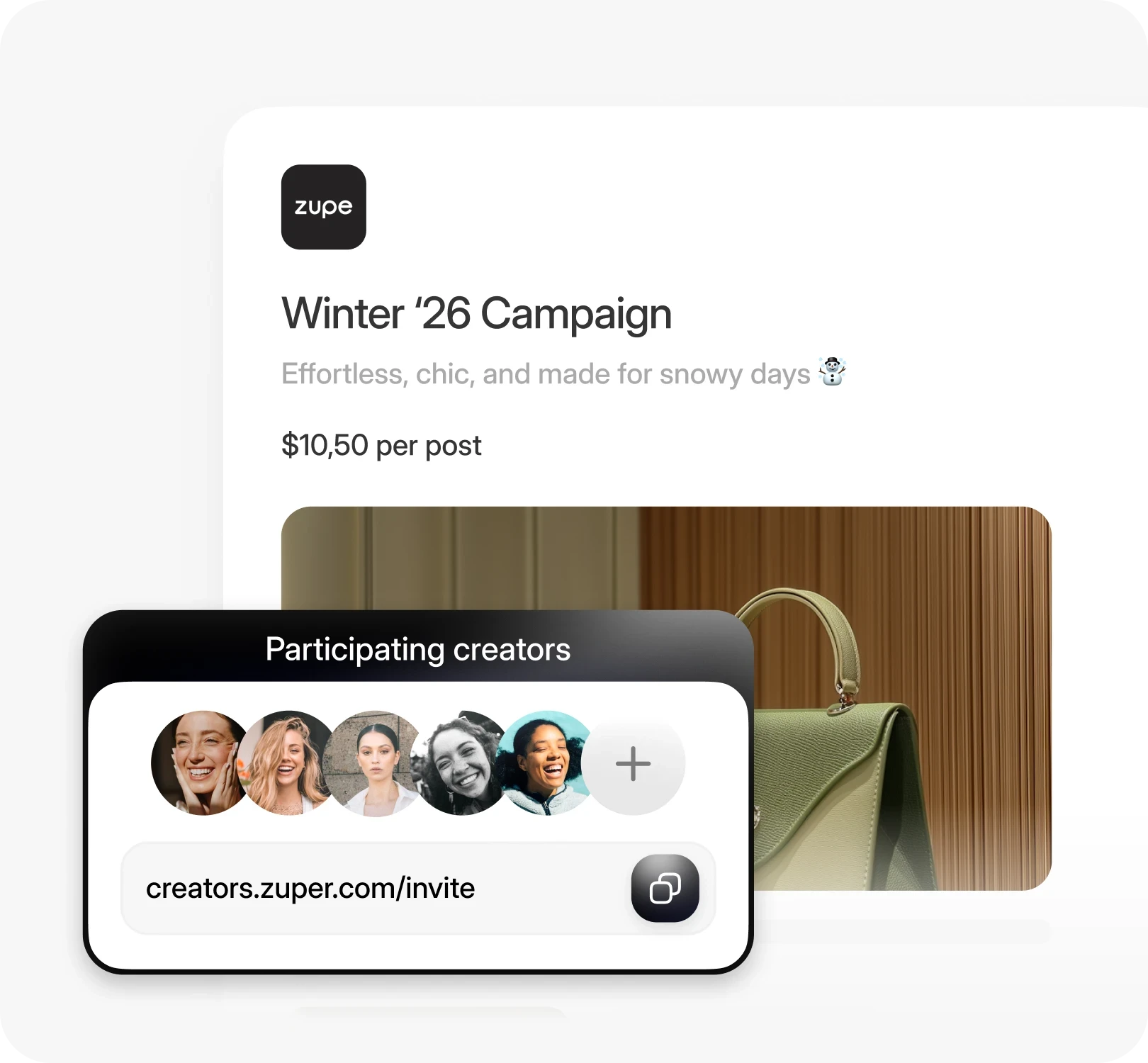
The creator collaborations module structures every campaign as a managed workflow with defined stages, approval gates, and deadline tracking. Briefs are standardized, content submissions are organized with visual previews, and multi-stakeholder review happens inside the platform rather than across scattered email threads.
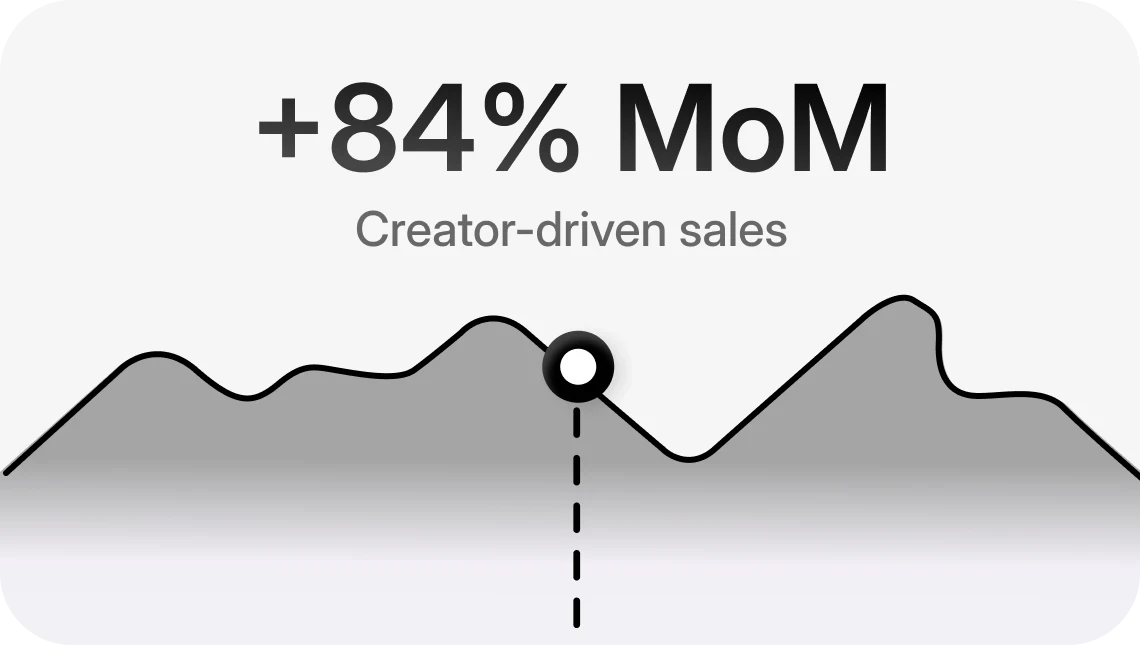
For enterprise brands investing in social commerce, Socialscale connects creator content directly to revenue. Shoppable creator widgets can be embedded on product pages, landing pages, and category pages, turning creator-generated content into conversion assets. Combined with the platform's creator analytics dashboard, teams can track exactly which creators, content formats, and campaigns drive clicks, conversions, and revenue.
Content produced through collaborations is automatically organized in a centralized asset library, making it easy to repurpose high-performing creative across paid social, email, and owned channels. Enterprise teams no longer lose track of content or waste budget re-creating assets that already exist.
Feature Breakdown: Enterprise-Grade Creator Collaboration Capabilities
Centralized Creator CRM with Custom Segmentation
Store and manage every creator relationship in a unified database. Segment creators by tier, product category, region, content format, engagement rate, or any custom attribute relevant to your brand. Filter and build campaign rosters in minutes rather than hours. Every interaction, contract, and deliverable is logged against the creator profile, giving account managers full context without switching between systems.
Structured Campaign Workflows with Approval Gates
Define campaign stages that match your internal processes: briefing, content submission, first review, legal review, final approval, and publish. Each stage can have assigned reviewers, deadlines, and automated reminders. Content submissions include visual previews so reviewers can evaluate creative without downloading files or navigating external links. Approval decisions are logged with timestamps and reviewer identity for audit trails.
Standardized Briefing and Onboarding Templates
Create reusable brief templates that ensure every creator receives consistent messaging guidelines, deliverable specifications, usage rights language, and compliance requirements. Onboarding flows collect tax documentation, shipping addresses, platform handles, and audience demographics in a structured format. Templates can be customized by campaign type, product line, or market.
Content Asset Library with Tagging and Search
Every piece of creator content submitted through the platform is automatically stored in a searchable library. Tag assets by campaign, product, creator, content format, platform, and performance tier. Surface top-performing content for repurposing across paid media, email marketing, and on-site merchandising. Download assets in original resolution or request specific format variations directly through the platform.
Performance Tracking and Revenue Attribution
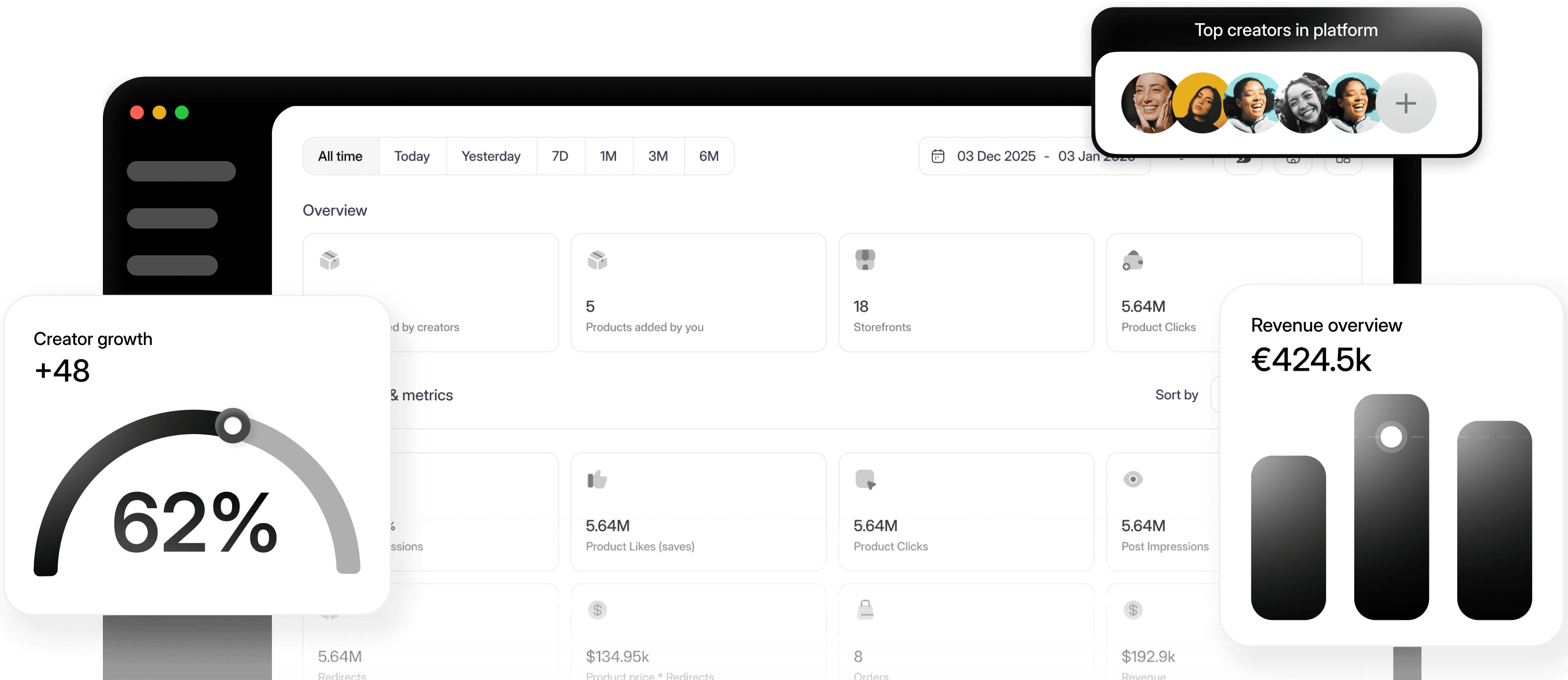
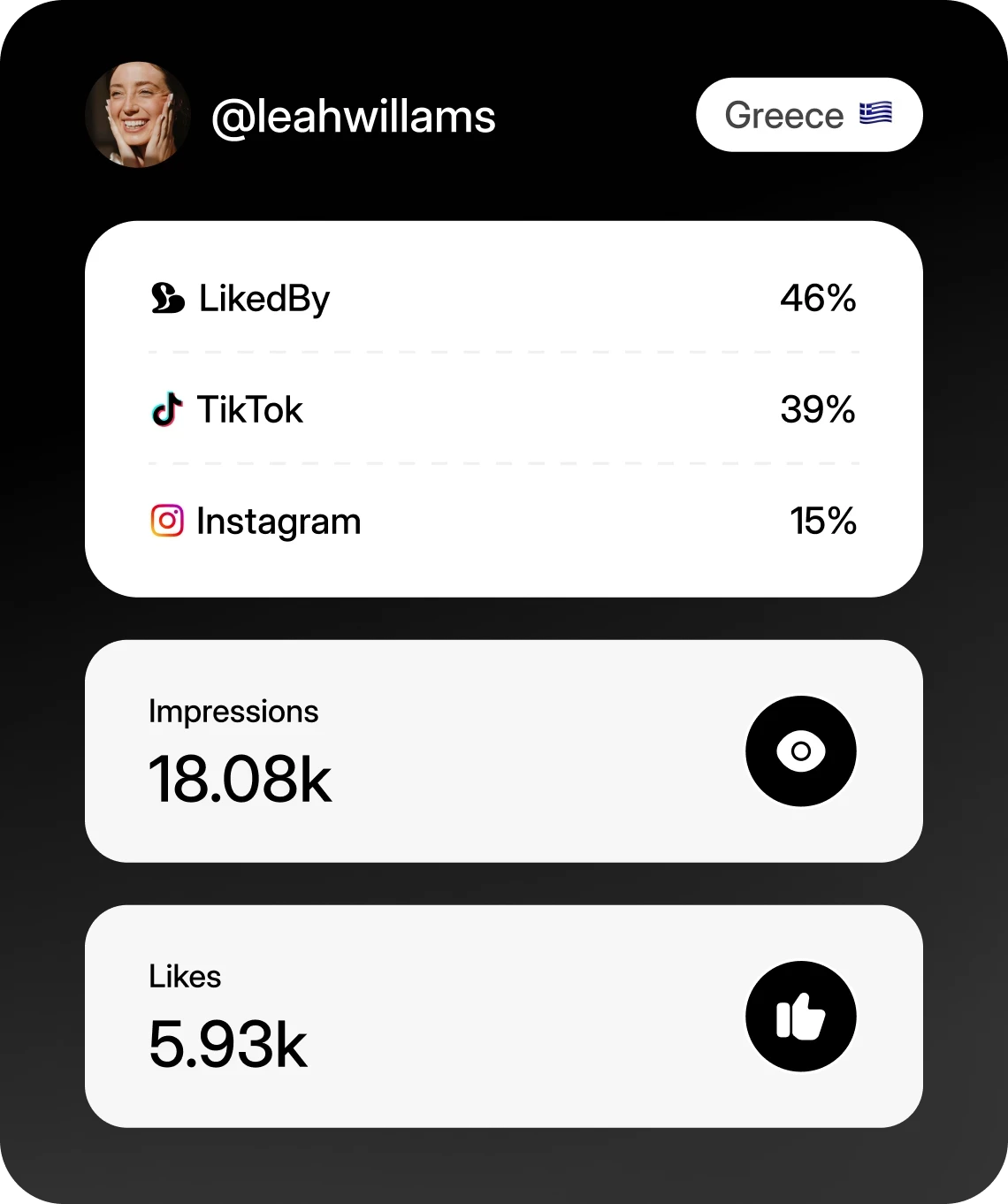
Track creator-level and campaign-level metrics including impressions, engagement rate, click-through rate, conversion rate, and attributed revenue. Connect creator activity to e-commerce outcomes through tracking links, promo codes, and affiliate commission structures. Build custom reports for different stakeholders: executive dashboards for leadership, operational reports for campaign managers, and financial summaries for procurement.
Multi-Brand and Multi-Market Support
Enterprise brands with multiple sub-brands or regional operations can manage separate creator programs within a single platform instance. Permissions ensure that regional teams only access their own creator rosters and campaigns while global teams maintain oversight across the entire portfolio. This architecture supports both centralized and federated operating models.
Shoppable Content Embedding
Transform creator content into commerce assets by embedding shoppable widgets on your website. Product-tagged creator videos and images display directly on product detail pages, category pages, and dedicated landing pages. Each widget tracks engagement and conversion, providing clear data on how creator content influences purchase behavior on your owned properties.
Use Cases: Enterprise Creator Collaborations in Action
Seasonal Product Launch Across Multiple Categories
A global consumer electronics brand launches a new product line spanning audio, wearables, and home devices. The brand activates 200 creators segmented by product category and audience demographic. Each creator receives a category-specific brief with tailored messaging, product samples, and posting schedules. Content submissions flow through a three-stage review process involving product marketing, legal, and brand teams. Approved content is published across Instagram, TikTok, and YouTube within a coordinated two-week window. Performance data is aggregated by product category to inform future allocation of creator budgets.
Always-On Affiliate Creator Program
A fashion and lifestyle enterprise operates a year-round affiliate creator program with 500 active participants across North America and Europe. Creators receive monthly product drops and generate ongoing content featuring new arrivals. Commission structures are tiered based on historical performance, with top-tier creators earning higher percentages and early access to collections. The program runs continuously, with monthly performance reviews determining tier adjustments, creator renewals, and program exits. Revenue attribution connects each creator's unique tracking links to e-commerce transactions, providing clear return-on-investment data for finance and marketing leadership.
UGC Harvesting for Paid Media and On-Site Merchandising
A beauty conglomerate runs quarterly UGC campaigns designed to generate high-volume creator content for use across paid social, email, and on-site product pages. Campaigns target micro and mid-tier creators who produce authentic, product-focused content. All submissions are reviewed for brand compliance, then organized in a content library tagged by product SKU, skin type, content format, and platform. The paid media team pulls top-performing assets directly from the library, reducing creative production costs and accelerating ad refresh cycles. Shoppable content is embedded on product pages, contributing to measurable increases in on-site conversion rates.
Regional Market Entry with Localized Creator Partnerships
An enterprise food and beverage brand entering three new Southeast Asian markets partners with local creators to build brand awareness and drive trial. Each market has a dedicated campaign manager who recruits creators through the platform, manages localized briefs in the appropriate language, and coordinates content around regional holidays and cultural moments. Global brand leadership monitors campaign performance across all three markets from a single dashboard, comparing creator activation rates, content output, and engagement benchmarks. Insights from the initial launch inform the creator strategy for subsequent market entries.
Weekly and Monthly Operational Workflow for Enterprise Creator Collaborations
Running enterprise creator collaborations requires a repeatable operational cadence. The following workflow outlines the key steps that brand teams execute on a recurring basis to keep programs running efficiently and producing measurable results.
Campaign Planning and Brief Development (Monthly) — Campaign managers define objectives, select target creator segments, and build standardized briefs. Briefs include messaging pillars, deliverable specifications, posting timelines, compliance requirements, and compensation terms. Templates from previous campaigns are cloned and adjusted to reduce setup time.
Creator Selection and Outreach (Monthly) — Using the creator CRM, managers filter the creator database by relevant attributes such as audience size, engagement rate, content style, geographic location, and past campaign performance. Shortlisted creators receive campaign invitations through the platform with brief details and compensation offers.
Onboarding and Contract Execution (Per Campaign) — Accepted creators complete onboarding flows that collect required documentation, confirm deliverable expectations, and execute digital contracts with usage rights and payment terms. Product samples or access credentials are shipped based on onboarding completion.
Content Production and Submission (Weekly) — Creators produce and submit content through the platform. Submissions include visual previews, captions, hashtags, and platform-specific formatting. Campaign managers monitor submission progress against deadlines and send automated reminders to creators who have not yet submitted.
Multi-Stakeholder Content Review (Weekly) — Submitted content moves through defined approval stages. Brand managers review for messaging alignment, legal teams check for regulatory compliance, and creative directors evaluate visual quality. Feedback is provided directly on the content submission, and creators revise and resubmit as needed.
Content Publishing and Distribution (Weekly) — Approved content is published by creators on their social channels according to the campaign posting schedule. Simultaneously, high-performing assets are tagged and queued for embedding as shoppable content on the brand's website or for use in paid media campaigns.
Performance Monitoring and Optimization (Weekly) — Campaign managers review real-time performance dashboards tracking impressions, engagement, clicks, conversions, and attributed revenue. Underperforming content or creators are flagged for adjustment. Top performers are identified for increased investment or expanded collaboration scope.
Reporting and Program Review (Monthly) — Comprehensive reports are generated for stakeholders across marketing, finance, and executive leadership. Reports include creator-level ROI, campaign-level performance against KPIs, content library growth, and recommendations for the next campaign cycle. Insights feed directly into the next month's planning phase.
Key Performance Indicators for Enterprise Creator Collaborations
Tracking the right metrics ensures that enterprise creator programs deliver measurable business outcomes. The following KPIs should be monitored at the creator, campaign, and program levels.
Creator Activation Rate — Percentage of invited creators who accept, complete onboarding, and submit content. Target benchmarks vary by program type but typically range from 60% to 85% for established programs.
Content Approval Time — Average number of days from content submission to final approval. Reducing this metric directly accelerates time-to-market and improves creator satisfaction.
Content Output Per Creator — Total number of approved content assets produced per creator per campaign cycle. Higher output indicates effective briefing and strong creator engagement.
Click-Through Rate (CTR) — Percentage of impressions that result in clicks on tracking links, shoppable widgets, or promo code landing pages. Measures content effectiveness at driving traffic.
Conversion Rate (CVR) — Percentage of clicks that result in completed purchases. Indicates how well creator content converts interest into transactions.
Gross Merchandise Value (GMV) — Total revenue generated through creator-attributed transactions. The primary commercial metric for social commerce programs.
Return on Ad Spend / Cost Per Acquisition (ROAS/CPA) — When creator content is amplified through paid media, ROAS and CPA measure the efficiency of that spend relative to revenue generated or customers acquired.
Creator Retention Rate — Percentage of creators who participate in multiple campaign cycles. High retention signals strong program operations and competitive compensation.
Content Repurpose Rate — Percentage of creator content that is reused across paid media, email, or on-site merchandising. Higher repurpose rates indicate efficient content utilization and lower overall creative production costs.
Average Order Value (AOV) from Creator Traffic — Compares AOV from creator-driven traffic against other acquisition channels to assess the quality of creator-referred customers.
Enterprise Scenario: Global Sportswear Brand Scales Creator Collaborations
A global sportswear brand with operations in 12 markets was managing creator collaborations through a combination of spreadsheets, email, and three separate point solutions for outreach, content storage, and analytics. The brand's influencer marketing team of 14 people coordinated approximately 800 creator relationships across running, training, and lifestyle product categories.
The Problem
Campaign launch timelines averaged 6 weeks from brief creation to first content going live. Content approval cycles took an average of 9 business days due to fragmented review processes across brand, legal, and product marketing teams. The team had no reliable way to attribute creator content to e-commerce revenue, making it difficult to justify the program's $4.2M annual budget to executive leadership. Creator-generated content was stored across Google Drive folders, Dropbox accounts, and individual team members' desktops, making repurposing for paid media nearly impossible.
The Approach
The brand consolidated its entire creator program onto a single platform, centralizing creator profiles, campaign workflows, content storage, and performance tracking. Standardized brief templates were created for each product category. A three-stage content approval workflow was implemented with defined SLAs for each reviewer role. Shoppable creator content was embedded on 340 product detail pages across the brand's e-commerce site. Affiliate tracking links were issued to all creators, connecting their content directly to transaction data.
The Results Over 6 Months
Campaign launch timelines decreased from 6 weeks to 18 days. Content approval cycles dropped from 9 business days to 3.2 business days. The team identified that 12% of their creator roster was responsible for 61% of attributed revenue, enabling them to restructure compensation tiers and reallocate budget toward top performers. Shoppable creator widgets on product pages generated a 2.4x higher conversion rate compared to standard product imagery. The content library grew to over 4,200 organized, tagged assets, with 38% of creator content being repurposed across paid social campaigns within 30 days of approval. Total creator-attributed GMV reached $8.7M, representing a 2.07x return on the program's fully loaded cost.
Frequently Asked Questions
What makes enterprise creator collaboration software different from standard influencer marketing platforms?
Enterprise creator collaboration software is built for operational scale and organizational complexity. Unlike standard influencer marketing platforms that focus primarily on creator discovery and outreach, enterprise solutions provide structured campaign workflows with multi-stakeholder approval gates, centralized content asset management, multi-brand and multi-market support, granular permission controls, and revenue attribution that connects creator activity to e-commerce transactions. These capabilities are essential for brands managing hundreds or thousands of creator relationships across distributed teams.
How does Socialscale handle content rights and usage agreements at scale?
Socialscale enables brands to embed usage rights terms directly into the creator onboarding and contract execution process. When creators accept a collaboration, they agree to specified content usage terms that are logged against their profile and the specific campaign. This creates a clear audit trail for legal and compliance teams. Usage rights can be customized by campaign, content format, and distribution channel, ensuring that brands have documented permission before repurposing creator content across paid media, email, or on-site merchandising.
Can enterprise brands manage both paid and affiliate creator programs in the same platform?
Yes. Socialscale supports hybrid compensation models including flat-fee payments, performance-based commissions, product gifting, and tiered affiliate structures. Brands can run paid collaboration campaigns alongside always-on affiliate programs within the same platform, with separate tracking and reporting for each program type. This flexibility allows enterprise teams to match compensation structures to campaign objectives and creator tiers without managing multiple systems.
How does the platform support multi-market or multi-brand enterprise structures?
Socialscale supports multi-brand and multi-market configurations within a single platform instance. Each brand or market can maintain its own creator roster, campaign workflows, brief templates, and reporting dashboards. Role-based permissions ensure that regional teams access only their own data while global teams maintain oversight across the entire portfolio. This architecture supports both centralized program management and federated models where regional teams operate with autonomy within global brand guidelines.
What level of integration is required with existing e-commerce and marketing systems?
Socialscale integrates with major e-commerce platforms including Shopify and Shopify Plus for product catalog syncing, affiliate tracking, and revenue attribution. Social platform integrations with Instagram, TikTok, and YouTube enable content performance tracking. For enterprise brands with custom technology stacks, API access allows connection to existing CRM systems, marketing automation platforms, and business intelligence tools. Most enterprise implementations achieve full integration within the first 2 to 4 weeks of onboarding.