Creator Storefronts for Home Decor Brands: Turn Home Inspiration Into Shoppable Commerce
Home decor brands thrive on visual storytelling. Room reveals, seasonal tablescapes, shelf-styling videos, and before-and-after transformations drive enormous engagement across Instagram, TikTok, and YouTube. But engagement alone does not move inventory. The missing link for most home decor companies is a reliable way to convert that creator-driven inspiration into measurable, attributable revenue. That is exactly where creator storefronts fit into a modern social commerce strategy.
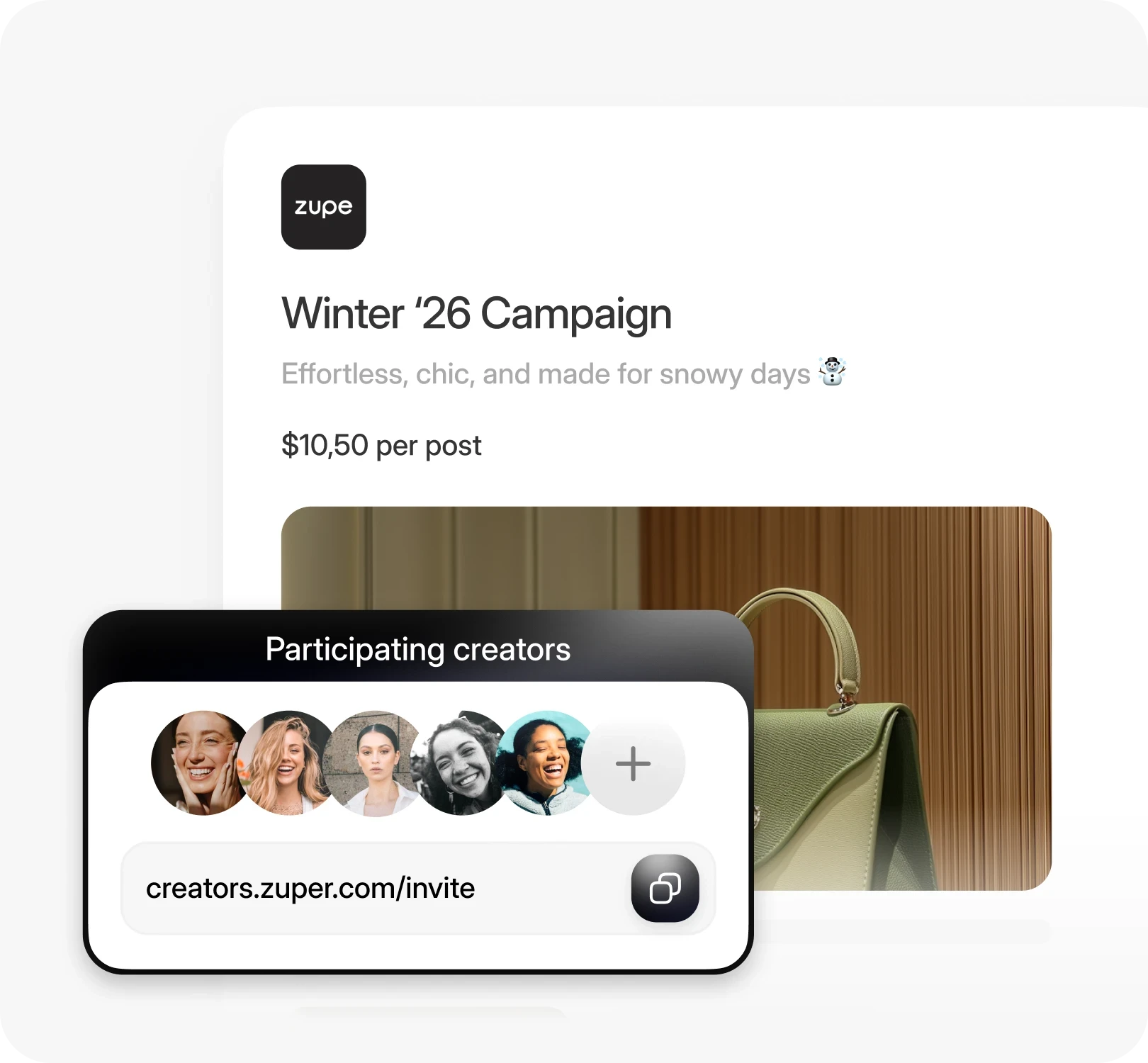
A creator storefront gives every collaborator in your program a dedicated, branded destination where their curated product picks become instantly shoppable. Instead of relying on single-use discount codes or link-in-bio pages that lose context, storefronts let creators showcase entire room edits, collection roundups, and seasonal picks in a format that feels native to the shopping experience your customers already expect.
For influencer marketing managers and e-commerce directors at home decor brands, the operational question is not whether creator storefronts matter. It is how to launch, manage, and optimize them across dozens or hundreds of creators without drowning in spreadsheets, manual asset collection, and disconnected analytics. This page breaks down the challenges, workflows, and platform capabilities that make scalable creator storefronts possible for home decor teams.
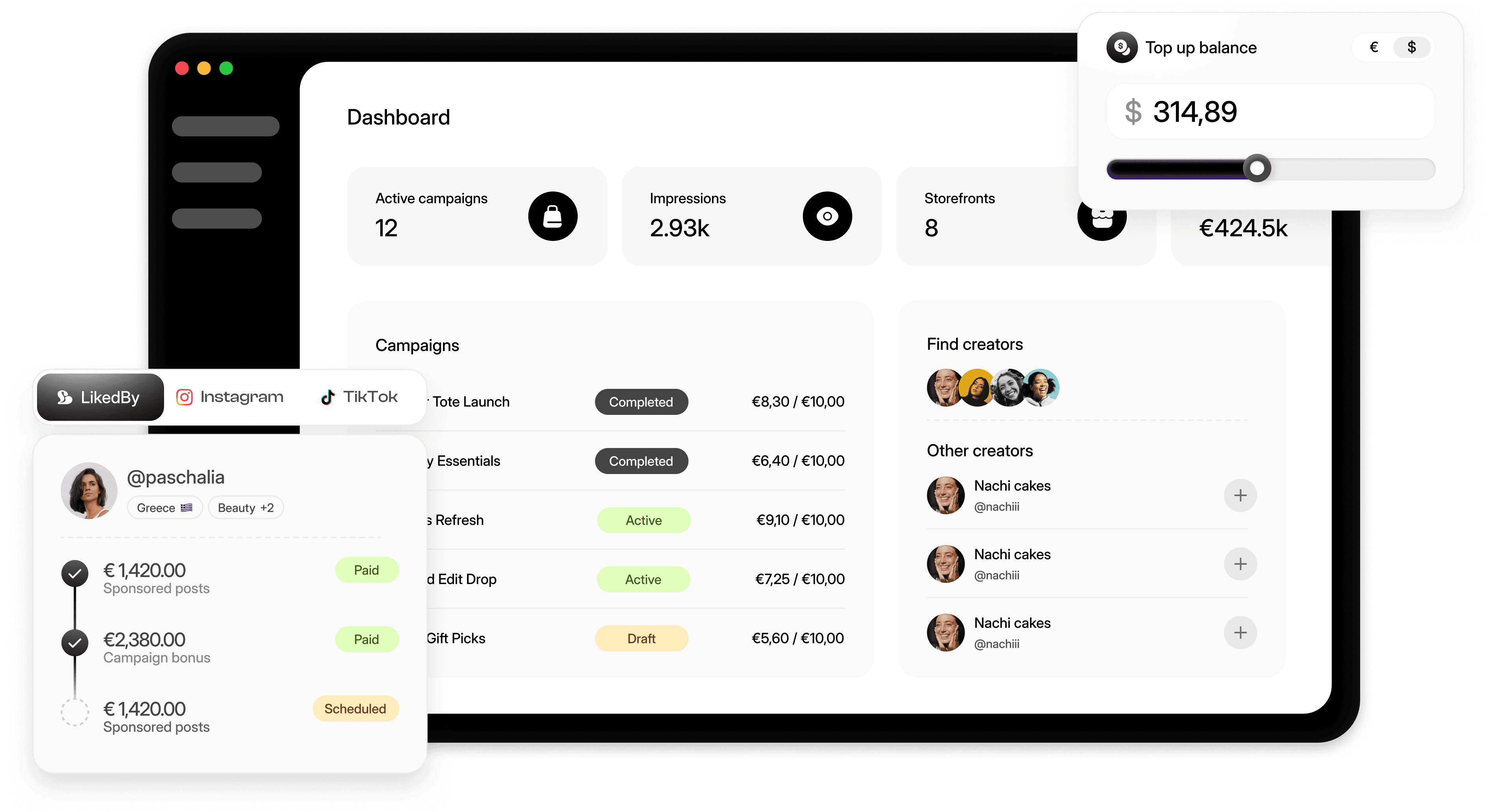
Key Challenges Home Decor Brands Face With Creator Commerce
Home decor sits at the intersection of high visual complexity and long consideration cycles. Customers browse for weeks before purchasing a statement lamp or a set of linen curtains. These dynamics create specific obstacles when brands try to operationalize creator-driven sales.
1. High SKU Volume With Seasonal Rotation
Most home decor catalogs contain hundreds or thousands of SKUs across furniture, textiles, lighting, wall art, and accessories. Collections rotate seasonally, and creators need up-to-date product feeds to keep their storefronts relevant. Manual catalog updates across 50+ creator pages become unsustainable fast.
2. Content Fragmentation Across Platforms
A single creator might post a reel on Instagram, a room tour on YouTube, and a haul on TikTok—all featuring the same products. Without a centralized system, brand teams lose track of which assets exist, where they live, and which products they feature.
3. Difficulty Attributing Revenue to Specific Creators
Discount codes only capture a fraction of creator-influenced purchases. When a customer sees a styled living room on TikTok, visits the brand site three days later, and buys through organic search, the creator gets no credit. This attribution gap undermines program investment decisions.
4. Slow Content Approval Workflows
Home decor brands often have strict visual guidelines—color accuracy, styling standards, brand tone. Review cycles that rely on email threads and shared drives create bottlenecks that delay content going live and frustrate creators.
5. Creator Onboarding at Scale
Recruiting interior designers, home DIY creators, and lifestyle influencers requires different briefs, contracts, and product seeding logistics. Without a structured onboarding pipeline, teams spend disproportionate time on admin instead of strategy.
6. Inconsistent Storefront Experiences
When creators link to generic product pages, the curated context they built in their content disappears. Shoppers land on a standard PDP with no connection to the styled room they just admired, which kills conversion momentum.
7. Measuring Content Performance Beyond Vanity Metrics
Likes and views tell you what resonates visually but not what drives revenue. Home decor teams need to connect content engagement to click-through rates, add-to-cart actions, and actual orders to understand which creators and which content formats generate ROI.
Why Traditional Tools Fall Short for Home Decor Creator Programs
Spreadsheets and Email Cannot Handle Visual Workflows
Home decor creator programs are inherently visual. Approving a styled flat-lay or a room reveal video requires seeing the content in context, not reading a cell in a spreadsheet. Teams that manage creator relationships through email and Google Sheets inevitably lose files, miss deadlines, and duplicate effort across team members.
Generic Influencer Platforms Ignore the Commerce Layer
Many influencer marketing platforms focus on discovery and outreach but stop short of the commerce infrastructure home decor brands actually need. They can help you find creators but cannot generate shoppable storefronts, sync product catalogs, or track storefront-level revenue. The result is a gap between content production and sales attribution.
Affiliate Networks Lack Brand Control
Traditional affiliate programs give creators generic links and minimal brand context. For home decor, where aesthetic consistency is critical, handing creators an affiliate dashboard with no styling guidelines or curated product selections leads to off-brand representations that dilute the shopping experience.
Disconnected Point Solutions Create Data Silos
When brands use one tool for creator outreach, another for content storage, a third for analytics, and a fourth for storefront widgets, no single team member has a complete picture. Weekly reporting becomes a manual data-stitching exercise that consumes hours and still produces incomplete insights.
No Unified Content Library
Home decor brands generate enormous volumes of creator content—styled photography, video walkthroughs, unboxing clips, before-and-after sequences. Without a purpose-built content library that tags assets by product, creator, campaign, and room type, teams cannot efficiently repurpose content across storefronts, paid media, email, and on-site merchandising.
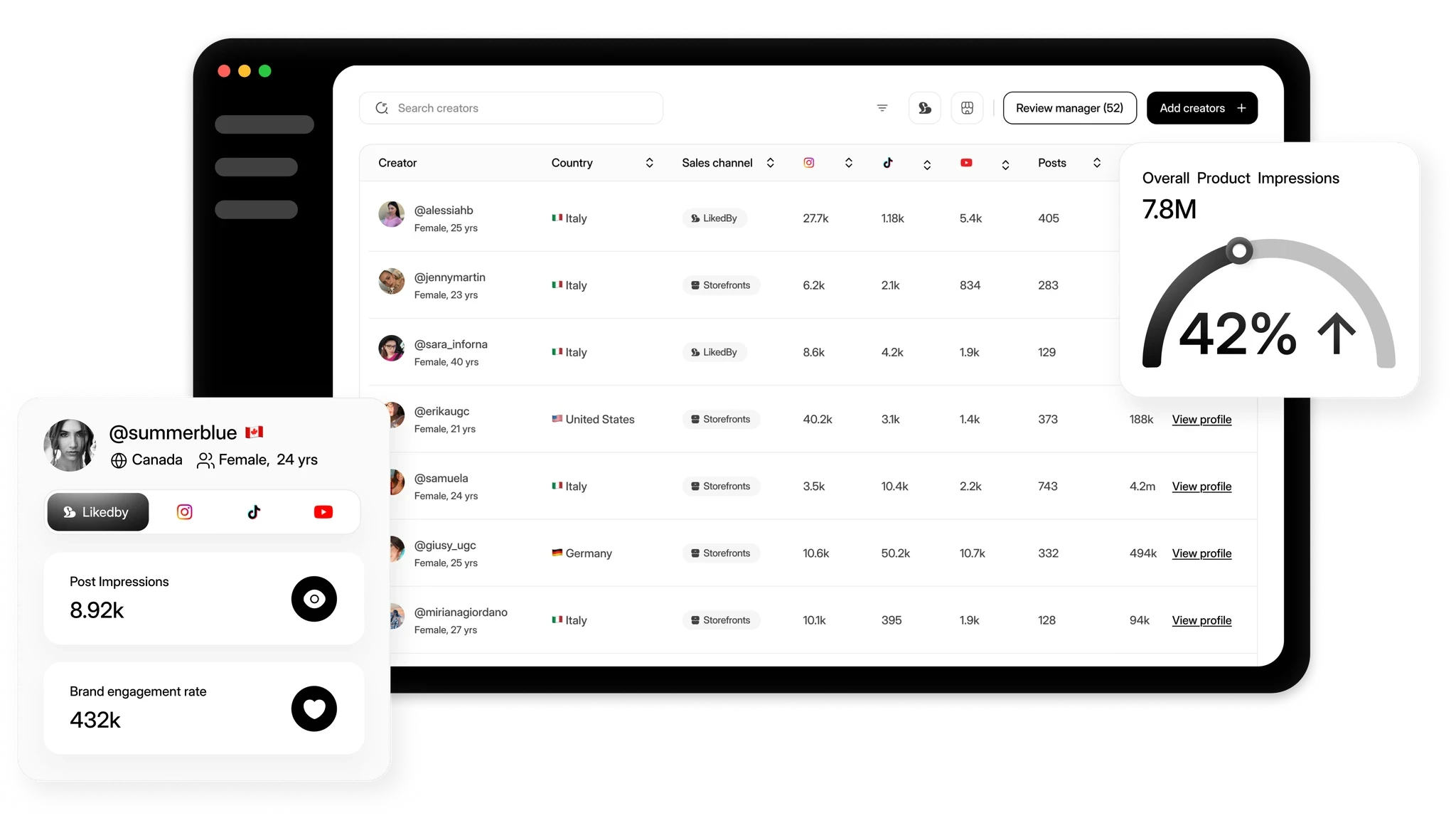
How Socialscale Powers Creator Storefronts for Home Decor Brands
Socialscale is the operating system for social commerce, built to help home decor brands run creator programs end-to-end—from recruiting and onboarding creators to launching shoppable storefronts and tracking every dollar of attributed revenue. Rather than stitching together five disconnected tools, your team works from a single creator marketing platform that connects content, commerce, and analytics in one place.
For home decor specifically, Socialscale enables brands to give each creator a personalized storefront populated with curated product selections that sync directly with your catalog. When a creator posts a bedroom makeover featuring your bedding, throws, and nightstands, their storefront reflects those exact products in a shoppable layout that maintains your brand standards. Every click, add-to-cart, and purchase is tracked back to the individual creator and the specific piece of content that drove it.
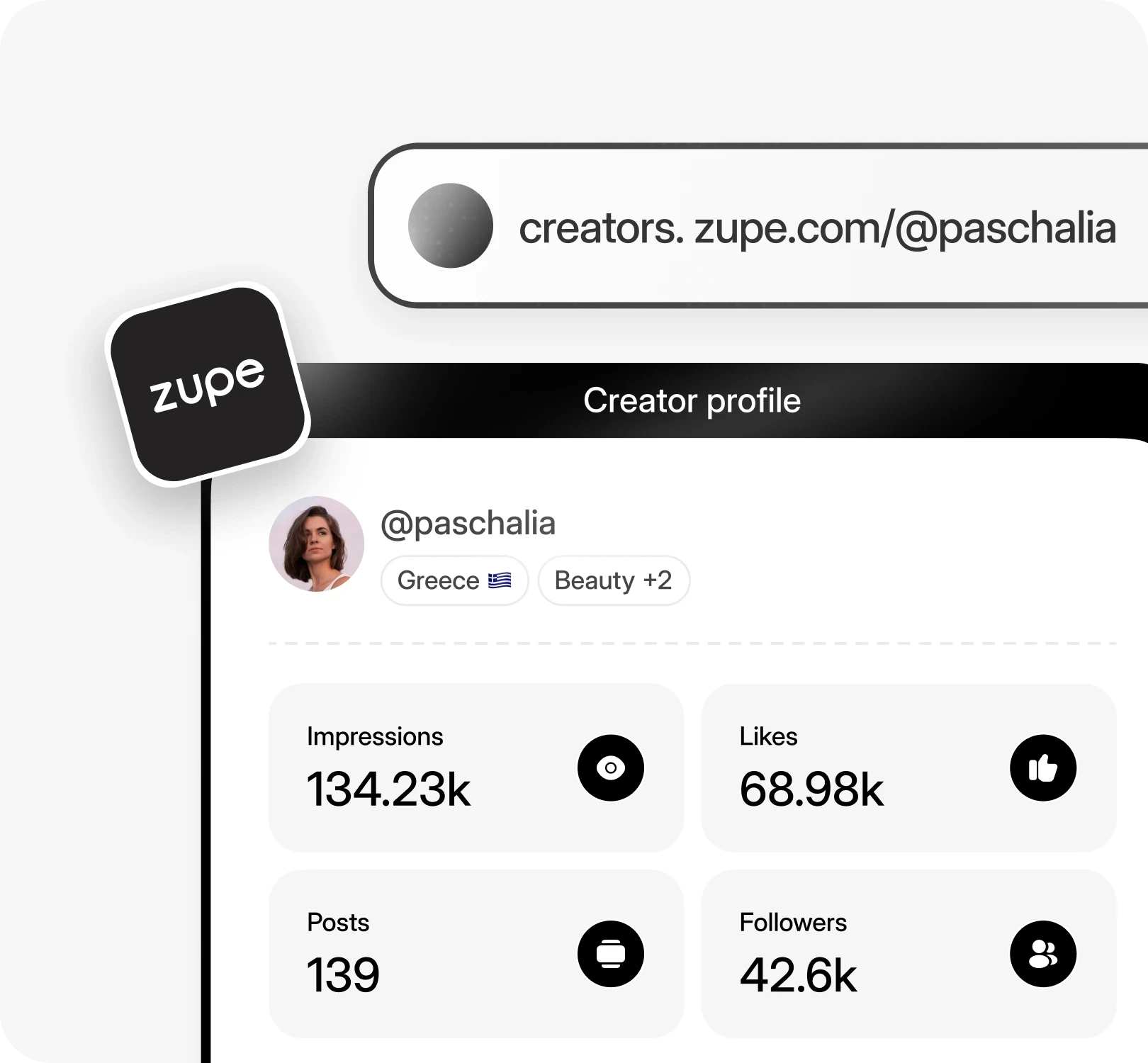
The platform also includes a robust creator CRM that lets your team manage relationships, contracts, seeding logistics, and communication history for every collaborator—whether you work with 20 interior designers or 500 micro-influencers. Combined with creator analytics that go beyond vanity metrics to surface revenue signals, Socialscale gives home decor teams the operational infrastructure to scale creator commerce without scaling headcount proportionally.
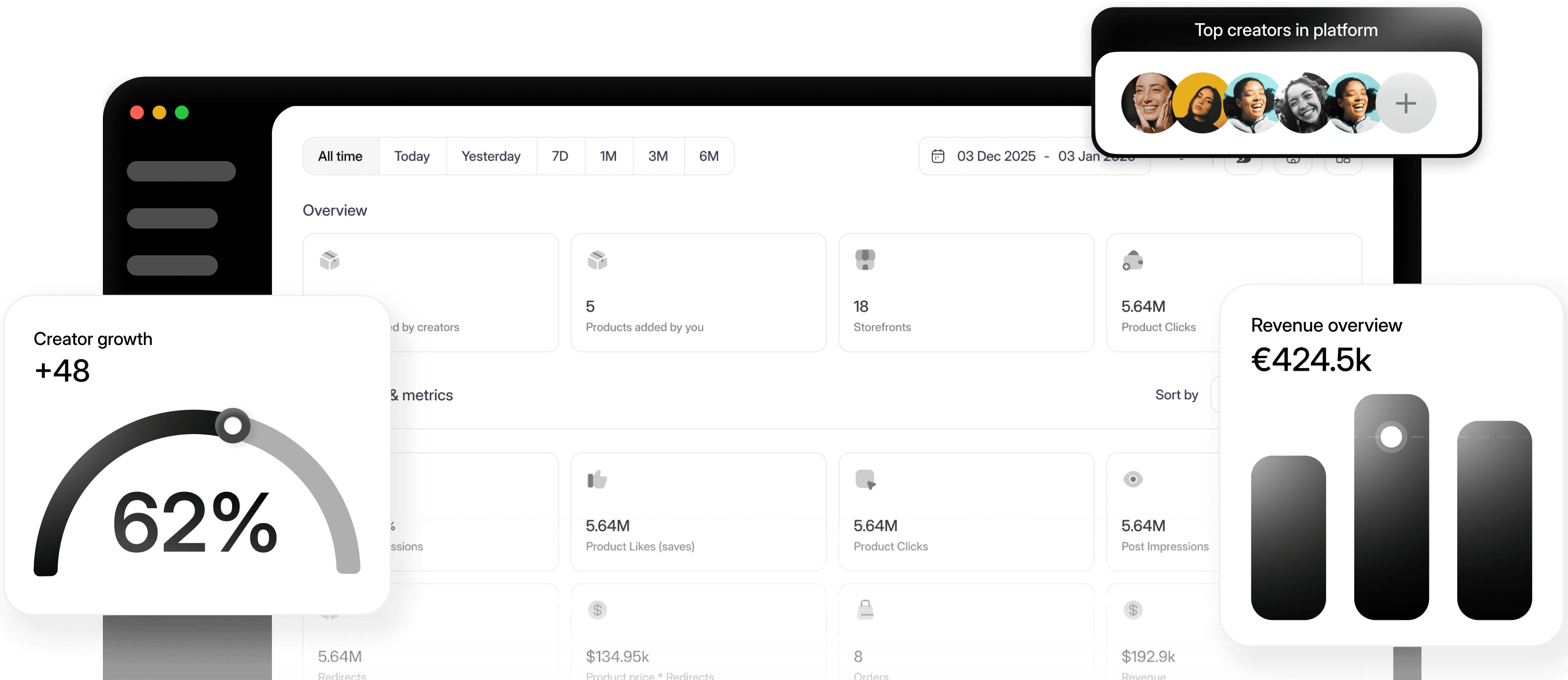
Feature Breakdown: Creator Storefronts Built for Home Decor Workflows
Personalized Creator Storefronts With Catalog Sync
Each creator in your program receives a branded storefront page that pulls products directly from your live catalog. When you add a new seasonal collection or retire discontinued items, storefronts update automatically. Creators can curate their picks by room, style, or collection—giving shoppers the contextual browsing experience that mirrors the inspiration content they saw on social media.
Shoppable Content Widgets for On-Site Embedding
Socialscale's creator widgets let you embed shoppable creator content directly on product pages, collection pages, and dedicated inspiration galleries on your own site. When a customer lands on your linen sofa PDP, they see a creator's styled living room featuring that sofa with a direct add-to-cart overlay. This bridges the gap between inspiration and transaction without requiring the customer to leave your site.
Centralized Content Library With Smart Tagging
Every piece of creator content—photos, videos, stories, reels—flows into a centralized content storage hub where assets are automatically tagged by creator, campaign, product SKU, room type, and content format. Your merchandising team can search for "living room" + "fall collection" and instantly surface every relevant asset for email campaigns, paid social, or homepage features.
Creator Collaboration Management
From initial outreach to brief delivery, product seeding, content submission, and approval, every step of a creator collaboration is tracked in one workflow. Home decor teams can create campaign-specific briefs with mood boards, styling guidelines, and product lists, then track each creator's progress through submission and revision stages without a single email thread.
Performance Tracking at the Storefront and Content Level
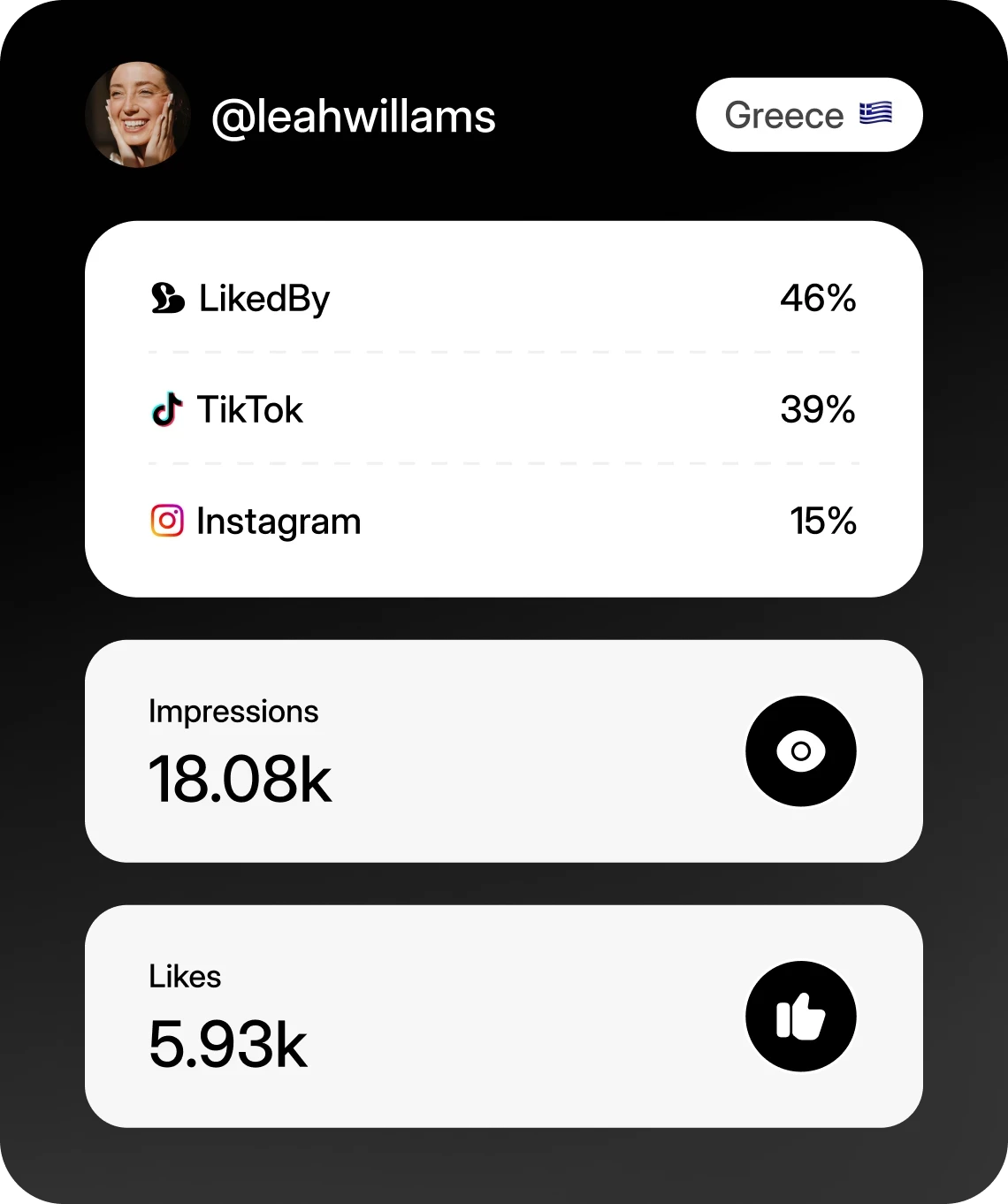
Socialscale tracks clicks, conversions, average order value, and revenue at both the storefront level and the individual content level. This means you can see not only which creators drive the most revenue but also which specific content formats—room tours vs. product close-ups vs. styling tips—generate the highest conversion rates for your catalog.
Affiliate Commission and Payout Management
For brands running affiliate creator programs, Socialscale handles commission structures, tiered incentives, and payout tracking. You can set different commission rates for furniture vs. accessories, reward top performers with bonus tiers, and give creators transparent dashboards showing their earnings—all of which improve retention and motivation.
Use Cases: Creator Storefronts in Action for Home Decor Brands
The following scenarios illustrate how home decor teams can leverage creator storefronts to drive measurable business outcomes across different program models and campaign types.
1. Seasonal Collection Launch With Interior Design Creators
A mid-market home decor brand prepares to launch its spring/summer collection featuring outdoor furniture, patio textiles, and garden accessories. The brand recruits 40 interior design and outdoor living creators, seeds them with key products, and assigns each a personalized storefront pre-loaded with the new collection. Creators style the products in their own outdoor spaces, publish content across Instagram and TikTok, and direct followers to their storefronts. The brand embeds the top-performing creator content on its collection landing page, creating a shoppable inspiration gallery that converts browsing visitors at a higher rate than standard product grids.
2. Always-On Micro-Influencer Affiliate Program
A DTC home accessories brand—candles, vases, picture frames, decorative objects—builds an always-on affiliate program with 200 micro-influencers. Each creator receives a storefront featuring their favorite picks from the full catalog. Creators organically feature products in their home content throughout the month, earning commissions on every sale attributed to their storefront. The brand reviews storefront performance weekly, identifies top converters, and invites them into higher-tier collaborations with exclusive product access and increased commission rates.
3. Room Makeover Campaign With YouTube Creators
A furniture brand partners with 15 YouTube creators known for room makeover and home renovation content. Each creator receives a budget to select products from the brand's catalog and films a full room transformation video. Their creator storefront is linked in the video description, featuring every product used in the makeover along with complementary items. Because YouTube content has a long shelf life, these storefronts continue generating clicks and sales for months after the initial publish date, delivering compounding ROI that short-form content alone cannot achieve.
4. User-Generated Content Repurposing for Paid Media
A home textiles brand collects creator content from its storefront program—styled bedroom shots, unboxing videos, product close-ups—and repurposes the highest-performing assets as paid social ads. By correlating organic storefront conversion data with paid media performance, the brand identifies which creator aesthetics and content formats resonate most with cold audiences. This feedback loop reduces creative production costs by 40% while improving paid social ROAS because the ads feature authentic, proven content rather than studio-produced imagery.
Operational Workflow: Running a Creator Storefront Program for Home Decor
Scaling a creator storefront program requires repeatable processes. Below is a weekly and monthly operational workflow designed for home decor brand teams managing 50 to 500 creators.
Creator Recruitment and Vetting
Identify and recruit creators who align with your brand aesthetic—interior designers, home DIY accounts, lifestyle creators with strong home content. Use your creator CRM to track applications, review portfolios, and score candidates based on audience demographics, engagement quality, and content style fit. Run this as a continuous intake process with weekly review batches.
Onboarding and Storefront Setup
Approved creators receive a structured onboarding flow: brand guidelines, product catalog access, storefront setup instructions, and commission terms. Each creator's storefront is provisioned with a curated product selection based on their content niche (e.g., minimalist living rooms, maximalist bedrooms, small-space solutions). Target: complete onboarding within 5 business days of approval.
Campaign Briefing and Product Seeding
For campaign-specific activations, distribute briefs with mood boards, key messaging, product lists, and content deadlines. Coordinate product seeding shipments and track delivery status within the collaboration management module. For always-on programs, send monthly product highlight emails featuring new arrivals and trending items to keep storefronts fresh.
Content Submission and Approval
Creators submit content through the platform for review. Your brand team approves, requests revisions, or provides feedback directly within the workflow—no email chains required. Set a 48-hour SLA for first-round review to maintain creator satisfaction and content velocity. Approved content automatically becomes available for storefront embedding and on-site widget placement.
Storefront Optimization and Merchandising
Weekly, review storefront analytics to identify which product selections and layouts drive the highest conversion rates. Update featured products based on inventory levels, seasonal priorities, and promotional calendars. Rotate hero content on embedded widgets to keep on-site experiences fresh for returning visitors.
Performance Review and Creator Tiering
Every two weeks, pull creator performance reports covering storefront traffic, click-through rates, conversion rates, revenue generated, and content output volume. Tier creators into performance segments: top performers receive increased commissions, early access to new collections, and priority for paid collaborations. Underperforming creators receive coaching or are transitioned out of the program.
Content Repurposing and Distribution
Monthly, audit the content library for high-performing assets suitable for repurposing. Route top creator content to your paid media team for ad creative, to your email marketing team for newsletter features, and to your merchandising team for on-site gallery updates. Track secondary usage performance to build a feedback loop between organic creator content and owned/paid channels.
Monthly Program Reporting and Strategy Adjustment
Compile monthly program-level metrics: total storefront revenue, average revenue per creator, content production volume, creator activation rate, and program ROI. Present findings to leadership with actionable recommendations—scaling investment in high-performing creator segments, testing new content formats, or adjusting commission structures to improve creator retention.
Key Performance Metrics for Home Decor Creator Storefront Programs
Tracking the right KPIs ensures your creator storefront program delivers measurable business impact. These metrics should be reviewed at the creator level, campaign level, and program level on a weekly and monthly cadence.
Creator Activation Rate: Percentage of onboarded creators who publish content and drive at least one storefront visit within 30 days of onboarding.
Storefront Click-Through Rate (CTR): Ratio of storefront visits to product clicks, indicating how effectively the curated layout converts browsers into shoppers.
Content-to-Storefront Conversion Rate: Percentage of social content viewers who click through to a creator's storefront, measuring the strength of the content-to-commerce bridge.
Storefront Conversion Rate (CVR): Percentage of storefront visitors who complete a purchase, benchmarked against your site-wide conversion rate.
Average Order Value (AOV) via Storefronts: Compare AOV from storefront-attributed orders against direct site traffic to quantify the upsell effect of curated product selections.
Gross Merchandise Value (GMV) per Creator: Total revenue attributed to each creator's storefront, used for tiering and ROI calculations.
Content Output Volume: Number of approved content pieces produced per creator per month, tracking program productivity.
Content Approval Cycle Time: Average time from content submission to approval, with a target SLA of 48 hours.
ROAS on Creator Program Spend: Total storefront-attributed revenue divided by total program costs (product seeding, commissions, platform fees, team time).
Cost Per Acquisition (CPA) via Creator Storefronts: Total program cost divided by number of new customers acquired through storefronts.
Creator Retention Rate: Percentage of creators who remain active in the program after 90 days, indicating program health and creator satisfaction.
Widget Engagement Rate: Click-through and conversion rates on shoppable creator content widgets embedded on your own site.
Scenario: Mid-Market Home Decor Brand Scales Creator Storefronts
A home decor brand specializing in modern farmhouse furniture and accessories—annual revenue of $18M, selling primarily through Shopify Plus—had been running a small influencer program with 25 creators managed through spreadsheets and email. The team of two spent roughly 15 hours per week on manual tasks: tracking content submissions, updating discount codes, compiling performance data from multiple platforms, and chasing creators for deliverables.
After implementing a structured creator storefront program, the brand onboarded 120 creators over 90 days, each with a personalized storefront synced to the live product catalog. The onboarding process was standardized with templated briefs, automated welcome sequences, and a self-service storefront setup flow that reduced onboarding time from 12 days to 3 days per creator.
Within the first quarter, the program generated the following results:
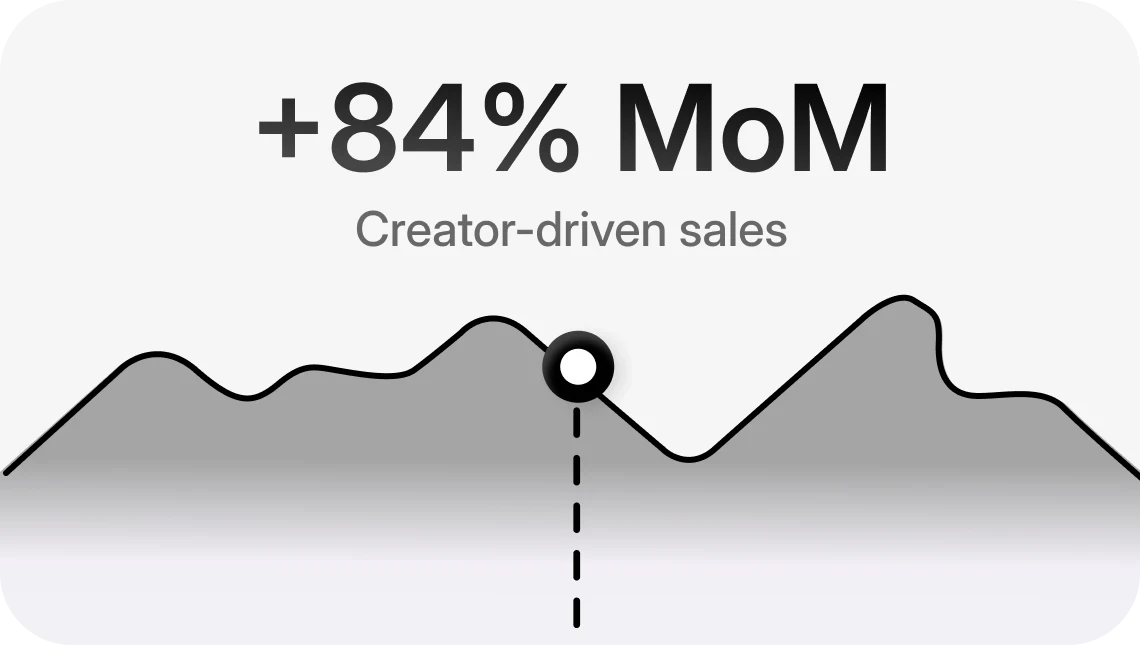
Storefront-attributed revenue reached $410,000, representing a 6.2x return on total program investment including product seeding, commissions, and platform costs.
Average storefront conversion rate was 4.1%, compared to the site-wide average of 2.3%—a 78% improvement driven by the curated, context-rich shopping experience.
Average order value from storefront traffic was $127, versus $94 from direct site traffic, reflecting the upsell effect of seeing products styled together in room contexts.
Content approval cycle time dropped from 6.5 days to 1.8 days, improving creator satisfaction scores and increasing content output by 3x.
The team repurposed 85 creator assets for paid social campaigns, reducing creative production costs by $35,000 per quarter while improving paid social CTR by 22%.
Creator retention at 90 days was 81%, with top-tier creators averaging $8,200 in monthly storefront revenue each.
The brand's e-commerce director reported that creator storefronts had become the highest-ROI acquisition channel in the marketing mix, outperforming branded paid search and display advertising on both CPA and lifetime value metrics.
Frequently Asked Questions
How do creator storefronts differ from standard affiliate links for home decor brands?
Standard affiliate links send customers to a generic product page with no connection to the creator's styled content. A creator storefront is a curated, branded destination where the creator's product picks are presented in context—organized by room, style, or collection. This preserves the inspiration-to-purchase journey and typically delivers higher conversion rates and average order values because shoppers see products as part of a cohesive design vision rather than isolated items.
How many creators do we need to make a storefront program worthwhile?
Programs can start generating meaningful data and revenue with as few as 20 to 30 active creators, provided they are well-matched to your brand aesthetic and have engaged audiences. The operational infrastructure matters more than sheer volume at launch. Once your workflows are proven—onboarding, briefing, content approval, performance tracking—scaling to 100 or 500 creators becomes a matter of repeating established processes rather than reinventing them.
Can creator storefronts be embedded directly on our home decor website?
Yes. Shoppable creator content can be embedded on your site through widgets placed on product pages, collection pages, homepage inspiration sections, and dedicated creator shop-the-look galleries. These widgets display creator-styled imagery or video with direct add-to-cart functionality, keeping the shopping experience on your domain while leveraging the trust and aesthetic appeal of creator content.
How do we keep creator storefronts updated when our catalog changes seasonally?
When your storefront program is connected to your product catalog via Shopify or a similar platform, product availability, pricing, and imagery sync automatically. When you retire a seasonal collection, those products are removed from storefronts without manual intervention. Your team can also push curated product suggestions to creators monthly, highlighting new arrivals and priority items to keep storefronts aligned with your merchandising calendar.
What types of home decor creators work best for storefront programs?
The strongest performers tend to be creators whose content naturally features products in real living environments—interior designers sharing client projects, home renovation creators documenting room makeovers, rental-friendly decorating accounts, and lifestyle creators with a strong home aesthetic. Micro-influencers with 10K to 100K followers often outperform larger accounts on conversion metrics because their audiences are more niche and purchase-intent is higher. The key is alignment between the creator's visual style and your brand identity.