Creator Storefronts for DTC Brands
Direct-to-consumer brands live and die by their ability to acquire customers profitably. As paid media costs climb and attribution becomes murkier, DTC teams are turning to creator storefronts as a scalable, performance-driven channel that blends authentic content with shoppable commerce. Building affiliate storefront programs for DTC brands is no longer a nice-to-have experiment — it is a core revenue lever.
Creator storefronts give each partner a personalized, branded page where they curate and recommend your products to their audience. When done right, these storefronts turn creators into always-on sales channels, generating measurable GMV while producing a steady stream of social proof and user-generated content. This is social commerce in its most practical form: real people recommending real products through dedicated shopping experiences tied directly to your catalog.
The challenge is operational. Managing dozens or hundreds of creator storefronts across product launches, seasonal campaigns, and evergreen programs requires purpose-built infrastructure — not a patchwork of spreadsheets, coupon codes, and manual payouts. This page breaks down exactly how DTC brand teams can build, manage, and scale creator storefront programs that perform.
Key Challenges DTC Brands Face with Creator Storefront Programs
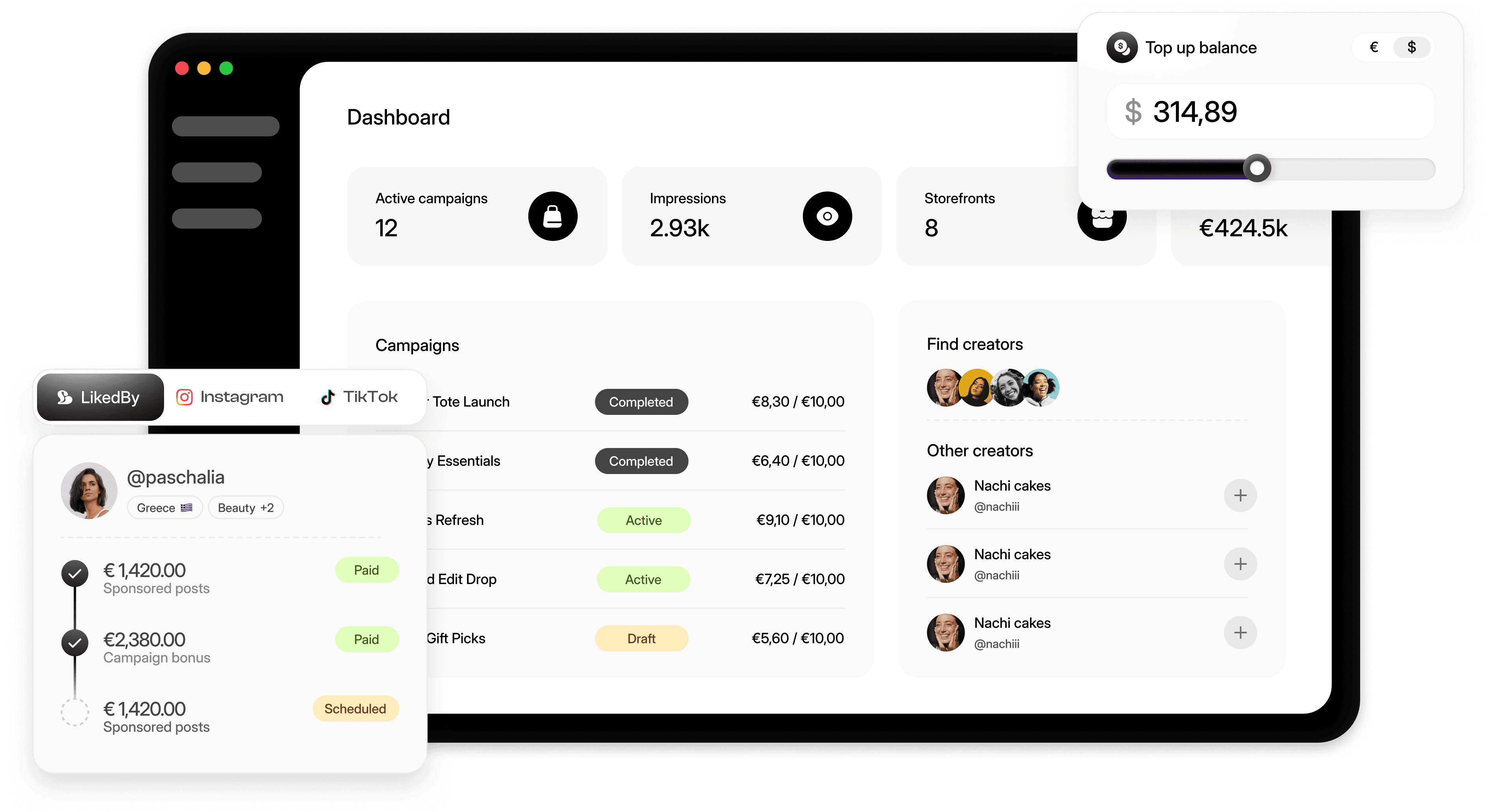
Running creator storefronts at scale introduces operational complexity that most DTC teams underestimate. Below are the most common friction points that slow programs down or prevent them from launching altogether.
1. Creator Onboarding Bottlenecks
DTC brands often receive hundreds of inbound creator applications per month. Without a structured intake process, teams waste hours manually vetting profiles, negotiating terms, and setting up individual storefronts. The result is a slow pipeline that frustrates high-quality creators and delays revenue.
2. Catalog Sync and Product Curation
Creator storefronts need to reflect accurate inventory, pricing, and product availability in real time. When storefronts display out-of-stock items or incorrect prices, it erodes trust with both creators and their audiences.
3. Attribution and Commission Tracking
DTC brands selling through Shopify or headless commerce stacks need reliable, click-level attribution. Many teams still rely on discount codes as a proxy for tracking, which misses significant portions of creator-driven revenue and creates disputes during payout cycles.
4. Content Quality Control at Scale
Each creator storefront is a brand touchpoint. Ensuring that product descriptions, imagery, and creator messaging align with brand guidelines becomes exponentially harder as the program grows beyond 20–30 active creators.
5. Fragmented Performance Data
Revenue data lives in Shopify, engagement data lives on Instagram or TikTok, and creator communication lives in email or DMs. Without a unified view, teams cannot identify which creators are actually driving profitable conversions versus vanity metrics.
6. Payout Complexity and Creator Retention
Late or inaccurate commission payments are the fastest way to lose top-performing creators. DTC brands running programs across multiple tiers — flat fee, percentage commission, hybrid — need automated payout logic that scales.
7. Seasonal Campaign Coordination
DTC brands operate on tight product launch and promotional calendars. Coordinating storefront updates, exclusive product drops, and limited-time offers across dozens of creators requires campaign-level orchestration that most tools do not support.
8. Measuring Incremental Value Beyond Last Click
Creator storefronts often influence purchases that are completed through other channels. DTC teams struggle to quantify the halo effect of creator content on branded search, email signups, and repeat purchase rates.
Why Traditional Tools Fail DTC Creator Storefront Programs
Affiliate Networks Were Built for Publishers, Not Creators
Legacy affiliate platforms like ShareASale, CJ, and Rakuten were designed for coupon sites and content publishers. They offer link tracking and payouts, but they have no concept of a branded storefront experience, no content management layer, and no way to manage the creator relationship beyond a transaction. DTC brands using these platforms end up with a generic affiliate program, not a curated storefront channel.
Influencer Marketing Platforms Stop at Content
Tools like Grin, CreatorIQ, and Aspire focus on influencer discovery and campaign management. They help you find creators and manage content deliverables, but they were not built to power shoppable storefronts, track storefront-level revenue, or manage ongoing affiliate relationships. The result is a gap between the content workflow and the commerce workflow.
Spreadsheets and Manual Processes Break at 50 Creators
Many DTC teams start with a manual approach — Google Sheets for tracking, Slack for communication, and monthly manual payout calculations. This works for a handful of creators but collapses under the weight of a growing program. Errors multiply, response times slow, and the team spends more time on administration than strategy.
Shopify Collabs Has Limitations
Shopify Collabs offers basic affiliate functionality natively, but it lacks the depth needed for serious storefront programs. There is no robust content management, limited creator CRM capabilities, no campaign orchestration layer, and minimal analytics beyond basic sales attribution. DTC brands that outgrow it quickly hit a ceiling.
No Single Tool Connects Content, Commerce, and Creator Management
The fundamental problem is that DTC brands need a system that handles the full lifecycle: recruiting and onboarding creators, managing storefronts and product curation, organizing creator content, embedding shoppable experiences on-site, and tracking performance from impression to purchase. No traditional tool category covers all of this.
How Socialscale Powers Creator Storefronts for DTC Brands
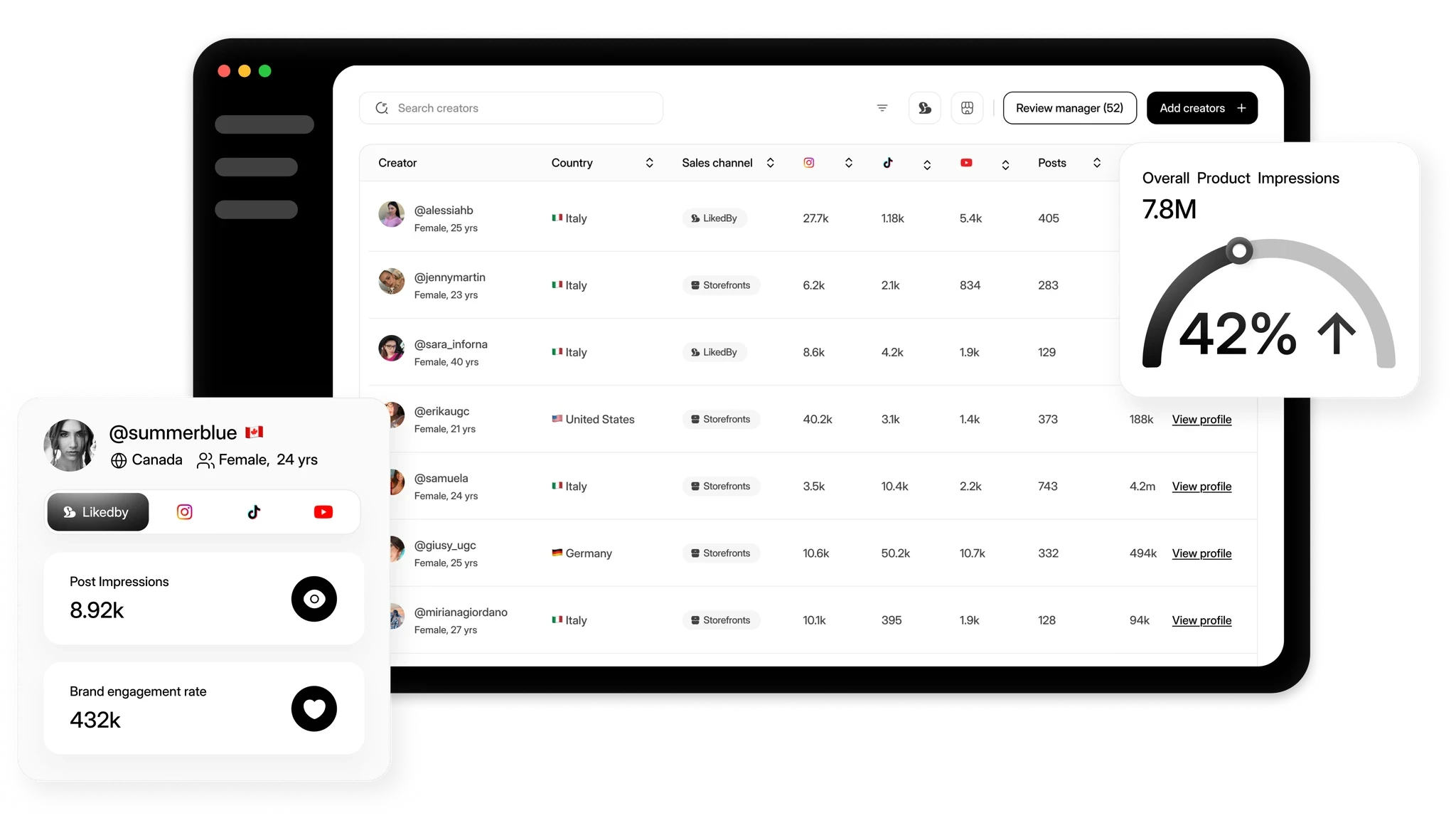
Socialscale is the operating system for social commerce, purpose-built to help DTC brands and agencies run creator programs end-to-end. Rather than stitching together five different tools, Socialscale provides a single creator marketing platform that connects onboarding, storefront management, content organization, shoppable widgets, and performance tracking in one workflow.
For DTC teams building affiliate storefront programs, Socialscale eliminates the operational gaps that slow growth. Your team can onboard creators through structured application flows, assign them personalized storefronts linked to your product catalog, manage all communication and collaboration through a built-in creator CRM, and track every storefront's contribution to revenue through integrated creator analytics.
The platform is designed for the specific needs of DTC commerce: tight Shopify integration, real-time product sync, commission automation, and the ability to embed creator-curated shoppable content directly on your product pages and landing pages. This is not a repurposed influencer discovery tool — it is infrastructure for running creator storefronts as a serious revenue channel.
Feature Breakdown: Creator Storefronts on Socialscale
Structured Creator Onboarding
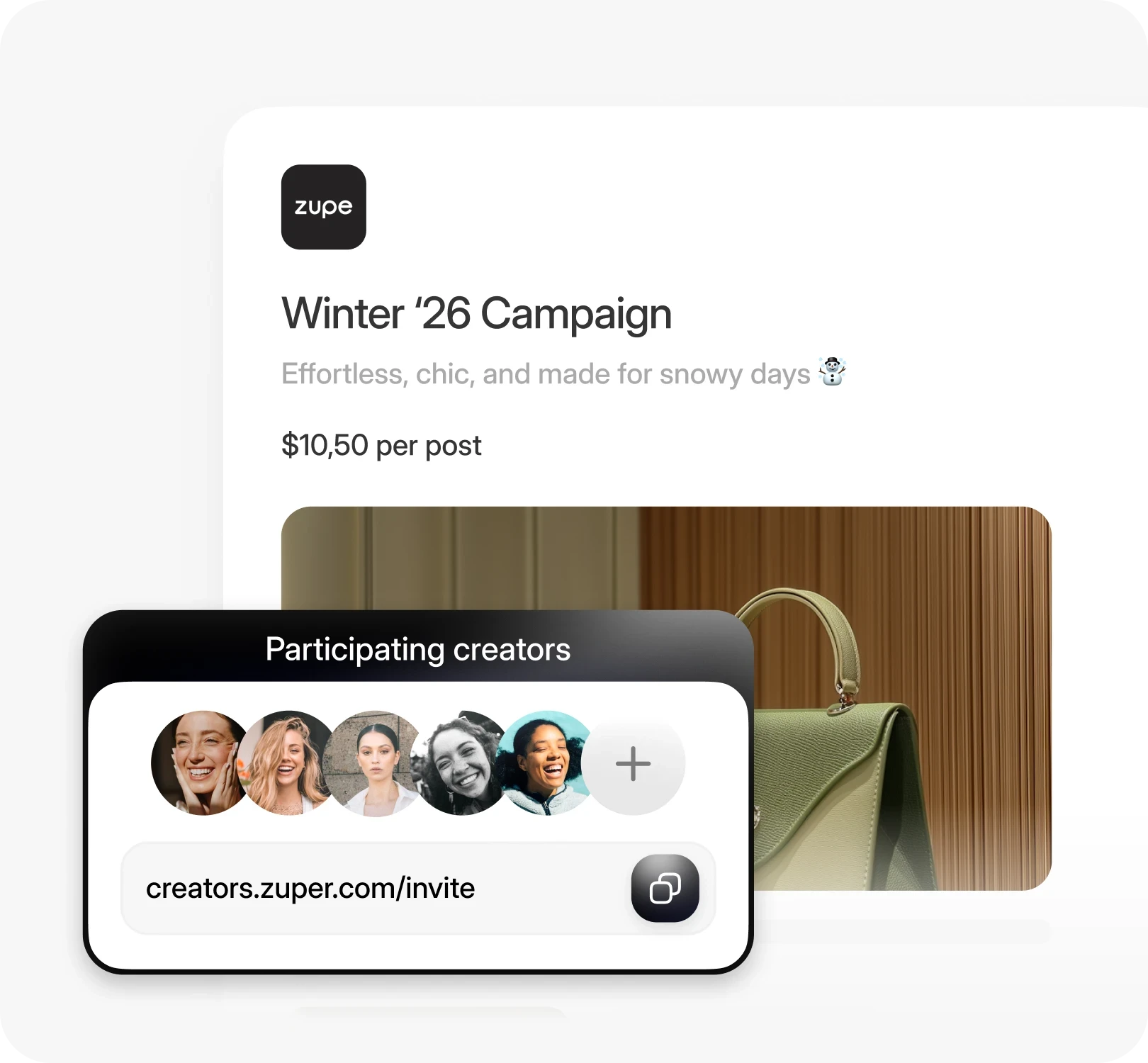
Build branded application pages where creators can apply to your storefront program. Capture the data points that matter to your DTC brand — audience demographics, content style, product affinity, past brand partnerships — and automatically route applications through approval workflows. Accepted creators are provisioned with storefronts without manual setup.
Personalized Storefront Pages
Each creator receives a unique, branded storefront URL where they can curate and feature products from your catalog. Storefronts pull live product data including pricing, imagery, variants, and availability. Creators can organize products into collections, add personal recommendations, and share their storefront link across social channels and bio links.
Product Catalog Sync
Socialscale connects directly to your Shopify store to keep storefront product data accurate in real time. When you update a product title, swap an image, or mark an item as sold out, every creator storefront reflects the change automatically. No manual updates, no broken links, no customer confusion.
Creator Collaboration Management
Manage all creator communication, briefs, deliverables, and approvals within the platform. Assign campaign-specific tasks — such as featuring a new product drop on their storefront or creating a TikTok video linking to their page — and track completion. This replaces scattered email threads and DM conversations with a centralized collaboration hub.
Content Organization with Creator Drive
Every piece of content your creators produce — product photos, unboxing videos, testimonials, Stories screenshots — is stored and organized in Creator Drive. Tag assets by creator, campaign, product, and content type. Your marketing team can quickly pull approved UGC for ads, email, and on-site use without hunting through Dropbox folders or Google Drive links.
Shoppable Creator Widgets
Embed creator-curated content directly on your DTC site using shoppable creator widgets. Display a creator's top picks on your homepage, feature creator video reviews on product detail pages, or build dedicated landing pages that showcase multiple creator storefronts. Each widget is connected to your cart, turning social proof into direct purchases.
Commission and Payout Automation
Define commission structures by creator tier, product category, or campaign. Socialscale tracks every storefront-attributed sale and calculates payouts automatically. Support flat-rate commissions, percentage-based models, tiered bonuses for hitting revenue thresholds, and hybrid structures that combine upfront fees with performance incentives.
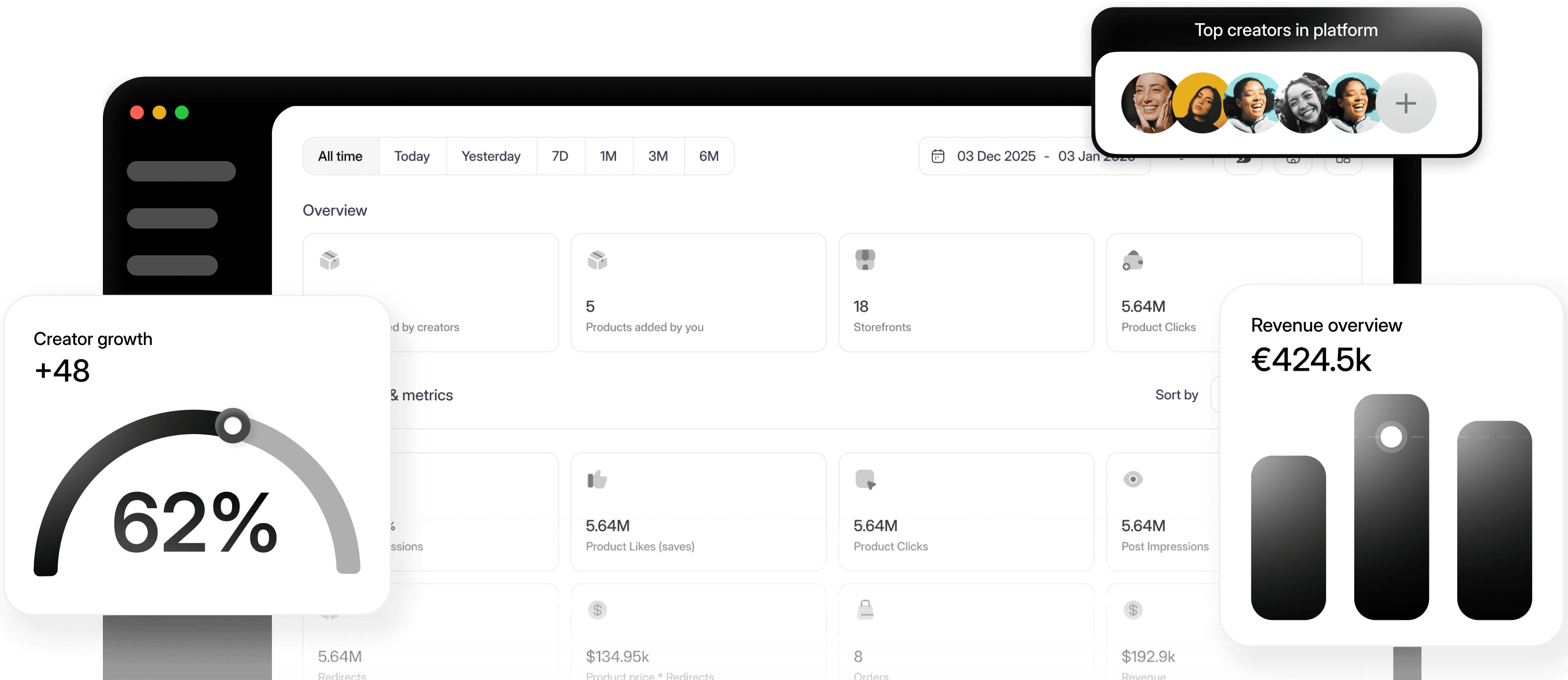
Performance Tracking and Creator Analytics
View storefront performance at the program, campaign, and individual creator level. Track clicks, conversions, average order value, revenue, and commission costs. Identify your top-performing creators, spot underperformers who need re-engagement, and calculate true ROAS on your creator storefront investment.
Use Cases: Creator Storefronts in Action for DTC Brands
1. Always-On Affiliate Storefront Program for a Skincare Brand
A clean beauty DTC brand recruits 150 micro-creators who are genuine customers of the product line. Each creator receives a personalized storefront featuring their holy-grail products and skincare routines. Creators share their storefront links in Instagram bios, TikTok captions, and YouTube description boxes. The brand tracks which creators drive the highest conversion rates and promotes top performers to a VIP tier with higher commissions and early access to new launches. Over six months, the program generates 18% of total online revenue at a fraction of the cost of paid social acquisition.
2. Product Launch Amplification for a Fitness Apparel Brand
A DTC activewear brand is launching a new legging collection. Two weeks before launch, 40 selected creators receive product samples and a campaign brief. On launch day, each creator's storefront is updated with the new collection front and center. Creators post try-on content linking to their storefronts. The brand embeds a carousel of creator try-on videos on the product landing page using shoppable widgets. The coordinated push drives 3x the first-week sales compared to the previous collection launch that relied solely on paid ads and email.
3. Seasonal Campaign Coordination for a Home Goods Brand
A DTC home décor brand runs quarterly seasonal campaigns — spring refresh, summer entertaining, fall cozy, holiday gifting. For each campaign, the brand creates a themed product collection and assigns it to 60 creator storefronts. Creators receive a brief with styling inspiration and key messaging, then curate their storefronts around the seasonal theme. The brand tracks campaign-level GMV, identifies which seasonal themes resonate most with creator audiences, and uses the data to inform the next quarter's product development and marketing calendar.
4. Customer-to-Creator Pipeline for a Supplements Brand
A DTC wellness brand identifies its most engaged customers through post-purchase surveys and social mentions. These customers are invited to join the creator storefront program through a dedicated application page. Because they are already loyal buyers, their storefront recommendations carry genuine credibility. The brand provides each customer-creator with a starter kit of content templates and product photography. Within three months, the customer-creator cohort achieves a 40% higher conversion rate than creators recruited through outbound outreach, demonstrating the power of authentic advocacy paired with structured storefront infrastructure.
Weekly and Monthly Workflow for Managing Creator Storefronts
Running a creator storefront program requires consistent operational cadence. Below is a practical workflow that DTC brand teams can follow to keep their programs running smoothly and growing steadily.
Week 1: Creator Recruitment and Application Review
Open your branded application page to new creator applicants. Review incoming applications using your creator CRM — filter by audience size, engagement rate, content quality, and product fit. Approve qualified creators and send onboarding emails with storefront setup instructions, brand guidelines, and commission structure details.
Week 1–2: Storefront Setup and Product Curation
Provision storefronts for newly approved creators. Ensure product catalog sync is current and all active SKUs are available for curation. Guide creators on selecting their initial product picks and organizing their storefront collections. Review storefronts for brand alignment before they go live.
Week 2: Campaign Brief Distribution
If a product launch, promotion, or seasonal campaign is upcoming, distribute campaign briefs through the collaboration management system. Include key dates, messaging guidelines, required content formats, and any exclusive products or discount codes tied to the campaign. Set deadlines for content submission and storefront updates.
Week 2–3: Content Review and Approval
As creators submit content — product photos, videos, Stories, Reels — review and approve assets within the platform. Provide feedback on any content that needs revision. Approved content is automatically organized in Creator Drive, tagged by campaign and creator for easy retrieval by your marketing team.
Week 3: On-Site Widget Updates
Refresh shoppable creator widgets on your DTC site. Feature new creator content on product pages, update homepage carousels with fresh creator picks, and build campaign-specific landing pages that aggregate multiple creator storefronts. Monitor widget click-through rates and adjust placement based on performance.
Week 4: Performance Analysis and Reporting
Pull storefront performance reports from your analytics dashboard. Review key metrics: storefront visits, click-through rate, conversion rate, revenue per creator, average order value, and commission costs. Identify top performers for bonus incentives or tier upgrades. Flag underperforming creators for re-engagement outreach or program removal.
Monthly: Commission Payouts and Creator Communication
Run automated payout calculations based on the month's storefront-attributed sales. Send payment summaries to creators with transparent breakdowns of their earnings. Share a monthly program newsletter highlighting top performers, upcoming campaigns, new product additions, and tips for optimizing storefront performance.
Monthly: Program Optimization and Expansion
Analyze program-level trends: creator activation rate, content output per creator, revenue growth trajectory, and cost per acquisition through the storefront channel. Use insights to refine recruitment criteria, adjust commission tiers, test new storefront layouts, and plan the next month's campaign calendar.
Key Metrics for DTC Creator Storefront Programs
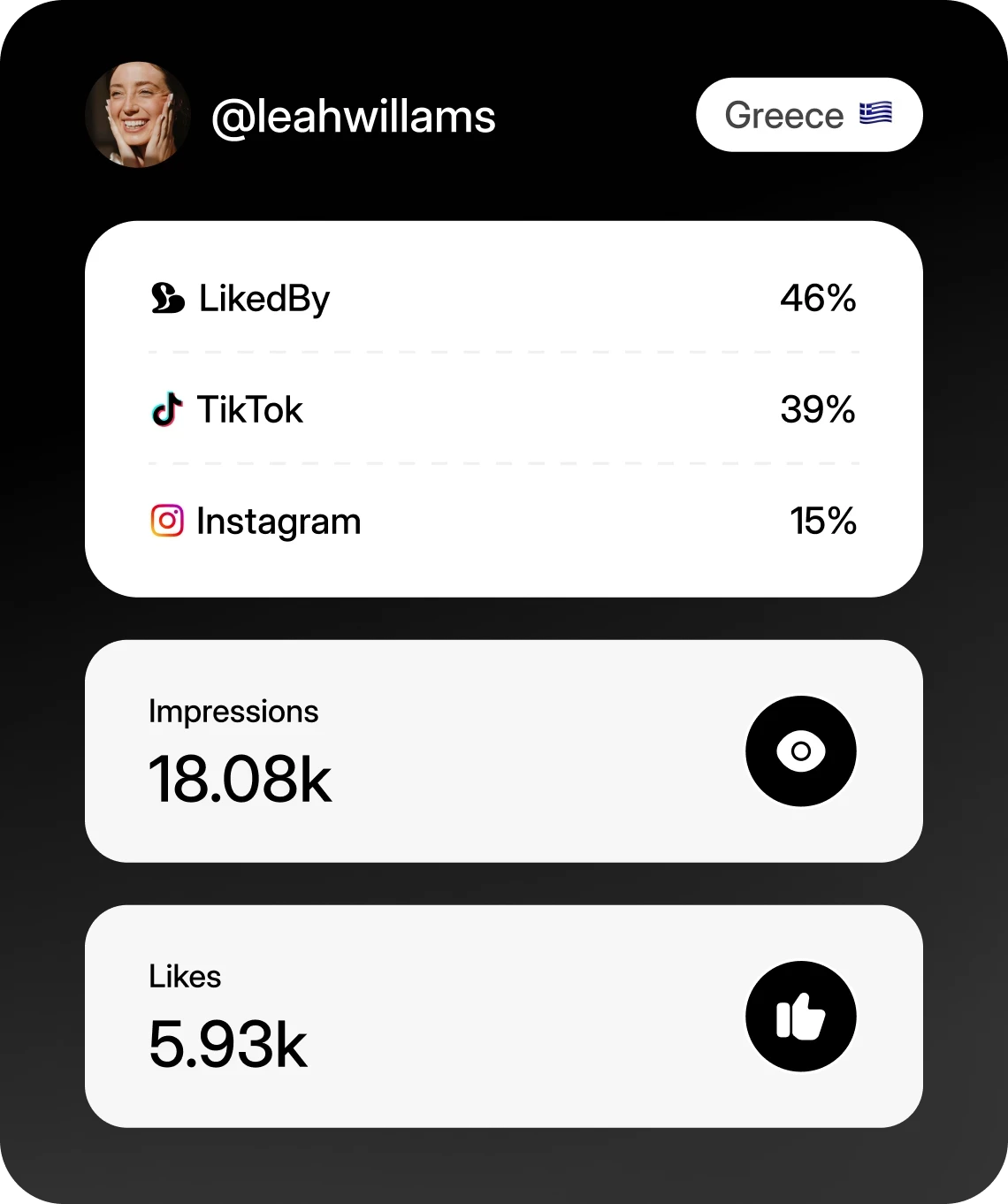
Tracking the right KPIs ensures your creator storefront program is driving profitable growth, not just activity. Below are the metrics that DTC brand teams should monitor weekly and monthly.
Creator Activation Rate: Percentage of onboarded creators who have set up their storefront and generated at least one click or sale within the first 30 days.
Storefront Traffic: Total visits to creator storefronts, segmented by creator, campaign, and referral source (Instagram, TikTok, YouTube, direct).
Click-Through Rate (CTR): Ratio of storefront visitors who click through to a product page on your DTC site.
Conversion Rate (CVR): Percentage of storefront-referred visitors who complete a purchase. Benchmark against your site-wide CVR to measure incremental lift.
Average Order Value (AOV): Average cart value for orders attributed to creator storefronts. Track whether creator-curated recommendations drive higher basket sizes.
Gross Merchandise Value (GMV): Total revenue generated through creator storefronts, tracked at the program, campaign, and individual creator level.
Revenue Per Creator: Average GMV per active creator per month. Use this to identify high-value creator profiles for recruitment targeting.
Commission Cost as Percentage of Revenue: Total commissions paid divided by total storefront GMV. This is your effective cost of sales for the creator channel.
ROAS (Return on Ad Spend Equivalent): Total storefront revenue divided by total program costs (commissions + product seeding + platform fees). Compare against paid social ROAS.
CPA (Cost Per Acquisition): Total program costs divided by number of new customers acquired through creator storefronts.
Content Output Per Creator: Number of approved content assets produced per creator per month. Indicates creator engagement and program health.
Content Approval Time: Average time from content submission to approval. Shorter cycles keep creators motivated and campaigns on schedule.
Creator Retention Rate: Percentage of creators who remain active in the program after 90 days. High churn signals issues with onboarding, communication, or compensation.
On-Site Widget CTR: Click-through rate on shoppable creator widgets embedded on your DTC site. Measures how effectively creator content converts on-site visitors.
Realistic Scenario: DTC Haircare Brand Scales Creator Storefronts
A DTC haircare brand selling through Shopify had been running a basic affiliate program using discount codes and a spreadsheet to track 25 creators. Monthly revenue from the program was approximately $18,000, but the team was spending 20+ hours per week on manual tracking, creator communication, and payout calculations. Content from creators was scattered across Google Drive folders and DMs, and the brand had no way to embed creator content on their site.
After migrating to a structured creator storefront program, the brand onboarded 120 creators over 90 days using a branded application page and automated approval workflows. Each creator received a personalized storefront synced with the full product catalog. The team used campaign briefs to coordinate a summer product launch across all storefronts simultaneously.
Within six months, the program achieved the following measurable results:
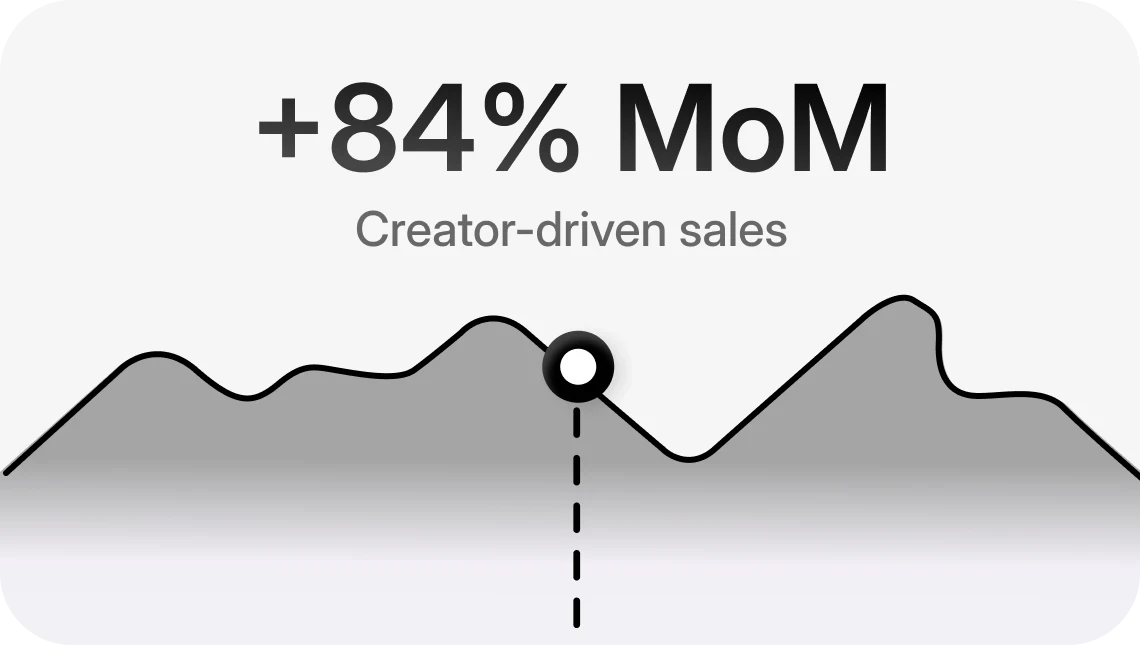
Monthly storefront-attributed revenue grew from $18,000 to $87,000 — a 383% increase.
Creator activation rate reached 78%, with 94 of 120 creators generating at least one sale within their first 30 days.
Average order value for storefront-referred orders was $62, compared to $48 site-wide — a 29% lift driven by creator-curated product bundles.
Content output increased to 340 approved assets per month, with an average approval time of 18 hours.
Commission costs averaged 14% of storefront GMV, delivering an effective ROAS of 5.8x when factoring in all program costs.
The team reduced manual program management time from 20 hours per week to 6 hours per week, freeing capacity to focus on creator recruitment and campaign strategy.
Shoppable creator widgets embedded on product pages contributed to a 22% increase in on-site conversion rate for pages featuring creator content versus those without.
The brand now treats its creator storefront program as a primary acquisition channel, allocating budget previously reserved for Facebook prospecting campaigns toward creator seeding and commission incentives.
Frequently Asked Questions About Creator Storefronts for DTC Brands
What is a creator storefront and how does it differ from a standard affiliate link?
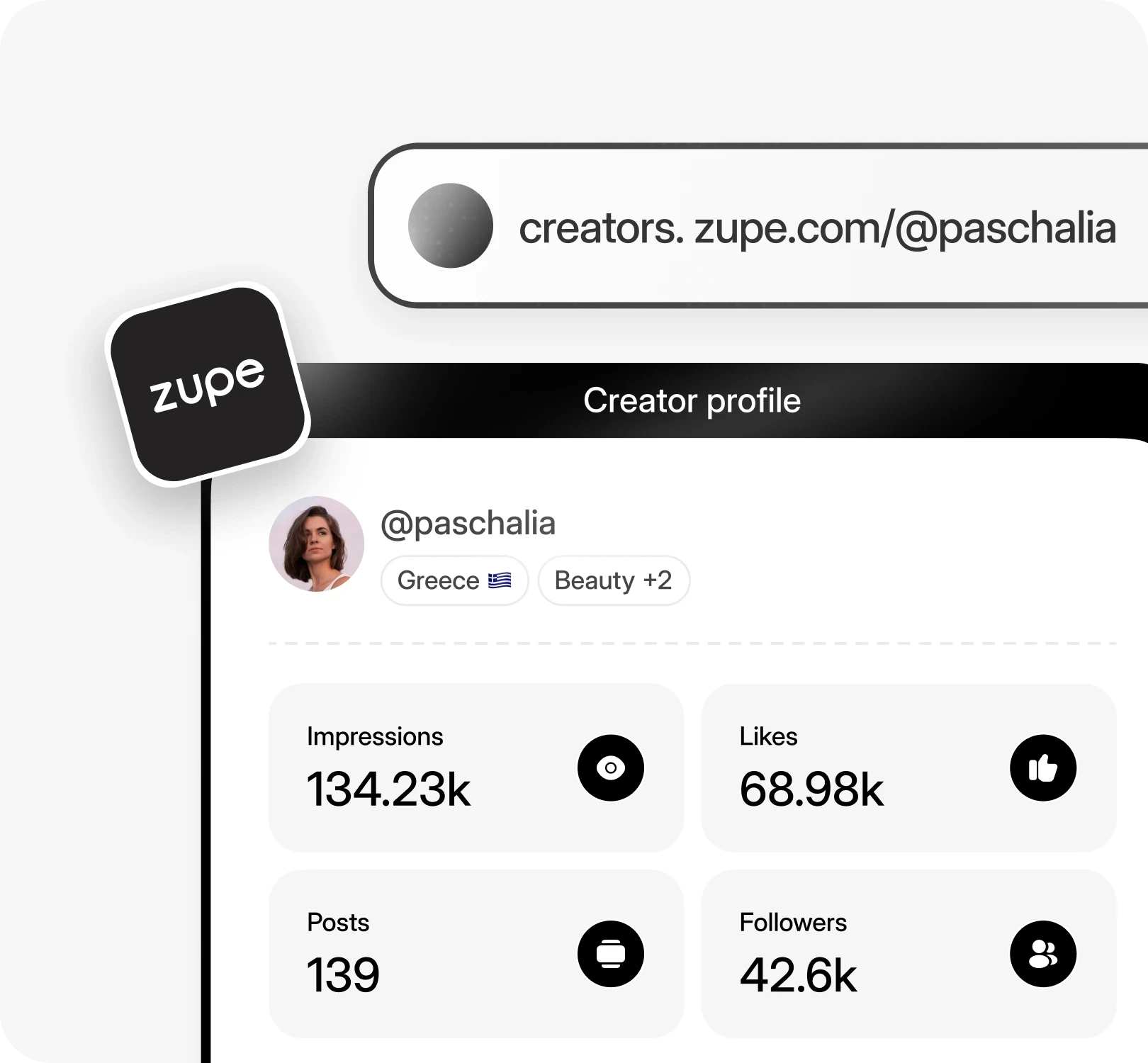
A creator storefront is a personalized, branded page where a creator curates and recommends products from your catalog. Unlike a single affiliate link that points to one product or your homepage, a storefront gives creators a dedicated shopping destination they can share with their audience. Storefronts display multiple products, allow creators to organize collections, and provide a richer shopping experience that drives higher engagement and conversion rates than a bare tracking link.
How many creators do I need to make a storefront program worthwhile for my DTC brand?
You can start seeing meaningful results with as few as 20–30 active creators, especially if they are genuine customers or highly aligned with your product category. The key is activation rate — it is better to have 25 creators who actively promote their storefronts than 200 who signed up and never shared a link. Most DTC brands see significant revenue impact once they reach 75–100 consistently active creators, with the program becoming a top-three acquisition channel at 150+ active creators.
How do creator storefronts integrate with my Shopify store?
Socialscale syncs directly with your Shopify product catalog, pulling in product data including titles, images, pricing, variants, and inventory status. When a customer clicks through a creator's storefront and completes a purchase on your Shopify store, the transaction is attributed to that creator for commission tracking. Product updates in Shopify are reflected on storefronts automatically, so there is no manual maintenance required.
Can I run creator storefronts alongside my existing affiliate program?
Yes. Many DTC brands run creator storefronts as a premium tier within their broader affiliate ecosystem. Traditional affiliates — coupon sites, review blogs, deal aggregators — continue operating through your existing affiliate network, while creator storefronts serve as a higher-touch, branded channel for content creators and brand advocates. The two programs can coexist with separate commission structures and tracking.
How do I measure whether creator storefronts are driving incremental revenue or cannibalizing other channels?
Track new customer acquisition rate through storefronts specifically — if a high percentage of storefront-attributed orders come from first-time buyers, the channel is driving incremental growth. Compare storefront customer cohorts against customers acquired through paid social or organic search to measure differences in lifetime value, repeat purchase rate, and average order value. Additionally, monitor branded search volume trends alongside storefront program growth to identify halo effects on other channels.