Creator Storefront Solution for Fitness Brands
Fitness brands thrive when real people demonstrate real results. But scaling creator-driven revenue requires more than sending discount codes to athletes and trainers. It demands a fitness affiliate storefront infrastructure that turns every creator into a branded point of sale, complete with shoppable content, performance tracking, and streamlined collaboration workflows.
Social commerce is reshaping how consumers discover and purchase supplements, activewear, equipment, and wellness products. Fitness audiences trust the creators they follow for product recommendations, workout routines, and lifestyle guidance. When those creators have dedicated storefronts stocked with curated product selections, conversion rates climb because the purchase happens inside the trust relationship, not on a generic product page.
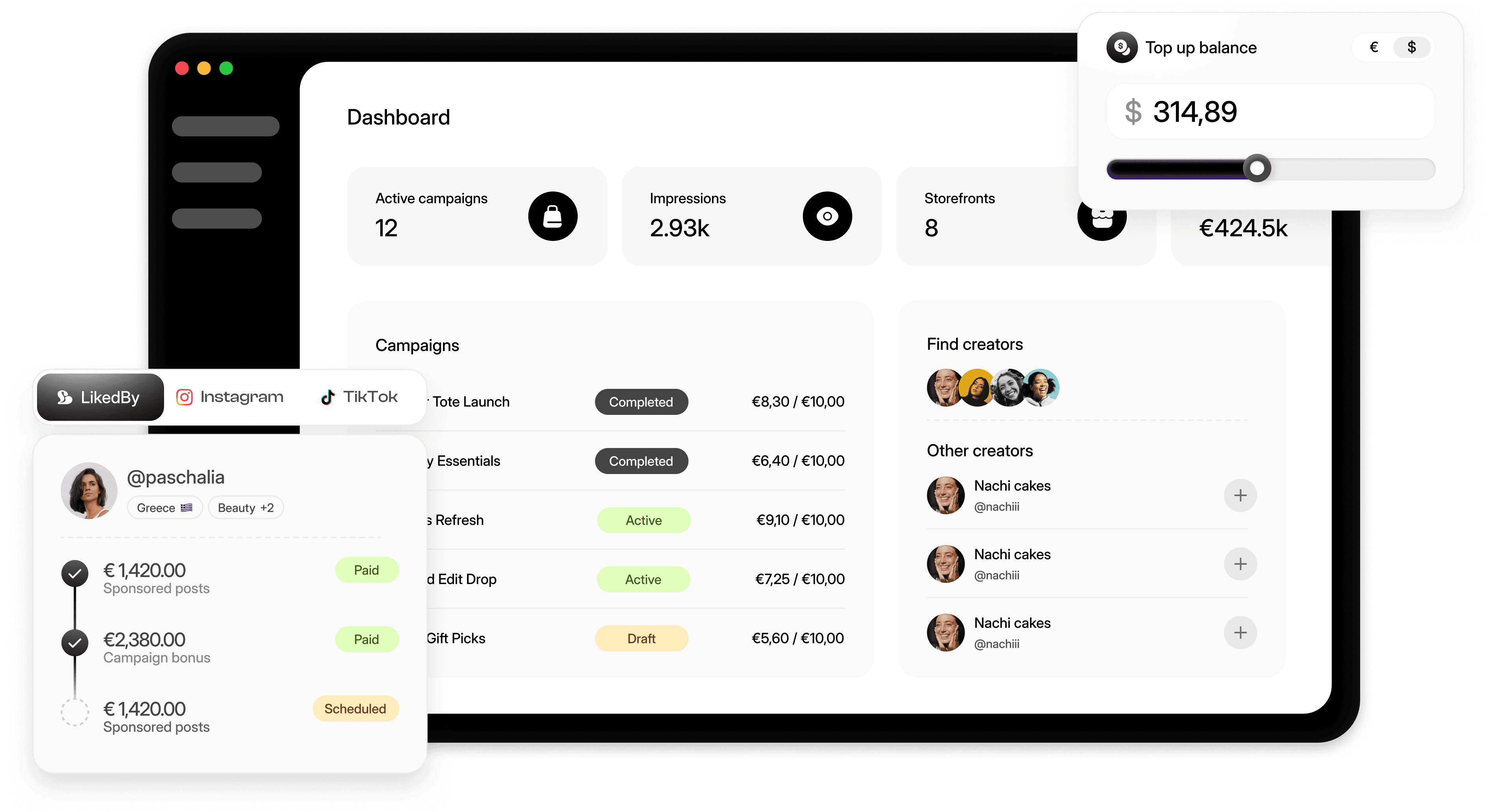
Socialscale provides the creator storefront solution for fitness brands that need to move beyond spreadsheet-managed affiliate programs and disconnected toolchains. From onboarding certified trainers and micro-influencers to embedding shoppable creator content across your owned channels, the platform consolidates every operational layer into one system built for scale.
Managing High Creator Volume Across Niches
Fitness brands often work with hundreds of creators spanning bodybuilding, yoga, CrossFit, running, and wellness niches. Each segment has different audiences, content styles, and product affinities. Coordinating storefront assignments, product catalogs, and commission structures across these verticals becomes unmanageable without centralized infrastructure.
Inconsistent Brand Representation in Creator Content
When trainers and athletes create content independently, messaging drifts. One creator positions your protein powder as a mass gainer while another markets it for lean recovery. Without approval workflows and content guidelines tied to each storefront, brand consistency erodes across channels.
Attribution Gaps in Affiliate Revenue
Fitness consumers often research across multiple touchpoints: a TikTok workout video, an Instagram story review, and then a direct site visit. Traditional last-click affiliate tracking misses the creator who initiated the purchase journey, leading to misallocated commissions and demotivated top performers.
Slow Onboarding of Seasonal and Event-Based Creators
Product launches tied to competition seasons, New Year fitness surges, or summer cut cycles require rapid creator activation. If onboarding takes two weeks of back-and-forth emails, the campaign window closes before storefronts go live.
Content Scattered Across Platforms and DMs
Workout tutorials, transformation photos, supplement reviews, and unboxing videos live in Google Drives, email threads, Instagram DMs, and Slack channels. Finding the right asset for a product page or ad creative becomes a daily time sink.
Limited Visibility Into Creator-Level Economics
Knowing which creators drive revenue is table stakes. Fitness brands need to understand which creators drive the highest average order value, which product categories convert best through storefronts, and which content formats generate repeat purchases. Most tools surface clicks and conversions but miss the deeper economics.
Commission Disputes and Payout Complexity
Tiered commission structures, bonus incentives for hitting sales thresholds, and product-specific rates create payout complexity. Manual calculations in spreadsheets lead to errors, delayed payments, and creator churn.
Affiliate Networks Were Not Built for Creator Storefronts
Traditional affiliate platforms like ShareASale or CJ Affiliate manage links and commissions, but they do not provide branded storefront experiences. Fitness creators get a tracking link, not a curated product page that reflects their personal brand and your product catalog. The result is a generic shopping experience that fails to capitalize on the trust relationship between creator and audience.
Influencer Marketing Platforms Stop at Campaign Delivery
Tools like Grin or AspireIQ handle creator discovery and campaign briefs but lack the commerce infrastructure to power ongoing storefronts. They treat each collaboration as a discrete project rather than an always-on revenue channel. Fitness brands need persistent storefronts that creators promote continuously, not just during a two-week campaign window.
E-commerce Platforms Lack Creator Management Layers
Shopify and WooCommerce power your product catalog, but they have no native concept of a creator storefront with individualized product selections, content embedding, and performance dashboards. Bolting on third-party apps creates fragile integrations and data silos that break when you scale past fifty creators.
Spreadsheets and Manual Processes Cannot Scale
Many fitness brands start with a spreadsheet tracking creator names, commission rates, and monthly payouts. This works for ten creators. At one hundred, it collapses. Content approvals happen over email, performance data lives in platform-specific dashboards, and no one has a unified view of program health.
How Socialscale Powers Creator Storefronts for Fitness Brands
Socialscale is the creator marketing platform purpose-built for social commerce at scale. It replaces the patchwork of affiliate tools, project management apps, and cloud storage folders with a single operating system that handles every stage of your fitness creator program.
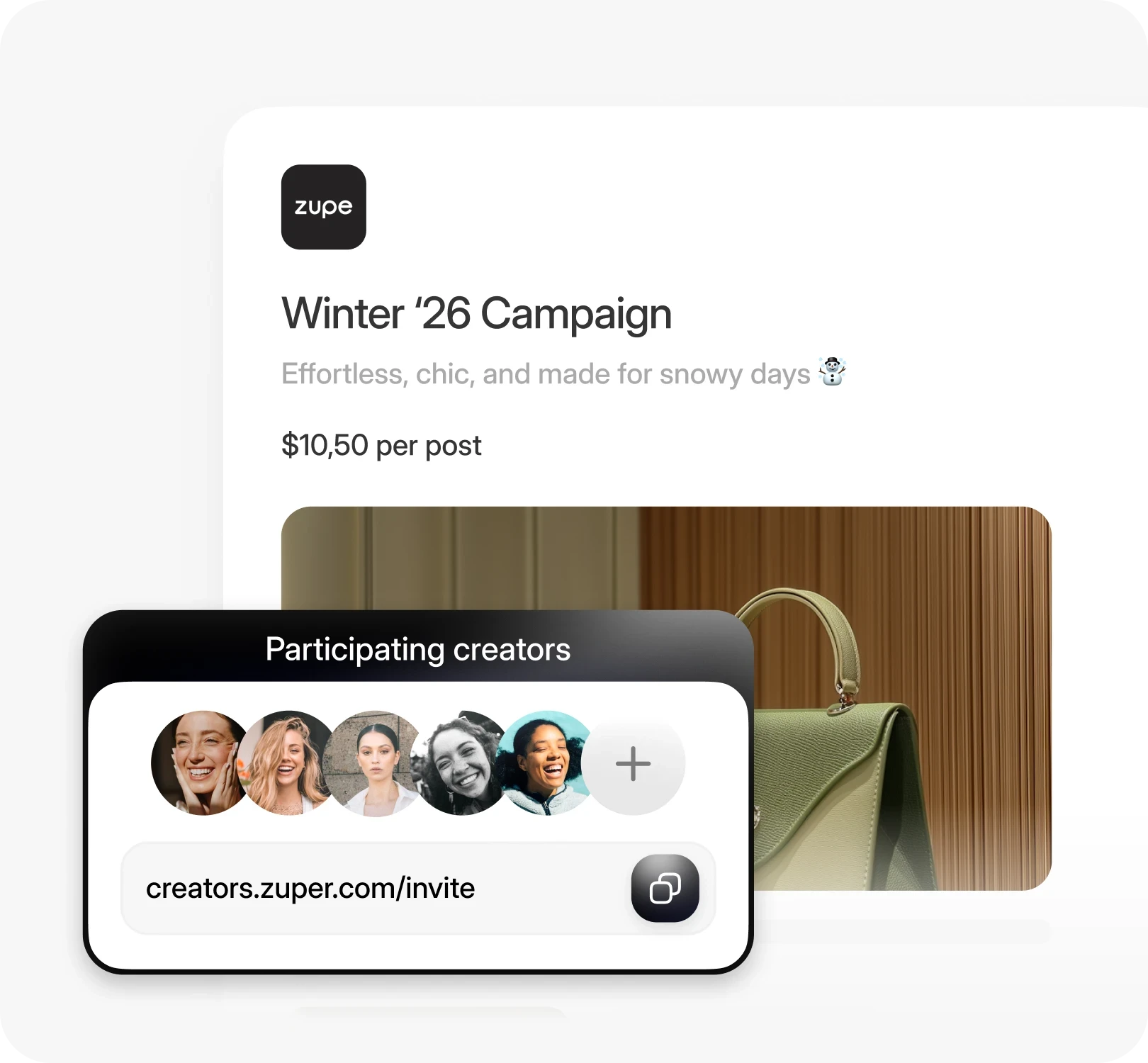
At the core is the storefront engine. Each creator receives a branded storefront populated with products you assign based on their niche, audience demographics, and content style. A powerlifting creator gets pre-workout and belt collections. A yoga instructor gets recovery supplements and apparel. Product assignments update in real time, and creators can request additions through the platform rather than sending emails that get buried.
Content flows through built-in approval workflows. When a creator uploads a supplement review or transformation video, your team reviews it inside Socialscale, provides feedback, and approves it for storefront embedding. Approved content is automatically stored in Creator Drive, organized by creator, campaign, product, and content type. No more hunting through Google Drive folders labeled "Final_v3_REAL."
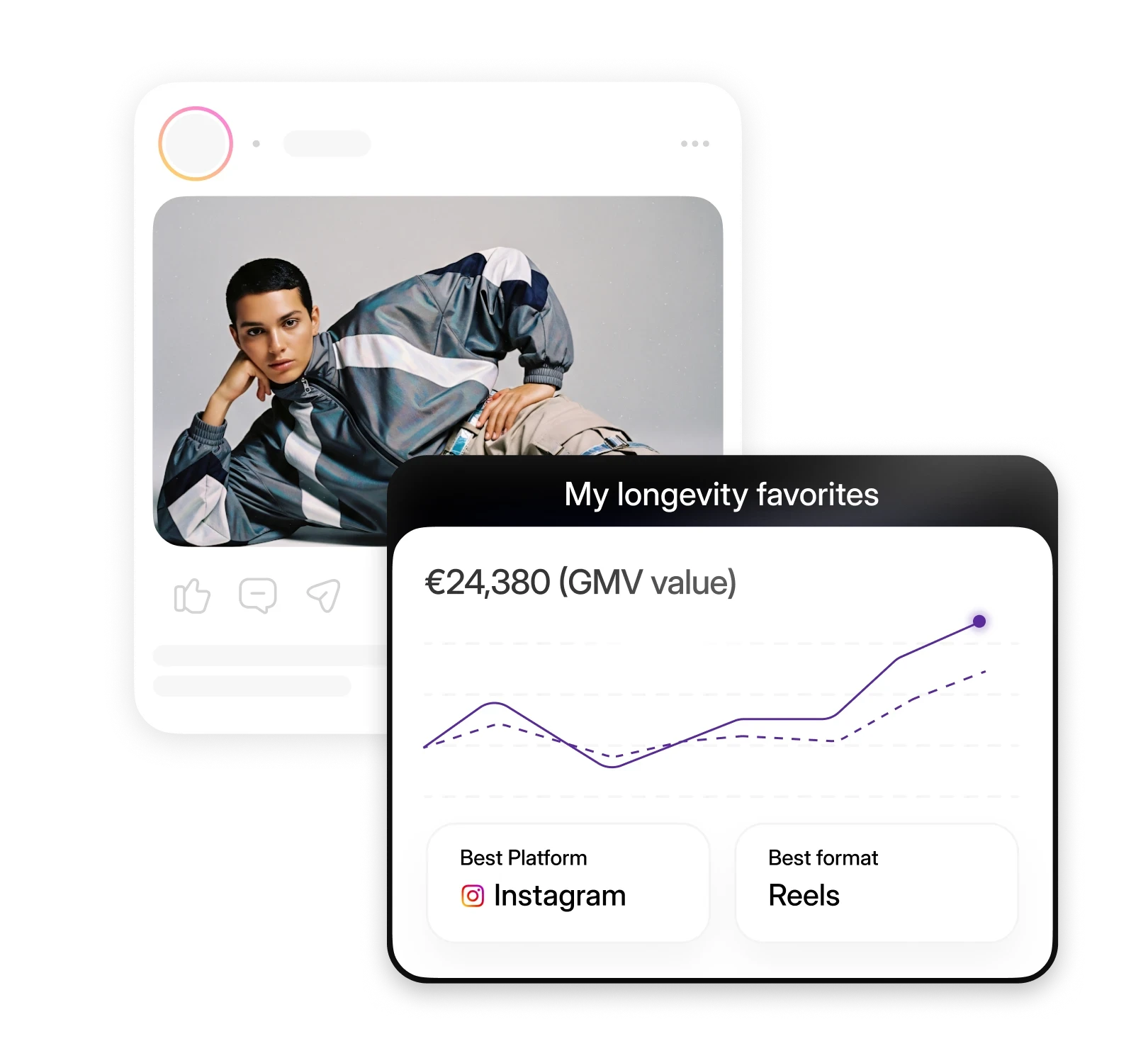
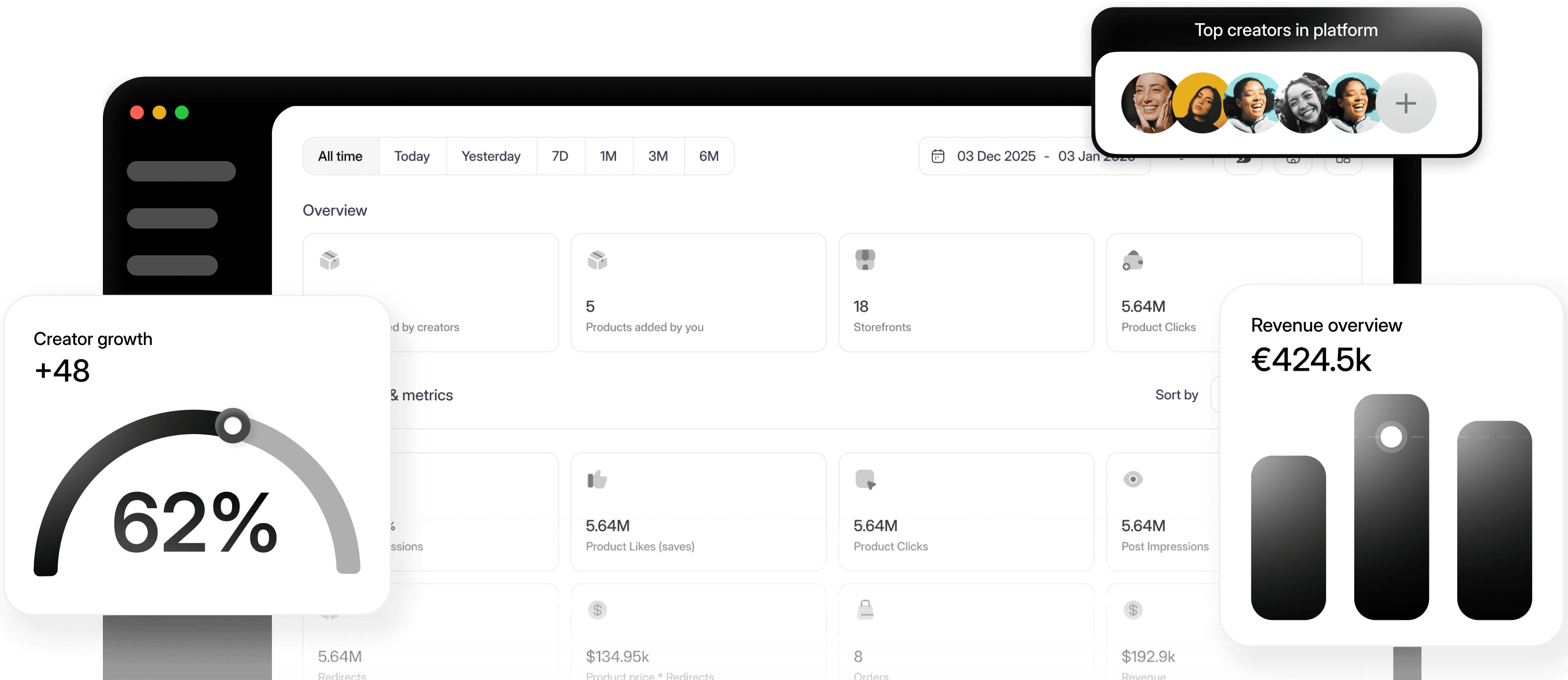
Performance tracking goes beyond clicks. The creator analytics dashboard surfaces revenue per creator, average order value by storefront, product-level conversion rates, and content engagement metrics. You see which creators drive the highest lifetime value customers, not just the most clicks. This data feeds directly into commission calculations, eliminating manual spreadsheet work and payout disputes.
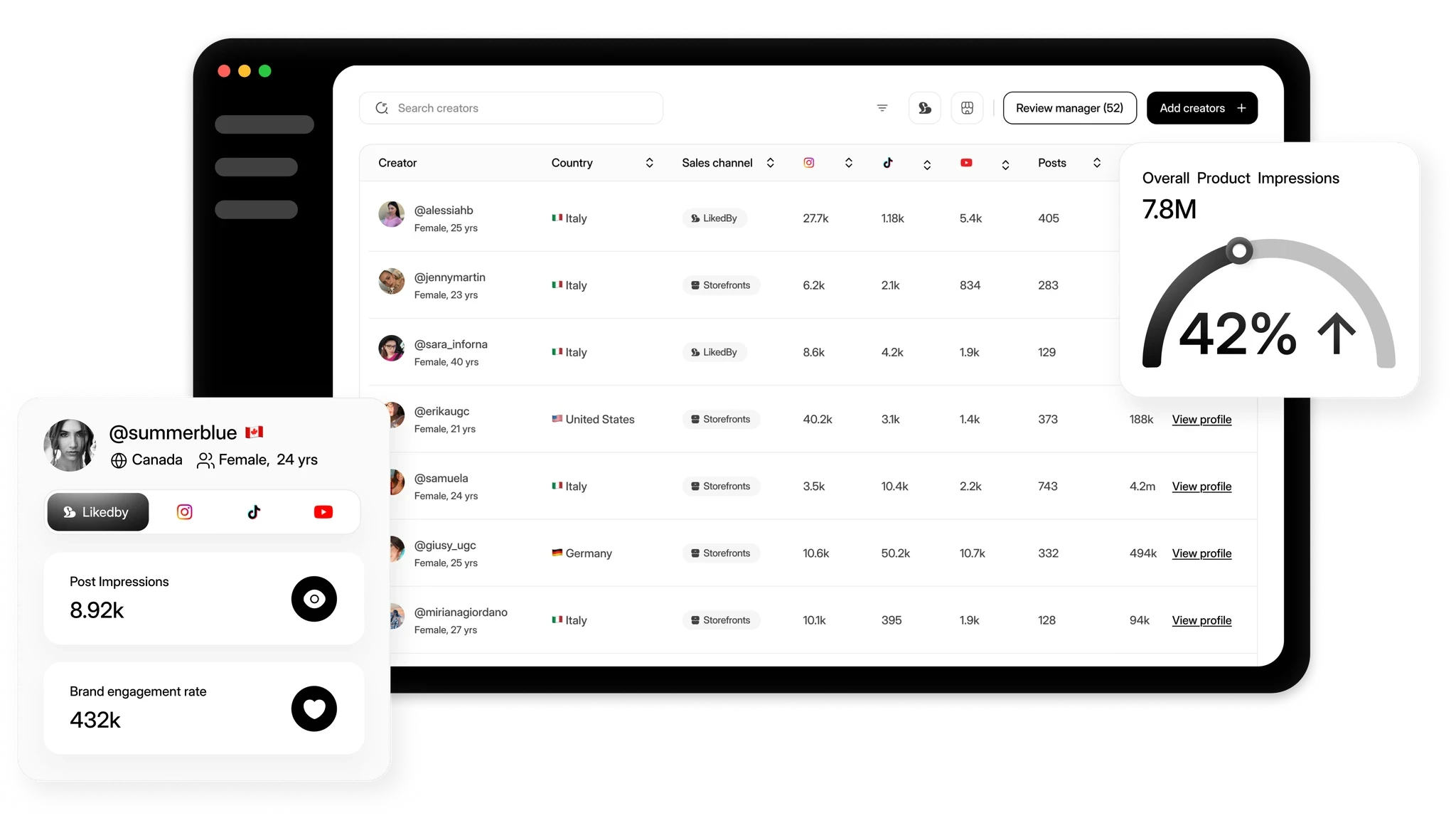
Creator relationship management is centralized in the built-in creator CRM. Every interaction, contract, content submission, and performance milestone is logged in one place. When a creator's contract is up for renewal, you have the full picture of their contribution to your program, not a fragmented trail across five tools.
Feature Breakdown: Storefront Infrastructure for Fitness Programs
Branded Creator Storefronts
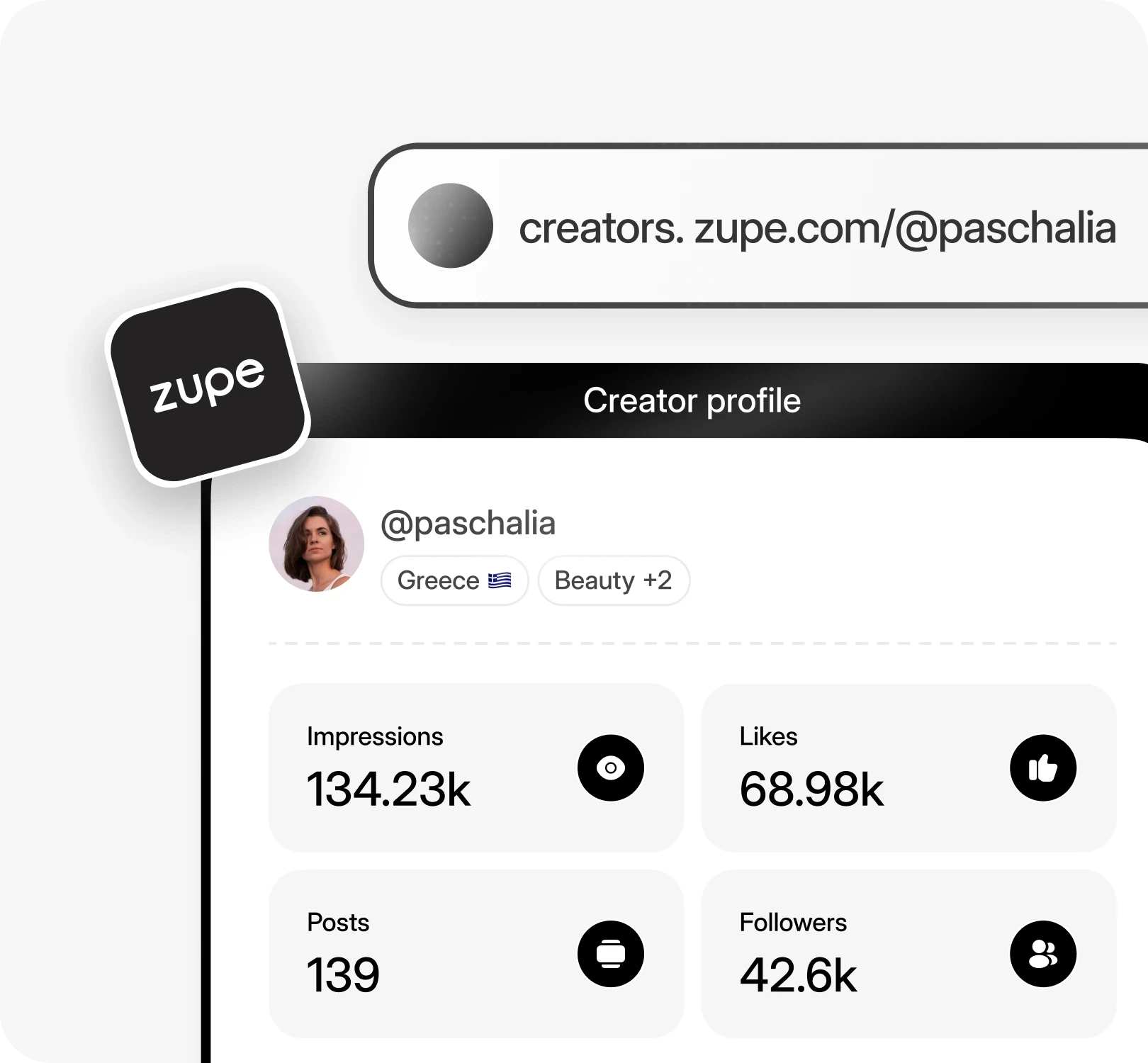
Each creator gets a dedicated storefront page that reflects your brand identity while showcasing their personal curation. Storefronts display product selections, embedded creator content like workout videos and reviews, and direct purchase paths. Fitness brands control the product catalog available to each creator tier, ensuring that new creators promote core SKUs while top performers get access to exclusive launches and bundles.
Product Catalog Assignment and Management
Assign products to individual storefronts or creator segments in bulk. When you launch a new BCAA flavor or limited-edition training shoe, push it to relevant storefronts instantly. Creators receive notifications and can begin promoting immediately. Product removals and inventory updates sync automatically so storefronts never display out-of-stock items.
Content Approval and Embedding Workflows
Creators submit content through the platform with tagged product associations. Your team reviews submissions against brand guidelines, requests edits with inline comments, and approves final versions. Approved content is eligible for embedding on storefronts, product pages, and marketing emails through shoppable content widgets. This turns every creator video into a direct revenue driver on your owned channels.
Tiered Commission Structures
Configure commission rates by creator tier, product category, or campaign. Offer base rates for standard sales and bonus multipliers for hitting monthly thresholds. The system calculates payouts automatically based on attributed sales, eliminating manual reconciliation. Fitness brands running seasonal promotions can create time-bound commission boosts without rebuilding their entire payout structure.
Creator Onboarding Automation
New creators complete onboarding through a self-service flow: profile creation, contract acceptance, product selection, and storefront activation. For fitness brands running ambassador programs with open applications, this reduces onboarding from days to hours. Qualification criteria like minimum follower count, engagement rate, or fitness certification can gate entry automatically.
Shoppable Content Widgets
Embed creator content directly on product detail pages, collection pages, and landing pages. When a shopper watches a creator's squat tutorial featuring your resistance bands, the purchase button is right there. These widgets pull from your approved content library and update dynamically as new content is approved, keeping your site fresh without manual updates.
Creator Performance Dashboards
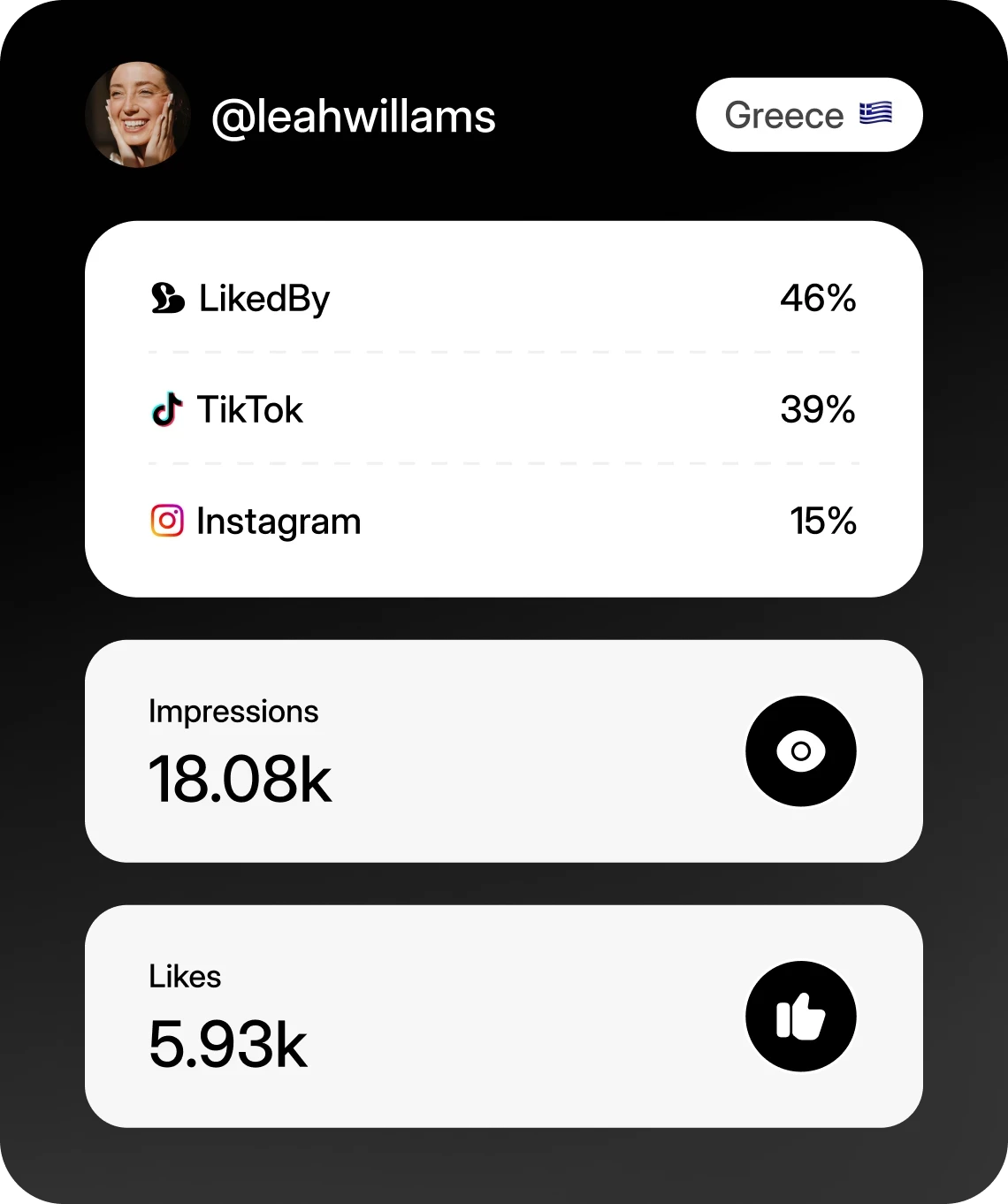
Individual and aggregate dashboards show storefront traffic, conversion rates, revenue generated, content output frequency, and audience engagement. Filter by creator tier, product category, campaign, or time period. Export data for executive reporting or feed it into your BI tools for deeper analysis.
Use Cases for Fitness Brand Creator Storefronts
Supplement Brand Ambassador Program at Scale
A sports nutrition company with 300 ambassador creators across bodybuilding, endurance, and general fitness segments assigns each ambassador a personalized storefront featuring their preferred product stack. Ambassadors share storefront links in YouTube video descriptions, Instagram bios, and TikTok profiles. The brand tracks which product combinations drive the highest average order values and uses that data to inform bundle pricing and new product development. Monthly leaderboards motivate ambassadors with tiered commission escalators and exclusive product access for top performers.
Activewear Launch Seeded Through Creator Storefronts
An activewear brand preparing a new legging collection activates 50 fitness creators two weeks before the public launch. Each creator receives early access to the collection on their storefront, along with product samples and a creative brief for try-on content. Creators publish content with storefront links, generating pre-launch demand and first-day sales. The brand monitors real-time storefront conversion data to identify which colorways and sizes to prioritize in paid media creative.
Gym Equipment Brand Driving Considered Purchases
Home gym equipment involves higher price points and longer consideration cycles. A brand partners with 40 certified personal trainers who create in-depth equipment review and workout programming content. Each trainer's storefront features curated equipment bundles with their recommended programming guides. The extended content format builds purchase confidence, and storefront analytics reveal which trainers drive the highest conversion rates on premium bundles, informing future creator recruitment priorities.
Wellness Brand Leveraging Micro-Influencer Storefronts for Community Growth
A wellness brand selling recovery tools, sleep supplements, and mindfulness accessories recruits 200 micro-influencers in the 5K–50K follower range. Each micro-influencer receives a storefront with a curated selection matching their content focus: recovery for the physical therapy creators, sleep for the biohacking community, mindfulness for the meditation niche. The brand uses aggregate storefront performance data to identify which wellness sub-niches deliver the strongest return, then doubles down on recruitment in those segments while testing new product lines through creator feedback loops.
Weekly and Monthly Operational Workflow
Running a creator storefront program for a fitness brand requires consistent operational cadence. Below is a practical workflow that marketing teams can implement immediately.
Creator Recruitment and Onboarding (Ongoing, Weekly Review)
Review inbound creator applications weekly. Evaluate fitness credentials, content quality, audience demographics, and niche alignment. Approved creators enter the automated onboarding flow: contract signing, product selection, storefront configuration, and activation. Use the creator CRM to tag creators by niche, tier, and product affinity for segmented communication.
Product Catalog Updates (Weekly)
Every Monday, review inventory levels, new product launches, and seasonal promotions. Update storefront product assignments accordingly. Push new products to relevant creator segments and remove discontinued items. Notify creators of new additions so they can plan content around fresh inventory.
Content Review and Approval (2–3 Times per Week)
Review submitted creator content against brand guidelines. Check product claims for compliance, especially supplement-related content that may require specific disclaimers. Provide feedback within 24 hours to maintain creator momentum. Approved content flows automatically into the content library and becomes eligible for storefront and widget embedding.
Performance Monitoring (Weekly)
Every Friday, pull storefront performance reports. Identify top-performing creators, underperforming storefronts, trending products, and content formats driving the highest conversion rates. Flag creators who have not posted in two weeks for re-engagement outreach.
Creator Communication and Motivation (Bi-Weekly)
Send bi-weekly program updates to all active creators: top performer shoutouts, upcoming product launches, content tips, and commission bonus opportunities. Personalize outreach to top-tier creators with exclusive offers and early product access to maintain engagement and loyalty.
Commission Reconciliation and Payouts (Monthly)
At month-end, review automated commission calculations. Verify attributed sales, apply bonus multipliers for threshold achievements, and process payouts. Share individual performance summaries with each creator so they understand their earnings drivers and can optimize their content strategy.
Program Optimization Review (Monthly)
Conduct a monthly program review analyzing creator activation rates, content output per creator, storefront conversion trends, revenue per creator tier, and customer acquisition costs. Identify opportunities to adjust commission structures, recruit in underrepresented niches, or retire underperforming storefronts. Use creator collaborations tools to plan next month's campaign calendar.
Quarterly Strategic Planning
Every quarter, align the creator storefront program with broader marketing and merchandising goals. Plan product launch activations, seasonal campaign themes like New Year transformation challenges or summer shred programs, and creator tier promotions. Set targets for creator count, storefront revenue, and content volume for the upcoming quarter.
Key Performance Indicators for Fitness Creator Storefronts
Tracking the right metrics ensures your creator storefront program delivers measurable business outcomes. Focus on these KPIs across activation, content, and revenue dimensions.
Creator Activation Rate: Percentage of onboarded creators who publish their first storefront-linked content within 14 days of activation.
Content Approval Turnaround Time: Average hours from content submission to approval or feedback. Target under 24 hours to maintain creator momentum.
Content Output Per Creator: Monthly average of approved content pieces per active creator, segmented by format (video, image, story).
Storefront Click-Through Rate (CTR): Percentage of storefront visitors who click through to a product page. Benchmark against overall site CTR to measure storefront effectiveness.
Storefront Conversion Rate (CVR): Percentage of storefront visitors who complete a purchase. Segment by creator tier and product category to identify optimization opportunities.
Average Order Value (AOV) by Storefront: Compare AOV from creator storefronts against direct site traffic and paid media to quantify the value of creator-driven purchases.
Gross Merchandise Value (GMV) per Creator: Total revenue attributed to each creator's storefront over a given period. Use this to validate commission tier assignments and identify candidates for tier promotion.
Return on Ad Spend (ROAS) for Boosted Creator Content: When creator storefront content is amplified through paid media, track ROAS to measure incremental revenue efficiency.
Cost Per Acquisition (CPA) via Creator Storefronts: Total program costs (commissions, product seeding, platform fees) divided by new customers acquired through storefronts.
Creator Retention Rate: Percentage of creators who remain active in the program after 90 days. Low retention signals onboarding friction or misaligned incentives.
Repeat Purchase Rate from Storefront Customers: Percentage of customers acquired through creator storefronts who make a second purchase within 60 days, indicating long-term customer value.
Scenario: Mid-Size Supplement Brand Scales Creator Storefronts
A direct-to-consumer supplement brand generating $8M in annual revenue wanted to shift 20% of its marketing budget from paid social to creator-driven commerce. The brand had 85 active ambassadors managed through a combination of spreadsheets, an affiliate network, and email threads. Content lived across Google Drive, Dropbox, and individual creator DMs.
The Problem
Onboarding a new creator took an average of 11 days. Content approval cycles stretched to five days because submissions arrived via email and required manual routing to the compliance team for supplement claim review. The brand had no visibility into which creators drove repeat purchases versus one-time buyers. Commission disputes consumed four hours of the marketing manager's time every month.
The Implementation
The brand migrated its entire creator program to Socialscale. Each of the 85 existing ambassadors received a branded storefront within the first two weeks. Product catalogs were segmented by fitness niche: pre-workout and creatine for strength athletes, protein and recovery for endurance creators, and full-stack bundles for general fitness influencers. The onboarding flow was automated with self-service applications, digital contracts, and instant storefront activation upon approval.
Results After 90 Days
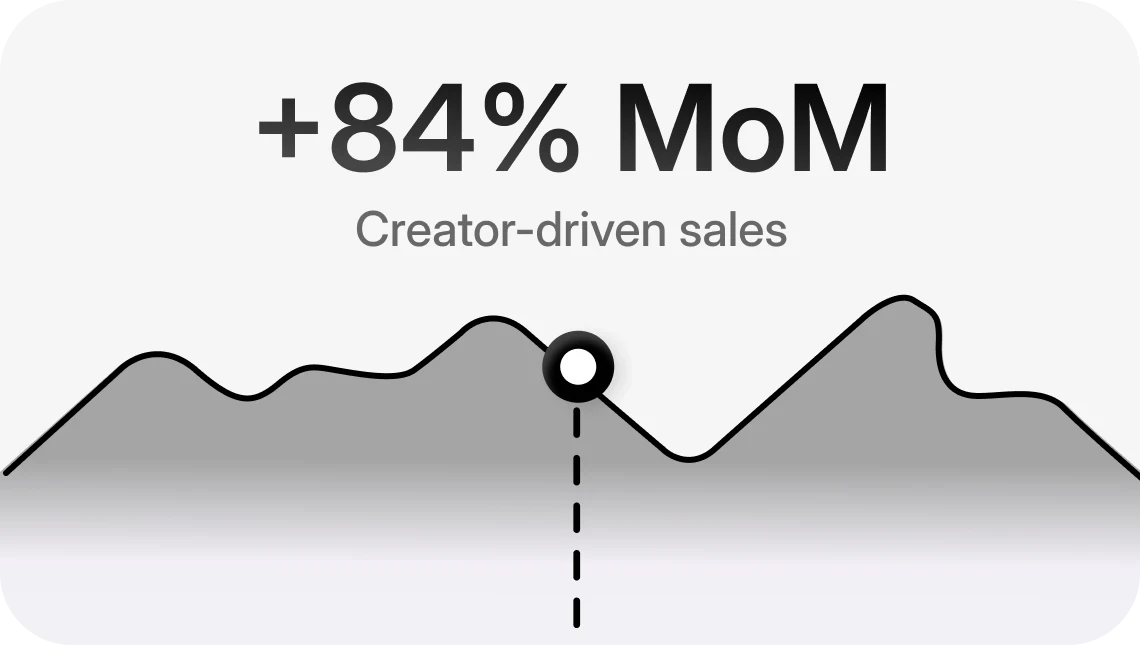
Creator onboarding time dropped from 11 days to 1.5 days. Content approval turnaround decreased from five days to 18 hours with built-in compliance checklists. The brand expanded from 85 to 140 active creators without adding headcount. Storefront conversion rates averaged 4.8%, compared to 2.1% on standard product pages. GMV attributed to creator storefronts reached $420,000 in the first quarter, representing a 34% increase over the previous quarter's affiliate revenue. Average order value from storefront purchases was $67, compared to $52 from paid social traffic. Commission disputes dropped to zero due to automated attribution and transparent creator dashboards. The marketing manager reclaimed approximately 15 hours per month previously spent on manual tracking and payout calculations.
Frequently Asked Questions
How does a creator storefront differ from a standard affiliate link?
An affiliate link sends a customer to your existing product page with a tracking parameter. A creator storefront is a dedicated, branded page featuring the creator's curated product selections and embedded content. It creates a personalized shopping experience that leverages the trust between creator and audience, resulting in higher conversion rates and average order values compared to generic affiliate links.
Can fitness brands control which products appear on each creator's storefront?
Yes. Brands assign products to individual storefronts or creator segments based on niche, tier, or campaign. A yoga instructor's storefront can feature recovery supplements and flexibility equipment while a powerlifting creator's storefront highlights pre-workout and strength accessories. Product assignments can be updated in bulk or individually at any time.
How does Socialscale handle supplement compliance in creator content?
The content approval workflow allows brands to build custom review checklists that include compliance requirements such as FDA disclaimer language, prohibited health claims, and required disclosures. Content cannot be published to storefronts or embedded on owned channels until it passes all review criteria. This ensures every piece of creator content meets regulatory standards before it reaches consumers.
What happens when a creator leaves the program?
When a creator is deactivated, their storefront is automatically taken offline. Any embedded content from that creator can be removed from widgets and product pages through the content management system. Historical performance data and content assets remain in the platform for reporting purposes, but no new sales are attributed to the deactivated creator.
How quickly can a fitness brand launch its first creator storefronts?
Brands with an existing Shopify product catalog can have their first creator storefronts live within days of platform setup. The onboarding automation means creators can self-activate their storefronts as soon as they are approved. Brands launching with 20–50 initial creators typically have all storefronts operational within the first two weeks.