Creator Storefront Software Built for Multichannel Retailers
Multichannel retailers face a unique operational challenge: coordinating creator-driven commerce across marketplaces, DTC sites, social platforms, and brick-and-mortar touchpoints simultaneously. When each channel has its own content requirements, attribution models, and audience behaviors, running a cohesive creator storefront program becomes exponentially harder with every new sales channel you add.
Social commerce is no longer a single-channel experiment. Your customers discover products through TikTok creators, validate purchases on Instagram, compare prices on Amazon, and sometimes walk into a physical store to buy. An omnichannel creator storefront system gives multichannel retailers the infrastructure to turn every creator relationship into a shoppable, trackable revenue channel that works across all of these touchpoints.
Socialscale provides the operating layer that multichannel retail teams need to launch, manage, and measure creator storefronts at scale. From onboarding creators and organizing assets to embedding shoppable content and tracking performance by channel, it replaces the patchwork of spreadsheets, disconnected tools, and manual workflows that slow down creator programs in complex retail environments.
Fragmented Attribution Across Sales Channels
Multichannel retailers sell through Shopify, Amazon, Walmart Marketplace, social shops, and physical retail. When a creator drives awareness on TikTok but the customer converts on your DTC site or in-store, attributing that sale back to the right creator and campaign becomes nearly impossible without unified tracking infrastructure.
Inconsistent Creator Content Across Platforms
Each channel demands different content formats, aspect ratios, messaging guidelines, and compliance requirements. Creators producing content for Instagram Reels need different assets than those creating for YouTube Shorts or TikTok Shop. Without centralized content management, brand consistency erodes quickly.
Manual Storefront Setup and Maintenance
Setting up individual creator storefronts, assigning product catalogs, updating inventory availability, and managing commission structures manually across dozens or hundreds of creators creates operational bottlenecks that limit program growth.
Siloed Creator Data
Creator contact information lives in one tool, campaign briefs in another, content assets in cloud drives, and performance data in platform-native analytics dashboards. This fragmentation makes it impossible to get a single view of creator value across channels.
Slow Content Approval Cycles
Multichannel retailers often have separate brand teams for each channel. When creator content needs approval from DTC marketing, marketplace teams, and legal compliance, review cycles stretch from days to weeks, missing critical selling windows like seasonal promotions or product launches.
Difficulty Scaling Affiliate Creator Programs
Moving from 20 creators to 200 requires systematic onboarding, automated commission tracking, and self-service storefront tools. Most multichannel retailers hit a ceiling because their existing workflows were designed for small-batch collaborations, not scaled affiliate programs.
Inability to Repurpose Creator Content Efficiently
A single piece of creator content could work as a product page embed, a paid social asset, an email hero image, and an in-store digital display. But without organized UGC management and rights tracking, multichannel retailers leave enormous content value on the table.
Influencer Platforms That Ignore Commerce Infrastructure
Most influencer marketing software was built for awareness campaigns: find creators, send products, track impressions. They were never designed to power shoppable creator storefronts with real-time product feeds, commission logic, and channel-specific attribution. Multichannel retailers need commerce-grade tooling, not glorified influencer databases.
E-commerce Platforms That Treat Creators as an Afterthought
Shopify apps and marketplace seller tools focus on product listings and order management. They may offer basic affiliate link generation, but they lack creator relationship management, content organization, campaign orchestration, and the performance analytics needed to run a serious creator storefront program.
Spreadsheets and Disconnected Point Solutions
The typical multichannel retailer cobbles together a CRM for creator contacts, Google Drive for assets, a project management tool for campaigns, native analytics for each platform, and a spreadsheet to reconcile commissions. This patchwork creates data gaps, duplicated effort, and zero cross-channel visibility. Every hour spent reconciling data is an hour not spent growing the program.
Social Platform Native Tools With Walled Gardens
TikTok Shop, Instagram Shopping, and YouTube Shopping each offer creator commerce features, but they only work within their own ecosystem. Multichannel retailers cannot build a unified creator storefront strategy using tools that are deliberately siloed to keep you locked into a single platform.
How Socialscale Powers Omnichannel Creator Storefronts
Socialscale is the creator marketing platform purpose-built for teams that need to manage creator programs end-to-end across multiple sales channels. Rather than bolting creator features onto an e-commerce tool or adding commerce features to an influencer database, Socialscale was designed from the ground up as the operating system for social commerce.
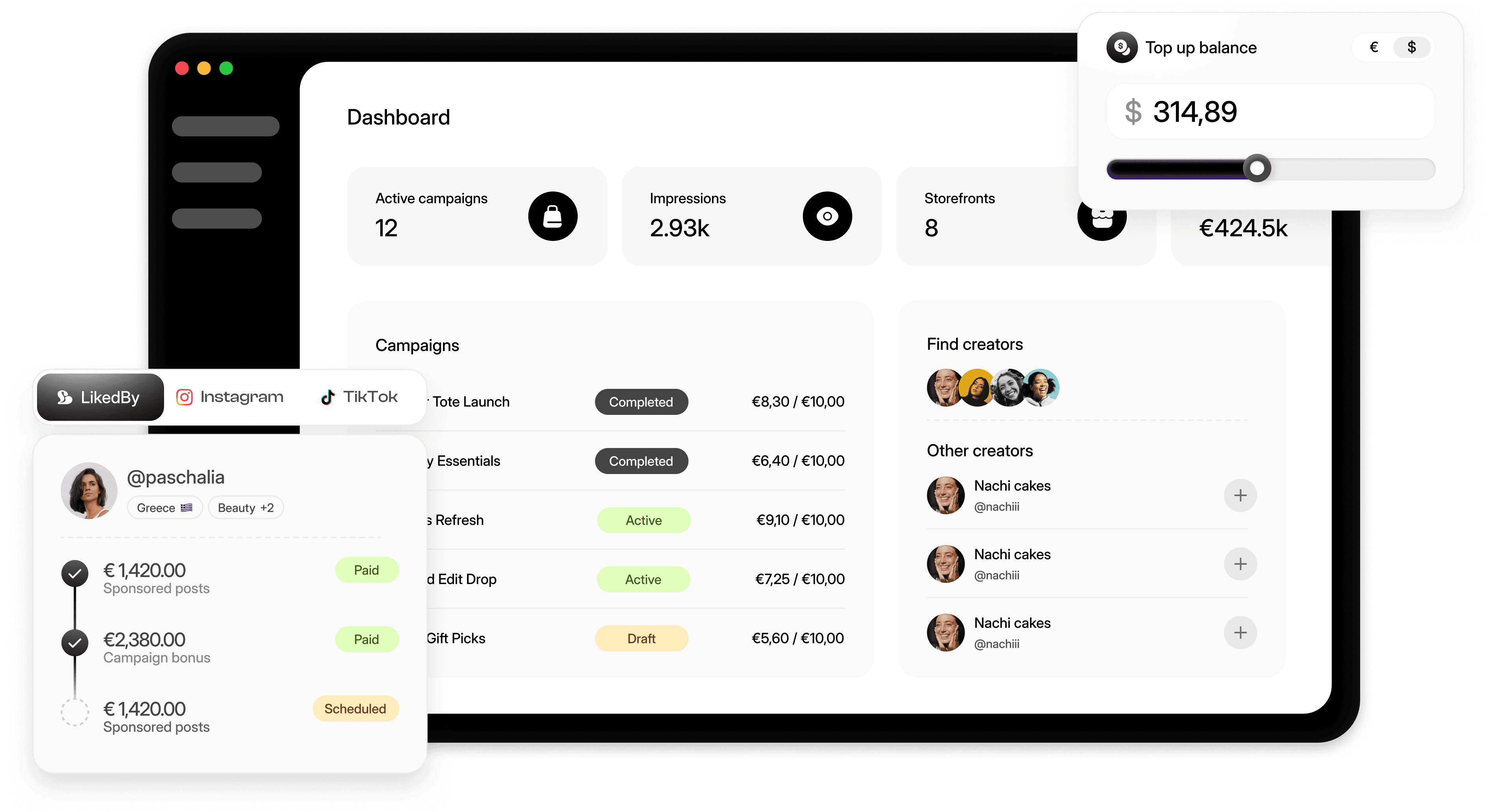
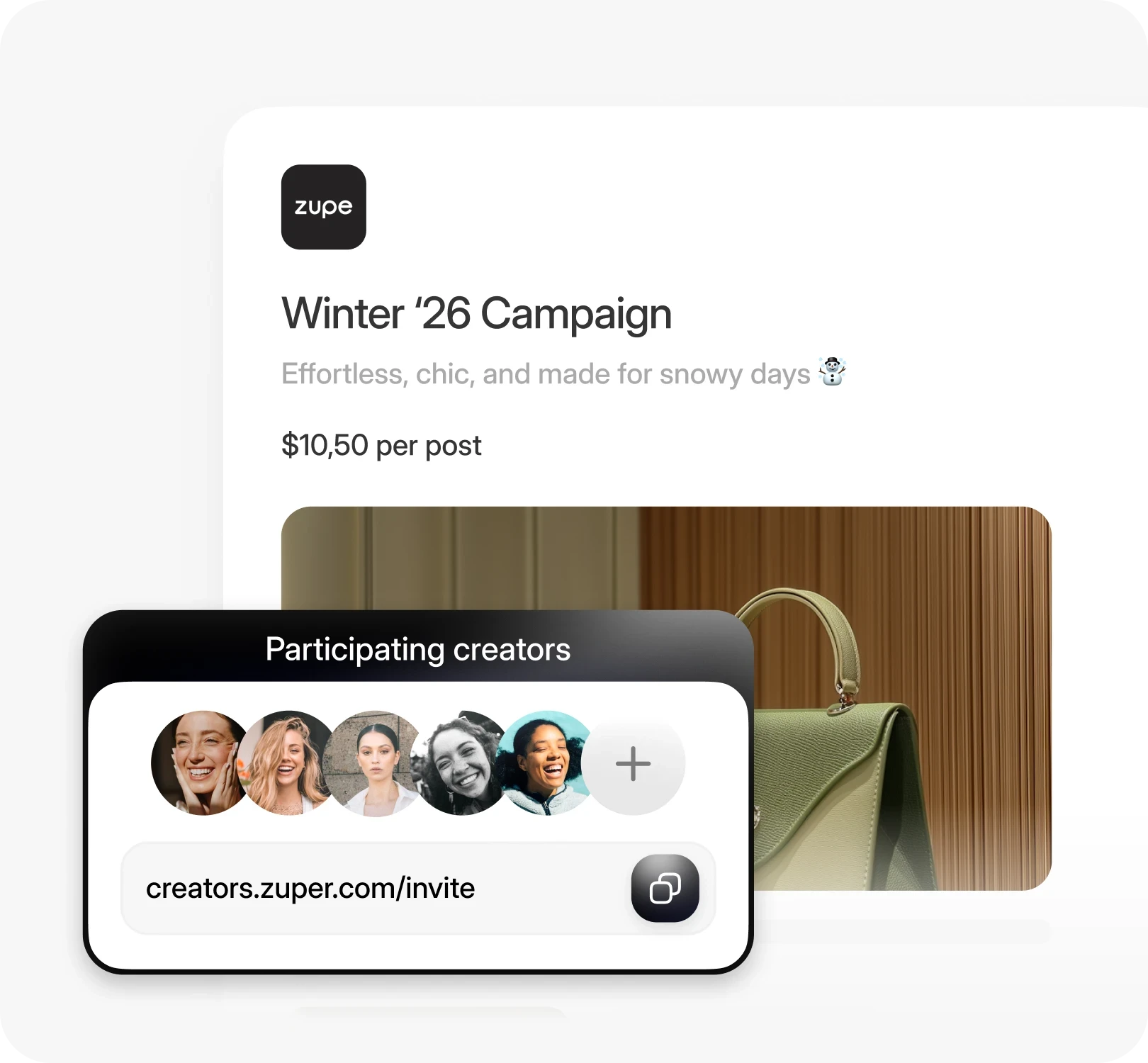
For multichannel retailers, this means a single environment where you onboard creators, assign them personalized storefronts with channel-specific product catalogs, manage content collaborations, store and organize all creator assets, embed shoppable content across your owned properties, and track performance with attribution that spans channels.
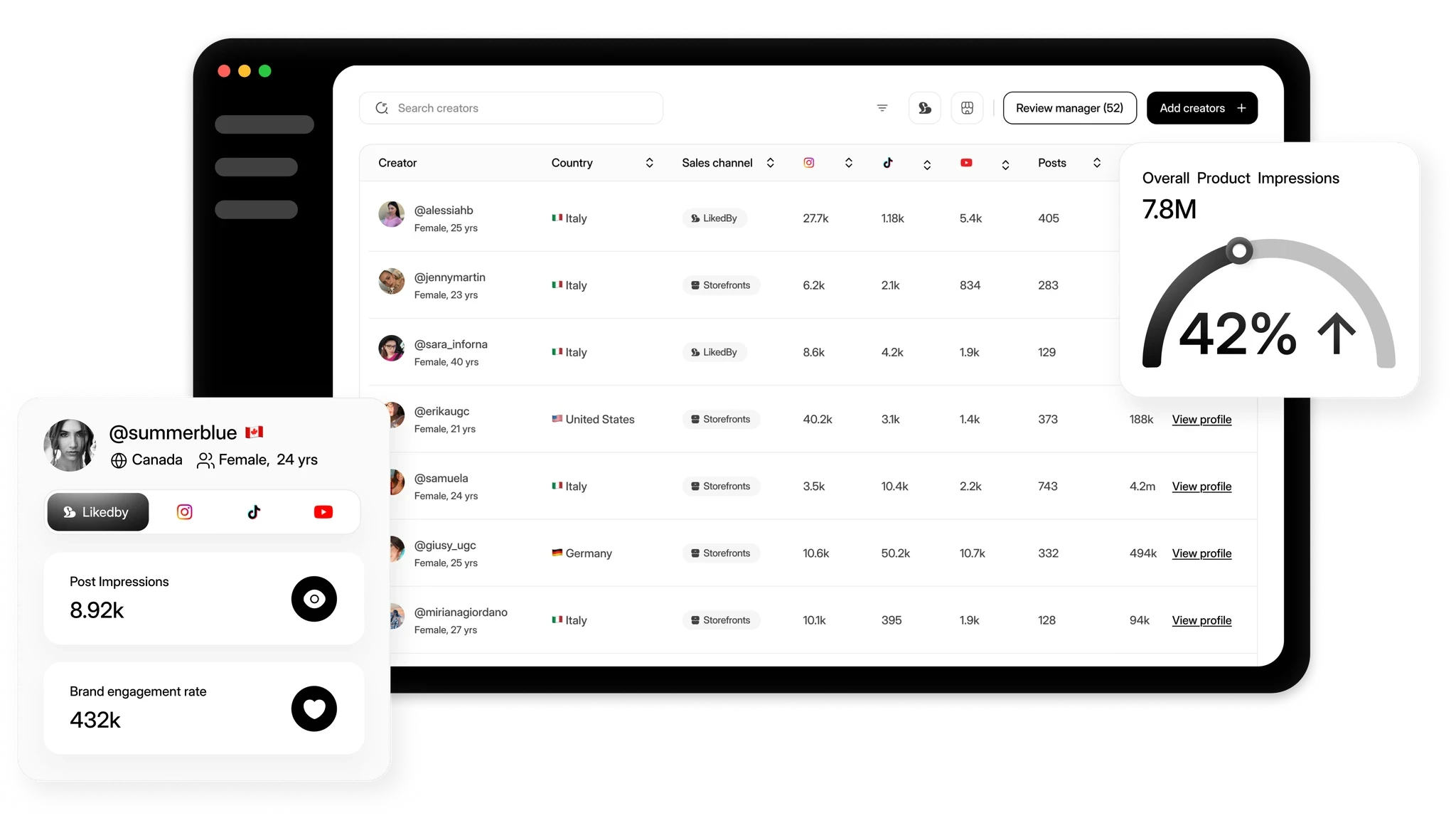
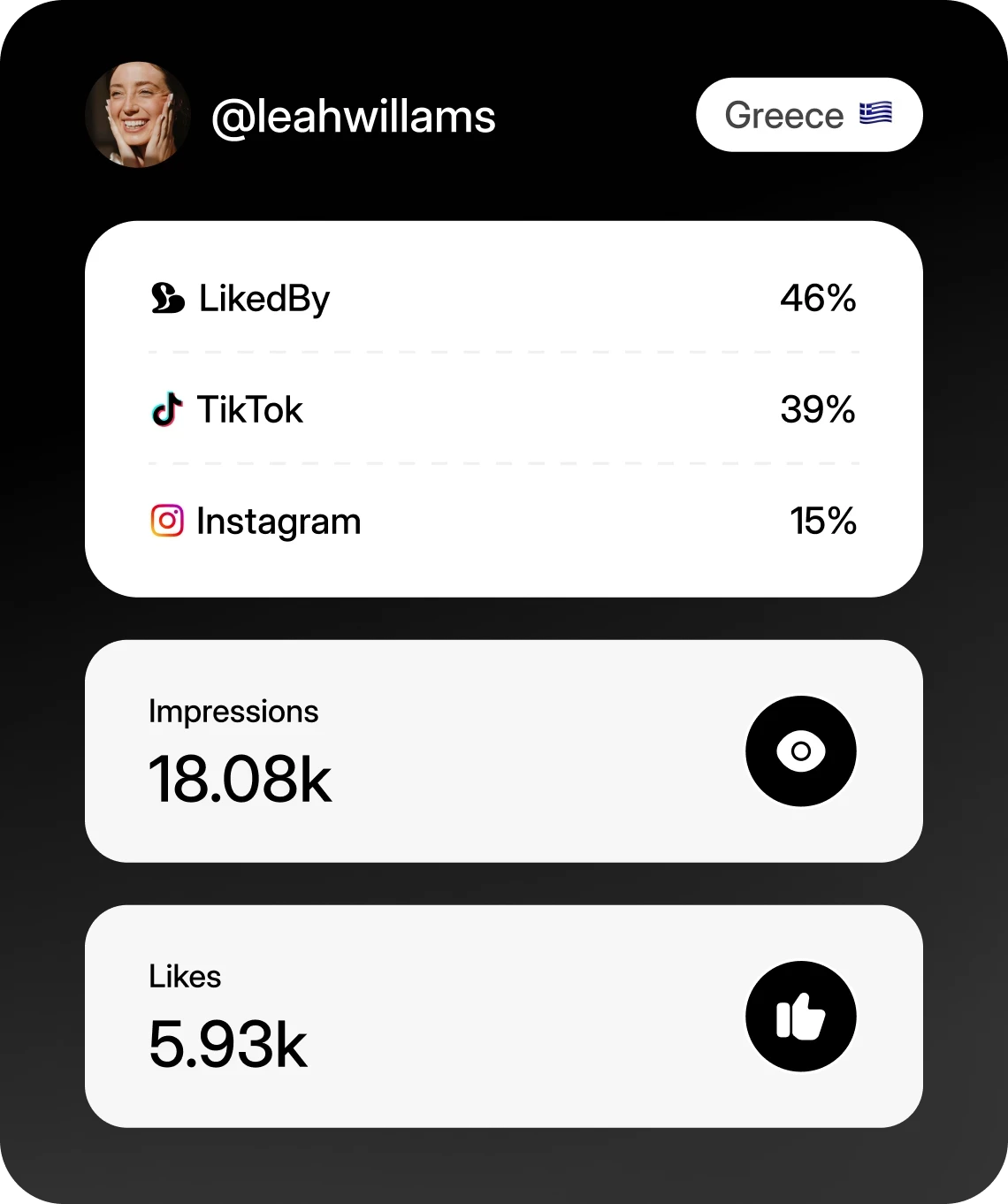
The platform's creator CRM gives your team a unified record for every creator relationship, including contact details, collaboration history, content produced, commission earnings, and performance metrics across every channel they sell through. Combined with creator analytics that aggregate data from social platforms, your DTC site, and marketplace integrations, you finally get the cross-channel visibility needed to make informed decisions about which creators to scale, which products to feature, and which channels to prioritize.
Instead of managing creator programs through disconnected tools, Socialscale consolidates everything into workflows designed for the complexity of multichannel retail operations.
Feature Breakdown for Multichannel Retail Teams
Creator Onboarding and Storefront Provisioning
Bring creators into your program through branded application forms that capture channel-specific data: their TikTok handle, Instagram audience demographics, YouTube subscriber count, and preferred product categories. Once approved, each creator receives a personalized storefront with curated product selections relevant to their audience and the channels they operate on. Onboarding workflows can be customized by creator tier, so micro-creators get a self-service experience while VIP creators receive white-glove setup.
Centralized Creator CRM for Cross-Channel Relationships
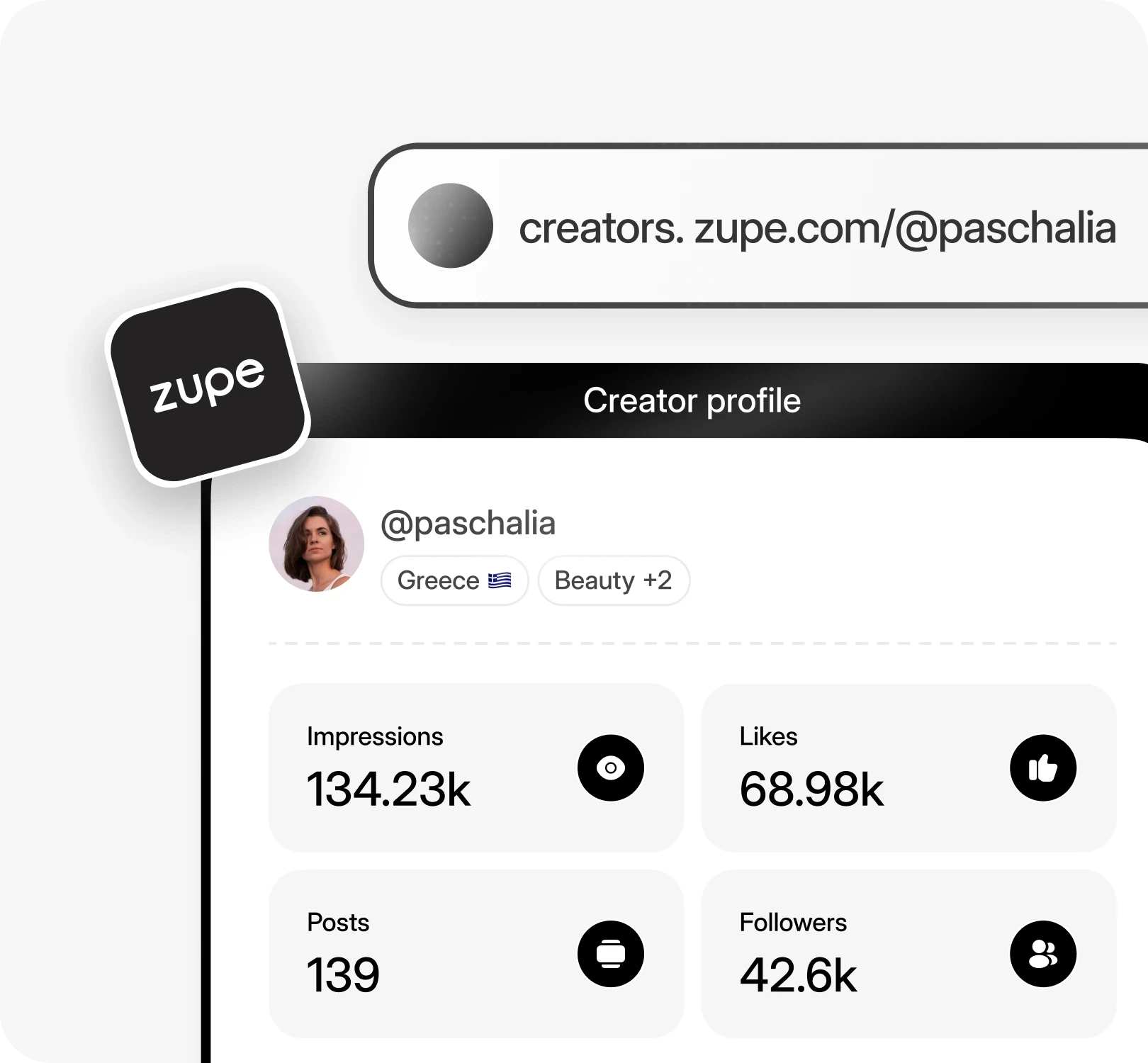
Every creator has a single profile that tracks their entire relationship with your brand. See which campaigns they participated in, what content they produced, which channels they posted to, their commission earnings by platform, and their lifetime value to your business. Filter and segment creators by channel affinity, product category performance, engagement rate, or conversion rate to build targeted campaign rosters.
Campaign and Collaboration Management
Launch creator collaborations with structured briefs that specify channel requirements, content formats, posting schedules, and product messaging. Multichannel retailers can run simultaneous campaigns targeting different channels — a TikTok Shop push alongside an Instagram-to-DTC campaign — while managing everything from a single dashboard. Approval workflows route content to the right internal stakeholders based on channel and campaign type.
Creator Content Storage and Rights Management
All creator-generated content flows into Creator Drive, a centralized asset library organized by creator, campaign, product, channel, and content type. Tag assets with usage rights information so your team knows exactly which content can be repurposed for paid social, embedded on product pages, or displayed in-store. Search and filter to find the right asset in seconds instead of digging through shared folders.
Shoppable Content Widgets for Owned Properties
Embed creator content directly on your DTC site, product detail pages, landing pages, and campaign microsites using customizable shoppable widgets. These widgets pull from your organized content library and link directly to products, turning authentic creator content into conversion-driving assets on your owned channels. This bridges the gap between social discovery and on-site purchase for multichannel retailers.
Performance Tracking With Channel-Level Granularity
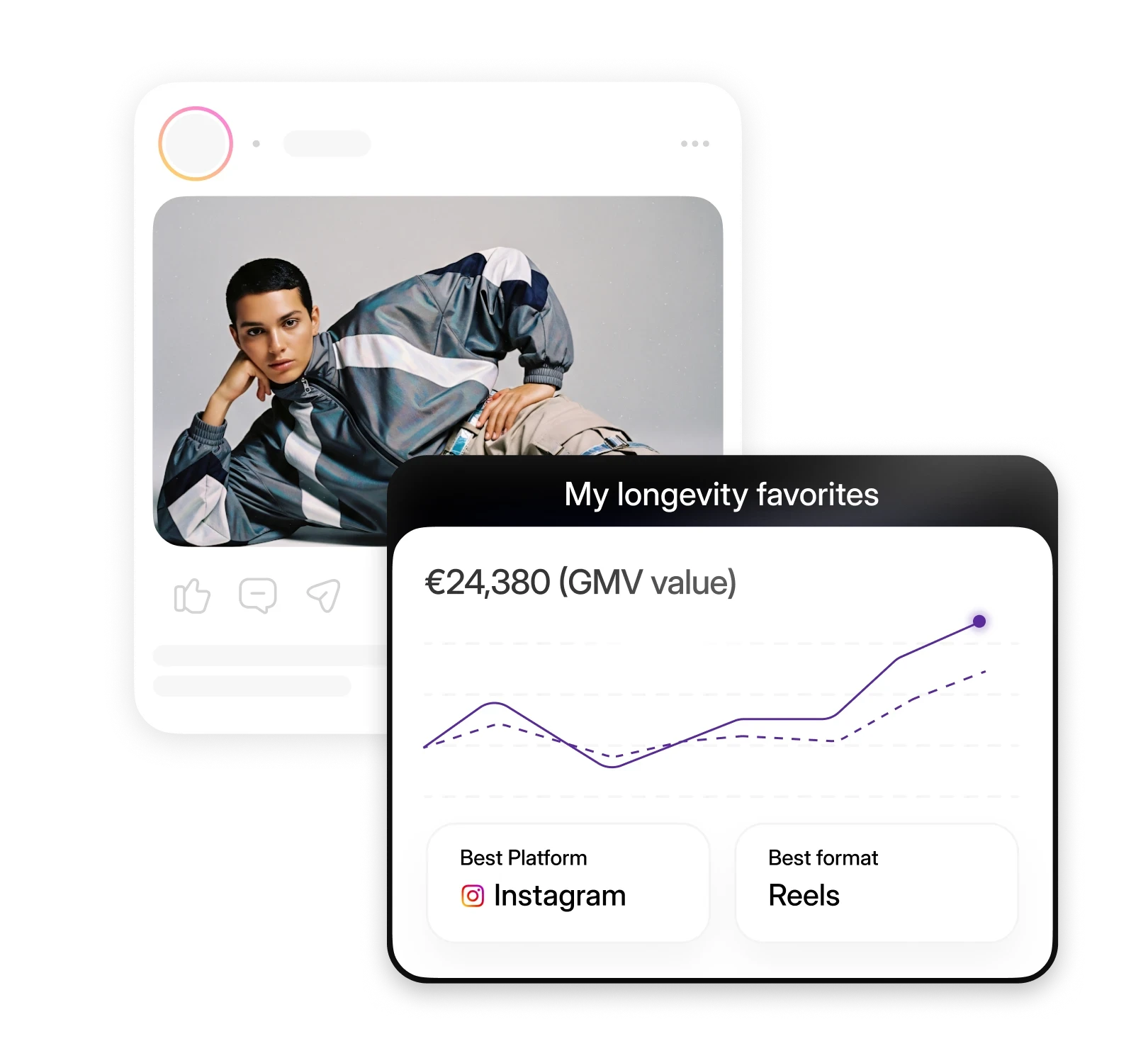
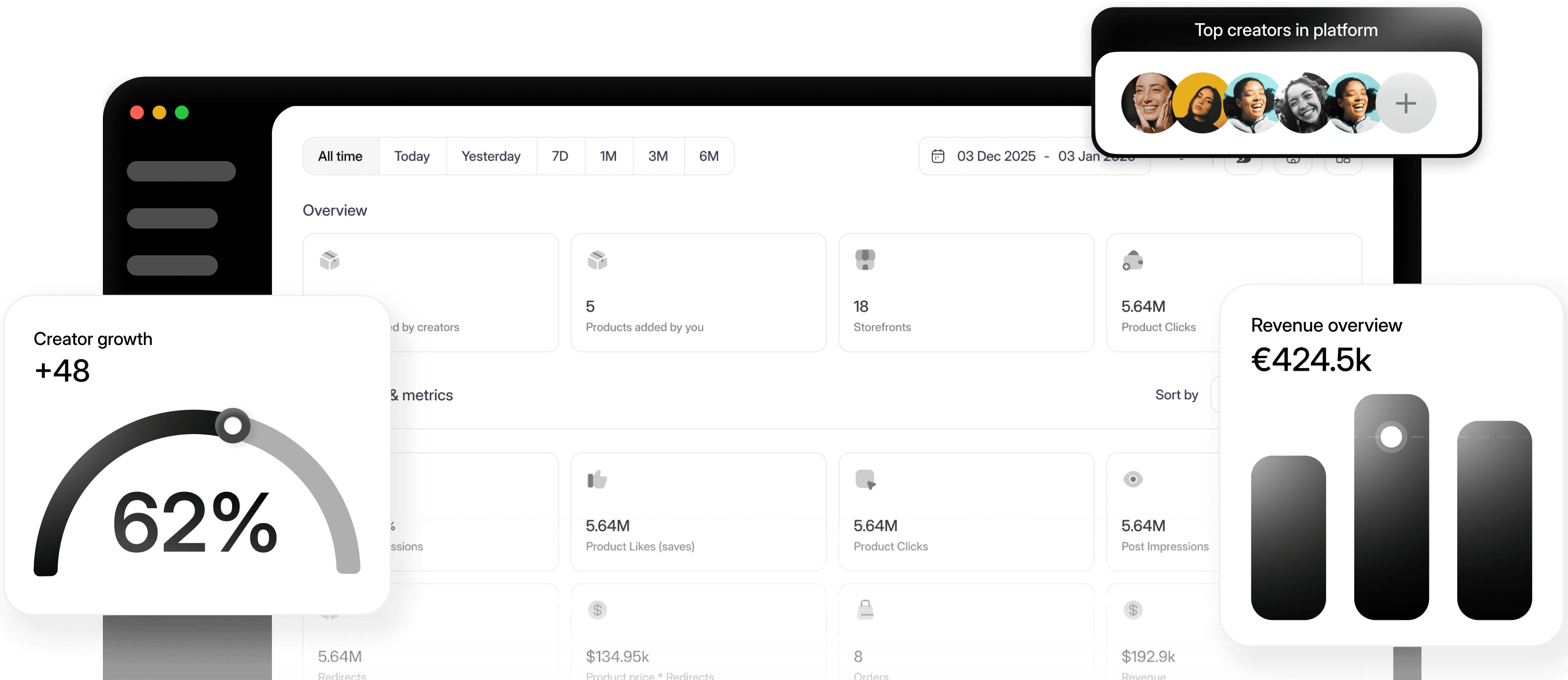
Track creator performance at the individual, campaign, and channel level. See which creators drive the most revenue through TikTok Shop versus your Shopify store. Compare content performance across Instagram, YouTube, and your DTC site. Identify which product categories perform best through creator storefronts versus traditional marketing. Export data for integration with your broader retail analytics stack.
Use Cases for Multichannel Retail Teams
Seasonal Product Launch Across All Channels
A multichannel home goods retailer preparing for a spring collection launch needs 50 creators producing content simultaneously for TikTok, Instagram, and YouTube, with each creator's storefront featuring the new collection. The campaign requires channel-specific briefs (vertical video for TikTok, carousel posts for Instagram, long-form reviews for YouTube), staggered posting schedules to build momentum, and real-time tracking to shift budget toward the highest-performing creators and channels mid-campaign. Content from top performers gets repurposed as shoppable embeds on the DTC site's collection page within 48 hours of posting.
Always-On Affiliate Creator Storefront Program
A fashion retailer operating across Shopify, Amazon, and physical stores runs a year-round creator storefront program with 200+ active affiliates. Each creator has a personalized storefront with curated product selections updated monthly based on inventory levels and seasonal relevance. The program operates largely self-service: creators select products, generate content, and earn commissions automatically. The retail team's weekly workflow focuses on reviewing top-performing content for repurposing, adjusting commission tiers based on performance data, and onboarding new creators from inbound applications.
Marketplace-Specific Creator Activation
A beauty brand selling on TikTok Shop, their own Shopify store, and Sephora's marketplace wants to activate different creator cohorts for each channel. TikTok-native creators drive traffic to TikTok Shop with short-form demos. Instagram beauty influencers link to the Shopify DTC site. Professional makeup artists create tutorial content that gets embedded on the Sephora product listing. Each cohort has different briefs, commission structures, and performance benchmarks, but all are managed through a single system with unified reporting.
Retail Media and Co-Op Creator Campaigns
A multichannel electronics retailer partners with a major consumer electronics brand on a co-funded creator campaign. The brand provides product units and creative guidelines; the retailer manages creator selection, storefront setup, and campaign execution. Both parties need access to performance data. The campaign runs across the retailer's DTC site, their Amazon storefront, and social channels, with creator content repurposed for the brand's retail media placements. Transparent reporting ensures both parties can measure ROI against their respective KPIs.
Weekly and Monthly Operational Workflow
Running a creator storefront program for a multichannel retailer requires consistent operational cadences. Here is a practical workflow that teams can implement immediately.
Monday: Creator Pipeline Review
Review new creator applications in the CRM. Evaluate each applicant's channel presence, audience demographics, content quality, and alignment with your product categories. Approve or decline applications and trigger automated onboarding sequences for accepted creators, including storefront setup, product catalog assignment, and welcome briefs.
Tuesday: Campaign Brief Distribution
Distribute weekly or campaign-specific briefs to active creators. Each brief specifies the target channel, content format, featured products, key messaging points, posting deadlines, and any promotional codes or tracking links. For multichannel campaigns, send channel-specific brief variants to the appropriate creator segments.
Wednesday–Thursday: Content Review and Approval
Review submitted creator content against brand guidelines and channel requirements. Use structured approval workflows to route content to the appropriate internal stakeholders — DTC marketing, marketplace team, legal compliance — based on where the content will be published. Provide feedback and request revisions where needed. Approve content for publishing and flag top-performing assets for repurposing.
Friday: Performance Check and Optimization
Pull weekly performance reports across all active campaigns and channels. Identify top-performing creators, highest-converting content formats, and best-performing product categories. Flag underperforming creators for outreach or brief adjustments. Update shoppable widget content on your DTC site with the week's best-performing creator assets.
Bi-Weekly: Storefront and Catalog Updates
Update creator storefront product selections based on inventory levels, new arrivals, and seasonal priorities. Remove out-of-stock items, add new products, and adjust featured collections. Notify creators of catalog changes so they can plan content around available products.
Monthly: Program Performance Review
Conduct a comprehensive monthly review of the entire creator storefront program. Analyze creator-level ROI, channel-level revenue contribution, content production volume, average approval cycle time, and commission payouts. Compare performance against monthly targets and adjust creator tier structures, commission rates, and channel allocation for the following month.
Monthly: Creator Relationship Management
Reach out to top-performing creators with exclusive offers, early product access, or increased commission rates. Re-engage dormant creators with fresh briefs or product seeding. Offboard consistently underperforming creators. Update creator segments in the CRM based on the latest performance data to ensure future campaign targeting is accurate.
Quarterly: Strategic Planning
Review quarterly program metrics against business objectives. Plan creator storefront activations for upcoming product launches, seasonal events, and promotional periods. Evaluate channel mix and reallocate resources toward the highest-performing channels. Set targets for creator recruitment, content volume, and revenue contribution for the next quarter.
Key Performance Indicators for Creator Storefront Programs
Multichannel retailers should track these KPIs to measure the health and growth of their creator storefront programs.
Creator Activation Rate: Percentage of onboarded creators who publish at least one piece of content within their first 30 days. Target: 70%+ for a well-managed program.
Content Approval Cycle Time: Average time from content submission to final approval. Multichannel retailers should aim for under 48 hours to avoid missing posting windows.
Content Output Per Creator: Average number of approved content pieces per active creator per month. Tracks program productivity and creator engagement.
Click-Through Rate (CTR): Percentage of viewers who click through from creator content to product pages or storefronts. Benchmark varies by channel: TikTok 1–3%, Instagram 0.5–2%, YouTube 2–5%.
Conversion Rate (CVR): Percentage of storefront visitors who complete a purchase. Track separately by channel to identify where creator traffic converts best.
Gross Merchandise Value (GMV): Total revenue generated through creator storefronts across all channels. The primary revenue signal for program ROI.
Revenue Per Creator: Average GMV per active creator per month. Use to identify high-value creators and set commission tier thresholds.
Return on Ad Spend (ROAS): For paid amplification of creator content, measure revenue generated per dollar spent on boosting or whitelisting creator assets.
Cost Per Acquisition (CPA): Total program cost (commissions + product seeding + platform fees + team time) divided by total new customers acquired through creator storefronts.
Content Repurpose Rate: Percentage of creator content that gets reused across additional channels (DTC site embeds, paid social, email, in-store displays). Higher rates indicate better UGC management practices.
Channel Attribution Split: Percentage of creator-driven revenue attributed to each sales channel. Critical for multichannel retailers to understand where creator storefronts deliver the most value.
Scenario: Multichannel Activewear Retailer Scales Creator Storefronts
A mid-market activewear retailer selling through their Shopify DTC site, Amazon, TikTok Shop, and 40 physical retail locations wanted to build a creator storefront program that could drive measurable revenue across channels. Previously, their creator efforts were managed by a single marketing coordinator using spreadsheets, email threads, and native platform tools. They had 15 active creators producing inconsistent content with no cross-channel tracking.
The Operational Challenge
The team could not answer basic questions: Which creators drive the most DTC revenue? Which product categories perform best through creator storefronts? Is TikTok Shop or Instagram-to-Shopify a more efficient channel for creator-driven sales? Content was scattered across Google Drive folders, Slack threads, and creator DMs. Approval cycles averaged 6 days because content had to be manually routed between the DTC team, marketplace manager, and brand director.
What Changed
After consolidating their creator program into a unified platform, the team implemented structured onboarding workflows, channel-specific campaign briefs, centralized content storage with rights tracking, and automated performance reporting. They expanded from 15 to 120 active creators over 4 months, segmented by channel affinity and product category expertise.
Results After 6 Months
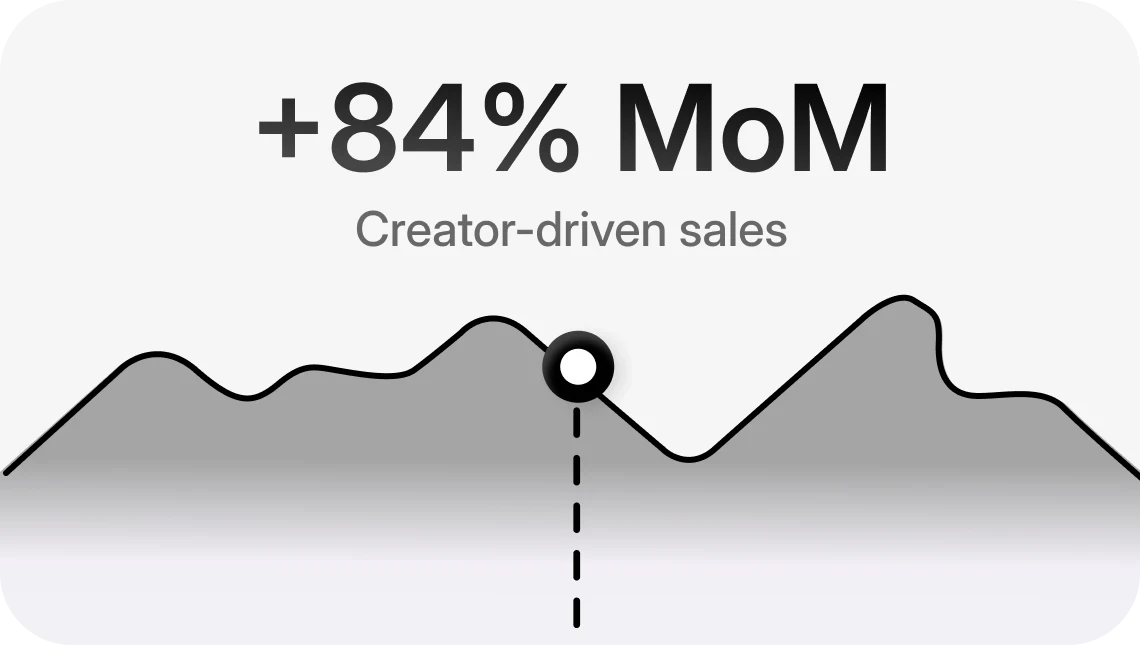
Creator-driven GMV increased from $18,000/month to $142,000/month across all channels.
Content approval cycle time dropped from 6 days to 1.4 days.
Content repurpose rate reached 62% — creator assets were embedded on 85 product pages, used in 24 paid social campaigns, and displayed on in-store digital screens in 12 locations.
Creator activation rate hit 78%, up from an estimated 40% under the previous manual process.
The team identified that TikTok Shop creators generated 3.2x higher conversion rates than Instagram-to-DTC creators for products under $50, enabling smarter channel allocation.
CPA through creator storefronts was 41% lower than the brand's paid search CPA for the same product categories.
The retailer now runs their creator storefront program with a two-person team managing 120+ creators across four sales channels, a scale that would have required five or more team members under their previous workflow.
Frequently Asked Questions
What makes creator storefront software different from a standard affiliate platform?
Standard affiliate platforms focus on link tracking and commission payouts. Creator storefront software provides the full operational layer: creator onboarding, relationship management through a dedicated CRM, content collaboration and approval workflows, centralized asset storage, shoppable content embedding, and cross-channel performance analytics. For multichannel retailers, this end-to-end approach is essential because you need to manage the creator relationship, the content they produce, and the commerce outcomes across multiple sales channels simultaneously.
Can we run different commission structures for different sales channels?
Yes. Multichannel retailers typically need different commission rates for different channels because margins vary. A creator driving a sale on your DTC Shopify store may earn a different commission than one driving a TikTok Shop transaction, reflecting the different margin profiles and strategic priorities of each channel. The system supports channel-specific and tier-based commission structures.
How does creator content get embedded on our DTC site?
Socialscale provides shoppable content widgets that can be embedded on any page of your DTC site — product detail pages, collection pages, landing pages, or your homepage. These widgets pull approved creator content from your centralized library and display it with direct product links, turning authentic creator content into on-site conversion assets. The widgets are customizable to match your site's design.
How do we handle content rights when repurposing creator content across channels?
Content rights are tracked at the asset level within the centralized content library. When creators submit content, the usage rights agreed upon in their collaboration brief are attached to each asset. Your team can filter content by rights status — organic social only, paid amplification approved, website embedding approved, in-store display approved — ensuring you never use content outside its agreed scope.
What if we already use separate tools for different channels?
Most multichannel retailers start with separate tools for each channel and realize the operational overhead becomes unsustainable as the program grows. Socialscale consolidates creator management, content operations, and performance tracking into a single system while connecting to your existing channel-specific tools like Shopify, TikTok, Instagram, and YouTube. You do not need to abandon your channel tools; you gain a unified layer on top of them for creator program operations.