Creator Storefront Software for Luxury Brands
Luxury brands operate in a category where perception is everything. Every touchpoint, from a flagship boutique window to a digital campaign, must reflect the brand's heritage, craftsmanship, and exclusivity. As social commerce reshapes how consumers discover and purchase high-end products, creator storefronts have emerged as a powerful channel for translating aspirational storytelling into measurable revenue. But most influencer marketing software was built for mass-market velocity, not the precision luxury demands.
Curated influencer storefront experiences give luxury marketing teams a way to extend their brand world through trusted voices, without sacrificing creative control or diluting brand equity. The right creator storefront software lets you handpick ambassadors, approve every asset before it goes live, and embed shoppable content that feels native to your brand's aesthetic rather than a generic affiliate link page.
For influencer marketing managers and e-commerce directors at luxury houses, the challenge is clear: scale creator-driven commerce without compromising the exclusivity and visual standards that define your brand. This page breaks down exactly how purpose-built creator storefront software solves that problem for luxury brands.
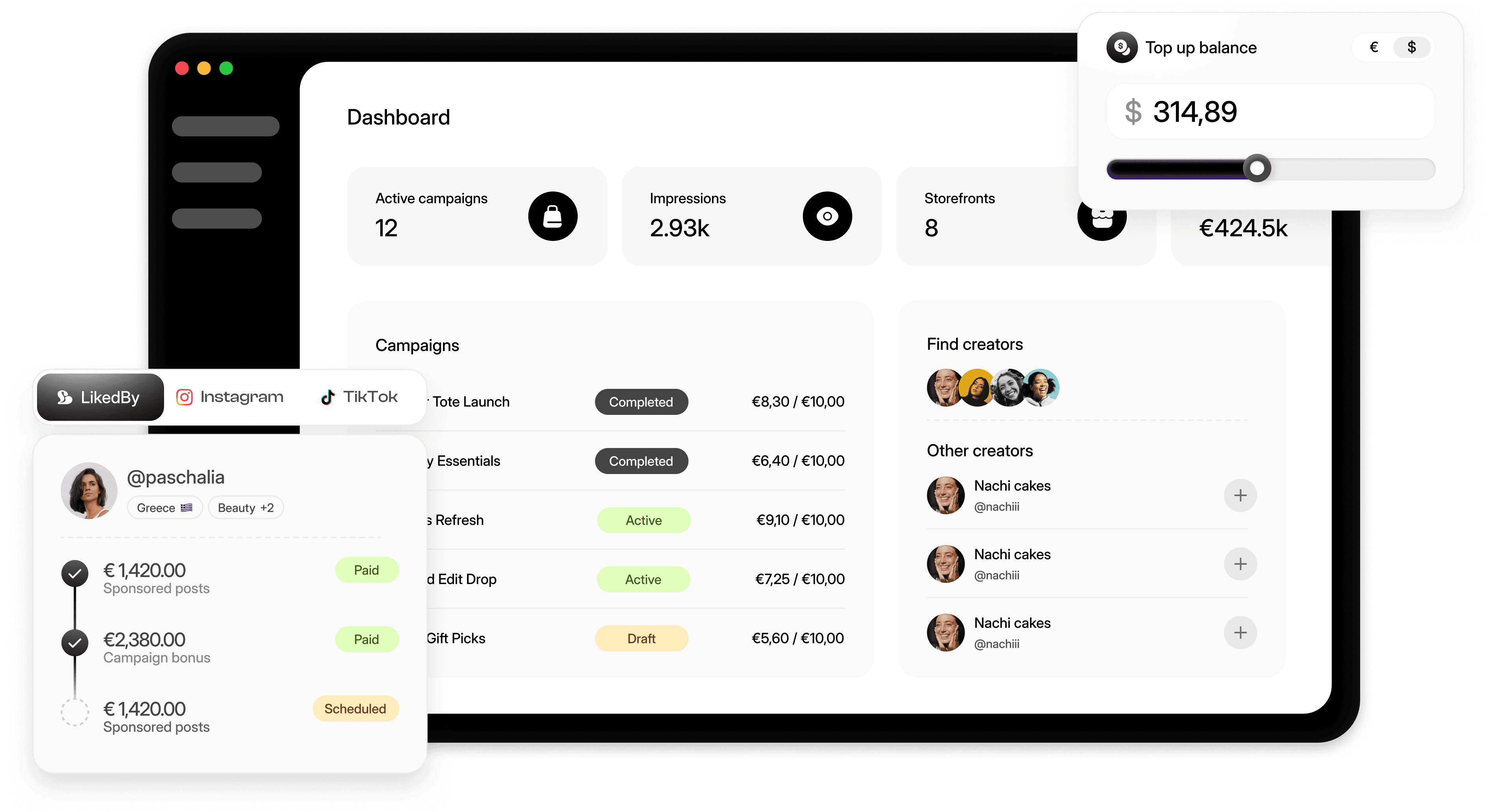
Maintaining Brand Equity Across Creator Content
Luxury brands invest decades building visual and tonal consistency. When creators produce content independently, even well-intentioned posts can misrepresent product positioning, use incorrect pricing language, or pair items with off-brand aesthetics. Every piece of creator content becomes a brand risk without rigorous approval workflows.
Vetting Creators Beyond Follower Counts
In luxury, audience demographics matter far more than reach. A creator with 50,000 followers in the right income bracket and geographic market outperforms one with two million followers in the wrong segment. Most influencer marketing software lacks the granularity to evaluate creators against luxury-specific criteria such as audience affluence, brand affinity overlap, and content sophistication.
Controlling the Storefront Experience
Generic affiliate storefronts undermine the premium shopping experience luxury consumers expect. Challenges include:
Storefronts that look templated and lack brand-specific design elements
Product assortments that include discounted or out-of-season items alongside current collections
No ability to curate which SKUs appear in a creator's storefront
Lack of editorial context around products, such as styling notes or collection narratives
Fragmented Content and Asset Management
Luxury campaigns generate high-production content across multiple formats: editorial shoots, behind-the-scenes reels, unboxing videos, event coverage. Without centralized content storage, teams waste hours hunting for approved assets across email threads, cloud drives, and messaging apps.
Attribution Complexity Across Long Purchase Cycles
Luxury purchases often involve weeks or months of consideration. Standard last-click attribution models undervalue creator touchpoints that initiate desire but don't immediately convert. Teams need multi-touch tracking to understand which creator storefronts influence high-value purchases over time.
Compliance and Exclusivity Agreements
Luxury creator programs frequently involve exclusivity clauses, usage rights with specific durations, and regional restrictions. Managing these contractual nuances manually across dozens of creators introduces legal and operational risk.
Scaling Without Losing the Personal Touch
Luxury brands often maintain small, highly curated creator rosters. As programs grow from 15 to 150 ambassadors, the personalized relationship management that defines luxury partnerships becomes unsustainable without dedicated tooling.
Built for Volume, Not Curation
Most creator marketing platforms optimize for onboarding hundreds or thousands of creators quickly. They prioritize speed over selectivity, which is the opposite of what luxury brands need. The result is a pipeline full of misaligned creators and storefronts that feel mass-market.
One-Size-Fits-All Storefront Templates
Traditional affiliate platforms offer standardized storefront layouts with minimal customization. For a luxury brand, a creator storefront should feel like an extension of the brand's own e-commerce experience, not a discount marketplace. Most tools cannot enforce visual guidelines, restrict product assortments, or embed editorial storytelling alongside shoppable content.
Disconnected Workflows Across Teams
Luxury creator programs involve brand marketing, e-commerce, legal, and PR teams. Traditional tools silo creator management from content approval, asset storage, and performance tracking. This forces teams to stitch together spreadsheets, project management tools, and analytics dashboards, creating delays that are unacceptable during time-sensitive collection launches.
Shallow Analytics That Miss Luxury KPIs
Standard influencer platforms report on impressions, clicks, and conversions. Luxury brands also need to track average order value per creator, new-to-brand customer acquisition, content engagement quality (saves and shares versus passive likes), and storefront dwell time. Without these metrics, teams cannot optimize creator selection or storefront merchandising.
No Content Governance Layer
Luxury brands require multi-stage content approval before anything goes live. Most tools offer a simple approve/reject toggle rather than the layered review process luxury teams need, where brand managers, creative directors, and legal counsel each have distinct approval responsibilities.
How Socialscale Powers Curated Creator Storefronts for Luxury Brands
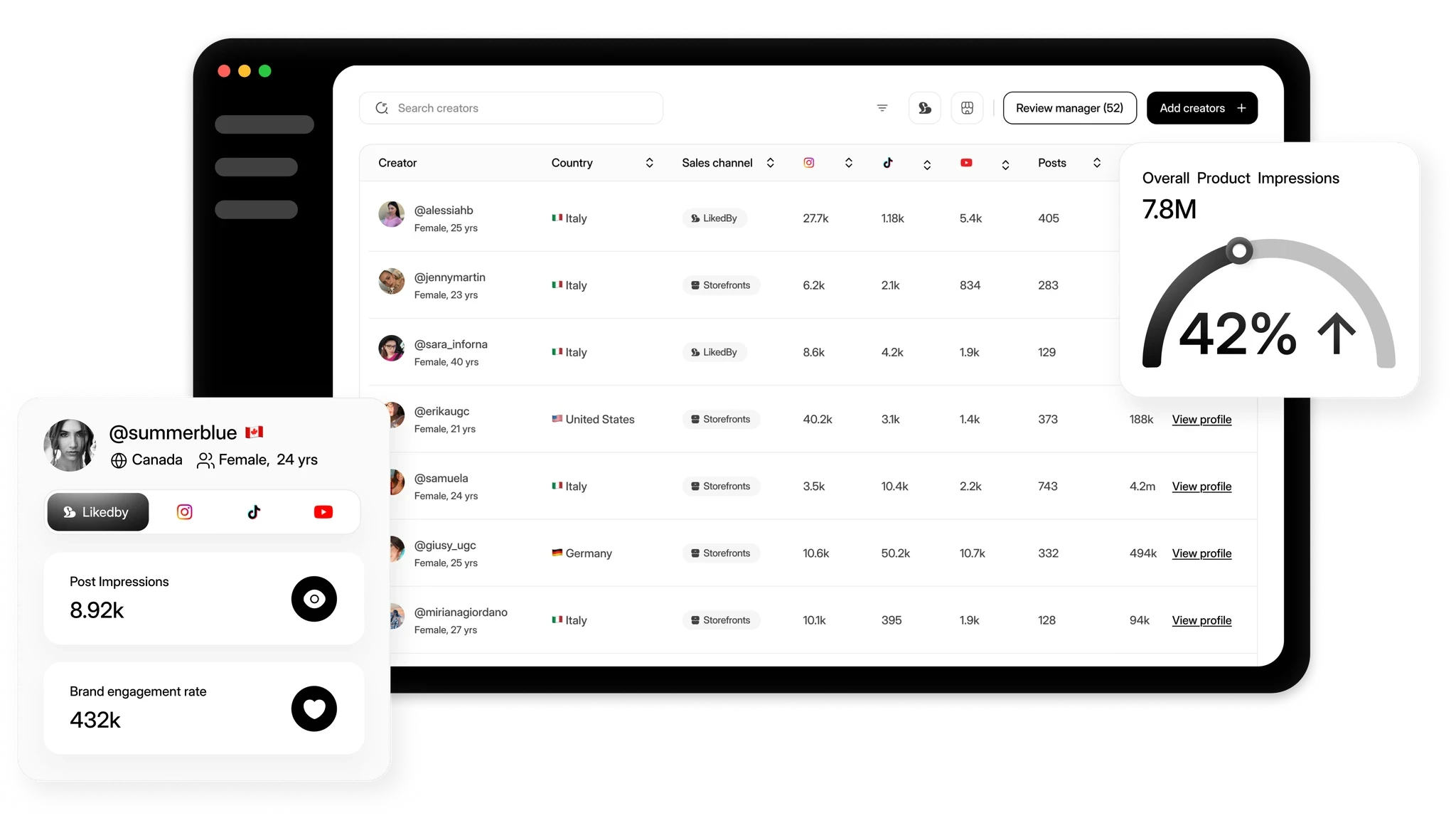
Socialscale is the operating system for social commerce, purpose-built to help luxury brands run creator programs with the precision and control their category demands. Rather than forcing your team into a mass-market workflow, Socialscale gives you the infrastructure to build curated influencer storefront experiences that protect brand equity while driving measurable revenue.
At the core is a creator CRM that lets you manage every ambassador relationship with the depth luxury partnerships require. Track exclusivity windows, usage rights, content approvals, and communication history in one place. No more cross-referencing contracts in shared drives with activity logs in spreadsheets.
For content governance, Creator Drive centralizes every asset your creators produce, organized by campaign, collection, creator, and content type. Your creative team can review, annotate, and approve content before it ever reaches a storefront, ensuring every image and video meets your brand's visual standards.
When it comes to embedding shoppable creator content on your own digital properties, Creator Widgets let you place curated storefront experiences directly on product pages, landing pages, and campaign microsites. These are not generic carousels. They are brand-controlled, editorially styled content modules that convert browsers into buyers while reinforcing your brand narrative.
Socialscale connects creator selection, content management, storefront deployment, and performance tracking into a single workflow. This eliminates the tool fragmentation that slows luxury teams down and introduces risk at every handoff point.
Feature Breakdown: Creator Storefront Capabilities for Luxury
Curated Creator Onboarding and Vetting
Socialscale's onboarding flow lets you define custom qualification criteria aligned with luxury standards. Set minimum requirements for audience income demographics, geographic concentration, content quality scores, and brand affinity. Creators who apply are filtered through these gates before they ever reach your review queue, saving your team from manually screening hundreds of misaligned applicants.
Brand-Controlled Storefront Merchandising
Unlike generic affiliate platforms, Socialscale lets brand teams control which products appear in each creator's storefront. Restrict storefronts to current-season collections, exclude sale items, and assign specific SKU assortments based on the creator's audience and content style. This ensures every storefront reflects your merchandising strategy rather than defaulting to a full catalog dump.
Multi-Stage Content Approval Workflows
Configure approval chains that match your internal structure. A typical luxury workflow might route content first to the brand marketing manager for messaging alignment, then to the creative director for visual standards, and finally to legal for compliance review. Each reviewer can annotate directly on the asset, request revisions, or approve with conditions. Nothing goes live until every stakeholder signs off.
Shoppable Content Embedding
Deploy creator content as shoppable modules across your digital ecosystem. Embed storefront widgets on product detail pages to show how creators style specific items. Place collection-level widgets on campaign landing pages. Each widget is customizable to match your site's typography, color palette, and layout conventions, so the experience feels integrated rather than bolted on.
Creator Performance Tracking and Attribution
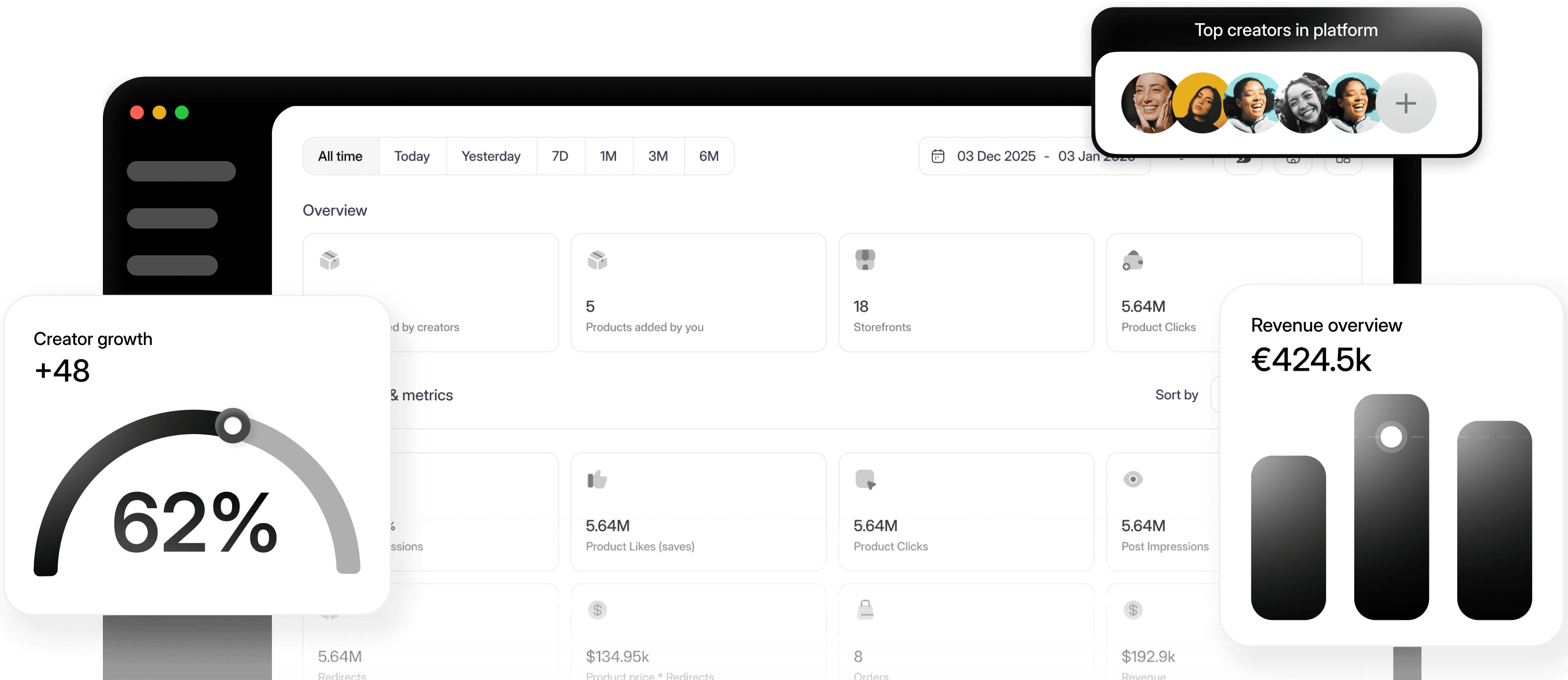
Track each creator's storefront performance with metrics that matter for luxury: revenue generated, average order value, new customer percentage, content engagement depth (saves, shares, comments), and multi-touch attribution across the consideration window. Use creator analytics to identify which ambassadors drive the highest-value customers, not just the most clicks.
Collaboration and Campaign Management
Manage briefs, deliverables, timelines, and compensation through creator collaborations workflows. Assign campaign-specific briefs with mood boards, product samples, and messaging guidelines. Track deliverable status in real time so your team always knows which content is in production, in review, or live.
Centralized Content Library
Every asset produced through your creator program is automatically organized in Creator Drive. Tag content by collection, season, product category, creator tier, and usage rights status. When your paid media team needs high-performing creator content for ad amplification, they can find approved assets in seconds rather than requesting files from multiple creators.
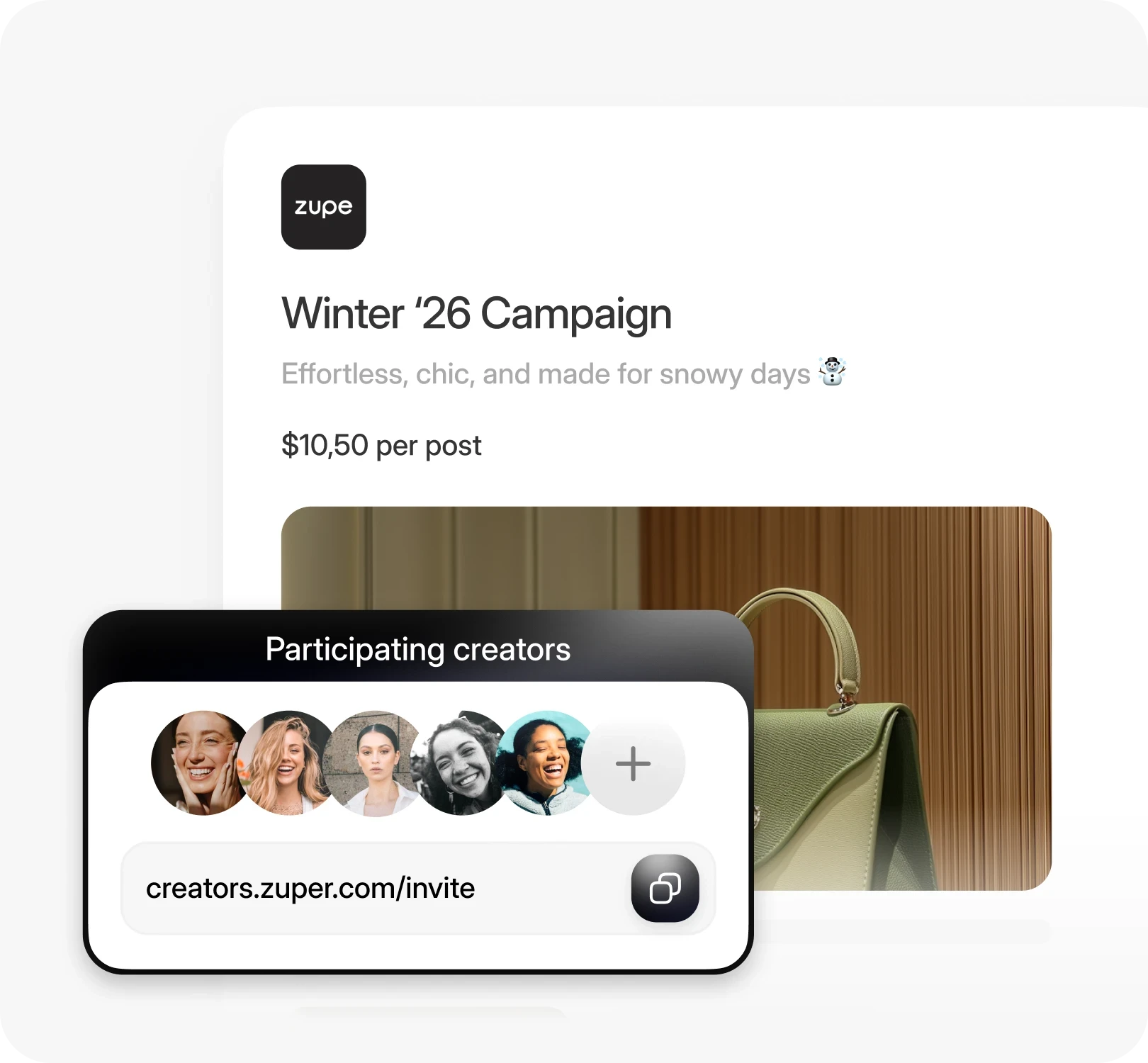
Use Cases: Creator Storefronts in Luxury Brand Programs
1. Seasonal Collection Launch with Tiered Ambassadors
A luxury fashion house launches its Fall/Winter collection with a curated roster of 25 creators across three tiers: five high-profile ambassadors who receive exclusive early access and create editorial-quality content, ten mid-tier style creators who produce styling videos and lookbooks, and ten micro-influencers who focus on everyday luxury integration. Each tier receives a distinct product assortment in their storefront, with high-profile ambassadors showcasing runway pieces and micro-influencers featuring accessible entry-point items. Storefronts go live in a coordinated sequence, with ambassadors launching 48 hours before the public e-commerce drop to build anticipation.
2. Heritage Storytelling Through Creator-Curated Edits
A heritage watchmaker invites five collectors and horological content creators to curate personal "edits" within their storefronts. Each creator selects five timepieces from the catalog and writes personal narratives about why each piece resonates with them, referencing craftsmanship details, movement history, and personal milestones. These curated edits are embedded as shoppable content modules on the brand's "Stories" section, blending editorial depth with commerce. The brand tracks which creator narratives drive the highest engagement and average order value, using insights to refine future storytelling partnerships.
3. Regional Market Expansion via Local Luxury Creators
A European luxury skincare brand entering the Middle Eastern market partners with 15 regional beauty creators to build localized storefronts. Each storefront features product assortments tailored to regional skin concerns and climate considerations, with creator content shot in locally relevant settings. The brand uses storefront performance data to identify which products resonate most in each sub-market, feeding insights back to the regional merchandising team to optimize inventory allocation and marketing spend.
4. VIP Client Gifting Program Powered by Creator Content
A luxury jewelry brand creates a private gifting experience where top clients receive a curated digital lookbook featuring creator-styled pieces. Each lookbook links to a private storefront with exclusive access to limited-edition items. The brand tracks which creator content drives the highest conversion among VIP clients, then amplifies that content across paid channels during key gifting seasons like Valentine's Day and the holiday period. This approach turns creator storefronts into a clienteling tool, not just a marketing channel.
Weekly and Monthly Operational Workflow
Running a luxury creator storefront program requires disciplined operational cadences. Below is a practical workflow for teams managing curated influencer storefront experiences at scale.
Creator Scouting and Qualification (Monthly)
Review inbound creator applications and proactively identify potential ambassadors using audience demographic filters, content quality assessments, and brand affinity scoring. Shortlist candidates for internal review by brand marketing and creative leadership. Maintain a pipeline of vetted creators ready for activation during upcoming campaigns.
Campaign Briefing and Product Assignment (Per Campaign)
Develop detailed creative briefs including mood boards, messaging guidelines, product information, and storefront merchandising rules. Assign specific SKU assortments to each creator based on their audience profile and content style. Distribute briefs through the collaboration management workflow with clear deadlines and deliverable specifications.
Content Production and Review (Weekly During Active Campaigns)
Monitor content submission status across all active creators. Route incoming assets through the multi-stage approval workflow: brand marketing reviews messaging, creative direction reviews visual quality, and legal reviews compliance and usage rights. Provide revision feedback with annotated notes directly on the asset. Track approval turnaround time to prevent bottlenecks.
Storefront Activation and QA (Per Campaign Launch)
Publish approved content to creator storefronts and embedded widgets. Conduct quality assurance checks to verify correct product links, pricing accuracy, and visual rendering across devices. Confirm that restricted products are excluded and that storefront layouts match brand guidelines.
Performance Monitoring (Weekly)
Review storefront-level and creator-level performance metrics including revenue, average order value, traffic sources, content engagement, and new customer acquisition. Identify top-performing creators and underperforming storefronts. Flag content that is driving high engagement but low conversion for merchandising review.
Creator Relationship Management (Bi-Weekly)
Conduct personalized check-ins with top-tier ambassadors. Share performance insights and upcoming campaign previews. Address any contractual or logistical questions. Use the creator CRM to log communication history and relationship notes for continuity across team members.
Content Repurposing and Amplification (Weekly)
Identify high-performing creator content for amplification through paid media channels. Pull approved assets from the centralized content library with verified usage rights. Coordinate with the performance marketing team on ad creative rotation and audience targeting.
Monthly Program Review and Optimization
Compile monthly program reports covering total GMV attributed to creator storefronts, creator activation rate, content output volume, approval cycle time, and ROI by creator tier. Present findings to stakeholders and adjust creator roster, storefront merchandising, and campaign cadence based on data.
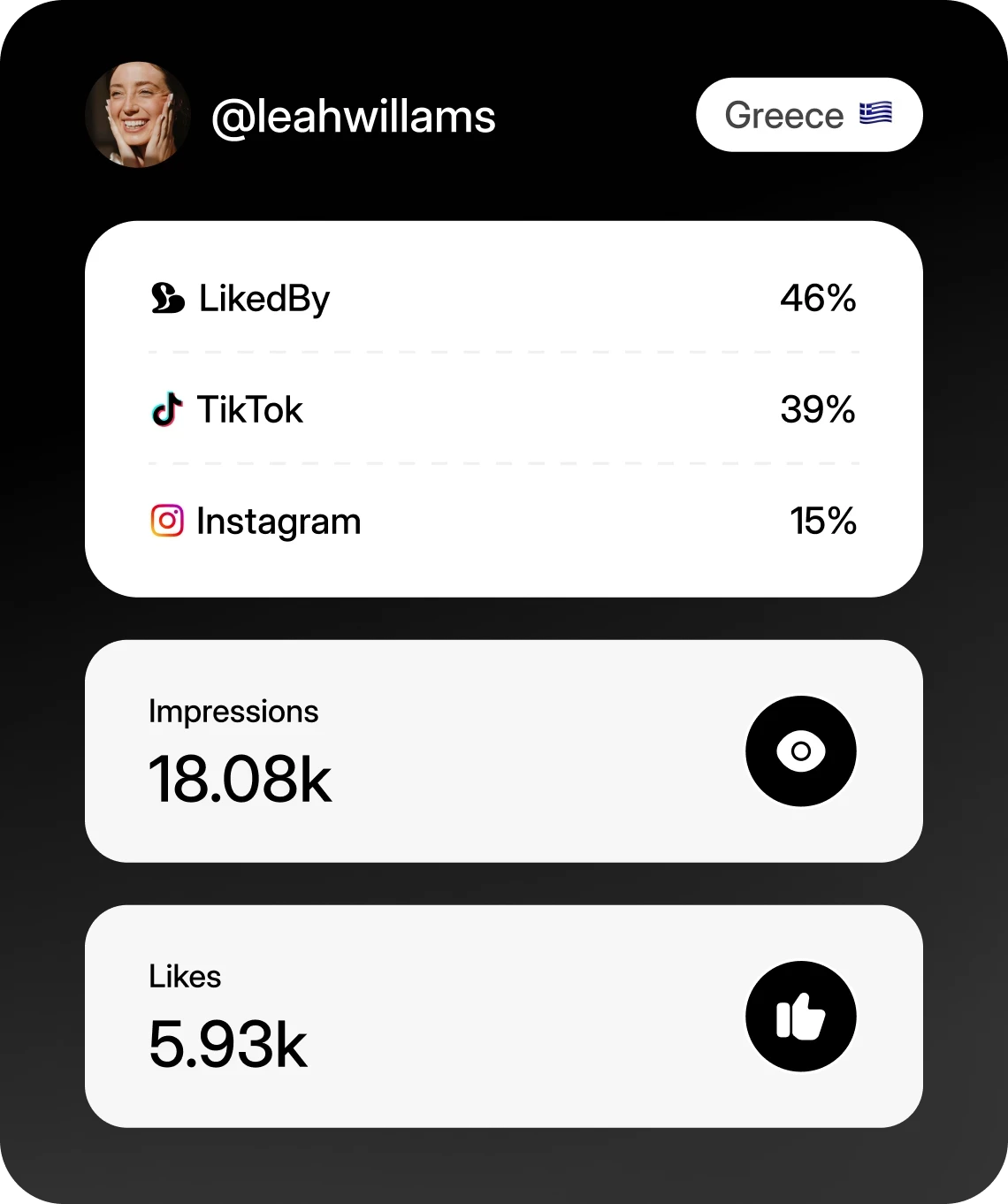
Key Performance Indicators for Luxury Creator Storefronts
Measuring the success of curated influencer storefront experiences in luxury requires metrics that go beyond standard affiliate reporting. Track these KPIs to evaluate and optimize your program.
Creator Activation Rate: Percentage of onboarded creators who have published content and have an active storefront within the target timeframe.
Content Approval Cycle Time: Average number of days from content submission to final approval. Critical for maintaining campaign launch timelines.
Content Output per Creator: Number of approved assets produced per creator per campaign cycle.
Storefront Click-Through Rate (CTR): Percentage of storefront visitors who click through to a product detail page.
Storefront Conversion Rate (CVR): Percentage of storefront visitors who complete a purchase.
Average Order Value (AOV) by Creator: Mean transaction value attributed to each creator's storefront, segmented by creator tier.
Gross Merchandise Value (GMV): Total revenue generated through creator storefronts across the program.
New-to-Brand Customer Rate: Percentage of storefront-attributed purchases from first-time customers.
ROAS by Creator Tier: Return on ad spend when creator content is amplified through paid channels, segmented by ambassador tier.
Cost Per Acquisition (CPA): Total program cost divided by the number of new customers acquired through creator storefronts.
Content Engagement Quality: Ratio of high-intent engagement signals (saves, shares, comments with purchase intent) to passive engagement (likes, impressions).
Storefront Dwell Time: Average time visitors spend browsing a creator's storefront, indicating content and merchandising effectiveness.
Usage Rights Utilization Rate: Percentage of approved creator content that is repurposed across paid media, email, and owned channels within the rights window.
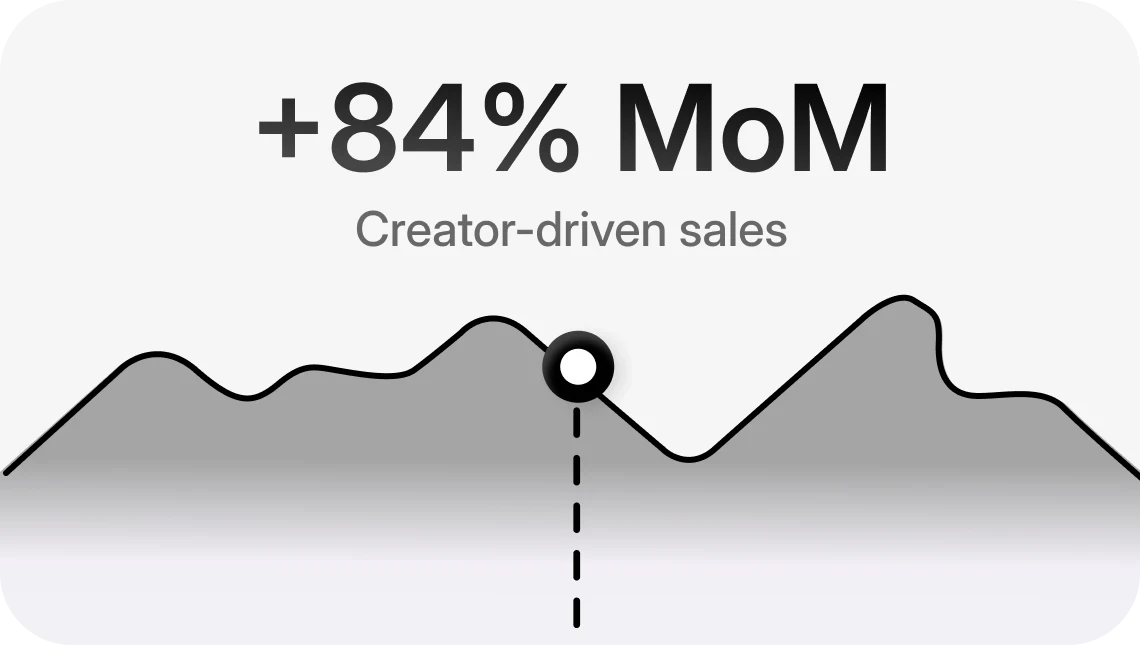
Scenario: Luxury Accessories Brand Launches Creator Storefront Program
A European luxury accessories brand with a strong direct-to-consumer e-commerce presence wanted to expand its digital reach among affluent millennials in North America without relying on marketplace discounting. The brand's influencer marketing manager designed a creator storefront program targeting 30 carefully vetted style and travel creators.
Program Structure
The team segmented creators into three tiers. Five top-tier ambassadors received exclusive product from the upcoming collection two weeks before public launch. Fifteen mid-tier creators received curated product selections aligned with their personal style. Ten micro-creators focused on specific product categories like small leather goods and accessories. Each creator received a personalized storefront featuring only current-season items, with product descriptions edited to match the brand's editorial voice.
Operational Execution
Using a centralized creator management platform, the team onboarded all 30 creators within one week, distributing briefs with mood boards, messaging guidelines, and storefront merchandising rules. Content went through a three-stage approval process: brand marketing, creative direction, and legal. Average approval cycle time was 2.3 days. Approved content was deployed as shoppable widgets on the brand's campaign landing page and individual product pages.
Results Over 90 Days
Total GMV attributed to creator storefronts: $420,000
Average order value from storefront traffic: $685, compared to $520 site-wide average
New-to-brand customer rate: 38% of storefront-attributed purchases
Content output: 187 approved assets across photo, video, and Stories formats
Top five ambassadors drove 62% of total storefront revenue
Creator content repurposed for paid media generated a 4.2x ROAS
Storefront conversion rate: 3.8%, compared to 2.1% site-wide average
The program demonstrated that curated creator storefronts could drive higher-value transactions and attract new customers who aligned with the brand's target demographic, without discounting or marketplace dependency.
Frequently Asked Questions
How does creator storefront software differ from standard affiliate platforms for luxury brands?
Standard affiliate platforms prioritize scale and typically offer limited control over storefront design, product assortment, and content quality. Creator storefront software built for luxury provides brand-controlled merchandising, multi-stage content approval workflows, customizable storefront aesthetics, and performance metrics aligned with luxury KPIs like average order value and new-to-brand customer acquisition. The focus is on curation and brand protection rather than volume.
Can we control which products appear in each creator's storefront?
Yes. Luxury-grade creator storefront software allows you to assign specific SKU assortments to individual creators or creator tiers. You can exclude sale items, restrict access to certain collections, and update product availability in real time based on inventory or merchandising strategy changes. This ensures every storefront reflects your current brand positioning.
How do we maintain brand consistency across dozens of creator storefronts?
Brand consistency is maintained through three mechanisms: detailed creative briefs distributed during onboarding, multi-stage content approval workflows where brand marketing, creative direction, and legal each review assets before publication, and storefront design controls that enforce your brand's visual identity including typography, color palette, and layout standards.
What kind of attribution does creator storefront software provide for luxury's longer purchase cycles?
Purpose-built platforms offer multi-touch attribution that tracks a customer's journey across multiple creator touchpoints over extended consideration windows. Rather than relying solely on last-click attribution, you can see which creator storefronts initiated awareness, which drove deeper engagement, and which ultimately converted the sale. This is essential for luxury where purchase decisions often span weeks.
How long does it take to launch a creator storefront program for a luxury brand?
With the right platform and preparation, a luxury brand can launch an initial creator storefront program within four to six weeks. This includes creator vetting and onboarding (one to two weeks), brief development and product assignment (one week), content production and approval (one to two weeks), and storefront activation with QA (two to three days). Ongoing program management then follows the weekly and monthly operational cadences outlined above.