Creator Storefront Software for Beauty Brands
Beauty brands thrive when their products are discovered through trusted voices. Creator storefronts transform that trust into direct revenue by giving each influencer, makeup artist, and skincare enthusiast a personalized, shoppable page that showcases the products they genuinely use and recommend. For beauty ecommerce teams, this is the bridge between aspirational content and measurable conversion.
But building and managing shoppable creator pages at scale is operationally complex. You need to onboard dozens or hundreds of creators, curate product selections per storefront, keep inventory and pricing synced, track attribution down to the creator level, and do it all without drowning your team in spreadsheets. Most beauty brands either cobble together disconnected tools or settle for basic affiliate links that strip away the branded shopping experience.
Socialscale provides the social commerce infrastructure beauty brands need to launch, manage, and optimize creator storefronts as part of a unified creator program. From onboarding and content management to storefront embedding and performance tracking, it replaces fragmented workflows with a single operating system designed for teams running creator-driven commerce at scale.
Managing High Creator Volume Across Product Lines
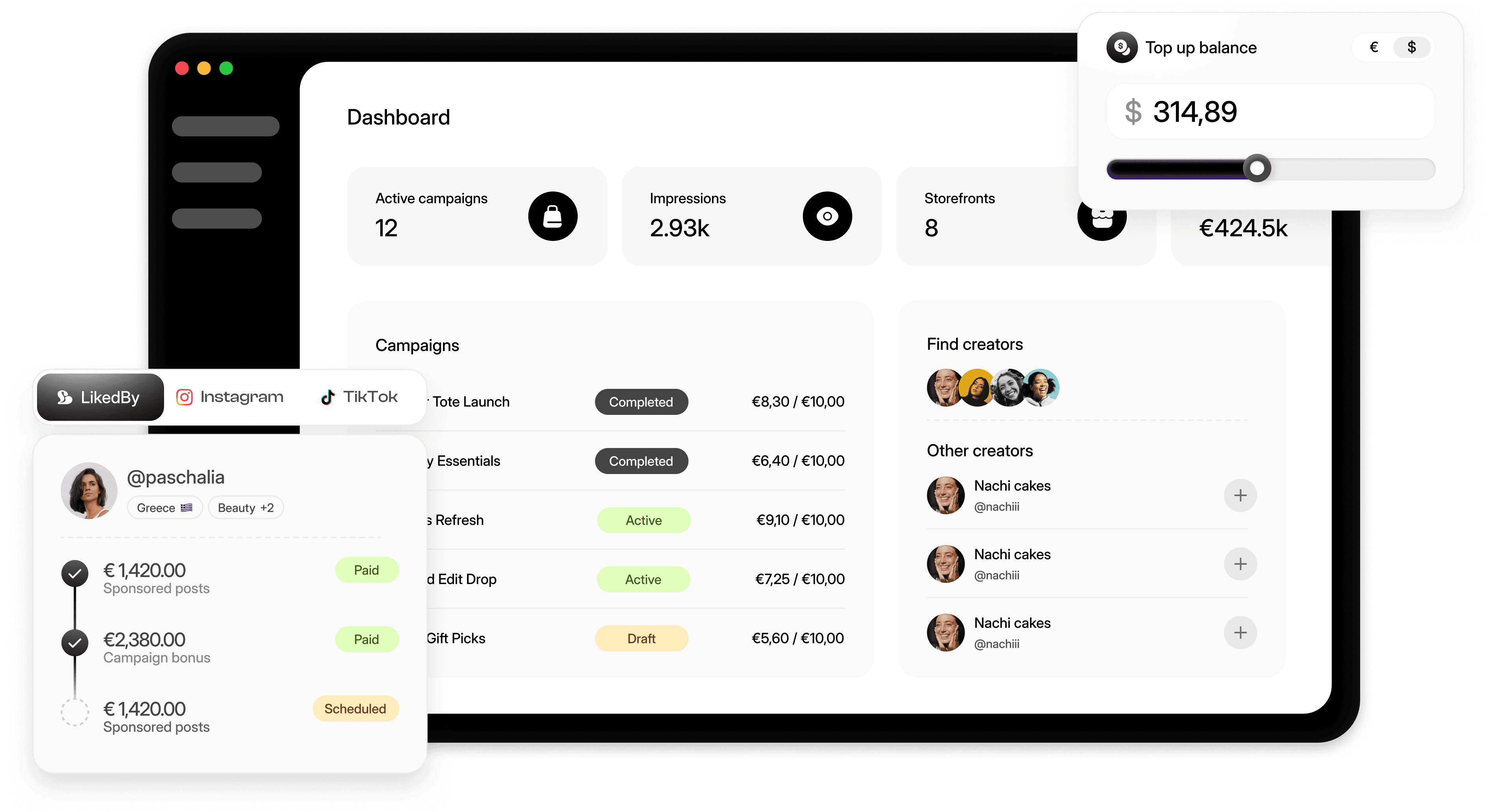
Beauty brands often work with creators across multiple categories—skincare, color cosmetics, haircare, fragrance—each requiring different product assortments and messaging. Coordinating storefronts across these segments without a centralized system leads to inconsistencies and missed opportunities.
Attribution Gaps Between Content and Revenue
When a creator posts a tutorial featuring your serum and links to your site, you need to know exactly which sales came from that creator, which storefront drove the conversion, and what the customer journey looked like. Most beauty brands lack this granularity, making it impossible to reward top performers or justify program spend.
Content Approval Bottlenecks
Beauty is a highly regulated and brand-sensitive category. Every swatch photo, before-and-after, and product claim needs review. Without structured approval workflows, content either goes live unchecked or sits in email threads for days, frustrating creators and delaying campaigns.
Keeping Storefronts Fresh and On-Brand
Seasonal launches, limited editions, and shade expansions mean creator storefronts need frequent updates. Manually refreshing product selections across dozens of creator pages is unsustainable, especially during high-velocity periods like holiday or new collection drops.
Fragmented Creator Communication
Beauty creator programs often span nano-influencers, mid-tier MUAs, dermatologists, and celebrity ambassadors. Each tier has different expectations, deliverables, and compensation structures. Managing all of this through DMs, email, and spreadsheets creates chaos and drops important details.
Disconnected UGC from Commerce
Brands collect incredible user-generated content—tutorials, reviews, unboxings—but struggle to connect that content directly to shoppable experiences. UGC sits in cloud folders or social feeds without ever being embedded on storefronts where it can drive purchases.
Scaling Affiliate Creator Programs Without Losing Control
As beauty brands grow their affiliate creator programs, they face a tension between scale and quality. Opening storefronts to more creators means more content to review, more relationships to manage, and more data to track—all of which can overwhelm teams using manual processes.
Affiliate Networks Offer Links, Not Experiences
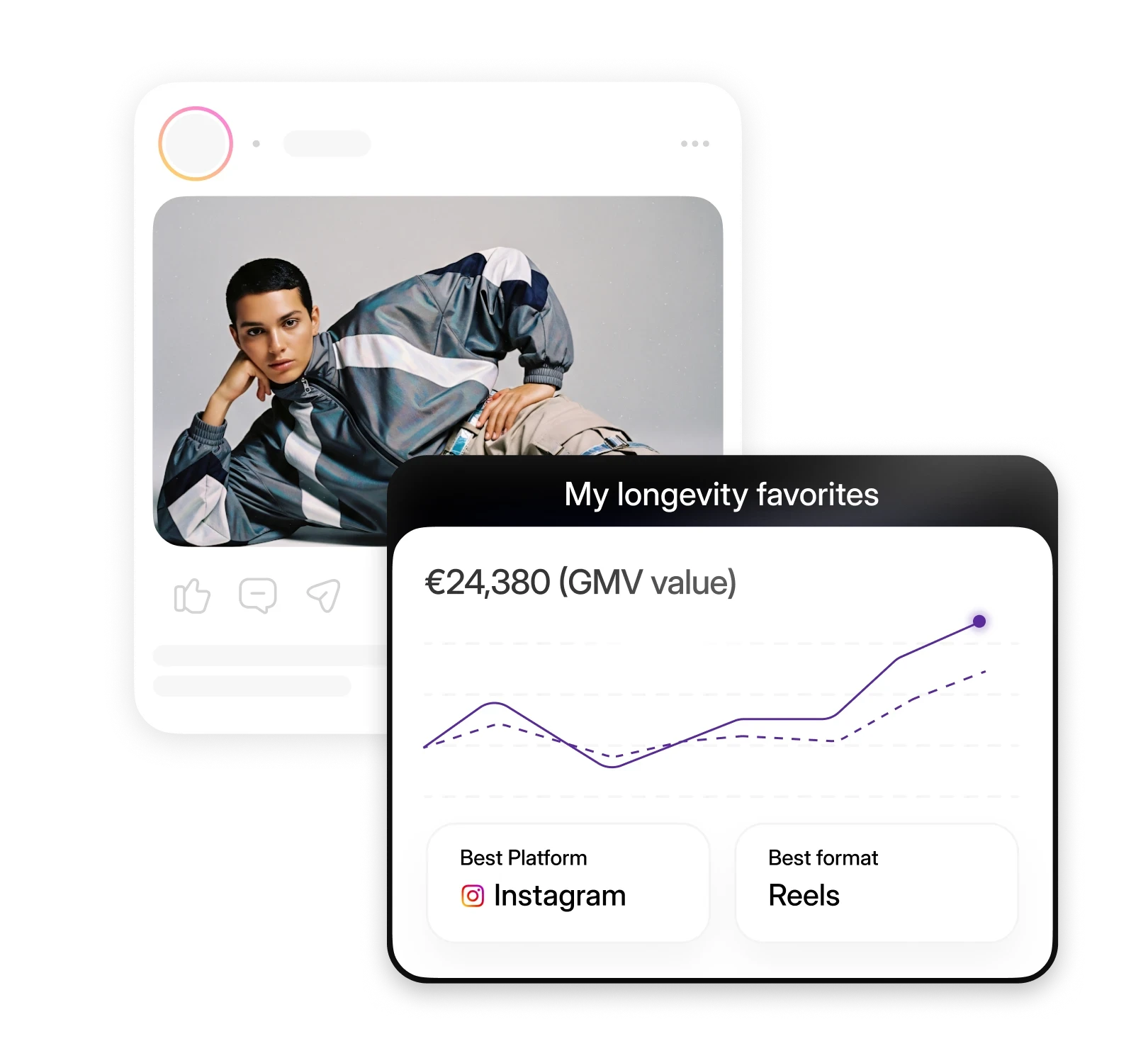
Traditional affiliate platforms give creators a tracking link and call it a day. There is no branded storefront, no curated product page, and no way for the creator to build a shopping experience that reflects their personal aesthetic. For beauty brands where visual presentation is everything, a bare affiliate link undermines the entire value proposition of creator-driven commerce.
Influencer Marketing Platforms Stop at Content
Most influencer marketing software focuses on discovery, outreach, and campaign briefs. They help you find creators and manage deliverables, but they do not extend into commerce. Once the content is posted, you are left stitching together separate analytics tools, ecommerce dashboards, and spreadsheets to understand what actually drove revenue.
Ecommerce Platforms Were Not Built for Creator Programs
Shopify and similar platforms are excellent for running your store, but they were not designed to manage creator relationships, assign personalized storefronts, handle content approvals, or track creator-level attribution. Bolting on apps and plugins creates a fragile stack that breaks when you try to scale beyond a handful of creators.
Spreadsheets and Manual Processes Cannot Scale
Many beauty teams start with Google Sheets to track creator onboarding, product shipments, content status, and commission payouts. This works for five creators. At fifty or five hundred, it becomes a liability—errors multiply, data goes stale, and your team spends more time on administration than strategy.
How Socialscale Powers Creator Storefronts for Beauty Brands
Socialscale is a creator marketing platform purpose-built for social commerce. It gives beauty brands the infrastructure to run creator storefront programs end-to-end, from recruiting and onboarding creators to embedding shoppable pages on your site and tracking every dollar of attributed revenue.
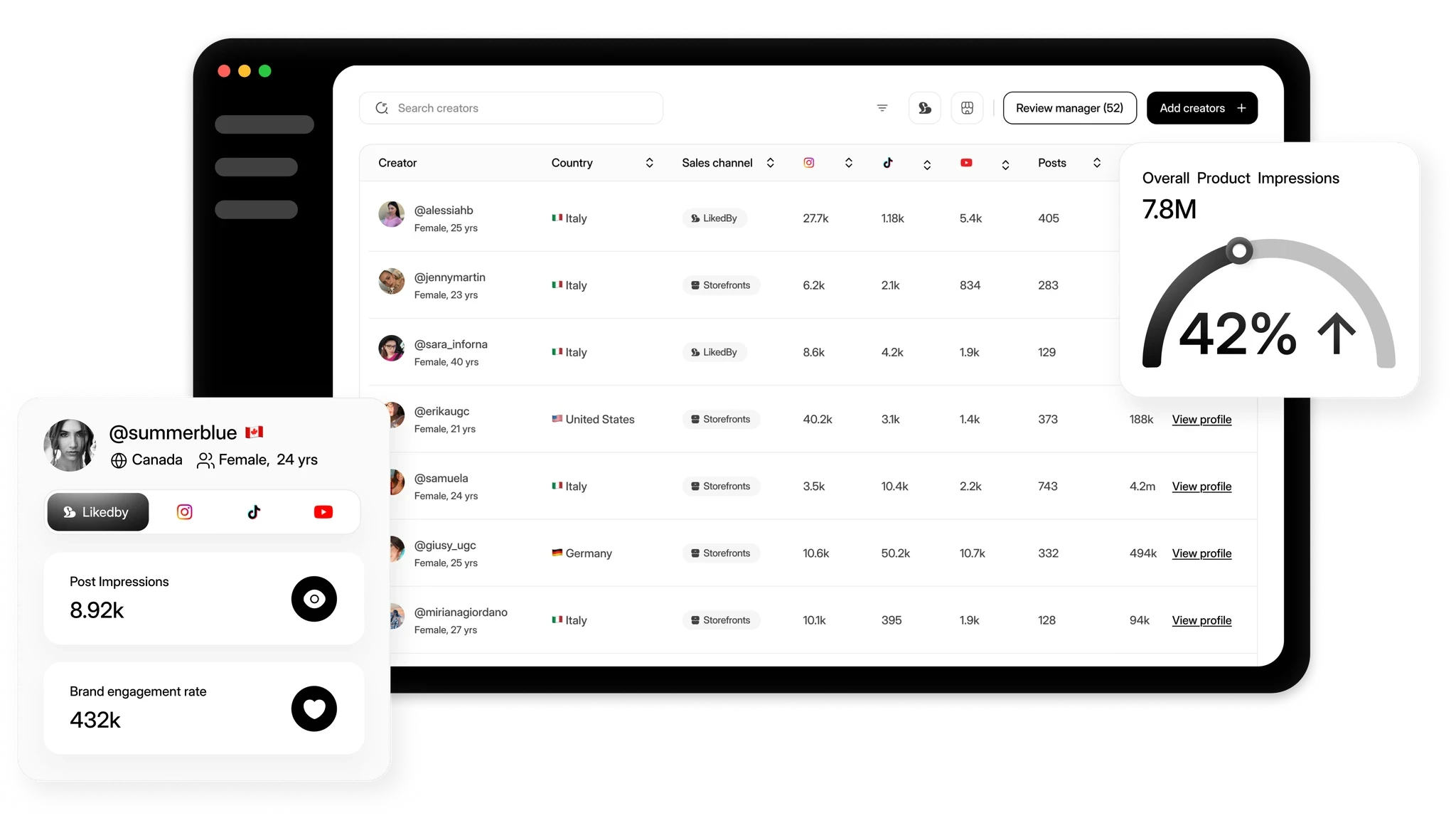
At the core is a centralized system that connects creator relationships, content assets, and commerce data in one place. Your team uses the creator CRM to manage every creator in your program—segmented by tier, product category, skin type focus, or any custom attribute that matters to your brand. Onboarding flows capture creator details, shipping addresses for product seeding, content guidelines, and commission structures without a single spreadsheet.
Content created by your beauty creators flows into a centralized asset library where your team can review, approve, and organize everything from tutorial videos to flat-lay photography. Approved content is then surfaced on each creator's personalized storefront through shoppable creator widgets that embed directly on your ecommerce site. Each storefront is branded to your aesthetic while reflecting the creator's unique curation, creating an authentic shopping experience that converts.
Performance data ties it all together. Every storefront visit, product click, and purchase is tracked at the creator level, giving your team the creator analytics needed to identify top performers, optimize product assortments, and calculate true return on creator investment.
Feature Breakdown: Creator Storefronts for Beauty Ecommerce
Personalized Shoppable Creator Pages
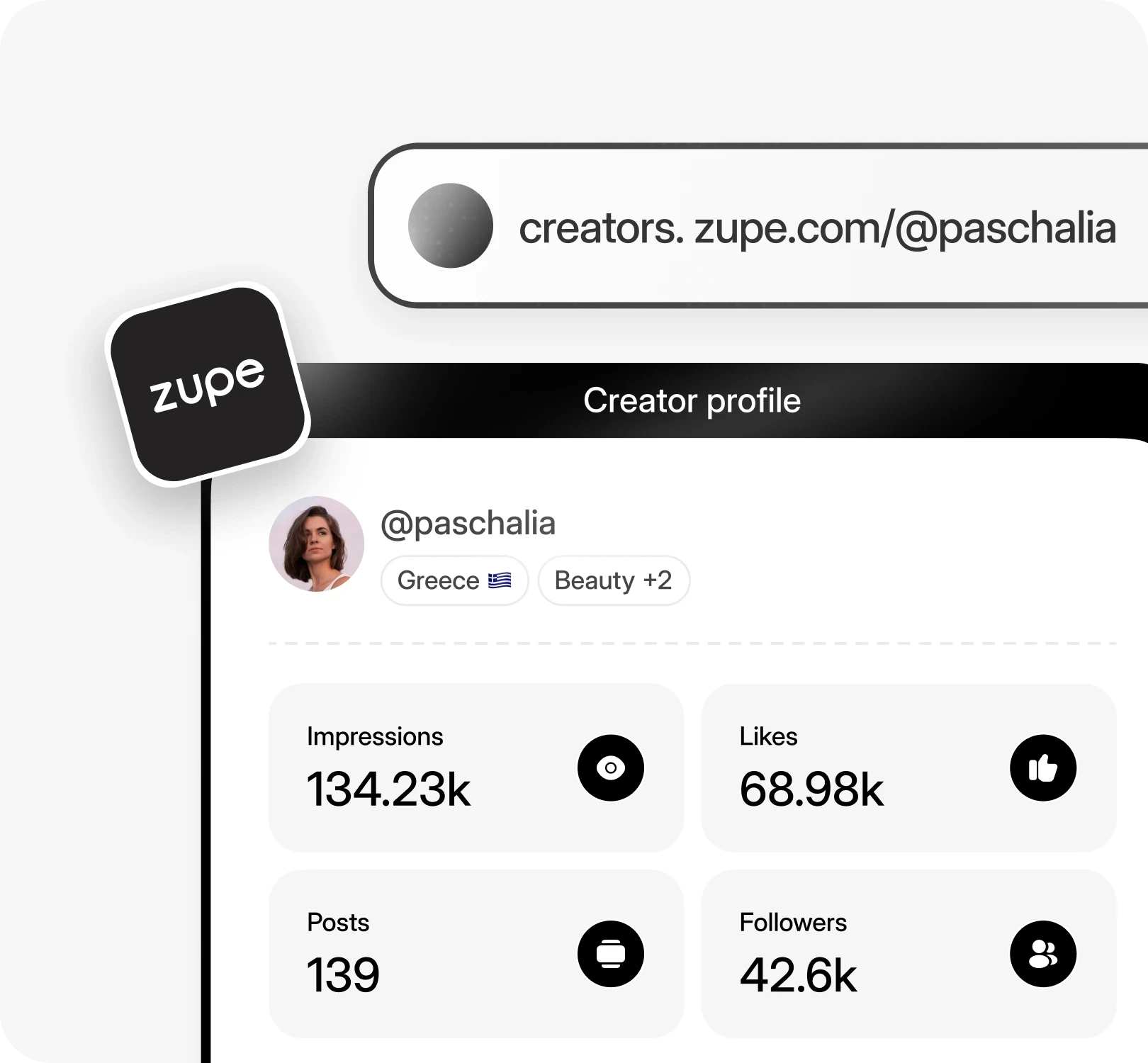
Each creator in your program gets a dedicated storefront page that lives on your domain. These pages feature the creator's curated product picks, their approved content (tutorials, reviews, swatches), and direct add-to-cart functionality. For beauty brands, this means a makeup artist can showcase their favorite foundation shades alongside the tutorial video demonstrating application—all within a shoppable, on-brand experience.
Creator Onboarding and Segmentation
Structured onboarding forms capture everything you need from new creators: social handles, audience demographics, content specialties (skincare routines, bold color looks, clean beauty), preferred product categories, and shipping details for seeding. Creators are automatically segmented in your CRM so you can activate the right people for the right campaigns without manual sorting.
Content Review and Approval Workflows
Beauty content requires careful review—ingredient claims, before-and-after guidelines, FTC disclosure compliance, and brand aesthetic alignment. Socialscale provides structured approval workflows where content submissions are routed to the right reviewer, feedback is centralized, and approved assets are automatically cleared for storefront publishing. No more chasing creators over email for revised captions.
Centralized UGC Management
Every photo, video, reel, and story your creators produce is stored in a centralized content library. Assets are tagged by creator, product, campaign, content type, and usage rights. Your ecommerce and social teams can pull approved UGC for product detail pages, email campaigns, paid social, and of course, creator storefronts—all from one searchable repository.
Creator-Level Attribution and Analytics
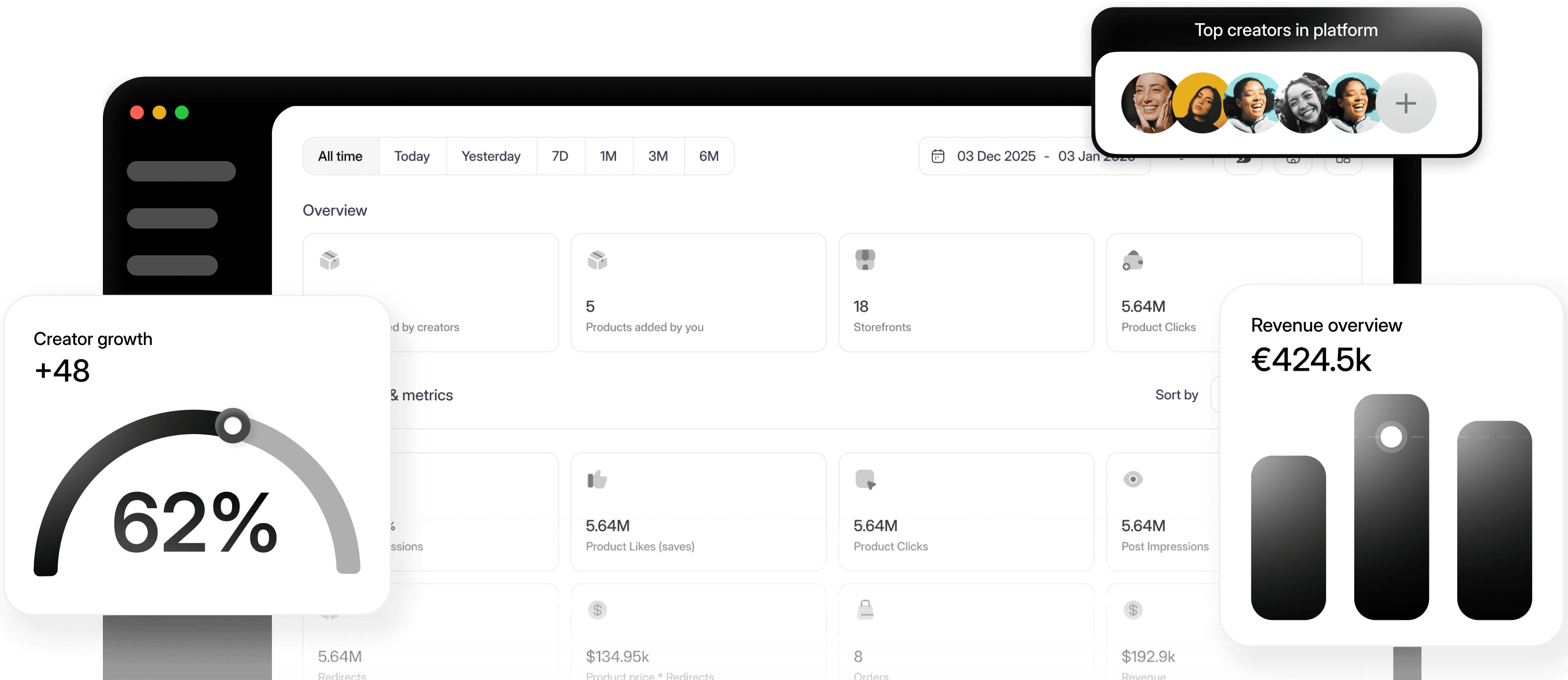
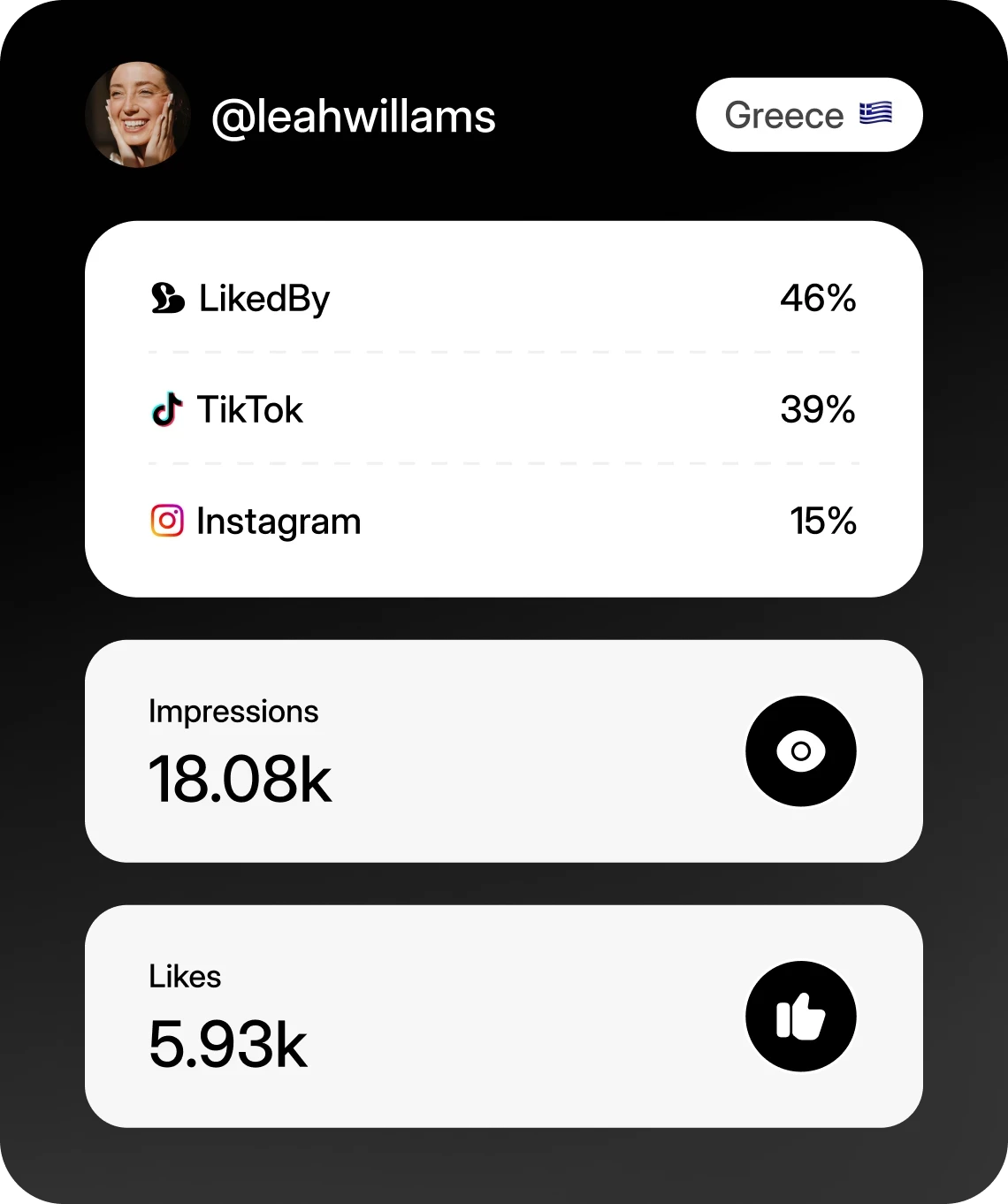
Each storefront generates granular performance data: page views, product clicks, add-to-cart events, conversions, average order value, and revenue attributed to that specific creator. This data feeds into dashboards where your team can compare creator performance across campaigns, product lines, and time periods. You see exactly which creators drive discovery versus which drive conversion.
Campaign and Collaboration Management
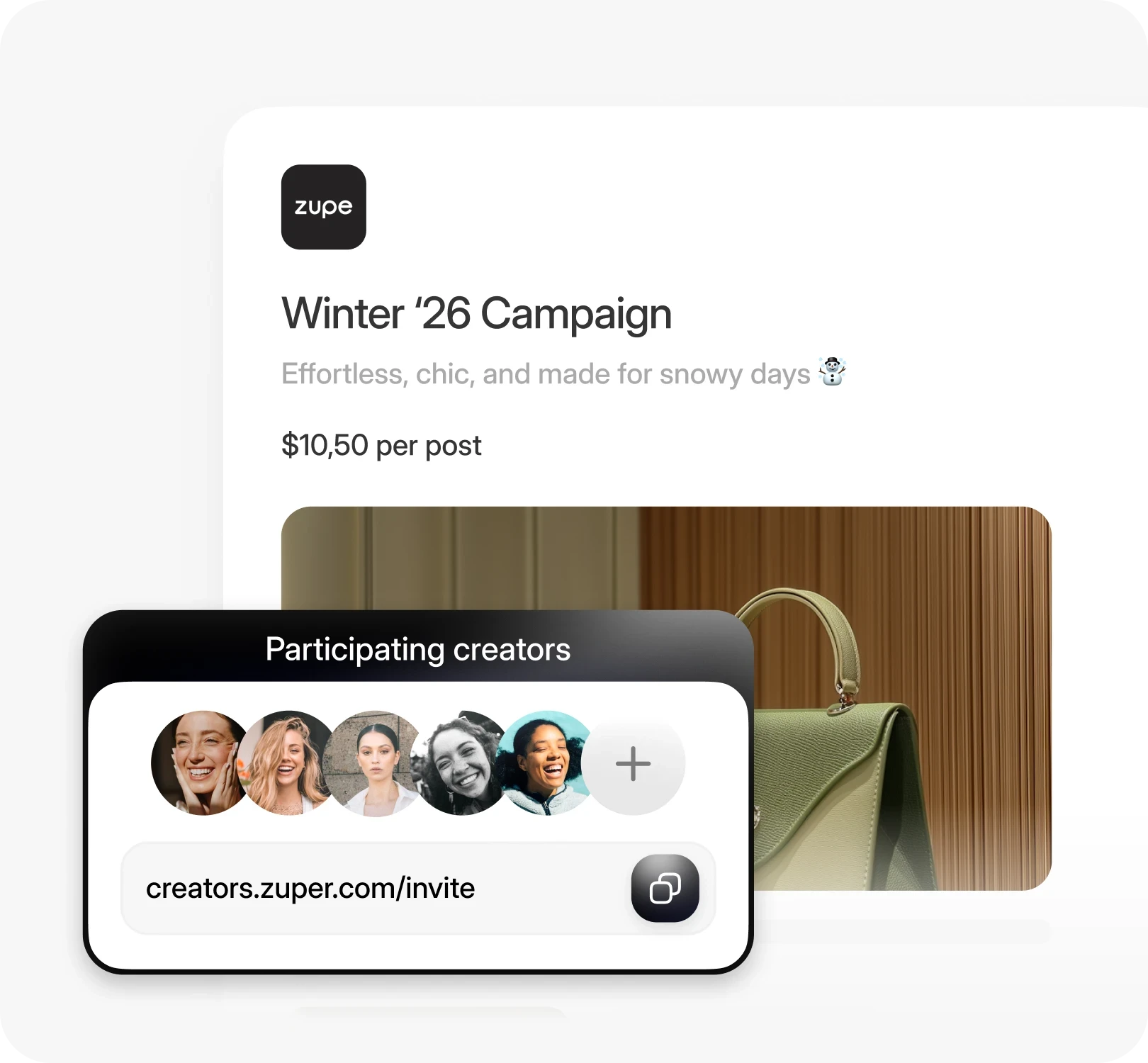
Beauty brands run complex campaign calendars—new product launches, seasonal collections, brand ambassador programs, affiliate pushes. Socialscale lets you create campaigns, assign creators, set deliverables and deadlines, ship products, and track completion all within one system. Storefront product assortments can be updated per campaign, ensuring each creator's page reflects the latest priorities.
Embeddable Widgets for Your Ecommerce Site
Creator storefronts are not siloed microsites. They are embedded directly into your existing ecommerce experience through lightweight widgets. This means customers never leave your domain, checkout happens through your existing cart, and you retain full control over the shopping experience while giving creators a visible, personalized presence on your site.
Use Cases: Shoppable Creator Pages in Beauty Ecommerce
New Product Launch with Tiered Creator Activation
A skincare brand preparing to launch a new vitamin C serum activates three tiers of creators simultaneously. Dermatologist partners receive early access and create educational content about the formulation. Mid-tier skincare influencers produce routine integration videos. Nano-influencers share authentic first-impression content. Each tier gets a personalized storefront featuring the new serum alongside complementary products from the existing line. The brand tracks which tier drives the highest conversion rate and adjusts future launch strategies accordingly.
Always-On Affiliate Storefront Program
A color cosmetics brand runs a year-round affiliate program where approved creators maintain permanent storefronts on the brand's website. Each creator curates their favorite products—their go-to lip liner, the eyeshadow palette they use in every tutorial, their holy grail setting spray. The storefronts are updated quarterly to feature new launches and seasonal edits. The brand monitors monthly GMV per creator and uses performance data to graduate top affiliates into paid ambassador roles with higher commission rates.
Seasonal Campaign with Limited-Edition Collections
A luxury beauty brand launches a holiday collection with exclusive gift sets. Fifty creators receive the collection for content creation, and each creator's storefront is updated to feature the limited-edition products prominently. The campaign runs for six weeks with weekly content drops—unboxings in week one, tutorials in week two, gift guide integrations in weeks three and four, and last-chance urgency content in the final two weeks. Storefronts are refreshed at each phase to match the content cadence, and real-time analytics show which creators are driving the most gift set purchases.
Clean Beauty Community Storefront Hub
A clean beauty brand builds a community-driven storefront hub featuring creators who align with its ingredient transparency mission. Each creator's page includes their personal clean beauty philosophy alongside curated product picks. The brand embeds these storefronts on a dedicated section of its website, creating a browsable directory where customers can shop by creator, skin concern, or product category. The hub becomes a permanent content and commerce asset that grows as new creators join the program.
Weekly and Monthly Operational Workflow
Running a creator storefront program for a beauty brand requires consistent operational cadence. Below is a practical workflow that keeps your program running smoothly without overwhelming your team.
Creator Recruitment and Onboarding (Ongoing) — Review inbound creator applications and outbound prospect lists weekly. Use structured onboarding forms to capture creator details, content specialties, and product preferences. Segment new creators by category (skincare, makeup, haircare) and tier (nano, mid, macro) in your creator CRM.
Product Seeding and Storefront Setup (Weekly) — Ship products to newly onboarded creators and configure their personalized storefronts. Assign initial product assortments based on creator specialty—a makeup artist gets the full color range, a skincare creator gets the treatment line. Ensure storefront branding matches current campaign priorities.
Content Collection and Review (2–3x per Week) — Monitor content submissions from active creators. Route submissions through approval workflows, checking for brand guideline compliance, ingredient claim accuracy, and FTC disclosure. Provide feedback within 24–48 hours to maintain creator momentum and relationship quality.
Storefront Content Publishing (Weekly) — Publish approved content to creator storefronts. Update featured products based on inventory availability, new launches, or promotional priorities. Ensure each storefront reflects fresh content to maintain engagement for returning visitors.
Performance Review and Creator Communication (Weekly) — Pull creator-level analytics dashboards to review storefront traffic, click-through rates, and conversion data. Identify top-performing creators and underperformers. Send personalized performance summaries to creators with actionable suggestions—product recommendations to feature, content formats that are converting well.
Campaign Planning and Activation (Bi-Weekly to Monthly) — Plan upcoming campaigns around product launches, seasonal moments, or promotional events. Brief creators on campaign deliverables, timelines, and storefront updates. Coordinate product shipments and content deadlines to align with launch dates.
Program Optimization and Reporting (Monthly) — Compile monthly program reports covering total storefront GMV, creator activation rates, content output volume, and cost-per-acquisition by creator tier. Identify patterns—which product categories perform best on storefronts, which content formats drive the highest AOV, which creator segments deliver the best ROAS. Use these insights to refine recruitment criteria, commission structures, and campaign strategies.
Storefront Refresh and Seasonal Updates (Monthly/Quarterly) — Audit all active storefronts for outdated products, discontinued SKUs, or stale content. Refresh product assortments to reflect current inventory and seasonal priorities. Archive inactive creator storefronts and onboard replacement creators to maintain program momentum.
Key Performance Indicators for Creator Storefront Programs
Measuring the right metrics ensures your beauty brand's creator storefront program delivers tangible business results. Track these KPIs consistently to optimize performance and justify investment.
Creator Activation Rate — Percentage of onboarded creators who have published at least one piece of content and have an active storefront. Target 70%+ within 30 days of onboarding.
Content Approval Turnaround Time — Average time from content submission to approval or feedback. Beauty brands should aim for under 48 hours to keep creators engaged and campaigns on schedule.
Content Output per Creator — Number of approved content pieces per creator per month. Healthy programs see 2–4 pieces monthly from active creators.
Storefront Click-Through Rate (CTR) — Percentage of storefront visitors who click on a product. Benchmark against your site-wide CTR; creator storefronts typically outperform generic collection pages by 2–3x.
Storefront Conversion Rate (CVR) — Percentage of storefront visitors who complete a purchase. Track at the creator level to identify which creators attract high-intent audiences.
Gross Merchandise Value (GMV) per Creator — Total revenue attributed to each creator's storefront. Use this to tier creators, set commission rates, and identify candidates for expanded partnerships.
Average Order Value (AOV) from Storefronts — Compare AOV from creator storefronts versus other traffic sources. Creator-curated product bundles often drive higher AOV than standard site navigation.
Return on Ad Spend / Cost per Acquisition (ROAS/CPA) — When storefronts are promoted through paid media, track ROAS and CPA at the creator level to optimize media allocation.
Creator Retention Rate — Percentage of creators who remain active in the program after 90 days. High retention signals strong creator experience and fair compensation.
UGC Library Growth Rate — Volume of approved, rights-cleared content assets added to your library monthly. This content has value beyond storefronts—it fuels paid social, email, and PDP content.
Scenario: Mid-Size Clean Beauty Brand Scales Creator Storefronts
A direct-to-consumer clean beauty brand with 120 SKUs across skincare and body care wanted to move beyond basic affiliate links and build a creator-driven commerce channel. The team had been managing 40 creators through a combination of email, Google Sheets, and a standalone affiliate platform. Content lived in Dropbox folders organized by creator name, and there was no way to connect content performance to actual sales.
The brand implemented a centralized creator storefront program. During the first month, the team onboarded all 40 existing creators into structured profiles, capturing content specialties, audience demographics, and product preferences. Each creator received a personalized storefront embedded on the brand's Shopify site, featuring their curated product picks and approved tutorial content.
Over the next 90 days, the brand expanded the program to 85 creators, adding nano-influencers focused on specific skin concerns (acne, hyperpigmentation, sensitive skin) and mid-tier creators with engaged YouTube audiences. Content approval workflows reduced review turnaround from an average of five days to under 36 hours. The centralized content library grew to over 600 approved assets, which the marketing team repurposed across email campaigns and paid social.
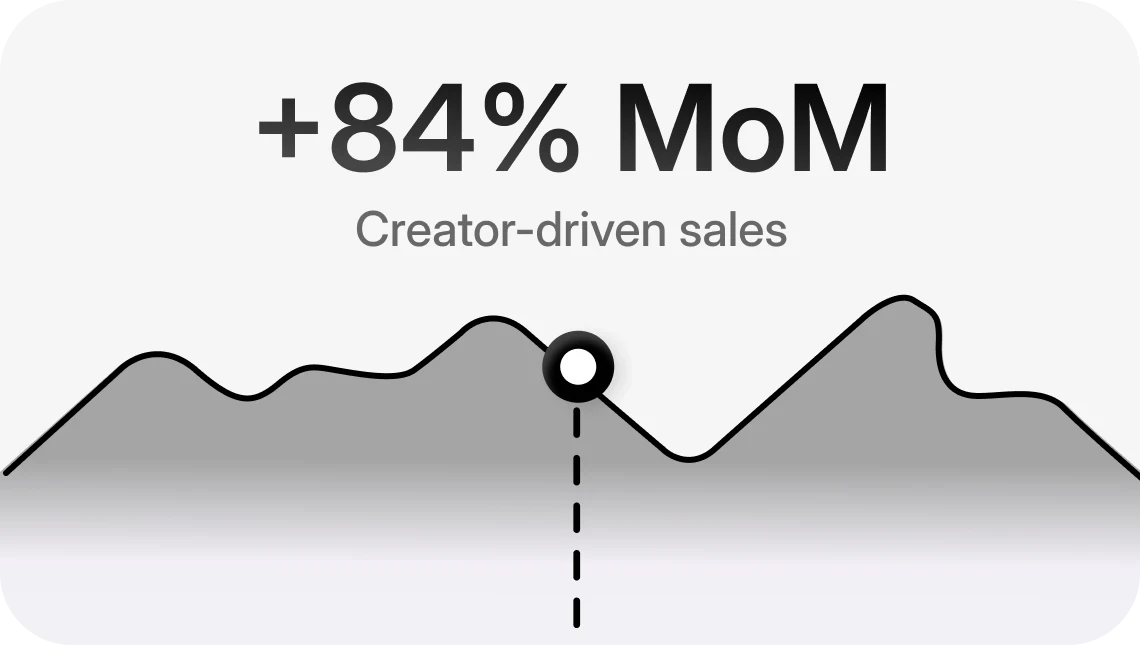
Results after the first quarter: creator storefronts generated 22% of total ecommerce revenue, up from 8% under the previous affiliate link model. Average order value from storefront purchases was 31% higher than site-wide average, driven by creator-curated product bundles. Creator activation rate reached 78%, and the top 15 creators accounted for 55% of storefront GMV. Content output increased from an average of 1.2 pieces per creator per month to 3.4 pieces, attributed to faster approval cycles and clearer campaign briefs. The brand reduced its effective cost per acquisition from creator-driven sales by 40% compared to paid social prospecting campaigns.
Frequently Asked Questions
What is a creator storefront and how does it differ from an affiliate link?
A creator storefront is a personalized, branded shopping page on your ecommerce site where a creator curates and showcases products they recommend. Unlike a simple affiliate link that sends traffic to a generic product page, a storefront provides a full shopping experience with the creator's content, product picks, and direct add-to-cart functionality. This creates a more engaging and trustworthy experience for the customer, which typically results in higher conversion rates and average order values compared to standard affiliate links.
How many creators can a beauty brand manage with storefront software?
The right platform scales with your program. Whether you are running storefronts for 20 creators or 500, centralized onboarding, content workflows, and automated storefront updates eliminate the manual bottlenecks that typically cap program size. Most beauty brands start with 30–50 creators and scale to several hundred within six to twelve months as they refine their recruitment criteria and operational workflows.
Can creator storefronts be customized to match our brand aesthetic?
Yes. Creator storefronts are embedded on your domain and styled to match your brand's visual identity—fonts, colors, layout, and imagery standards. Each storefront reflects the individual creator's product curation and content while maintaining a cohesive brand experience. This is critical for beauty brands where visual presentation directly impacts purchase confidence.
How is revenue attributed to individual creators?
Each creator storefront has unique tracking built in. When a customer visits a creator's storefront and makes a purchase, that transaction is attributed to the specific creator. This includes first-click and last-click attribution data, product-level sales breakdowns, and session-level behavior data. Your team can see exactly which creators drive traffic, which drive conversions, and which drive the highest-value orders.
How do creator storefronts fit into our existing Shopify store?
Creator storefronts are embedded into your Shopify store through lightweight widgets that integrate with your existing product catalog, cart, and checkout. Products displayed on storefronts pull directly from your Shopify inventory, so pricing and availability are always accurate. Orders flow through your standard Shopify checkout process, meaning there is no disruption to your existing fulfillment or payment workflows.