Creator Storefronts for Pet Brands: The Affiliate Storefront System That Drives Social Commerce Revenue
Pet brands are sitting on one of the most emotionally resonant content categories in social commerce, yet most struggle to convert that engagement into trackable, repeatable revenue. Creator storefronts change the equation by giving every pet influencer, veterinarian advocate, and micro-creator a personalized, shoppable destination stocked with your products. Instead of chasing one-off sponsored posts, your brand builds a distributed network of always-on affiliate storefronts that turn pet content into a measurable sales channel.
The challenge is operational. Managing dozens or hundreds of creator storefronts across kibble lines, supplement SKUs, toys, and accessories requires a system purpose-built for the workflow: onboarding creators, curating product selections, syncing inventory, tracking commissions, and measuring which storefronts actually move product. Spreadsheets and generic affiliate platforms were never designed for this.
Socialscale provides the infrastructure pet brands need to launch, manage, and scale a creator storefront program from a single operating system. From creator recruitment through performance analytics, every step is connected so your team spends less time on admin and more time growing revenue through the creators your customers already trust.
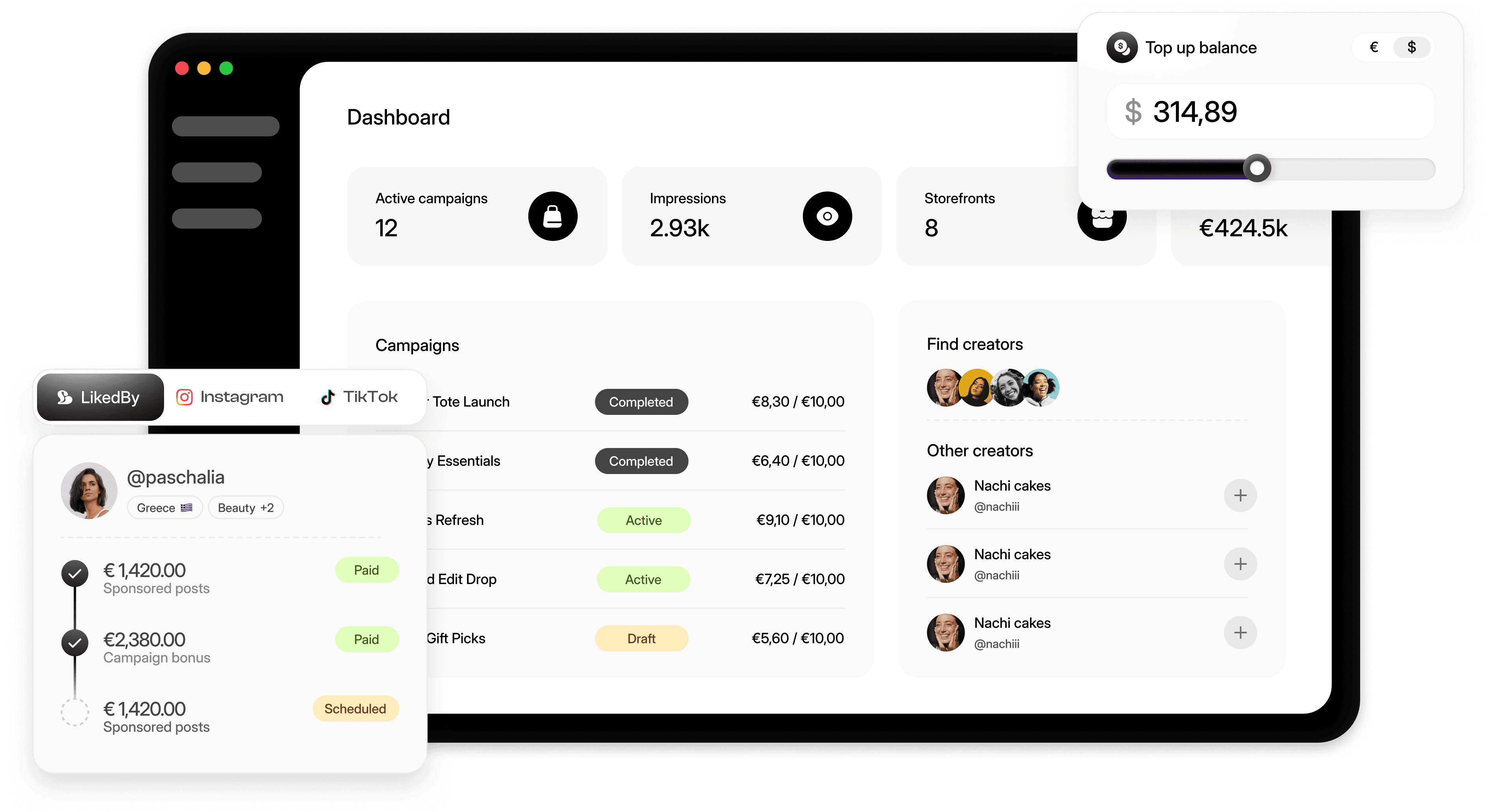
High Volume of Micro and Nano Creators
The pet space is flooded with passionate creators who have small but highly engaged audiences. Managing storefront access, product assignments, and commissions for hundreds of these creators without a centralized system leads to operational chaos and missed revenue.
Complex Product Catalogs with Dietary and Species Segmentation
Pet brands often carry products segmented by species, breed size, life stage, and dietary need. Assigning the right products to the right creator storefront requires granular control that most affiliate tools lack. A dog nutrition creator should not be promoting cat litter in their storefront.
Seasonal and Trend-Driven Demand Cycles
Pet industry sales spike around adoption seasons, holidays, flea-and-tick season, and viral pet trends. Creator storefronts need to be updated quickly to reflect seasonal SKUs, limited-edition bundles, and promotional pricing without requiring manual outreach to every creator.
Authenticity and Compliance Concerns
Pet parents are skeptical of inauthentic recommendations. Storefronts stocked with products a creator has never used erode trust. Brands need a system that lets them vet creators, approve storefront selections, and ensure FTC-compliant disclosure language is embedded.
Attribution Gaps Between Content and Purchases
A creator posts a TikTok of their golden retriever enjoying a new treat, but the brand cannot trace the resulting purchases back to that specific creator or piece of content. Without storefront-level attribution, commission payouts become guesswork and budget allocation is blind.
Content Reuse and Rights Management
Pet UGC is incredibly valuable for paid ads, email, and PDPs. But tracking which creator produced which asset, what usage rights were granted, and where content has been deployed is a persistent headache when files live across Google Drive folders and Slack threads.
Scaling Beyond a Handful of Top Creators
Many pet brands rely on five to ten established pet influencers. Scaling to fifty or two hundred creator storefronts requires onboarding automation, tiered commission structures, and performance dashboards that surface which creators deserve more investment.

Generic Affiliate Platforms Ignore Creator Relationships
Traditional affiliate networks treat creators like anonymous link generators. They offer a referral URL and a dashboard, but nothing to manage the relationship: no onboarding flow, no content approval, no storefront curation. For pet brands that need to match creators with species-specific product lines, this is a dead end.
Spreadsheets Cannot Scale Storefront Operations
Tracking which creator has which products in their storefront, what commission tier they sit on, when their content was last approved, and how much GMV they generated last month across a spreadsheet is unsustainable past ten creators. One missed row means an unpaid creator or an unapproved product going live.
Disconnected Tools Create Data Silos
When your CRM lives in HubSpot, your content in Dropbox, your affiliate links in Impact, and your analytics in Google Sheets, no one on the team has a unified view of creator storefront performance. Decisions about which creators to scale or sunset are made on incomplete data.
Influencer Marketing Platforms Stop at the Post
Most influencer marketing software focuses on campaign briefs and post approvals. They were not built to manage persistent, always-on storefronts where product assortments change, commissions compound, and revenue attribution needs to be tracked continuously rather than per campaign.

How Socialscale Powers Creator Storefronts for Pet Brands
Socialscale is the operating system that connects every stage of your pet creator storefront program into a single workflow. Rather than stitching together five different tools, your team manages creator recruitment, storefront setup, content approvals, and revenue tracking from one platform built specifically for social commerce.
Start by building your creator pipeline using the creator CRM, where you can tag creators by pet niche (dog nutrition, exotic reptiles, cat rescue, equine wellness), audience size, and engagement quality. Once a creator is approved, their storefront is provisioned with curated product selections that match their content focus. Every storefront is shoppable and trackable, so you know exactly which creator drives which sale.
Content flowing into storefronts is managed through Creator Drive, giving your team a centralized asset library organized by creator, campaign, product line, and usage rights. When a creator submits a new unboxing video or product review, it is reviewed, approved, and optionally embedded on your own site using shoppable creator widgets that turn UGC into conversion points on your PDP or homepage.
Performance data flows into a unified creator analytics dashboard where you can compare storefront GMV, conversion rates, and content output across your entire creator roster. This lets you make weekly decisions about commission adjustments, product refreshes, and creator tier promotions based on real revenue data rather than vanity metrics.
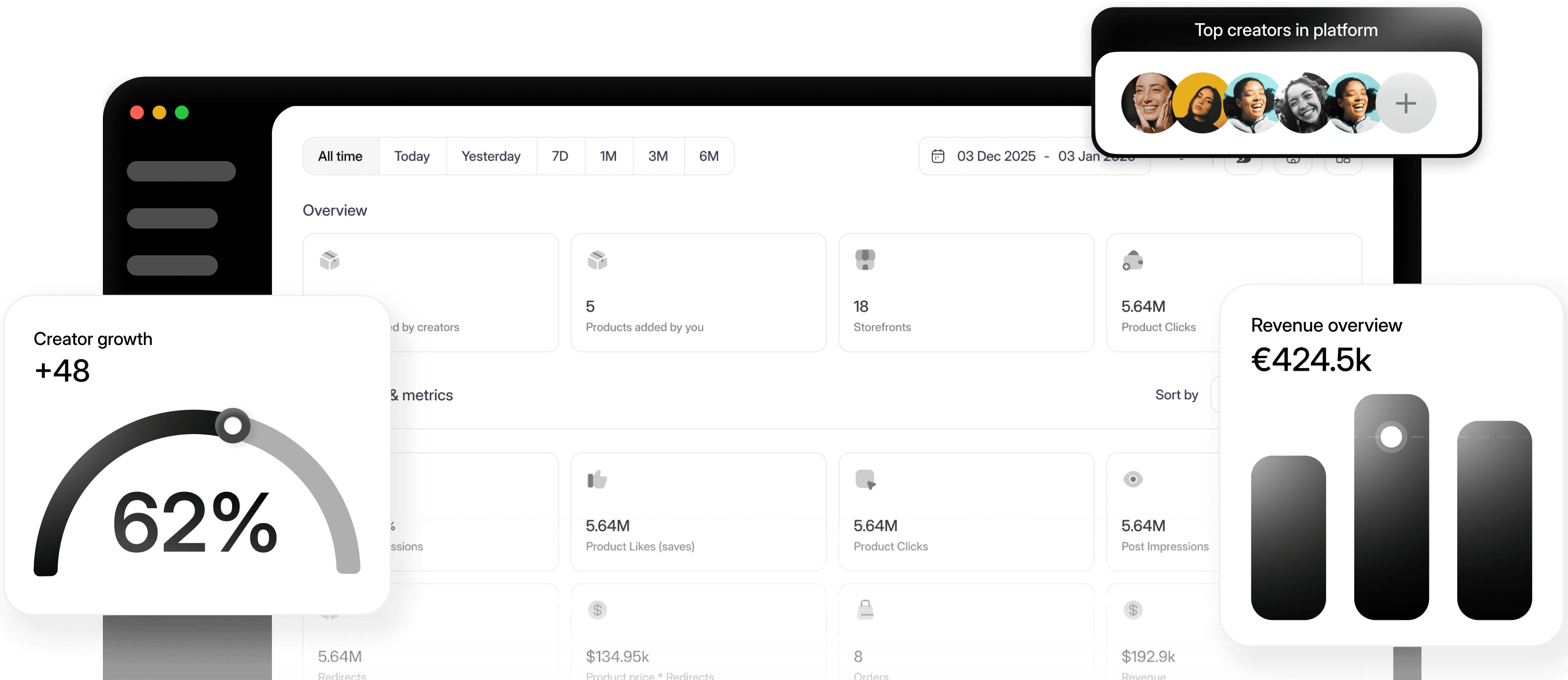
Feature Breakdown: Creator Storefront System for Pet Brands
Creator Onboarding and Vetting
Automate applications with custom intake forms that capture pet niche, audience demographics, content style, and product preferences. Approval workflows let your team review each applicant against brand guidelines before granting storefront access. Bulk onboarding tools handle seasonal recruitment pushes, such as signing thirty new dog creators before National Pet Day.
Storefront Product Curation
Assign specific SKUs or product collections to each creator storefront based on their niche. A raw-diet dog food advocate gets a different product assortment than a cat toy reviewer. Update storefront inventories in bulk when launching new products or running seasonal promotions, ensuring every creator is selling what is relevant to their audience.
Commission Tier Management
Define tiered commission structures that reward top performers. Entry-level pet creators might earn eight percent, while proven revenue drivers unlock twelve or fifteen percent. Commission rules can be set per product category, allowing higher margins on supplements and lower margins on commoditized kibble, all managed within the platform without external spreadsheets.
Content Submission and Approval Workflows
Creators submit storefront content, including product photos, review videos, and Instagram Reels, directly into the platform. Your team reviews, requests edits, or approves assets through a structured workflow. Approved content is automatically tagged with metadata like product name, creator handle, pet species, and content format for easy retrieval.
Shoppable Content Embedding
Take approved creator content and embed it directly on your ecommerce site as shoppable widgets. A video of a creator's dog enjoying a dental chew can appear on the product detail page with a direct add-to-cart action. This bridges the gap between social proof and purchase intent without requiring the customer to leave your site.
Centralized Asset Library with Rights Tracking
Every piece of creator content is stored with clear usage rights documentation. Know at a glance whether a creator's pet photo can be used in paid Facebook ads, email campaigns, or only on their personal storefront. This eliminates legal risk and accelerates creative production for your performance marketing team.
Real-Time Performance Dashboards
Track storefront-level metrics including visits, add-to-cart rate, conversion rate, average order value, and total GMV. Filter by creator, product category, pet niche, or time period. Weekly automated reports surface which storefronts are growing, which are stagnant, and which creators need re-engagement or product refreshes.
Creator Communication and Collaboration
Manage all creator communication within the platform through creator collaborations tools. Send product seeding briefs, storefront update notifications, and commission summaries without switching to email or Slack. Threaded conversations keep context attached to the right creator and campaign.

Use Cases: Creator Storefronts in Action for Pet Brands
1. Scaling a Dog Supplement Brand Through Breed-Specific Storefronts
A dog supplement company recruits fifty creators, each specializing in a specific breed or size category. Each creator receives a storefront stocked only with the supplements relevant to their audience: joint support for large breed creators, calming chews for anxious small breed creators, puppy vitamins for breeders. Storefronts are refreshed quarterly as new formulations launch, and top-performing creators are invited into an ambassador tier with exclusive early access to products and higher commission rates. The brand tracks which breed niches generate the highest AOV and doubles down on recruitment in those segments.
2. Cat Brand Leveraging Veterinarian Creators for Trust-Driven Commerce
A premium cat nutrition brand partners with fifteen veterinarian creators who produce educational content about feline dietary health. Each vet creator has a storefront featuring the brand's prescription and wellness lines, with content that explains ingredient benefits rather than just promoting discounts. The brand embeds vet creator review videos on product pages to boost conversion rates among health-conscious cat parents. Commission structures are flat-rate per sale rather than percentage-based, reflecting the high trust value these creators bring.
3. Multi-Species Pet Retailer Running a Holiday Storefront Blitz
A pet retailer carrying products across dogs, cats, birds, and small animals launches a holiday creator storefront campaign. One hundred creators are onboarded in October, each assigned a species-specific storefront with holiday gift bundles. The campaign runs from November through December, with weekly storefront refreshes introducing new bundles and flash sale pricing. Performance data is reviewed every Monday to reallocate promotional budget toward the highest-converting storefronts. Post-campaign, the top twenty creators are transitioned into an evergreen storefront program.
4. DTC Pet Accessories Brand Building an Always-On Affiliate Network
A direct-to-consumer brand selling collars, leashes, and pet apparel builds a persistent creator storefront network of two hundred micro-creators. Rather than running campaigns, the brand treats storefronts as an ongoing revenue channel. Creators are segmented into tiers based on monthly GMV, with automated commission escalations at defined thresholds. The brand's ecommerce team pulls top-performing creator content weekly for use in retargeting ads and email flows, reducing creative production costs by forty percent while maintaining authentic, pet-focused visuals.
Weekly and Monthly Operational Workflow for Pet Brand Creator Storefronts
Running a creator storefront program requires consistent operational rhythms. Below is a practical workflow designed for pet brand teams managing storefronts at scale.
Monday: Performance Review and Creator Triage
Pull the weekly storefront performance report from your analytics dashboard. Identify the top ten storefronts by GMV, flag any storefronts with zero sales for two consecutive weeks, and note creators whose conversion rates have dropped. Prepare a shortlist of creators who need product refreshes, re-engagement outreach, or commission tier adjustments.
Tuesday: Content Review and Approval
Review all pending content submissions from creators. Approve assets that meet brand guidelines, request revisions on content with incorrect product claims or missing FTC disclosures, and tag approved assets with product and species metadata. Queue approved content for embedding on product pages or social channels.
Wednesday: Creator Communication and Briefing
Send weekly updates to active creators with top-selling products, upcoming promotions, and content inspiration. Brief new creators entering the program on storefront setup, product selection, and content expectations. Address any commission inquiries or product seeding requests.
Thursday: Storefront Merchandising Updates
Update storefront product assortments based on inventory changes, new product launches, or seasonal shifts. Remove out-of-stock SKUs, add new arrivals, and adjust featured products. For pet brands with seasonal lines like flea-and-tick treatments, this step is critical to keeping storefronts relevant.
Friday: Recruitment Pipeline Review
Review new creator applications in the CRM. Score applicants based on audience quality, content style, and niche relevance. Approve qualified creators and send onboarding sequences. Reject applicants who do not meet minimum criteria with a polite decline template.
Bi-Weekly: Commission Reconciliation
Reconcile storefront sales data with commission payouts. Verify that tier escalations have been applied correctly. Flag any disputed transactions or returns that affect commission calculations. Prepare payout files for finance.
Monthly: Program Strategy Review
Analyze month-over-month trends in storefront GMV, creator activation rate, content volume, and average commission cost per acquisition. Identify which pet niches (breed-specific, species-specific, lifestyle) are generating the strongest returns. Adjust recruitment targets, commission structures, and product curation strategy based on data.
Quarterly: Creator Tier Reassignment and Program Expansion
Reassign creators to updated commission tiers based on cumulative performance. Graduate top performers into ambassador roles with exclusive perks. Sunset inactive creators whose storefronts have not generated sales in sixty days. Evaluate whether to expand into new pet niches or geographic markets.
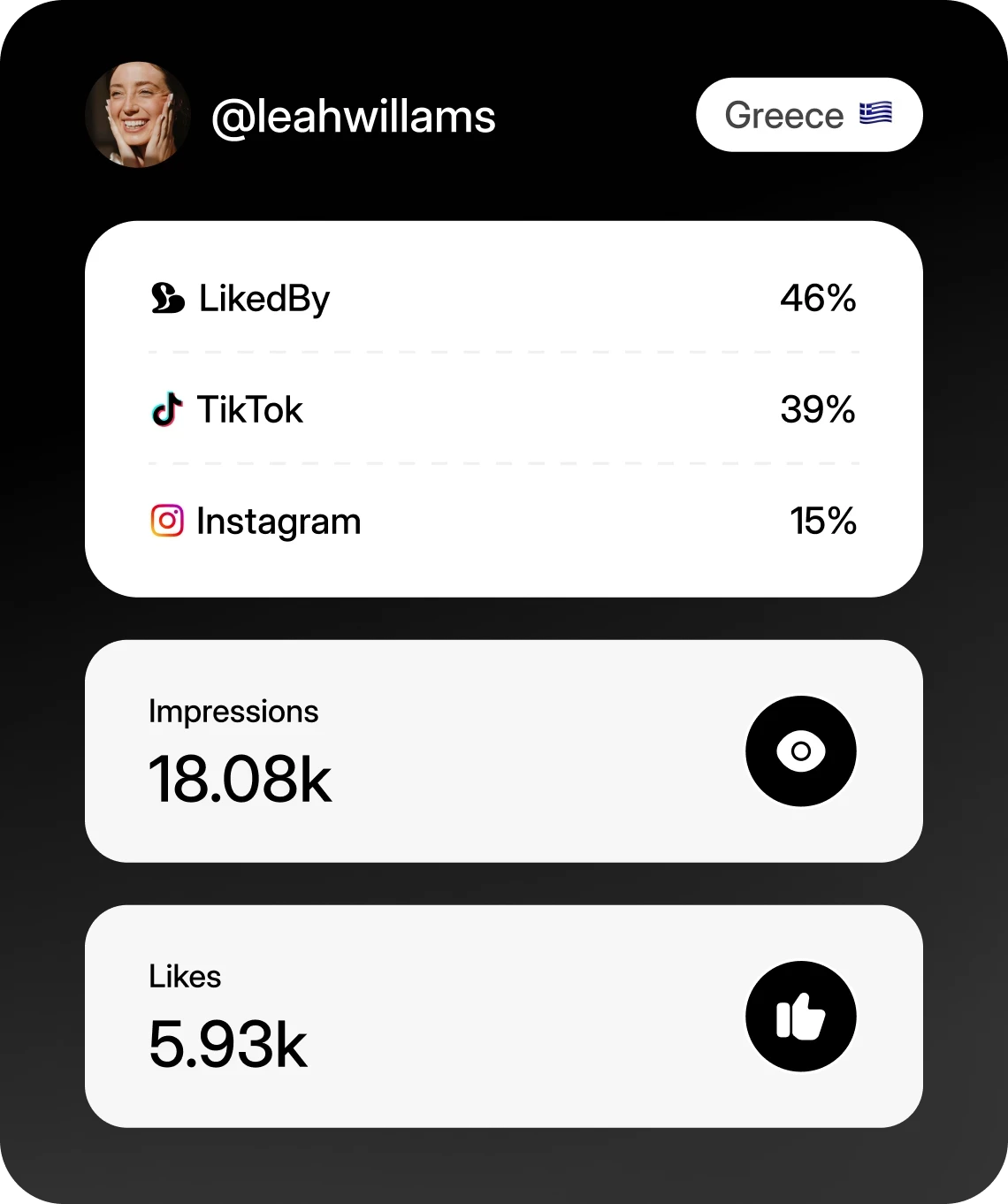
Key Performance Indicators for Pet Brand Creator Storefronts
Tracking the right metrics ensures your storefront program is generating measurable business outcomes rather than just activity. Focus on these KPIs across your creator analytics dashboard.
Creator Activation Rate: Percentage of onboarded creators who generate at least one storefront sale within their first thirty days.
Storefront Conversion Rate (CVR): Percentage of storefront visitors who complete a purchase, segmented by creator, product category, and pet niche.
Gross Merchandise Value (GMV) per Creator: Total revenue generated through each creator's storefront over a defined period.
Average Order Value (AOV): Mean purchase value from storefront transactions, useful for identifying which creators drive premium product sales.
Content Approval Turnaround Time: Average hours from content submission to approval, directly impacting how quickly new assets go live on storefronts.
Content Output per Creator: Number of approved assets submitted per creator per month, indicating engagement and program health.
Click-Through Rate (CTR): Rate at which storefront links are clicked from social posts, emails, or embedded widgets.
Return on Ad Spend (ROAS) from Creator Content: When creator content is repurposed for paid media, track ROAS compared to non-creator ad creative.
Cost per Acquisition (CPA) via Storefronts: Total commission and product seeding cost divided by the number of new customers acquired through storefronts.
Creator Retention Rate: Percentage of creators who remain active in the program after ninety days, indicating program satisfaction and sustainability.
Storefront Revenue as Percentage of Total Ecommerce Revenue: Measures how significant the storefront channel is becoming relative to other sales channels.
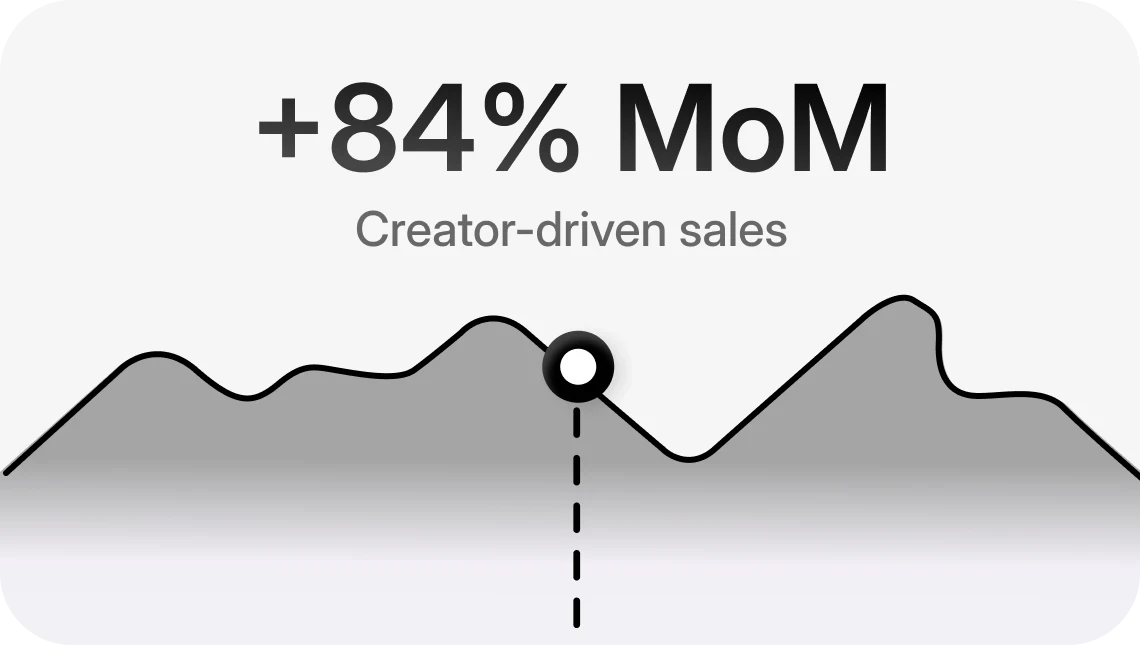
Scenario: Mid-Size Dog Treat Brand Scales Storefront Revenue by 3.4x in Six Months
A direct-to-consumer dog treat brand with twelve SKUs across three product lines (training treats, dental chews, and limited-ingredient treats) had been running a basic affiliate program through a generic platform. They had twenty-two active creators generating approximately $18,000 per month in attributable revenue. Content was managed through email and Google Drive, commissions were tracked in spreadsheets, and the team spent roughly fifteen hours per week on program administration.
After migrating to a centralized creator storefront system, the brand restructured its program over six months. Key actions included:
Onboarding sixty-five new micro-creators specializing in specific dog breeds and dietary niches, using automated application forms and CRM-based vetting.
Assigning each creator a curated storefront with only the product line matching their content focus, eliminating irrelevant product recommendations.
Implementing a three-tier commission structure: eight percent for new creators, eleven percent after $2,000 in cumulative GMV, and fourteen percent after $8,000.
Embedding top-performing creator review videos on product detail pages, increasing PDP conversion rate by twenty-two percent.
Running weekly performance reviews every Monday, reallocating product seeding to creators with the highest conversion rates.
After six months, the program had eighty-seven active storefronts generating $61,200 per month in attributable revenue, a 3.4x increase. Content approval turnaround dropped from four days to nine hours. Weekly admin time decreased from fifteen hours to six hours. The brand's cost per acquisition through storefronts was thirty-eight percent lower than their paid social CPA, making the storefront channel their most efficient customer acquisition source.
Frequently Asked Questions: Creator Storefronts for Pet Brands
How is a creator storefront different from a standard affiliate link?
A standard affiliate link is a single URL that tracks referrals. A creator storefront is a curated, branded shopping destination where a creator's audience can browse multiple products the creator recommends. Storefronts create a richer shopping experience, increase average order value by exposing shoppers to more products, and give brands control over which products each creator promotes. For pet brands, this means a dog trainer's storefront only shows training-relevant products rather than your entire catalog.
Can we control which products appear in each creator's storefront?
Yes. Product curation is a core feature. You can assign specific SKUs, collections, or product categories to each creator based on their niche, audience, or content focus. A creator who specializes in senior dog care would have a different product assortment than one focused on puppy training. Products can be updated in bulk or individually as your catalog changes.
How do we handle creators who promote competing pet brands?
This is managed during the onboarding and vetting stage. Your application form can include exclusivity questions, and your creator CRM allows you to tag and track competitive affiliations. Many pet brands implement tiered exclusivity: ambassador-level creators agree to exclusivity in exchange for higher commissions, while lower tiers may promote multiple brands. The system supports different commission and access rules per tier.
What happens when a product goes out of stock?
When integrated with your ecommerce platform, out-of-stock products can be automatically hidden or flagged within creator storefronts. This prevents creators from promoting unavailable items and protects the customer experience. Your team receives alerts to substitute alternative products or notify affected creators about restocking timelines.
How long does it take to launch a creator storefront program for a pet brand?
Most pet brands can launch a functional storefront program within two to four weeks. The first week focuses on platform setup, product catalog sync, and commission structure configuration. The second week involves onboarding your initial creator cohort and provisioning storefronts. By week three, storefronts are live and generating trackable traffic. Brands with existing creator relationships can accelerate this timeline by migrating current affiliates into the new system during onboarding.