Creator Storefront for Outdoor Brands: The Ambassador-Driven Commerce System
Outdoor brands thrive on authenticity. When a backcountry skier, trail runner, or climbing guide recommends a piece of gear, their audience listens because that recommendation was forged on a ridgeline, not in a boardroom. Creator storefronts give your ambassadors a dedicated, shoppable space to showcase the products they actually use, turning genuine advocacy into measurable social commerce revenue.
But scaling an ambassador-driven storefront commerce system across dozens or hundreds of outdoor creators is operationally complex. You need to onboard athletes and micro-influencers across disciplines, curate product assortments by sport and season, distribute personalized storefront links, manage content approvals for technical accuracy, and attribute every sale back to the right creator. Most influencer marketing software was not built for this level of specificity.
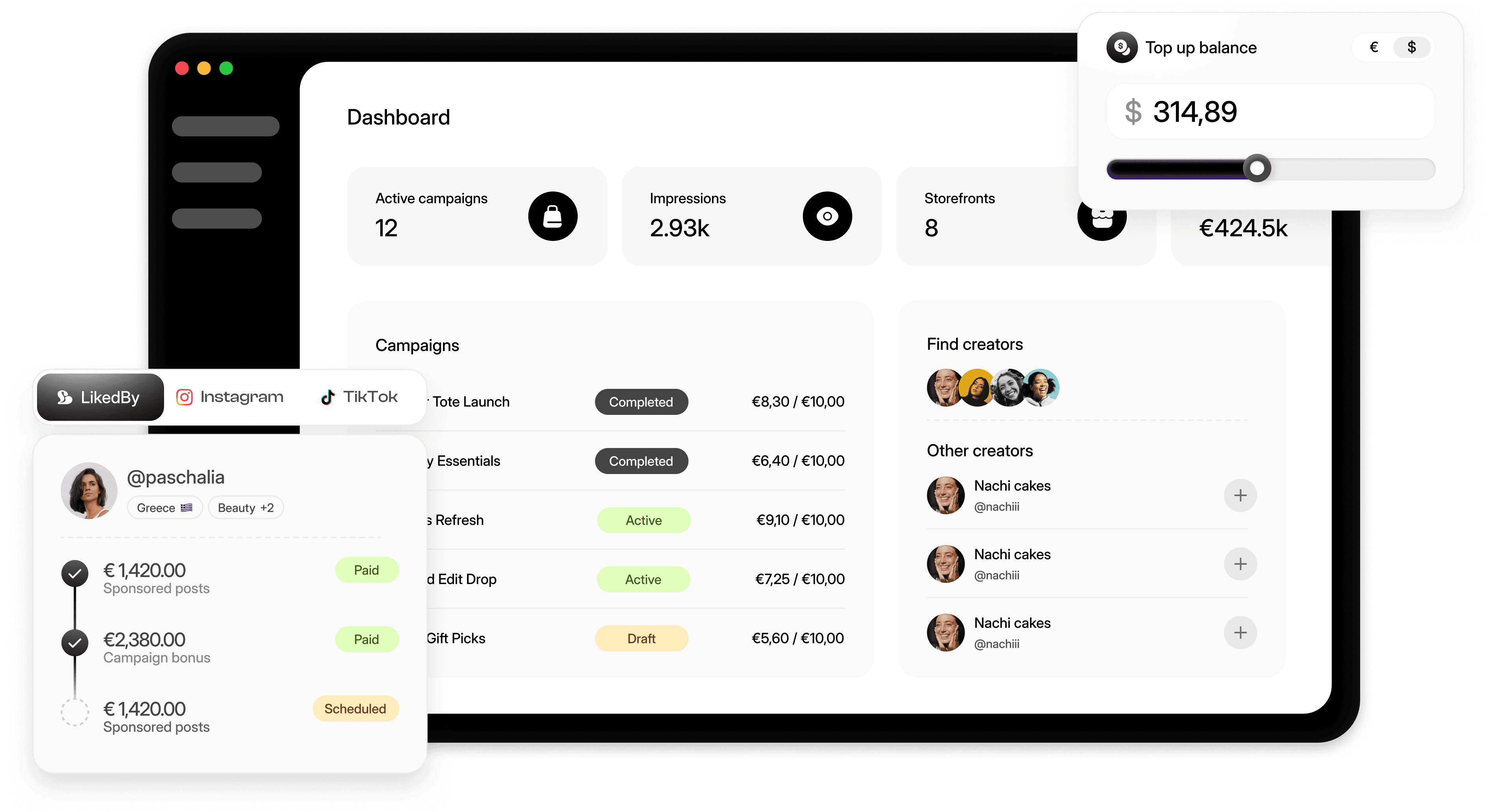
Socialscale was designed to solve exactly this problem. It is the operating system for social commerce, giving outdoor brand teams a single platform to recruit creators, launch personalized storefronts, organize user-generated content, embed shoppable creator content on your site, and track creator performance from impression to checkout. Whether you manage ten pro athletes or five hundred trail ambassadors, the workflow stays clean and the data stays connected.
Core Challenges Outdoor Brands Face with Creator Storefronts
Running an ambassador-driven storefront commerce system in the outdoor industry introduces friction points that generic tools simply do not address. Here are the most common operational challenges outdoor marketing teams encounter.
1. Seasonal Product Cycles Create Storefront Management Headaches
Outdoor brands operate on tight seasonal calendars. Spring hiking collections, summer water sport lines, fall layering systems, and winter hardshell launches all require storefront product swaps. Manually updating hundreds of creator storefronts every season is unsustainable without automation.
2. Diverse Creator Segments with Different Needs
Your ambassador roster may include professional mountaineers, weekend trail runners, van-life content creators, and fishing guides. Each segment needs different product assortments, messaging guidelines, and commission structures. A one-size-fits-all approach leads to irrelevant storefronts and disengaged creators.
3. Content Accuracy for Technical Gear
Outdoor products carry technical specifications—waterproof ratings, insulation weights, crampon compatibility. When creators produce content for their storefronts, inaccurate claims can damage brand credibility and even create safety concerns. Approval workflows must catch these issues before content goes live.
4. Attribution Gaps Across Channels
Ambassadors share storefront links on Instagram Stories, YouTube gear reviews, TikTok hauls, email newsletters, and in-person at events. Without robust multi-touch attribution, outdoor brands cannot determine which creators and which channels actually drive conversions.
5. Scaling Beyond a Handful of Pro Athletes
Many outdoor brands start with a small team of sponsored athletes. When they try to scale to 100+ micro-creators, the spreadsheets, email threads, and manual commission tracking collapse. The operational cost of scaling without a creator marketing platform becomes prohibitive.
6. Disconnected Content Libraries
Creators produce trail photos, summit videos, gear-testing reels, and trip reports. This content lives scattered across Google Drive folders, Dropbox links, and DM threads. Without centralized UGC management, brands cannot efficiently repurpose high-performing assets for storefronts, ads, or PDPs.
7. Compliance and Usage Rights
Outdoor imagery often features public lands, branded competitors in the background, or minors. Brands need clear content rights agreements and organized asset metadata to stay compliant when embedding creator content across storefronts and paid channels.
Why Traditional Tools Fail Outdoor Brand Creator Programs
Affiliate Platforms Only Track Links
Legacy affiliate networks give you coupon codes and referral links, but they do not help you build personalized storefronts, manage content workflows, or organize creator assets. For outdoor brands that need storefronts curated by sport, season, and creator expertise, affiliate platforms are a dead end.
Influencer Marketplaces Focus on One-Off Campaigns
Most influencer marketing software is designed for transactional, campaign-based relationships: find a creator, ship a product, get a post, move on. Outdoor brands build long-term ambassador relationships that span years. Marketplace tools lack the CRM depth, ongoing collaboration tracking, and storefront infrastructure these relationships demand.
E-commerce Platforms Were Not Built for Creator Commerce
Shopify and similar platforms power your product catalog, but they do not natively support personalized creator storefronts with unique product selections, creator bios, embedded UGC, and per-creator analytics. Stitching together apps and plugins creates a fragile system that breaks at scale.
Spreadsheets and Email Cannot Govern Operational Complexity
When your team is coordinating seasonal storefront updates, content approvals, commission calculations, and performance reviews across 200 creators, spreadsheets become a liability. Version control issues, missed emails, and manual errors cost outdoor brands both time and revenue.
Disconnected Analytics Obscure True ROI
When storefront traffic data lives in Google Analytics, sales data lives in Shopify, and creator engagement data lives in Instagram Insights, no one on the team has a unified view of creator performance. This fragmentation makes it impossible to optimize commission structures or reallocate budgets to top-performing ambassadors.
How Socialscale Powers Creator Storefronts for Outdoor Brands
Socialscale is the creator marketing platform purpose-built for social commerce at scale. It connects every stage of your ambassador-driven storefront commerce system—from recruiting a backcountry ski guide to tracking the revenue their personalized storefront generates in January.
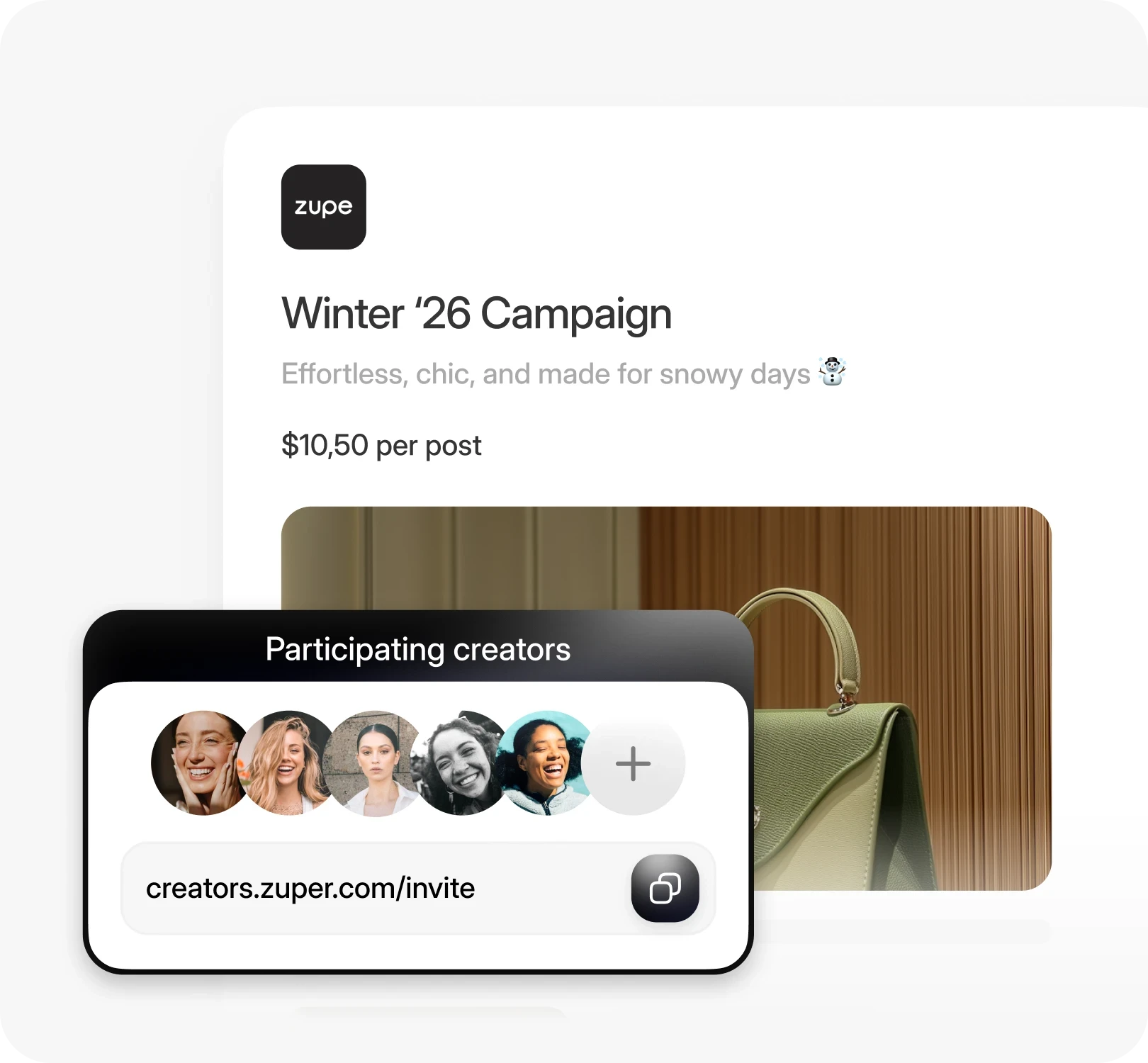
At the core, Socialscale gives each creator a branded, shoppable storefront populated with the products they use and recommend. Your team controls the product catalog, approval workflows, and commission tiers from a centralized dashboard. Creators get a clean, mobile-optimized page they are proud to share with their audience.
Content is the engine of any outdoor creator storefront. With Socialscale's creator content storage, every trail photo, gear review video, and product flat lay is organized, tagged, and rights-managed in one place. Your team can pull approved UGC directly into storefronts, product detail pages, and ad campaigns without hunting through email threads.
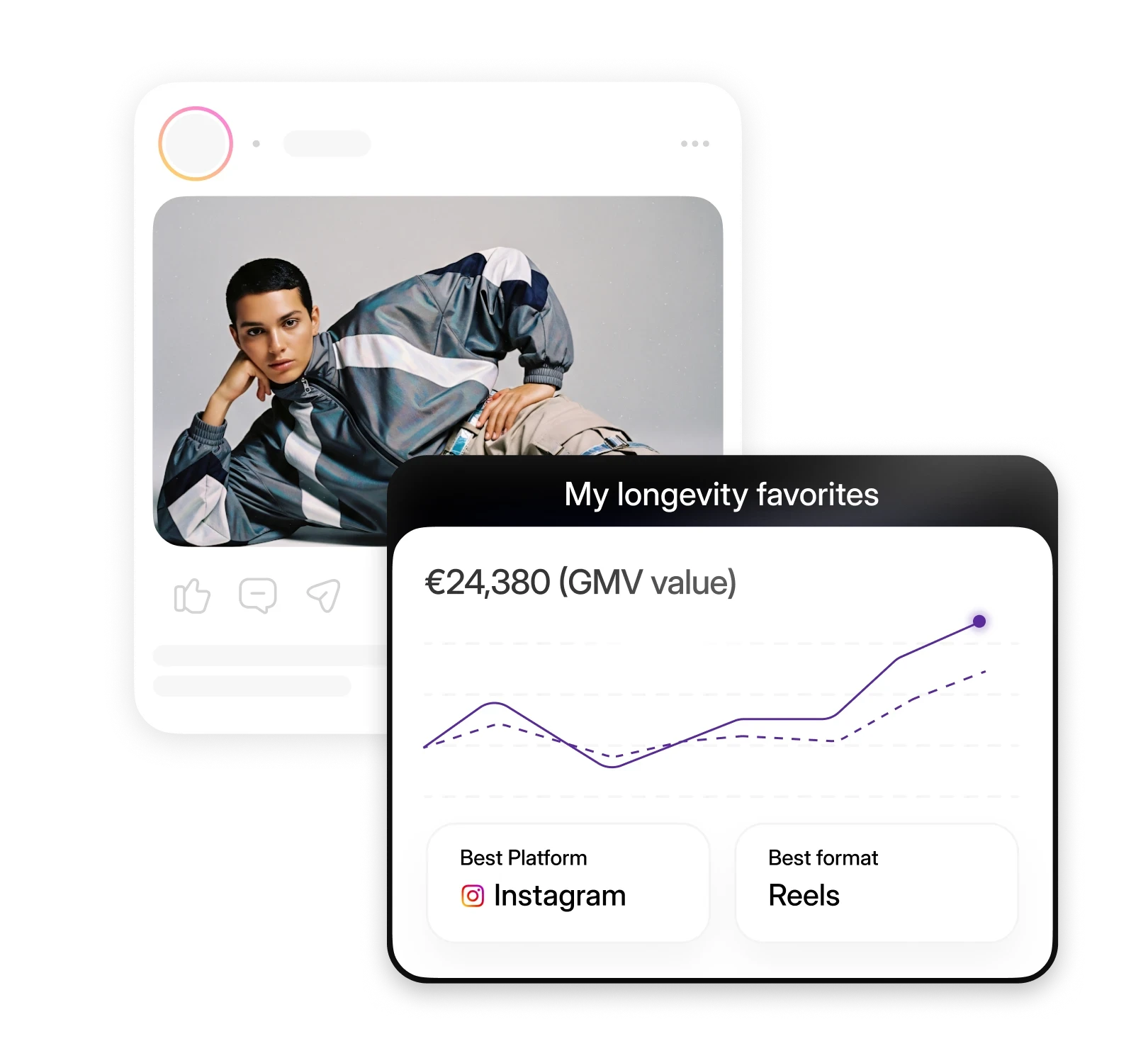
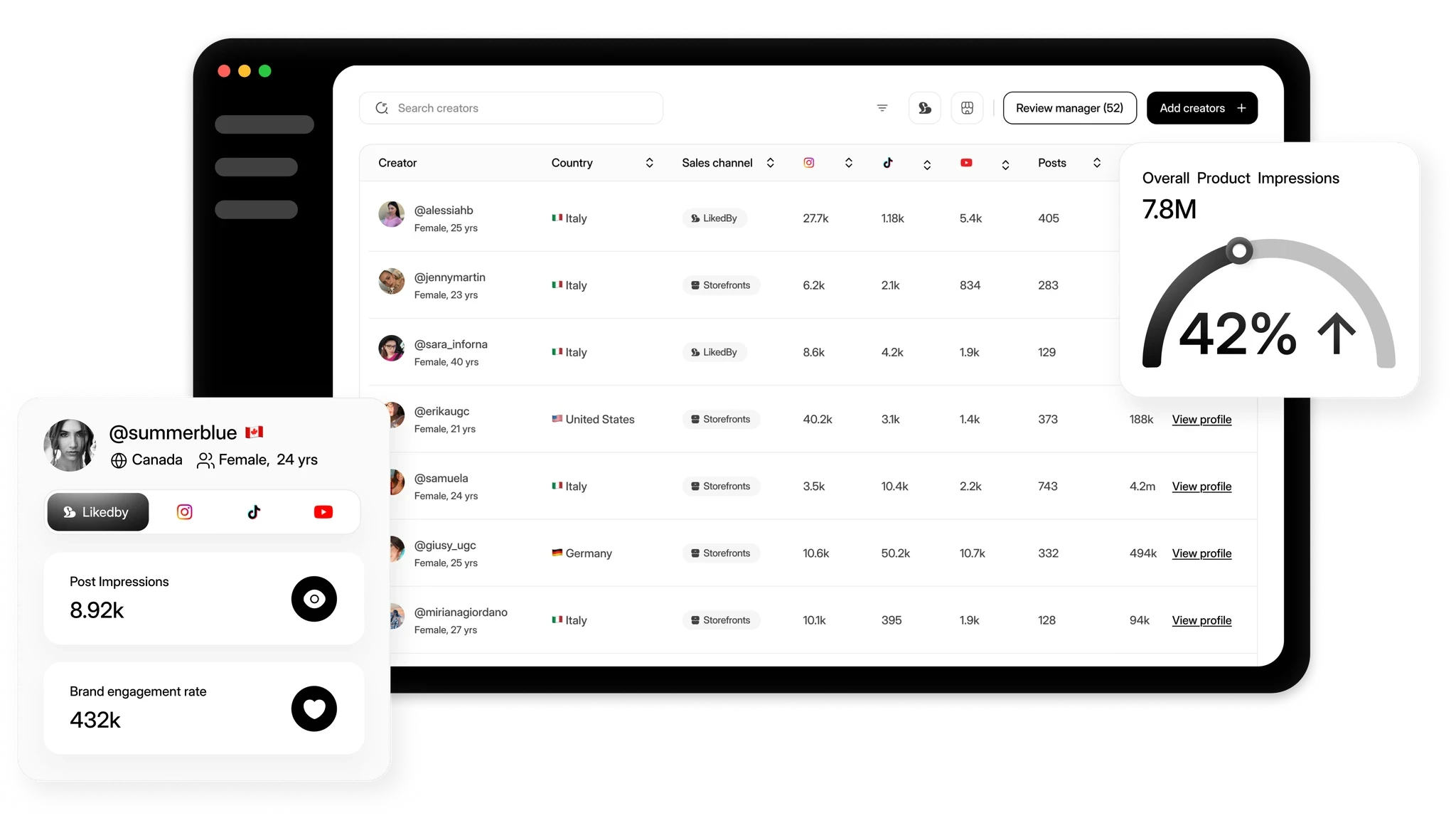
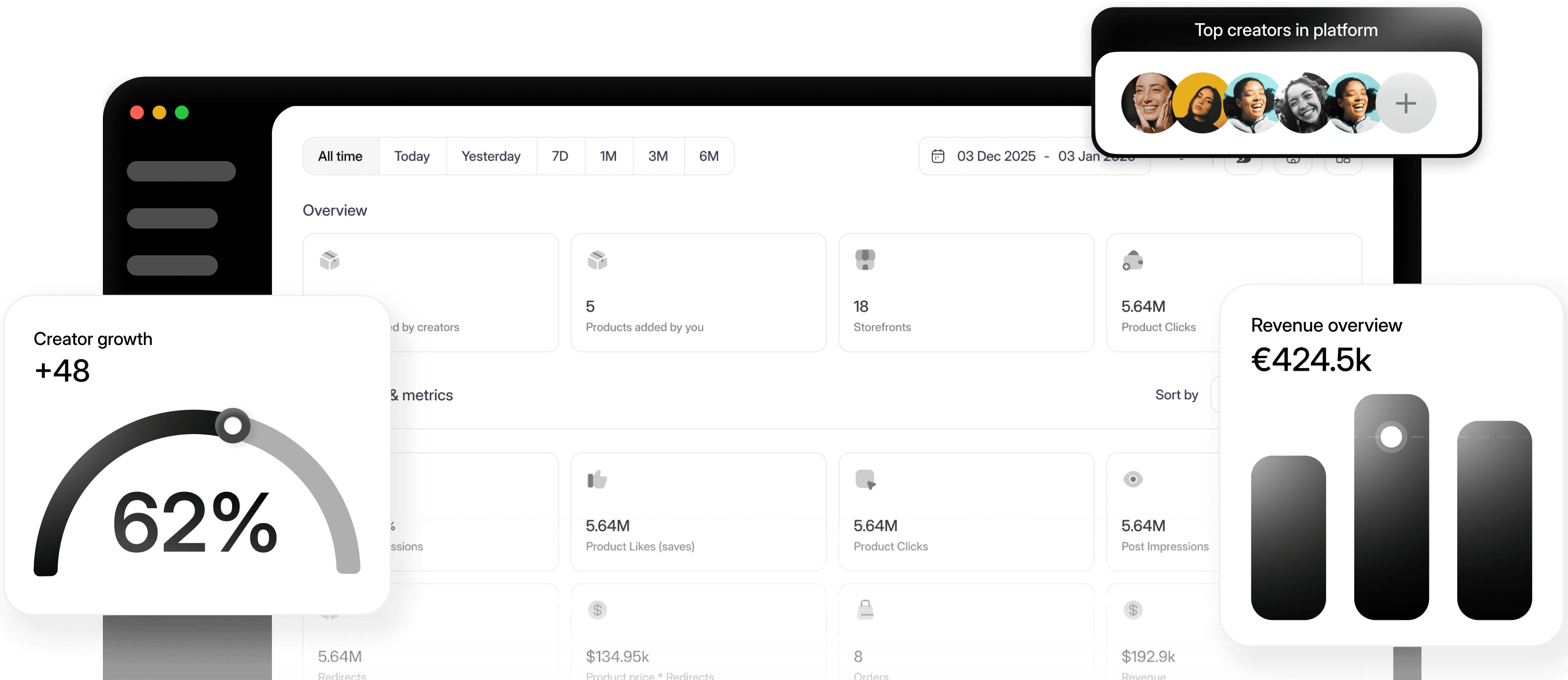
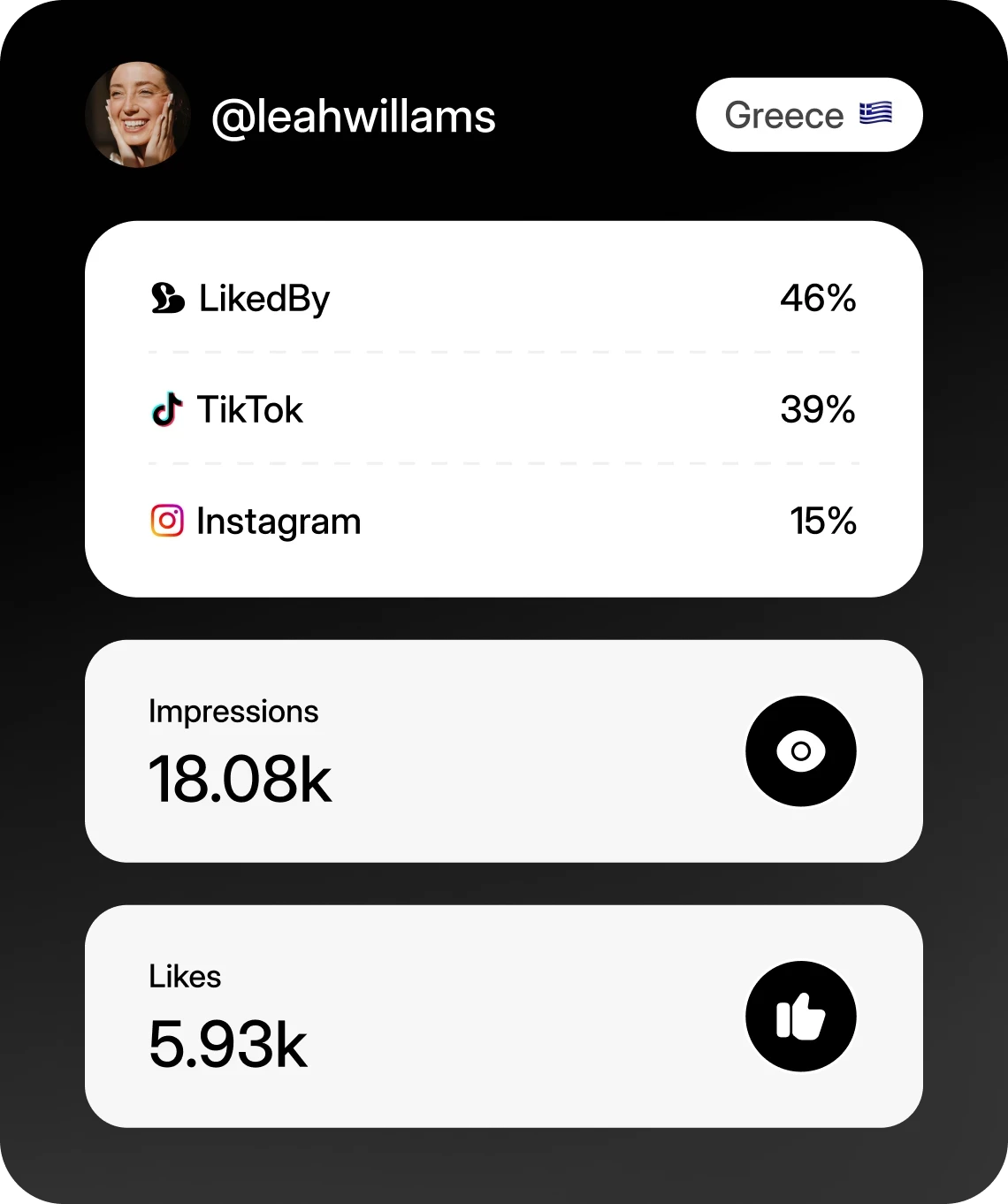
Performance visibility ties everything together. Socialscale's creator analytics dashboard shows you exactly which ambassadors drive traffic, which storefronts convert, and which products sell through creator channels. You can segment by sport, region, creator tier, or campaign to make data-driven decisions about your program every week.
The result is a single operating system that replaces the patchwork of affiliate tools, spreadsheets, cloud storage folders, and disconnected analytics platforms that most outdoor brand teams currently juggle.
Feature Breakdown: Creator Storefronts Built for Outdoor Commerce
Personalized Storefront Builder
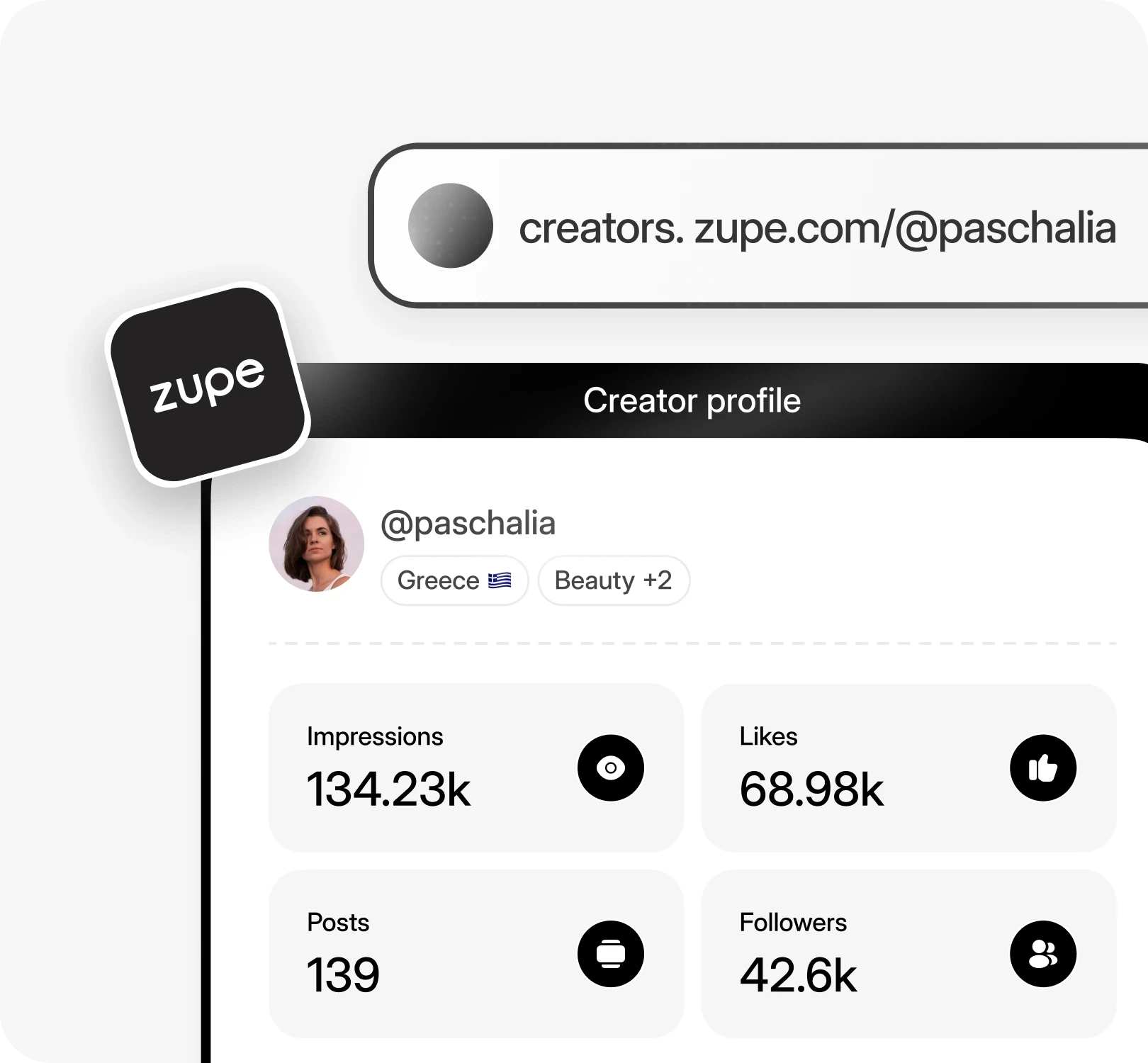
Each ambassador gets a branded storefront page with their name, bio, photos, and a curated product selection. Your team can assign products by category—climbing hardware for your alpinist ambassadors, trail running shoes for your ultramarathon creators, base layers for your ski team. Storefronts are mobile-optimized and load fast, critical for audiences browsing from trailheads and campsites.
Creator CRM with Segmentation
Socialscale's creator CRM lets you organize ambassadors by sport discipline, geographic region, follower tier, contract status, and engagement history. Filter your roster to find all Pacific Northwest trail runners with active contracts, or all European climbing guides whose storefronts launched in the last 90 days. This segmentation drives smarter outreach, fairer commission structures, and more relevant storefront curation.
Collaboration and Campaign Management
Launch seasonal storefront refresh campaigns, product seeding initiatives, or co-branded content sprints directly within Socialscale. Assign deliverables, set deadlines, attach briefs with technical product specs, and track completion status. When your spring hiking boot launches, every relevant ambassador gets the right brief, the right product, and the right storefront update simultaneously through creator collaborations workflows.
Content Approval and UGC Management
Outdoor gear content must be accurate. Socialscale's approval workflow lets your product marketing team review creator posts, storefront descriptions, and video scripts before they go live. Flag incorrect waterproof ratings, outdated product names, or off-brand messaging. Approved content flows directly into the creator's storefront and your centralized asset library.
Shoppable Content Widgets
Embed creator storefront content directly on your brand's website using shoppable content widgets. Feature a climbing guide's summit photo on your hardshell jacket PDP with a direct add-to-cart button. Place a carousel of ambassador trail running content on your homepage. These widgets turn creator authenticity into on-site conversion without redirecting shoppers away from your store.
Multi-Channel Link and Attribution Tracking
Every creator storefront generates unique, trackable links. When an ambassador shares their storefront on Instagram Stories, includes it in a YouTube video description, or hands out a QR code at a trail race expo, Socialscale attributes the traffic and resulting sales back to that specific creator and channel. No more guessing which touchpoints matter.
Commission and Payout Management
Set tiered commission structures based on creator level, product category, or campaign. Pro athletes might earn a higher percentage on signature products, while micro-ambassadors earn a standard rate. Socialscale tracks earned commissions in real time so creators can see their impact and your finance team can process payouts without manual reconciliation.
Use Cases: Creator Storefronts in Action for Outdoor Brands
1. Seasonal Gear Launch with Regional Ambassadors
A trail running brand prepares to launch a new lightweight rain jacket ahead of spring. The marketing team segments their ambassador roster by region—Pacific Northwest creators receive the jacket first because their audience faces the most rain. Each ambassador's storefront is updated with the new jacket, a technical product brief, and suggested talking points about the jacket's waterproof-breathable membrane. Ambassadors create content showing the jacket in their local conditions. The brand tracks which regional storefronts drive the most pre-orders and adjusts paid amplification budgets accordingly.
2. Micro-Creator Affiliate Program for a Climbing Gear Company
A climbing hardware brand wants to move beyond its five sponsored athletes and activate 150 local climbing gym instructors and route setters as micro-ambassadors. Each instructor receives a personalized storefront featuring the brand's harnesses, carabiners, and quickdraws they use daily. The brand sets a flat commission rate and provides a content kit with product specs and safety disclaimers. Within three months, the micro-ambassador storefronts collectively generate more revenue than the brand's traditional affiliate program, with higher conversion rates driven by the trust gym members place in their instructors.
3. Event-Driven Storefront Activation at Ultra Races
A hydration and nutrition brand sponsors a series of ultramarathon events. At each race expo, the brand's ambassador runners share QR codes linking to their personal storefronts, pre-loaded with the exact hydration vest, electrolyte mix, and energy gels they used during the race. Post-race, ambassadors publish race recap content on Instagram and YouTube with storefront links. The brand measures a spike in storefront traffic within 48 hours of each event and can correlate specific race results with storefront conversion rates.
4. Year-Round Ambassador Content Engine for a Multi-Sport Brand
A large outdoor brand spanning skiing, hiking, climbing, and water sports runs a year-round ambassador program with 300 creators. Each creator's storefront reflects their primary sport and rotates products seasonally. The brand's content team reviews and approves UGC weekly, pulling the best-performing assets into homepage carousels, email campaigns, and paid social ads. Quarterly performance reviews identify the top 20% of storefront creators, who receive increased commission rates and early access to new product lines. The bottom 10% receive re-engagement campaigns with fresh product seeding and updated briefs.
Weekly and Monthly Operational Workflow for Outdoor Brand Creator Storefronts
Running an ambassador-driven storefront commerce system requires consistent operational cadence. Here is a practical workflow outdoor brand teams can follow using Socialscale.
Weekly: Review Creator Applications and Onboard New Ambassadors
Every Monday, your influencer marketing manager reviews incoming creator applications in the creator CRM. Evaluate applicants by sport discipline, audience demographics, content quality, and geographic relevance. Approved creators receive onboarding emails with storefront setup instructions, brand guidelines, and product selection options. Target processing all applications within 48 hours to maintain creator enthusiasm.
Weekly: Monitor Storefront Performance Dashboards
Every Wednesday, pull up the creator analytics dashboard to review storefront traffic, click-through rates, and conversion rates from the prior seven days. Identify storefronts with high traffic but low conversion—these may need product assortment changes or better product descriptions. Flag top-performing storefronts for social amplification or homepage widget placement.
Weekly: Approve Pending Creator Content
Every Thursday, your content team reviews all pending creator submissions—storefront product descriptions, social posts, and video content. Check for technical accuracy on gear specs, brand voice alignment, and proper usage rights documentation. Approved content moves to the asset library and becomes eligible for storefront embedding and ad repurposing.
Bi-Weekly: Launch or Refresh Campaign Briefs
Every two weeks, distribute updated campaign briefs to relevant creator segments. This might be a new product launch brief for your climbing ambassadors, a seasonal layering guide for your ski team, or a trail race prep content prompt for your running creators. Attach product samples, technical spec sheets, and example content to each brief within the collaborations workflow.
Monthly: Update Storefront Product Assortments
At the start of each month, review product availability and seasonal relevance across all creator storefronts. Remove out-of-stock items, add newly launched products to relevant storefronts, and adjust featured product positions based on margin priorities and inventory levels. Bulk update tools in Socialscale allow you to push product changes to multiple storefronts simultaneously.
Monthly: Creator Performance Review and Tier Adjustments
On the last Friday of each month, run a comprehensive performance report segmented by creator tier, sport, and region. Identify creators who have exceeded revenue thresholds for tier upgrades. Send personalized performance summaries to each ambassador showing their storefront metrics, earned commissions, and content engagement. Recognize top performers with bonus commissions or exclusive product access.
Quarterly: Strategic Program Review
Every quarter, your social commerce lead and e-commerce director review the full program. Analyze overall storefront GMV contribution, compare creator-driven revenue against other acquisition channels, evaluate commission structure profitability, and plan the next quarter's campaign calendar. Use these insights to set recruitment targets, adjust budget allocations, and refine storefront merchandising strategies.
Key Performance Metrics for Outdoor Brand Creator Storefronts
Tracking the right KPIs ensures your ambassador-driven storefront commerce system delivers measurable business outcomes. Here are the metrics outdoor brand teams should monitor.
Creator Activation Rate: Percentage of onboarded ambassadors who have published at least one piece of storefront content and shared their link within the first 30 days.
Storefront Traffic: Unique visitors to individual creator storefronts, segmented by source channel (Instagram, TikTok, YouTube, direct, email).
Click-Through Rate (CTR): Ratio of storefront visitors who click on a product versus total storefront page views.
Conversion Rate (CVR): Percentage of storefront visitors who complete a purchase, benchmarked against your site-wide average.
Average Order Value (AOV) from Storefronts: Mean order value for purchases originating from creator storefronts compared to other acquisition channels.
Gross Merchandise Value (GMV): Total revenue generated through all creator storefronts, tracked monthly and quarterly.
Content Output per Creator: Number of approved content pieces (photos, videos, posts) each ambassador produces per month.
Content Approval Time: Average number of hours between content submission and approval, targeting under 24 hours for time-sensitive launches.
Return on Ad Spend (ROAS) for Amplified Creator Content: When creator storefront content is used in paid campaigns, measure the ROAS against non-creator ad creative.
Cost per Acquisition (CPA) via Creator Storefronts: Total program cost (commissions + product seeding + platform fees) divided by total storefront-attributed customers acquired.
Creator Retention Rate: Percentage of ambassadors who remain active in the program after 6 and 12 months.
Revenue per Creator: Average monthly and quarterly revenue generated per active ambassador, used to identify tier thresholds and optimize roster composition.
Scenario: Mid-Size Trail Running Brand Scales Creator Storefronts
A trail running brand with $18M in annual DTC revenue had been running a small ambassador program with 12 sponsored athletes. Storefront links were managed through a basic affiliate tool, content lived in shared Google Drive folders, and performance tracking required manual exports from three different platforms. The team spent roughly 15 hours per week on program administration.
After implementing Socialscale, the brand expanded its program from 12 to 180 ambassadors over six months, segmented into three tiers: 8 pro athletes, 42 competitive trail runners with 10K–50K followers, and 130 local run club leaders with under 10K followers. Each creator received a personalized storefront featuring products relevant to their running discipline and region.
Within the first quarter of full deployment, the brand observed the following results:
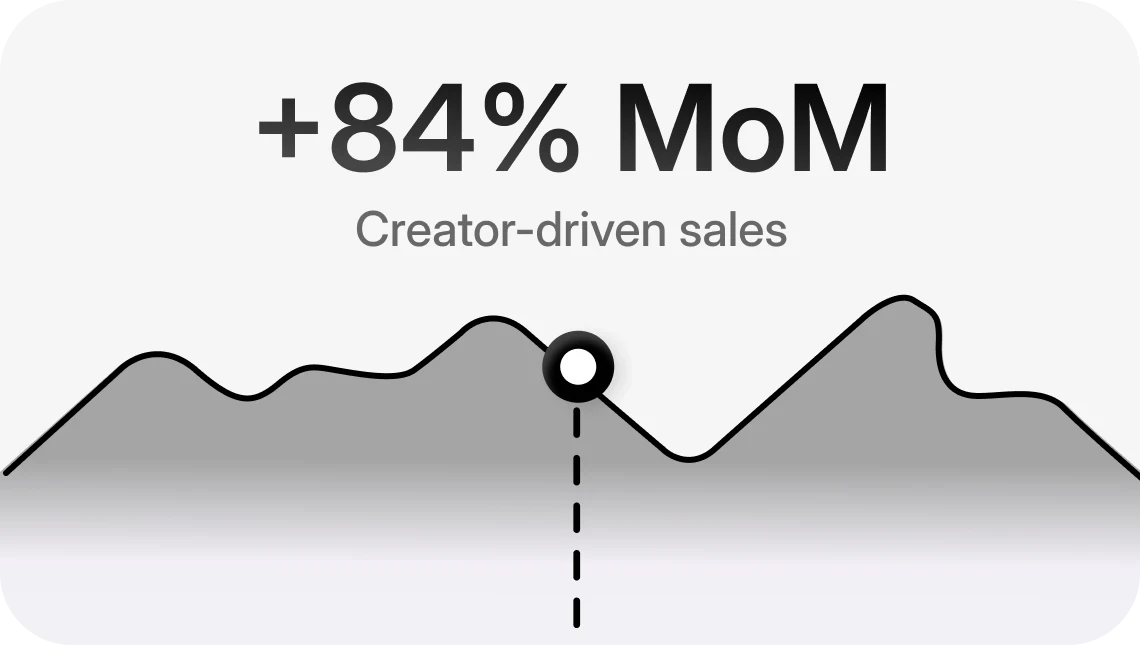
Creator storefront GMV reached $142,000 per month, up from $23,000 under the previous affiliate setup.
Storefront conversion rate averaged 4.8%, compared to the brand's site-wide average of 2.1%.
Content output increased to 620 approved assets per month across all ambassadors, with an average approval time of 11 hours.
Creator activation rate hit 87%—157 of 180 ambassadors shared their storefront link within the first 30 days.
CPA through creator storefronts was $14.20, compared to $31.50 for paid social acquisition.
Weekly program administration time dropped from 15 hours to 6 hours due to centralized workflows and automated storefront updates.
The local run club leader tier, initially seen as an experiment, generated 38% of total storefront revenue despite having the smallest individual audiences. Their high trust and community engagement drove conversion rates above 6%. The brand responded by doubling recruitment efforts in this tier for the following season.
Frequently Asked Questions: Creator Storefronts for Outdoor Brands
How is a creator storefront different from a standard affiliate link?
An affiliate link sends a customer to your existing product page with a tracking code attached. A creator storefront is a dedicated, branded page curated by the ambassador with their selected products, personal bio, and embedded content. Storefronts create a richer shopping experience that leverages the creator's credibility and typically convert at higher rates than generic affiliate links because the customer feels they are shopping the creator's personal recommendations.
Can we control which products appear on each creator's storefront?
Yes. Your team has full control over the product catalog available to each creator segment. You can assign products by sport discipline, season, inventory status, or margin priority. Creators can select from their approved product pool, and your team can override or update selections at any time. This ensures storefronts stay on-brand and commercially aligned.
How do creator storefronts handle seasonal product transitions?
Socialscale supports bulk storefront updates, so when your spring collection replaces winter products, you can push changes across all relevant storefronts simultaneously. Out-of-stock products are automatically hidden. You can schedule storefront refreshes in advance to align with your product launch calendar, reducing last-minute scrambles.
What happens if a creator leaves the program?
When an ambassador is deactivated in the creator CRM, their storefront can be unpublished immediately. All content they produced remains in your asset library with usage rights documentation intact. Historical performance data is preserved for reporting. The process takes minutes and does not affect other creators' storefronts.
How do we measure whether creator storefronts are worth the investment compared to other channels?
Socialscale's analytics dashboard provides storefront-specific metrics including GMV, conversion rate, CPA, and revenue per creator. Compare these against your paid social, email, and organic acquisition costs. Most outdoor brands find that creator storefronts deliver a lower CPA and higher AOV than paid channels because the purchase is driven by trusted recommendations rather than interruptive ads. Quarterly program reviews should benchmark storefront performance against all other acquisition channels to validate ongoing investment.