Creator Storefronts for Subscription Brands
Subscription brands live and die by recurring revenue, which means every new subscriber acquisition needs to be efficient, trust-driven, and scalable. Creator storefronts give subscription brands a dedicated, shoppable destination where each creator curates and presents the products they genuinely use — turning passive audiences into active subscribers through authentic, creator-driven subscription product discovery pages.
In the social commerce landscape, the path from content to checkout has collapsed. Consumers no longer browse catalogs; they follow creators. For subscription brands selling meal kits, supplements, beauty boxes, pet supplies, or SaaS tools, a creator storefront bridges the gap between a creator's recommendation and a frictionless sign-up. It transforms every creator relationship from a one-off sponsored post into a persistent, trackable acquisition channel.
But running creator storefronts at scale — across dozens or hundreds of creators, each with unique product selections, discount codes, and performance data — requires purpose-built infrastructure. Spreadsheets, generic influencer platforms, and disconnected analytics dashboards cannot keep up with the operational demands of a subscription brand that needs to track not just clicks, but trial-to-paid conversion, subscriber lifetime value, and content reuse rights across every creator touchpoint.
High Customer Acquisition Costs with Diminishing Paid Media Returns
Subscription brands face rising CPAs on Meta and Google. As ad fatigue sets in and privacy changes limit targeting, the cost to acquire a new subscriber through paid channels continues to climb, making creator-driven acquisition channels essential rather than optional.
Churn Obscures True Creator ROI
Unlike one-time purchases, subscription brands must measure creator performance beyond the initial conversion. A creator who drives 500 trial sign-ups but only 50 retained subscribers after three months is fundamentally different from one who drives 200 trials with 150 retentions. Most influencer marketing software cannot connect these dots.
Fragmented Creator Content Across Channels
Subscription brands often work with creators across TikTok, Instagram, YouTube, and podcasts simultaneously. Content assets, usage rights, and performance data end up scattered across email threads, Google Drives, and platform-native dashboards with no unified view.
Scaling Creator Programs Without Losing Personalization
Early-stage subscription brands often have tight, personal relationships with a handful of creators. As programs scale to 50, 100, or 500 creators, maintaining personalized storefronts, unique discount codes, and tailored product bundles becomes operationally overwhelming.
Difficulty Attributing Subscriptions to Specific Creators
Multi-touch attribution is already complex for e-commerce. For subscription brands, where a consumer might see a creator's content, visit a storefront, start a free trial, and convert weeks later, proper attribution requires persistent tracking infrastructure that most tools lack.
Content Reuse and Rights Management
Subscription brands need to repurpose top-performing creator content in ads, on landing pages, and in email sequences. Without a centralized system for tracking content rights, approval status, and asset versions, legal risk and operational friction multiply with every new creator.
Inconsistent Brand Experience Across Creator Pages
When creators link to generic product pages or use inconsistent messaging, the subscriber experience feels disjointed. Creator storefronts need to balance brand consistency with creator authenticity — a tension that manual processes cannot resolve at scale.
Generic Influencer Platforms Ignore Subscription Metrics
Most influencer marketing platforms are built for one-time product sales. They track impressions, clicks, and conversions at the point of sale, but they have no concept of trial-to-paid conversion rates, subscriber retention curves, or lifetime value segmented by creator. For subscription brands, this means the most important performance data lives outside the tool you use to manage creators.
Spreadsheets Cannot Scale Storefront Operations
Many subscription brand teams start managing creator storefronts in spreadsheets — tracking which creators have which products, which discount codes are active, which content has been approved. This works for five creators. At fifty, it becomes a full-time job. At two hundred, it breaks entirely, leading to expired codes, outdated product listings, and missed content deadlines.
Disconnected Asset Storage Creates Compliance Risk
When creator content lives in Dropbox folders, Slack threads, and email attachments, teams lose track of which assets have been approved for paid amplification, which usage rights have expired, and which versions are current. For subscription brands running always-on creator programs, this creates both legal exposure and wasted ad spend on underperforming or unauthorized content.
No Native Shoppable Content Embedding
Traditional tools treat content creation and commerce as separate workflows. They help you find creators and manage campaigns, but they offer no mechanism to embed creator content directly into your subscription landing pages, product pages, or checkout flows as shoppable elements. The result is a broken funnel where creator content generates awareness but fails to capture intent at the moment of highest engagement.
How Socialscale Powers Creator Storefronts for Subscription Brands
Socialscale is the operating system for social commerce, built to handle the full lifecycle of creator programs — from onboarding and collaboration management to content storage, shoppable embedding, and performance tracking. For subscription brands, this means a single platform that connects creator recruitment to subscriber revenue.
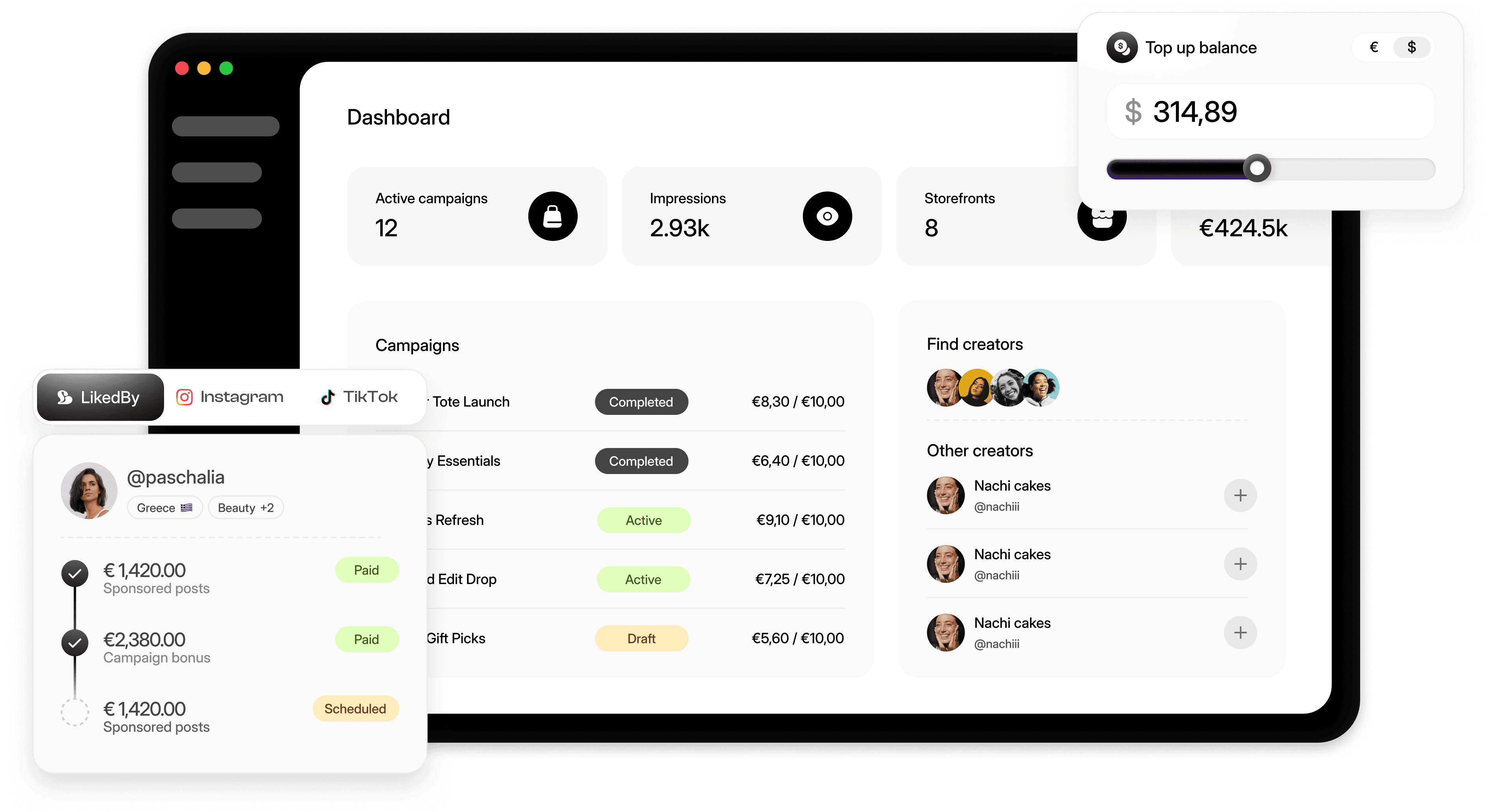
With the creator marketing platform, subscription brand teams can launch personalized creator storefronts that feature curated product bundles, unique discount codes, and embedded shoppable content — all managed from one dashboard. Each storefront becomes a persistent acquisition channel tied to a specific creator, with full attribution from first click to recurring subscription.
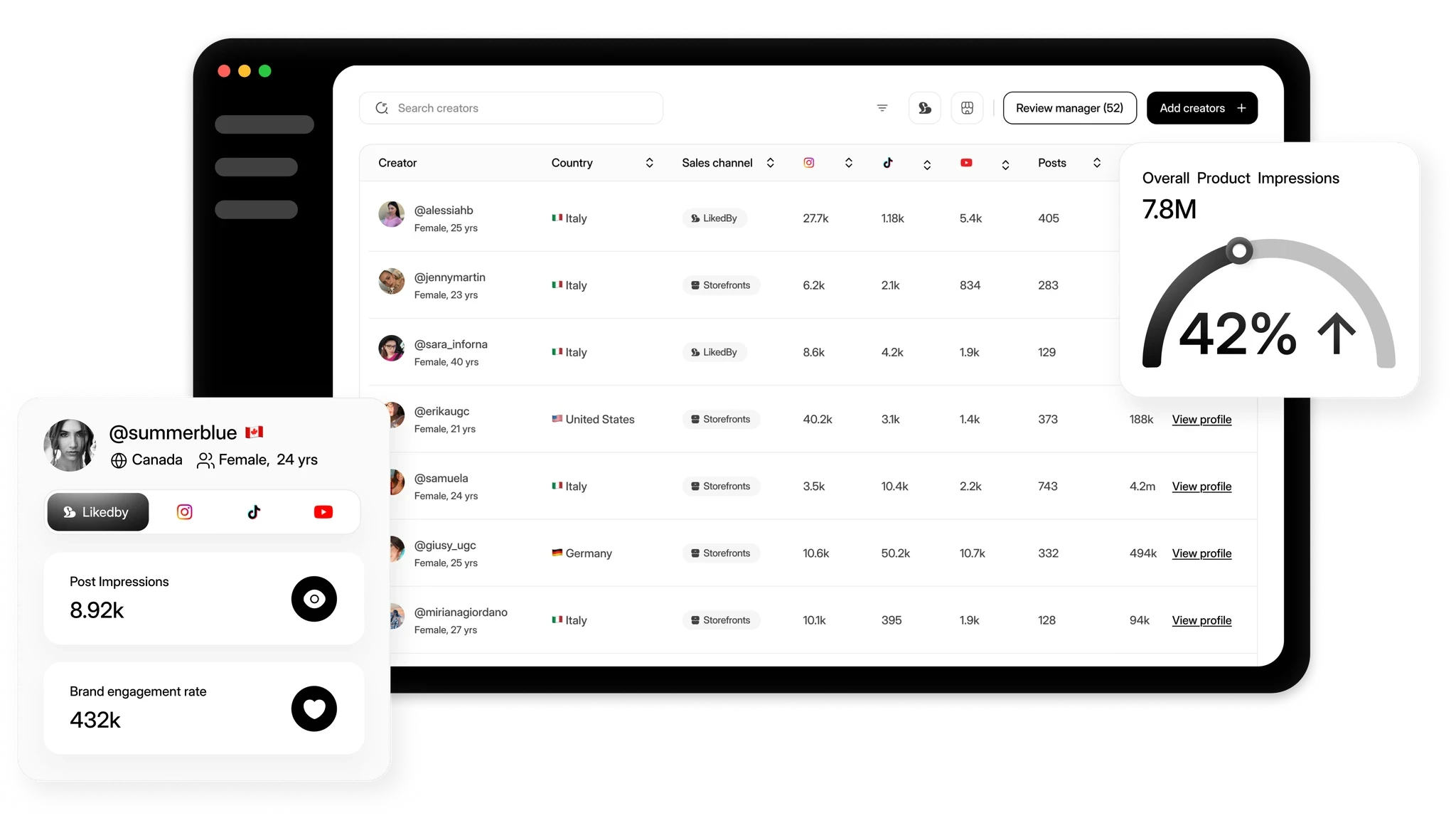
The creator CRM centralizes every creator relationship, tracking communication history, contract terms, content deliverables, and performance data in one place. Instead of toggling between email, spreadsheets, and analytics dashboards, your team operates from a single source of truth that scales from ten creators to ten thousand.
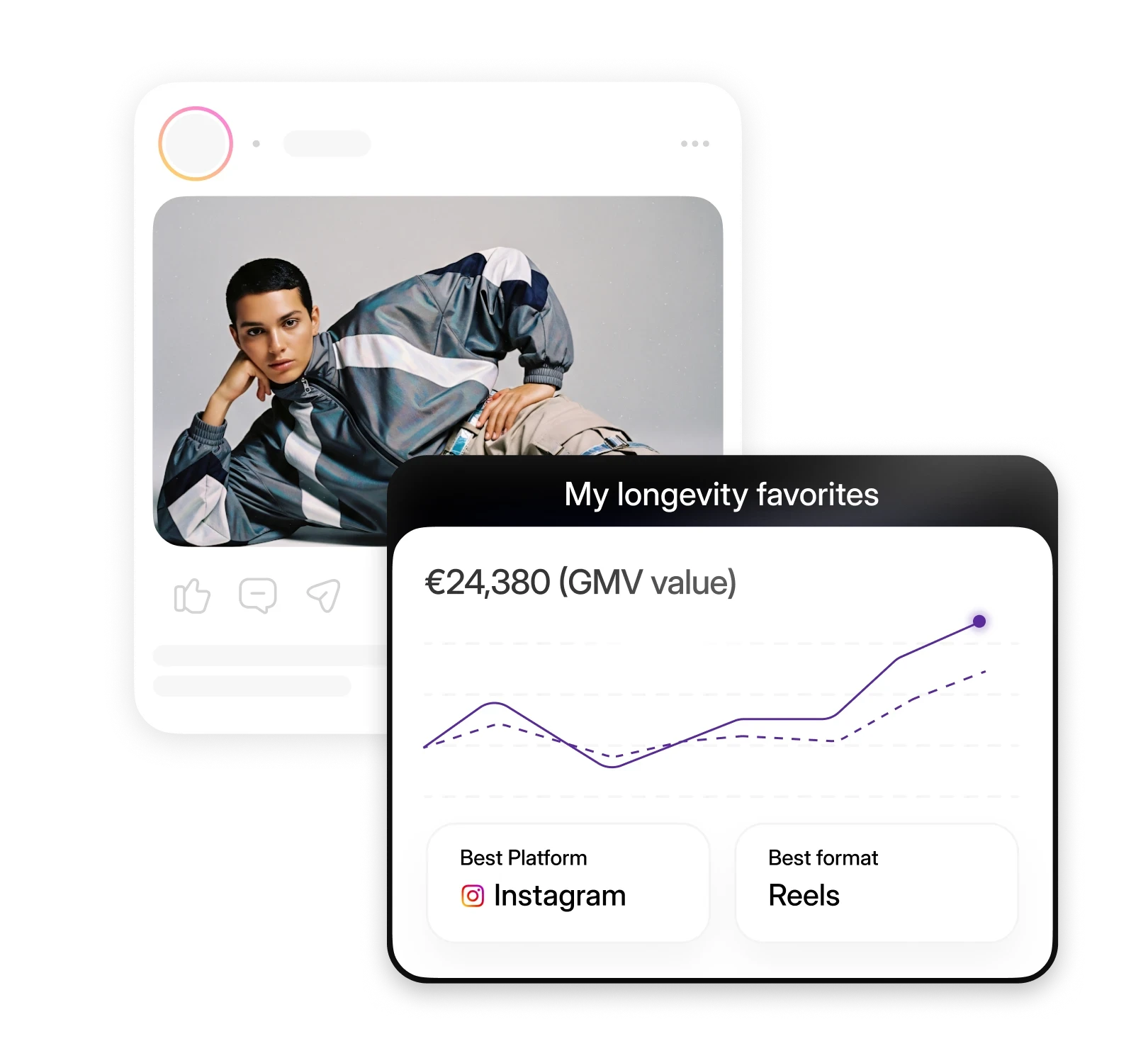
Content assets are organized and rights-managed through creator content storage, ensuring that every piece of UGC is tagged, approved, and ready for repurposing across paid ads, email campaigns, and on-site experiences. Combined with native shoppable content widgets, Socialscale turns creator storefronts from static pages into dynamic, conversion-optimized subscription funnels.
Feature Breakdown: Creator Storefronts Built for Subscription Commerce
Personalized Creator Storefront Pages
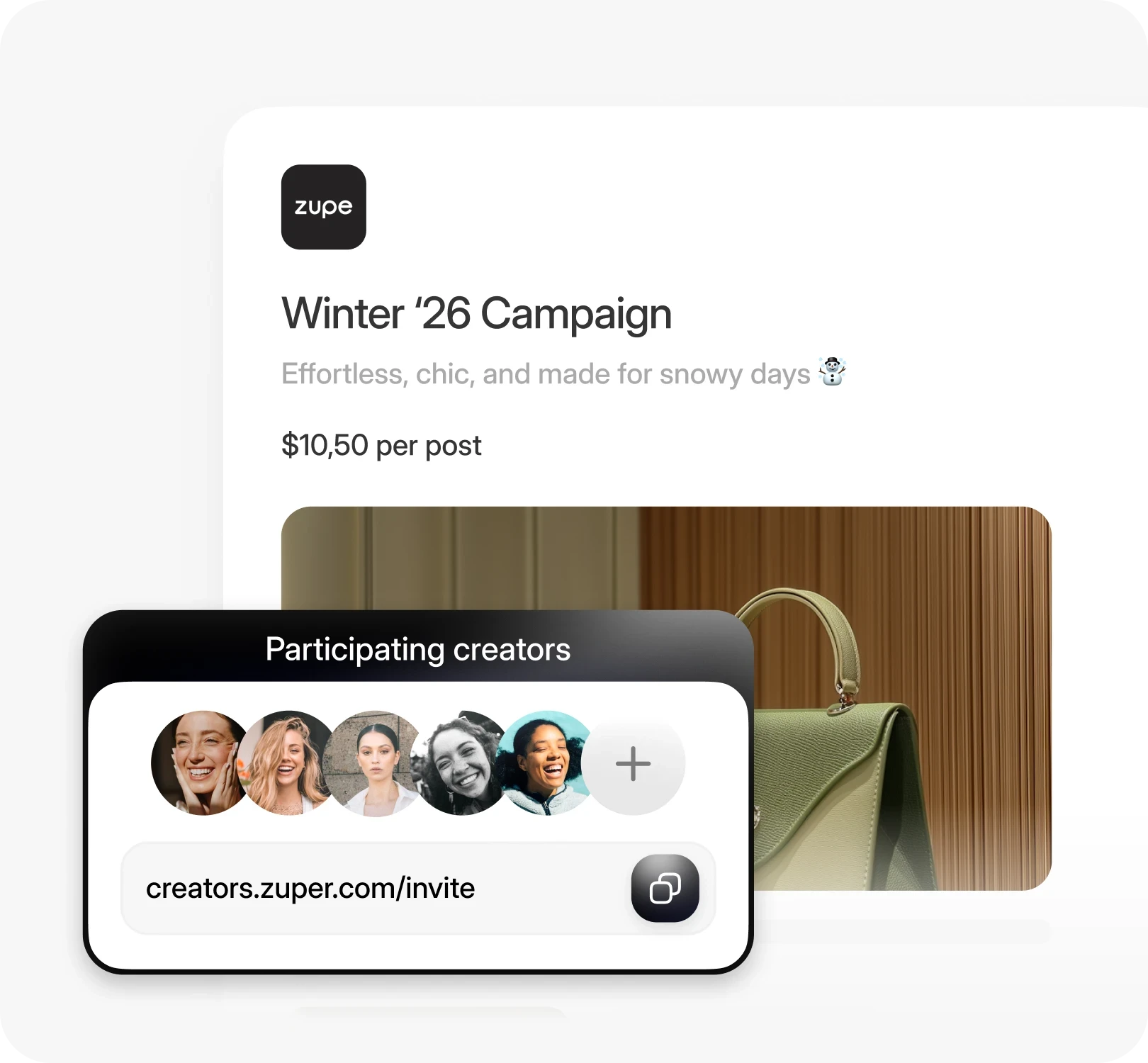
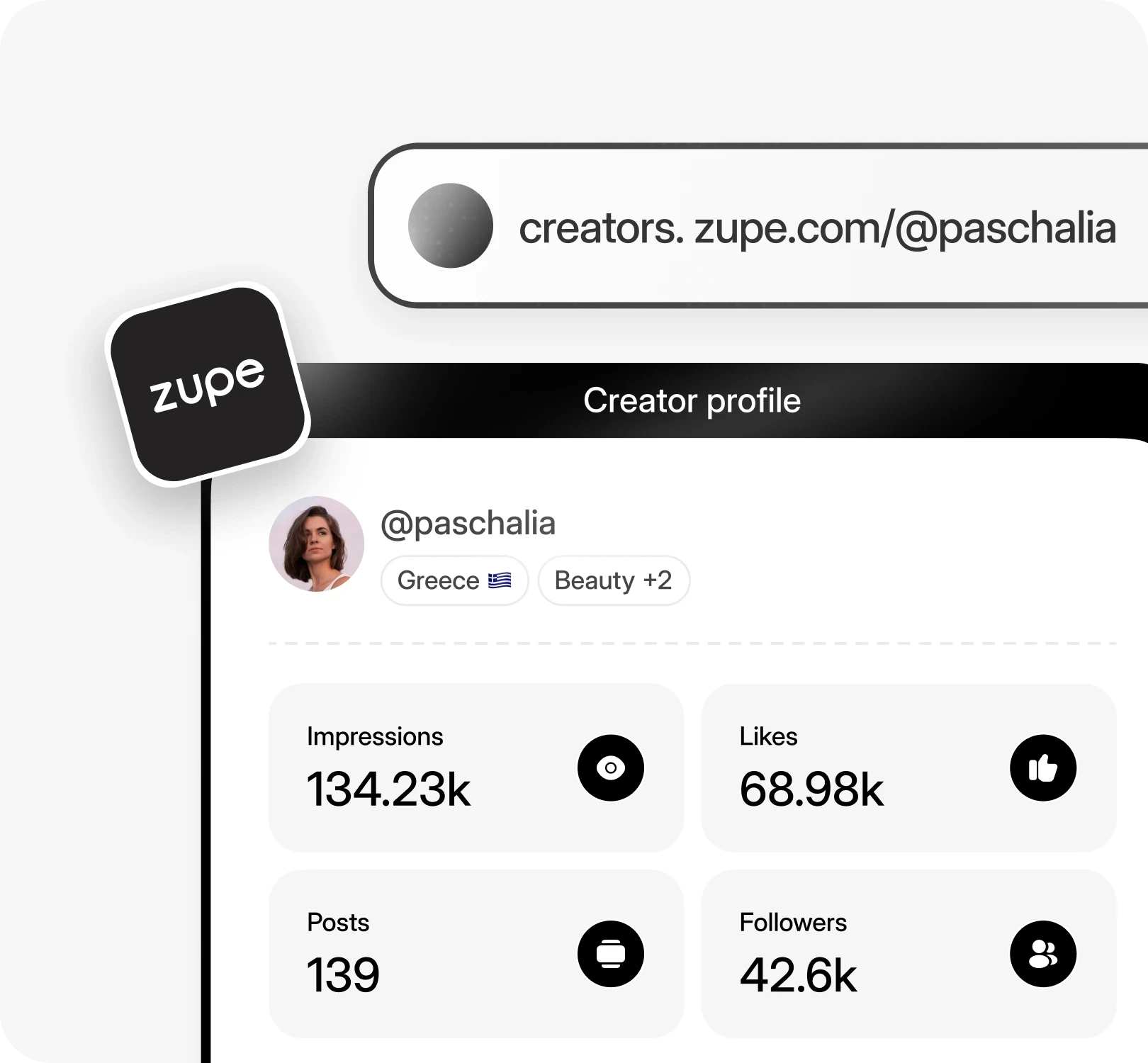
Each creator gets a branded storefront page featuring the subscription products they recommend. These pages can include custom product bundles (e.g., a creator's favorite supplement stack or curated beauty box), unique promo codes for free trials or discounted first months, and embedded video content from the creator explaining why they subscribe. Storefronts are templated for brand consistency but flexible enough to reflect each creator's personality and audience.
Shoppable Content Widgets
Socialscale's creator widgets let subscription brands embed creator content — videos, carousels, testimonials — directly into product pages, landing pages, and checkout flows. These widgets are shoppable, meaning viewers can click through to subscribe without leaving the content experience. For subscription brands, this collapses the funnel from awareness to sign-up into a single interaction.
Creator Onboarding and Collaboration Management
Subscription brands running always-on creator programs need structured onboarding workflows. Socialscale provides customizable onboarding flows that capture creator details, set content expectations, distribute product samples, and assign storefront configurations. Creator collaborations are tracked through defined stages — briefing, content creation, review, approval, and publishing — with automated reminders and status updates that keep campaigns on schedule.
Centralized UGC Management and Rights Tracking
Every piece of content a creator produces is stored in a centralized asset library with metadata tags for product, campaign, creator, content type, and usage rights. Teams can filter by performance metrics to identify top-performing assets for paid amplification, and rights expiration alerts prevent unauthorized use. This is especially critical for subscription brands that run continuous ad campaigns and need a steady pipeline of fresh, approved creator content.
Creator Performance Tracking and Analytics
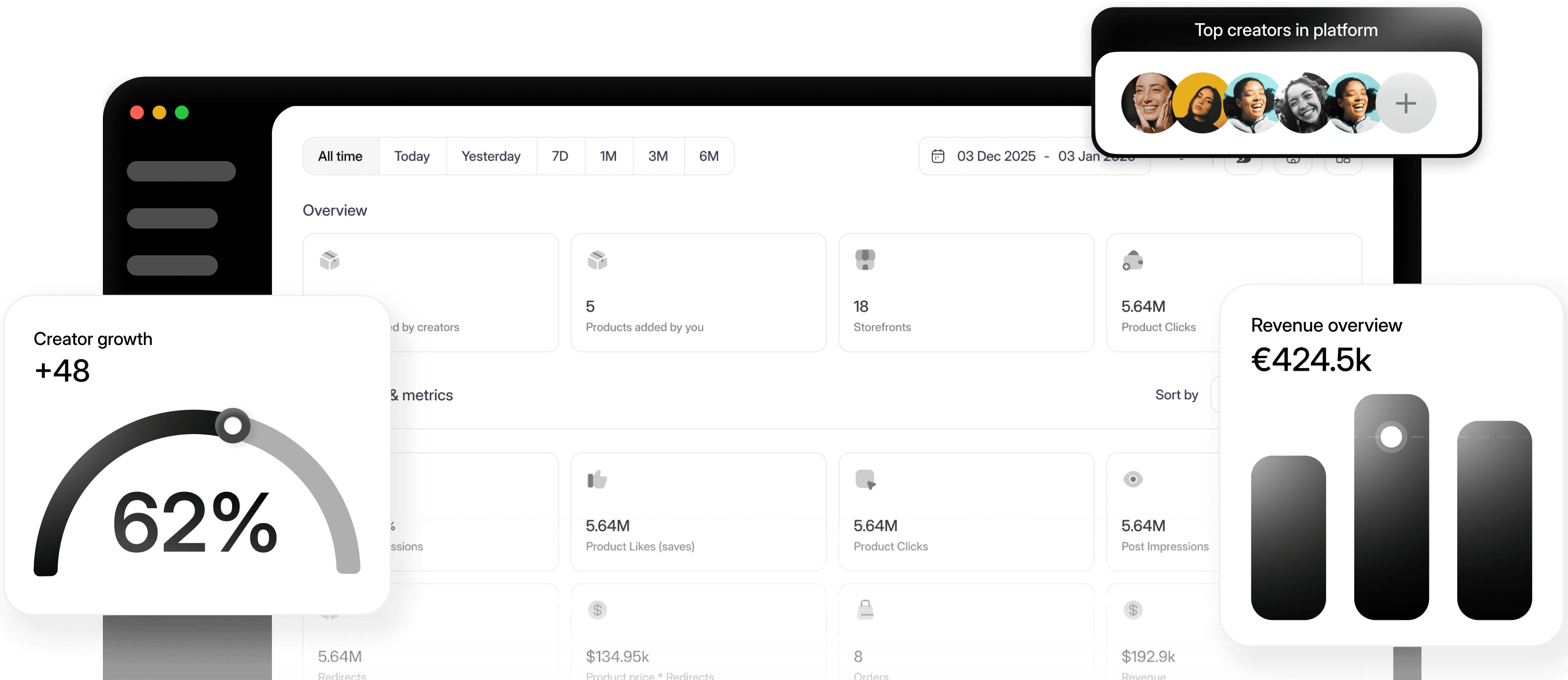
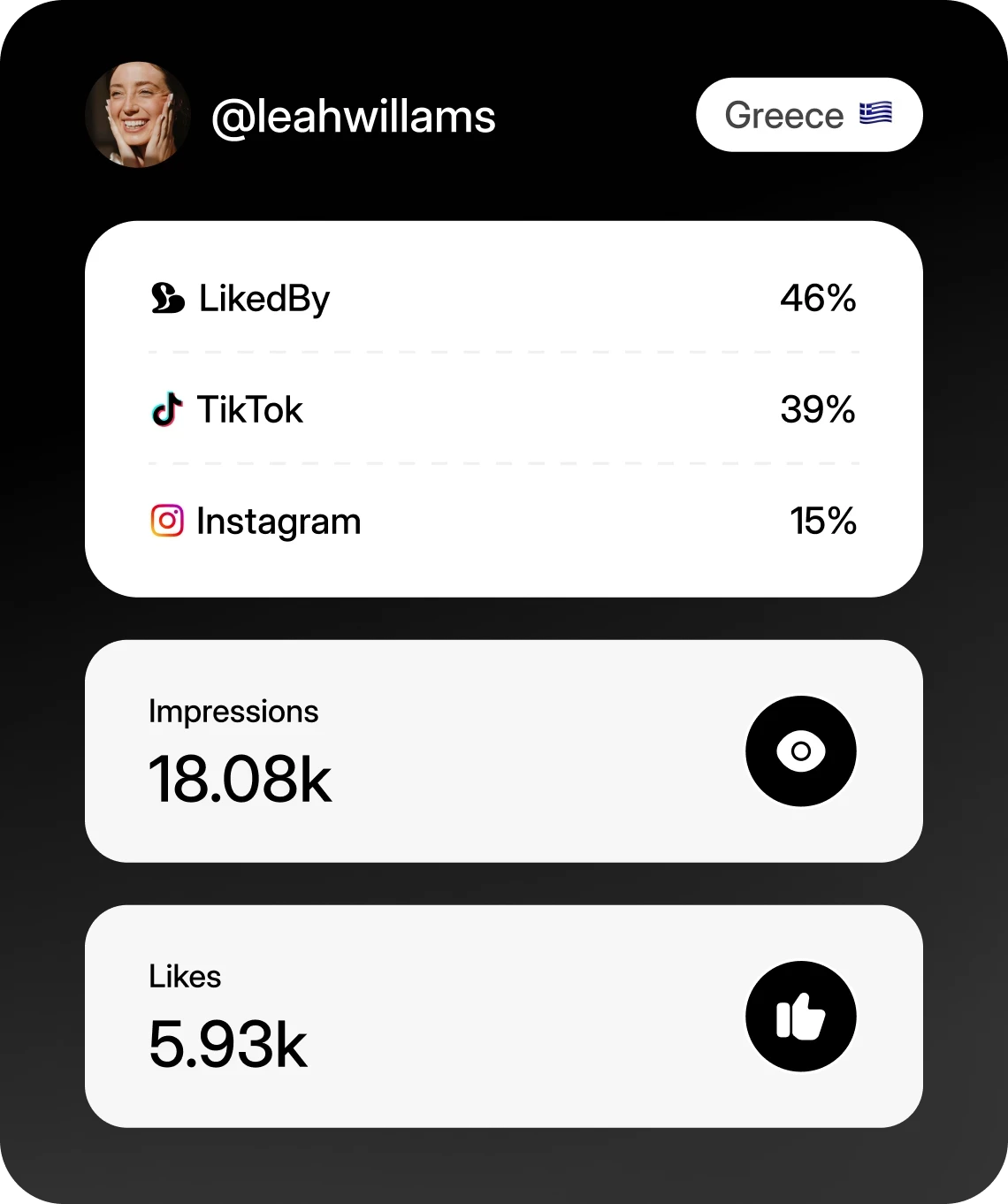
Socialscale's creator analytics dashboard tracks storefront-level metrics including visits, click-through rates, trial sign-ups, discount code redemptions, and — when connected to your subscription platform — trial-to-paid conversion and subscriber retention. Performance data is segmented by creator, campaign, product, and time period, giving subscription brand teams the granularity they need to optimize creator investments.
Affiliate Creator Program Infrastructure
For subscription brands running affiliate creator programs, Socialscale supports unique tracking links, commission structures, and payout tracking at the creator level. Storefronts double as affiliate landing pages, giving creators a tangible, shareable destination that drives both their earnings and your subscriber growth.
Use Cases: Creator Storefronts in Action for Subscription Brands
Meal Kit Brand Launches Seasonal Creator Storefront Campaign
A meal kit subscription brand partners with 40 food and lifestyle creators for a seasonal campaign. Each creator receives a personalized storefront featuring three curated meal plans they helped design, along with a unique promo code for a discounted first box. Creators post recipe videos on TikTok and Instagram linking to their storefronts. The brand embeds top-performing creator videos on its homepage and product pages as shoppable widgets. Over six weeks, the campaign drives trial sign-ups at 35% lower CPA than paid social, with creator-attributed subscribers showing 22% higher 90-day retention than subscribers acquired through brand ads.
Supplement Brand Scales Always-On Creator Affiliate Program
A DTC supplement subscription brand runs a year-round affiliate creator program with 150 micro-creators in the fitness and wellness space. Each creator has a persistent storefront featuring their personalized supplement stack with a recurring commission on every subscriber they refer. The brand uses centralized analytics to identify the top 20 creators by subscriber lifetime value — not just sign-ups — and increases their commission rates and product access. Monthly content reviews surface the highest-converting UGC formats, which the brand repurposes in retargeting ads with proper rights management.
Beauty Box Brand Activates Creator Storefronts for Product Launch
A beauty subscription box brand launches a limited-edition box co-curated with five macro-creators. Each creator's storefront features the co-branded box, an unboxing video, and a countdown timer for availability. The brand coordinates content drops across all five creators within a 48-hour window, using collaboration management tools to align briefings, review content, and approve final assets before the launch date. Post-launch, the brand analyzes which creator's storefront drove the highest conversion rate and uses those insights to select creators for the next quarterly launch.
Pet Supply Subscription Runs Creator-Driven Reactivation Campaign
A pet supply subscription brand targets churned subscribers with a reactivation campaign featuring creator storefronts. The brand partners with 25 pet influencers who each showcase their dog's or cat's favorite products from the subscription, with a special "come back" offer exclusive to each creator's storefront. Creator content is embedded in reactivation email sequences, linking directly to the personalized storefronts. The campaign reactivates 8% of churned subscribers at a fraction of the cost of traditional win-back offers, with creator-driven reactivations showing higher second-stint retention rates.
Weekly and Monthly Operational Workflow for Subscription Brand Creator Storefronts
Running creator storefronts for a subscription brand requires disciplined, repeatable processes. Below is a practical workflow that subscription brand teams can implement immediately.
Creator Recruitment and Vetting (Monthly)
Identify potential creators through social listening, affiliate applications, and existing customer data. Evaluate candidates based on audience demographics, content quality, engagement rates, and alignment with your subscription category. Use your creator CRM to log outreach, track responses, and move candidates through a structured vetting pipeline. Aim to onboard a cohort of 10–20 new creators per month for a scaling program.
Onboarding and Storefront Setup (Per Cohort)
Once creators are approved, run them through a standardized onboarding flow: distribute product samples, share brand guidelines, assign unique promo codes, and configure their personalized storefront pages. Each storefront should feature the creator's selected products, their unique discount offer, and placeholder sections for content that will be added post-production.
Content Briefing and Collaboration Kickoff (Weekly)
Issue content briefs for upcoming campaigns or always-on content cadences. Briefs should specify deliverables (e.g., one TikTok video, two Instagram Stories), key messaging points, product focus, and deadlines. Track each collaboration through defined stages — briefed, in production, submitted, in review, approved, published — with automated status updates to both internal teams and creators.
Content Review and Approval (Weekly)
Review submitted creator content against brand guidelines and campaign objectives. Approve assets for publishing and flag content for revisions with specific, actionable feedback. Approved content is automatically tagged and stored in the centralized asset library with usage rights metadata. Top-performing formats are flagged for potential paid amplification.
Storefront Content Refresh and Widget Updates (Bi-Weekly)
Update creator storefronts with newly approved content — fresh videos, updated testimonials, seasonal product swaps. Refresh shoppable content widgets on your site to feature the latest high-performing creator assets. Rotate featured creators on your homepage and category pages based on recent performance data.
Performance Analysis and Creator Optimization (Weekly)
Pull storefront-level analytics: visits, CTR, trial sign-ups, promo code redemptions, and downstream subscription metrics. Identify top performers and underperformers. For top creators, explore expanded partnerships — higher commissions, exclusive product access, co-branded storefronts. For underperformers, assess whether the issue is content quality, audience fit, or offer structure, and adjust accordingly.
Content Repurposing and Paid Amplification (Weekly)
Select the top 5–10 creator assets from the past week for paid amplification. Verify usage rights are current and approved for paid use. Launch creator content as whitelisted ads or dark posts, driving traffic back to the creator's storefront or directly to your subscription checkout. Track paid performance separately to measure incremental lift from creator content versus brand-produced ads.
Monthly Program Review and Planning (Monthly)
Conduct a comprehensive review of the creator storefront program: total subscriber acquisitions attributed to creator storefronts, average CPA versus other channels, trial-to-paid conversion rates by creator tier, content output volume, and asset library growth. Use these insights to plan next month's creator cohort, campaign themes, and budget allocation.
Key Performance Metrics for Subscription Brand Creator Storefronts
Subscription brands should track these KPIs to measure the effectiveness of their creator storefront programs and optimize for long-term subscriber value.
Creator Activation Rate: Percentage of onboarded creators who publish at least one piece of content and have an active storefront within 14 days of onboarding.
Storefront Visit-to-Trial Conversion Rate: Percentage of storefront visitors who start a free trial or place their first subscription order.
Trial-to-Paid Conversion Rate by Creator: Percentage of trial subscribers attributed to each creator who convert to paid subscriptions, segmented by creator tier and content type.
Content Approval Turnaround Time: Average time from content submission to approval, targeting under 48 hours to maintain creator momentum and campaign timelines.
Content Output Volume: Total number of approved creator assets produced per week and per month, tracked against program targets.
Click-Through Rate (CTR) on Shoppable Widgets: Percentage of widget impressions that result in clicks to subscription checkout, measured across on-site placements.
Promo Code Redemption Rate: Percentage of storefront visitors who use the creator's unique discount code at checkout.
Subscriber Retention Rate by Creator Cohort: 30-day, 60-day, and 90-day retention rates for subscribers acquired through each creator's storefront.
Creator-Attributed Subscriber LTV: Average lifetime value of subscribers acquired through creator storefronts versus other acquisition channels.
Cost Per Acquired Subscriber (CPA): Total creator program costs (product, commissions, management) divided by total new subscribers attributed to creator storefronts.
ROAS on Amplified Creator Content: Return on ad spend for paid campaigns using creator-produced content, measured against brand-produced creative benchmarks.
GMV/Revenue from Creator Storefronts: Total subscription revenue (initial and recurring) attributed to creator storefront traffic over defined time periods.
Case Example: Wellness Supplement Subscription Brand Scales Creator Storefronts
A direct-to-consumer wellness supplement subscription brand with a $45/month average order value was spending $62 per acquired subscriber through paid social and struggling with 55% churn within the first 90 days. The brand decided to build a creator storefront program focused on micro-creators in the fitness, nutrition, and wellness spaces.
The team onboarded 80 creators over two months using a structured onboarding workflow. Each creator received a three-month product supply and a personalized storefront featuring their recommended supplement stack, a unique 20%-off-first-month promo code, and embedded video content explaining their daily routine with the products.
Creators were briefed to produce two pieces of content per month — one long-form YouTube or TikTok video and one Instagram Reel or Story series — all linking to their storefront. Content was reviewed and approved within 48 hours on average, and top-performing assets were repurposed as whitelisted ads within one week of publishing.
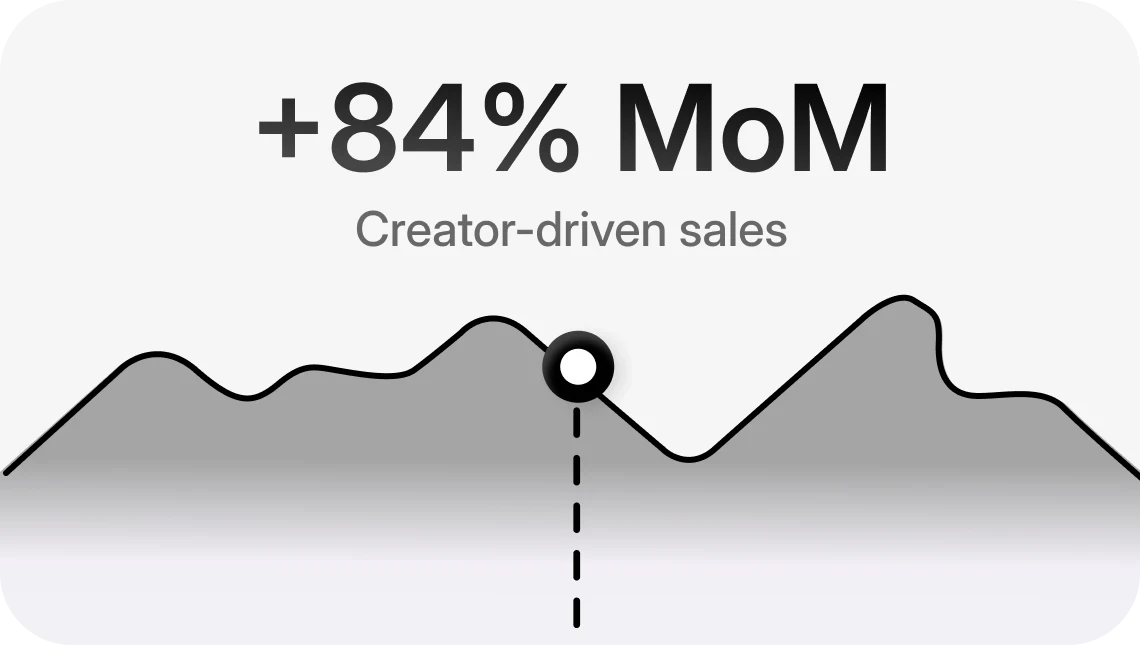
After four months, the program delivered measurable results. Creator storefronts generated 3,200 new trial subscribers at an average CPA of $38 — a 39% reduction compared to paid social. Trial-to-paid conversion for creator-attributed subscribers was 58%, compared to 42% for paid social acquisitions. Ninety-day retention for creator-sourced subscribers was 62%, compared to 45% for the paid social cohort. The brand's centralized content library grew by 420 approved assets, with the top 15 assets generating 2.3x higher ROAS when used in paid amplification compared to brand-produced ads. The team identified 12 creators whose subscribers had above-average LTV and expanded those partnerships into co-branded product lines and exclusive storefront launches.
Frequently Asked Questions
What is a creator storefront for subscription brands?
A creator storefront is a personalized, branded page where a creator curates and showcases subscription products they recommend. It functions as a persistent, shoppable destination that links a creator's audience directly to a subscription sign-up flow, complete with unique promo codes, embedded creator content, and full attribution tracking from first visit through recurring subscription revenue.
How do creator storefronts differ from standard affiliate links?
Standard affiliate links send traffic to generic product pages with no creator context. Creator storefronts provide a dedicated, branded experience that features the creator's content, their personal product recommendations, and a tailored offer. This creates a higher-trust conversion environment and gives subscription brands richer data on how each creator's audience engages with the brand beyond a single click.
Can I track subscriber retention and lifetime value by creator?
Yes, when your creator storefront platform is connected to your subscription commerce infrastructure (e.g., Shopify plus a subscription management app), you can attribute not just initial sign-ups but also trial-to-paid conversions, monthly retention, and cumulative subscriber LTV to each creator. This is the most important capability for subscription brands, as it reveals which creators drive durable revenue versus one-time trials.
How many creators do I need to make a storefront program worthwhile?
Subscription brands can see meaningful results with as few as 15–20 committed creators, provided they are well-matched to your target subscriber profile. The key is consistency — creators who produce content regularly and maintain active storefronts outperform larger rosters of one-off collaborators. As your program matures and operational workflows are established, scaling to 100+ creators becomes manageable with the right platform infrastructure.
How do I manage content rights for creator storefront assets?
Every piece of creator content should have clearly defined usage rights captured during onboarding or collaboration setup. A centralized content storage system should tag each asset with rights metadata — including permitted channels, duration, and paid use authorization. Automated expiration alerts prevent unauthorized use, and approval workflows ensure only rights-cleared content is repurposed in ads, emails, or on-site placements.