Creator Storefronts for Electronics Brands
Electronics brands face a unique challenge in social commerce: their products require demonstration, comparison, and hands-on credibility before consumers commit to purchase. Static product pages and traditional advertising rarely convey the depth of information buyers need when evaluating a new laptop, pair of headphones, or smart home device. Creator storefronts solve this by turning trusted tech reviewers into shoppable destinations where product education and purchase intent converge.
A creator storefront for electronics brands is more than a vanity page with affiliate links. It is a curated, brand-controlled hub where each creator's reviews, unboxings, and tutorials are embedded as shoppable content directly tied to your product catalog. When a viewer watches a creator compare two wireless earbuds and can add the winning pair to cart without leaving the experience, you collapse the entire funnel into a single interaction.
For influencer marketing managers and e-commerce directors at electronics companies, the operational question is not whether creator storefronts matter but how to launch, manage, and measure them at scale across dozens or hundreds of creators. This page explains how Socialscale enables electronics brands to build and operate product review storefront hubs that drive measurable revenue from creator programs.
High Consideration Purchase Cycles
Electronics purchases often involve days or weeks of research. Consumers watch multiple reviews, read spec comparisons, and seek validation from trusted voices before buying. Brands need creator content that stays discoverable and shoppable throughout this extended decision window, not just during a 24-hour campaign push.
Fragmented Creator Content Across Platforms
A single product launch might generate YouTube long-form reviews, TikTok quick takes, Instagram Reels demos, and written blog posts. Without a centralized storefront, this content scatters across platforms with no unified path to purchase and no consolidated performance data.
SKU Complexity and Variant Management
Electronics brands manage extensive catalogs with multiple SKUs, colorways, storage tiers, and bundle configurations. Linking creators to the correct product variants and keeping those links current through inventory changes is operationally burdensome without automation.
Attribution Gaps in Creator-Driven Revenue
Many electronics brands cannot accurately attribute sales to individual creators or pieces of content. Last-click models miss the influence of a YouTube review watched three days before a purchase, and spreadsheet-based tracking breaks down beyond a handful of creators.
Content Approval Bottlenecks for Technical Products
Technical accuracy matters in electronics marketing. A creator misquoting battery life specs or comparing the wrong model creates brand risk. Review and approval workflows that rely on email threads and shared folders slow down content velocity and introduce errors.
Scaling Beyond a Handful of Creators
Most electronics brands work with 10 to 30 creators manually. Scaling to 100 or more creators for a product launch requires systems for onboarding, brief distribution, asset delivery, storefront provisioning, and performance tracking that simply do not exist in spreadsheets or generic project management tools.
Short Product Lifecycles
Consumer electronics products have compressed lifecycles. A flagship phone is relevant for 12 months before the next generation launches. Creator storefronts must be easy to spin up, update, and retire in sync with product roadmaps without requiring engineering resources each time.
Affiliate Networks Lack Brand Control
Traditional affiliate platforms give electronics brands limited control over how products are presented. Creators link to generic retailer pages, and the brand has no ability to curate the storefront experience, embed specific review content, or enforce visual guidelines. The result is a disjointed buyer experience that dilutes brand equity.
Influencer Platforms Stop at Campaign Management
Most influencer marketing software handles outreach, contracts, and content approval but does not extend into commerce. They cannot generate shoppable storefronts, embed creator content on brand-owned properties, or track post-click conversion behavior. The gap between content delivery and revenue measurement remains wide open.
E-commerce Platforms Were Not Built for Creator Commerce
Shopify, WooCommerce, and similar platforms power product catalogs and checkout but have no native concept of a creator storefront. Building custom landing pages per creator requires development time, and maintaining them across product launches and creator roster changes becomes unsustainable.
Spreadsheets and Manual Processes Break at Scale
Tracking which creators have active storefronts, which products are linked, which content is approved, and what revenue each storefront generates in a spreadsheet is feasible for five creators. At fifty, errors multiply. At two hundred, the system collapses entirely, and the team spends more time on administration than strategy.
Disconnected Analytics Create Blind Spots
When creator management lives in one tool, content storage in another, storefront hosting on a third platform, and analytics in a fourth dashboard, no one has a unified view. Electronics brands need to see the line from creator onboarding through content production to storefront engagement and purchase in a single system.
How Socialscale Powers Creator Storefronts for Electronics Brands
Socialscale is a creator marketing platform purpose-built for social commerce. It gives electronics brands the infrastructure to run creator storefront programs end-to-end, from onboarding tech reviewers and managing collaborations to embedding shoppable content and tracking every dollar of creator-driven revenue.
For electronics brands, the platform addresses the specific operational pain points that generic tools ignore. Product review content created by your creators can be organized, approved, and stored in a centralized creator content library, then deployed as shoppable widgets on brand-owned storefronts or embedded across your e-commerce pages. Each creator gets a dedicated storefront hub tied to your product catalog, with proper SKU mapping, variant handling, and real-time inventory sync.
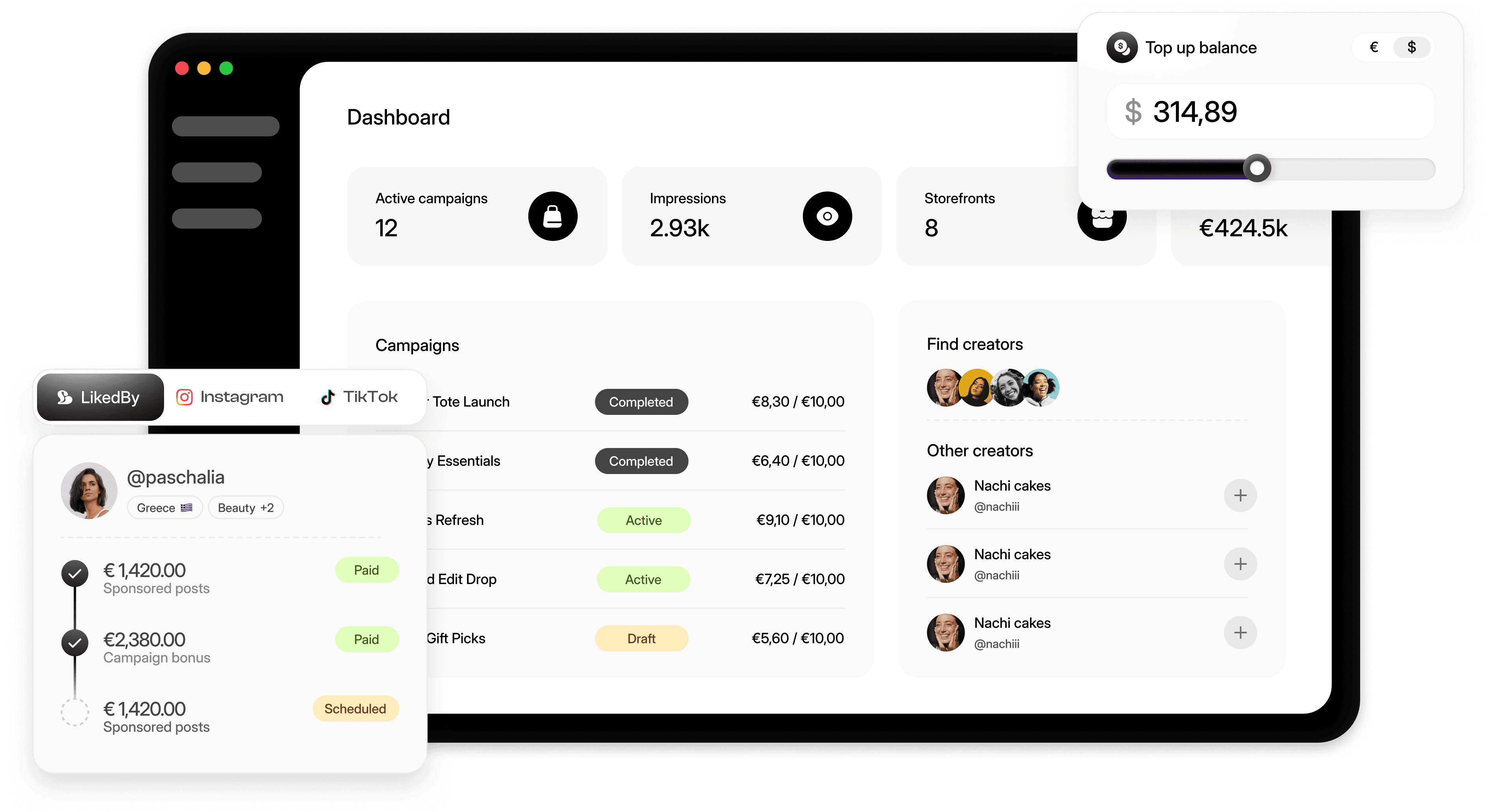
The system connects creator relationship management, content operations, and commerce analytics in one place. Your team uses the creator CRM to manage the roster, track communication history, and segment creators by product category, audience demographics, or performance tier. Campaign briefs, product shipment tracking, content approvals, and storefront provisioning all happen within the same workflow, eliminating the tool-switching and data fragmentation that slow down electronics brand creator programs.
Performance data flows back into the platform automatically. You see which storefronts drive clicks, which creator reviews convert, and which product categories generate the highest return on creator investment, all without stitching together reports from five different dashboards.
Dedicated Creator Storefront Pages
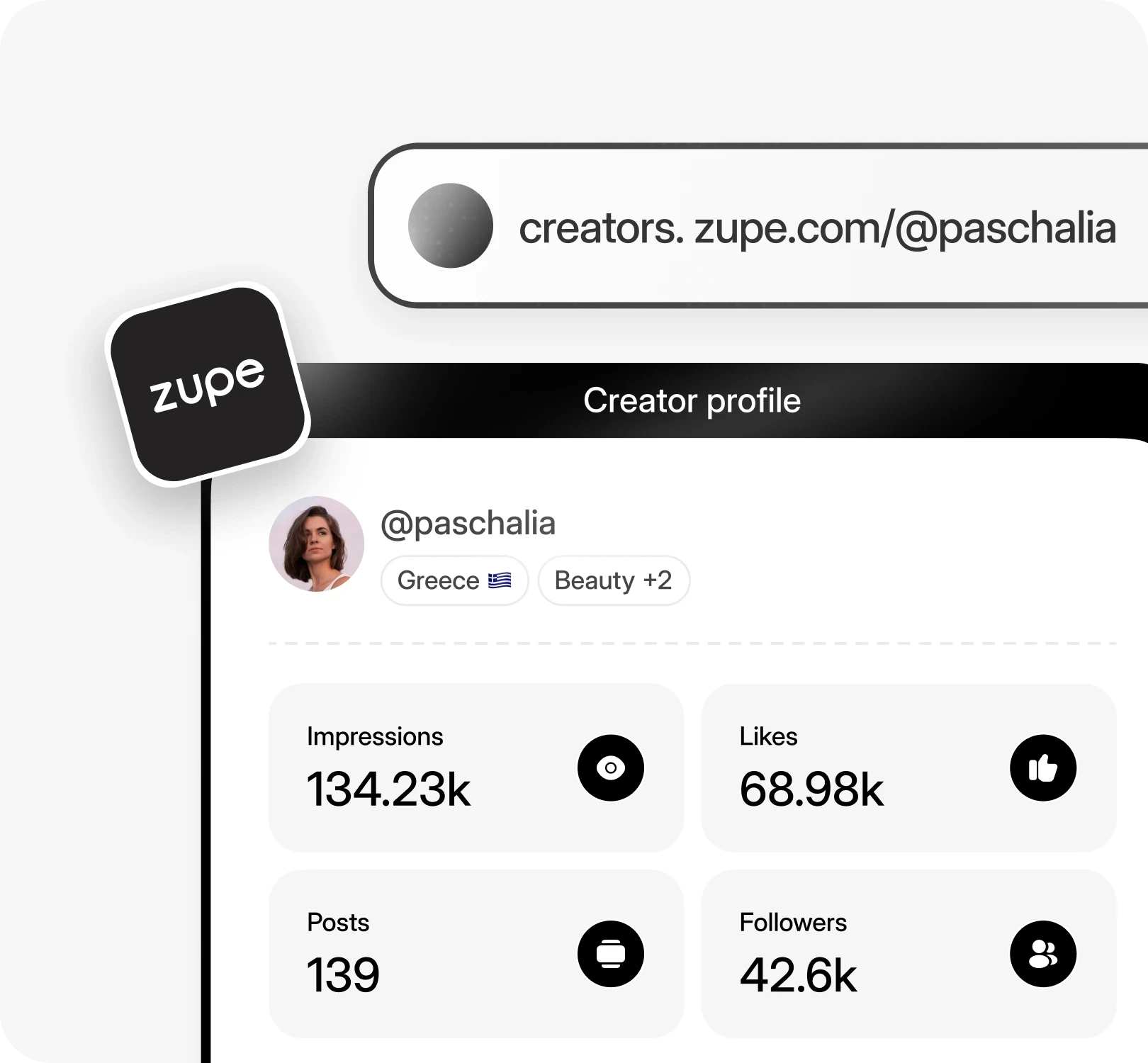
Each creator in your program receives a branded storefront page that showcases their curated product selections from your catalog. For electronics brands, this means a tech reviewer can have a storefront featuring their recommended headphones, laptops, and accessories, each linked to the correct SKU with real-time pricing and availability. Storefronts are customizable with brand guidelines, creator bios, and featured content, and they require zero engineering effort to launch or update.
Shoppable Content Embedding
Creator review videos, unboxing clips, and tutorial content can be embedded directly within storefront pages and across your e-commerce site as shoppable widgets. When a consumer watches a creator demonstrate a wireless speaker's features, they can add it to cart from the same interface. This collapses the path from product education to purchase, which is critical for high-consideration electronics purchases where buyers need to see the product in action before committing.
Creator CRM with Electronics-Specific Segmentation
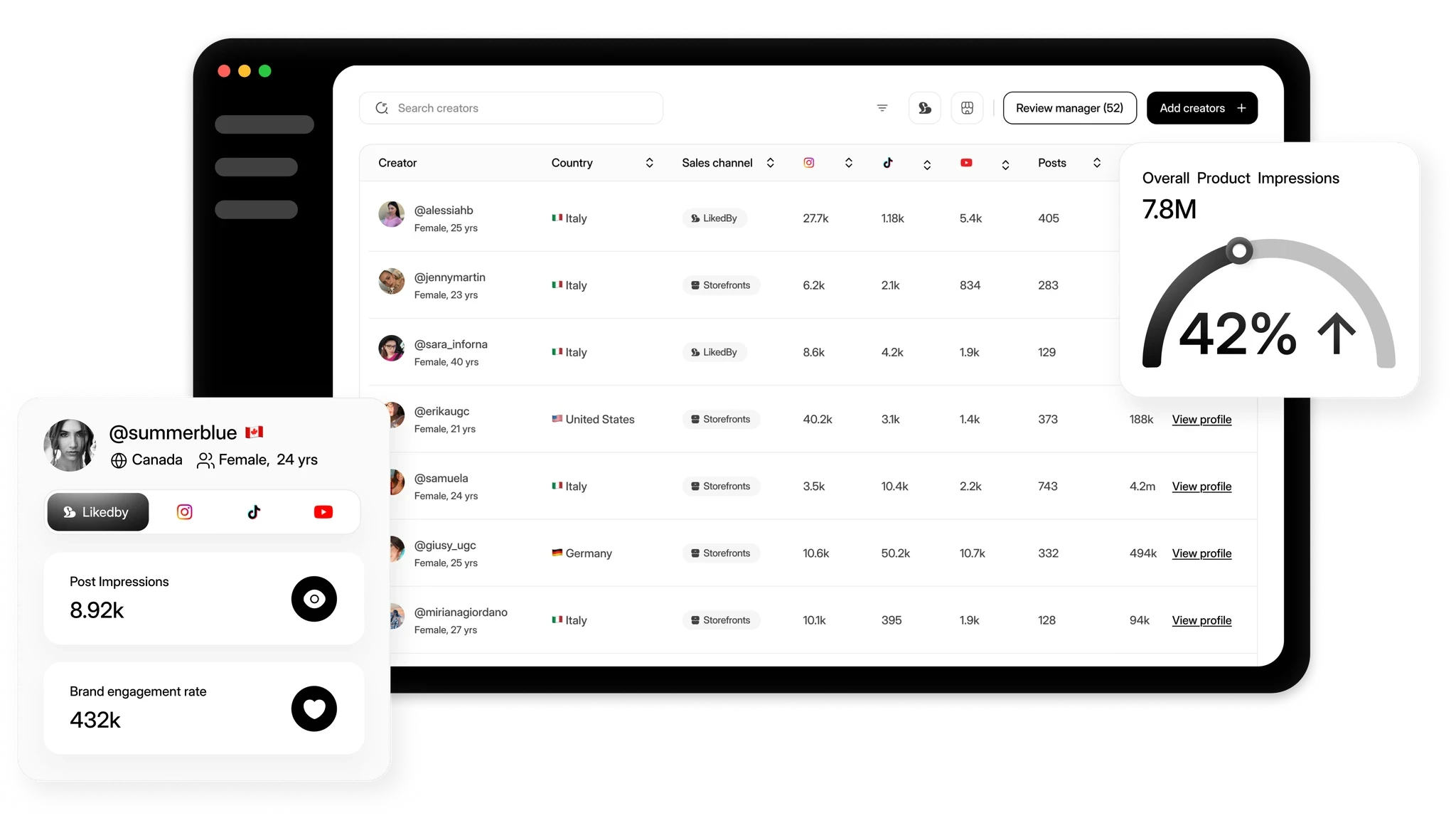
The built-in creator CRM lets you organize your roster by product expertise, platform strength, audience geography, and performance history. An electronics brand can quickly filter for creators who specialize in mobile devices versus smart home products, or identify which creators drive the highest conversion rates on premium-tier products. Communication history, contract status, and content delivery timelines are tracked per creator, giving your team full visibility without switching tools.
Content Approval and Asset Management
Technical product content requires careful review before publication. The platform provides structured approval workflows where brand managers can review creator content for technical accuracy, brand compliance, and visual quality before it goes live on any storefront. Approved assets are automatically organized in a centralized content library, tagged by product, creator, campaign, and content type for easy retrieval and repurposing.
Campaign and Collaboration Management
Electronics product launches involve coordinating dozens of creators simultaneously, shipping review units, distributing briefs with technical specifications, managing embargo dates, and tracking content delivery. The platform manages these collaborations with structured timelines, automated reminders, and status tracking so your team knows exactly where every creator stands in the production pipeline at any moment.
Performance Analytics by Creator and Storefront
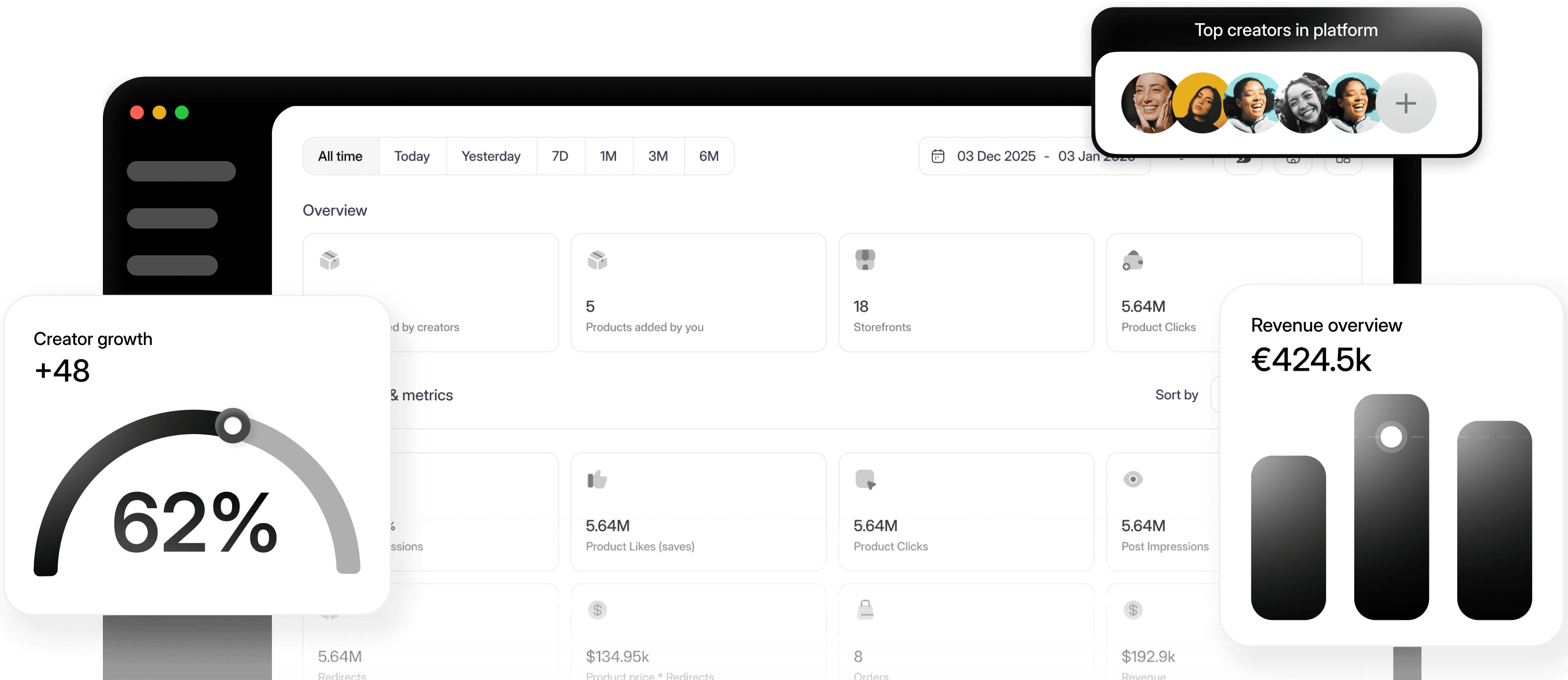
Every storefront generates granular analytics: page views, product clicks, add-to-cart events, conversions, and revenue. You can compare creator performance side by side, identify which product review formats drive the highest engagement, and calculate return on investment per creator. These analytics feed directly into decisions about which creators to scale, which products to feature more prominently, and where to allocate budget for the next campaign cycle.
Affiliate Commission and Payout Tracking
For electronics brands running affiliate creator programs, the platform tracks commissions earned per creator based on storefront-driven sales. Commission structures can be customized by product category, creator tier, or campaign, and payout reporting is automated so your finance team is not reconciling spreadsheets at the end of every month.

Use Cases for Electronics Brand Creator Storefronts
1. Flagship Product Launch with Tiered Creator Storefronts
An electronics brand preparing to launch a new flagship smartphone activates 80 creators across three tiers: 10 macro tech reviewers with YouTube-first audiences, 30 mid-tier creators producing Instagram Reels and TikTok content, and 40 micro-creators focused on niche communities like mobile photography or gaming. Each creator receives a personalized storefront featuring the new device alongside compatible accessories like cases, chargers, and earbuds. Macro creators get early access and exclusive colorway reveals, while micro-creators receive comparison kits with the previous generation model to produce upgrade-focused content. All storefronts go live simultaneously on launch day, and the brand tracks which creator tier and content format drives the highest conversion rate during the critical first two weeks.
2. Always-On Product Review Hub for Audio Equipment
A headphone and speaker brand builds a permanent creator storefront program where 50 audio enthusiast creators maintain evergreen storefronts featuring their top product picks. Unlike campaign-based activations, these storefronts remain active year-round and are updated quarterly as new products enter the catalog. Creators produce seasonal content like "best headphones for commuting" or "home office speaker setup guide" that keeps their storefronts fresh and discoverable. The brand embeds top-performing creator review widgets on its own product detail pages, giving shoppers social proof from trusted voices at the exact moment of purchase consideration.
3. Retail Partner Co-Marketing with Creator Storefronts
A consumer electronics brand partners with a major online retailer for a holiday promotion. Rather than relying solely on the retailer's merchandising team, the brand activates 25 creators who each build a holiday gift guide storefront featuring the brand's products available through the retail partner. Creator content highlights product bundles and limited-time pricing, and each storefront links directly to the retailer's checkout. The brand gains attribution data on which creators drove traffic and sales through the retail channel, enabling smarter co-marketing investments in future quarters.
4. B2B-Adjacent Creator Program for Enterprise Tech
A brand selling monitors, docking stations, and peripherals for professional use activates a creator storefront program targeting business decision-makers. Creators are IT consultants, productivity YouTubers, and remote work specialists who build storefronts featuring curated "home office setup" and "conference room essentials" collections. Content focuses on workflow integration, ergonomic benefits, and total cost of ownership rather than consumer-oriented unboxing. Storefronts are shared in LinkedIn posts, newsletter features, and podcast show notes, reaching procurement-influenced audiences that traditional consumer influencer campaigns miss entirely.
Weekly and Monthly Operational Workflow for Electronics Brand Creator Storefronts
Running a creator storefront program for an electronics brand requires structured operational cadences. Below is a practical workflow that influencer marketing managers and social commerce leads can implement immediately.
Creator Recruitment and Onboarding (Monthly)
Identify and recruit new tech creators using the creator CRM. Evaluate candidates based on audience demographics, content quality, platform reach, and product category alignment. Onboard accepted creators with brand guidelines, product catalog access, and storefront setup instructions. Ship review units with tracking integrated into the collaboration workflow.
Brief Distribution and Product Seeding (Per Campaign or Monthly)
Distribute campaign briefs that include technical specifications, key messaging points, comparison guidelines, and embargo dates. Attach product spec sheets and high-resolution brand assets to the brief within the platform so creators have everything they need without back-and-forth emails.
Content Production Monitoring (Weekly)
Track content delivery status across all active creators. Use the collaboration dashboard to see who has received products, who is in production, who has submitted drafts for review, and who is overdue. Send automated reminders for approaching deadlines and flag creators who need follow-up.
Content Review and Approval (Weekly)
Review submitted creator content for technical accuracy, brand compliance, and production quality. Provide feedback through the platform's approval workflow with specific revision notes. Approve content and automatically route it to the creator's storefront and any brand-owned embedding locations.
Storefront Updates and Product Linking (Weekly)
Update creator storefronts with newly approved content, adjust featured product selections based on inventory availability and promotional priorities, and retire discontinued SKUs. Ensure all product links resolve correctly and pricing reflects current promotions.
Performance Review and Optimization (Weekly)
Pull storefront analytics to review traffic, engagement, click-through rates, and conversion data by creator and by product. Identify top-performing storefronts and content formats. Share performance summaries with creators to reinforce what is working and guide future content production.
Creator Tier Assessment and Program Scaling (Monthly)
Evaluate creator performance over the past 30 days using revenue attribution, content output volume, and audience engagement metrics. Promote high-performing creators to higher commission tiers or expanded product access. Pause or offboard underperforming creators. Identify gaps in product category coverage and recruit new creators to fill them.
Reporting and Stakeholder Communication (Monthly)
Compile monthly program reports showing total storefront-driven revenue, cost per acquisition by creator tier, content production volume, and program growth metrics. Present findings to e-commerce directors and brand marketing leadership with recommendations for budget allocation and program expansion in the next cycle.
Key Performance Indicators for Electronics Brand Creator Storefronts
Measuring the effectiveness of a creator storefront program requires tracking metrics across the full funnel, from creator activation through content production to commerce outcomes. The following KPIs are essential for electronics brands.
Creator Activation Rate: Percentage of onboarded creators who have an active, populated storefront with at least one piece of approved content live.
Content Approval Turnaround Time: Average number of days between content submission and final approval, critical for time-sensitive product launches.
Content Output per Creator: Number of approved content pieces produced per creator per month, segmented by format (video review, unboxing, comparison, tutorial).
Storefront Page Views: Total and per-creator storefront traffic, tracked weekly to identify trending creators and seasonal patterns.
Click-Through Rate (CTR): Percentage of storefront visitors who click through to a product detail page or add-to-cart action.
Conversion Rate (CVR): Percentage of storefront-referred sessions that result in a completed purchase, segmented by creator, product category, and content type.
Gross Merchandise Value (GMV): Total revenue generated through creator storefronts, tracked per creator, per campaign, and as a program aggregate.
Revenue per Creator: Average and median revenue generated per active creator, used to benchmark performance tiers and optimize program composition.
Return on Creator Investment (ROAS): Total storefront-driven revenue divided by total program costs including product seeding, commissions, and platform fees.
Cost per Acquisition (CPA): Average cost to acquire a customer through a creator storefront, compared against paid media CPA benchmarks.
Average Order Value (AOV): Average transaction size from storefront-referred purchases, useful for evaluating whether creator content drives accessory attach rates and bundle purchases.
Creator Retention Rate: Percentage of creators who remain active in the program across consecutive quarters, indicating program health and creator satisfaction.
Scenario: Mid-Size Audio Electronics Brand Launches Creator Storefront Program
A mid-size audio electronics brand selling wireless headphones, portable speakers, and soundbars through its direct-to-consumer Shopify store and select retail partners decided to launch a creator storefront program to drive social commerce revenue and reduce dependence on paid media.
Starting Point
The brand had been working with 12 tech creators on a campaign-by-campaign basis, coordinating via email and tracking performance in spreadsheets. Content was scattered across Google Drive folders, and there was no shoppable integration between creator content and the product catalog. The team estimated they spent 15 hours per week on manual creator coordination and had no reliable way to attribute revenue to individual creators.
Program Structure
The brand onboarded 45 creators into the platform over six weeks, segmented into three tiers: 8 macro audio reviewers with YouTube audiences over 200K subscribers, 15 mid-tier creators active on Instagram and TikTok, and 22 micro-creators in niche communities like audiophile forums and music production channels. Each creator received a branded storefront featuring their curated product picks, with embedded review content and direct add-to-cart functionality.
Operational Cadence
The two-person influencer marketing team ran weekly content review cycles, approving an average of 18 pieces of content per week. Storefronts were updated biweekly with new content and adjusted product selections based on inventory and promotional calendars. Monthly performance reviews identified top creators for increased product access and higher commission rates.
Results After 90 Days
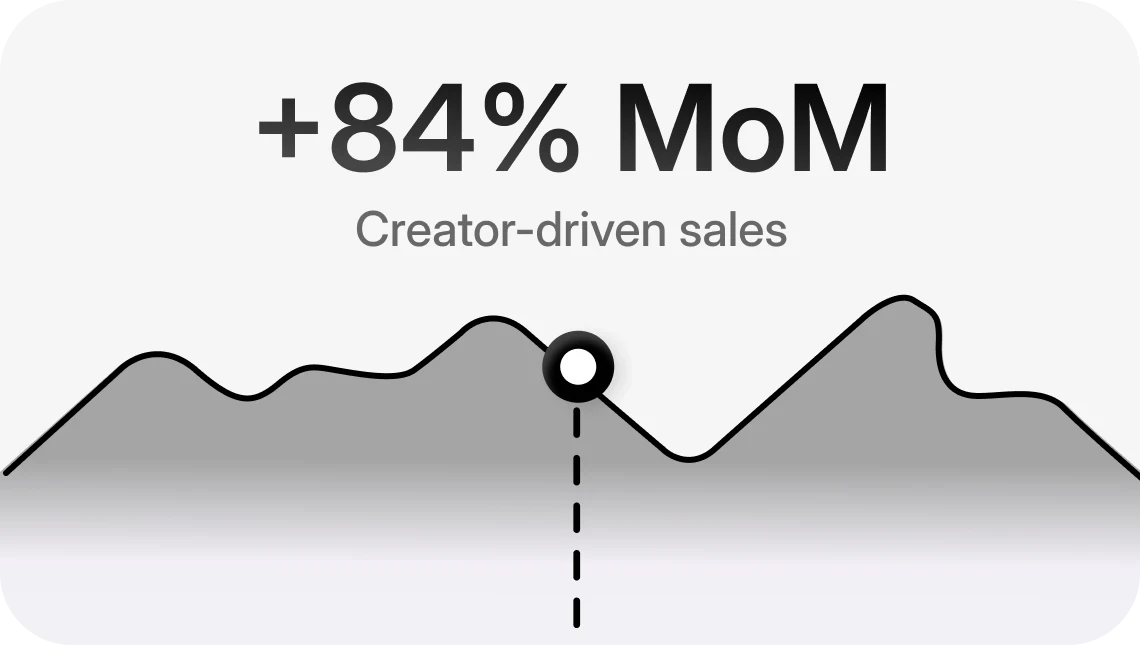
The program generated $340,000 in storefront-attributed GMV across the first quarter. The average conversion rate on creator storefronts was 4.2%, compared to 1.8% on standard product pages. The top 10 creators accounted for 62% of total storefront revenue. Content approval turnaround dropped from an average of 5 days to 1.4 days. The team reduced weekly manual coordination time from 15 hours to 4 hours. Cost per acquisition through creator storefronts was $14.50, compared to $28 through paid social campaigns. The brand expanded the program to 75 creators in the following quarter and began embedding top-performing creator widgets on its homepage and category pages.
Frequently Asked Questions
How does a creator storefront differ from a standard affiliate link program?
A creator storefront is a dedicated, branded page where a creator curates and showcases products with embedded shoppable content like reviews and tutorials. Unlike a simple affiliate link that sends traffic to a generic product page, a storefront provides a rich, contextualized shopping experience that mirrors the trust and authority the creator has built with their audience. For electronics brands, this means consumers can watch a detailed product review and purchase from the same interface, which significantly improves conversion rates compared to cold affiliate links.
Can creator storefronts handle the SKU complexity typical of electronics catalogs?
Yes. Creator storefronts integrate with your product catalog and support multiple SKUs, product variants such as color, storage capacity, and bundle configurations, and real-time inventory and pricing updates. When a product variant goes out of stock or a price changes due to a promotion, the storefront reflects the update automatically without requiring manual intervention from your team or the creator.
How long does it take to launch a creator storefront program for an electronics brand?
Most electronics brands can launch their first creator storefronts within two to three weeks. The initial setup involves connecting your product catalog, configuring storefront templates with brand guidelines, and onboarding your first cohort of creators. Brands with an existing creator roster can typically have storefronts live within days of platform setup, while brands building a new roster should allow additional time for recruitment and product seeding.
How do we ensure technical accuracy in creator content before it goes live on storefronts?
The platform includes structured content approval workflows where designated brand team members review every piece of creator content before it is published to a storefront. Reviewers can leave specific feedback, request revisions, and track approval status across all creators in a single dashboard. For electronics brands, this ensures that product specifications, feature claims, and comparison statements are accurate before reaching consumers.
Can we use creator storefront content on our own e-commerce site?
Absolutely. Approved creator content can be embedded as shoppable widgets on your product detail pages, category pages, homepage, and landing pages. This turns your owned e-commerce properties into social proof engines where shoppers see real creator reviews and demonstrations alongside standard product information. Many electronics brands report that embedding creator content on product pages increases time on page and conversion rates compared to pages with only brand-produced content.