Creator Storefronts for Apparel Retailers: Launch Seasonal Product Storefronts by Influencers
Apparel retailers operate on a relentless seasonal calendar. Every drop, collection launch, and holiday push demands fresh content, authentic voices, and shoppable experiences that convert browsers into buyers. Creator storefronts give your brand the ability to turn influencers into curated retail channels — each one a personalized, shoppable destination featuring your seasonal inventory.
Social commerce is reshaping how consumers discover and purchase clothing. Rather than relying solely on your own e-commerce site or marketplace listings, creator storefronts let style-focused influencers showcase their favorite picks from your spring line, holiday capsule, or back-to-school collection in a branded, trackable environment. The result is a distributed sales network powered by trust and taste.
For influencer marketing managers and e-commerce directors at apparel brands, the challenge is not whether to adopt creator storefronts — it is how to operationalize them at scale across dozens or hundreds of creators, multiple seasons, and shifting inventory. This page breaks down exactly how to do that, from the workflows and integrations to the KPIs that matter most.
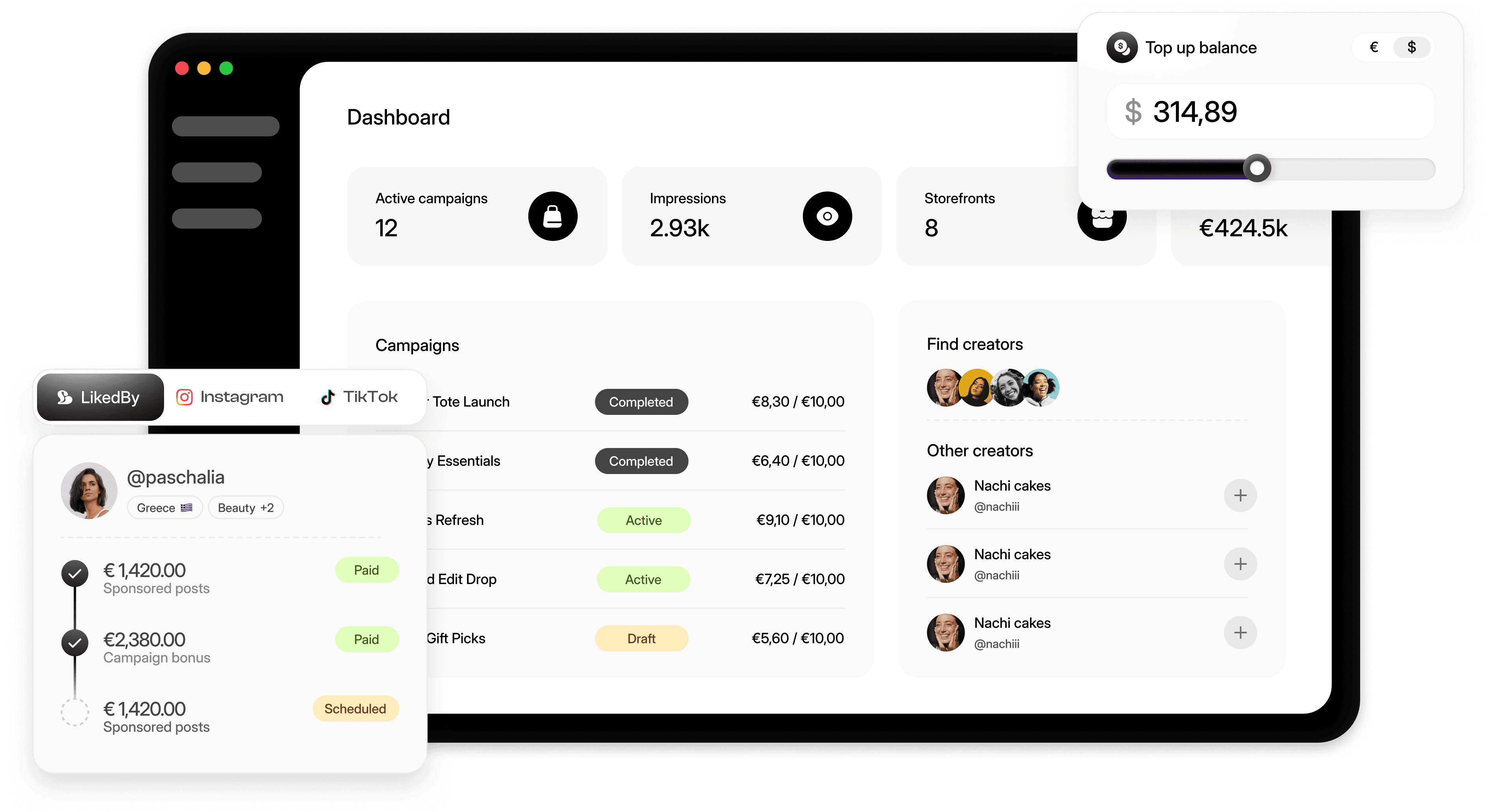
Key Challenges Apparel Retailers Face with Creator Storefronts
1. Seasonal Velocity and Short Selling Windows
Apparel collections have compressed lifecycles. A summer swim drop might have a six-week window before markdowns begin. Creator storefronts need to go live fast, feature the right SKUs, and be refreshed or retired before inventory shifts. Most teams lack the tooling to spin up and tear down storefronts at this pace.
2. Managing Large Creator Rosters Across Collections
A mid-size apparel brand may work with 50 to 200 creators per season. Assigning the right products to the right creators — based on audience demographics, style alignment, and past performance — is a manual nightmare when managed through spreadsheets and email threads.
3. Inconsistent Brand Presentation
When creators curate their own storefronts without guardrails, product imagery, naming conventions, and brand messaging can vary wildly. This erodes brand equity, especially for apparel retailers where visual consistency drives perceived value.
4. Attribution Gaps Between Content and Sales
Apparel purchases often involve multiple touchpoints — an Instagram Reel, a TikTok haul, a storefront visit, and then a direct site purchase. Without proper tracking, teams cannot attribute revenue to specific creators or seasonal campaigns, making ROI conversations with leadership difficult.
5. Content Reuse and Rights Management
Creators produce lookbook-quality content for their storefronts. Apparel teams want to repurpose this UGC across paid ads, PDPs, and email campaigns, but tracking usage rights and organizing assets by season, creator, and product category is chaotic without a centralized system.
6. Inventory Synchronization
Nothing damages a creator relationship — or a customer experience — faster than a storefront featuring out-of-stock items. Apparel retailers with fast-moving inventory need storefronts that reflect real-time availability, especially during flash sales and end-of-season clearance events.
7. Scaling Affiliate Payouts Accurately
Commission structures in apparel vary: higher margins on private-label basics, lower margins on licensed collaborations. Tracking which creator drove which sale, at which commission tier, across which storefront becomes an accounting burden at scale.
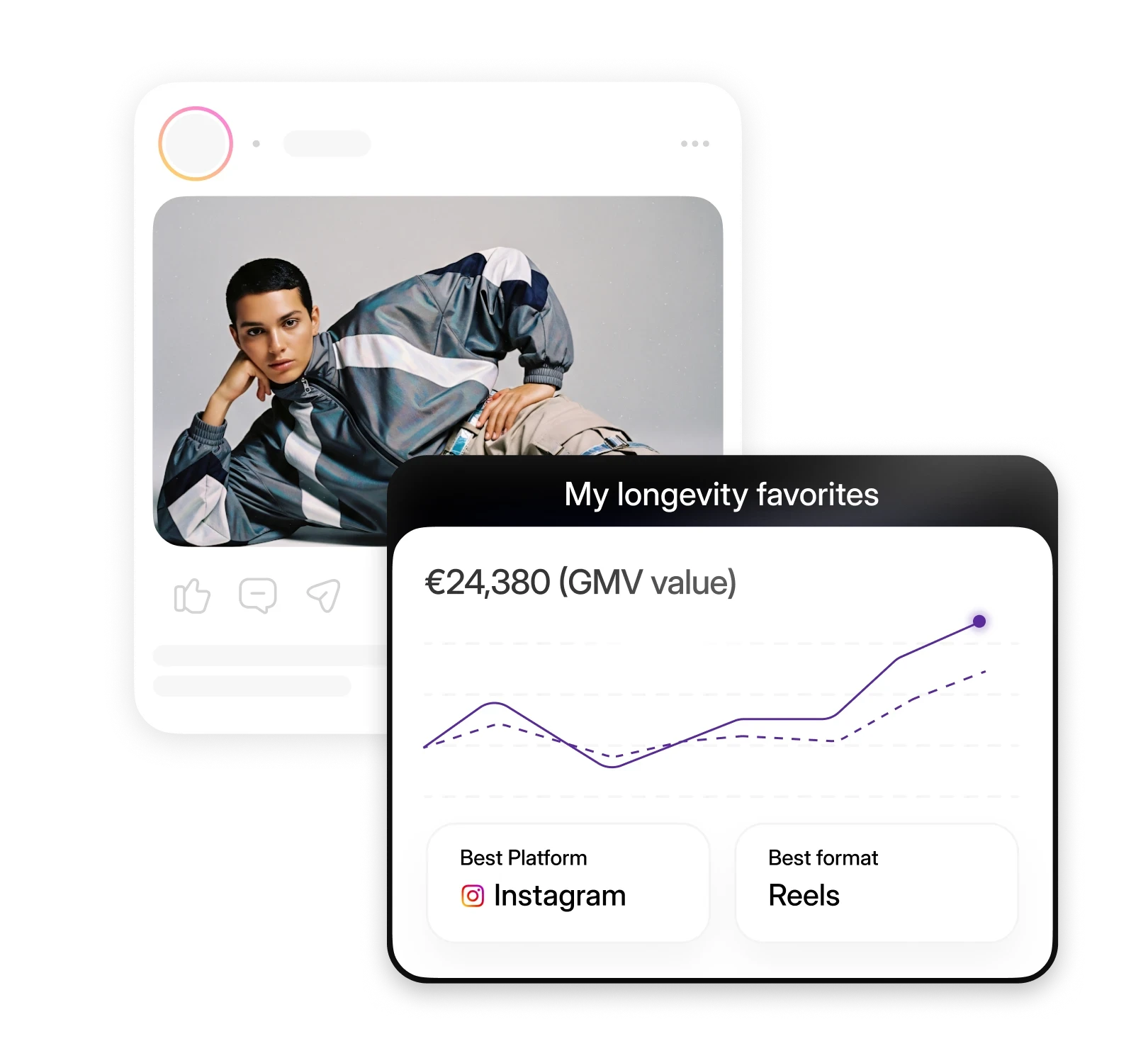
Why Traditional Tools Fall Short for Apparel Creator Storefronts
Spreadsheets and Email Cannot Handle Seasonal Sprints
Most apparel teams still coordinate creator campaigns through shared Google Sheets and long email chains. When a new collection drops and 80 creators need updated product feeds, storefront links, and campaign briefs within 48 hours, this approach collapses. Version control issues, missed messages, and duplicated work are the norm.
Generic Influencer Platforms Lack Commerce Depth
Many influencer marketing platforms focus on discovery and outreach but treat storefronts as an afterthought. They offer basic link-in-bio pages without product-level tracking, seasonal categorization, or the ability to embed shoppable content directly on your brand site. For apparel retailers who need storefront experiences that feel like an extension of their e-commerce environment, these tools are insufficient.
Disconnected Analytics Create Blind Spots
When your creator CRM lives in one tool, your storefront builder in another, your content library in a third, and your affiliate tracking in a fourth, you lose the ability to see the full picture. Which creator's spring storefront drove the highest average order value? Which product category converts best through creator-curated pages? These questions go unanswered when data is fragmented.
No Workflow for Content-to-Commerce
Apparel brands need a pipeline that moves from content creation to content approval to storefront placement to performance measurement. Traditional tools handle one piece of this pipeline but force teams to manually bridge the gaps, introducing delays that cost revenue during time-sensitive seasonal windows.
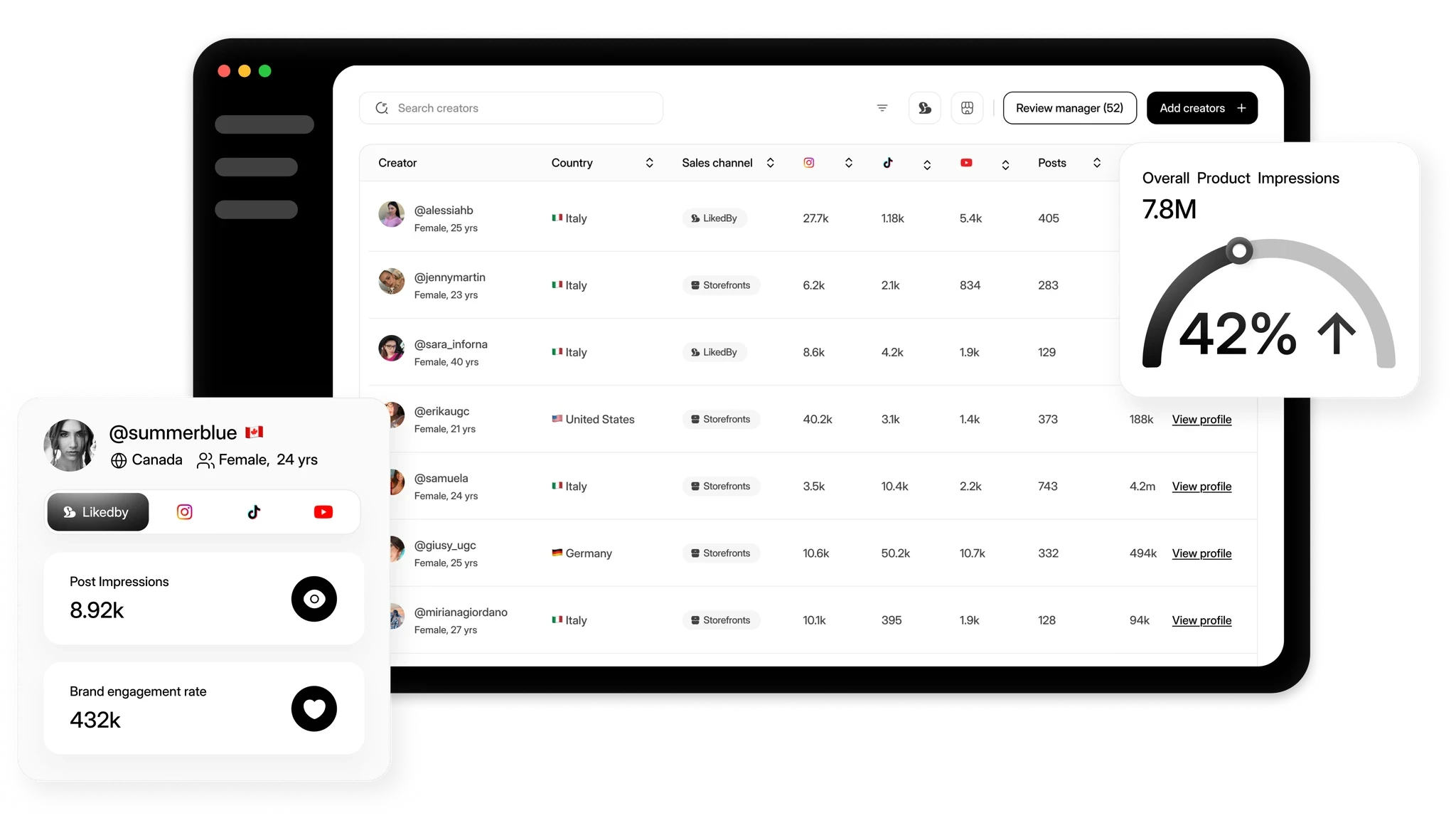
How Socialscale Powers Creator Storefronts for Apparel Retailers
Socialscale is built as the operating system for social commerce, and creator storefronts are a core capability within that system. Rather than bolting together separate tools for onboarding, content management, storefront creation, and performance tracking, Socialscale unifies the entire workflow in a single creator marketing platform.
For apparel retailers, this means you can onboard seasonal creators, assign them curated product collections, launch branded storefronts, and track every click and conversion — all from one dashboard. The creator CRM lets you segment your roster by style vertical, audience size, geographic market, and past campaign performance, so you can match the right creators to the right seasonal collections without guesswork.
Content produced for storefronts — haul videos, flat-lay photography, styling Reels — flows directly into creator content storage, organized by season, campaign, and usage rights. From there, approved assets can be embedded as shoppable content on your own site or repurposed across marketing channels. Every storefront interaction feeds back into creator analytics, giving your team real-time visibility into which creators, products, and seasonal themes are driving revenue.
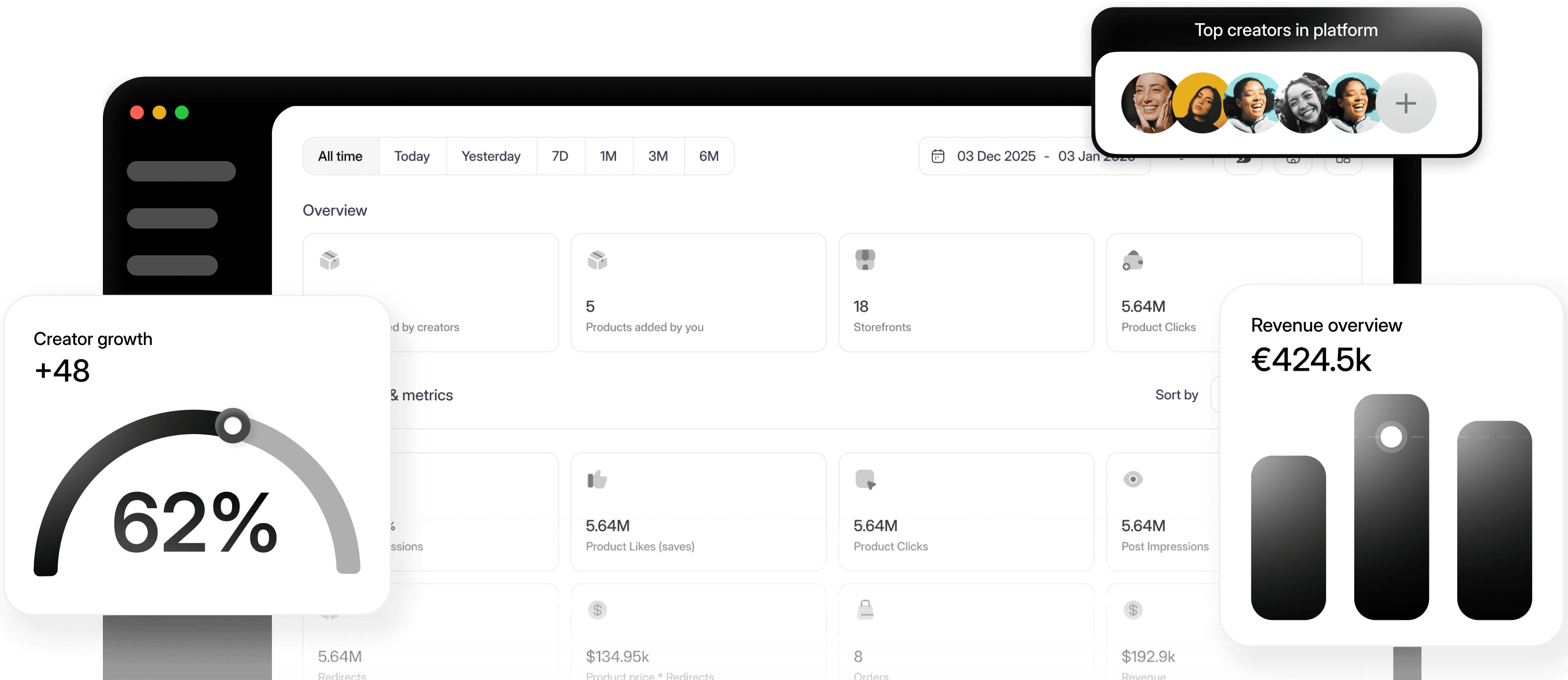
Feature Breakdown: Creator Storefronts Built for Apparel
Seasonal Storefront Templates
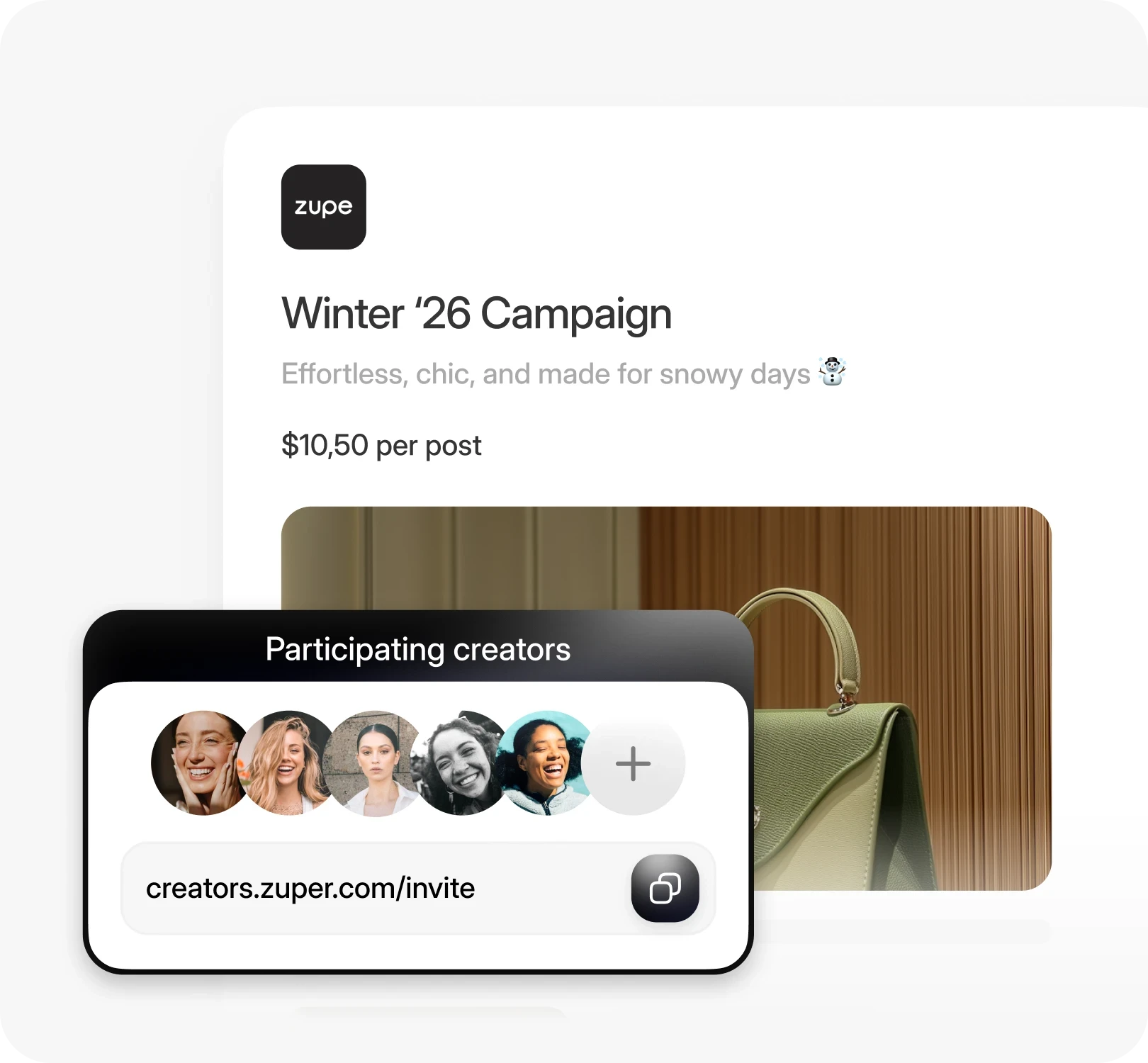
Create storefront layouts organized by collection, season, or campaign theme. Assign product feeds to individual creators so each storefront reflects a curated edit — for example, a creator's "Holiday Party Edit" or "Resort Wear Picks." Templates can be cloned and customized for each new season, reducing setup time from days to hours.
Creator Onboarding and Roster Management
Use the built-in creator CRM to manage applications, contracts, and onboarding flows. Tag creators by category — streetwear, workwear, plus-size, sustainable fashion — and automatically route them into the right seasonal campaigns. Track contract status, content deliverables, and commission agreements in one place.
Product Assignment and Inventory Sync
Connect your product catalog and assign specific SKUs or collections to each creator's storefront. When inventory changes — a size sells out, a colorway is discontinued — storefronts update accordingly. This prevents the customer experience issues that plague manual storefront management.
Shoppable Content Embedding
Creator content does not have to live only on social platforms. With shoppable widgets, you can embed creator storefront content directly on your brand's product detail pages, collection pages, or dedicated landing pages. A customer browsing your site sees real creators styling your pieces, with direct add-to-cart functionality.
Content Approval Workflows
Before any content goes live on a storefront, it passes through a configurable approval flow. Brand teams can review imagery, captions, and product tagging to ensure consistency with seasonal brand guidelines. Approval status is tracked in the dashboard, and creators receive automated notifications.
Performance Tracking at the Storefront Level
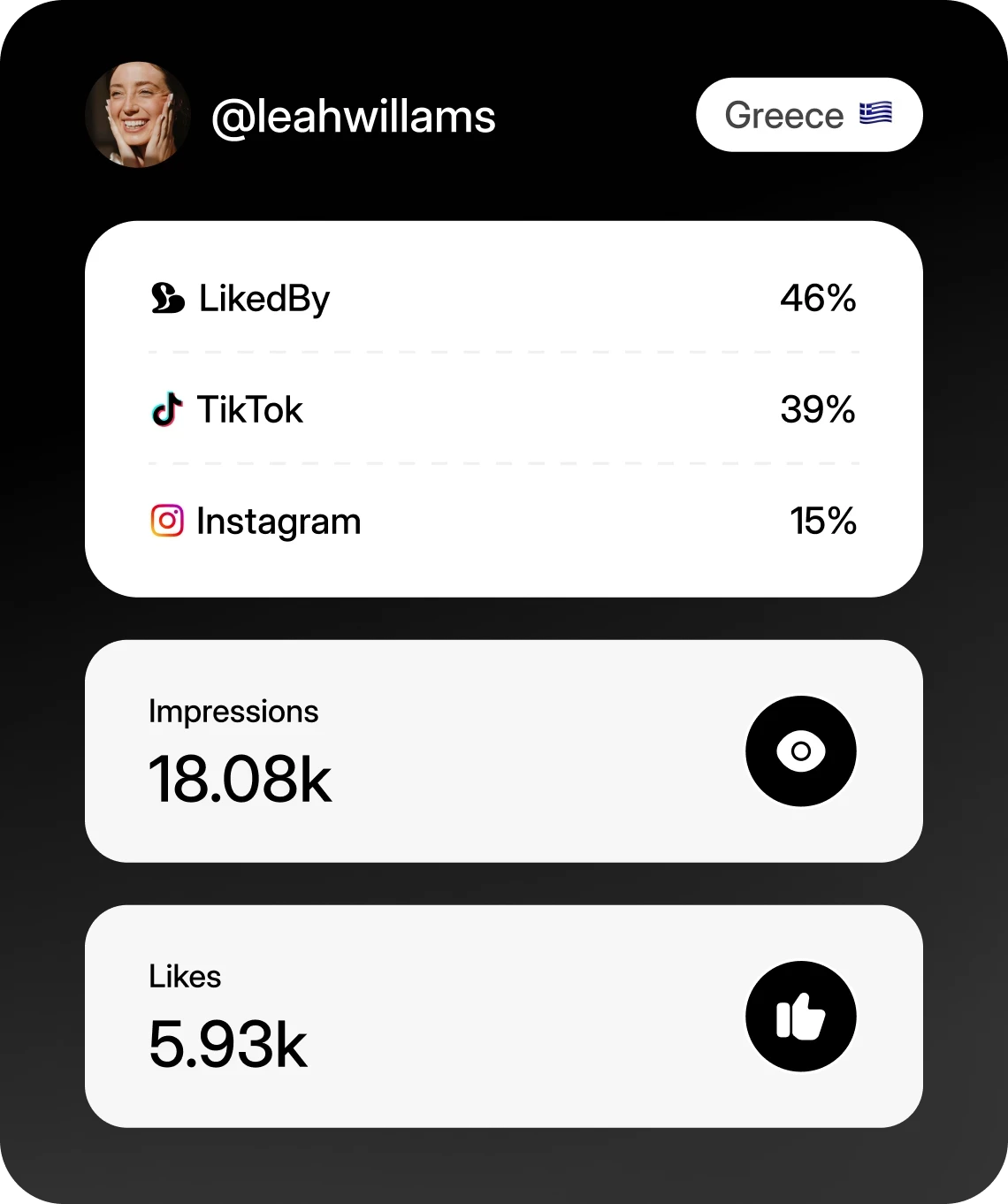
Go beyond vanity metrics. Track storefront-level data including visits, product clicks, add-to-cart events, conversions, revenue generated, and average order value. Compare performance across creators within the same seasonal campaign to identify top performers and optimize future roster decisions.
Affiliate Commission Management
Set commission rates by product category, collection, or creator tier. The system tracks attributed sales and calculates payouts automatically, reducing the manual reconciliation work that bogs down finance and marketing teams at the end of each campaign cycle.
Use Cases: Creator Storefronts in Action for Apparel Retailers
1. Spring/Summer Collection Launch with Micro-Influencer Storefronts
A contemporary womenswear brand prepares to launch its Spring/Summer line. The marketing team identifies 60 micro-influencers across lifestyle, fashion, and travel niches. Each creator receives early access to the collection and builds a personalized storefront featuring their top 15 picks. Storefronts go live simultaneously on launch day, creating a coordinated wave of shoppable content across Instagram, TikTok, and the brand's own site. The brand tracks which creators drive the highest conversion rates on key hero products and uses that data to prioritize partnerships for the Fall/Winter campaign.
2. Back-to-School Campaign with Gen Z Creators
A casualwear retailer targeting the 16-to-24 demographic recruits 100 college-age creators for a back-to-school push. Each creator curates a "Dorm to Class" storefront featuring denim, basics, and outerwear. The campaign runs for four weeks in August, with weekly storefront refreshes as new arrivals hit the site. Creators share their storefronts via TikTok and Instagram Stories, and the brand embeds top-performing creator content on its homepage carousel. Revenue attribution by creator informs bonus payouts for the top 10 performers.
3. Holiday Gifting Storefronts by Style Persona
A multi-brand apparel retailer launches a holiday gifting campaign organized by style persona: "For the Minimalist," "For the Streetwear Fan," "For the Cozy Homebody." Each persona is represented by two to three creators who curate gift-focused storefronts. The storefronts are promoted through paid social amplification and email marketing, with each creator's page serving as a shoppable gift guide. Post-campaign analysis reveals which personas and price points resonated most, informing next year's holiday merchandising strategy.
4. Sustainable Fashion Capsule with Advocacy-Driven Creators
An apparel brand launching a sustainable capsule collection partners with 25 creators known for their commitment to ethical fashion. Each creator builds a storefront that tells the story behind the collection — materials sourcing, manufacturing practices, and styling versatility. The storefronts function as both commerce and education channels, with creators producing long-form content that lives on their storefront pages. The brand measures not only sales but also engagement depth: time on page, video completion rates, and social shares.
Operational Workflow: Running Seasonal Creator Storefronts
Executing creator storefronts for apparel requires a repeatable operational cadence. Below is a step-by-step workflow that aligns with the seasonal rhythms of apparel retail.
Pre-Season Planning (6–8 Weeks Before Launch)
Define the seasonal campaign objectives: which collections to feature, target revenue, number of creators needed, and commission structure. Use historical performance data from your creator analytics dashboard to identify returning top performers and gaps in your roster that require new recruitment.
Creator Recruitment and Onboarding (4–6 Weeks Before Launch)
Open applications or send direct invitations through your creator CRM. Vet applicants based on audience demographics, engagement quality, and style alignment with the collection. Onboard accepted creators with campaign briefs, product seeding details, and storefront setup instructions.
Product Assignment and Storefront Setup (2–3 Weeks Before Launch)
Assign product collections to each creator based on their audience and style niche. Creators select their top picks and arrange their storefront layouts. Brand teams review product tagging and ensure inventory sync is active.
Content Creation and Approval (1–2 Weeks Before Launch)
Creators produce storefront content: try-on videos, styled photography, and written descriptions. Content is submitted through the platform for brand review. Approved content is published to storefronts; revisions are requested with specific feedback notes.
Launch and Amplification (Launch Week)
Storefronts go live. Creators share their storefront links across social channels. The brand amplifies top-performing creator content through paid social and embeds shoppable creator widgets on its own e-commerce pages. Daily performance monitoring begins.
Weekly Optimization (Ongoing During Campaign)
Review storefront-level metrics every Monday: visits, click-through rates, conversion rates, and revenue. Identify underperforming storefronts and work with those creators on content refreshes or product swaps. Highlight top performers in brand-owned channels to drive additional traffic to their storefronts.
Mid-Campaign Refresh (If Campaign Exceeds 4 Weeks)
For longer seasonal campaigns, introduce new product drops or markdowns to creator storefronts. Notify creators of new arrivals and encourage updated content. This keeps storefronts fresh and gives creators new material to share with their audiences.
Post-Campaign Analysis and Payout (1–2 Weeks After Campaign Ends)
Pull comprehensive performance reports: revenue by creator, top-selling products by storefront, content engagement metrics, and ROI by creator tier. Process affiliate commission payouts. Archive campaign assets in your content storage system for future repurposing. Document learnings to inform the next seasonal cycle.
Key Metrics for Apparel Creator Storefronts
Tracking the right KPIs ensures your seasonal creator storefront program delivers measurable business outcomes. Focus on these metrics across the campaign lifecycle.
Creator Activation Rate: Percentage of onboarded creators who successfully launch a storefront and produce at least one piece of content. Target: 85% or higher.
Content Approval Turnaround Time: Average time from content submission to brand approval. For seasonal campaigns, this should be under 48 hours to maintain launch timelines.
Content Output per Creator: Number of storefront-ready assets (photos, videos, styled posts) produced per creator per campaign. Benchmark: 5–10 assets per seasonal campaign.
Storefront Click-Through Rate (CTR): Percentage of storefront visitors who click on a product. Healthy range for apparel: 15–30%.
Storefront Conversion Rate (CVR): Percentage of storefront visitors who complete a purchase. Apparel benchmark: 2–5% depending on price point and audience intent.
Gross Merchandise Value (GMV): Total revenue generated through creator storefronts during a seasonal campaign. Track at the program level and per-creator level.
Average Order Value (AOV): Average purchase amount from storefront-driven orders. Compare against site-wide AOV to assess whether creator-curated assortments drive higher basket sizes.
Return on Ad Spend (ROAS): When creator storefront content is amplified through paid social, measure ROAS to evaluate the efficiency of creator content versus traditional ad creative.
Cost Per Acquisition (CPA): Total program cost (creator fees, commissions, product seeding, platform fees) divided by total new customers acquired through storefronts.
Content Repurpose Rate: Percentage of creator-produced storefront content that is repurposed across other brand channels (paid ads, email, PDPs). Higher rates indicate strong UGC management practices.
Scenario: Mid-Size Apparel Brand Scales Seasonal Creator Storefronts
A direct-to-consumer womenswear brand generating $18M in annual revenue wanted to increase the contribution of creator-driven sales from 8% to 20% of total e-commerce revenue. The brand had previously managed creator partnerships through a combination of spreadsheets, a basic affiliate platform, and manual content collection via email.
The Challenge
Each seasonal launch required coordinating 75 creators across three style categories: workwear, weekend casual, and occasion dressing. The team spent an average of three weeks setting up each campaign, with significant time lost to manual product assignment, content chasing, and commission reconciliation. By the time storefronts were fully operational, the first two weeks of the selling window had already passed.
The Approach
The brand consolidated its creator operations into a single platform. Creators were segmented in the CRM by style category and past performance. Product feeds were synced from Shopify, and each creator received a pre-populated storefront template organized by their assigned collection. Content approval workflows reduced review cycles from five days to under 36 hours. Shoppable creator content was embedded on the brand's collection pages and featured in weekly email campaigns.
Results Over Two Seasonal Campaigns
Storefront setup time reduced from 21 days to 5 days per campaign.
Creator activation rate increased from 62% to 91%.
Average storefront conversion rate: 3.8%, compared to 2.1% site-wide average.
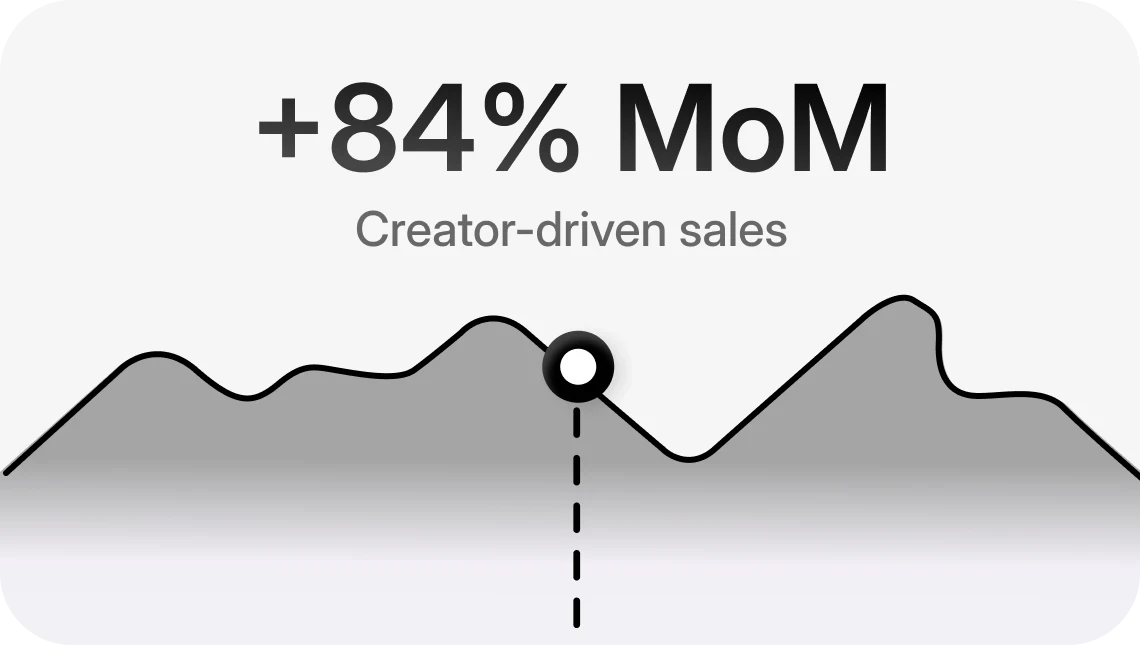
Creator-driven revenue grew from 8% to 17% of total e-commerce revenue within two seasons.
Content repurpose rate reached 64%, with creator storefront imagery used across paid social, email, and product pages.
Average order value from storefront-driven purchases was 22% higher than the site-wide average, attributed to the curated, styled presentation of products.
The brand is now planning to expand its creator storefront program to 150 creators for the upcoming Fall/Winter season, with dedicated storefronts for a new plus-size collection launch.
Frequently Asked Questions
What is a creator storefront and how does it work for apparel retailers?
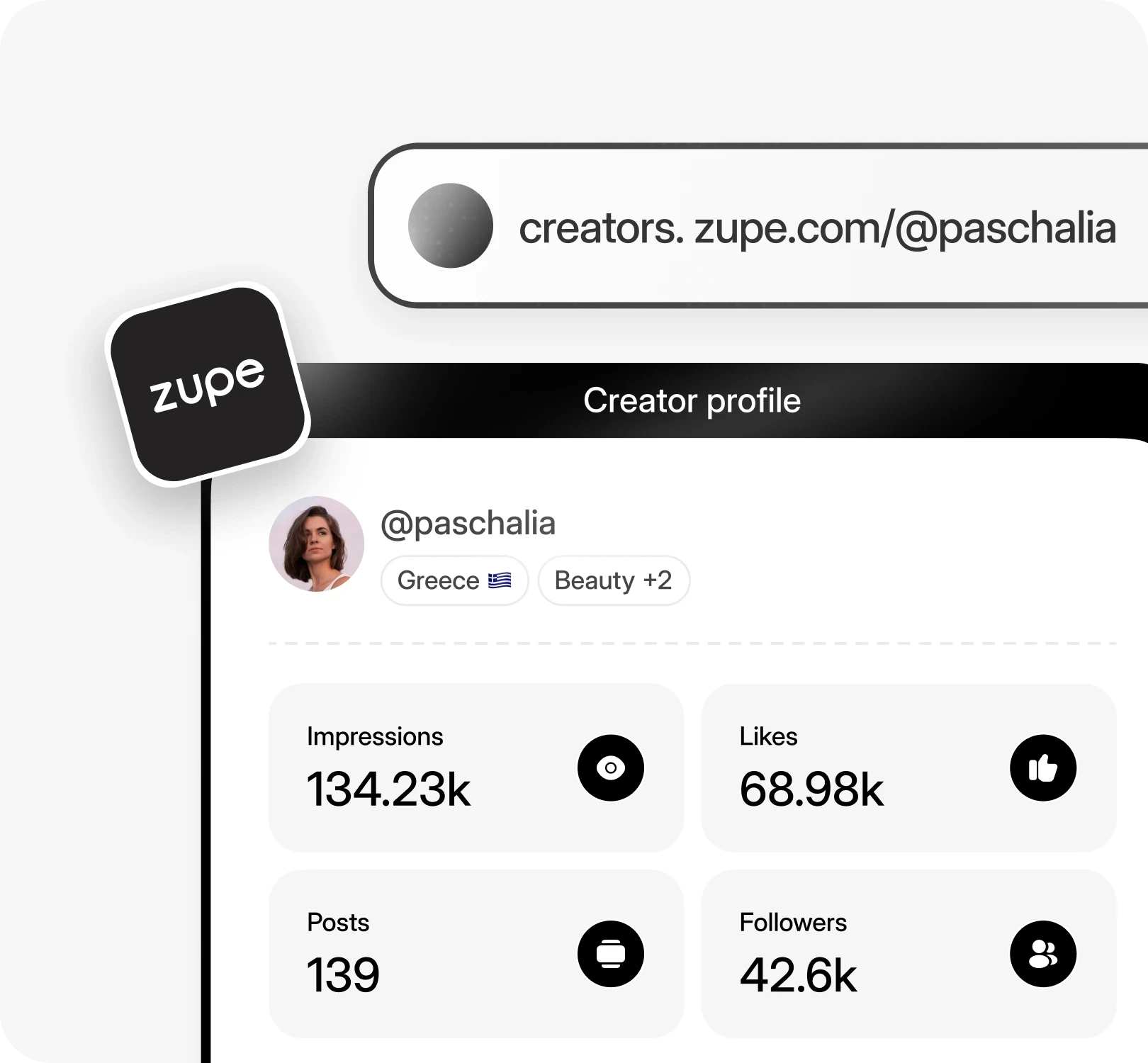
A creator storefront is a personalized, shoppable page where an influencer curates and showcases products from your apparel catalog. Each storefront is linked to the creator's unique tracking ID, so every visit, click, and purchase is attributed to them. For apparel retailers, storefronts are typically organized by seasonal collection, style category, or campaign theme. Customers browse the creator's curated picks and purchase directly, creating a seamless social commerce experience.
How do seasonal product storefronts by influencers differ from standard affiliate links?
Standard affiliate links are single-product or single-page redirects with limited merchandising capability. Creator storefronts are multi-product, visually curated destinations that function like a mini shop-within-a-shop. They allow creators to tell a styling story, group complementary pieces, and present a branded experience — all of which drive higher engagement and larger basket sizes compared to a simple affiliate link.
How many creators should an apparel retailer recruit for a seasonal storefront campaign?
This depends on your brand's scale and campaign goals. A focused capsule launch might work well with 15–25 highly aligned creators. A full seasonal collection launch for a mid-size brand typically involves 50–100 creators across multiple style categories. Enterprise apparel retailers running always-on programs may manage 200+ creator storefronts. The key is having the operational infrastructure to onboard, manage, and track performance at your chosen scale.
Can creator storefront content be used on our own website and in ads?
Yes, provided you have the appropriate content usage rights agreed upon during onboarding. Creator-produced storefront content — styled photos, try-on videos, and product reviews — can be embedded on your product detail pages, collection pages, and homepage using shoppable widgets. High-performing content can also be repurposed as paid social ad creative, often outperforming traditional studio photography in click-through and conversion rates.
How do we track ROI from creator storefronts during a seasonal campaign?
ROI tracking starts with proper attribution. Each creator storefront has unique tracking that captures visits, product clicks, add-to-cart events, and completed purchases. You measure total GMV generated against total program costs (creator fees, commissions, product seeding, platform costs) to calculate ROI. Additionally, track secondary value metrics like content assets produced, email subscriber growth from storefront traffic, and new customer acquisition rates to capture the full impact beyond direct sales.