Creator Drive for Subscription Brands: Your Central Asset Hub for Subscription Influencer Programs
Subscription brands generate a relentless volume of creator content. Every unboxing, every monthly reveal, every "what's in my box" video produces assets that should fuel paid ads, email campaigns, product pages, and social commerce storefronts for weeks. But without a central asset hub for subscription influencer programs, that content scatters across Google Drive folders, Slack threads, email attachments, and creator DMs—lost before it ever drives a second conversion.
Creator Drive by Socialscale gives subscription brand teams a single, organized repository purpose-built for creator content. Every photo, video, testimonial, and usage-rights document lives in one place, tagged by creator, campaign, subscription tier, and content type. Your team stops wasting hours hunting for that one TikTok clip your paid media manager needs, and starts operating with the speed and precision that recurring-revenue businesses demand.
Whether you run a beauty box, a meal kit, a supplement subscription, or a curated lifestyle delivery, Creator Drive connects your influencer marketing software stack to the content workflows that actually move subscriber acquisition and retention metrics forward.
Content Volume Scales Faster Than Your Organization Can Handle
Subscription brands often run 30–100+ creator partnerships simultaneously across monthly box reveals, seasonal campaigns, and always-on affiliate programs. Each creator produces multiple assets per cycle. Without a structured system, content piles up in disconnected locations and teams lose track of what exists, what's approved, and what's still usable.
Usage Rights Expire Without Warning
Subscription influencer programs typically negotiate 60- or 90-day usage windows. When rights metadata isn't attached directly to assets, brands risk running expired content in paid channels—exposing the company to legal liability and creator relationship damage.
Recurring Campaigns Create Duplicate and Outdated Assets
A January box unboxing video looks nearly identical to a February one at a glance. Without clear tagging by campaign cycle, SKU, or subscription tier, teams accidentally reuse outdated content that references discontinued products or expired promotions.
Cross-Functional Teams Can't Find What They Need
Your paid media manager needs vertical video. Your email team needs lifestyle stills. Your product team needs testimonial quotes. Each team searches a different folder structure, messages a different person, or simply recreates the brief from scratch—wasting budget and time.
No Connection Between Asset Performance and Asset Storage
Traditional cloud storage tells you nothing about which creator's content actually converted subscribers. Teams store thousands of files with zero performance context, making it impossible to prioritize high-performing creators for renewal.
Onboarding New Creators Means Starting From Zero
Every new creator added to a subscription program needs brand guidelines, past campaign examples, and product imagery. Without a centralized hub, onboarding kits are assembled manually each time, delaying activation by days.
Agency-Brand Handoffs Are Messy
Agencies managing subscription influencer programs on behalf of brands frequently struggle with asset handoff. Files get stuck in agency-side tools, and brands lose access to content they paid for when contracts end.
Google Drive and Dropbox Weren't Built for Creator Programs
General-purpose cloud storage lacks creator-level metadata, usage rights tracking, campaign tagging, and performance data. You end up building a fragile system of nested folders and naming conventions that breaks the moment a second team member touches it. There's no way to filter by creator, content format, subscription tier, or approval status without manual spreadsheet tracking layered on top.
Project Management Tools Treat Content as a Task, Not an Asset
Platforms like Asana or Monday.com can track whether a deliverable was submitted, but they don't store, organize, or surface content for downstream use. Once a task is marked complete, the asset effectively disappears into an attachment no one revisits.
Influencer Platforms Silo Content Inside Campaign Workflows
Many influencer marketing platforms let you collect deliverables within a campaign, but they don't provide a persistent, searchable library that spans all campaigns, all creators, and all time periods. When a campaign closes, the content becomes difficult to retrieve or repurpose.
DAM Systems Are Overkill and Lack Creator Context
Enterprise digital asset management tools like Bynder or Brandfolder are designed for brand-produced content. They lack native fields for creator handles, affiliate codes, collaboration terms, or UGC management workflows. Subscription brands end up paying for features they don't need while missing the ones they do.
Spreadsheet-Based Tracking Breaks at Scale
Many subscription brand teams start with a spreadsheet linking to files scattered across platforms. This works for five creators. At fifty, it becomes a liability—broken links, outdated rows, and no single source of truth for what content is approved, rights-active, and available for use.
How Socialscale Creator Drive Solves Content Chaos for Subscription Brands
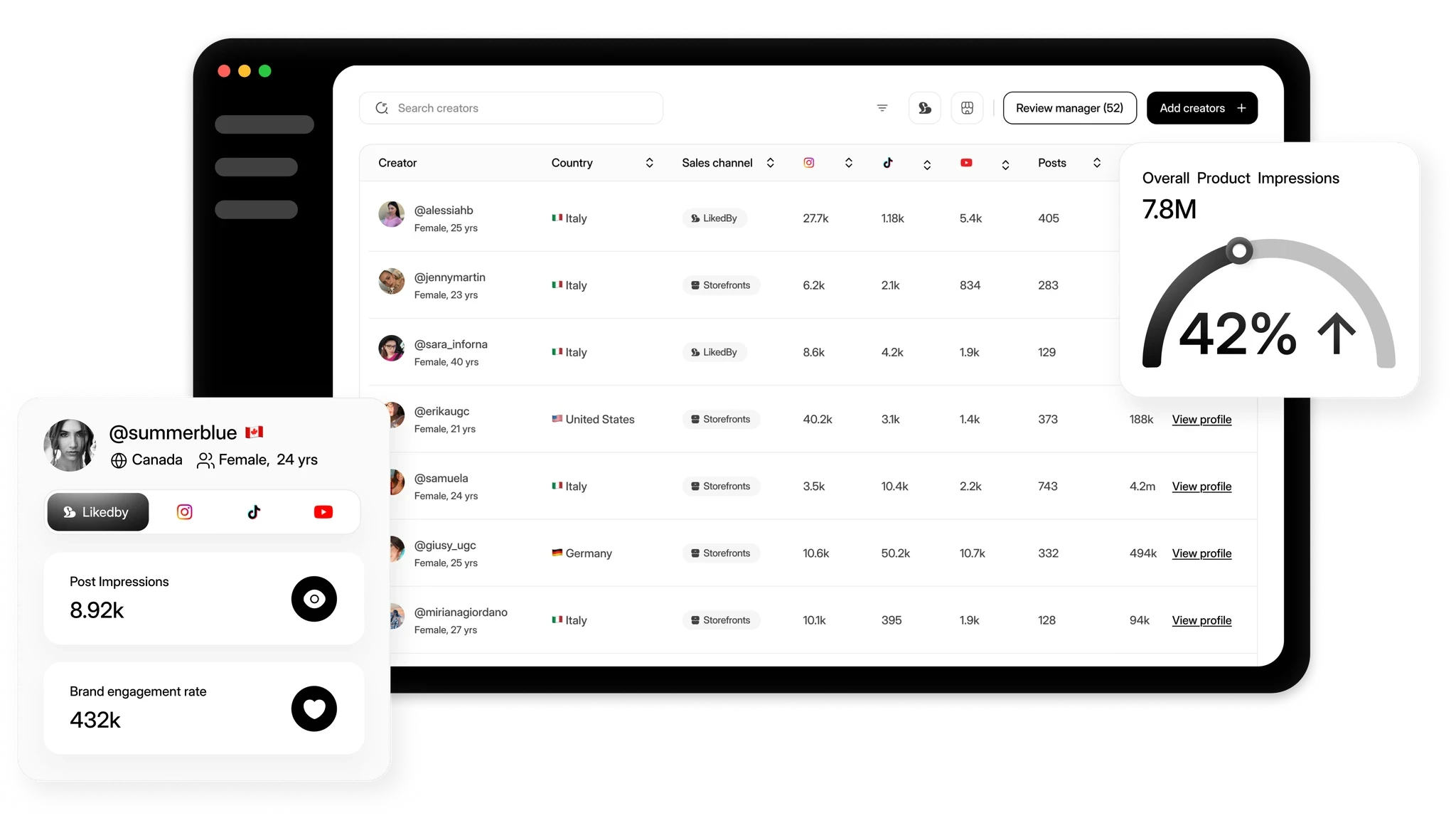
Socialscale's Creator Drive is a purpose-built central asset hub designed specifically for creator programs. It replaces the patchwork of cloud folders, spreadsheets, and Slack threads with a single, searchable content library that every team member can access—filtered by creator, campaign, content type, subscription tier, product SKU, usage rights status, and approval state.
For subscription brands, this means every monthly campaign cycle produces content that's immediately organized, tagged, and ready for downstream use. Your paid media team can pull approved vertical videos in seconds. Your email team can grab lifestyle stills filtered by product line. Your social commerce lead can identify top-performing UGC to feature in shoppable creator widgets on your site.
Creator Drive doesn't exist in isolation. It connects directly to Socialscale's creator CRM, so every asset is linked to its creator's profile, collaboration history, and performance data. When you need to decide which creators to renew for next quarter's subscription box campaign, you can see not just who delivered on time, but whose content actually drove subscriber conversions. Combined with creator analytics, your team moves from gut-feel decisions to data-backed content strategy.
Feature Breakdown: What Creator Drive Delivers for Subscription Brands
Campaign-Cycle Tagging and Folder Structure
Every asset uploaded to Creator Drive can be tagged by campaign cycle (e.g., "March 2025 Box Reveal"), subscription tier (e.g., "Premium," "Standard," "Gift"), product SKU, and content format. This means your team can instantly filter to find all Instagram Reels from your Q1 premium box campaign without scrolling through hundreds of unrelated files.
Automated Creator Attribution
When creators submit content through Socialscale's collaboration workflows, assets are automatically attributed to the creator's profile. No manual tagging required. Every photo, video, and caption is linked to the creator's handle, affiliate code, and collaboration agreement—giving your team full context without opening a separate spreadsheet.
Usage Rights Tracking with Expiration Alerts
Set usage rights windows at the asset or campaign level. Creator Drive tracks expiration dates and surfaces alerts before rights lapse, so your paid media team never accidentally boosts expired content. For subscription brands running always-on ad programs, this is essential risk management.
Approval Workflows with Role-Based Access
Content moves through draft, submitted, in-review, approved, and archived states. Brand managers can approve or request revisions directly within Creator Drive. Role-based access ensures that agencies see only their assigned campaigns, while internal teams get full visibility across all programs.
Content Performance Overlay
Creator Drive surfaces performance signals—click-through rate, conversion rate, engagement rate—directly on each asset. When your team browses the library, they can sort by performance, not just recency. This transforms your asset hub from passive storage into an active decision-making tool for identifying which content to amplify, which creators to scale, and which formats convert subscribers.
Bulk Download and Export for Paid Media
Subscription brands frequently repurpose creator content into paid social ads, email headers, and landing page hero images. Creator Drive supports bulk download with format and resolution filters, so your paid media manager can pull a batch of approved vertical videos in one click rather than downloading files one by one from scattered sources.
Creator Onboarding Asset Kits
Build reusable onboarding kits within Creator Drive that include brand guidelines, product photography, past campaign examples, and content briefs. When a new creator joins your subscription influencer program, they receive a structured kit automatically—reducing onboarding time from days to hours.
Search and Filter by Content Type, Creator Tier, and Product
Full-text search combined with multi-dimensional filtering lets any team member find exactly what they need. Search for "smoothie" and filter by "video" and "approved" to instantly surface every approved video featuring your smoothie subscription product. No folder diving. No Slack messages asking "does anyone have that clip?"
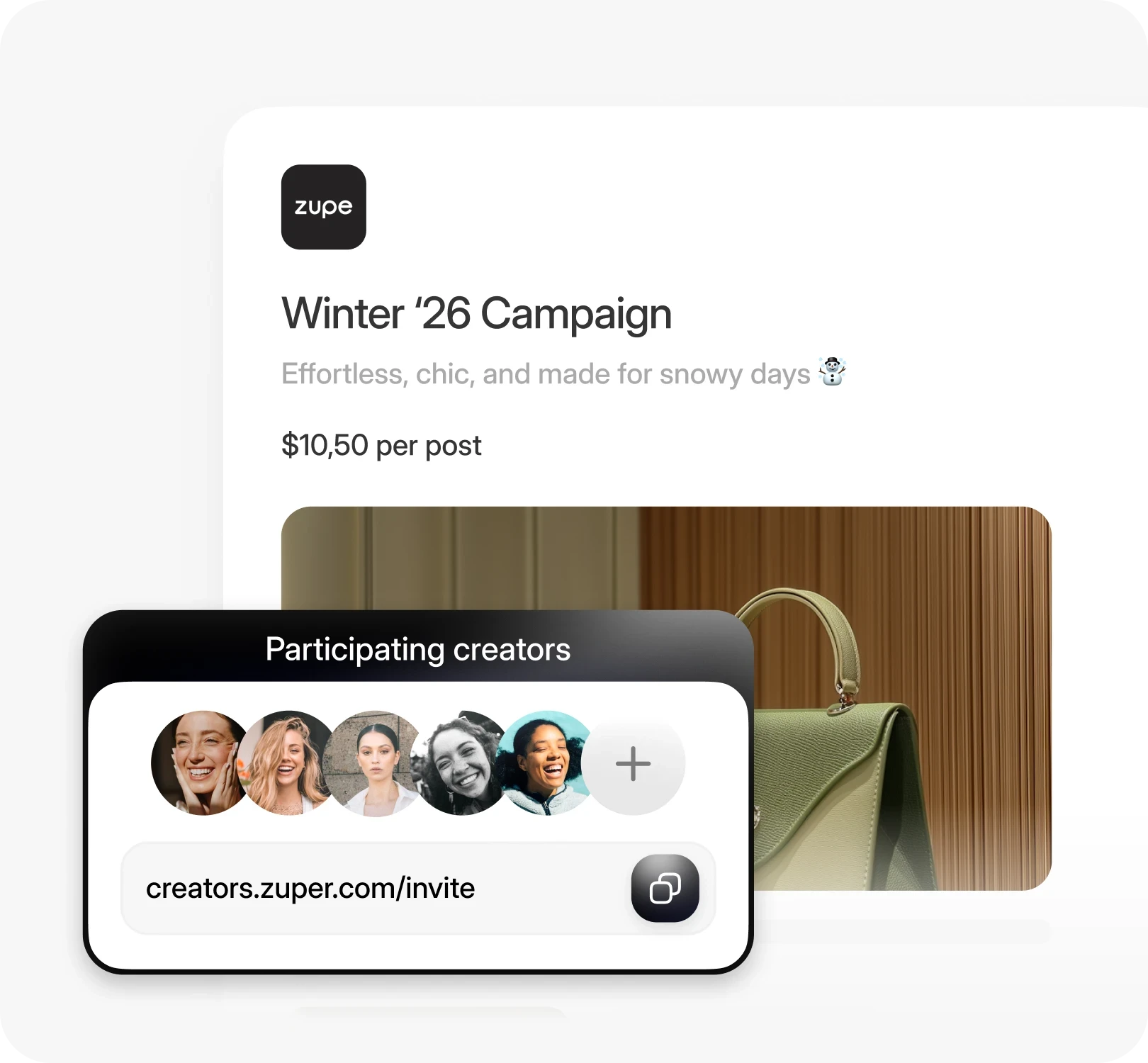
Use Cases: How Subscription Brand Teams Use a Central Asset Hub
1. Monthly Box Reveal Campaign at Scale
A curated snack subscription brand ships 80 boxes to creators each month for unboxing content. Each creator produces 2–3 assets across Instagram, TikTok, and YouTube Shorts. That's 160–240 new assets every cycle. With a central asset hub, every deliverable is automatically organized by month, creator, and platform format. The social media manager reviews and approves content within the hub, while the paid media lead simultaneously pulls top-performing clips for whitelisted ad campaigns. No content falls through the cracks, and the brand builds a searchable archive of 2,000+ assets over a year—each tagged, rights-tracked, and performance-scored.
2. Seasonal Gifting Push With Tight Turnaround
A wellness subscription brand launches a holiday gifting campaign with a 3-week window. They activate 40 creators to produce "gift this subscription" content. The campaign manager uploads the brief and product imagery to the asset hub as a shared kit. Creators submit deliverables directly into the campaign folder. The brand's creative director reviews, approves, and flags top assets for the email team to feature in the holiday newsletter—all within the same system. Turnaround drops from 5 days to 48 hours because nobody is chasing files across platforms.
3. Always-On Affiliate Creator Program Content Library
A beauty box subscription runs a 200-creator affiliate program where creators post organically using tracked links. Over time, the brand accumulates thousands of organic posts. By routing all affiliate content into a central asset hub, the brand builds a living library of UGC sorted by product, skin type, and content format. When the product team launches a new SKU, the marketing team can instantly pull relevant testimonial content from creators who've reviewed similar products—repurposing existing assets instead of commissioning new ones.
4. Agency-Managed Multi-Brand Subscription Portfolio
An agency manages influencer programs for three subscription brands under one parent company: a pet food box, a coffee subscription, and a book club. Each brand has its own creator roster, campaign calendar, and content requirements. The agency uses a central asset hub with brand-level separation, ensuring that pet food content never accidentally appears in a coffee campaign. Each brand's internal team has view-and-download access to their own library, while the agency retains management control. When the agency contract ends, the brand retains full access to every asset ever produced—no messy handoff, no lost files.
Weekly and Monthly Operational Workflow for Subscription Brand Teams
Running a subscription influencer program requires repeatable processes that align with your shipping and billing cycles. Here's how teams typically structure their workflow using Creator Drive as the central asset hub.
Campaign Brief and Asset Kit Creation (Monthly, Week 1)
At the start of each subscription cycle, the campaign manager creates a new campaign folder in Creator Drive. They upload the product brief, brand guidelines, key messaging for the month's box, and sample imagery. This kit becomes the single reference point for every creator in the program.
Creator Activation and Kit Distribution (Monthly, Week 1)
Using the creator CRM, the team selects and activates creators for the month's campaign. Each activated creator receives access to the onboarding kit and campaign brief stored in Creator Drive. New creators get the full onboarding kit; returning creators get an updated brief only.
Content Submission and Intake (Monthly, Weeks 2–3)
Creators submit deliverables directly into Creator Drive through Socialscale's collaboration workflow. Each submission is auto-tagged with the creator's profile, campaign name, content format, and submission date. The campaign manager receives a notification for each new submission.
Review, Approval, and Revision Requests (Weekly)
The brand manager or creative director reviews submitted content within Creator Drive. Assets are marked approved, revision-requested, or rejected. Revision notes are attached directly to the asset, so creators see feedback in context rather than in a separate email thread.
Rights Documentation and Expiration Tagging (Upon Approval)
Once content is approved, the team confirms usage rights and sets expiration dates. Creator Drive tracks these dates and surfaces upcoming expirations in a weekly digest, giving the paid media team time to rotate out expiring assets before they lapse.
Cross-Team Distribution (Weekly)
Approved assets are made available to all relevant teams. The paid media manager filters for vertical video with active rights. The email marketing lead pulls lifestyle stills. The e-commerce team selects top-performing UGC for shoppable content widgets on the subscription landing page. Each team accesses the same library with their own filters—no duplication, no version confusion.
Performance Review and Creator Scoring (Monthly, Week 4)
At the end of each cycle, the team reviews content performance data overlaid on assets in Creator Drive. They identify which creators produced the highest-converting content, which formats drove the most subscriber sign-ups, and which product angles resonated. These insights feed directly into next month's creator selection and briefing process.
Archive and Repurpose (Quarterly)
Every quarter, the team audits the Creator Drive library. High-performing evergreen content is flagged for ongoing use. Expired or underperforming assets are archived. The result is a lean, high-quality content library that grows more valuable with every subscription cycle.
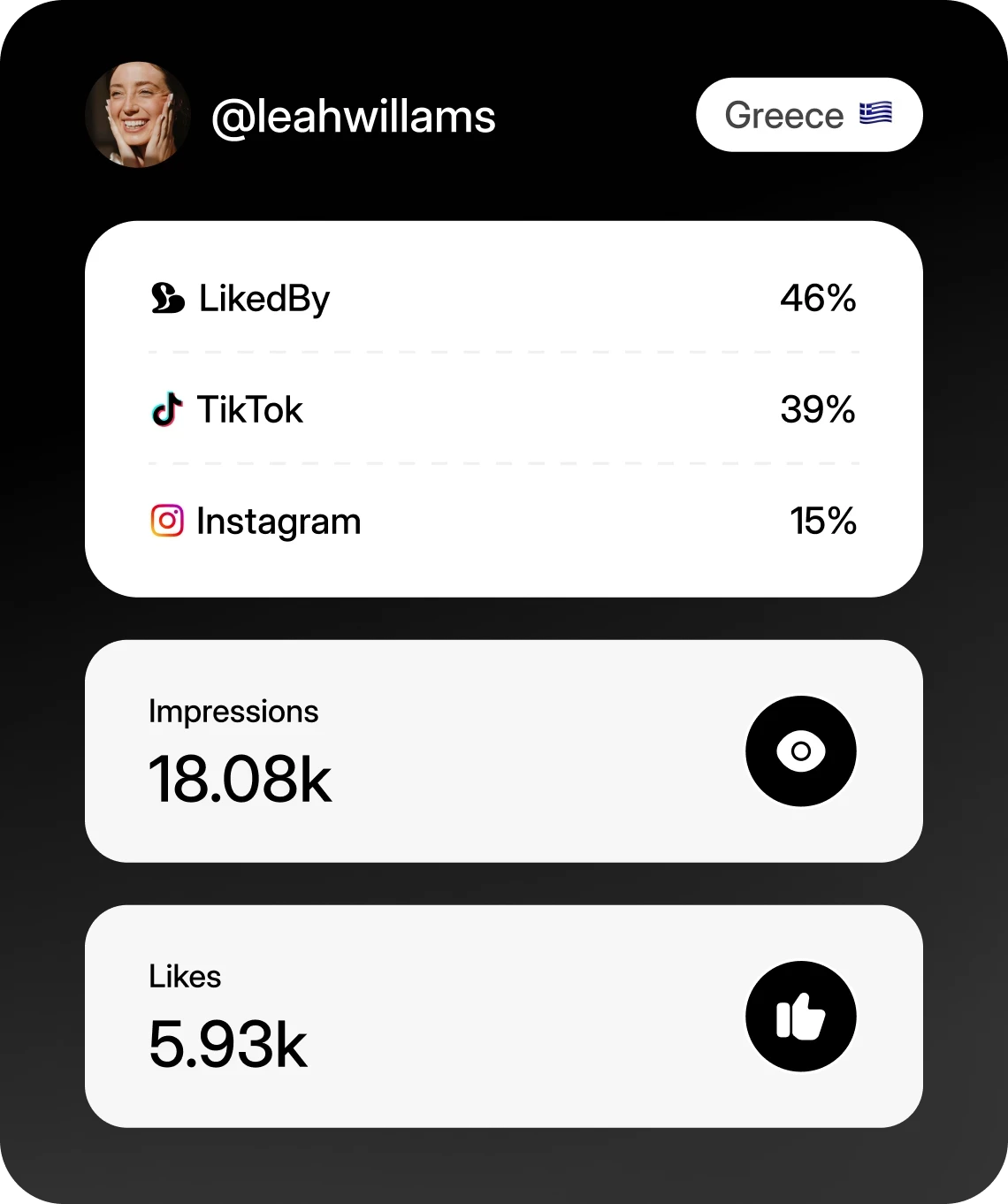
Key Performance Indicators for Subscription Brand Creator Programs
Tracking the right metrics ensures your central asset hub drives measurable business outcomes. Here are the KPIs subscription brand teams should monitor when using Creator Drive.
Creator Activation Rate: Percentage of onboarded creators who submit at least one deliverable per campaign cycle. Target: 85%+ for paid programs, 50%+ for seeded/gifted programs.
Content Approval Time: Average hours from creator submission to final approval. Reducing this from 5 days to under 48 hours directly accelerates time-to-market for paid ads and email campaigns.
Content Output Per Creator: Number of approved assets per creator per cycle. Helps identify high-volume creators worth scaling and low-output creators who may need re-briefing or replacement.
Asset Utilization Rate: Percentage of approved assets that are actually used in at least one downstream channel (paid, email, website, organic social). Low utilization signals a disconnect between content production and distribution workflows.
Click-Through Rate (CTR) on Creator Content: CTR on shoppable content widgets, email UGC blocks, and paid ads sourced from Creator Drive. Benchmark against brand-produced content to quantify UGC lift.
Conversion Rate (CVR) to Subscriber: Percentage of clicks from creator content that result in a new subscription sign-up. The most critical metric for subscription brands—directly ties creator content to revenue.
Subscriber Acquisition Cost via Creator Channel: Total creator program spend divided by new subscribers acquired through creator-attributed touchpoints. Compare against paid search and paid social CPA to validate creator program ROI.
GMV / Revenue Attributed to Creator Content: Total subscription revenue generated through creator-driven touchpoints, including affiliate links, discount codes, and shoppable widget conversions.
ROAS on Creator-Sourced Paid Ads: Return on ad spend specifically for ads using creator content versus brand-produced creative. Subscription brands typically see 1.5–3x higher ROAS on creator-sourced ads.
Usage Rights Compliance Rate: Percentage of active paid media assets with valid, unexpired usage rights. Target: 100%. Any gap represents legal and relationship risk.
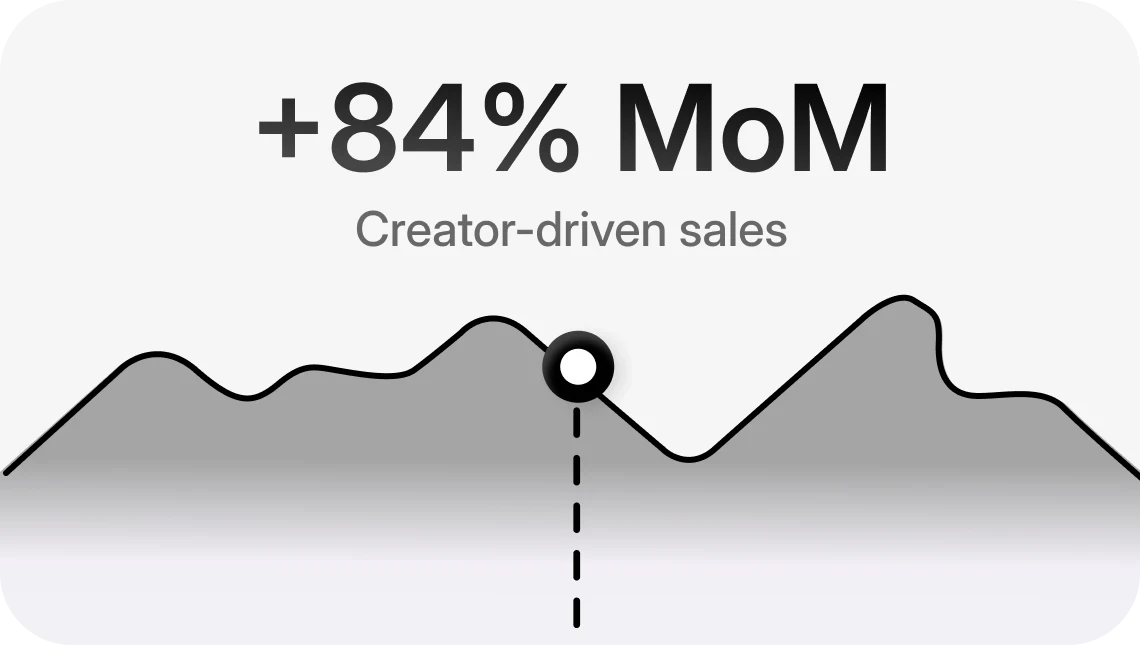
Scenario: How a Meal Kit Subscription Brand Transformed Content Operations
A direct-to-consumer meal kit subscription brand running 65 active creator partnerships faced a familiar problem: content was everywhere and nowhere. Unboxing videos lived in a shared Google Drive. Recipe recreation photos were attached to emails. Usage rights were tracked in a spreadsheet that hadn't been updated in three months. The paid media team had accidentally run two expired-rights videos as Facebook ads, resulting in creator complaints and a rushed takedown.
The brand implemented Creator Drive as their central asset hub for all creator content. During the first month, the team migrated 1,800 existing assets into the system, tagging each by campaign cycle, creator, meal type, and content format. Usage rights were documented and expiration alerts were configured.
Within 60 days, the operational impact was measurable:
Content approval time dropped from an average of 4.5 days to 36 hours, because reviewers worked directly in Creator Drive instead of chasing files across platforms.
Asset utilization rate increased from 30% to 72%. The email team and paid media team could finally find and use content that previously sat buried in folders.
The brand identified that recipe recreation videos from three specific creators drove 3.2x higher conversion rates to new subscriptions than standard unboxing content. They doubled down on those creators and that format for the next quarter.
Usage rights violations dropped to zero. Expiration alerts gave the paid team a 7-day warning before any rights lapsed.
Subscriber acquisition cost through the creator channel decreased by 22% over one quarter, driven by faster content deployment and better asset selection based on performance data.
By the end of the first quarter, the brand's creator program was producing more usable content with fewer operational hours, and every asset was traceable from creator submission to subscriber conversion.
Frequently Asked Questions
How is Creator Drive different from a regular cloud storage solution like Google Drive or Dropbox?
Creator Drive is built specifically for creator programs. Unlike general cloud storage, it includes creator attribution, usage rights tracking with expiration alerts, campaign-cycle tagging, approval workflows, and content performance overlays. Every asset is linked to its creator's profile and collaboration history, giving your team context that generic file storage simply cannot provide.
Can Creator Drive handle the volume of content a large subscription influencer program produces?
Yes. Creator Drive is designed for programs running dozens to hundreds of active creators simultaneously. Auto-tagging, bulk upload, and multi-dimensional filtering ensure that even libraries with thousands of assets remain searchable and organized. Subscription brands running monthly campaigns can maintain a clean, growing library without manual folder management.
How does Creator Drive help with UGC management for paid advertising?
Every asset in Creator Drive carries usage rights metadata and approval status. Your paid media team can filter for approved content with active rights, download in bulk at the correct resolution, and sort by performance metrics to select the highest-converting assets for ad campaigns. This eliminates the risk of running expired content and ensures your ad creative is always sourced from your best-performing UGC.
Does Creator Drive integrate with our existing subscription commerce platform?
Creator Drive connects with Shopify and other major e-commerce platforms commonly used by subscription brands. Content can be surfaced on product pages and landing pages through shoppable content widgets. For platforms not directly integrated, bulk export and API access ensure your content reaches every channel in your stack.
How does Creator Drive support agency-brand collaboration on subscription programs?
Creator Drive supports role-based access, so agencies can manage content intake and organization while brands retain full visibility and download access. When agency contracts change, the brand keeps access to every asset in their library. Campaign-level permissions ensure that multi-brand agencies can separate content cleanly across different subscription brand accounts.