Creator Drive for Shopify Plus Brands
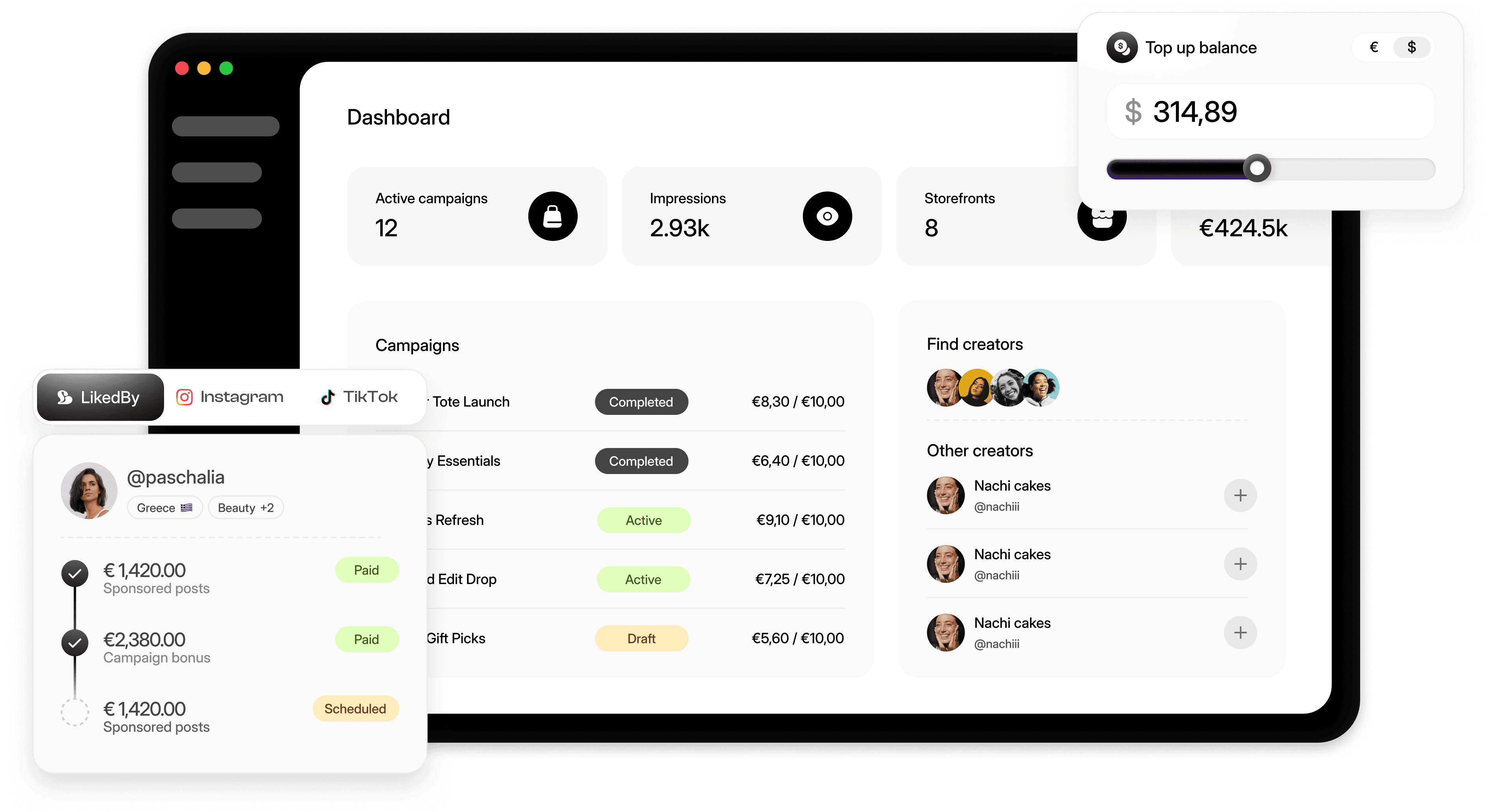
Shopify Plus brands running creator programs at scale generate thousands of content assets every quarter. Product photos, unboxing videos, TikTok clips, Instagram Reels, lifestyle imagery, and user-generated content pour in from dozens or hundreds of creators simultaneously. Without a centralized system to receive, organize, review, and redistribute that content, teams lose hours each week hunting through email threads, Google Drive folders, and Slack messages.
Creator Drive gives Shopify Plus social commerce teams a purpose-built asset management system designed specifically for influencer and creator content. Rather than retrofitting generic DAM tools or cobbling together shared folders, Creator Drive connects directly to your creator workflows so every piece of content is tagged by creator, campaign, product SKU, usage rights status, and performance data. The result is a single source of truth that your e-commerce, marketing, and creative teams can all access instantly.
For Shopify Plus brands investing heavily in creator-led growth, the gap between content creation and content activation is where revenue leaks. Creator Drive closes that gap by making every approved asset immediately available for shoppable content, paid media, product pages, and email campaigns without manual file transfers or version confusion.
Content Volume Outpaces Organization
Shopify Plus brands typically work with 50 to 500+ creators per quarter across product launches, seasonal campaigns, and always-on affiliate programs. Each creator may deliver 3 to 10 assets per collaboration. At that volume, teams are managing thousands of files with no structured taxonomy, leading to duplicated efforts and lost content.
Usage Rights Are Tracked Manually or Not at All
Every creator collaboration comes with specific usage rights: organic only, paid media for 30 days, perpetual license, or platform-specific permissions. Most Shopify Plus teams track these in spreadsheets or buried in contract PDFs. When a performance marketing manager wants to run a creator video as a Meta ad, there is no fast way to confirm whether the rights allow it.
Content Sits in Silos Across Teams
The influencer marketing manager receives content in one place. The creative team stores edited versions elsewhere. The e-commerce team downloads assets for product pages into yet another folder. No single system connects these workflows, which means approved content takes days to reach the channels where it drives revenue.
No Connection Between Assets and Performance Data
A creator submits a Reel that generates strong engagement, but the asset file itself carries no performance metadata. When the paid team wants to identify top-performing UGC for whitelisting, they have to cross-reference analytics dashboards with file names manually.
Approval Bottlenecks Delay Campaign Launches
Content review and approval workflows happen over email or project management tools not designed for visual review. Feedback loops stretch from hours to days, pushing back launch timelines for product drops and seasonal promotions that Shopify Plus brands depend on.
Scaling Creator Programs Means Scaling Chaos
What works with 20 creators breaks completely at 200. Shopify Plus brands ready to scale their creator programs often hesitate because the operational overhead of managing more content without better systems would overwhelm existing team capacity.
Repurposing Content Across Channels Is Slow
A single creator video could be used on the product detail page, in an email flow, as a shoppable widget on the homepage, and as a paid social ad. But reformatting, re-tagging, and redistributing that asset across Shopify storefronts, Klaviyo, and ad platforms requires manual work that delays time-to-value.
Generic Cloud Storage Was Not Built for Creator Content
Google Drive, Dropbox, and Box are file storage tools. They have no concept of a creator, a campaign, a usage rights window, or a product SKU. Shopify Plus teams using these tools end up building elaborate folder hierarchies that break the moment a creator participates in multiple campaigns or a single asset needs to be tagged across product lines.
Digital Asset Management Platforms Ignore Creator Workflows
Enterprise DAM tools like Bynder or Brandfolder are designed for brand-produced creative, not for the messy, high-volume, rights-variable world of creator content. They lack creator-facing upload portals, automated rights tracking tied to collaboration agreements, and integration with influencer marketing workflows.
Project Management Tools Create Fragmented Visibility
Teams using Asana, Monday, or Notion to manage creator deliverables end up with content scattered across task comments and attachments. There is no centralized gallery view, no bulk approval interface, and no way to filter assets by performance metrics or rights status.
Influencer Platforms Treat Content as an Afterthought
Many influencer marketing software platforms focus on discovery and outreach but offer minimal post-delivery content management. Once a creator submits content, it sits in a basic feed with no tagging, no version control, and no downstream distribution capabilities. The asset lifecycle ends where it should be just beginning.
Spreadsheet-Based Rights Tracking Is a Liability
For Shopify Plus brands spending significant budgets on creator content, using spreadsheets to track which assets can be used where and until when is not just inefficient—it is a legal and financial risk. Expired rights used in active paid campaigns can result in takedown requests and creator disputes.
How Socialscale Creator Drive Solves Asset Management for Shopify Plus Brands
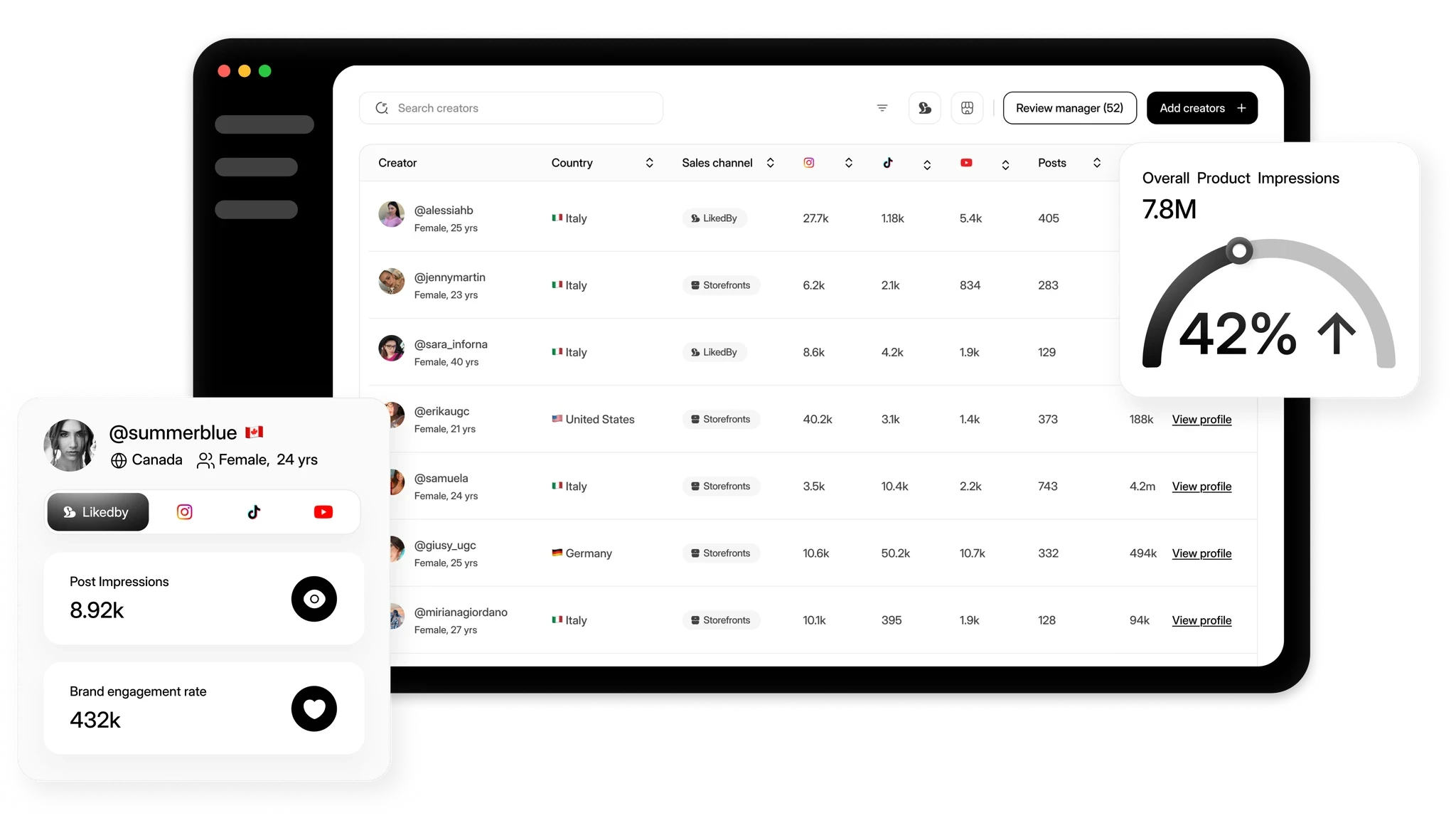
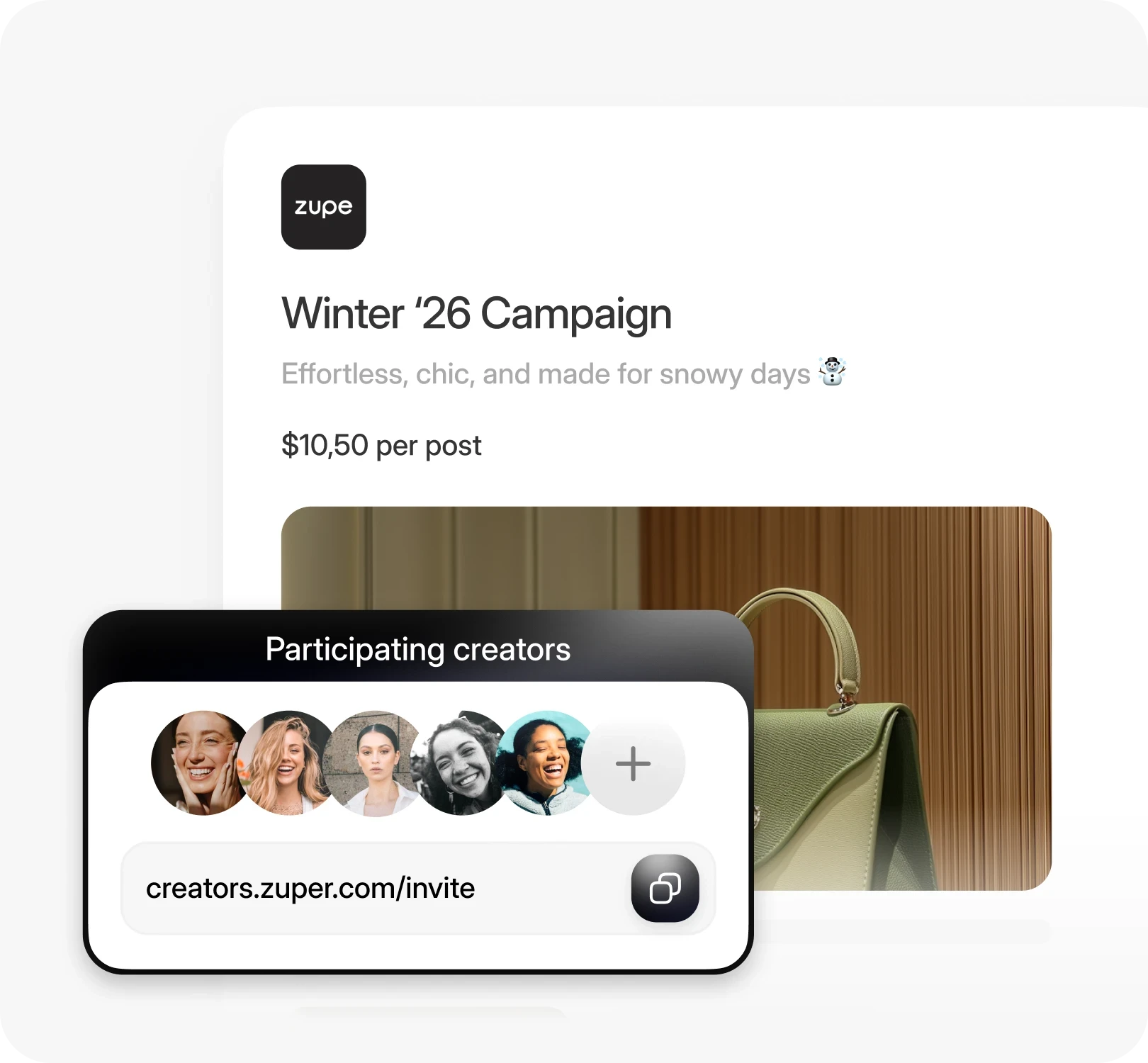
Socialscale's Creator Drive is a centralized content storage and management system built specifically for creator programs. It is not a generic file locker. Every asset uploaded to Creator Drive is automatically connected to the creator who made it, the campaign it belongs to, the products it features, and the usage rights governing its distribution.
For Shopify Plus brands, this means your influencer marketing team, e-commerce team, creative team, and paid media team all work from the same organized library. When a creator submits a product review video through your creator collaborations workflow, that video lands in Creator Drive already tagged and ready for review. Once approved, it can be pushed to your Shopify storefront as shoppable content, pulled into ad creative workflows, or embedded on product pages—all without leaving the platform.
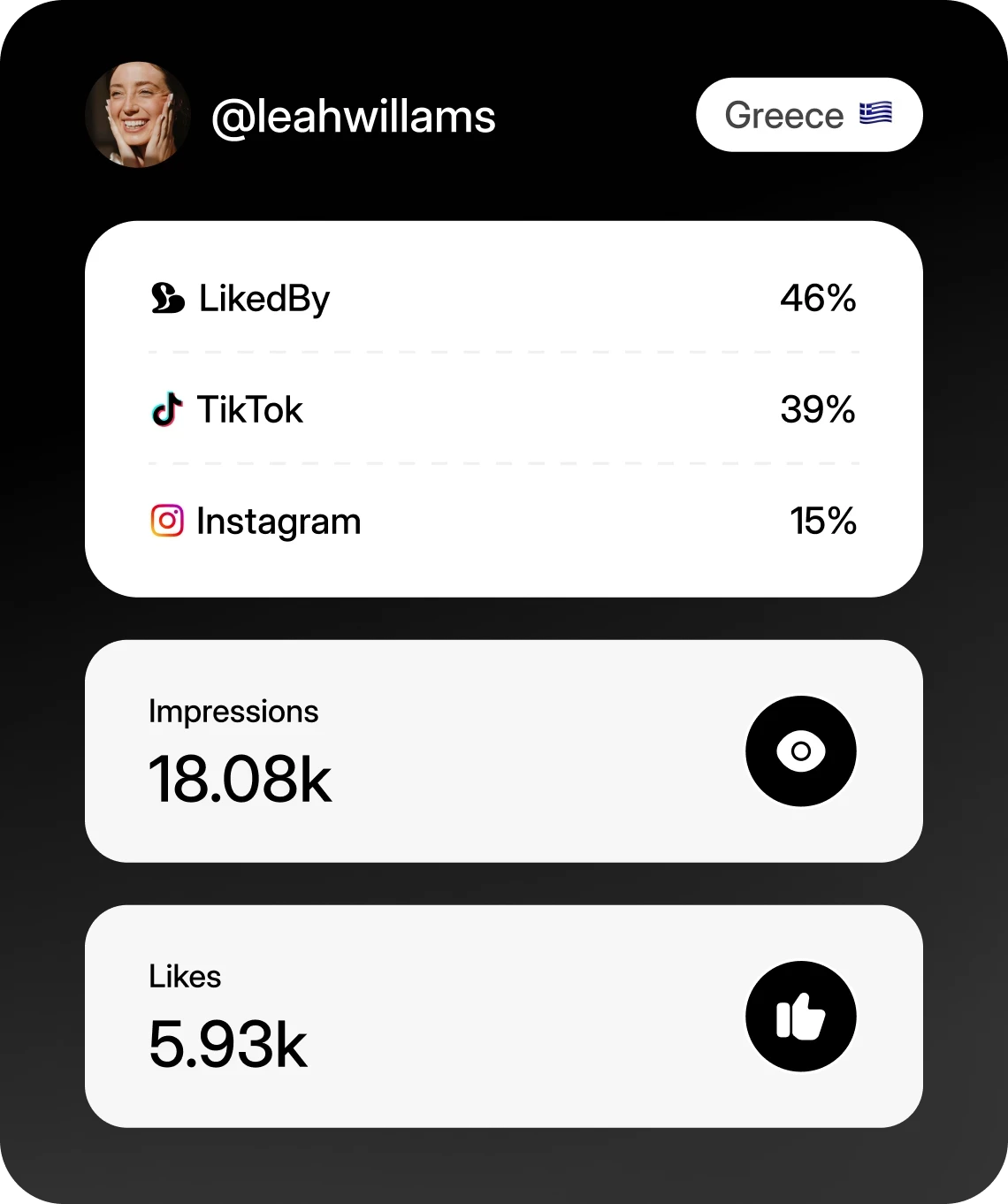
Creator Drive also integrates with Socialscale's creator analytics layer, so every asset carries performance context. Your team can sort and filter the entire content library by engagement rate, conversion rate, or revenue generated. This transforms your asset library from a passive archive into an active decision-making tool that helps you identify which content deserves more distribution and which creators consistently deliver high-performing assets.
The result is a system where content moves faster from creation to activation, rights are always visible and enforceable, and every team that touches creator content has the access and context they need to do their job without waiting on someone else.
Creator Drive Feature Breakdown for Shopify Plus Teams
Creator-Linked Asset Organization
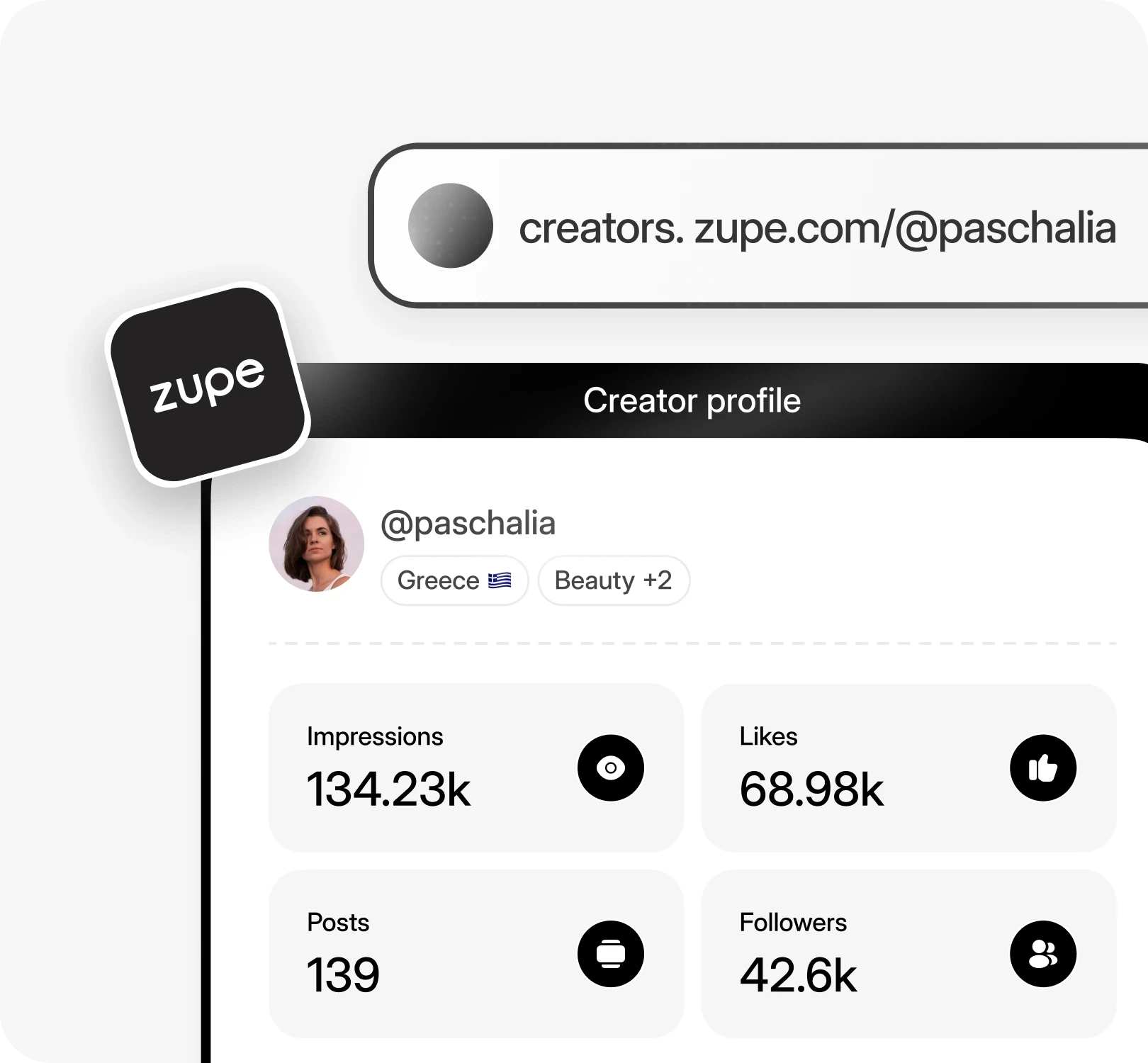
Every asset in Creator Drive is automatically associated with the creator profile that submitted it. This means you can view any creator's complete content history across all campaigns, seasons, and product lines. For Shopify Plus brands running ongoing affiliate creator programs, this provides instant visibility into each creator's total content contribution and quality trajectory over time.
Campaign and Product SKU Tagging
Assets are tagged by campaign and linked to specific Shopify product SKUs. When your e-commerce team needs fresh UGC for a specific product detail page, they can filter Creator Drive by SKU and instantly see every approved creator asset featuring that product. No more searching through folders or asking the influencer team to send files.
Usage Rights Management
Each asset carries structured rights metadata: organic use, paid media, duration, platform restrictions, and exclusivity terms. Rights windows are tied to collaboration agreements, and the system flags assets approaching rights expiration. This protects Shopify Plus brands from inadvertently using expired content in active paid campaigns.
Visual Review and Approval Workflow
Creator Drive includes a built-in review interface where team members can preview content at full resolution, leave timestamped feedback on videos, request revisions, and approve or reject assets. Approved content is automatically moved to a ready-for-use status, while rejected content triggers revision requests back to the creator. This eliminates the email ping-pong that typically delays content activation.
Performance-Enriched Library
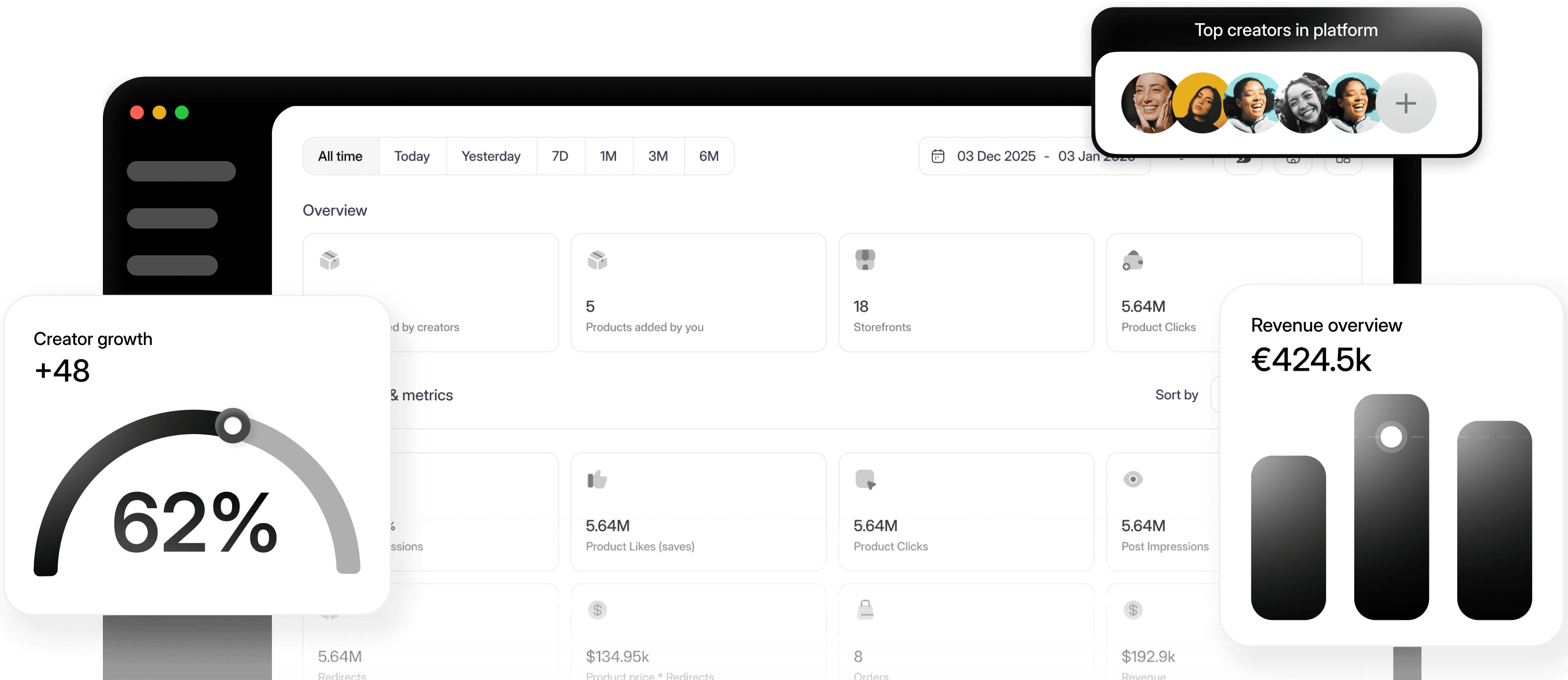
Assets in Creator Drive are enriched with performance data from connected social platforms and your Shopify storefront. You can sort your entire library by metrics like engagement rate, click-through rate, or attributed revenue. When your paid media manager needs the highest-converting creator video for a retargeting campaign, they can find it in seconds rather than guessing.
Bulk Download and Export
For Shopify Plus brands that need to share content with external agencies, wholesale partners, or retail media networks, Creator Drive supports bulk export with rights documentation attached. This ensures that every asset leaving your system carries the usage context needed for compliant distribution.
Content Format and Platform Filtering
Filter assets by format (video, static image, carousel, Story), aspect ratio (9:16, 1:1, 16:9), and intended platform (TikTok, Instagram, YouTube). This is especially useful for Shopify Plus brands repurposing creator content across multiple channels where format requirements differ.
Team Access Controls
Set role-based permissions so your influencer marketing team manages uploads and approvals, your creative team accesses approved assets for editing, your e-commerce team pulls content for Shopify pages, and your paid team downloads assets cleared for advertising. Everyone sees what they need without cluttering their view with irrelevant content.
Creator Drive Use Cases for Shopify Plus Brands
Seasonal Product Launch with 100+ Creators
A Shopify Plus skincare brand prepares for a spring product launch by activating 120 creators across micro and mid-tier segments. Each creator receives a product kit and a brief requesting two Instagram Reels and one TikTok video. Over three weeks, 350+ assets flow into Creator Drive, automatically tagged by creator, campaign name, and product SKU. The brand team reviews and approves content in batches using the visual approval interface, clearing 80% of assets within 48 hours. Approved videos are immediately available for embedding as shoppable content on the new product page, while the top 15 performing clips are flagged for paid amplification. The entire content pipeline from submission to storefront activation takes five days instead of the usual three weeks.
Always-On Affiliate Creator Program Asset Library
A Shopify Plus fashion brand runs a year-round affiliate creator program with 300 active creators who post organically and earn commissions on sales. These creators generate a steady stream of content that the brand wants to catalog, track, and selectively repurpose. Creator Drive serves as the living library for this program, with new assets flowing in weekly. The e-commerce team filters by product category and top-performing content each Monday to refresh homepage and collection page UGC widgets. The brand never runs out of fresh, high-quality creator content for its storefront because the system continuously organizes incoming assets without manual intervention.
Paid Media UGC Sourcing for Performance Campaigns
A Shopify Plus home goods brand spends $200K per month on Meta and TikTok ads. The performance marketing team needs a constant pipeline of fresh creator video ads to combat creative fatigue. Instead of requesting new content from scratch every two weeks, the team opens Creator Drive, filters by video format and highest engagement rate, and identifies 10 assets with paid media rights still active. They download these in the correct aspect ratios and launch new ad sets within hours. Creative refresh cycles drop from 10 days to 2 days, and cost per acquisition improves because the team consistently selects content with proven organic engagement signals.
Multi-Brand Portfolio Content Governance
A holding company operating four Shopify Plus brands across beauty, wellness, fitness, and lifestyle needs to maintain separate creator content libraries for each brand while giving the central marketing team cross-brand visibility. Creator Drive's workspace structure allows each brand team to manage their own assets independently while the portfolio marketing director can view aggregate content volume, approval rates, and top-performing assets across all four brands. This governance model ensures brand-specific quality control while enabling cross-brand learnings about which content formats and creator types drive the strongest results.
Weekly Creator Drive Workflow for Shopify Plus Teams
Content Submission and Auto-Tagging
Creators submit deliverables through their collaboration portal. Assets land in Creator Drive automatically tagged with creator name, campaign, product SKU, content format, and submission date. No manual file uploads or folder sorting required.
Visual Review and Feedback
The influencer marketing manager opens the review queue each Monday and Wednesday. They preview each asset at full resolution, leave feedback directly on the content (including timestamped video notes), and mark assets as approved, needs revision, or rejected. Creators receive revision requests instantly.
Rights Verification
Approved assets are cross-referenced against collaboration agreement terms. Creator Drive confirms usage rights status—organic only, paid media eligible, duration, platform restrictions—and flags any assets where rights documentation is incomplete or approaching expiration.
Performance Data Enrichment
As creators publish content on their social channels, engagement and conversion data flows back into Creator Drive. Each asset accumulates performance context over time, allowing the team to identify which content resonates most with audiences and drives the strongest commerce outcomes.
E-commerce Team Content Pull
Every Thursday, the e-commerce team filters Creator Drive by product SKU and approval status to identify fresh UGC for product detail pages and collection pages. They select top-performing assets and push them to Shopify storefront widgets without needing to download, reformat, or re-upload files.
Paid Media Asset Selection
The performance marketing team reviews the library bi-weekly, filtering by video format, paid media rights, and highest engagement metrics. They export selected assets in platform-specific formats for Meta, TikTok, and YouTube ad campaigns, with rights documentation attached for compliance.
Monthly Content Audit and Reporting
At month end, the team runs a Creator Drive report showing total assets received, approval rates, average review turnaround time, rights utilization, and top-performing content. This report feeds into the monthly creator program review and helps inform next month's campaign briefs and creator selection.
Rights Expiration Management
Creator Drive surfaces assets with rights expiring in the next 14 days. The influencer marketing manager reviews these and either initiates rights renewal conversations with high-value creators or removes expired assets from active distribution channels to maintain compliance.
Key Performance Indicators for Creator Drive
Shopify Plus brands using Creator Drive should track these metrics to measure operational efficiency and content-driven revenue impact:
Content Submission Volume: Total assets received per campaign, per week, and per creator cohort
Approval Rate: Percentage of submitted assets approved on first review versus requiring revisions or rejection
Average Review Turnaround Time: Hours from content submission to final approval status, targeting under 48 hours
Rights Utilization Rate: Percentage of approved assets with active paid media rights that are actually deployed in ad campaigns
Content Activation Speed: Days from creator submission to live deployment on Shopify storefront, email, or paid channels
Asset Engagement Rate: Average engagement rate of creator content when published organically, segmented by format and platform
Click-Through Rate (CTR): CTR on shoppable creator content embedded on Shopify product and collection pages
Conversion Rate (CVR): Percentage of sessions involving creator content that result in a purchase
Revenue Attributed to Creator Content: GMV directly attributed to creator assets across storefront widgets, email, and paid media
Return on Ad Spend (ROAS): ROAS on paid campaigns using creator-sourced assets versus brand-produced creative
Cost Per Acquisition (CPA): CPA comparison between creator UGC ads and traditional ad creative
Creator Content Output Rate: Average number of usable assets delivered per creator per campaign
Rights Expiration Compliance: Percentage of active paid campaigns using assets with valid, unexpired usage rights
Scenario: Shopify Plus Athleisure Brand Scales Creator Content Operations
A Shopify Plus athleisure brand generating $18M in annual online revenue runs a creator program with 180 active creators across Instagram, TikTok, and YouTube. Before implementing Creator Drive, the team managed content through a combination of Google Drive folders organized by campaign name, a spreadsheet tracking usage rights, and Slack channels where creators submitted deliverables. The influencer marketing manager spent approximately 12 hours per week organizing, renaming, and distributing files to other teams.
After deploying Creator Drive as part of their Socialscale implementation, the brand restructured its content operations. Creators now submit content through their collaboration portals, and assets arrive in Creator Drive pre-tagged with creator profile, campaign, product SKU, and content format. The visual review queue replaced email-based approvals, cutting average review turnaround from 5.2 days to 1.4 days.
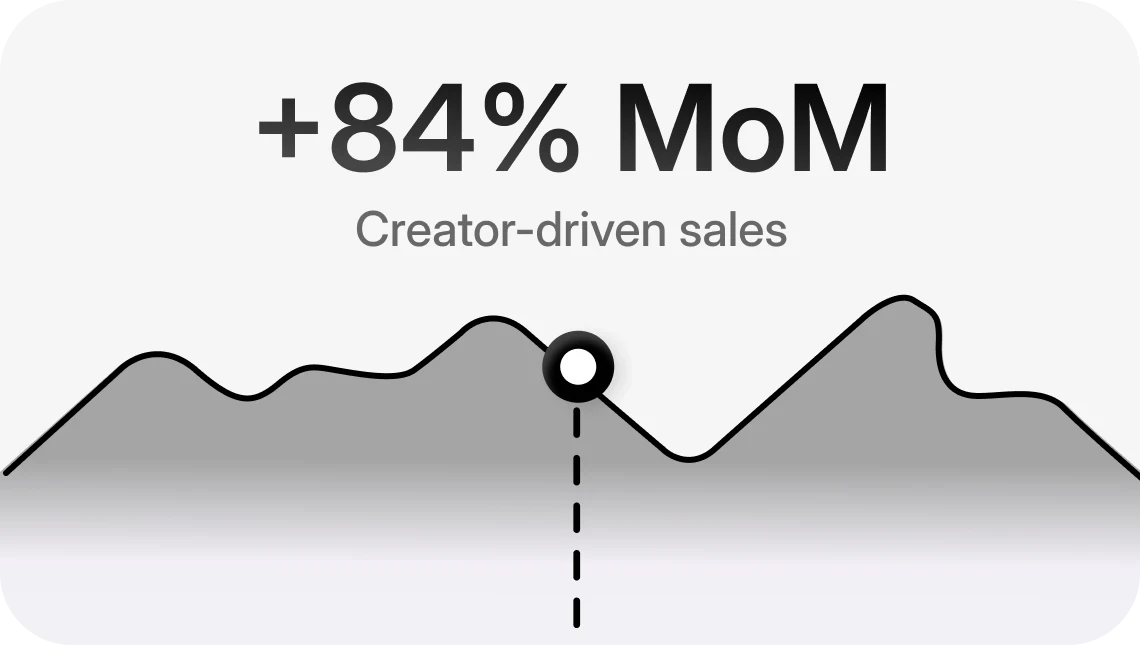
The e-commerce team began pulling approved UGC directly from Creator Drive for product pages, refreshing storefront content weekly instead of monthly. Within three months, product pages featuring fresh creator content saw a 23% increase in conversion rate compared to pages with static brand photography alone.
The paid media team used Creator Drive's performance filtering to identify top-performing organic content for ad campaigns. By selecting creator videos with proven engagement signals, they reduced cost per acquisition by 31% on Meta campaigns and improved ROAS from 3.2x to 4.6x. Creative refresh cycles shortened from every 14 days to every 4 days because sourcing new ad creative no longer required cross-team coordination.
Rights management moved from a spreadsheet to structured metadata on every asset. The team caught and resolved 14 instances of near-expired rights in the first quarter alone, avoiding potential creator disputes and content takedowns. Monthly reporting showed that 94% of approved assets were deployed within 7 days of submission, up from an estimated 40% under the previous system. Total creator content output increased by 60% over six months as the brand scaled from 180 to 290 active creators without adding headcount to the content operations team.
Frequently Asked Questions
How does Creator Drive differ from a standard digital asset management tool?
Creator Drive is built specifically for creator and influencer content workflows. Unlike generic DAM platforms, every asset is linked to a creator profile, campaign, product SKU, and usage rights agreement. It includes creator-facing submission portals, visual review and approval workflows, performance data enrichment from social platforms, and direct integration with Shopify Plus storefronts. Standard DAM tools require extensive customization to approximate even a fraction of this functionality.
Can Creator Drive handle content from hundreds of creators simultaneously?
Yes. Creator Drive is designed for Shopify Plus brands running programs at scale. Whether you work with 50 creators or 500+, the auto-tagging and organization system ensures every asset is properly categorized without manual sorting. Role-based access controls let multiple teams—influencer marketing, e-commerce, creative, and paid media—work from the same library without stepping on each other.
How are usage rights tracked and enforced?
Usage rights metadata is attached to every asset based on the terms defined in the creator's collaboration agreement. Creator Drive tracks whether an asset is cleared for organic use only, paid media, specific platforms, or specific time windows. The system flags assets approaching rights expiration and alerts your team so you can renew rights or remove content from active campaigns before terms lapse.
Does Creator Drive integrate with our existing Shopify Plus storefront?
Creator Drive connects to your Shopify Plus store so approved creator assets can be embedded directly on product pages, collection pages, and custom landing pages as shoppable content. Product SKU tagging ensures the right content appears alongside the right products, and updates in Creator Drive are reflected on your storefront without manual file transfers.
How does performance data attach to individual assets?
When creators publish content on Instagram, TikTok, or YouTube, engagement and reach metrics are pulled back into Creator Drive and associated with the corresponding asset record. For content deployed on your Shopify storefront, click-through and conversion data enriches the asset as well. This means your team can filter the entire content library by performance metrics to identify top-performing assets for repurposing, paid amplification, or future campaign planning.