Creator Drive for Pet Brands: Organize and Scale Your Pet Influencer Video Library
Pet brands running creator programs at scale face a unique operational challenge: managing an ever-growing library of pet influencer content across dozens or even hundreds of creators. From unboxing videos of premium dog food to training tutorials featuring new leash lines, every asset needs to be searchable, approved, and ready for deployment across your social commerce channels.
Without a centralized creator drive, teams waste hours each week hunting through email threads, Google Drive folders, and DMs to find the right video for the right campaign. Content expires, usage rights lapse, and high-performing clips get buried under months of disorganized uploads. For pet brands investing heavily in influencer marketing, this operational drag directly impacts revenue.
Creator Drive by Socialscale gives pet brand teams a purpose-built content storage and management layer that connects directly to your creator collaborations, approval workflows, and shoppable content deployment. It turns your pet influencer video library from a chaotic archive into a strategic asset that drives measurable social commerce results.
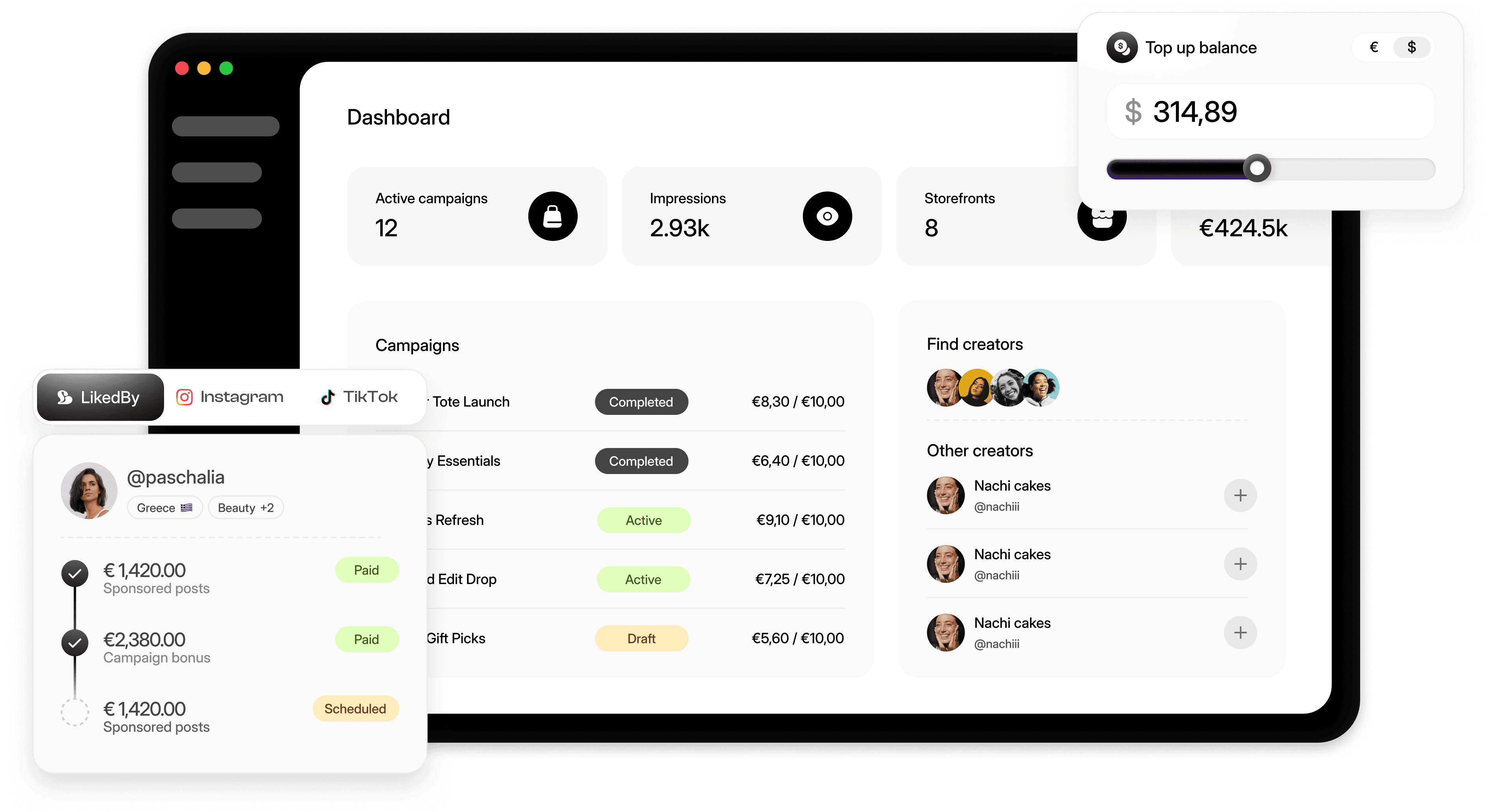
Key Challenges Pet Brands Face Managing Creator Content
Pet brands operate in a visually rich, emotionally driven category where video content is the primary currency. But the operational realities of managing that content at scale create significant friction.
1. Massive Volume of Video Assets per Campaign
A single pet food launch campaign might generate 50–200 individual video assets from creators: product reviews, feeding routines, before-and-after coat health videos, and pet reaction clips. Without structured storage, these assets become impossible to navigate within days of delivery.
2. Seasonal and Product-Specific Content Sprawl
Pet brands run campaigns tied to seasonal moments (holiday gift guides, summer travel gear, flea and tick season) and ongoing product lines (kibble, treats, supplements, toys, grooming). Content from each initiative needs to be categorized and retrievable months later for repurposing.
3. Usage Rights and Expiration Tracking
Most pet influencer agreements include time-bound usage rights—typically 30, 60, or 90 days for paid media. Brands risk legal exposure when they continue running creator content past its licensed window because no one tracked the expiration date.
4. Multi-Format Deliverables Across Platforms
Creators deliver content in varying formats: vertical video for TikTok and Reels, landscape for YouTube, raw footage for whitelisting, and edited cuts for brand channels. Each format needs to be stored, labeled, and accessible to the right team members.
5. Disconnected Approval and Storage Workflows
Content approval often happens in one tool (email, Slack, or a project management app) while storage lives in another (Google Drive, Dropbox). This disconnect means approved content sits in limbo, and teams re-approve assets they have already cleared.
6. Difficulty Identifying Top-Performing Content for Reuse
Pet brands frequently want to boost or repurpose their best-performing creator videos as paid ads or shoppable content on PDPs. But without performance data linked to stored assets, identifying which video drove the most conversions requires manual cross-referencing across platforms.
7. Agency-Brand Handoff Friction
Many pet brands work with agencies to manage their creator programs. Content handoffs between agency teams and in-house brand teams often involve messy file transfers, lost metadata, and duplicated assets.
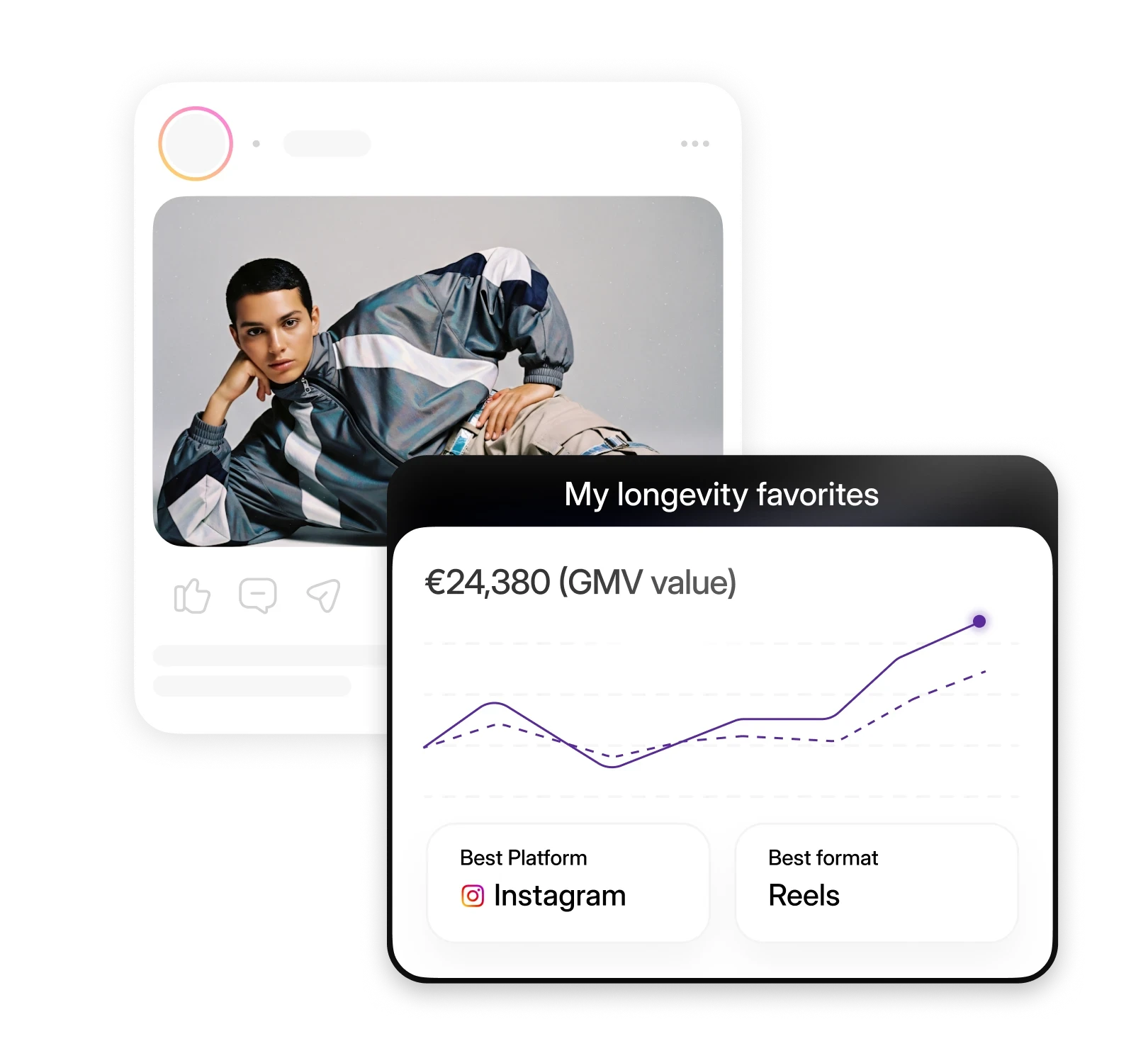
Why Google Drive, Dropbox, and Generic DAMs Fall Short
No Creator Context Attached to Files
Generic cloud storage treats every file the same. A video from a micro-influencer with 12K followers who specializes in rescue dog content looks identical to a clip from a macro creator with 500K followers focused on luxury pet accessories. Without creator metadata—handle, audience size, engagement rate, collaboration history—your team cannot make informed decisions about which content to amplify.
No Connection to Campaign or Collaboration Data
Traditional tools store files in isolation. They do not link a video asset back to the specific campaign brief, collaboration agreement, or product SKU it was created for. This means every time someone needs context on an asset, they have to search through separate systems to reconstruct the story behind it.
No Usage Rights Management
Dropbox and Google Drive have no concept of content licensing windows. Your team is left maintaining manual spreadsheets to track which assets can still be used in paid media, which need renewal, and which have expired. This is error-prone and does not scale beyond a handful of creators.
No Performance Layer
A digital asset management tool can organize files beautifully, but it cannot tell you which pet influencer video generated the highest click-through rate or which creator's content drove the most affiliate revenue. Without this performance layer, content decisions are based on gut feeling rather than data.
No Direct Path to Deployment
Even if your content is well-organized in a traditional DAM, getting it onto your Shopify PDP as a shoppable widget, into a TikTok ad campaign, or embedded on a landing page requires manual export, re-upload, and configuration. The gap between storage and activation costs your team hours every week.
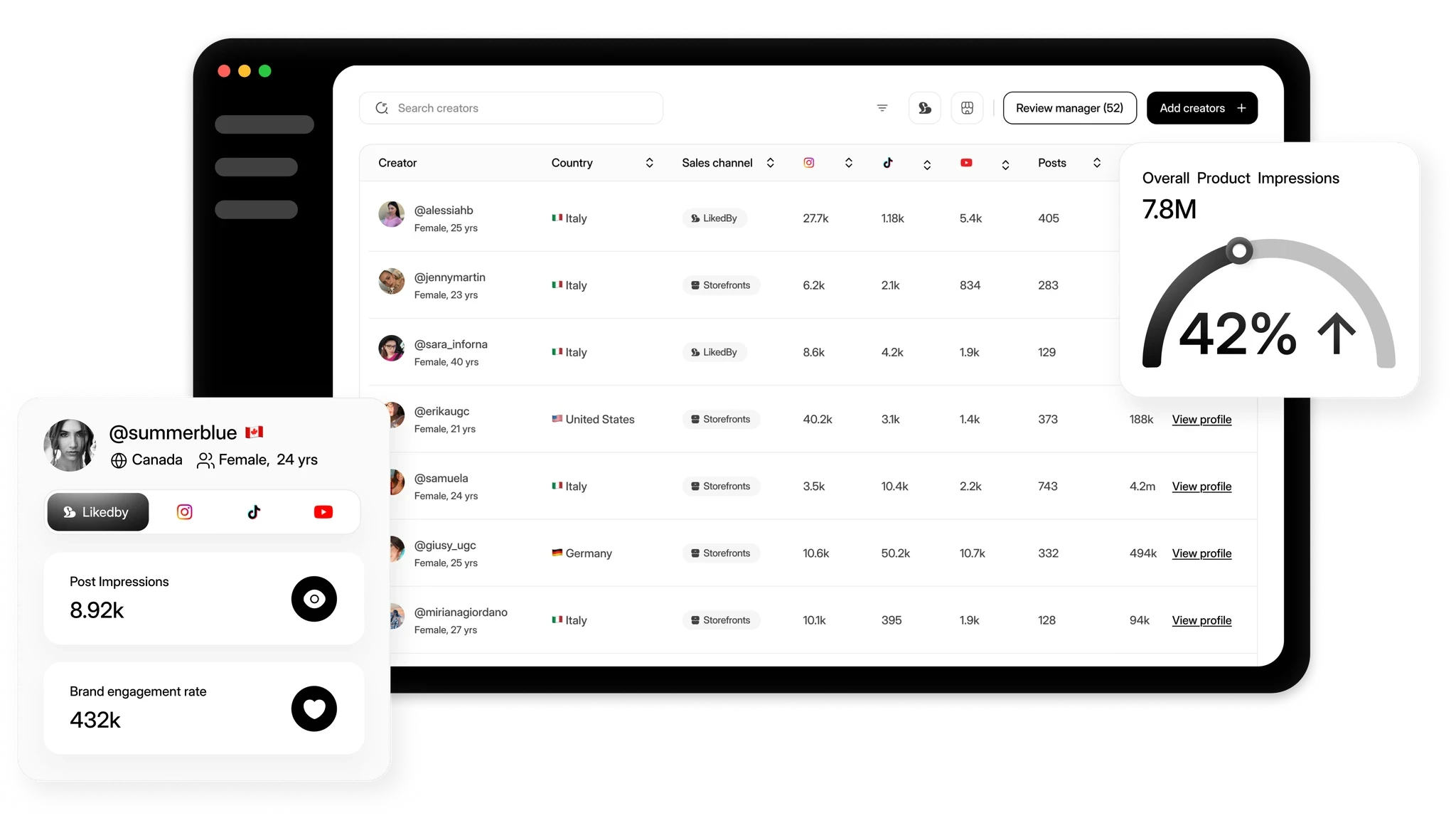
How Socialscale Creator Drive Solves Content Management for Pet Brands
Socialscale's Creator Drive is not a generic file storage tool. It is a content management layer built specifically for creator programs, designed to connect every video asset to the creator who made it, the campaign it belongs to, and the performance data it generates once deployed.
For pet brands, this means your entire influencer video library—from a golden retriever taste-testing a new treat flavor to a cat behaviorist demonstrating a puzzle feeder—is organized, searchable, and actionable. Every asset carries metadata about the creator, the product featured, the collaboration terms, and the usage rights window.
Creator Drive integrates directly with Socialscale's creator collaborations workflow, so content delivered against a brief is automatically filed under the correct campaign. Approval status, revision history, and team comments live alongside the asset itself, eliminating the need to cross-reference email threads or Slack channels.
When your team identifies a high-performing pet influencer video and wants to embed it as shoppable content on your product page or feature it in a creator storefront, the path from storage to deployment is a few clicks—not a multi-step manual process. Combined with Socialscale's creator analytics dashboard, you can filter your library by performance metrics and surface the content that actually drives revenue.
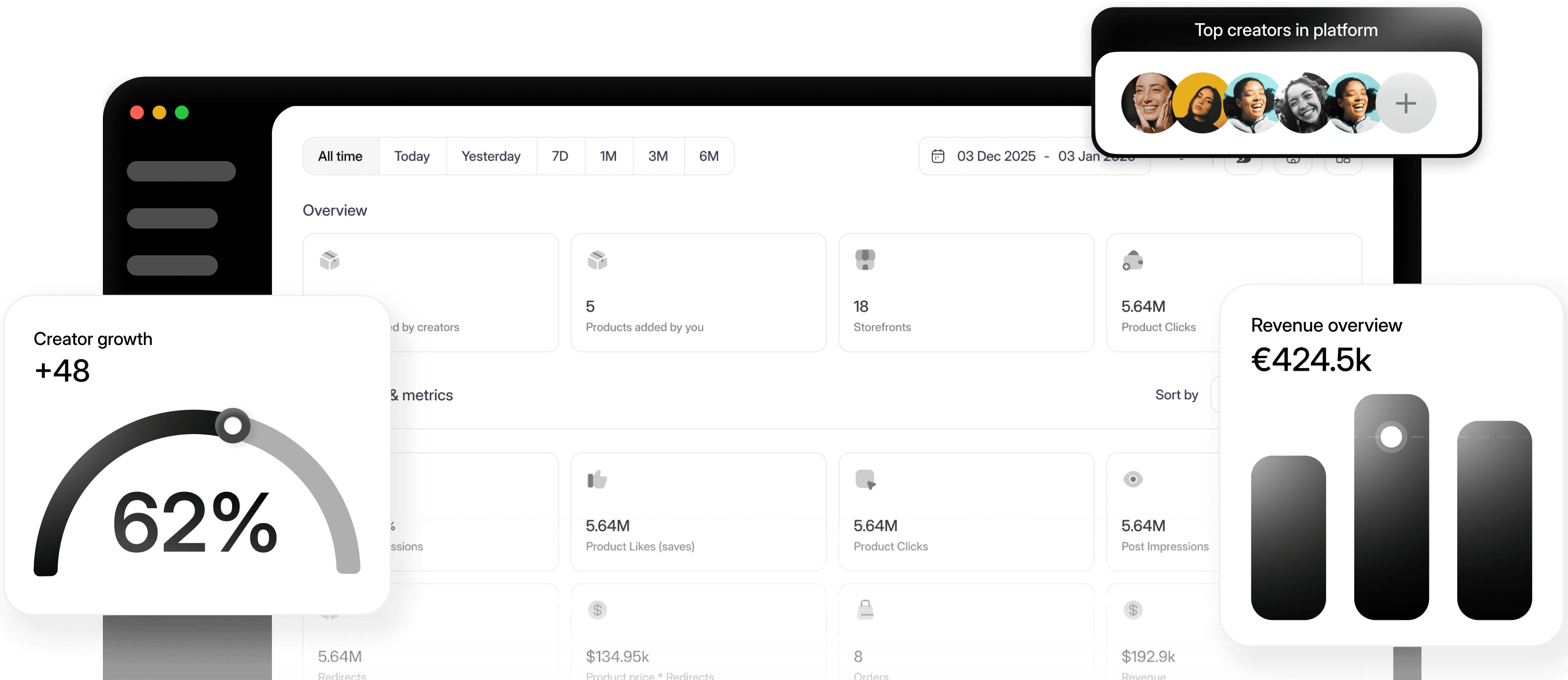
Feature Breakdown: Creator Drive for Pet Brand Teams
Auto-Organized Campaign Folders
Every collaboration or campaign you run through Socialscale automatically generates a corresponding folder in Creator Drive. When a pet influencer submits their deliverables for your spring allergy supplement campaign, the content lands in the right place with the right labels—no manual filing required. Folders are structured by campaign, creator, product line, or custom tags your team defines.
Creator-Level Asset Profiles
Each creator in your program has a dedicated content profile within Creator Drive. You can view every asset a specific pet influencer has ever delivered, sorted by date, campaign, product, and performance. This is invaluable when deciding whether to re-engage a creator for a new campaign or when pulling together a highlight reel of top-performing content from your best partners.
Usage Rights Tracking and Alerts
Attach licensing terms directly to each asset at the point of upload or approval. Creator Drive tracks expiration dates and sends automated alerts to your team before rights lapse. For pet brands running paid media with creator content—especially whitelisted TikTok Spark Ads or Instagram partnership ads—this feature prevents costly compliance issues.
Content Tagging and Smart Search
Tag assets by pet type (dog, cat, bird, reptile), product category (food, treats, supplements, toys, grooming), content format (unboxing, tutorial, review, lifestyle), and platform (TikTok, Instagram Reels, YouTube Shorts). Smart search lets your team find exactly what they need in seconds. Need all cat toy unboxing videos from Q4? Two clicks.
Inline Approval Workflow
Review, comment on, request revisions, and approve content directly within Creator Drive. No more toggling between a project management tool and a storage platform. Approved assets are flagged and immediately available for deployment, while pending or rejected content stays clearly separated.
Performance Data Overlay
Once creator content is deployed—whether as an embedded shoppable widget on your Shopify store, a social post, or a paid ad—performance data flows back into Creator Drive. You can see views, engagement rate, click-through rate, and conversion data attached to each asset. This transforms your content library from a static archive into a performance-ranked asset database.
One-Click Deployment to Shoppable Widgets
Select any approved video from Creator Drive and push it directly to a Socialscale creator widget on your product page. For pet brands, this means a compelling pet influencer review of your grain-free dog food can go from your content library to a shoppable experience on your Shopify PDP in under a minute.
Team Permissions and Agency Access
Control who can view, download, approve, and deploy content. Give your agency team upload and tagging access while reserving final approval and deployment rights for your in-house brand team. This keeps workflows clean and prevents unauthorized use of creator assets.
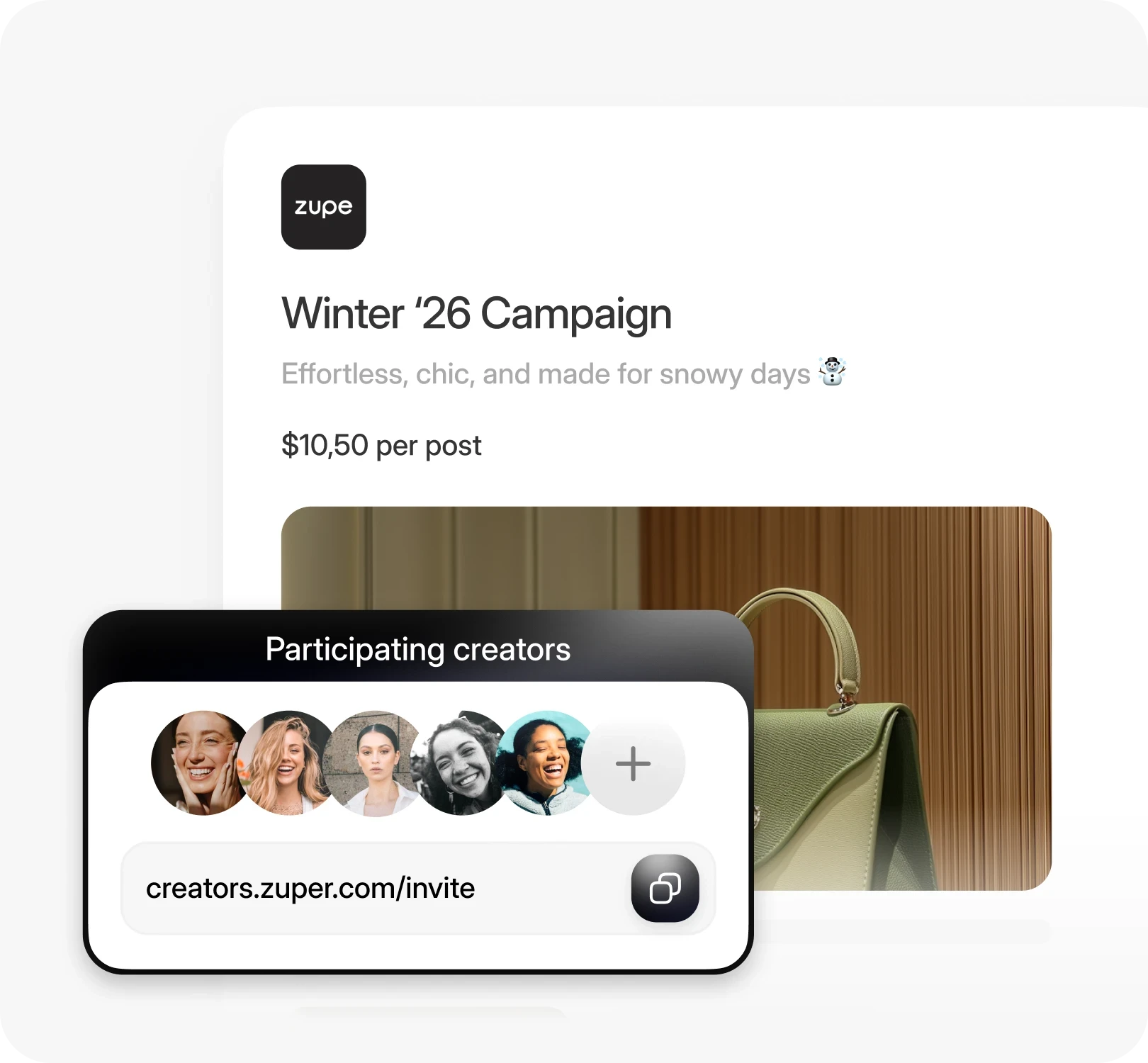
Use Cases: How Pet Brand Teams Use Creator Drive
1. Scaling a Multi-Product Launch with 40+ Pet Creators
A premium pet nutrition brand launches three new SKUs simultaneously—a puppy formula, a senior dog blend, and a weight management option. They activate 40 creators, each assigned to one SKU with specific brief requirements. As deliverables come in over a two-week window, every video is automatically sorted by SKU and creator. The brand team reviews and approves content inline, tags top performers for paid amplification, and deploys the best videos as shoppable widgets on each product page within days of launch. Without a centralized creator drive, this volume of content would take weeks to organize manually.
2. Building a Seasonal Content Library for Holiday Campaigns
A pet accessories brand runs creator campaigns year-round but needs to pull together holiday-specific content each November for gift guide pages and seasonal email campaigns. Using Creator Drive's tagging system, the team filters for all holiday-tagged content from the past two years, checks usage rights status, and identifies which assets are still licensed for use. They surface the top-performing holiday videos by conversion rate and redeploy them as shoppable content on their holiday landing page—all without commissioning new content.
3. Agency Managing Creator Programs for Multiple Pet Brand Clients
A social commerce agency manages influencer programs for four pet brands: a dog food company, a cat litter brand, a pet insurance provider, and a pet grooming tool startup. Each client has its own workspace within Creator Drive, with separate creator rosters, campaign folders, and approval workflows. The agency team uploads and organizes deliverables, then grants each client view and download access to their own content. This eliminates the risk of cross-client content mix-ups and gives each brand a self-service portal to access their assets.
4. Identifying and Re-Engaging Top-Performing Pet Influencers
A pet supplement brand wants to build long-term ambassador relationships with creators whose content consistently drives sales. Using Creator Drive's performance overlay, the team sorts their entire content library by conversion rate and revenue generated. They identify five creators whose videos have driven the highest return over the past six months, review those creators' full content histories, and initiate new collaboration offers directly through the platform. The data-driven approach replaces guesswork with evidence when building their ambassador tier.
Weekly and Monthly Workflow: Managing Pet Influencer Video Libraries
A structured operational cadence ensures your pet brand team stays on top of content volume without burning hours on manual organization. Here is a practical workflow built around Creator Drive.
Monday: Review New Deliverables
Check Creator Drive for all new content submitted over the past week. Deliverables from active pet influencer campaigns are auto-filed under their respective campaign folders. Review each asset for brief compliance—correct product featured, proper disclosures, video length, and format specifications.
Tuesday: Approve, Request Revisions, or Reject
Use inline approval tools to clear content that meets standards. Flag assets needing revisions with timestamped comments so creators know exactly what to fix. Rejected content is archived separately with notes for future reference.
Wednesday: Tag and Categorize Approved Content
Apply tags for pet type, product category, content format, platform, and campaign. Add usage rights expiration dates to each asset. This tagging discipline pays dividends when you need to pull specific content weeks or months later.
Thursday: Deploy Top Content to Shoppable Widgets
Select the strongest approved videos and push them to shoppable creator widgets on your Shopify product pages. Prioritize content for new product launches, seasonal promotions, or underperforming PDPs that need a conversion boost.
Friday: Performance Review
Review performance data flowing back into Creator Drive from deployed content. Note which videos are driving the highest CTR and conversion rates. Flag top performers for potential paid amplification or extended usage rights negotiation.
Bi-Weekly: Usage Rights Audit
Run a filter for all assets with usage rights expiring in the next 14 days. Decide whether to renew rights, pull content from active placements, or replace with newer assets. This prevents compliance gaps.
Monthly: Content Library Health Check
Audit your full Creator Drive library for outdated content (discontinued products, old branding), untagged assets, and orphaned files. Archive or remove content that no longer serves your program. Generate a report on total content volume, approval rates, and deployment velocity to share with leadership.
Quarterly: Creator Performance Ranking
Use Creator Drive's performance overlay combined with your creator analytics dashboard to rank creators by content output quality and commercial impact. Feed these insights into your creator CRM to inform re-engagement decisions and ambassador tier placements for the next quarter.
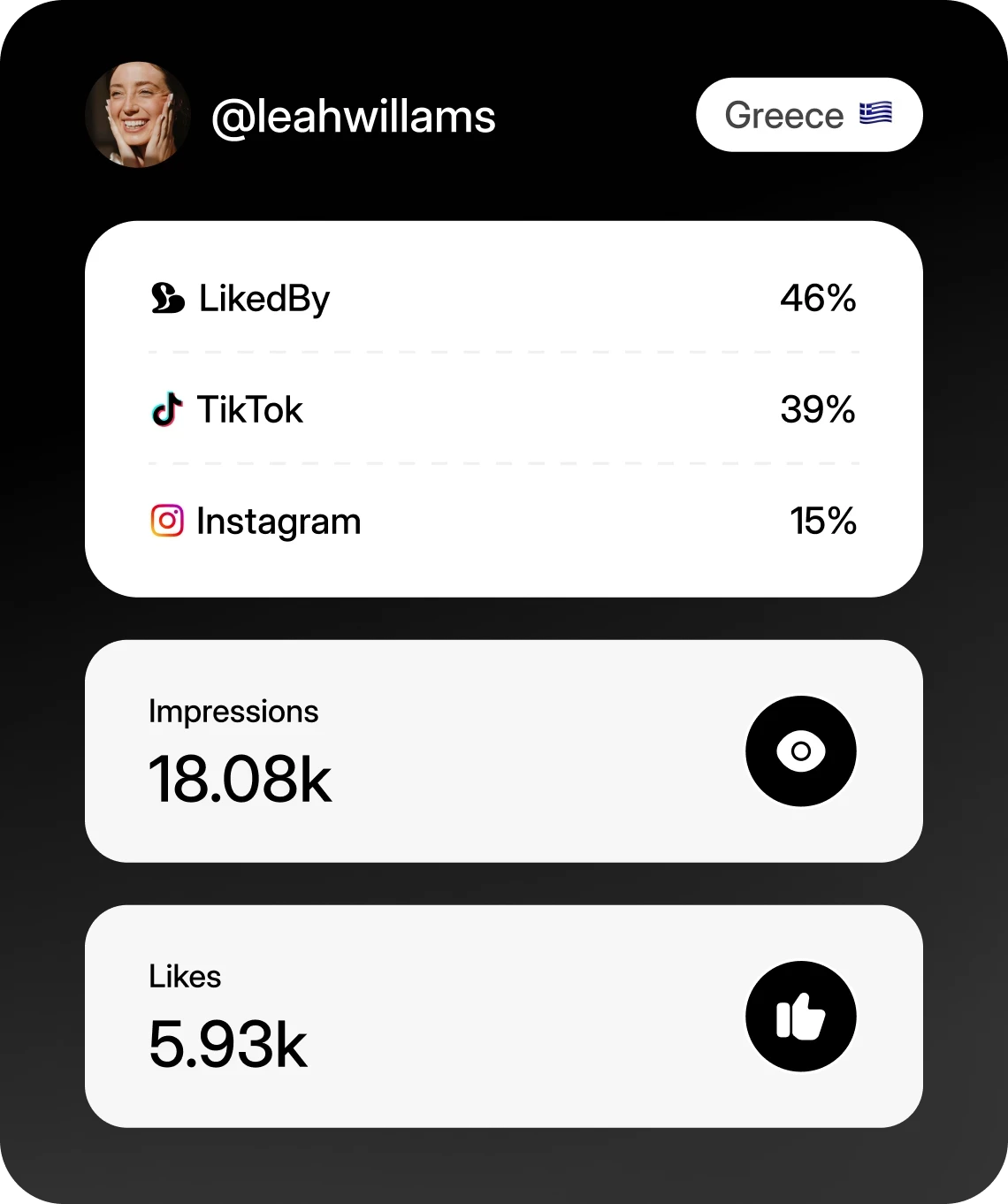
KPIs to Track When Managing Pet Influencer Video Libraries
Effective UGC management requires clear metrics that connect content operations to business outcomes. Here are the KPIs pet brand teams should monitor through Creator Drive and the broader Socialscale platform.
Content Activation Rate: Percentage of delivered creator assets that are approved and deployed within 7 days of submission. Target: 70%+ for well-briefed campaigns.
Average Approval Time: Hours or days from content submission to final approval. Reducing this metric directly accelerates time-to-market for shoppable content.
Content Output per Creator: Number of usable assets delivered per creator per campaign. Helps identify high-output partners for repeat collaborations.
Shoppable Widget CTR: Click-through rate on embedded creator videos on product pages. Pet brands typically see 2–5x higher CTR on PDPs with creator content versus static imagery.
Conversion Rate (CVR) from Creator Content: Percentage of visitors who purchase after engaging with a creator video widget. This is the most direct measure of content commercial value.
GMV Attributed to Creator Content: Total gross merchandise value generated through shoppable creator content. Track by product line, campaign, and individual creator.
ROAS on Amplified Creator Content: Return on ad spend when creator videos are used as paid media assets (Spark Ads, partnership ads). Compare against brand-produced creative to quantify creator content advantage.
Usage Rights Compliance Rate: Percentage of deployed content currently within its licensed usage window. Target: 100%. Any gap represents legal and brand risk.
Library Utilization Rate: Percentage of total stored assets that have been deployed at least once. Low utilization signals over-production or poor discoverability within your library.
Content Repurpose Rate: Percentage of assets deployed across more than one channel or placement. Higher rates indicate efficient content leverage.
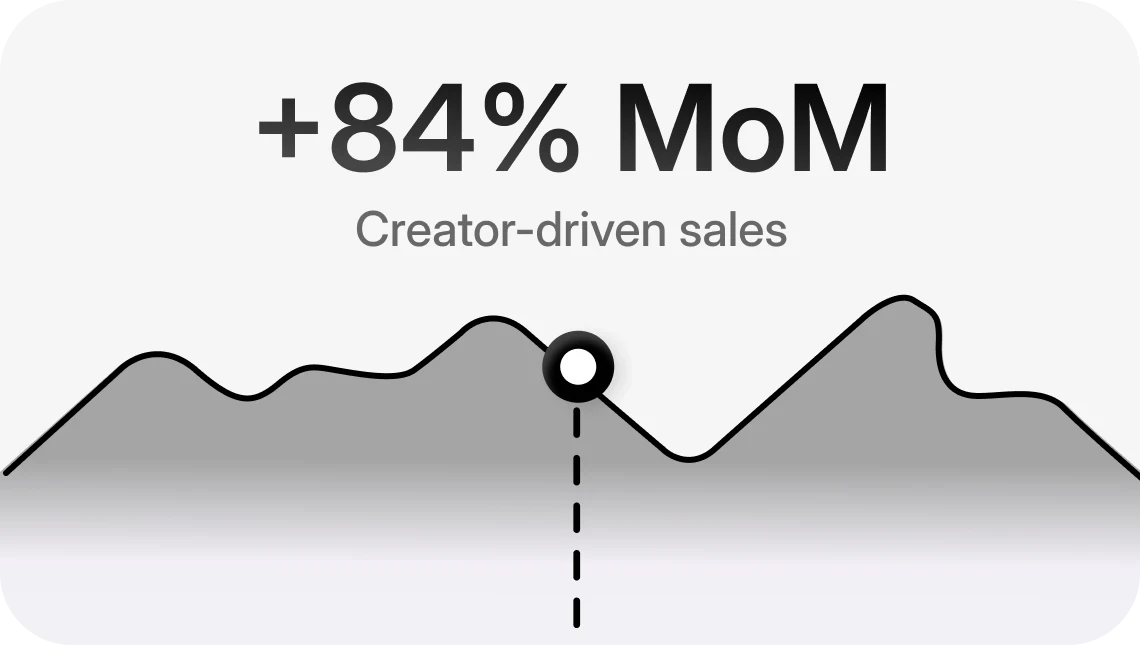
Scenario: How a DTC Pet Supplement Brand Transformed Their Content Operations
Consider a direct-to-consumer pet supplement brand selling joint health chews, calming treats, and probiotic powders through Shopify. The brand runs a rolling affiliate creator program with 85 active pet influencers, primarily dog and cat creators on TikTok and Instagram.
The Problem
Before implementing a dedicated creator drive, the brand's two-person influencer marketing team managed content through a combination of Google Drive, email attachments, and a shared Notion database. Each month, creators submitted approximately 120 video assets across three active campaigns. The team spent an estimated 12 hours per week organizing, reviewing, and distributing content. Usage rights were tracked in a spreadsheet that was frequently outdated, leading to two instances in six months where expired content ran as paid ads.
The Implementation
After migrating to Creator Drive, the team restructured their content operations. Campaign folders auto-generated for each new collaboration. Creators submitted deliverables directly into the platform, where assets were auto-tagged by campaign and creator. The team implemented the weekly workflow cadence—Monday reviews, Tuesday approvals, Wednesday tagging, Thursday deployment, Friday performance checks.
The Results Over 90 Days
Average content approval time dropped from 4.2 days to 1.1 days. The team reclaimed approximately 8 hours per week previously spent on manual file management. Shoppable creator widgets were deployed on 22 product pages, resulting in a 3.4x increase in PDP conversion rate on pages featuring creator content versus control pages. GMV attributed to embedded creator videos reached $47,000 in the first quarter. Usage rights compliance hit 100%, with automated alerts preventing any expired content from remaining in active placements. The team identified their top 10 creators by revenue impact and moved them into a dedicated ambassador tier with enhanced collaboration terms.
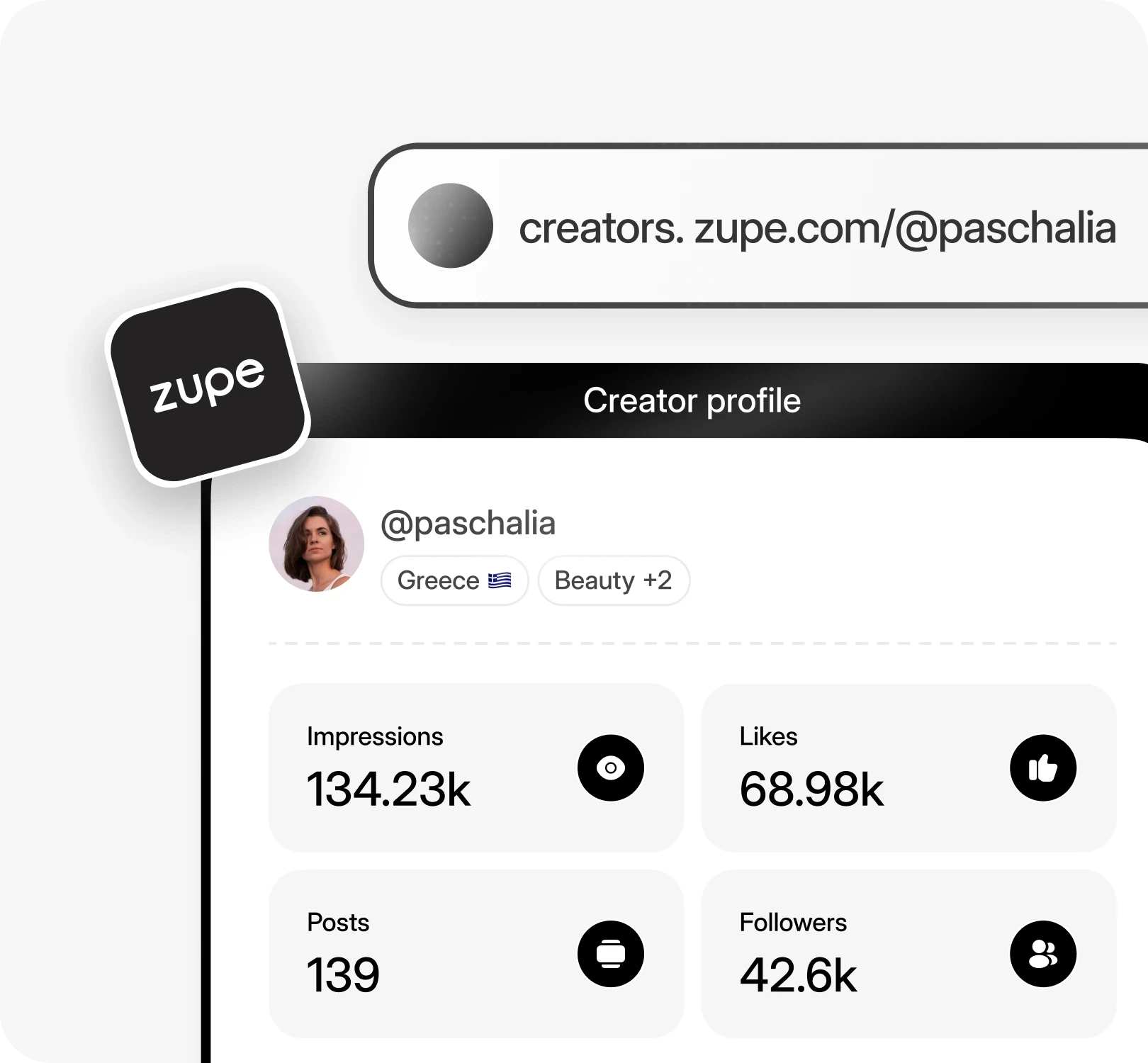
Frequently Asked Questions
How is Creator Drive different from a standard digital asset management tool?
Creator Drive is built specifically for creator programs. Every asset is linked to the creator who produced it, the campaign it belongs to, the collaboration terms governing its use, and the performance data it generates once deployed. Standard DAMs treat files as standalone objects without this creator-specific context, which means your team has to manually reconstruct relationships between content, creators, and campaigns every time they need to make a decision.
Can I manage content from pet influencers across TikTok, Instagram, and YouTube in one place?
Yes. Creator Drive supports multi-format, multi-platform content storage. Whether a creator delivers a 15-second TikTok, a 60-second Instagram Reel, or a 10-minute YouTube review of your pet grooming tool, all assets live in a unified library. You can filter by platform, format, creator, product, or campaign to find exactly what you need.
How does usage rights tracking work for pet influencer content?
When content is approved, your team attaches usage rights terms—start date, end date, permitted channels, and usage type (organic, paid, on-site). Creator Drive monitors these terms and sends automated alerts before rights expire. If an asset's rights lapse, the system flags it so your team can either renew the license or remove the content from active placements.
Can my agency and in-house team both access Creator Drive?
Yes. Creator Drive supports role-based permissions. You can give your agency team access to upload, tag, and organize content while reserving approval and deployment rights for your in-house brand team. Each user sees only the workspaces and campaigns they are authorized to access, which is especially important for agencies managing multiple pet brand clients.
How does Creator Drive connect to shoppable content on my Shopify store?
Approved videos in Creator Drive can be pushed directly to Socialscale's shoppable creator widgets, which embed on your Shopify product pages. The deployment process takes seconds—select the asset, choose the target PDP, and publish. Performance data from the widget (views, clicks, conversions) flows back into Creator Drive so you can track each asset's commercial impact without leaving the platform.