Creator Drive for Outdoor Brands: Centralized Storage for Ambassador-Generated Adventure Content
Outdoor brands generate massive volumes of creator content across every season, terrain, and product line. Trail running footage from the Pacific Northwest, backcountry skiing edits from Colorado, thru-hiking photo series from the Appalachian Trail — this ambassador-generated adventure content is the raw material that powers social commerce, product pages, and paid media. But without a centralized system for storing, organizing, and retrieving it, most of that content disappears into email threads, personal Google Drives, and expired WeTransfer links.
A creator drive built specifically for outdoor brands solves this by giving marketing teams a single, searchable library for every piece of UGC, branded content, and campaign asset their ambassador network produces. Instead of chasing down files or re-shooting content that already exists somewhere, teams can tag assets by sport, season, product SKU, or creator — and pull them into shoppable content, social ads, or retail partner decks in minutes.
For influencer marketing managers and e-commerce directors at outdoor companies, this is not a nice-to-have. It is the infrastructure layer that makes creator programs scalable, measurable, and operationally sustainable across hundreds of ambassadors and thousands of assets per year.
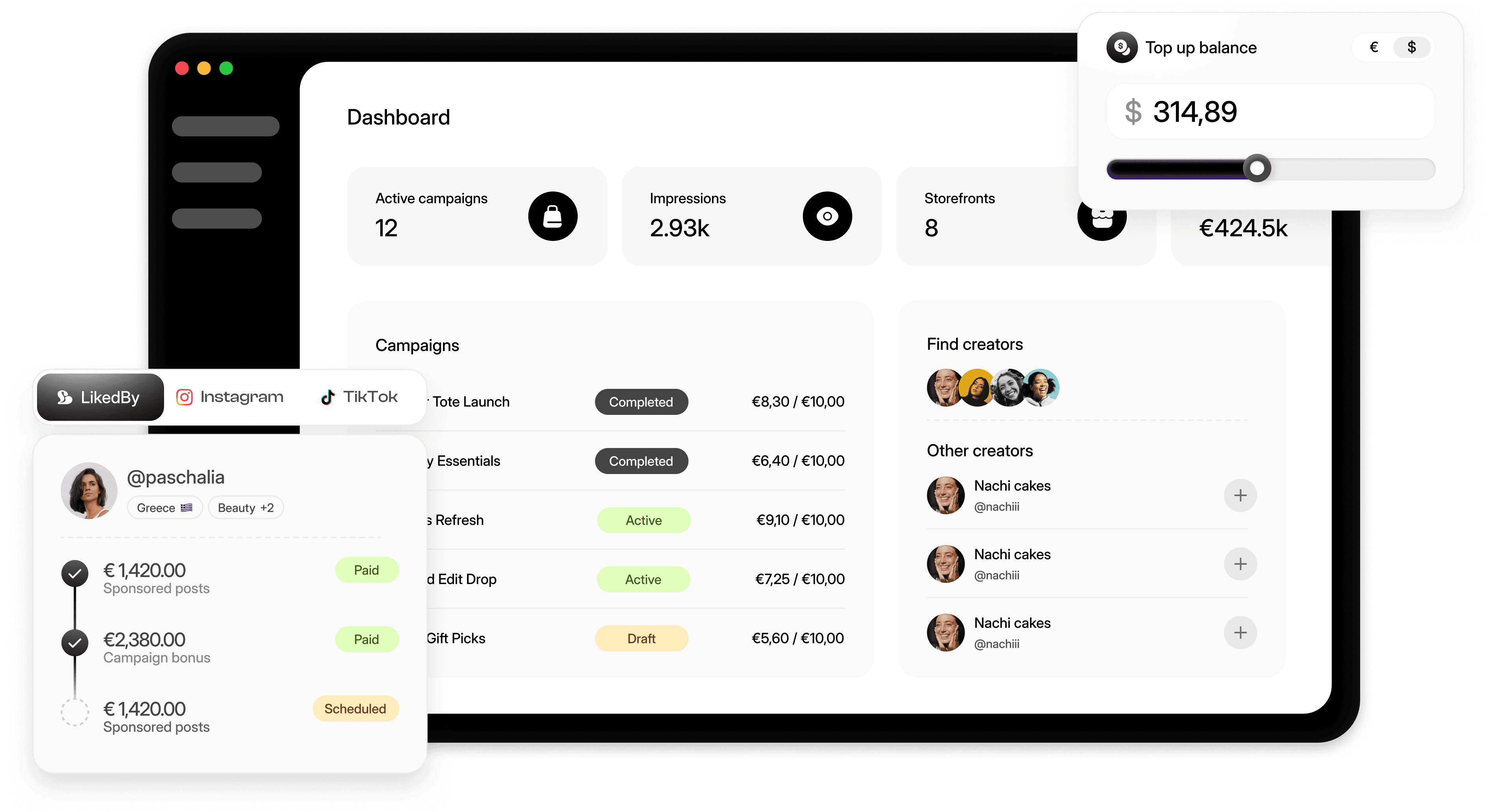
Content Volume Outpaces Organization
A mid-size outdoor brand with 80–150 ambassadors can generate 2,000+ unique assets per quarter across photo, video, stories, and reels. Without structured creator content storage, teams lose track of what exists, what has been approved, and what rights they hold.
Seasonal and Sport-Specific Asset Needs
Outdoor brands operate on seasonal calendars — spring hiking, summer paddling, fall hunting, winter skiing. Marketing teams need to pull sport-specific and season-specific content quickly for campaigns, but most file systems are not built for this kind of multi-dimensional tagging.
Expired Links and Scattered Files
Creators submit content via email attachments, Dropbox links, Google Drive folders, and DMs. Links expire. Folders get buried. When a retail partner requests trail running lifestyle imagery for a co-op campaign, the team spends hours hunting for files instead of executing.
Usage Rights Ambiguity
Outdoor brands frequently repurpose ambassador content across owned channels, paid media, wholesale partner sites, and in-store displays. Without clear rights documentation tied to each asset, legal exposure grows with every reuse.
No Connection Between Content and Performance
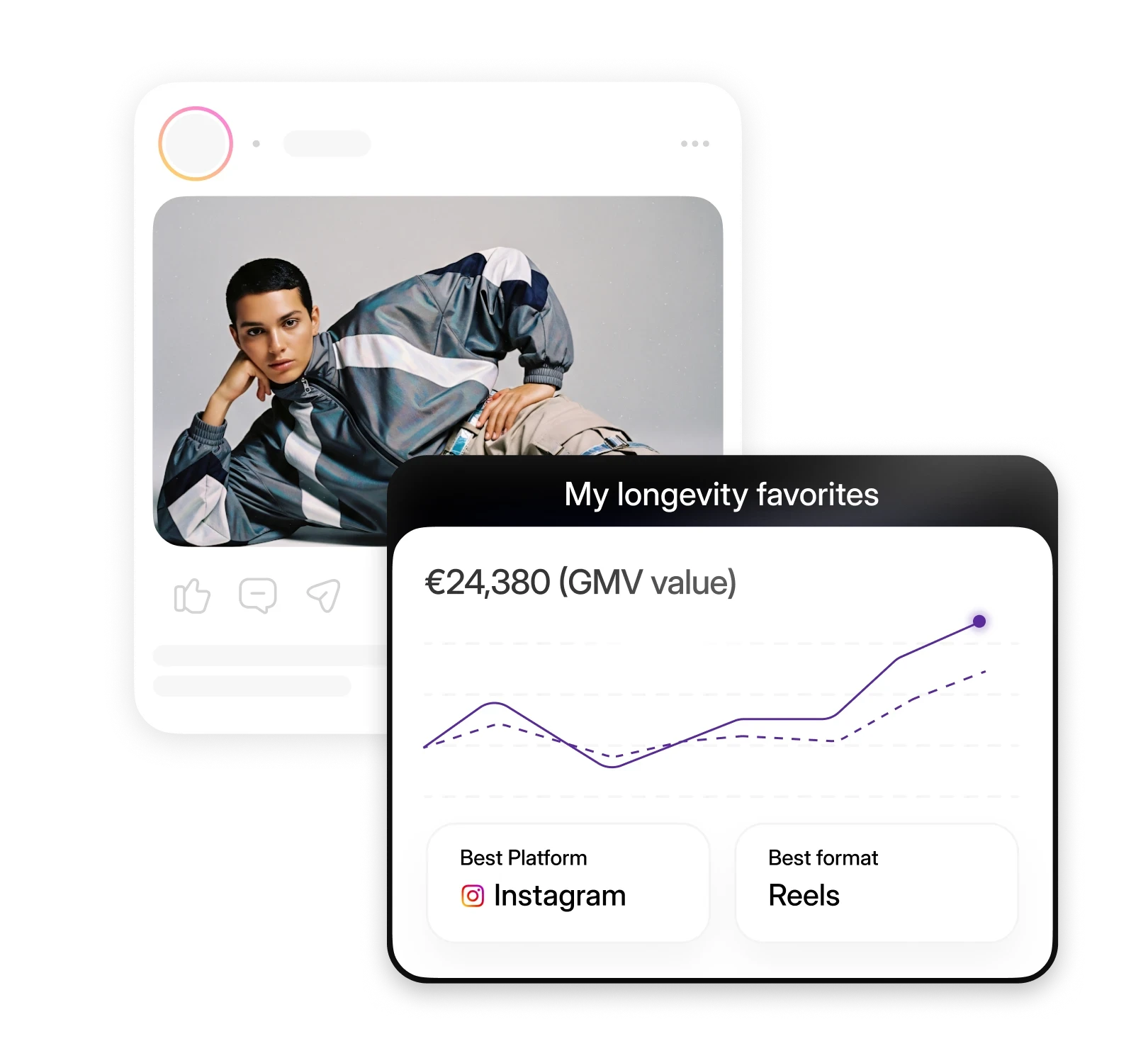
Even when content is stored, it is rarely linked to performance data. Teams cannot answer basic questions like which ambassador's summit photography drives the highest click-through rate on product pages or which video format converts best for hardshell jackets.
Onboarding New Team Members Is Painful
When a new social media manager or brand marketing coordinator joins, there is no single place to explore the brand's creator content history. Institutional knowledge about top-performing assets lives in the heads of people who may have already left the company.
Difficulty Scaling Across Product Categories
Brands that span climbing, trail running, camping, and cycling need content organized by category. A flat file structure makes it nearly impossible to serve multiple product teams from a single ambassador program.
Google Drive and Dropbox Were Not Built for Creator Programs
General-purpose cloud storage tools lack creator-level metadata. You cannot tag an asset by creator handle, campaign name, product SKU, content rights status, and sport category simultaneously. Folder hierarchies break down once you exceed a few dozen creators or campaigns.
DAM Platforms Are Over-Engineered and Expensive
Enterprise digital asset management systems like Bynder or Brandfolder are designed for internal brand assets, not for ingesting thousands of creator-submitted files with varying formats, resolutions, and naming conventions. They also lack native connections to influencer marketing software or creator CRM systems, meaning content lives in isolation from the creator relationships that produced it.
Project Management Tools Lose Files in Threads
Teams using Asana, Monday, or Notion to manage creator collaborations often attach content files to task cards or comment threads. These files become impossible to search across projects, and there is no gallery view to browse assets visually.
Social Platform Native Storage Is Ephemeral
Content posted to Instagram Stories, TikTok, or YouTube Shorts disappears or gets buried in feeds. Downloading and re-uploading from platform archives is manual, lossy, and disconnected from any campaign context or performance data.
Spreadsheets Cannot Store Media
Many outdoor brand teams track creator deliverables in spreadsheets with links to external files. When those links break — and they always do — the tracking sheet becomes a graveyard of dead references with no way to recover the original assets.
How Socialscale's Creator Drive Solves Content Storage for Outdoor Brands
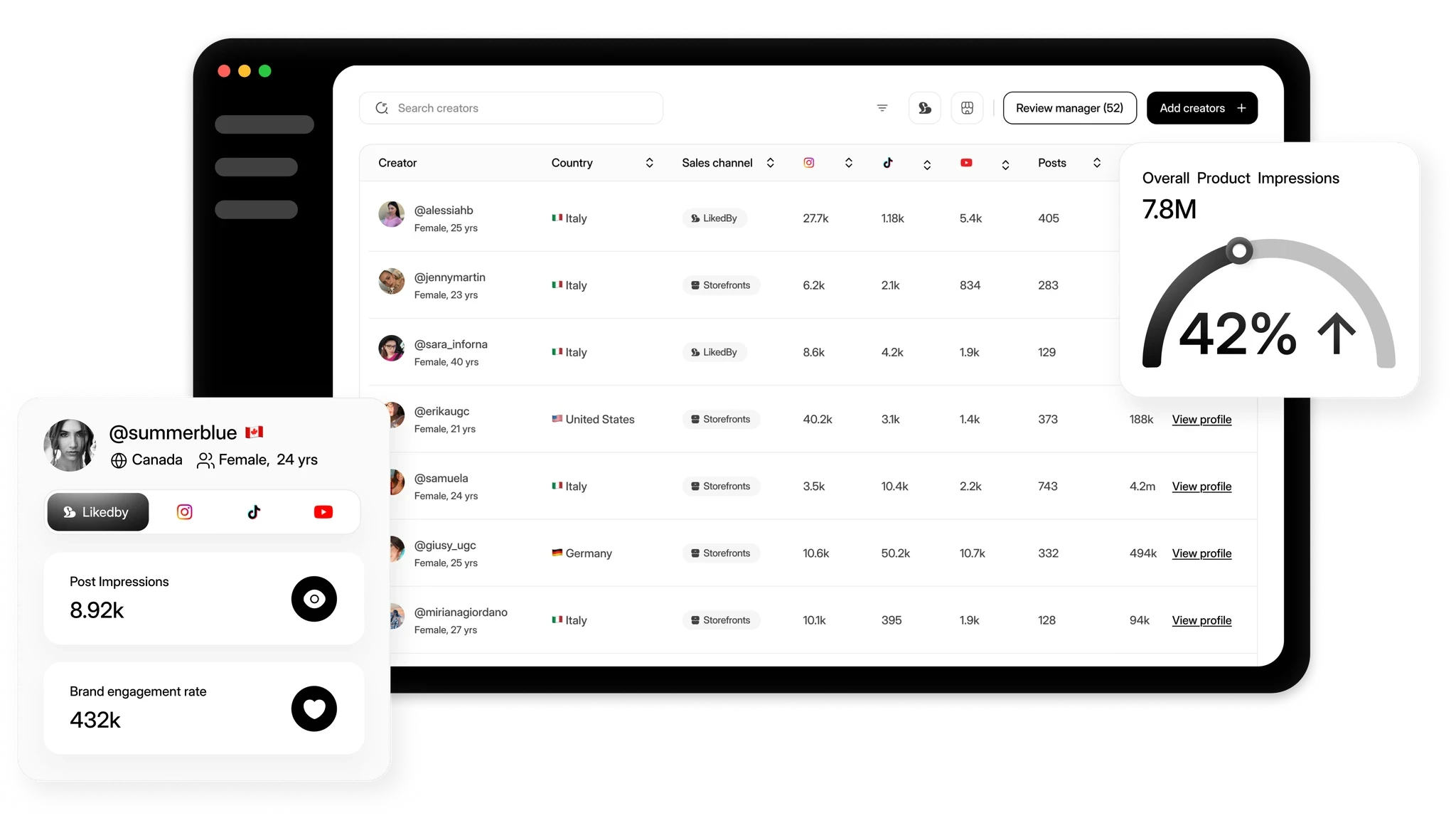
Socialscale's Creator Drive is a purpose-built content library designed for brands running ambassador and creator programs at scale. Every asset uploaded or submitted by a creator is automatically linked to their profile in the creator CRM, tagged with campaign metadata, and made searchable by sport, season, product line, content type, and approval status.
For outdoor brands, this means your trail running ambassador's summit photos from a spring campaign are instantly findable six months later when your e-commerce team needs hero imagery for a fall sale. Rights status, usage history, and performance data travel with every file.
The Creator Drive integrates directly with Socialscale's broader creator marketing platform, so content flows naturally from collaboration briefs to submissions, through approval workflows, into shoppable widgets on your product pages, and back into performance reports. There is no manual downloading, re-uploading, or cross-referencing between disconnected tools.
Teams can set up automated folder structures by campaign, product category, or ambassador tier. Bulk uploads, drag-and-drop organization, and inline preview for video and photo assets make daily content operations fast and intuitive — even for teams managing 200+ creators across multiple outdoor sports.
Creator-Linked Asset Storage
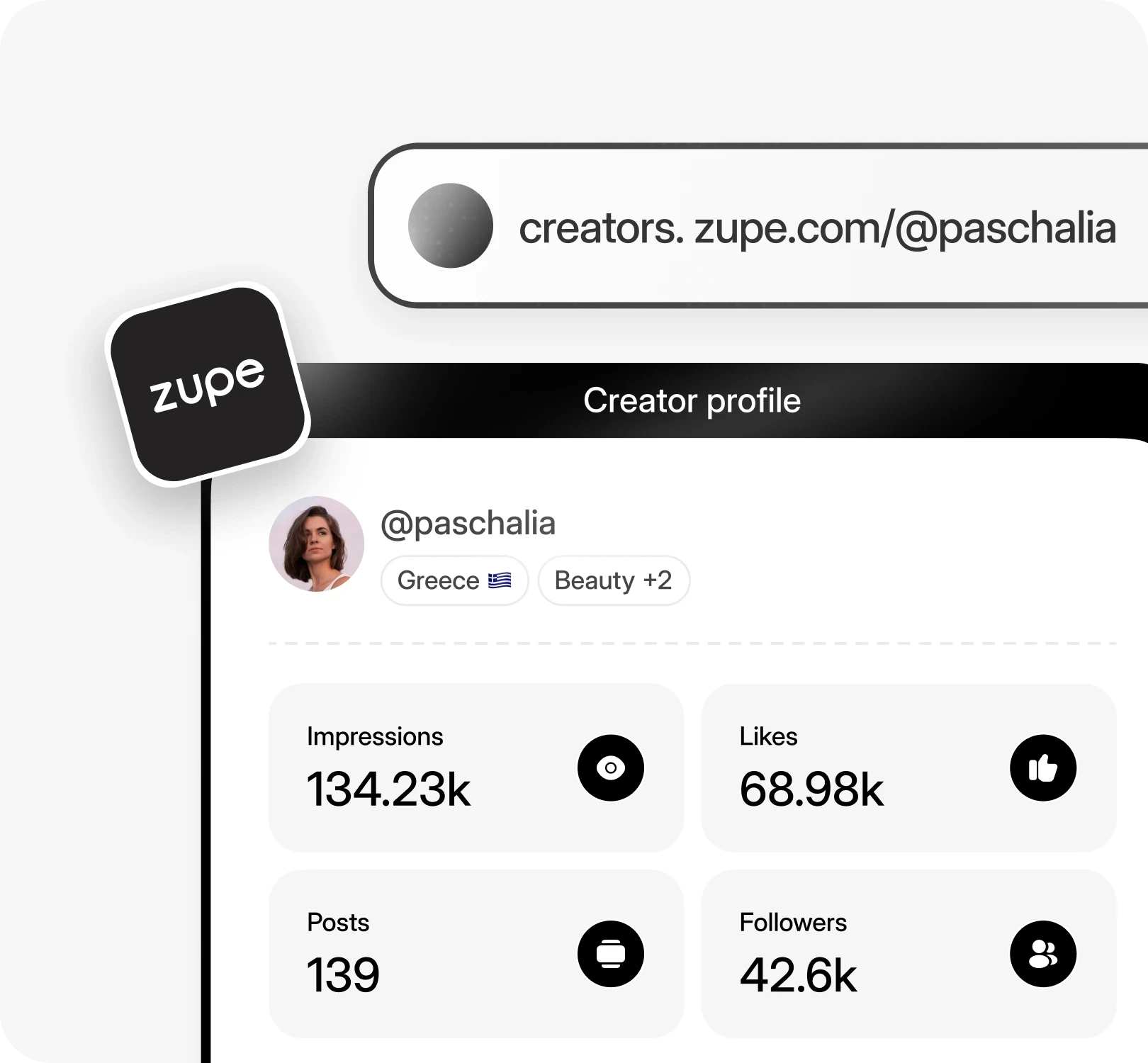
Every file in the Creator Drive is tied to the creator who produced it. Click on any asset and see the creator's profile, contract status, past campaigns, and performance history. This eliminates the guesswork of figuring out who shot a particular piece of backcountry content or whether you have rights to use it in paid media.
Multi-Dimensional Tagging and Search
Tag assets by sport (climbing, skiing, paddling, cycling), season (spring/summer, fall/winter), product SKU, campaign name, content format (photo, video, reel, story), and approval status. Search across all dimensions simultaneously — for example, find all approved vertical video from your winter skiing campaign featuring the Alpine Pro jacket.
Approval and Rights Management Workflows
Set up multi-step approval flows where content moves from submitted to reviewed to approved to cleared-for-paid. Attach usage rights documentation directly to assets so legal and marketing teams can verify permissions without leaving the platform. Flag assets with expiring rights for proactive renewal.
Campaign-Based Folder Structures
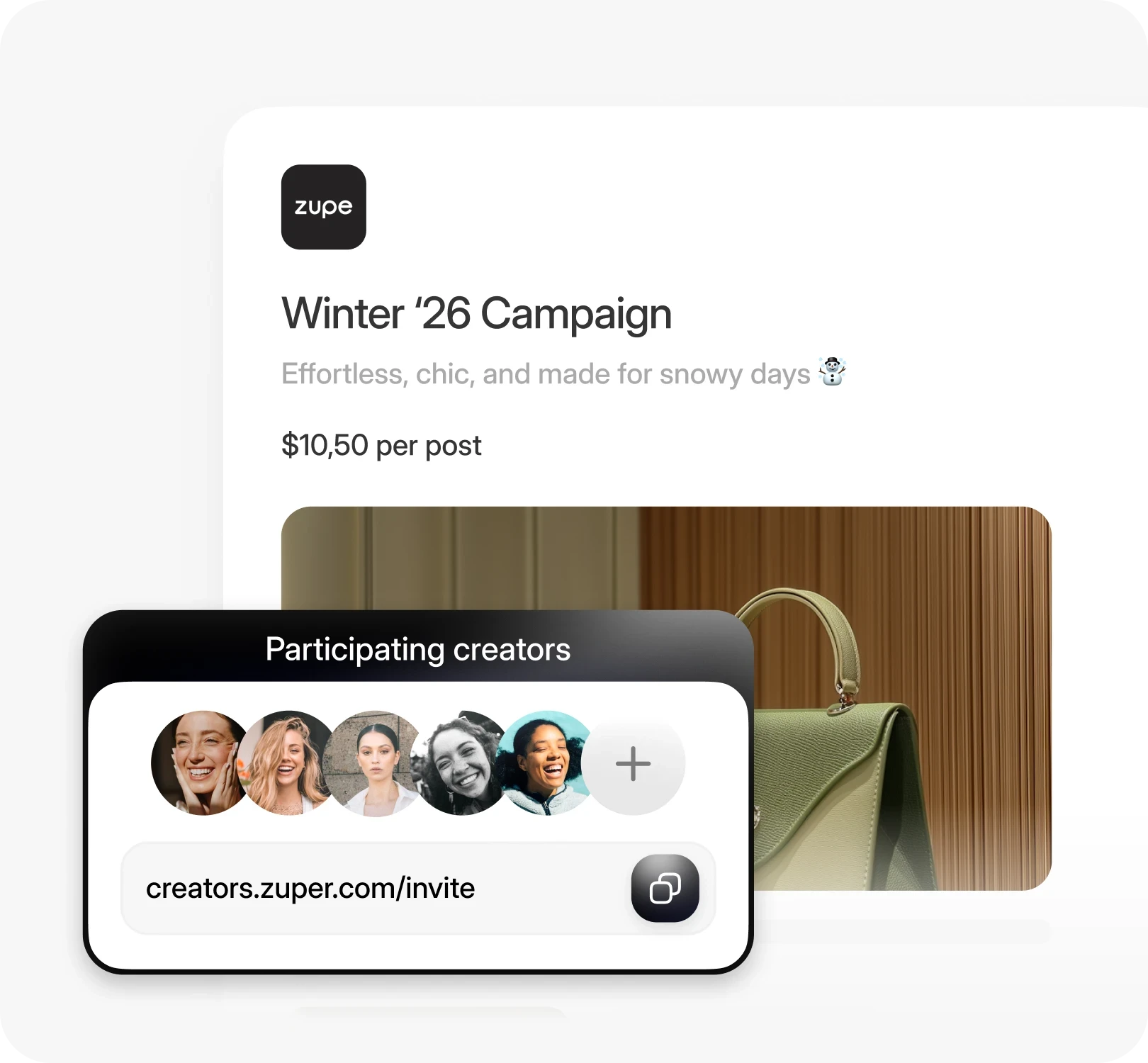
Automatically generate folder structures when new campaigns launch. Each campaign folder inherits tags, deadlines, and deliverable requirements from the collaboration brief. Creators submit directly into the correct folder, eliminating misfiled content.
Inline Preview and Bulk Operations
Preview photos and videos without downloading. Bulk-select assets for export, tagging, or sharing with external partners. Generate shareable galleries with password protection for retail partners, PR agencies, or wholesale accounts who need access to specific content sets.
Performance Data Overlay
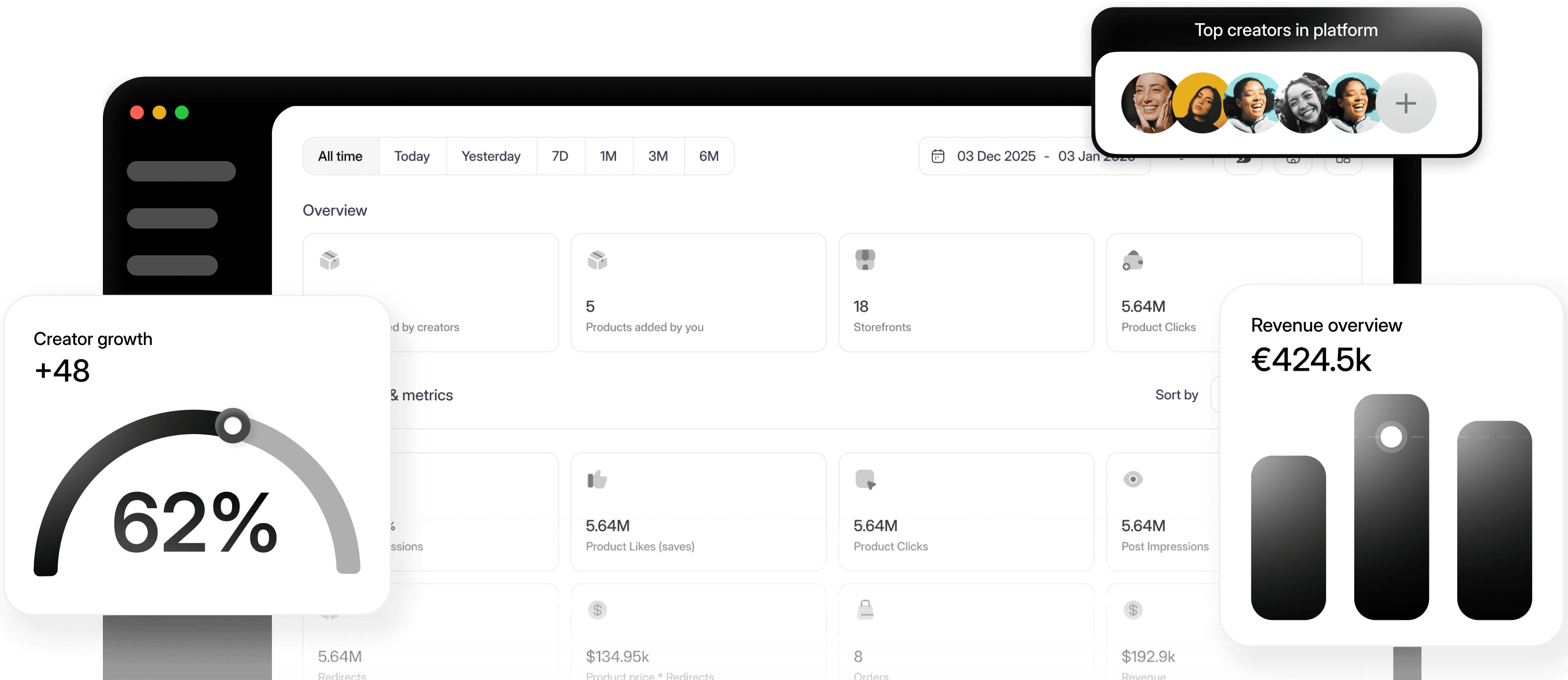
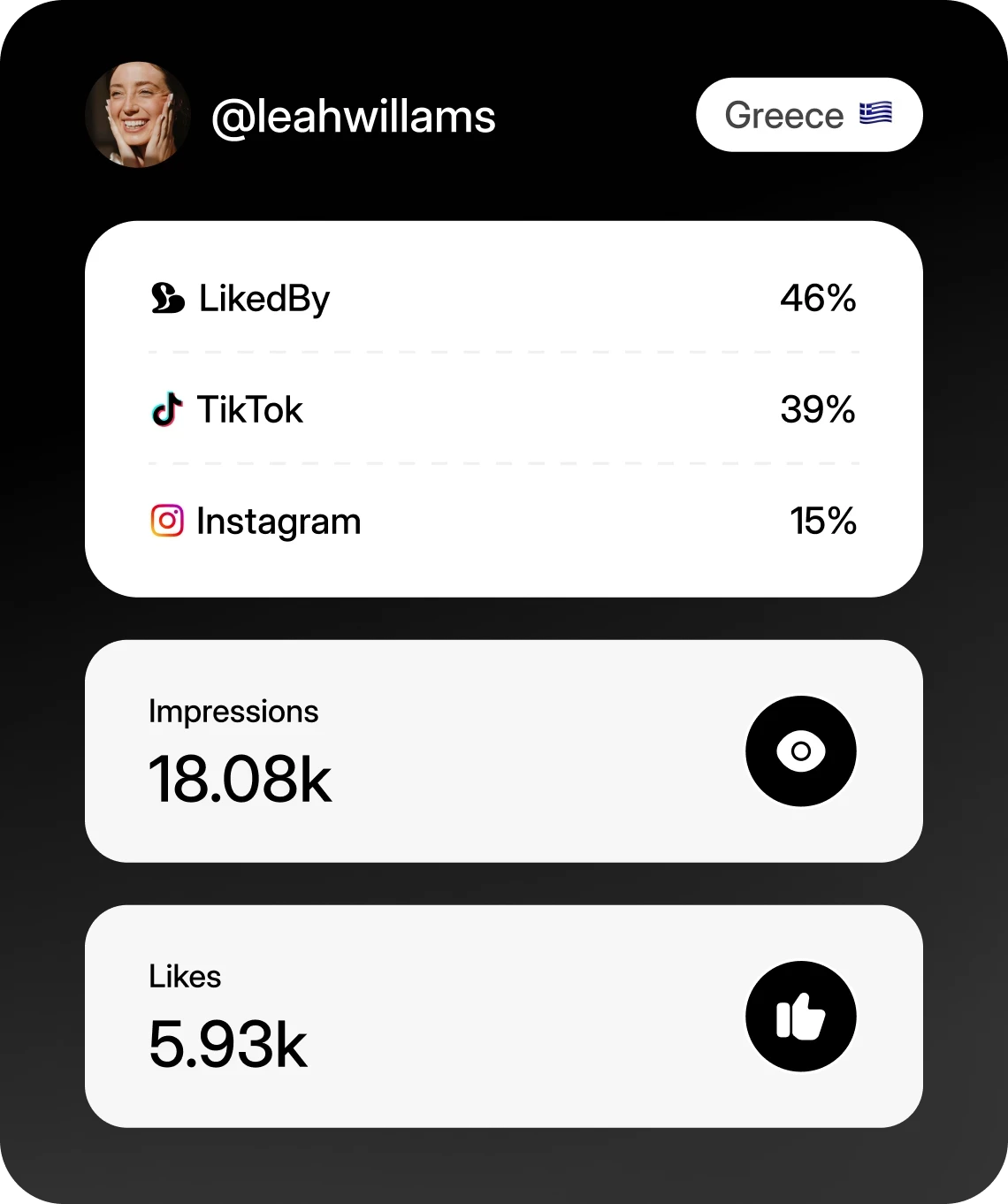
When creator content is deployed through Socialscale's shoppable widgets or tracked via creator storefronts, performance data — impressions, clicks, conversions, revenue — flows back to the asset level. Over time, your Creator Drive becomes a performance-ranked content library where your best-converting adventure content surfaces automatically.
Version Control and Format Management
Outdoor content often comes in multiple formats: raw 4K video, edited reels, vertical crops, horizontal hero images. Store all versions under a single parent asset to keep your library clean while preserving access to every format your team might need for different channels.
Real-World Use Cases for Outdoor Brands
1. Seasonal Campaign Content Recycling for a Hiking Gear Brand
A hiking gear brand runs spring and fall ambassador campaigns each year across 120 trail ambassadors. By the third year, the team has accumulated over 8,000 tagged assets in their creator drive. When the e-commerce team needs lifestyle imagery for a mid-season flash sale, they search by product SKU and season, find 40+ approved photos in under two minutes, and deploy them to product pages and email campaigns the same day — without commissioning a single new shoot.
2. Retail Partner Content Sharing for a Climbing Equipment Company
A climbing equipment company partners with REI and Backcountry for co-branded campaigns. Each retail partner requests specific content sets: vertical video for social, horizontal lifestyle for web banners, and product-in-use photography for catalog pages. The brand marketing team creates password-protected shareable galleries from their creator drive, filtered by product line and content format, and sends access links to each partner within the hour.
3. Paid Media Asset Pipeline for a Ski Apparel Brand
A ski apparel brand's performance marketing manager needs fresh creative every two weeks during the winter season. Instead of relying solely on the in-house creative team, they pull top-performing ambassador content from the creator drive — filtered by engagement rate and conversion data — and feed it directly into Meta and TikTok ad campaigns. The UGC-style creative consistently outperforms studio-shot ads by 35–50% on click-through rate.
4. Ambassador Onboarding Content Library for a Multi-Sport Outdoor Brand
A multi-sport outdoor brand spanning kayaking, mountain biking, and backcountry skiing onboards 50 new ambassadors each quarter. During onboarding, new creators get access to a curated gallery of top-performing content from past campaigns — organized by sport and content style — so they can see exactly what the brand is looking for. This reduces revision cycles by giving creators concrete visual references instead of abstract brief language.
Weekly and Monthly Operational Workflow
Running a creator drive effectively for an outdoor brand requires consistent operational habits. Below is a practical workflow that integrates content storage into your broader creator program operations.
Campaign Launch and Folder Setup (Monthly) — When a new campaign kicks off — say, a summer paddling collection launch — create the campaign folder in your creator drive. Inherit tags from the collaboration brief: sport (paddling), season (summer), product SKUs, and deliverable specs. Share folder access with assigned ambassadors.
Creator Content Submission (Ongoing) — Ambassadors submit content directly into the campaign folder via their creator portal. Each submission is auto-tagged with the creator's profile, submission date, and deliverable type. No more email attachments or WeTransfer links.
Content Review and Approval (Weekly) — Every Monday, the social media manager reviews new submissions. Assets move through a status pipeline: submitted → under review → revision requested → approved → cleared for paid. Feedback is attached inline so creators see comments directly on their content.
Tagging and Metadata Enrichment (Weekly) — After approval, the content coordinator adds granular tags: specific product names, location data, content mood (epic, lifestyle, instructional), and format specs. This 15-minute weekly task pays dividends every time someone searches the library later.
Content Deployment to Shoppable Widgets (Bi-Weekly) — The e-commerce team pulls approved assets from the creator drive and deploys them as shoppable content on product pages using creator widgets. High-performing adventure content is prioritized based on past engagement data.
Retail Partner Gallery Updates (Monthly) — At the start of each month, update shareable galleries for wholesale and retail partners with the latest approved content. Remove expired-rights assets and add fresh seasonal imagery.
Performance Data Sync and Content Ranking (Monthly) — At month-end, sync performance data from deployed content back to the creator drive. Tag top-performing assets so they surface first in future searches. Identify which creators consistently produce high-converting content and flag them for expanded collaborations.
Quarterly Content Audit (Quarterly) — Review the full library for expired usage rights, outdated product imagery, and gaps in coverage by sport or season. Use findings to inform the next quarter's creator collaboration briefs and ambassador recruitment priorities.
Key Performance Indicators to Track
Measuring the impact of your creator drive goes beyond counting files. These KPIs help outdoor brand teams quantify the operational and commercial value of centralized creator content storage.
Content Submission Rate: Number of assets submitted per creator per campaign — target 4–8 deliverables per ambassador per campaign cycle.
Approval Turnaround Time: Average days from submission to final approval — aim for under 3 business days to keep content fresh and creators engaged.
Content Utilization Rate: Percentage of approved assets actually deployed across channels (product pages, social, paid, retail partners) — high-performing programs hit 60–75%.
Asset Retrieval Time: Time from content request to asset delivery for internal or partner use — should drop below 10 minutes with proper tagging.
Click-Through Rate (CTR) on Shoppable Content: Measure CTR on creator content embedded via widgets on product pages — outdoor brands typically see 2.5–4.5% CTR on authentic adventure UGC.
Conversion Rate (CVR) by Content Type: Compare conversion rates across photo vs. video, lifestyle vs. product-focused, and by sport category to optimize future content briefs.
Revenue Attribution (GMV): Track gross merchandise value generated through shoppable creator content deployed from the drive — tie revenue back to specific creators and campaigns.
ROAS on Paid Media Using Creator Content: Measure return on ad spend when using ambassador-generated assets in paid campaigns vs. studio-produced creative.
Rights Compliance Rate: Percentage of deployed assets with current, documented usage rights — target 100% to eliminate legal risk.
Creator Activation Rate: Percentage of onboarded ambassadors who have submitted at least one asset in the current quarter — healthy programs maintain 70%+ activation.
Scenario: Mid-Size Trail Running Brand Centralizes 18 Months of Ambassador Content
A trail running brand with 95 ambassadors across North America had been managing creator content through a combination of Google Drive folders, email threads, and a shared Dropbox account. After 18 months of running their ambassador program, the team estimated they had over 5,500 assets scattered across these systems — but could reliably locate fewer than 800.
After migrating to a centralized creator drive, the team spent two weeks tagging existing assets by product line, trail type, season, and creator. They also implemented a direct submission workflow so new content flowed into campaign-specific folders automatically.
Within 90 days, the results were measurable:
Asset retrieval time dropped from an average of 45 minutes to under 4 minutes.
Content utilization rate increased from 22% to 61% — meaning nearly three times as many approved assets were actually deployed across channels.
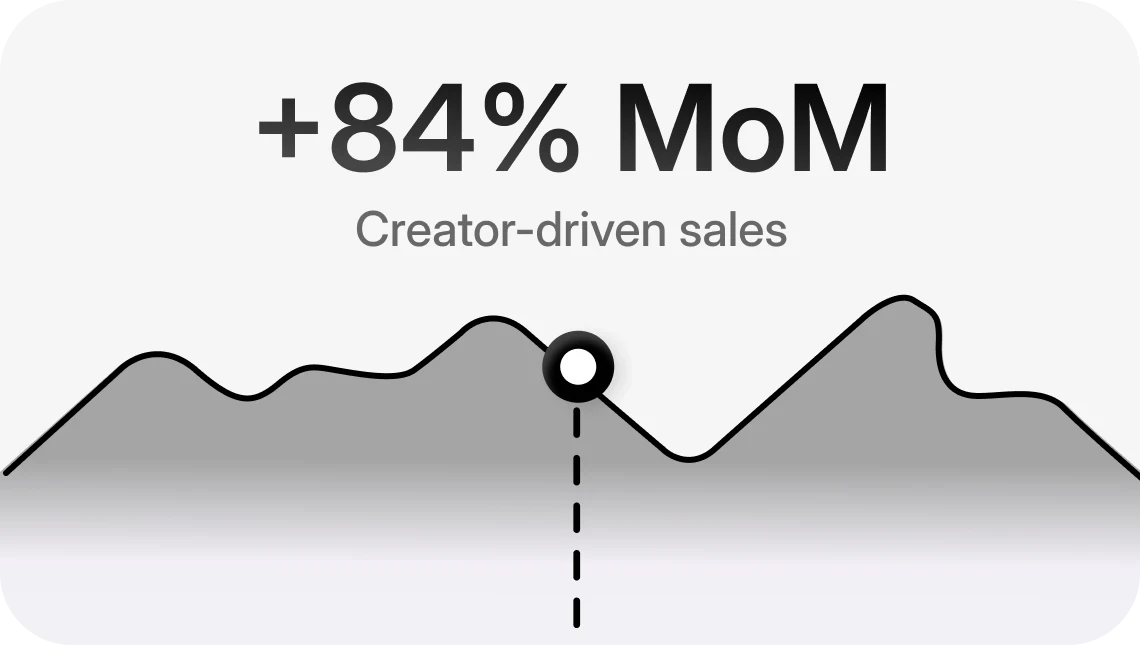
The e-commerce team embedded shoppable creator content on 38 product pages, generating a 3.2% CTR and contributing $127,000 in attributable revenue over the quarter.
Paid media ROAS improved by 42% when using top-performing ambassador trail photography pulled from the drive versus studio-shot product images.
The brand reduced its quarterly product photography budget by $18,000 by supplementing studio shoots with high-quality ambassador content already in the library.
The operations team now runs a weekly 20-minute review cycle to approve and tag new submissions, and a monthly content sync with their three largest retail partners — a process that previously took a full day of file gathering and now takes under an hour.
How is a creator drive different from a regular cloud storage solution like Google Drive?
A creator drive is purpose-built for managing content produced by external creators and ambassadors. Unlike Google Drive, it links every asset to the creator who produced it, attaches campaign metadata and usage rights documentation, integrates with your creator CRM and shoppable content tools, and overlays performance data so you can see which assets actually drive clicks and conversions. For outdoor brands managing hundreds of ambassadors across multiple sports and seasons, this structure is essential.
Can creators submit content directly into the drive?
Yes. Creators submit content through their portal, and files are automatically routed to the correct campaign folder with pre-applied tags. This eliminates the need for email submissions, WeTransfer links, or manual file organization by your internal team.
How does the creator drive handle usage rights for ambassador content?
Usage rights documentation is attached directly to each asset. You can set rights expiration dates, flag assets approaching expiration for renewal, and filter your library to show only content with active rights cleared for specific use cases — such as paid media, retail partner distribution, or in-store displays.
Can I connect creator drive content to shoppable product pages?
Absolutely. Approved assets in the creator drive can be deployed directly to product pages through shoppable creator widgets. When a customer clicks on an ambassador's trail running photo and purchases the featured shoe, that conversion data flows back to the asset and the creator's profile, giving you a clear picture of content-to-commerce performance.
What file formats and sizes does the creator drive support?
The creator drive supports standard photo formats (JPEG, PNG, HEIC, RAW), video formats (MP4, MOV, AVI), and common document types for briefs and contracts. Large video files from 4K adventure footage are handled without compression, preserving the quality outdoor brands need for high-impact visual storytelling across channels.