Creator Drive for Home Decor Brands
Home decor brands produce an extraordinary volume of visual content every season. From styled room reveals and flat-lay product arrangements to before-and-after transformation reels, the imagery that fuels social commerce campaigns is scattered across Google Drive folders, email threads, WeTransfer links, and creator DMs. When your team needs a specific lifestyle shot of a linen sofa in a mid-century living room, finding it should take seconds—not hours.
Creator Drive gives home decor marketing teams a single, organized hub for every piece of creator content tied to your brand. Instead of chasing influencers for raw files or re-downloading compressed versions from Instagram, your team stores, tags, and retrieves high-resolution assets directly inside the same platform where you manage creator collaborations and track performance.
Whether you run seasonal lookbook campaigns, ongoing affiliate creator programs, or one-off influencer photoshoots for product launches, Creator Drive eliminates the asset chaos that slows down home decor brands and keeps your content pipeline moving from shoot to storefront.
Asset Fragmentation Across Channels and Creators
Home decor brands typically work with dozens of creators per quarter, each delivering content through different channels—email, Dropbox, Google Drive, or direct messages. Files end up in personal inboxes, and when a team member leaves, institutional knowledge of where assets live disappears with them.
Seasonal Content Volume Spikes
Spring refresh campaigns, holiday gift guides, and back-to-school dorm decor pushes all generate massive bursts of content. Without a centralized system, teams struggle to catalog and retrieve the right assets when paid media or email marketing needs them weeks later.
Inconsistent File Naming and Organization
Creators rarely follow brand naming conventions. You receive files labeled "IMG_4392.jpg" or "final_v3_revised.mp4" with no indication of product, room type, or campaign. Searching through hundreds of these files wastes hours every week.
Usage Rights Tracking Is Manual and Error-Prone
Home decor photoshoots often involve specific usage windows—90 days for paid social, 12 months for website, perpetual for organic. Tracking which assets have expired rights using spreadsheets creates legal risk and slows down content repurposing.
Difficulty Matching Content to Product SKUs
A beautifully styled kitchen scene might feature a pendant light, a ceramic vase, and a set of linen napkins. Connecting each asset to the correct product SKUs for shoppable content or catalog ads requires manual tagging that rarely gets done.
Version Control Problems
When creators submit drafts for approval, revisions pile up. Teams accidentally publish unapproved versions or use outdated product shots that feature discontinued colorways, leading to customer confusion and returns.
No Visibility Into Content Gaps
Without a visual overview of all assets organized by product line, room type, or aesthetic, merchandising and marketing teams cannot quickly identify which products lack lifestyle imagery—leaving gaps in shoppable content and product detail pages.
Generic Cloud Storage Lacks Creator Context
Google Drive and Dropbox store files, but they have no concept of a creator, a campaign, or a product SKU. You cannot filter assets by creator handle, collaboration status, or content performance. Every search becomes a manual dig through nested folders that only the person who created them understands.
DAM Platforms Are Overbuilt and Disconnected
Enterprise digital asset management tools like Bynder or Brandfolder offer robust tagging, but they are designed for internal brand assets—not creator-generated content. They lack native connections to influencer marketing workflows, meaning your team must manually export from one system and import into another, losing metadata along the way.
Project Management Tools Treat Content as an Afterthought
Asana, Monday, and Notion can track campaign tasks, but they are not built to preview, tag, and organize visual assets. Attaching a 200MB video to a task card is clunky, and there is no way to search across all campaigns for a specific product or aesthetic.
Spreadsheets Cannot Scale
Many home decor teams maintain a master spreadsheet linking creator names to Google Drive URLs. This approach breaks the moment a link expires, a folder is reorganized, or a new team member needs onboarding. It also provides zero visual preview, making it impossible to browse content quickly.
Social Platform Downloads Degrade Quality
Downloading content directly from Instagram or TikTok compresses files and strips metadata. For home decor brands that need high-resolution imagery for print catalogs, website banners, and paid media, this quality loss is unacceptable.
How Socialscale Creator Drive Solves Asset Management for Home Decor Brands
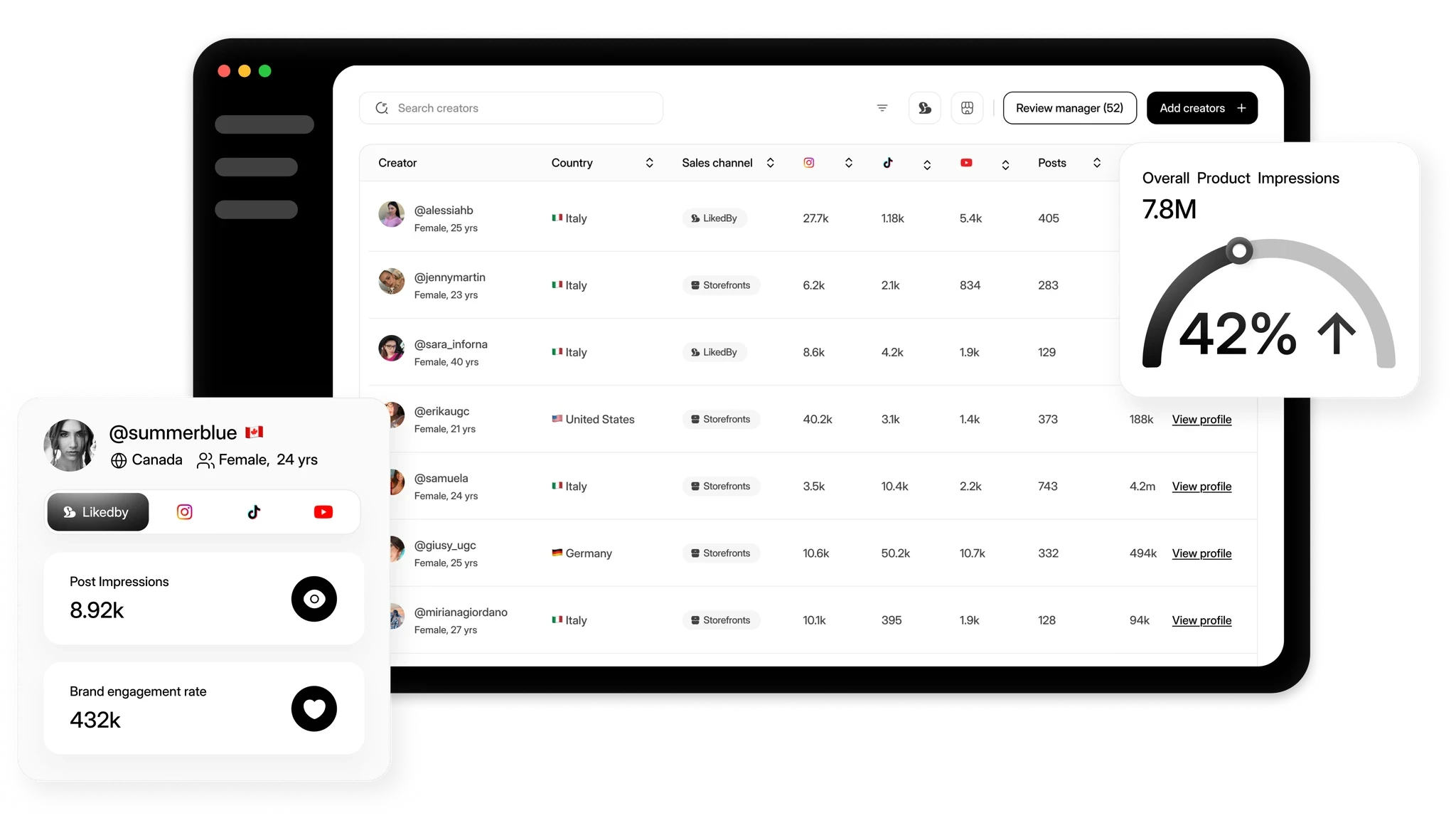
Socialscale's Creator Drive is purpose-built for brands that run creator programs at scale. It is not a generic file storage tool—it is a content management layer that sits inside the same platform where you onboard creators, manage campaigns, and track performance. Every asset uploaded to Creator Drive is automatically linked to the creator who produced it and the collaboration it belongs to.
For home decor brands, this means you can search for "velvet armchair" and instantly surface every lifestyle photo, reel, and story featuring that product across all creators and campaigns. You can filter by room type, aesthetic, season, or usage rights status. When your paid media team needs fresh creative for a retargeting campaign, they browse Creator Drive instead of filing a request with the influencer marketing team and waiting days for a response.
Because Creator Drive is integrated with creator collaborations and the creator CRM, every asset carries context: who created it, what campaign it was part of, which products it features, what the usage terms are, and how the content performed when published. This transforms your content library from a static archive into a strategic asset that informs future creator selection, product merchandising, and social commerce decisions.
Feature Breakdown: Creator Drive for Home Decor Teams
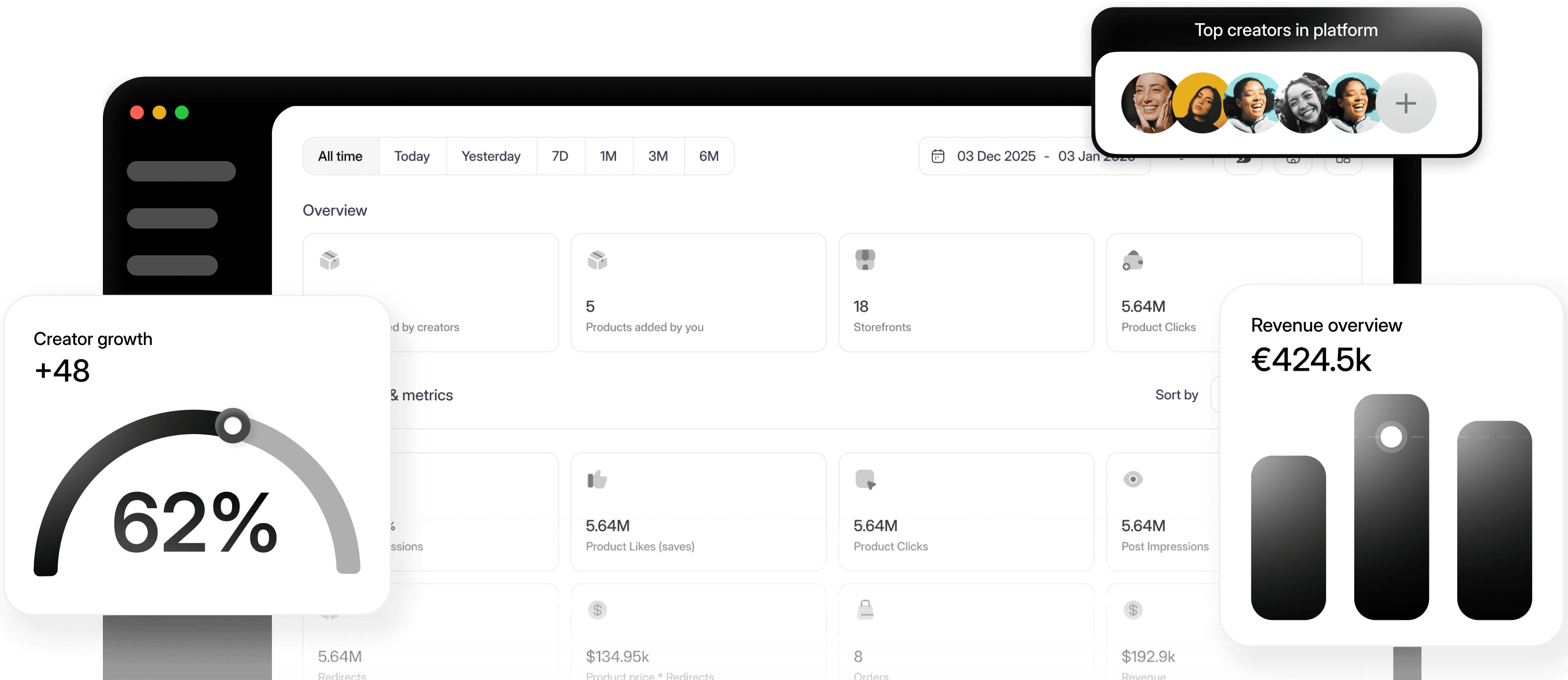
Automatic Creator-to-Asset Linking
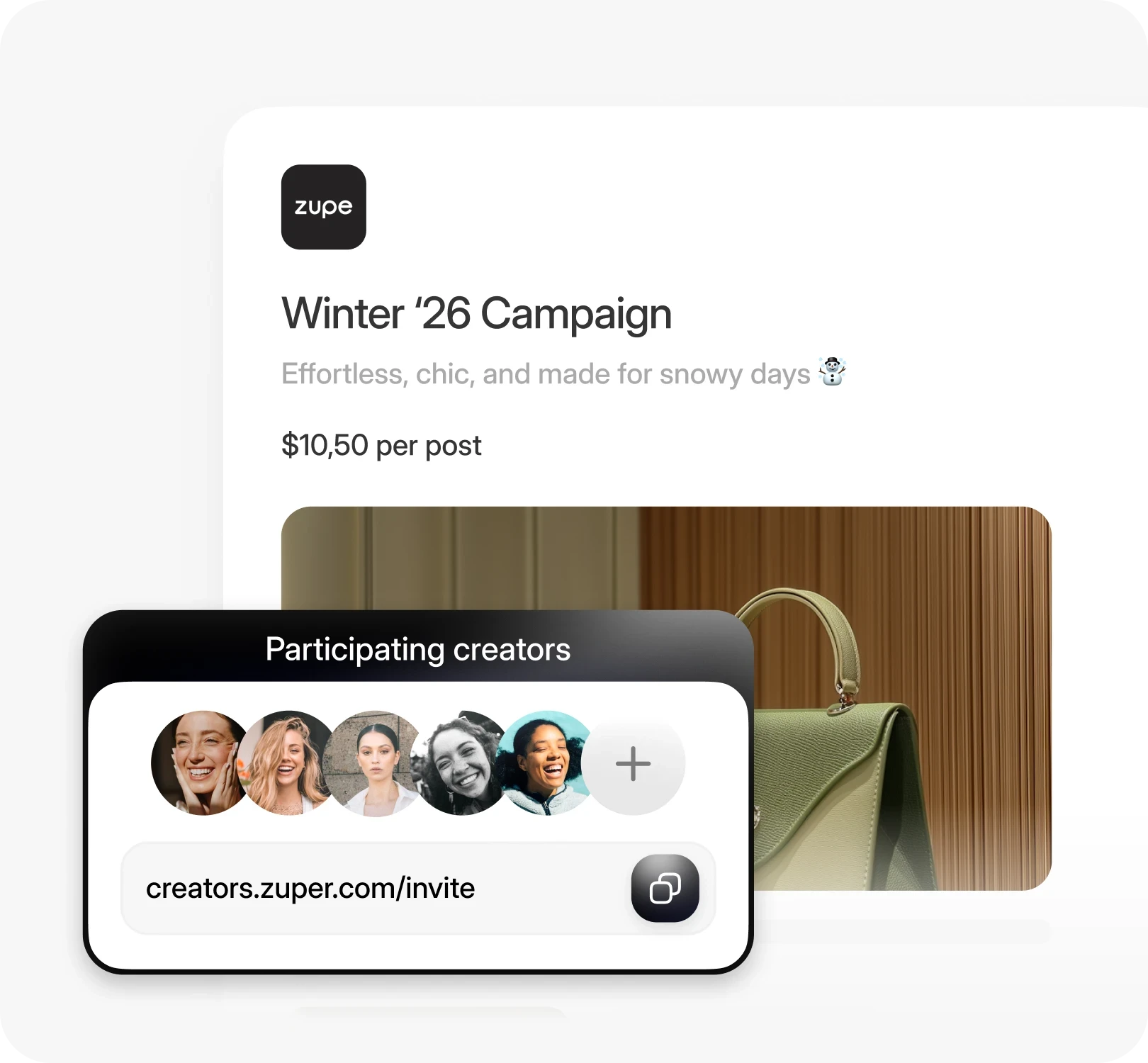
Every file uploaded or submitted through a collaboration brief is automatically tagged with the creator's profile, campaign name, and submission date. When a home decor brand runs a "Spring Living Room Refresh" campaign with 30 creators, all 150+ assets are instantly organized under that campaign with individual creator attribution—no manual sorting required.
Custom Tagging by Room, Product, and Aesthetic
Create tag taxonomies that match how your merchandising and marketing teams actually think. Tag assets by room type (bedroom, kitchen, bathroom, outdoor), product category (lighting, textiles, wall art), style (Scandinavian, boho, coastal), and color palette. These tags make it possible to pull together a cohesive lookbook or ad set in minutes.
Usage Rights Management
Attach usage rights directly to each asset or batch of assets. Set expiration dates for paid media usage, organic posting, and website placement. Creator Drive surfaces assets approaching rights expiration in a weekly digest, giving your team time to renegotiate or retire content before it becomes a liability.
Visual Grid and Preview Mode
Browse your entire content library in a visual grid that mimics how home decor teams evaluate imagery. Preview photos at full resolution and play videos inline without downloading. Compare assets side by side to select the strongest creative for a campaign or product page.
Version History and Approval Status
Track every version of an asset from initial draft to final approved file. Each version carries its approval status—pending, revision requested, approved—so your team never accidentally publishes an unapproved image. This is especially critical for home decor brands where product colors must be accurately represented.
SKU-Level Asset Mapping
Link individual assets to specific product SKUs from your catalog. When your e-commerce team needs lifestyle imagery for a new product detail page, they search by SKU and see every creator photo featuring that product. This workflow directly supports shoppable content creation and creator widget embedding on your storefront.
Bulk Download and Export
Export assets in bulk with original resolution preserved. Apply filters first—campaign, creator, product, approval status—and download a curated package ready for your design team, agency, or ad platform. Export metadata as a CSV for integration with your DAM or PIM system.
Content Gap Analysis Dashboard
View a matrix of products versus available creator content. Quickly identify which SKUs have zero lifestyle imagery, which product lines are over-indexed with content, and where your next creator photoshoot should focus. This dashboard turns Creator Drive from a storage tool into a content strategy instrument.
Use Cases for Home Decor Brands
Seasonal Lookbook Production
A home decor brand launches a fall collection featuring warm-toned textiles, ceramic tableware, and brass lighting. The marketing team commissions 25 creators to style these products in their own homes, each interpreting the "Autumn Warmth" brief differently. All submitted content flows into Creator Drive, tagged by product, room, and aesthetic. The creative director browses the visual grid, selects the 40 strongest images, and exports them for the digital lookbook—all within a single afternoon instead of the usual week-long email chase.
Always-On Affiliate Content Library
A direct-to-consumer home decor brand runs an ongoing affiliate creator program where 100+ micro-influencers post product content monthly. Each creator submits their raw files through the collaboration portal, and assets land in Creator Drive pre-tagged with creator name and product SKU. The social media team pulls top-performing images weekly for organic reposts, while the paid media team sources fresh creative for dynamic product ads without ever contacting the influencer marketing team.
Product Launch Photoshoot Coordination
A furniture brand is launching a new modular shelving system. They invite 10 creators to receive the product and photograph it in different room settings—home offices, living rooms, kids' rooms, and entryways. Creator Drive becomes the central hub where all photoshoot assets are collected, reviewed, and approved. The product marketing team tags each image with the specific shelving configuration shown, creating a searchable library that supports the product page, email campaigns, and retail partner assets.
Retailer and Wholesale Partner Asset Sharing
A home decor brand sells through its own DTC site and through wholesale partners like West Elm and Target. Each retailer has different image specifications and usage requirements. The brand uses Creator Drive to maintain a master library of creator content, then exports curated asset packages tailored to each retailer's specs. Usage rights tags ensure that only content with appropriate licensing is shared with third parties, reducing legal risk and speeding up partner onboarding.
Weekly and Monthly Operational Workflow
Running a creator content program for a home decor brand requires consistent operational rhythms. Here is how teams typically use Creator Drive within their weekly and monthly workflows.
Monday: Review New Submissions — Check Creator Drive for all assets submitted over the previous week. New files from active collaborations appear automatically, tagged with creator and campaign metadata. Review thumbnails in grid view and flag any that need revision.
Tuesday: Tag and Categorize — Apply custom tags to newly submitted assets: room type, product SKU, color palette, and aesthetic style. Batch-tag where possible. Assign usage rights based on the collaboration agreement terms stored in the creator CRM.
Wednesday: Approve or Request Revisions — Move assets through the approval pipeline. Mark final versions as approved and send revision requests back to creators through the collaboration portal. Approved assets become available to the broader marketing team.
Thursday: Content Distribution — The paid media team browses approved assets filtered by product line and selects creative for upcoming ad sets. The email marketing team pulls hero images for the weekly newsletter. The social media manager queues organic reposts with proper creator attribution.
Friday: Performance Review — Cross-reference content performance data from the creator analytics dashboard with the assets in Creator Drive. Identify which visual styles, room settings, and product combinations drive the highest engagement and conversion rates.
Monthly: Content Gap Analysis — Run the content gap dashboard to identify product lines with insufficient creator imagery. Flag these gaps for the next month's creator brief planning. Prioritize new product launches and seasonal hero products.
Monthly: Rights Audit — Review the usage rights expiration report. Identify assets approaching their licensing window end date. Initiate renewal conversations with high-performing creators or retire content from active campaigns and product pages.
Quarterly: Library Cleanup and Archive — Archive assets from completed seasonal campaigns. Remove duplicate files and outdated product imagery. Ensure the active library reflects current product assortment and brand guidelines.
Key Performance Indicators to Track
Measuring the impact of Creator Drive on your home decor brand's operations and revenue requires tracking both efficiency metrics and commercial outcomes.
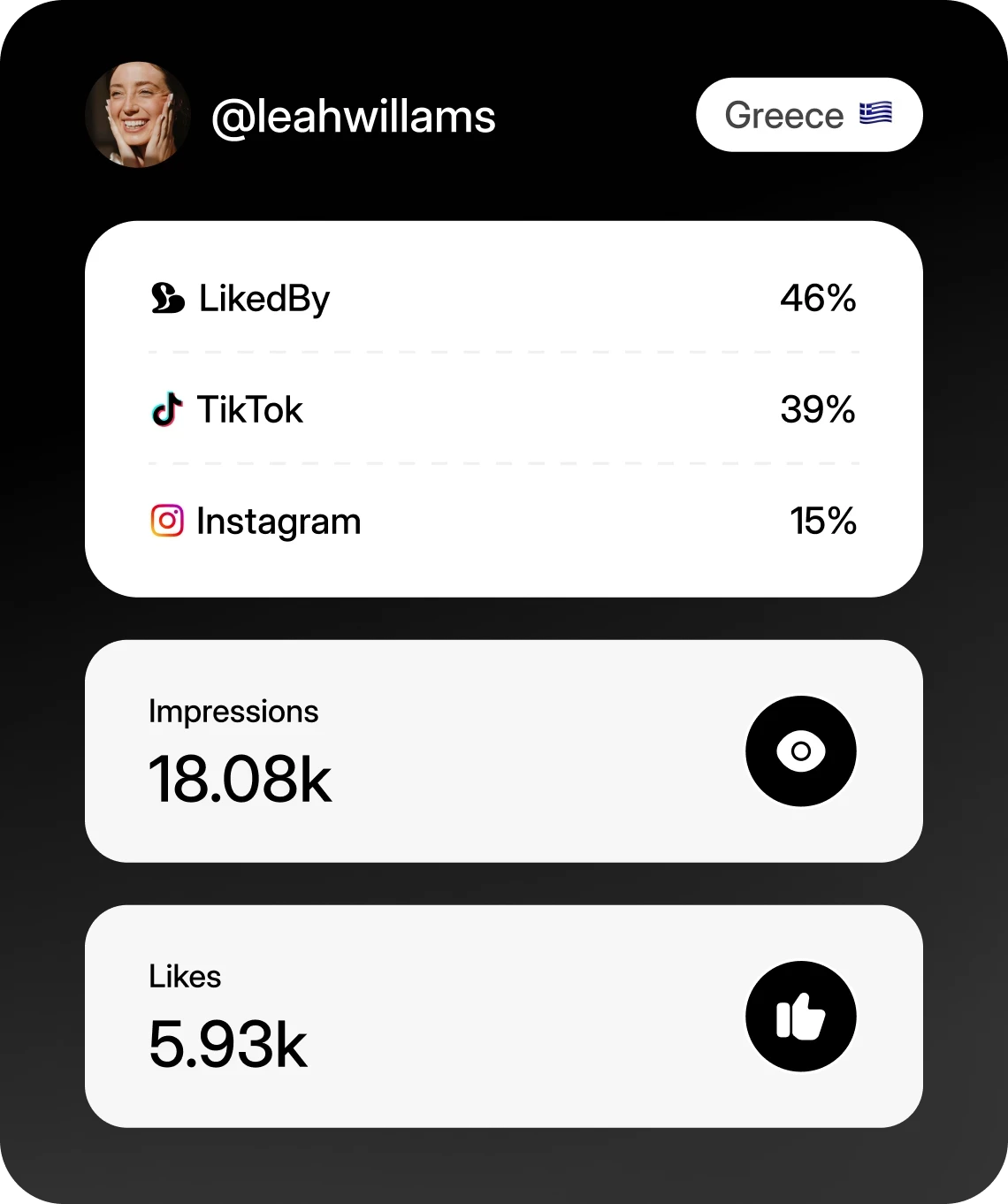
Asset Retrieval Time: Average time from content request to asset delivery to internal teams. Target reduction from days to minutes.
Content Approval Cycle Time: Days from initial creator submission to final approved asset. Benchmark against pre-Drive workflows.
Creator Activation Rate: Percentage of onboarded creators who submit usable content within the expected timeframe.
Content Output per Creator: Average number of approved assets delivered per creator per campaign, segmented by content type (photo, video, story).
Content Utilization Rate: Percentage of approved assets that are actually used in paid, organic, email, or on-site placements within 30 days of approval.
Click-Through Rate (CTR) on Creator Content: CTR on ads, emails, and product pages using creator-sourced imagery versus studio photography.
Conversion Rate (CVR) Lift: Conversion rate on product pages featuring creator lifestyle imagery compared to pages with only studio shots.
Gross Merchandise Value (GMV) from Shoppable Content: Revenue attributed to shoppable creator widgets and creator storefronts powered by assets from Creator Drive.
Return on Ad Spend (ROAS) by Creative Source: ROAS segmented by creator-sourced creative versus brand-produced creative to quantify the commercial value of creator content.
Cost per Acquisition (CPA) Reduction: Decrease in CPA when using high-performing creator assets identified through performance-tagged content in Creator Drive.
Rights Compliance Rate: Percentage of active content placements operating within valid usage rights windows, targeting 100%.
Content Gap Coverage: Percentage of active SKUs with at least one approved creator lifestyle image, tracked monthly.
Scenario: Mid-Size DTC Home Decor Brand Streamlines Creator Content Operations
A direct-to-consumer home decor brand specializing in sustainable furniture and textiles was running creator programs with 60 influencers per quarter. Their content workflow relied on a combination of Google Drive, email attachments, and a shared Notion database linking creator names to folder URLs. The influencer marketing manager spent approximately 8 hours per week locating, downloading, and re-organizing creator assets for internal stakeholders.
The brand's paid media team frequently complained about stale creative—they were reusing the same 15 creator images across Facebook and Instagram ads because finding new approved assets was too time-consuming. Meanwhile, the e-commerce team had identified that product pages with lifestyle imagery converted 34% higher than those with studio-only shots, but only 40% of active SKUs had any creator content mapped to them.
After implementing Creator Drive as part of their Socialscale deployment, the team established a weekly tagging and approval workflow. All creator submissions flowed directly into Creator Drive, pre-linked to the relevant collaboration and creator profile. Custom tags for room type, product SKU, and aesthetic style were applied during Tuesday batch-tagging sessions.
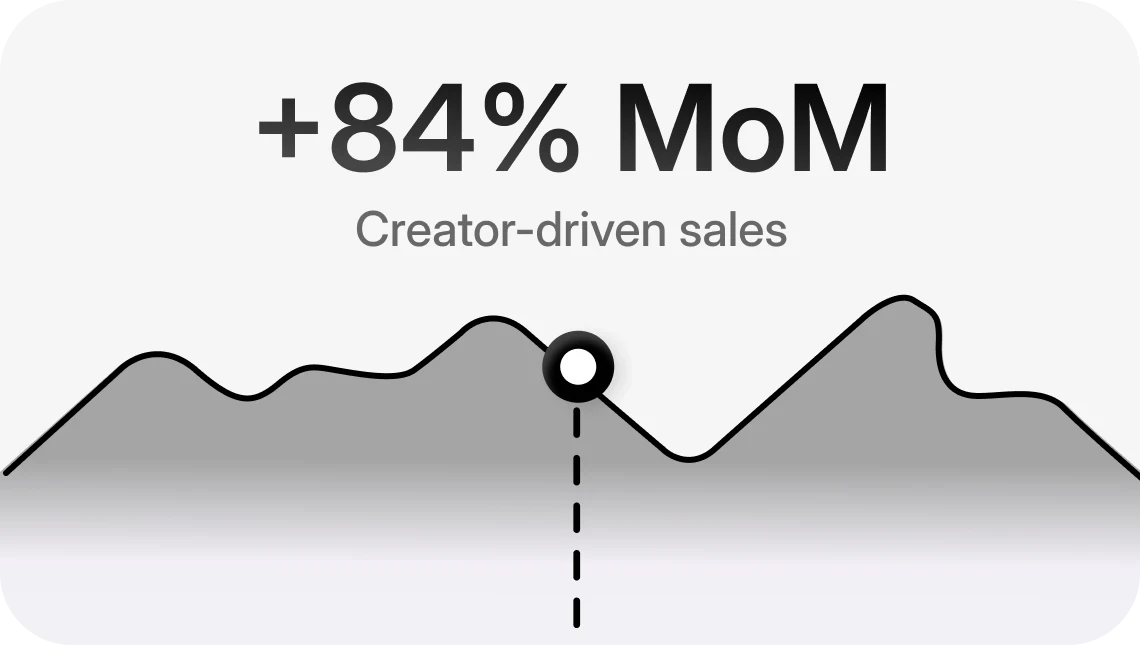
Within 90 days, measurable results emerged. Asset retrieval time dropped from an average of 2.3 days to under 10 minutes. The paid media team refreshed ad creative weekly instead of monthly, leading to a 22% improvement in ROAS on creator-sourced ads. Content gap coverage increased from 40% to 78% of active SKUs with at least one approved lifestyle image. The influencer marketing manager reclaimed 6 hours per week, redirecting that time toward creator relationship building and campaign strategy. Overall, the brand attributed a 15% increase in site-wide conversion rate to the expanded use of creator lifestyle imagery across product pages, email campaigns, and shoppable content widgets.
Frequently Asked Questions
How does Creator Drive differ from Google Drive or Dropbox for managing home decor content?
Creator Drive is built specifically for creator-generated content. Every asset is automatically linked to the creator who produced it, the campaign it belongs to, and the products it features. You can filter by room type, product SKU, aesthetic style, and usage rights status—none of which is possible in generic cloud storage. It also integrates directly with your creator collaborations and performance tracking, so you never lose context about where content came from or how it performed.
Can I control who on my team accesses specific assets?
Yes. Creator Drive supports role-based access so you can give your paid media team access to approved assets only, while your influencer marketing team manages the full submission and approval pipeline. This prevents unapproved or rights-expired content from being used in live campaigns.
How are usage rights tracked for creator photoshoot content?
Usage rights are attached at the asset or batch level during the tagging workflow. You set the usage type (organic, paid, website, retail partner), the start date, and the expiration date. Creator Drive sends automated alerts as rights approach expiration, and you can filter your library to show only assets with active rights for any given usage type.
Does Creator Drive support video content from room makeover and styling campaigns?
Absolutely. Creator Drive handles photos, videos, Stories, Reels, and TikTok content at original resolution. For home decor brands running video-heavy programs like room transformation series or product unboxing content, you can preview videos inline, track versions, and export at full quality for ad platforms or your website.
How does Creator Drive help with organizing home decor influencer photoshoots specifically?
When you brief creators for a photoshoot—whether it is a seasonal campaign or a product launch—all submitted assets flow into Creator Drive tagged with the campaign brief, creator profile, and submission date. Your team then applies product SKU tags, room type labels, and aesthetic categories. The visual grid lets you evaluate all submissions side by side, approve or request revisions, and export curated selections for specific channels. This end-to-end workflow replaces the scattered email-and-folder approach that most home decor teams currently endure.