Creator Drive for Global Retailers: The Global Creator Drive Platform for Scalable Content Operations
Global retailers manage creator content across dozens of markets, hundreds of campaigns, and thousands of individual collaborations every quarter. Without a centralized global creator drive platform, this content scatters across shared drives, email threads, messaging apps, and local agency folders — creating a fragmentation problem that slows down every downstream workflow from social commerce activation to paid media repurposing.
The challenge intensifies as retail brands scale their affiliate creator programs and influencer partnerships across regions. Each market generates unique assets — localized UGC, product reviews, unboxing videos, shoppable content for storefronts — and each asset carries specific usage rights, expiration dates, and performance data. Managing this at global scale requires purpose-built creator content storage infrastructure, not generic file management tools.
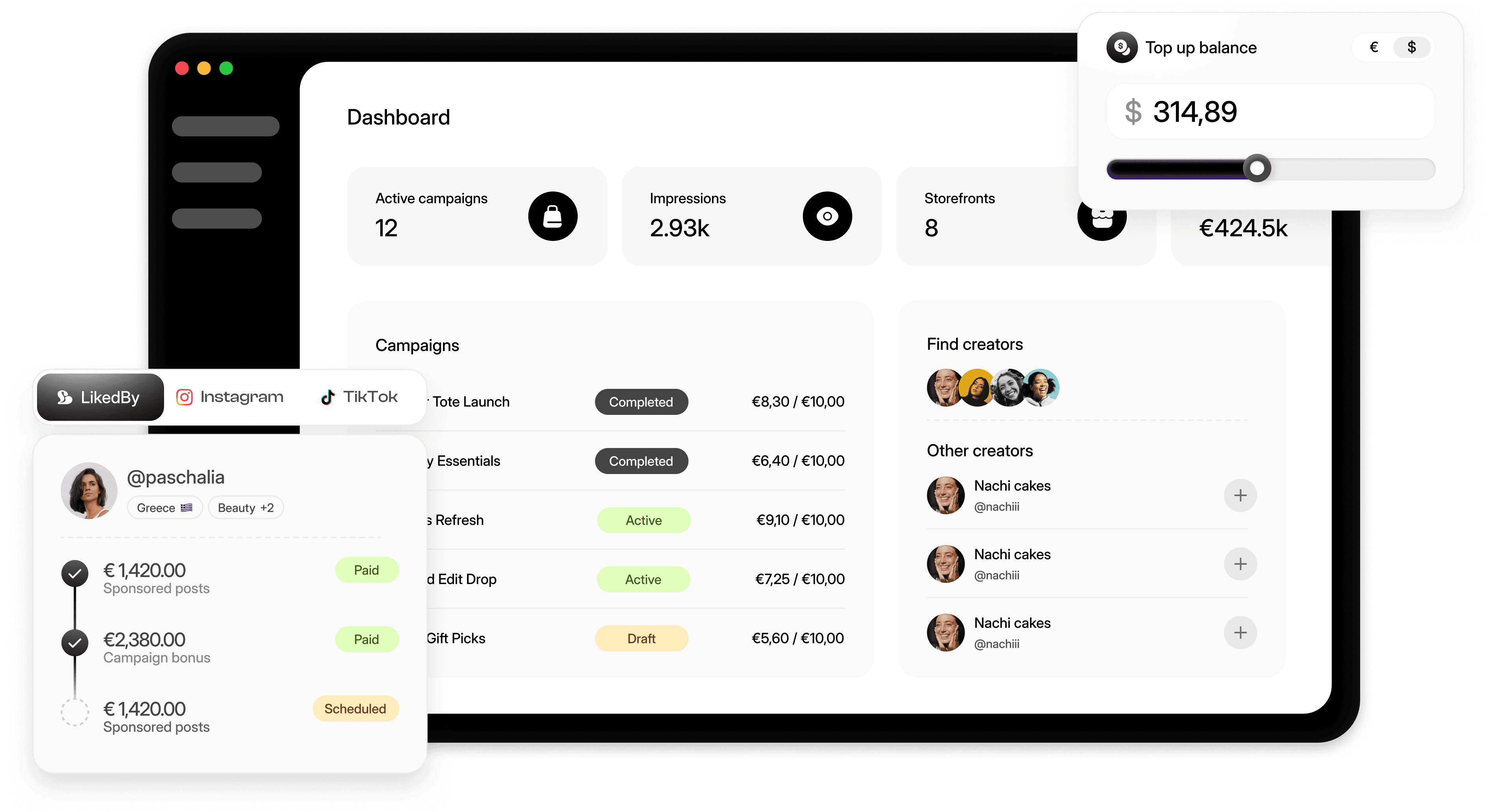
Socialscale's Creator Drive gives global retail teams a single, organized hub for every piece of creator content produced across all markets and campaigns. It connects directly to your creator CRM, collaboration workflows, and analytics — so content is never orphaned from the context that makes it actionable.
Content Fragmentation Across Markets and Teams
Global retailers operate across multiple regions, each with its own marketing team, agency partners, and creator rosters. Content produced in APAC lives in one system, EMEA assets sit in another, and North American UGC is scattered across Slack channels and Google Drive folders. No single team has visibility into the full library of creator assets available for activation.
Usage Rights Tracking at Scale
Every piece of creator content comes with specific licensing terms — duration of use, approved channels, geographic restrictions, exclusivity clauses. When a global retailer runs 500+ creator collaborations per quarter, manually tracking these rights in spreadsheets becomes a compliance liability. Expired rights lead to legal exposure; overly cautious teams leave high-performing content unused.
Slow Content Approval and Distribution Cycles
Retail moves fast. Seasonal campaigns, flash sales, and trending moments require rapid content deployment. When content sits in approval limbo because the right stakeholders cannot locate, review, or approve assets quickly, the window of relevance closes. Global retailers lose revenue when shoppable content reaches storefronts days late.
Inability to Connect Content to Performance Data
Most storage solutions treat content as static files. Global retailers need to know which creator assets drive clicks, conversions, and revenue — and they need that data attached to the asset itself, not buried in a separate analytics dashboard. Without this connection, content selection for paid amplification and storefront placement becomes guesswork.
Duplicate Content and Wasted Production Spend
When teams across regions cannot search a centralized library, they frequently commission new content that duplicates what already exists. A product launch video created for the UK market might work perfectly for Australia with minor adaptation, but if nobody knows it exists, the brand pays twice.
Inconsistent Taxonomy and Tagging
Without standardized metadata — product SKUs, campaign names, creator handles, content formats, usage status — finding the right asset becomes a manual hunt. Global retailers with thousands of SKUs and hundreds of active creators need structured tagging that scales with their catalog.
Agency and Internal Team Handoff Friction
Many global retailers split creator program management between internal teams and external agencies. Content handoffs between these groups are notoriously messy, with assets delivered via WeTransfer links, Dropbox folders, or email attachments that expire or get lost in inboxes.
Generic Cloud Storage Was Not Built for Creator Workflows
Google Drive, Dropbox, and OneDrive are excellent general-purpose storage tools. But they have no concept of a creator, a campaign, a usage right, or a content performance metric. Global retailers using these tools end up building elaborate folder structures and naming conventions that break down the moment a new team member joins or a new market launches. There is no way to filter assets by creator, campaign, product line, content format, and performance data simultaneously.
DAM Systems Are Over-Engineered and Under-Connected
Enterprise Digital Asset Management platforms offer robust metadata and taxonomy features, but they are typically designed for brand-produced assets — not the high-volume, fast-turnaround reality of creator content. They require significant IT involvement to configure, they rarely integrate with influencer marketing software or creator CRM systems, and their per-seat licensing models make it prohibitively expensive to grant access to external creators and agencies.
Platform-Native Storage Is Siloed by Channel
TikTok Creator Marketplace, Instagram's branded content tools, and YouTube's BrandConnect each store content within their own ecosystems. Global retailers running omnichannel creator programs cannot rely on platform-native storage because it fragments their library by channel rather than organizing it by campaign, product, or business objective.
Spreadsheet-Based Tracking Collapses at Scale
Tracking content status, rights windows, and asset locations in spreadsheets works for small programs. For a global retailer managing content from 1,000+ creators across 15+ markets, spreadsheets become unmanageable within weeks. Version control issues, broken links, and outdated status fields make them unreliable as a system of record.
How Socialscale's Creator Drive Solves Global Retail Content Infrastructure
Socialscale's Creator Drive is purpose-built for the content storage and organization needs of global creator programs. Unlike generic storage or enterprise DAM tools, Creator Drive understands the relationship between a piece of content and the creator who made it, the campaign it belongs to, the products it features, the usage rights attached to it, and the performance data it generates once deployed.
For global retailers, this means every asset — from a 15-second TikTok unboxing clip to a long-form YouTube review — lives in a single searchable library with rich, structured metadata. Teams in any market can find, filter, and activate content without filing support tickets or sending Slack messages asking where something lives.
Creator Drive integrates directly with Socialscale's creator collaborations workflow, so content submitted by creators flows automatically into the drive with campaign tags, product associations, and rights metadata already attached. There is no manual upload step, no naming convention to enforce, and no risk of assets falling through the cracks.
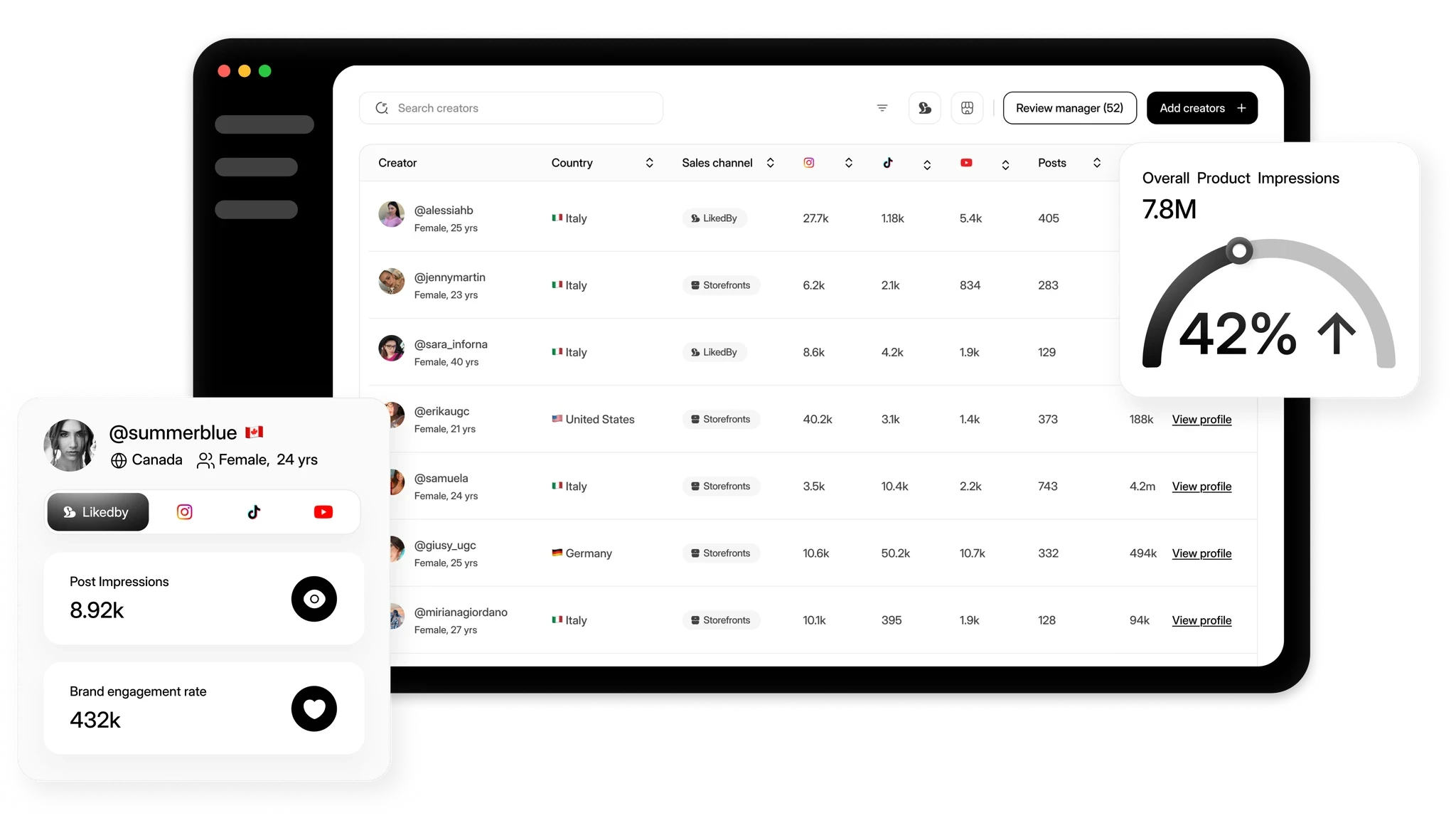
Performance data from Socialscale's creator analytics layer is linked to each asset, enabling retail teams to sort and filter content by engagement rate, click-through rate, conversion rate, and revenue attribution. This transforms Creator Drive from a passive storage layer into an active content intelligence system that informs paid media decisions, storefront curation, and future creator selection.
Creator Drive Feature Breakdown for Global Retailers
Automated Content Ingestion from Creator Collaborations
When a creator submits deliverables through a Socialscale collaboration brief, the content is automatically ingested into Creator Drive with pre-populated metadata: campaign name, creator handle, product SKUs, content format, submission date, and approval status. This eliminates the manual upload and tagging burden that slows down global teams managing hundreds of simultaneous collaborations.
Multi-Dimensional Search and Filtering
Creator Drive supports filtering by market or region, campaign, product category or SKU, creator name or tier, content format (video, image, story, reel), usage rights status (active, expiring, expired), performance tier (top-performing, mid-range, underperforming), and approval status. Global retail teams can combine these filters to answer specific operational questions instantly — for example, finding all active-rights video content featuring a specific product line from top-performing creators in the DACH region.
Usage Rights Management with Automated Alerts
Each asset in Creator Drive carries its usage rights metadata: start date, end date, approved channels, geographic scope, and exclusivity terms. The system sends automated alerts to designated team members when rights are approaching expiration, giving teams time to negotiate renewals or pull content from active placements. This is critical for global retailers who embed creator content across e-commerce storefronts, paid social campaigns, and email marketing — all of which require active rights.
Collaborative Review and Approval Workflows
Creator Drive includes built-in review tools that allow multiple stakeholders — brand managers, legal teams, regional leads — to comment on, approve, or request revisions to creator content directly within the platform. Approval status is tracked at the asset level, so teams can filter for approved content ready for deployment without checking external communication threads.
Content Collections and Campaign Folders
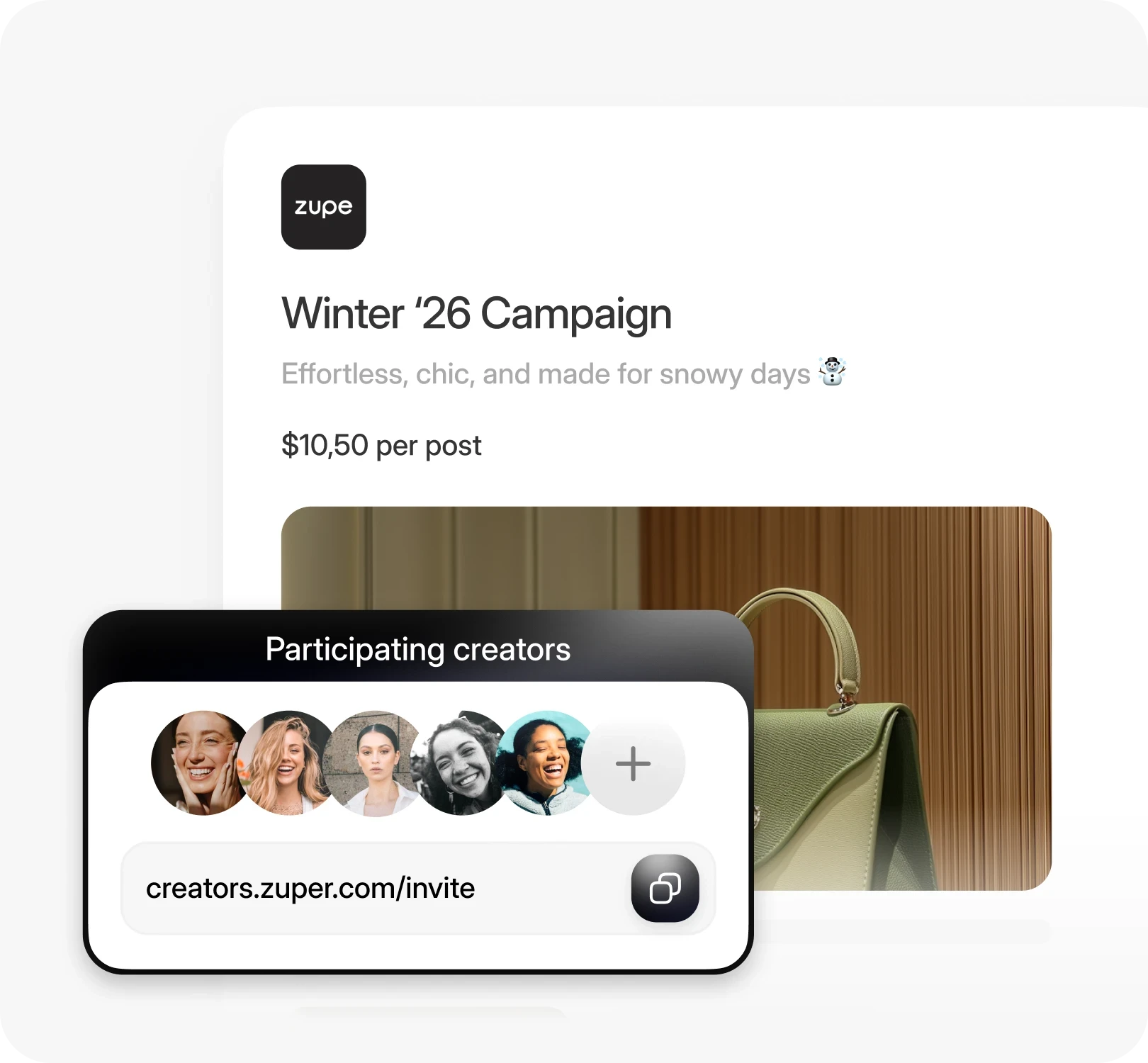
Teams can organize assets into curated collections — by seasonal campaign, product launch, market, or any custom grouping. These collections can be shared with internal stakeholders or external agency partners via secure links with configurable access permissions, replacing the ad-hoc file sharing that creates version control chaos.
Direct Connection to Shoppable Content Activation
Assets stored in Creator Drive can be pushed directly to Socialscale's widget and storefront tools for embedding shoppable creator content on product pages, landing pages, and dedicated creator storefronts. This closed loop from storage to activation eliminates the export-download-upload cycle that adds days to content deployment timelines.
Bulk Download and Export for Paid Media Teams
Performance marketing managers can filter Creator Drive for top-performing assets, select them in bulk, and export in the formats and resolutions required for paid social campaigns across Meta, TikTok, YouTube, and programmatic display. Export packages include associated metadata for campaign tracking and attribution.
Use Cases: Creator Drive in Global Retail Operations
Seasonal Campaign Content Hub for a Multi-Market Fashion Retailer
A fashion retailer launching a Spring/Summer collection across 12 markets commissions creator content from 200+ influencers spanning different regions, languages, and style aesthetics. Each creator submits between 3 and 8 deliverables — product styling videos, try-on hauls, Instagram carousels, and TikTok transitions. All content flows into a single Creator Drive collection tagged by market, product category, and creator tier. Regional marketing leads access the collection to select assets for their local social channels and e-commerce pages. The global brand team uses performance filters to identify the top 20 assets for paid amplification across all markets, ensuring the highest-performing UGC gets maximum distribution without duplicating media spend.
Always-On Affiliate Creator Program for a Consumer Electronics Retailer
A global electronics retailer runs an always-on affiliate creator program with 500+ active creators producing weekly product reviews, comparison videos, and tutorial content. Creator Drive serves as the living library for this program, with new content ingested automatically as creators submit deliverables. The e-commerce team filters weekly for newly approved video content featuring specific product lines and embeds it on corresponding product detail pages as shoppable content. The performance marketing team runs a monthly review of Creator Drive analytics to identify which creator assets deliver the highest conversion rates, then allocates paid media budget to amplify those assets. Usage rights alerts ensure that content embedded on the website is always within its licensing window.
Product Launch Content Coordination Across Agencies and Internal Teams
A home goods retailer works with three regional agencies and an internal creator team to produce launch content for a new product line. Each agency manages its own creator roster and submits content through Socialscale's collaboration workflows. All deliverables land in a shared Creator Drive collection accessible to the global brand team, each agency, and the in-house creative director. The brand team reviews and approves content within Creator Drive, tags approved assets for specific activation channels (social organic, paid, email, website), and distributes them without any file transfer outside the platform. Post-launch, the team uses performance data attached to each asset to build a report on which agency and which creators delivered the strongest results.
UGC Repurposing for Retail Media Networks
A large grocery and general merchandise retailer with its own retail media network needs a steady supply of authentic creator content to offer as ad creative to CPG brand partners advertising on its platform. Creator Drive becomes the centralized library where all UGC produced through the retailer's creator partnerships is stored, tagged by product category and brand partner, and filtered by performance metrics. The retail media sales team can showcase available high-performing creator assets to brand partners, who select content for their retail media campaigns. Rights management ensures that only assets with appropriate licensing are made available for third-party use.
Weekly and Monthly Operational Workflow for Global Retail Teams
Campaign Brief Distribution and Creator Assignment
At the start of each campaign cycle, the influencer marketing manager creates collaboration briefs within Socialscale, specifying deliverable requirements, product details, and content guidelines. Briefs are distributed to selected creators from the creator CRM. Each brief is linked to a Creator Drive collection that will receive all submitted content.
Creator Content Submission and Auto-Ingestion
As creators complete their deliverables, they submit content through the Socialscale collaboration portal. Each submission is automatically ingested into the designated Creator Drive collection with pre-populated metadata — creator name, campaign tag, product SKUs, content format, and submission timestamp. No manual uploading or file naming is required from the brand team.
Content Review and Approval (Weekly Cadence)
Every Monday and Thursday, the brand marketing team reviews newly submitted content in Creator Drive. Reviewers add comments, request revisions, or mark assets as approved. Legal or compliance teams review usage rights documentation attached to each submission. Approved content is tagged as ready for activation.
Content Activation and Distribution
Approved assets are pushed to activation channels: shoppable widgets on product pages, creator storefronts, organic social queues, and email marketing templates. The e-commerce team selects top-performing formats for homepage and category page placements. Regional teams pull market-specific content from Creator Drive for localized social channels.
Performance Data Sync and Content Scoring
Socialscale's analytics layer continuously syncs performance data — impressions, engagement rate, click-through rate, conversion rate, and attributed revenue — back to each asset in Creator Drive. By mid-week, the team can see which newly activated content is performing above or below benchmarks.
Weekly Performance Review and Paid Amplification Selection
Every Friday, the performance marketing manager filters Creator Drive for top-performing assets from the current campaign cycle. Assets exceeding CTR and CVR thresholds are flagged for paid amplification. The team exports selected assets with metadata for upload to Meta Ads Manager, TikTok Ads, and YouTube campaigns.
Monthly Rights Audit and Renewal Planning
On the first business day of each month, the influencer marketing manager runs a rights expiration report in Creator Drive. Assets with rights expiring in the next 30 days are flagged. The team initiates renewal conversations with creators whose content is still actively driving revenue. Expired-rights content is automatically removed from active placements.
Monthly Content Library Health Report
At month-end, the global brand team generates a Creator Drive report summarizing total assets by market, campaign, and creator tier; approval turnaround times; rights utilization rates; and content performance distribution. This report informs next month's creator selection, brief optimization, and budget allocation decisions.
Key Performance Indicators Tracked Through Creator Drive
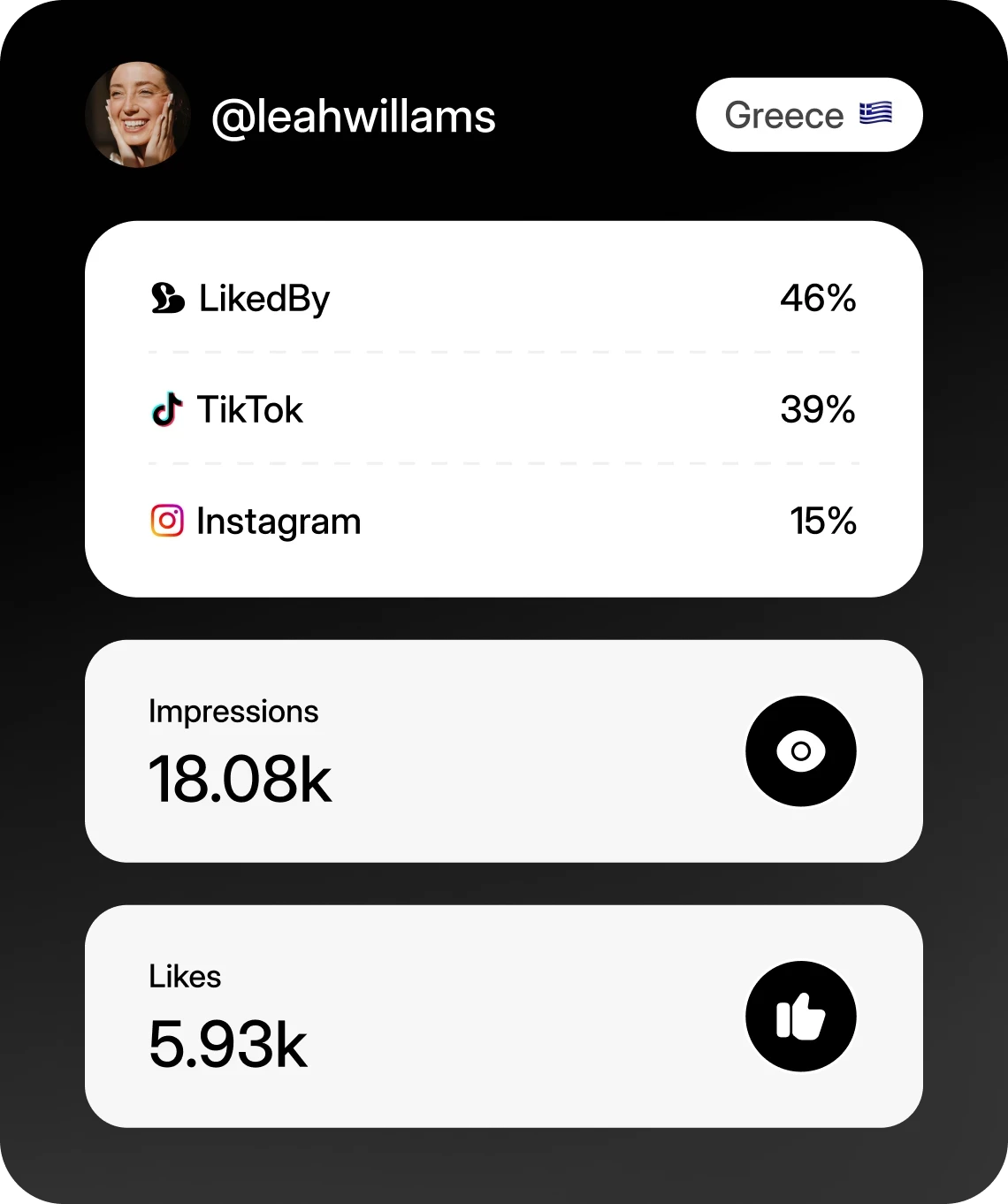
Global retail teams using Creator Drive monitor a specific set of KPIs that connect content operations to business outcomes. These metrics are available at the individual asset level, the campaign level, the creator level, and the market level.
Content Activation Rate: Percentage of submitted creator content that is approved and deployed to at least one activation channel within the target timeframe.
Approval Turnaround Time: Average number of hours or days between content submission and final approval, measured by market and campaign.
Content Output Volume: Total number of creator assets produced per campaign cycle, broken down by format, market, and creator tier.
Click-Through Rate (CTR): Percentage of impressions on creator content that result in clicks to product pages or creator storefronts.
Conversion Rate (CVR): Percentage of clicks from creator content that result in completed purchases, tracked through Shopify integration and UTM attribution.
Gross Merchandise Value (GMV) Attributed: Total revenue generated by purchases attributed to specific creator content assets.
Return on Ad Spend (ROAS): Revenue generated per dollar spent on paid amplification of creator content sourced from Creator Drive.
Cost Per Acquisition (CPA): Cost to acquire a new customer through creator content, calculated across organic and paid activation channels.
Rights Utilization Rate: Percentage of active-rights content that is currently deployed in at least one activation channel, indicating whether the brand is maximizing its licensing investment.
Content Reuse Rate: Number of times a single creator asset is deployed across different channels, markets, or campaigns — measuring the efficiency of the content library.
Library Growth Rate: Month-over-month increase in total assets within Creator Drive, indicating program scaling velocity.
Scenario: Global Sportswear Retailer Centralizes Creator Content Across 18 Markets
A global sportswear retailer with operations in 18 countries was running creator programs through a combination of three regional agencies and an internal influencer marketing team. Each group used its own storage solution — one agency used Dropbox, another used Google Drive, the third delivered content via WeTransfer links, and the internal team stored assets in a shared network drive. The result was a fragmented content library with no centralized search, no standardized metadata, and no connection between content and performance data.
The retailer's e-commerce team estimated that 40% of creator content produced was never activated on any channel because teams either could not find it or were unsure of its rights status. Meanwhile, the performance marketing team was spending an average of 6 hours per week manually searching for and downloading creator assets to test in paid campaigns.
After implementing Socialscale's Creator Drive as the centralized global creator drive platform, the retailer established a standardized workflow: all creator collaborations were managed through Socialscale, and all submitted content was auto-ingested into Creator Drive with consistent metadata including market, campaign, product line, creator tier, and rights window.
Within the first 90 days, the results were measurable. Content activation rate increased from 60% to 91% — meaning nearly all approved content was deployed to at least one channel. Approval turnaround time dropped from an average of 5.2 days to 1.8 days as stakeholders reviewed content within the platform instead of chasing files across systems. The performance marketing team reduced time spent sourcing creator content for paid campaigns from 6 hours per week to under 45 minutes, using Creator Drive's performance filters to identify top-performing assets instantly.
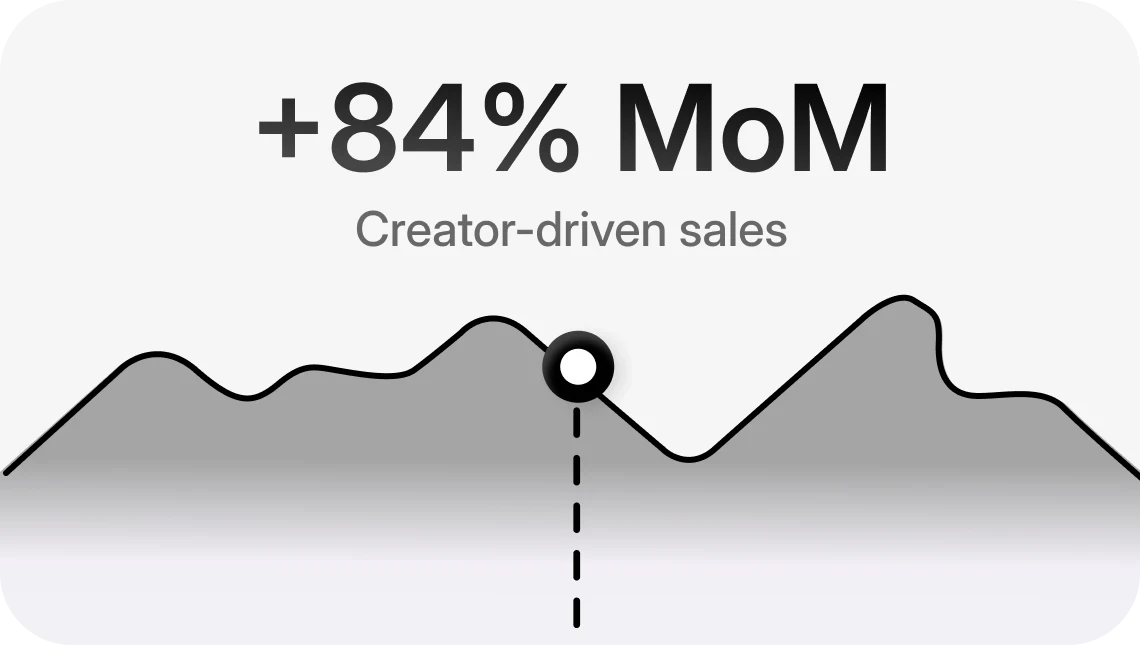
The most significant commercial impact came from improved content reuse. By making the full global library searchable and filterable, regional teams began repurposing content originally produced for other markets — with appropriate rights clearance — reducing net new content production costs by 28% while maintaining content freshness across all 18 markets. Over a six-month period, creator content activated through Creator Drive generated a 3.4x ROAS on paid amplification and contributed to a 17% increase in GMV attributed to creator-driven social commerce.
Frequently Asked Questions
How does Creator Drive differ from a traditional Digital Asset Management system?
Traditional DAM systems are designed for brand-produced assets and require significant configuration to handle creator content workflows. Creator Drive is built specifically for UGC management and creator content — it understands creators, campaigns, usage rights, and performance data natively. Content is auto-ingested from creator collaborations with pre-populated metadata, eliminating the manual tagging and upload processes that make DAM systems impractical for high-volume creator programs.
Can Creator Drive handle content from creators who are not managed through Socialscale?
Yes. While the deepest automation comes from managing collaborations end-to-end within Socialscale, teams can also manually upload content from external sources and apply metadata tags. However, the platform delivers the most value when creators submit through Socialscale's collaboration workflow, as this enables automatic metadata population, rights tracking, and performance data linking.
How does usage rights tracking work for content used across multiple markets?
Each asset in Creator Drive supports multi-dimensional rights metadata. A single piece of content can have different rights windows for different geographic markets and different activation channels. For example, a video might be licensed for organic social globally for 12 months but for paid media in North America only for 6 months. The system tracks each dimension independently and sends alerts based on the most restrictive applicable terms for each use case.
Can external agencies access Creator Drive without full platform access?
Creator Drive supports configurable access permissions. Global retailers can grant agency partners access to specific campaign collections or market-level folders without exposing the full content library or other platform features. Agencies can upload, review, and download content within their designated scope, and all activity is logged for audit purposes.
How does Creator Drive connect to paid media workflows?
Performance marketing teams can filter Creator Drive by performance metrics — CTR, CVR, engagement rate — to identify top-performing creator assets. Selected assets can be exported in bulk with the correct formats and resolutions for Meta Ads Manager, TikTok Ads, and YouTube campaigns. Metadata including creator handle, campaign source, and product associations is included in the export package to support downstream attribution and reporting.