Creator Drive for TikTok Shop Sellers: Centralized Short-Form Video Storage for TikTok Commerce
TikTok Shop sellers operate in a fast-moving social commerce environment where short-form video content is the primary revenue driver. Every product listing, every affiliate push, and every seasonal campaign depends on a steady pipeline of creator-generated videos. Yet most sellers still manage this content across scattered Google Drives, WeTransfer links, and DM threads, losing track of assets exactly when they need them most.
Creator Drive gives TikTok Shop sellers a purpose-built content storage and organization layer designed specifically for creator marketing workflows. Instead of hunting through chat histories to find the right video cut, your team can tag, filter, and retrieve every piece of creator content by product SKU, campaign, creator handle, or content status. This means faster approvals, faster posting, and faster time-to-revenue on TikTok Shop.
Whether you are running a lean in-house operation with twenty affiliate creators or an agency managing hundreds of TikTok Shop collaborations, Creator Drive eliminates the operational drag that comes from disorganized UGC management and gives your team a single source of truth for every asset in your creator program.
Key Challenges TikTok Shop Sellers Face with Creator Content
Running a TikTok Shop creator program means managing a high volume of short-form video assets across dozens or hundreds of creators simultaneously. The following challenges consistently slow down seller operations and reduce revenue potential.
1. Content Scattered Across Multiple Platforms
Creator videos arrive via TikTok DMs, WhatsApp groups, email attachments, Google Drive links, and Dropbox folders. There is no single location where a team member can find every asset tied to a specific product or campaign. This fragmentation leads to duplicate requests, missed deadlines, and wasted creator relationships.
2. No Connection Between Content and Commerce Data
Standard cloud storage tools have no concept of SKUs, affiliate links, commission tiers, or TikTok Shop order data. Sellers cannot look at a video file and immediately understand which product it promotes, which creator made it, or how it performed after posting.
3. Slow Approval Workflows
When content review happens over chat threads, feedback gets buried. Creators resubmit to the wrong thread. Managers lose track of which version was approved. For TikTok Shop sellers running time-sensitive promotions, a 48-hour delay in content approval can mean missing an entire sales window.
4. Inability to Repurpose High-Performing Content
Top-performing TikTok Shop videos should be repurposed into Spark Ads, embedded on product pages, or adapted for other channels. But when content is buried in a creator's DM history, sellers cannot systematically identify and retrieve their best-performing assets for reuse.
5. Scaling Creator Programs Without Losing Control
A seller working with 10 creators can manage content manually. At 50 or 100 creators, the volume of incoming videos, revisions, and approvals becomes unmanageable without a dedicated system. Many TikTok Shop sellers hit a growth ceiling not because of demand, but because their content operations cannot keep pace.
6. Rights and Usage Tracking Gaps
TikTok Shop sellers who want to run Spark Ads or use creator content in paid media need clear usage rights documentation. Without a centralized system that tracks content rights status alongside the asset itself, sellers risk compliance issues or simply avoid paid amplification altogether, leaving revenue on the table.
Why Traditional Storage and Project Management Tools Fall Short
TikTok Shop sellers often try to solve their content organization problem with tools that were never designed for creator commerce workflows. Here is why those tools consistently fail.
Google Drive and Dropbox Lack Commerce Context
General-purpose cloud storage treats every file the same. A creator video promoting a $12 lip gloss and a brand anthem video get identical treatment. There are no fields for SKU, creator handle, campaign name, affiliate commission tier, or content approval status. Sellers end up building elaborate folder hierarchies that break down as soon as the program scales past a handful of creators.
Project Management Tools Add Overhead Without Solving the Core Problem
Tools like Asana, Monday, or Trello can track tasks, but they are not built to store, preview, and organize large volumes of video files. Sellers who try to use these tools for content management end up maintaining two systems: one for task tracking and one for actual file storage, doubling the administrative burden.
TikTok Seller Center Has No Asset Library
TikTok's own Seller Center and Affiliate Center provide basic creator management, but they do not offer a persistent, searchable library of all content created for your shop. Once a video is posted, finding the original file, the raw footage, or alternate cuts requires going back to the creator directly.
Spreadsheet Trackers Break Under Volume
Many TikTok Shop sellers start with a spreadsheet that links to files stored elsewhere. This approach works for the first month. By month three, links are broken, rows are outdated, and no one trusts the tracker. The spreadsheet becomes a liability rather than an asset.
How Socialscale Creator Drive Solves Content Storage for TikTok Shop Sellers
Socialscale's Creator Drive is purpose-built for the demands of social commerce content operations. It is not a generic file storage tool with a new label. Every feature is designed around the reality of managing high-volume creator content for TikTok Shop and similar commerce platforms.
Creator Drive sits at the center of Socialscale's broader creator marketing platform, which means your content library is natively connected to your creator relationships, campaign structures, and performance data. When a creator submits a video, it is automatically associated with the right campaign, the right product, and the right creator profile. No manual tagging required for core metadata.
For TikTok Shop sellers who also track creator performance, Creator Drive integrates with Socialscale's creator analytics layer. This means you can filter your content library by performance metrics, surfacing the videos that actually drove GMV so you can prioritize them for Spark Ads, product page embeds, or future campaign briefs.
The result is a content storage system that does not just hold files. It makes your entire creator program faster, more organized, and more revenue-focused.
Feature Breakdown: What Creator Drive Delivers for TikTok Shop Sellers
Centralized Video Library with Commerce Metadata
Every video uploaded to Creator Drive can be tagged with product SKU, campaign name, creator handle, content type (unboxing, tutorial, haul, review, GRWM), approval status, and usage rights. This means your team can search for "all approved unboxing videos for SKU 4821" in seconds, rather than digging through folders or messaging creators.
Creator-Level Content Portfolios
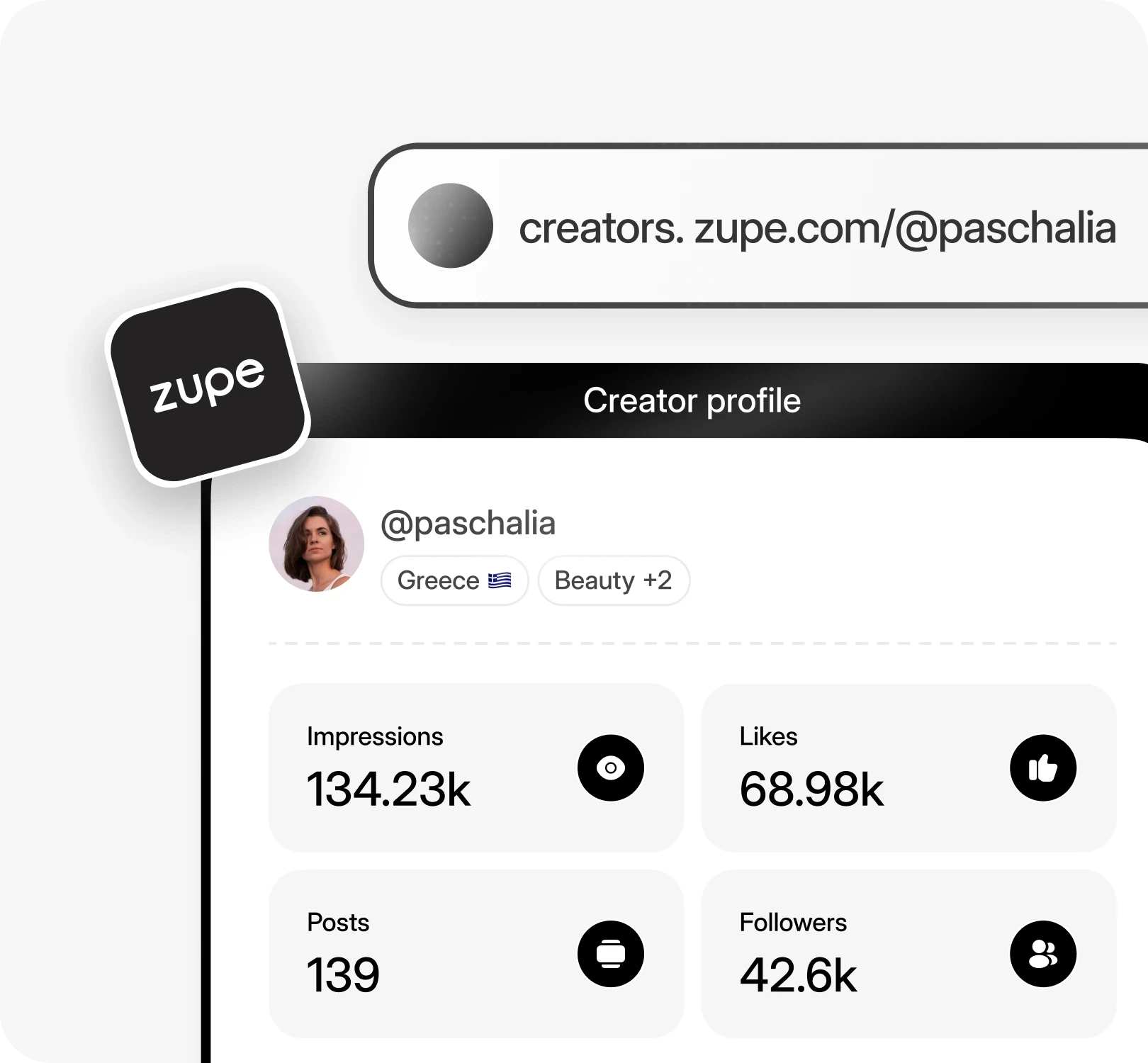
Each creator in your program has a dedicated content portfolio within Creator Drive. When evaluating whether to renew a creator collaboration or increase their commission tier, you can review every piece of content they have produced for your shop in one view, alongside delivery timelines and revision history.
Approval and Feedback Workflows
Creator Drive includes built-in review tools that let team members leave timestamped feedback directly on video assets. Creators receive structured feedback rather than scattered chat messages, reducing revision cycles. Approved content is flagged and made available for distribution immediately.
Content Status Tracking
Every asset moves through a clear status pipeline: Submitted, In Review, Revision Requested, Approved, Published, Archived. TikTok Shop sellers can filter their entire library by status to see exactly how many assets are pending review, how many are ready for posting, and how many are stuck in revision loops.
Usage Rights Documentation
For each asset, Creator Drive stores the usage rights agreement tied to the creator collaboration. When your paid media team wants to run a Spark Ad using a specific creator video, they can verify rights status without emailing the influencer marketing manager or digging through contracts.
Bulk Upload and Creator Self-Service Submission
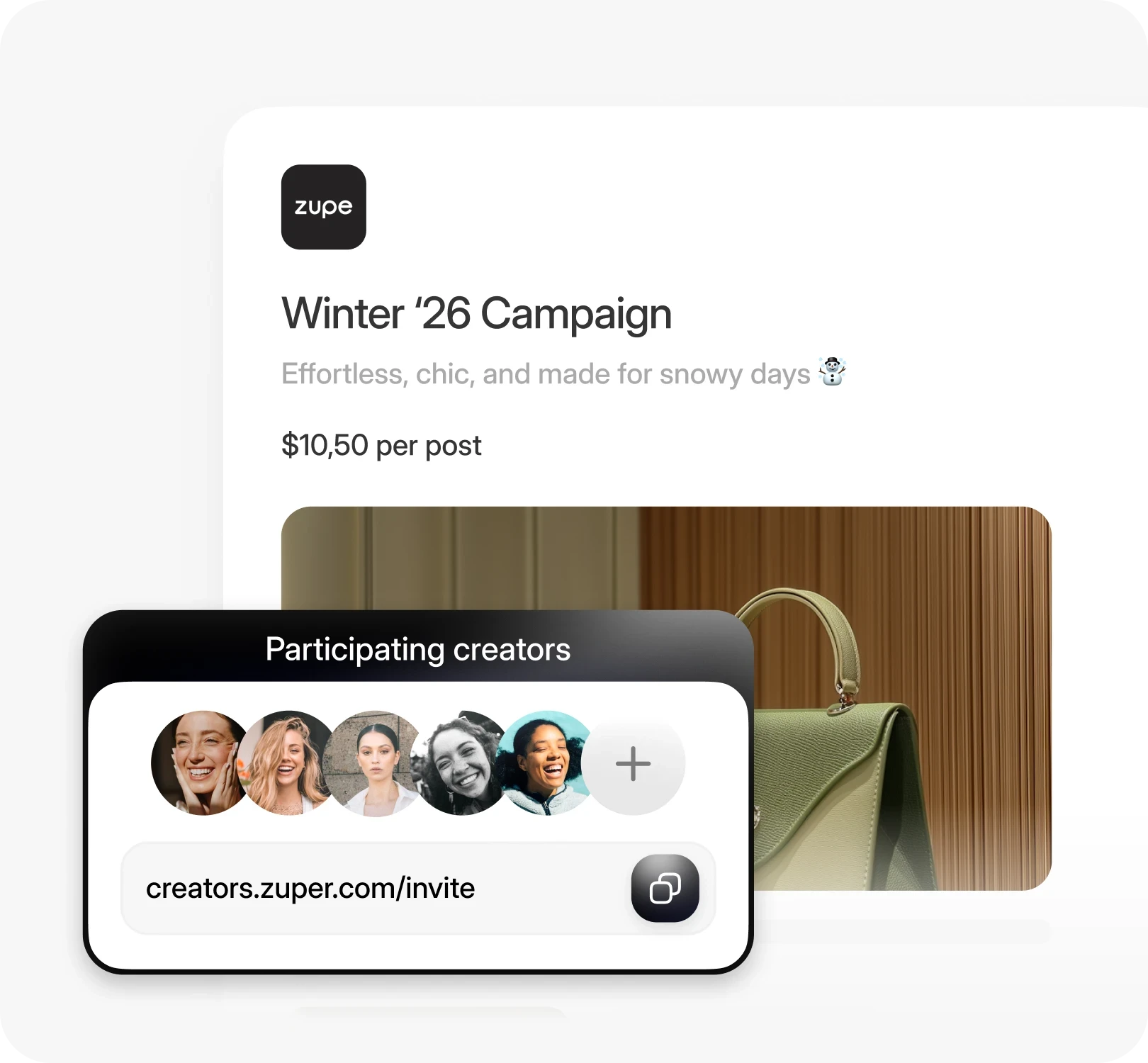
Creators can submit content directly into Creator Drive via a branded upload portal. This eliminates the need for WeTransfer links, DM file sharing, or email attachments. Submitted files are automatically routed to the correct campaign folder with creator metadata pre-populated.
Performance-Linked Content Filtering
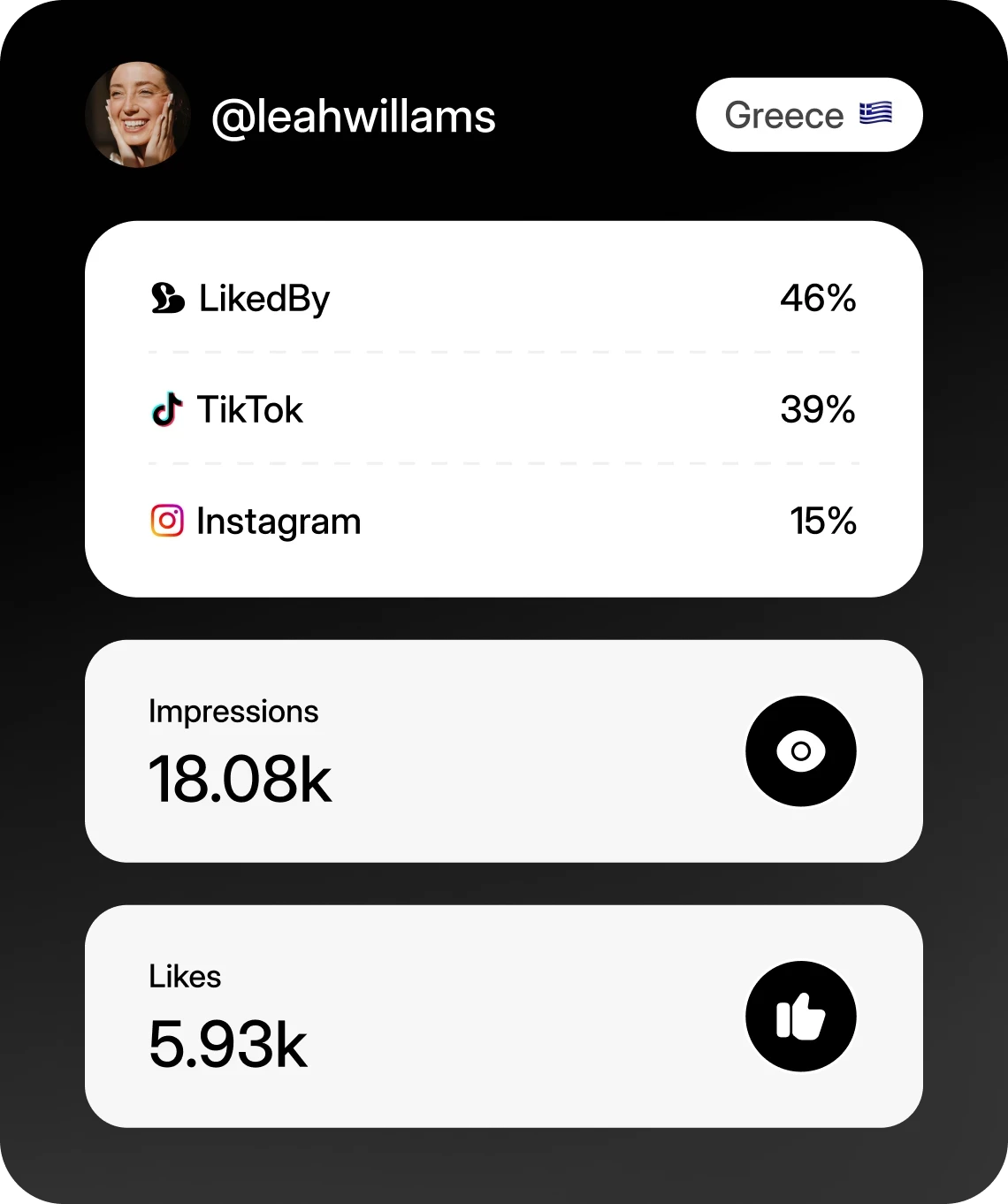
When connected to Socialscale's analytics layer, Creator Drive lets sellers filter content by downstream performance: views, engagement rate, click-through rate, and attributed GMV. This turns your content library into a strategic asset, not just a storage bucket.
Use Cases: How TikTok Shop Seller Teams Use Creator Drive
The following scenarios illustrate how different TikTok Shop operations benefit from a centralized, commerce-aware content storage system.
1. Scaling a TikTok Shop Affiliate Program from 30 to 200 Creators
A beauty brand selling through TikTok Shop has grown its affiliate creator program from 30 to 200 creators over six months. Each creator produces an average of three videos per month, resulting in 600 new assets monthly. Without a centralized system, the brand's two-person content team spends more time locating and organizing files than reviewing them. With a dedicated creator drive, every submission is auto-routed by campaign and creator, status-tracked through approval, and tagged by product line. The team reclaims 15+ hours per week previously lost to file management.
2. Running a Mega Sale Campaign with 50 Creators Simultaneously
A home goods TikTok Shop seller launches a 10-day mega sale event and briefs 50 creators to produce content within a tight five-day window. Content needs to be reviewed, approved, and posted in near real-time to align with the sale schedule. A centralized content drive with approval workflows and status tracking ensures that no video sits in a review queue for more than 12 hours. The seller's campaign manager can see at a glance which creators have submitted, which are pending, and which are approved and ready for posting.
3. Building a Spark Ads Library from Top-Performing Organic Content
A fashion TikTok Shop seller wants to amplify its best-performing organic creator content through Spark Ads. The paid media team needs to quickly identify videos with high engagement rates, confirm usage rights, and access the original files. A performance-linked content library lets the team filter by engagement metrics, verify rights documentation in the same interface, and download assets for ad creation without involving the creator management team at all.
4. Agency Managing TikTok Shop Programs for Multiple Brands
A social commerce agency manages TikTok Shop creator programs for eight different brands. Each brand has its own creator roster, product catalog, and campaign calendar. The agency needs brand-level separation within a single system so that team members working on Brand A never accidentally access or use Brand B's content. A multi-brand creator drive with workspace separation, brand-specific tagging taxonomies, and role-based access control gives the agency the structure it needs to scale without operational chaos.
Weekly Operational Workflow for TikTok Shop Sellers Using Creator Drive
The following workflow reflects how a typical TikTok Shop seller team integrates Creator Drive into their weekly operations to maintain a consistent content pipeline.
Monday: Campaign Brief Distribution and Creator Assignment — The creator program manager finalizes the week's campaign briefs, specifying target products, content formats (unboxing, tutorial, haul), and deadlines. Briefs are linked to campaign folders in Creator Drive so that incoming submissions are automatically categorized.
Tuesday–Wednesday: Creator Content Submission Window — Creators upload their videos directly to Creator Drive via the self-service submission portal. Each upload is tagged with the creator's profile, the assigned campaign, and the target product SKU. The content team receives notifications as submissions arrive.
Wednesday–Thursday: Content Review and Feedback — The content review team works through the submission queue, leaving timestamped feedback on videos that need revisions and approving content that meets brand and TikTok Shop guidelines. Creators are notified of revision requests with specific, actionable notes.
Thursday: Revision Resubmission and Final Approval — Creators resubmit revised content. The review team processes final approvals. Approved content is flagged as ready for posting and made available to the social media team.
Friday: Content Publishing and Spark Ad Selection — Approved videos are posted to TikTok Shop product listings and creator profiles. The paid media team reviews the week's approved content, identifies top candidates for Spark Ads based on early engagement signals, and verifies usage rights within Creator Drive.
Weekly Review: Performance Tagging and Library Maintenance — At the end of each week, the team reviews content performance data and tags top-performing assets in Creator Drive. Underperforming content is archived. High performers are flagged for repurposing, including embedding on product pages via shoppable content widgets or inclusion in future campaign briefs as reference examples.
Monthly: Creator Portfolio Review — Once per month, the creator program manager reviews individual creator portfolios in Creator Drive to assess content quality trends, delivery reliability, and performance consistency. This data informs decisions about creator tier adjustments, commission changes, and program renewals.
Key Performance Indicators for TikTok Shop Content Operations
Tracking the right metrics ensures that your creator content storage system is delivering measurable operational and commercial value. The following KPIs are most relevant for TikTok Shop sellers using Creator Drive.
Content Approval Time: Average hours from creator submission to final approval. Target: under 24 hours for standard campaigns, under 12 hours for time-sensitive promotions.
Content Output per Creator per Month: Number of approved assets delivered by each creator. Helps identify high-output creators and those who may need additional support or replacement.
Creator Activation Rate: Percentage of onboarded creators who submit at least one piece of content within their first campaign cycle. Low activation rates signal onboarding or briefing issues.
Content Utilization Rate: Percentage of approved content that is actually published or used in paid media. Low utilization suggests over-production or misalignment between briefs and actual needs.
Spark Ad Conversion Rate (CVR): Conversion rate of creator content used in Spark Ads, tracked by individual asset. Identifies which content styles and creators drive the highest TikTok Shop conversions.
Click-Through Rate (CTR) on Shoppable Content: CTR on creator videos embedded on product pages or distributed through shoppable content widgets.
Gross Merchandise Value (GMV) Attributed to Creator Content: Total TikTok Shop revenue attributable to creator-generated content, broken down by campaign, creator, and product.
Return on Ad Spend (ROAS) for Amplified Creator Content: ROAS specifically for Spark Ads and other paid amplification of creator assets sourced from Creator Drive.
Cost per Acquisition (CPA) via Creator Content: Average cost to acquire a TikTok Shop customer through creator-driven content, including creator fees, product seeding costs, and commissions.
Revision Rate: Percentage of submitted content that requires at least one revision. High revision rates indicate brief clarity issues or creator-brand misalignment.
Scenario: Mid-Size Beauty Brand Streamlines TikTok Shop Content Operations
A mid-size beauty brand selling through TikTok Shop was managing an affiliate creator program with 85 active creators. The brand's three-person social commerce team was spending approximately 20 hours per week on content-related administrative tasks: tracking submissions via a shared Google Sheet, downloading files from various cloud links, renaming files manually, and searching for specific assets when the paid media team requested content for Spark Ads.
After implementing a centralized creator drive with commerce-aware tagging and self-service creator submissions, the team reduced content administration time from 20 hours to approximately 6 hours per week. Content approval time dropped from an average of 52 hours to 18 hours. The paid media team was able to independently identify and retrieve top-performing content for Spark Ads without involving the creator management team, reducing Spark Ad campaign setup time by 60%.
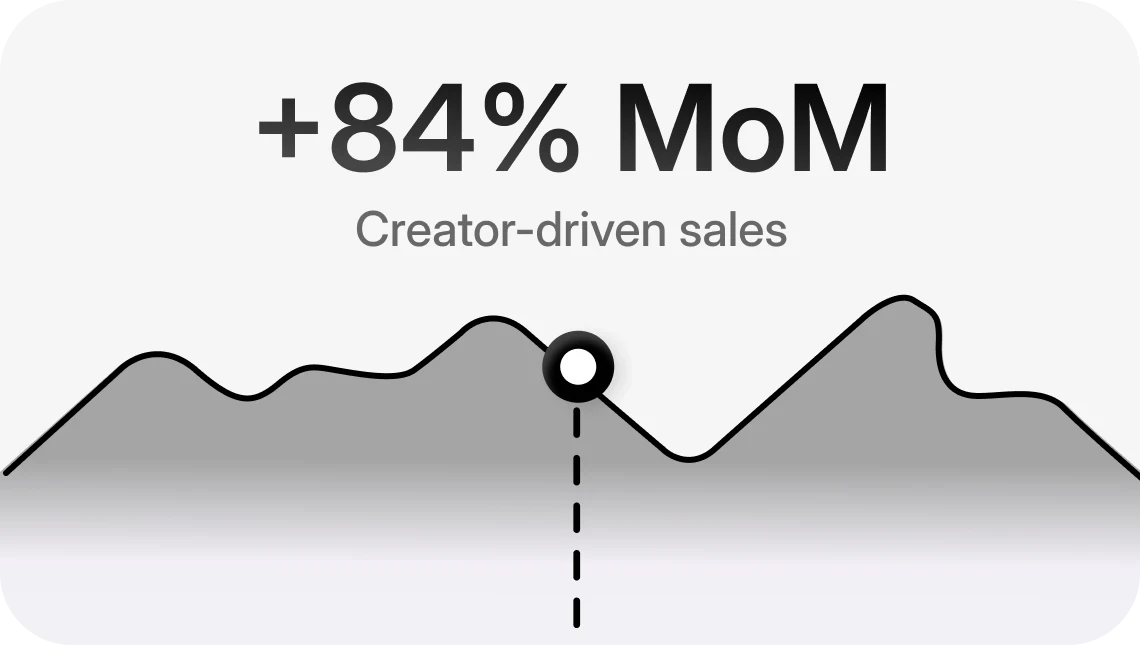
Over a 90-day period, the brand increased its Spark Ad volume by 40% because the paid team could access approved, rights-cleared content faster. GMV attributed to creator content grew by 28% during the same period, driven partly by faster content deployment during two promotional events where the old workflow would have caused missed posting windows. The revision rate dropped from 35% to 22% after implementing timestamped video feedback, as creators received clearer, more actionable notes on their submissions.
Frequently Asked Questions
How does Creator Drive differ from using Google Drive or Dropbox for TikTok Shop content?
Creator Drive is built specifically for creator commerce workflows. Unlike general cloud storage, it supports commerce-specific metadata like product SKUs, campaign associations, creator profiles, content approval statuses, and usage rights documentation. It also connects to creator performance data, letting you filter your content library by metrics like engagement rate and attributed GMV. Google Drive and Dropbox treat every file identically and require manual organization that breaks down at scale.
Can creators upload content directly to Creator Drive?
Yes. Creators can submit content through a branded self-service upload portal. Submitted files are automatically associated with the correct campaign, creator profile, and product metadata. This eliminates the need for WeTransfer links, email attachments, or DM-based file sharing and ensures every asset enters your system with the right context attached.
How does Creator Drive help with TikTok Spark Ads?
Creator Drive stores usage rights documentation alongside each asset, so your paid media team can verify rights status before using any creator video in a Spark Ad. When connected to performance analytics, the team can filter the content library by engagement and conversion metrics to identify the strongest candidates for paid amplification without needing to coordinate with the creator management team.
Is Creator Drive suitable for agencies managing multiple TikTok Shop brands?
Yes. Creator Drive supports multi-brand workspace separation, allowing agencies to maintain distinct content libraries, tagging taxonomies, and access controls for each brand they manage. Team members working on one brand cannot accidentally access another brand's content, and each brand's content operations can be managed independently within the same platform.
What file formats and sizes does Creator Drive support for short-form video?
Creator Drive supports all standard video formats used in TikTok Shop content production, including MP4, MOV, and WebM. The system is designed to handle the high volume of short-form video files typical of TikTok Shop creator programs, with bulk upload capabilities for both internal teams and creators submitting through the self-service portal.