Creator Drive for Social Media Agencies: Share Influencer Assets with Paid Teams Effortlessly
Social media agencies juggle dozens of creator relationships across multiple client accounts, and the content those creators produce is the fuel for every campaign. Yet most agencies still rely on scattered Google Drive folders, WeTransfer links, and Slack threads to move influencer assets from the creative team to the paid media buyers who need them. The result is wasted hours, lost files, expired usage rights, and paid teams running ads with the wrong cut of a video.
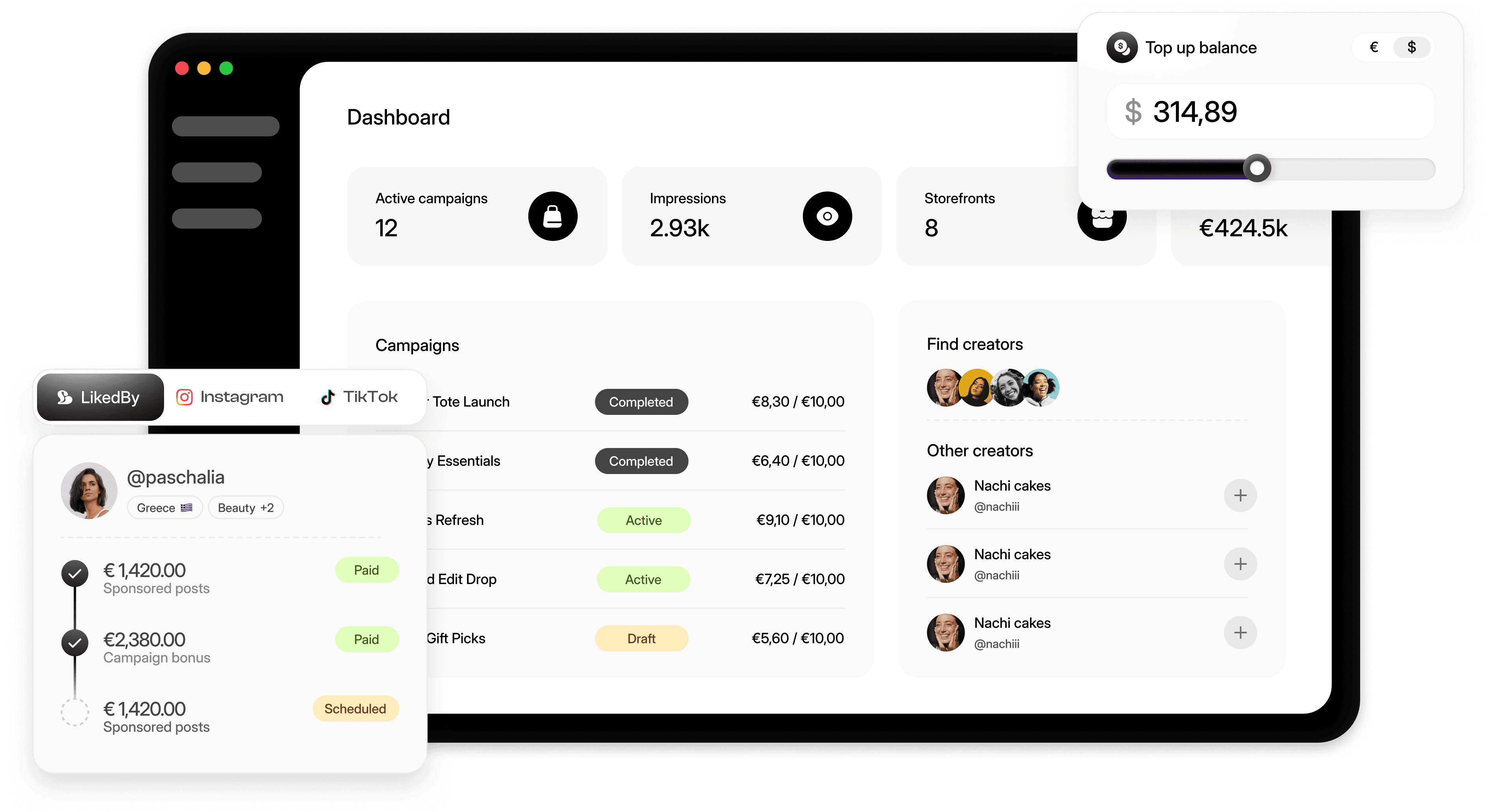
Creator Drive solves this by giving social media agencies a centralized, organized, and permission-controlled content library built specifically for social commerce workflows. Every piece of creator content—raw footage, edited reels, product photos, UGC testimonials—lives in one place, tagged by campaign, creator, client, and usage rights. Paid teams get instant access to approved assets without waiting on account managers to dig through email chains.
For agencies scaling creator programs across five, ten, or fifty brand clients, this is the difference between a repeatable operation and a chaotic one. Creator Drive connects directly to the rest of your creator marketing platform, so assets flow naturally from collaboration briefs to content approval to paid amplification—without a single file getting lost along the way.
Content Scattered Across Dozens of Tools and Threads
Agency teams typically manage creator content across Google Drive, Dropbox, Slack DMs, email attachments, and platform-native downloads. When a paid media buyer needs a specific TikTok video from a campaign that ran three weeks ago for a different client, finding it becomes an archaeological dig. This fragmentation multiplies with every new client onboarded.
No Clear Usage Rights Tracking Per Asset
Agencies negotiate usage rights with creators—30-day paid amplification windows, platform-specific licenses, exclusivity clauses. But when assets sit in generic cloud storage, there is no metadata layer telling the paid team whether a particular video is still cleared for Facebook ads or whether the license expired last Tuesday. Running an ad with expired rights exposes the agency and the client to legal risk.
Paid Teams Operate in a Different Workflow Than Creator Teams
The people managing creator relationships and the people buying media often work in completely separate tools and cadences. Creator managers use influencer marketing software and spreadsheets; paid buyers live in Ads Manager and creative testing dashboards. The handoff between these two groups is where assets get lost, reformatted incorrectly, or delayed by days.
Version Control Nightmares Across Client Accounts
When a creator submits three rounds of revisions on a product video, agencies end up with filenames like "final_v3_REAL_FINAL.mp4" scattered across folders. Paid teams grab the wrong version. The client sees an unapproved cut running as a sponsored post. This erodes trust and creates rework cycles that eat into agency margins.
Scaling Multi-Client Creator Programs Without Dedicated Ops
Small and mid-size agencies often lack a dedicated operations role for creator content management. Account managers handle everything from creator outreach to asset organization to client reporting. As the agency grows from three clients to fifteen, this ad-hoc approach collapses under its own weight.
Slow Turnaround from Content Receipt to Paid Activation
Speed matters in social commerce. A trending product moment or a viral creator post has a short window of relevance. If it takes 48 hours for a creator's raw content to reach the paid team in an ad-ready format, the agency misses the window entirely. Competitors who move faster capture the ROAS.
Client Stakeholders Need Visibility Without Full Access
Brand clients want to see what content their creators are producing and what is being amplified. But giving clients access to the agency's entire Drive folder is messy and unprofessional. Agencies need a way to share curated asset views per client without exposing internal workflows or other client data.
Google Drive and Dropbox Were Not Built for Creator Content
Generic cloud storage tools have no concept of creator metadata, campaign tagging, usage rights windows, or content approval status. They store files. That is it. Agencies end up building elaborate folder hierarchies and naming conventions that break the moment a new team member joins or a client restructures their campaign calendar. There is no way to filter assets by creator handle, content type, platform format, or rights expiration date.
Project Management Tools Add Process but Not Asset Intelligence
Tools like Asana, Monday, or Notion can track tasks around content creation, but they do not function as a content library. You can mark a task as "content received," but the actual file still lives somewhere else. The paid team still has to leave the project management tool, find the asset, download it, and re-upload it to their ad platform. Every extra step introduces delay and error.
Platform-Native Downloads Are Lossy and Unorganized
Downloading creator content directly from TikTok or Instagram strips metadata, compresses quality, and adds watermarks. Agencies that rely on this method end up with lower-quality assets that perform worse in paid campaigns. There is no audit trail showing which creator produced which asset or what campaign it belongs to.
Email and Messaging Apps Create Dead-End File Silos
When creators send content via email or WhatsApp, those files exist only in the recipient's inbox or chat history. If that account manager goes on vacation, leaves the agency, or simply cannot remember which thread contained the approved version, the asset is effectively lost. There is no searchable, centralized record.
Influencer Platforms That Lack a Dedicated Content Library
Many influencer marketing software tools focus on discovery and outreach but treat content storage as an afterthought. They might let you download a creator's post, but they do not provide a structured library where paid teams can browse, filter, and pull assets independently. The gap between creator management and paid activation remains wide open.
How Socialscale's Creator Drive Bridges the Gap for Social Media Agencies
Socialscale's Creator Drive is purpose-built for the exact workflow social media agencies run every day: receive creator content, organize it by client and campaign, approve it, and get it into the hands of paid teams as fast as possible. It is not a generic file storage tool—it is a content operations layer designed for creator programs at scale.
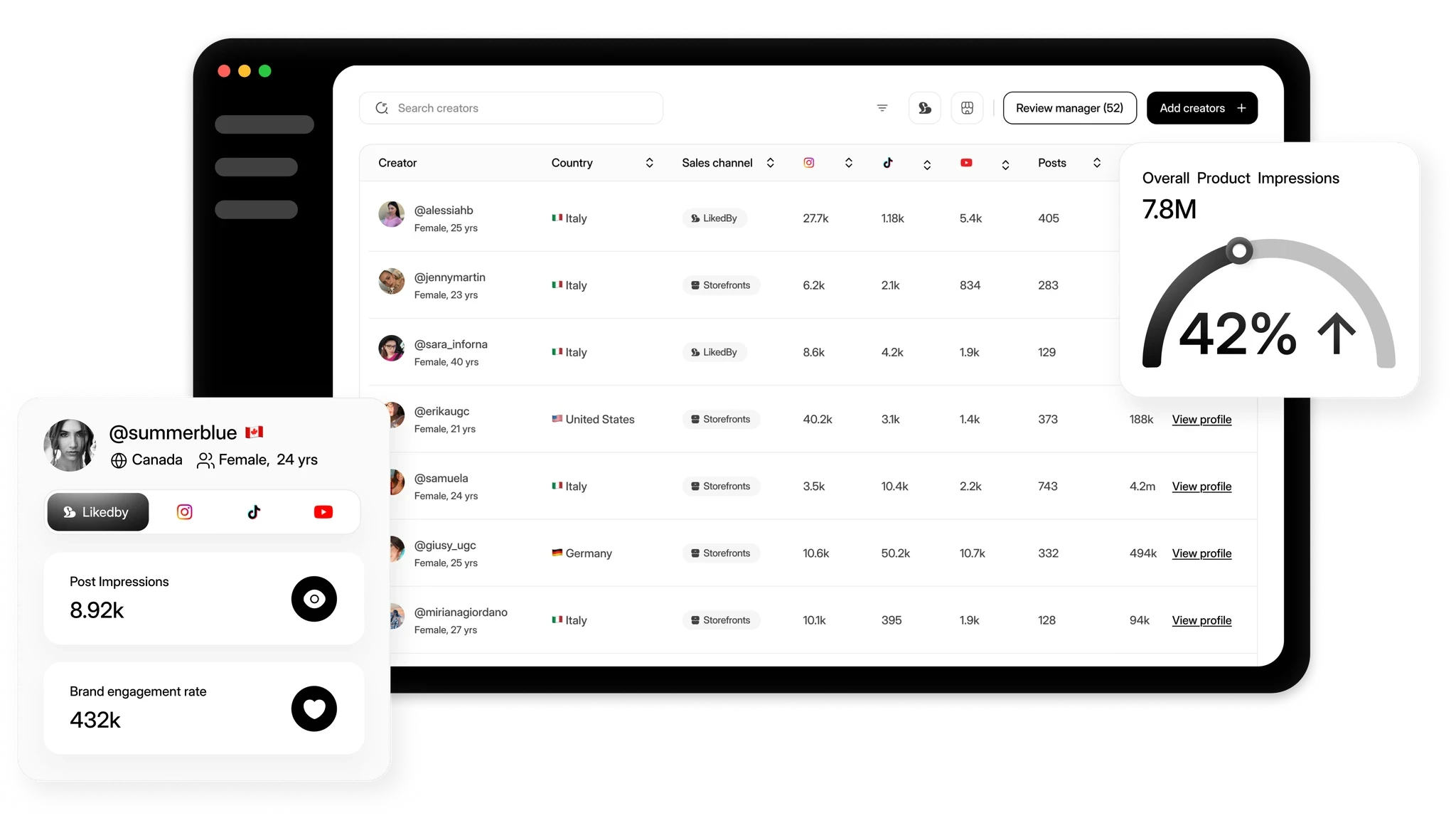
Every asset uploaded to Creator Drive is automatically tagged with the creator's profile, the associated campaign, the client account, content format, and usage rights metadata. Paid media buyers can log in, filter by client and content type, and pull approved assets directly—no Slack messages, no waiting on account managers. The approval workflow ensures that only client-approved, rights-cleared content appears in the paid team's view.
Because Creator Drive is part of the broader creator marketing platform, it connects seamlessly to your creator onboarding, collaboration briefs, and performance tracking. When a creator submits content through a collaboration workflow, it flows directly into the Drive with all relevant metadata intact. No re-uploading, no manual tagging, no lost context.
For agencies managing UGC management across multiple brand clients, this means one unified system where every piece of creator content is searchable, organized, and ready for activation—whether that activation is a paid ad, a shoppable widget on a product page, or a client presentation deck.
Creator Drive Feature Breakdown for Agency Workflows
Client-Separated Content Libraries
Every brand client gets their own isolated content library within Creator Drive. Account managers, paid buyers, and client stakeholders only see the assets relevant to their accounts. This eliminates the risk of cross-client content leaks and keeps the agency's multi-tenant operations clean. Permissions are set at the client level, so a new paid buyer joining a specific account gets instant access to exactly the right assets.
Automatic Creator and Campaign Tagging
When content arrives through a collaboration brief or is uploaded manually, Creator Drive tags it with the creator's name, handle, campaign name, submission date, content format (video, image, carousel), aspect ratio, and platform origin. This means a paid buyer can search for "all vertical videos from Campaign X by Creator Y" and get results in seconds instead of scrolling through folders.
Usage Rights Metadata and Expiration Alerts
Each asset carries metadata about its usage rights: which platforms it can run on, whether it is cleared for paid amplification, the start and end dates of the license, and any exclusivity terms. When a rights window is approaching expiration, the system flags it so the account manager can renegotiate or the paid team can pull the ad before it runs unauthorized. This is critical for agencies that manage affiliate creator programs with varying contract terms.
Approval Workflow with Client and Internal Review
Content moves through a configurable approval pipeline: creator submits, account manager reviews, client approves (or requests revisions), and the asset is marked as "cleared for paid." Only assets that reach the final approval stage appear in the paid team's library view. This prevents unapproved content from accidentally going live and reduces the back-and-forth that slows down campaign launches.
Direct Sharing Links with Controlled Access
Need to share a curated set of assets with a client for review or with a freelance editor for post-production? Creator Drive generates shareable links with configurable permissions—view only, download enabled, time-limited access. No more zipping folders and emailing large files. The client sees a clean, branded gallery of their campaign content.
Bulk Download and Export for Ad Platforms
Paid teams can select multiple assets, bulk download them in their original quality, and upload them directly to Meta Ads Manager, TikTok Ads, or any other platform. Assets maintain their original resolution and format—no compression, no watermarks. For agencies running creative testing at scale, this saves hours per week compared to hunting down individual files.
Content Performance Annotations
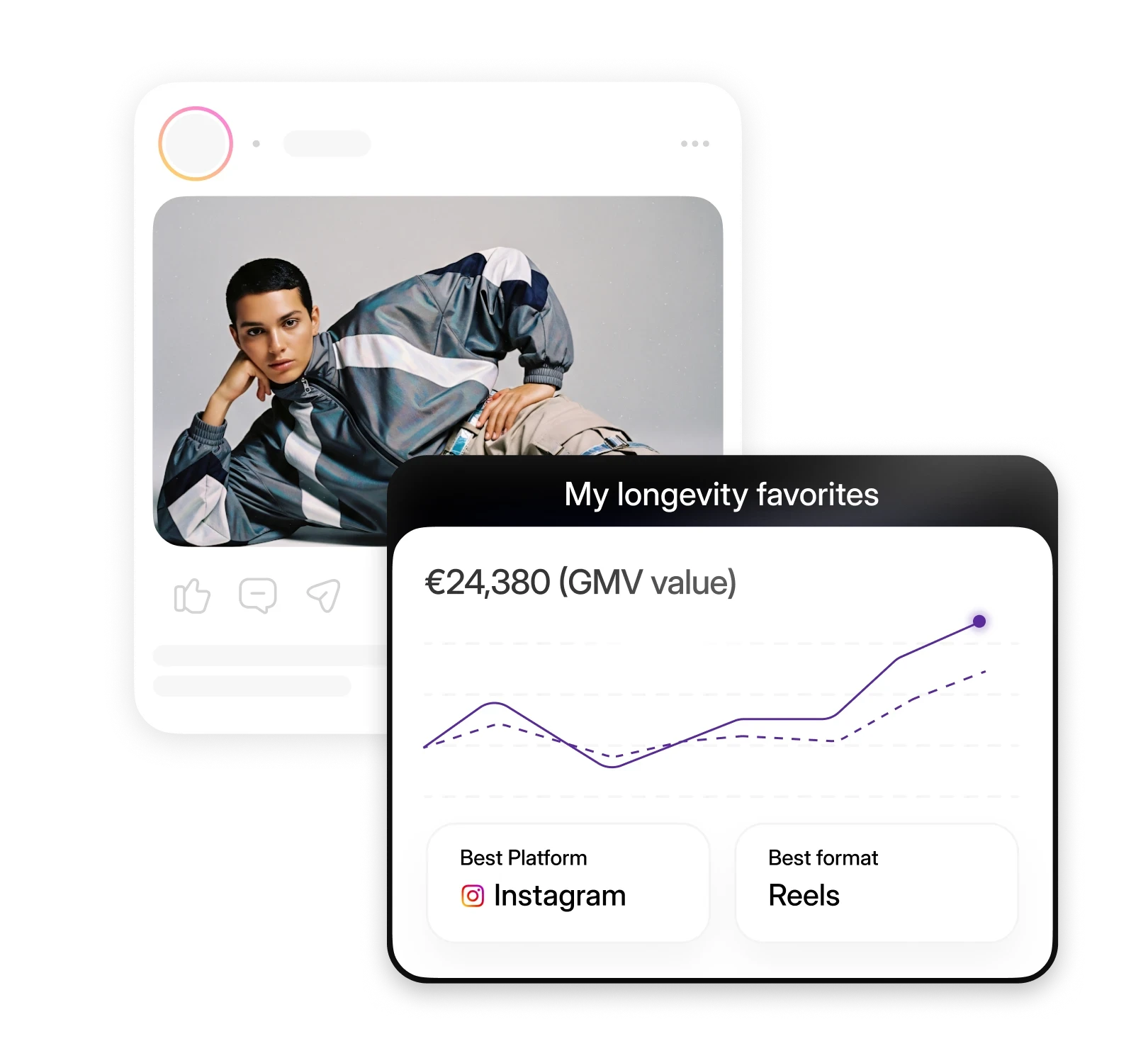
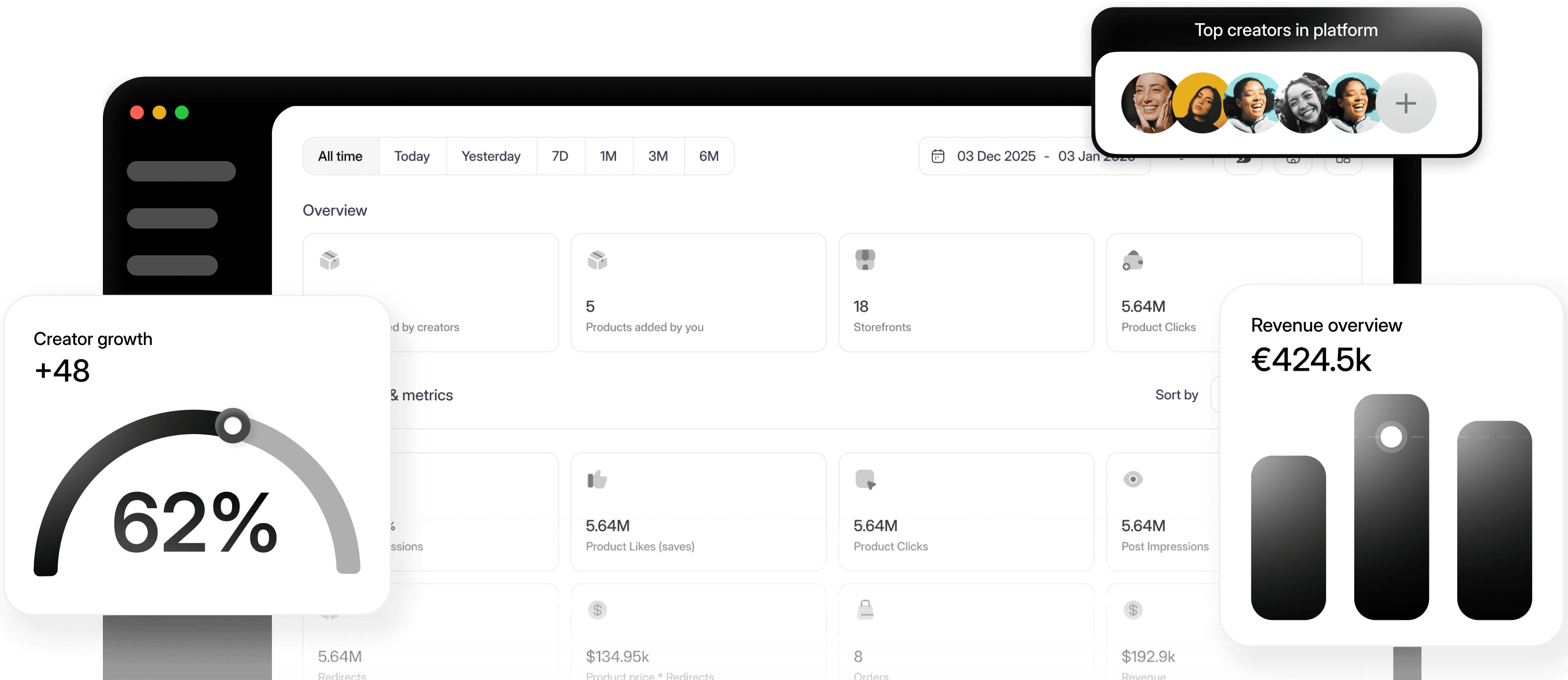
When Creator Drive is connected to Socialscale's creator performance tracking, each asset can display performance data: how it performed organically, how it performed as a paid ad, click-through rates, and conversion signals. This lets paid teams make informed decisions about which creator content to amplify next, turning the Drive into a strategic asset library rather than a passive storage bucket.
Version History and Revision Tracking
Every revision of an asset is stored with a clear version history. The paid team always sees the latest approved version by default, but can access previous versions if needed for A/B testing or client reference. No more filename chaos. No more running the wrong cut.
Real-World Use Cases for Social Media Agencies
1. Multi-Brand Agency Scaling Creator Content for Paid Social
A social media agency manages eight DTC brand clients, each running monthly creator campaigns with 10–20 creators per brand. Every month, hundreds of new assets arrive—product reviews, unboxing videos, lifestyle photos, testimonial clips. The agency's three paid media buyers need to quickly identify the best-performing content types for each brand and pull them into ad sets without waiting on account managers. With a centralized creator content storage system organized by client, campaign, and approval status, paid buyers self-serve from a curated library. They filter by format and campaign, download approved assets in bulk, and launch new ad creatives the same day content is approved. Monthly creative refresh cycles that used to take a week now take two days.
2. Agency Running Seasonal UGC Campaigns for E-commerce Clients
During Q4 holiday season, an agency coordinates a massive UGC push across five e-commerce clients. Each client has a unique brief—gift guides, holiday hauls, New Year styling tips. Creators submit content on rolling deadlines over six weeks. The agency needs to organize hundreds of assets by client, brief theme, and content format while ensuring usage rights cover the full holiday ad window through January. A structured drive with rights tracking and campaign-level organization prevents the nightmare of expired licenses running during the highest-spend period of the year. Client stakeholders review and approve content through shared gallery links without needing agency tool logins.
3. Performance Agency Connecting Creator Content to ROAS Data
A performance-focused agency runs creator whitelisting campaigns where paid ads are served from creator accounts. The paid team needs to match specific creator assets to their ad performance data to determine which creators and content styles drive the best return on ad spend. By annotating assets with performance metrics and linking them to creator profiles, the agency builds an intelligence layer on top of their content library. Weekly creative reviews become data-driven: the team identifies that creator testimonials under 30 seconds with product close-ups outperform lifestyle content by 40% in CPA, and they brief future creators accordingly.
4. Boutique Agency Onboarding New Clients with Existing Creator Content
When a boutique agency wins a new client that already has a backlog of creator content from previous campaigns, the first task is organizing and auditing that content. The agency needs to catalog what exists, verify usage rights, identify reusable assets, and flag gaps that new creator collaborations need to fill. A structured content drive allows the agency to bulk upload the client's existing assets, tag them with metadata, and quickly assess the library's strengths and weaknesses. This audit becomes the foundation for the agency's first campaign strategy, demonstrating immediate value to the new client during the onboarding phase.
Weekly Agency Workflow with Creator Drive
Here is how a typical social media agency integrates Creator Drive into their weekly and monthly operations across creator management and paid media teams.
Monday: Campaign Brief Distribution and Creator Assignment
Account managers finalize weekly campaign briefs for each client and assign creators through the collaboration workflow. Each brief is linked to a specific campaign folder in Creator Drive, so when content starts arriving, it is automatically routed to the correct client and campaign bucket. Briefs include format specifications, platform requirements, and usage rights terms that will carry through as asset metadata.
Tuesday–Wednesday: Creator Content Submission and Initial Review
Creators submit content against their briefs. Each submission lands in Creator Drive tagged with the creator's profile, campaign, and content specifications. Account managers review submissions for brief compliance—correct aspect ratio, brand guidelines followed, product shown correctly. Non-compliant content is flagged for revision with specific notes attached to the asset. Approved content moves to the client review stage.
Thursday: Client Review and Final Approval
Account managers share curated asset galleries with client stakeholders via controlled sharing links. Clients review, leave feedback, and approve or request changes directly. Approved assets are automatically marked as "cleared for paid" and become visible in the paid team's filtered view. This eliminates the need for account managers to manually notify paid buyers that new content is ready.
Friday: Paid Team Creative Pull and Ad Set Assembly
Paid media buyers log into Creator Drive, filter by client and "cleared for paid" status, and bulk download the week's approved assets. They assemble new ad sets in Meta Ads Manager and TikTok Ads, using the freshest creator content. Assets with performance annotations from previous campaigns help buyers prioritize which new content to test first.
Weekly: Performance Review and Content Scoring
At the end of each week, the paid team reviews ad performance data and annotates top-performing assets in Creator Drive. Content that drove strong click-through rates or conversion rates is flagged as "top performer." This creates a growing library of proven creative that can be referenced for future briefs and client strategy sessions.
Monthly: Rights Audit and Library Cleanup
Once a month, account managers run a rights expiration report across all client libraries. Assets approaching their usage window end date are flagged. The team either renegotiates rights with creators or archives the content to prevent unauthorized use. Expired assets are automatically hidden from the paid team's view, eliminating compliance risk.
Monthly: Client Reporting with Asset Performance Data
Account managers pull content performance summaries from Creator Drive to include in monthly client reports. Each report shows which creator assets were activated, how they performed in paid campaigns, and recommendations for next month's creator briefs. This ties creator content storage directly to measurable business outcomes, reinforcing the agency's value to the client.
Quarterly: Strategic Content Library Review
Every quarter, agency leadership reviews the content library across all clients to identify trends: which content formats are winning, which creators consistently produce top-performing assets, and where gaps exist. This informs the agency's broader creator recruitment strategy and helps refine collaboration briefs for the next quarter.
Key Performance Indicators for Agencies Using Creator Drive
Tracking the right metrics ensures that Creator Drive delivers measurable operational and commercial impact for your agency and your clients.
Content Activation Speed: Time from creator content submission to paid ad launch. Target: under 48 hours for standard campaigns, under 24 hours for reactive or trending content.
Asset Approval Rate: Percentage of submitted creator content that passes internal and client review on the first submission. Higher rates indicate better creator briefing and alignment.
Average Approval Turnaround Time: Hours or days between content submission and final client approval. Reducing this directly accelerates campaign velocity.
Content Output Per Creator Per Campaign: Number of usable, approved assets generated per creator engagement. Helps agencies evaluate creator productivity and brief effectiveness.
Paid Creative Click-Through Rate (CTR): CTR of ads using creator content sourced from the Drive, benchmarked against non-creator ad creative.
Conversion Rate (CVR) of Creator Content Ads: Conversion rate of paid campaigns running creator-sourced assets, tracked per client and per creator to identify top performers.
Return on Ad Spend (ROAS) by Creator Asset: ROAS attributed to specific creator content pieces, enabling data-driven creative decisions and future creator selection.
Cost Per Acquisition (CPA) by Content Type: CPA segmented by content format (testimonial, unboxing, tutorial, lifestyle) to guide briefing strategy.
GMV/Revenue Influenced by Creator Content: For social commerce clients, total gross merchandise value driven by shoppable creator content and paid amplification of creator assets.
Usage Rights Compliance Rate: Percentage of active paid ads running within valid usage rights windows. Target: 100%. Any deviation represents legal and reputational risk.
Library Utilization Rate: Percentage of approved assets that are actually used in paid campaigns. Low utilization signals a disconnect between creator output and paid team needs.
Agency Scenario: Scaling Creator Content Operations Across 12 Brand Clients
A mid-size social media agency based in Los Angeles manages social and paid media for 12 DTC brand clients across beauty, wellness, and fashion. Each client runs monthly creator campaigns with an average of 15 creators per brand, generating approximately 180 total creator assets per month across all accounts.
The Problem
Before implementing a structured creator content storage system, the agency relied on a combination of Google Drive folders (one per client), Slack channels for content submissions, and email threads for client approvals. Paid media buyers spent an estimated 6–8 hours per week searching for approved assets, confirming usage rights with account managers, and re-downloading content that had been compressed or mislabeled. Two incidents in a single quarter involved running ads with expired creator usage rights, resulting in uncomfortable client conversations and emergency ad takedowns.
The Implementation
The agency migrated all creator content operations to Creator Drive, setting up isolated client libraries with campaign-level folders, automated creator tagging, and a three-stage approval workflow (internal review, client review, cleared for paid). Usage rights metadata was added to every asset, with expiration alerts set to trigger seven days before any license window closed. Paid buyers received filtered access showing only approved, rights-cleared content for their assigned clients.
The Results After 90 Days
Content activation speed improved from an average of 4.2 days (submission to live ad) to 1.4 days. Paid buyers reclaimed approximately 5 hours per week previously spent on asset hunting and rights verification. Zero usage rights violations occurred in the 90-day period. Client satisfaction scores on monthly reporting calls increased, with three clients specifically citing faster creative refresh as a noticeable improvement. The agency's overall paid campaign ROAS across creator content ads improved by 22%, attributed to faster activation of trending content and better creative selection informed by performance annotations. The agency estimated that the operational time savings alone—across account managers and paid buyers—was equivalent to recovering 0.6 FTE of productive capacity per month.
Frequently Asked Questions
How does Creator Drive differ from using Google Drive or Dropbox for creator content?
Generic cloud storage tools have no understanding of creator workflows. They cannot tag assets by creator, campaign, or usage rights. They do not support approval workflows or permission-controlled views for paid teams versus account managers versus client stakeholders. Creator Drive is built specifically for creator content storage within agency operations, with metadata, rights tracking, approval pipelines, and filtered access that generic tools simply cannot replicate without extensive manual workarounds.
Can we manage multiple brand clients in one Creator Drive account?
Yes. Creator Drive supports multi-tenant operations with client-separated libraries. Each brand client has an isolated content library with its own campaigns, creators, and permissions. Team members are granted access at the client level, so a paid buyer working on three accounts only sees content for those three brands. This is essential for agencies that need to maintain strict client data separation while operating from a single platform.
How are usage rights tracked and enforced?
Every asset in Creator Drive carries usage rights metadata: licensed platforms, paid amplification clearance, start and end dates, and exclusivity terms. The system sends expiration alerts before a rights window closes, and expired assets are automatically hidden from the paid team's active library view. This prevents unauthorized ad usage and gives account managers time to renegotiate rights or archive content before any compliance issue arises.
Can paid media buyers access Creator Drive independently without going through account managers?
Absolutely. One of the core design principles of Creator Drive is enabling paid teams to self-serve. Paid buyers have their own filtered view showing only assets that have been approved by both the internal team and the client, and that are within their active usage rights window. They can search, filter by campaign or content type, and bulk download assets without needing to message an account manager. This eliminates the bottleneck that slows down most agency creative workflows.
Does Creator Drive integrate with our existing influencer marketing and ad platform tools?
Creator Drive is part of the Socialscale platform, which connects to major e-commerce and social platforms including Shopify, TikTok, Instagram, YouTube, and Meta Ads Manager. Content submitted through creator collaborations flows directly into the Drive with metadata intact. For ad platform integration, paid teams export assets from the Drive and upload them to their ad accounts. The platform is designed to complement your existing tool stack rather than replace every tool in it.