Creator Drive for Shopify Brands: Sync Influencer Content Directly to Your Shopify Products
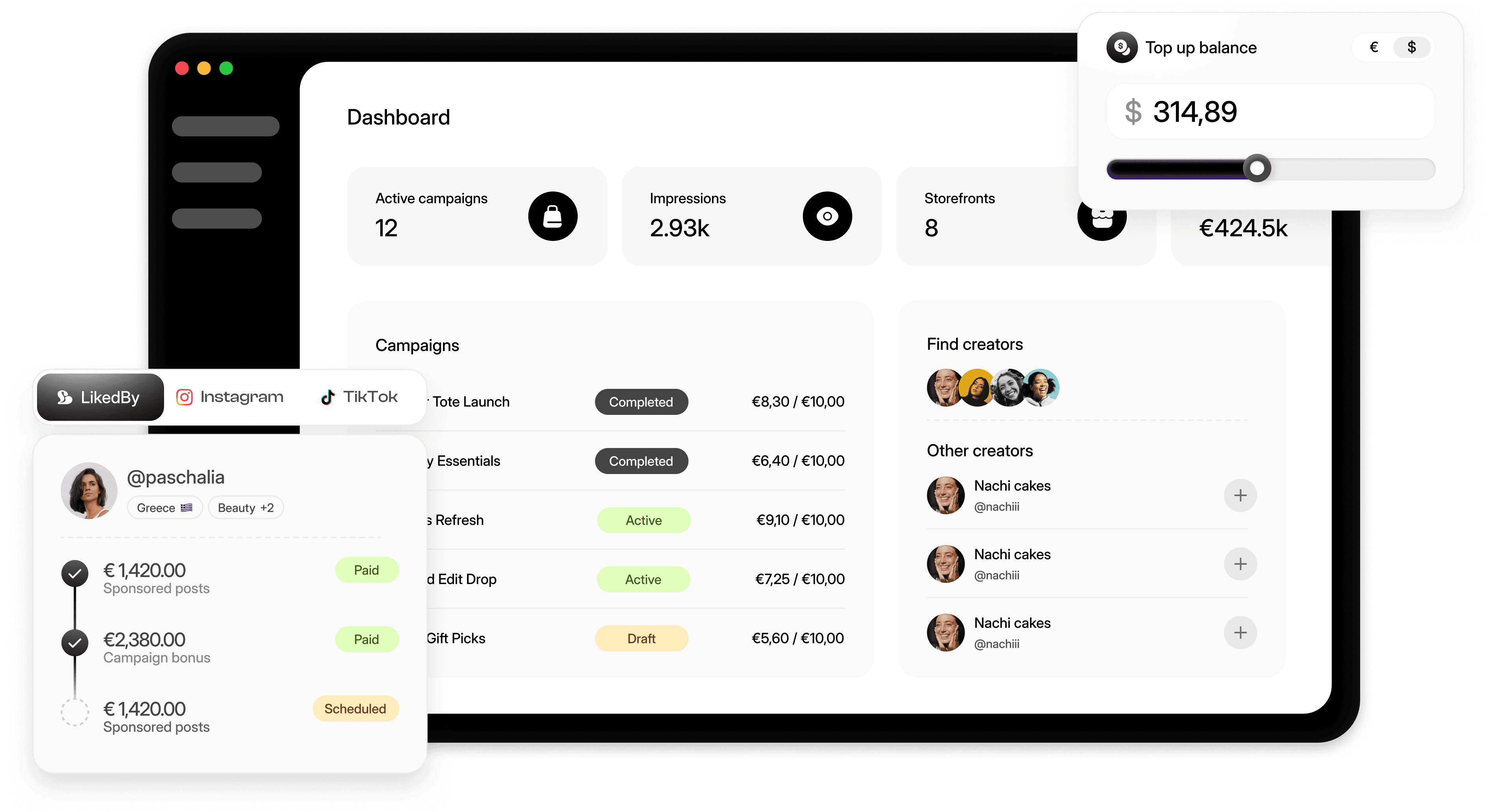
Shopify brands running creator programs at scale face a persistent operational bottleneck: getting the right influencer content matched to the right product, at the right time, in a format that actually drives conversions. Creator Drive solves this by giving your team a centralized content library where every asset from every creator is automatically organized, tagged by product SKU, and ready to deploy across your Shopify storefront.
For social commerce teams managing dozens or hundreds of creator relationships, the gap between receiving content and activating it on product pages is where revenue leaks. Manually downloading files from Google Drive links, renaming assets, cross-referencing which creator shot which product, and then uploading to Shopify — this workflow doesn't scale. Creator Drive eliminates these steps by syncing influencer content to Shopify products natively.
Whether you're running seasonal campaigns, always-on affiliate creator programs, or seeding products for UGC, Creator Drive becomes the single source of truth for every piece of creator content your brand owns. It connects the content supply chain to your commerce infrastructure so your team can focus on strategy instead of file management.
Key Challenges Shopify Brands Face with Creator Content
Shopify brands investing in influencer marketing and creator-led commerce encounter specific operational pain points that directly impact revenue and team efficiency. These challenges compound as programs scale from a handful of creators to hundreds.
1. Content Scattered Across Platforms and Inboxes
Creator assets arrive via DMs, email attachments, Google Drive links, WeTransfer URLs, and Dropbox folders. There is no single repository, which means team members waste hours hunting for the right file when it's time to update a product page or launch a campaign.
2. No Product-Level Content Organization
Even when content is collected, it's rarely organized by Shopify product or SKU. Teams end up with folders named by creator or campaign date, making it nearly impossible to answer the question: "What content do we have for this specific product?"
3. Content Rights and Usage Tracking Gaps
Shopify brands often lack a system to track which assets have been approved for use, which have expired usage rights, and which creators have granted perpetual licenses. This creates legal risk and slows down content deployment.
4. Slow Time-to-Publish on Product Pages
The lag between receiving creator content and publishing it as shoppable content on Shopify product pages can stretch from days to weeks. Every day of delay is lost conversion potential.
5. Duplicate and Outdated Assets Cluttering Workflows
Without version control or deduplication, teams accumulate redundant files. Old campaign assets mix with current ones, and there's no easy way to surface the highest-performing content for reuse.
6. Disconnected Creator and Commerce Data
Content performance data (clicks, conversions, revenue) lives in Shopify analytics or ad platforms, while creator relationship data lives in spreadsheets or a separate CRM. There's no unified view connecting a specific asset to its creator, product, and commercial outcome.
7. Scaling Content Production Without Scaling Headcount
As Shopify brands grow their creator rosters to feed demand for fresh UGC and product imagery, the operational burden grows linearly. Without automation, every new creator means more manual file handling.
Why Traditional Tools Fail Shopify Creator Teams
Google Drive and Dropbox Weren't Built for Commerce
General-purpose cloud storage tools have no concept of a Shopify product, a creator relationship, or content usage rights. They store files, but they don't connect those files to the commerce context that matters. Your team ends up building elaborate folder structures and naming conventions that break the moment a new team member joins or a campaign naming format changes.
DAM Platforms Lack Creator Context
Enterprise digital asset management tools like Bynder or Brandfolder are designed for brand-produced assets, not creator-generated content. They don't track which creator produced an asset, what collaboration it came from, or whether the content has been approved for Shopify product page use. They also lack native Shopify integrations that map assets to specific products or collections.
Influencer Marketing Platforms Stop at Delivery
Most influencer marketing software focuses on discovery, outreach, and campaign management. Content delivery is an afterthought — typically a download link in a campaign report. There's no persistent content library, no product tagging, and no pathway from content receipt to Shopify storefront activation. The workflow breaks exactly where commerce value begins.
Spreadsheets and Manual Processes Create Bottlenecks
Many Shopify brands still track content deliverables in spreadsheets, with columns for "content received (Y/N)" and links to various cloud folders. This approach is fragile, error-prone, and completely disconnected from both the creator relationship data and the Shopify product catalog. It creates a single point of failure — usually one overworked team member who knows where everything is.
How Socialscale's Creator Drive Solves Content-to-Product Syncing
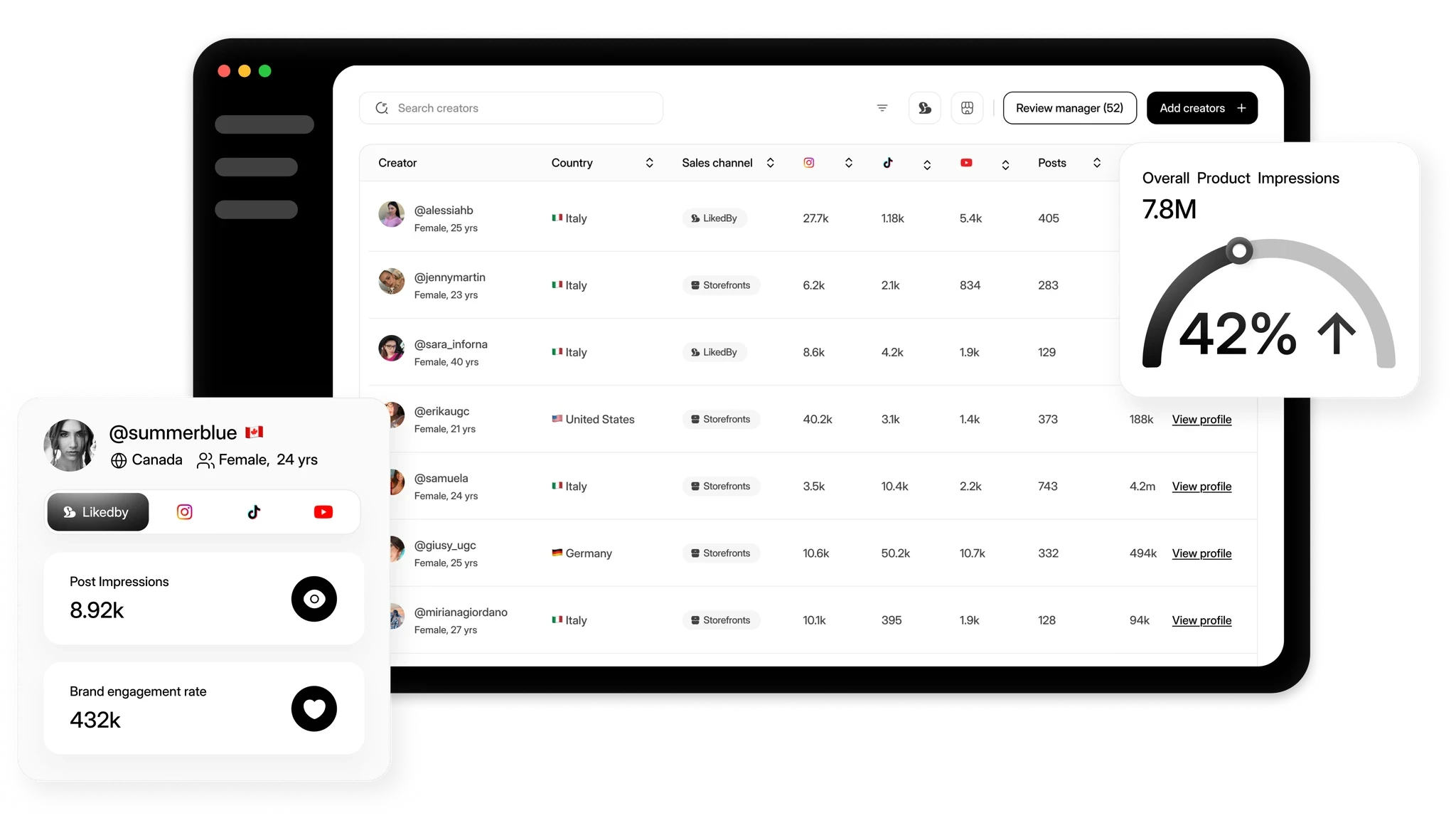
Socialscale's Creator Drive is purpose-built for the exact workflow Shopify brands need: receiving creator content, organizing it by product, managing rights, and activating it across your storefront. It sits at the intersection of UGC management and commerce infrastructure, connecting your creator content supply chain directly to your Shopify product catalog.
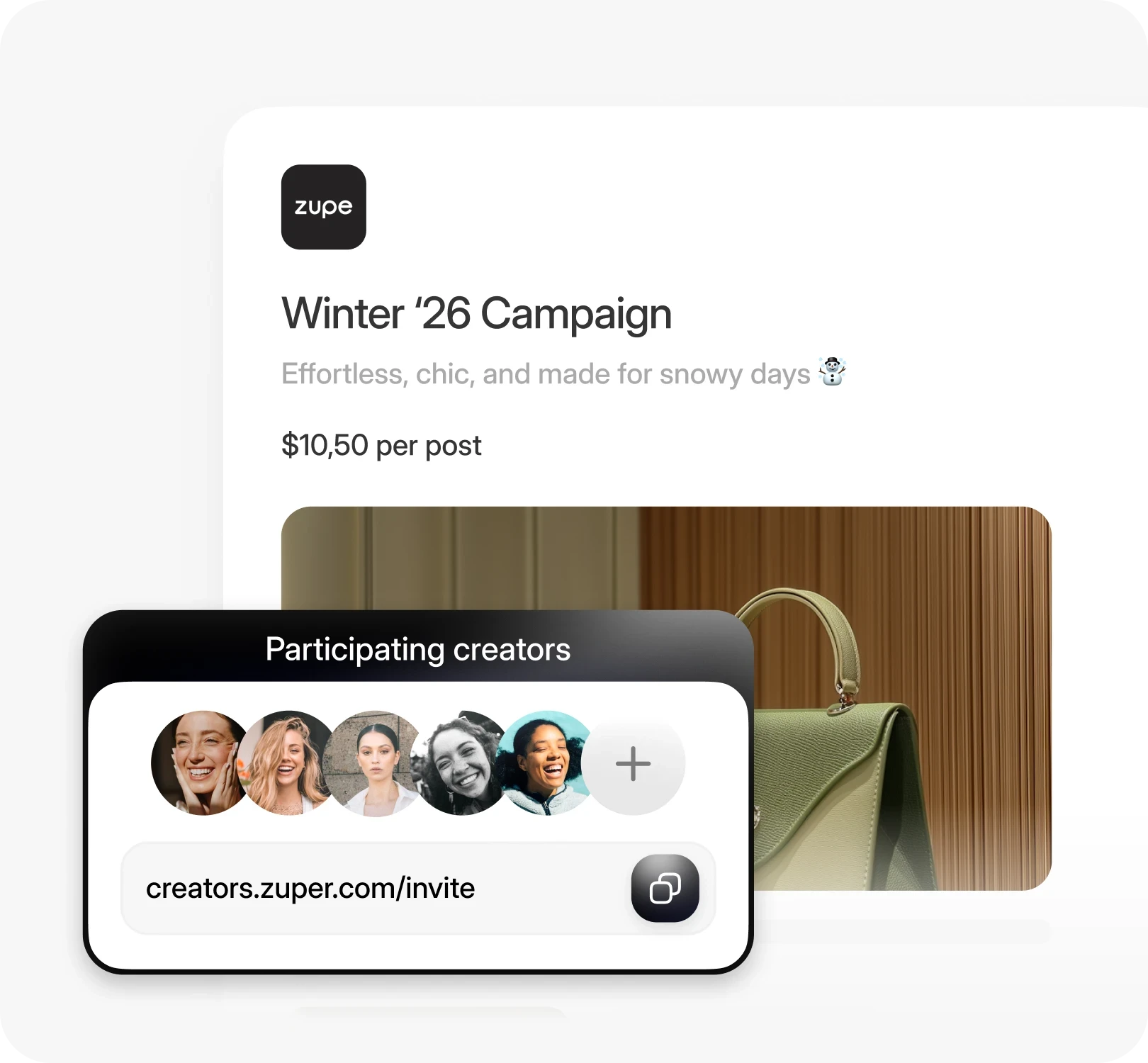
Unlike generic storage or standalone influencer marketing software, Creator Drive maintains the full context chain. Every asset is linked to the creator who produced it, the collaboration or campaign it came from, the Shopify product it features, and the usage rights governing its deployment. This means your team can search by product, filter by content type, check approval status, and push assets to Shopify — all from one interface.
Creator Drive works seamlessly with the rest of Socialscale's creator marketing platform. When a creator submits content through a collaboration workflow, it automatically lands in Creator Drive, pre-tagged with the relevant product and creator metadata. Your team reviews, approves, and the content is ready for deployment — whether that's embedding it as shoppable content on product pages via Creator Widgets, feeding it into paid social campaigns, or archiving it for future seasonal use.
For Shopify brands managing ongoing affiliate creator programs or large-scale seeding campaigns, this eliminates the operational chaos that typically accompanies high-volume content production. The result is faster time-to-publish, cleaner asset management, and a direct line from creator output to commercial impact.
Creator Drive Feature Breakdown for Shopify Brands
Automatic Product Tagging via Shopify Sync
Creator Drive connects to your Shopify product catalog and allows assets to be tagged with specific products, variants, or collections. When a creator submits content for a specific collaboration, the product association is inherited automatically. This means you can pull up any Shopify product and instantly see every piece of creator content associated with it — photos, videos, reels, unboxings, testimonials, and more.
Creator-Level Content Attribution
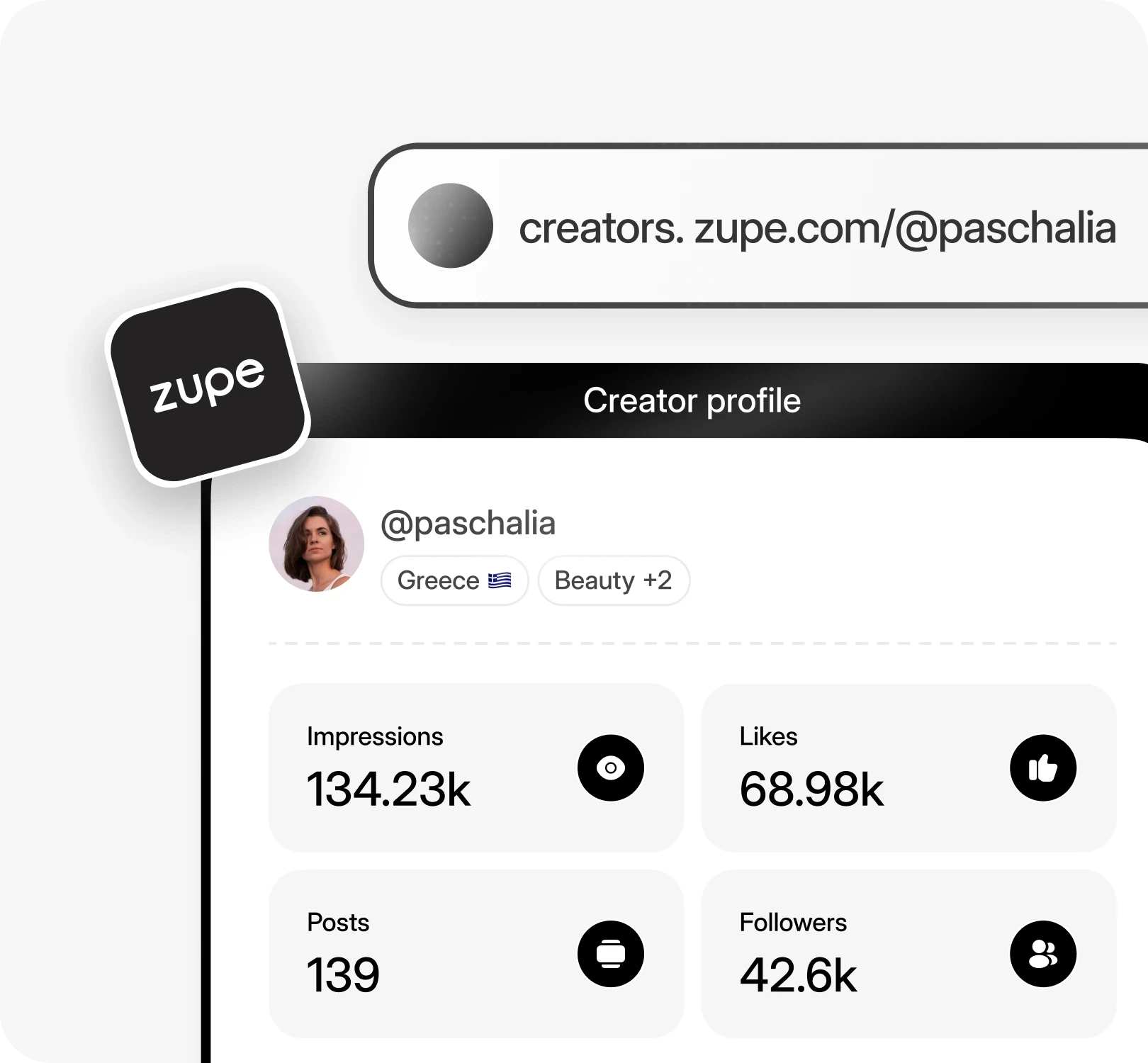
Every asset in Creator Drive is permanently linked to the creator who produced it. This attribution persists across campaigns and time periods, giving you a complete content history per creator. When evaluating creator performance or deciding who to re-engage for a new product launch, you can review their full content portfolio in seconds.
Content Status and Approval Workflows
Assets move through configurable status stages: submitted, in review, revision requested, approved, published, and archived. Your team can leave feedback directly on assets, request re-shoots, and track approval timelines. This replaces the back-and-forth of email threads and DM conversations with a structured workflow that keeps everyone aligned.
Usage Rights Management
Each asset can carry usage rights metadata — perpetual, time-limited, platform-specific, or paid media approved. When rights expire, the system flags the asset so your team can renegotiate or remove it from active use. This is critical for Shopify brands running creator content on product pages and in paid social simultaneously.
Content Type Filtering and Search
Filter your entire content library by type (photo, video, story, reel, testimonial), by product, by creator, by campaign, by date range, or by approval status. For Shopify brands with thousands of assets, this search capability transforms content activation from a scavenger hunt into a five-second query.
Bulk Download and Export for Paid Media
When your performance marketing team needs approved creator assets for Meta, TikTok, or Google Shopping campaigns, they can bulk-select and export directly from Creator Drive. No more requesting files from the influencer marketing manager or digging through old campaign folders.
Content Performance Signals
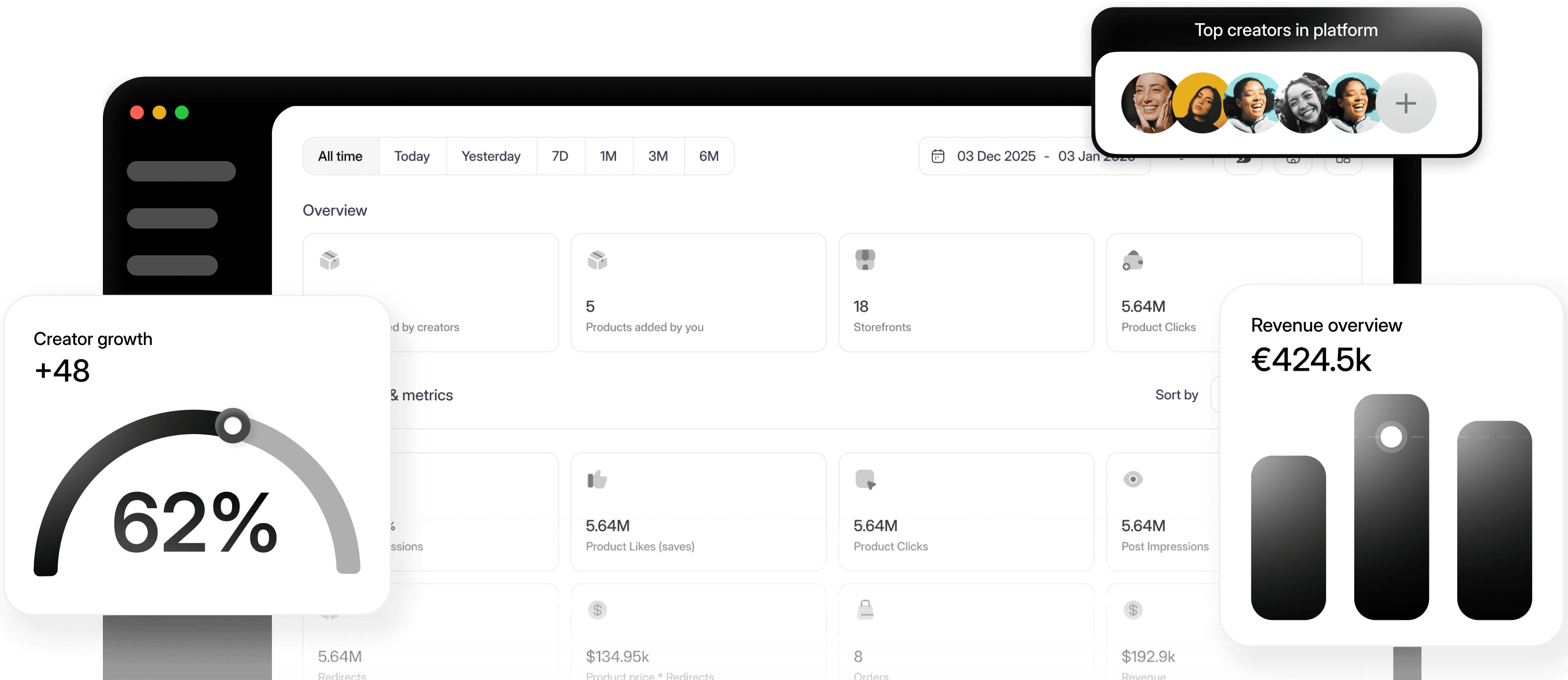
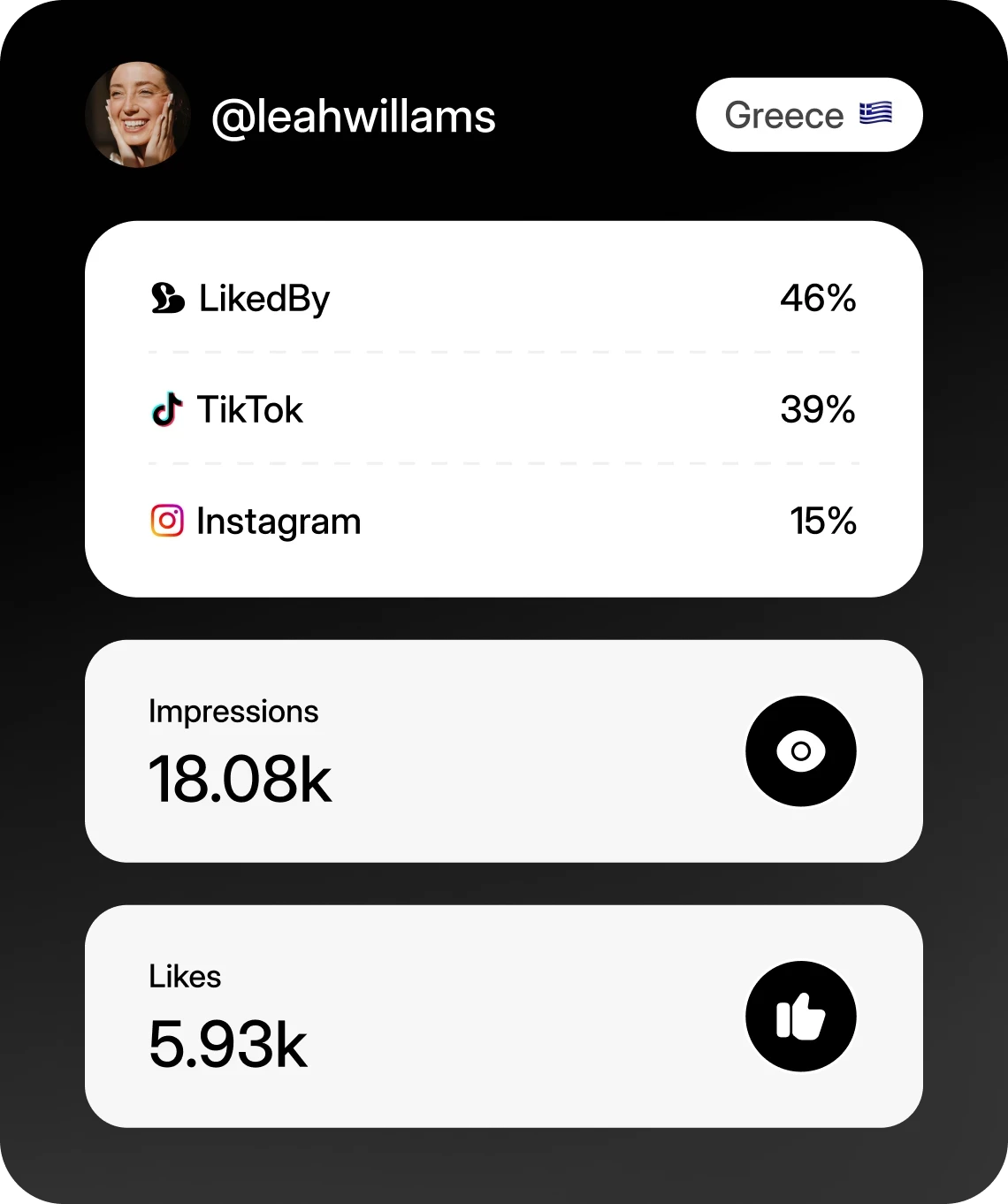
When creator content is deployed via Socialscale's widget system on Shopify product pages, engagement and conversion data flows back to Creator Drive. You can see which assets are driving clicks, add-to-carts, and purchases — and use that data to inform future creator selection and content briefs.
Use Cases: How Shopify Brands Leverage Creator Drive
1. Seasonal Product Launch Content Activation
A Shopify skincare brand launches a new SPF collection every spring. Six weeks before launch, the brand seeds products to 40 creators with specific content briefs. As creators submit photos and videos, each asset is automatically tagged to the corresponding new SPF product in Shopify. On launch day, the e-commerce team has a full library of creator content ready to embed on every new product page — no last-minute scrambling, no missing assets, no mismatched product associations. The content goes live the same hour the products do.
2. Always-On Affiliate Program Content Library
A Shopify fashion brand runs an affiliate creator program with 200+ active creators who regularly post about products they love. Creators upload their best-performing organic content to Creator Drive on an ongoing basis. The brand's social commerce lead reviews submissions weekly, approves top assets, and deploys them as shoppable content across relevant product pages and collection pages. Over time, the brand builds a living content library that grows richer with every creator post — reducing dependence on expensive studio shoots.
3. Multi-Product Seeding Campaign with Content Tracking
A Shopify home goods brand sends curated product bundles (candle + throw blanket + mug) to 60 lifestyle creators. Each creator receives a unique collaboration brief specifying which products to feature. As content comes in, Creator Drive automatically associates each asset with the correct products. The marketing team can instantly see which products have strong content coverage and which need additional creator outreach — enabling real-time campaign adjustments rather than post-campaign audits.
4. Repurposing Top-Performing UGC for Paid Social
A Shopify supplements brand notices that certain creator videos on product pages are generating unusually high conversion rates. The performance marketing manager filters Creator Drive by conversion metrics, identifies the top 10 assets, verifies their paid media usage rights, and exports them directly for TikTok and Meta ad campaigns. The entire process — from insight to ad creative — takes under 30 minutes instead of the usual multi-day coordination between teams.
Weekly Workflow: Syncing Influencer Content to Shopify Products
This operational workflow is designed for Shopify brand teams managing active creator programs. It assumes your team is using Creator Drive as part of the broader Socialscale platform, with Shopify product catalog synced and creator collaborations running.
Monday: Review New Content Submissions
Start the week by reviewing all creator content submitted since the previous review cycle. Creator Drive surfaces new submissions with their associated product tags, creator profiles, and collaboration context. Flag any assets that need revision or additional information from the creator.
Tuesday: Approve and Tag Assets
Move approved assets to "approved" status. Verify product tagging accuracy — ensure each asset is linked to the correct Shopify product or variant. Add any supplementary tags (content type, usage rights tier, campaign name) that will help with future retrieval and reporting.
Wednesday: Deploy to Shopify Product Pages
Select approved assets for deployment on Shopify product pages. Use Creator Widgets to embed shoppable creator content directly on relevant PDPs and collection pages. Prioritize products with upcoming promotions, low organic content coverage, or high traffic but low conversion rates.
Thursday: Export Assets for Paid Media
Coordinate with the performance marketing team. Filter Creator Drive for assets with paid media usage rights and strong organic engagement signals. Bulk export selected assets for use in TikTok Spark Ads, Meta dynamic product ads, or Google Shopping campaigns.
Friday: Audit Content Coverage by Product
Run a content coverage report across your Shopify catalog. Identify products with fewer than three approved creator assets — these are your content gaps. Flag these products for inclusion in the next creator seeding round or collaboration brief cycle.
Monthly: Review Content Performance
At month-end, analyze which creator assets drove the highest engagement and conversion rates on Shopify product pages. Use these insights to refine content briefs, identify top-performing creators for re-engagement, and update your content strategy for the coming month.
Monthly: Rights Expiration Check
Review any assets approaching usage rights expiration. Initiate renewal conversations with creators whose content is still actively driving value. Archive expired assets to prevent accidental use in campaigns or on product pages.
Key Performance Metrics for Creator Drive on Shopify
Tracking the right KPIs ensures your creator content operations are driving measurable commercial outcomes. These metrics span operational efficiency and revenue impact.
Content Activation Rate: Percentage of submitted creator assets that reach "approved and published" status. Target: 70%+ for well-briefed campaigns.
Time-to-Publish: Average number of days between content submission and live deployment on a Shopify product page. Benchmark: under 72 hours with Creator Drive vs. 7–14 days with manual workflows.
Content Coverage Ratio: Number of approved creator assets per active Shopify product. Goal: minimum 3 unique creator assets per hero product.
Product Page CTR Lift: Click-through rate improvement on product pages with embedded creator content vs. those without. Typical lift: 15–35%.
Conversion Rate (CVR) Impact: Conversion rate delta on PDPs featuring shoppable creator content. Shopify brands commonly see 10–25% CVR improvement.
Creator Content GMV Contribution: Total gross merchandise value attributable to product pages or campaigns using creator-sourced assets.
Cost Per Asset (CPA): Total creator program spend divided by number of approved, usable assets. Helps benchmark creator content production efficiency against studio shoots.
ROAS on Creator Content in Paid Media: Return on ad spend for campaigns using creator-sourced assets exported from Creator Drive vs. brand-produced ad creative.
Rights Utilization Rate: Percentage of approved assets with active usage rights that are currently deployed. Low utilization signals missed revenue opportunities.
Approval Cycle Time: Average time from content submission to final approval. Shorter cycles mean faster content deployment and higher program velocity.
Scenario: Mid-Size Shopify Beauty Brand Transforms Content Operations
A direct-to-consumer Shopify beauty brand with 120 SKUs and a growing creator program of 85 active creators was struggling with content chaos. Their influencer marketing manager spent an estimated 12 hours per week downloading content from various sources, renaming files, matching them to products in a spreadsheet, and uploading approved assets to Shopify. Despite this effort, only 35% of their product pages had any creator content, and the average time from content receipt to product page deployment was 11 days.
After implementing Creator Drive as part of their Socialscale setup, the team restructured their workflow around the weekly operational cadence described above. Creators began submitting content directly through collaboration workflows, with assets automatically landing in Creator Drive pre-tagged to the correct Shopify products.
Within 90 days, the results were measurable across multiple dimensions:
Content coverage increased from 35% to 78% of active product pages featuring at least two creator assets.
Time-to-publish dropped from 11 days to 2.5 days on average.
The influencer marketing manager reclaimed approximately 9 hours per week — time redirected to creator relationship building and campaign strategy.
Product pages with embedded creator content showed a 22% higher conversion rate compared to pages with only brand-produced imagery.
The performance marketing team began pulling top-performing creator assets for paid social, achieving 1.8x higher ROAS on Meta ads using creator content vs. studio-shot creative.
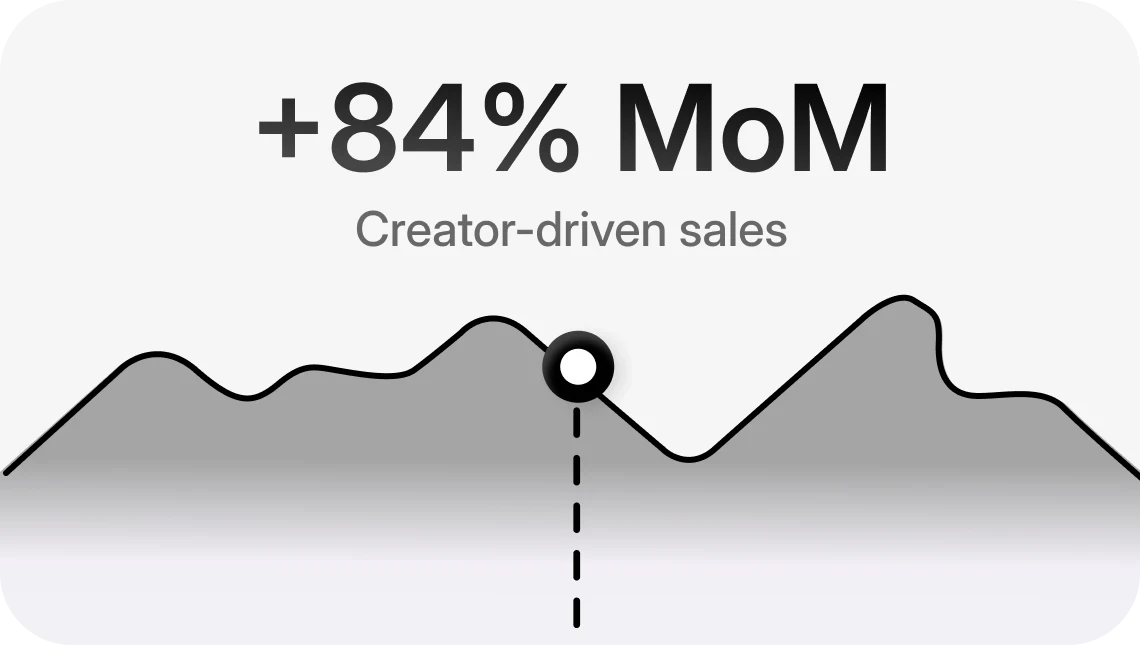
Monthly GMV attributable to pages with creator content grew by 31% over the 90-day period.
The brand's e-commerce director noted that Creator Drive didn't just solve a file management problem — it created a direct operational link between their creator program investment and Shopify revenue, making it possible to justify increased creator program budgets with concrete data.
Frequently Asked Questions
How does Creator Drive sync with my Shopify product catalog?
Creator Drive connects directly to your Shopify store and imports your full product catalog, including products, variants, and collections. When creators submit content through Socialscale collaboration workflows, assets are automatically tagged with the relevant Shopify product. You can also manually tag or re-tag assets at any time. The sync is ongoing, so new products added to Shopify become available for tagging immediately.
Can I track which creator content is driving sales on specific Shopify product pages?
Yes. When creator content is deployed on Shopify product pages via Socialscale's widget system, engagement and conversion data is tracked at the asset level. You can see which specific creator photos or videos are generating clicks, add-to-carts, and completed purchases. This data feeds back into Creator Drive, allowing you to identify top-performing content and creators for future campaigns.
What happens when a creator's content usage rights expire?
Creator Drive tracks usage rights metadata for every asset. When rights approach expiration, the system flags those assets so your team can take action — either renegotiating rights with the creator or removing the content from active deployment on Shopify product pages and ad campaigns. This prevents accidental use of expired content and reduces legal risk.
How is Creator Drive different from using a regular DAM or Google Drive?
General-purpose storage and DAM tools have no understanding of Shopify products, creator relationships, or content commerce workflows. Creator Drive is built specifically for creator content operations: it links every asset to a creator, a collaboration, a Shopify product, and usage rights data. It also connects to the rest of the Socialscale platform — your creator CRM, collaboration workflows, analytics, and storefront widgets — creating a unified system rather than a disconnected file repository.
Can my performance marketing team access Creator Drive to pull assets for paid campaigns?
Absolutely. Creator Drive supports role-based access, so your performance marketing team can browse approved assets, filter by product or content type, verify paid media usage rights, and bulk export files for use in Meta, TikTok, or Google Shopping campaigns. This eliminates the back-and-forth between influencer marketing and paid media teams that typically slows down creative refresh cycles.