Creator Drive for PR Agencies: Store Gifted Campaign Content Centrally
PR agencies juggle dozens of gifted campaigns simultaneously, each generating a flood of creator content across Instagram Stories, TikTok videos, YouTube unboxings, and more. Without a centralized system for storing gifted campaign content centrally, assets scatter across email threads, Google Drives, Slack channels, and individual account managers' desktops. The result is lost content, missed usage rights windows, and hours wasted hunting for that one perfect video a client asked about last Tuesday.
Creator Drive gives PR agencies a purpose-built content library that organizes every piece of creator content by campaign, client, creator, content type, and usage rights status. It eliminates the chaos of decentralized asset management and turns your creator content into a searchable, shareable, and reusable resource that supports social commerce initiatives and long-term client retention.
Whether your agency manages beauty seeding programs, lifestyle brand ambassador rosters, or tech product launch campaigns, Creator Drive ensures every asset is accounted for, properly tagged, and ready to deploy the moment a client or internal team needs it.
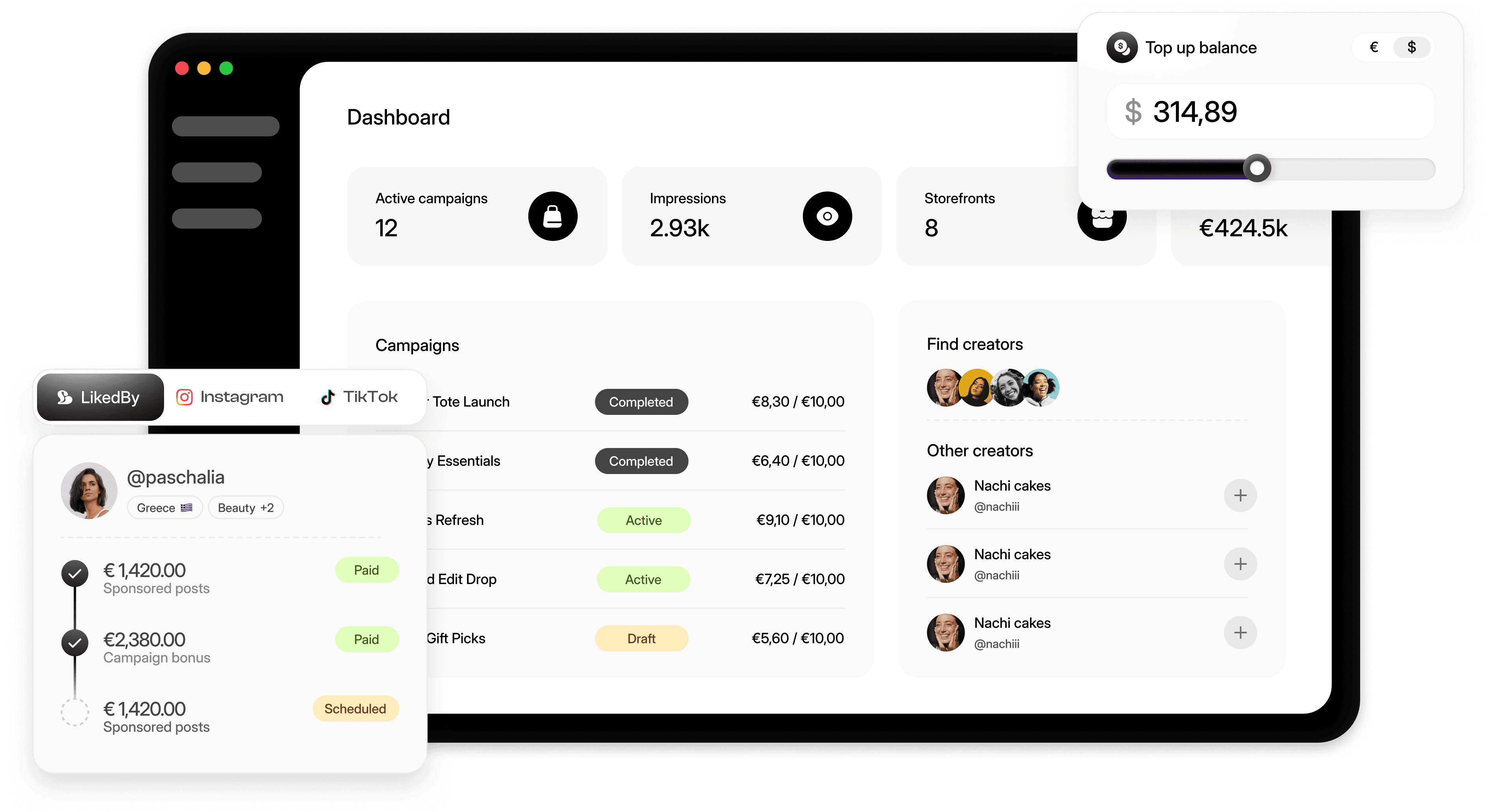
Content Management Challenges PR Agencies Face Daily
PR agencies operate in a uniquely complex environment where multiple clients, campaigns, and creator relationships overlap. These are the specific content management pain points that slow teams down and erode client confidence.
1. Content Scattered Across Dozens of Platforms
When a gifted campaign generates 150 pieces of creator content, those assets end up in Instagram DMs, email attachments, WeTransfer links, Google Drive folders, and Dropbox shares. No single team member has visibility into the full content library, and onboarding a new account manager means starting from scratch.
2. Lost or Expired Usage Rights
PR agencies frequently negotiate content usage rights with creators for specific timeframes. Without a centralized tracking system, teams inadvertently use content past its rights window, exposing both the agency and the client to legal risk. Manually tracking expiration dates in spreadsheets is error-prone and unsustainable at scale.
3. Inability to Quickly Surface Assets for Client Reporting
When a client asks for all top-performing UGC from their Q3 seeding campaign, the account team shouldn't need two hours to compile it. Yet without centralized creator content storage, that's exactly what happens. Time spent searching for assets is time not spent on strategy or new business.
4. Duplicate Downloads and Version Confusion
Multiple team members download the same content, rename files differently, and store them in separate locations. This creates version confusion, wastes storage, and makes it impossible to maintain a single source of truth for any campaign.
5. No Connection Between Content and Creator Performance Data
Content files live in one system while engagement metrics, reach data, and conversion tracking live in another. PR agencies cannot quickly identify which creators produced the highest-performing content without manually cross-referencing multiple tools.
6. Client Handoff Friction
When a client's internal team wants to repurpose creator content for paid media, email newsletters, or their own social channels, the agency must manually package and deliver assets. This handoff process is slow, inconsistent, and often incomplete.
7. Scaling Seeding Programs Without Scaling Headcount
As agencies win new clients and expand gifted programs, the volume of creator content grows exponentially. Without infrastructure designed for UGC management at scale, agencies are forced to hire more coordinators just to keep files organized.
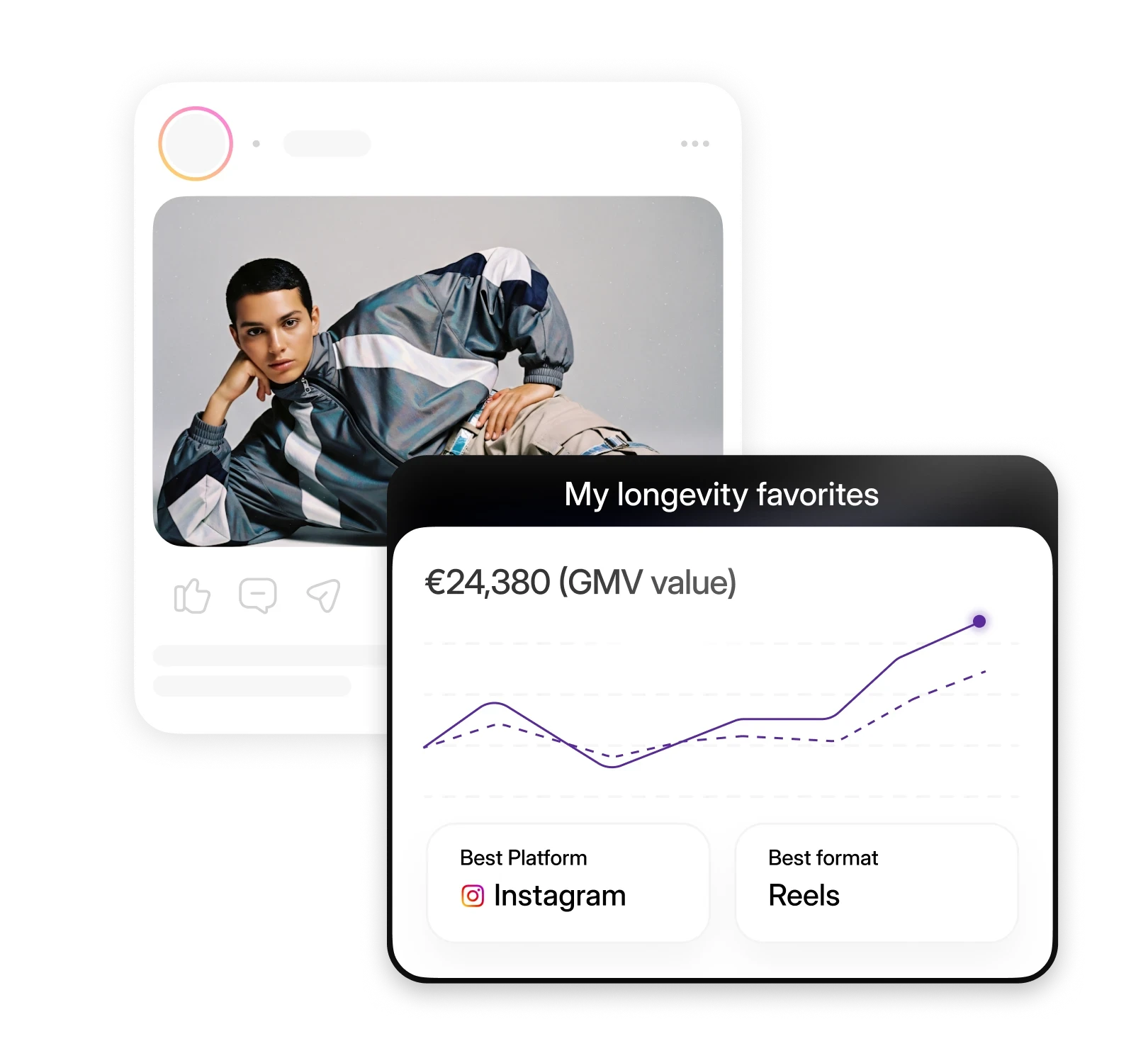
Why Google Drive, Dropbox, and Spreadsheets Can't Solve This
Most PR agencies default to general-purpose tools for creator content storage. Here's why those tools consistently fail as gifted campaigns scale.
Google Drive and Dropbox Lack Creator Context
General cloud storage treats every file the same. A creator's Instagram Reel sits in the same flat folder structure as a brief document or a client logo. There's no way to tag content by creator handle, campaign name, content format, usage rights status, or performance tier. Search becomes useless when you can't filter by the dimensions that actually matter to a PR workflow.
Spreadsheet Trackers Break Under Volume
Agencies commonly maintain spreadsheets that map creator names to content links, posting dates, and rights windows. These trackers work for a 10-creator campaign but collapse at 50 or 100 creators. Formulas break, links go stale, and no one trusts the data after the second week. Spreadsheets also can't display visual previews, making it impossible to browse content visually during client presentations.
Email and Messaging Apps Are Black Holes
Content shared via email or Slack is effectively lost within days. Search functions in these tools aren't designed for media asset retrieval, and attachments are often compressed or stripped of metadata. Relying on communication tools for content storage guarantees that assets will be unfindable when they matter most.
No Integration with Creator Performance or Commerce Workflows
Traditional storage tools exist in isolation. They don't connect to influencer marketing software, analytics dashboards, or shoppable content systems. This means every time an agency wants to pair a content asset with its performance data or embed it in a client's storefront, manual work is required. The gap between content storage and content activation is where PR agencies lose the most time and value.
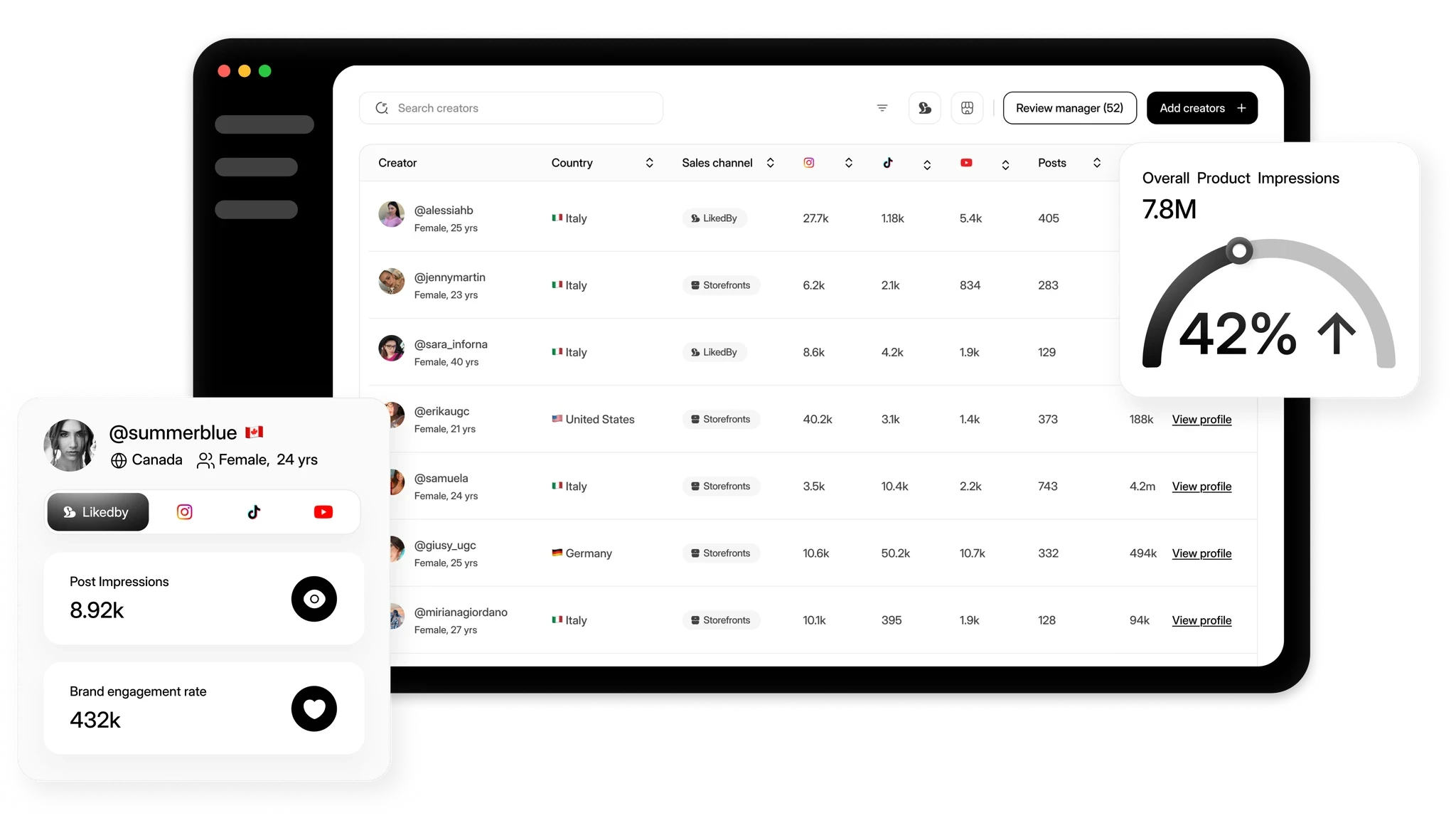
How Socialscale's Creator Drive Solves Centralized Content Storage for PR Agencies
Socialscale's Creator Drive is a purpose-built content library designed specifically for teams running creator programs. Unlike generic cloud storage, every feature is built around the workflows PR agencies actually use: organizing gifted campaign content, tracking usage rights, surfacing top-performing assets, and delivering content to clients efficiently.
Creator Drive automatically organizes content by campaign, creator, client, format, and date. Every asset is enriched with metadata that makes it instantly searchable and filterable. When your team needs all Instagram Reels from a skincare seeding campaign featuring creators with over 50K followers, that query takes seconds rather than hours.
Because Creator Drive lives within the broader creator marketing platform, content is natively connected to creator profiles, collaboration histories, and performance data. Your account managers can see not just the content a creator produced, but how it performed, what the engagement rate was, and whether it drove measurable social commerce outcomes. This connection between content and data transforms Creator Drive from a storage tool into a strategic asset library.
For agencies managing multiple clients, Creator Drive supports workspace segmentation so that each client's content library remains separate, organized, and accessible only to the relevant team members. Combined with Socialscale's creator CRM, agencies can maintain a complete operational picture of every creator relationship and every piece of content it has produced.
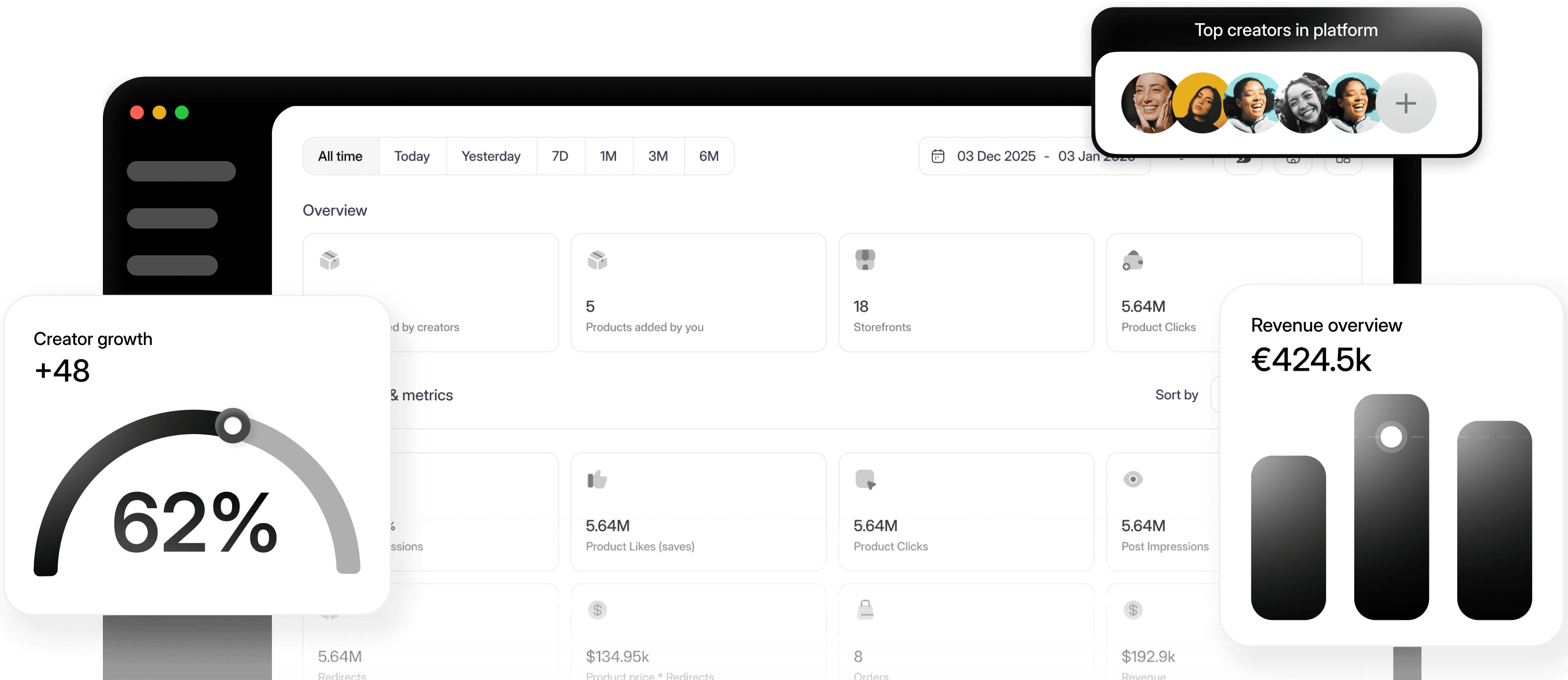
Feature Breakdown: What Creator Drive Delivers for PR Agencies
Campaign-Level Content Organization
Every piece of content is automatically associated with its parent campaign. When you run a holiday gifting campaign for a fashion client, all creator submissions, screenshots, and raw video files are grouped under that campaign. No manual folder creation, no drag-and-drop sorting. The structure mirrors how your agency actually thinks about work: by client, by campaign, by quarter.
Creator-Level Asset Tagging
Each content asset is linked to the creator who produced it, including their handle, follower count, content category, and collaboration history. This means you can instantly pull every piece of content a specific creator has ever produced across all campaigns and clients, which is invaluable for re-engagement decisions and long-term relationship management.
Usage Rights Tracking and Expiration Alerts
Assign usage rights windows to every asset. Creator Drive tracks expiration dates and alerts your team before rights lapse. This protects your agency and your clients from unauthorized usage while making it easy to identify which content is currently cleared for paid amplification, website embedding, or client redistribution.
Visual Content Browser with Preview
Browse content visually without downloading files. Thumbnail previews for images, video playback for Reels and TikToks, and Story previews let your team evaluate content quality directly within the platform. This is essential for client review meetings and internal content curation sessions.
Multi-Format Support
Creator Drive handles every format PR agencies encounter: Instagram static posts, carousels, Reels, Stories, TikTok videos, YouTube long-form and Shorts, blog post screenshots, and raw high-resolution files. All formats are stored, previewed, and tagged consistently.
Client-Ready Export and Sharing
Generate shareable content galleries for clients with a single click. Instead of zipping folders and emailing WeTransfer links, send clients a branded, organized view of their campaign content. Clients can browse, approve, and download assets without needing platform access.
Performance Data Overlay
When connected to creator performance tracking, each content asset displays its associated metrics: views, likes, comments, shares, saves, and click-throughs. This overlay lets your team identify top-performing content instantly and recommend specific assets for paid amplification or shoppable content embedding.
Search and Filter Engine
Filter content by client, campaign, creator, date range, content format, performance tier, usage rights status, or custom tags. The search engine is designed for the specific retrieval patterns PR agencies use daily, not generic filename searches.
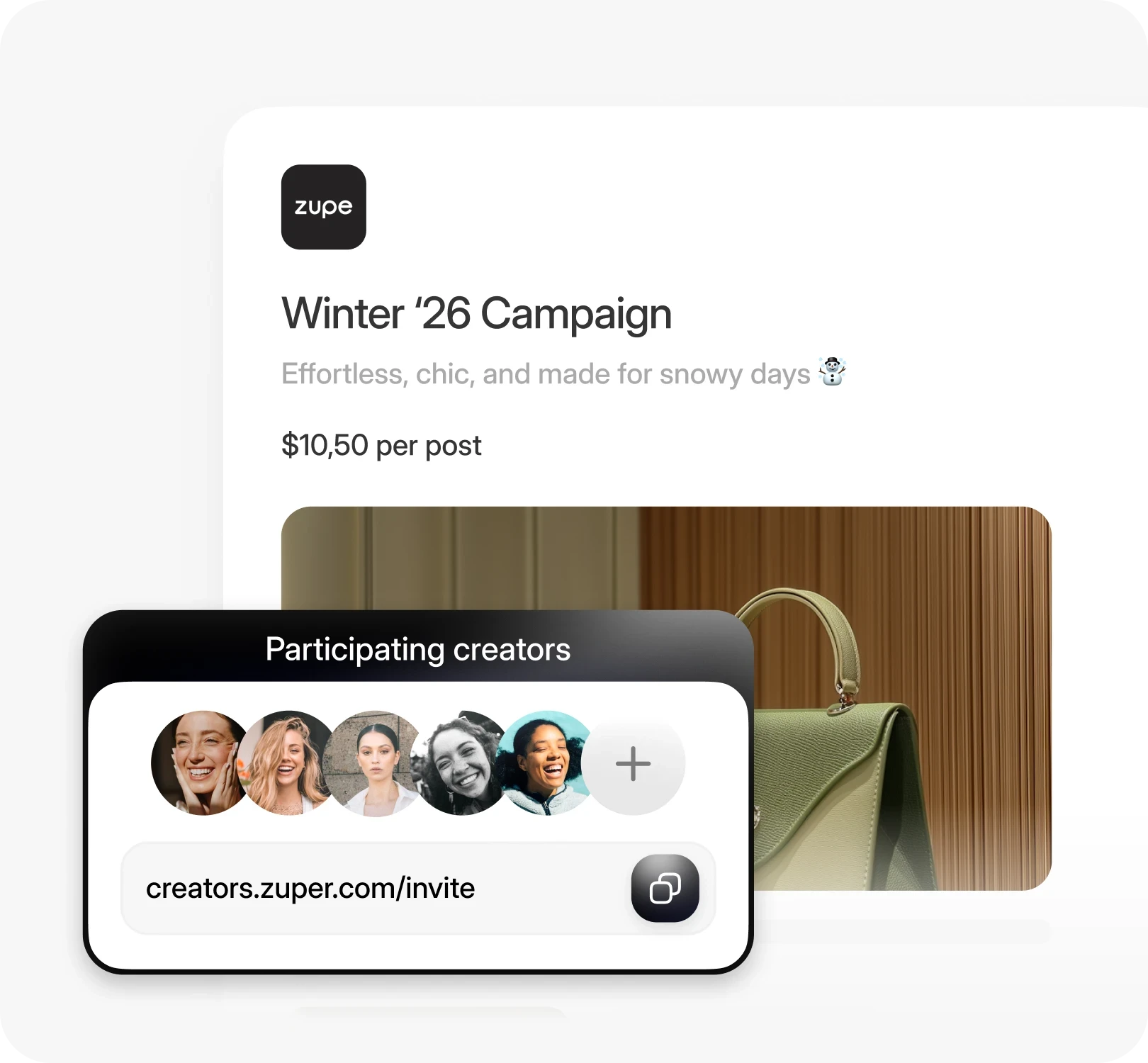
Use Cases: How PR Agency Teams Use Centralized Creator Content Storage
Beauty Brand Seeding Program with 200+ Creators
A PR agency manages a quarterly seeding program for a prestige beauty brand, sending products to over 200 micro and mid-tier creators each cycle. As content rolls in across Instagram and TikTok, the team tags each asset by product SKU, creator tier, and content format. At the end of the campaign, the agency delivers a curated content gallery to the brand's marketing team, organized by top performers. The brand's paid media team selects assets directly from the gallery for whitelisted ad campaigns, cutting the content handoff process from five days to same-day delivery.
Multi-Client Agency Managing Overlapping Campaign Timelines
An agency with 12 active clients runs gifted campaigns that frequently overlap. Account managers for a food and beverage client, a fashion label, and a wellness brand all need access to their respective content libraries without cross-contamination. Workspace segmentation ensures each client's assets remain isolated while agency leadership maintains a bird's-eye view across all accounts. Monthly content audits that previously took a full day per client now take under an hour.
Lifestyle Brand Ambassador Program with Ongoing Content Obligations
A PR agency operates a year-long ambassador program for a lifestyle brand, with 30 creators each committed to delivering four pieces of content per month. The agency uses Creator Drive to track content delivery against contractual obligations, flagging creators who are behind schedule. Usage rights are tracked per deliverable, and the brand's e-commerce team pulls approved assets directly into their product pages and creator storefronts for shoppable content experiences.
Tech Product Launch with Tiered Creator Activations
For a consumer electronics launch, a PR agency activates three tiers of creators: 10 macro influencers for YouTube reviews, 40 mid-tier creators for Instagram content, and 100 nano creators for TikTok unboxings. Each tier has different content requirements, usage rights terms, and performance benchmarks. Creator Drive organizes all 150 creators' content under a single campaign with tier-level sub-groupings, enabling the agency to report on content volume, quality, and performance by tier during weekly client calls.
Weekly Operational Workflow for PR Agencies Using Creator Drive
Implementing Creator Drive into your agency's weekly rhythm ensures content never falls through the cracks and clients always have access to up-to-date campaign assets. Here is a practical workflow that integrates seamlessly with existing PR agency operations.
Monday: Content Intake and Tagging
Begin the week by reviewing all new creator content submitted over the weekend and previous week. Upload any assets received via email or DMs into Creator Drive, ensuring each piece is tagged with the correct campaign, client, creator profile, content format, and posting date. For agencies using Socialscale's full platform, much of this intake is automated through connected social channels.
Tuesday: Usage Rights Audit
Review the usage rights dashboard to identify any assets approaching their expiration window. Flag content that needs rights renewal conversations with creators. Archive any expired content to prevent accidental usage by internal teams or clients. Update rights status for any newly negotiated extensions.
Wednesday: Performance Tagging and Content Grading
Cross-reference content assets with performance data from creator analytics. Tag top-performing content as "high priority" for client reporting and paid amplification recommendations. Identify underperforming content to inform future creator selection and briefing adjustments.
Thursday: Client Content Gallery Updates
Update each client's shared content gallery with new assets, performance annotations, and curated recommendations. Prepare visual summaries for any scheduled client calls or monthly reporting deliverables. Ensure galleries reflect the most current and rights-cleared content only.
Friday: Creator Delivery Tracking
For ongoing ambassador and affiliate creator programs, check content delivery status against contractual obligations. Identify creators who are behind on deliverables and coordinate follow-up outreach through your creator CRM. Document delivery completion rates for monthly performance reviews.
Monthly: Content Library Audit and Archival
At month's end, conduct a full audit of each client's content library. Archive completed campaign content, update folder structures for new campaigns launching next month, and generate content volume reports. Use these reports to demonstrate agency value during quarterly business reviews.
Quarterly: Strategic Content Analysis
Analyze content trends across all clients and campaigns. Identify which creator tiers, content formats, and platforms consistently produce the highest-quality and highest-performing assets. Use these insights to refine gifting strategies, creator selection criteria, and campaign briefs for the upcoming quarter.
Key Performance Indicators PR Agencies Track with Creator Drive
Centralizing creator content storage unlocks measurement capabilities that scattered file systems simply cannot provide. These are the KPIs that PR agencies monitor to demonstrate campaign value and operational efficiency.
Content Delivery Rate: Percentage of gifted creators who actually post content, tracked against total products seeded. Benchmark target: 40–60% for unpaid gifting programs.
Average Content Approval Time: Time from content submission to client approval. Centralized storage with visual preview reduces this from 3–5 days to under 24 hours.
Content Volume Per Campaign: Total assets generated per campaign, broken down by format (static, video, Stories) and platform.
Usage Rights Compliance Rate: Percentage of content used within valid rights windows. Target: 100% compliance with automated expiration tracking.
Client Content Retrieval Time: Average time to fulfill a client content request. Centralized storage reduces this from hours to minutes.
Top-Performing Content Identification Speed: Time required to surface the highest-engagement assets for paid amplification or shoppable content deployment.
Creator Re-engagement Rate: Percentage of gifted creators invited back for subsequent campaigns, informed by content quality and performance data stored in the drive.
Content-to-Commerce Conversion Rate (CTR/CVR): For clients with e-commerce operations, track click-through and conversion rates on creator content embedded on product pages or shared via affiliate creator programs.
Campaign ROAS Attribution: When creator content is amplified through paid channels, track return on ad spend tied to specific creator assets stored and managed through Creator Drive.
GMV Contribution: For social commerce-enabled clients, measure gross merchandise value driven by creator content that was organized, approved, and deployed through the centralized content library.
Scenario: Mid-Size PR Agency Streamlines Gifted Campaign Content for 8 Clients
A mid-size PR agency specializing in beauty, wellness, and lifestyle brands manages gifted creator programs for eight active clients simultaneously. Before implementing a centralized creator content storage system, the agency's six-person account team spent an estimated 15 hours per week collectively searching for content, compiling client reports, and manually tracking usage rights across Google Drive folders, email threads, and Slack messages.
The agency adopted Creator Drive as its central content repository. During the first month, the team migrated all active campaign content into the platform, tagging assets by client, campaign, creator, format, and rights status. The initial setup required approximately 12 hours of concentrated effort across the team.
Within 60 days, the agency measured the following operational improvements:
Content retrieval time for client requests dropped from an average of 47 minutes to under 4 minutes per request.
Weekly time spent on content organization and filing decreased from 15 hours to 3.5 hours across the team, freeing 11.5 hours per week for strategic work.
Usage rights violations dropped from an average of 2–3 incidents per quarter to zero, eliminating a recurring source of client friction.
Client satisfaction scores on quarterly reviews improved, with three clients specifically citing faster content delivery and better-organized reporting as reasons for contract renewal.
The agency onboarded two new clients without adding headcount, absorbing the additional content volume through the efficiency gains provided by centralized storage.
The agency's managing director noted that Creator Drive transformed content management from a reactive, time-consuming burden into a proactive capability that directly supported new business pitches. Prospective clients were shown the organized content galleries during pitch meetings as evidence of the agency's operational maturity and creator program infrastructure.
Frequently Asked Questions
How does Creator Drive differ from using Google Drive or Dropbox for creator content?
Creator Drive is built specifically for creator content workflows. Unlike general cloud storage, it tags every asset with creator profile data, campaign associations, usage rights status, and performance metrics. You can filter content by creator tier, content format, platform, rights window, and performance level. General storage tools treat all files identically and offer none of this creator-specific context, which means your team spends hours on manual organization that Creator Drive handles automatically.
Can we manage content for multiple clients in the same Creator Drive account?
Yes. Creator Drive supports workspace segmentation that keeps each client's content library completely separate. Account managers only see the clients they're assigned to, while agency leadership can view across all workspaces. This structure is essential for PR agencies managing overlapping campaigns across multiple brands and prevents any risk of content cross-contamination between client accounts.
How does usage rights tracking work within Creator Drive?
When content is uploaded or ingested, your team assigns a usage rights window specifying the start date, end date, and permitted usage types such as organic social, paid amplification, website embedding, or email marketing. Creator Drive monitors these windows and sends alerts before rights expire. Expired content is automatically flagged to prevent unauthorized use, and your team can initiate rights renewal workflows directly from the platform.
Does Creator Drive integrate with creator performance tracking and analytics?
Creator Drive is natively connected to creator analytics within the Socialscale platform. Each content asset displays its associated engagement metrics, including views, likes, comments, shares, saves, and click-through data. This means your team can identify top-performing content without switching between tools, and performance data informs which assets are recommended to clients for paid amplification or shoppable content deployment.
What content formats does Creator Drive support?
Creator Drive supports all major content formats that PR agencies encounter in gifted campaigns: Instagram feed images, carousels, Reels, and Stories; TikTok videos; YouTube long-form videos and Shorts; blog post screenshots and links; and raw high-resolution image and video files provided directly by creators. All formats are stored with visual previews, so your team can evaluate content without downloading files.