Creator Drive for Multichannel Retailers: Centralize Unified Influencer Content Across Regions
Multichannel retailers operate across marketplaces, DTC storefronts, social platforms, and physical locations — often spanning multiple regions with distinct audiences, languages, and compliance requirements. Every channel demands fresh, authentic creator content, yet most teams struggle to keep track of what assets exist, who created them, where they can be used, and whether usage rights are still valid. The result is duplicated effort, wasted licensing fees, and inconsistent brand storytelling across touchpoints.
Creator Drive by Socialscale solves this by giving multichannel retail teams a single, structured content library purpose-built for social commerce workflows. Instead of scattering influencer photos, videos, and UGC across Google Drive folders, Slack threads, and email attachments, every asset is tagged by creator, campaign, region, product SKU, and rights status — then instantly accessible to every team that needs it.
Whether your social commerce leads in Berlin need holiday Reels from a U.S. micro-influencer or your e-commerce team in Tokyo wants to embed shoppable content from a regional affiliate creator, Creator Drive ensures unified influencer content across regions without the chaos of manual file management.
1. Content Fragmentation Across Channels and Geographies
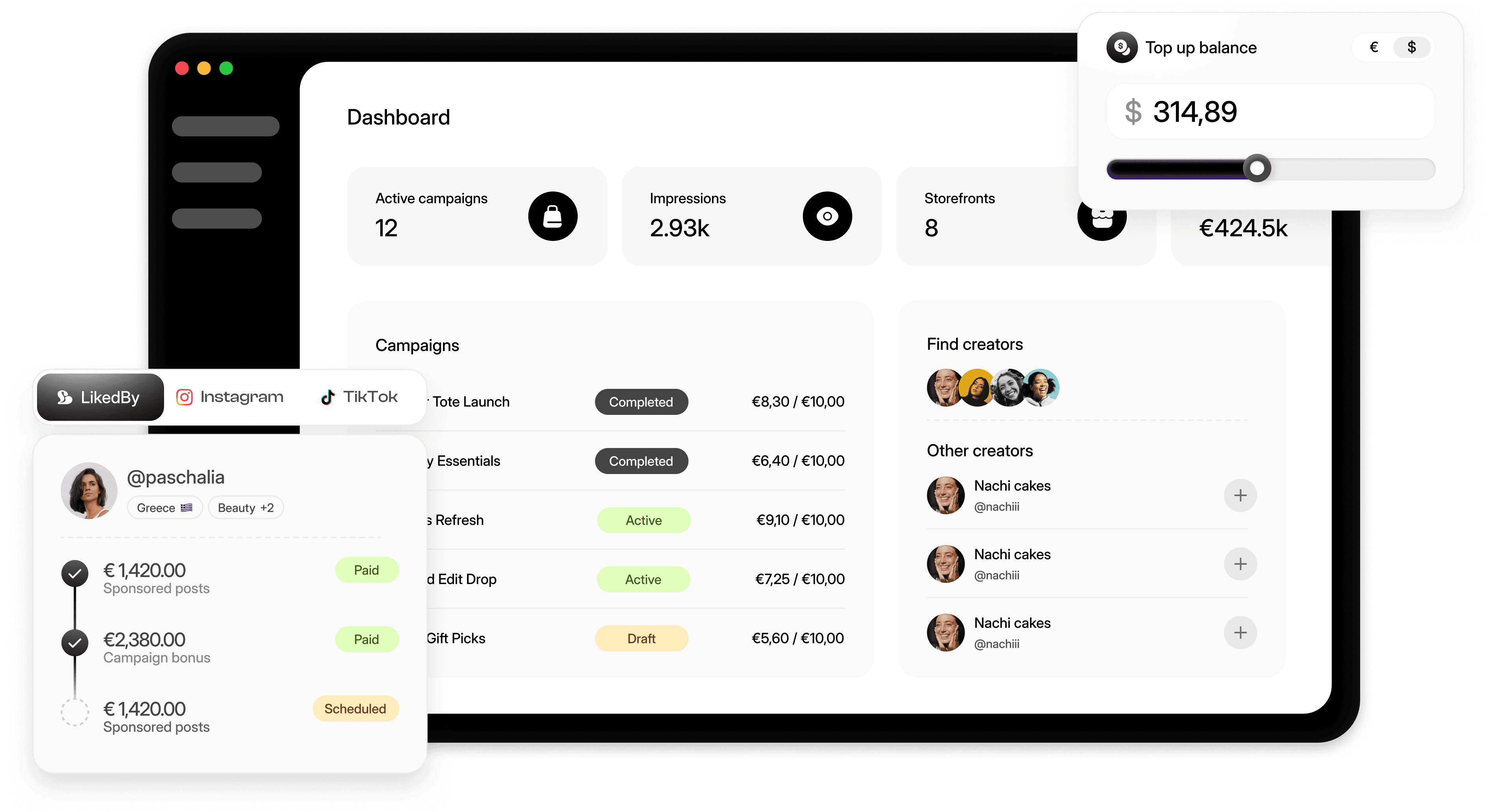
Multichannel retailers typically run creator programs in multiple markets simultaneously. Content gets stored in regional folders, agency portals, and individual team members' desktops. Finding the right asset for the right channel at the right time becomes a daily bottleneck that slows campaign launches and causes teams to re-commission content that already exists.
2. Inconsistent Rights and Usage Tracking
When a creator delivers content for a TikTok campaign in one region, can that same video be repurposed for a Shopify product page in another? Most multichannel retailers cannot answer this question quickly because usage rights are buried in contracts stored separately from the assets themselves. This leads to either legal risk or overly cautious under-utilization of paid content.
3. Duplicated Creator Content Production
Without visibility into what content already exists, regional teams frequently brief creators on assets that have already been produced elsewhere. A beauty retailer running campaigns across the U.S., UK, and Australia might commission three separate unboxing videos for the same product launch — not because the content needs to differ, but because no one knew the first video existed.
4. Slow Approval and Distribution Workflows
Creator content often requires review by brand, legal, and regional marketing teams before it can go live. When files are shared via email or messaging apps, version control breaks down. Approvals stall because reviewers cannot find the latest cut, and content misses its launch window.
5. Inability to Connect Content to Performance Data
Multichannel retailers need to understand which creator assets drive conversions on which channels. But when content storage is disconnected from analytics, teams cannot tie a specific video to its click-through rate on Instagram, its conversion rate on Shopify, or its GMV contribution on TikTok Shop.
6. Scaling Affiliate and Ambassador Programs Without Losing Control
As affiliate creator programs grow from dozens to hundreds of creators across regions, the volume of incoming content explodes. Without structured ingestion and tagging, the content library becomes an unsearchable archive that nobody trusts or uses.
7. Difficulty Embedding UGC Consistently Across Storefronts
Retailers want to embed shoppable creator content on product pages, category pages, and landing pages across multiple storefronts. But if the content library is disorganized, the e-commerce team cannot reliably pull the right assets, and storefronts end up with outdated or off-brand UGC.
Generic Cloud Storage Was Not Built for Creator Workflows
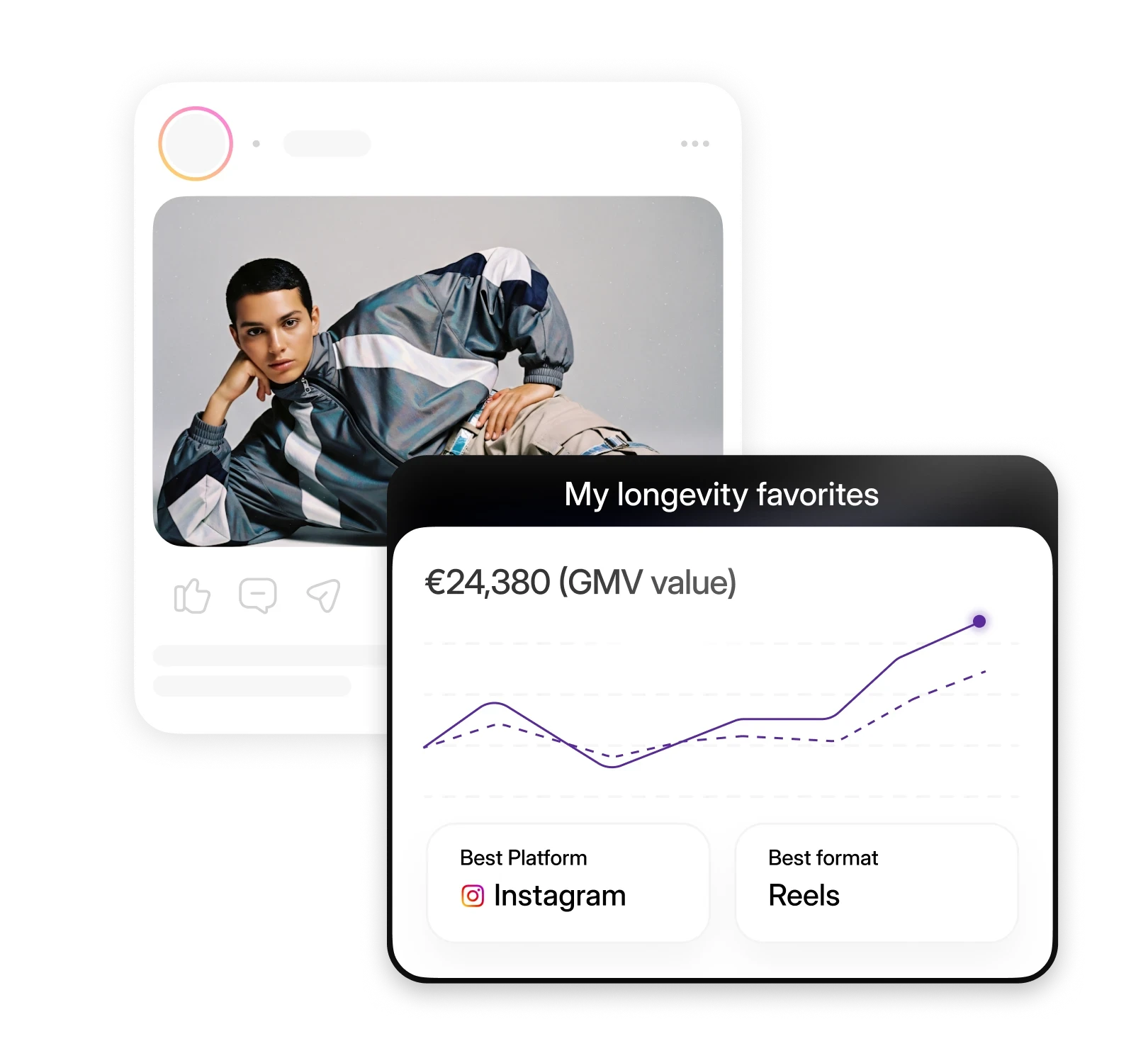
Google Drive, Dropbox, and SharePoint are excellent general-purpose file storage tools, but they lack the metadata layer that multichannel retail teams need. You cannot filter by creator handle, campaign name, product SKU, content rights expiration date, or regional market. Every search becomes a manual dig through nested folders, and there is no connection between the file and the creator who produced it.
DAM Platforms Ignore the Creator Relationship
Digital asset management systems like Bynder or Brandfolder organize brand assets well, but they treat creator content as just another file type. They do not link assets to creator profiles, collaboration agreements, performance metrics, or CRM records. For multichannel retailers running large-scale influencer programs, this disconnect means the content library exists in isolation from the operational data that makes it useful.
Influencer Marketing Platforms Treat Storage as an Afterthought
Most influencer marketing software focuses on discovery and outreach but provides only a basic media gallery for delivered content. There is no structured tagging, no rights management workflow, no regional segmentation, and no ability to push approved assets directly to e-commerce storefronts or ad managers. The content sits in the platform but cannot flow into the channels where it needs to perform.
Spreadsheets and Manual Tracking Break at Scale
Some teams maintain spreadsheets that map creator names to Dropbox links to campaign briefs. This works with ten creators. It collapses with one hundred. Links break, rows go stale, and no one updates the sheet after the campaign ends. The result is a content graveyard that costs money to produce but generates zero ongoing value.
How Socialscale Creator Drive Solves Content Chaos for Multichannel Retailers
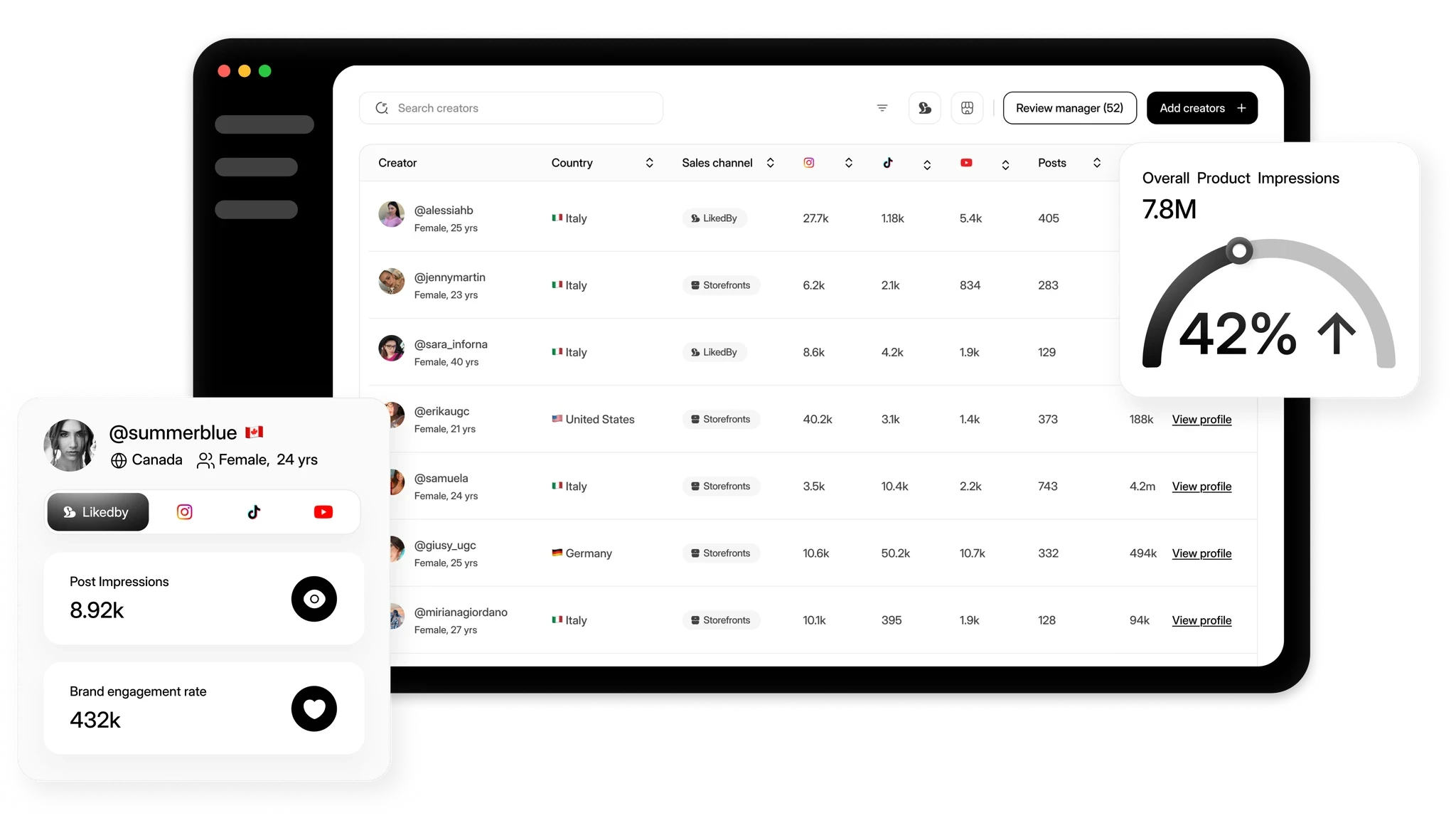
Socialscale's Creator Drive is a purpose-built content storage and distribution layer designed specifically for teams running creator programs at scale. Unlike generic file storage, every asset in Creator Drive is automatically linked to the creator who produced it, the campaign it belongs to, the products it features, and the regions where it is licensed for use.
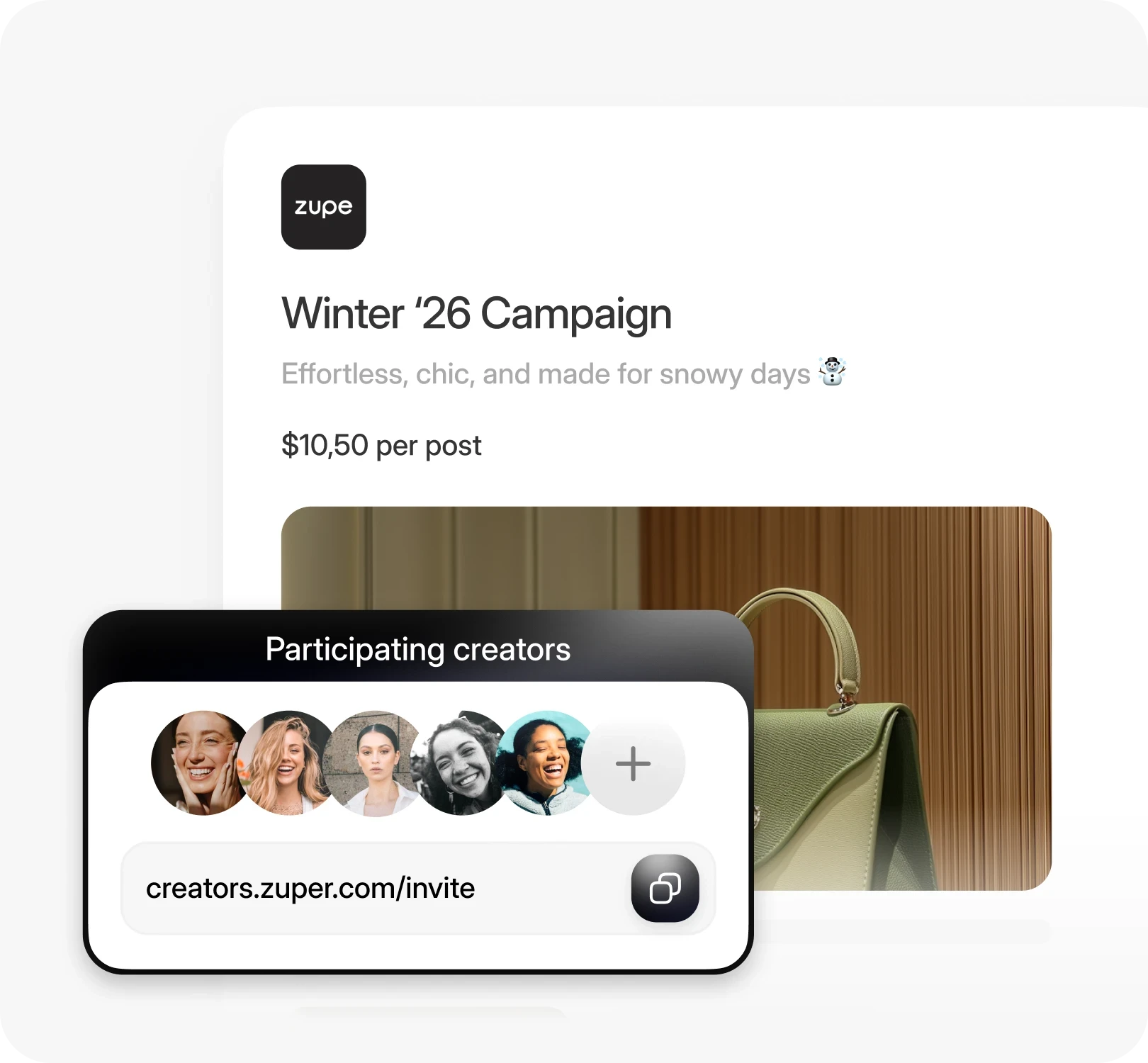
For multichannel retailers, this means your team in any market can search for "winter campaign + skincare + Germany + Instagram Reels" and instantly surface every approved asset that matches — along with the creator's profile, performance history, and rights status. No more Slack messages asking "does anyone have that video from the Berlin launch?"
Creator Drive integrates directly with Socialscale's creator CRM, so when a new creator delivers content through a collaboration, the assets flow into the library pre-tagged with metadata from the campaign brief. Rights expiration dates trigger automatic alerts, ensuring your legal team never has to audit manually. And when your e-commerce team wants to embed shoppable content on a product page, they can pull approved assets directly from Creator Drive into creator widgets without downloading, re-uploading, or reformatting.
The result is a single source of truth for every piece of creator content your brand has ever commissioned — searchable, structured, rights-managed, and ready to deploy across every channel and region you operate in.
Creator Drive Feature Breakdown for Multichannel Retail Teams
Automated Content Ingestion from Collaborations
When creators submit deliverables through Socialscale's collaboration workflows, assets are automatically ingested into Creator Drive. Each file inherits metadata from the campaign brief — including creator name, product SKUs, target region, content format, and platform. This eliminates the manual upload-and-tag cycle that bogs down marketing operations teams after every campaign.
Multi-Dimensional Tagging and Search
Every asset in Creator Drive can be tagged across multiple dimensions: creator handle, campaign name, product category, SKU, region, language, content type (photo, video, Story, Reel, TikTok), usage rights status, and approval state. Multichannel retailers can build saved searches like "approved + U.S. + footwear + TikTok + Q4 2024" and share those filtered views with specific teams or agencies.
Rights and Licensing Management
Each asset carries a rights record that specifies where the content can be used (organic social, paid media, e-commerce, in-store displays), for how long, and in which territories. When a license approaches expiration, the system flags the asset and notifies the relevant team. This is critical for multichannel retailers who repurpose creator content across paid ads, product pages, and retail media networks.
Regional Content Libraries with Role-Based Access
Creator Drive supports workspace segmentation by region or brand. Your APAC team sees content tagged for their markets; your EMEA team sees theirs. Cross-regional content is visible to both. Role-based permissions ensure that regional managers can approve and distribute content within their scope without accidentally modifying assets owned by another market.
Direct-to-Storefront Asset Deployment
Approved assets can be pushed directly from Creator Drive to shoppable content widgets embedded on your Shopify, Magento, or headless commerce storefronts. This closes the gap between content creation and content monetization — your e-commerce team does not need to download files, resize them, and re-upload to a separate CMS.
Creator Performance Context on Every Asset
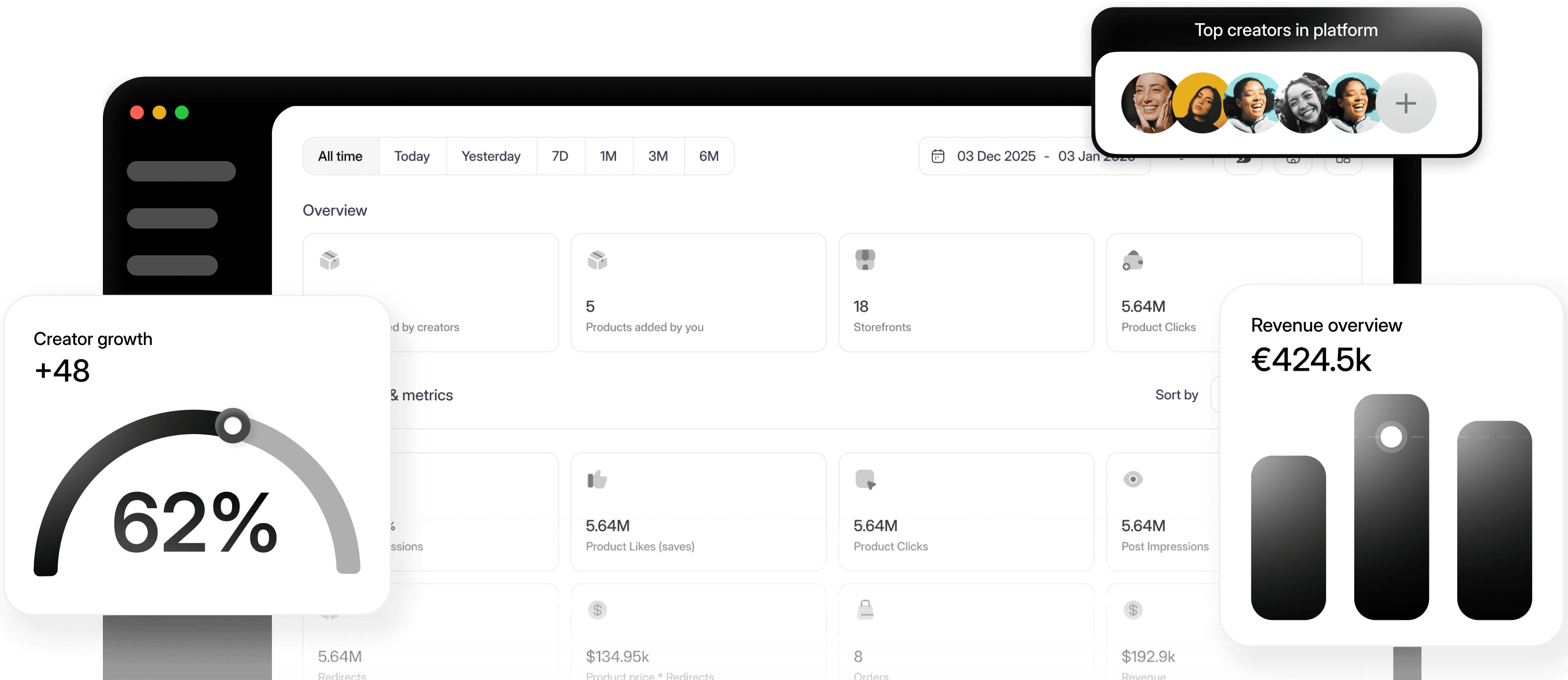
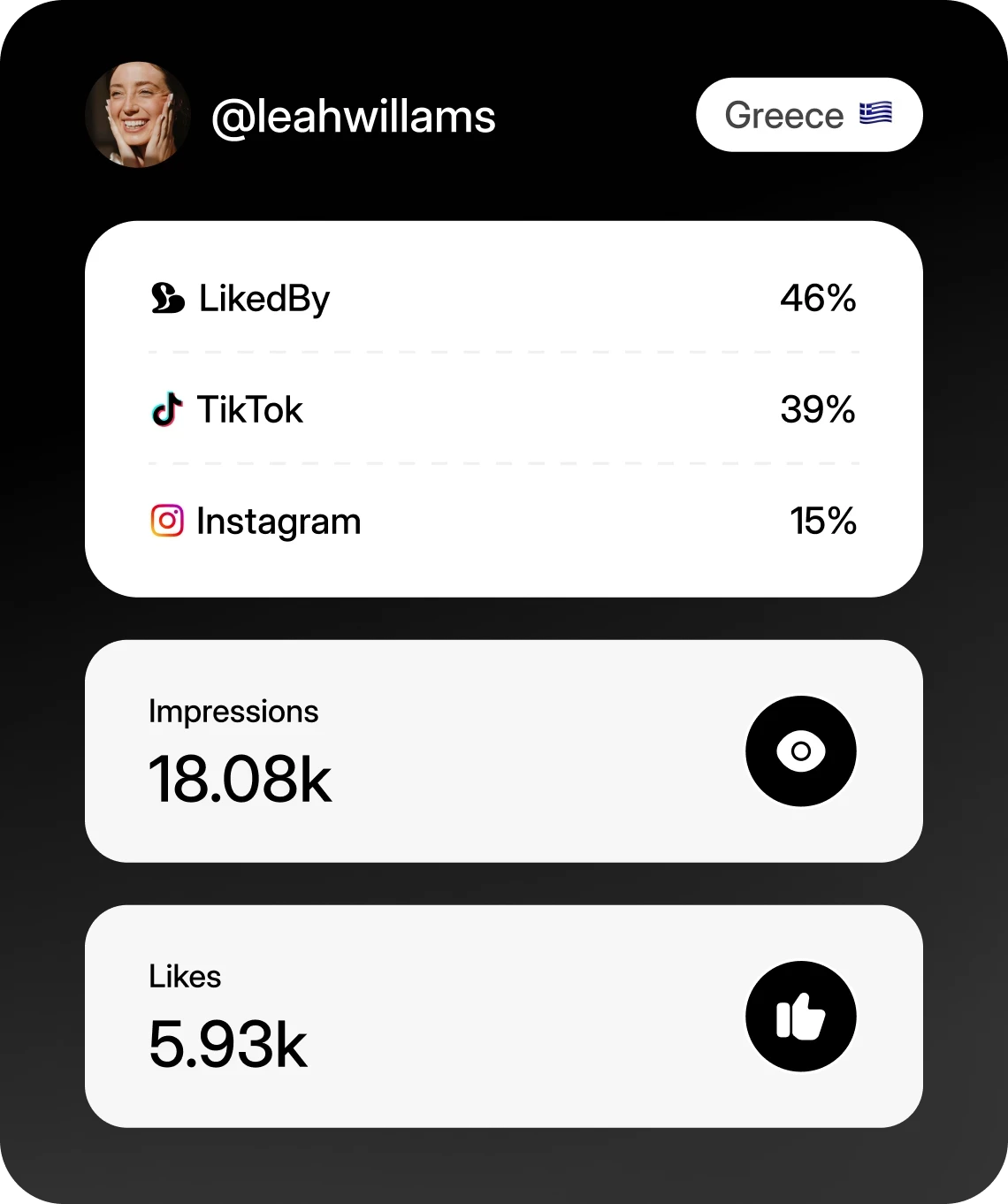
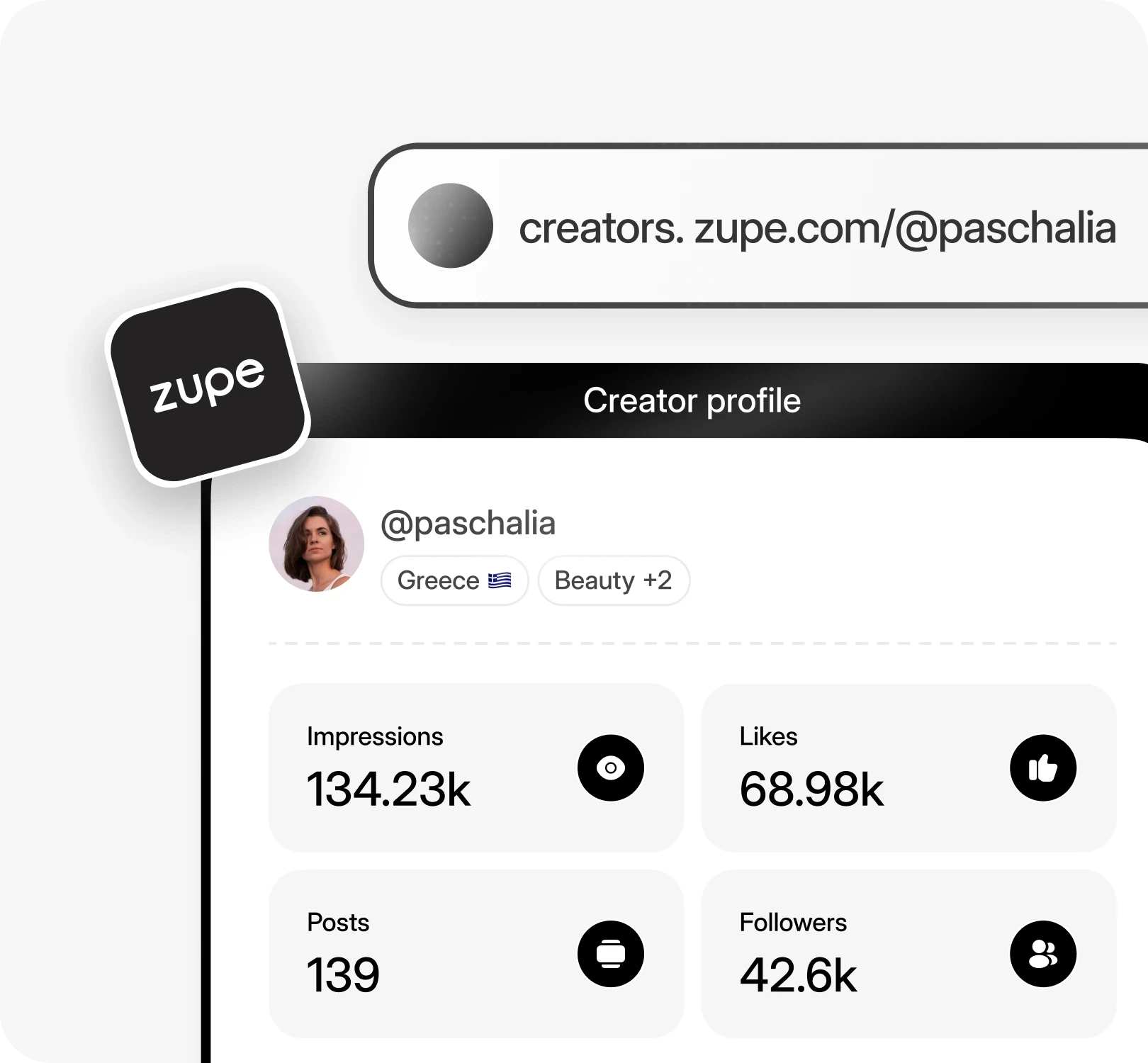
Each asset in Creator Drive links back to the creator's performance profile. When browsing content, your team can see not just the visual but also the engagement rate, click-through rate, and conversion data associated with that creator's previous work. This helps merchandising and e-commerce teams prioritize high-performing content for homepage placements and product detail pages.
Version Control and Approval Workflows
Creator Drive maintains version history for every asset. When a creator submits a revised cut, the new version replaces the old one in the library while preserving the original for reference. Approval workflows route content through the appropriate reviewers — brand, legal, regional — before the asset becomes available for distribution.
Use Cases: Creator Drive in Multichannel Retail Operations
1. Coordinating a Global Product Launch Across 12 Markets
A multichannel retailer launching a new sneaker collection activates 80 creators across North America, Europe, and Asia-Pacific. Each creator produces platform-specific content — TikTok videos, Instagram Reels, and static product shots. As deliverables come in, they flow into a centralized content library tagged by market, platform, and product variant. Regional marketing leads access their market-specific views, pull approved assets for local social calendars, and the global brand team monitors the full library to ensure visual consistency. Content that performs well in one region is flagged for adaptation in others, reducing production costs and accelerating time-to-market.
2. Building a Perpetual UGC Library for E-Commerce Product Pages
A home goods retailer running an always-on affiliate creator program receives 200+ pieces of UGC monthly from creators showcasing products in real homes. Each asset is tagged by product SKU, room type, and aesthetic style. The e-commerce team uses filtered views to pull the most relevant, highest-performing creator content for each product detail page. As new content arrives, stale assets are rotated out automatically based on performance thresholds and rights expiration dates, keeping every product page fresh without manual curation.
3. Repurposing Regional Campaign Content for Paid Media
A fashion retailer runs a seasonal campaign with 30 creators in the UK. The paid media team in the U.S. identifies three top-performing videos and wants to use them as ad creatives for Facebook and Instagram campaigns targeting American audiences. They search Creator Drive, confirm that the usage rights cover paid media in North America, download the assets in the correct ad specs, and launch the campaign — all within the same day. Without centralized rights tracking, this process would have required weeks of back-and-forth with the UK agency and legal team.
4. Enabling Franchise and Wholesale Partners to Access Approved Creator Content
A multichannel retailer with franchise partners and wholesale accounts wants to provide those partners with approved creator content for their own local marketing. Creator Drive's role-based access allows the brand to create a partner-facing view that surfaces only fully approved, rights-cleared assets. Partners can browse, filter by product category, and download content for use in their local social channels and in-store displays — without the brand team manually packaging and emailing files for every request.
Weekly and Monthly Operational Workflow with Creator Drive
Implementing Creator Drive into your multichannel retail operations follows a structured cadence that keeps content flowing, organized, and performing. Here is how teams typically operate on a weekly and monthly basis.
Campaign Brief and Creator Activation (Monthly)
At the start of each campaign cycle, the influencer marketing manager creates campaign briefs in Socialscale specifying deliverable types, product SKUs, target regions, and content guidelines. Creators are activated through the collaboration workflow, and all brief metadata is pre-loaded so that incoming content will be auto-tagged upon delivery.
Content Ingestion and Auto-Tagging (Ongoing)
As creators submit deliverables throughout the campaign period, assets flow into Creator Drive with inherited metadata. The system tags each file with the creator's profile, campaign ID, product information, region, and platform format. No manual uploading or folder sorting is required.
Content Review and Approval (Weekly)
Every Monday, regional brand managers review newly ingested content in their market-specific views. They approve, request revisions, or flag assets for legal review. Approved content moves to a "ready for distribution" status visible to e-commerce, social, and paid media teams.
E-Commerce Content Refresh (Weekly)
On Wednesdays, the e-commerce team filters Creator Drive for newly approved assets tagged to priority product SKUs. They push high-performing creator content to shoppable widgets on product pages, replacing underperforming assets based on the previous week's conversion data.
Social Calendar Population (Weekly)
Social media managers across regions browse their market-specific content libraries each Thursday to pull assets for the following week's organic posting schedule. They select content based on platform format, creator performance history, and seasonal relevance.
Paid Media Asset Selection (Bi-Weekly)
Every two weeks, the performance marketing team reviews Creator Drive for top-performing organic content that can be amplified through paid channels. They verify usage rights for paid media, download assets in the correct specifications, and add them to ad creative rotations.
Rights Audit and Renewal (Monthly)
At the end of each month, the operations team runs a rights expiration report. Assets approaching license expiry are flagged. The team either renews rights with the creator through the CRM or retires the content from active distribution channels.
Performance Review and Library Optimization (Monthly)
Monthly, the team reviews content performance metrics linked to each asset — CTR, CVR, and GMV contribution. Low-performing content is archived. High-performing creators are flagged for re-engagement in the next campaign cycle, and their content is prioritized in the library for ongoing use.
Key Performance Indicators for Creator Drive in Multichannel Retail
Tracking the right metrics ensures your content library is not just organized but actively driving revenue. Here are the KPIs multichannel retail teams should monitor when using Creator Drive.
Content Activation Rate: Percentage of ingested creator assets that move from "delivered" to "approved and deployed" status within 7 days. Target: above 75%.
Average Approval Time: Time from content submission to final approval. Multichannel retailers should aim for under 48 hours to keep campaigns on schedule across regions.
Content Output per Creator: Number of usable assets delivered per creator per campaign cycle. Helps identify high-output creators for re-engagement.
Content Utilization Rate: Percentage of approved assets that are actively deployed across at least one channel (social, e-commerce, paid). Low utilization signals over-production or poor discoverability in the library.
Click-Through Rate (CTR) by Asset: CTR of shoppable creator content embedded on product pages or social posts. Enables asset-level optimization.
Conversion Rate (CVR) by Asset: Percentage of clicks on creator content that result in a purchase. Critical for prioritizing which assets appear on high-traffic product pages.
GMV Attributed to Creator Content: Total gross merchandise value generated through transactions that involved interaction with creator assets. The ultimate revenue signal for multichannel retailers.
ROAS on Repurposed Creator Content: Return on ad spend when creator assets are used as paid media creatives. Measures the efficiency of repurposing organic content for paid amplification.
Rights Compliance Rate: Percentage of deployed assets with valid, unexpired usage rights. Target: 100%. Any gap represents legal and brand risk.
Cross-Regional Content Reuse Rate: Percentage of assets originally produced for one region that are successfully deployed in at least one additional market. Higher rates indicate effective unified influencer content across regions.
Scenario: A Multichannel Sportswear Retailer Unifies Creator Content Across 8 Markets
A mid-market sportswear retailer selling through Shopify DTC stores, Amazon, and 40+ wholesale partners across North America, Europe, and Southeast Asia was running creator programs independently in each region. The brand worked with approximately 300 creators globally, producing over 1,500 pieces of content per quarter.
The Problem
Content was scattered across five different cloud storage accounts managed by three agencies and two in-house teams. The U.S. team had no visibility into content produced by the APAC agency. The European team regularly re-commissioned product photography that already existed in the U.S. library. Rights tracking was handled in spreadsheets that were updated inconsistently, and the brand had received two takedown notices from creators whose licenses had expired without anyone noticing.
The Implementation
The brand consolidated all creator content into Creator Drive, migrating existing assets and establishing automated ingestion for all new collaborations. Every asset was tagged by creator, campaign, product SKU, region, platform, and rights expiration date. Regional teams received role-based access to their market views, with cross-regional content visible to all.
Results After 6 Months
Content duplication across regions dropped by 62%, saving an estimated $45,000 in redundant creator fees per quarter.
Average time from content delivery to storefront deployment decreased from 11 days to 2.5 days.
Cross-regional content reuse increased from 8% to 34%, with top-performing U.S. creator videos successfully repurposed for UK and Australian markets.
Rights compliance reached 100% — zero takedown notices in the six-month period.
Shoppable creator content embedded on product pages via Creator Drive contributed to a 23% increase in product page conversion rates compared to pages using only brand-produced imagery.
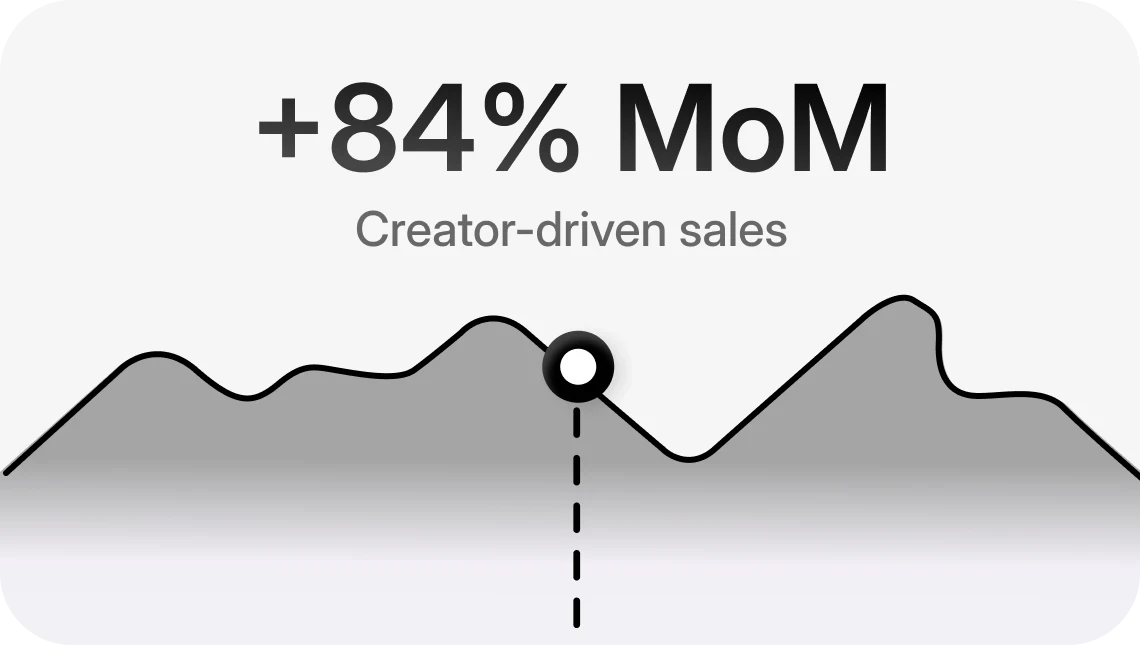
GMV attributed to creator content across all channels grew by 41% quarter-over-quarter.
The brand's global influencer marketing manager noted that the single biggest operational improvement was the ability to search for content by product SKU and instantly see every creator asset available across all markets — a capability that simply did not exist before.
Frequently Asked Questions
How does Creator Drive differ from a standard digital asset management (DAM) system?
Creator Drive is built specifically for creator and influencer content workflows. Unlike generic DAM platforms, every asset is linked to the creator's profile, collaboration history, performance data, and rights agreement. This means you can search not just by file type or tag, but by creator engagement rate, campaign ROI, regional licensing scope, and more. For multichannel retailers, this creator-centric metadata layer is what makes the content library operationally useful rather than just a storage bucket.
Can Creator Drive handle content from creators managed by external agencies?
Yes. Socialscale supports multi-stakeholder workflows where agencies submit content on behalf of creators they manage. Assets ingested through agency collaborations carry the same metadata and rights tracking as content from directly managed creators. Regional agencies can be given scoped access to upload and tag content within their market's workspace without accessing other regions' libraries.
How does rights management work for content used across multiple channels and regions?
Each asset in Creator Drive carries a rights record that specifies permitted usage types (organic social, paid media, e-commerce, in-store, retail media), permitted territories, and expiration dates. When a team member attempts to deploy content outside its licensed scope, the system flags the restriction. Expiration alerts are sent automatically 30 and 7 days before a license lapses, giving your team time to renew or retire the asset.
Can we connect Creator Drive to our existing e-commerce platform if we are not on Shopify?
Creator Drive is commonly connected via API to major e-commerce platforms including Magento, BigCommerce, and headless commerce architectures. The integration enables approved assets to be pushed to product pages and landing pages without manual file transfers. For retailers operating on custom-built storefronts, Socialscale's API documentation provides the endpoints needed for direct integration.
How does Creator Drive help with unified influencer content across regions for multichannel retailers?
Creator Drive centralizes all creator content into a single searchable library with regional segmentation and cross-regional visibility. Assets are tagged by market, language, and territorial rights, so any team in any region can discover and deploy content that was originally produced elsewhere — provided the rights allow it. This eliminates the silos that cause multichannel retailers to duplicate content production across markets and ensures that high-performing creator assets are leveraged globally rather than locked in a single region's folder.