Creator Drive for Growth Agencies: The Scalable Influencer Asset Workflow System
Growth agencies manage creator content at a velocity that most brands never experience. When you're running influencer programs across five, ten, or twenty client accounts simultaneously, the volume of raw footage, edited deliverables, usage rights documentation, and performance screenshots compounds fast. Without a purpose-built system, your team loses hours every week hunting for assets buried in shared drives, Slack threads, and email attachments.
Creator Drive is the centralized asset management layer inside Socialscale's social commerce operating system, designed specifically for teams that need to organize, approve, and deploy creator content at scale. For growth agencies juggling multiple client rosters, seasonal campaigns, and always-on affiliate creator programs, it replaces the patchwork of Google Drive folders and Dropbox links with a structured, searchable, and workflow-integrated content library.
Whether your agency specializes in TikTok Shop launches, Instagram Reels campaigns, or full-funnel influencer marketing programs, Creator Drive gives your team a single source of truth for every piece of creator content — from raw UGC submissions to final shoppable assets ready for deployment across storefronts and paid media.
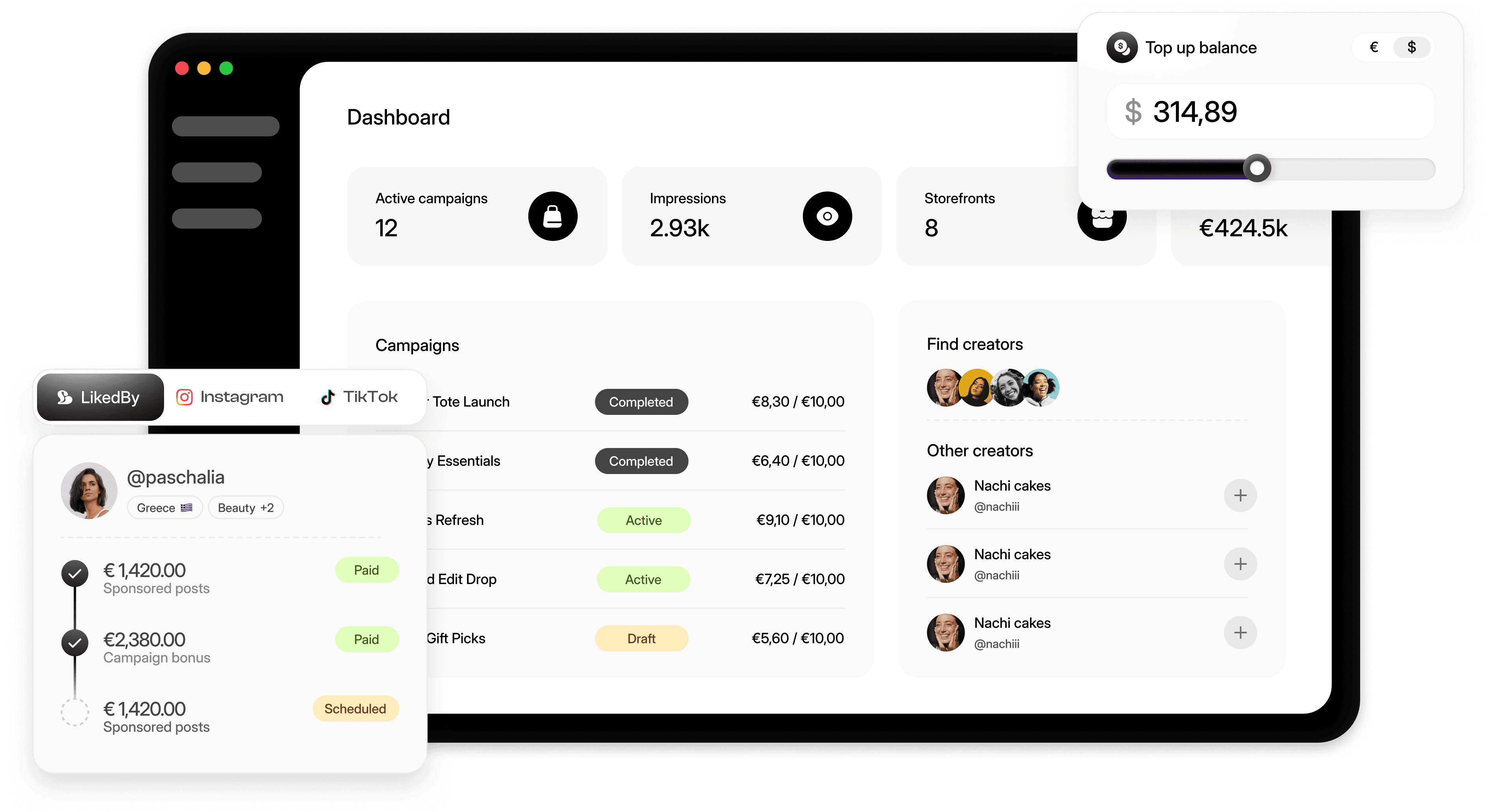
Core Challenges Growth Agencies Face with Creator Asset Management
Growth agencies operate under unique pressures that make traditional file storage completely inadequate. The combination of multi-client portfolios, high creator volume, and tight performance timelines creates a set of challenges that compound as you scale.
Multi-Client Asset Sprawl
Every client has their own creator roster, brand guidelines, and campaign cadence. When assets from different clients end up in the same unstructured storage system, the risk of misattribution, accidental cross-posting, or rights violations increases with every new account you onboard.
Content Approval Bottlenecks
Agencies often need approval from both internal creative directors and external client stakeholders. Without a structured review workflow, content sits in limbo — creators wait for feedback, campaigns miss launch windows, and your team spends time chasing approvals instead of optimizing performance.
Usage Rights Tracking at Scale
When you're managing 200+ creators across multiple clients, tracking which assets have active usage rights, which are expiring, and which require re-negotiation becomes a full-time job. A missed expiration can expose your client — and your agency — to legal liability.
Disconnected Performance and Asset Data
Your media buyers need to know which creator assets are driving conversions. Your account managers need to report content output to clients. But when assets live in one system and performance data lives in another, connecting the two requires manual reconciliation every reporting cycle.
Onboarding New Team Members
Agency teams grow and shift constantly. When a new coordinator joins a client account, they need to quickly understand what content exists, what's been approved, and what's scheduled. Unstructured storage makes this ramp-up painfully slow.
Repurposing Content Across Channels
A single piece of creator content might need to be deployed as an organic TikTok post, a paid Instagram ad, a shoppable widget on a product page, and a thumbnail for a YouTube collaboration. Without proper tagging and organization, repurposing becomes a manual scavenger hunt.
Client Reporting and Content Audits
Growth agencies must regularly demonstrate content volume, quality, and ROI to retain clients. Pulling together a content audit from scattered folders and chat threads wastes senior team members' time on work that should be automated.
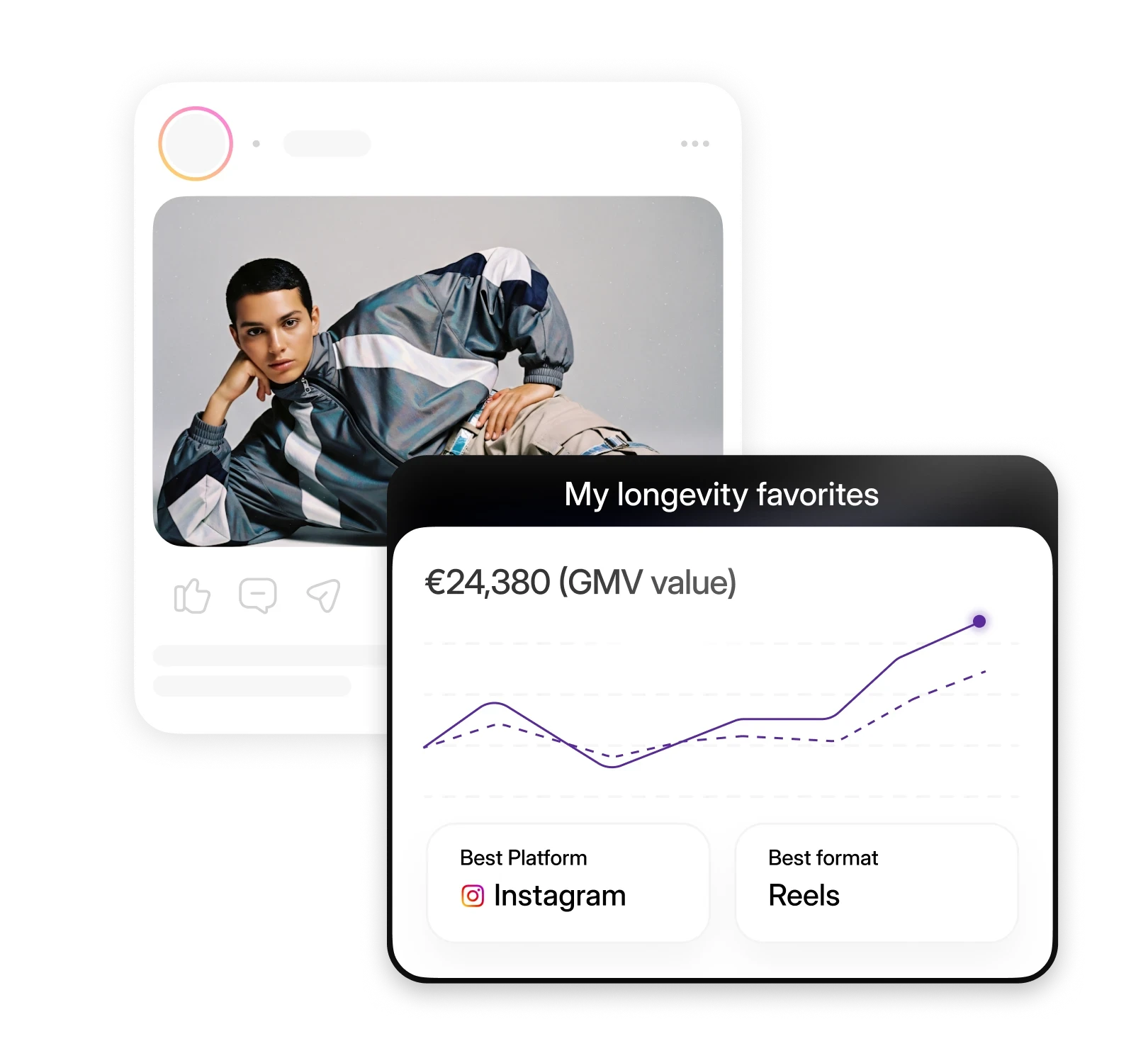
Why Google Drive, Dropbox, and Generic DAMs Fall Short
Most growth agencies start with general-purpose file storage because it's familiar and free. But these tools were never designed for the specific demands of creator content workflows.
No Creator-Level Organization
Google Drive and Dropbox organize files by folder hierarchy. They have no concept of a "creator" as an organizing entity. You can't natively filter all assets by a specific creator, see their contract status alongside their content, or link their deliverables to campaign performance data. You end up building elaborate folder naming conventions that break the moment someone doesn't follow the system.
No Built-In Approval Workflows
Generic storage tools let you share files and leave comments, but they don't offer structured approval states — draft, in review, client approved, published, archived. Your team resorts to color-coded labels, spreadsheet trackers, or Slack messages to manage status, which fragments the workflow across multiple tools.
No Connection to Campaign or Commerce Data
Traditional DAM platforms like Bynder or Brandfolder are built for brand asset management, not creator content operations. They don't connect to your influencer marketing software, your affiliate tracking, or your shoppable content deployment. The result is a content library that exists in isolation from the metrics that matter.
No Scalable Permissions for Multi-Client Agencies
When you're managing assets for multiple clients, you need granular access controls — client A's team should never see client B's creator content. Generic tools offer basic sharing permissions, but they don't support the client-account-campaign-creator hierarchy that agencies actually operate within.
No UGC-Specific Metadata
Creator content carries metadata that brand assets don't: usage rights expiration dates, creator handles, platform of origin, product tags, campaign associations, performance metrics. None of this is natively supported in general-purpose storage, so your team maintains parallel spreadsheets that inevitably fall out of sync.
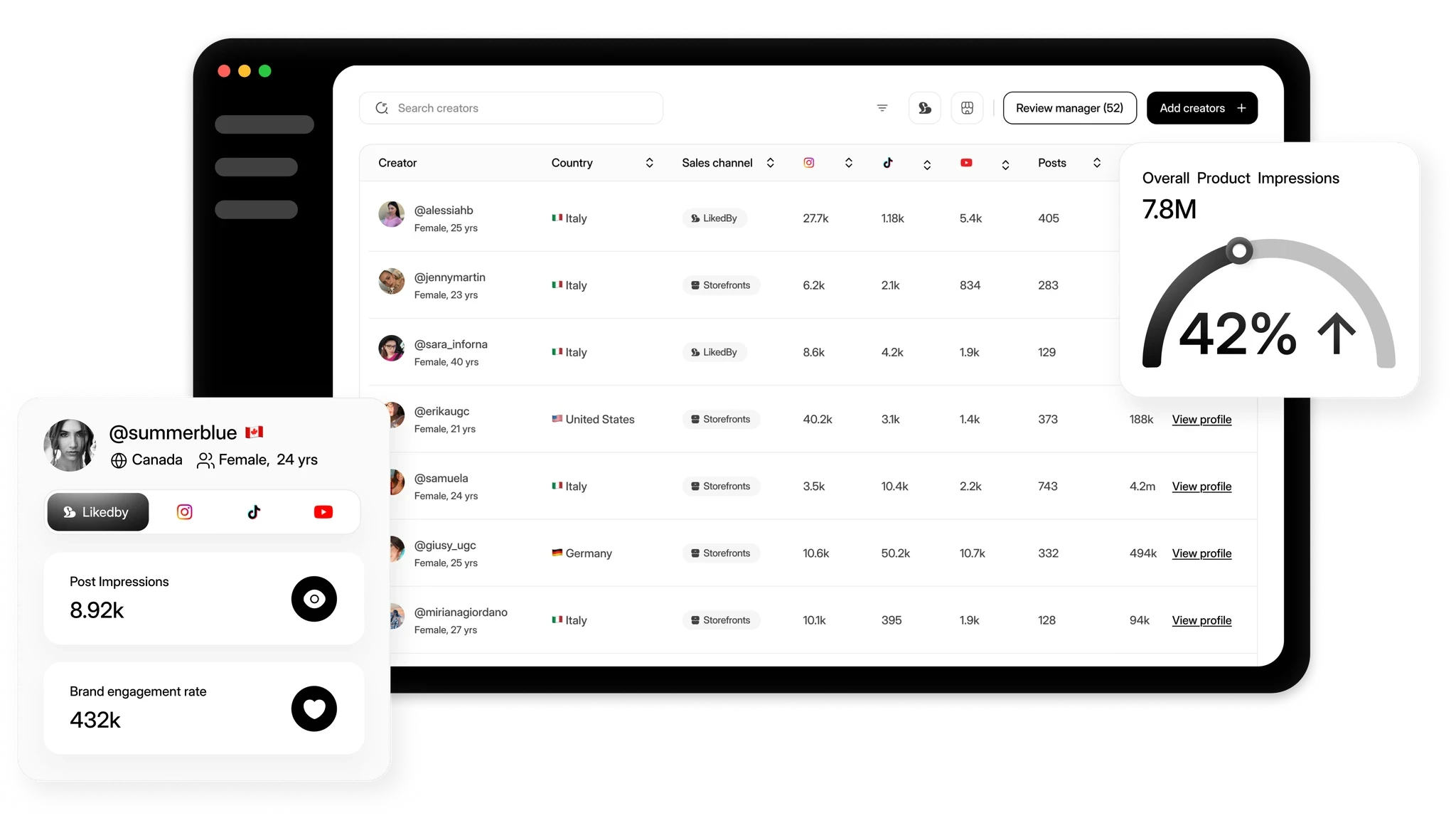
How Socialscale's Creator Drive Solves Asset Management for Growth Agencies
Creator Drive is not a standalone file storage tool. It's the content layer of Socialscale's creator marketing platform, which means every asset is inherently connected to the creator who made it, the campaign it belongs to, the client it serves, and the performance data it generates.
For growth agencies, this integration eliminates the gap between content operations and performance marketing. When your media buyer needs the top-performing TikTok asset from last month's campaign, they don't message the account manager — they filter Creator Drive by campaign, sort by conversion rate, and download the asset in the format they need. When your client asks how many pieces of content were delivered this quarter, the answer is one filter away.
Creator Drive works in concert with Socialscale's creator CRM, so every asset is linked to a creator profile that includes their contact information, collaboration history, contract terms, and performance benchmarks. It also connects to creator analytics, allowing your team to evaluate not just content volume but content effectiveness — which creators produce assets that actually drive revenue for your clients.
This is the scalable influencer asset workflow system that growth agencies need to move from reactive content management to proactive content operations.
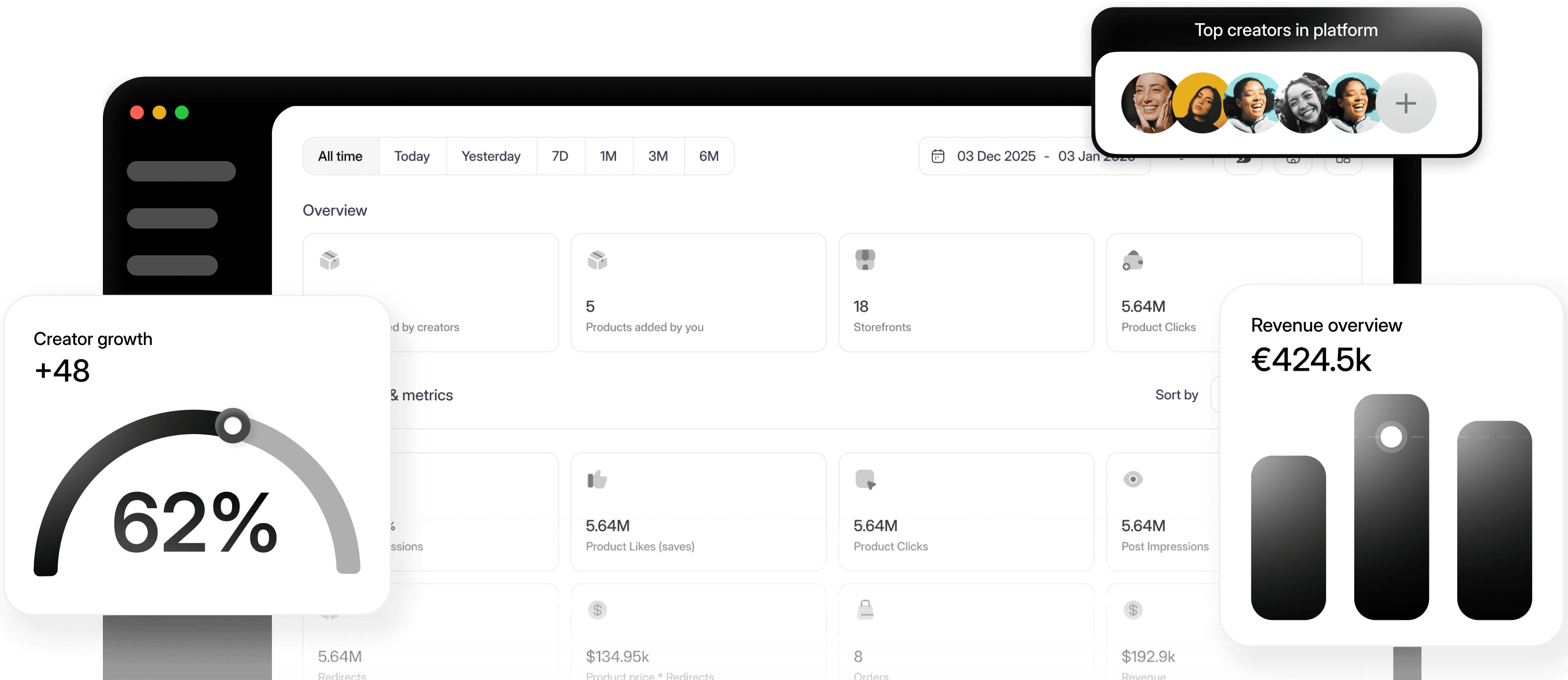
Feature Breakdown: What Creator Drive Actually Does
Each capability in Creator Drive maps to a real operational workflow that growth agency teams execute daily or weekly. Here's how the feature set breaks down.
Client-Partitioned Asset Libraries
Every client account gets its own isolated content library within Creator Drive. Team members are assigned to specific client accounts with role-based permissions. This means your coordinators working on a DTC skincare brand never accidentally access assets from your SaaS client's program. Each library maintains its own folder structure, tagging taxonomy, and approval workflows while rolling up into agency-wide reporting views.
Creator-Linked Content Organization
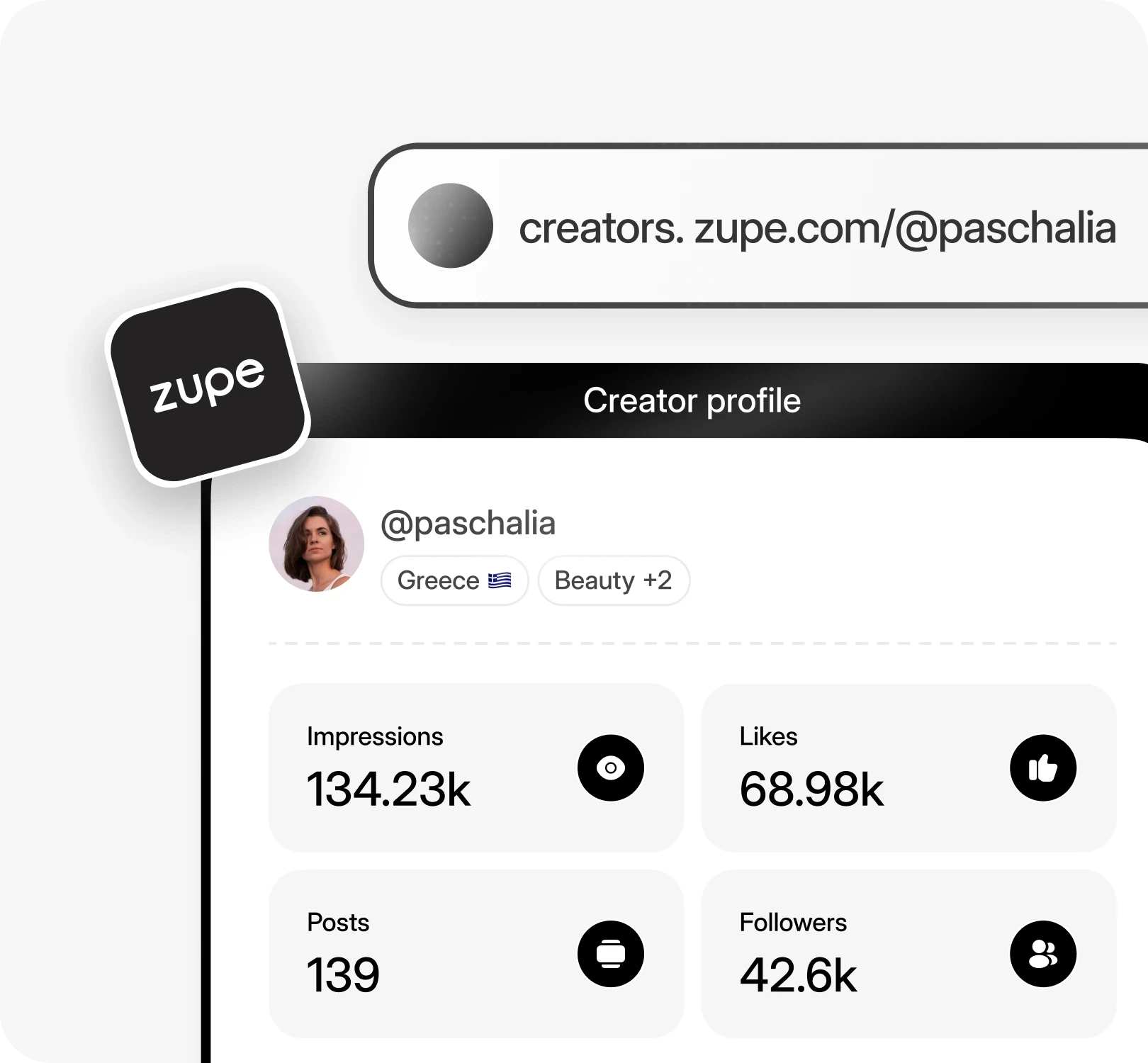
Assets are automatically associated with the creator who submitted them. When you open a creator's profile in the CRM, you see every piece of content they've ever delivered — across all campaigns, all formats, all clients (permission-gated). This creator-centric view makes it easy to evaluate a creator's content quality over time, identify your most prolific contributors, and quickly pull together portfolios for client presentations.
Campaign-Based Content Grouping
Every asset can be tagged to a specific campaign, making it simple to view all deliverables for a product launch, seasonal push, or always-on affiliate program. Campaign grouping also enables batch operations — approve all assets for a campaign, export a campaign's content for client review, or archive a completed campaign's assets in one action.
Structured Approval Workflows
Creator Drive supports multi-stage approval flows that mirror how agencies actually work. A typical flow might be: creator submits content, agency coordinator reviews for brand compliance, internal creative director approves quality, client stakeholder gives final sign-off. Each stage is tracked with timestamps and reviewer identity, creating an audit trail that protects your agency in disputes.
Usage Rights Management
Every asset can carry usage rights metadata — start date, expiration date, permitted platforms, exclusivity terms. Creator Drive surfaces upcoming expirations in a dashboard view so your team can proactively renegotiate or archive content before rights lapse. For agencies managing affiliate creator programs with ongoing content usage, this feature alone prevents costly legal exposure.
Format and Platform Tagging
Assets are tagged by format (vertical video, square image, carousel, story) and intended platform (TikTok, Instagram Reels, YouTube Shorts, product page embed). This tagging enables your paid media team to quickly find assets in the exact specifications they need for ad deployment, and your content team to identify gaps in format coverage for specific campaigns.
Performance-Linked Asset Views
Because Creator Drive is integrated with Socialscale's analytics layer, each asset can display associated performance metrics — views, engagement rate, click-through rate, conversions, and revenue attributed. This transforms your content library from a passive storage system into an active intelligence tool that informs creative strategy and creator selection.
Bulk Upload and Creator Self-Submission
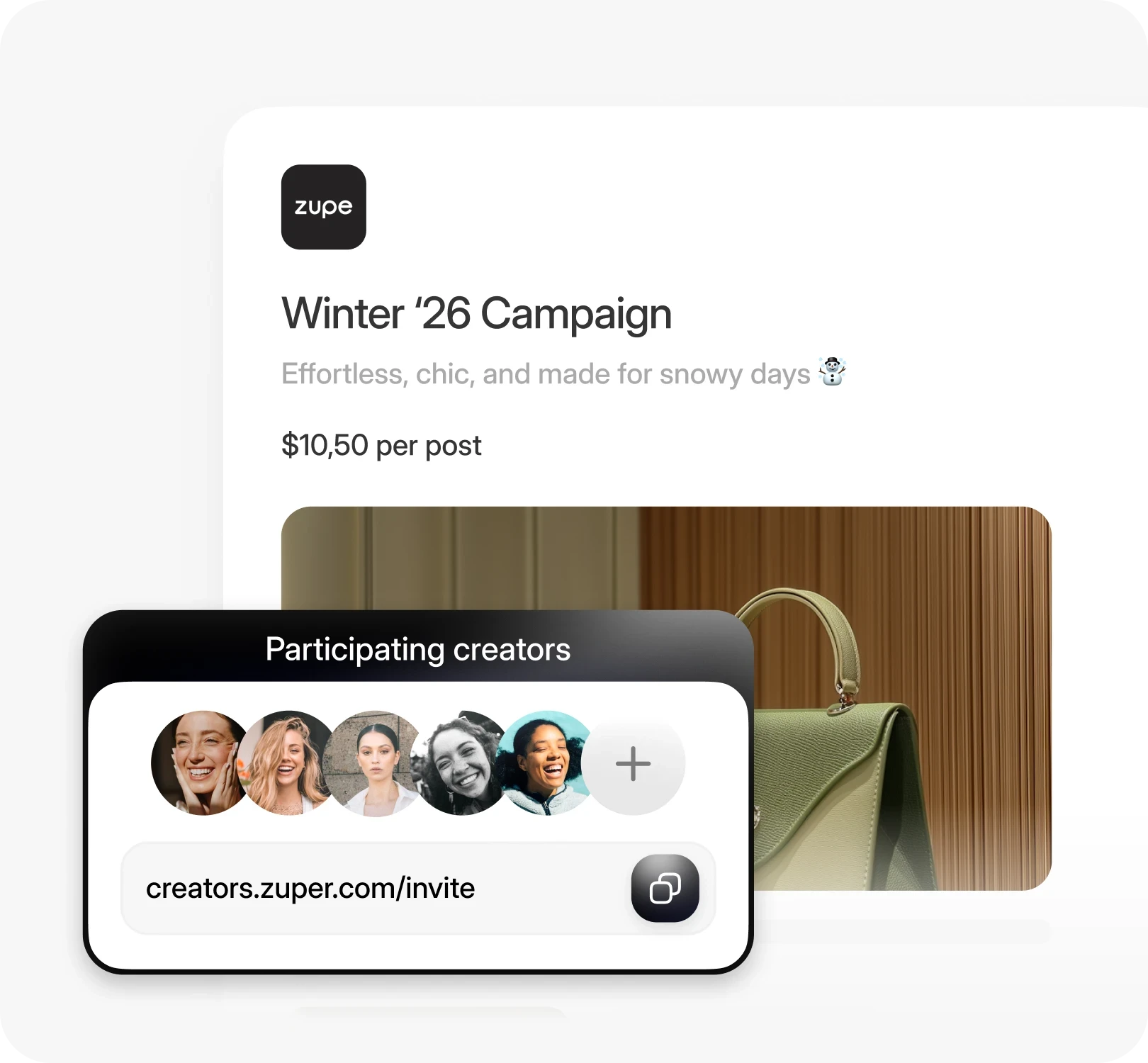
Creators can submit content directly into Creator Drive through submission portals linked to their active collaborations. For agencies managing high-volume UGC campaigns, this eliminates the manual download-and-upload cycle. Bulk upload is also supported for agencies that collect content through other channels and need to backfill their library.
Use Cases: How Growth Agencies Use Creator Drive
These scenarios reflect real operational patterns across agencies running creator programs at scale.
Use Case 1: Multi-Brand TikTok Shop Content Pipeline
A growth agency manages TikTok Shop programs for six DTC brands. Each brand has 15–40 active creators producing shoppable video content weekly. The agency uses Creator Drive to maintain separate asset libraries per brand, with campaign-level grouping for product launches versus evergreen content. Coordinators review submissions daily, route approved content to the paid team for whitelisting, and flag top performers for increased collaboration frequency. Monthly client reports pull directly from Creator Drive's content volume and performance metrics.
Use Case 2: Seasonal Campaign Asset Coordination
An agency runs a Q4 holiday campaign across three clients, each with unique creative briefs and 25+ creators. Creator Drive's campaign grouping lets the team track deliverable completion rates per creator, identify which creators haven't submitted yet, and ensure all content is approved before the campaign launch date. The structured approval workflow prevents any unapproved content from going live, protecting both the agency and the client brand.
Use Case 3: Always-On Affiliate Content Library
A growth agency operates an always-on affiliate creator program for an e-commerce brand with 200+ active affiliates. Creators submit content continuously, and the agency needs to organize this content by product category, content format, and performance tier. Creator Drive's tagging and filtering capabilities let the team quickly surface the highest-converting assets for use in shoppable creator widgets on the brand's product pages, while archiving underperforming content to keep the library actionable.
Use Case 4: Client Pitch and Retention Reporting
When pitching a new client or defending a renewal, the agency needs to demonstrate the volume, quality, and commercial impact of its creator programs. Creator Drive enables the team to generate content audits showing total assets produced, approval rates, average time-to-publish, and revenue attributed to creator content — all segmented by campaign, creator tier, or time period. This data-backed reporting strengthens the agency's position in client negotiations.
Weekly Operational Workflow for Growth Agencies Using Creator Drive
This workflow reflects how a growth agency team typically operates Creator Drive on a weekly cadence, integrating content management with broader campaign operations.
Monday: Content Intake and Triage — The account coordinator opens Creator Drive and reviews all new creator submissions from the previous week. Each asset is checked for basic compliance (correct format, correct product, matches brief). Non-compliant submissions are flagged back to the creator with specific revision notes through the collaboration workflow.
Tuesday: Internal Creative Review — The creative director reviews compliant submissions in batch, evaluating production quality, brand alignment, and messaging accuracy. Assets are moved to "Internal Approved" or "Revision Requested" status. Notes are attached directly to each asset for the coordinator to relay.
Wednesday: Client Approval Routing — Internally approved assets are routed to the client stakeholder for final sign-off. Creator Drive's approval workflow sends notification to the client contact, who can review and approve directly within the platform without needing a separate login or tool.
Thursday: Asset Deployment and Tagging — Fully approved assets are tagged for deployment — organic posting, paid media whitelisting, shoppable widget embedding, or product page placement. The paid media team filters Creator Drive for newly approved assets in ad-ready formats and pulls them into their campaign builds.
Friday: Performance Review and Creator Scoring — The account manager reviews the previous week's content performance data surfaced in Creator Drive. Top-performing assets are flagged for repurposing. Top-performing creators are noted for increased collaboration volume. Underperforming content is analyzed for creative pattern insights.
Bi-Weekly: Usage Rights Audit — Every two weeks, the coordinator runs a usage rights expiration report. Assets with rights expiring in the next 30 days are flagged. The team initiates re-negotiation with creators whose content is still driving performance, and archives expired assets to prevent unauthorized use.
Monthly: Client Content Report Generation — At month-end, the account manager generates a content audit for each client from Creator Drive data — total submissions, approval rate, average approval turnaround, content deployed by platform, and revenue attributed to creator assets. This report feeds directly into the client's monthly performance review.
Key Performance Indicators Tracked Through Creator Drive
Growth agencies need to measure both operational efficiency and commercial impact. Creator Drive surfaces metrics across both dimensions, giving your team the data needed to optimize workflows and demonstrate ROI to clients.
Creator Activation Rate: Percentage of onboarded creators who submit at least one piece of content within the first campaign cycle — a leading indicator of program health.
Average Approval Turnaround Time: Time from creator submission to final client approval, measured in hours. Reducing this metric directly accelerates time-to-market for campaign content.
Content Output per Creator: Average number of approved assets per creator per month, segmented by client and campaign. Helps identify high-output creators for increased investment.
Content Approval Rate: Percentage of submitted assets that pass through all approval stages without revision. A rising approval rate indicates improving creator brief compliance and onboarding quality.
Click-Through Rate (CTR) by Asset: CTR on shoppable content and paid media assets, linked back to specific Creator Drive items. Enables creative performance benchmarking.
Conversion Rate (CVR) by Asset: Conversion rate attributed to individual creator assets deployed across storefronts, product pages, and ad campaigns.
GMV and Revenue Attribution: Gross merchandise value and revenue generated by creator content, tracked at the asset, creator, campaign, and client level.
ROAS by Creator and Campaign: Return on ad spend for paid media campaigns using creator assets, enabling agencies to optimize creator selection and content strategy for maximum efficiency.
CPA by Content Type: Cost per acquisition segmented by content format and platform, helping agencies identify which content types deliver the most cost-effective results for each client.
Usage Rights Compliance Rate: Percentage of deployed assets with active, valid usage rights — a critical risk management metric for agencies.
Scenario: How a Growth Agency Scaled Creator Content Operations Across 8 Client Accounts
A mid-size growth agency specializing in DTC e-commerce brands was managing influencer marketing programs for eight clients simultaneously. Their team of 12 — including account managers, coordinators, a creative director, and media buyers — was using a combination of Google Drive, Airtable, and Slack to manage creator content. The system was breaking down.
Content from different clients was getting mixed up in shared folders. Approval status was tracked in a spreadsheet that was perpetually out of date. Media buyers spent an average of 45 minutes per day searching for approved assets in the right format. Usage rights were tracked in a separate document that no one consistently updated, leading to two incidents where expired content was used in paid campaigns.
After implementing Creator Drive as part of Socialscale's platform, the agency restructured its content operations over a 6-week rollout period. Each client account received its own partitioned library. Creators were onboarded to submit content directly through creator collaboration portals linked to Creator Drive. Approval workflows were configured to match each client's specific review process.
Within 90 days, the agency measured the following improvements:
Average content approval turnaround decreased from 4.2 days to 1.4 days
Media buyer asset search time dropped from 45 minutes to under 8 minutes per day
Content output per creator increased by 28% due to faster feedback loops
Zero usage rights violations in the first quarter after implementation
Client retention rate improved from 75% to 92% over two quarters, attributed in part to more professional and data-backed content reporting
Total creator content deployed across all clients increased by 41%, contributing to a 23% aggregate increase in GMV attributed to creator programs
The agency's operations lead noted that Creator Drive eliminated the need for three separate tools and reduced the weekly time spent on content administration by approximately 15 hours across the team.
Frequently Asked Questions
How does Creator Drive handle multi-client asset separation for agencies?
Creator Drive uses client-level partitioning, meaning each client account has its own isolated content library with separate permissions, tagging taxonomies, and approval workflows. Team members are assigned to specific client accounts, ensuring that creators and content from one client are never visible to another client's stakeholders. This architecture supports agencies managing anywhere from two to fifty client accounts within a single Socialscale instance.
Can creators submit content directly into Creator Drive?
Yes. Creators can upload content through submission portals that are linked to their active collaborations. When a creator submits an asset, it automatically appears in the correct client library, tagged to the correct campaign and creator profile. This eliminates the manual download-reupload cycle that wastes coordinator time and introduces file versioning errors.
How does Creator Drive connect to performance tracking and analytics?
Creator Drive is natively integrated with Socialscale's analytics layer. Each asset stored in Creator Drive can display associated performance metrics including views, engagement rate, CTR, conversions, and revenue attributed. This means your team can sort and filter content not just by recency or creator, but by actual commercial performance — enabling data-driven decisions about which content to repurpose, which creators to scale, and which creative approaches to replicate.
What happens when usage rights expire on a piece of content?
Creator Drive tracks usage rights metadata on every asset, including expiration dates and permitted platforms. The system surfaces upcoming expirations in a dashboard view and can notify the assigned coordinator when rights are approaching their end date. Expired assets are flagged and can be automatically restricted from deployment, preventing unauthorized use. Your team can then initiate rights renewal conversations directly through the creator CRM.
Is Creator Drive suitable for agencies running both campaign-based and always-on creator programs?
Absolutely. Creator Drive supports both campaign-based content grouping (with defined start and end dates, specific briefs, and batch approval workflows) and always-on content libraries (with continuous submission, rolling approval, and ongoing performance tracking). Most growth agencies use both models simultaneously across different clients, and Creator Drive's flexible organization system accommodates this without requiring separate configurations.