Creator Drive for Ecommerce Agencies: Centralized UGC Storage for Multi-Client Programs
Ecommerce agencies managing creator programs across multiple clients face a persistent operational bottleneck: content chaos. Photos, videos, usage rights, and raw assets scatter across Google Drives, Slack threads, email attachments, and individual creator DMs. When a client asks for a specific piece of UGC from a campaign that ran three months ago, the scramble begins. This is not a minor inconvenience—it is a structural inefficiency that erodes margins and slows down social commerce execution.
Creator Drive was built to solve this exact problem. It gives ecommerce agencies a single, organized content library where every piece of creator content is automatically tagged, searchable, and tied to the creator, campaign, and client that produced it. No more hunting through folders. No more guessing whether usage rights have expired. No more re-requesting assets that already exist somewhere in the void.
For agencies running affiliate creator programs, managing creator storefronts, or embedding shoppable content across client sites, having instant access to approved, high-performing UGC is not optional—it is the infrastructure that makes scaling possible. Creator Drive turns content storage from a liability into a competitive advantage.
Managing Content Across Dozens of Client Accounts
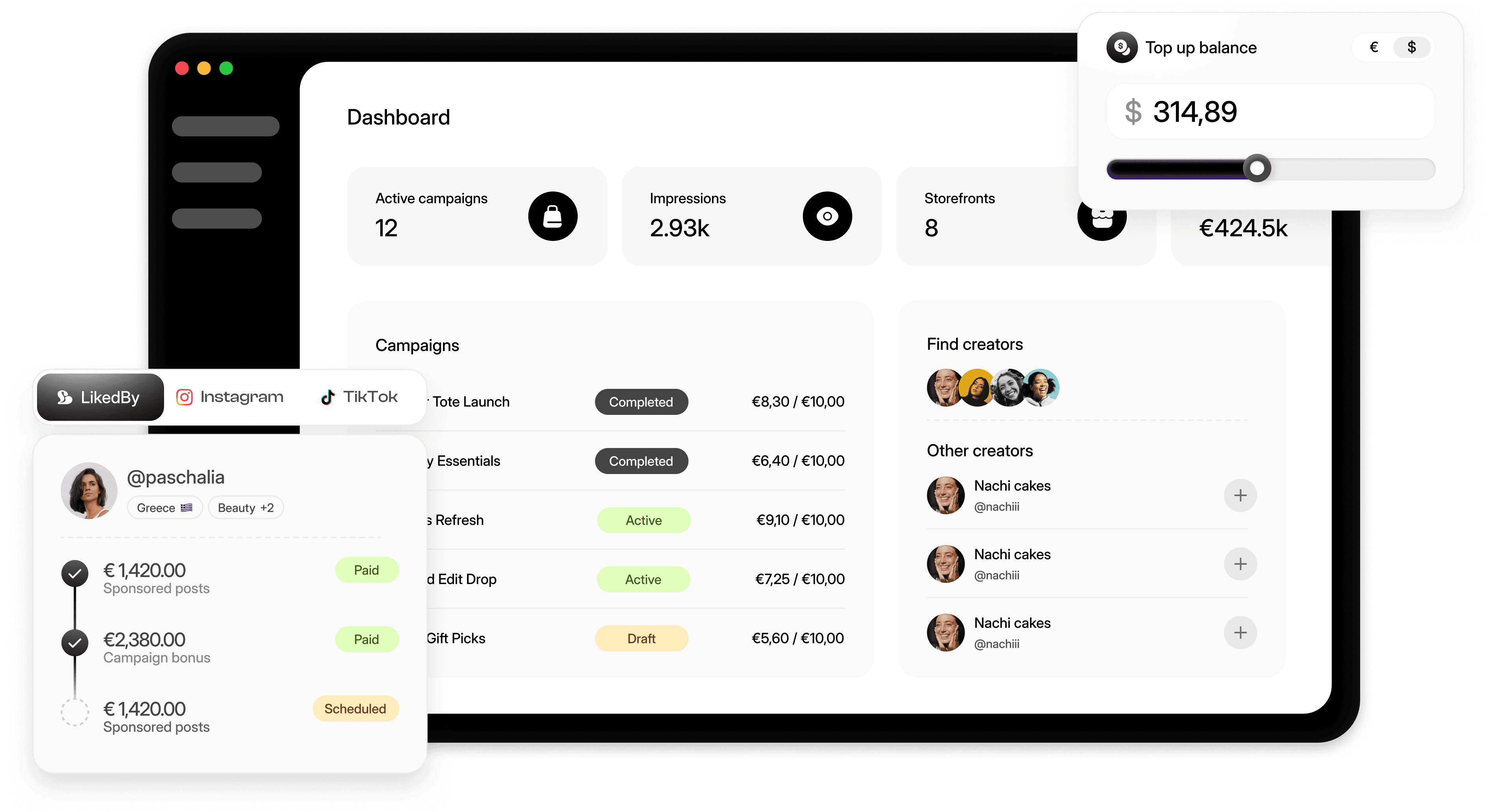
Ecommerce agencies typically manage 10 to 50+ brand clients simultaneously, each with their own creator rosters, campaign calendars, and content requirements. Without a centralized system, assets get siloed in client-specific folders with inconsistent naming conventions, making cross-referencing and retrieval painfully slow.
Tracking Usage Rights and Content Licensing at Scale
Every piece of UGC comes with usage terms—organic only, paid media approved, 90-day license, perpetual rights. Agencies that lose track of these terms expose their clients to legal risk. Spreadsheet-based tracking breaks down once you pass a few dozen active creators.
Creator Content Gets Lost Between Platforms
Creators deliver content through Instagram DMs, email, WeTransfer links, Google Drive shares, and TikTok drafts. Agencies spend hours each week consolidating these assets into a single location, and inevitably, files slip through the cracks.
Slow Content Approval Workflows
When a client needs to approve UGC before it goes live on a product page or ad campaign, agencies often resort to sending Dropbox links back and forth. This creates version control issues and delays content deployment by days.
Inability to Quickly Identify Top-Performing Content
Agencies know that certain creator assets outperform others, but without content tied to performance data, there is no efficient way to surface winners for repurposing across paid media, email, or on-site shoppable galleries.
Onboarding New Team Members Takes Too Long
When a new account manager joins the agency, getting them up to speed on which creators produced what content for which client is a knowledge transfer nightmare if assets are not centrally organized.
Re-Requesting Content That Already Exists
Without a searchable library, agencies frequently ask creators to reshoot or re-send content that was already delivered. This wastes creator goodwill and agency time, and it signals operational immaturity to clients.
Google Drive and Dropbox Were Not Built for Creator Content
General-purpose cloud storage tools have no concept of a creator, a campaign, or a usage license. They store files, but they do not understand the relationships between those files and the people, brands, and campaigns that produced them. Agencies end up building elaborate folder hierarchies that collapse under their own weight as programs scale.
Project Management Tools Handle Tasks, Not Assets
Tools like Asana, Monday.com, or Trello can track whether content was delivered, but they are not designed to store, preview, search, or organize visual assets. Agencies end up linking out to external storage, which fragments the workflow and creates dead links over time.
DAM Platforms Are Overbuilt and Overpriced
Enterprise digital asset management platforms like Bynder or Brandfolder offer robust storage, but they are designed for internal brand teams managing polished marketing assets—not agencies juggling raw UGC from hundreds of creators across multiple clients. The setup cost, per-seat pricing, and configuration overhead make them impractical for most ecommerce agencies.
Influencer Marketing Platforms Treat Storage as an Afterthought
Many influencer marketing software tools focus on creator discovery and outreach but offer minimal content storage capabilities. Assets might be attached to a campaign record, but there is no true library view, no tagging system, and no way to search across clients or time periods efficiently.
How Socialscale Creator Drive Solves UGC Storage for Multi-Client Agencies
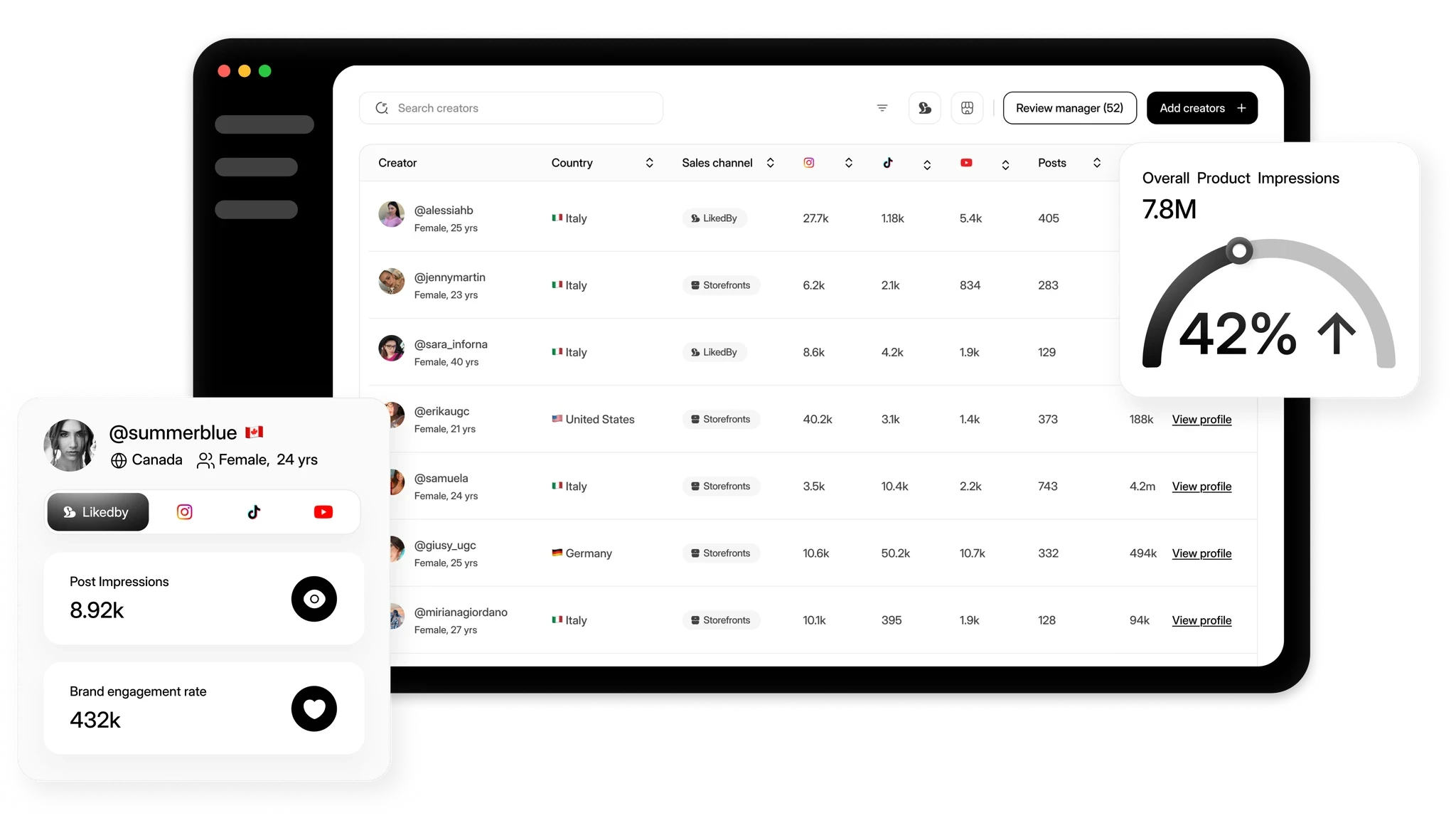
Socialscale's Creator Drive is purpose-built for the way ecommerce agencies actually work. It is not a generic file storage tool—it is a creator content library that understands the relationships between creators, campaigns, clients, and content performance. Every asset uploaded or auto-captured is tagged with the creator who made it, the campaign it belongs to, the client it serves, and the usage rights attached to it.
For agencies running social commerce programs, this means you can search your entire content library by creator name, product SKU, content format, campaign date, or performance tier. When a client asks for their best-performing TikTok UGC from Q3 to repurpose in a holiday ad campaign, you find it in seconds—not hours.
Creator Drive integrates directly with Socialscale's creator CRM, so every creator profile links to their content history. You can see every asset a creator has produced across all clients, review their approval status, and check usage rights without leaving the platform. Combined with creator analytics, you can filter your library to surface only content that has driven measurable engagement or conversions, making it easy to identify what to repurpose and what to retire.
This is the infrastructure layer that turns UGC management from a reactive scramble into a proactive, revenue-generating operation for ecommerce agencies.
Creator Drive Feature Breakdown for Ecommerce Agencies
Multi-Client Workspace Organization
Creator Drive supports workspace-level separation so agencies can organize content by client account. Each workspace maintains its own creator roster, campaign folders, and content library while allowing agency admins to search across all workspaces when needed. This mirrors the way agencies actually operate—client-specific execution with agency-wide visibility.
Automatic Creator and Campaign Tagging
When content is uploaded or captured through a campaign workflow, Creator Drive automatically tags it with the creator's profile, the campaign name, the date range, and the content format (photo, video, story, reel). This eliminates manual tagging and ensures every asset is searchable from day one.
Usage Rights Tracking and Expiration Alerts
Each piece of content can have usage rights attached—organic only, paid media approved, time-limited license, or perpetual. Creator Drive tracks expiration dates and surfaces alerts when rights are about to lapse, giving agencies time to renegotiate or pull content from active placements before compliance issues arise.
Visual Search and Filtering
The library supports filtering by content type, creator, campaign, client, date range, approval status, and performance tier. Agencies can browse content visually in a grid view, making it fast to identify the right asset for a client request, ad creative brief, or on-site shoppable gallery.
Content Approval Workflows
Agencies can share content directly from Creator Drive with clients for approval. Clients can review, comment, approve, or request revisions within the platform—eliminating the back-and-forth of email chains and Dropbox links. Approved content is automatically flagged and ready for deployment.
Direct Connection to Shoppable Content Deployment
Approved UGC stored in Creator Drive can be pushed directly into on-site shoppable galleries, product page widgets, and creator storefronts. This closes the loop between content creation and content monetization, which is the core promise of social commerce for ecommerce brands.
Bulk Upload and Creator Self-Upload Portals
Agencies can bulk upload content received through external channels, or they can invite creators to upload directly through a branded self-upload portal. Each upload is automatically routed to the correct client workspace and campaign folder based on the creator's assignment.
Content Performance Overlay
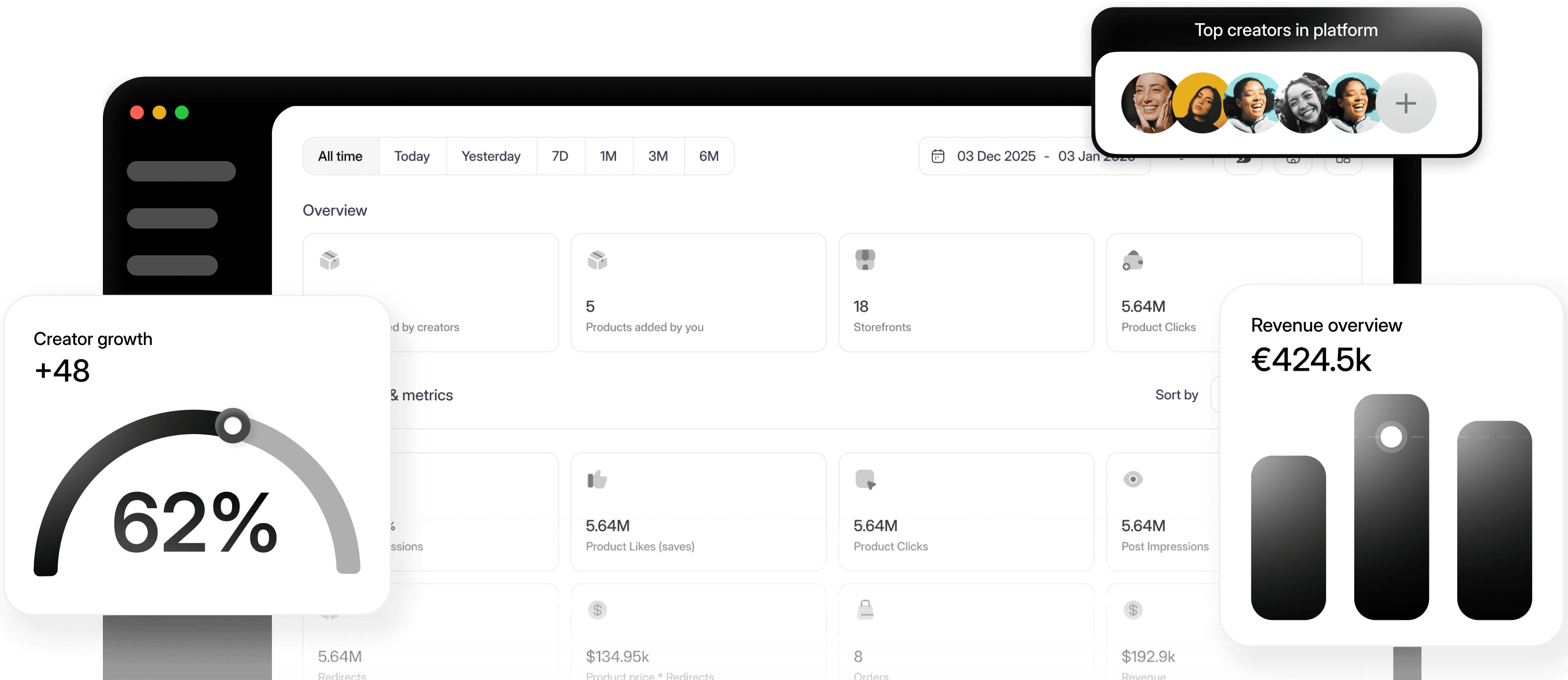
When connected to performance tracking, Creator Drive overlays engagement and conversion data on each asset. Agencies can sort their library by click-through rate, conversion rate, or revenue generated—turning the content library into a performance intelligence tool rather than a passive storage bucket.
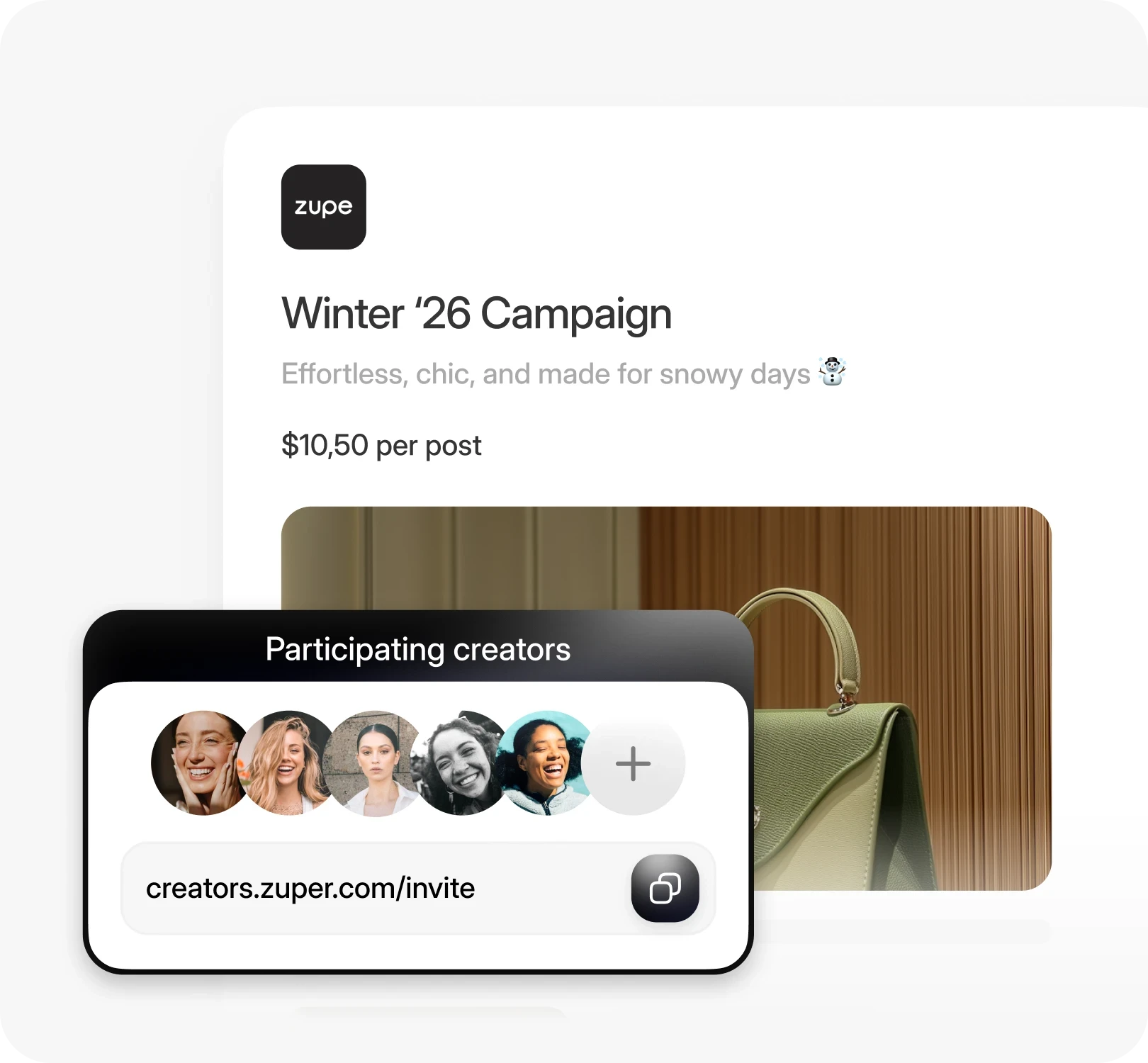
Use Cases: How Ecommerce Agencies Use Creator Drive
1. Scaling a Multi-Brand Affiliate Creator Program
An ecommerce agency managing affiliate creator programs for 15 DTC brands needs a way to organize thousands of pieces of UGC across all clients. Each brand has 30 to 100 active creators producing content monthly. With a centralized creator content storage system, the agency can tag every asset by brand, creator, product line, and campaign. When a brand's marketing director requests top-performing product review videos for a retargeting campaign, the agency filters by brand, content type, and conversion rate—delivering a curated selection within minutes instead of spending half a day digging through folders.
2. Preparing Quarterly Content Reports for Clients
At the end of each quarter, agencies need to demonstrate the volume and quality of UGC produced for each client. Instead of manually compiling screenshots and download counts, the agency pulls a filtered view of all content produced for that client during the quarter, sorted by campaign. The visual library doubles as a presentation-ready asset, showing the breadth of creator output alongside performance metrics. This elevates the agency's reporting from a spreadsheet exercise to a visual, data-backed narrative.
3. Repurposing High-Performing UGC for Paid Media
A performance marketing team within the agency identifies that certain creator videos consistently outperform studio-produced ads in Meta and TikTok campaigns. They need a fast way to surface UGC with paid media usage rights that has already proven organic engagement. By filtering the content library for paid-approved assets with above-average engagement rates, the team builds a creative testing queue in minutes. This workflow directly impacts ROAS by ensuring only proven content enters the paid media rotation.
4. Onboarding a New Client with an Existing Creator Roster
When an agency wins a new ecommerce client that has been running a creator program informally, the first task is consolidating all existing UGC into a structured library. The agency uses bulk upload and creator self-upload portals to gather all historical content, then tags it by creator, product, and content type. Within the first week, the agency has a searchable library that gives them complete visibility into what content already exists, what gaps need to be filled, and which creators have been most productive—setting the foundation for a structured creator marketing platform approach going forward.
Weekly Operational Workflow for Ecommerce Agencies Using Creator Drive
Running creator programs for multiple ecommerce clients requires a repeatable weekly cadence. Here is how agencies integrate Creator Drive into their operational rhythm.
Monday: Content Intake and Organization – Review all creator content submitted over the previous week across all client accounts. Use the self-upload portal to capture any outstanding deliverables. Verify that automatic tagging has correctly assigned content to the right creators, campaigns, and client workspaces. Flag any missing assets and follow up with creators through the CRM.
Tuesday: Usage Rights Audit – Run a weekly check on usage rights expiration dates across all active client accounts. Identify any content currently live on client sites or in paid media that has rights expiring within the next 30 days. Initiate renewal conversations with creators or prepare to pull content from active placements.
Wednesday: Client Content Reviews – Share newly uploaded content with clients for approval using the built-in review workflow. Set deadlines for client feedback and track approval status. Move approved content into the deployment-ready queue for on-site shoppable galleries, email campaigns, or ad creative libraries.
Thursday: Performance Analysis and Content Scoring – Review content performance data overlaid on the library. Identify top-performing assets by engagement rate, click-through rate, and conversion rate. Tag high performers for repurposing recommendations. Share performance insights with client account managers to inform next month's creator briefs.
Friday: Content Deployment and Reporting – Push approved, high-performing content into live placements—product page widgets, creator storefronts, and shoppable galleries. Update client dashboards with content volume metrics, approval rates, and deployment status. Document any workflow improvements for the following week.
Monthly: Library Hygiene and Strategic Review – Archive completed campaign folders. Remove expired or underperforming content from active libraries. Review content gaps across client accounts and feed insights into the next month's campaign planning and creator collaboration briefs.
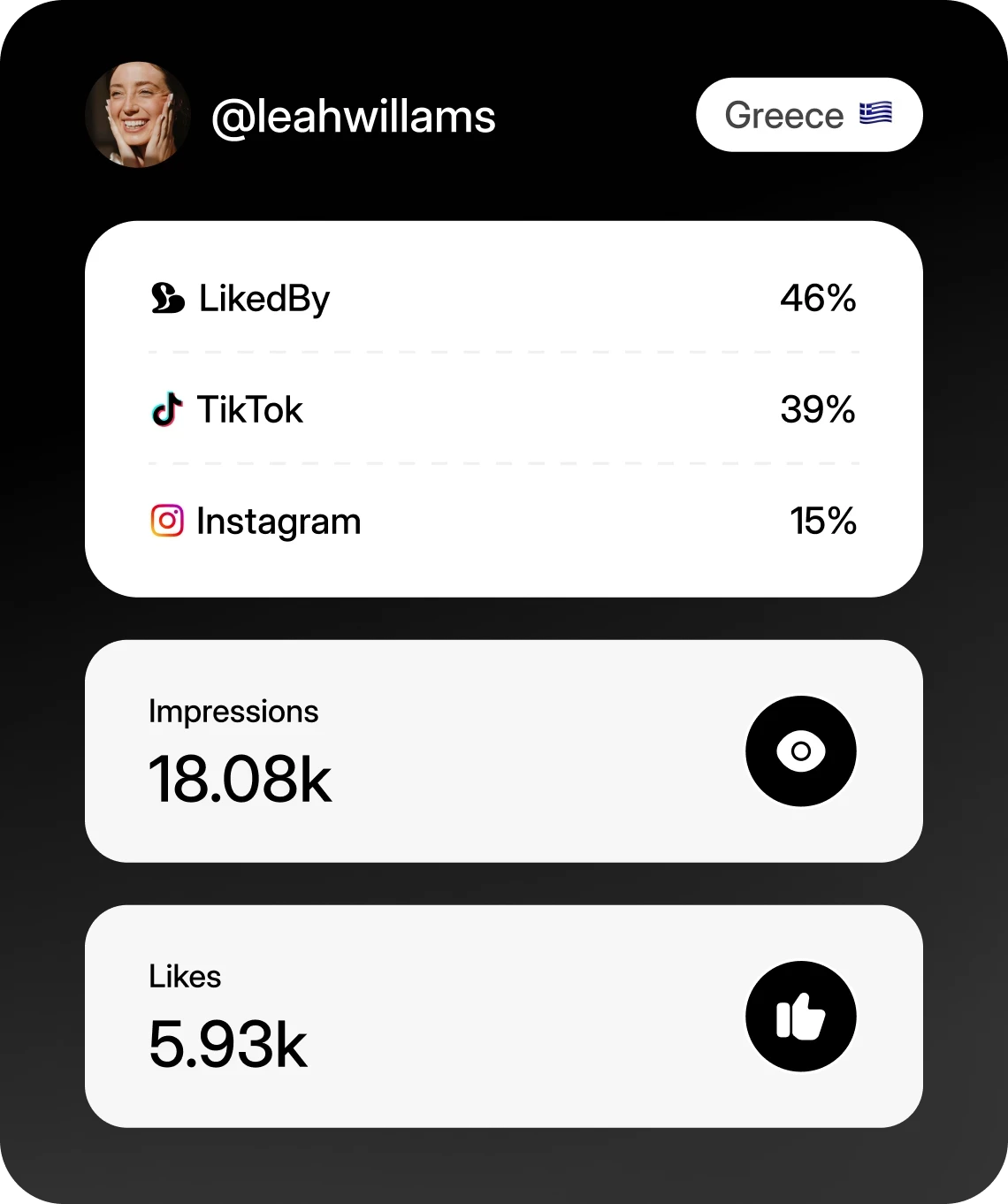
Key Performance Indicators for Ecommerce Agencies Using Creator Drive
Tracking the right metrics ensures that your UGC storage and management operations translate into measurable business outcomes for your clients.
Content Intake Volume: Total number of creator assets received per client per month, broken down by format (photo, video, story).
Approval Turnaround Time: Average number of days between content upload and client approval. Target: under 48 hours for routine content.
Usage Rights Compliance Rate: Percentage of live content with valid, unexpired usage rights. Target: 100%.
Content Activation Rate: Percentage of approved content that is actually deployed to a live placement (product page, ad, email, shoppable gallery) within 14 days of approval.
Content Retrieval Time: Average time to locate a specific asset when requested by a client or internal team. Target: under 2 minutes.
Click-Through Rate (CTR) on Deployed UGC: CTR on shoppable content widgets and creator storefronts powered by content from Creator Drive.
Conversion Rate (CVR) from UGC: Percentage of sessions that interact with deployed creator content and result in a purchase.
Revenue Attributed to Creator Content: GMV or revenue signals tied to sessions where UGC was a touchpoint in the purchase path.
ROAS on UGC-Powered Paid Media: Return on ad spend for campaigns using creator content sourced from the library versus studio-produced creative.
Content Repurposing Rate: Percentage of high-performing content that is reused across multiple channels or campaigns within 90 days.
Creator Output Consistency: Average number of assets delivered per active creator per month, tracked to identify reliable producers versus underperformers.
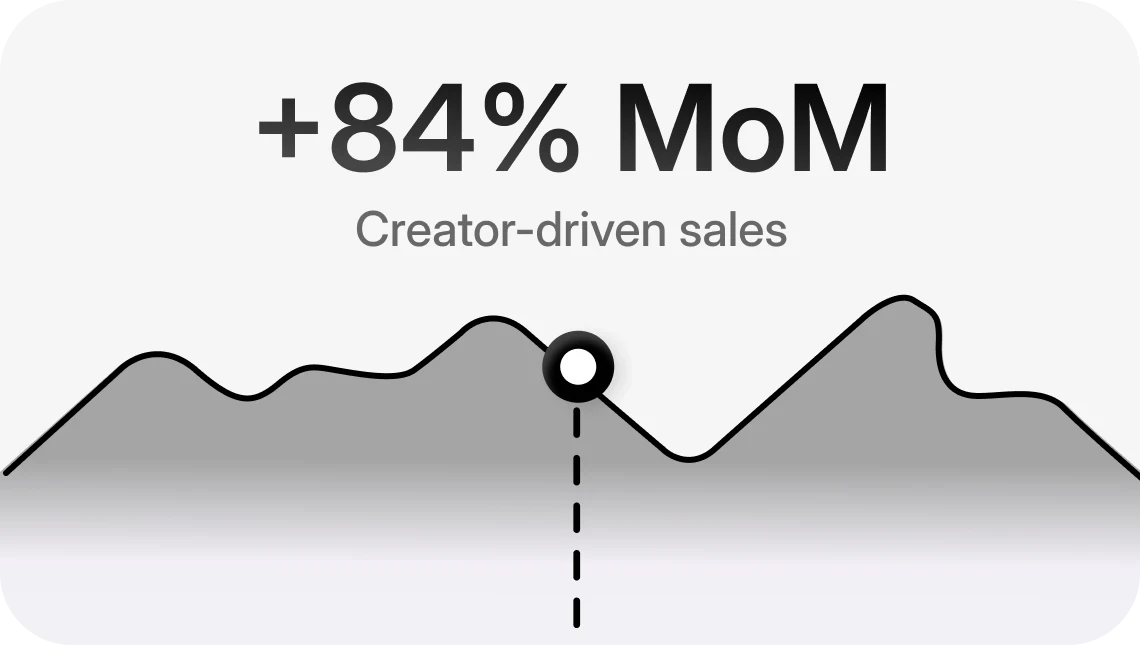
Agency Scenario: How a 12-Client Ecommerce Agency Transformed Content Operations
Consider a mid-size ecommerce agency managing creator programs for 12 DTC brands across beauty, apparel, and home goods verticals. Before implementing a centralized creator content storage system, the agency's content operations looked like this:
Each account manager maintained their own Google Drive folder structure for their clients. Naming conventions varied by person. When a client requested specific UGC for a flash sale landing page, the account manager would spend 30 to 45 minutes searching through folders, Slack messages, and email threads. Usage rights were tracked in a shared Google Sheet that was frequently out of date. On average, the agency lost 15 hours per week across the team to content retrieval and organization tasks.
After centralizing all creator content into a structured, searchable library with automatic creator and campaign tagging, the results over 90 days were measurable:
Content retrieval time dropped from an average of 35 minutes to under 90 seconds per request.
Weekly time spent on content organization across the team decreased from 15 hours to 3 hours.
Usage rights compliance reached 100%, with zero instances of expired content running in paid media.
Content activation rate increased from 42% to 78%—meaning more approved content actually reached live placements instead of sitting unused in folders.
Client satisfaction scores on quarterly reviews improved, with three clients specifically citing faster content turnaround as a reason for expanding their creator program budgets.
The agency estimated a net savings of approximately 480 hours per year in operational overhead, which translated to capacity for onboarding two additional clients without adding headcount.
The shift was not about adopting new technology for its own sake. It was about removing the friction between content creation and content deployment—the exact friction that prevents ecommerce agencies from scaling their creator programs profitably.
Frequently Asked Questions
How does Creator Drive handle content organization for agencies with many clients?
Creator Drive supports multi-client workspace organization, allowing agencies to maintain separate content libraries for each brand client while retaining the ability to search and filter across all workspaces at the agency level. Each workspace has its own creator roster, campaign folders, and approval workflows, mirroring the way agencies actually structure their teams and client relationships.
Can creators upload content directly into Creator Drive?
Yes. Agencies can set up branded self-upload portals where creators submit their deliverables directly. Each upload is automatically routed to the correct client workspace and campaign folder based on the creator's active assignment, eliminating the need for manual file sorting and reducing the risk of content getting lost in email or messaging threads.
How are usage rights tracked and managed?
Each piece of content in Creator Drive can have usage rights metadata attached, including the type of usage permitted (organic, paid, whitelisting), the license duration, and the expiration date. The system surfaces alerts when rights are approaching expiration, giving agencies time to renegotiate terms or remove content from active placements before compliance issues arise.
Does Creator Drive integrate with Shopify for on-site UGC deployment?
Creator Drive connects with Shopify stores to enable deployment of approved UGC into product page widgets, shoppable galleries, and creator storefronts. Agencies managing multiple Shopify stores for different clients can map content to specific products and collections directly from the library, streamlining the path from content approval to live placement.
What makes Creator Drive different from using Google Drive or Dropbox for UGC storage?
General-purpose storage tools have no understanding of creators, campaigns, usage rights, or content performance. Creator Drive is built specifically for creator content workflows—every asset is automatically tagged with the creator who produced it, the campaign it belongs to, and the client it serves. It also overlays performance data on stored content, allowing agencies to filter by engagement or conversion metrics. This turns a passive file storage system into an active content intelligence tool that directly supports UGC management and social commerce execution.