Creator Drive for Digital Agencies: Your Content Ops Hub for Influencer Marketing
Digital agencies managing influencer marketing programs across multiple clients face a persistent operational bottleneck: creator content is scattered across email threads, cloud folders, messaging apps, and platform DMs. Without a centralized content ops hub for influencer marketing, teams waste hours every week hunting for approved assets, re-requesting usage rights, and manually organizing deliverables by client, campaign, and format.
Creator Drive solves this by giving agencies a purpose-built content storage and organization layer designed specifically for social commerce workflows. Every asset uploaded by a creator or captured from a campaign is automatically tagged, searchable, and ready for deployment — whether that means embedding shoppable content on a client's storefront, repurposing UGC across paid channels, or syndicating creator assets to retail partners.
For agencies running creator programs at scale, Creator Drive transforms content management from a reactive scramble into a structured, repeatable operation that supports faster approvals, cleaner handoffs, and measurable content ROI across every client account.
Content Fragmentation Across Client Accounts
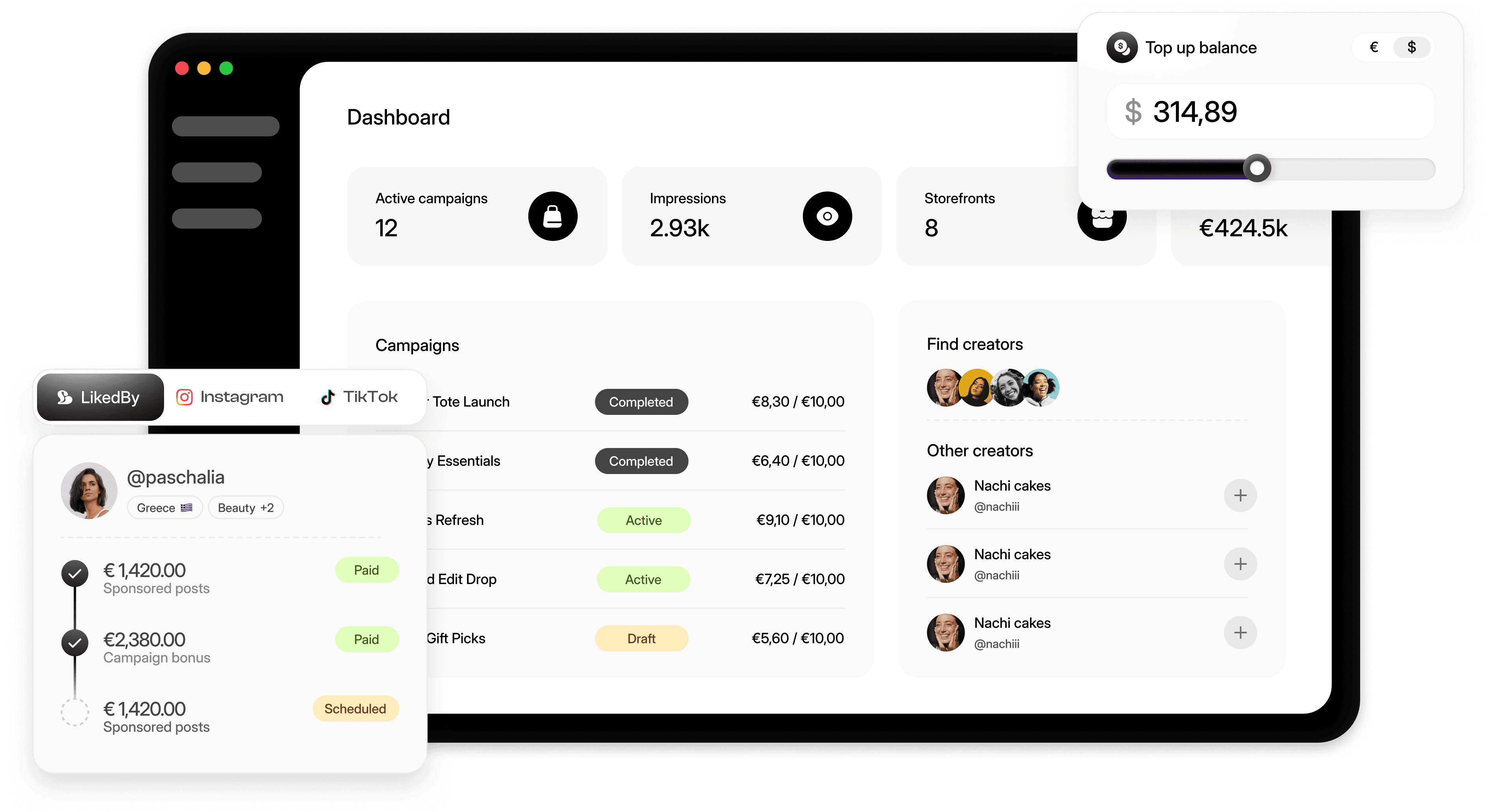
Agencies typically manage creator content for five, ten, or even fifty clients simultaneously. Without a unified system, assets end up in client-specific Google Drive folders, Slack channels, email attachments, and platform downloads — making it nearly impossible to locate the right asset at the right time.
Unclear Usage Rights and Licensing Status
Every piece of creator content comes with usage terms — organic only, paid media rights, exclusivity windows, platform restrictions. Agencies often track these in spreadsheets or not at all, creating legal exposure when content is repurposed without proper authorization.
Slow Approval Cycles That Delay Campaign Launches
When content review requires downloading files from one tool, commenting in another, and confirming approval via email, the feedback loop stretches from hours to days. For agencies with tight campaign windows, this directly impacts deliverable timelines and client satisfaction.
No Connection Between Content and Performance Data
Most agencies store content in one system and track performance in another. This disconnect makes it difficult to answer basic client questions like "which creator's content drove the most revenue?" or "which content format converts best on this client's storefront?"
Difficulty Scaling Content Operations Across Teams
As agencies grow their client roster and creator network, the volume of content multiplies. Manual tagging, folder organization, and asset distribution processes that worked for three clients break down entirely at fifteen.
Repurposing UGC Requires Manual Effort
Agencies know that high-performing creator content should be repurposed across paid social, email, PDPs, and landing pages. But without a system that makes assets easily discoverable and export-ready, repurposing becomes a project unto itself rather than a routine workflow.
Client Reporting on Content Output Is Manual
Agencies spend significant time compiling content delivery reports for clients — counting assets, categorizing by format, and cross-referencing with campaign briefs. This reporting is often done manually in slide decks, consuming hours that could be spent on strategy.
Google Drive and Dropbox Were Not Built for Creator Content
General-purpose cloud storage tools lack the metadata layer that creator content requires. There is no way to tag assets by creator name, campaign, usage rights, content format, or performance data. Agencies end up building elaborate folder hierarchies that become unmanageable within months and require constant manual maintenance to stay organized.
Project Management Tools Track Tasks, Not Assets
Tools like Asana, Monday, or Trello help agencies manage campaign timelines and task assignments, but they are not designed to store, preview, search, or distribute visual content. Linking to external files creates broken references and version control issues that slow down content review cycles.
Influencer Marketing Platforms Treat Content as an Afterthought
Most influencer marketing software focuses on creator discovery and outreach but offers minimal content management capabilities. Assets are often accessible only as platform downloads with no tagging, no rights tracking, and no integration with the downstream systems where content actually gets used — storefronts, ad managers, and email platforms.
DAM Systems Are Over-Engineered for Agency Workflows
Enterprise digital asset management platforms like Bynder or Brandfolder are powerful but designed for brand teams managing polished marketing assets. They lack the creator-specific metadata, campaign-level organization, and social commerce integrations that agencies need when managing high-volume UGC across multiple client accounts.
Spreadsheet-Based Tracking Creates Operational Debt
Many agencies track content deliverables, usage rights, and approval status in spreadsheets. This approach introduces human error, creates version conflicts when multiple team members edit simultaneously, and provides no visual preview of the actual content being discussed.
How Socialscale's Creator Drive Solves Content Operations for Agencies
Socialscale's Creator Drive is a content ops hub built specifically for agencies running influencer marketing and social commerce programs. It centralizes every piece of creator content — videos, images, stories, reels, product reviews — in a single searchable library organized by client, campaign, creator, content format, and usage rights.
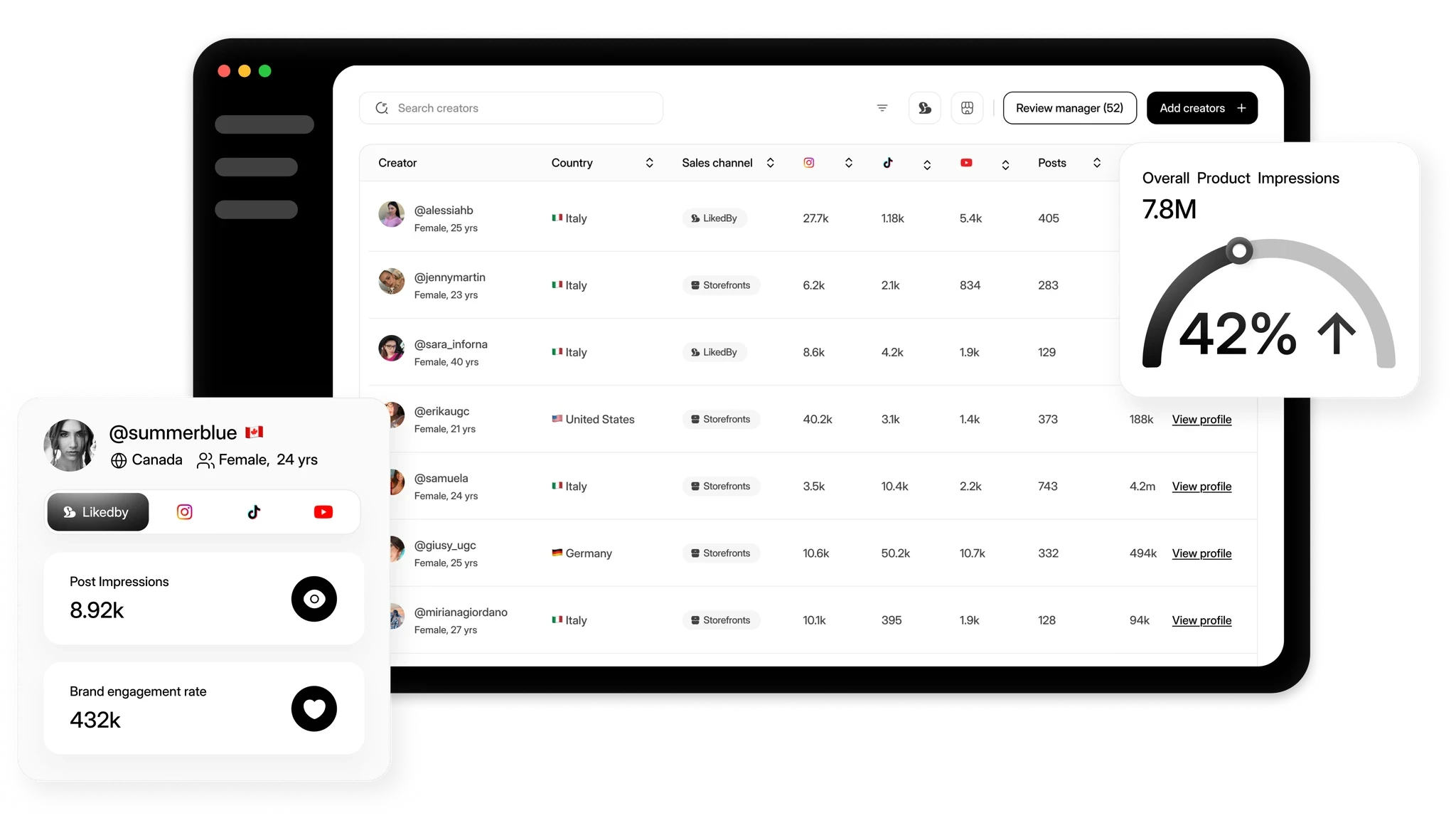
Unlike generic cloud storage, Creator Drive connects content directly to the creators who produced it through the integrated creator CRM, giving agencies instant visibility into each creator's deliverable history, contract terms, and performance metrics. When a client asks which creators delivered the highest-converting content last quarter, the answer is a search query away rather than a multi-hour research project.
Creator Drive also feeds directly into Socialscale's deployment layer. Approved assets can be pushed to creator widgets for embedding shoppable content on client storefronts, or tagged for paid media repurposing. This eliminates the gap between content approval and content activation that costs agencies days on every campaign cycle.
For agencies managing multiple client accounts, Creator Drive supports workspace-level separation with role-based access controls, ensuring that team members and clients only see the content relevant to their accounts. Combined with creator analytics, agencies can tie every asset back to engagement, click-through, and revenue data — turning content reporting from a manual chore into an automated deliverable.
Creator Drive Feature Breakdown for Digital Agencies
Multi-Client Content Library with Workspace Separation
Creator Drive organizes content into client-specific workspaces, each with its own campaigns, creators, and asset libraries. Agency team members can switch between client accounts without cross-contamination of assets or data. This structure mirrors how agencies actually operate — with dedicated account teams managing distinct brand relationships — and eliminates the folder chaos that plagues shared cloud storage setups.
Automatic Creator and Campaign Tagging
Every asset uploaded or ingested into Creator Drive is automatically tagged with the creator's profile, the associated campaign, content format (video, image, story, reel, carousel), and platform of origin. Agencies can add custom tags for content themes, product categories, or seasonal relevance. This metadata layer makes it possible to find any asset in seconds, even across thousands of files and dozens of client accounts.
Usage Rights and Licensing Tracker
Each asset in Creator Drive carries a rights status indicator — organic use only, paid media approved, exclusivity active, expired, or pending. Agencies can set expiration dates that trigger alerts before rights lapse, preventing unauthorized usage that could create legal issues with creators or their management. This feature replaces the spreadsheet-based rights tracking that most agencies rely on today.
Visual Content Review and Approval Workflow
Creator Drive includes an inline review interface where account managers and clients can preview content, leave timestamped comments on videos, and approve or request revisions without leaving the platform. Approval status is tracked at the asset level, so teams always know which content is cleared for deployment and which is still in review. This eliminates the email-based approval chains that add days to campaign timelines.
Content Performance Overlay
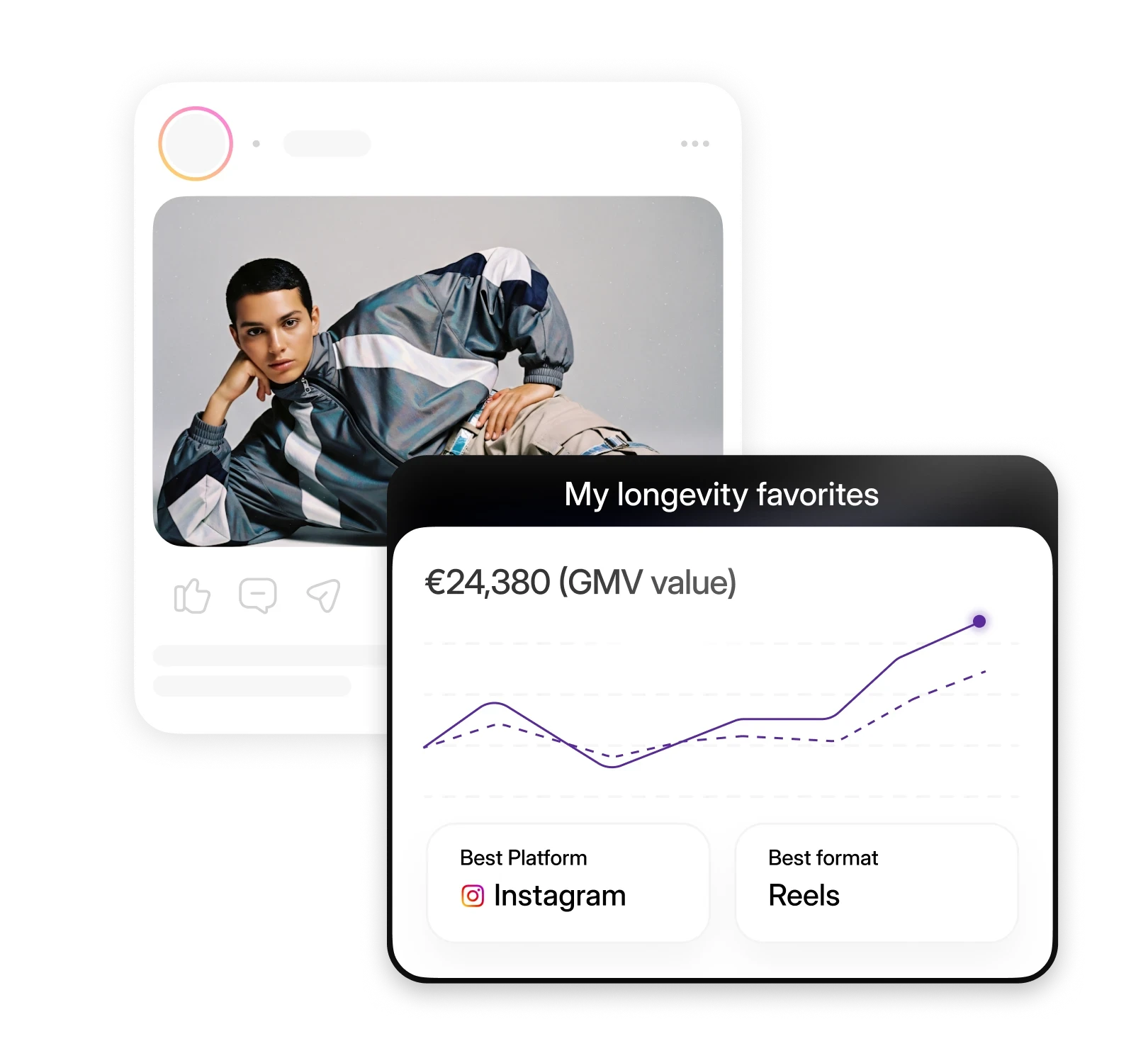
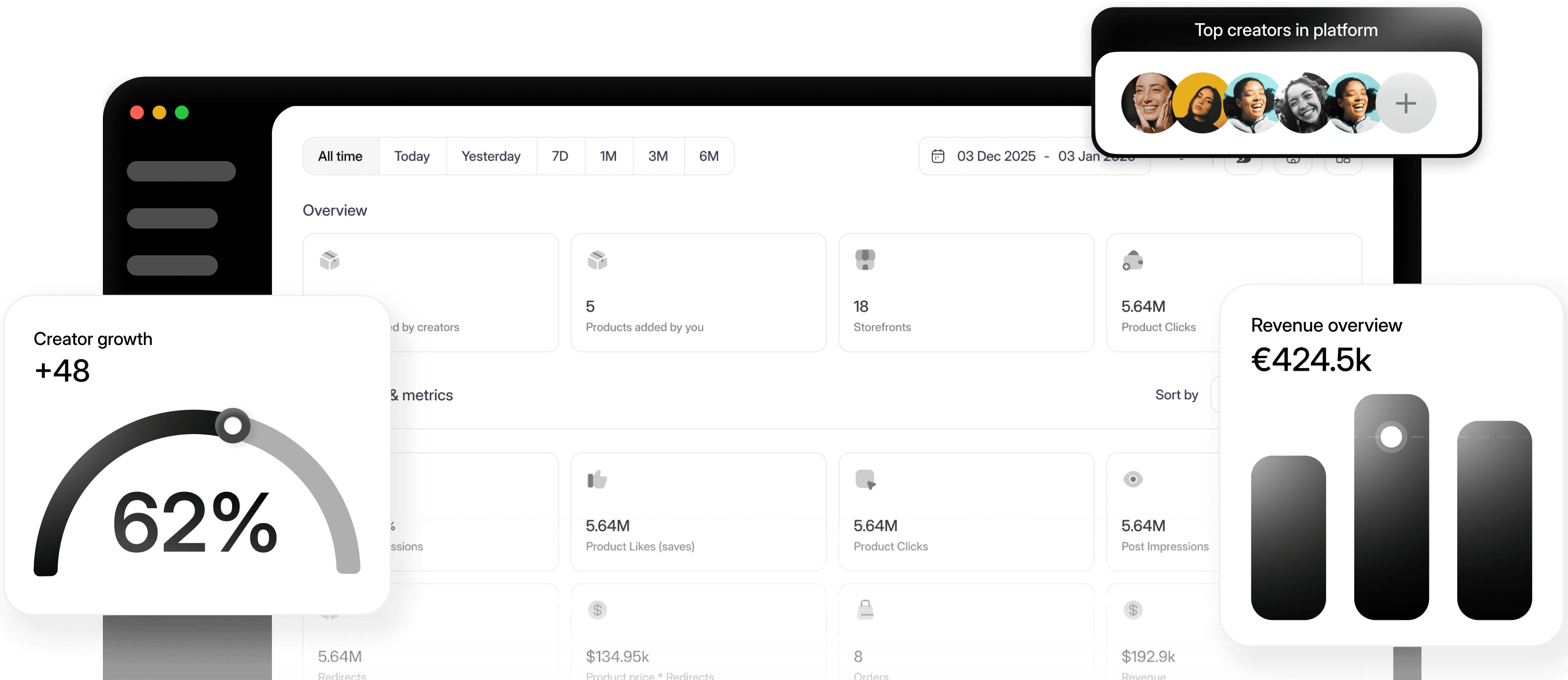
Assets stored in Creator Drive can be linked to performance data — impressions, engagement rate, click-through rate, and conversion metrics — pulled from connected platforms and Socialscale's analytics layer. This means agencies can sort their content library not just by recency or creator, but by actual business impact. When building a case study or optimizing a client's content strategy, the highest-performing assets surface immediately.
Export and Syndication Controls
Approved content can be exported in platform-specific formats for paid media campaigns, downloaded in bulk for client presentations, or pushed directly to shoppable content widgets embedded on client e-commerce sites. Agencies can also generate shareable content galleries for client stakeholders who need to review or select assets without logging into the full platform.
Creator Content Intake Portal
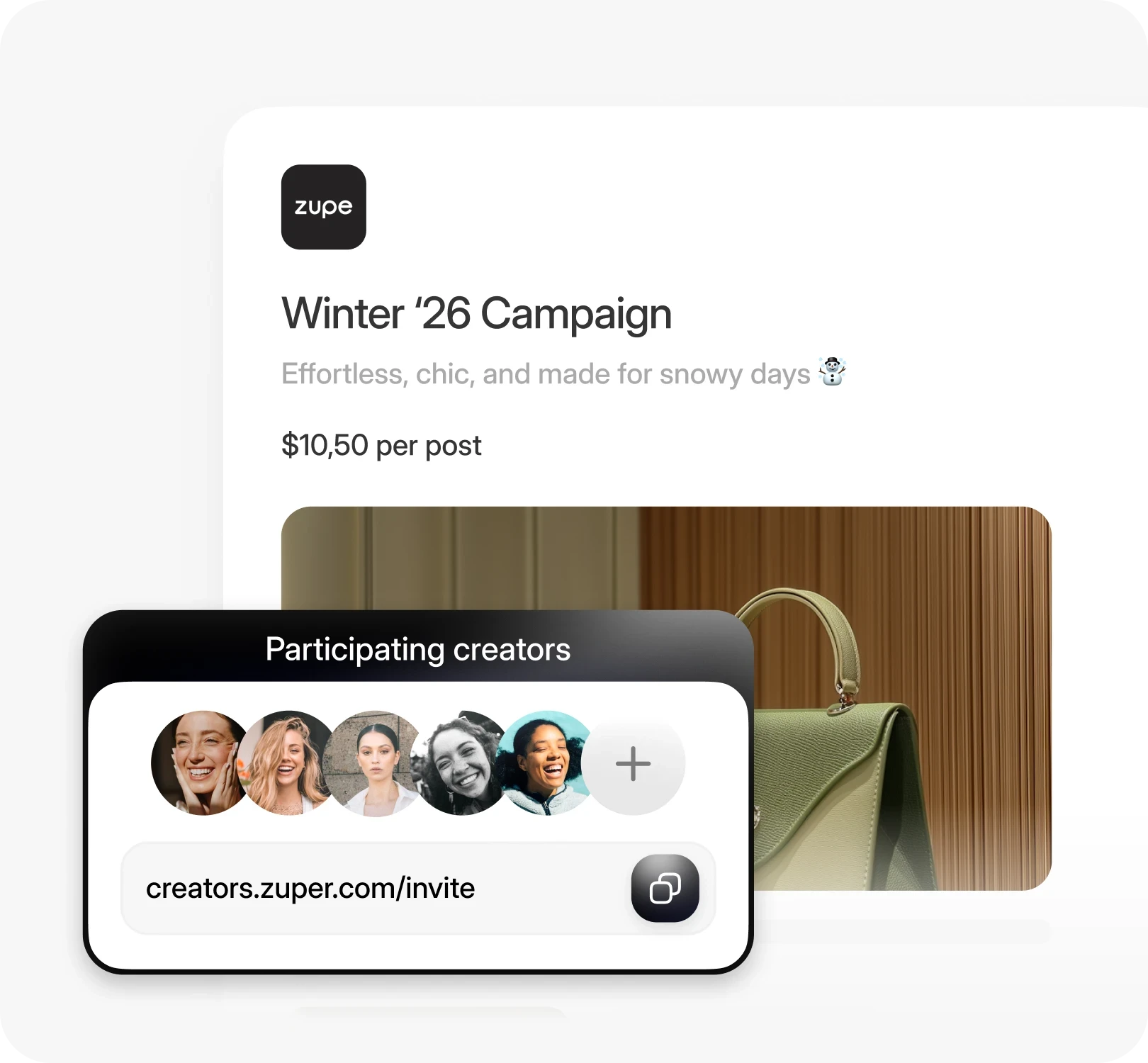
Instead of collecting content via email or DMs, agencies can provide creators with a branded upload portal linked to their Creator Drive workspace. Creators submit deliverables directly with required metadata — campaign name, product featured, platform intended — reducing the manual intake and tagging work that typically falls on agency coordinators.
Use Cases: How Digital Agencies Use a Content Ops Hub for Influencer Marketing
1. Multi-Brand Agency Managing Seasonal Campaigns Across 12 Clients
A mid-size digital agency runs holiday campaigns for twelve e-commerce clients simultaneously, each involving ten to thirty creators. During peak season, the agency receives over 500 pieces of creator content per week. By organizing all assets in a centralized content ops hub with client-level workspaces and campaign-level folders, the agency's account teams can locate, review, and approve content within hours instead of days. Rights tracking ensures that assets approved for organic posting are not accidentally pushed into paid media without proper licensing, protecting both the agency and its clients from legal exposure.
2. Performance Marketing Agency Connecting UGC to ROAS
A performance-focused agency uses creator content as the primary creative source for paid social campaigns across TikTok, Instagram, and Meta. The agency needs to rapidly identify which creator assets drive the strongest return on ad spend and scale those formats. By linking content storage to performance data, the agency can filter its entire content library by conversion rate or cost-per-acquisition, instantly surfacing the top-performing assets for each client. This data-driven approach to UGC management replaces the guesswork that typically drives creative selection for paid campaigns.
3. Social Commerce Agency Embedding Shoppable Creator Content on Client Storefronts
An agency specializing in social commerce helps DTC brands embed creator content directly on product detail pages, landing pages, and dedicated creator storefronts. The agency needs a content system that not only stores and organizes assets but also connects directly to the embedding layer on client websites. With a purpose-built content ops hub, approved creator videos and images flow seamlessly from the content library to shoppable widgets on Shopify storefronts, reducing the time between content approval and live deployment from days to minutes.
4. Boutique Agency Scaling From Five to Twenty-Five Clients
A growing boutique agency that built its early success on hands-on creator program management is hitting operational limits as it onboards new clients. The founder and two account managers can no longer keep track of content deliverables, approval statuses, and usage rights across an expanding client roster using spreadsheets and shared folders. Implementing a structured content ops hub with automated tagging, intake portals, and role-based access allows the agency to scale its client base without proportionally scaling its operations team — maintaining margins while delivering consistent service quality.
Weekly Content Operations Workflow for Digital Agencies
A structured weekly workflow ensures that creator content moves efficiently from submission to deployment across all client accounts. The following steps represent a repeatable operational cadence that agencies can adopt immediately.
Monday: Campaign Brief Distribution and Creator Intake Setup — Account managers finalize campaign briefs for the week's active campaigns and configure upload portals in Creator Drive for each campaign. Creators receive direct links with submission guidelines, required metadata fields, and deadlines.
Tuesday–Wednesday: Content Submission and Initial Triage — As creators submit content through the intake portal, assets are automatically tagged with creator name, campaign, and content format. Agency coordinators perform an initial quality check, flagging assets that need re-shoots or edits and moving qualifying content into the review queue.
Wednesday–Thursday: Client Review and Approval — Account managers share content review galleries with client stakeholders. Clients provide feedback using inline commenting tools, and approved assets are marked with cleared status and usage rights designation. Revision requests are routed back to creators with specific notes.
Thursday: Content Deployment and Syndication — Approved assets are deployed according to campaign plans. Organic content is scheduled for creator posting. Assets cleared for paid media are exported in platform-specific formats and handed off to the media buying team. Shoppable content is pushed to embedded widgets on client storefronts.
Friday: Performance Tagging and Reporting Prep — Early performance data from the week's deployed content is linked back to assets in Creator Drive. Account managers generate content delivery reports showing assets received, approved, deployed, and pending — broken down by client, campaign, and creator.
Monthly: Content Audit and Rights Review — At the end of each month, the agency runs a content audit across all client workspaces. Expiring usage rights are flagged for renewal or content removal. Top-performing assets are tagged for case study inclusion. Content gaps are identified and fed into the next month's campaign planning cycle.
Monthly: Client Strategy Review Using Content Performance Data — Account managers pull content performance reports showing which creators, formats, and themes drove the strongest results for each client. These insights inform creator roster decisions, brief adjustments, and budget allocation recommendations for the following month.
Key Performance Indicators for Agency Content Operations
Digital agencies should track the following KPIs to measure the effectiveness of their content operations and demonstrate value to clients.
Content Activation Rate: Percentage of submitted creator content that is approved and deployed within the campaign window. Target: 80% or higher.
Average Approval Time: Hours or days from content submission to final client approval. Benchmark: under 48 hours for standard campaigns.
Content Output Per Creator: Average number of deliverables produced per creator per campaign cycle, tracked across formats (video, image, story).
Content Deployment Speed: Time from approval to live deployment on client storefronts, social channels, or paid media platforms.
Click-Through Rate (CTR) on Shoppable Content: Percentage of viewers who click through embedded creator content to product pages.
Conversion Rate (CVR) from Creator Content: Percentage of click-throughs that result in completed purchases, tracked by creator and content format.
GMV Attributed to Creator Content: Total gross merchandise value generated through shoppable creator content embedded on client storefronts.
ROAS on Creator UGC in Paid Media: Return on ad spend when creator content is used as paid creative versus studio-produced assets.
Cost Per Acquisition (CPA) by Creator: Acquisition cost segmented by individual creator, enabling agencies to optimize creator roster composition.
Usage Rights Compliance Rate: Percentage of deployed content with valid, unexpired usage rights — critical for agency risk management.
Content Repurposing Rate: Percentage of creator assets used across two or more channels or campaign types, indicating efficient content utilization.
Agency Scenario: Scaling Content Operations Across 18 E-Commerce Clients
A digital agency specializing in influencer marketing and social commerce manages creator programs for 18 DTC e-commerce brands across beauty, fashion, and home goods verticals. Before implementing a centralized content ops hub, the agency's six-person account team spent an estimated 25 hours per week on content-related administrative tasks: downloading assets from email and DMs, organizing files into client-specific Google Drive folders, tracking usage rights in spreadsheets, and compiling content delivery reports in slide decks.
The agency's operational challenges intensified during Q4 holiday campaigns, when creator content volume tripled and approval cycles stretched to five days on average — causing missed posting windows and delayed paid media launches for several clients.
After centralizing content operations in a purpose-built creator drive system, the agency achieved measurable improvements within 90 days:
Average content approval time decreased from 5 days to 1.5 days through inline review and client-facing approval galleries.
Weekly administrative time on content management dropped from 25 hours to 8 hours across the account team — a 68% reduction.
Content activation rate improved from 62% to 89%, meaning more submitted creator content was actually deployed within campaign windows.
The agency identified that short-form video content from mid-tier creators (10K–50K followers) drove 3.2x higher conversion rates than static image content when embedded on client Shopify storefronts.
Usage rights compliance reached 100% — zero instances of expired-rights content remaining live on client properties.
The agency onboarded five additional clients in Q1 without adding headcount, directly attributing the capacity gain to streamlined content operations.
The agency now uses content performance data from their creator drive to conduct monthly strategy reviews with each client, presenting data-backed recommendations on creator roster optimization, content format prioritization, and budget allocation for the following month.
Frequently Asked Questions
How does Creator Drive differ from a standard cloud storage solution like Google Drive or Dropbox?
Creator Drive is built specifically for creator content workflows. Unlike general cloud storage, it automatically tags assets with creator profiles, campaign metadata, content format, and usage rights status. It connects directly to creator CRM data and performance analytics, so agencies can search and filter content by business impact — not just file name or folder location. It also includes inline review tools, client-facing approval galleries, and direct deployment to shoppable content widgets, none of which are available in standard cloud storage.
Can agencies manage multiple client accounts within a single Creator Drive instance?
Yes. Creator Drive supports workspace-level separation for each client account, with role-based access controls that ensure team members and client stakeholders only see content relevant to their accounts. Agency administrators can switch between client workspaces and run cross-client reports on content volume, approval rates, and creator performance without data leaking between accounts.
How does Creator Drive handle content usage rights and licensing?
Every asset in Creator Drive carries a rights status indicator that tracks whether content is approved for organic use only, cleared for paid media, subject to exclusivity terms, or expired. Agencies can set expiration dates on usage rights, and the system triggers alerts before rights lapse. This prevents unauthorized content usage and gives agencies a defensible audit trail for rights compliance across all client accounts.
Can creators submit content directly to Creator Drive?
Yes. Agencies can configure branded upload portals for each campaign, providing creators with direct submission links. Creators upload their deliverables along with required metadata — campaign name, product featured, platform intended — which eliminates the manual intake process of collecting content from email, DMs, and messaging apps. Submitted content is automatically tagged and routed to the appropriate client workspace and campaign folder.
How does Creator Drive connect to paid media and e-commerce workflows?
Approved content in Creator Drive can be exported in platform-specific formats for Meta, TikTok, and other paid media channels. For e-commerce activation, assets can be pushed directly to shoppable content widgets embedded on client Shopify storefronts. Performance data from both paid media and e-commerce deployments flows back into Creator Drive, allowing agencies to track which assets drive the strongest return on ad spend and conversion rates across every client account.