Creator Drive for Beauty Retailers: Central UGC Storage Across Omnichannel Retail
Beauty retailers operate across dozens of touchpoints — from DTC e-commerce sites and marketplace listings to in-store digital displays and social storefronts. Every channel demands fresh, authentic creator content, yet most teams struggle to locate, organize, and deploy the right assets at the right time. The result is duplicated effort, expired usage rights, and missed revenue from content that never reaches the shelf.
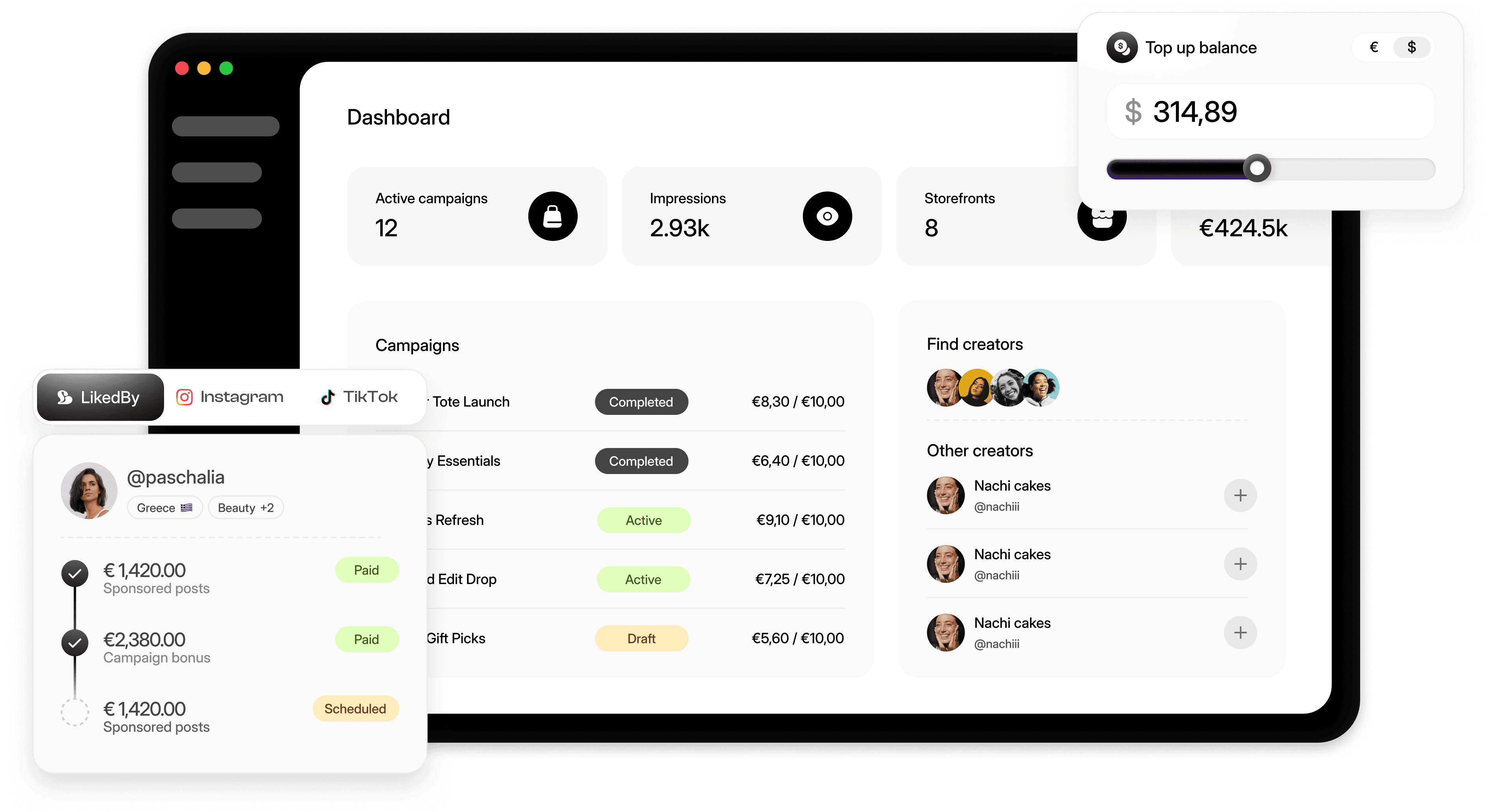
Creator Drive solves this by giving beauty retail teams a single, structured content library purpose-built for social commerce workflows. Instead of hunting through email threads, shared drives, and DMs for that one tutorial video a creator delivered three weeks ago, your team can tag, filter, and push assets directly into campaigns, product pages, and shoppable widgets — all from one place.
For influencer marketing managers and e-commerce directors at beauty retailers running 50 to 500 creator relationships simultaneously, centralized UGC storage is not a nice-to-have. It is the operational backbone that determines whether creator content drives measurable sell-through or sits unused in a forgotten folder.
Content Volume Overwhelms Existing File Systems
A mid-size beauty retailer running seasonal campaigns with 80+ creators can generate thousands of assets per quarter — product swatches, tutorials, unboxing reels, before-and-after photos, and ingredient deep-dives. Google Drive and Dropbox were never designed to organize this volume by creator, SKU, campaign, content type, and usage rights simultaneously.
Usage Rights Tracking Is Manual and Error-Prone
Beauty content often features real skin, real results, and real people. Reusing a creator's image on paid media or in-store signage without confirmed rights exposes retailers to legal risk. Most teams track rights in spreadsheets that fall out of date within days.
Content Gets Siloed by Channel Team
The social team saves assets in one folder. The e-commerce team downloads copies to another. The retail marketing team requests the same files via email. No single source of truth exists, leading to version conflicts and outdated imagery appearing on product detail pages.
Difficulty Matching Content to SKUs
Beauty retailers carry hundreds or thousands of SKUs across skincare, makeup, haircare, and fragrance. Connecting a specific creator tutorial to the exact shade, formula, or bundle it features requires metadata that generic storage tools do not support.
Seasonal Campaign Turnover Creates Content Debt
Holiday gift guides, summer skincare routines, back-to-school makeup — each campaign generates a wave of content that must be archived, repurposed, or retired. Without structured storage, teams lose track of what performed well and what can be reactivated.
Omnichannel Deployment Requires Multiple Formats
A single creator video may need to exist as a 9:16 reel for TikTok, a 1:1 crop for Instagram feed, a landscape cut for YouTube, and a still thumbnail for email. Managing these variants across channels without a centralized system leads to inconsistent brand presentation.
No Visibility Into Content Utilization
Marketing leaders cannot answer a basic question: what percentage of the creator content we paid for actually got published? Without utilization metrics, budgets are allocated blindly and high-performing assets go underused.
Generic Cloud Storage Lacks Commerce Context
Tools like Google Drive, Dropbox, and Box store files effectively but offer no awareness of creator identity, campaign association, product SKU linkage, or content usage rights. Beauty teams end up building elaborate folder hierarchies that break down the moment a creator delivers content for multiple campaigns or products.
DAM Platforms Are Over-Engineered and Under-Adopted
Enterprise digital asset management systems were built for brand creative teams managing polished studio photography. They require extensive setup, rigid taxonomies, and training that influencer marketing teams rarely have time for. The result is low adoption and a parallel shadow system of shared folders and Slack messages.
Social Media Management Tools Only Cover Published Content
Scheduling platforms like Sprout Social or Later manage content after it is ready to post, but they do not handle the upstream workflow of receiving, reviewing, approving, tagging, and storing raw creator deliverables. Beauty retailers need the full pipeline, not just the last mile.
Spreadsheet-Based Rights Tracking Cannot Scale
When a beauty retailer works with 200 creators across four seasonal campaigns, tracking usage windows, exclusivity clauses, and channel permissions in a spreadsheet becomes a liability. One missed expiration date can result in a takedown notice or legal dispute.
No Connection Between Storage and Activation
Even when content is well-organized, traditional tools create a gap between where assets live and where they need to be deployed. Teams manually download, re-upload, and reformat content for every channel — a workflow that adds days to time-to-publish and introduces errors.
How Socialscale Creator Drive Solves UGC Storage for Beauty Retailers
Socialscale's Creator Drive is a content library built specifically for creator marketing workflows. It connects every asset to the creator who made it, the campaign it belongs to, the products it features, and the rights governing its use. For beauty retailers managing omnichannel content deployment, this means one place to store, search, approve, and activate every piece of creator content your brand has ever commissioned.
Unlike standalone storage tools, Creator Drive is embedded within the broader creator marketing platform, meaning assets flow directly from collaboration briefs and creator submissions into your organized library without manual file transfers. When your e-commerce team needs a tutorial featuring your new retinol serum, they search by SKU, filter by content type, confirm rights status, and push the asset to a shoppable widget — all without leaving the platform.
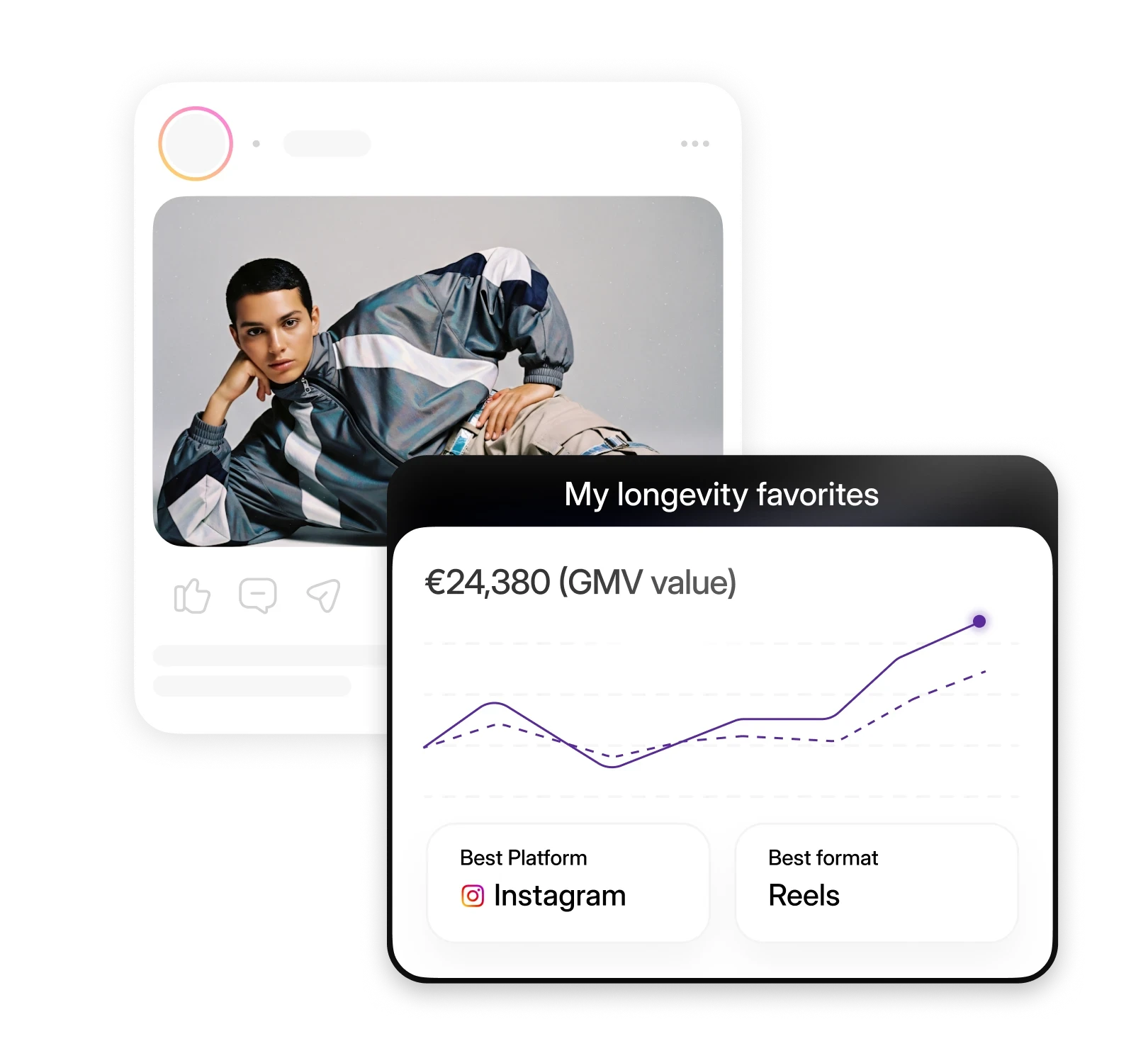
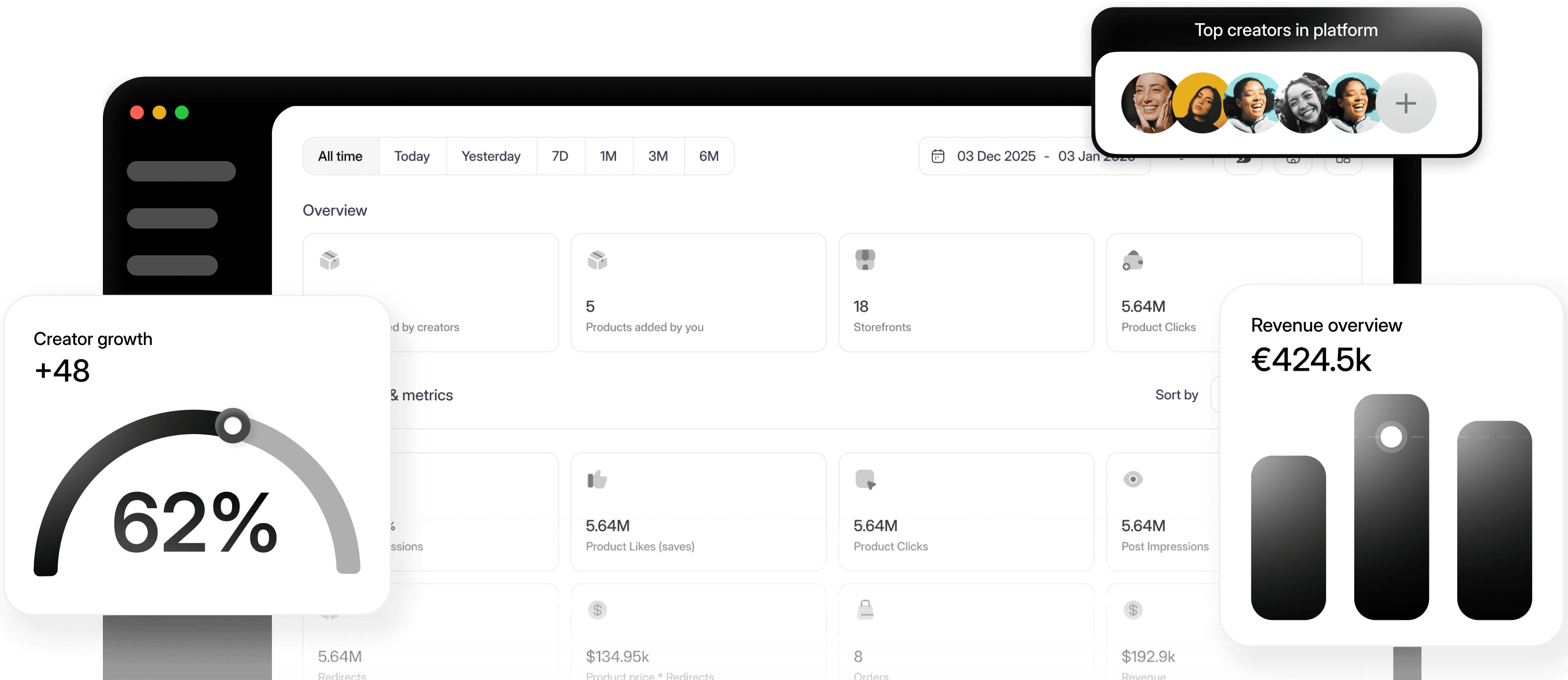
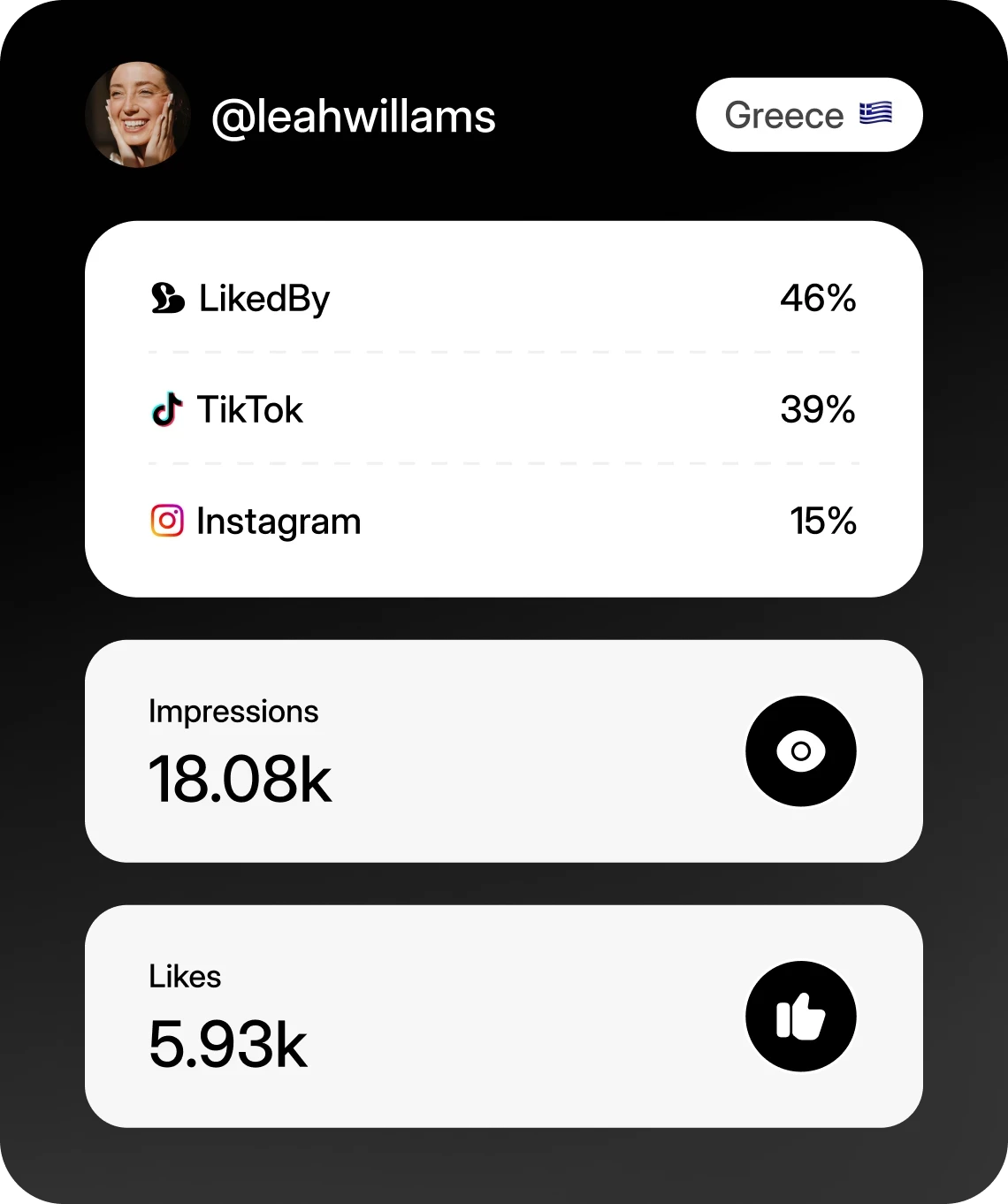
Combined with creator analytics, your team can also see which stored assets have driven the most engagement, clicks, and conversions, turning your content library from a passive archive into an active revenue tool. This is how beauty retailers transform creator content from a one-time social post into a reusable omnichannel asset with compounding ROI.
Automatic Content Ingestion from Creator Submissions
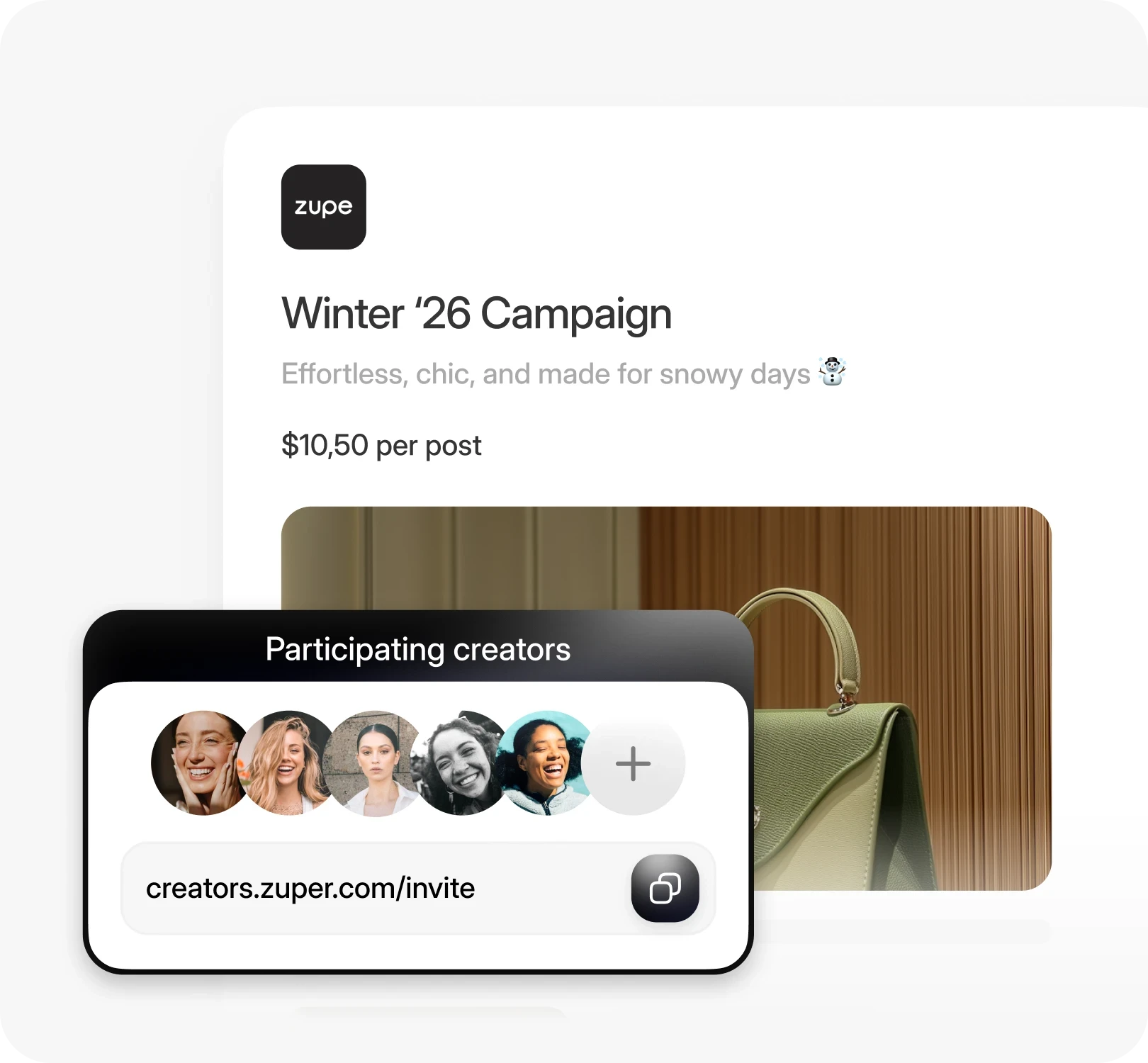
When creators submit deliverables through Socialscale's collaboration workflow, assets are automatically deposited into Creator Drive with pre-populated metadata — creator name, campaign name, submission date, and deliverable type. Beauty teams no longer need to manually download files from emails, DMs, or third-party transfer links. Every tutorial, swatch video, and flat-lay photo arrives tagged and ready for review.
SKU-Level Tagging and Product Association
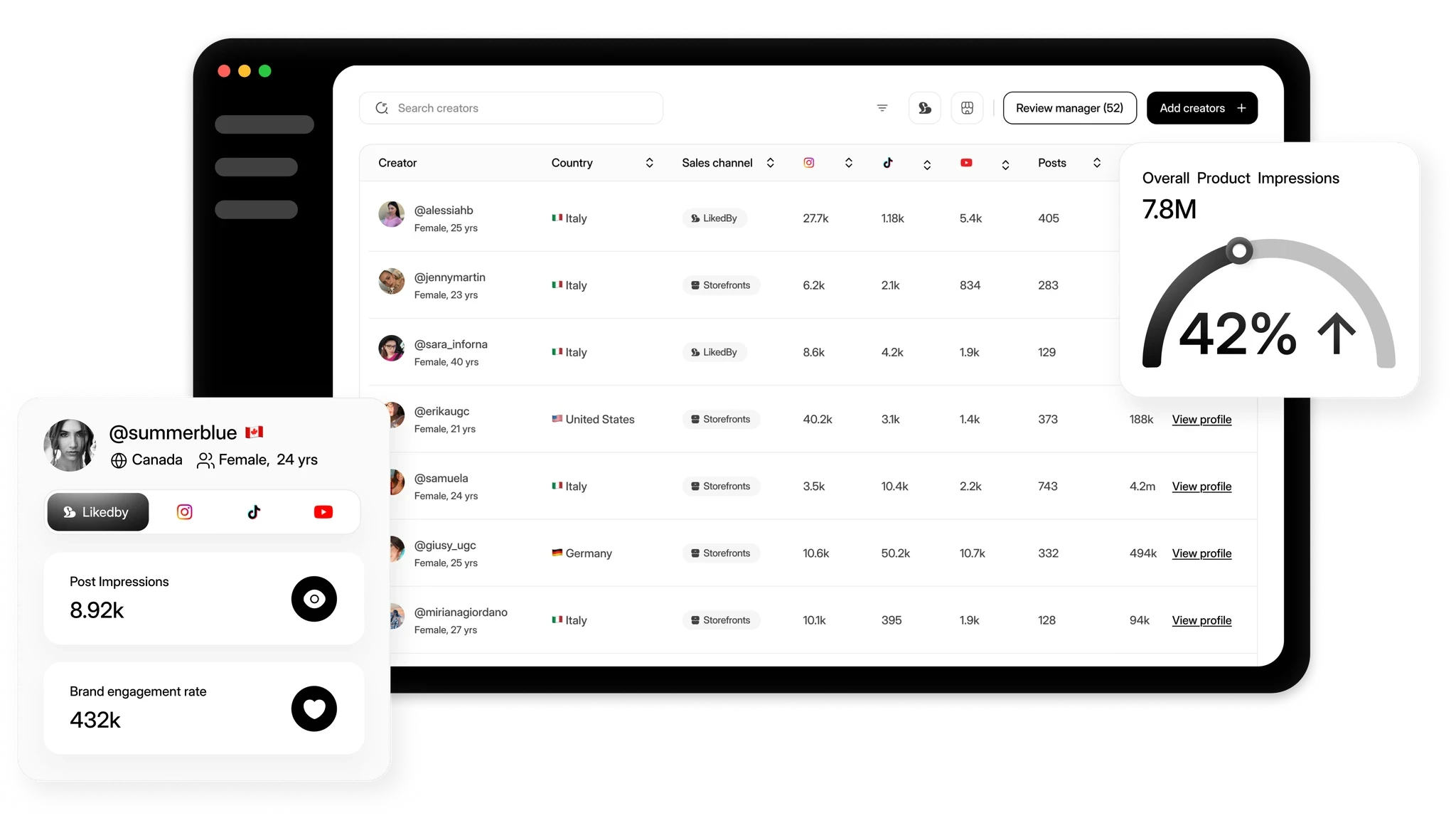
Beauty retailers can tag every asset with specific product SKUs, shade names, ingredient categories, or product lines. When your e-commerce team needs all creator content featuring your best-selling hyaluronic acid serum, they filter by SKU and instantly see every video, photo, and reel associated with that product — across all creators and campaigns.
Usage Rights Management with Expiration Alerts
Each asset carries structured rights metadata: usage channels (organic social, paid media, in-store, email), exclusivity windows, and expiration dates. The system flags assets approaching rights expiration so your team can renegotiate or retire content before compliance issues arise. For beauty retailers running content on retail partner sites like Sephora or Ulta, this channel-specific rights tracking is essential.
Content Type and Format Filtering
Filter your library by content format — vertical video, horizontal video, static image, carousel, GIF — and by content type — tutorial, review, unboxing, GRWM (Get Ready With Me), haul, before-and-after, ingredient spotlight. This taxonomy reflects how beauty content is actually created and consumed, not generic file categories.
Campaign-Based Collections
Group assets into campaign collections — Spring Skincare Launch, Holiday Gift Guide, Clean Beauty Spotlight — so your team can evaluate content performance and utilization at the campaign level. Collections persist after campaigns end, making it easy to revisit and repurpose high-performing content for future activations.
Direct-to-Widget Publishing
Push approved assets from Creator Drive directly into shoppable content widgets on your product detail pages, landing pages, or homepage. This eliminates the download-reformat-upload cycle and ensures the content displayed on your site is always the approved, rights-cleared version from your central library.
Creator-Level Content Portfolios
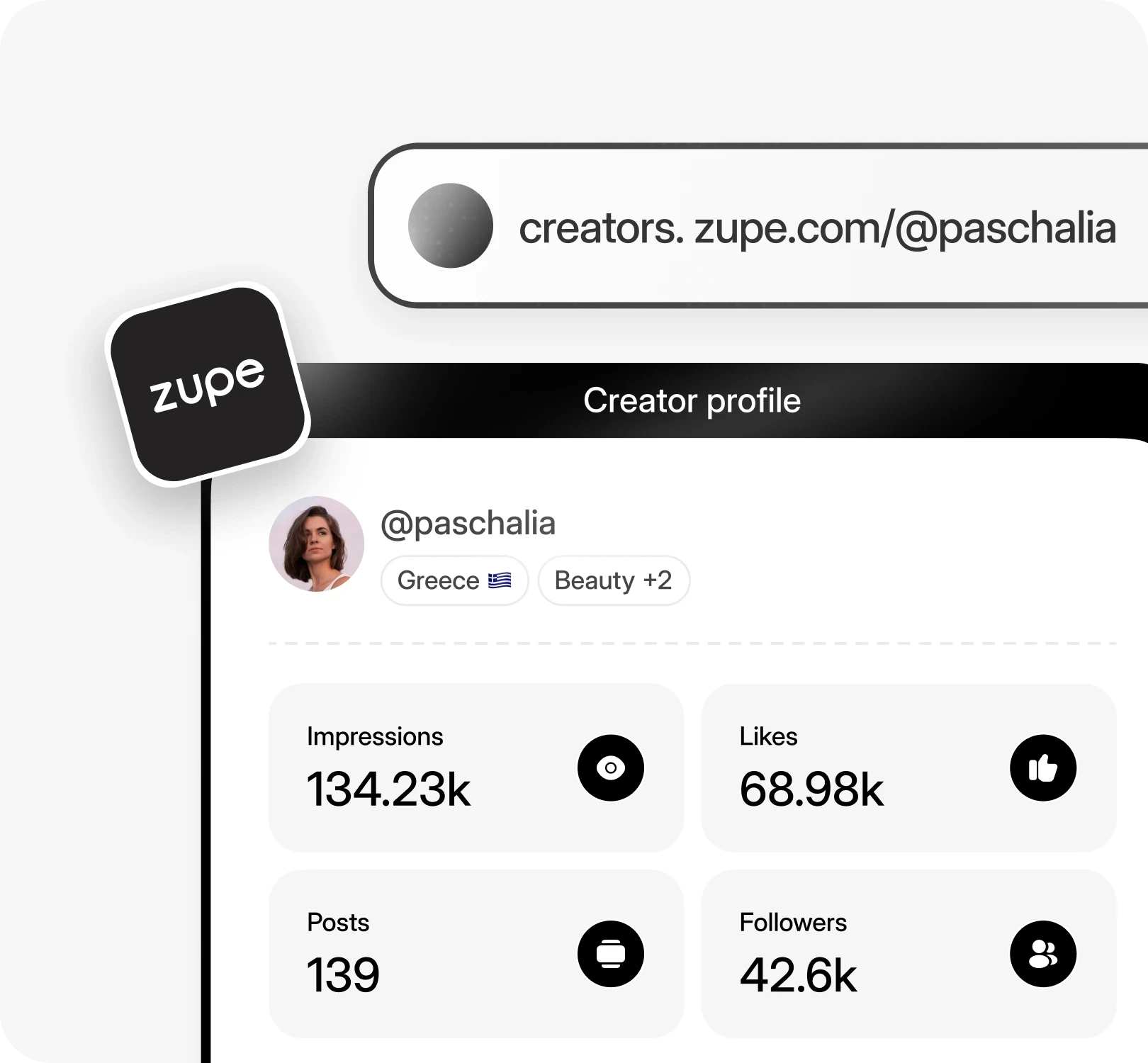
View every asset a specific creator has ever produced for your brand in one portfolio view. This is invaluable when deciding whether to re-engage a creator for a new campaign — you can instantly review their content history, quality consistency, and which products they have covered.
Bulk Download and Export for Retail Partners
When beauty retailers need to supply UGC to retail partners like Nordstrom, Target, or Amazon for co-branded campaigns, Creator Drive supports bulk export with rights documentation attached. This streamlines the content syndication process that typically involves weeks of back-and-forth.
Real-World Use Cases for Beauty Retail Teams
1. Omnichannel Product Launch Content Deployment
A beauty retailer launching a new foundation line commissions 40 creators to produce shade-match tutorials, wear-test videos, and application tips. As deliverables arrive, each asset is automatically tagged with the specific shade SKU, creator tier, and content format. The social team pulls vertical videos for TikTok and Reels. The e-commerce team filters for before-and-after stills to embed on product pages. The retail marketing team exports a curated set for in-store digital screens at flagship locations. Every team works from the same library, and every asset is rights-verified before deployment.
2. Evergreen Skincare Routine Content Library
A skincare-focused beauty retailer builds a permanent library of creator-produced routine videos — morning routines, nighttime routines, seasonal skincare switches — tagged by skin type, concern (acne, aging, hydration), and featured products. When a product page for a vitamin C serum needs fresh social proof, the content team searches the library for all routine videos featuring that serum, selects the top performers based on engagement data, and publishes them as shoppable UGC galleries. The library grows with every campaign, compounding the retailer's content advantage over competitors relying on studio-shot imagery alone.
3. Affiliate Creator Content Auditing
A beauty retailer running an affiliate creator program with 300+ micro-creators needs to verify that content meets brand guidelines before it goes live across creator storefronts and social channels. Each submission flows into Creator Drive where the brand team reviews, approves, or requests revisions. Approved content is marked as compliant and tagged for the specific affiliate campaign. When the performance marketing team runs paid amplification, they pull only from the approved asset pool, ensuring brand consistency across every paid touchpoint.
4. Seasonal Campaign Content Repurposing
After a successful holiday campaign, a beauty retailer wants to identify which creator assets drove the highest click-through and conversion rates so they can be repurposed for a Valentine's Day promotion. The marketing team filters Creator Drive by the holiday campaign collection, sorts by performance metrics, and selects the top 15 assets. These are re-tagged for the Valentine's Day campaign, rights are confirmed for extended use, and the assets are pushed to updated shoppable widgets — all within a single afternoon instead of the two-week process it previously required.
Weekly and Monthly Operational Workflow
Implementing Creator Drive into your beauty retail operations follows a structured cadence that keeps content organized, rights current, and assets actively driving revenue.
Campaign Brief and Creator Assignment (Monthly) — Define campaign objectives, select creators from your creator CRM, and issue briefs with specific deliverable requirements including format, content type, and product SKUs to feature. This upstream clarity ensures assets arrive with the right context for tagging.
Automated Content Ingestion (Ongoing) — As creators submit deliverables through the collaboration portal, assets flow directly into Creator Drive with pre-populated metadata. No manual downloads or file transfers required.
Content Review and Approval (Weekly) — Your brand team reviews incoming assets each week, checking for brand guideline compliance, product accuracy (correct shade, correct product name), and visual quality. Approved assets are marked as deployment-ready; others are returned with revision notes.
SKU Tagging and Rights Verification (Weekly) — Approved assets receive detailed SKU tags, content type classifications, and confirmed usage rights. Rights metadata includes channel permissions, exclusivity terms, and expiration dates.
Campaign Collection Organization (Bi-Weekly) — Assets are grouped into campaign collections for easy retrieval. Collections are reviewed bi-weekly to ensure completeness and to identify content gaps that may require additional creator assignments.
Omnichannel Deployment (Weekly) — The social team, e-commerce team, and retail marketing team each pull assets from Creator Drive for their respective channels. Shoppable widgets are updated with fresh content. Retail partner exports are prepared as needed.
Utilization and Performance Review (Monthly) — Marketing leadership reviews content utilization rates — what percentage of commissioned content was actually deployed — alongside performance metrics for published assets. Underused high-quality content is flagged for activation. Low-performing content informs future brief adjustments.
Rights Expiration Audit (Monthly) — The team reviews upcoming rights expirations and initiates renewal conversations with creators whose content continues to perform. Expired assets are automatically flagged and removed from active deployment pools.
Key Performance Indicators for Creator Drive in Beauty Retail
Tracking the right metrics ensures your centralized UGC storage translates into measurable business outcomes. Beauty retail teams should monitor the following KPIs:
Content Utilization Rate — Percentage of commissioned creator assets that are actually deployed across at least one channel. Target: 85%+ utilization to maximize content investment ROI.
Time-to-Publish — Average number of days from creator submission to live deployment on any channel. Centralized storage should reduce this from 7–10 days to under 48 hours.
Content Approval Turnaround — Average hours between asset submission and brand team approval or revision request. Target: under 24 hours for weekly review cycles.
Rights Compliance Rate — Percentage of live assets with confirmed, non-expired usage rights. Target: 100% at all times.
SKU Coverage — Percentage of active product SKUs that have at least one piece of associated creator content in the library. Beauty retailers should aim for 70%+ coverage across hero SKUs.
Shoppable Widget CTR — Click-through rate on creator content widgets embedded on product pages, measured from Creator Drive-sourced assets. Beauty benchmarks typically range from 3–8%.
Shoppable Widget CVR — Conversion rate of users who click through creator content widgets to purchase. Target varies by price point but 2–5% is a strong range for beauty.
GMV Attributed to Creator Content — Total gross merchandise value generated through transactions influenced by creator assets deployed from Creator Drive.
Content Repurposing Rate — Percentage of assets used in more than one campaign or across more than one channel. Higher rates indicate effective library management and compounding content value.
ROAS on Amplified Creator Content — Return on ad spend for paid campaigns using Creator Drive assets, compared to studio-produced creative. Beauty retailers typically see 1.5–3x higher ROAS from authentic creator content.
CPA Reduction — Cost per acquisition improvement when using creator-sourced assets versus traditional brand creative in paid channels.
Scenario: Multi-Brand Beauty Retailer Centralizes Creator Content
A multi-brand beauty retailer carrying 400+ SKUs across skincare, makeup, and haircare was running creator campaigns with 120 creators per quarter. Content was scattered across Google Drive folders organized by campaign name, individual creator email threads, and a legacy DAM system that only the brand design team had access to. The e-commerce team estimated they spent 6–8 hours per week searching for specific creator assets, and approximately 40% of commissioned content was never published on any channel.
After implementing Creator Drive as their central UGC storage system, the team restructured their workflow around automated ingestion, SKU-level tagging, and weekly content review cycles. Within the first 90 days, measurable results included:
Content utilization rate increased from 60% to 92% — nearly every commissioned asset was deployed on at least one channel.
Time-to-publish dropped from an average of 9 days to 1.5 days, enabling the team to capitalize on trending product moments faster.
SKU coverage for hero products reached 88%, up from 45%, giving product pages authentic social proof that studio photography alone could not provide.
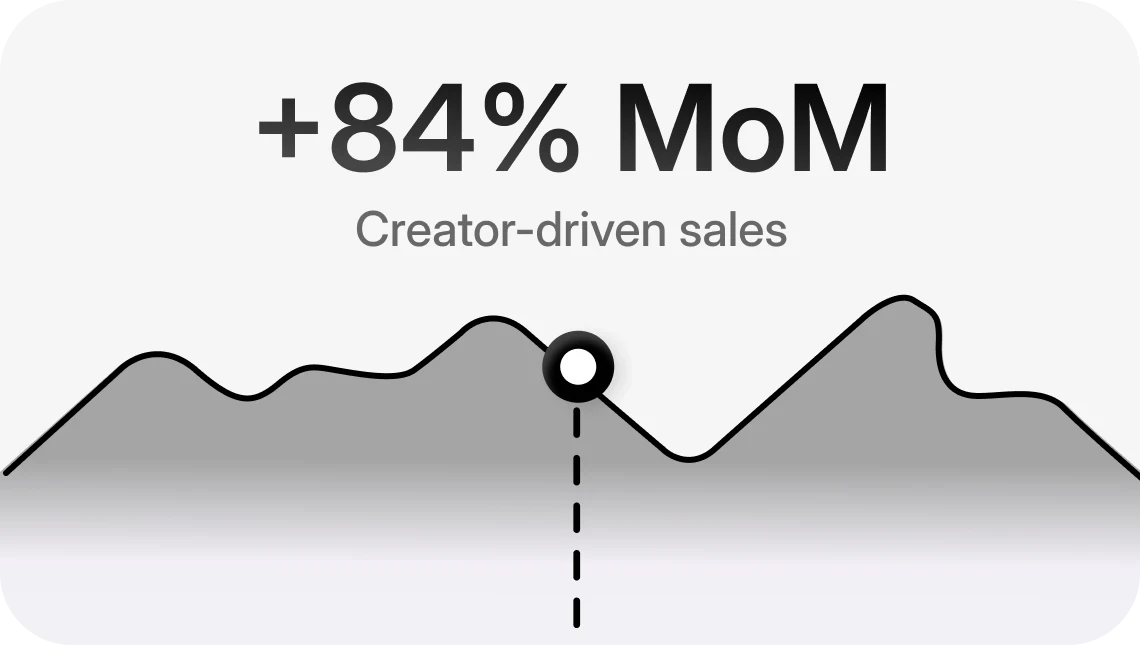
Shoppable UGC widget CTR on product pages averaged 5.7%, contributing to a 14% lift in on-page conversion rate for pages featuring creator content versus those without.
The retail partnerships team reduced content syndication preparation time from 2 weeks to 2 days when supplying UGC to retail partner co-marketing programs.
Rights compliance reached 100% — zero instances of expired content appearing on live channels, compared to 3 takedown requests in the previous quarter.
The marketing director noted that the most significant shift was cultural: teams across social, e-commerce, and retail marketing began treating the creator content library as a shared revenue asset rather than a departmental resource, leading to more strategic content commissioning and cross-channel coordination.
What makes Creator Drive different from Google Drive or Dropbox for storing beauty creator content?
Creator Drive is built specifically for creator marketing workflows. Unlike generic file storage, it automatically associates every asset with the creator who produced it, the campaign it belongs to, the product SKUs it features, and the usage rights governing its deployment. For beauty retailers managing hundreds of SKUs and dozens of creators, this structured metadata eliminates the manual tagging and folder management that makes generic tools unworkable at scale.
Can Creator Drive handle the volume of content generated by large beauty retailer creator programs?
Yes. Creator Drive is designed for teams working with 50 to 500+ creators simultaneously across multiple campaigns. Automated ingestion from creator submissions means assets arrive pre-tagged, and filtering by SKU, content type, campaign, creator, and format makes it possible to locate any specific asset in seconds regardless of library size.
How does Creator Drive help with content usage rights for beauty retail?
Every asset in Creator Drive carries structured rights metadata including approved usage channels (organic social, paid media, in-store, email, retail partner sites), exclusivity terms, and expiration dates. The system sends alerts before rights expire, and expired assets are automatically flagged so they cannot be inadvertently deployed. This is critical for beauty retailers who repurpose creator content across owned channels and retail partner platforms like Sephora, Ulta, or Amazon.
Can we push content from Creator Drive directly to our Shopify product pages?
Yes. Creator Drive integrates with Shopify and Shopify Plus, allowing you to push approved, rights-cleared creator assets directly into shoppable UGC widgets on product detail pages. SKU-level tagging ensures the right content appears on the right product page without manual matching.
How does Creator Drive support omnichannel content deployment for beauty retailers?
Creator Drive serves as the single source of truth for all creator content, accessible to every team — social, e-commerce, retail marketing, paid media, and email. Assets can be filtered by format and channel suitability, exported in bulk for retail partners, or pushed directly to shoppable widgets. This eliminates the siloed content copies and version conflicts that plague beauty retailers operating across multiple channels simultaneously.