Creator Drive for Ad Agencies: Link Influencer Videos to Ad Accounts at Scale
Ad agencies managing creator programs across multiple clients face a persistent operational bottleneck: getting the right influencer video into the right ad account at the right time. Between scattered Google Drives, expired download links, and manual asset handoffs, agencies lose hours every week just locating and transferring creator content. That friction compounds when you're running social commerce campaigns where every hour of delay means lost revenue.
Creator Drive solves this by giving ad agencies a centralized, organized content library purpose-built for influencer marketing. Every creator video, UGC asset, and branded content piece lives in one place, tagged by campaign, creator, client, and usage rights. More importantly, Creator Drive enables direct linking of influencer videos to paid ad accounts, eliminating the manual export-import cycle that slows down performance marketing teams.
Whether your agency runs affiliate creator programs, whitelisted spark ads, or full-funnel social commerce campaigns, Creator Drive transforms how your team stores, organizes, approves, and deploys creator content across every client account.
Managing Assets Across Dozens of Client Accounts
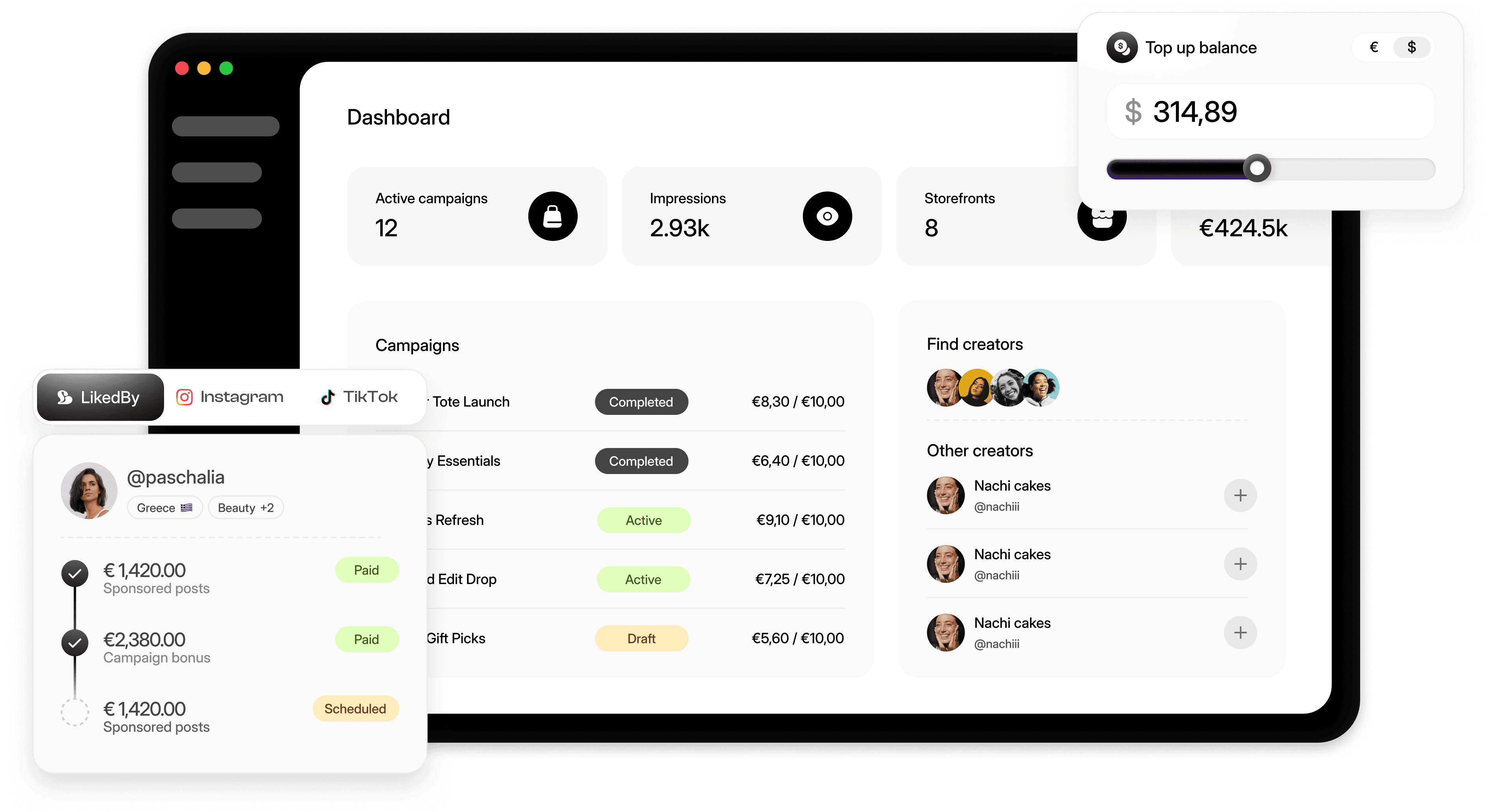
Ad agencies don't manage one brand's content — they manage ten, twenty, or fifty. Each client has its own creator roster, campaign calendar, and ad account. Without a centralized system, teams waste significant time navigating fragmented folder structures across Google Drive, Dropbox, and email threads to find the right asset for the right client.
Slow Handoff Between Creator Delivery and Media Buying
The gap between a creator submitting a video and a media buyer launching it as a paid ad is often 3–5 business days. That delay comes from manual downloads, re-uploads, internal Slack threads asking "which version is final," and approval bottlenecks. For performance campaigns where creative fatigue sets in quickly, this lag directly impacts ROAS.
No Centralized Usage Rights Tracking
Agencies frequently run into compliance issues because there's no single source of truth for content usage rights. When a creator's licensing window expires and the ad is still running, the agency is exposed to legal risk. Tracking this manually across spreadsheets is unsustainable at scale.
Duplicate and Outdated Content Versions
When multiple team members download, rename, and re-upload creator videos, version control breaks down. Media buyers end up launching ads with outdated cuts, wrong captions, or unapproved edits — leading to client escalations and wasted ad spend.
Inability to Link Creator Content Directly to Ad Platforms
Most file storage tools were never designed for advertising workflows. They can't push assets directly into TikTok Ads Manager, Meta Business Suite, or other ad platforms. This forces agencies to maintain a tedious manual process of downloading, reformatting, and re-uploading every single creative.
Lack of Performance Context on Stored Assets
When a media buyer opens a shared folder, they see filenames — not performance data. They have no way of knowing which creator's content drove the best CTR last month or which video style converted highest. Content decisions are made blind, without any connection to creator performance tracking data.
Google Drive and Dropbox Aren't Built for Creator Workflows
General-purpose cloud storage tools lack the metadata layer that ad agencies need. You can't tag a file by creator handle, campaign name, usage rights expiration, or client account. Search is limited to filenames, which means someone on your team had to name the file correctly in the first place — and they rarely do.
Project Management Tools Don't Solve the Asset Problem
Tools like Asana, Monday, or Notion help track tasks but don't function as content libraries. You can attach a file to a task, but you can't browse all approved creator content for a specific client, filter by format or platform, or push that content to an ad account. The asset lives in a task thread that nobody revisits.
DAM Platforms Are Overbuilt and Underspecialized
Enterprise digital asset management platforms like Bynder or Brandfolder are designed for brand teams managing logos, templates, and corporate photography. They're expensive, require heavy onboarding, and lack the creator-specific metadata, rights management, and ad platform integrations that agencies actually need for influencer marketing software workflows.
Manual Processes Create Single Points of Failure
When one coordinator is responsible for downloading creator content, organizing it, and distributing it to media buyers, that person becomes a bottleneck. If they're out sick, on vacation, or simply overwhelmed, the entire creative pipeline stalls. Agencies need a system, not a person, managing this workflow.
How Socialscale's Creator Drive Transforms Agency Content Operations
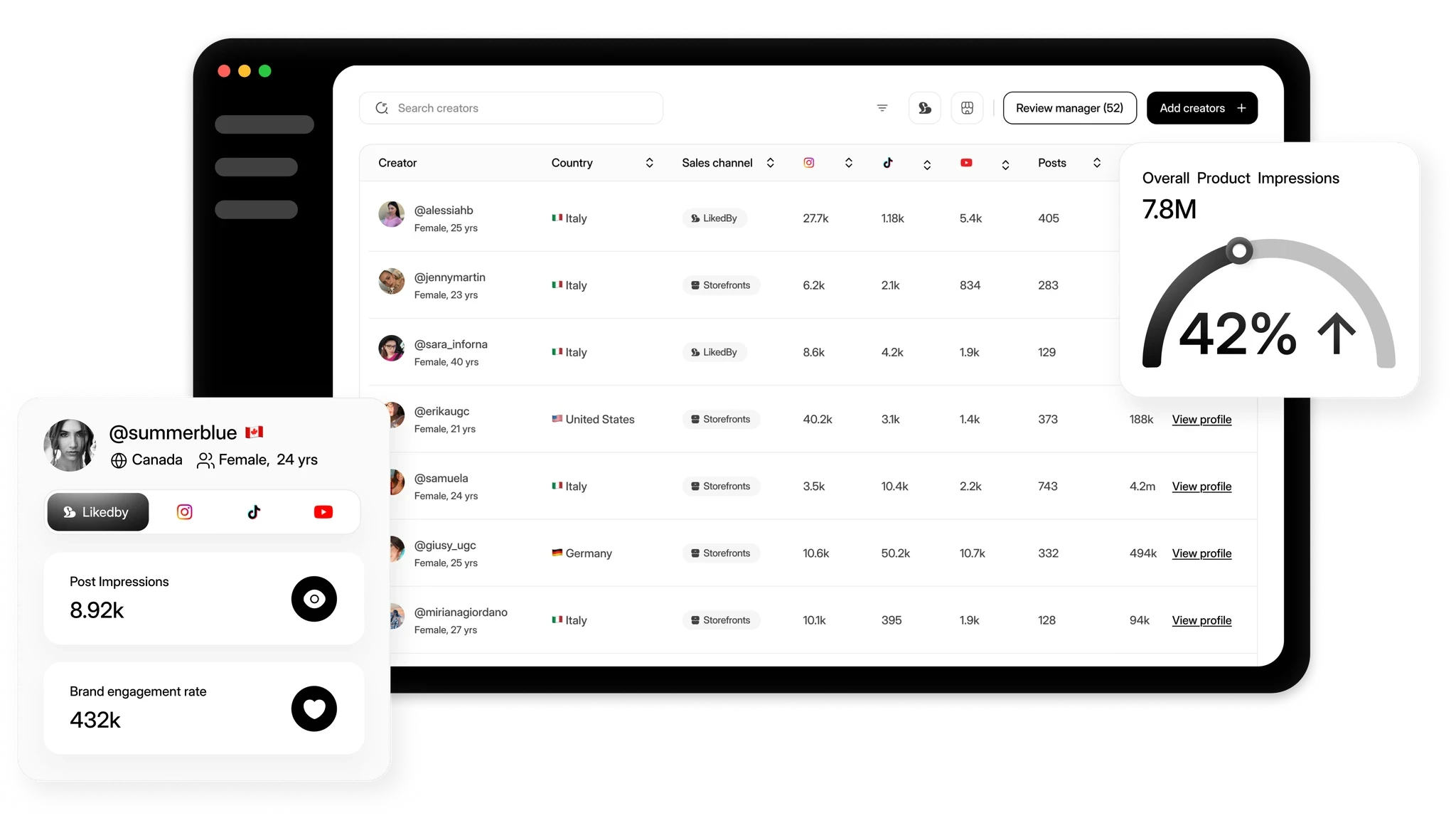
Socialscale's Creator Drive is a purpose-built content storage and distribution system designed specifically for agencies running creator programs at scale. Unlike generic file storage, Creator Drive understands the relationship between a creator, their content, the campaign it belongs to, and the ad account it needs to reach.
Every asset uploaded to Creator Drive is automatically enriched with creator metadata — who made it, when it was delivered, which campaign it's tied to, what usage rights apply, and whether it's been approved for paid amplification. This means your media buying team can search, filter, and deploy content without ever leaving the platform.
Creator Drive integrates directly with Socialscale's creator CRM, so when a new creator delivers content through a collaboration, that asset flows into the Drive tagged and organized without manual intervention. Your team can then review, approve, and link that video to the appropriate client ad account — all from one interface.
For agencies tracking ROI across multiple clients, Creator Drive connects to creator analytics so you can see which assets are performing in paid channels and which creators are consistently delivering high-converting content. This closes the loop between content creation and performance marketing in a way that no combination of spreadsheets and shared folders can replicate.
Creator Drive Feature Breakdown for Ad Agencies
Multi-Client Content Organization
Creator Drive supports workspace-level separation so agencies can maintain distinct content libraries for each client. Within each workspace, content is organized by campaign, creator, content type, and delivery date. Team members only see the clients they're assigned to, maintaining clean access controls across your agency.
Automated Creator Metadata Tagging
When a creator submits content through a Socialscale collaboration, the asset is automatically tagged with the creator's name, handle, platform, campaign ID, and submission date. This eliminates the manual tagging step that causes most organizational breakdowns in agency workflows. Your team can search by any combination of these fields instantly.
Usage Rights Management and Expiration Alerts
Each asset in Creator Drive carries a usage rights profile that specifies the licensing window, permitted platforms, and whether the content is approved for paid amplification. When a rights window is approaching expiration, the system alerts the assigned account manager so they can pause the corresponding ads or renegotiate with the creator before compliance issues arise.
Direct Ad Account Linking
The core capability that sets Creator Drive apart for agencies is the ability to link influencer videos directly to ad accounts. Instead of downloading a video, reformatting it, and manually uploading it to TikTok Ads Manager or Meta Ads, your media buyer can push approved content directly from Creator Drive to the connected ad account. This cuts the creative deployment cycle from days to minutes.
Version Control and Approval Workflows
Creator Drive maintains a full version history for every asset. When a creator submits a revised cut, the new version is linked to the original submission so reviewers can compare side-by-side. Approval workflows route content through the right stakeholders — creative director, client lead, compliance — before it's marked as ready for deployment.
Content Performance Overlay
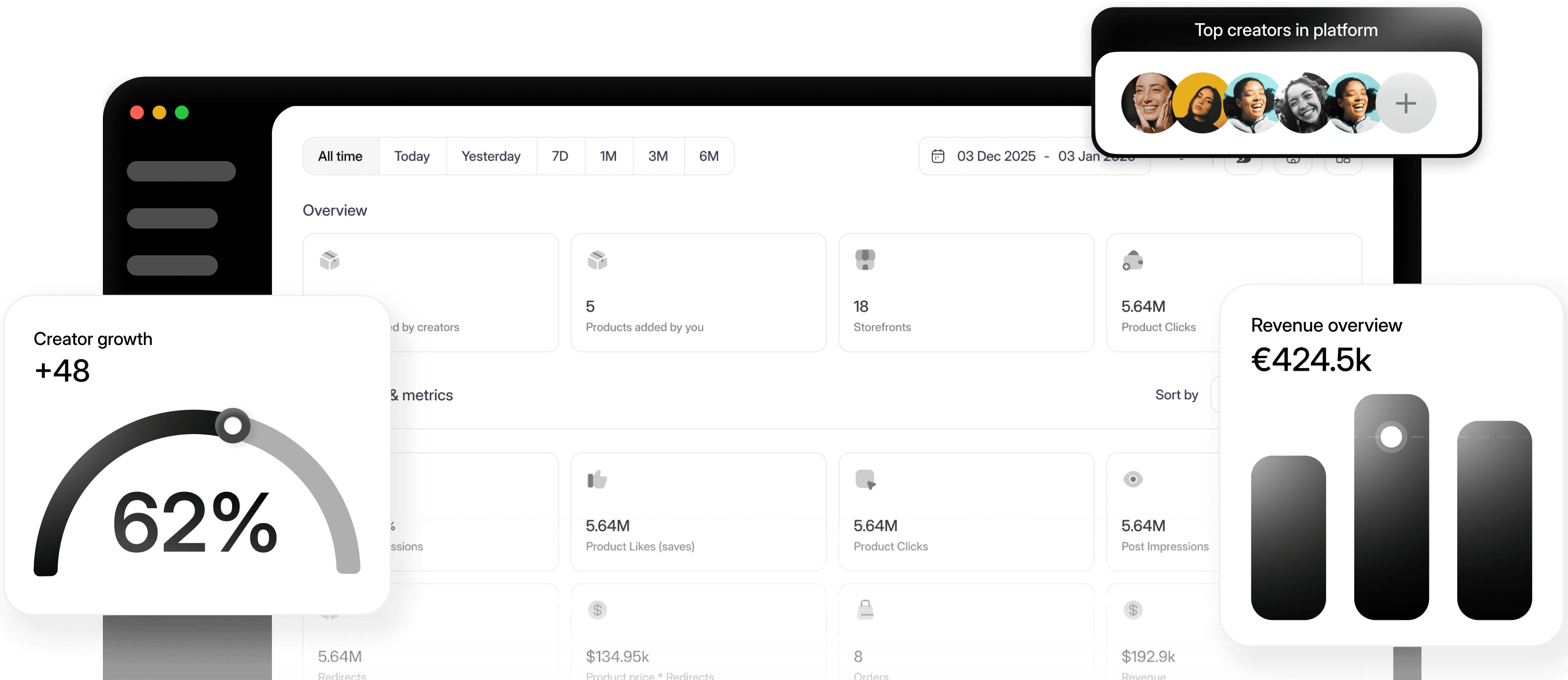
Once an asset is deployed in a paid campaign, Creator Drive pulls performance signals back into the asset record. Media buyers can see impressions, CTR, and conversion data alongside the video itself. Over time, this creates a performance-indexed content library where your team can identify top-performing creative patterns across clients and creators.
Bulk Export and Sharing
For client reporting or external stakeholder reviews, Creator Drive supports bulk export with customizable sharing links. You can generate a branded review page for a client showing all approved content for an upcoming campaign, complete with creator details and usage rights status — no more zipping folders and emailing them.
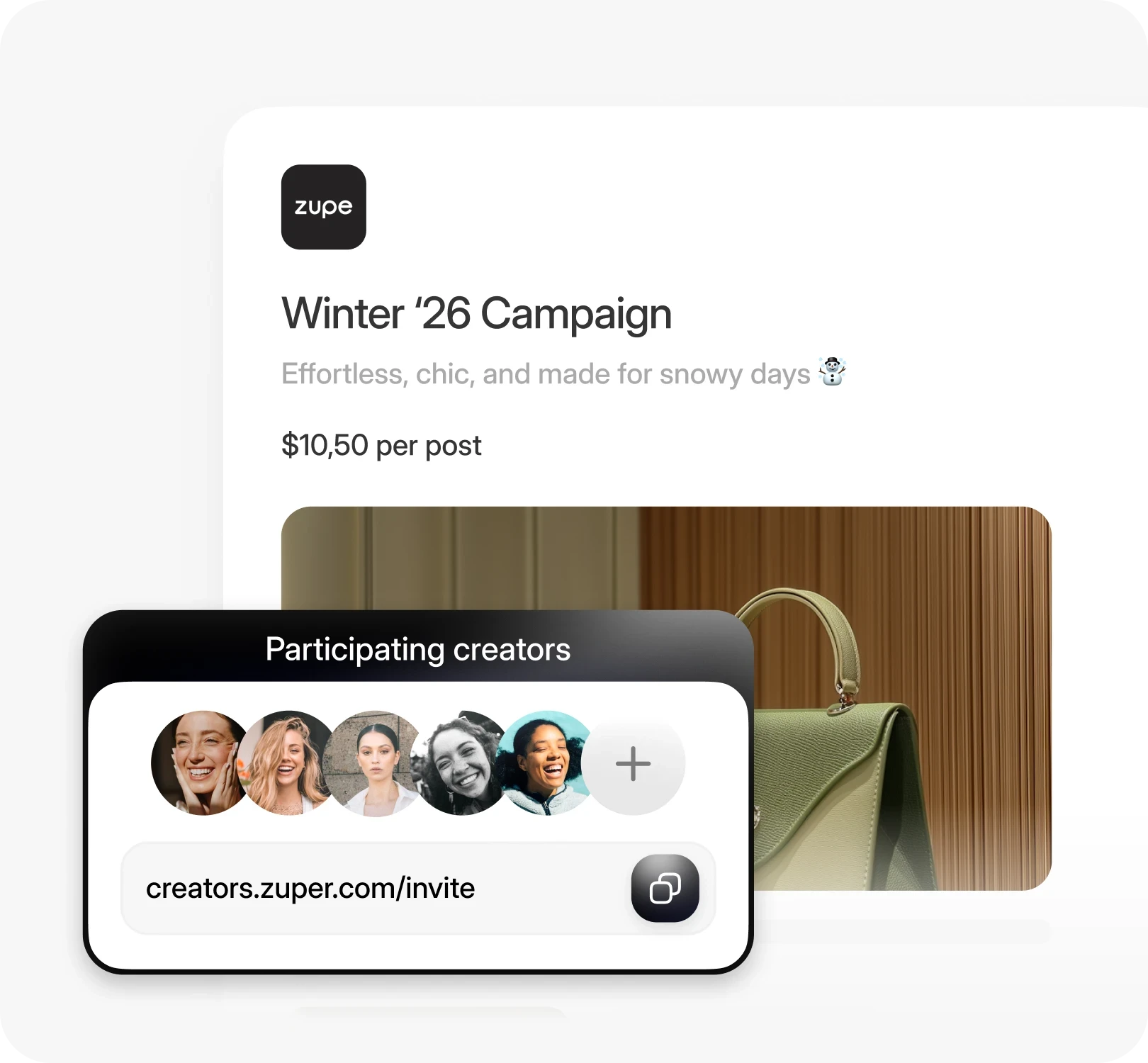
Real-World Use Cases for Ad Agencies
Scaling TikTok Spark Ads Across Multiple DTC Clients
A performance agency managing eight DTC brands runs TikTok Spark Ads as a core channel for each client. Every week, 15–25 new creator videos come in across all accounts. The agency uses Creator Drive to automatically sort each video by client and campaign, tag it with creator handles and usage rights, and push approved content directly to the corresponding TikTok ad account. Media buyers no longer spend Monday mornings hunting for last week's deliverables — they open Creator Drive, filter by client and approval status, and launch new ad sets within the hour.
Managing a 200-Creator Holiday Campaign for a Retail Brand
During Q4, a full-service agency activates 200 creators for a major retail client's holiday push. Content arrives in waves over six weeks — unboxings, tutorials, testimonials, and lifestyle videos. Creator Drive serves as the single repository where all 200 creators' content is organized by content type and campaign phase. The creative team uses the approval workflow to flag top-performing formats for paid amplification, while the account team generates a weekly content summary for the client using Creator Drive's sharing feature.
Running Always-On Affiliate Creator Programs
An agency specializing in social commerce runs ongoing affiliate creator programs for three beauty brands. Creators continuously produce content featuring products with trackable links. Creator Drive stores every piece of content alongside its creator profile and affiliate performance data. When the agency identifies a creator whose organic content drives high conversion rates, they can immediately pull that creator's best-performing videos and deploy them as paid ads — turning organic UGC into scalable paid creative without any manual file transfers.
Whitelisting Campaigns with Coordinated Creative Approvals
A brand agency runs whitelisting campaigns where ads are served from the creator's own social handle. This requires precise coordination between content approval, creator authorization, and ad account setup. Creator Drive centralizes the content approval step, ensuring that only fully approved, rights-cleared videos are linked to the whitelisting ad set. The account manager can verify usage rights, approval status, and creator authorization all from one asset record before giving the media buyer the green light.
Weekly Agency Workflow with Creator Drive
Here is how a typical ad agency team integrates Creator Drive into their weekly operations for linking influencer videos to ad accounts efficiently.
Creator Content Submission (Monday–Tuesday): Creators submit their videos through Socialscale collaboration briefs. Each submission is automatically ingested into Creator Drive, tagged with creator metadata, campaign details, and client workspace. No manual downloads or folder sorting required.
Creative Review and Feedback (Tuesday–Wednesday): The creative director and account lead review incoming content within Creator Drive. They leave timestamped feedback directly on the video, request revisions where needed, and approve assets that meet the brief. Revised versions are linked to the original submission for clean version tracking.
Usage Rights Verification (Wednesday): The account coordinator confirms that each approved asset has valid usage rights for paid amplification. Creator Drive displays the rights profile on every asset, including licensing window and permitted platforms. Any assets with unclear or expired rights are flagged and held from deployment.
Ad Account Linking and Deployment (Wednesday–Thursday): Media buyers filter Creator Drive by approved status and client workspace. They select the assets earmarked for paid amplification and link them directly to the client's ad account — TikTok, Meta, or YouTube. No downloading, reformatting, or re-uploading. The creative goes live the same day it's approved.
Performance Monitoring (Thursday–Friday): As ads run, performance data flows back into Creator Drive asset records. The media buying team reviews CTR, view-through rates, and early conversion signals to identify which creatives are resonating. Underperforming ads are paused; top performers are scaled.
Weekly Client Reporting (Friday): The account team generates a content summary from Creator Drive showing all new assets delivered that week, approval statuses, deployment status, and early performance indicators. This is shared with the client via a branded review link — no PowerPoint assembly required.
Monthly Content Audit (End of Month): At month-end, the agency reviews the full Creator Drive library for each client. They identify which creators consistently deliver high-performing content, which content formats drive the best ROAS, and which assets are approaching rights expiration. These insights feed directly into next month's creator briefs and media plans.
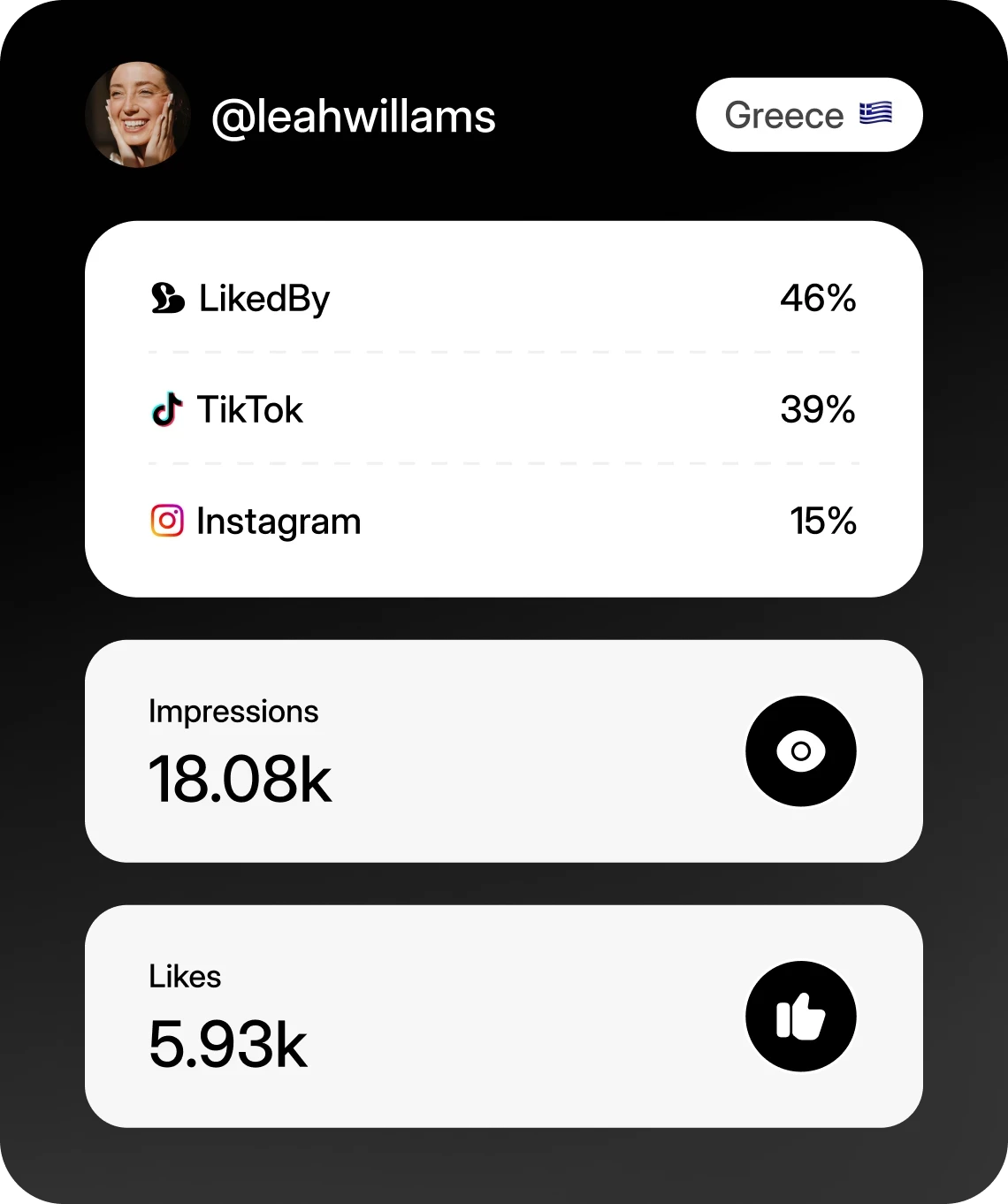
Key Performance Metrics for Ad Agencies Using Creator Drive
Tracking the right KPIs ensures that Creator Drive delivers measurable operational and performance improvements for your agency.
Creative Deployment Speed: Time from creator content submission to live ad — target reduction from 3–5 days to under 24 hours.
Content Approval Cycle Time: Average hours from submission to final approval, tracked per client and per campaign.
Asset Utilization Rate: Percentage of delivered creator content that is actually deployed in paid campaigns versus content that sits unused.
Creator Activation Rate: Percentage of onboarded creators who deliver content on time and within brief specifications.
Click-Through Rate (CTR) by Creator: CTR performance segmented by individual creator to identify top-performing talent for future campaigns.
Conversion Rate (CVR) by Content Type: Conversion rates broken down by video format — unboxing, tutorial, testimonial, lifestyle — to optimize creative briefs.
Return on Ad Spend (ROAS) per Creative: ROAS attributed to individual creator assets to quantify which content drives the most revenue per dollar spent.
Cost Per Acquisition (CPA) by Campaign: CPA tracked at the campaign level with creator content as the variable, enabling agencies to benchmark creator-driven performance against traditional creative.
GMV and Revenue Signals: For social commerce campaigns, gross merchandise value driven by creator content deployed through Creator Drive, tracked per client.
Usage Rights Compliance Rate: Percentage of live ads running with valid, unexpired usage rights — target 100% to eliminate legal exposure.
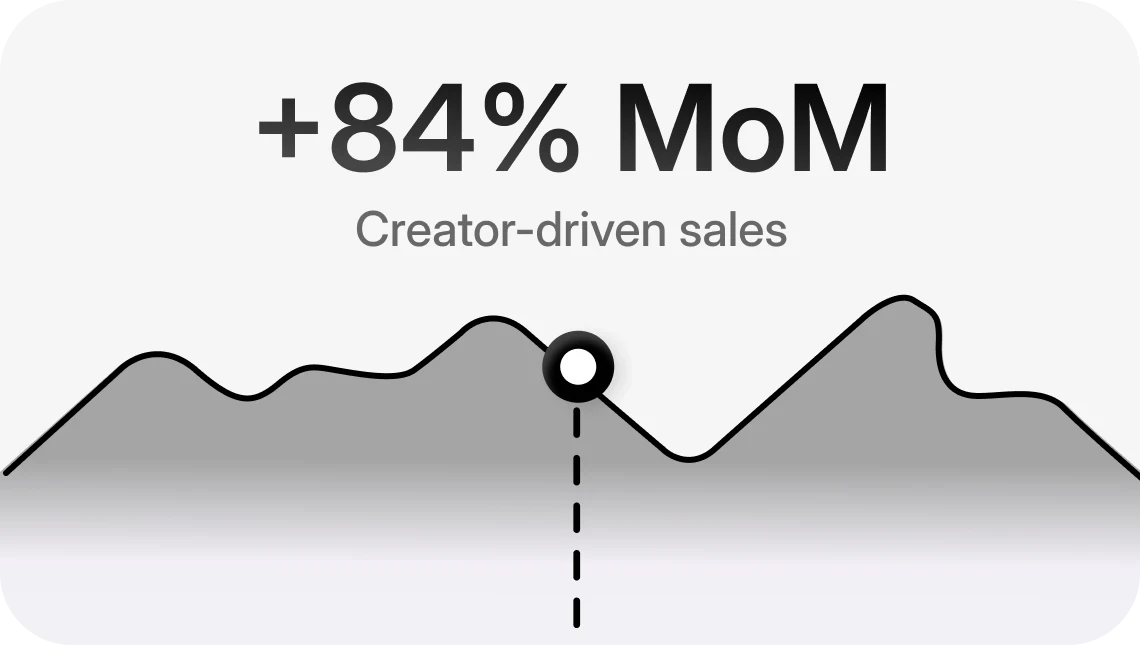
Agency Scenario: Performance Agency Cuts Creative Deployment Time by 80%
A mid-size performance marketing agency managing twelve DTC clients was struggling with a fragmented content pipeline. Creator videos arrived via email, Google Drive links, and WeTransfer downloads. A single coordinator was responsible for downloading each video, renaming it according to internal conventions, uploading it to the correct client folder, and notifying the media buyer that new creative was available.
This process took an average of 4.2 business days from creator delivery to ad launch. During peak campaign periods like Black Friday, the coordinator became a severe bottleneck, and several campaigns launched with stale creative because fresh content was stuck in the pipeline.
After implementing Creator Drive across all twelve client accounts, the agency restructured its workflow entirely. Creators submitted content directly through Socialscale collaboration briefs, and every video was automatically ingested into the correct client workspace with full metadata tagging. The creative team reviewed and approved content within Creator Drive, and media buyers linked approved assets directly to client ad accounts.
Within the first 90 days, the agency measured the following results:
Creative deployment time dropped from 4.2 days to 0.8 days — an 80% reduction.
Asset utilization rate increased from 42% to 71%, meaning more delivered content was actually deployed in paid campaigns.
The content coordinator role was reallocated to creator relationship management, improving creator retention by 25%.
Average ROAS across clients improved by 18%, attributed to faster creative rotation and reduced ad fatigue.
Zero usage rights violations in 90 days, compared to three incidents in the prior quarter.
The agency now uses Creator Drive's performance overlay to brief creators on what's working, creating a feedback loop that continuously improves content quality across all client accounts.
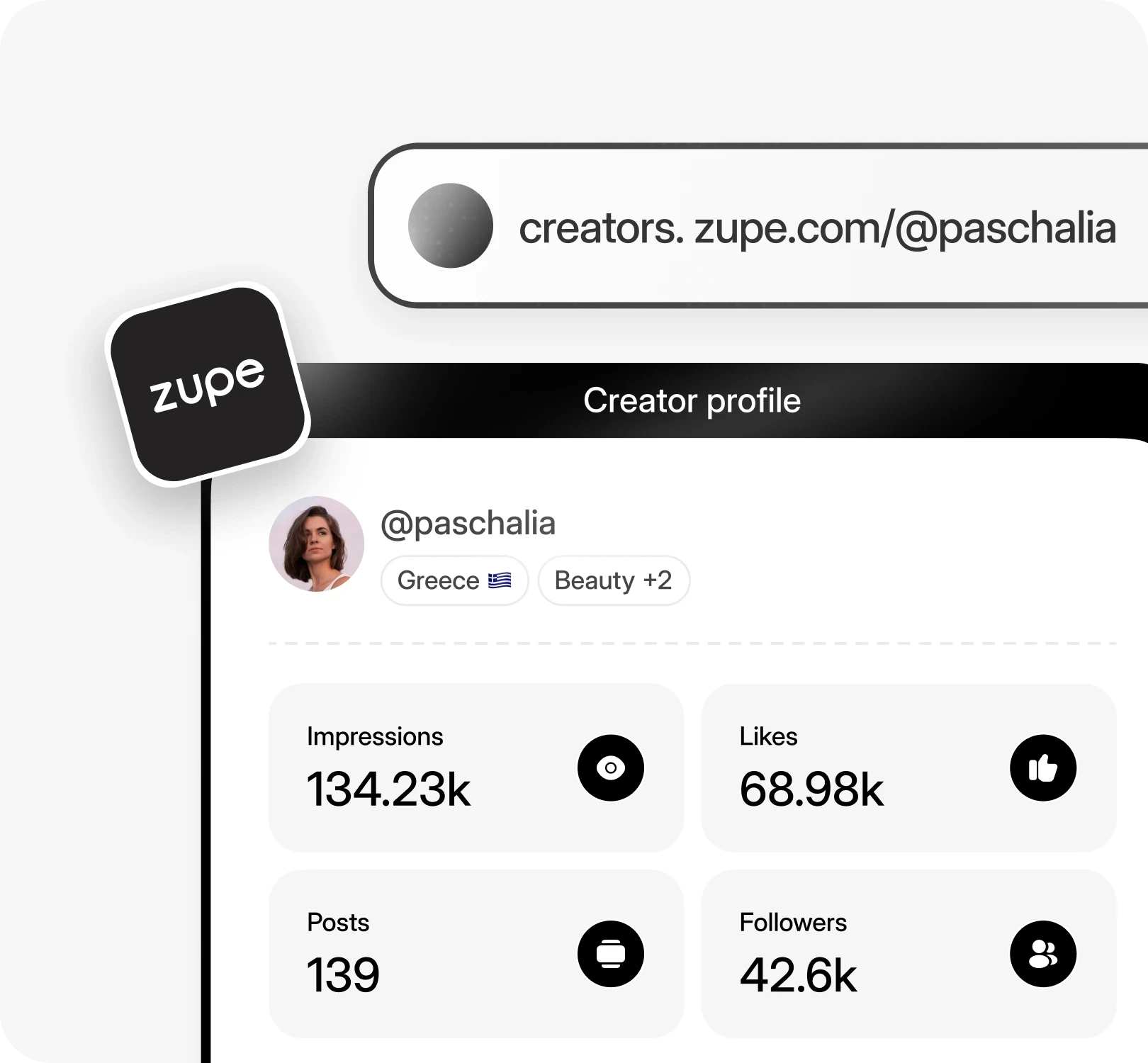
What does it mean to link influencer videos to ad accounts using Creator Drive?
Linking influencer videos to ad accounts means connecting approved creator content directly to your client's advertising platform — such as TikTok Ads Manager or Meta Business Suite — without manually downloading and re-uploading files. Creator Drive enables this by maintaining a direct connection between the content library and the ad account, so media buyers can push approved videos into campaigns with a few clicks. This eliminates the manual transfer step that typically delays creative deployment by several days.
Can Creator Drive handle multiple clients and ad accounts simultaneously?
Yes. Creator Drive is built for agency workflows where teams manage content across many clients. Each client gets a separate workspace with its own content library, creator roster, and connected ad accounts. Team members are assigned to specific workspaces based on their client responsibilities, ensuring clean separation and appropriate access controls across your entire agency portfolio.
How does Creator Drive manage content usage rights for ad agencies?
Every asset in Creator Drive carries a usage rights profile that specifies the licensing duration, permitted platforms, and whether the content is cleared for paid amplification. The system tracks expiration dates and sends alerts to account managers before a rights window closes. This prevents the common agency problem of running ads with expired creator licenses, which can result in legal disputes and client trust erosion.
Does Creator Drive replace our existing DAM or cloud storage?
For creator and influencer content, yes. Creator Drive is specifically designed for UGC management and creator content storage workflows that general-purpose tools like Google Drive or enterprise DAM platforms handle poorly. You may still use other storage tools for non-creator assets like brand guidelines or internal documents, but Creator Drive should be the single source of truth for all creator-generated content across your agency.
How does Creator Drive connect to creator performance tracking?
Creator Drive integrates with Socialscale's analytics layer to pull performance data back into individual asset records. Once a creator video is deployed as a paid ad, metrics like impressions, CTR, CVR, and ROAS are associated with that specific asset. Over time, this creates a performance-indexed content library where your team can identify which creators and content formats consistently drive the best results — informing future creator selection and briefing decisions.