FMCG Creator Drive Software – Organize, Approve, and Deploy Creator Content at Scale
FMCG brands run dozens of creator campaigns simultaneously across product launches, seasonal promotions, and always-on ambassador programs. Each campaign generates hundreds of photos, videos, reels, and stories from creators scattered across markets and retail channels. Without a centralized system to collect, organize, and approve this content, teams waste hours hunting through email threads, shared folders, and messaging apps for the right asset.
Creator Drive by Socialscale gives FMCG marketing teams a purpose-built content hub designed for the realities of social commerce. Every piece of creator content is automatically tagged, stored with full usage rights metadata, and linked back to the creator profile and campaign it belongs to. From unboxing videos for a new snack launch to tutorial content for a personal care line, your team can find, approve, and repurpose assets in seconds rather than days.
Whether you manage creator programs in-house or coordinate across agency partners, Creator Drive eliminates the content chaos that slows down FMCG go-to-market timelines and lets your team focus on what matters: getting high-performing creator content in front of shoppers faster.
Content Management Challenges Facing FMCG Brand Teams
FMCG brands operate at a pace and scale that most content management workflows were never designed to handle. Here are the core challenges that slow teams down and erode campaign ROI.
1. Massive Content Volume Across SKUs and Markets
A mid-size FMCG brand may run 15–30 creator campaigns per quarter across multiple product lines. Each campaign can generate 50–200 individual assets. Without structured storage, teams lose track of what exists, what has been approved, and what rights are still valid.
2. Fragmented Storage Across Tools and Teams
Creator content lives in Google Drive folders, Dropbox links, WhatsApp groups, email attachments, and agency portals. No single team member has visibility into the full content library, leading to duplicate requests and wasted creator fees.
3. Slow Approval Cycles Delay Product Launches
FMCG product launches are time-sensitive. When content approvals require back-and-forth across email chains involving brand managers, legal, and agency leads, assets miss their go-live windows. A two-day delay on a seasonal campaign can cost thousands in lost impressions.
4. Usage Rights Confusion and Compliance Risk
Brands frequently repurpose creator content for paid ads, retail media, and e-commerce product pages. Without clear metadata on usage rights, duration, and exclusivity terms, legal exposure grows with every reuse.
5. Inability to Connect Content to Performance Data
Even when content is organized, FMCG teams rarely know which specific asset drove conversions. Content storage and performance tracking live in separate systems, making it impossible to identify top-performing formats or creators.
6. Agency-Brand Handoff Friction
Many FMCG brands work with multiple agencies across regions. Each agency delivers content in different formats, naming conventions, and timelines, creating a patchwork that the brand team must manually reconcile.
7. No Searchable Archive for Repurposing
Last quarter's top-performing recipe video could be repurposed for a new retail partner's social channel, but nobody can find it. Without tagging by product, campaign, creator, content type, and platform, historical assets are effectively lost.
Why Generic Cloud Storage and DAM Tools Fall Short for FMCG Creator Programs
Google Drive and Dropbox Lack Creator Context
General-purpose file storage tools treat every file the same. They have no concept of a creator profile, campaign brief, usage rights expiry, or content approval status. FMCG teams end up building elaborate folder structures and spreadsheets to compensate, which break down the moment a new team member joins or an agency changes.
Traditional DAM Systems Are Built for Brand Assets, Not Creator Content
Enterprise digital asset management platforms like Bynder or Brandfolder are designed for brand-produced photography and design files. They lack workflows for ingesting creator-submitted content, linking assets to influencer profiles, tracking UGC rights, or connecting content to shoppable commerce experiences.
Project Management Tools Add Overhead Without Solving Storage
Tools like Asana or Monday.com can track approval tasks, but they are not content repositories. Teams end up maintaining parallel systems: one for task tracking and another for actual file storage, doubling the administrative burden without improving content discoverability.
Influencer Platforms Treat Content as an Afterthought
Most influencer marketing software focuses on creator discovery and outreach. Content management is typically limited to a basic gallery view with no tagging, no version control, no rights management, and no integration with e-commerce channels where FMCG brands actually deploy the content.
How Socialscale Creator Drive Solves Content Chaos for FMCG Brands
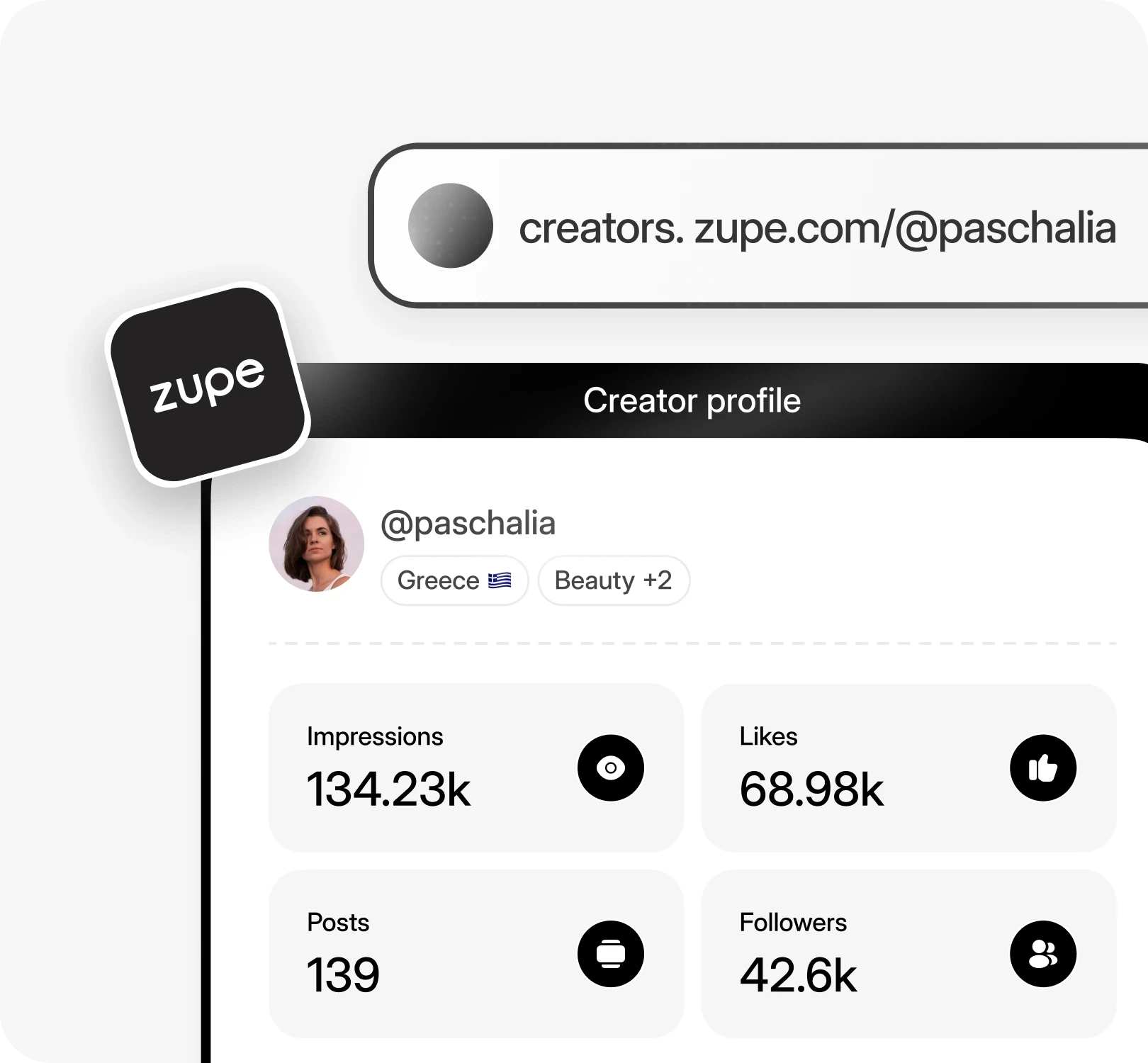
Socialscale's Creator Drive is a centralized content hub built specifically for brands running creator programs at scale. Unlike generic storage tools, every asset in Creator Drive is automatically linked to the creator who produced it, the campaign it belongs to, and the product SKU it features. This means your FMCG team can search, filter, and surface the exact content they need in seconds.
Content flows into Creator Drive directly from creator submissions within the creator marketing platform. When a creator uploads a product review video or a recipe reel, it lands in the drive pre-tagged with campaign metadata, creator details, content format, and platform destination. Brand managers can review, request revisions, and approve content without leaving the platform, eliminating the email chains and shared folder confusion that plague most FMCG teams.
Once approved, assets are ready for deployment. FMCG teams can push content to shoppable widgets on product pages, share approved assets with retail media partners, or feed top-performing UGC into paid social campaigns. Every asset carries its usage rights metadata, so your team always knows what can be repurposed, where, and for how long. Combined with creator analytics, you can identify which content formats and creators consistently drive the highest engagement and conversion rates across your product portfolio.
Creator Drive Feature Breakdown for FMCG Teams
Auto-Tagging by Campaign, Product, and Creator
Every asset uploaded to Creator Drive is automatically tagged with the associated campaign name, product SKU, creator handle, content format (video, image, story, reel), and target platform. FMCG brand managers can filter the entire content library by any combination of these tags. Need all approved recipe videos featuring your new protein bar from Q1? One search returns exactly what you need.
Built-In Approval Workflows with Role-Based Access
Creator Drive includes multi-step approval workflows designed for FMCG organizational structures. A typical flow routes content from creator submission to agency review, then to brand manager approval, and finally to legal sign-off for paid media usage. Each reviewer sees only the assets assigned to them, with clear approve, request revision, or reject actions. Approval status is visible across the team in real time.
Usage Rights Tracking and Expiry Alerts
For every asset, Creator Drive stores the agreed usage rights: organic only, paid media eligible, exclusivity period, geographic restrictions, and expiry date. When rights are approaching expiration, the system alerts the brand team so they can either renew the agreement or pull the content from active placements. This is critical for FMCG brands that repurpose creator content across retail media networks and e-commerce storefronts.
Version Control and Revision History
When a creator submits a revised version of a product demo video after brand feedback, Creator Drive maintains the full revision history. Brand managers can compare versions side by side, ensuring the final approved asset meets brief requirements without confusion about which file is current.
Content Performance Linking
Creator Drive connects each asset to its downstream performance data. When a creator's unboxing video is embedded on a product page via shoppable widgets or shared on social, the engagement metrics, click-through rates, and conversion data flow back to the asset record. Over time, this builds a performance-indexed content library that helps FMCG teams identify winning content patterns by product category, creator tier, and content format.
Bulk Export and Sharing for Retail and Agency Partners
FMCG brands frequently need to share approved creator content with retail partners, distributor marketing teams, or media buying agencies. Creator Drive supports bulk export with customizable sharing permissions, so external partners can access only the assets they need without gaining visibility into the full content library or creator relationships.
Content Collections and Campaign Folders
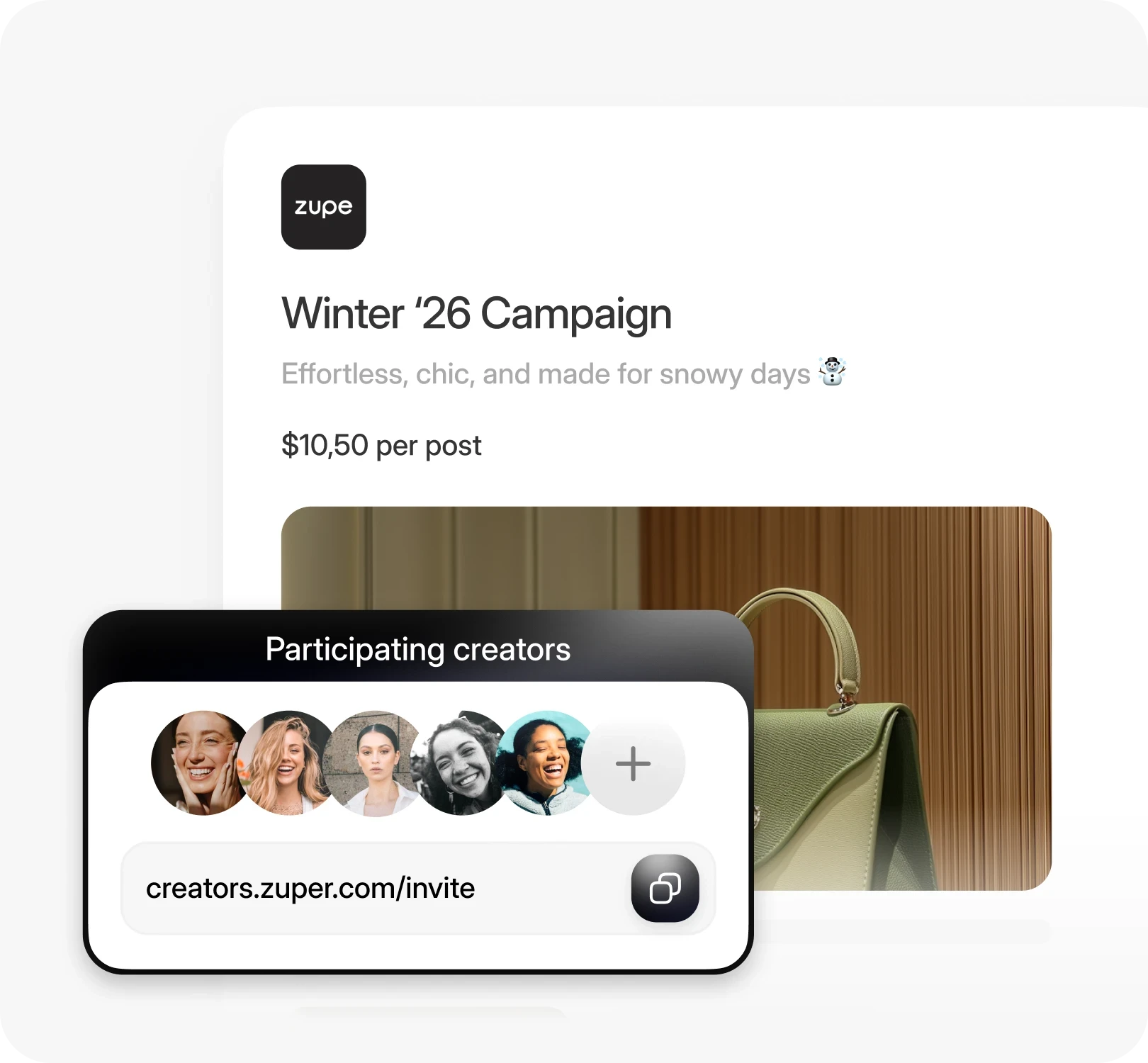
Teams can organize assets into curated collections, such as grouping the best-performing summer campaign content for a seasonal recap or assembling a product launch content kit for a new SKU rollout. Collections can be shared internally or externally with a single link, streamlining the handoff process that typically involves multiple emails and file transfers.
FMCG Creator Drive Use Cases
1. Seasonal Product Launch Content Kit Assembly
An FMCG beverage brand launches a limited-edition summer flavor and activates 40 creators across Instagram and TikTok. Each creator produces two to three assets: a taste-test video, a lifestyle photo, and a story series. All 120+ assets flow into Creator Drive, auto-tagged by creator, product variant, and platform. The brand team reviews and approves content within 48 hours using the built-in workflow. Approved assets are bundled into a content kit shared with the retail media team at a major grocery chain, who uses the UGC in their in-store digital displays and online product pages. The entire process, from creator submission to retail deployment, takes five days instead of the usual three weeks.
2. Always-On Ambassador Program Content Library
A personal care brand runs a year-round ambassador program with 200 micro-creators who each post monthly product content. Over 12 months, this generates 2,400+ assets. Creator Drive serves as the living content library, searchable by product line, skin type focus, content format, and performance tier. The social media team pulls top-performing assets weekly for organic reposting, while the performance marketing team identifies high-CTR videos for paid amplification. Without a structured drive, this volume of content would be unmanageable.
3. Multi-Market Campaign Coordination
A global snack brand runs a back-to-school campaign across five markets, each with its own agency and local creator roster. Each agency uploads creator content to the brand's Creator Drive instance, tagged by market, language, and local product variant. The global brand team has a unified view of all content across markets, can compare creative approaches, and can identify standout assets to adapt for other regions. This eliminates the fragmented reporting and duplicated effort that typically accompanies multi-market creator campaigns.
4. E-Commerce Product Page UGC Refresh
A household cleaning brand wants to refresh the UGC on its top 20 product pages on its DTC site every quarter. The e-commerce team searches Creator Drive for the highest-performing creator videos and images from the past 90 days, filtered by product SKU and minimum engagement threshold. Selected assets are pushed to shoppable content widgets embedded on product pages, replacing older content. The entire refresh takes a single afternoon because the content is already organized, approved, and rights-cleared in the drive.
Weekly and Monthly Creator Drive Workflow for FMCG Teams
Running an efficient creator content operation requires consistent rhythms. Here is a practical workflow that FMCG brand teams can follow using Creator Drive.
Campaign Brief Distribution and Creator Assignment
At the start of each campaign cycle, the brand team publishes the creative brief within Socialscale and assigns creators from the creator CRM. The brief includes product details, key messaging, content format requirements, and submission deadlines. Each assignment is linked to a campaign folder in Creator Drive where submitted content will land.
Creator Content Submission
Creators upload their content directly through the platform. Each submission is auto-tagged with the creator profile, campaign, product SKU, and content type. Creators can add notes about the content and flag any questions about the brief. The brand team receives a notification for each new submission.
First-Pass Review by Agency or Brand Coordinator
Within 24–48 hours of submission, the agency lead or brand coordinator reviews each asset against the brief checklist: correct product shown, brand guidelines followed, required disclosures included, and technical quality met. Assets are marked as approved, sent back for revision with specific feedback, or flagged for escalation.
Brand Manager Final Approval
Approved assets move to the brand manager queue for final sign-off. The brand manager reviews for tone, messaging alignment, and strategic fit. Once approved, the asset status updates to "cleared for deployment" and becomes available for downstream use across organic, paid, and e-commerce channels.
Legal and Rights Verification
For assets earmarked for paid media or retail partner use, the legal team verifies that usage rights cover the intended channels and duration. Creator Drive displays the rights metadata alongside each asset, so legal review is fast and informed rather than requiring separate contract lookups.
Content Deployment and Distribution
Approved and rights-cleared content is deployed to its target channels. This may include embedding on product pages via creator widgets, sharing with retail media partners via bulk export, or handing off to the paid media team for ad creative. Each deployment is logged in the asset record.
Weekly Performance Review
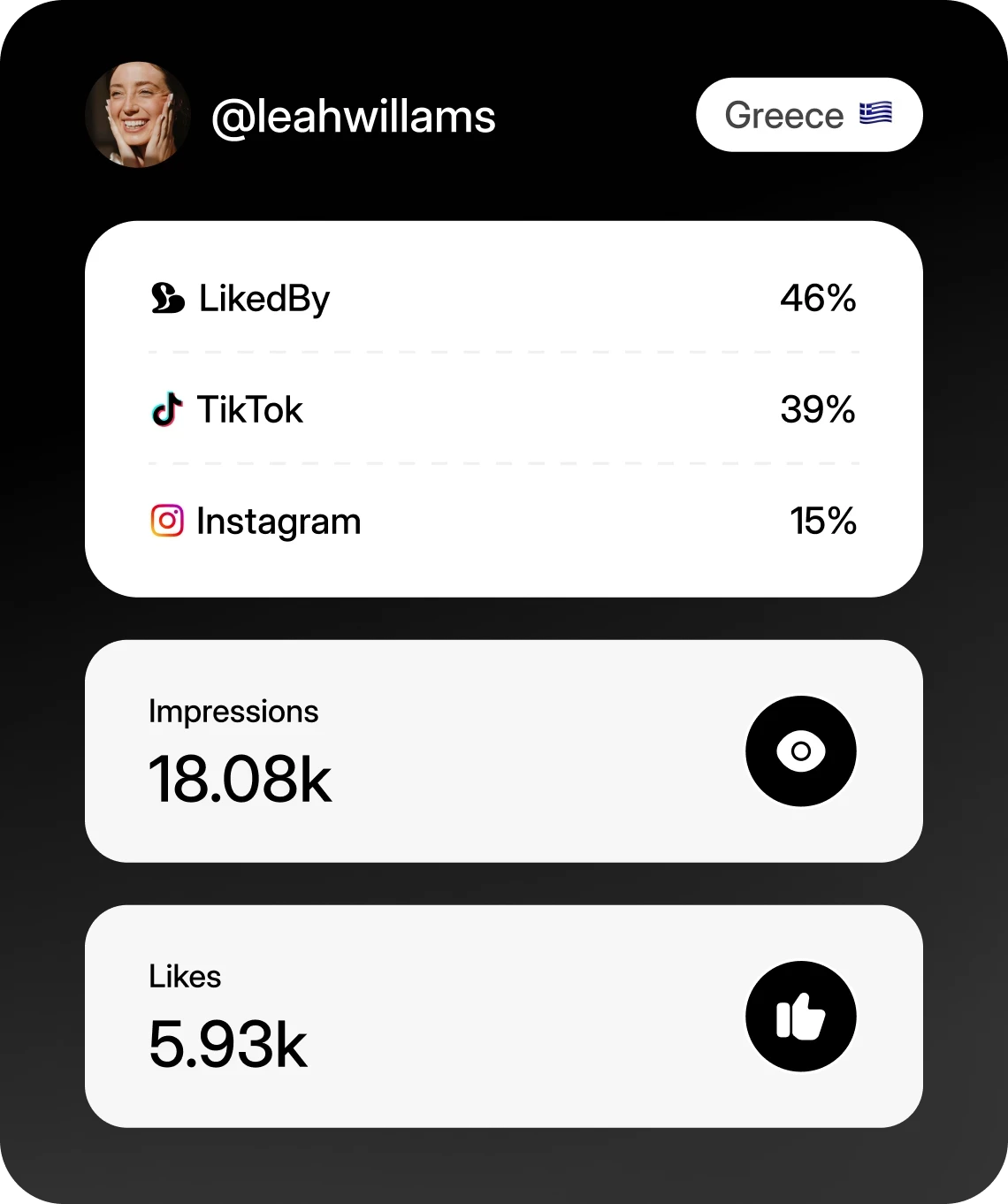
Every week, the brand team reviews content performance data linked to assets in Creator Drive. They identify top-performing content by engagement rate, click-through rate, and conversion metrics. High performers are flagged for extended use or repurposing. Underperformers are analyzed for learnings that inform the next campaign brief.
Monthly Content Audit and Library Maintenance
At the end of each month, the team runs a content audit: checking for expiring usage rights, archiving completed campaign folders, updating content collections with fresh top performers, and generating a content output report for leadership. This ensures the drive remains clean, current, and actionable.
Key Performance Indicators for FMCG Creator Drive Operations
Tracking the right metrics ensures your creator content operation delivers measurable business impact. Here are the KPIs that FMCG teams should monitor when using Creator Drive.
Content Submission Rate: Percentage of assigned creators who submit content on time per campaign cycle.
Average Approval Time: Hours or days from content submission to final approval. Target: under 48 hours for organic content, under 72 hours for paid media assets.
Content Output per Campaign: Total number of approved assets generated per campaign, segmented by format (video, image, story).
Content Utilization Rate: Percentage of approved assets that are actually deployed across channels versus sitting unused in the library.
Click-Through Rate (CTR): CTR on shoppable creator content embedded on product pages or shared via social channels.
Conversion Rate (CVR): Percentage of clicks on creator content that result in add-to-cart or purchase actions.
GMV Attributed to Creator Content: Gross merchandise value driven by pages or campaigns featuring creator-produced assets from the drive.
ROAS on Repurposed Creator Content: Return on ad spend when creator UGC is used as paid ad creative versus brand-produced creative.
Cost per Asset (CPA): Total creator program cost divided by number of approved, usable assets. Helps benchmark content production efficiency.
Rights Compliance Rate: Percentage of deployed assets with valid, unexpired usage rights at time of audit.
Creator Activation Rate: Percentage of onboarded creators who have submitted at least one piece of content in the current quarter.
Scenario: How an FMCG Snack Brand Streamlined Creator Content Operations
A mid-size FMCG snack brand with 12 product SKUs was running quarterly creator campaigns with 60–80 micro and mid-tier creators per cycle. Before implementing a structured creator drive, their content workflow looked like this: creators submitted content via email and WhatsApp, the agency compiled assets in Google Drive folders named inconsistently across campaigns, and the brand team spent an average of 6 hours per week searching for specific assets or verifying usage rights.
After adopting Creator Drive as part of their creator marketing platform, the brand restructured their workflow. Creators submitted directly through the platform, and every asset was auto-tagged by campaign, product SKU, creator, and format. The approval workflow was configured with three stages: agency review, brand manager approval, and legal clearance for paid media assets.
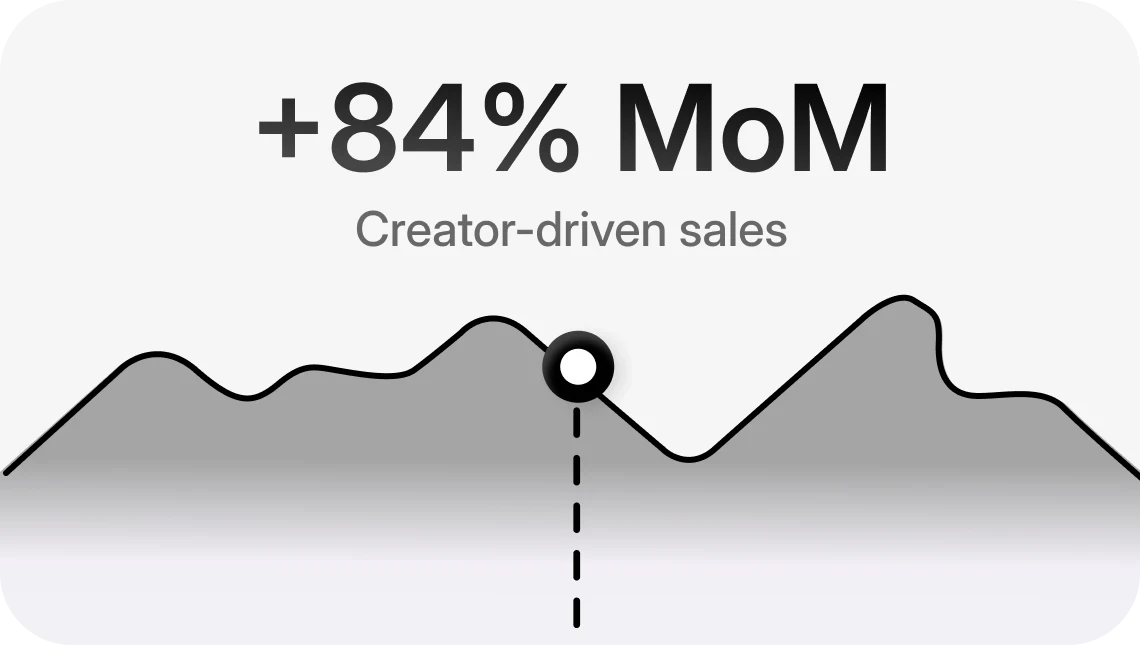
Within the first quarter, the results were measurable. Average content approval time dropped from 5.2 days to 1.8 days. Content utilization rate increased from 35% to 72%, meaning far fewer approved assets went unused. The e-commerce team began refreshing product page UGC monthly instead of quarterly, contributing to a 18% increase in on-page conversion rate for pages featuring fresh creator content. The performance marketing team identified that creator recipe videos outperformed brand-produced ads by 2.4x on ROAS when used as paid social creative, a finding only possible because content performance data was linked directly to assets in the drive. Over six months, the brand estimated they saved approximately 320 hours of team time previously spent on content search, rights verification, and manual file organization.
Frequently Asked Questions
How is Creator Drive different from a regular cloud storage solution like Google Drive or Dropbox?
Creator Drive is purpose-built for creator content workflows. Every asset is automatically linked to the creator who produced it, the campaign it belongs to, and the product it features. It includes built-in approval workflows, usage rights tracking with expiry alerts, and performance data linking. Generic cloud storage requires manual folder organization, has no concept of creator profiles or campaign metadata, and cannot connect content to commerce performance metrics.
Can multiple agencies and brand teams access the same Creator Drive instance?
Yes. Creator Drive supports role-based access controls, so you can grant agencies access to only the campaigns and content they manage while maintaining a unified view for the brand team. This is particularly useful for FMCG brands working with different agencies across product lines or geographic markets.
How does Creator Drive handle content usage rights for paid media and retail partners?
Each asset in Creator Drive carries metadata on agreed usage rights, including channel permissions (organic, paid, retail media), geographic restrictions, exclusivity terms, and expiry dates. The system sends alerts when rights are approaching expiration, giving your team time to renew agreements or remove content from active placements before compliance issues arise.
Can we connect Creator Drive content to our Shopify store or e-commerce product pages?
Yes. Approved content from Creator Drive can be deployed to product pages through shoppable UGC widgets. This allows FMCG brands with DTC storefronts to feature authentic creator content directly on product listings, which typically improves engagement and conversion rates compared to brand-produced imagery alone.
What happens to content when a campaign ends or a creator relationship concludes?
Completed campaign content remains in Creator Drive and can be archived into campaign folders for future reference or repurposing. If a creator relationship ends, their content remains accessible based on the usage rights agreed upon. The system flags any assets from departed creators that are still in active deployment, so your team can make informed decisions about continued use or replacement.