Creator Drive for Electronics Brands: Store Tech Review Videos Centrally
Electronics brands generate enormous volumes of creator content every product cycle. From unboxing videos and benchmark tests to long-form tech reviews and comparison reels, the sheer output of a single product launch can scatter across dozens of creator inboxes, cloud folders, and messaging threads. Without a centralized system for storing tech review videos centrally, marketing teams lose hours hunting for the right asset, miss approval deadlines, and fail to repurpose high-performing content across channels.
Socialscale's Creator Drive solves this by giving electronics brands a single, organized hub for every piece of creator content. Whether your team manages ten creators reviewing a new smartphone lineup or two hundred affiliates covering an entire consumer electronics catalog, Creator Drive ensures that every video, thumbnail, and caption is stored, tagged, searchable, and ready for deployment across your social commerce ecosystem.
This page breaks down exactly how Creator Drive fits into the operational reality of electronics brand marketing—from weekly content intake workflows to quarterly campaign audits—so your team can stop managing chaos and start scaling creator programs with precision.
Massive Content Volume Per Product Launch
A single flagship smartphone or laptop launch can generate hundreds of tech review videos, hands-on demos, and comparison clips from creators. Without centralized storage, these assets end up fragmented across Google Drive links, WeTransfer downloads, and DM threads, making retrieval nearly impossible at scale.
Rapid Product Cycles Demand Fast Asset Turnaround
Electronics brands operate on compressed timelines. A new chipset announcement, a firmware update, or a competitive product drop can shift messaging overnight. Teams need instant access to existing creator content to repurpose, re-edit, or redistribute—delays cost market relevance.
Complex SKU and Product Line Mapping
Unlike fashion or beauty, electronics brands manage content across deeply technical product hierarchies: model numbers, colorways, storage variants, regional availability. Associating creator videos with the correct SKU for shoppable content deployment is a persistent operational headache.
Compliance and Usage Rights Tracking
Tech review videos often contain proprietary product information shared under NDA or embargo. Brands must track which assets are cleared for public use, which require creator approval for repurposing, and which have expired usage licenses—all while managing dozens of simultaneous creator relationships.
Cross-Functional Content Needs
Creator content in electronics doesn't just serve social media teams. Product marketing needs demo footage for landing pages. Retail partners request video assets for in-store displays. Paid media teams want raw clips for performance ads. Each stakeholder searches for content differently, and without a shared system, duplication and version confusion multiply.
Difficulty Measuring Content Utilization
Most electronics brands have no visibility into which creator assets are actually being used, which sit untouched, and which drive downstream revenue. This makes it impossible to optimize creator investment or justify program budgets to leadership.
Global Team Coordination
Electronics brands frequently operate across multiple regions with localized creator programs. A tech review filmed for the US market may be relevant in Europe or Southeast Asia, but without centralized, tagged storage, regional teams never discover these assets.
Generic Cloud Storage Lacks Creator Context
Google Drive, Dropbox, and OneDrive were built for general file management, not creator content operations. They offer no native way to tag assets by creator name, campaign, product SKU, content type, or usage rights. Electronics teams end up building fragile folder hierarchies that break the moment a new product line launches or a creator submits content outside the expected naming convention.
Project Management Tools Don't Handle Video at Scale
Platforms like Asana or Monday.com can track tasks, but they weren't designed to preview, organize, or distribute large video files. Teams resort to linking out to external storage, which fragments the workflow and creates dead links when files move or permissions change.
Influencer Platforms Treat Content as an Afterthought
Many influencer marketing software tools focus on discovery and outreach but offer minimal content storage capabilities. Once a creator delivers a tech review video, the platform's job is considered done. There's no structured way to catalog that asset, connect it to product data, or make it available for downstream use in shoppable content or paid amplification.
Spreadsheet-Based Tracking Breaks Under Pressure
Electronics brand teams commonly maintain spreadsheets that log creator deliverables with links to scattered storage locations. This approach collapses during high-volume periods like CES, Black Friday, or major product launches when dozens of creators submit content simultaneously and multiple stakeholders need access within hours.
No Connection Between Storage and Commerce
Traditional tools create a gap between where content lives and where it performs. A tech review video sitting in a folder has no direct path to becoming a shoppable widget on a product page, a social ad, or an affiliate-tracked asset. This disconnect slows time-to-revenue and wastes high-quality creator output.
How Socialscale's Creator Drive Solves Content Storage for Electronics Brands
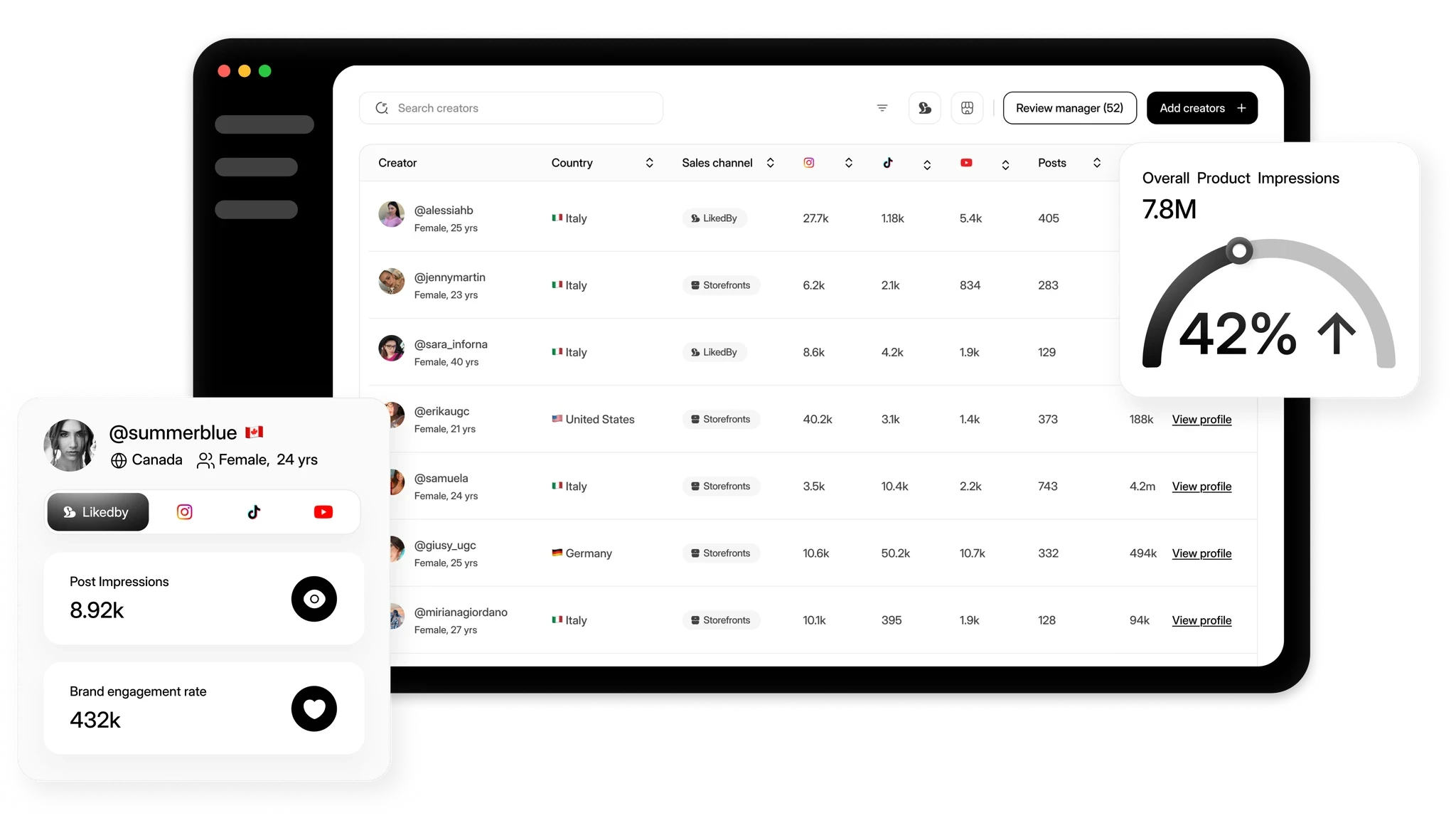
Socialscale's Creator Drive is purpose-built for the operational demands of creator content management. It's not a generic file locker—it's a structured content library designed to sit at the center of your creator program, connecting upstream collaboration workflows to downstream commerce activation.
For electronics brands, this means every tech review video, product demo, unboxing clip, and comparison reel is automatically organized by creator, campaign, product SKU, and content type the moment it's delivered. Teams can search, filter, preview, and approve assets without leaving the platform, eliminating the scattered toolchain that slows most programs down.
Creator Drive integrates directly with Socialscale's creator collaborations module, so content delivered through a campaign brief is automatically routed to the correct project folder with full metadata intact. Usage rights, embargo dates, and approval status are tracked at the asset level, giving legal and brand teams the visibility they need without creating bottlenecks.
Because Creator Drive lives within the broader creator marketing platform, stored content can be activated immediately—embedded as shoppable widgets on product pages, pushed to paid media workflows, or shared with retail partners through controlled access links. The result is a closed loop from creator delivery to commerce performance, with full traceability at every step.
Creator Drive Feature Breakdown for Electronics Brands
Automated Content Intake and Tagging
When creators submit tech review videos through Socialscale's collaboration workflows, assets are automatically ingested into Creator Drive with pre-populated metadata: creator name, campaign name, product SKU, submission date, and content format. Electronics teams can add custom tags like product category (smartphones, laptops, wearables, audio), review type (unboxing, benchmark, comparison, long-form review), and regional market. This eliminates manual filing and ensures every asset is discoverable from day one.
Advanced Search and Filtering
Creator Drive supports multi-dimensional search across all metadata fields. An e-commerce director looking for all smartphone unboxing videos from Q4 creators with approved usage rights can surface those assets in seconds. Filters include creator tier, campaign status, content type, product line, approval status, and date range—critical for electronics brands managing content across dozens of product launches per year.
In-Platform Video Preview and Review
Teams can preview full-length tech review videos directly within Creator Drive without downloading files or switching to external players. This accelerates the approval process, especially during high-volume launch periods when brand managers need to review and approve dozens of submissions in a single session.
Usage Rights and Embargo Management
Each asset in Creator Drive carries a usage rights profile that tracks license type (organic only, paid amplification, retail distribution), expiration date, and geographic restrictions. For electronics brands operating under strict embargo schedules—common before product announcements at events like CES or MWC—this feature prevents premature content publication and the legal exposure that comes with it.
Version Control and Asset History
Tech review content often goes through revision cycles: a creator may re-edit a video after receiving brand feedback on product messaging accuracy or compliance callouts. Creator Drive maintains version history for every asset, so teams always know which version is current and can reference previous iterations if needed.
Controlled Sharing and Access Permissions
Electronics brands frequently need to share creator content with external stakeholders—retail partners, regional distributors, agency teams, or paid media vendors. Creator Drive supports controlled sharing through permission-based access links, ensuring that sensitive pre-launch content doesn't leak while still enabling cross-functional collaboration.
Direct Activation for Shoppable Content
Assets stored in Creator Drive can be pushed directly to Socialscale's widget engine for embedding on product detail pages, category pages, or dedicated creator storefronts. This means a tech review video can go from creator submission to live shoppable content on your e-commerce site without ever leaving the platform, dramatically reducing time-to-activation.

Use Cases: Creator Drive in Electronics Brand Operations
1. Flagship Smartphone Launch Content Hub
An electronics brand launches a new flagship smartphone and activates 60 creators across three tiers: 10 macro tech reviewers for long-form YouTube reviews, 20 mid-tier creators for Instagram Reels and TikTok hands-on demos, and 30 micro-creators for short-form unboxing content. Each creator submits between two and five assets over a three-week campaign window. Creator Drive serves as the centralized intake point, automatically sorting 200+ video assets by creator tier, content format, and product variant (color, storage size). The product marketing team filters for the highest-rated long-form reviews to feature on the product landing page, while the paid media team pulls short-form clips for performance ad testing—all from the same organized library.
2. Ongoing Affiliate Creator Program for Consumer Audio
A headphones and speakers brand runs a year-round affiliate creator program with 150 active creators producing monthly review and lifestyle content. Creator Drive becomes the always-on content library where every new submission is tagged by product model, creator affiliate ID, and content category. The social commerce team reviews incoming assets weekly, selecting top-performing videos for embedding as shoppable content on product pages. Over time, the Drive builds a searchable archive that reveals which product lines generate the most creator content and which creators consistently deliver assets that convert.
3. Regional Content Syndication for Laptop Line
A global laptop brand runs separate creator programs in North America, Europe, and Southeast Asia. Creators in each region produce localized tech review content covering the same product line but tailored to regional preferences and languages. Creator Drive's tagging system allows the global marketing team to view all content for a specific laptop model across regions, identify high-performing assets that could be repurposed for other markets, and share approved content with regional distributors through controlled access links—without duplicating files or losing track of usage rights.
4. Trade Show and Event Content Capture
During a major electronics trade show, a brand invites 25 creators to its booth for hands-on demos and first-look videos of upcoming products. Content is produced rapidly—often within hours—and needs to be reviewed for embargo compliance before publication. Creator Drive serves as the real-time intake hub where creators upload content directly, brand managers review and flag assets for embargo holds or immediate release, and the social media team pulls approved clips for same-day posting across owned channels. Post-event, the entire content library remains organized and accessible for follow-up campaigns.
Weekly and Monthly Operational Workflow for Electronics Brands Using Creator Drive
Implementing Creator Drive into your team's routine transforms content management from a reactive scramble into a structured, repeatable process. Below is a practical workflow designed for electronics brand marketing teams.
Campaign Brief and Creator Activation (Day 1–3): Define campaign deliverables in Socialscale's collaboration module, specifying content types (unboxing, benchmark, comparison), required product SKUs, and submission deadlines. Creators receive briefs with clear upload instructions that route content directly into Creator Drive.
Content Intake and Auto-Tagging (Ongoing): As creators submit tech review videos, Creator Drive automatically tags each asset with creator profile data, campaign metadata, and product information. No manual filing required. The team receives notifications for new submissions.
Weekly Content Review Session (Every Monday): The brand marketing team opens Creator Drive, filters by the past week's submissions, and previews new assets. Each video is reviewed for brand guideline compliance, product messaging accuracy, and technical quality. Approved assets are marked for activation; assets needing revision are flagged with feedback notes sent back to the creator.
Asset Activation and Distribution (Within 48 Hours of Approval): Approved tech review videos are pushed to shoppable widget placements on product pages, shared with the paid media team for ad creative testing, or distributed to retail partners through controlled access links. This step closes the gap between content creation and commerce performance.
Mid-Campaign Content Audit (Week 2–3): The team uses Creator Drive's filtering and search tools to assess content coverage across product SKUs and creator tiers. Gaps are identified—perhaps no creators have submitted comparison videos for a specific model—and additional briefs are issued to fill those gaps before the campaign window closes.
Monthly Performance Correlation (End of Month): The team cross-references Creator Drive asset data with performance metrics from Socialscale's analytics module to identify which creator videos drove the highest engagement, click-through rates, and conversion. These insights inform future creator selection and content brief optimization.
Quarterly Content Library Audit (End of Quarter): The team reviews the full Creator Drive library to archive expired assets, update usage rights for ongoing licenses, and compile a content utilization report showing how many assets were activated versus unused. This data supports budget justification and program scaling decisions.
Key Performance Indicators for Creator Drive in Electronics Programs
Tracking the right metrics ensures that your centralized content storage strategy translates into measurable business outcomes. Below are the KPIs that electronics brand teams should monitor when using Creator Drive.
Content Intake Volume: Total number of creator assets received per campaign, product launch, or time period—benchmarked against creator activation rate to measure program output efficiency.
Creator Activation Rate: Percentage of onboarded creators who actually submit content through Creator Drive, indicating brief clarity and creator engagement health.
Average Approval Time: Hours or days between content submission and brand approval—critical during time-sensitive product launches where delays cost market impact.
Content Utilization Rate: Percentage of stored assets that are actively deployed (shoppable widgets, paid ads, retail distribution) versus sitting unused in the library.
Asset-to-Activation Time: Duration from content upload to live deployment on a product page or ad campaign, measuring operational velocity.
Click-Through Rate (CTR) on Embedded Content: Performance of creator videos deployed as shoppable content on product pages, tracked back to the specific asset in Creator Drive.
Conversion Rate (CVR) from Creator Content: Percentage of viewers who complete a purchase after engaging with a creator video sourced from Creator Drive.
GMV/Revenue Attribution: Total gross merchandise value generated by creator content stored and activated through Creator Drive, providing direct ROI measurement.
ROAS on Amplified Creator Content: Return on ad spend for paid campaigns using creator assets pulled from Creator Drive, compared against brand-produced creative.
Content Coverage by SKU: Number of creator assets available per product SKU, identifying gaps in content coverage across the product catalog.
Scenario: Mid-Size Consumer Electronics Brand Scales Creator Content Operations
A consumer electronics brand specializing in smart home devices and wearables runs a creator program with 85 active creators across YouTube, TikTok, and Instagram. Before implementing Creator Drive, the team managed content intake through a combination of Google Drive shared folders, email attachments, and a spreadsheet tracker maintained by two marketing coordinators. During their Q4 product launch season—covering a new smartwatch, two smart speakers, and a home security camera—the team received over 340 creator assets in six weeks.
The result was operational chaos. Marketing coordinators spent an estimated 15 hours per week manually downloading, renaming, and filing creator videos. The paid media team couldn't locate approved assets fast enough to launch performance campaigns within the launch window. Three creator videos were published before their embargo dates due to miscommunication about approval status. And at the end of the quarter, the team had no clear picture of which creator content actually drove product page engagement or sales.
After adopting Socialscale's Creator Drive, the brand restructured its content operations. All creator submissions flowed directly into Creator Drive through campaign collaboration briefs, auto-tagged by product SKU, creator tier, and content type. The weekly review process dropped from 15 hours to 4 hours per week. Embargo tracking was automated at the asset level, eliminating compliance incidents entirely.
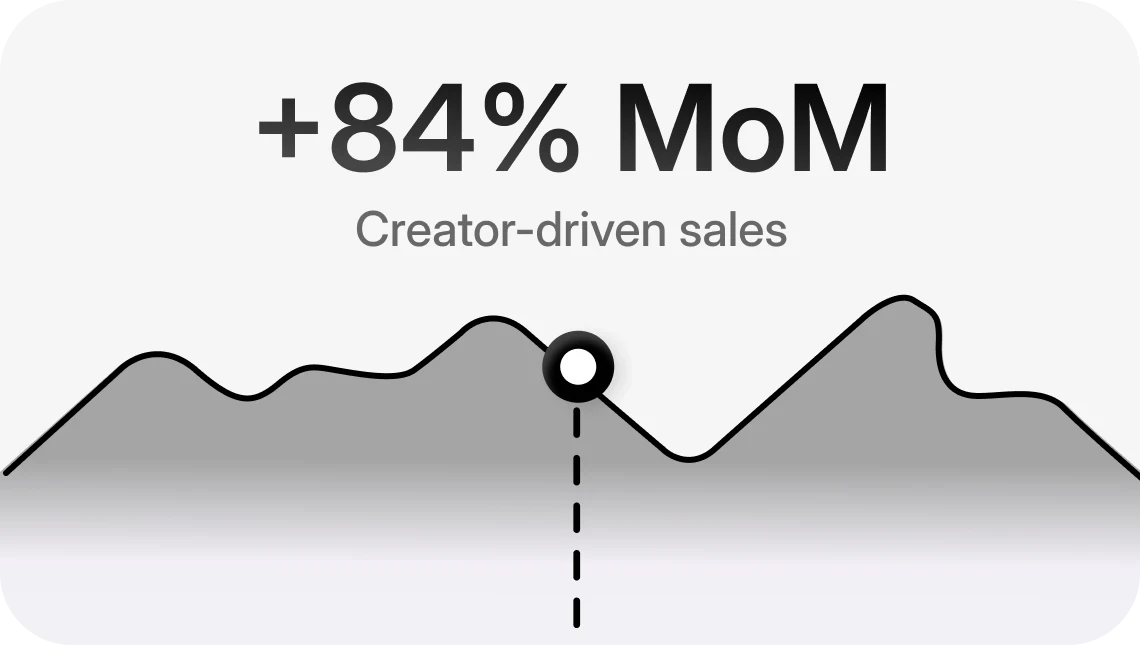
Within the first full quarter of use, the team activated 78% of stored creator assets across shoppable product page widgets and paid social campaigns—up from an estimated 35% utilization rate under the old system. Average time from content submission to live deployment decreased from 11 days to 3.2 days. Creator videos embedded on product pages via Socialscale widgets generated a 2.4x higher conversion rate compared to brand-produced product photography. The team attributed approximately $185,000 in incremental GMV to creator content activated through Creator Drive during the quarter, providing clear budget justification for expanding the program in the following year.
Frequently Asked Questions
How does Creator Drive differ from a standard digital asset management (DAM) system?
Creator Drive is built specifically for creator content workflows, not generic file management. Every asset is linked to a creator profile, campaign brief, and product SKU with metadata that supports social commerce activation. Standard DAM systems lack native creator relationship context, campaign association, usage rights tracking tied to creator agreements, and direct integration with shoppable content deployment tools.
Can Creator Drive handle the large file sizes typical of 4K tech review videos?
Yes. Creator Drive is designed to handle high-resolution video files that are standard in electronics creator content, including 4K and higher resolution formats. In-platform preview functionality allows teams to review full-length videos without downloading, which is critical when processing dozens of submissions during a product launch cycle.
How does Creator Drive support embargo management for pre-launch electronics products?
Each asset in Creator Drive carries configurable status fields including embargo dates and approval states. Assets flagged as under embargo are restricted from activation workflows until the embargo lifts. This prevents accidental early publication and gives brand managers a clear dashboard view of which content is cleared for release and which is still held.
Can multiple teams across different regions access the same Creator Drive library?
Creator Drive supports role-based access permissions, allowing global marketing teams, regional brand managers, agency partners, and retail distribution teams to access relevant content without exposing sensitive or region-restricted assets. Controlled sharing links enable external stakeholders to view or download specific assets without requiring full platform access.
How does storing tech review videos centrally improve creator program ROI?
Centralized storage directly impacts ROI by increasing content utilization rates, reducing time-to-activation, and enabling performance tracking at the asset level. When every creator video is searchable, tagged, and ready for deployment, teams repurpose more content across more channels—shoppable widgets, paid ads, retail partner pages—extracting maximum value from every creator relationship. Combined with performance data from creator analytics, brands can identify which content types and which creators deliver the strongest commercial returns.