Creator Drive for Consumer Electronics Brands
Consumer electronics brands launch dozens of SKUs each year, and every launch generates a wave of unboxing videos, hands-on reviews, comparison shoots, and tutorial content from creators across YouTube, TikTok, and Instagram. Without a centralized system, that content scatters across email threads, personal drives, and messaging apps—making it nearly impossible to locate the right asset when your product page, retail partner, or paid media team needs it.
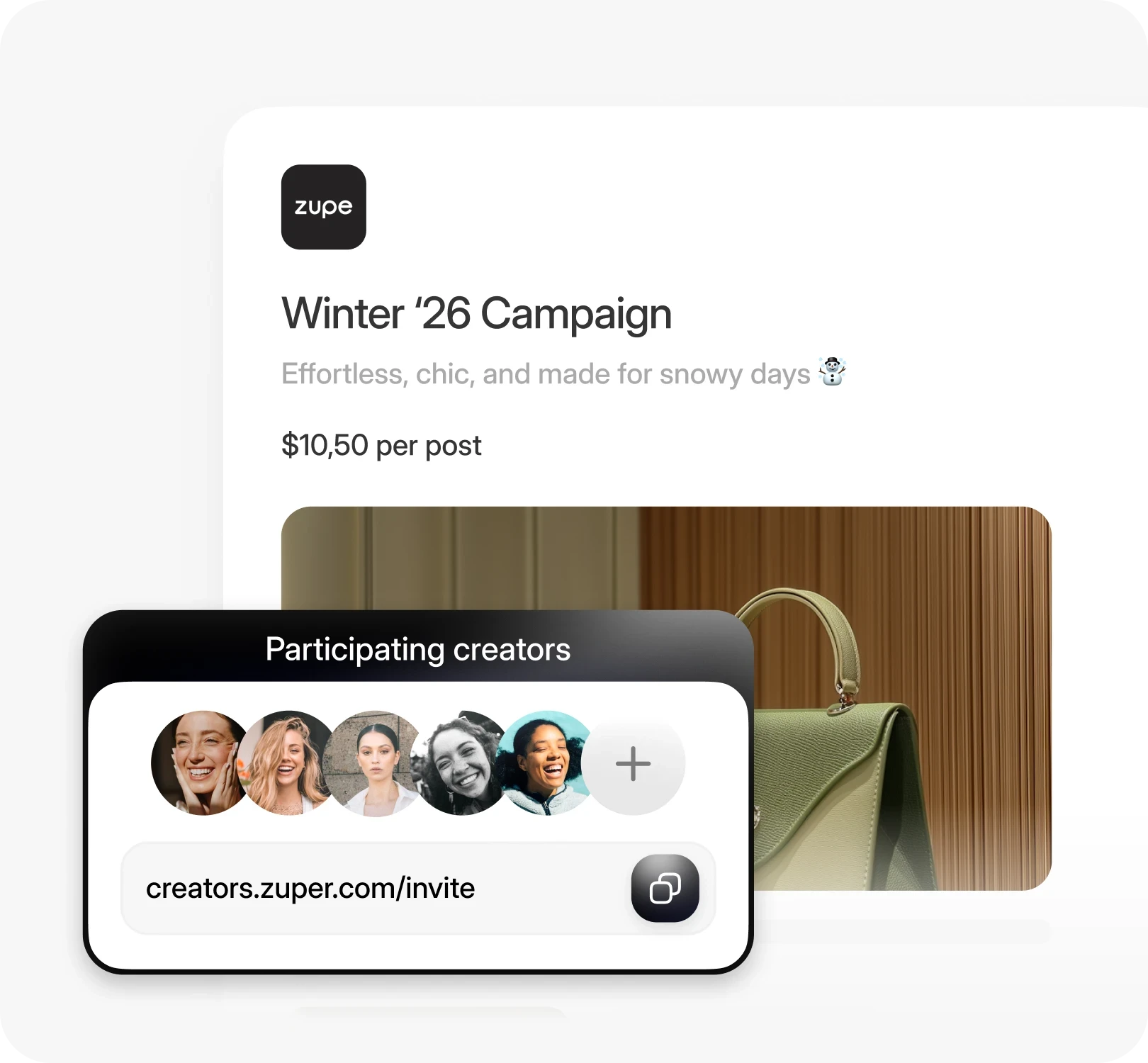
Creator Drive gives consumer electronics marketing teams a purpose-built content library that organizes every creator asset by product, campaign, launch window, content format, and usage rights. It connects directly to the workflows that power social commerce: embedding shoppable creator content on PDPs, syndicating review footage to retail partners, and fueling performance marketing with authentic creator assets.
If you manage creator programs for electronics launches—whether you are an influencer marketing manager at a headphone brand or a social commerce lead at a smart home company—Creator Drive eliminates the operational drag of hunting for files and replaces it with a searchable, rights-tracked, always-current content hub.
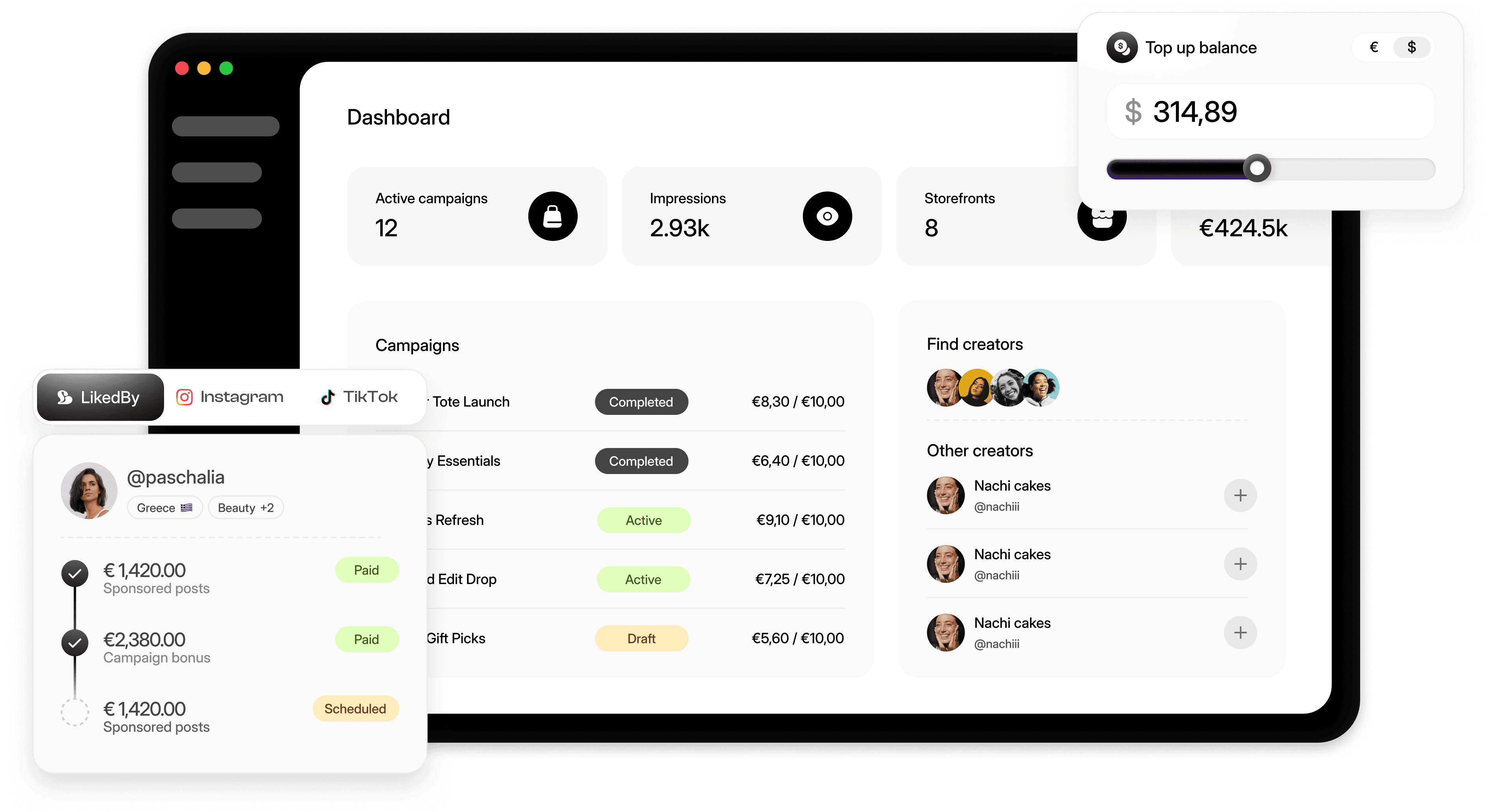
Content Volume Spikes Around Every Product Launch
A single product launch can generate 50–200 creator assets across multiple formats (short-form video, long-form review, static comparison shots, story content). Without structured storage, teams lose track of what exists within days of a launch window closing.
Rapid SKU Turnover Creates Asset Confusion
Consumer electronics brands cycle through product generations quickly. Last year's earbuds review should not surface when a buyer is evaluating this year's model. Teams need content organized by SKU, generation, and launch date to avoid outdated assets reaching customers.
Usage Rights Are Tracked Manually or Not at All
Licensing terms vary by creator—some grant 90-day paid media rights, others allow organic only. When rights metadata lives in spreadsheets or contract PDFs, brands risk costly violations when repurposing creator content for ads or retail syndication.
Multiple Teams Need the Same Assets Simultaneously
Product marketing, e-commerce, paid media, PR, and retail channel teams all need access to creator review content. Without a shared library, each team requests assets independently, creating bottlenecks and duplicate storage.
Retail Partners Demand Authentic Content for Co-Op Pages
Retailers like Best Buy, Amazon, and Walmart increasingly request creator-generated review content for product detail pages. Brands need a fast way to pull approved, rights-cleared assets and deliver them in the correct format.
No Connection Between Content Storage and Performance Data
Most file storage tools treat content as static files. Electronics brands need to know which creator's unboxing video drove the highest click-through rate on a PDP so they can prioritize similar content for the next launch.
Seeding Campaigns Generate Untracked Content
Product seeding to 100+ creators produces a flood of organic posts. Without automated ingestion, marketing teams manually download and rename files, often missing content entirely.
Google Drive and Dropbox Lack Content Intelligence
General-purpose cloud storage has no concept of a creator, a campaign, a SKU, or a usage-rights window. Teams end up building elaborate folder hierarchies that break down the moment a new product line launches or a creator delivers content late.
DAM Platforms Are Built for Brand Assets, Not Creator Content
Enterprise digital asset management systems are designed for brand photography and corporate video. They do not accommodate the metadata consumer electronics teams actually need: creator handle, platform of origin, affiliate link association, content format, review sentiment, and rights expiration date.
Spreadsheet-Based Rights Tracking Is Error-Prone
When usage rights live in a separate spreadsheet from the content itself, the two inevitably drift out of sync. A paid media manager pulls a creator video for a Meta ad without realizing the 60-day license expired last week. The brand receives a takedown notice or worse.
Email and Messaging Apps Are Black Holes for Assets
Creators often deliver final assets via DM or email. Those files are effectively invisible to anyone not on the thread. When the e-commerce team needs a specific hands-on review clip three weeks later, no one can find it.
No Link Between Storage and Commerce Outcomes
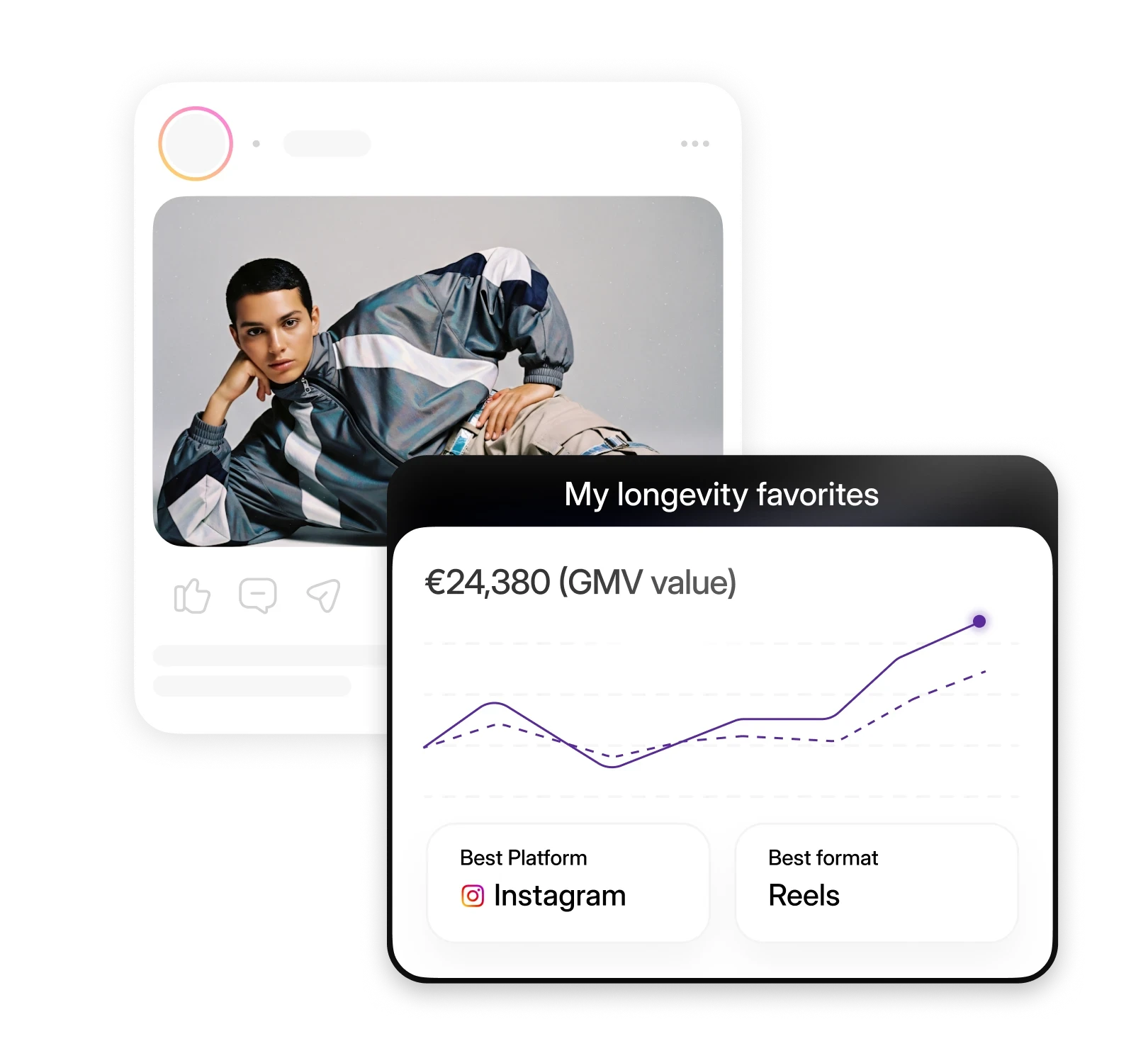
Traditional tools store files but cannot tell you which piece of content converted. Consumer electronics brands investing in social commerce need storage that connects to shoppable widgets, affiliate tracking, and performance dashboards.
How Socialscale Creator Drive Solves Content Chaos for Electronics Brands
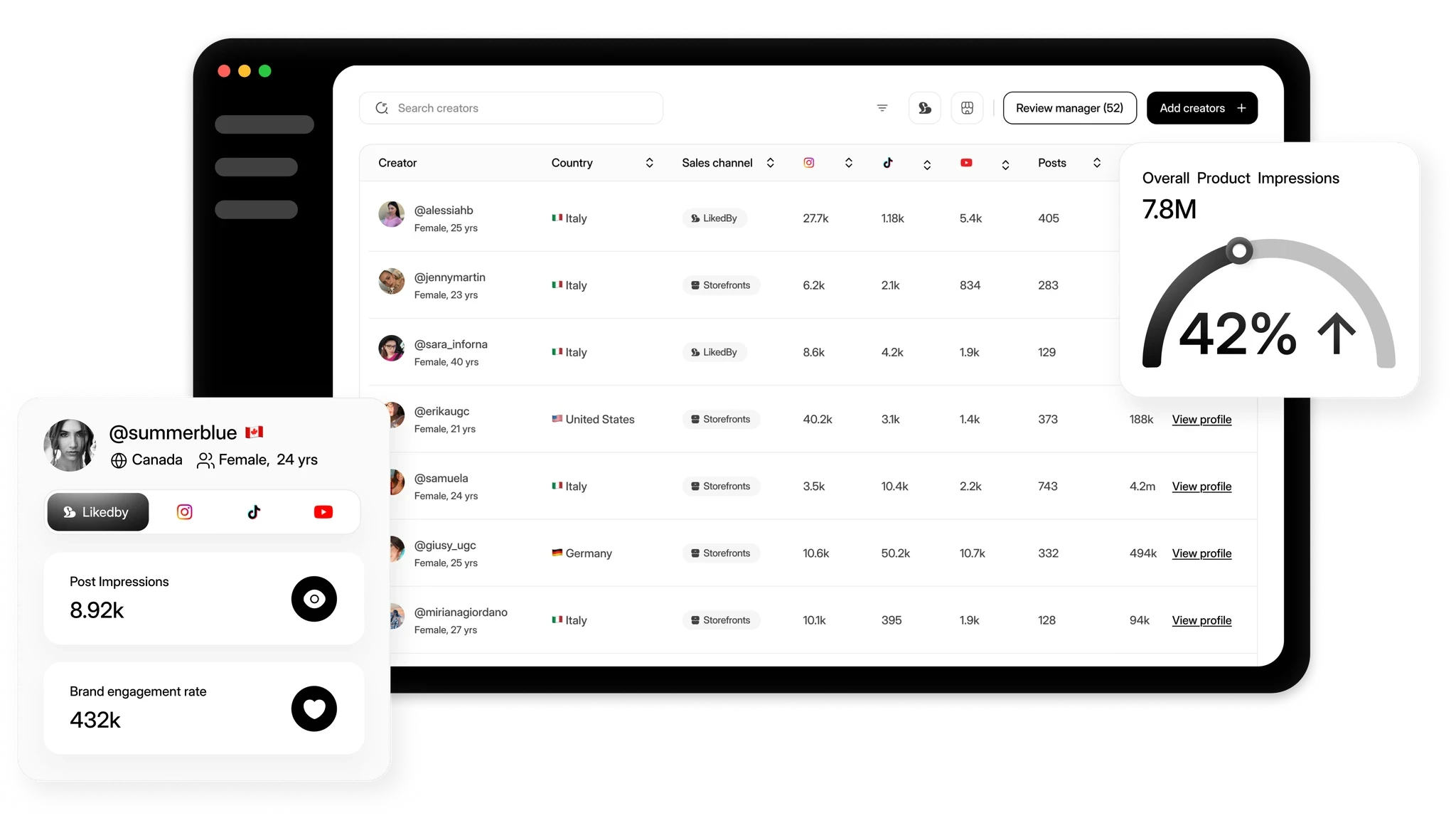
Socialscale's Creator Drive is a centralized content library built specifically for creator marketing workflows. It automatically ingests, tags, and organizes every piece of creator content—unboxing videos, comparison reviews, tutorial clips, lifestyle shots—by product SKU, campaign, creator, platform, format, and usage rights status.
For consumer electronics brands, this means your entire review content library for a product launch is searchable and accessible to every stakeholder within minutes of a creator publishing or delivering an asset. Rights metadata is attached directly to each file, so your paid media team can filter for "paid media approved" assets without consulting a spreadsheet.
Creator Drive integrates with the broader Socialscale platform. Content stored in Drive connects to your creator CRM, so you can see a creator's full history alongside their delivered assets. It feeds into creator widgets that embed shoppable review content directly on your product pages, turning static PDPs into social commerce experiences. And it links to performance tracking, so you know exactly which creator's review video drove the most revenue during your last launch.
The result is a single source of truth for creator content that eliminates manual file management, reduces rights risk, and accelerates every downstream use case—from retail syndication to performance advertising.
Feature Breakdown: Creator Drive for Consumer Electronics
Automated Content Ingestion
Creator Drive pulls in content automatically when creators publish on connected platforms or upload directly through a branded portal. For product seeding campaigns where you ship 150 units to tech reviewers, this means you stop manually downloading videos from YouTube and TikTok. Assets arrive in your library tagged with the creator's profile, the campaign name, and the associated SKU.
SKU-Level Content Organization
Every asset is mapped to a specific product SKU and generation. When your e-commerce team searches for "WH-1000XM5 review video," they get exactly the right content—not last year's XM4 footage. Filters include product line, launch date, content format (short-form, long-form, static, story), platform of origin, and creator tier.
Usage Rights Management
Rights metadata is embedded at the asset level. When a creator grants 90-day paid media rights starting from their publish date, that window is tracked automatically. Assets approaching expiration are flagged. Assets with expired rights are locked from download by unauthorized teams. This eliminates the manual cross-referencing that causes licensing violations.
Multi-Team Access with Role-Based Permissions
Product marketing sees everything. Paid media sees only rights-cleared assets. Retail channel managers see only assets approved for syndication. Role-based access ensures every team gets what they need without exposing content they should not use.
Content Performance Tagging
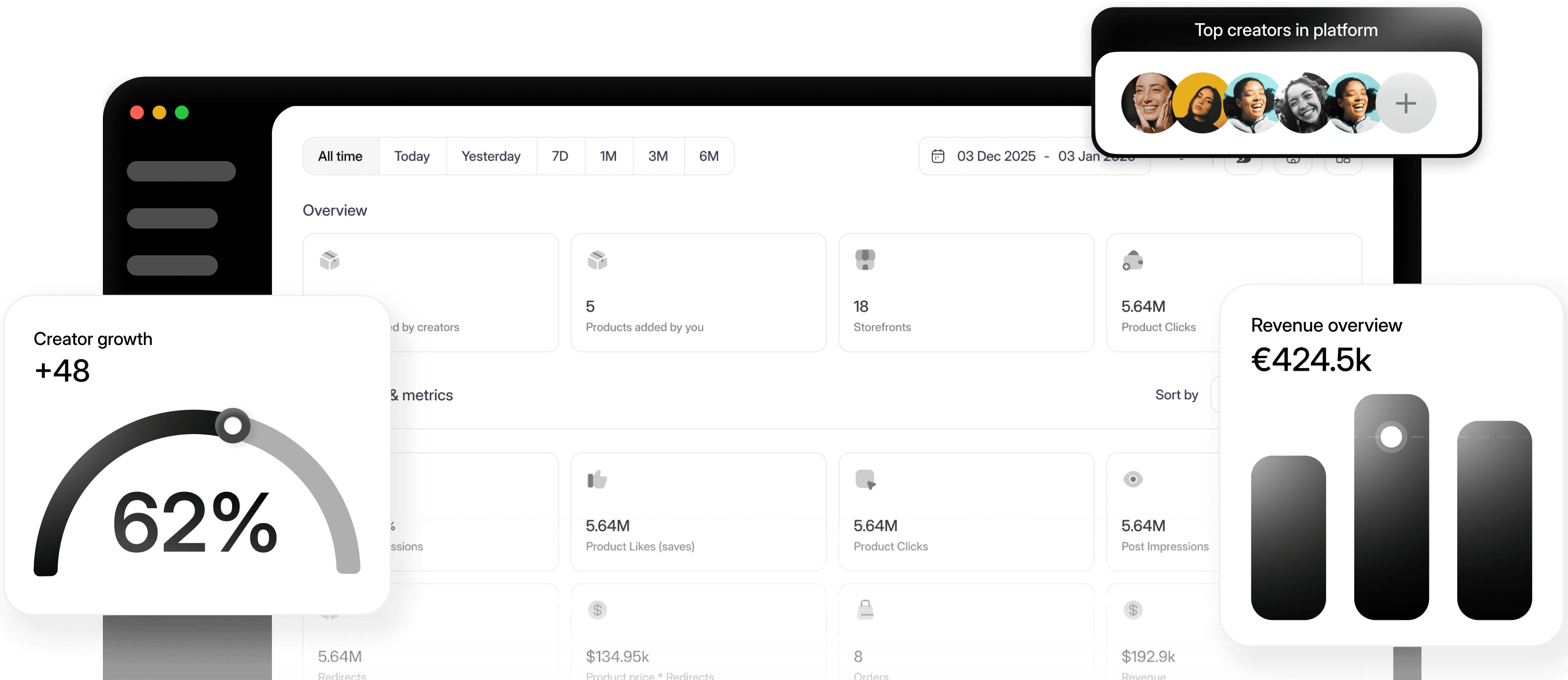
When creator content is embedded on PDPs via shoppable widgets or used in paid campaigns, performance data flows back to the asset record in Creator Drive. You can sort your library by engagement rate, click-through rate, or conversion rate to identify top-performing content for future campaigns. This connection between creator analytics and content storage is what separates Creator Drive from generic file storage.
Bulk Export and Format Conversion
Retail partners and ad platforms have specific format and resolution requirements. Creator Drive supports bulk export with format presets, so your team can pull 20 rights-cleared review clips formatted for Amazon A+ content in a single action.
Campaign-Level Content Views
Beyond SKU-level organization, Creator Drive offers campaign-level views. See all content generated during your CES launch campaign, your back-to-school push, or your holiday gifting program in one filtered view. This makes post-campaign reporting and content auditing straightforward.
Use Cases for Consumer Electronics Brands
1. Flagship Smartphone Launch Review Library
A smartphone brand seeds its latest flagship device to 200 tech creators six weeks before launch. As embargoed reviews go live on launch day, Creator Drive automatically ingests every YouTube review, TikTok hands-on video, and Instagram Reel. The product marketing team immediately has a complete library of launch content, organized by creator tier and content format. The e-commerce team pulls the top five review clips to embed as shoppable content on the product page. The paid media team filters for assets with paid amplification rights and launches whitelisted creator ads within 48 hours of launch. The retail partnerships team exports formatted review clips to Best Buy and Amazon listing managers. One centralized library powers four teams simultaneously.
2. Smart Home Ecosystem Cross-Product Content Hub
A smart home brand sells connected speakers, displays, cameras, and thermostats. Creators often review multiple products in a single video, demonstrating ecosystem integration. Creator Drive allows these assets to be tagged to multiple SKUs, so a video showing a smart display controlling a thermostat appears in both product libraries. When the brand updates its thermostat line, the team can quickly identify which existing ecosystem review content remains relevant and which needs to be refreshed with new creator collaborations.
3. Gaming Peripheral Seasonal Campaign Content Audit
A gaming accessories brand runs creator campaigns around three major seasonal windows: back-to-school, holiday, and the spring gaming expo season. At the end of each quarter, the marketing team uses Creator Drive's campaign-level view to audit content output: how many assets were delivered, which creators over-delivered, which formats performed best, and which content still has active usage rights for repurposing in the next quarter's paid media. This audit directly informs creator re-engagement decisions and budget allocation for the next cycle.
4. Audio Brand Affiliate Creator Content Tracking
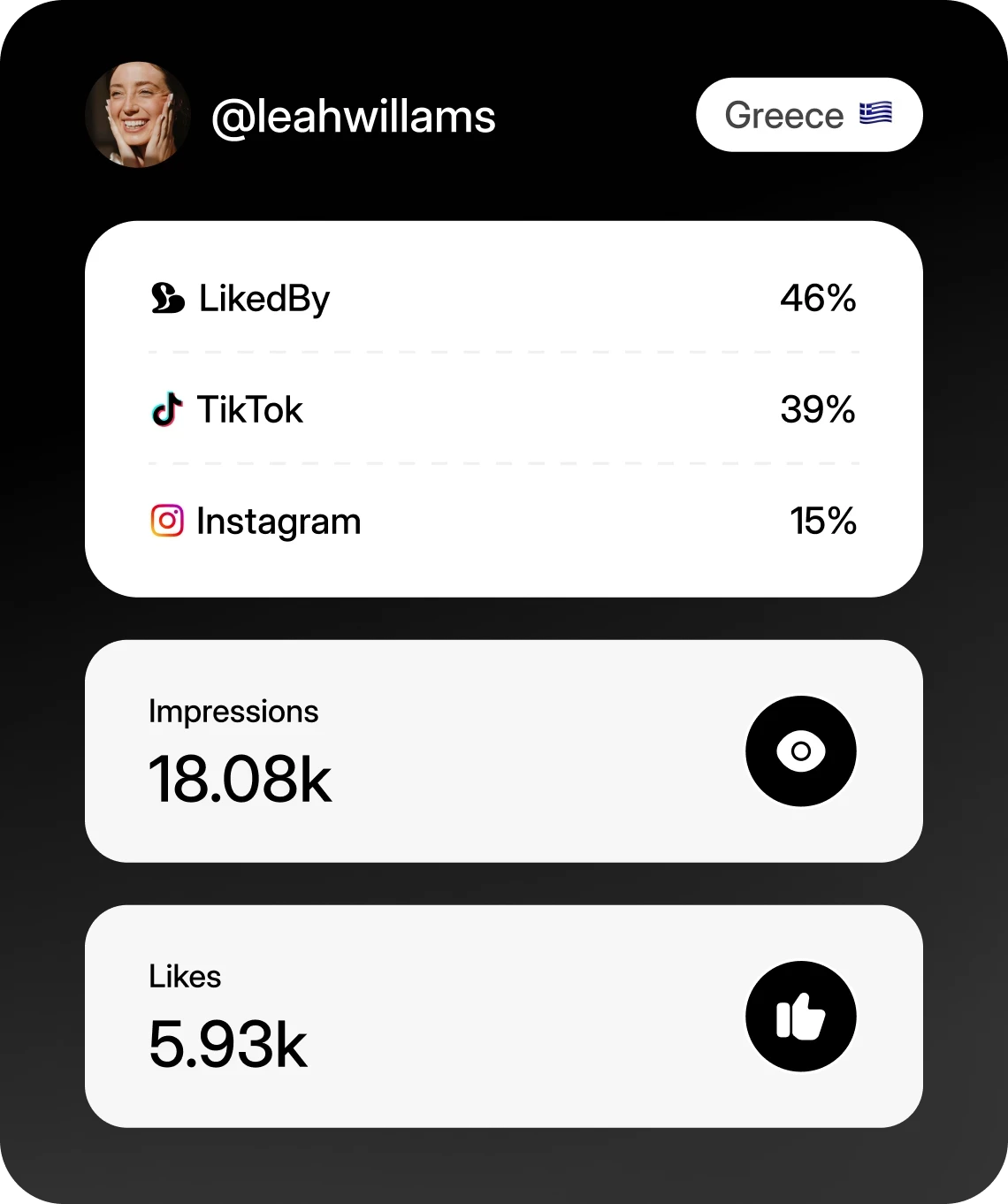
A premium headphone brand runs an affiliate creator program with 500 micro-creators who post ongoing review and lifestyle content in exchange for commission on sales. Creator Drive serves as the always-updating content library for this long-tail program. Each creator's content is automatically ingested and tagged with their affiliate link performance data. The brand can identify which creators consistently produce high-converting content and offer them upgraded collaboration tiers, while also maintaining a rich library of authentic review content that feeds shoppable storefronts and product pages year-round.
Weekly and Monthly Operational Workflow
Running Creator Drive effectively for consumer electronics launches requires consistent operational rhythms. Below is a practical workflow for influencer marketing and e-commerce teams.
Pre-Launch: Configure Campaign and SKU Tags
Two weeks before a product launch, create the campaign in Creator Drive and map it to the relevant SKUs. Set up content format categories (unboxing, review, comparison, tutorial, lifestyle) and define usage rights tiers based on your creator contracts. This ensures every incoming asset is automatically categorized correctly.
Seeding Window: Monitor Content Ingestion
As products ship to creators, monitor the Creator Drive dashboard weekly to track which creators have delivered content and which have not. Use the connected creator CRM to send follow-up reminders to creators who have not posted by the expected date. Flag any content that arrives without proper disclosure or that does not meet brand guidelines for re-shoot requests.
Launch Week: Distribute Assets to Downstream Teams
On launch day, notify the e-commerce, paid media, and retail channel teams that the content library is populated. Each team accesses Creator Drive with their role-based permissions and pulls the assets they need. The e-commerce team selects top review clips for PDP embedding. The paid media team filters for whitelisting-approved content. The retail team exports formatted assets for partner listings.
Post-Launch Week 1–2: Tag Performance Data
As shoppable widgets and paid campaigns generate data, performance metrics flow back to asset records in Creator Drive. Review which creator content is driving the highest CTR and conversion rate on product pages. Surface these insights in your weekly marketing standup to inform ongoing paid media budget allocation.
Monthly: Content Audit and Rights Review
Run a monthly audit of your Creator Drive library. Identify assets with usage rights expiring in the next 30 days. Decide whether to renew rights with high-performing creators or let them lapse. Archive content for discontinued SKUs to keep the active library clean and relevant.
Monthly: Creator Performance Review
Use Creator Drive's performance tagging alongside your creator analytics dashboard to rank creators by content quality and commerce impact. Identify top performers for deeper collaborations on upcoming launches. Flag underperformers for removal from future seeding lists.
Quarterly: Cross-Campaign Content Strategy
At the end of each quarter, review content output across all campaigns. Identify format trends (are short-form comparison videos outperforming long-form reviews?), platform trends (is TikTok content converting better than YouTube for certain product categories?), and creator tier trends. Use these insights to shape your creator brief and content strategy for the next quarter's launches.
Key Performance Indicators to Track
Consumer electronics brands using Creator Drive should monitor these KPIs to measure the impact of centralized content management on their creator programs and social commerce outcomes.
Content Activation Rate: Percentage of seeded creators who deliver usable content within the campaign window. Target: 70–85% for electronics launches.
Asset Approval Time: Average time from content delivery to internal approval and availability for downstream teams. Creator Drive should reduce this from days to hours.
Content Output per Launch: Total number of unique creator assets generated per product launch, segmented by format and platform.
Click-Through Rate (CTR): CTR on shoppable creator content embedded on product pages. Benchmark against standard product photography to quantify creator content lift.
Conversion Rate (CVR): Conversion rate of visitors who interact with embedded creator review content versus those who do not.
GMV Attributed to Creator Content: Total gross merchandise value driven by creator content across shoppable widgets, affiliate links, and creator storefronts.
ROAS on Creator Content in Paid Media: Return on ad spend for campaigns using creator-generated review content versus brand-produced creative.
CPA Reduction: Cost per acquisition improvement when using high-performing creator content identified through Creator Drive's performance tagging.
Rights Utilization Rate: Percentage of licensed creator content that is actually repurposed within the rights window. Low utilization signals wasted licensing spend.
Library Freshness Score: Percentage of content in the active library that maps to current-generation SKUs. Target: 90%+ to avoid outdated content reaching customers.
Scenario: Wireless Earbuds Brand Launches Next-Gen Product Line
A mid-market wireless audio brand prepares to launch three new earbud models targeting fitness, commute, and audiophile segments. The influencer marketing team seeds 180 creators across YouTube, TikTok, and Instagram—60 per product segment—with a mix of macro reviewers (50K–500K followers) and micro-creators (5K–50K followers) in the tech and lifestyle verticals.
Before Creator Drive, the team managed content delivery through a combination of email, Google Drive folders, and a shared spreadsheet tracking usage rights. During their previous launch, it took an average of 4.5 days from content delivery to making assets available to the e-commerce and paid media teams. The team estimated they missed approximately 15% of creator posts entirely because they were never manually downloaded.
With Creator Drive implemented through the Socialscale platform, the launch workflow changed significantly. Content was automatically ingested as creators published, tagged by product model, creator tier, platform, and format. Usage rights metadata from creator contracts was pre-loaded, so every asset arrived with clear permissions attached.
Results over the 8-week launch window:
412 unique creator assets ingested automatically (vs. an estimated 350 captured manually in the prior launch)
Average time from content delivery to downstream team availability dropped from 4.5 days to 6 hours
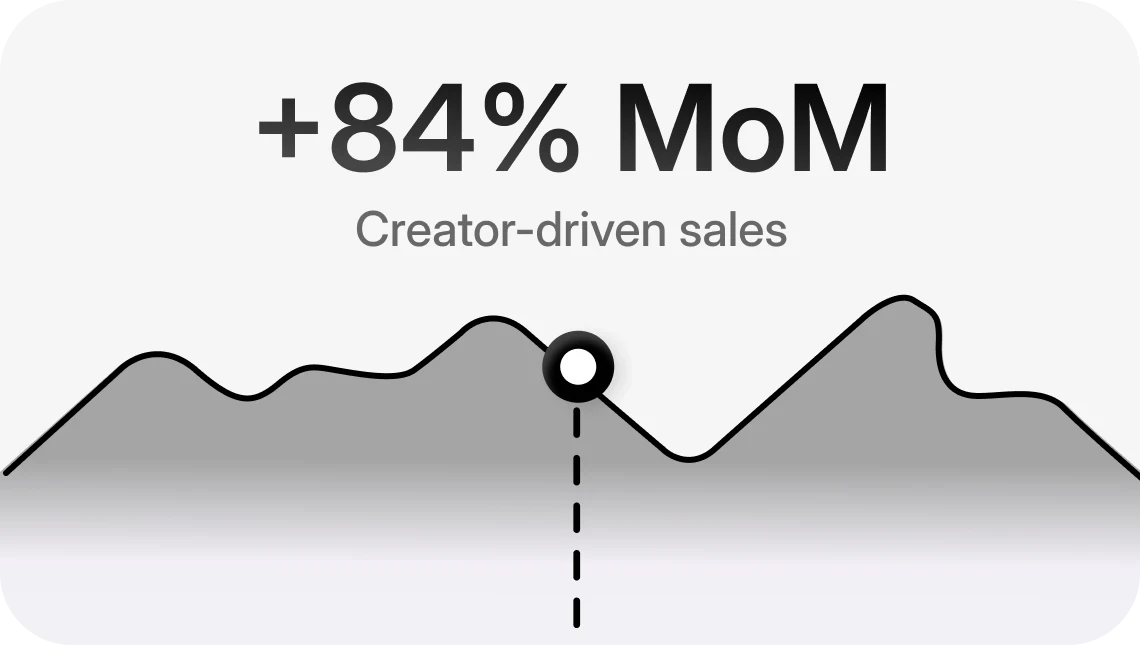
The e-commerce team embedded 45 shoppable review clips across three product pages within the first week, contributing to a 22% increase in PDP conversion rate compared to pages using only brand photography
The paid media team identified 18 top-performing creator videos through performance tagging and used them in whitelisted ad campaigns, achieving a 2.8x ROAS versus 1.6x ROAS on brand-produced video ads
Zero rights violations occurred during the campaign, compared to two incidents in the prior launch cycle
The retail partnerships team exported formatted review content to three major retail partners within 48 hours of launch, meeting co-op content deadlines for the first time
The brand estimated that Creator Drive saved approximately 25 hours per week of manual content management labor across the influencer marketing and e-commerce teams during the launch window.
Frequently Asked Questions
How does Creator Drive handle content from creators who post across multiple platforms?
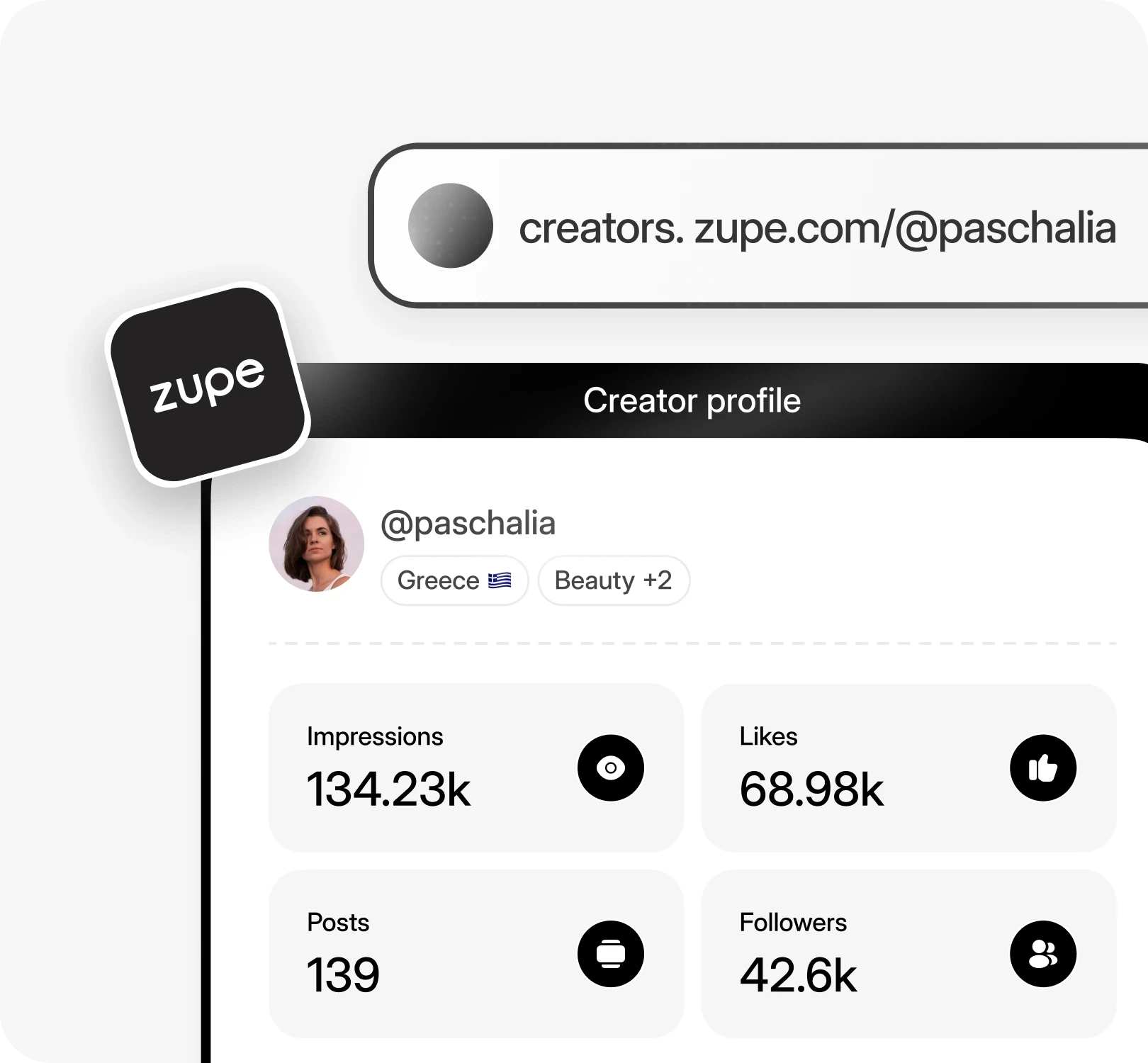
Creator Drive ingests content from each platform separately and tags it with the platform of origin, but links all assets back to a single creator profile in your creator CRM. This means you can view all of a creator's deliverables—their YouTube long-form review, their TikTok short-form clip, and their Instagram Reel—in one place, while still filtering by platform when you need format-specific assets for a particular channel.
Can Creator Drive track usage rights with different terms for different creators?
Yes. Usage rights metadata is set at the individual asset or creator-contract level. If one creator grants 90-day paid media rights and another grants 30-day organic-only rights, each asset reflects its specific terms. The system flags assets approaching expiration and locks expired assets from download by teams without override permissions.
How does Creator Drive connect to shoppable content on our product pages?
Creator Drive integrates with Socialscale's shoppable creator widgets. You select assets from your Drive library, and they can be embedded directly on your Shopify or custom product pages as interactive, shoppable content modules. When a shopper clicks through and purchases, that conversion data flows back to the asset record in Creator Drive, closing the loop between content storage and commerce performance.
What happens to content for discontinued or previous-generation products?
You can archive content by SKU or product generation. Archived assets remain in the system for reference and reporting but are removed from the active library so teams do not accidentally use outdated review content. If a product is re-released or remains in market longer than expected, archived content can be restored with one action.
Is Creator Drive suitable for brands running large-scale affiliate creator programs?
Absolutely. Creator Drive is designed to handle high-volume, ongoing content from hundreds of affiliate creators. Automated ingestion means you do not need to manually track or download content from each creator. Performance tagging lets you identify which affiliate creators consistently produce high-converting content, informing decisions about commission tier upgrades and deeper collaboration opportunities.