Creator Drive for Apparel Retailers: Organize and Scale Seasonal Influencer Content Libraries
Apparel retailers operate on a relentless seasonal calendar. From pre-spring lookbooks to holiday gift guides, every collection launch demands a fresh wave of creator content — styled flat lays, try-on hauls, outfit-of-the-day reels, and shoppable styling videos. Without a centralized system for managing seasonal influencer content libraries, teams lose hours hunting through email threads, Google Drive folders, and DM histories to locate the right asset for the right SKU at the right moment.
The challenge compounds as programs scale. A brand running 40 creators for a summer capsule and 80 for holiday needs a content infrastructure that mirrors the pace of social commerce. Assets must be tagged by season, product category, content format, and usage rights — then made instantly accessible for paid amplification, website embedding, and email campaigns.
Creator Drive gives apparel retail teams a purpose-built content library that organizes every piece of influencer and UGC content by collection, season, creator, and product. It eliminates the operational drag of scattered files and expired links, so your team can move from content receipt to content deployment in minutes rather than days.
Seasonal Content Volume Overwhelms Existing Storage
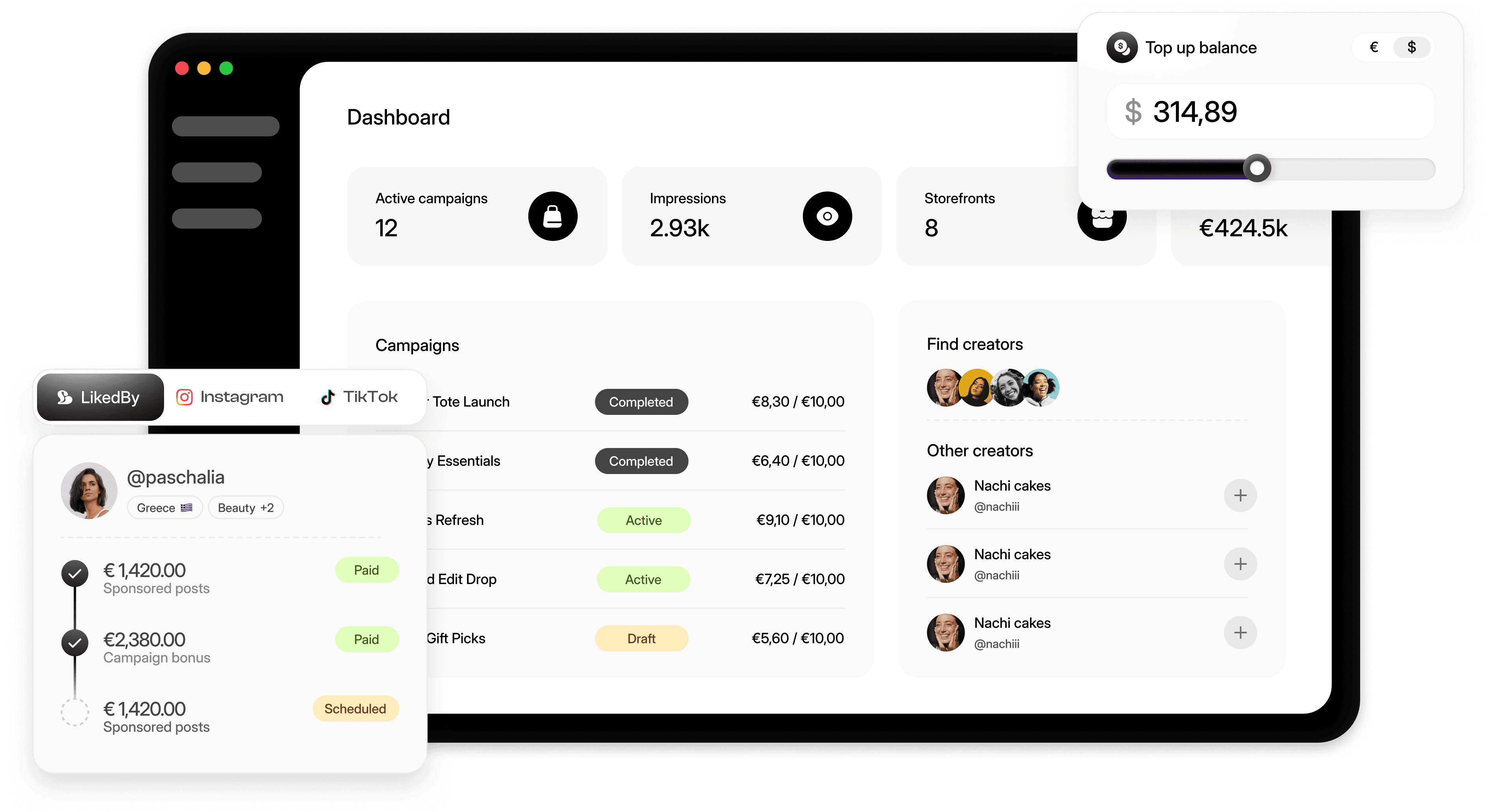
Apparel retailers typically run four to six major seasonal campaigns per year, each generating hundreds of creator assets. Without a structured content library, teams end up with thousands of unorganized files spread across cloud drives, Slack channels, and influencer platforms — making retrieval nearly impossible when a merchandising team needs a specific asset for a product page refresh.
Usage Rights Tracking Is Manual and Error-Prone
Every creator deliverable comes with specific usage rights: organic only, paid amplification for 30 days, perpetual web usage, or limited to specific channels. Apparel teams managing seasonal influencer content libraries manually — often in spreadsheets — risk running expired content in paid ads or on product pages, exposing the brand to legal liability.
Content Cannot Be Mapped to SKUs or Collections
A try-on haul featuring five different pieces from a fall collection needs to be linked to each individual SKU for shoppable content deployment. Most file storage tools have no concept of product mapping, forcing teams to maintain separate tracking documents that quickly fall out of sync.
Cross-Functional Teams Lack Access
The e-commerce team needs hero creator images for PDPs. The paid media team needs high-performing reels for whitelisted ads. The email team needs lifestyle shots for weekly sends. When creator content lives in the influencer marketing manager's personal drive, every request becomes a bottleneck.
Seasonal Transitions Create Content Gaps
As one season ends and another begins, teams struggle to audit what content is still relevant, what has expired rights, and what gaps exist in the incoming season's library. This lack of visibility leads to last-minute scrambles and underutilized creator assets.
No Performance Context Attached to Assets
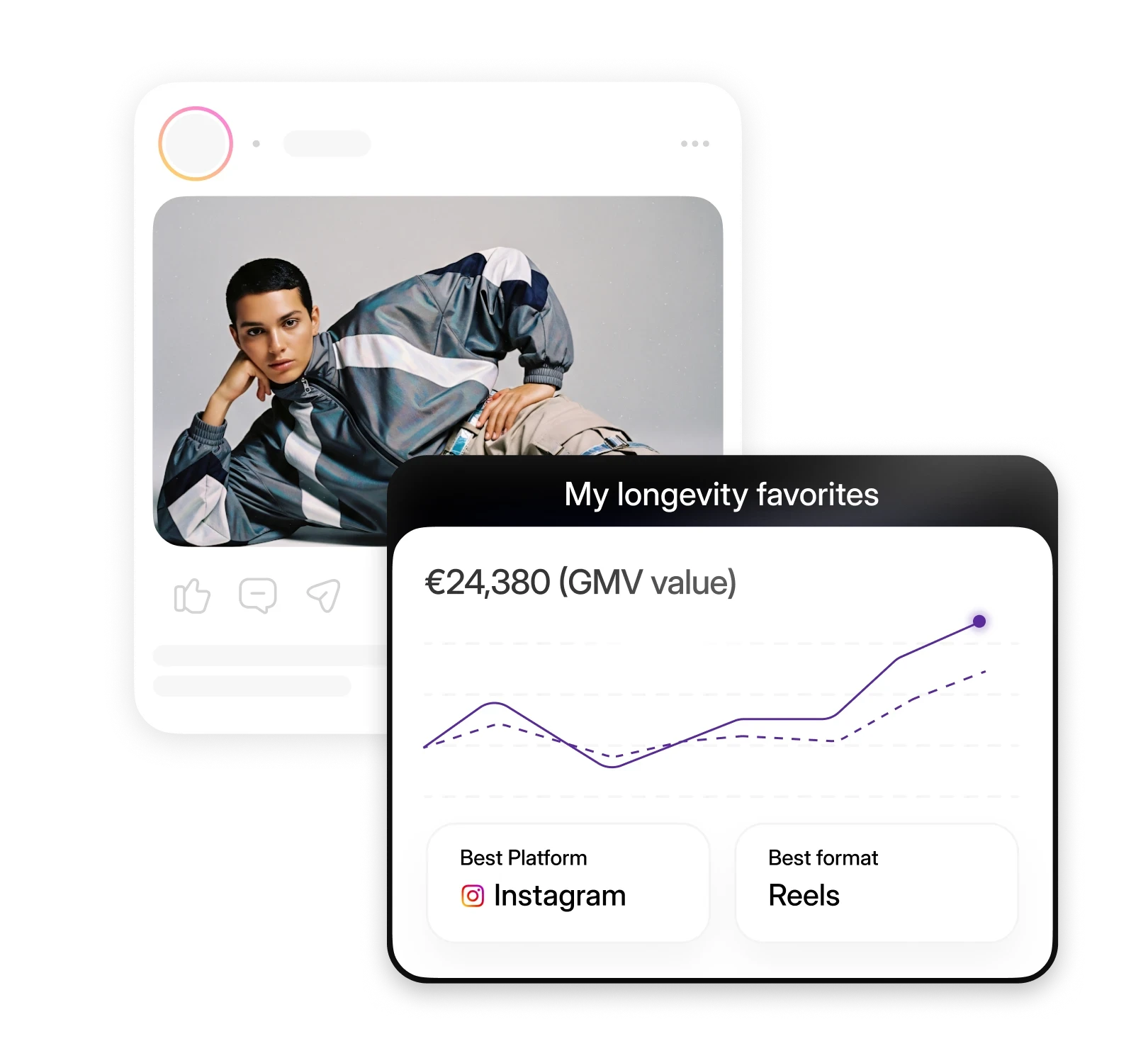
A creator's reel might have driven 12,000 clicks and a 4.2% conversion rate, but that performance data lives in an analytics dashboard completely disconnected from the asset file. Without linking performance to content, teams cannot make informed decisions about which assets to repurpose or amplify.
Onboarding New Creators Without Historical Reference
When briefing new creators for an upcoming season, teams lack a visual reference library of past top-performing content. This results in inconsistent creative output and longer feedback cycles that delay campaign timelines.
Google Drive and Dropbox Were Not Built for Creator Content
General-purpose cloud storage tools organize files by folder hierarchy and file name. They cannot tag content by creator handle, campaign name, product SKU, content format, season, or usage rights expiration date. For an apparel retailer managing seasonal influencer content libraries across hundreds of creators and thousands of SKUs, this limitation creates a retrieval nightmare that slows every downstream workflow.
Influencer Platforms Treat Content as an Afterthought
Most influencer marketing software focuses on discovery and outreach. Content management is typically limited to a feed view of delivered posts — not a searchable, filterable asset library. You cannot download assets in bulk, check usage rights status, or share a curated collection with your paid media buyer without manual export steps.
DAM Systems Are Over-Engineered and Under-Adopted
Enterprise digital asset management platforms like Bynder or Brandfolder are designed for brand-produced photography and video. They require extensive metadata schemas, IT setup, and training. For fast-moving apparel teams receiving 50 new creator assets per week during peak season, the overhead of a traditional DAM creates more friction than it resolves.
Spreadsheet Tracking Breaks at Scale
Tracking content status, rights windows, and product associations in spreadsheets works for a five-creator program. At 50 or 100 creators per season, the spreadsheet becomes a liability — outdated within days, impossible to audit, and disconnected from the actual files it references.
How Socialscale's Creator Drive Solves Seasonal Content Management for Apparel Retailers
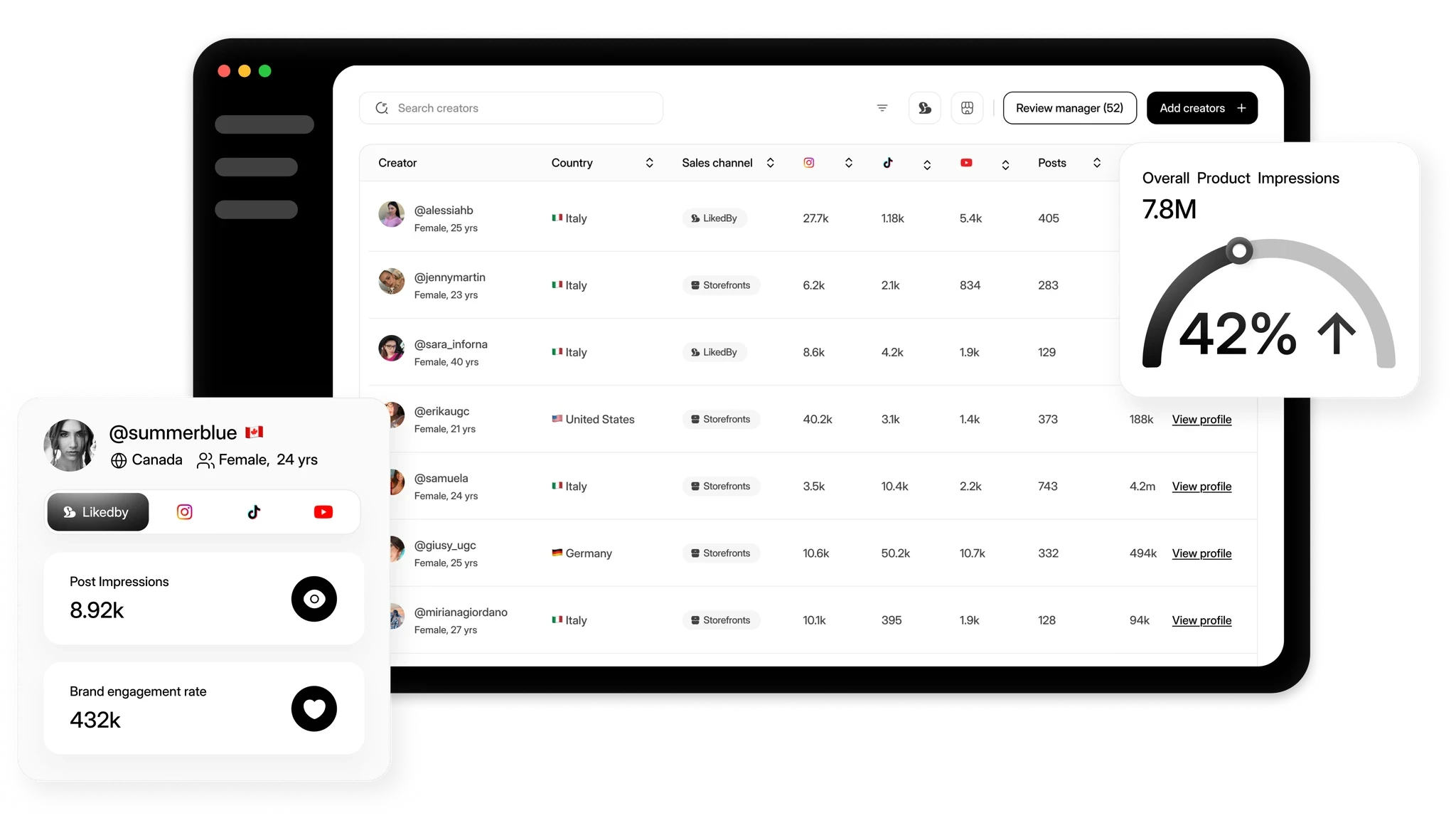
Socialscale's Creator Drive is a purpose-built content library designed for the realities of creator programs at scale. Every asset uploaded or synced from a campaign is automatically organized by creator, campaign, season, product, and content type. For apparel retailers, this means your fall knitwear haul videos, spring denim flat lays, and holiday party outfit reels are all instantly searchable and filterable — no folder archaeology required.
Creator Drive integrates directly with Socialscale's creator collaborations workflow. When a creator submits content for approval, the approved asset flows into the drive with all metadata intact: creator name, campaign brief, associated products, content format, and usage rights window. Your team never has to manually re-enter information or move files between systems.
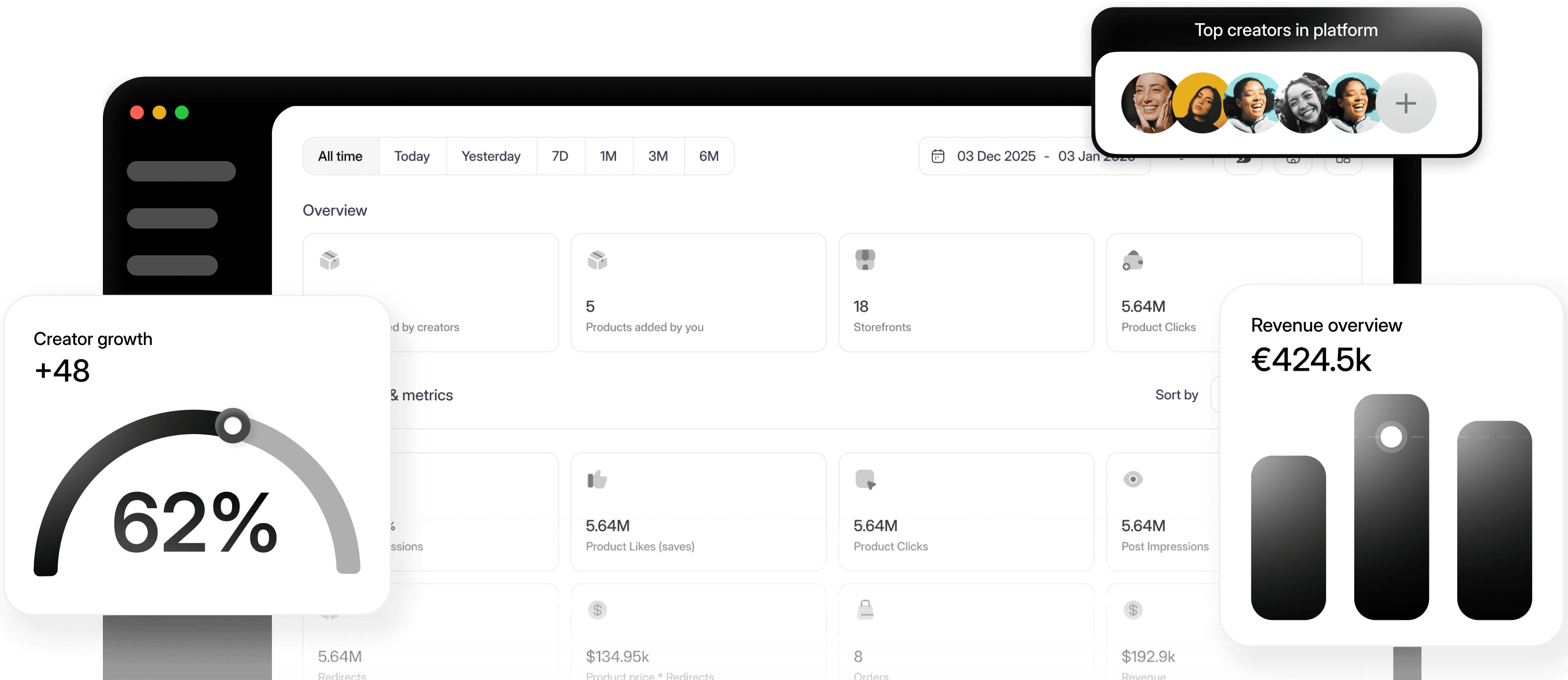
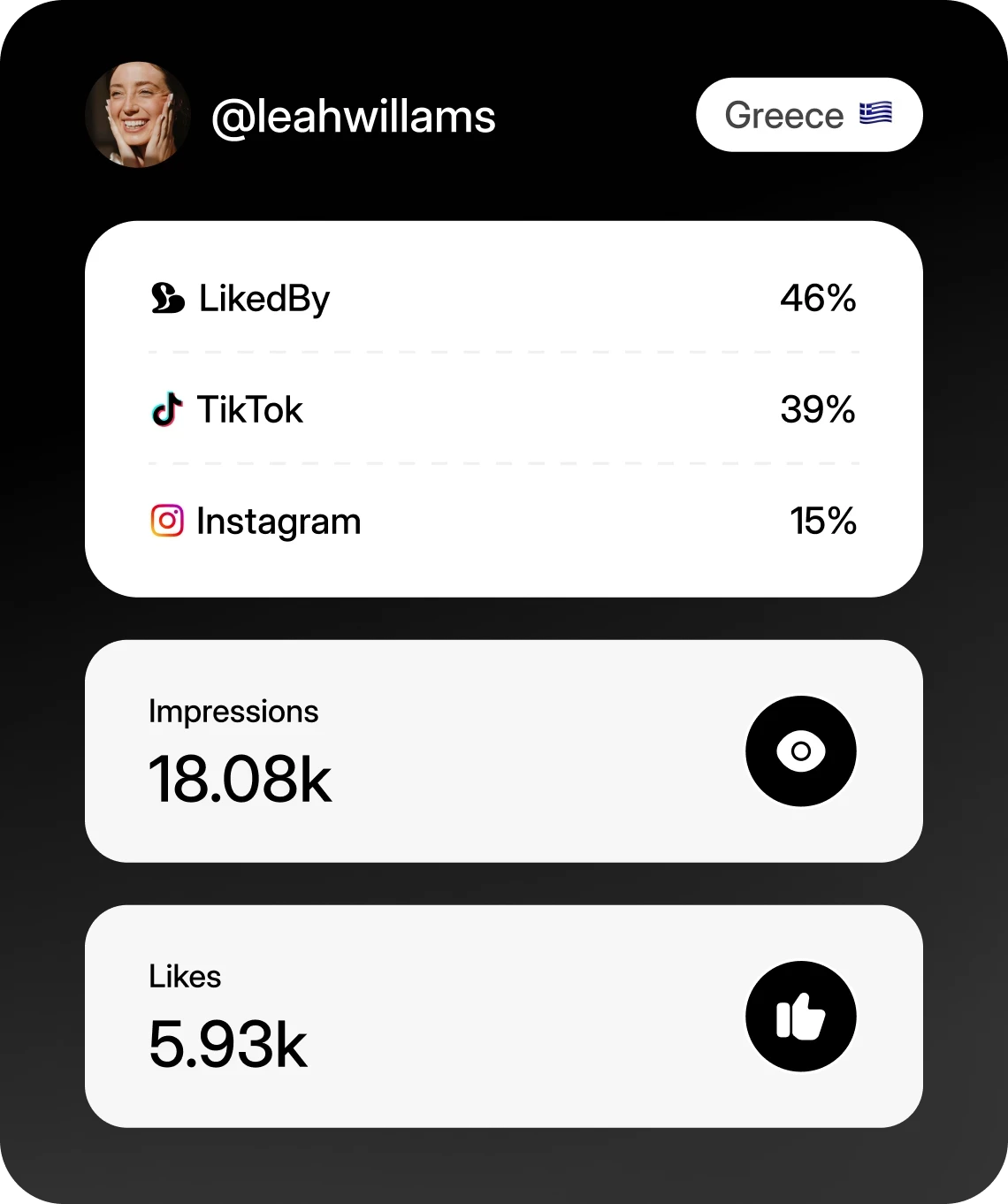
Beyond storage, Creator Drive connects to Socialscale's creator analytics layer. Each asset carries its performance data — impressions, clicks, conversions, revenue attributed — so your team can sort the library by top-performing content and make data-backed decisions about which assets to repurpose for paid amplification, embed on product pages via shoppable widgets, or feature in seasonal email campaigns.
The result is a living content library that grows smarter with every campaign, giving apparel retail teams the infrastructure to run high-volume seasonal creator programs without operational chaos.
Creator Drive Feature Breakdown for Apparel Retail Teams
Seasonal Campaign Folders with Auto-Tagging
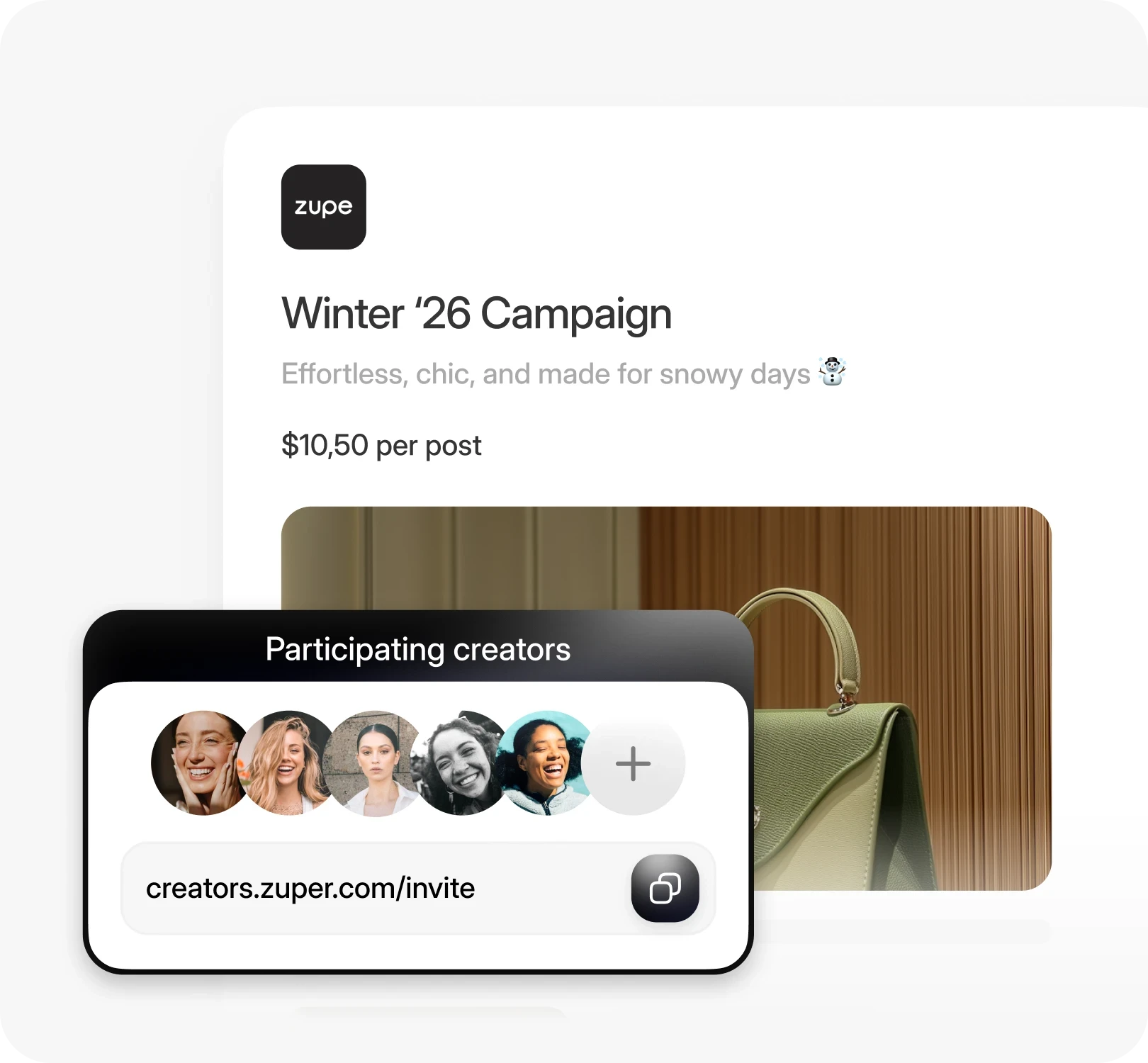
Create dedicated campaign containers for each seasonal collection — SS25 Swim, FW25 Outerwear, Holiday Gift Guide. When creators submit deliverables through the collaboration workflow, assets are automatically tagged with the campaign name, season, and submission date. No manual sorting required.
Product-Level Content Mapping
Link every creator asset to specific SKUs or product collections. A try-on video featuring a linen blazer, wide-leg trousers, and a silk cami can be mapped to all three products simultaneously. When your e-commerce team searches for content associated with the linen blazer, every relevant creator asset surfaces instantly — ready for PDP embedding or social ad creative.
Usage Rights Management with Expiration Alerts
Set usage rights parameters for each asset: organic only, paid amplification (with date range), website embedding, email, or perpetual. Creator Drive tracks expiration dates and sends alerts to the team before rights lapse, preventing the legal risk of running expired creator content in paid channels.
Multi-Format Support and Preview
Apparel creator content spans static images, carousels, short-form video (Reels, TikTok), long-form video (YouTube hauls), and Stories. Creator Drive supports all formats with in-browser preview, so your team can review and select assets without downloading files locally.
Performance Data Overlay
Each asset displays its associated performance metrics inline: views, engagement rate, click-through rate, conversions, and attributed revenue. Sort your entire seasonal library by top-performing content to identify which creator assets deserve paid amplification budget or homepage placement.
Team Sharing and Role-Based Access
Grant access to specific campaign folders by role. Your influencer marketing manager sees everything. Your paid media buyer sees only approved assets with paid usage rights. Your email marketing lead sees lifestyle imagery tagged for email use. This eliminates bottleneck requests and keeps cross-functional teams moving independently.
Bulk Download and Export
Export curated asset collections for ad platform upload, agency handoff, or retail partner distribution. Select assets by filter — season, creator, product, format, performance tier — and download in a single action with metadata preserved in an accompanying CSV.
Use Cases: Creator Drive in Apparel Retail Operations
1. Scaling a Spring/Summer Lookbook Creator Campaign
An apparel brand launches its SS25 collection with 60 creators, each producing two Instagram Reels and one carousel post featuring key pieces from the line. Over three weeks, the team receives 180 assets. With a structured content library, every asset is automatically organized by creator, tagged to the specific products featured, and marked with usage rights. The merchandising team filters by product category to pull the best lifestyle imagery for collection landing pages, while the paid team identifies top-performing Reels for whitelisted ad campaigns — all without a single email request to the influencer marketing manager.
2. Holiday Gift Guide Content Repurposing
During Q4, an apparel retailer runs a gift guide campaign with 45 creators producing "gifts under $100" and "holiday party outfit" content. After the initial organic posting window, the team uses performance data attached to each asset to select the top 15 videos by conversion rate. These assets are exported for Meta and TikTok ad campaigns, while high-performing static images are embedded as shoppable content on the gift guide landing page. When January arrives, the team archives the holiday folder and audits remaining usage rights for potential clearance sale repurposing.
3. Building a Creator Content Mood Board for New Season Briefing
Before briefing creators for FW25, the brand's creative director wants to share examples of top-performing content from FW24. The influencer marketing manager filters the content library by season (FW24), sorts by engagement rate, and creates a shared collection of the 20 best assets. This curated mood board is included in the new season's creative brief, giving incoming creators clear visual direction and reducing revision cycles from an average of three rounds to one.
4. Multi-Channel Content Distribution for a Capsule Drop
A streetwear-leaning apparel brand drops a limited capsule collection with a 72-hour launch window. Twenty creators post simultaneously across Instagram, TikTok, and YouTube Shorts. The content library captures all assets in real time, tagged by platform and product. The social commerce team immediately selects the highest-engagement TikToks for embedding on the capsule's product pages as shoppable widgets. The email team pulls the best static frames for a launch-day email blast. The paid team queues whitelisted Reels for retargeting ads — all within the first 24 hours of the drop.
Weekly Workflow: Managing Seasonal Influencer Content Libraries with Creator Drive
Apparel retail teams running active seasonal campaigns can follow this operational cadence to keep their content library organized, actionable, and performance-optimized.
Campaign Setup (Season Start): Create a new seasonal campaign folder in Creator Drive. Define sub-folders by product category (e.g., Denim, Knitwear, Accessories) and content format (Reels, Static, Carousel). Set default usage rights parameters based on creator contracts.
Creator Onboarding and Brief Distribution (Week 1): Onboard creators through the creator CRM, assign them to the seasonal campaign, and distribute creative briefs that include mood board links from the previous season's top-performing content stored in Creator Drive.
Content Submission and Approval (Weeks 2–4, Rolling): As creators submit deliverables through the collaborations workflow, review and approve content. Approved assets automatically flow into Creator Drive with full metadata — creator, campaign, products, format, and rights window.
Weekly Content Audit (Every Monday): Review the week's incoming assets. Verify product tagging accuracy. Flag any assets with missing usage rights documentation. Identify standout content for immediate paid amplification or website embedding.
Cross-Functional Distribution (Every Wednesday): Share curated asset collections with the paid media team (top-performing video with paid rights), e-commerce team (lifestyle imagery for PDPs), and email team (static content for weekly sends). Use role-based access to enable self-service where possible.
Performance Review and Tagging (Bi-Weekly): Pull performance data for all live creator content. Update Creator Drive with engagement, click-through, and conversion metrics. Re-sort the library by performance tier to surface assets ready for amplification.
Rights Expiration Check (Monthly): Run a usage rights audit across all active seasonal content. Archive assets with expired rights. Initiate rights extension conversations with top-performing creators whose content the brand wants to continue using.
Season Close and Archive (Season End): Archive the completed season's folder. Generate a content performance summary report. Identify the top 10% of assets for inclusion in the next season's creative brief mood board. Carry forward any assets with perpetual usage rights into an evergreen content collection.
Key Performance Indicators for Apparel Retail Creator Content Libraries
Tracking the right metrics ensures your seasonal content library is not just organized but actively driving business results. Monitor these KPIs across your creator drive operations:
Content Activation Rate: Percentage of approved creator assets that are deployed across at least one channel (website, paid ads, email) within 7 days of approval.
Average Approval Time: Time from creator content submission to final approval. Target under 48 hours during peak seasonal campaigns.
Content Output per Creator: Average number of deliverables per creator per campaign. Benchmark against contract minimums to identify over- and under-performers.
Click-Through Rate (CTR): CTR on shoppable creator content embedded on product pages and collection pages. Segment by content format and creator tier.
Conversion Rate (CVR): Percentage of clicks on creator content that result in a purchase. Compare creator content CVR against brand-produced content CVR.
Gross Merchandise Value (GMV) Attributed: Total revenue generated through creator content touchpoints — shoppable widgets, affiliate links, whitelisted ads.
Return on Ad Spend (ROAS) for Whitelisted Content: ROAS on paid campaigns using creator assets sourced from the content library versus brand-produced ad creative.
Cost per Acquisition (CPA): CPA for conversions driven by creator content across organic and paid channels.
Usage Rights Compliance Rate: Percentage of live creator assets with valid, unexpired usage rights. Target 100%.
Library Utilization Rate: Percentage of total library assets that have been used in at least one deployment. Low utilization signals over-production or poor discoverability.
Scenario: Mid-Size Apparel Brand Streamlines Seasonal Content Operations
A direct-to-consumer women's apparel brand generating $18M in annual revenue runs four major seasonal campaigns per year, each involving 35–50 creators. Before implementing a structured content library, the influencer marketing team of two spent an estimated 12 hours per week searching for, organizing, and distributing creator assets across internal teams. Content was stored across three Google Drive accounts, two Dropbox folders, and dozens of email threads.
After adopting Creator Drive as their centralized content management system, the team restructured their workflow around seasonal campaign folders with automatic tagging by creator, product SKU, and content format. Usage rights were tracked at the asset level with automated expiration alerts.
Within two seasonal cycles, the brand measured the following operational improvements:
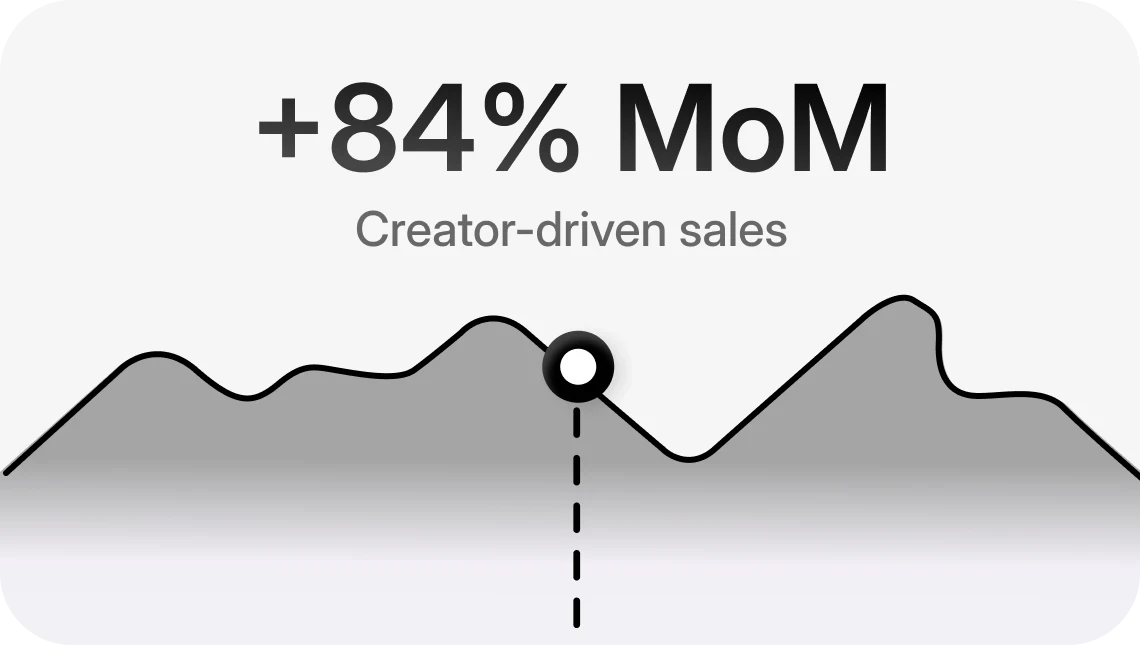
Time spent on content retrieval and distribution dropped from 12 hours per week to under 3 hours — a 75% reduction.
Content activation rate increased from 41% to 78%, meaning significantly more creator assets were deployed across website, paid, and email channels.
Average content approval time decreased from 4.2 days to 1.1 days due to streamlined submission-to-approval workflows.
Whitelisted ad campaigns using top-performing creator content from the library achieved a 2.8x ROAS, compared to 1.6x for brand-produced creative.
Zero usage rights violations occurred over two seasons, compared to three incidents in the prior year that required content takedowns and creator renegotiations.
The paid media team reported that self-service access to a performance-sorted content library eliminated their dependency on the influencer team for asset requests, accelerating ad creative refresh cycles from weekly to every 48 hours during peak holiday periods.
Frequently Asked Questions
How does Creator Drive differ from a standard digital asset management (DAM) tool?
Creator Drive is built specifically for creator and influencer content workflows. Unlike traditional DAM platforms, it automatically tags assets with creator information, campaign metadata, product associations, and usage rights. It also integrates performance data — engagement, clicks, conversions — directly into the asset view, so teams can make deployment decisions based on results rather than guesswork. Standard DAMs require manual metadata entry and have no concept of creator programs or social commerce workflows.
Can we organize content by both season and product category simultaneously?
Yes. Creator Drive supports multi-dimensional tagging. A single asset can be tagged with its season (e.g., FW25), product category (e.g., Outerwear), specific SKU, creator name, content format, and usage rights status. You can filter and search across any combination of these dimensions to surface exactly the content you need.
How are usage rights tracked and enforced?
When content is approved through the collaborations workflow, the team sets usage rights parameters for each asset — organic only, paid amplification with a specific date range, website embedding, email, or perpetual. Creator Drive tracks these parameters and sends automated alerts before rights expire. This prevents the brand from running expired content in paid channels or on product pages, reducing legal risk.
Can other teams access the content library without going through the influencer marketing manager?
Absolutely. Creator Drive supports role-based access controls. You can grant your paid media buyer access to a filtered view showing only assets with active paid usage rights. Your e-commerce team can access lifestyle imagery tagged for website use. Your email team can browse static content approved for email campaigns. Each team operates independently without creating bottleneck requests.
How does Creator Drive handle content from creators across multiple platforms?
Creator Drive aggregates content regardless of the platform where it was originally posted. Instagram Reels, TikTok videos, YouTube hauls, and static imagery all live in the same searchable library. Each asset is tagged with its source platform, and platform-specific performance data is synced to the asset record. This gives apparel retail teams a unified view of their entire creator content ecosystem across channels.