Creator Collaborations for TikTok Shop Sellers
Running a TikTok Shop without a structured creator collaboration workflow is like trying to scale paid ads without a pixel — you are spending effort with no compounding return. For TikTok Shop sellers, creators are the primary distribution channel. Every shoppable video, every LIVE session, every product showcase depends on activating the right creators at the right time with the right products.
Social commerce on TikTok is not a future trend; it is the current revenue engine for thousands of sellers generating six and seven figures monthly through creator-driven content. But as your creator roster grows from 10 to 100 to 1,000 affiliates, the operational complexity of managing collaborations — from outreach and sampling to content approval and commission tracking — breaks most teams. Spreadsheets collapse, DMs get buried, and high-performing creators churn because your process feels amateur.
This page breaks down exactly how TikTok Shop sellers can build repeatable, scalable creator activation workflows that turn one-off collaborations into a systematic revenue machine. Whether you manage your program in-house or through an agency, the operational framework below will help you move faster, retain top creators, and attribute real GMV back to every collaboration.
Creator Discovery That Actually Converts to Shop Sales
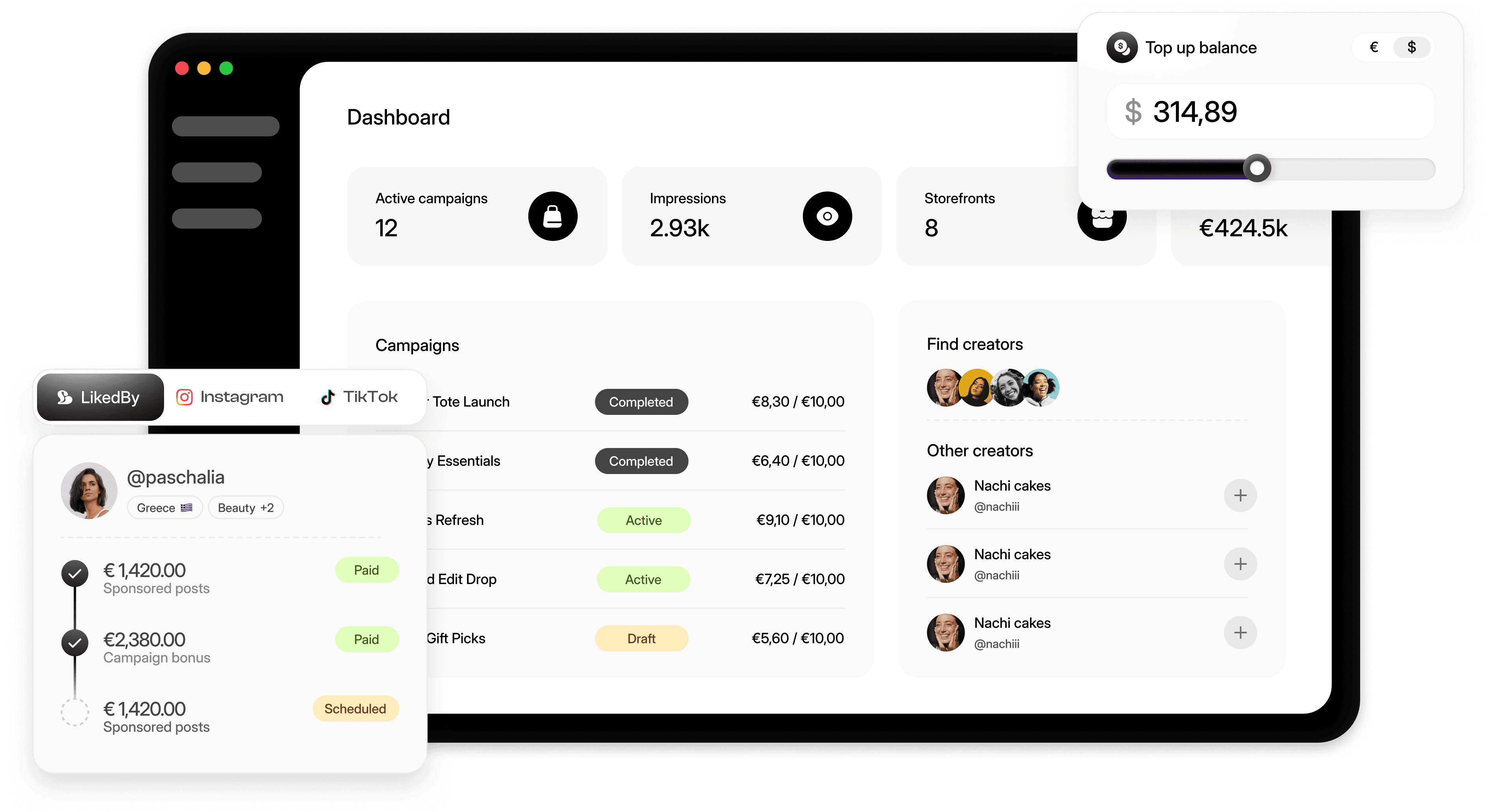
Finding creators who can drive TikTok Shop GMV is fundamentally different from finding creators with high follower counts. TikTok Shop sellers need creators who understand product demonstration, can drive clicks on the shopping cart pin, and have audiences that convert — not just engage. Most seller teams waste weeks onboarding creators who never post or whose content generates views but zero add-to-carts.
Managing Hundreds of Affiliate Relationships Simultaneously
TikTok Shop's open and targeted collaboration models mean sellers often work with dozens or hundreds of creators at once. Tracking who received samples, who posted, whose content is pending approval, and whose commissions need adjusting becomes unmanageable without a dedicated system. A single missed follow-up can cost you a creator who was about to go viral with your product.
Sample Fulfillment and Product Seeding at Scale
Sending free products to creators is one of the highest-cost line items in a TikTok Shop seller's creator program. Without tracking which creators actually received samples, which ones posted, and what the ROI per sample was, sellers hemorrhage inventory with no accountability.
Content Quality Control Across a Large Creator Roster
TikTok Shop content must comply with platform policies and brand guidelines while still feeling native. When you have 200 creators producing content simultaneously, reviewing and approving assets before they go live — or catching policy violations after — requires a workflow that most teams simply do not have.
Commission Structure Complexity
TikTok Shop sellers often run tiered commission structures: higher rates for top performers, promotional rates during launches, and baseline rates for open collaborations. Managing these across TikTok Shop's Seller Center while keeping creators informed and motivated is a constant operational drain.
Attribution Gaps Between Creator Content and Actual Sales
TikTok Shop provides some native analytics, but sellers struggle to connect creator-level performance data with their broader e-commerce metrics. Understanding which creator drove which spike in orders, and whether that creator's audience has strong repeat purchase behavior, requires stitching together data from multiple sources.
Creator Churn and Retention
High-performing TikTok Shop creators are constantly being recruited by competing sellers. If your collaboration process is slow, your communication is inconsistent, or your commission payouts are confusing, top creators will quietly move to a competitor who makes it easier to earn.
Spreadsheets Cannot Handle TikTok Shop's Velocity
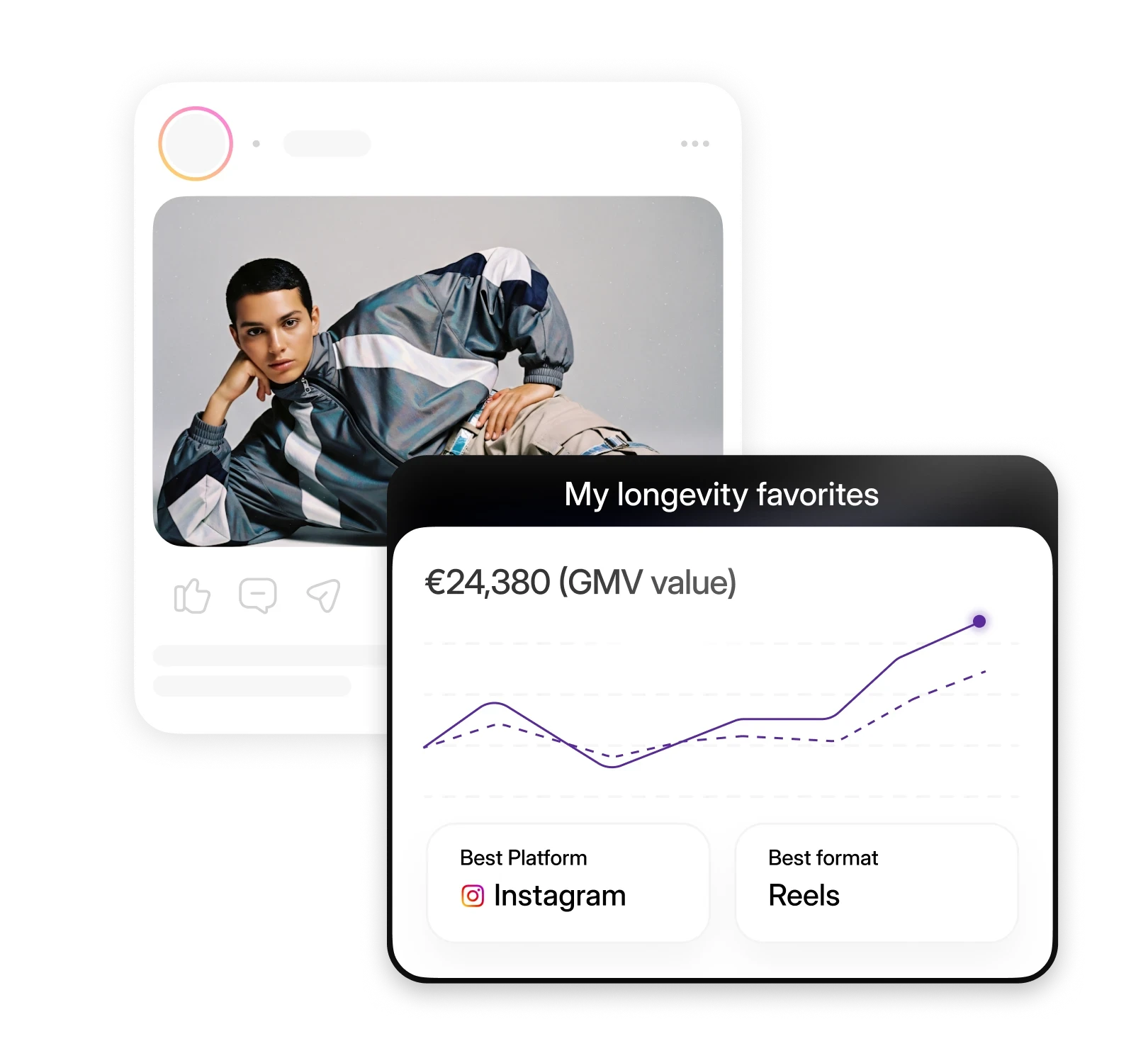
TikTok Shop moves in real time. A creator's video can generate $10,000 in GMV in 48 hours, and your response — boosting that content with Spark Ads, increasing their commission, sending additional SKUs — needs to happen within hours, not days. Spreadsheet-based tracking introduces latency that kills momentum. By the time you update your Google Sheet, the algorithm has already moved on.
Generic Influencer Platforms Ignore Shop-Specific Workflows
Most influencer marketing software was built for Instagram brand deals and YouTube sponsorships. They optimize for reach and engagement metrics, not for TikTok Shop-specific KPIs like GMV per creator, add-to-cart rate, shop tab click-through, or affiliate commission ROI. They have no concept of sample tracking, open vs. targeted collaborations, or TikTok Shop's unique content approval flow.
TikTok Seller Center Alone Is Not Enough
TikTok's native Seller Center handles the transactional layer — setting commission rates, approving creator applications, viewing basic sales data. But it was not designed to be a creator relationship management tool. It does not help you nurture creators, organize their content assets, track their full lifecycle from outreach to repeat collaboration, or compare performance across campaigns over time.
Disconnected Tools Create Data Silos
When your creator outreach lives in email, your content approvals happen in DMs, your sample tracking is in a spreadsheet, and your performance data sits in Seller Center, no single team member has a complete picture. This fragmentation leads to duplicate outreach, missed follow-ups, and an inability to make data-driven decisions about which creators deserve more investment.
How Socialscale Powers Creator Collaborations for TikTok Shop Sellers
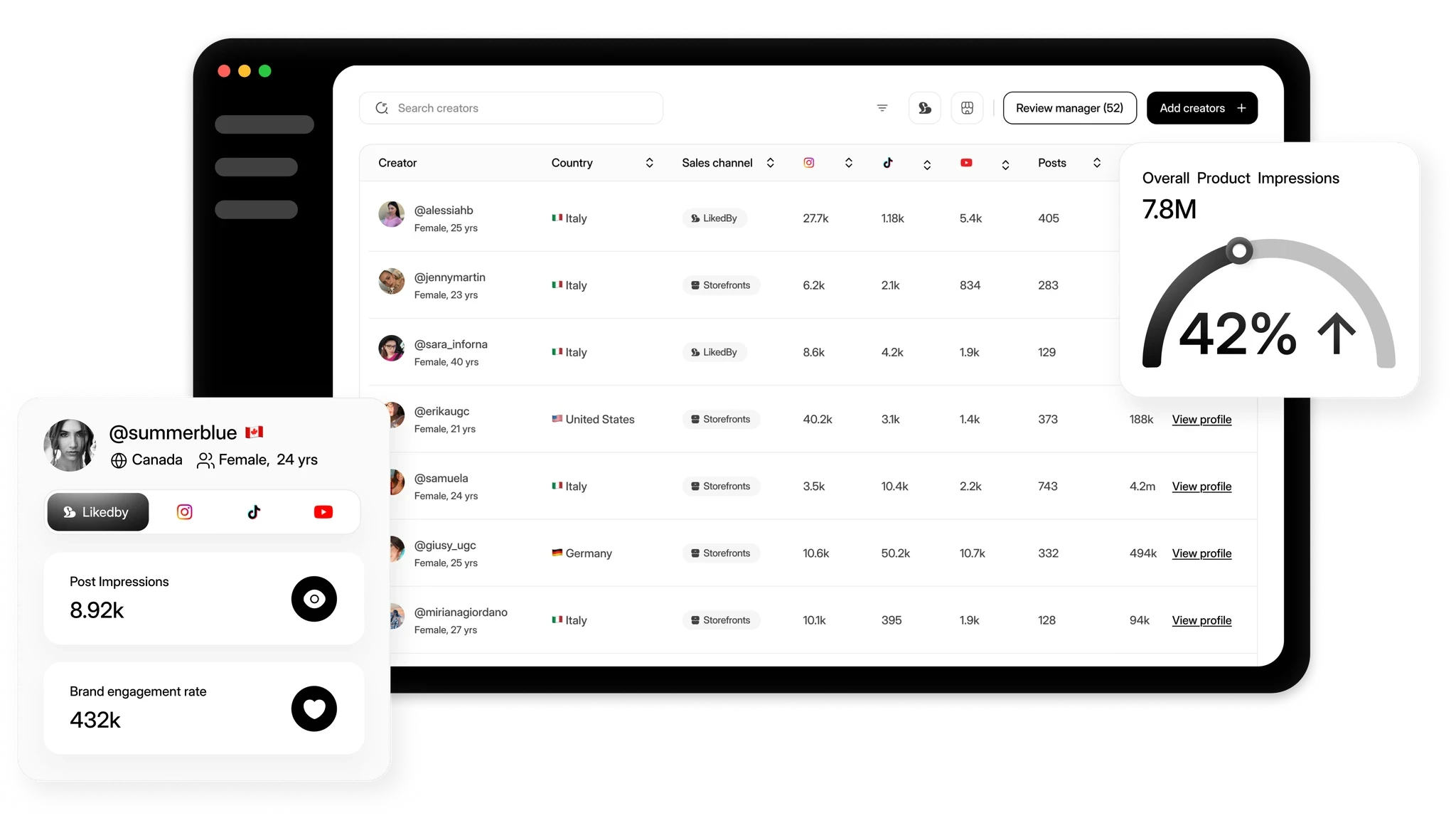
Socialscale is built as the operating system for social commerce — and TikTok Shop seller programs are exactly the use case it was designed for. Instead of stitching together five different tools, Socialscale gives your team a single platform to manage every stage of the creator collaboration lifecycle, from first outreach to revenue attribution.
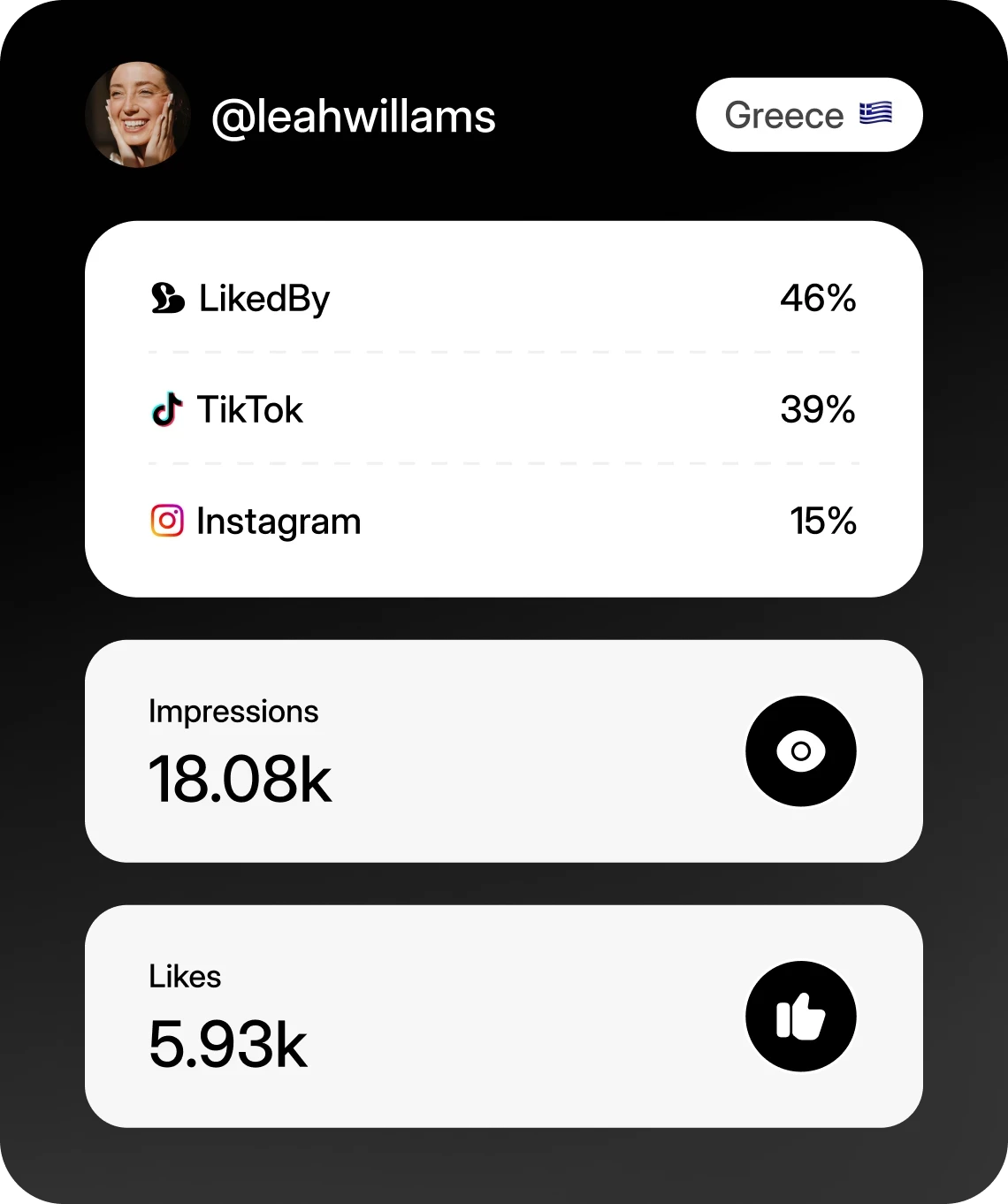
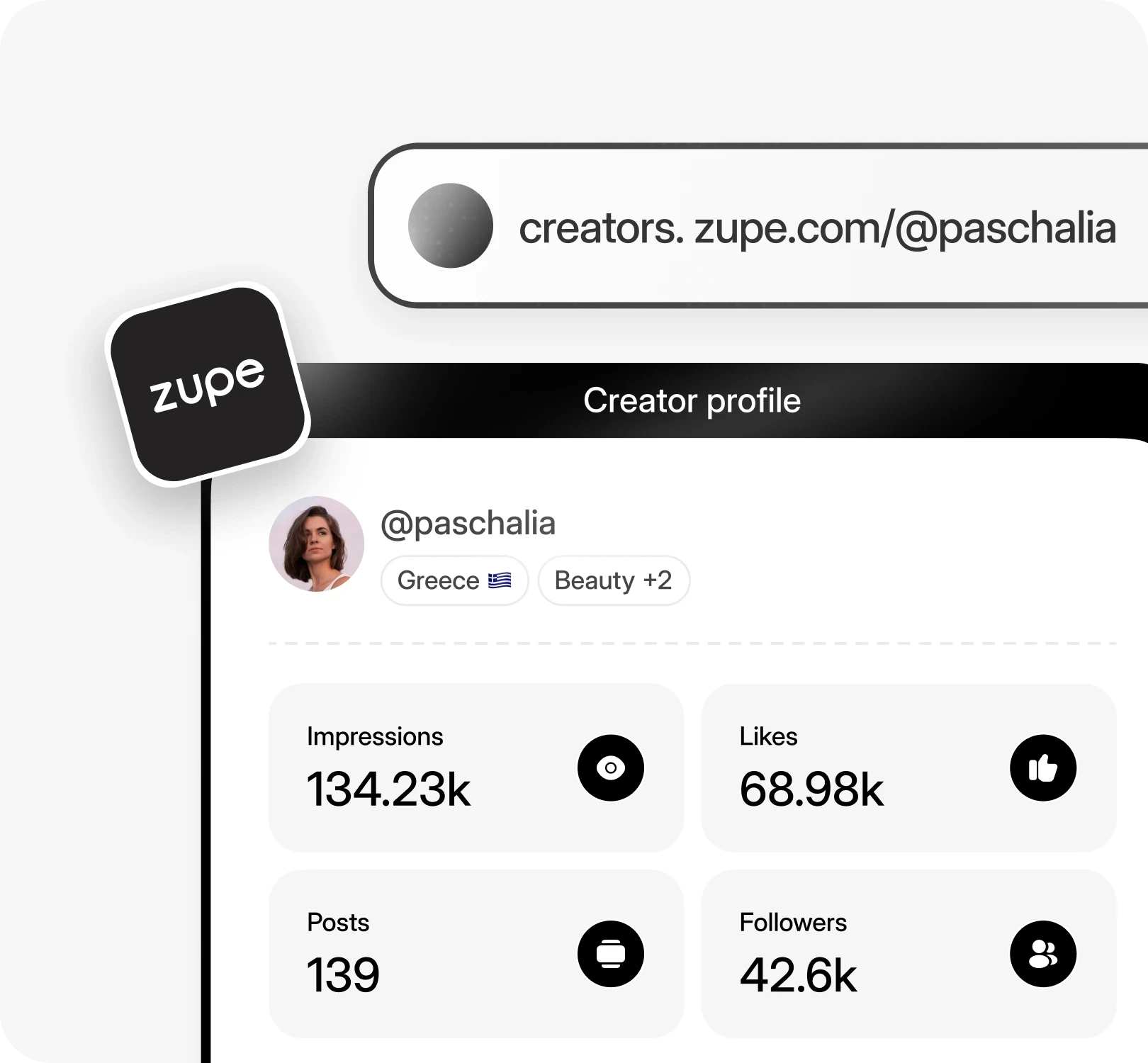
At the core is the creator CRM, which replaces your spreadsheets with a structured database of every creator you have ever worked with, are currently collaborating with, or are prospecting. Each creator profile tracks their TikTok Shop performance, content history, sample shipments, communication logs, and collaboration status — giving your team instant context before every interaction.
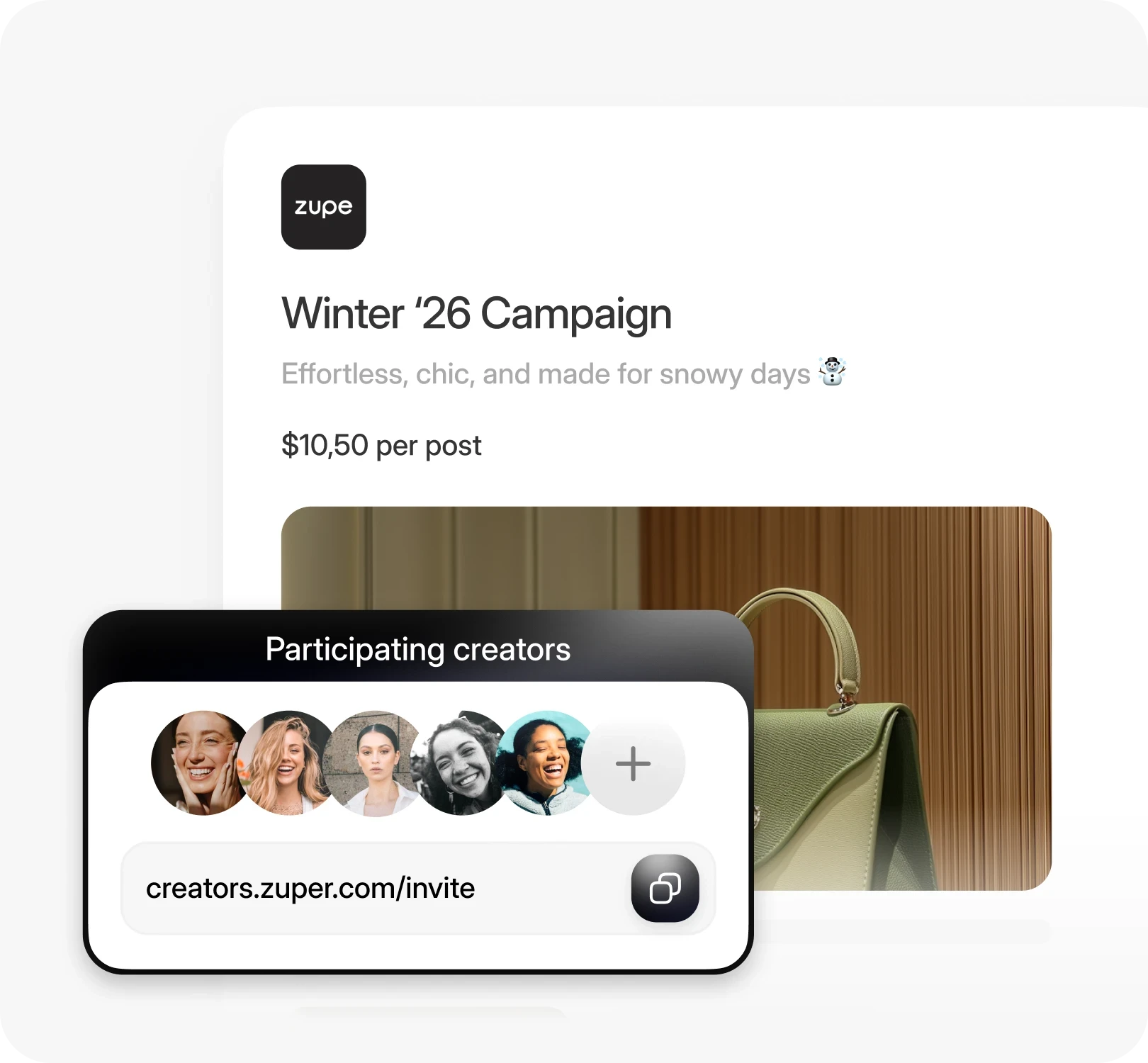
The creator collaborations module lets you build repeatable campaign workflows: define your collaboration brief, set product and commission details, manage creator applications or outreach lists, track content submissions, and approve assets — all without leaving the platform. For TikTok Shop sellers running weekly product drops or seasonal pushes, this means you can launch a new collaboration campaign in minutes, not days.
And because content is the currency of TikTok Shop, Socialscale's creator content storage system ensures every video, thumbnail, and asset is organized by creator, campaign, and product — making it easy to repurpose top-performing content for Spark Ads, your website, or other channels.
Feature Breakdown: What TikTok Shop Sellers Get
Creator CRM with TikTok Shop Context
Every creator in your program gets a rich profile that goes beyond vanity metrics. Track their TikTok Shop affiliate status, historical GMV contribution, average order value driven, content output frequency, and collaboration history. Segment creators by performance tier, product category affinity, or content style so you can target the right creators for each campaign.
Campaign-Based Collaboration Workflows
Structure your collaborations as campaigns with defined timelines, product assignments, content requirements, and commission tiers. Whether you are running an open collaboration for a hero SKU or a targeted campaign with your top 20 creators for a new product launch, the workflow adapts. Each campaign has its own pipeline view showing exactly where every creator stands — invited, accepted, sample shipped, content submitted, content approved, live.
Content Review and Approval Pipeline
TikTok Shop content needs to hit specific marks: product must be visible, shopping cart pin must be mentioned, claims must be compliant. Socialscale's approval workflow lets your team review submitted content, leave timestamped feedback, request revisions, and approve assets — all tracked with version history. This eliminates the chaos of reviewing content across DMs, email, and WhatsApp.
Creator Content Library and Asset Organization
Every piece of content a creator produces for your brand is automatically organized in your creator drive. Filter by product, campaign, creator, or performance metrics. When your paid media team needs the top 10 performing creator videos for Spark Ads, they can find them in seconds instead of digging through chat histories.
Performance Tracking at the Creator and Campaign Level
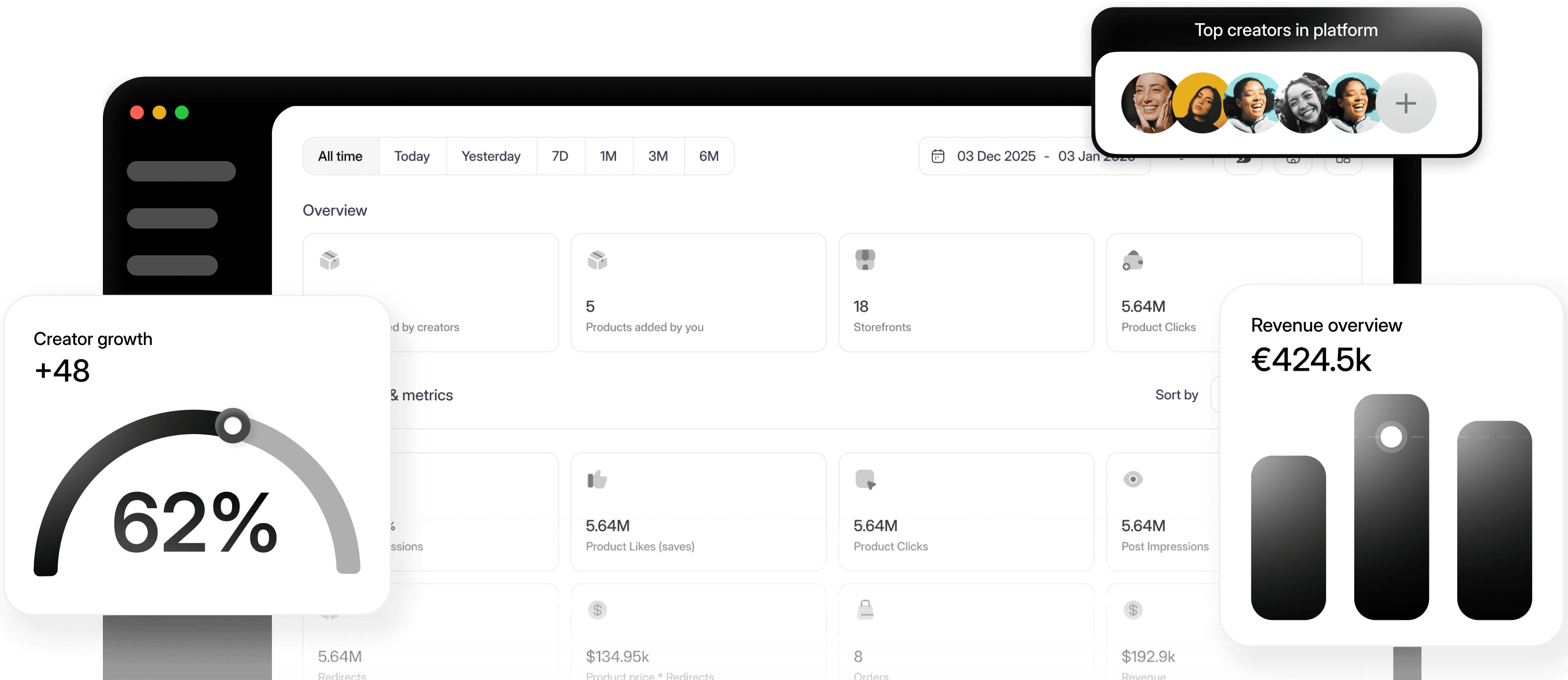
Go beyond TikTok Seller Center's native reporting. Track creator-level metrics over time — content output velocity, GMV per video, engagement-to-conversion ratios, and collaboration completion rates. Identify which creators are consistently driving revenue and which ones are consuming samples without delivering results. Use the creator analytics dashboard to make investment decisions backed by data.
Shoppable Content Embedding
Repurpose your best TikTok Shop creator content beyond TikTok. Embed shoppable creator videos on your Shopify product pages, landing pages, or brand website using creator widgets. This extends the ROI of every piece of creator content and creates a social proof layer that increases on-site conversion rates.
Use Cases: Creator Collaboration Scenarios for TikTok Shop Sellers
Weekly New Arrival Seeding Program
A beauty seller launching 3–5 new SKUs every week needs to get products into creators' hands fast. Each week, the team creates a new collaboration campaign, selects 30–50 creators from their segmented roster based on past performance with similar product categories, ships samples with tracked fulfillment, and monitors content submissions against a 7-day posting deadline. Creators who consistently hit deadlines and drive sales get priority access to future launches and higher commission rates. This rhythm turns creator seeding from a chaotic scramble into a predictable weekly operation.
Mega Sale Event Creator Blitz
During TikTok Shop mega sales — Super Brand Day, seasonal events, or platform-wide promotions — sellers need to activate their entire creator roster simultaneously. A home goods seller coordinates 200+ creators to post within a 48-hour window, each with specific discount codes and product bundles. The collaboration workflow tracks every creator's status in real time, flags creators who have not posted, and surfaces top-performing content for immediate Spark Ad amplification. Post-event, the team runs a full performance analysis to determine which creators and content formats drove the highest GMV per impression.
Tiered Affiliate Program Management
A fashion seller segments their 500-creator roster into three tiers: emerging (0–$500 monthly GMV), growth ($500–$5,000), and elite ($5,000+). Each tier has different commission rates, product access, and communication cadences. The team uses automated tagging and performance thresholds to move creators between tiers monthly. Elite creators receive exclusive early access to collections and personalized collaboration briefs, while emerging creators get templated briefs and standard product selections. This tiered approach maximizes ROI on creator investment while giving every creator a clear path to earning more.
Cross-Platform Content Repurposing for DTC
A supplements seller generates 100+ creator videos monthly through TikTok Shop collaborations. The best-performing content — measured by conversion rate, not just views — gets repurposed across their Shopify storefront as embedded shoppable videos, used in Meta ad campaigns, and featured in email marketing. The content library makes it simple to identify, export, and deploy top assets without re-requesting files from creators. This turns TikTok Shop creator content into an omnichannel asset that drives revenue far beyond the TikTok ecosystem.
Creator Activation Workflow for TikTok Shop Sellers
A structured weekly and monthly workflow ensures your creator program operates with consistency and scales without chaos. Here is the operational cadence that high-performing TikTok Shop seller teams follow.
Creator Prospecting and Roster Building (Ongoing)
Continuously identify and add potential creators to your CRM. Source from TikTok Shop's creator marketplace, competitor tagged content, hashtag research, and inbound applications. Tag each creator with relevant attributes: niche, follower tier, content style, past brand affiliations, and estimated engagement quality.
Campaign Brief Creation (Weekly or Per Product Drop)
For each new product or promotion, create a collaboration campaign with a detailed brief: product details, key selling points, content requirements (video length, must-show moments, CTA language), commission structure, and posting deadline. Attach product images and sample shipping details directly to the campaign.
Creator Selection and Outreach (Weekly)
Using your CRM segments, select creators who match the campaign's product category and performance requirements. Send personalized invitations through the platform. For open collaborations, publish the campaign to your creator portal and manage inbound applications with acceptance or rejection workflows.
Sample Fulfillment Tracking (Within 48 Hours of Acceptance)
Once a creator accepts, trigger sample shipment. Log tracking numbers, expected delivery dates, and product variants sent. Set automated reminders for creators who have received samples but have not submitted content within the expected window.
Content Submission and Review (Rolling, 5–10 Day Window)
As creators submit content, your team reviews each asset against the brief requirements and TikTok Shop compliance guidelines. Approve, request revisions with specific feedback, or flag policy concerns. Maintain version history so you can track how content evolved through the review process.
Content Goes Live and Performance Monitoring (Daily)
Once content is approved and posted, monitor early performance signals: views, engagement rate, shopping cart clicks, and orders attributed. Identify breakout content within the first 24 hours and flag it for Spark Ad amplification or additional creator incentives.
Weekly Performance Review and Creator Scoring (Every Monday)
Pull creator-level and campaign-level performance reports. Update creator scores based on content quality, posting reliability, and GMV contribution. Adjust tier assignments, commission rates, and future campaign invitations based on data. Archive underperforming creators and prioritize re-engagement with top performers.
Monthly Program Optimization (First Week of Each Month)
Conduct a full program review: total GMV attributed to creator content, cost per acquisition through creator channels, sample-to-sale conversion rate, creator retention rate, and content library growth. Use these insights to refine your creator selection criteria, brief templates, and commission structures for the coming month.
Key Performance Indicators for TikTok Shop Creator Programs
Tracking the right metrics separates sellers who scale from sellers who stall. Here are the KPIs your team should monitor at the creator, campaign, and program level.
Creator Activation Rate: Percentage of invited or onboarded creators who actually post content within the campaign window. Target: 60%+ for targeted collaborations, 15–25% for open collaborations.
Content Approval Time: Average hours from content submission to final approval. Faster approvals mean faster time-to-revenue. Target: under 24 hours.
Content Output per Creator: Number of shoppable videos produced per creator per month. Indicates creator engagement depth.
GMV per Creator: Total gross merchandise value attributed to each creator's content. The single most important metric for TikTok Shop seller programs.
GMV per Video: Revenue generated per piece of creator content. Helps identify which content formats and styles convert best.
Sample-to-Sale Conversion Rate: Ratio of samples sent to creators versus actual sales generated. Measures the ROI of your product seeding investment.
Shopping Cart Click-Through Rate (CTR): Percentage of video viewers who click the product link or shopping cart pin. Indicates content effectiveness at driving purchase intent.
Conversion Rate (CVR): Percentage of shopping cart clicks that result in completed orders. Reflects product page quality and price-to-value alignment.
Return on Ad Spend (ROAS) for Spark Ads: When creator content is amplified via Spark Ads, track ROAS to determine which creator assets are worth paid amplification.
Cost per Acquisition (CPA) via Creator Channel: Total creator program cost (samples + commissions + tools) divided by total orders attributed. Compare against paid ads CPA to justify creator investment.
Creator Retention Rate: Percentage of creators who participate in multiple campaigns over a 90-day period. High retention signals a healthy program with strong creator relationships.
Content Library Growth Rate: Monthly increase in usable creator assets. A growing library means more fuel for Spark Ads, website content, and cross-platform deployment.
Scenario: Scaling a TikTok Shop Beauty Brand's Creator Program
A mid-size beauty brand selling skincare and cosmetics on TikTok Shop was generating $80,000 in monthly GMV through a creator program managed entirely through spreadsheets, TikTok DMs, and Seller Center. Their team of three was managing 120 active creators but struggling with sample waste, inconsistent content quality, and an inability to identify which creators were actually driving revenue versus just generating views.
The Operational Shift
The team implemented a structured collaboration workflow using a centralized creator marketing platform. Every creator was migrated into a CRM with performance history, tier assignments, and product category tags. Collaboration campaigns were templatized for weekly new product drops, with standardized briefs, automated sample tracking, and a content approval pipeline that replaced their chaotic DM-based review process.
Results After 90 Days
Within three months, the program saw measurable improvements across every key metric:
Active creator roster grew from 120 to 340 without adding headcount, because the streamlined workflow reduced per-creator management time by 65%.
Creator activation rate increased from 38% to 71% — more creators who received samples actually posted content, driven by automated follow-ups and clearer briefs.
Content approval time dropped from an average of 3.2 days to 14 hours, meaning content went live faster and captured more algorithmic momentum.
Sample-to-sale conversion rate improved from 1:4.2 to 1:7.8 (every sample sent generated 7.8x its cost in GMV), because creator selection was now based on historical performance data rather than follower count.
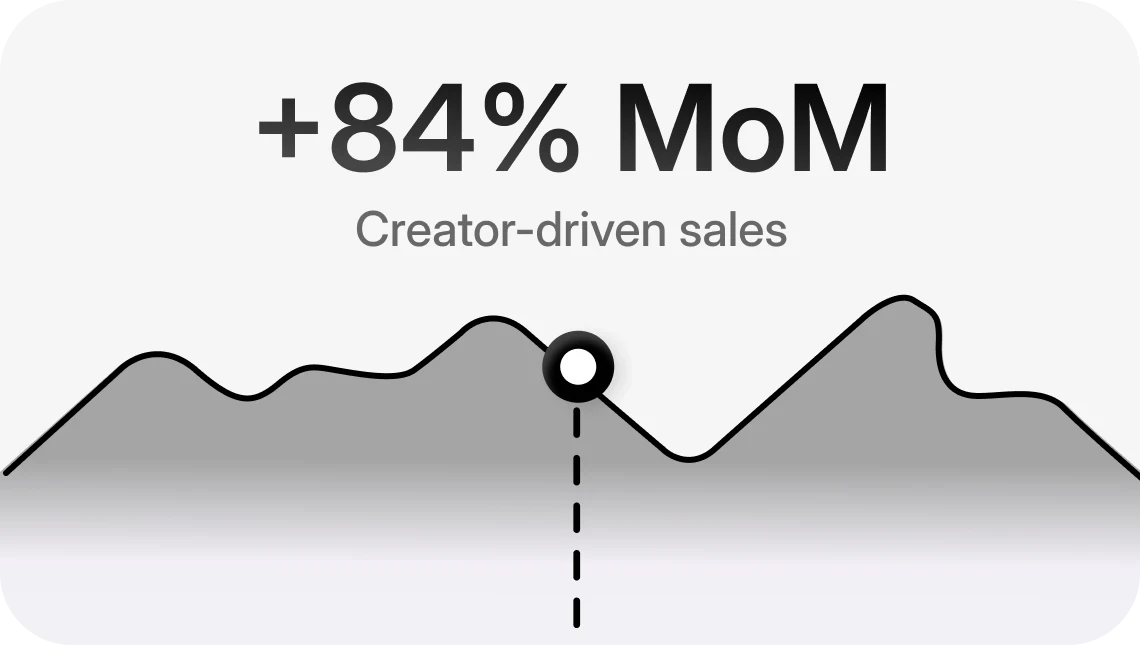
Monthly GMV attributed to creator content grew from $80,000 to $215,000.
The team identified their top 15 creators — who generated 52% of total creator GMV — and moved them to an elite tier with higher commissions and exclusive product access, further increasing their output and loyalty.
The brand also began repurposing their top 20 creator videos monthly as Spark Ads and embedded shoppable content on their Shopify store, generating an additional $28,000 in monthly revenue from content that had already been paid for through the creator program.
Frequently Asked Questions
How is Socialscale different from TikTok Shop's built-in collaboration tools?
TikTok Shop's Seller Center handles the transactional basics — setting commissions, approving affiliate applications, and viewing order data. Socialscale adds the operational layer on top: creator relationship management, campaign workflow automation, content approval pipelines, asset organization, and cross-campaign performance analytics. Think of Seller Center as the checkout register and Socialscale as the full store operations system.
Can I manage both open and targeted TikTok Shop collaborations through Socialscale?
Yes. You can run targeted collaboration campaigns where you hand-pick creators from your CRM and send personalized invitations, as well as open collaboration campaigns where creators apply and your team reviews applications against defined criteria. Both workflows track through the same pipeline, giving you a unified view of all active collaborations regardless of type.
How does Socialscale help reduce sample waste in creator programs?
By tracking the full sample-to-content-to-sale pipeline, Socialscale makes it visible which creators consistently convert samples into posted content and revenue. Over time, your team builds a data-backed understanding of which creator profiles are worth seeding and which ones are not. Automated follow-ups after sample delivery also increase the percentage of creators who actually fulfill their content obligations.
What size TikTok Shop seller team benefits most from this platform?
Teams managing 50+ active creators will see the most immediate operational relief, but the system is designed to scale from early-stage programs with 20 creators to enterprise programs with 2,000+. The key inflection point is when your team can no longer track every creator relationship, sample shipment, and content submission in their heads or in spreadsheets — that is when a dedicated creator marketing platform becomes essential.
Can I track creator performance across TikTok Shop and my own Shopify store?
Yes. When creator content is repurposed on your Shopify store via embedded shoppable widgets, you can track performance across both channels. This gives you a complete picture of each creator's total revenue contribution — not just what they drive on TikTok Shop, but also the downstream value of their content on your owned channels.