Creator Collaborations for Pet Brands: Streamline Pet Influencer Gifting Campaigns
Pet brands operate in one of the most emotionally driven verticals in social commerce. From premium kibble subscriptions to orthopedic dog beds and interactive cat toys, the path to purchase almost always runs through trust — and nothing builds trust faster than a beloved pet influencer unboxing your product on camera. Yet managing pet influencer gifting campaigns across dozens or hundreds of creators remains one of the most operationally painful tasks for marketing teams.
The challenge is not finding pet creators. Instagram, TikTok, and YouTube are overflowing with golden retriever accounts, adventure-cat pages, and exotic pet channels pulling millions of views. The real bottleneck is coordination: tracking who received which SKU, confirming content delivery timelines, collecting and organizing UGC assets, and tying any of it back to actual revenue. Spreadsheets break. Email threads get buried. Gifting campaigns that should drive measurable social commerce results instead become black holes of operational overhead.
This page breaks down exactly how a purpose-built creator collaboration workflow helps pet brands move from chaotic gifting programs to structured, repeatable campaigns — with clear KPIs, organized content pipelines, and real attribution from creator post to product sale.
Key Challenges Pet Brands Face with Influencer Gifting Campaigns
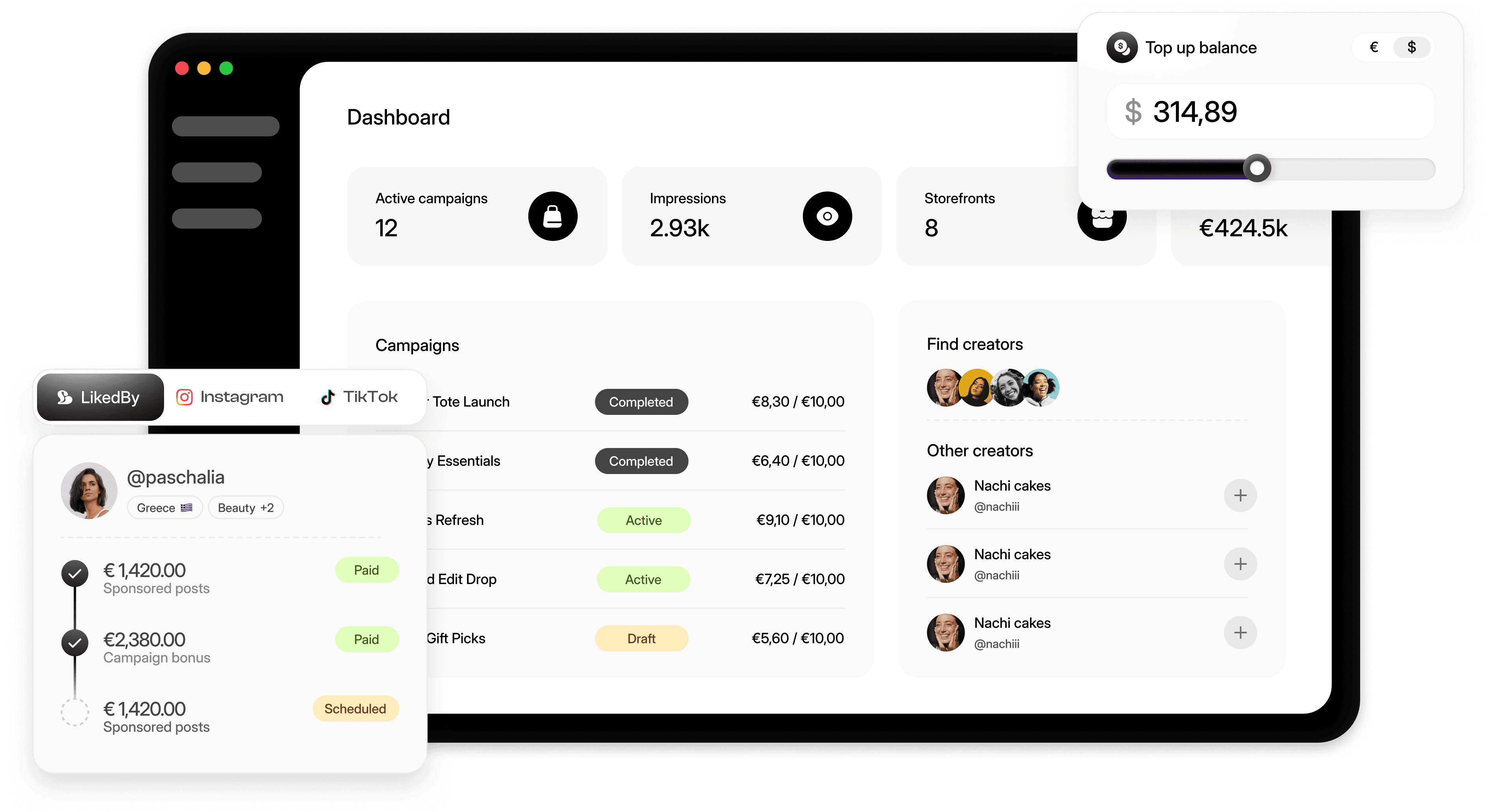
Pet brands deal with a unique set of operational and strategic hurdles when running creator gifting programs. These challenges compound quickly as programs scale beyond a handful of creators.
1. High SKU Variability Across Product Lines
A single pet brand may carry dozens of SKUs across species, sizes, flavors, and formulations. Matching the right product to the right creator — a large-breed dog food to a Great Dane account, not a Chihuahua page — requires granular tracking that spreadsheets cannot reliably handle. Mismatched gifting wastes product, frustrates creators, and produces irrelevant content.
2. Fragmented Creator Communication
Pet influencer outreach often starts in DMs, moves to email, and then scatters across Slack threads and shared docs. When a brand is managing 50+ gifting relationships simultaneously, messages get lost, follow-ups are missed, and creators churn silently because they never received shipping confirmation or a content brief.
3. Content Collection Is Manual and Inconsistent
Creators post on their own timelines. Some tag the brand, some forget. Some deliver Stories that expire in 24 hours with no saved asset. Pet brands end up manually screenshotting content, chasing download links, and storing files in disorganized Google Drive folders with no metadata or usage rights documentation.
4. No Attribution Between Gifting and Revenue
Most pet brands can tell you how many units they shipped to creators. Very few can tell you which gifted creator drove the most site traffic, conversions, or repeat purchases. Without performance tracking tied to individual creators, gifting budgets are allocated based on follower counts rather than actual commercial impact.
5. Seasonal Demand Spikes Create Bottlenecks
Pet industry sales spike around holidays, National Pet Day, adoption awareness months, and back-to-school (pet parents restocking). Gifting campaigns need to ramp up weeks in advance, but without a structured collaboration system, teams scramble to onboard creators, ship products, and approve content under compressed timelines.
6. Regulatory and Claim Sensitivity
Pet health, nutrition, and supplement brands face scrutiny around product claims. Creator content that makes unapproved health claims can create compliance risk. Without a content approval workflow, brands have no systematic way to review posts before they go live.
7. Difficulty Scaling Beyond Micro-Influencers
Many pet brands start with a small circle of loyal micro-influencers. Scaling to 100+ creators requires infrastructure — standardized briefs, automated shipping triggers, content calendars, and performance dashboards — that most teams simply do not have in place.
Why Spreadsheets, Email, and Generic Tools Fall Short
Spreadsheets Cannot Handle Multi-Dimensional Gifting Data
A typical pet brand gifting tracker needs to capture creator name, platform, pet type, pet size, product SKU, shipping address, tracking number, ship date, expected post date, actual post date, content type, content link, engagement metrics, and conversion data. Spreadsheets become unwieldy after 30 rows and break entirely when multiple team members edit simultaneously. Version control disappears, and historical campaign data becomes unreliable.
Email and DMs Create Accountability Gaps
When creator communication lives across Instagram DMs, TikTok messages, Gmail threads, and Slack channels, there is no single source of truth for what was promised, what was shipped, and what was delivered. Team members leaving the company take institutional knowledge with them. New hires spend weeks reconstructing relationships from scattered inboxes.
Generic Project Management Tools Lack Creator-Specific Workflows
Tools like Asana, Monday, or Notion can organize tasks, but they were not designed for influencer marketing workflows. They lack native integrations with social platforms, cannot pull engagement data automatically, do not support content approval pipelines with visual previews, and offer no way to embed shoppable content from creator posts. Teams end up building fragile workarounds that require constant manual maintenance.
Influencer Marketplaces Focus on Discovery, Not Operations
Many pet brands use influencer discovery platforms to find creators but then have no system for managing the ongoing relationship. Discovery is a one-time event; collaboration is a continuous process. Marketplace tools rarely offer CRM functionality, asset management, or performance attribution — the operational backbone that gifting campaigns actually require.
How Socialscale Powers Creator Collaborations for Pet Brands
Socialscale is built as the operating system for social commerce, giving pet brand teams a single platform to manage every stage of a creator gifting campaign — from initial outreach through content collection, approval, publishing, and revenue tracking. Rather than stitching together five different tools, teams run their entire pet influencer program inside one workspace.
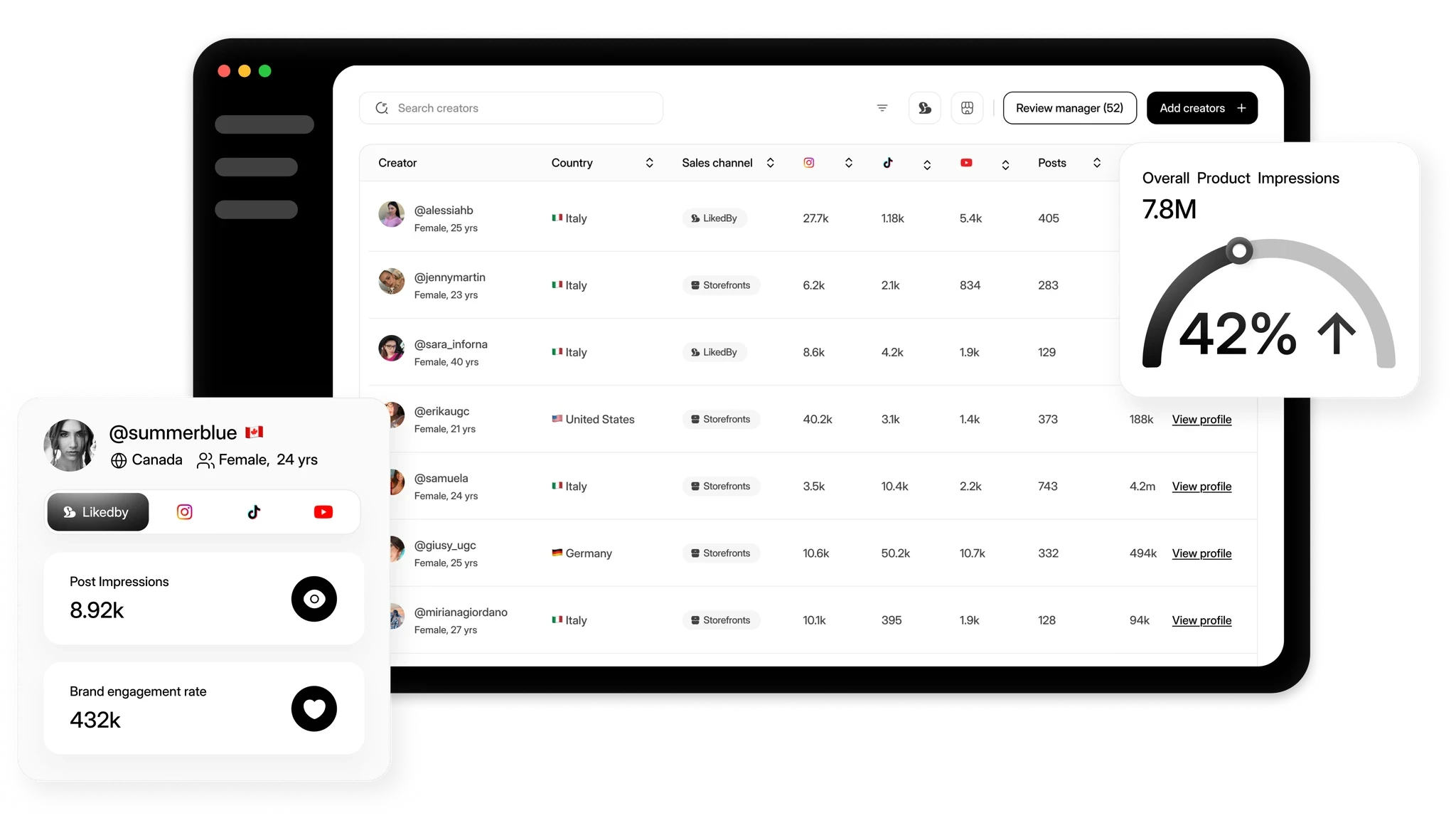
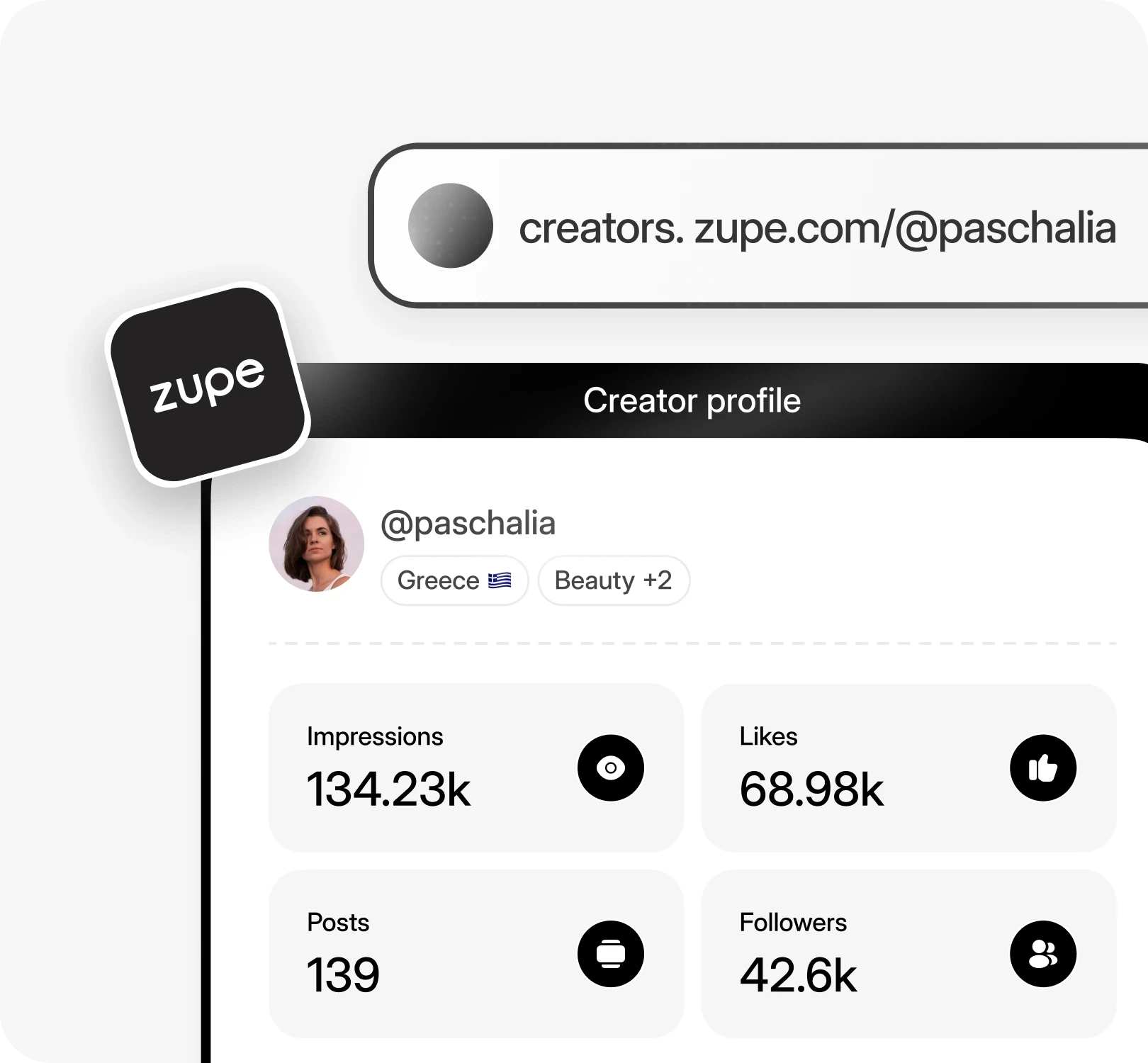
At the core is a dedicated creator CRM that stores every creator relationship with full context: pet type, audience demographics, past collaborations, content performance history, shipping details, and communication logs. When your team needs to launch a gifting wave for a new grain-free dog food line, you can filter your creator database by dog-focused accounts with engagement rates above a threshold and previous conversion history — then move directly into campaign setup without switching tools.
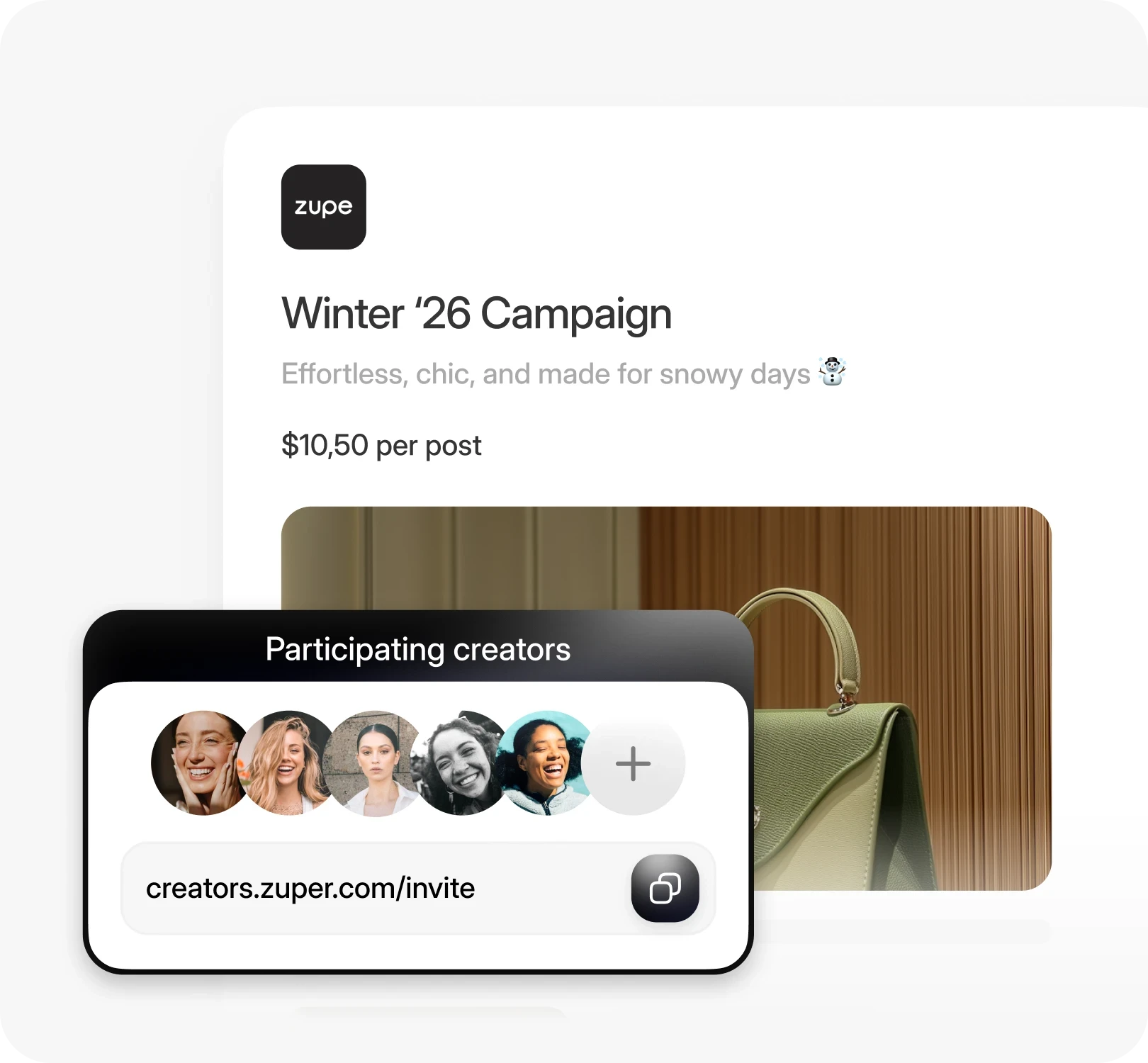
The creator collaborations module handles the operational workflow: assigning products to creators, attaching briefs with brand guidelines and claim restrictions, setting content deadlines, and tracking delivery status. Content submitted by creators flows into an approval queue where your team can review, request edits, or approve — all with timestamped records for compliance documentation.
Once approved, assets are automatically organized in Creator Drive, tagged by campaign, creator, product, content type, and platform. Your e-commerce team can then surface that content as shoppable UGC on product pages, driving the social commerce loop from creator post to purchase without manual asset hunting.
Feature Breakdown: What Pet Brand Teams Actually Use
Creator CRM with Pet-Specific Segmentation
Tag and filter creators by pet species (dog, cat, bird, reptile, small animal), breed size, content style (educational, comedic, lifestyle, training), platform, and engagement tier. Store shipping addresses, dietary restrictions for pet products, and notes from previous collaborations. Every interaction — email, brief sent, product shipped, content received — is logged automatically so any team member can pick up a relationship without context loss.
Campaign Builder for Gifting Waves
Create campaigns with defined objectives (awareness, UGC generation, affiliate sales), assign specific SKUs to each creator based on their pet profile, attach creative briefs with do/don't guidelines for pet health claims, and set content submission deadlines. Campaigns can be cloned for recurring seasonal pushes — holiday gift guides, summer travel gear, flea-and-tick season — saving hours of setup time each quarter.
Content Approval Pipeline
Creators submit draft content directly into the platform. Your team reviews posts in a visual interface — seeing the actual image or video alongside the caption — and can approve, reject with notes, or flag for legal review. This is critical for pet supplement and nutrition brands where unapproved efficacy claims can trigger regulatory issues. Every approval action is timestamped for audit trails.
Automated Asset Organization
Approved content flows into a centralized asset library with automatic tagging: campaign name, creator handle, product SKU, content format (Reel, Story, TikTok, static post), and usage rights status. No more digging through Google Drive folders named "Q3 Dog Content FINAL v2." Your creative and e-commerce teams can search and filter assets instantly for repurposing across paid ads, email, and product pages.
Shoppable Content Embedding
Turn creator UGC into revenue-generating assets on your Shopify store. Embed creator videos and photos directly on product detail pages, collection pages, and dedicated creator storefronts using creator widgets. When a customer watches a golden retriever happily chewing your dental stick on the product page, they can add to cart without leaving the experience. This closes the loop between influencer marketing and direct commerce.
Performance Tracking by Creator and Campaign
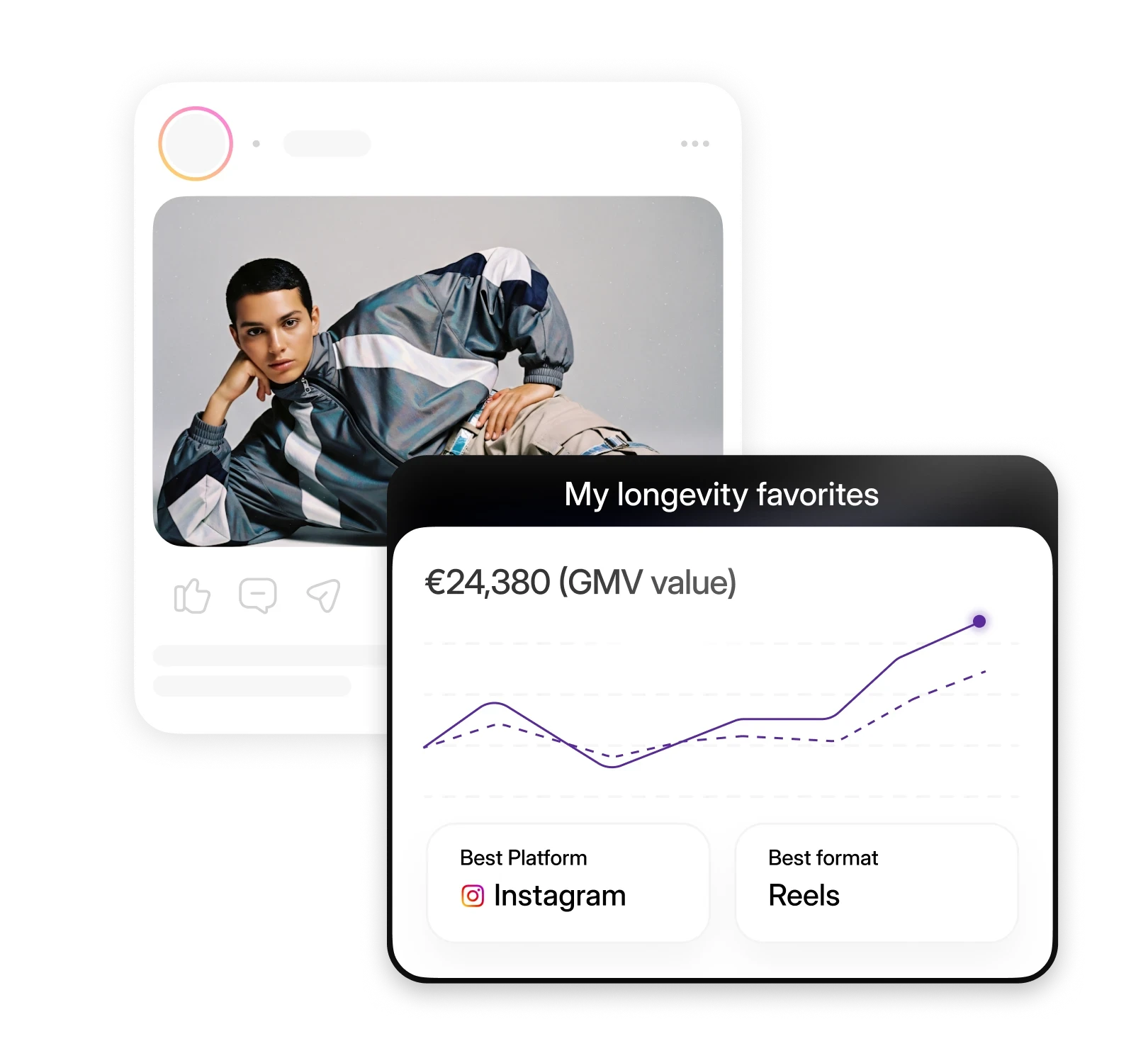
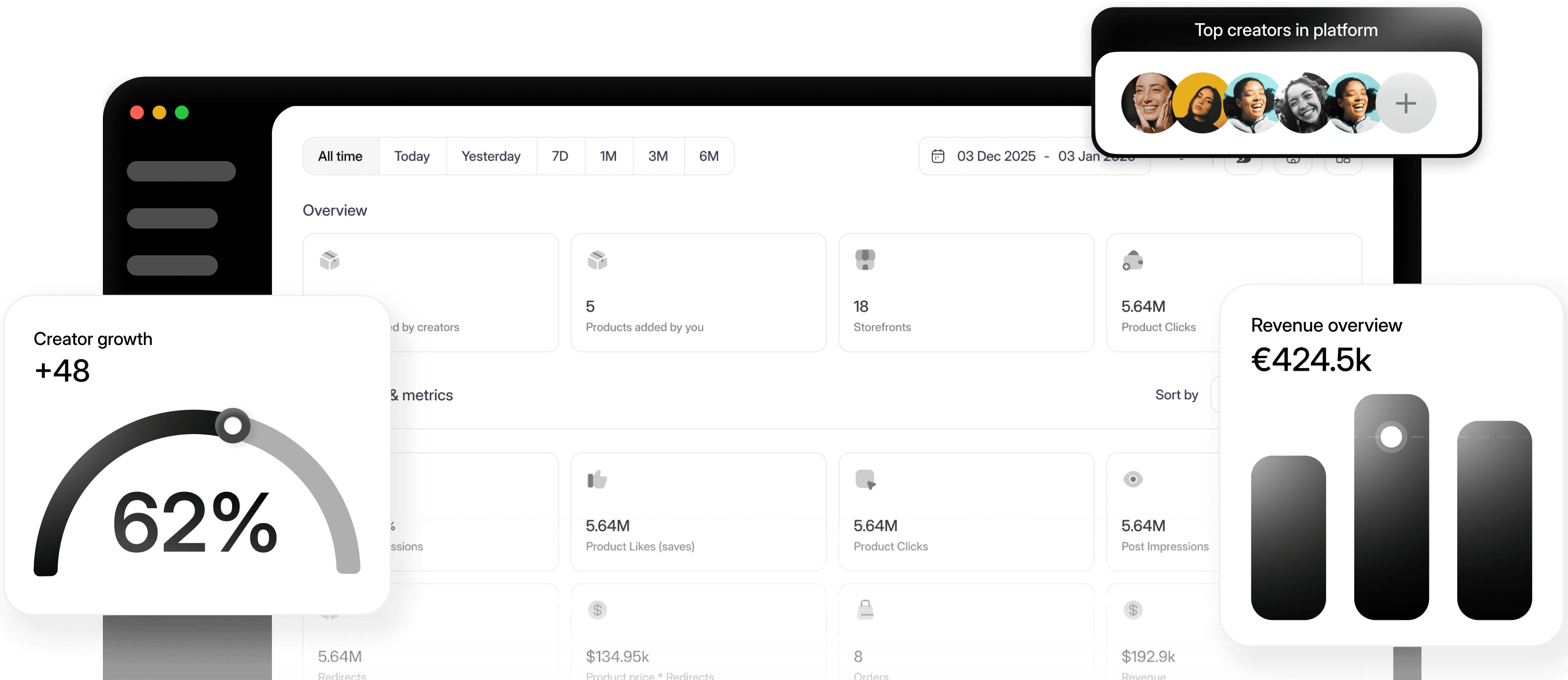
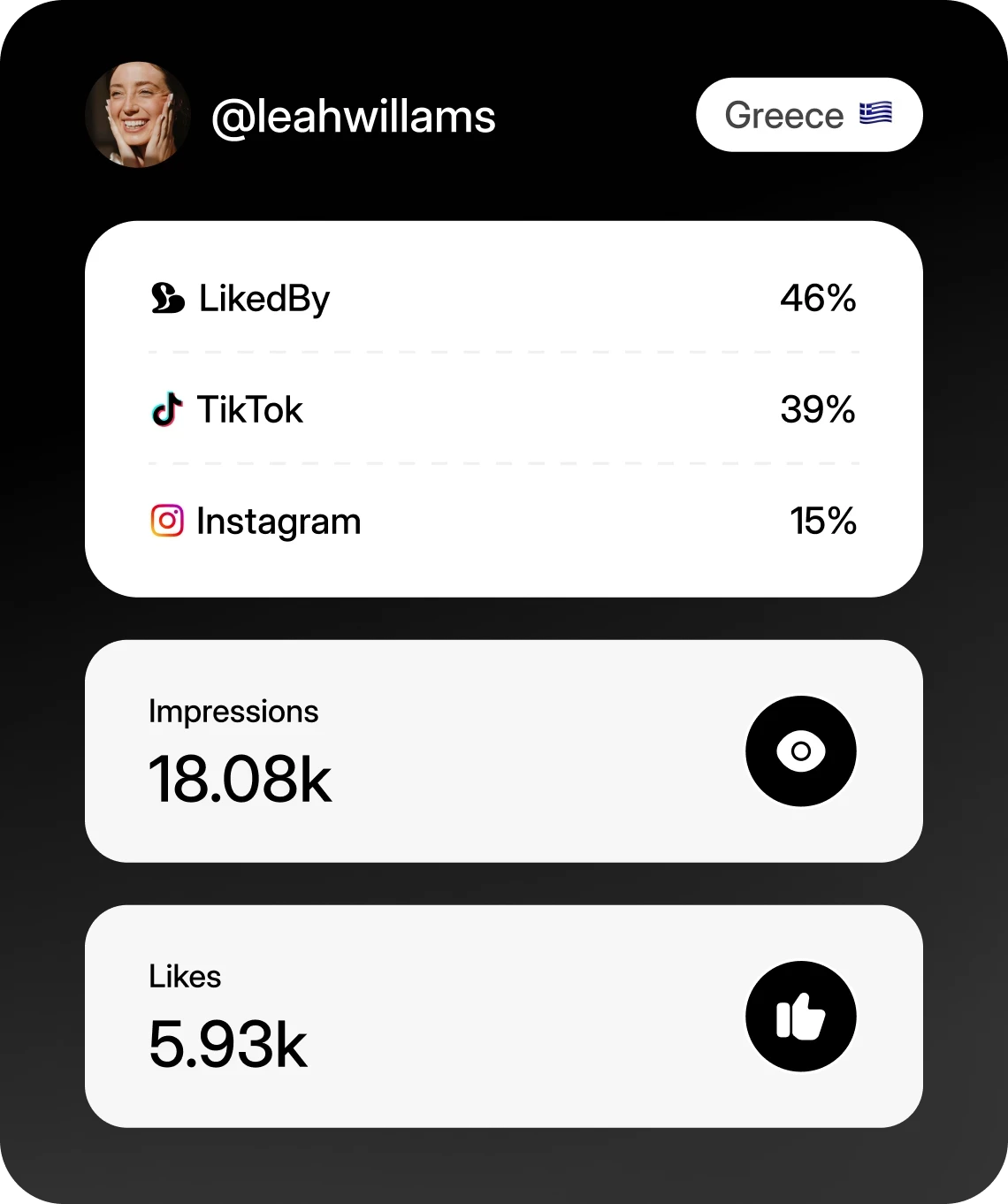
Track impressions, engagement rate, click-throughs, conversions, and revenue attributed to each creator and each campaign. Identify which pet influencers consistently drive purchases versus those who generate awareness but no downstream action. Use the creator analytics dashboard to make data-informed decisions about which creators to re-gift, which to upgrade to paid partnerships, and which to sunset.
Use Cases: How Pet Brand Teams Apply Creator Collaborations
1. Seasonal Product Launch Gifting for a Premium Dog Food Brand
A premium dog food brand preparing to launch a limited-edition seasonal recipe (pumpkin and turkey for fall) identifies 80 dog-focused creators from their CRM, segmented by breed size to match the appropriate kibble size. Each creator receives a personalized brief specifying key messaging points, forbidden health claims, and a content deadline two weeks before the product hits retail shelves. Content submissions are reviewed and approved within 48 hours. The top-performing Reels and TikToks are embedded on the product page before launch day, giving the PDP social proof from day one. The brand tracks which creators drove the most pre-order clicks and prioritizes them for the winter holiday campaign.
2. Ongoing Affiliate Gifting Program for a Cat Toy Subscription Box
A cat toy subscription brand runs a rolling gifting program where new creators receive their first box free and earn affiliate commissions on subsequent subscriber sign-ups. The collaboration workflow automates the first-box shipment upon creator onboarding, sends the brief with unboxing content guidelines, and tracks each creator's unique referral link performance monthly. Creators who generate five or more conversions in their first 60 days are automatically flagged for upgrade to a paid tier. The program scales to 200+ active creators without adding headcount because the operational workflow is systematized.
3. Veterinarian-Influencer Gifting for a Pet Supplement Brand
A pet supplement company targets veterinarian influencers and certified pet nutritionists for a credibility-driven gifting campaign. Because health claims are tightly regulated, every piece of content goes through a two-stage approval process: marketing review followed by regulatory review. The content approval pipeline ensures no post goes live without sign-off from both teams. Approved educational content — explaining joint health ingredients, dosage guidance, and clinical backing — is stored with full compliance documentation and repurposed across the brand's own social channels and email marketing.
4. Multi-Species Campaign for a Pet Retail Marketplace
An online pet retail marketplace selling products across dogs, cats, birds, reptiles, and small animals runs a multi-species gifting campaign to generate diverse UGC for category pages. The CRM segments creators by pet type, and each segment receives a different product bundle and brief tailored to their audience. A bird influencer receives a foraging toy bundle with messaging about enrichment; a reptile creator receives a terrarium accessory kit with setup-focused content guidelines. All content funnels into the same asset library but is tagged by species, enabling the e-commerce team to populate each category page with relevant creator content.
Weekly and Monthly Operational Workflow for Pet Brand Gifting Campaigns
Running a structured gifting program requires consistent operational cadence. Below is a practical workflow that pet brand teams can implement immediately to move from ad-hoc gifting to a repeatable system.
Week 1: Creator Sourcing and CRM Enrichment
Identify new pet creators through platform discovery, inbound applications, and competitor analysis. Add them to your creator CRM with full profile data: pet type, breed, audience size, engagement rate, platform focus, and content style. Tag creators by campaign fit (e.g., "large breed dog," "indoor cat," "exotic pet"). Aim to add 15–25 qualified creators per month to maintain pipeline health.
Week 1–2: Campaign Setup and Brief Creation
Define campaign objectives (UGC volume, affiliate conversions, awareness reach), select target SKUs, and build the creative brief. Include product talking points, visual guidelines (e.g., "show your pet interacting with the product, not just the packaging"), mandatory disclosures, and forbidden claims. Attach the brief to the campaign in your collaboration tool so every creator receives identical instructions.
Week 2: Creator Selection and Outreach
Filter your CRM by relevant tags and past performance data. Select creators for the campaign and send personalized invitations through the platform. Include product details, expected deliverables, timeline, and any compensation (free product, affiliate commission, or hybrid). Track acceptance rates to benchmark outreach effectiveness over time.
Week 2–3: Product Shipment and Tracking
Upon creator acceptance, trigger product shipment. Log tracking numbers against each creator record. Send automated shipping confirmation with estimated delivery date and a reminder of the content deadline. For perishable or temperature-sensitive pet products (raw food, supplements), coordinate expedited shipping and confirm receipt within 48 hours.
Week 3–4: Content Submission and Review
Creators submit draft content through the platform. Your team reviews each submission against the brief: correct product shown, messaging aligned, disclosures included, no prohibited claims. Approve, request revisions, or escalate to legal/regulatory review. Target a 48-hour turnaround on all reviews to maintain creator satisfaction and posting momentum.
Week 4: Content Goes Live and Asset Collection
Approved content is posted by creators on their channels. The platform captures live post links and pulls engagement data. Approved assets are automatically filed in your content library with campaign, creator, product, and format tags. Flag top-performing assets for repurposing on your own channels, paid ads, and product pages.
Monthly: Performance Review and Creator Tiering
Pull campaign-level and creator-level performance reports. Evaluate impressions, engagement, click-throughs, conversions, and revenue attributed. Tier creators into performance buckets: high-converting creators for paid upgrades, consistent engagers for ongoing gifting, and underperformers for deprioritization. Feed these insights back into your CRM to inform the next campaign cycle.
Monthly: Content Repurposing and Commerce Activation
Surface the best-performing creator content on your Shopify product pages, homepage, and email campaigns. Update shoppable content widgets with fresh UGC monthly. Track on-site conversion lift from embedded creator content to quantify the downstream value of your gifting program beyond social metrics.
KPIs to Track for Pet Influencer Gifting Campaigns
Effective gifting programs are measured across operational efficiency, content output, and commercial impact. These are the metrics pet brand teams should monitor weekly and monthly.
Creator Activation Rate: Percentage of gifted creators who actually post content. Benchmark target: 75%+ for well-briefed campaigns.
Content Approval Turnaround Time: Average hours from content submission to approval or revision request. Target: under 48 hours.
Content Output per Creator: Number of deliverables (posts, Reels, Stories, TikToks) produced per gifted creator per campaign.
UGC Library Growth Rate: Net new approved assets added to your content library per month.
Engagement Rate by Creator Tier: Average engagement rate segmented by micro, mid-tier, and macro pet influencers to identify optimal investment levels.
Click-Through Rate (CTR): Percentage of viewers who click through from creator content to your product page or landing page.
Conversion Rate (CVR): Percentage of creator-driven site visitors who complete a purchase.
Revenue per Creator: Total attributed revenue divided by number of active creators in the campaign period.
Cost per Acquisition (CPA): Total gifting cost (product COGS + shipping) divided by number of conversions attributed to the campaign.
Return on Ad Spend (ROAS) for Boosted Creator Content: Revenue generated from paid amplification of creator UGC divided by ad spend.
Gross Merchandise Value (GMV) from Shoppable Content: Total sales generated through embedded creator content on your e-commerce site.
Creator Retention Rate: Percentage of gifted creators who participate in a second campaign within 90 days.
On-Site Conversion Lift: Percentage increase in product page conversion rate when shoppable creator content is present versus absent.
Scenario: Mid-Size Pet Wellness Brand Scales Gifting from 20 to 150 Creators
A pet wellness brand specializing in calming supplements for dogs and cats had been running a gifting program with approximately 20 creators managed through a combination of spreadsheets, Gmail, and a shared Dropbox folder. The team of two spent roughly 15 hours per week on manual coordination: copying tracking numbers into spreadsheets, chasing creators for content links, downloading assets from Instagram, and compiling monthly reports by hand.
After implementing a structured creator collaboration workflow, the brand consolidated all creator data into a single CRM, built templated campaigns for quarterly gifting waves, and established a content approval pipeline with regulatory review for supplement claims. Within four months, the program scaled to 150 active creators across dog and cat verticals.
Measurable results after six months:
Creator activation rate increased from 58% to 82% due to clearer briefs and automated reminders.
Content approval turnaround dropped from an average of 5 days to 36 hours.
The UGC library grew from approximately 80 assets to over 600 tagged, approved assets with documented usage rights.
Shoppable creator content embedded on Shopify product pages contributed to a 23% lift in product page conversion rate.
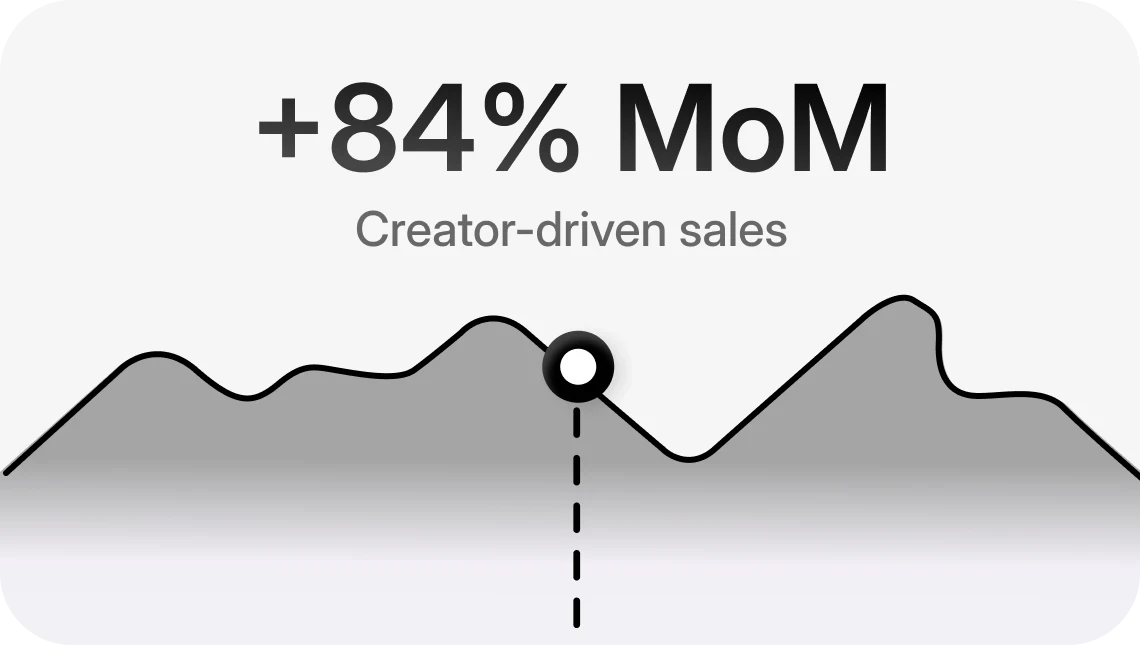
Attributed revenue from the gifting program reached $47,000 per quarter against a total gifting cost (product + shipping) of $9,200, yielding a 5.1x return.
Operational time spent on campaign management dropped from 15 hours per week to approximately 6 hours, freeing the team to focus on creator relationship building and content strategy.
The brand now uses creator performance data to identify top affiliates for paid partnerships and has built a self-sustaining pipeline where inbound creator applications are filtered, scored, and onboarded through the same system.
Frequently Asked Questions
How is managing pet influencer gifting campaigns different from other industries?
Pet brands face unique challenges including SKU matching by species and breed size, regulatory sensitivity around health and nutrition claims, and the need to verify that content actually features the pet using the product (not just a flat lay of packaging). A purpose-built collaboration workflow lets you tag creators by pet type, enforce claim guidelines through content approval, and track whether gifted products translate into authentic, on-brand content.
How many creators can a small pet brand team realistically manage?
With manual tools (spreadsheets and email), most two-person teams cap out around 25–30 active creators before operational quality degrades. With a structured creator collaboration platform handling CRM, briefs, shipping tracking, content approval, and performance reporting, the same team can typically manage 100–200 active creators depending on campaign complexity and content review requirements.
What types of pet influencer content work best for driving sales?
Product-in-use content consistently outperforms unboxing or flat-lay content for pet brands. Videos showing a dog actively enjoying a chew toy, a cat engaging with a puzzle feeder, or a pet visibly calming after a supplement generate higher engagement and click-through rates. Educational content from veterinarian influencers drives particularly strong conversion for health and wellness products. Embedding this content as shoppable UGC on product pages amplifies its commercial impact beyond social reach.
How do I measure whether my pet brand gifting program is actually profitable?
Calculate your all-in gifting cost per creator (product COGS plus shipping plus any platform fees) and compare it against attributed revenue per creator. Track conversion events through unique links, discount codes, or affiliate tracking. Layer in the value of UGC assets generated — what would equivalent product photography or video production cost if commissioned from a studio? Most pet brands find that gifting programs become profitable when activation rates exceed 70% and content is systematically repurposed across owned channels and paid media.
Can I run gifting and paid creator partnerships through the same system?
Yes. A comprehensive creator collaboration platform supports both gifted (product-only) and paid (product plus fee) partnership structures within the same workflow. You can tier creators in your CRM — gifted tier, hybrid tier, paid tier — and manage different compensation models, brief requirements, and performance expectations for each. This is particularly useful for pet brands that start creators on gifting and graduate top performers to paid ambassadorships based on conversion data.