Creator Collaboration for Outdoor Brands: The Ambassador Campaign Management System Built for the Trail
Outdoor brands operate in a category where trust is earned through real experience. Your customers research gear obsessively, read trip reports, watch summit videos, and listen to the creators who actually use your products in harsh conditions. Creator collaboration for outdoor brands is not a nice-to-have — it is the engine that drives social commerce revenue, builds authentic community, and turns field-tested content into shoppable moments across every channel.
But managing dozens or hundreds of ambassadors across seasonal campaigns, product seeding programs, and affiliate partnerships creates operational chaos. Spreadsheets break. Content gets lost. Performance data lives in five different dashboards. The result is a team that spends more time on admin than on strategy.
Socialscale provides the ambassador campaign management system that outdoor brand teams need to run creator programs end-to-end — from onboarding trail runners and climbing guides to tracking affiliate revenue from shoppable creator content. This page breaks down the specific challenges, workflows, and metrics that matter for outdoor industry marketing teams managing creator collaborations at scale.
Seasonality Creates Compressed Campaign Windows
Outdoor brands operate on tight seasonal calendars. Spring hiking gear, summer water sports, fall hunting apparel, and winter ski collections each demand distinct creator activations with hard launch dates. Missing a two-week window can mean an entire season of lost creator-driven revenue.
Ambassador Rosters Are Large and Fragmented
Most outdoor brands maintain tiered ambassador programs — elite athletes, regional guides, micro-creators, and retail staff ambassadors. Managing 200+ creators across tiers with different compensation models, content expectations, and product seeding schedules is unsustainable without a dedicated creator CRM.
Content Must Be Authentic and Field-Tested
Outdoor audiences reject polished studio content. They want to see gear in real conditions — muddy trails, alpine storms, river crossings. This means longer content creation timelines, remote shoots without reliable connectivity, and assets that arrive in unpredictable formats and batches.
Product Seeding Logistics Are Complex
Sending a $400 hardshell jacket to 50 creators across different sizes, colorways, and regions requires coordination between marketing, warehouse, and the creators themselves. Tracking who received what, when content is due, and whether the product was actually used in the field adds layers of complexity.
Attribution Across Channels Is Murky
A creator posts a YouTube gear review, links to a blog post, shares a TikTok clip, and mentions a discount code on Instagram Stories. Connecting all of those touchpoints to actual purchases requires robust creator performance tracking that most outdoor brands lack.
UGC Sits in Scattered Drives and DMs
Trail photos, summit videos, gear flat-lays, and unboxing clips end up in Google Drive folders, email threads, Slack channels, and Instagram DMs. Without centralized UGC management, marketing teams waste hours hunting for approved assets when building product pages or ad campaigns.
Compliance and Usage Rights Are Overlooked
Outdoor creators often shoot on public lands, in national parks, or during sponsored expeditions. Ensuring proper usage rights, FTC disclosure compliance, and contract terms across hundreds of creators is a legal and operational burden that grows with every new ambassador.
Spreadsheets Cannot Handle Multi-Tier Ambassador Programs
A Google Sheet with creator names, email addresses, and product sizes breaks the moment you need to track content deliverables, approval status, affiliate codes, and payment history across 150 ambassadors in three tiers. Formulas break, rows get deleted, and version control becomes a daily headache for the program manager.
Generic Project Management Tools Lack Creator Context
Asana and Monday.com can track tasks, but they have no concept of a creator profile, a collaboration brief, content approval workflows, or affiliate link generation. Your team ends up building fragile workarounds that require constant manual updates and provide zero performance visibility.
Influencer Marketplaces Focus on Discovery, Not Operations
Platforms like AspireIQ or Grin emphasize finding new creators, but outdoor brands already know their ambassadors. What they need is an operational system for managing ongoing relationships, recurring campaigns, content libraries, and revenue attribution — not another discovery tool that charges per creator.
Disconnected Analytics Create Blind Spots
When TikTok analytics live in one dashboard, Instagram insights in another, Shopify sales in a third, and affiliate data in a fourth, no one on the team has a unified view of which creators actually drive revenue. Decisions get made on vanity metrics instead of commercial outcomes.
Email-Based Collaboration Doesn't Scale
Sending briefs, collecting content, requesting revisions, and confirming approvals via email works for five creators. At fifty, it is a full-time job. At two hundred, it is impossible. Outdoor brands need structured collaboration workflows that keep every stakeholder aligned without drowning in threads.
How Socialscale Powers Creator Collaboration for Outdoor Brands
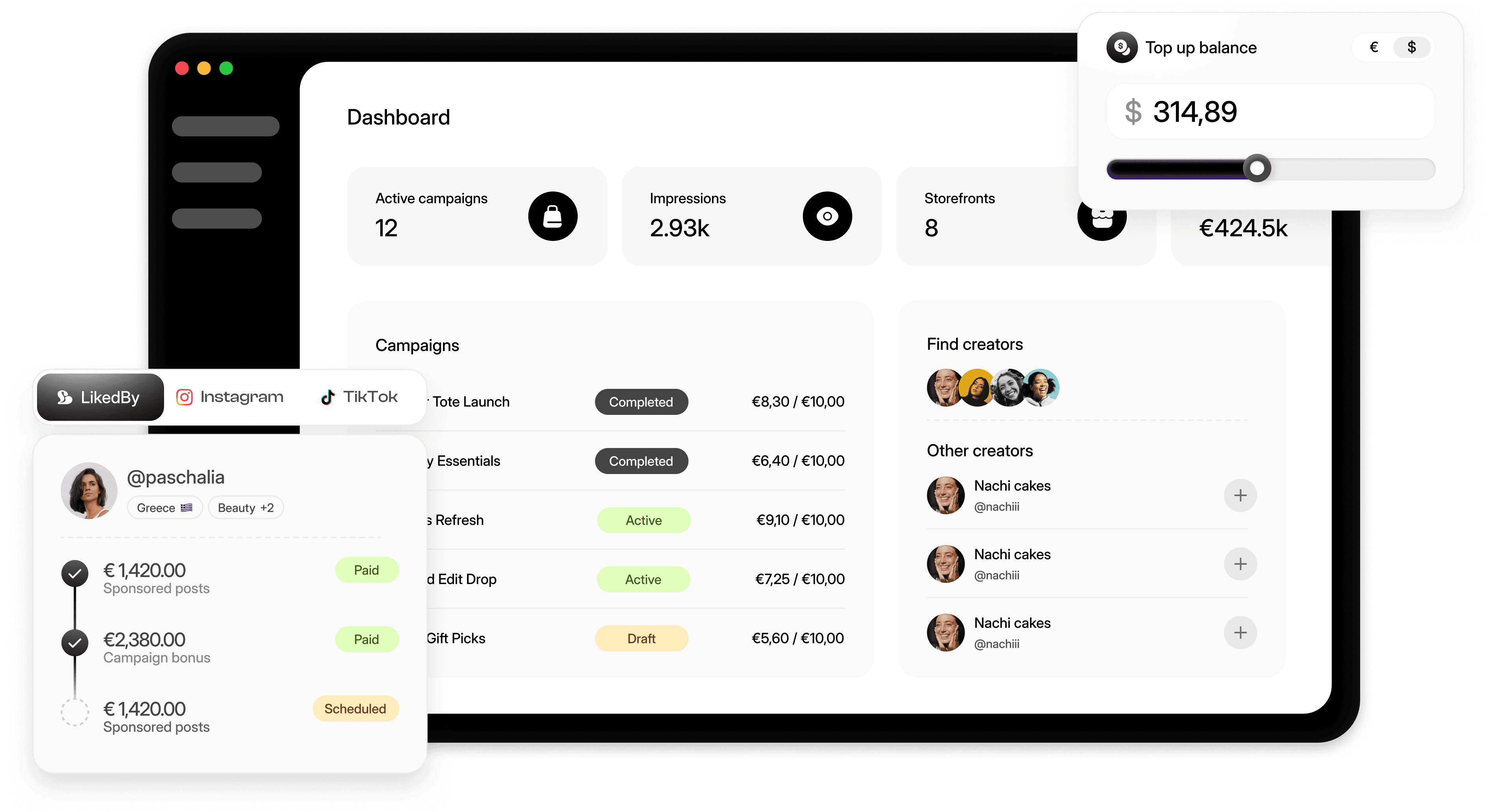
Socialscale is the creator marketing platform purpose-built for brands that run always-on creator programs — not one-off influencer posts. For outdoor brands, this means a single system where your team manages ambassador onboarding, campaign briefs, content approvals, asset storage, shoppable content deployment, and performance tracking without switching between tools.
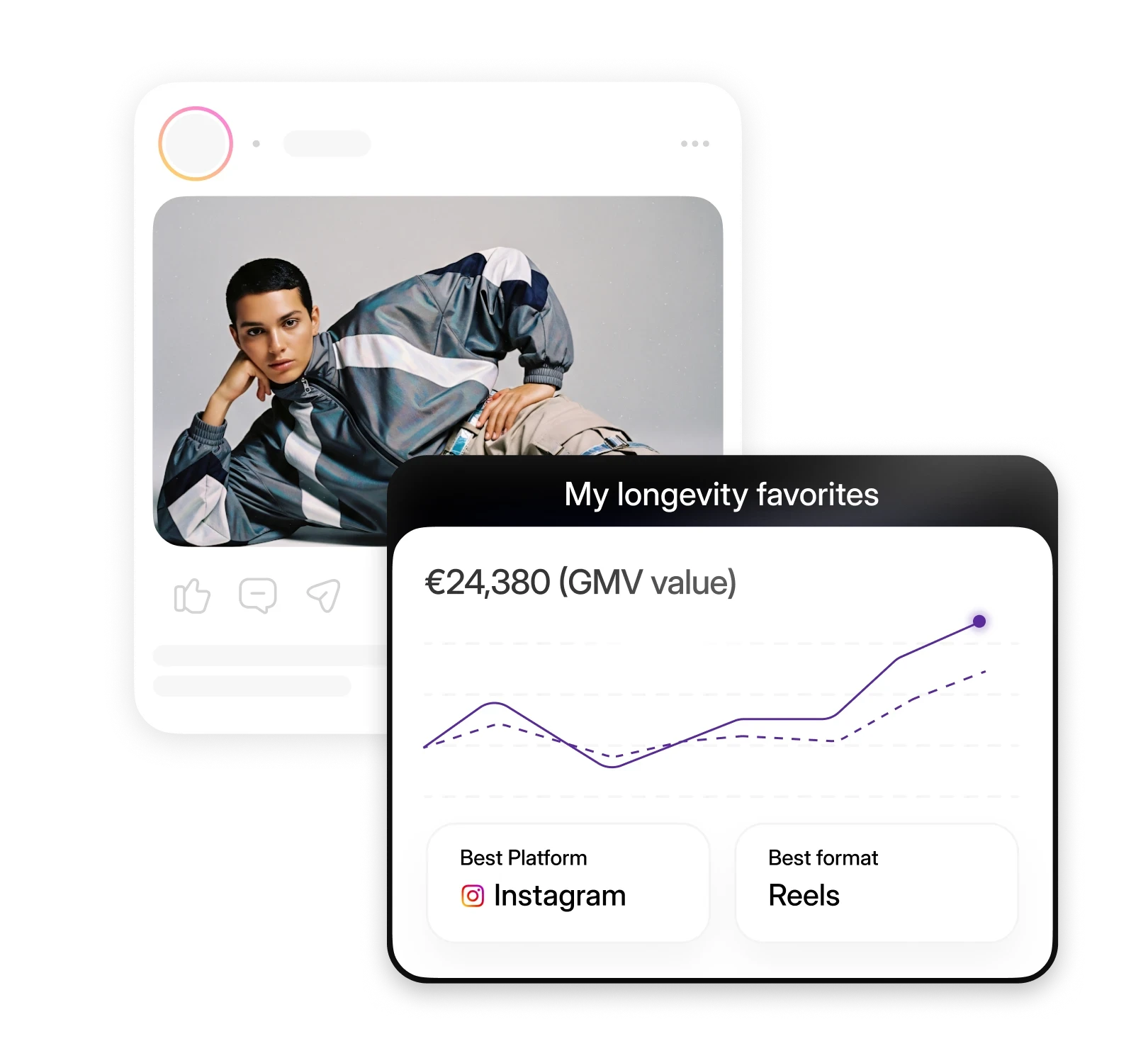
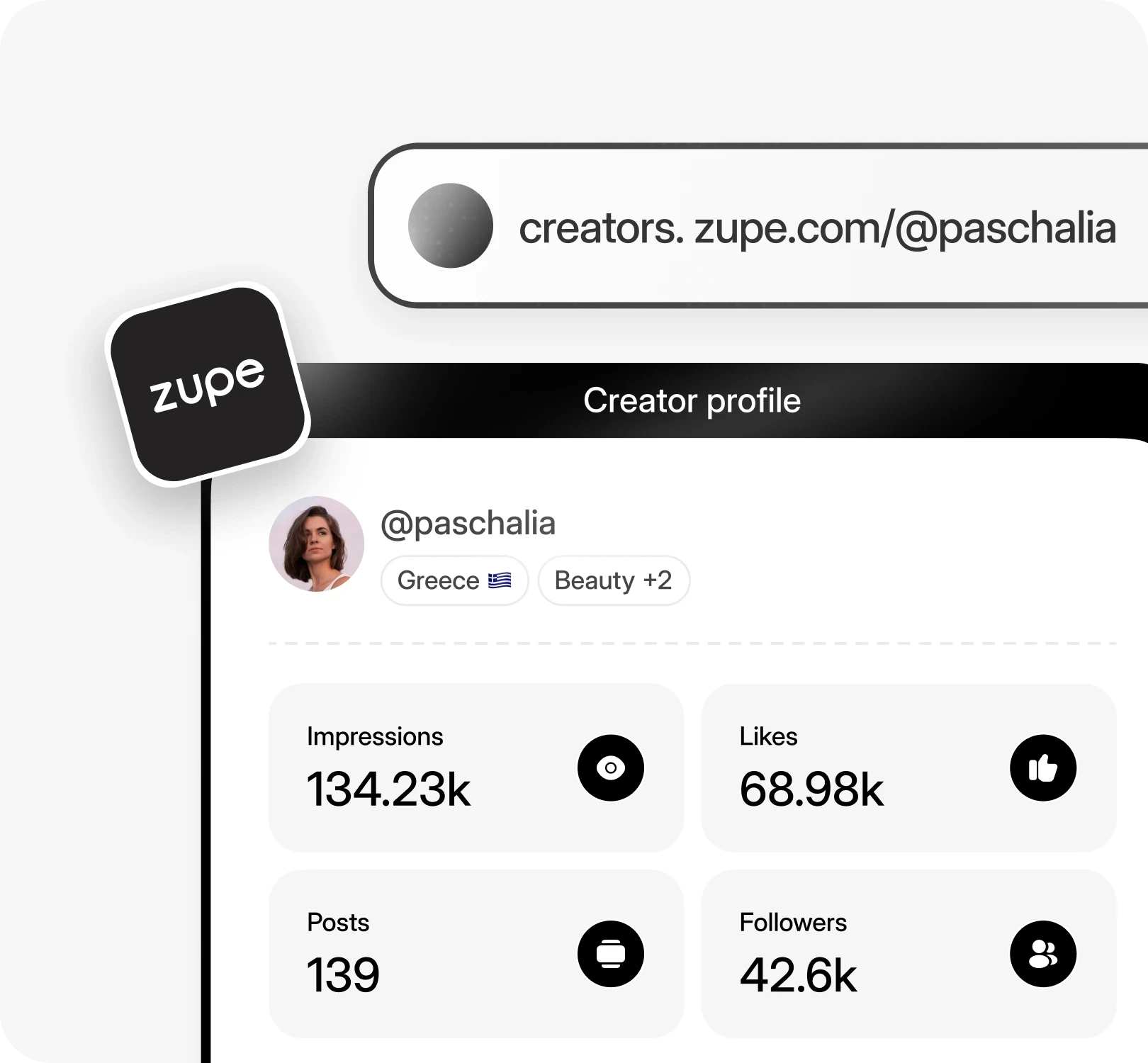
At the core is the creator CRM, which stores every ambassador's profile, tier status, product preferences, contract terms, content history, and performance data in one place. When your spring hiking campaign launches, you can segment creators by activity type, audience geography, or past conversion rates and assign collaboration briefs in minutes instead of days.
Content flows into a centralized library through Creator Drive, where your team can review, approve, tag, and organize every trail photo, gear video, and testimonial clip. Approved assets are immediately available for embedding as shoppable content on product pages, lookbooks, or social ads — closing the loop between creator output and social commerce revenue.
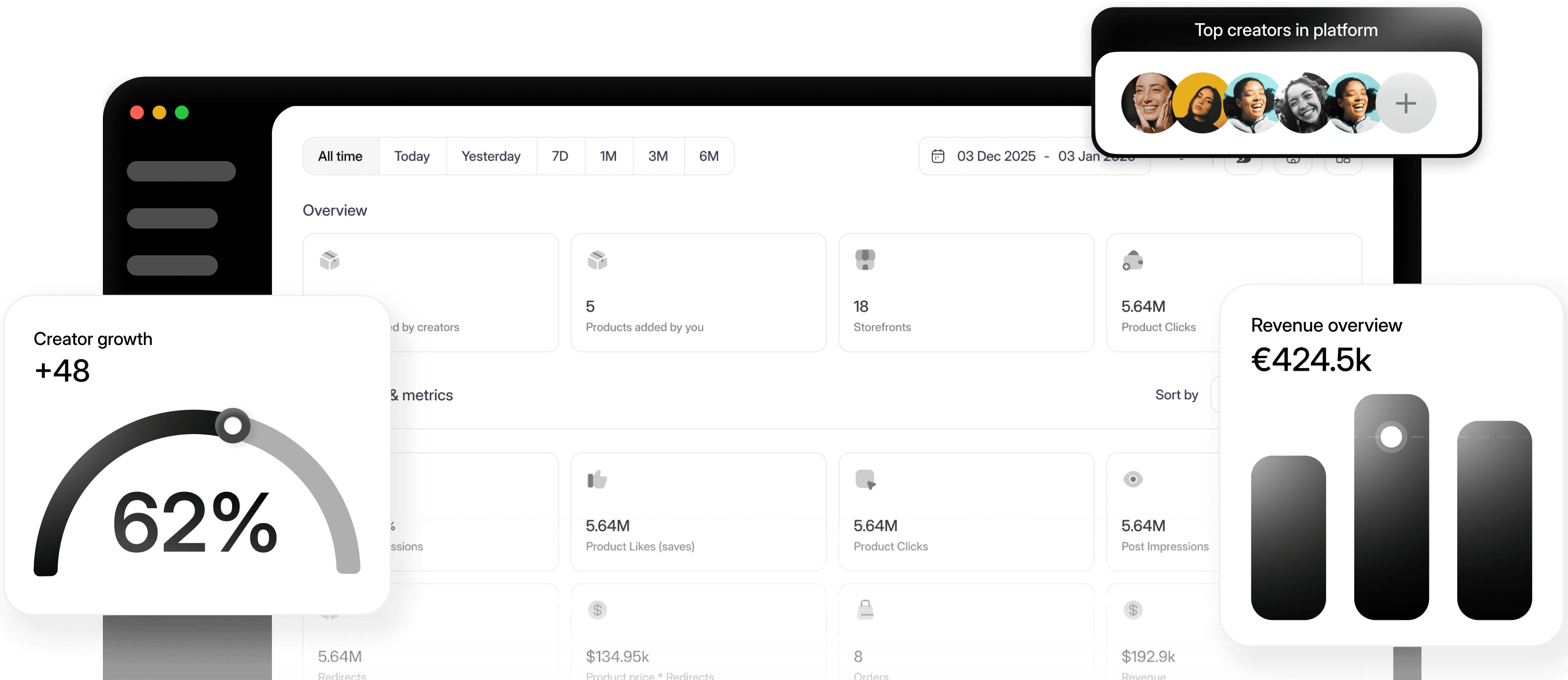
Performance data from affiliate links, discount codes, and shoppable widgets rolls up into a unified creator analytics dashboard that shows exactly which ambassadors, campaigns, and content pieces drive clicks, conversions, and revenue. No more guessing. No more spreadsheet pivots. Just clear signals that inform your next campaign.
Feature Breakdown: What Outdoor Brand Teams Actually Use
Ambassador Onboarding and Tiered Program Management
Create custom onboarding flows for each ambassador tier — elite athletes receive different briefs, compensation structures, and product allocations than micro-creators or retail staff. Collect W-9s, signed contracts, shipping addresses, and size preferences during onboarding so your operations team never chases paperwork mid-campaign. Each creator's profile in the CRM captures their outdoor discipline (climbing, trail running, skiing, paddling), preferred content formats, and historical performance.
Campaign Brief Builder with Seasonal Templates
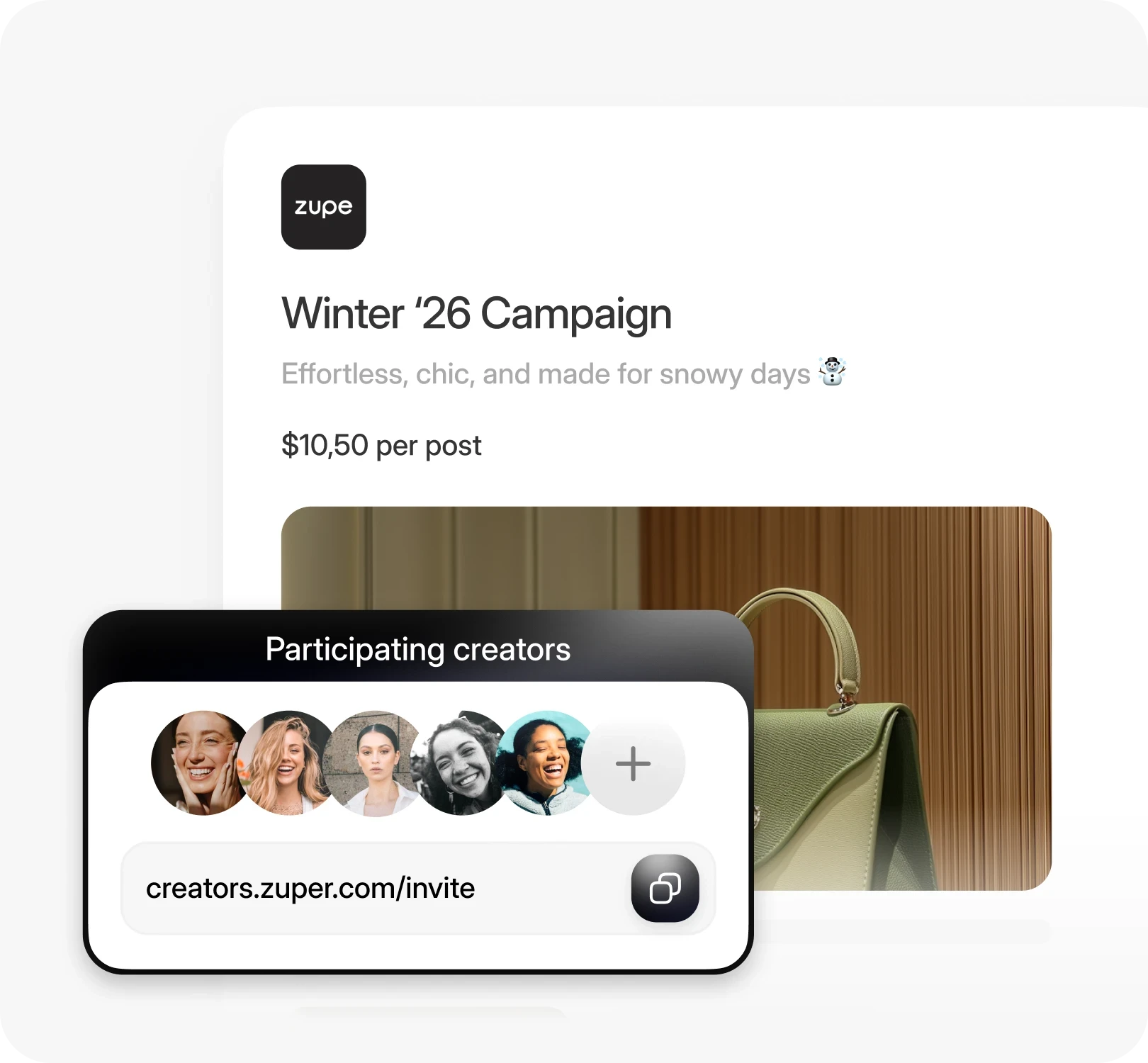
Build reusable campaign brief templates for recurring seasonal activations. A spring trail running shoe launch brief can include product talking points, required hashtags, FTC disclosure language, content format specifications, and submission deadlines. Assign briefs to segmented creator groups and track acceptance, content submission, and approval status from a single dashboard.
Content Review and Approval Workflows
When a climbing guide submits a video from a multi-pitch route, your brand team needs to review it for brand alignment, safety messaging, proper product visibility, and disclosure compliance before it goes live. Socialscale's approval workflow lets reviewers leave timestamped feedback, request revisions, and approve assets — all within the platform. No more downloading files from email, marking up screenshots, and re-uploading to a shared drive.
Centralized Content Library with Smart Tagging
Every approved asset is stored in Creator Drive with metadata tags for campaign name, creator name, product SKU, activity type, season, and content format. When your e-commerce team needs fresh trail running imagery for a product detail page, they search by tag and find approved, rights-cleared assets in seconds. This eliminates the costly bottleneck of content requests between marketing and e-commerce.
Shoppable Content Embedding
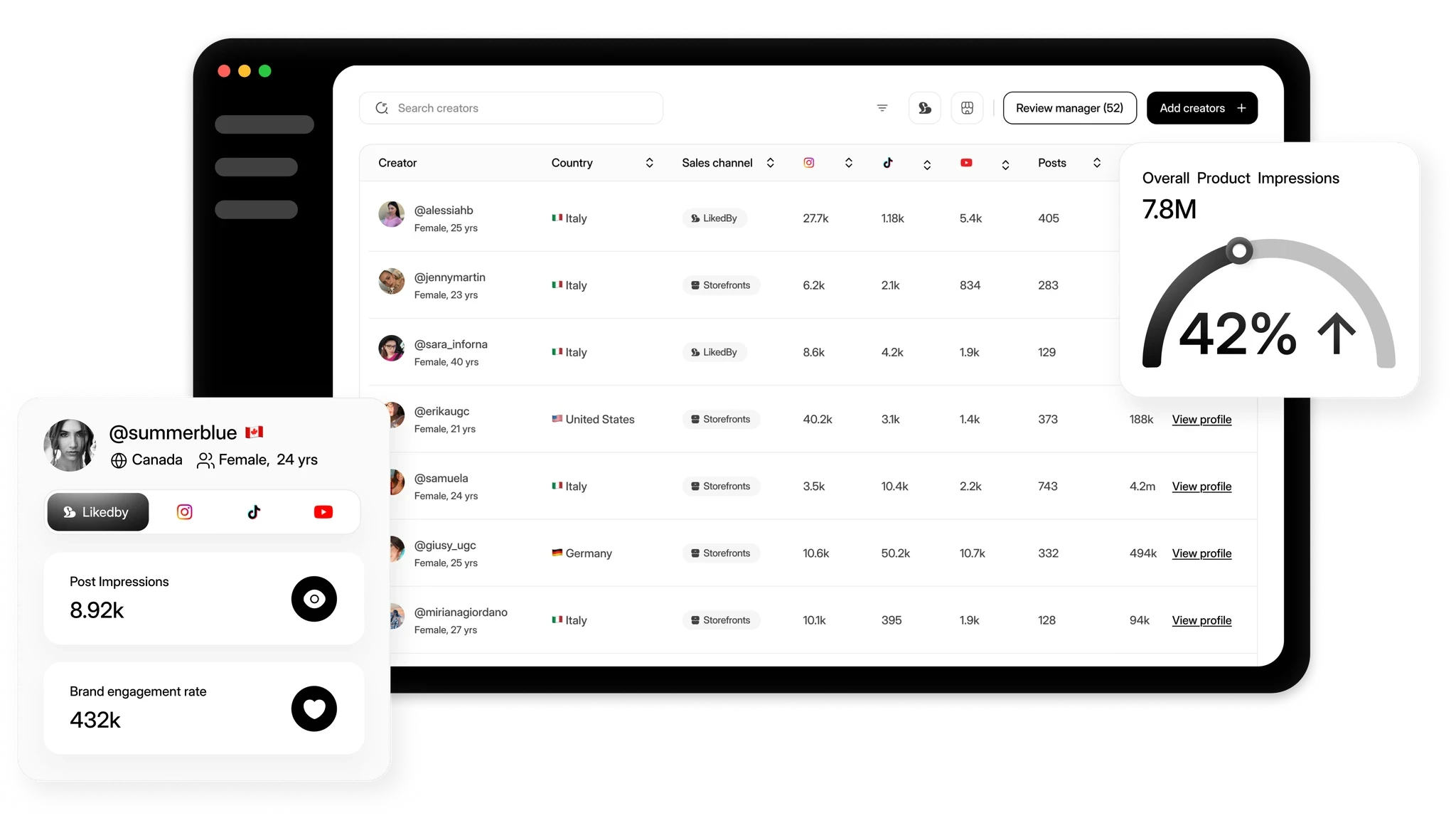
Turn creator content into revenue-generating touchpoints. Embed shoppable creator videos and image galleries directly on product pages, category pages, and dedicated ambassador landing pages using creator widgets. When a customer watches a backcountry skiing video on your jacket PDP and clicks to add to cart, that conversion is attributed to the creator and the specific piece of content.
Affiliate Link and Discount Code Management
Generate unique affiliate links and discount codes for each creator, campaign, or content piece. Track clicks, conversions, and revenue at the individual creator level. For outdoor brands running affiliate creator programs with commission-based compensation, this data feeds directly into payout calculations without manual reconciliation.
Creator Performance Scoring
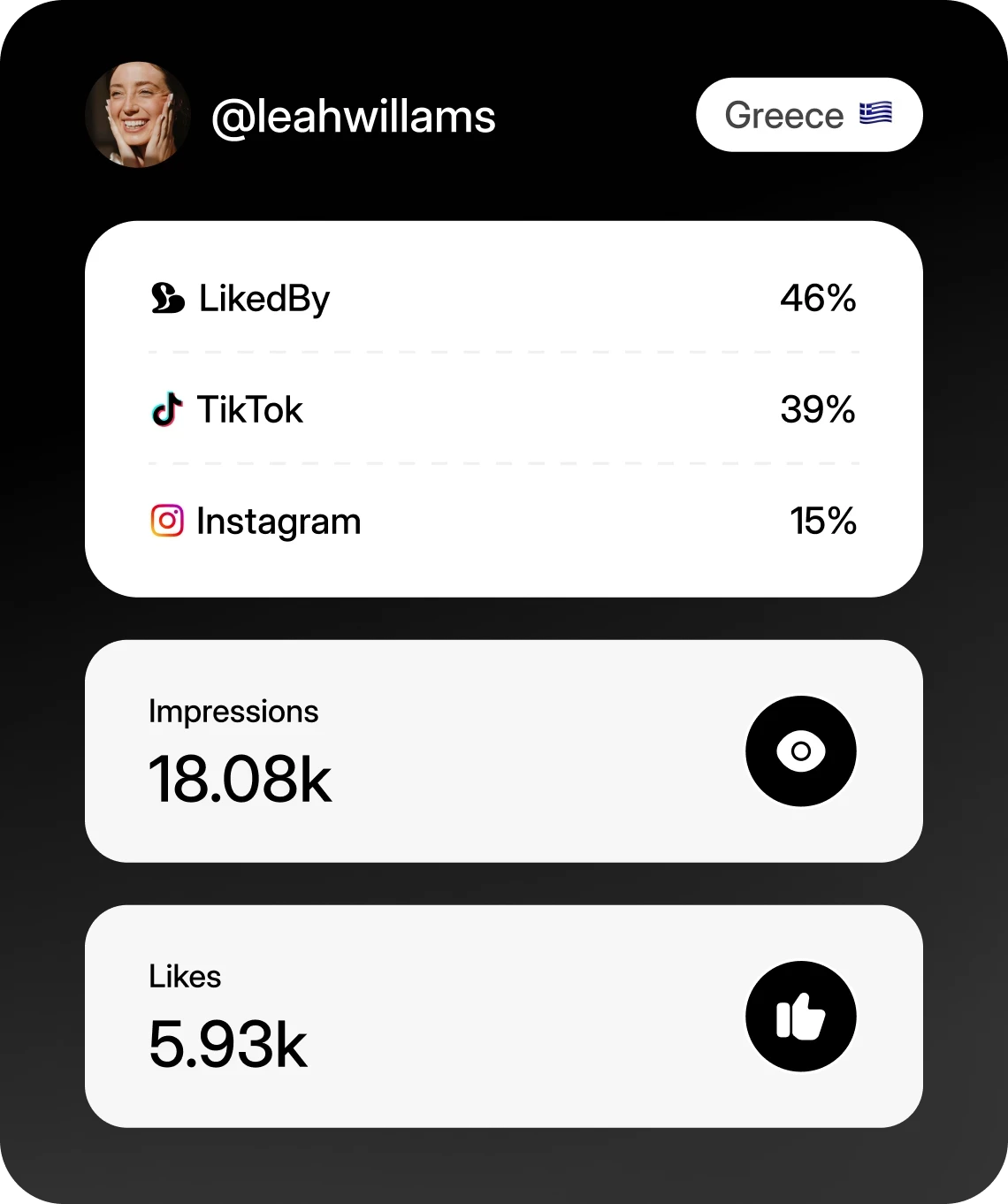
Not all ambassadors deliver equal value. Socialscale's performance scoring surfaces which creators consistently produce high-converting content, which ones drive the most engagement in specific outdoor categories, and which ones have gone dormant. Use these scores to inform tier promotions, product seeding priority, and campaign invitations.
Use Cases: Creator Collaborations in Action for Outdoor Brands
1. Seasonal Product Launch with Tiered Ambassador Activation
An outdoor apparel brand prepares to launch a new insulated jacket line for fall. The marketing team segments their ambassador roster into three groups: elite mountaineers who receive the full collection for expedition content, regional hiking guides who receive two key styles for trail review content, and micro-creators who receive one hero product for social-first unboxing content. Each group gets a tailored brief with different deliverables, timelines, and compensation. Content submissions flow into a centralized review queue, and approved assets are tagged by product SKU and deployed as shoppable galleries on the brand's e-commerce site within 48 hours of launch.
2. Trail Running Shoe Affiliate Program at Scale
A performance footwear brand runs a year-round affiliate creator program with 300 trail runners, ultramarathon athletes, and running coaches. Each creator has a unique affiliate link and storefront page. Weekly performance reports show which creators drive the most revenue per post, which content formats (race recap videos vs. gear comparison reels) convert best, and which regional audiences respond to specific shoe models. The brand uses this data to adjust commission tiers quarterly and allocate product seeding budgets to top performers.
3. National Park Content Series for Social Commerce
A camping and hiking gear brand partners with 40 creators to produce a "Great Trails" content series featuring gear in iconic national park settings. Each creator receives a curated gear kit and a detailed shot list. Content is submitted through the platform, reviewed for brand safety and park-specific compliance requirements, and organized by park location and gear category. The best-performing content is embedded as shoppable carousels on the brand's homepage and shared across paid social channels with direct attribution tracking.
4. Retail Staff Ambassador Program for In-Store and Online Integration
A multi-channel outdoor retailer activates 150 store associates as brand ambassadors. Each associate creates short-form video reviews of products they personally use and recommend. These videos are embedded on corresponding product pages, driving conversion rate increases on high-consideration items like backpacks and tents. Associates earn commissions on sales attributed to their content, creating a direct incentive loop between in-store expertise and online social commerce revenue.
Weekly and Monthly Operational Workflow for Outdoor Brand Teams
Running a creator collaboration program for an outdoor brand requires consistent operational cadence. Here is the workflow that high-performing teams follow using Socialscale as their ambassador campaign management system.
Monday: Review Creator Pipeline and Onboarding Queue
Check the creator CRM for new ambassador applications, pending onboarding tasks (contracts, W-9s, size forms), and creators flagged for tier review. Approve or decline applications based on audience fit, content quality, and outdoor discipline alignment. Complete onboarding for approved creators so they are campaign-ready.
Tuesday: Build and Assign Campaign Briefs
Create or update campaign briefs for upcoming activations. Assign briefs to segmented creator groups based on tier, activity type, or geographic region. Include product details, content specifications, hashtag requirements, FTC disclosure reminders, and submission deadlines. Confirm product seeding shipments with the warehouse team.
Wednesday–Thursday: Content Review and Approval Cycles
Review submitted content in the approval queue. Provide feedback on brand alignment, product visibility, safety messaging, and technical quality. Approve assets that meet standards and request revisions where needed. Tag approved content with campaign, product, and activity metadata for the content library.
Friday: Deploy Shoppable Content and Update Widgets
Push newly approved creator content to shoppable widgets on product pages, category pages, and ambassador landing pages. Refresh homepage creator carousels with seasonal content. Coordinate with the e-commerce team to ensure product links and inventory status are current.
Weekly: Performance Review and Creator Communication
Pull weekly performance reports from the analytics dashboard. Identify top-performing creators, high-converting content pieces, and underperforming campaigns. Send performance summaries to active creators with encouragement, tips, or bonus incentives for top performers. Flag dormant creators for re-engagement outreach.
Bi-Weekly: Affiliate Payout Reconciliation
Review affiliate revenue data, validate conversion attribution, and prepare payout reports for creators on commission-based compensation. Resolve any disputed clicks or returns. Process payments through your finance workflow.
Monthly: Program Health Assessment and Strategic Planning
Analyze month-over-month trends in creator activation rate, content output volume, average approval turnaround time, and revenue per creator. Compare performance across ambassador tiers and outdoor categories. Adjust tier thresholds, product seeding allocations, and campaign calendars for the upcoming month. Present results to leadership with clear ROI metrics.
Key Performance Indicators for Outdoor Brand Creator Programs
Tracking the right metrics separates strategic creator programs from vanity-driven influencer spending. Here are the KPIs that outdoor brand teams should monitor weekly and monthly.
Creator Activation Rate: Percentage of onboarded ambassadors who submitted at least one piece of content in the current campaign cycle. Target above 70% for active tiers.
Content Approval Turnaround Time: Average hours from content submission to final approval. Outdoor brands should aim for under 48 hours to keep creators engaged and content timely.
Content Output per Creator: Average number of approved assets per creator per month. Benchmark varies by tier — elite athletes may produce 2–4 high-quality pieces while micro-creators target 4–8.
Click-Through Rate (CTR) on Shoppable Content: Percentage of viewers who click a product link from embedded creator content. Track by content format, product category, and placement location.
Conversion Rate (CVR) from Creator Content: Percentage of clicks from creator content that result in a purchase. Compare against site-wide CVR to quantify the creator content lift.
Gross Merchandise Value (GMV) Attributed to Creators: Total revenue generated through creator affiliate links, discount codes, and shoppable widget interactions. This is the bottom-line metric for social commerce ROI.
Revenue per Creator: GMV divided by number of active creators. Use this to identify top performers and justify tier-based compensation increases.
Return on Ad Spend (ROAS) for Boosted Creator Content: When creator assets are used in paid social campaigns, track ROAS separately to measure the performance lift of authentic outdoor content versus brand-produced creative.
Cost per Acquisition (CPA) via Creator Channel: Total program cost (product seeding, commissions, platform fees) divided by number of new customers acquired through creator touchpoints.
Content Library Growth Rate: Number of new approved, tagged, and rights-cleared assets added to Creator Drive per month. A growing library reduces dependence on expensive studio shoots.
Scenario: Mid-Size Outdoor Apparel Brand Scales Ambassador Program
A direct-to-consumer outdoor apparel brand with $18M in annual revenue had been managing 85 ambassadors across spreadsheets, email, and a shared Google Drive. Their influencer marketing manager spent roughly 25 hours per week on administrative tasks — chasing content submissions, manually tracking affiliate codes in Shopify, and searching for approved images when the e-commerce team needed them for product pages.
After implementing Socialscale as their ambassador campaign management system, the team restructured their program into three tiers: 12 elite athletes, 35 regional guides, and 80 micro-creators. Onboarding was standardized with digital contracts, size preference forms, and automatic CRM profile creation. Campaign briefs for their fall layering system launch were built from seasonal templates and assigned to segmented creator groups in under two hours.
Within the first 90 days, the brand saw measurable operational improvements. Content approval turnaround dropped from an average of 6 days to 36 hours. The content library grew by 340 approved assets tagged by product SKU and activity type. The e-commerce team embedded shoppable creator galleries on 45 product pages, resulting in a 22% increase in conversion rate on those pages compared to pages with only brand-produced imagery.
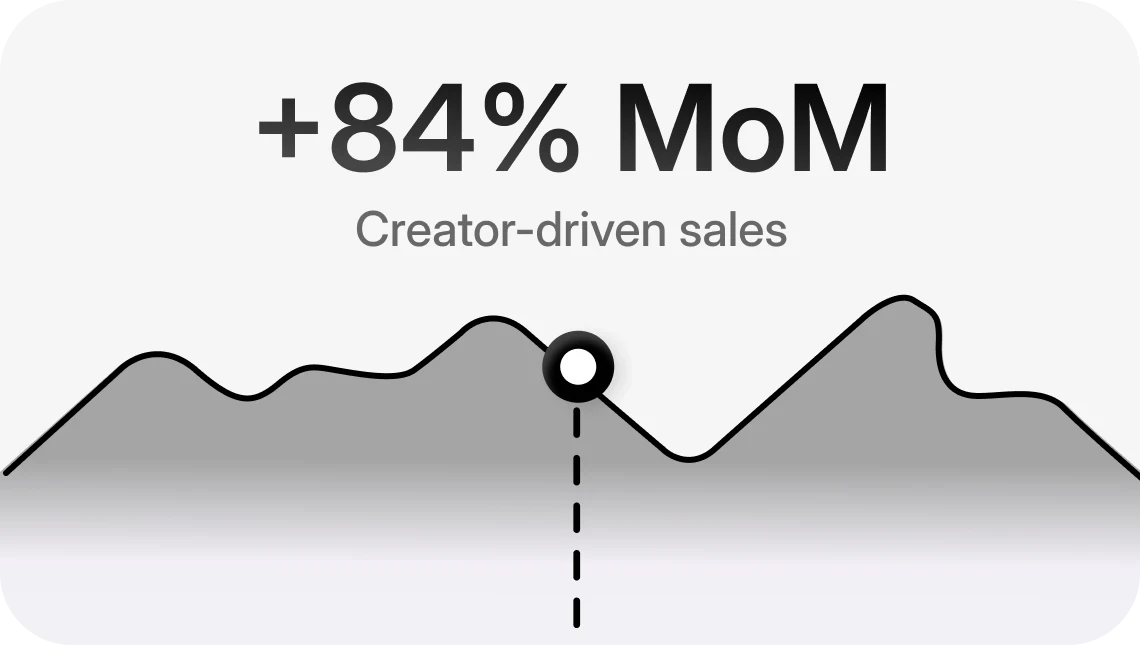
On the revenue side, affiliate-attributed GMV increased 38% quarter-over-quarter. The top 15 creators generated 61% of total affiliate revenue, which informed a tier restructuring that increased commission rates for high performers and reallocated product seeding budget away from dormant ambassadors. The influencer marketing manager reduced weekly admin time from 25 hours to approximately 10, freeing capacity to develop a new retail staff ambassador pilot program. Total program ROAS reached 5.2x when factoring in product seeding costs, commissions, and platform fees.
Frequently Asked Questions
How is Socialscale different from influencer discovery platforms?
Influencer discovery platforms help you find new creators. Socialscale is an operational system for managing ongoing creator relationships, campaigns, content, and performance. Outdoor brands typically already know their ambassadors — they need a system to manage the collaboration workflow, not a search engine. Socialscale handles onboarding, briefs, content approvals, asset storage, shoppable embedding, and revenue attribution in one platform.
Can Socialscale handle multi-tier ambassador programs with different compensation models?
Yes. You can configure distinct tiers with different onboarding flows, brief templates, content expectations, product seeding allocations, and compensation structures. Some creators may receive flat fees per deliverable, others earn affiliate commissions, and elite athletes may have hybrid arrangements. The creator CRM tracks all of this per profile, and affiliate revenue data feeds directly into payout reporting.
How does shoppable creator content work on our Shopify store?
Approved creator content is embedded on your Shopify product pages, collection pages, or custom landing pages using lightweight widgets. When a customer interacts with a creator video or image gallery and clicks through to purchase, that conversion is attributed to the specific creator and content piece. This turns authentic outdoor content into a direct social commerce revenue channel on your owned properties.
What happens to content rights and usage tracking?
During onboarding, creators agree to usage terms defined in your contracts. All approved content stored in Creator Drive is tagged with rights status, expiration dates, and permitted usage channels. Your team can filter the library by rights status to ensure only properly licensed assets are used in paid media, product pages, or third-party retail placements.
How long does it take for an outdoor brand team to get operational on Socialscale?
Most outdoor brand teams are fully operational within two to three weeks. The first week focuses on CRM setup, importing existing ambassador data, and configuring tier structures. The second week covers campaign brief templates, content approval workflows, and Shopify integration. By week three, teams are running their first managed campaign through the platform. Brands with existing ambassador rosters see the fastest time to value because the operational infrastructure is already defined — it just needs a proper system.