Creator Collaborations for Home Decor Brands: Run Influencer Room Makeover Campaigns at Scale
Home decor brands thrive when customers can see products in real living spaces, styled by creators who understand how a throw pillow, lighting fixture, or accent wall can transform a room. Creator collaboration for home decor brands has become the most effective way to generate authentic, shoppable content that drives social commerce revenue. But managing room makeover campaigns, seasonal styling projects, and ongoing affiliate creator programs across dozens or hundreds of creators is an operational challenge that most teams underestimate.
The complexity multiplies fast. You need to ship products to creators, brief them on specific rooms or aesthetics, approve content that meets brand guidelines, collect high-resolution assets for reuse, track which creators actually drive purchases, and do it all on a timeline that aligns with product launches and seasonal cycles. Without a purpose-built system, influencer room makeover campaign workflows break down into scattered spreadsheets, lost content files, and missed deadlines.
This page breaks down exactly how home decor marketing teams can structure, execute, and measure creator collaborations using workflows designed for the unique demands of the home furnishings and decor industry.
Operational Challenges Home Decor Brands Face with Creator Collaborations
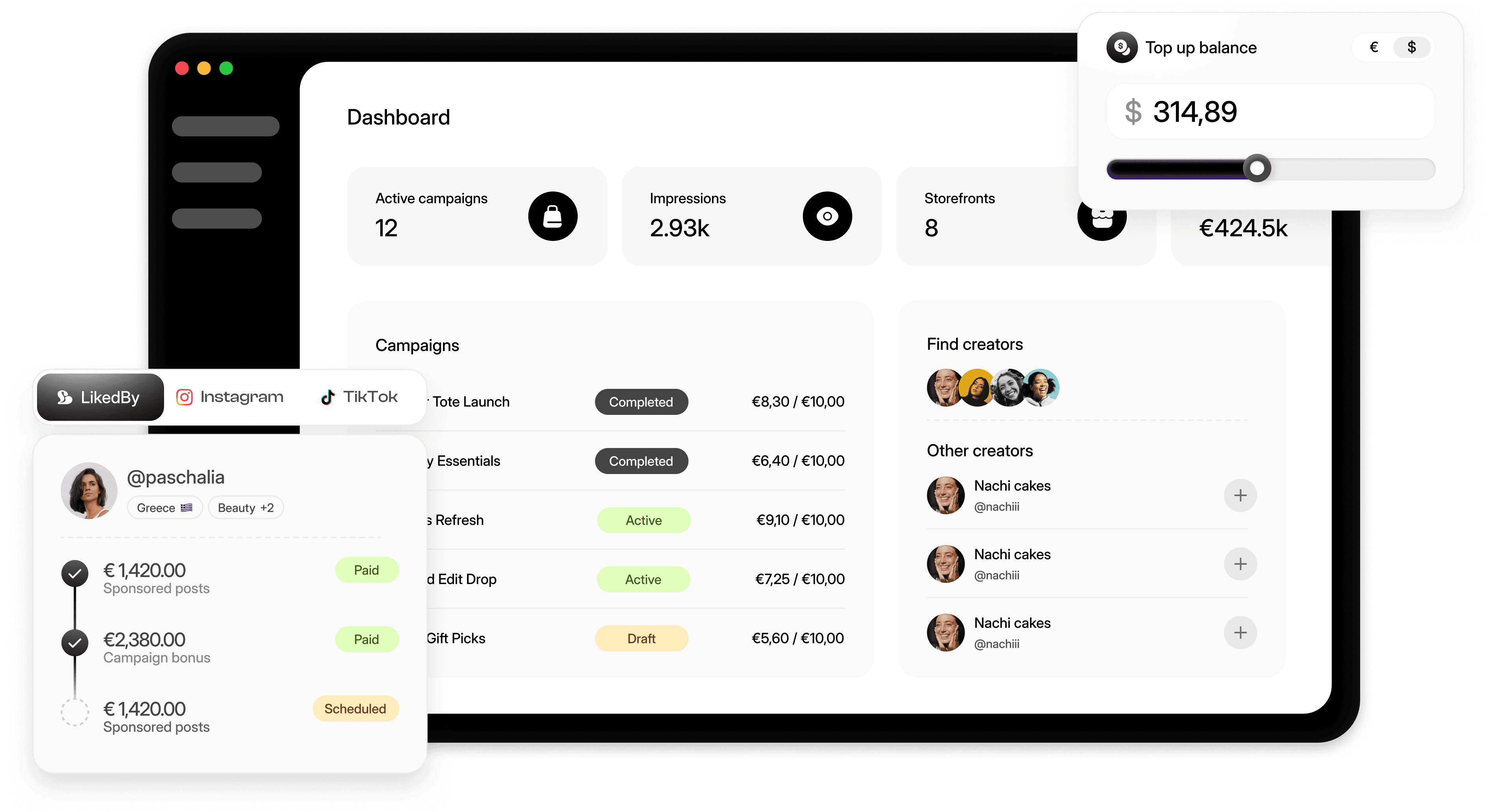
Running creator programs in the home decor space comes with industry-specific friction that generic marketing tools were never designed to handle. Here are the core challenges that slow teams down and limit campaign ROI.
1. Product Shipping and Staging Logistics
Unlike beauty or fashion, home decor products are often bulky, fragile, or require assembly. Coordinating shipments of furniture, rugs, or wall art to creators adds lead time and cost. Tracking which products went to which creator, and whether they arrived intact, requires a system beyond email threads.
2. Lengthy Content Production Timelines
A room makeover is not a quick unboxing. Creators need days or weeks to style, photograph, and film content. Brands must plan campaigns with longer production windows, which makes deadline management and content approval workflows critical.
3. Maintaining Visual Brand Consistency
Home decor brands invest heavily in aesthetic identity. When working with 30 or 50 creators simultaneously, ensuring that content aligns with brand color palettes, styling standards, and photography quality requires structured briefs and multi-round approvals.
4. Content Asset Sprawl
Room makeover campaigns generate enormous volumes of content: before-and-after photos, styling reels, product close-ups, room tours. Without centralized storage, these assets end up scattered across Google Drive folders, DMs, and email attachments, making repurposing nearly impossible.
5. Tracking Revenue Attribution Across Creators
Home decor purchases often have longer consideration cycles. A customer might see a creator's living room tour, browse the brand's site a week later, and convert through a different channel. Attributing revenue back to the right creator requires robust tracking infrastructure.
6. Seasonal Campaign Overlap
Spring refresh, back-to-school dorm styling, holiday entertaining, winter cozy collections: home decor brands run overlapping seasonal campaigns year-round. Managing multiple active campaigns with different creator rosters, briefs, and timelines creates operational chaos without proper tooling.
7. Scaling Beyond a Handful of Creators
Many home decor brands start with five to ten trusted creators. Scaling to 50 or 200 creators while maintaining quality, communication, and performance tracking is where most programs stall.
Why Spreadsheets, Email, and Generic Tools Break Down
Spreadsheets Cannot Handle Multi-Stage Workflows
A typical room makeover campaign involves product selection, shipping confirmation, brief delivery, content submission, revision requests, approval, publishing, and performance tracking. Spreadsheets can list these stages, but they cannot automate transitions, send reminders, or flag bottlenecks. Teams end up spending more time updating the tracker than managing the campaign.
Email and DMs Create Communication Black Holes
When you are coordinating with 40 creators across Instagram DMs, email, and WhatsApp, critical messages get buried. A creator's question about product placement goes unanswered for three days. A content revision request gets lost in a thread. These delays compound across every creator in the program.
Generic Project Management Tools Lack Creator Context
Tools like Asana or Monday.com can manage tasks, but they have no concept of creator profiles, content approval workflows, affiliate link generation, or shoppable content embedding. Teams end up duct-taping multiple tools together, creating fragile systems that break when someone leaves the team or a process changes.
Disconnected Analytics Make ROI Invisible
When content performance lives in Instagram Insights, revenue data lives in Shopify, and creator costs live in a finance spreadsheet, calculating true ROI per creator or per campaign requires hours of manual reconciliation. Most teams simply stop doing it, which means they cannot optimize spend or identify top performers.
Content Storage Is an Afterthought
After a campaign ends, the high-quality room makeover content that cost thousands to produce disappears into forgotten folders. Without a tagged, searchable content library, brands lose the long-tail value of creator-generated assets that could fuel paid ads, email campaigns, and product pages for months.
How Socialscale Powers Creator Collaborations for Home Decor Brands
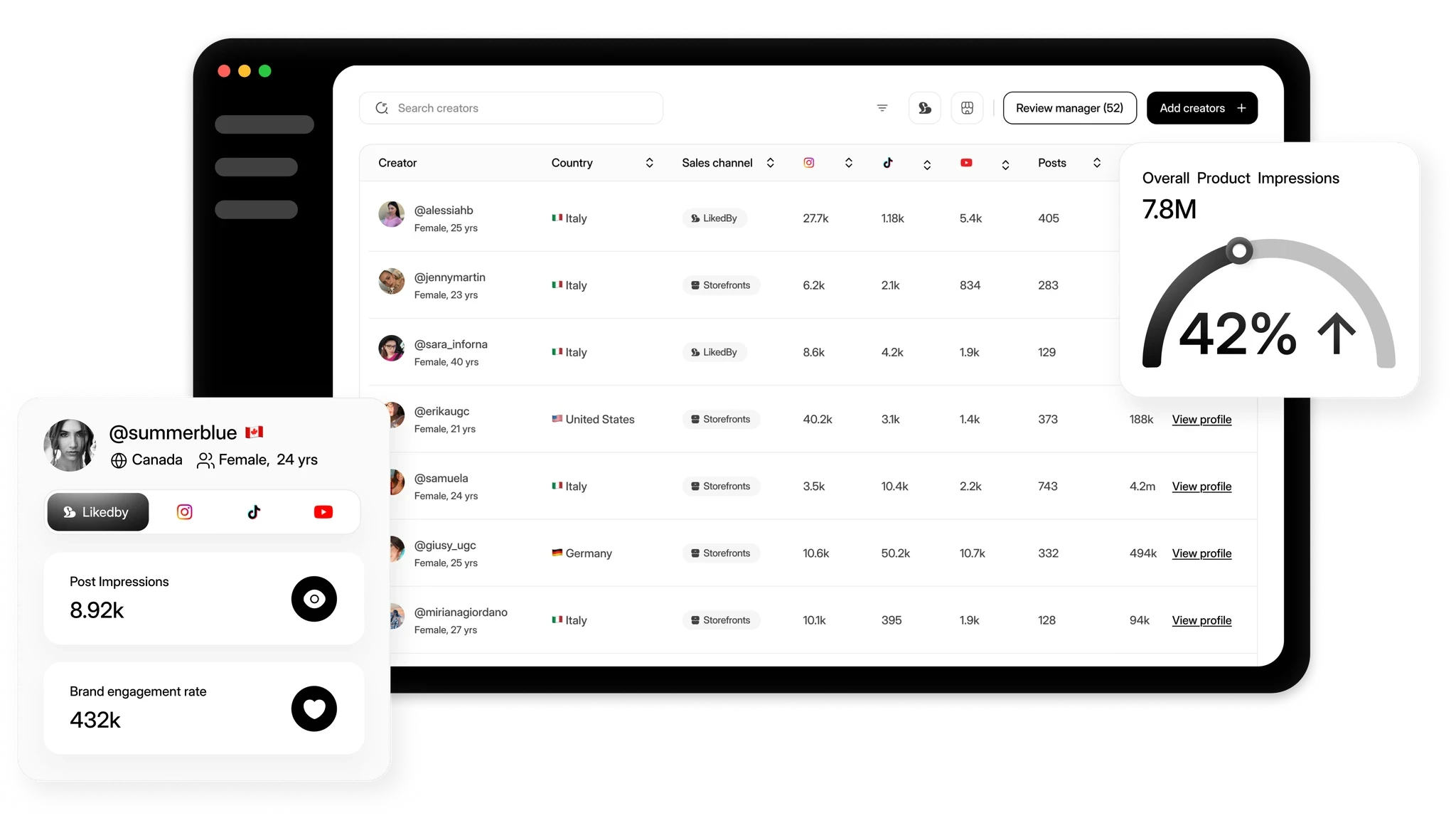
Socialscale is built as the operating system for social commerce, giving home decor brands a single platform to run every stage of their creator programs. Rather than patching together five or six disconnected tools, teams manage onboarding, campaign execution, content approval, asset storage, and performance tracking in one place.
At the core of the system, creator collaborations are structured as end-to-end workflows. Each campaign, whether it is a seasonal room makeover series or an ongoing affiliate program, has its own pipeline with defined stages, deadlines, and approval gates. Creators move through these stages automatically, and your team gets notified only when action is needed.
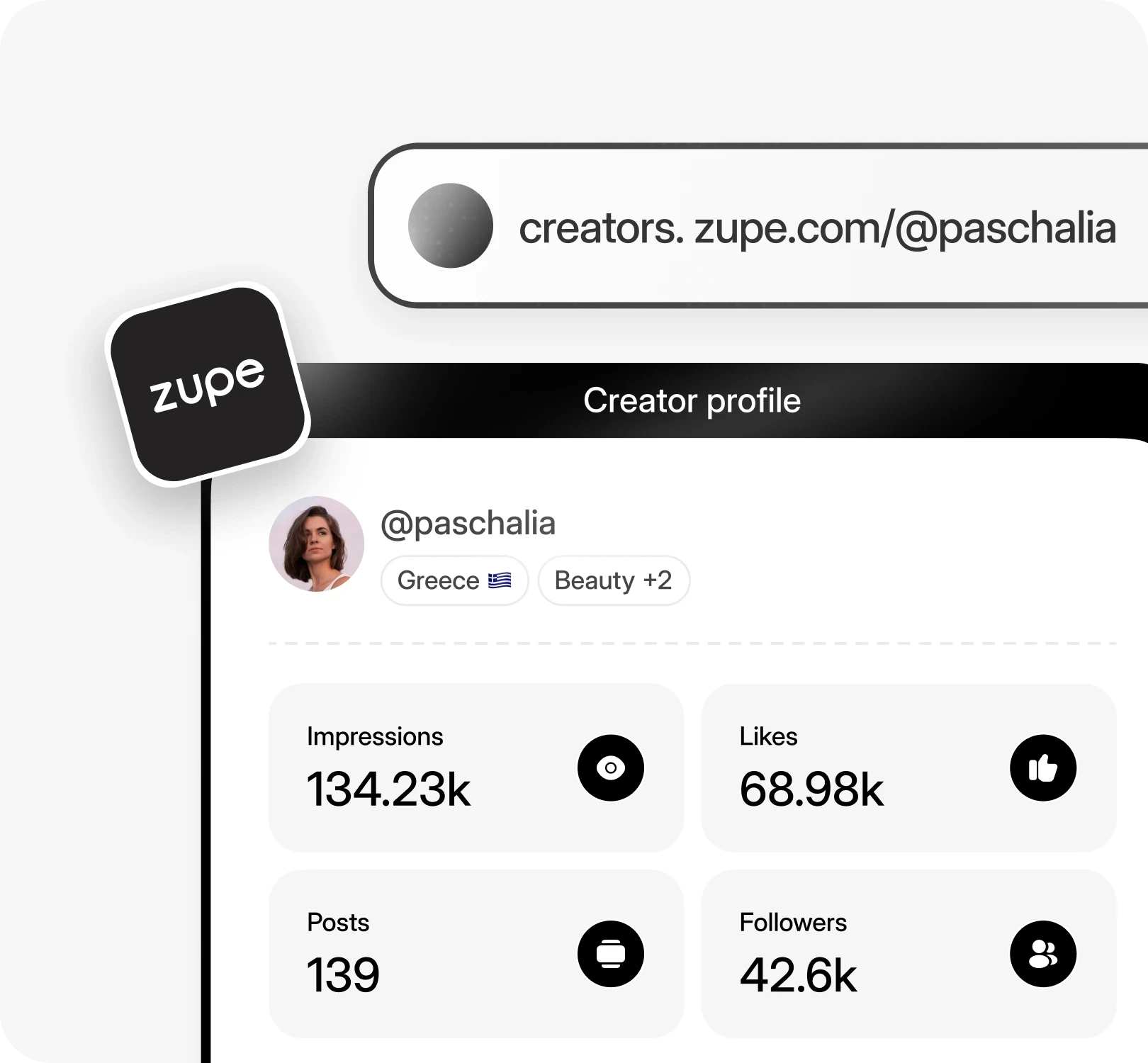
For home decor brands managing large creator rosters, the creator CRM serves as the single source of truth for every relationship. You can segment creators by aesthetic style, room specialty, audience demographics, past performance, and product category affinity. This means when you are planning a kitchen renovation campaign, you can instantly pull a shortlist of creators who have delivered high-converting kitchen content in the past.
Content produced during campaigns flows directly into Creator Drive, a centralized asset library where every photo, video, and reel is tagged by campaign, product, room type, and creator. Your e-commerce team can search for "living room" and instantly find 200 pieces of styled content ready for product pages, ads, or email headers. This is how home decor brands turn one-time creator collaborations into a compounding content engine that fuels social commerce growth across every channel.
Feature Breakdown: What Socialscale Delivers for Home Decor Creator Programs
Campaign Builder with Room-Specific Briefs
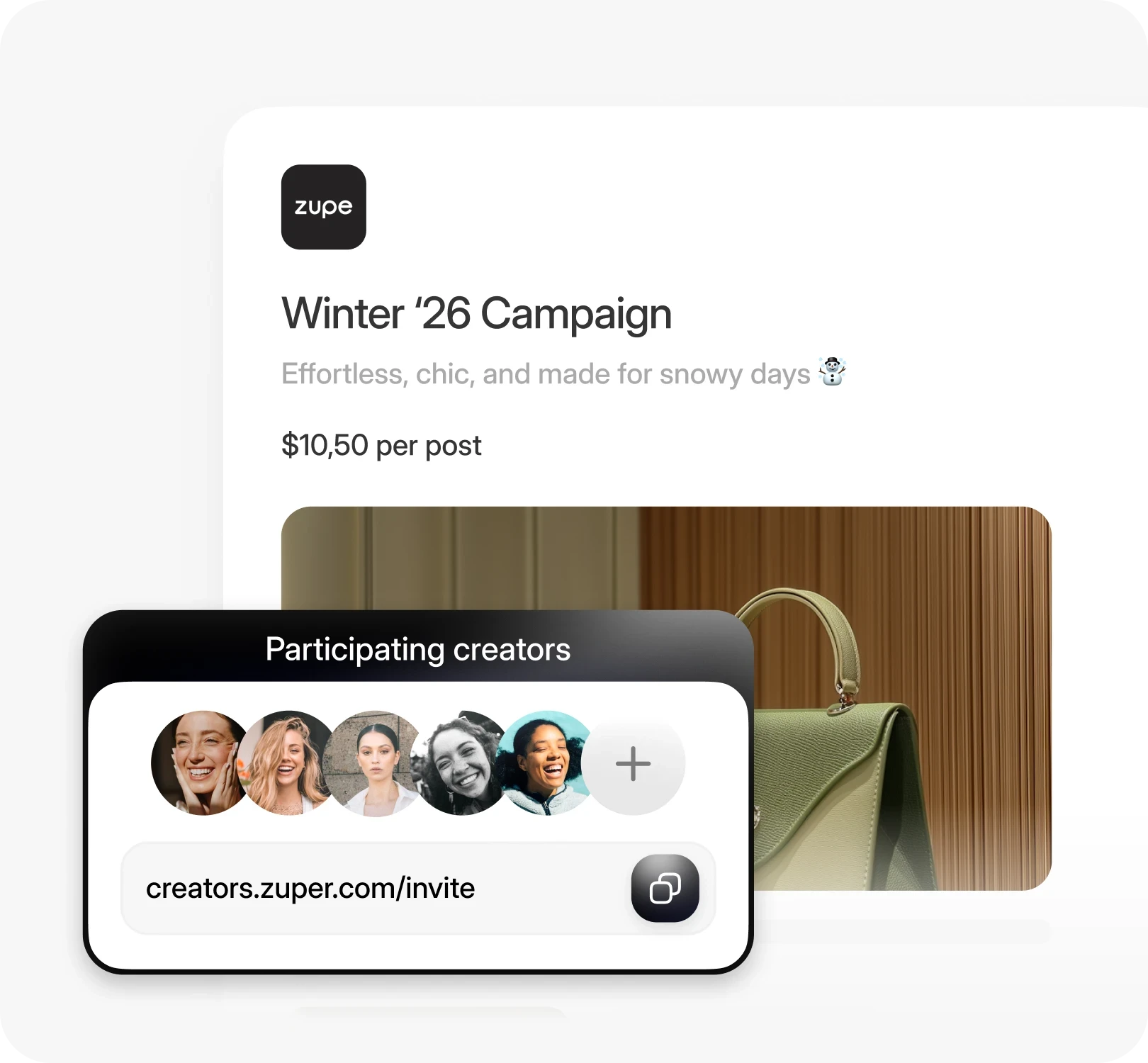
Create campaigns organized by room type, product collection, or seasonal theme. Each campaign includes a structured brief template where you define styling requirements, product placement guidelines, photography specifications, required content formats (Reels, TikTok, carousel, YouTube), and deadlines. Creators receive their brief directly within the platform and can ask clarifying questions without switching to email.
Multi-Stage Content Approval Workflow
Home decor content often requires multiple rounds of review. A creator's initial room setup might need adjustments before final photography. Socialscale supports multi-stage approval workflows where content moves from draft to revision to final approval, with comments and markup attached directly to each asset. Brand managers, creative directors, and product teams can all review within the same system.
Creator Segmentation and Smart Matching
Tag creators by style (minimalist, bohemian, mid-century modern, farmhouse), room expertise (bedroom, kitchen, outdoor), content format strength, audience size, engagement rate, and historical conversion performance. When launching a new campaign, filter your roster to find the right creators in seconds rather than scrolling through spreadsheets.
Centralized Content Library with Auto-Tagging
Every piece of approved content is automatically stored and tagged by campaign, creator, product SKU, room type, and content format. Your team can search, filter, and download assets for repurposing across paid social, email marketing, website product pages, and in-store displays without requesting files from creators months after a campaign ended.
Shoppable Content Embedding
Turn creator room makeover content into shoppable experiences on your website. Embed creator galleries, product-tagged carousels, and video widgets directly on product detail pages, collection pages, and dedicated inspiration sections. When a customer sees a creator's styled bedroom and clicks the nightstand, they go straight to the product page. This bridges the gap between inspiration and purchase, which is the fundamental challenge in home decor social commerce.
Performance Tracking by Creator, Campaign, and Product
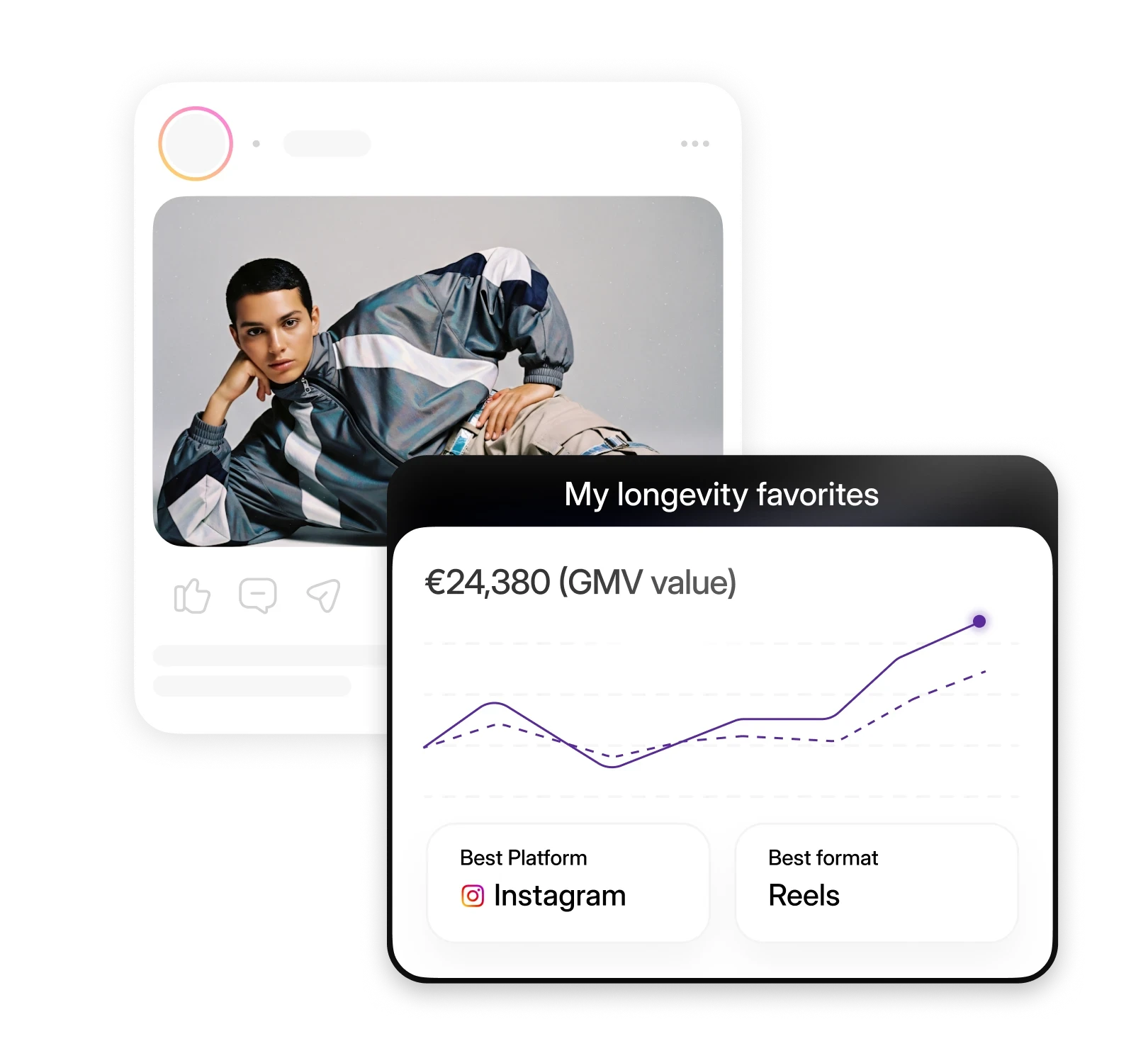
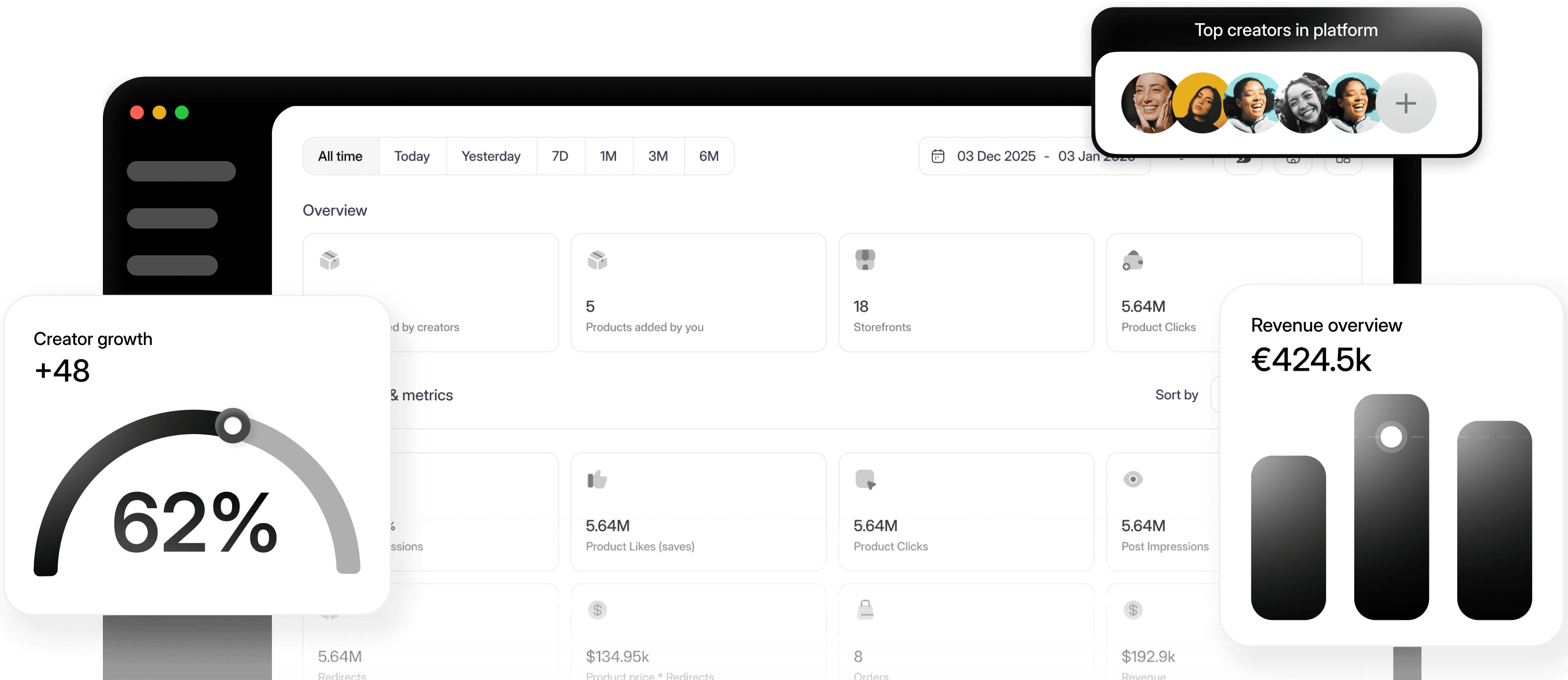
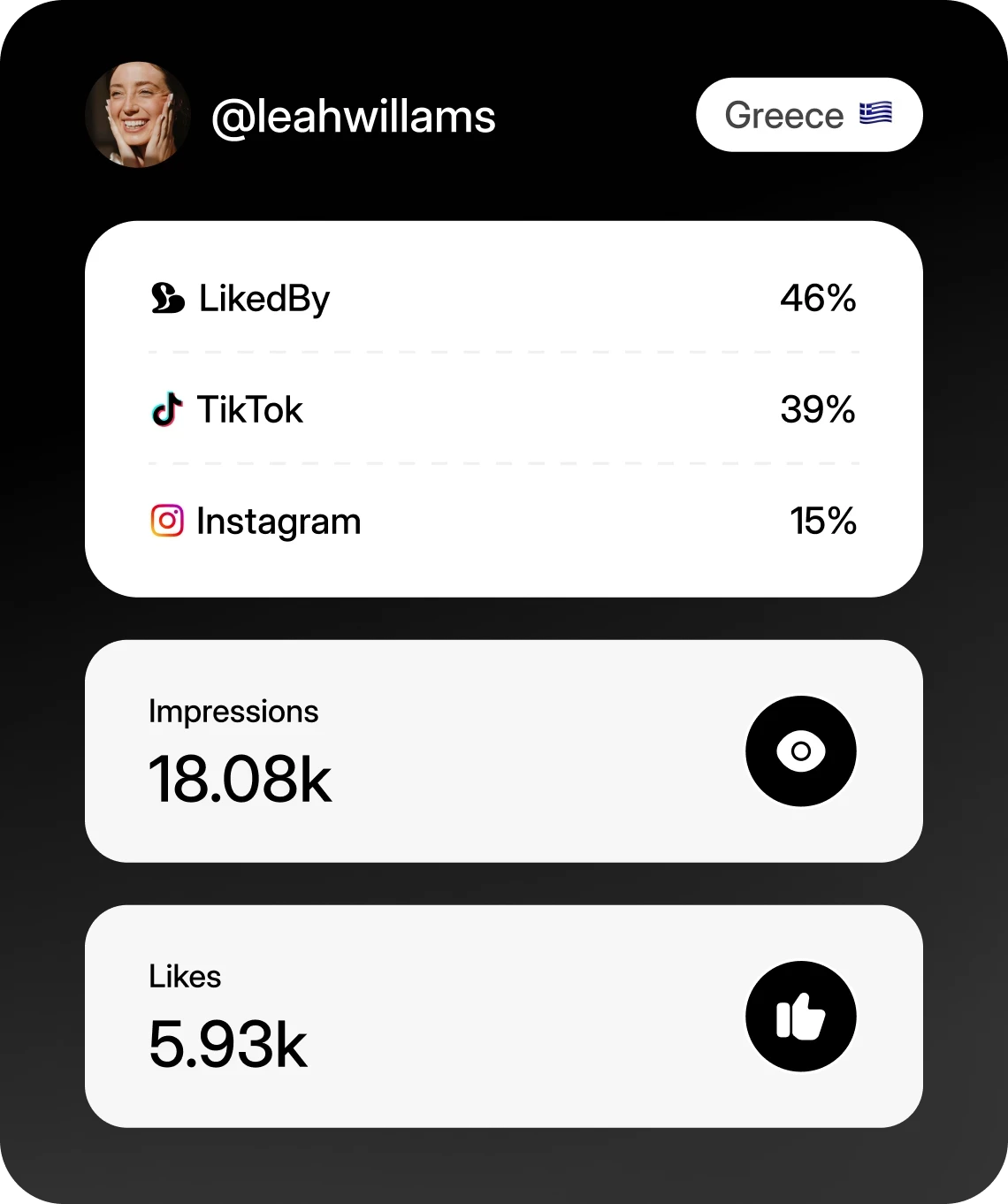
Track impressions, engagement, click-through rates, and revenue attribution at the creator level, campaign level, and product level. Identify which creators drive the most traffic to your site, which room makeover themes generate the highest conversion rates, and which products perform best when styled by creators versus shown in studio photography. Use creator analytics to make data-driven decisions about which creators to re-engage and which campaign formats to scale.
Use Cases: Creator Collaboration Scenarios for Home Decor Brands
1. Seasonal Room Makeover Series
A home decor brand launches a "Spring Living Room Refresh" campaign, recruiting 25 creators across different aesthetic styles. Each creator receives a curated product box containing throw pillows, a table lamp, a vase, and a decorative tray. They are briefed to style their living room using the products and produce one Reel, one TikTok, and a five-image carousel. The campaign runs on a four-week timeline with staggered publishing dates to maintain consistent social presence. All content is collected, approved, and repurposed into a shoppable "Spring Inspiration" gallery on the brand's website.
2. New Collection Launch with Tiered Creator Program
A furniture and decor brand is launching a new outdoor collection. They structure a tiered creator program: five macro creators receive full patio sets for hero content, 20 mid-tier creators receive individual pieces for styling integration, and 50 micro creators receive discount codes and affiliate links to feature products in their existing content. Each tier has different briefs, deliverables, and compensation structures, all managed within a single campaign pipeline. Performance data from the launch informs which creators are invited to the next collection drop.
3. Ongoing Affiliate Creator Storefront Program
A direct-to-consumer home decor brand builds a long-term affiliate program where 100 creators maintain personalized storefronts featuring their favorite products. Creators earn commission on every sale driven through their storefront link. The brand provides quarterly product updates, seasonal styling guides, and exclusive early access to new arrivals. The program runs continuously, with monthly performance reviews to identify top earners, re-engage dormant creators, and recruit new talent based on gaps in style or audience coverage.
4. User-Generated Content Harvesting for Product Pages
A home decor brand with 500 SKUs needs authentic lifestyle imagery for every product page. They run a rolling UGC campaign where creators are assigned specific products to style in their homes. The goal is not viral social content but high-quality, real-world product photography that replaces or supplements studio shots. Content is collected, tagged by SKU, and distributed to the e-commerce team for integration into product detail pages, resulting in higher conversion rates compared to generic product photography.
Weekly and Monthly Workflow for Home Decor Creator Collaborations
Running an effective creator program requires consistent operational rhythms. Here is a practical workflow that home decor brand teams can follow to keep campaigns on track and continuously improve results.
Week 1: Campaign Planning and Creator Selection
Define the campaign theme, room focus, product selection, and content deliverables. Use your creator CRM to filter and shortlist creators based on style alignment, past performance, and audience demographics. Send campaign invitations with detailed briefs, product lists, and timeline expectations.
Week 2: Creator Onboarding and Product Shipment
Confirm participating creators, finalize contracts and compensation terms, and initiate product shipments. Track shipping status within the platform and confirm delivery with each creator. Answer brief-related questions and share mood boards or reference imagery to align on creative direction.
Week 3–4: Content Production Window
Creators style their rooms and produce content. During this period, your team monitors progress through status updates within the collaboration pipeline. Send mid-production check-ins to address any issues before final content is submitted. This longer window accounts for the reality that room makeovers take time.
Week 5: Content Review and Approval
Review submitted content against brief requirements. Provide specific, actionable feedback for revisions. Approve final content and confirm publishing dates. Download approved assets to the centralized content library for tagging and future repurposing.
Week 6: Publishing and Amplification
Creators publish content on their channels according to the agreed schedule. Your team monitors initial engagement metrics, shares creator content on brand channels, and embeds top-performing content as shoppable widgets on your website using tools like creator widgets.
Weekly Ongoing: Performance Monitoring
Every week, review creator-level and campaign-level metrics including impressions, engagement rate, click-throughs, and attributed revenue. Flag underperforming content for optimization or boosting. Identify top-performing creators for bonus compensation or future campaign priority.
Monthly: Program Review and Optimization
Conduct a monthly review of overall program health. Analyze which room types, product categories, and content formats drive the highest ROI. Update creator tiers based on performance data. Plan the next month's campaigns based on seasonal calendar and product launch schedule. Recruit new creators to fill gaps identified during the review.
Quarterly: Content Audit and Repurposing
Audit the content library to identify high-performing assets that can be repurposed for paid advertising, email campaigns, or website updates. Retire outdated content tied to discontinued products. Refresh shoppable galleries with the latest creator content to keep the website experience current.
Key Performance Metrics for Home Decor Creator Collaborations
Tracking the right KPIs ensures your creator program delivers measurable business results, not just vanity metrics. Here are the metrics that matter most for home decor brands running creator collaborations.
Creator Activation Rate: Percentage of invited creators who complete onboarding and deliver content on time. Target above 80% to ensure campaign scale.
Content Approval Time: Average days from content submission to final approval. For room makeover campaigns, aim for under five business days to keep publishing schedules on track.
Content Output per Creator: Number of approved assets (photos, videos, Reels) delivered per creator per campaign. Higher output means more content for repurposing.
Click-Through Rate (CTR): Percentage of viewers who click product links in creator content. Home decor CTRs typically range from 1.5% to 4% depending on content format and platform.
Conversion Rate (CVR): Percentage of creator-driven traffic that completes a purchase. Track this at the creator level to identify who drives buyers versus browsers.
Gross Merchandise Value (GMV): Total revenue attributed to creator-driven traffic across all campaigns. This is the primary metric for justifying program investment.
Return on Ad Spend (ROAS) for Boosted Creator Content: When creator content is used in paid campaigns, track ROAS separately to compare against studio-produced ad creative.
Cost per Acquisition (CPA): Total creator program cost divided by number of new customers acquired through creator channels. Compare against other acquisition channels.
Content Reuse Rate: Percentage of creator content that gets repurposed beyond the original social post (product pages, email, ads). Higher reuse rates indicate better content library management.
Creator Retention Rate: Percentage of creators who participate in multiple campaigns. High retention signals strong relationships and reduces onboarding costs over time.
Scenario: Mid-Size Home Decor Brand Scales Creator Program from 10 to 75 Creators
A direct-to-consumer home decor brand specializing in modern minimalist furniture and accessories had been running a small creator program with 10 trusted interior design influencers. The program was managed through a combination of Google Sheets, email, and a shared Google Drive folder. The marketing manager spent approximately 15 hours per week on creator communication, content collection, and manual performance tracking.
The brand wanted to scale to 75 creators for a major fall collection launch featuring living room, bedroom, and dining room pieces. The existing workflow could not support this scale. Content was getting lost in email threads, product shipments were untracked, and the team had no way to compare creator performance beyond follower counts.
After implementing a structured creator collaboration workflow, the brand achieved the following results over a 90-day period:
Onboarded 75 creators in two weeks using templated briefs and automated invitation workflows, compared to the previous six-week manual process for 10 creators.
Reduced average content approval time from 11 days to 3.5 days through structured multi-stage review workflows with inline feedback.
Collected 420 approved content assets (photos and videos) tagged by product SKU and room type, all stored in a searchable content library.
Embedded shoppable creator galleries on 35 product pages, resulting in a 22% increase in conversion rate on those pages compared to pages with studio photography only.
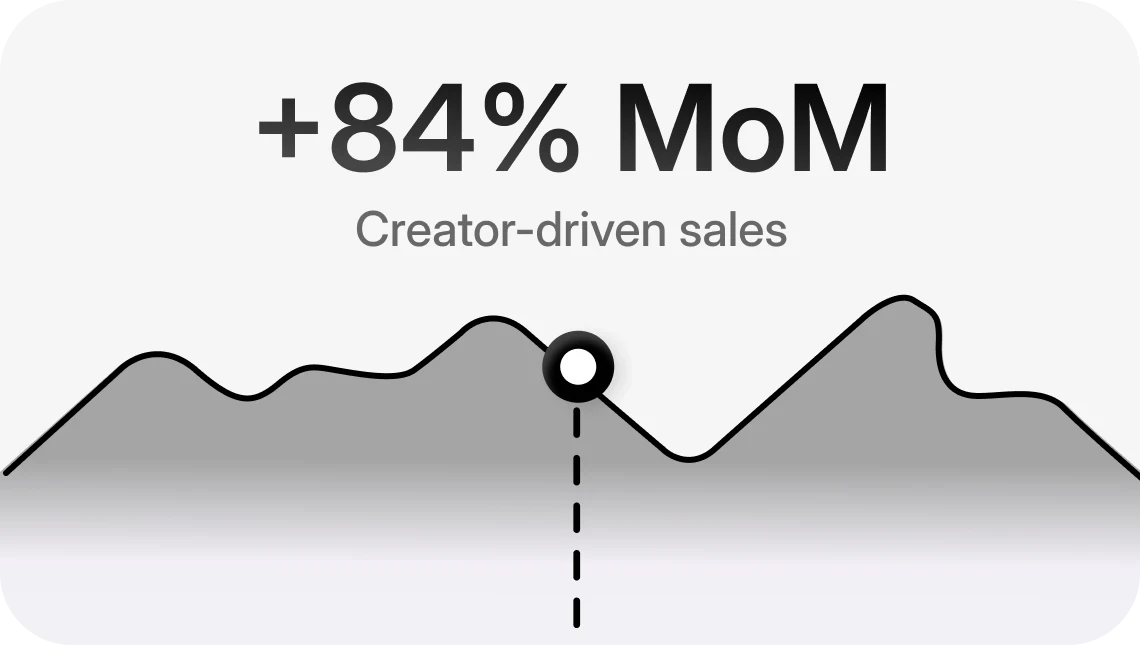
Attributed $185,000 in GMV directly to creator-driven traffic over the 90-day campaign period, with a blended CPA 40% lower than the brand's paid social acquisition cost.
Identified the top 12 performing creators based on revenue attribution and engagement metrics, who were then offered long-term ambassador contracts for the following year.
Reduced the marketing manager's weekly time spent on creator program operations from 15 hours to 5 hours, freeing capacity for strategic planning and new creator recruitment.
The brand now runs quarterly room makeover campaigns with a rotating roster of 75 to 100 creators, using performance data from each campaign to continuously refine creator selection and content strategy.
Frequently Asked Questions
How is creator collaboration for home decor brands different from other industries?
Home decor creator programs involve longer content production timelines because room styling takes days, not minutes. Products are often larger and more expensive to ship. Content needs to showcase products in real living environments, which requires more detailed creative briefs and multiple approval rounds. Additionally, the purchase consideration cycle for home decor is longer, so attribution tracking must account for delayed conversions that can occur days or weeks after initial content exposure.
What types of creators work best for home decor room makeover campaigns?
Interior design enthusiasts, home renovation bloggers, lifestyle creators with strong home content, professional stagers, and DIY creators all perform well. The key is matching creator aesthetic to brand identity. A bohemian maximalist creator will not produce content that aligns with a Scandinavian minimalist brand. Segmenting creators by style, room specialty, and audience demographics ensures better brand fit and higher content quality.
How do you track which creators actually drive sales for home decor products?
Revenue attribution requires unique tracking links or discount codes assigned to each creator. When a customer clicks a creator's link and purchases, that sale is attributed to the creator. For longer consideration cycles common in home decor, look-back windows of 14 to 30 days capture delayed conversions. Creator performance tracking dashboards aggregate this data so you can compare creators by revenue generated, not just engagement metrics.
Can creator content from room makeover campaigns be reused for paid advertising?
Yes, and it should be. Creator-generated room makeover content typically outperforms studio-produced creative in paid social campaigns because it looks authentic and relatable. Brands that store creator content in a centralized, tagged library can quickly pull top-performing assets for Facebook, Instagram, and TikTok ad campaigns. Ensure your creator agreements include usage rights for paid amplification to avoid licensing issues.
How many creators should a home decor brand work with to start a collaboration program?
Start with 15 to 25 creators for your first structured campaign. This is large enough to generate meaningful content volume and performance data, but small enough to manage without overwhelming your team. As you refine your workflows, briefs, and approval processes, scale to 50, then 100 or more creators. The key is having operational infrastructure in place before scaling, so quality and communication do not degrade as the roster grows.