Creator Collaborations for Growth Agencies: Build a Scalable Creator Activation System
Growth agencies live and die by their ability to scale results across multiple brand clients simultaneously. When creator collaborations are managed through scattered spreadsheets, fragmented email threads, and disconnected platforms, the operational cost of running creator programs erodes margins and limits how many clients an agency can serve profitably. The challenge is not finding creators. The challenge is activating them at scale, across dozens of brands, without the workflow collapsing under its own weight.
A scalable creator activation system transforms how growth agencies approach social commerce and influencer marketing. Instead of treating each creator collaboration as a one-off project, agencies need infrastructure that turns creator partnerships into repeatable, measurable revenue channels. This means standardized onboarding, centralized content management, structured campaign briefs, and performance tracking that ties creator output directly to commerce outcomes.
Whether your agency manages affiliate creator programs, UGC campaigns, or full-funnel creator strategies for e-commerce brands, the operational backbone matters more than the creative brief. This page breaks down exactly how growth agencies can build that backbone and why purpose-built creator marketing platforms outperform the patchwork tools most agencies rely on today.
Managing Creator Programs Across Multiple Brand Clients
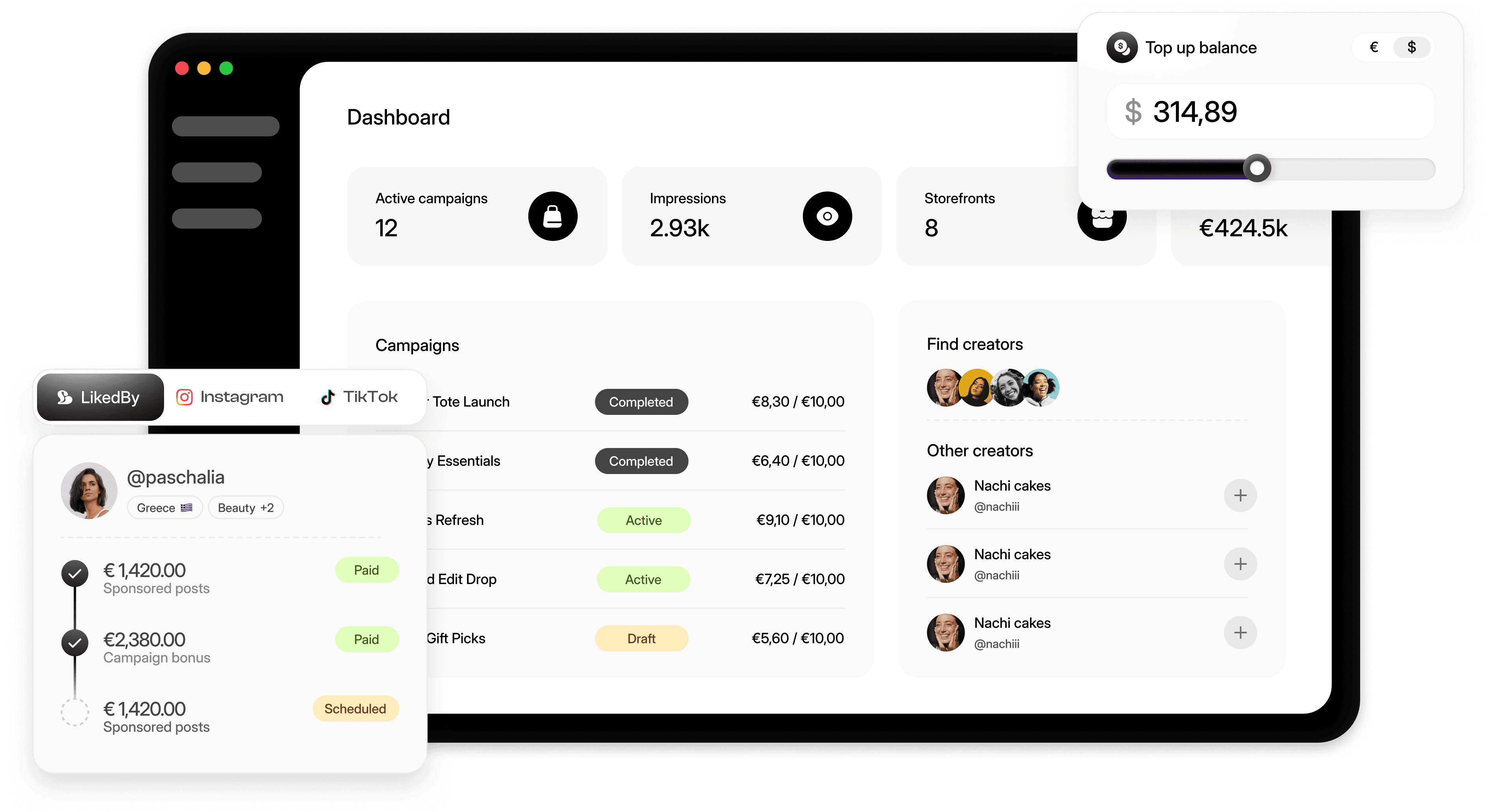
Growth agencies typically manage creator collaborations for five to fifty brand clients at once. Each brand has different guidelines, product catalogs, approval workflows, and performance expectations. Without a unified system, account managers spend more time on administrative coordination than strategic optimization.
Creator Onboarding Bottlenecks That Slow Campaign Launches
Every new campaign requires recruiting, vetting, and onboarding creators. When this process is manual, it creates a bottleneck that delays launches by days or weeks. Agencies lose momentum and miss trend windows because onboarding workflows are not standardized or repeatable.
Content Approval Chaos Across Teams and Clients
Brand clients want oversight of creator content before it goes live. When approvals happen over email or Slack, versions get lost, feedback loops stretch out, and creators get frustrated. This friction directly impacts content output volume and creator retention.
No Unified View of Creator Performance Across Brands
Agencies need to report on creator performance to each client, but data lives in different platforms: Instagram Insights, TikTok Analytics, Shopify dashboards, affiliate networks. Compiling cross-platform performance reports manually is time-intensive and error-prone.
Difficulty Scaling Affiliate Creator Programs
Affiliate creator programs are a core growth lever, but tracking commissions, attributing sales, and managing creator storefronts across multiple brands requires infrastructure most agencies do not have. The result is either underinvestment in affiliate programs or unsustainable manual tracking.
Content Asset Disorganization
Creator-generated content is a valuable asset, but when photos, videos, and usage rights documentation are scattered across Google Drive folders, DMs, and email attachments, agencies cannot efficiently repurpose content or prove usage rights compliance to clients.
Creator Relationship Decay
When agencies treat creators as transactional campaign participants rather than long-term partners, reactivation rates drop. Without a creator CRM that tracks relationship history, past performance, and preferences, agencies lose institutional knowledge every time an account manager leaves.
Spreadsheets Cannot Handle Multi-Brand Creator Operations
Spreadsheets are where most agencies start, and where most agencies get stuck. A Google Sheet might work for tracking ten creators on one brand. It breaks completely when you are managing 200 creators across twelve brands. Formulas break, version conflicts arise, and there is no way to automate status updates, content approvals, or performance tracking. The spreadsheet becomes the bottleneck it was supposed to eliminate.
Generic Project Management Tools Miss Creator-Specific Workflows
Tools like Asana, Monday, or Trello are designed for general project management. They have no concept of creator profiles, content approval stages, shoppable content embedding, or affiliate tracking. Agencies end up building elaborate workarounds that require constant maintenance and training for new team members.
Disconnected Point Solutions Create Data Silos
Using one tool for creator discovery, another for outreach, a third for content storage, and a fourth for analytics means data never connects. You cannot see which creator drove the most revenue last quarter because that data lives in Shopify, while their content lives in Dropbox, and their contact info lives in a CRM that was never updated. These silos make it impossible to optimize creator programs based on actual performance data.
Influencer Marketing Platforms Built for One-Off Campaigns
Many influencer marketing software platforms are designed for brand-side teams running occasional campaigns. They lack the multi-tenant architecture, white-label reporting, and client management features that growth agencies need. Running five brands through a platform designed for one creates confusion, permission issues, and reporting headaches.
No Commerce Layer in Traditional Tools
Most collaboration tools have no connection to commerce outcomes. They can tell you a post got 50,000 impressions but cannot tell you it generated $12,000 in attributed revenue. For growth agencies whose value proposition is performance, this gap is disqualifying.
How Socialscale Powers Creator Collaborations for Growth Agencies
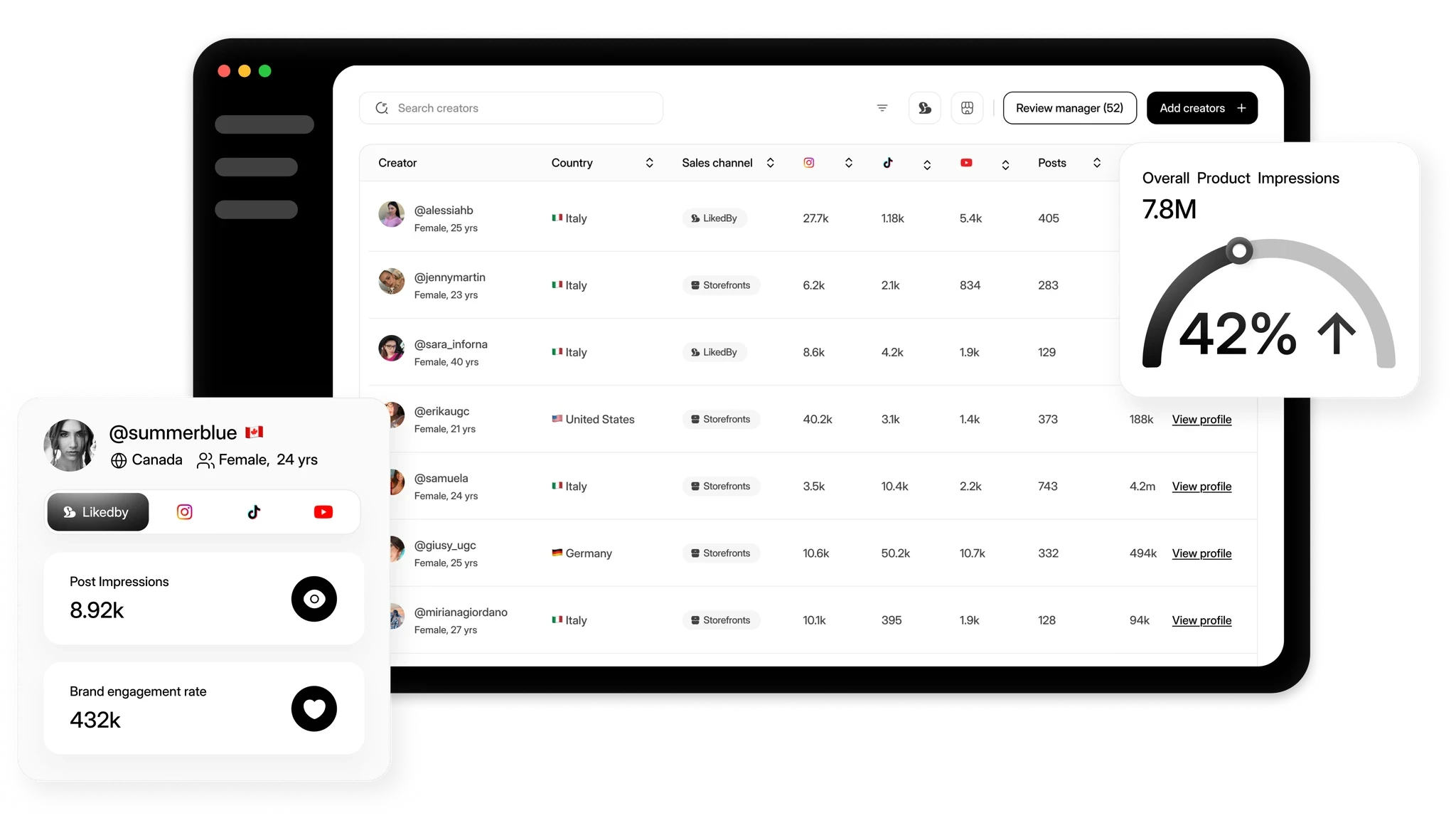
Socialscale is built as the operating system for social commerce, purpose-designed for teams that need to run creator programs end-to-end across multiple brands. Rather than stitching together five or six disconnected tools, agencies get a single creator marketing platform that handles onboarding, collaboration management, content organization, shoppable content deployment, and performance tracking in one place.
For growth agencies specifically, Socialscale solves the multi-brand scaling problem. Each brand client gets its own workspace with dedicated creator rosters, campaign briefs, content libraries, and reporting dashboards. Account managers can switch between brands without losing context, and agency leadership gets a portfolio-level view of creator program performance across all clients.
The platform connects creator activity directly to commerce outcomes. When a creator publishes content, Socialscale tracks engagement, click-throughs, and attributed revenue. This data flows into the creator analytics dashboard, where agencies can generate client-ready reports that prove ROI without manual data compilation. Combined with a built-in creator CRM that maintains relationship history and performance records, agencies can make data-driven decisions about which creators to reactivate, which to scale, and which to sunset.
The result is an agency that can manage more brands with fewer people, launch campaigns faster, and demonstrate measurable commerce impact to every client.
Feature Breakdown: What Growth Agencies Get
Multi-Brand Creator Collaboration Management
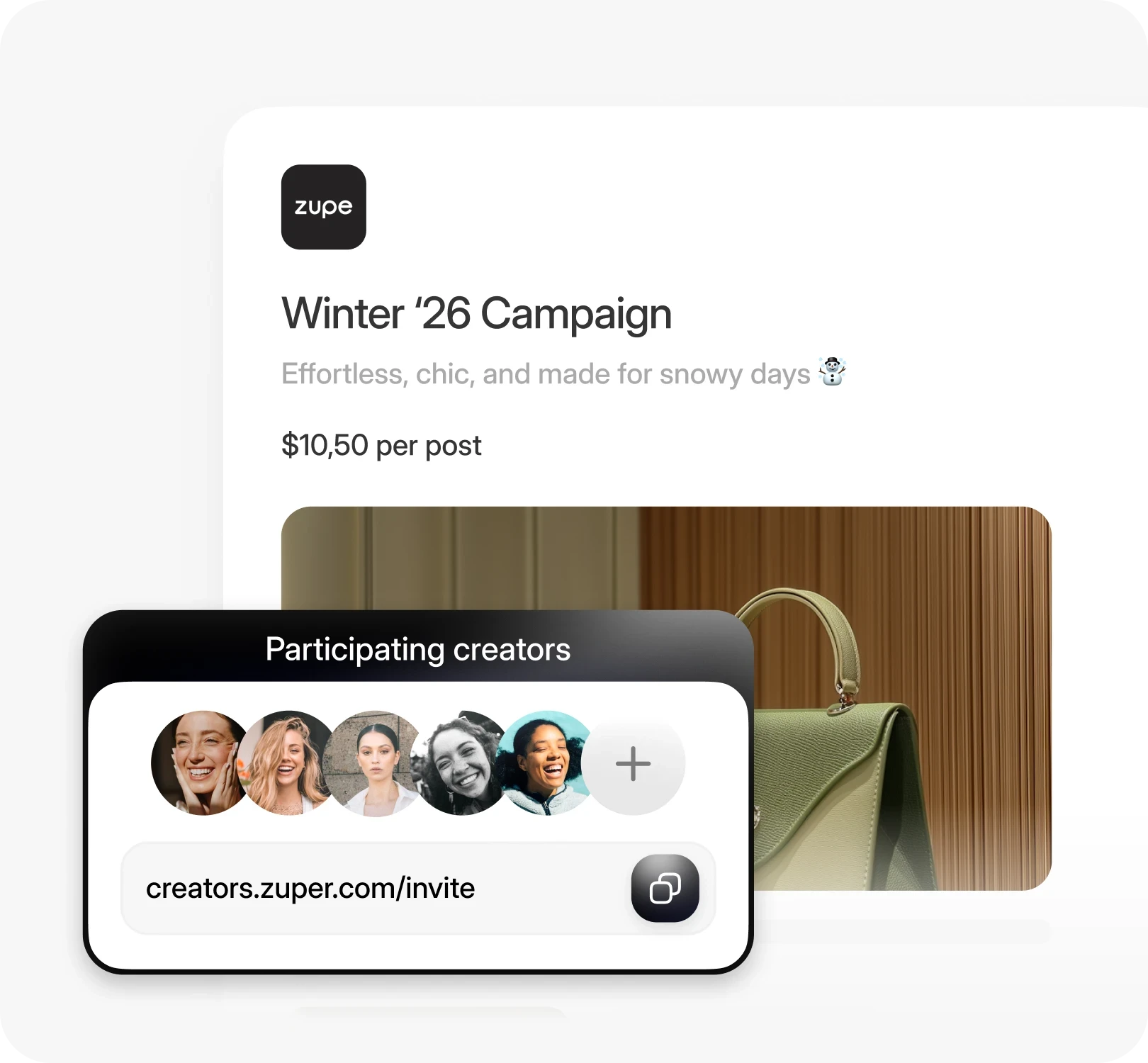
Run creator collaborations across all your brand clients from a single dashboard. Each brand maintains its own creator roster, campaign structure, and approval workflow. Assign creators to specific brands, set brand-specific guidelines, and manage deliverables without cross-contamination between client accounts. Campaign briefs are templatized so your team can launch new collaborations in minutes rather than hours.
Standardized Creator Onboarding at Scale
Build reusable onboarding flows that collect creator information, tax documentation, content preferences, and platform handles in one structured intake. When you recruit creators for a new client campaign, they complete a branded onboarding form that feeds directly into the creator CRM. No more chasing creators for missing information across email threads.
Content Approval Workflows with Client Visibility
Set up multi-stage approval workflows where creators submit content, account managers review it, and brand clients give final sign-off, all within the platform. Each piece of content moves through clearly defined stages: submitted, in review, revision requested, approved, published. Clients can access their approval queue without needing full platform access, keeping them involved without creating chaos.
Creator Content Storage and Rights Management
Every piece of creator content is automatically organized in Creator Drive, tagged by brand, campaign, creator, content type, and usage rights status. When a client asks for all approved UGC from Q3, your team can pull it in seconds. Usage rights documentation is attached directly to each asset, so compliance is never a question.
Shoppable Content Embedding
Turn creator content into revenue-generating assets by embedding shoppable creator content directly on brand client websites. Creator widgets display curated creator content with product tags, turning social proof into conversion points. For agencies managing e-commerce brands, this feature directly ties creator programs to measurable GMV impact.
Creator Performance Tracking and Attribution
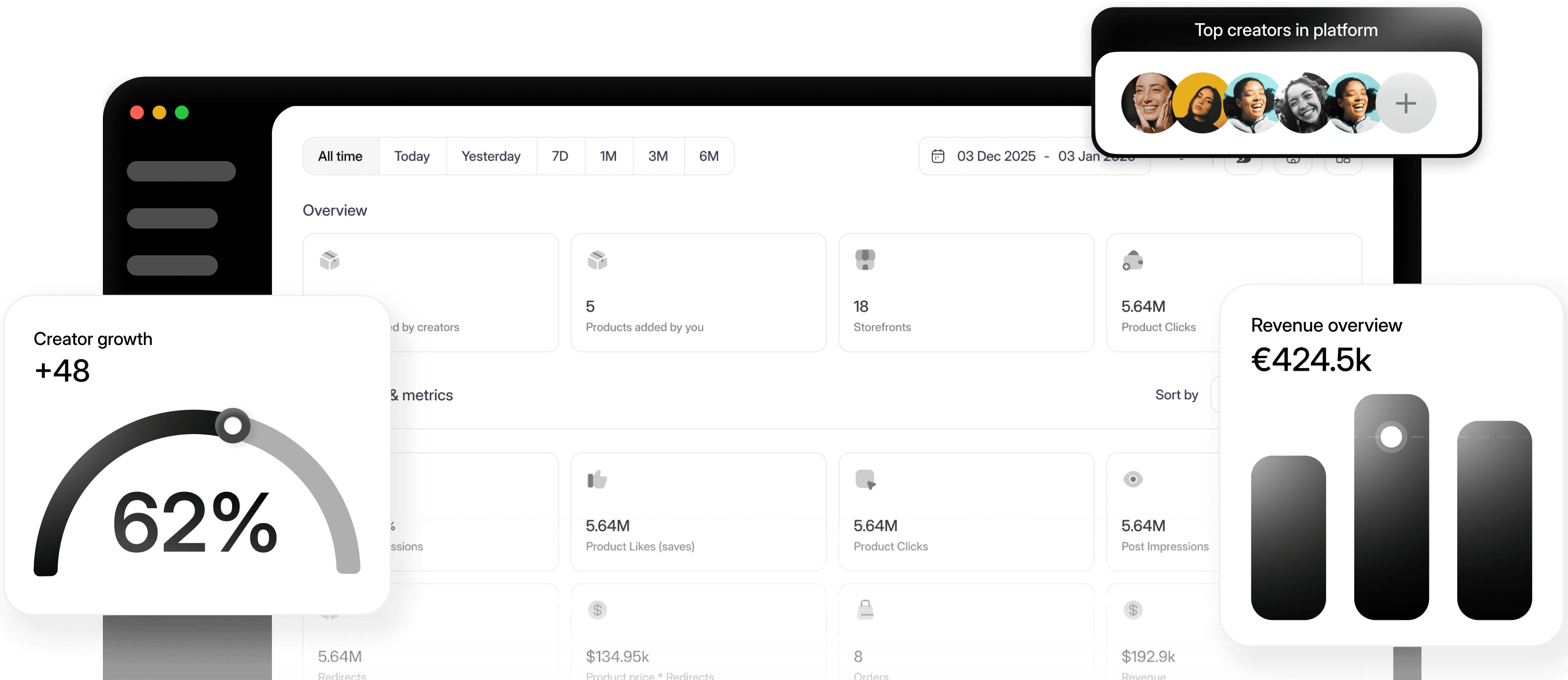
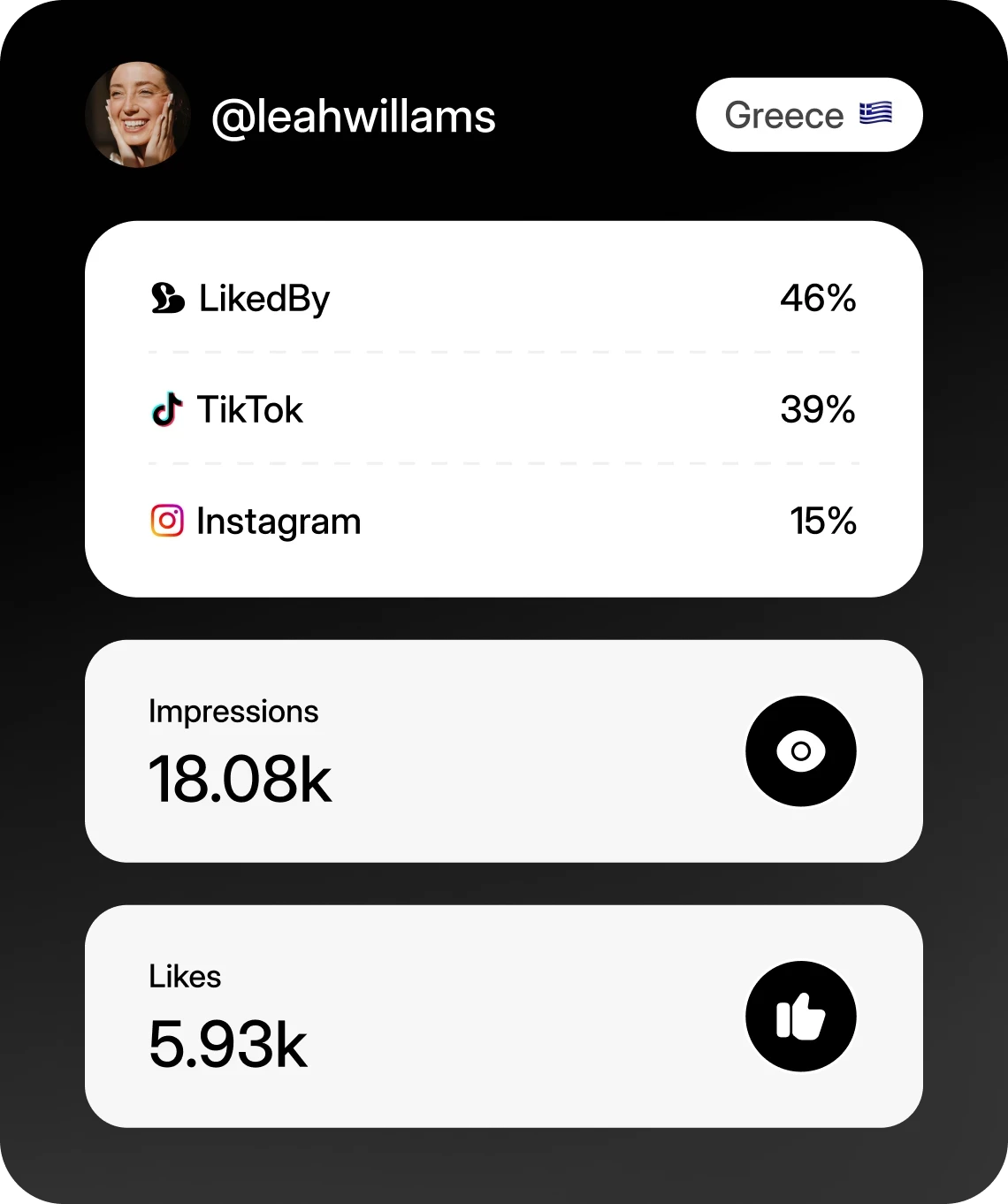
Track every creator across engagement metrics, content output volume, click-through rates, conversion rates, and attributed revenue. Performance data is aggregated at the creator level, campaign level, and brand level, giving agencies the ability to optimize at every layer. Weekly performance snapshots can be automated and sent to client stakeholders without manual report building.
Creator CRM with Relationship Intelligence
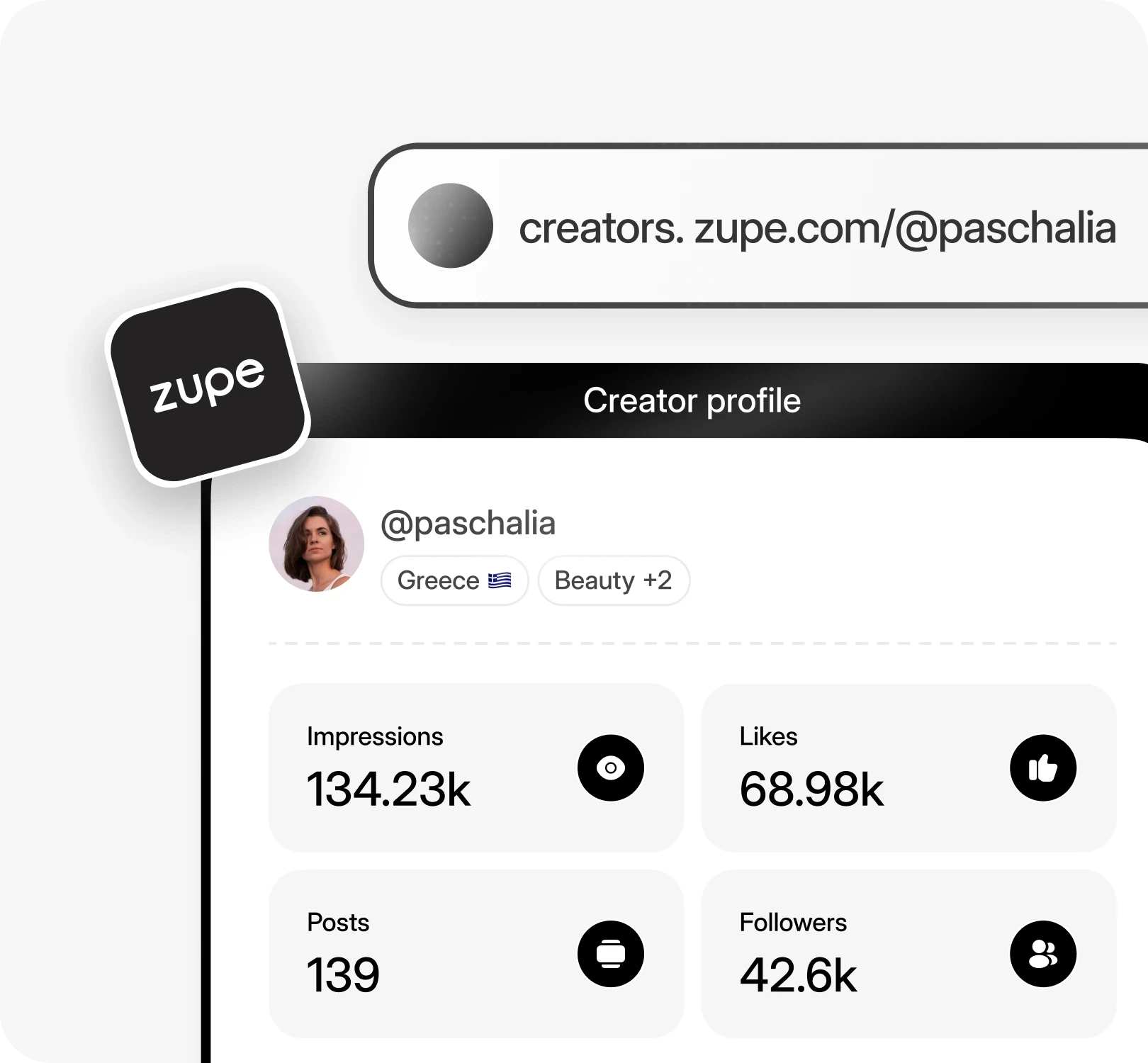
Maintain a living database of every creator your agency has ever worked with. Track past collaborations, performance history, rate cards, communication preferences, and notes from account managers. When a new client needs creators in a specific niche, your team can search the CRM by category, past performance tier, platform, or audience demographics and activate proven creators immediately.
Use Cases for Growth Agencies
Scaling a DTC Brand from 10 to 200 Active Creators in 90 Days
A growth agency takes on a new DTC skincare brand that has been working with ten creators informally. The agency needs to scale the program to 200 active creators within one quarter to support a product launch. Using standardized onboarding flows, the agency recruits creators in cohorts of 50, each completing intake forms that feed into the creator CRM. Campaign briefs are templatized by content type: unboxing videos, routine tutorials, and before-and-after testimonials. Content approval workflows ensure brand compliance without bottlenecking the account manager. By week twelve, the brand has 200 active creators producing content on a rolling basis, with performance data flowing into weekly client reports.
Running Affiliate Creator Programs Across Five E-Commerce Brands
An agency manages affiliate creator programs for five e-commerce brands in different verticals: fashion, supplements, home goods, pet products, and beauty. Each brand has its own creator roster, commission structure, and creator storefronts. The agency uses a centralized platform to track affiliate performance across all five brands, identifying which creators drive the highest conversion rates and which products perform best through creator channels. Monthly portfolio reviews help the agency reallocate creator budgets toward the highest-performing brand programs, improving overall ROAS across the portfolio.
UGC Content Production Pipeline for Paid Media
A performance marketing agency needs a steady pipeline of UGC content to fuel paid social campaigns for its clients. Rather than commissioning content ad hoc, the agency builds a structured UGC management system where creators submit content against specific creative briefs designed for paid media formats. Approved content is stored with full usage rights documentation, tagged by format, hook style, and product featured. The paid media team pulls assets directly from the content library, reducing creative production timelines from two weeks to three days.
Seasonal Campaign Activation Across a Retail Portfolio
A growth agency manages creator programs for a retail holding company with eight brands. During Black Friday and holiday season, the agency needs to coordinate creator activations across all eight brands simultaneously. Each brand has different promotional offers, content requirements, and launch dates. The agency uses campaign-level organization to manage each brand's holiday push independently while maintaining a portfolio-level calendar that prevents scheduling conflicts and ensures creators assigned to multiple brands are not overwhelmed with overlapping deadlines.
Weekly and Monthly Operational Workflow for Growth Agencies
A scalable creator activation system only works if it maps to the actual rhythms of agency operations. Below is a practical workflow that growth agencies can implement using Socialscale.
Monday: Creator Pipeline Review
Start each week by reviewing the creator pipeline across all brand clients. Check onboarding completion rates, identify creators who have stalled in the intake process, and flag any brands that are below their target active creator count. Use the creator CRM to identify former collaborators who can be reactivated for upcoming campaigns.
Tuesday: Campaign Brief Distribution
Distribute campaign briefs to active creators for the week's deliverables. Briefs should include product details, content format requirements, key messaging points, hashtags, and deadlines. Templatized briefs reduce preparation time and ensure consistency across account managers handling different brands.
Wednesday–Thursday: Content Review and Approval Cycles
Process incoming creator content submissions through the approval workflow. Account managers review for brand guideline compliance and creative quality, then route approved content to brand clients for final sign-off. Track revision requests and turnaround times to identify bottlenecks in the approval process.
Friday: Performance Snapshot and Client Reporting
Generate weekly performance snapshots for each brand client. Include metrics on content output volume, creator activation rate, engagement rates, click-through rates, and any attributed revenue data. Automated reporting reduces the manual effort of compiling data from multiple sources.
Bi-Weekly: Creator Relationship Check-Ins
Every two weeks, account managers should review creator satisfaction and engagement levels. Identify creators whose output quality or frequency has declined and reach out proactively. Use relationship notes in the CRM to personalize outreach and address any friction points before creators disengage.
Monthly: Portfolio Performance Review
At the end of each month, agency leadership reviews creator program performance across the entire client portfolio. Compare activation rates, content output, and commerce metrics across brands. Identify which programs are scaling efficiently and which need strategic adjustments. Use this review to inform resource allocation, creator recruitment targets, and client strategy conversations.
Monthly: Content Library Audit and Repurposing
Review the content library for each brand client. Identify high-performing creator content that can be repurposed for paid media, email marketing, or website embedding. Ensure all assets have current usage rights documentation. Archive expired content and flag assets approaching rights expiration dates.
Quarterly: Creator Program Strategy Refresh
Every quarter, revisit the creator program strategy for each brand client. Analyze which creator tiers, content formats, and platforms are driving the strongest commerce outcomes. Adjust creator recruitment criteria, brief templates, and commission structures based on quarterly performance data. Present strategic recommendations to brand clients with supporting data from the analytics dashboard.
Key Performance Indicators for Creator Collaborations
Growth agencies need to track metrics that demonstrate both operational efficiency and commerce impact. The following KPIs should be monitored at the creator, campaign, brand, and portfolio levels.
Creator Activation Rate: Percentage of onboarded creators who publish at least one piece of content within the first 14 days of a campaign. Target: 75% or higher.
Content Approval Turnaround Time: Average time from content submission to final approval. Target: under 48 hours for standard campaigns.
Content Output Volume: Total pieces of creator content produced per brand per month. Track by format (video, static, Story, Reel) to identify production gaps.
Click-Through Rate (CTR): Percentage of viewers who click through from creator content to product pages. Benchmark varies by platform but typically ranges from 1.5% to 4% for well-targeted creator content.
Conversion Rate (CVR): Percentage of click-throughs that result in a purchase. Track at the creator level to identify top converters.
Gross Merchandise Value (GMV): Total revenue attributed to creator-driven traffic. This is the primary commerce metric for proving program ROI to brand clients.
Return on Ad Spend (ROAS) / Cost Per Acquisition (CPA): For agencies running creator content through paid amplification, track ROAS and CPA to compare creator content performance against traditional ad creative.
Creator Retention Rate: Percentage of creators who participate in more than one campaign. High retention indicates strong relationship management and fair compensation structures.
Content Repurposing Rate: Percentage of creator content that is repurposed for paid media, email, or website embedding. Higher rates indicate efficient UGC management and content library utilization.
Client Retention and Expansion: Track whether strong creator program performance correlates with client contract renewals and scope expansions. This is the ultimate agency-level metric.
Realistic Scenario: Growth Agency Scaling Creator Programs for a Beauty Portfolio
A mid-size growth agency specializing in beauty and wellness brands manages creator collaborations for six DTC skincare and cosmetics brands. Before implementing a scalable creator activation system, the agency relied on a combination of spreadsheets, email, Google Drive, and manual Shopify reporting. Each account manager spent approximately 15 hours per week on administrative tasks: chasing creator submissions, compiling performance data, organizing content files, and building client reports.
The agency onboarded all six brands onto a centralized creator marketing platform. Each brand received its own workspace with dedicated creator rosters, campaign templates, and content libraries. Creator onboarding was standardized with branded intake forms that collected all necessary information upfront, reducing onboarding time from an average of five days to one day per creator.
Within the first 90 days, the agency achieved the following measurable results across the portfolio:
Total active creators increased from 85 to 340 across all six brands.
Average content approval turnaround time dropped from 4.5 days to 1.2 days.
Monthly content output increased from 120 pieces to 480 pieces across the portfolio.
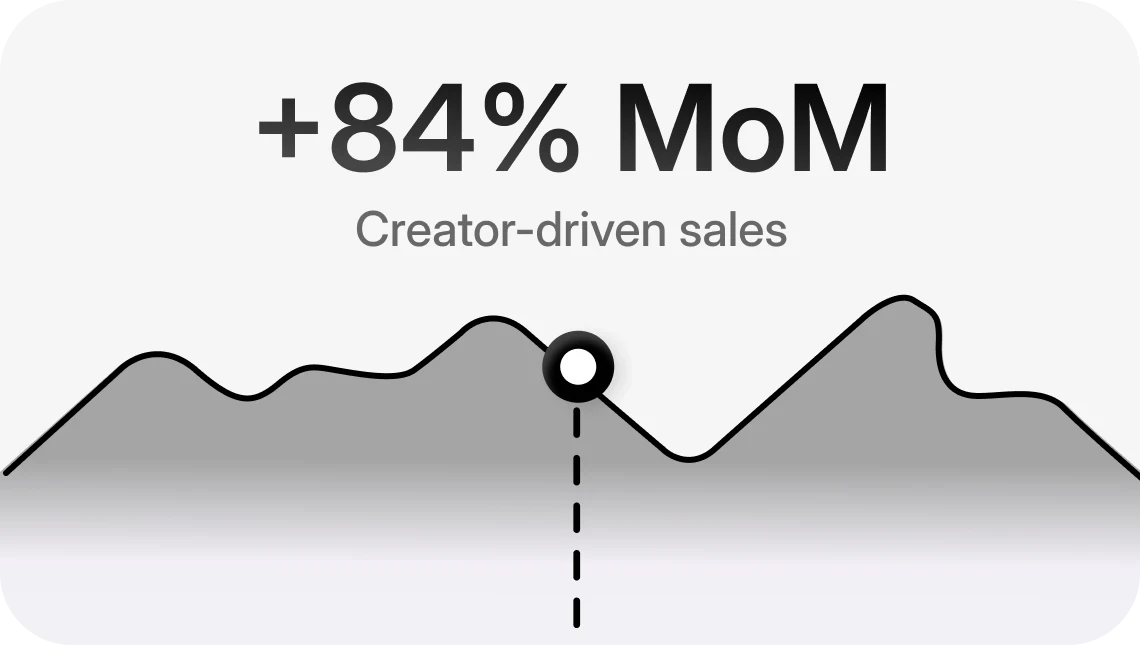
Creator-attributed GMV grew from $45,000/month to $187,000/month, a 315% increase.
Account manager administrative time decreased by 60%, freeing approximately 9 hours per person per week for strategic work.
Two brand clients expanded their contracts to include paid media amplification of top-performing creator content, increasing agency revenue per client by 40%.
The agency now uses quarterly performance reviews to continuously optimize creator selection, brief quality, and commission structures. Creator retention rate across the portfolio sits at 82%, meaning the agency spends less on recruitment and more on scaling proven creator relationships.
Frequently Asked Questions
How does a scalable creator activation system differ from a standard influencer marketing platform?
Standard influencer marketing software is typically designed for brand-side teams running individual campaigns. A scalable creator activation system is built for agencies managing multiple brands simultaneously. It includes multi-tenant architecture, standardized onboarding workflows, cross-brand performance analytics, and content management features that support ongoing creator programs rather than one-off campaigns. The focus is on operational efficiency at scale, not just creator discovery.
Can growth agencies manage affiliate creator programs and UGC campaigns in the same platform?
Yes. A purpose-built creator collaboration platform supports multiple program types within the same workspace. Affiliate creator programs with commission tracking, UGC production pipelines for paid media, and brand ambassador programs with ongoing deliverables can all run simultaneously. Each program type has its own campaign structure, brief templates, and performance metrics while sharing the same creator CRM and content library.
How does creator performance tracking connect to commerce outcomes like revenue and ROAS?
Creator performance tracking integrates with e-commerce platforms like Shopify to attribute revenue to specific creators and content pieces. When a creator publishes content with tracked links or product tags, clicks and purchases are recorded and tied back to the creator profile. This enables agencies to report on GMV, conversion rates, and ROAS at the creator, campaign, and brand level rather than relying on vanity metrics like impressions alone.
What is the typical onboarding timeline for a growth agency adopting a new creator collaboration platform?
Most growth agencies can onboard their first brand client within one to two weeks, including importing existing creator rosters, setting up campaign templates, and configuring approval workflows. Subsequent brand clients can be onboarded in two to three days since the agency-level infrastructure is already in place. Full portfolio migration, including historical data and content libraries, typically takes four to six weeks depending on the number of brands and volume of existing assets.
How do agencies maintain creator content quality across multiple brands without creating approval bottlenecks?
The key is structured approval workflows with clear stages and defined reviewers. Each brand can have its own approval chain: account manager first review, then client sign-off. Brand guidelines are embedded directly into campaign briefs so creators understand expectations before they start producing. Revision request templates standardize feedback, reducing back-and-forth. Agencies that implement these workflows typically see approval turnaround times under 48 hours even at scale.