Creator Collaborations for Ecommerce Agencies
Ecommerce agencies juggle multiple client brands, each with distinct audiences, product catalogs, and revenue targets. Running creator collaborations across that portfolio without a unified system leads to scattered briefs, missed deadlines, and performance data trapped in spreadsheets. The result is wasted hours, inconsistent creator output, and clients who question whether their influencer spend is actually driving sales.
Social commerce has changed the equation. Consumers now discover and purchase products directly through creator content on TikTok, Instagram, and YouTube. For ecommerce agencies, this means creator collaborations are no longer a brand-awareness play alone; they are a direct revenue channel. Every collaboration needs to be structured around shoppable content, trackable links, and measurable conversion outcomes.
To manage multi-client influencer campaigns at scale, agencies need purpose-built infrastructure that handles onboarding, briefing, content approvals, asset storage, and performance tracking in one place. That is exactly where a dedicated creator collaboration platform replaces the patchwork of tools most agencies have outgrown.
Managing Multiple Client Brands Simultaneously
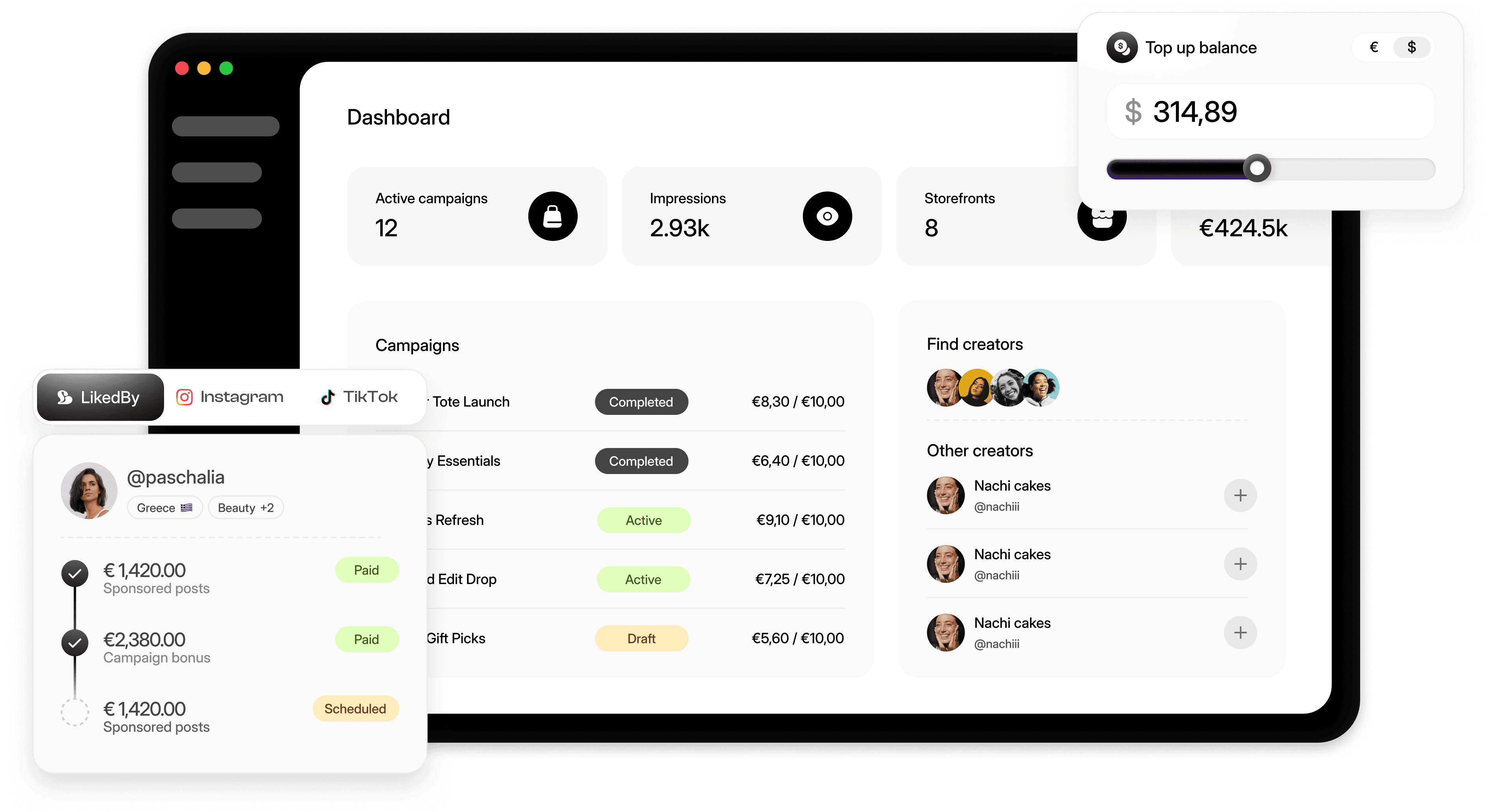
Ecommerce agencies typically manage five to fifty client accounts at once. Each brand has its own creator roster, campaign calendar, and approval chain. Without a centralized workspace, account managers constantly context-switch between tools, risking brief mix-ups and missed deliverables.
Inconsistent Creator Onboarding Across Accounts
When onboarding processes differ from client to client, agencies lose time reinventing workflows. Some creators receive detailed briefs; others get a vague DM. This inconsistency leads to off-brand content, reshoots, and strained creator relationships.
Content Approval Bottlenecks
Client stakeholders often sit outside the agency's project management tools. Approval requests get buried in email threads, Slack channels, or shared Google Docs. A single delayed approval can push an entire campaign past its launch window.
No Unified Performance View Across Clients
Agencies pull data from Instagram Insights, TikTok Analytics, Shopify dashboards, and affiliate platforms separately. Aggregating this into a coherent cross-client report takes hours every week and still leaves gaps in attribution.
Asset Disorganization
Creator-generated photos, videos, and raw files end up scattered across Google Drive folders, email attachments, and DMs. When a client requests assets for paid amplification or website embedding, the search begins from scratch.
Scaling Affiliate Creator Programs
Many ecommerce agencies now run affiliate creator programs alongside flat-fee collaborations. Tracking commission structures, unique discount codes, and affiliate revenue per creator across multiple clients adds another layer of operational complexity.
Proving ROI to Retain Clients
Client retention depends on demonstrating measurable outcomes. Agencies that cannot tie creator collaborations directly to GMV, ROAS, or customer acquisition cost risk losing accounts to competitors or in-house teams.
Spreadsheets Cannot Handle Multi-Client Scale
Spreadsheets are the default starting point for most agencies. They work for tracking ten creators on one campaign. They collapse when an agency manages forty creators across eight client brands with overlapping timelines. Version control issues, broken formulas, and manual data entry errors compound weekly.
Generic Project Management Tools Lack Creator Context
Tools like Asana, Monday, or Trello organize tasks but have no concept of a creator profile, a content deliverable, or a shoppable link. Agencies end up building elaborate workarounds—custom fields, linked boards, external integrations—that still do not provide a creator-level performance view.
Influencer Marketing Platforms Focus on Discovery, Not Operations
Most influencer marketing software on the market is built around creator discovery and outreach. Once a creator is recruited, these platforms offer limited support for the operational reality of managing deliverables, storing assets, embedding shoppable content, and tracking post-purchase attribution across multiple storefronts.
Disconnected Analytics Create Reporting Blind Spots
When engagement data lives in one tool, sales data in another, and content assets in a third, agencies spend more time assembling reports than analyzing them. The lag between campaign execution and performance insight means optimization happens too late—or not at all.
No Client-Level Access Controls
Traditional tools rarely support the multi-tenant structure agencies need. Giving a client visibility into their own campaign without exposing another client's data requires manual workarounds that are fragile and time-consuming to maintain.
How Socialscale Solves Multi-Client Creator Collaboration for Ecommerce Agencies
Socialscale is built as the operating system for social commerce, giving ecommerce agencies a single platform to run creator programs end-to-end across every client account. Instead of stitching together five or six disconnected tools, agencies manage onboarding, briefing, content approvals, asset organization, shoppable content embedding, and performance tracking from one workspace.
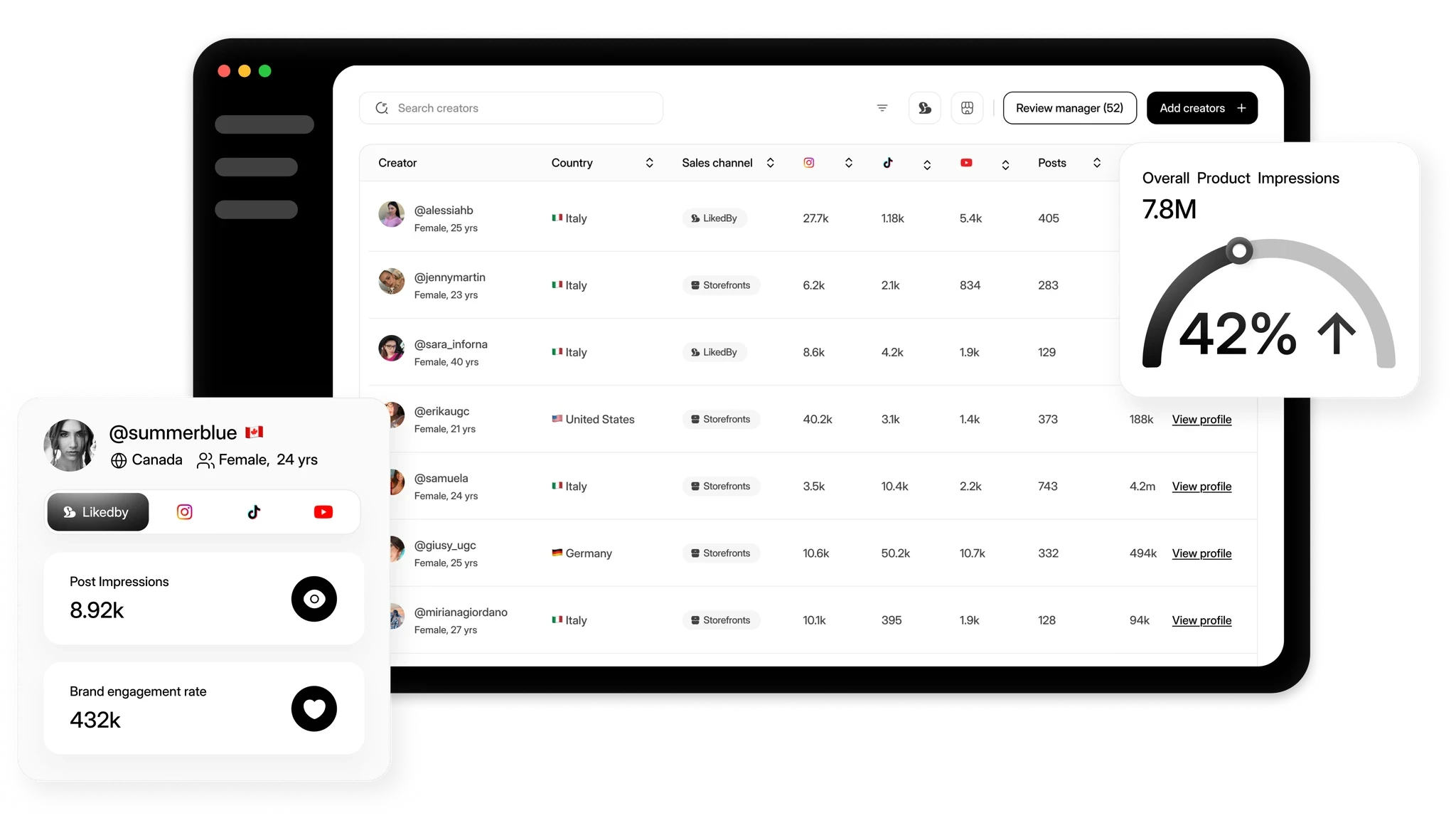
At the core is a creator CRM that organizes every creator relationship by client brand, campaign, and collaboration status. Account managers can see at a glance which creators are in onboarding, which have pending deliverables, and which are driving the highest conversion rates. This eliminates the constant tab-switching and spreadsheet cross-referencing that slows agencies down.
For content operations, Socialscale's creator collaborations module structures every campaign with clear briefs, deliverable timelines, and approval workflows. Clients can review and approve content within the platform, removing the email back-and-forth that causes delays. Once approved, assets are automatically organized in Creator Drive, tagged by brand, campaign, and content type for instant retrieval.
On the performance side, Socialscale connects creator activity to commerce outcomes. Agencies can track which creators and which pieces of content are generating clicks, conversions, and revenue—then surface those results in client-ready reports without manual data assembly. This transforms creator collaborations from a cost center into a provable revenue driver for every client in the portfolio.
Feature Breakdown: What Agencies Use Daily
Multi-Client Creator CRM
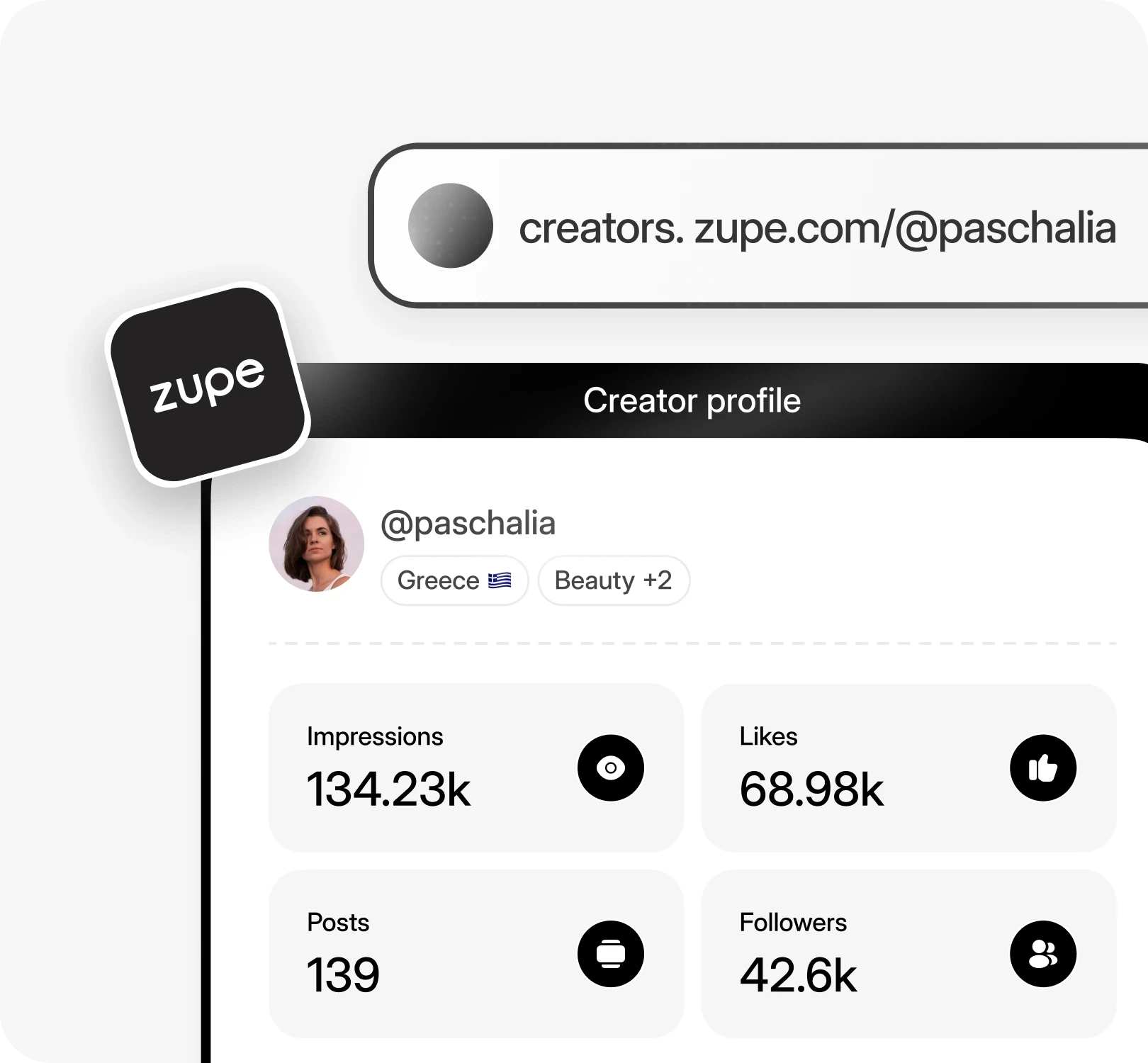
Every creator is stored in a centralized CRM with profile details, collaboration history, content performance, and client association. Agencies can filter creators by niche, engagement rate, past campaign results, or client brand. When a new campaign launches, the right creators surface immediately instead of requiring a fresh search. The CRM also tracks communication history, contract status, and payment milestones so nothing falls through the cracks.
Campaign Collaboration Workflows
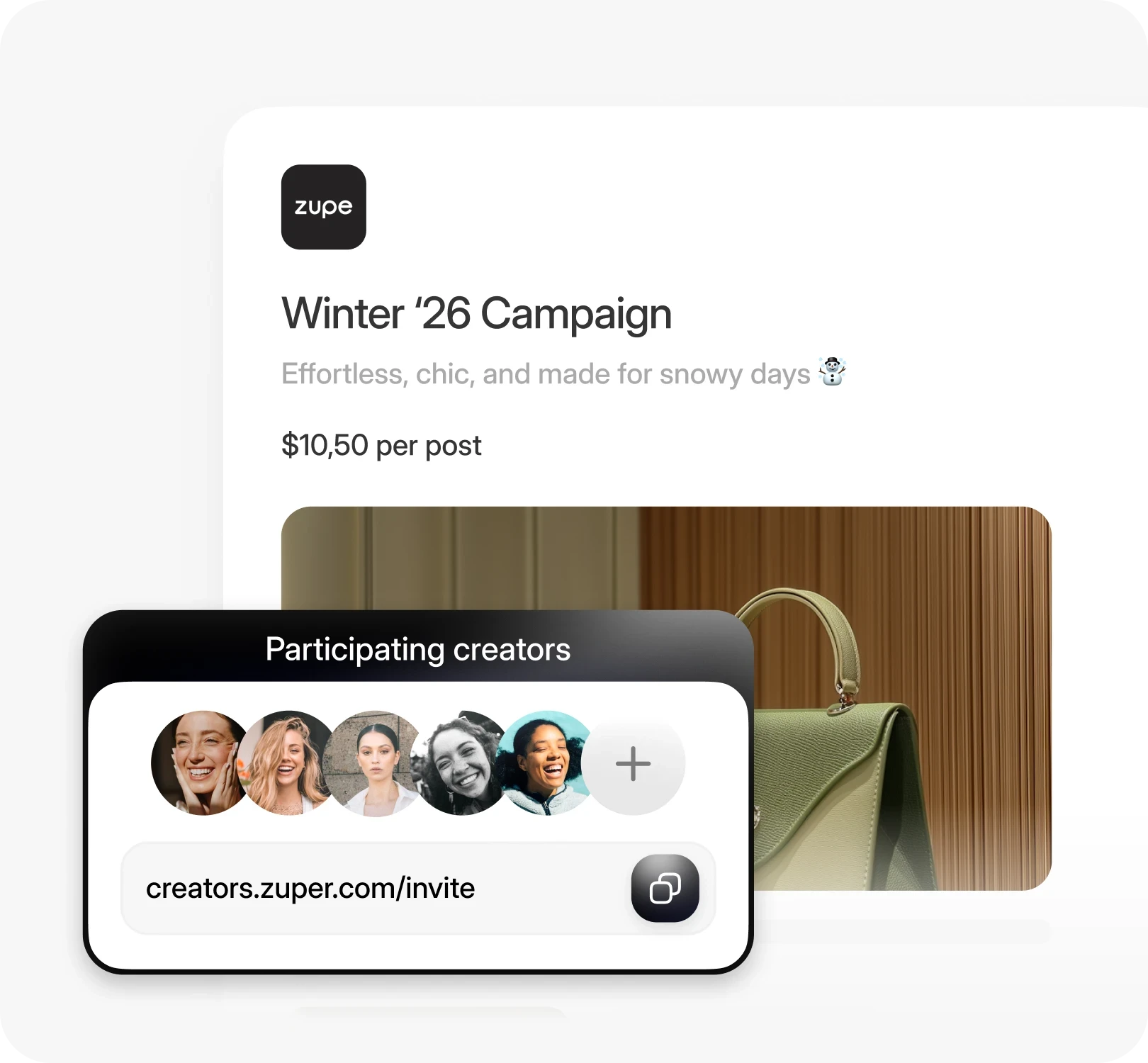
Each collaboration is structured as a discrete workflow: brief creation, creator assignment, content submission, revision requests, client approval, and publication tracking. Agencies define deliverable types (Instagram Reel, TikTok video, product review, unboxing), set deadlines, and attach reference materials. Creators receive clear expectations, and account managers monitor progress across all active campaigns from a single dashboard.
Content Approval and Revision Management
When a creator submits content, the agency reviews it internally before routing it to the client for final approval. Revision notes are attached directly to the asset, creating a clear audit trail. This structured flow replaces the chaotic mix of email threads, voice notes, and DMs that typically slow down content turnaround.
Creator Drive for Asset Organization
Every approved asset—raw video, edited clip, product photo, story screenshot—is stored in Creator Drive, organized by client, campaign, and creator. Agencies can search, filter, and export assets instantly. When a client needs UGC for paid social amplification or to embed on their Shopify storefront, the content is ready without a scavenger hunt across cloud folders.
Shoppable Content Embedding
Socialscale enables agencies to embed creator content directly on client ecommerce sites as shoppable widgets. Product pages, landing pages, and homepages can feature authentic creator videos and photos linked to purchase actions. This turns UGC management from a content library exercise into a direct conversion tool, bridging the gap between social engagement and storefront revenue.
Creator Performance Tracking
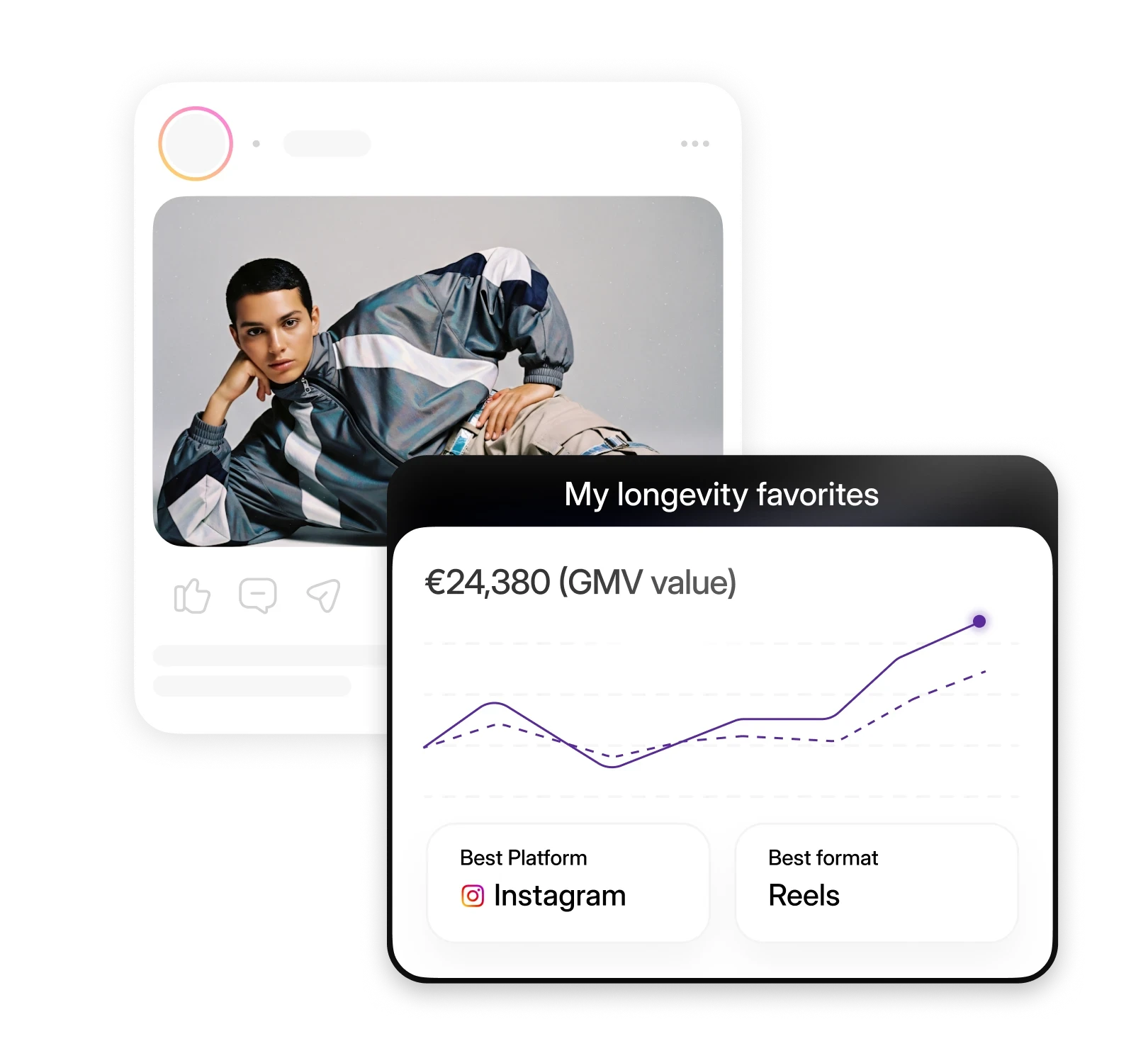
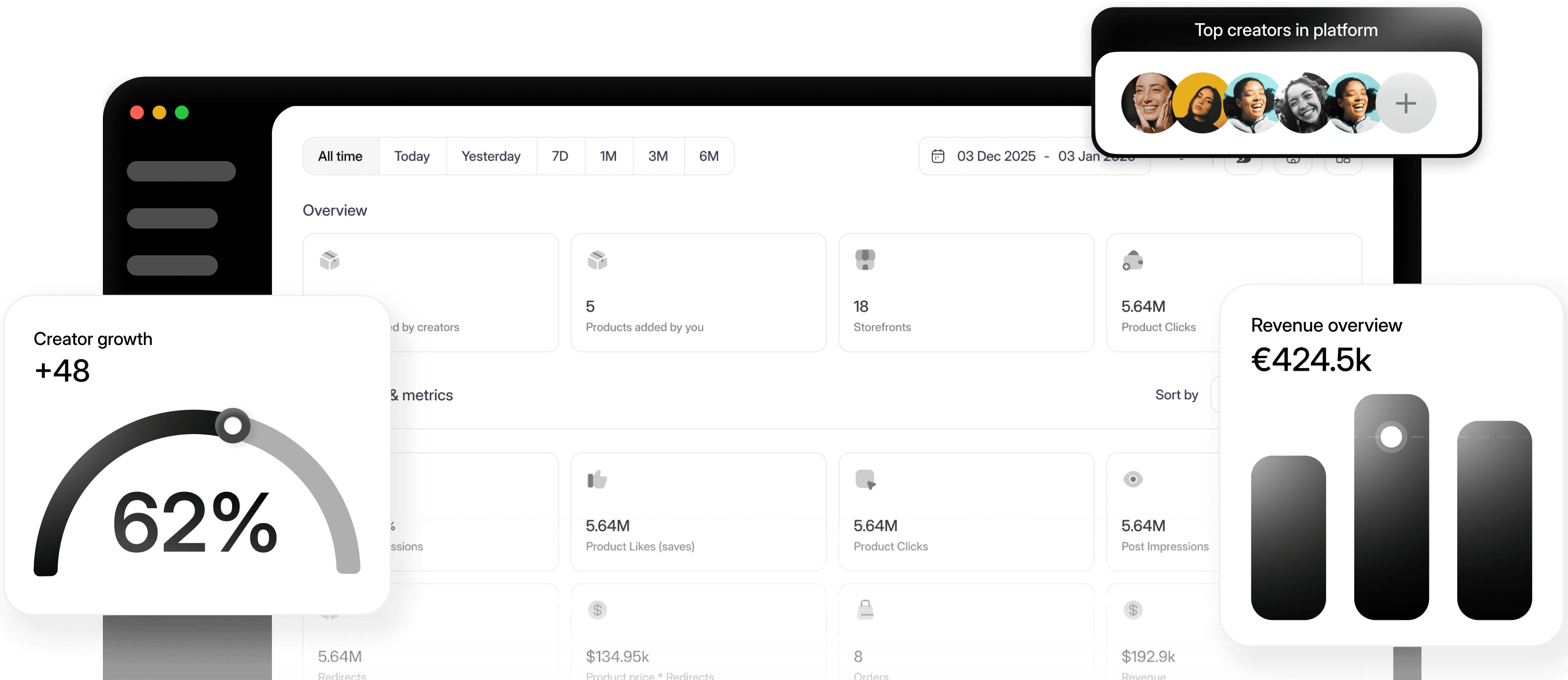
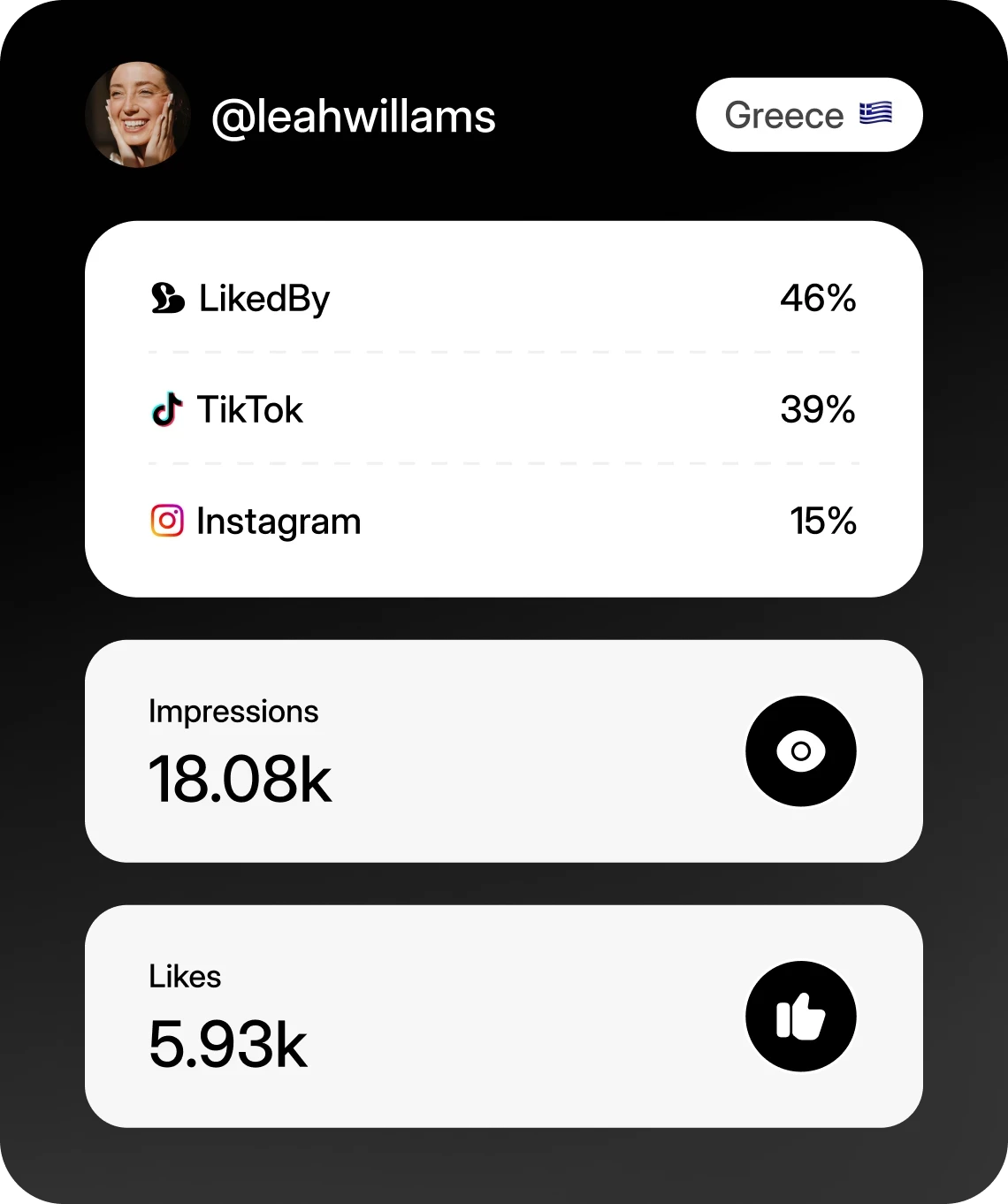
Every creator's contribution is measured against commerce-relevant KPIs: content views, click-through rate, conversion rate, and attributed revenue. Agencies can compare creator performance within a campaign, across campaigns, and across client accounts. This data informs future creator selection, budget allocation, and client strategy conversations with hard numbers instead of assumptions.
Client-Level Reporting
Agencies generate client-specific reports that isolate each brand's creator program performance. Reports include content output volume, engagement metrics, conversion data, and ROI calculations. These reports can be exported or shared directly, saving the hours typically spent assembling data from multiple sources into a presentation deck.
Use Cases for Ecommerce Agencies
Seasonal Product Launch Across Multiple DTC Brands
An ecommerce agency managing six direct-to-consumer brands prepares for a coordinated Black Friday campaign. Each brand has its own creator roster, product focus, and promotional offer. The agency creates separate campaign workflows for each brand, assigns creators with relevant audience overlap, distributes brand-specific briefs with product samples, and tracks content submissions against a shared launch calendar. As content goes live, the agency monitors real-time performance by brand to reallocate promotional budget toward the highest-converting creator content before the weekend ends.
Always-On Affiliate Creator Program for a Fashion Retailer
A mid-market fashion retailer hires an agency to build and manage an ongoing affiliate creator program. The agency recruits fifty micro-creators, onboards them with brand guidelines and unique tracking links, and manages a rolling content calendar where creators post two to three times per month. Each creator's affiliate revenue is tracked individually. Monthly performance reviews identify top earners for increased commission tiers and underperformers for coaching or offboarding. The program becomes a self-sustaining revenue channel that the agency scales quarter over quarter.
UGC Content Pipeline for Paid Social Amplification
A beauty brand client needs a steady stream of authentic creator content to fuel its Meta and TikTok ad campaigns. The agency runs monthly UGC collaboration sprints: briefing fifteen creators on specific product angles, collecting submissions, running internal quality reviews, obtaining client approval, and delivering final assets organized by format and platform. The highest-performing organic posts are flagged for paid amplification, and the agency tracks which creator-originated ads deliver the strongest ROAS across the client's ad accounts.
Creator Storefront Integration for a Home Goods Brand
A home goods brand wants to feature creator content directly on its Shopify product pages. The agency coordinates collaborations with lifestyle creators who produce room-styling videos and product reviews. Approved content is embedded as shoppable widgets on relevant product pages, allowing shoppers to see real creator demonstrations alongside traditional product photography. The agency measures the lift in conversion rate on pages with embedded creator content versus pages without, providing the client with clear evidence of the program's impact on storefront performance.
Weekly Operational Workflow for Ecommerce Agencies
Monday: Campaign Planning and Creator Assignment
Account managers review the week's campaign calendar across all client accounts. New campaigns are set up with briefs, deliverable requirements, and deadlines. Creators are assigned from the CRM based on past performance, audience fit, and availability. Briefs and product shipment details are sent to creators through the platform.
Tuesday–Wednesday: Creator Communication and Content Development
Creators develop content based on their briefs. Account managers monitor submission progress, answer creator questions, and flag any delays. The creator CRM tracks each creator's status—brief received, content in progress, or submission pending—so nothing is missed across client accounts.
Thursday: Internal Content Review
Submitted content is reviewed by the agency team for brand alignment, technical quality, and brief compliance. Revision requests are attached directly to the asset with specific notes. Content that passes internal review is routed to the client for final approval within the platform.
Friday: Client Approval and Asset Organization
Client stakeholders review and approve content. Approved assets are automatically organized in Creator Drive by brand, campaign, and content type. Assets flagged for paid amplification are exported in the required formats. Any content needing revisions is sent back to creators with clear deadlines for resubmission.
Ongoing: Performance Monitoring
As creator content goes live across social platforms and client storefronts, the agency tracks engagement, click-through rates, and conversion data through the creator analytics dashboard. Performance anomalies—both positive and negative—are flagged for immediate action.
Bi-Weekly: Creator Roster Optimization
Every two weeks, the agency reviews creator performance data across all client accounts. Top-performing creators are prioritized for upcoming campaigns or moved into higher-tier collaboration structures. Underperforming creators receive feedback or are phased out. New creator prospects are added to the CRM pipeline.
Monthly: Client Reporting and Strategy Review
The agency generates client-specific performance reports covering content volume, engagement metrics, conversion rates, attributed revenue, and program ROI. These reports inform the next month's strategy: adjusting creator mix, shifting budget between organic and paid amplification, and refining content formats based on what drove the strongest commerce outcomes.
Key Performance Indicators for Agency Creator Programs
Ecommerce agencies need to track metrics that connect creator activity to commerce outcomes. The following KPIs provide a comprehensive view of program health and client value:
Creator Activation Rate: Percentage of onboarded creators who complete their first deliverable within the expected timeframe. Target: above 80%.
Content Approval Time: Average number of hours or days from content submission to final client approval. Reducing this metric directly accelerates campaign velocity.
Content Output Volume: Total number of approved assets produced per campaign, per client, and per creator. Tracks program productivity.
Click-Through Rate (CTR): Percentage of viewers who click on creator-generated shoppable links, discount codes, or embedded product links.
Conversion Rate (CVR): Percentage of clicks that result in a completed purchase. Measures content quality and audience-product fit.
Gross Merchandise Value (GMV): Total revenue attributed to creator-driven traffic and purchases. The primary metric for proving program ROI to clients.
Return on Ad Spend (ROAS): For creator content amplified through paid channels, ROAS measures the revenue generated per dollar spent on promotion.
Cost Per Acquisition (CPA): Total creator program cost divided by the number of new customers acquired through creator content. Essential for comparing creator programs against other acquisition channels.
Creator Retention Rate: Percentage of creators who participate in multiple campaigns. High retention signals strong creator relationships and operational efficiency.
Asset Reuse Rate: How frequently creator content is repurposed across paid ads, email marketing, and storefront embedding. Higher reuse extends the value of each collaboration.
Scenario: Mid-Size Ecommerce Agency Scales Creator Operations
A 25-person ecommerce agency based in Austin manages twelve DTC client brands across beauty, wellness, and home categories. Before adopting a centralized creator collaboration platform, the agency ran creator programs using a combination of Google Sheets, Slack, Dropbox, and individual influencer marketing tools per client. Each account manager had their own system, making cross-client reporting a weekly ordeal that consumed six to eight hours of senior staff time.
After implementing a unified creator marketing platform, the agency consolidated all twelve client programs into one workspace. Creator onboarding time dropped from an average of five days to under 48 hours. Content approval cycles shortened from four days to 1.5 days as client stakeholders reviewed and approved content within the platform instead of over email.
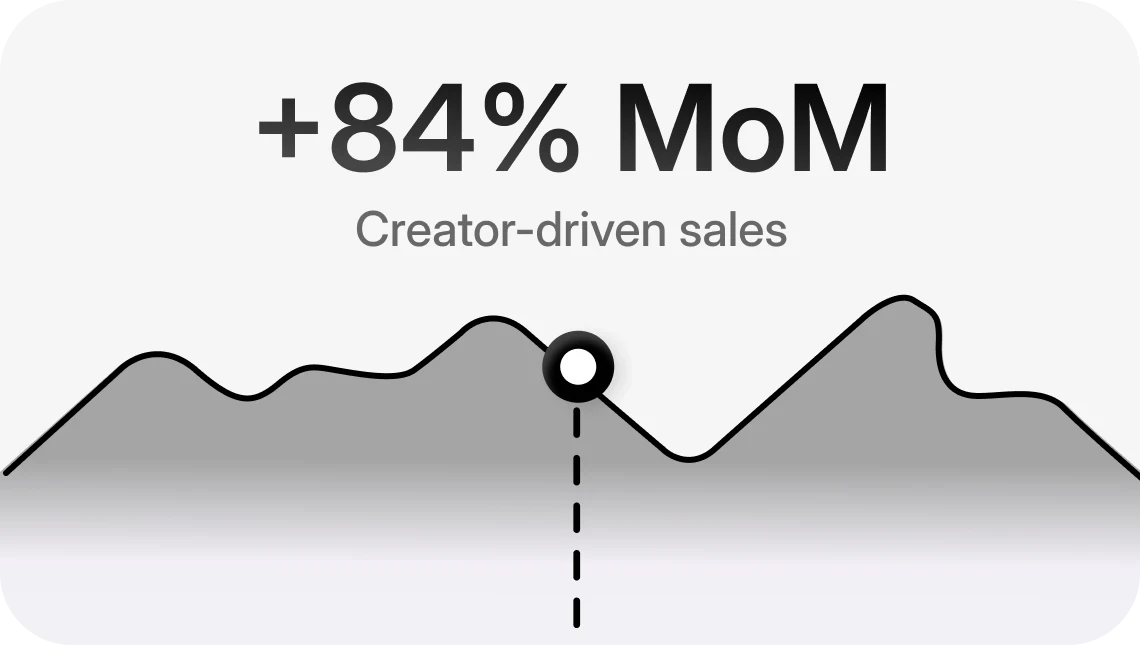
Within three months, the agency increased total content output by 40% across its client portfolio without adding headcount. Creator-attributed GMV across all clients grew by 28% quarter over quarter, driven by better creator-product matching informed by centralized performance data. The agency reduced its weekly reporting time from eight hours to under two hours using automated client-level reports.
The most significant operational improvement was creator retention. By providing creators with a professional, organized collaboration experience—clear briefs, timely payments, and structured feedback—the agency's creator retention rate improved from 55% to 78%. This reduced recruitment costs and ensured that high-performing creators remained available for repeat campaigns across the client portfolio.
Frequently Asked Questions
How does Socialscale handle multi-client access for ecommerce agencies?
Socialscale supports multi-tenant workspaces where each client brand operates as a separate environment within the agency's account. Creators, campaigns, assets, and performance data are isolated by client. Account managers can switch between client workspaces without logging in and out, and client stakeholders can be granted limited access to review and approve content for their brand only.
Can agencies manage both flat-fee collaborations and affiliate creator programs?
Yes. Socialscale supports multiple collaboration structures within the same platform. Agencies can run flat-fee campaigns with defined deliverables alongside ongoing affiliate programs with tracked commission structures, unique discount codes, and revenue attribution per creator. Both models feed into the same performance analytics, making it easy to compare ROI across collaboration types.
How does creator content get embedded on client Shopify stores?
Approved creator content stored in Creator Drive can be published to client Shopify storefronts as shoppable widgets. These widgets display creator videos and photos on product pages, collection pages, or landing pages with direct add-to-cart functionality. The agency controls which content appears where, and conversion data from embedded content flows back into the analytics dashboard.
What happens to creator assets after a campaign ends?
All creator assets remain organized in Creator Drive, tagged by client, campaign, creator, and content type. Agencies can search and retrieve assets at any time for repurposing in paid social ads, email campaigns, client presentations, or future storefront embedding. Usage rights and licensing terms associated with each asset are also stored alongside the content.
How long does it take for an agency to onboard onto Socialscale?
Most ecommerce agencies complete initial setup—importing creator contacts, configuring client workspaces, and setting up their first campaigns—within one to two weeks. Agencies with existing creator databases can bulk-import contacts into the CRM. The platform is designed for teams already running creator programs, so the learning curve focuses on consolidating existing workflows rather than building new ones from scratch.