Creator Collaborations for Digital Agencies: Manage Multi-Brand Influencer Workflows from One Dashboard
Digital agencies juggle creator programs across multiple client accounts simultaneously. Every brand has different goals, different creator rosters, different approval chains, and different performance benchmarks. Without a centralized system, collaboration management fragments across spreadsheets, email threads, and disconnected tools — costing your team hours every week and exposing client campaigns to costly errors.
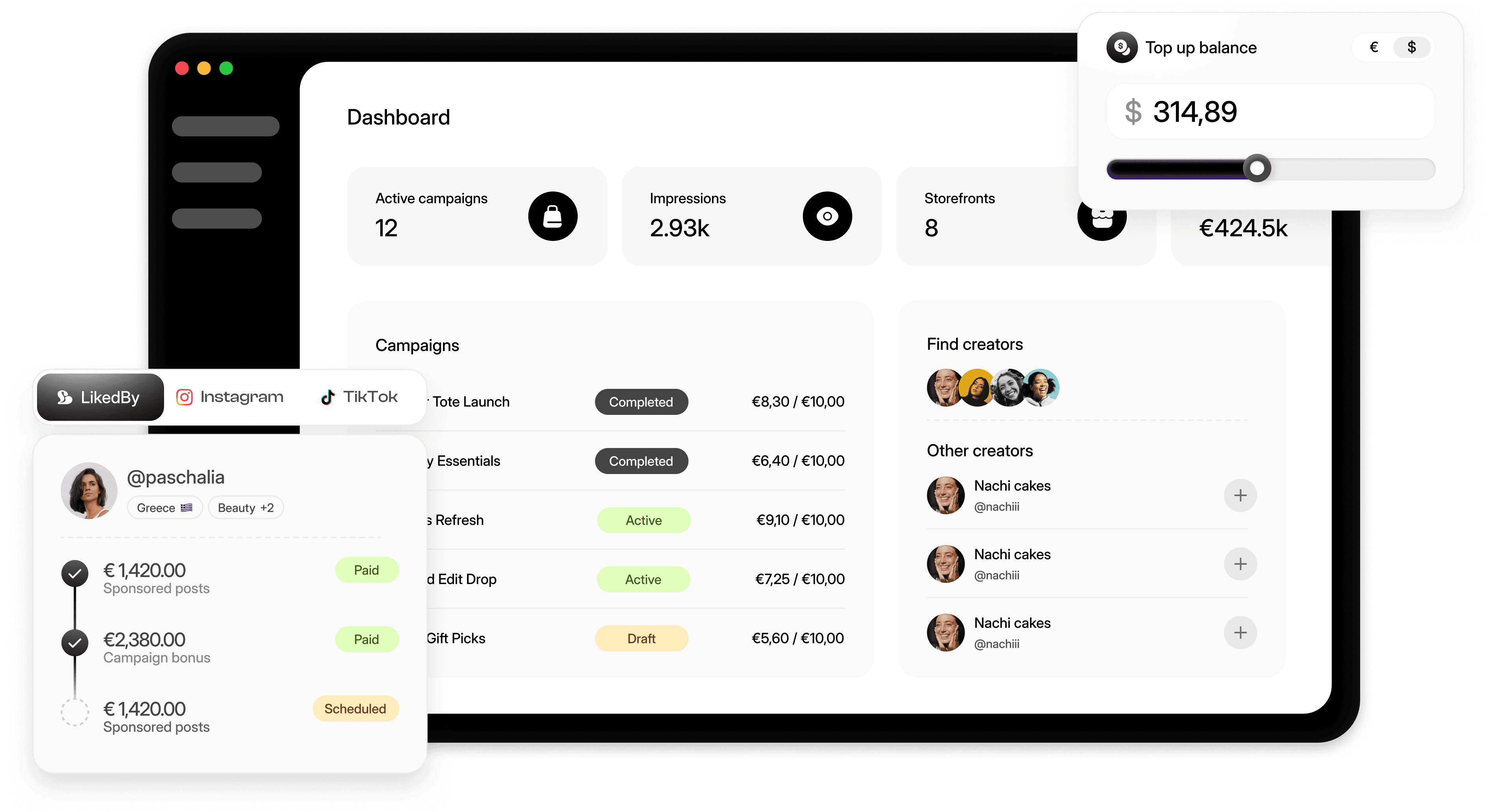
Socialscale gives digital agencies a purpose-built operating system for social commerce that consolidates every stage of creator collaboration into a single multi-brand dashboard. From onboarding creators and briefing campaigns to collecting assets and tracking affiliate revenue, your team manages it all without switching between client-specific logins or stitching together data from five different platforms.
Whether you run influencer marketing programs, affiliate creator campaigns, or UGC management workflows for your clients, Socialscale replaces the patchwork of tools that slow agencies down. The result is faster campaign launches, tighter content approval cycles, and transparent creator performance tracking that proves ROI to every client on your roster.
Core Challenges Digital Agencies Face with Creator Collaborations
Agencies operating creator programs at scale encounter a unique set of operational problems that in-house brand teams rarely deal with. These challenges compound as your client portfolio grows.
1. Multi-Client Creator Roster Overlap and Conflicts
When your agency manages 10 or more brands, creator rosters inevitably overlap. Without visibility into which creators are already contracted to competing clients, you risk exclusivity violations and brand conflicts that damage client trust.
2. Fragmented Communication Across Brands
Briefs go out via email for one client, Slack for another, and a project management tool for a third. Creators receive inconsistent instructions, and your account managers waste time chasing replies across channels with no centralized thread history.
3. Content Approval Bottlenecks
Every client has a different approval workflow — some require legal review, others need brand manager sign-off, and some want multiple revision rounds. Without a structured system, content sits in inboxes for days, delaying campaign launches and frustrating creators.
4. Inconsistent Performance Reporting
Pulling creator performance data from Instagram Insights, TikTok Analytics, Shopify dashboards, and affiliate platforms into a unified client report takes hours. Metrics definitions vary across platforms, making apples-to-apples comparison nearly impossible.
5. Creator Payment Tracking Across Accounts
Agencies must track deliverables completed, content approved, and payments owed across dozens of creators per client. Manual tracking leads to missed payments, duplicate invoices, and strained creator relationships.
6. Asset Organization and Rights Management
Creator content files scatter across Google Drive folders, WeTransfer links, and DM threads. Locating a specific asset for repurposing — or confirming usage rights haven't expired — becomes a scavenger hunt.
7. Scaling Without Proportional Headcount
Adding a new client shouldn't require hiring another coordinator. But without automation and structured workflows, every new brand account adds linear operational overhead to your team.
Why Traditional Tools Fail Digital Agencies Running Creator Programs
Spreadsheets Can't Handle Multi-Brand Complexity
A shared Google Sheet might work for tracking 15 creators on a single brand. It collapses when you're managing 200 creators across eight client accounts with different campaign timelines, deliverable types, and compensation structures. Version control issues, broken formulas, and missing rows become weekly headaches.
Generic Project Management Tools Lack Creator Context
Tools like Asana or Monday.com organize tasks, but they don't understand creator workflows. They can't auto-pull engagement metrics, store content assets with usage rights metadata, or connect a creator's deliverable to their affiliate revenue. Your team ends up building elaborate workarounds that break every quarter.
Point Solutions Create Data Silos
Using one tool for creator discovery, another for campaign management, a third for content storage, and a fourth for analytics means your team constantly exports, reformats, and re-imports data. No single view exists to answer the question every client asks: "Which creators are actually driving revenue?"
Influencer Marketplaces Don't Serve Agency Operations
Most influencer marketing software is designed for brands running a single program. They lack multi-tenant architecture, client-level permissions, and the ability to separate creator pools by account. Agencies are forced to create duplicate logins and manage parallel instances of the same tool.
How Socialscale Solves Creator Collaboration for Digital Agencies
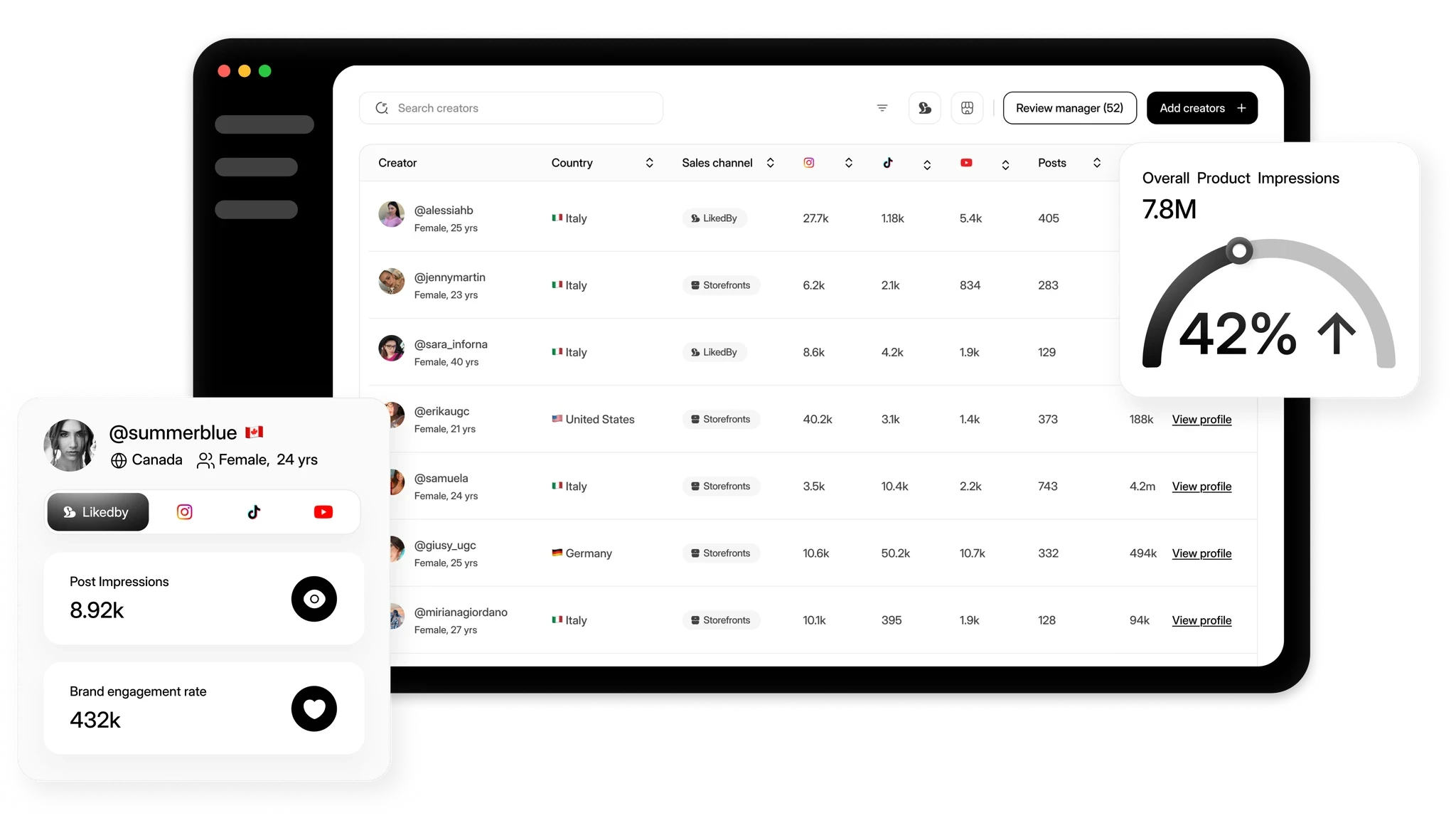
Socialscale is built as a creator marketing platform that treats multi-brand operations as a first-class use case, not an afterthought. Every feature is designed to let agency teams manage multiple client programs from a unified dashboard while maintaining strict separation between brand accounts.
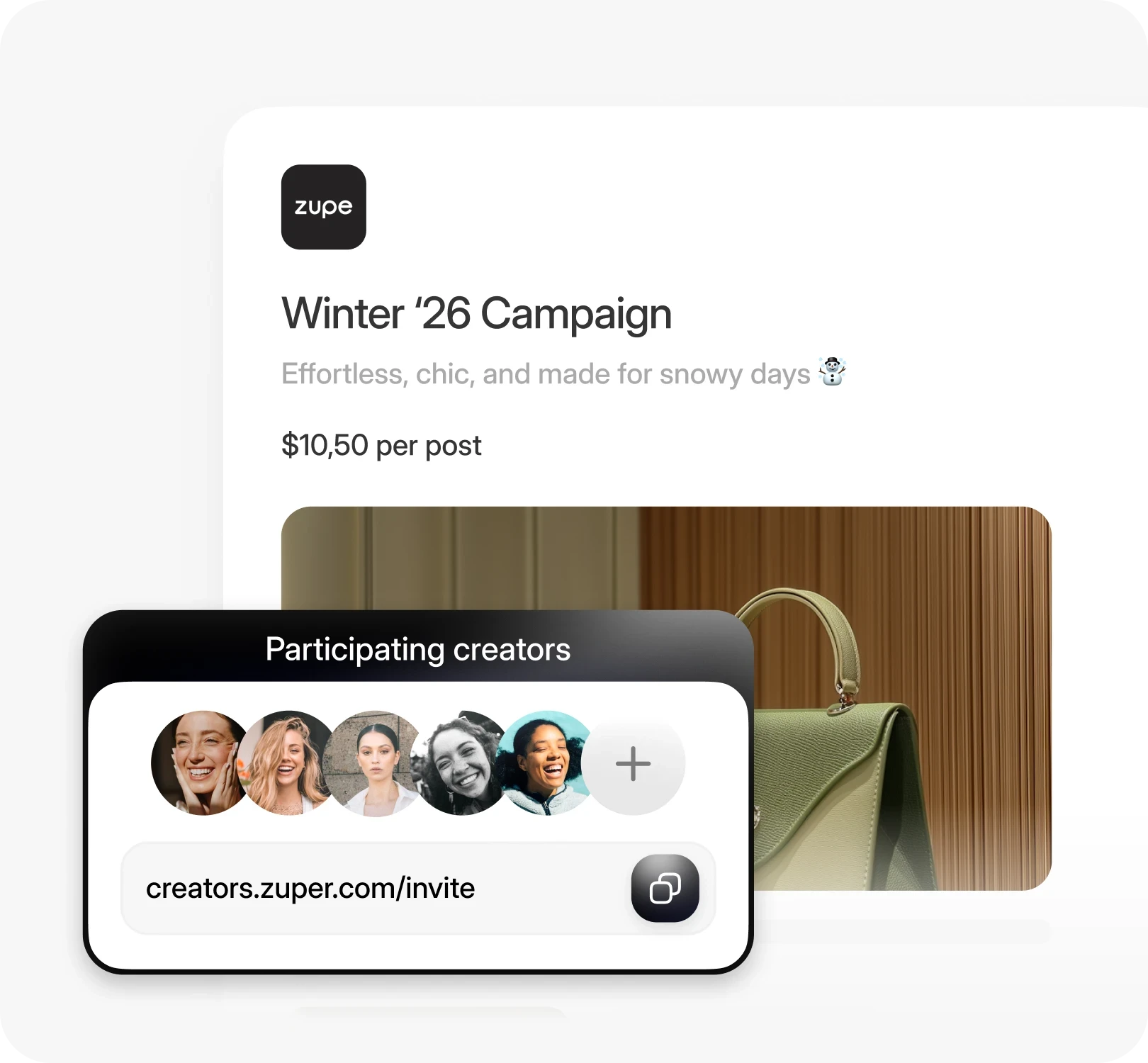
At the collaboration layer, Socialscale provides structured campaign workflows where you define briefs, assign creators, set deliverable milestones, manage approvals, and track completion — all within client-specific workspaces. Your account managers see only the brands they're responsible for, while agency leadership gets a cross-client overview of every active campaign.
Content assets flow directly into Creator Drive, where files are automatically tagged by client, campaign, creator, and content type. Usage rights, expiration dates, and approval status are attached to every asset, eliminating the guesswork around repurposing content for paid media or embedding it as shoppable content on client storefronts.
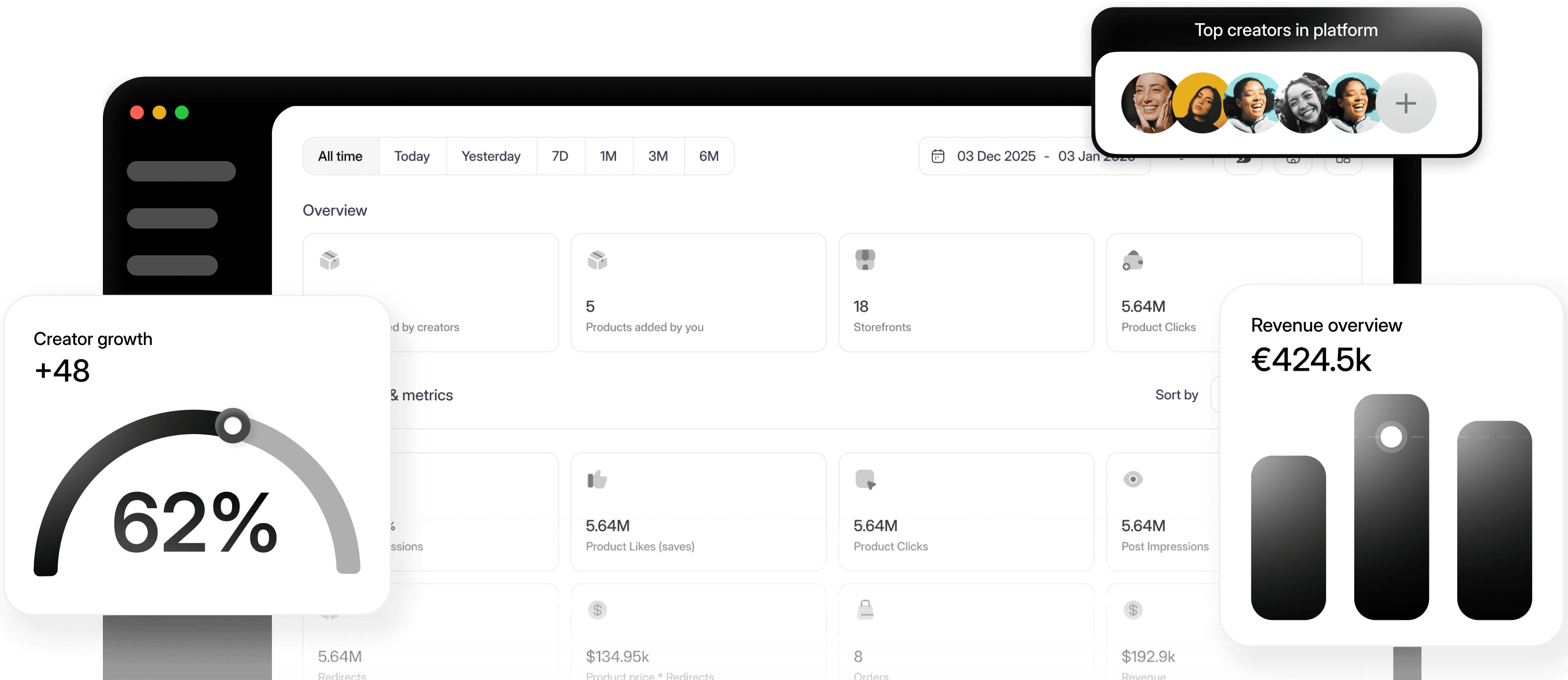
On the performance side, creator analytics aggregate engagement, click-through, and conversion data across platforms into client-ready dashboards. Your team stops spending Friday afternoons building reports manually and starts spending that time optimizing the next campaign wave.
Socialscale connects the entire creator lifecycle — from CRM and onboarding through collaboration, content management, and revenue attribution — so agencies can scale their creator programs without scaling their headcount proportionally.
Feature Breakdown: What Powers Multi-Brand Creator Collaborations
Multi-Brand Workspace Architecture
Each client account operates as an isolated workspace with its own creator roster, campaign library, content repository, and performance dashboards. Agency team members are assigned to workspaces with role-based permissions, so a junior coordinator can manage content approvals without accessing billing data or cross-client analytics.
Campaign Builder with Structured Briefs
Create campaigns with detailed briefs that include deliverable specifications, content guidelines, hashtag requirements, posting schedules, and compensation terms. Briefs are versioned, so when a client requests changes mid-campaign, your team can track exactly what was communicated to each creator and when.
Creator Onboarding and CRM
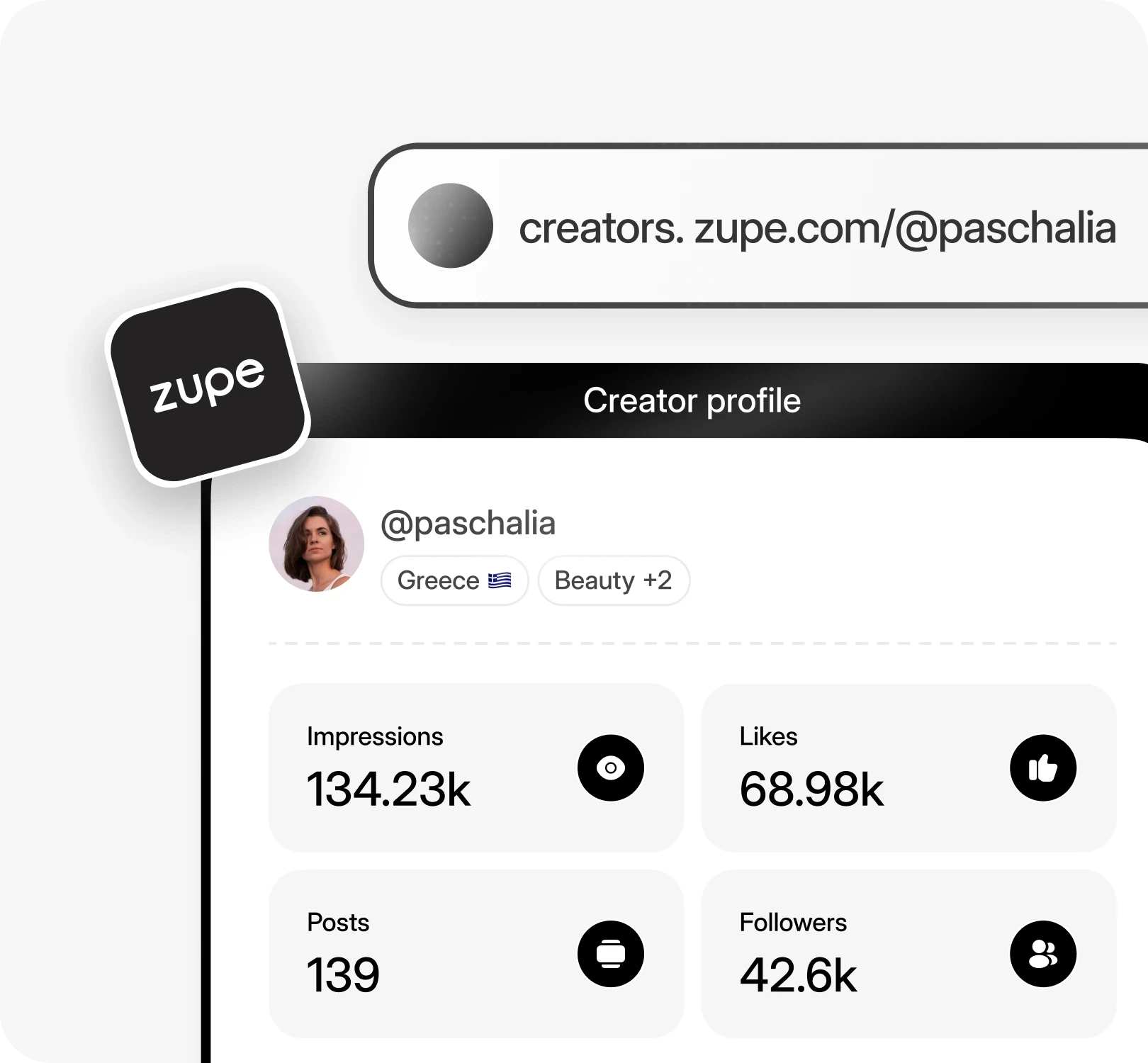
The built-in creator CRM stores every creator's contact details, social handles, audience demographics, past campaign history, content samples, and payment preferences. When onboarding a creator for a new client, your team can instantly check their history across all agency accounts to identify conflicts or leverage proven performers.
Deliverable Tracking and Approval Workflows
Each campaign defines a deliverable pipeline: draft submission, internal review, client review, revision request, final approval, and publish confirmation. Automated reminders notify creators of upcoming deadlines and alert account managers when content is waiting for review. Approval timestamps create an audit trail for client reporting.
Content Asset Management
Every piece of creator content — raw video files, edited posts, story screenshots, product photos — is stored centrally with metadata tags. Filter by client, campaign, creator, content format, or approval status. Download assets in bulk for paid media teams or embed them directly as shoppable content using creator widgets on client e-commerce sites.
Affiliate and Commission Tracking
For clients running affiliate creator programs, Socialscale tracks unique creator links, click events, and attributed conversions. Commission calculations happen automatically based on the compensation rules defined in each campaign, reducing manual reconciliation and payment disputes.
Cross-Client Reporting Dashboard
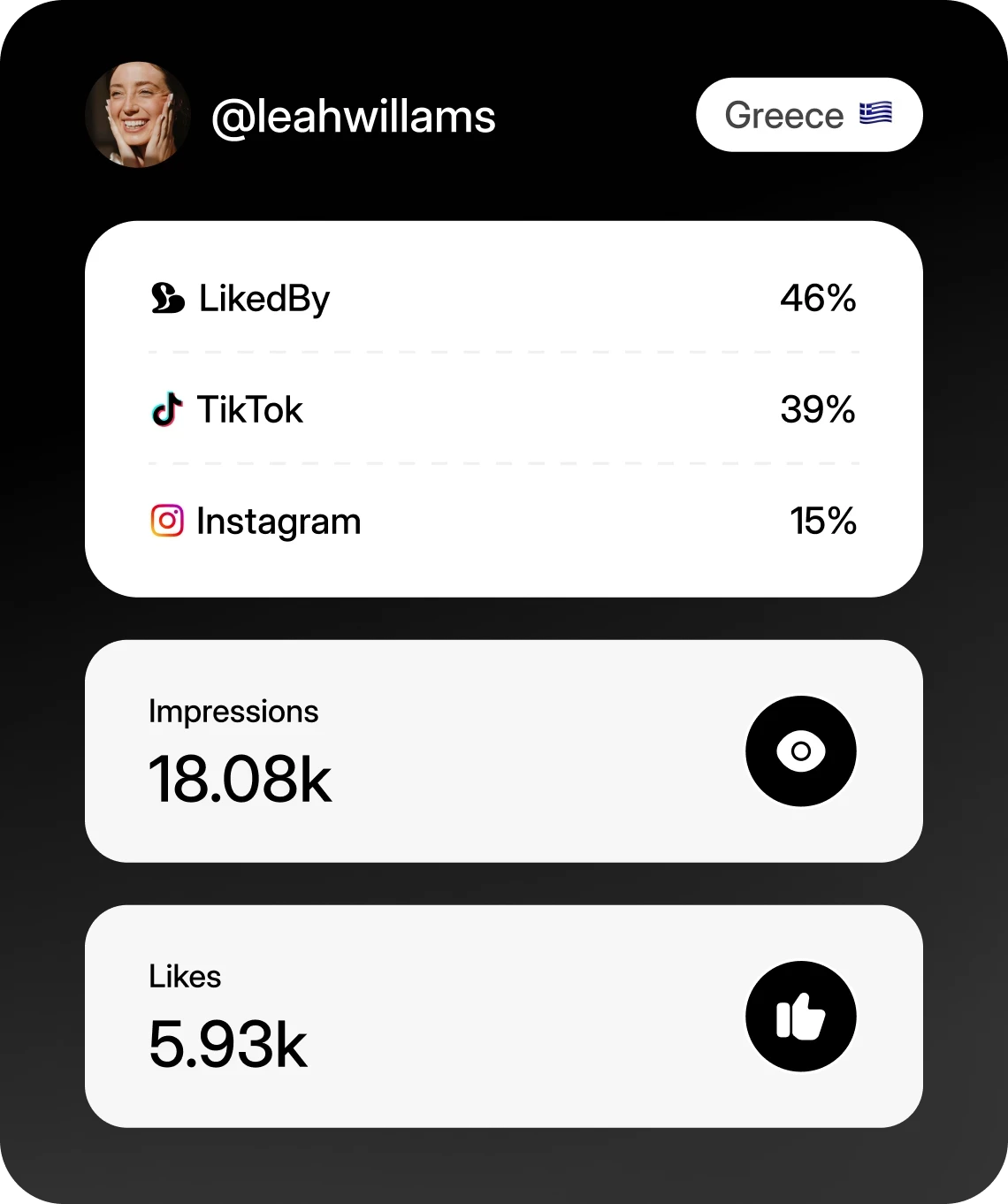
Agency leadership sees a bird's-eye view of all active campaigns across clients: total creators activated, content pieces delivered, approval cycle times, engagement rates, and revenue attributed. Drill down into any client account for granular performance data without switching tools or logins.
Use Cases: How Digital Agencies Apply Creator Collaborations
Seasonal Product Launch Across Five Retail Clients
A mid-size digital agency manages influencer marketing for five DTC retail brands, each launching new collections for the holiday season within the same three-week window. The agency creates parallel campaigns with staggered posting schedules, assigns creators from segmented rosters to avoid brand overlap, and runs all content approvals through a single dashboard. Client-specific performance reports are generated weekly without manual data assembly, allowing the agency to reallocate budget toward top-performing creators mid-campaign.
Always-On UGC Pipeline for a Beauty Brand Portfolio
An agency specializing in beauty and wellness runs ongoing UGC management programs for a portfolio of skincare and cosmetics brands. Each month, 40 to 60 creators submit product review videos and tutorial content. The agency uses structured deliverable pipelines to ensure every asset meets brand guidelines before publication. Approved content feeds directly into each brand's creator storefronts and social commerce pages, turning organic creator content into shoppable experiences that drive measurable revenue.
Micro-Influencer Affiliate Program for a Food and Beverage Client
A performance-focused agency builds an affiliate creator program for a subscription snack box brand. The agency onboards 150 micro-influencers, each receiving unique tracking links and a tiered commission structure. The multi-brand influencer workflow dashboard tracks every click, conversion, and commission in real time. Monthly performance reviews identify the top 20 percent of creators for increased commission rates and expanded content briefs, while underperforming creators receive optimized talking points based on what's converting.
Multi-Platform Campaign Coordination for a Tech Startup
A digital agency launches a product awareness campaign for a SaaS client across TikTok, Instagram Reels, and YouTube Shorts simultaneously. Each platform requires different content specifications, aspect ratios, and posting cadences. The agency builds platform-specific deliverable tracks within a single campaign, assigns creators based on their strongest platform, and tracks engagement metrics per platform to determine where the client should increase investment for the next quarter.
Weekly and Monthly Operational Workflow for Agency Creator Collaborations
Running creator collaborations efficiently requires a repeatable operational cadence. Here is a step-by-step workflow that digital agencies can implement immediately using a centralized collaboration dashboard.
Monday: Campaign Setup and Brief Distribution
At the start of each campaign cycle, account managers create new campaigns within the relevant client workspace. They upload finalized briefs with deliverable specs, deadlines, and compensation details. Creators assigned to the campaign receive automated notifications with brief access links and submission instructions.
Tuesday–Wednesday: Creator Confirmation and Questions
Creators confirm participation and submit any clarifying questions through the collaboration thread. Account managers respond within the platform, keeping all communication documented and searchable. Any brief revisions are versioned and re-sent to affected creators automatically.
Thursday–Friday: Content Draft Submissions
Creators submit draft content — videos, images, captions, and story frames — directly into the deliverable pipeline. Each submission is tagged with the creator name, campaign, and client for instant organization. Internal reviewers receive notifications that content is ready for first-pass review.
Following Monday: Internal Review and Client Routing
Agency team members review drafts against brief requirements, flagging any that need revisions. Approved drafts are routed to the client contact for final sign-off. Revision requests include specific feedback notes attached to the content file, so creators know exactly what to fix.
Mid-Week: Client Approval and Publish Scheduling
Clients approve content within the platform or request final tweaks. Once approved, creators are notified to publish on the scheduled date and time. The approval timestamp and final asset version are logged for compliance records.
Post-Publish: Performance Monitoring (Ongoing)
Within 48 hours of publication, engagement data begins populating the analytics dashboard. Account managers monitor impressions, reach, engagement rate, link clicks, and attributed conversions. Underperforming posts are flagged for optimization or creator coaching.
End of Month: Cross-Client Reporting and Creator Payouts
Agency leadership generates cross-client performance reports showing total content output, average approval cycle time, engagement benchmarks, and revenue attribution. Creator compensation is calculated automatically based on completed deliverables and affiliate commissions. Payment summaries are exported for the finance team.
Quarterly: Creator Roster Review and Program Optimization
Every quarter, the agency reviews creator performance across all client accounts. Top performers are flagged for expanded roles or higher-tier campaigns. Inactive or underperforming creators are archived. Roster gaps are identified, and new creator recruitment campaigns are launched through the CRM.
Key Performance Indicators for Agency Creator Collaborations
Tracking the right metrics ensures your agency can demonstrate value to clients and continuously optimize creator programs. These are the KPIs that matter most in a multi-brand influencer workflow dashboard.
Creator Activation Rate: Percentage of onboarded creators who complete at least one deliverable within a campaign cycle. Target: above 75% for established programs.
Average Content Approval Time: Hours or days from draft submission to final client approval. Reducing this metric directly accelerates campaign timelines and improves creator satisfaction.
Content Output Per Campaign: Total number of approved content pieces delivered per campaign, segmented by format (video, image, story, reel). Indicates program productivity.
Engagement Rate by Creator Tier: Average engagement rate (likes + comments + shares / impressions) segmented by macro, mid-tier, and micro-influencer categories. Identifies which tier delivers the best audience interaction for each client.
Click-Through Rate (CTR): Percentage of content viewers who click creator affiliate links or shoppable content elements. Measures content effectiveness at driving traffic.
Conversion Rate (CVR): Percentage of clicks that result in a purchase or desired action. Critical for affiliate creator programs and social commerce campaigns.
Gross Merchandise Value (GMV) Attributed to Creators: Total revenue generated through creator-driven traffic and transactions. The ultimate proof of program ROI for commerce-focused clients.
Return on Ad Spend (ROAS) for Boosted Creator Content: When creator content is amplified through paid media, ROAS measures revenue generated per dollar spent on promotion. Helps agencies optimize media budgets.
Cost Per Acquisition (CPA) by Creator: Total creator compensation divided by the number of conversions attributed to their content. Identifies the most cost-efficient creators in each client's roster.
Creator Retention Rate: Percentage of creators who participate in multiple campaigns over a six-month period. High retention signals strong creator relationships and program health.
Agency Scenario: Scaling Creator Collaborations Across Eight Client Accounts
A 25-person digital agency specializing in DTC e-commerce brands managed influencer marketing programs for eight clients across fashion, beauty, home goods, and food categories. Before centralizing their workflow, the agency used a combination of spreadsheets, Asana boards, Google Drive folders, and manual data pulls from each social platform's native analytics.
The operational cost was significant: each account manager spent approximately 12 hours per week on administrative tasks — chasing creator submissions via DM, manually logging deliverable status, assembling performance reports from multiple data sources, and reconciling creator payments against completed work. With eight clients and growing, the agency faced a choice between hiring two additional coordinators or finding a better system.
After implementing a centralized multi-brand influencer workflow dashboard, the agency restructured its operations. Each client received a dedicated workspace with its own creator roster, campaign library, and reporting dashboard. Briefs were distributed through the platform with automated deadline reminders. Content submissions flowed into structured approval pipelines with client-specific review stages. Creator performance data aggregated automatically from TikTok, Instagram, and Shopify.
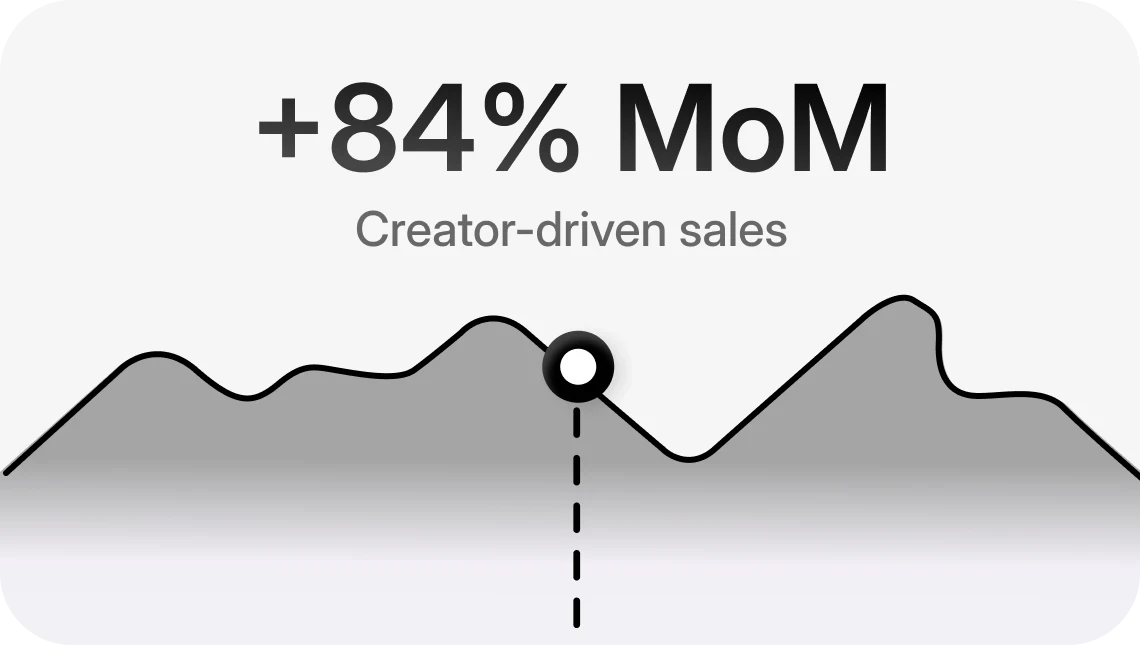
Within 90 days, the results were measurable. Average content approval time dropped from 4.2 days to 1.4 days. Creator activation rates increased from 62% to 84% as automated reminders reduced drop-off. Account managers reclaimed an average of 8 hours per week, redirecting that time toward campaign strategy and client communication. Across all eight accounts, total creator content output increased by 40% without adding headcount. Three clients reported double-digit increases in GMV attributed to creator-driven traffic, with one beauty brand seeing a 28% lift in creator-attributed revenue within the first quarter.
The agency onboarded two additional clients in the following quarter without hiring, using the operational capacity freed up by eliminating manual workflows.
Frequently Asked Questions
How does Socialscale handle creator exclusivity conflicts across multiple agency clients?
The creator CRM maintains a complete history of every creator's engagements across all client workspaces within your agency account. When assigning a creator to a new campaign, the system flags any active or recent engagements with competing brands, allowing account managers to avoid exclusivity violations before they happen. You can also set custom conflict rules based on product category, campaign type, or time-based exclusivity windows.
Can individual clients access their own workspace without seeing other agency accounts?
Yes. Client stakeholders can be granted limited access to their specific workspace for content approvals and performance reporting. They see only their brand's campaigns, creators, and analytics. Agency-level dashboards and cross-client data remain visible only to agency team members with the appropriate permissions.
What happens to creator content assets after a campaign ends?
All content remains stored in Creator Drive with full metadata — including usage rights, expiration dates, and approval history. Agencies can search, filter, and download assets at any time for repurposing in paid media, client presentations, or embedding as shoppable content on e-commerce pages. Expired usage rights are flagged automatically so your team never accidentally reuses content beyond its licensed period.
How does the platform track affiliate revenue for creator programs?
Each creator receives unique tracking links tied to the client's e-commerce store. When a customer clicks a creator's link and completes a purchase, the transaction is attributed to that creator with full order details. Commission calculations run automatically based on the compensation rules you define per campaign — whether that's a flat fee per conversion, a percentage of order value, or a tiered structure based on volume thresholds.
Is Socialscale suitable for agencies managing fewer than five clients?
Absolutely. The multi-brand architecture scales in both directions. Agencies with two or three clients benefit from the same structured workflows, centralized content storage, and automated reporting. As your client roster grows, the system scales without requiring changes to your operational processes or additional tool subscriptions.