Creator Collaborations for Consumer Electronics Brands
Consumer electronics brands operate in one of the most competitive product categories in social commerce. Every product launch — from wireless earbuds to smart home devices — demands coordinated creator collaborations that generate authentic buzz, drive pre-orders, and sustain momentum well past launch day. Managing tech influencer launch events at scale requires more than a spreadsheet and a group chat. It requires an operating system purpose-built for creator programs.
The challenge is compounding: your brand may work with 50 creators for a single product drop, each requiring unique briefing, asset delivery, compliance review, and performance tracking. Traditional influencer marketing software was not designed for the velocity and precision that consumer electronics launches demand. Missed deadlines, inconsistent messaging, and fragmented analytics cost brands real revenue.
Socialscale gives consumer electronics teams a single platform to run creator collaborations end-to-end — from onboarding tech reviewers and managing launch event logistics to embedding shoppable content on product pages and tracking every creator's contribution to revenue. If your team is responsible for turning creator content into measurable sales, this is the infrastructure you need.
Coordinating Large-Scale Product Launch Campaigns
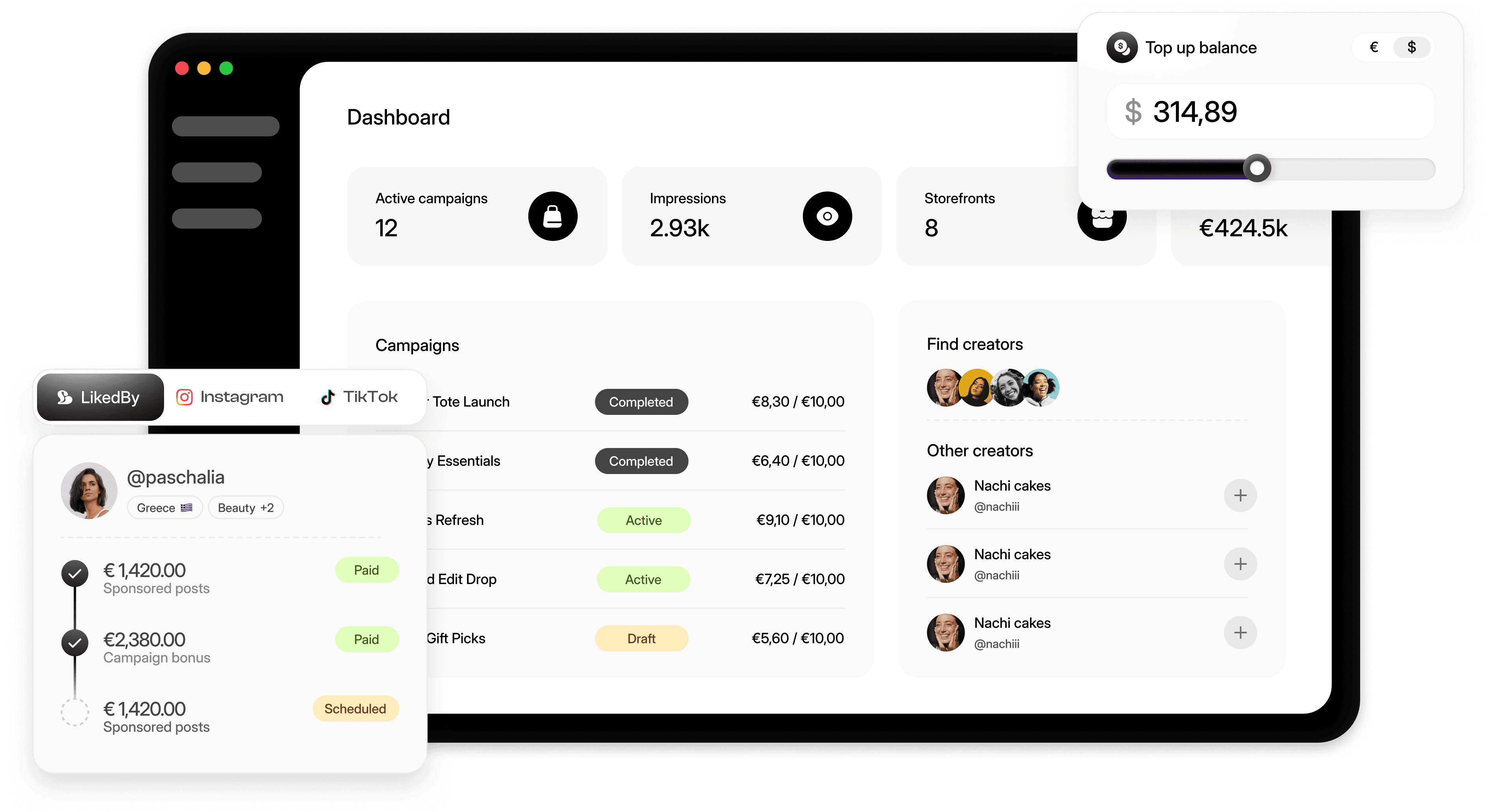
Consumer electronics brands frequently launch multiple SKUs per quarter. Each launch involves dozens of creators across YouTube, TikTok, and Instagram, all requiring synchronized posting schedules, embargo dates, and unique talking points. Without a centralized system, coordination breaks down and launches lose impact.
Managing Tech Reviewer Relationships at Scale
Tech influencers range from nano creators on TikTok to established YouTube reviewers with millions of subscribers. Maintaining a living database of creator contacts, past collaborations, content performance, and contract terms is nearly impossible with disconnected tools.
Enforcing Embargo and Compliance Requirements
Consumer electronics launches often involve strict embargo timelines. A single early post can undermine an entire global launch strategy. Brands need workflow controls that enforce approval gates before any content goes live.
Tracking Creator-Driven Revenue Across Channels
Attribution in consumer electronics is notoriously difficult. Creators drive awareness on YouTube, consideration on Instagram, and conversion on TikTok Shop — but most brands lack unified creator performance tracking to connect content to actual purchases.
Handling High Volumes of Visual Assets
Unboxing videos, product photography, comparison reviews, and lifestyle content generate massive asset libraries. Without structured creator content storage, teams waste hours searching for the right clip or image when building product pages or ad campaigns.
Scaling Affiliate Creator Programs for Accessories and Bundles
Beyond flagship devices, consumer electronics brands sell accessories, bundles, and extended warranties. Affiliate creator programs for these lower-ASP products require different commission structures, tracking links, and content formats — adding operational complexity.
Turning Creator Content into Shoppable Experiences
The gap between a compelling tech review and a completed purchase is often too wide. Brands struggle to embed shoppable content directly on product detail pages, losing conversion opportunities from creator-generated trust signals.
Spreadsheets Cannot Handle Launch Velocity
Consumer electronics teams managing 30–100 creator collaborations per launch quickly outgrow spreadsheets. Tracking deliverables, approvals, shipping of review units, and posting schedules across tabs leads to version conflicts and missed deadlines. When your launch window is 48 hours, a missed cell update can mean a creator posts without approval or misses the embargo entirely.
Generic Influencer Platforms Lack Commerce Integration
Most influencer marketing software focuses on discovery and outreach but stops short of commerce. They cannot track whether a tech reviewer's YouTube video drove add-to-cart events on your Shopify store or whether a TikTok unboxing converted into actual unit sales. Consumer electronics brands need closed-loop attribution, not vanity metrics.
Disconnected Asset Management Creates Bottlenecks
When creator content lives in Google Drive folders, email threads, and DMs, your e-commerce team cannot efficiently pull approved assets for product pages, paid amplification, or retail partner submissions. The result is duplicated effort, outdated content on live pages, and legal risk from using unapproved assets.
No Unified View of Creator Lifetime Value
Without a dedicated creator CRM, brands treat every collaboration as a one-off transaction. They lose institutional knowledge about which creators consistently drive conversions for specific product categories, which ones require heavy editorial oversight, and which ones have the audience demographics that match upcoming launches.
Manual Reporting Delays Optimization
When performance data is scattered across platform-native analytics, affiliate dashboards, and UTM reports, assembling a post-launch performance review takes days. By the time insights are available, the window to optimize mid-campaign or reallocate budget to top-performing creators has closed.
How Socialscale Powers Creator Collaborations for Consumer Electronics Brands
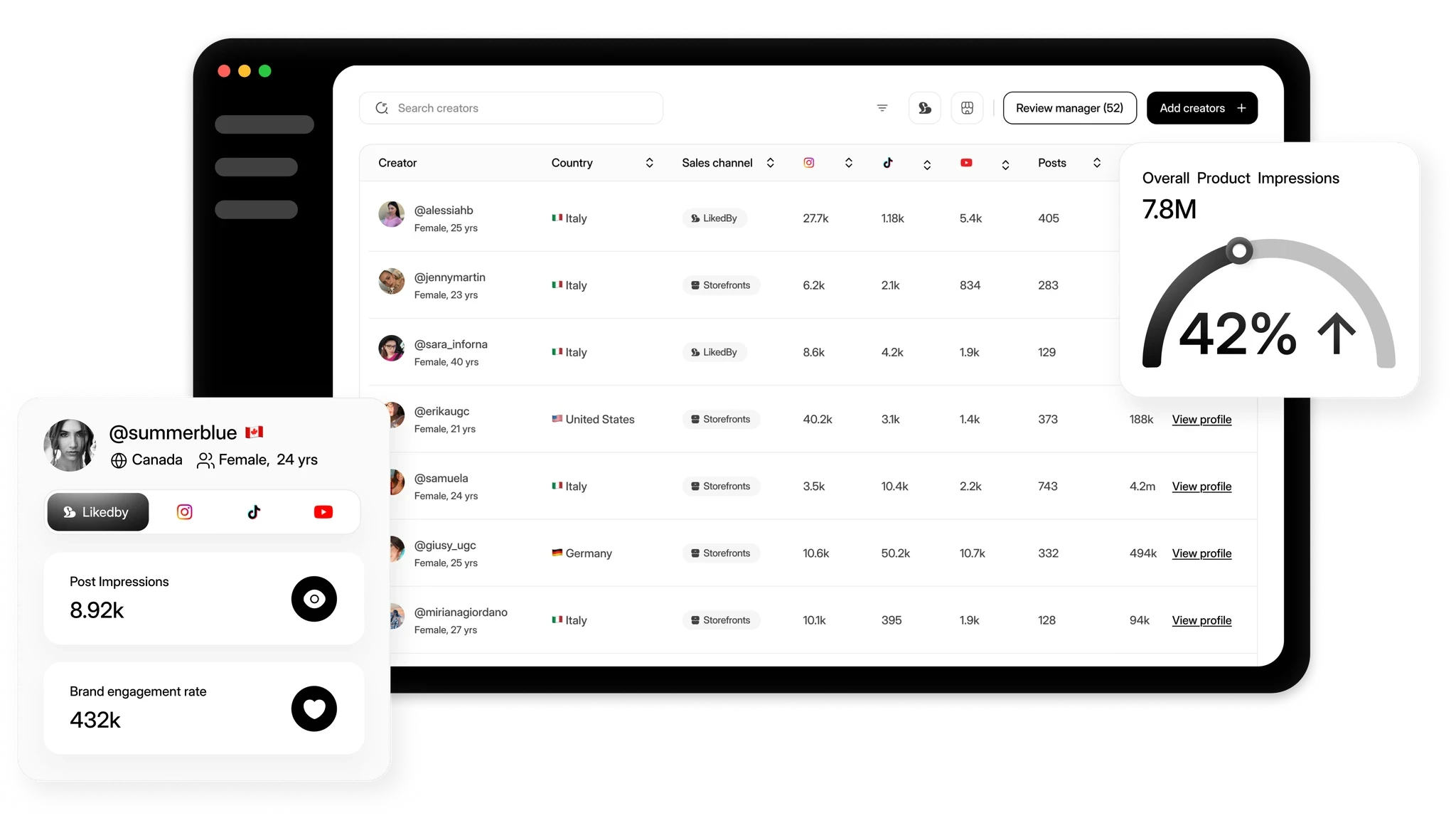
Socialscale is the operating system for social commerce, built to help consumer electronics brands run creator programs with the same rigor they apply to supply chain and product development. Rather than stitching together five or six disconnected tools, your team operates from a single creator marketing platform that covers every stage of a collaboration — from initial outreach to revenue attribution.
At the core is a structured approach to creator collaborations that mirrors how consumer electronics launches actually work. You define campaign briefs with embargo dates, required deliverables, and product-specific talking points. Creators receive clear instructions, submit content for approval, and post on schedule. Every interaction is logged, every asset is stored, and every conversion is tracked.
For teams managing ongoing relationships with tech reviewers, the creator CRM maintains a complete history of every collaboration, content piece, and performance metric. When planning your next launch, you can instantly identify which creators drove the highest return on previous campaigns and invite them into new programs with a few clicks. This is not a discovery tool — it is operational infrastructure for brands that take creator-driven commerce seriously.
Socialscale also closes the gap between content creation and conversion. With shoppable content widgets, you can embed creator reviews and unboxing videos directly on your product pages, turning social proof into purchase triggers without requiring customers to leave your site.
Campaign Builder with Embargo Controls
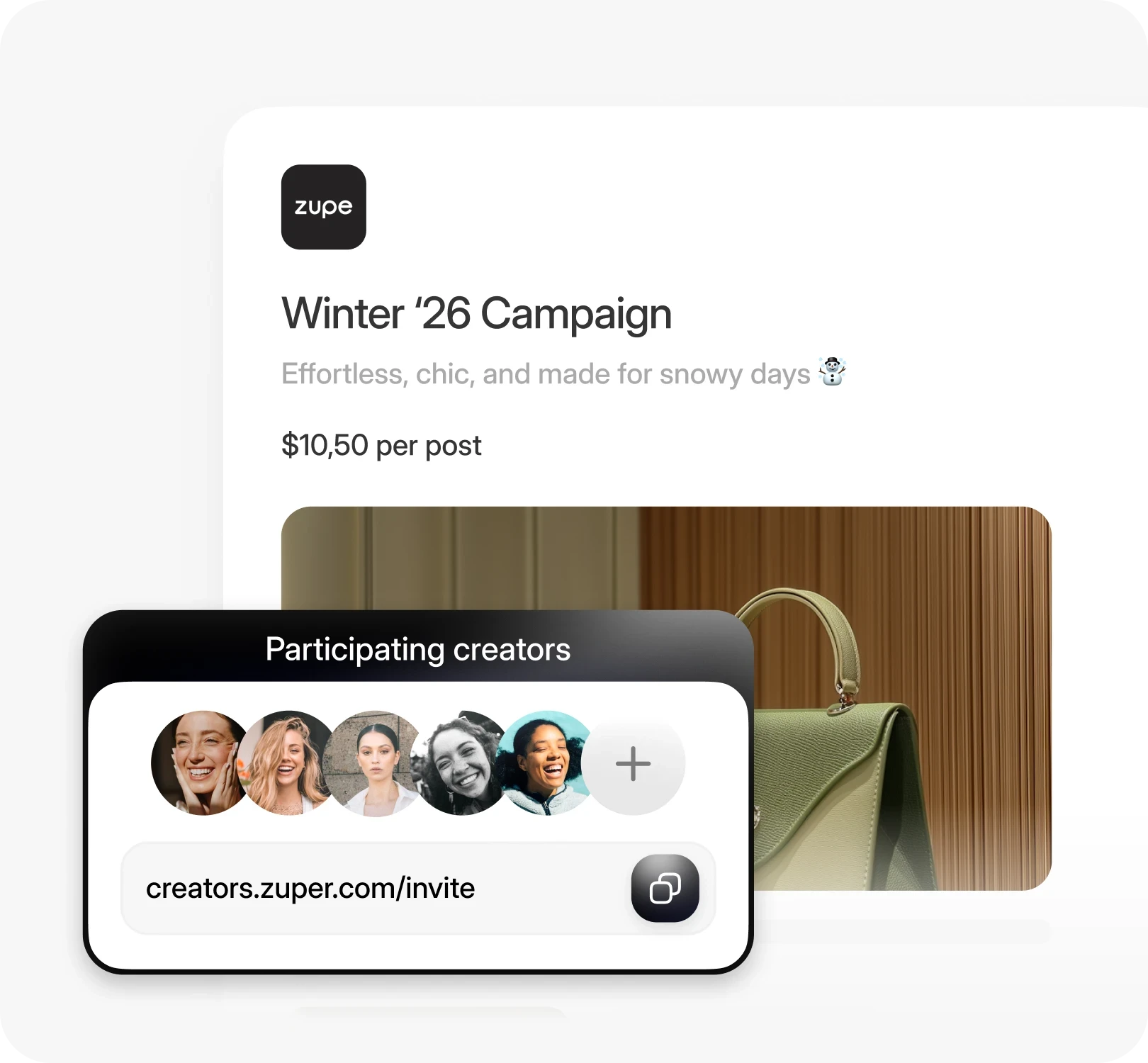
Create launch campaigns with built-in embargo dates, tiered posting schedules, and platform-specific deliverable requirements. Assign creators to specific product SKUs, define content formats (long-form review, short-form teaser, Instagram Story walkthrough), and set approval gates that prevent premature publishing. Each campaign has a dedicated timeline view so your team can see exactly which creators are in briefing, production, review, or live stages.
Creator CRM with Product Category Tagging
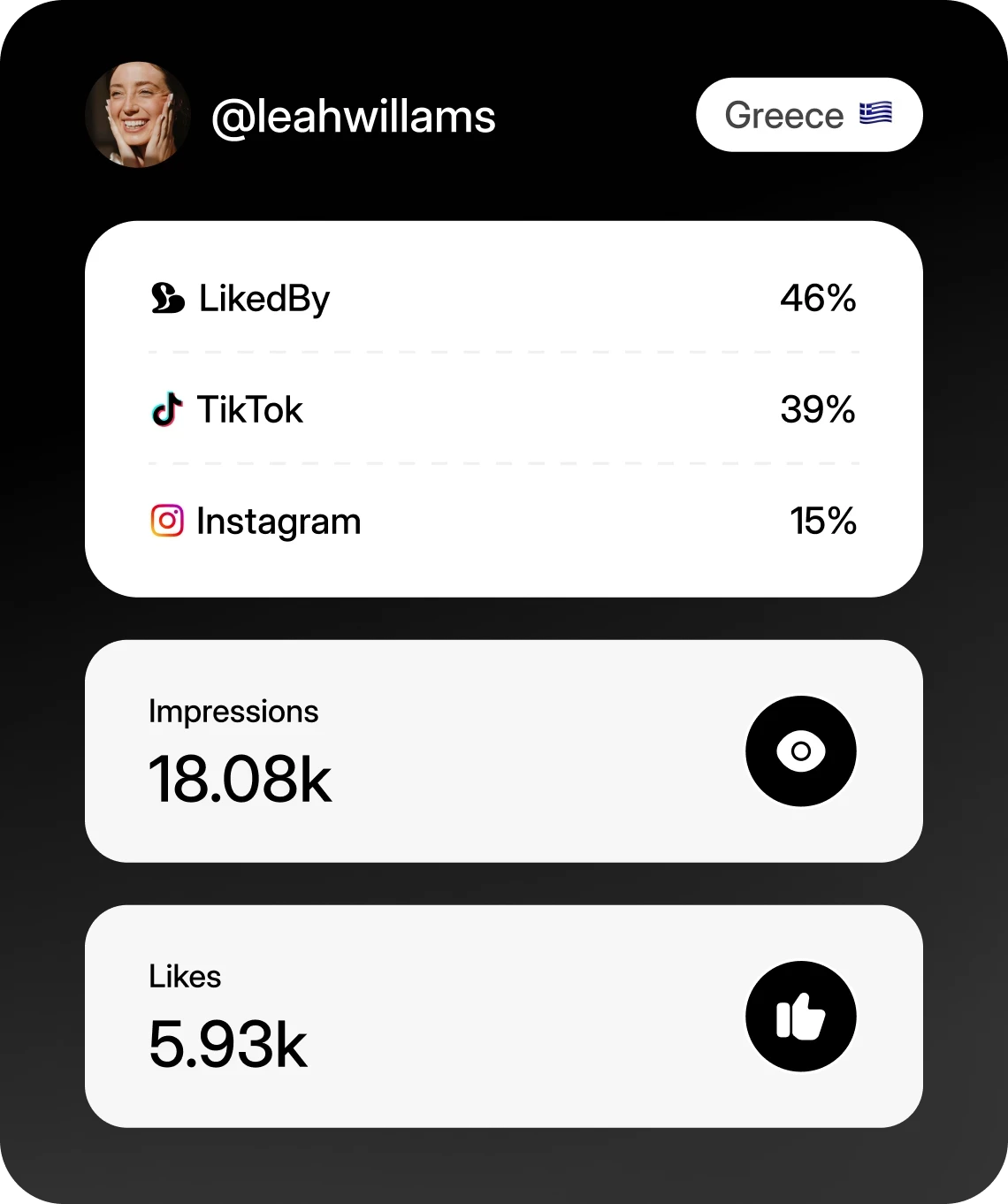
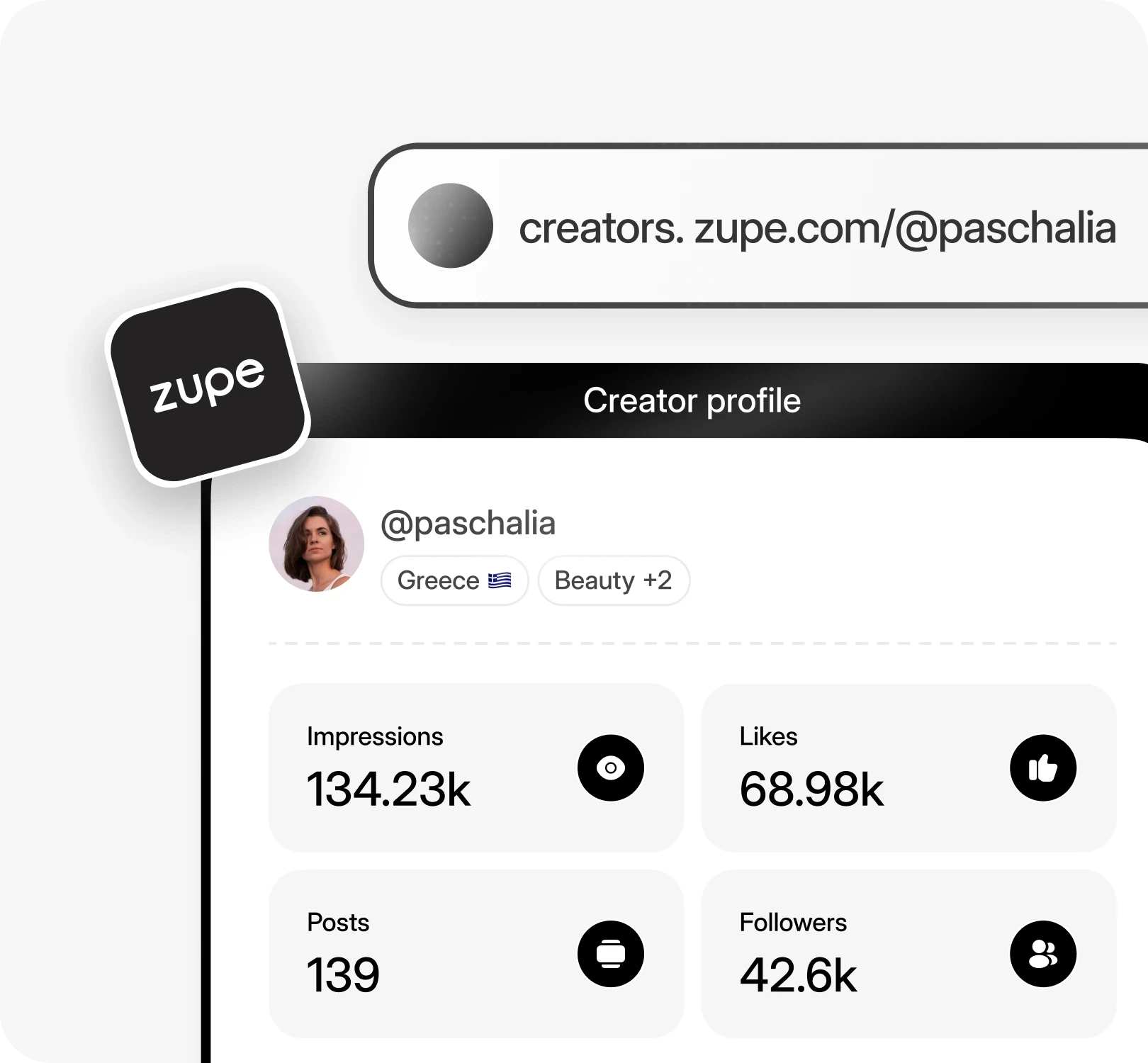
Every creator in your program has a detailed profile that includes past collaboration history, audience demographics, content performance by product category, and contract terms. Tag creators by specialty — audio, smart home, mobile, gaming peripherals — so you can quickly assemble the right roster for each launch. The CRM also tracks communication history, eliminating the need to search through email threads or DMs for context.
Content Approval and UGC Management Workflow
Creators upload draft content directly into Socialscale, where your brand team can review, comment, request revisions, and approve — all within a single interface. Approved content is automatically organized in Creator Drive, tagged by product, campaign, and content type. This structured UGC management system ensures your e-commerce and paid media teams always have access to the latest approved assets.
Shoppable Content Embedding
Once content is approved, embed it directly on your Shopify product pages using creator widgets. A tech reviewer's hands-on video can appear alongside product specifications, providing the social proof that drives conversion in consumer electronics. These widgets are customizable and load without impacting page speed — critical for brands where every millisecond of load time affects bounce rate.
Creator Performance Tracking and Attribution
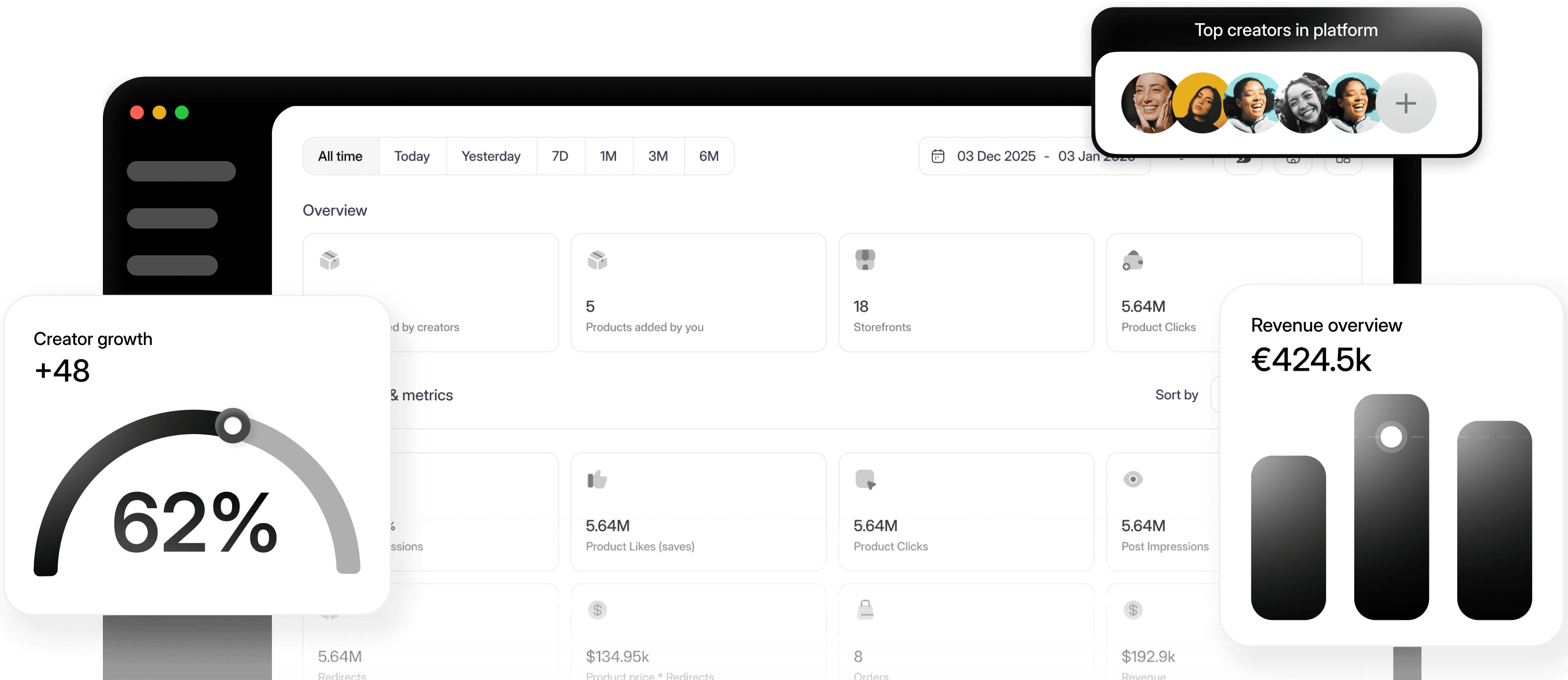
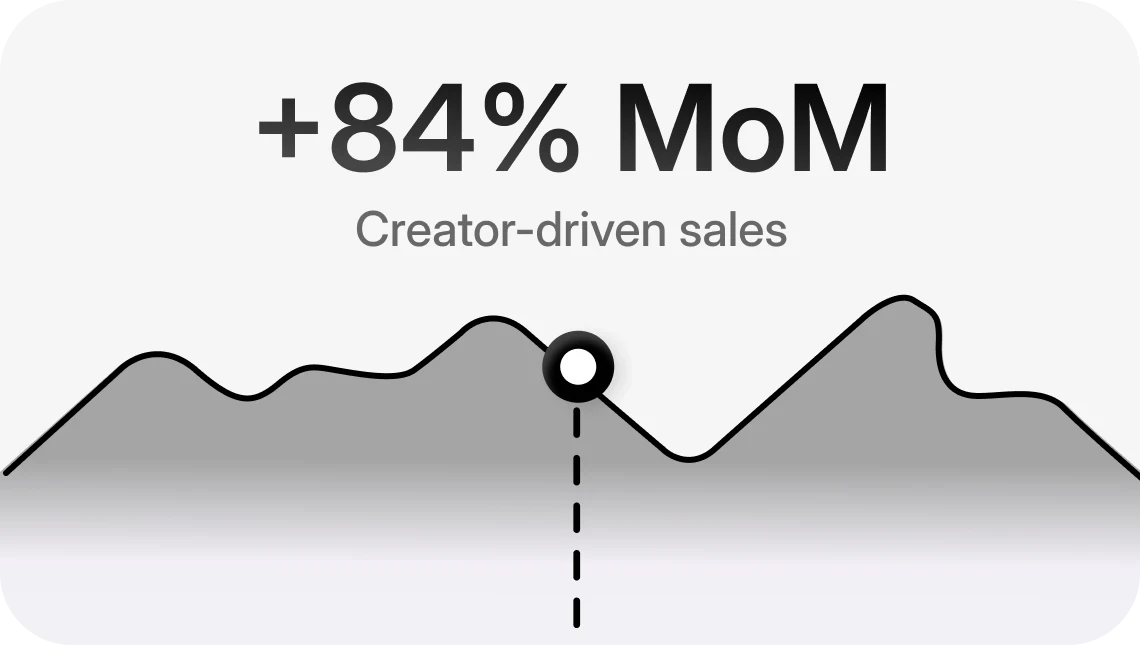
Track each creator's contribution to awareness, engagement, and revenue using creator analytics. See which creators drive the most product page visits, add-to-cart events, and completed purchases. Compare performance across platforms — did the YouTube long-form review outperform the TikTok unboxing in terms of cost-per-acquisition? These insights feed directly into your next campaign planning cycle.
Affiliate Link and Commission Management
For affiliate creator programs, generate unique tracking links per creator, set commission structures by product category or SKU, and automate payout calculations. This is especially valuable for consumer electronics brands running always-on affiliate programs for accessories and recurring product lines alongside tentpole launch campaigns.
Real-World Scenarios for Consumer Electronics Teams
Flagship Smartphone Launch with 60 Creators Across Three Platforms
A global smartphone brand plans a coordinated launch across YouTube, TikTok, and Instagram. The team needs to ship 60 review units, enforce a 10-day embargo, collect and approve content from every creator, and ensure all posts go live within a 4-hour window on launch day. Each creator receives a customized brief based on their platform and audience segment — camera-focused creators get photography-centric talking points, while tech reviewers receive benchmark comparison data. Post-launch, the team analyzes which creators drove the most pre-order conversions and uses those insights to build the roster for the next product cycle.
Smart Home Ecosystem Campaign with Cross-Product Bundles
A smart home brand wants to promote an ecosystem of connected devices — thermostat, doorbell camera, smart speaker, and lighting. Instead of running isolated campaigns for each product, the team recruits creators who can demonstrate the full ecosystem in their homes. Creators produce multi-product content showing real integration scenarios. The brand embeds these ecosystem review videos on bundle product pages, increasing average order value by showing customers how the products work together rather than in isolation.
Gaming Peripherals Affiliate Program for Mid-Tier Creators
A gaming peripherals company launches an always-on affiliate creator program targeting mid-tier gaming streamers and content creators on Twitch and YouTube. Each creator receives a unique storefront link with commission rates that vary by product margin — higher commissions on high-margin headsets, lower on commodity items like mouse pads. The brand tracks weekly sales attribution by creator and adjusts the program quarterly, graduating top performers into paid collaboration tiers with exclusive early access to new products.
CES Launch Event with Real-Time Creator Content Activation
A consumer electronics brand exhibiting at CES invites 25 tech influencers to an exclusive hands-on event. Creators produce real-time content — Instagram Stories, TikTok reactions, and YouTube first-look videos — during the event. The brand's marketing team monitors content submissions in real time, approves posts for compliance, and immediately repurposes the best-performing clips for paid social amplification. Within 72 hours of the event, the top creator content is embedded on the brand's website as shoppable widgets tied to pre-order pages.
Weekly and Monthly Operational Workflow for Consumer Electronics Creator Programs
Running a creator collaboration program for consumer electronics requires disciplined operational cadences. Below is a practical workflow that maps to how high-performing teams actually operate.
Campaign Planning and Creator Selection (Monthly)
At the start of each product cycle, review upcoming launches and define campaign objectives — awareness, pre-orders, sustained post-launch content. Use the creator CRM to pull lists of creators segmented by product category expertise, past performance, and audience demographics. Send collaboration invitations with campaign briefs that include embargo dates, deliverable specs, and compensation terms.
Creator Onboarding and Review Unit Logistics (2–4 Weeks Pre-Launch)
Onboard accepted creators into the campaign workspace. Collect shipping addresses, confirm content deliverables, and coordinate review unit shipments with your logistics team. Each creator's onboarding status is tracked in the platform so nothing falls through the cracks.
Content Production and Briefing Support (1–3 Weeks Pre-Launch)
Creators produce content based on the campaign brief. Provide supplementary materials — product spec sheets, comparison data, approved imagery — through the centralized asset library. Creators can ask questions and request clarifications directly within the collaboration workspace.
Content Review and Approval (1 Week Pre-Launch)
Creators submit draft content for review. Your brand team checks for accuracy, compliance with FTC disclosure requirements, adherence to embargo terms, and alignment with brand guidelines. Approved content is tagged and stored in Creator Drive for immediate access by your e-commerce and paid media teams.
Synchronized Launch Activation (Launch Day)
Monitor the launch timeline to ensure all creators publish within the designated window. Track real-time engagement metrics as content goes live across platforms. Flag any issues — incorrect links, missing disclosures, off-brand messaging — and resolve them immediately through the platform.
Post-Launch Performance Tracking (Week 1–2 Post-Launch)
Aggregate performance data across all creators and platforms. Identify top performers by engagement rate, click-through rate, and conversion rate. Compare platform-level performance to determine where budget and effort should shift for the next campaign.
Content Repurposing and Commerce Activation (Ongoing)
Embed top-performing creator content on product pages as shoppable widgets. Supply approved UGC to your paid media team for ad creative. Update creator storefronts with new product links and seasonal promotions.
Program Optimization and Relationship Management (Monthly)
Review creator lifetime value metrics. Graduate high-performing creators to higher collaboration tiers. Offboard underperforming creators with clear feedback. Update the CRM with notes on content quality, communication responsiveness, and audience fit for future campaign planning.
Key Performance Indicators for Consumer Electronics Creator Programs
Measuring the impact of creator collaborations in consumer electronics requires tracking metrics that connect content activity to commercial outcomes. The following KPIs should be monitored weekly during active campaigns and monthly for always-on programs.
Creator Activation Rate: Percentage of invited creators who accept, complete onboarding, and deliver content on time. Target above 80% for established programs.
Content Approval Time: Average hours from content submission to final approval. Reducing this metric directly impacts launch timing precision.
Content Output per Creator: Number of deliverables produced per creator per campaign, segmented by platform and format.
Click-Through Rate (CTR): Percentage of viewers who click affiliate links or shoppable widgets from creator content. Benchmark varies by platform — YouTube descriptions typically yield 1–3%, TikTok bio links 0.5–1.5%.
Conversion Rate (CVR): Percentage of clicks that result in completed purchases. Consumer electronics CVR from creator content typically ranges from 2–6% depending on price point.
Gross Merchandise Value (GMV): Total revenue attributed to creator-driven traffic across all channels. This is the primary commercial metric for justifying program investment.
Return on Ad Spend (ROAS) / Cost Per Acquisition (CPA): When creator content is amplified through paid media, track ROAS and CPA against non-creator ad creative to quantify the lift from authentic creator content.
Creator Lifetime Value: Cumulative revenue and content volume generated by each creator across multiple campaigns. This metric informs tiering and long-term relationship investment decisions.
Shoppable Widget Engagement Rate: Interaction rate on embedded creator content widgets on product pages — clicks, video plays, and resulting add-to-cart events.
Scenario: Wireless Audio Brand Launches Next-Gen Earbuds with 45 Tech Creators
A mid-market wireless audio brand prepared to launch its next-generation noise-cancelling earbuds. The marketing team needed to coordinate 45 tech creators across YouTube, TikTok, and Instagram, enforce a strict 7-day embargo, and drive pre-orders through creator-attributed links during the first 72 hours post-launch.
Setup
The team used Socialscale to build the campaign workspace, import their existing creator roster from the CRM, and send collaboration invitations with detailed briefs. Each brief was customized by platform: YouTube creators received comparison benchmarks against competitors, TikTok creators got short-form content templates emphasizing sound quality demos, and Instagram creators received lifestyle photography guidelines.
Execution
Review units shipped 14 days before launch. Creators submitted draft content through the platform, and the brand team completed all 45 reviews within 3 business days. Two creators required revisions for inaccurate battery life claims — caught during the approval workflow before any content went live. On launch day, all 45 creators published within a 3-hour window.
Results
Within the first 72 hours, creator-attributed traffic accounted for 38% of all product page visits. The campaign generated $420,000 in pre-order GMV directly attributed to creator links. YouTube long-form reviews drove the highest per-creator revenue ($14,200 average), while TikTok content delivered the lowest CPA at $8.40 per acquisition. The brand embedded the top 12 creator videos on the Shopify product page, which increased on-page conversion rate by 22% compared to the previous product launch that used only brand-produced media. The team identified 8 creators for an ongoing ambassador program based on their performance data, reducing creator sourcing time for the next launch cycle by 60%.
How does Socialscale handle embargo management for consumer electronics launches?
Socialscale's campaign builder includes embargo date controls that are communicated to creators during onboarding. Content must pass through the approval workflow before it can be marked as cleared for publishing. While the platform does not directly prevent a creator from posting on their own social accounts, the structured approval process and clear embargo documentation create accountability. Creators who publish before approval are flagged automatically, allowing your team to respond immediately.
Can we track which creator content drives actual product sales, not just clicks?
Yes. When integrated with Shopify, Socialscale tracks the full funnel from creator link click to add-to-cart to completed purchase. Each creator receives unique tracking links, and revenue attribution is reported at the individual creator level. This closed-loop tracking is essential for consumer electronics brands that need to justify creator program budgets with hard revenue data rather than engagement metrics alone.
How does the platform support both tentpole launches and always-on affiliate programs?
Socialscale supports multiple concurrent campaign types. You can run a time-bound launch campaign with strict deliverables and deadlines alongside an always-on affiliate program with different commission structures and content guidelines. Creators can participate in both simultaneously, and their performance is tracked separately per campaign type within the analytics dashboard.
What happens to creator content after a campaign ends?
All approved content is permanently stored in Creator Drive, tagged by campaign, product, creator, and content type. Your team can access these assets for future product page updates, paid media creative, retail partner submissions, or seasonal promotions. Content rights and usage terms are documented within each creator's CRM profile so your legal team always knows what can be repurposed and for how long.
Is Socialscale suitable for brands working with both large YouTube reviewers and smaller TikTok creators?
Absolutely. The platform is designed to manage creator programs across all tiers — from macro YouTube tech reviewers who require detailed briefs and review unit logistics to nano TikTok creators who participate in high-volume affiliate programs. The CRM allows you to segment creators by tier, platform, and product specialty, and apply different workflow templates and compensation models to each segment.