Creator Collaboration for Beauty Retailers: Coordinate In-Store and Online Influencer Activations at Scale
Beauty retailers operate in one of the most creator-driven categories in social commerce. From skincare routines filmed in-store to haul videos posted after an exclusive launch event, creator content shapes purchasing decisions across every channel. Yet most beauty retail teams struggle to coordinate influencer activations that span both physical locations and digital storefronts, leading to fragmented campaigns, inconsistent messaging, and lost revenue attribution.
Creator collaboration for beauty retailers demands more than sending products and hoping for posts. It requires structured workflows that connect in-store experiences with online content distribution, affiliate tracking, and shoppable integrations. Teams need to manage dozens or hundreds of creators simultaneously, each with different deliverables, timelines, and compensation models, while ensuring every piece of content aligns with seasonal promotions, new product drops, and retail partner requirements.
Socialscale provides the operational infrastructure beauty retailers need to run creator programs end-to-end. From onboarding micro-influencers for regional store activations to coordinating macro-creator campaigns tied to online product launches, the platform centralizes collaboration management, content organization, and performance tracking in a single system built for the complexity of omnichannel beauty retail.
Disconnected In-Store and Online Creator Activations
Beauty retailers frequently run in-store events like masterclasses, product sampling sessions, and exclusive launch parties alongside digital campaigns. Without a unified system, the content generated at physical events never gets properly collected, tagged, or repurposed for online channels, and online-only creators miss the context of in-store promotions.
High Volume of Creator Relationships Across Tiers
A typical beauty retailer works with creators spanning nano-influencers in local markets to celebrity-tier brand ambassadors. Managing these relationships across spreadsheets, email threads, and DMs creates operational chaos that leads to missed deadlines, duplicated outreach, and inconsistent compensation tracking.
Content Approval Bottlenecks During Launch Windows
New product launches in beauty retail operate on tight timelines. When 40 creators submit content simultaneously for a holiday collection drop, teams without structured approval workflows become the bottleneck, delaying posts and missing the critical first-week sales window.
Inability to Track Creator-Driven Revenue Across Channels
Beauty retailers need to understand whether a creator's in-store event drove online purchases, whether a TikTok tutorial converted through an affiliate link, or whether shoppable content on the brand's website generated incremental revenue. Most teams lack the attribution infrastructure to answer these questions.
Fragmented Content Storage and Rights Management
Creator content for beauty retailers includes high-production tutorials, casual unboxing videos, before-and-after photos, and live event footage. This content lives across Google Drives, Dropbox folders, and creator DMs with no centralized system for organizing assets by product line, campaign, or usage rights expiration.
Seasonal Campaign Complexity
Beauty retail operates on a relentless seasonal calendar: spring skincare transitions, summer SPF campaigns, fall color launches, holiday gift guides, and Valentine's Day promotions. Each season requires different creator briefs, product assortments, and messaging frameworks, multiplied across in-store and online channels.
Retail Partner Compliance Requirements
Beauty brands sold through multi-brand retailers like Sephora, Ulta, or Boots must ensure creator content meets co-op advertising guidelines, uses approved claims language, and includes proper retailer tagging. Non-compliance can jeopardize retail partnerships and promotional placement.
Spreadsheets Cannot Handle Omnichannel Coordination
Tracking which creators are attending an in-store event in Dallas, which are posting online-only content for the same campaign, and which are doing both requires relational data management that spreadsheets simply cannot provide. Formulas break, version conflicts multiply, and no one has a real-time view of campaign status.
Generic Project Management Tools Lack Creator-Specific Workflows
Tools like Asana or Monday.com can track tasks, but they have no concept of creator tiers, content deliverables, affiliate link generation, product seeding logistics, or shoppable content embedding. Teams end up building elaborate workarounds that collapse under the weight of a 50-creator campaign.
Influencer Marketplaces Focus on Discovery, Not Operations
Most influencer marketing software platforms are built to help brands find creators, not manage ongoing collaborations. Once a beauty retailer has identified their creator roster, they need operational tools for brief distribution, content collection, approval routing, payment processing, and performance analysis. Discovery platforms offer none of this at the depth required.
Siloed Analytics Miss the Full Picture
When social analytics live in one tool, affiliate data in another, and in-store event metrics in a third, beauty retail teams cannot connect creator activity to business outcomes. They report on vanity metrics like impressions while leadership asks about cost per acquisition and return on creator spend.
Email-Based Collaboration Creates Compliance Risk
Managing content approvals, usage rights agreements, and FTC disclosure requirements through email threads is a liability. Messages get buried, approvals are ambiguous, and there is no audit trail when a retail partner questions whether a creator had proper authorization to make specific product claims.
How Socialscale Powers Creator Collaboration for Beauty Retailers
Socialscale is built as the operating system for social commerce, giving beauty retail teams a single platform to manage every aspect of creator collaboration from onboarding to revenue attribution. Rather than stitching together five or six disconnected tools, teams use Socialscale to run in-store activations and online campaigns from one centralized hub.
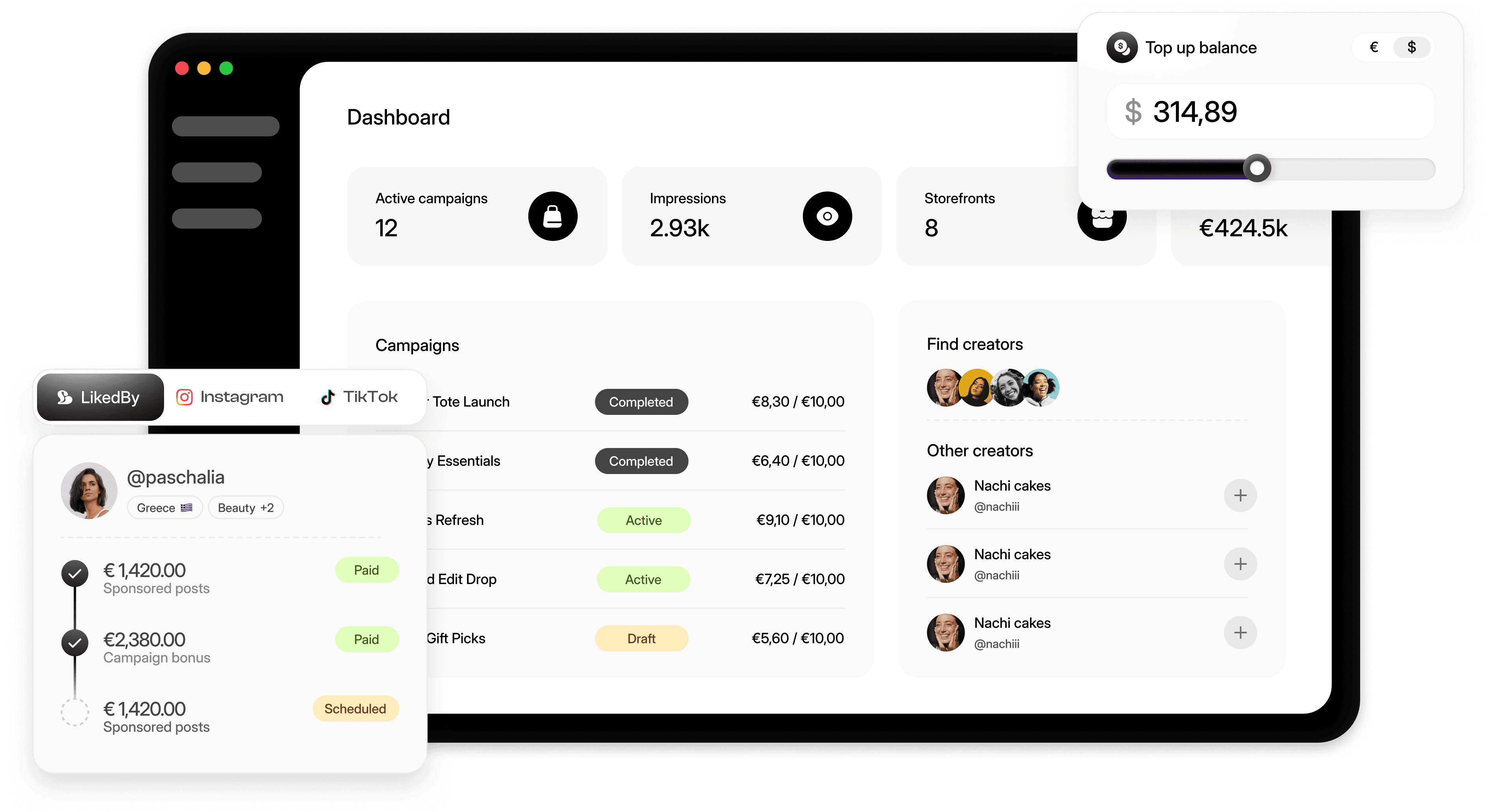
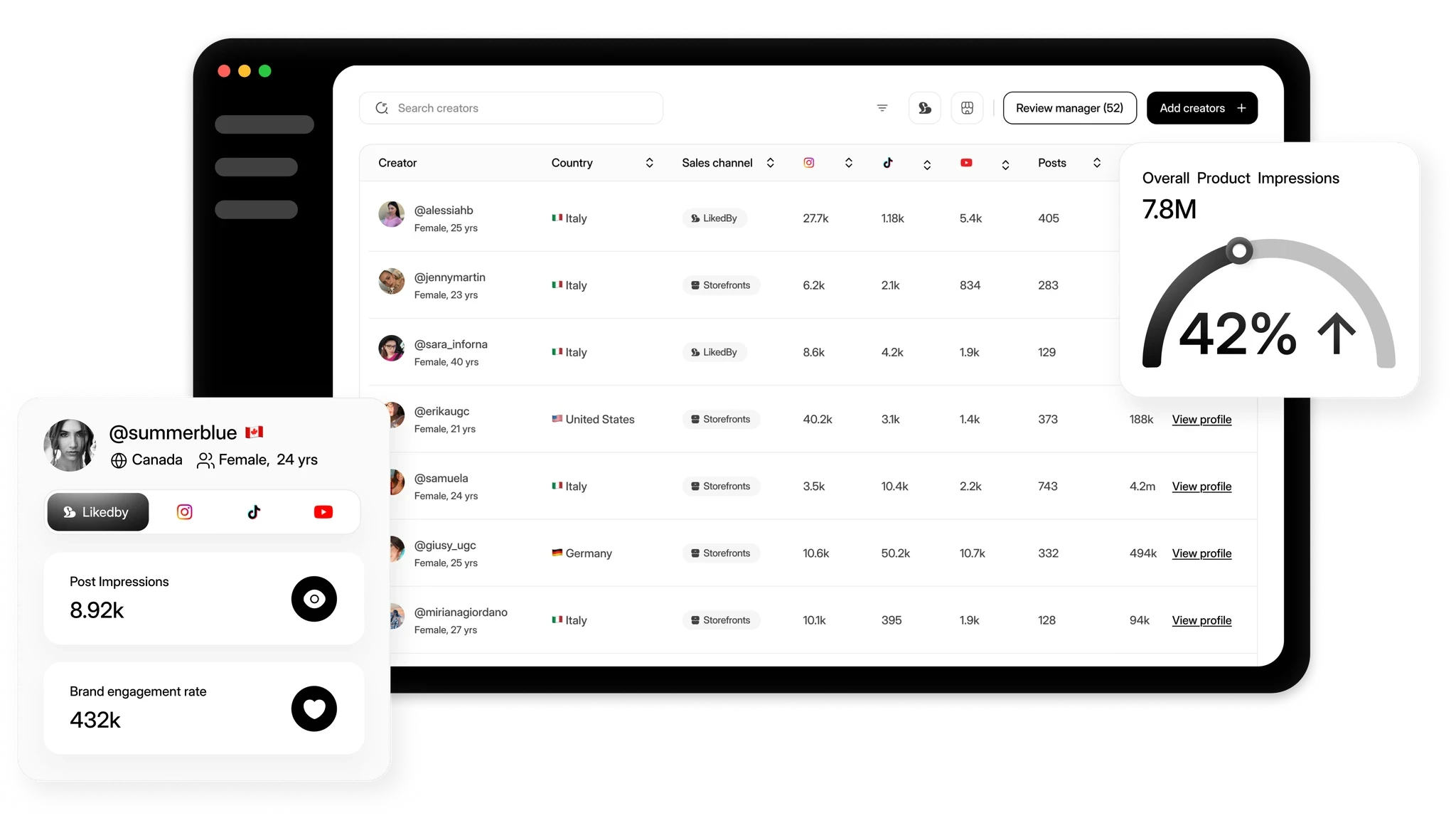
The creator collaborations module lets beauty retailers structure campaigns by channel, location, creator tier, and product line. Whether you are coordinating a 12-city in-store sampling tour with local micro-influencers or launching a digital-first campaign with 30 mid-tier creators for a new fragrance line, every deliverable, deadline, and approval step is tracked in one place.
Content flows directly into Creator Drive, where assets are automatically organized by campaign, creator, product SKU, and content type. Beauty retail teams can search for all tutorial-style videos featuring a specific foundation shade, filter by usage rights status, and push approved content to shoppable widgets on their e-commerce site without leaving the platform.
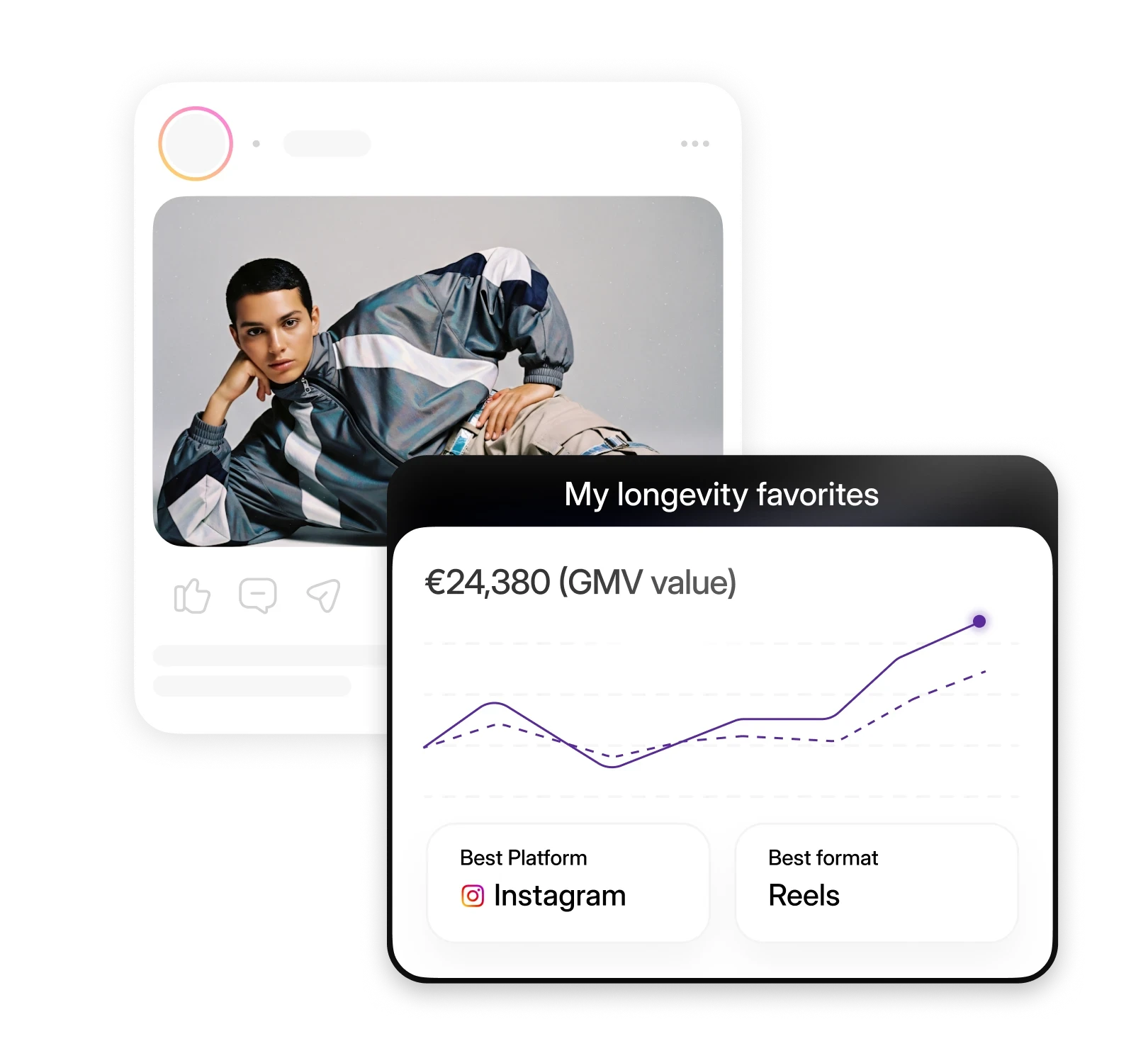
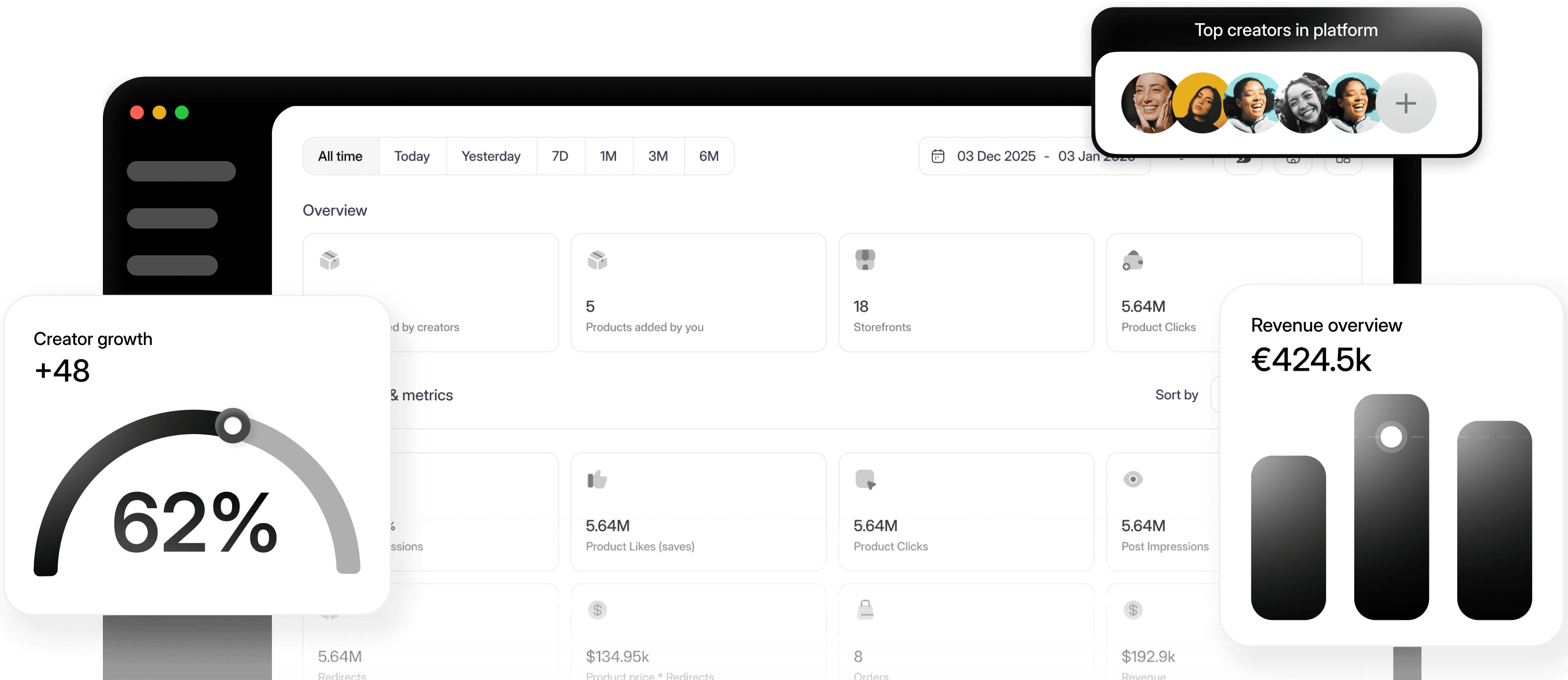
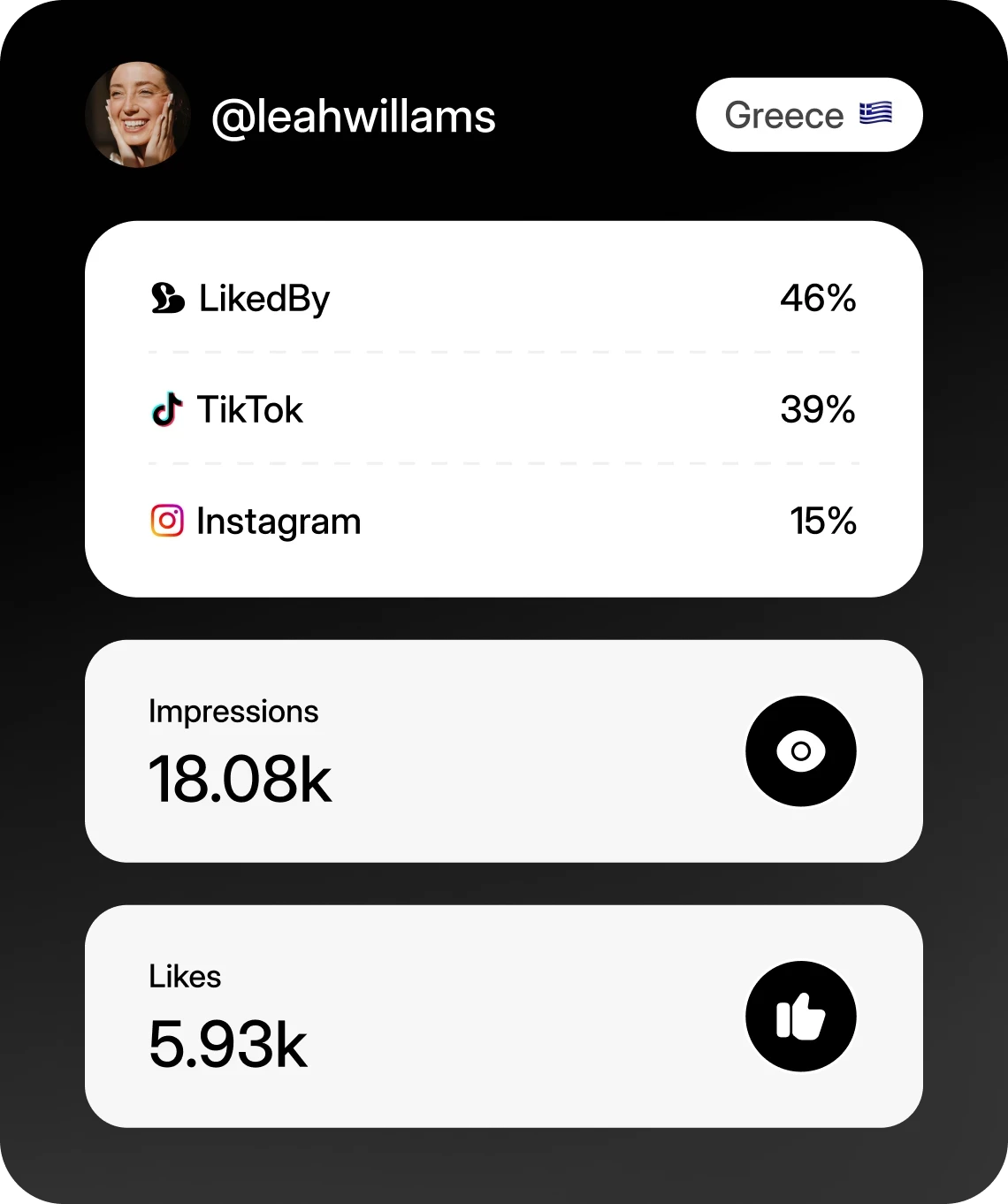
Performance visibility comes through integrated creator analytics that connect social engagement data with affiliate revenue, shoppable content conversions, and campaign-level ROI. Beauty retailers finally get a unified view of which creators, content formats, and activation types drive actual sales, not just impressions.
Feature Breakdown: Creator Collaboration Tools for Beauty Retail
Campaign Structuring by Activation Type
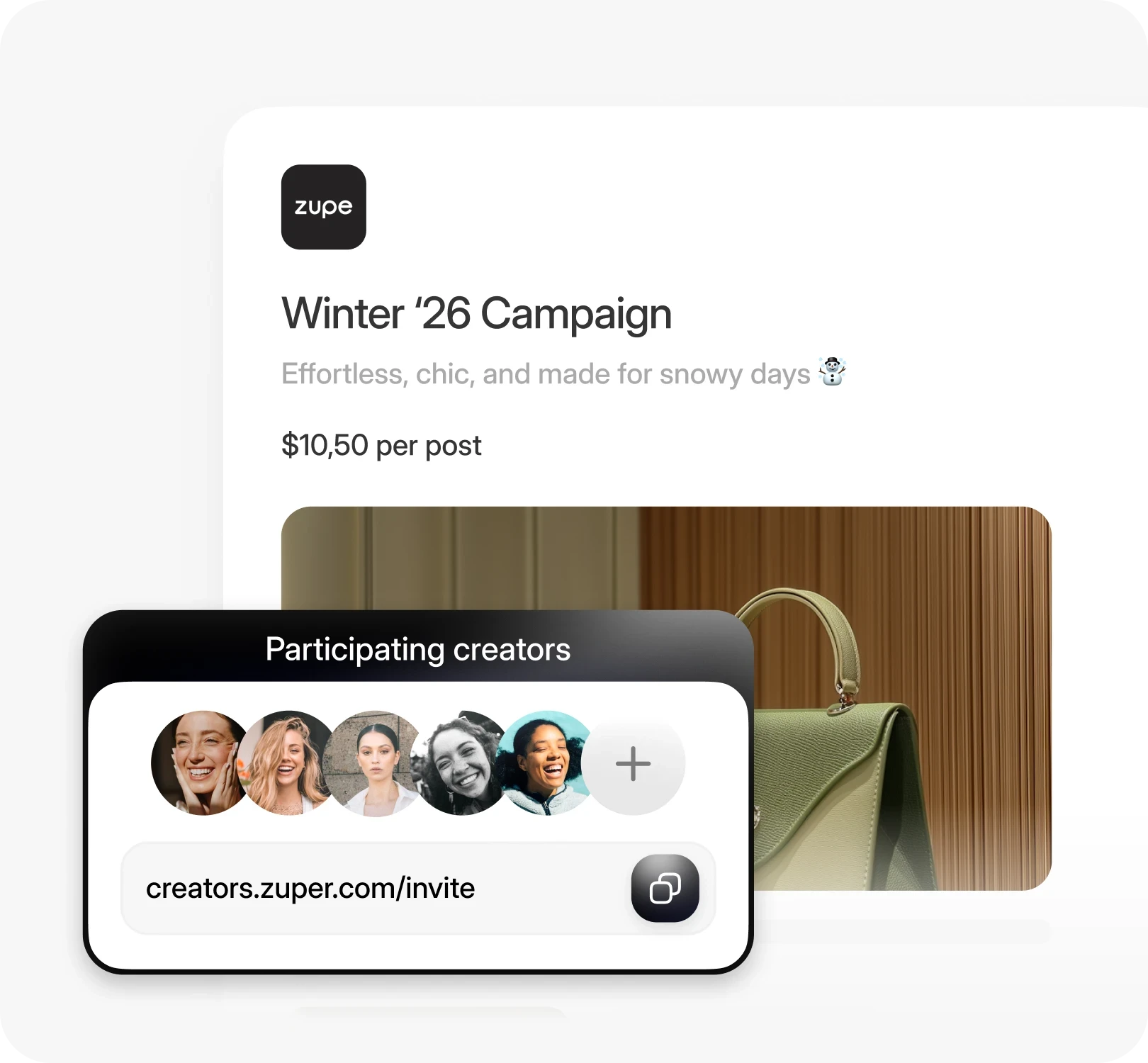
Create distinct campaign structures for in-store activations, online-only campaigns, and hybrid programs. Each campaign type carries its own brief templates, deliverable requirements, timeline milestones, and compensation models. A holiday in-store masterclass campaign has fundamentally different requirements than a summer TikTok affiliate push, and Socialscale lets you manage both without conflating workflows.
Creator Onboarding and Tiered Management
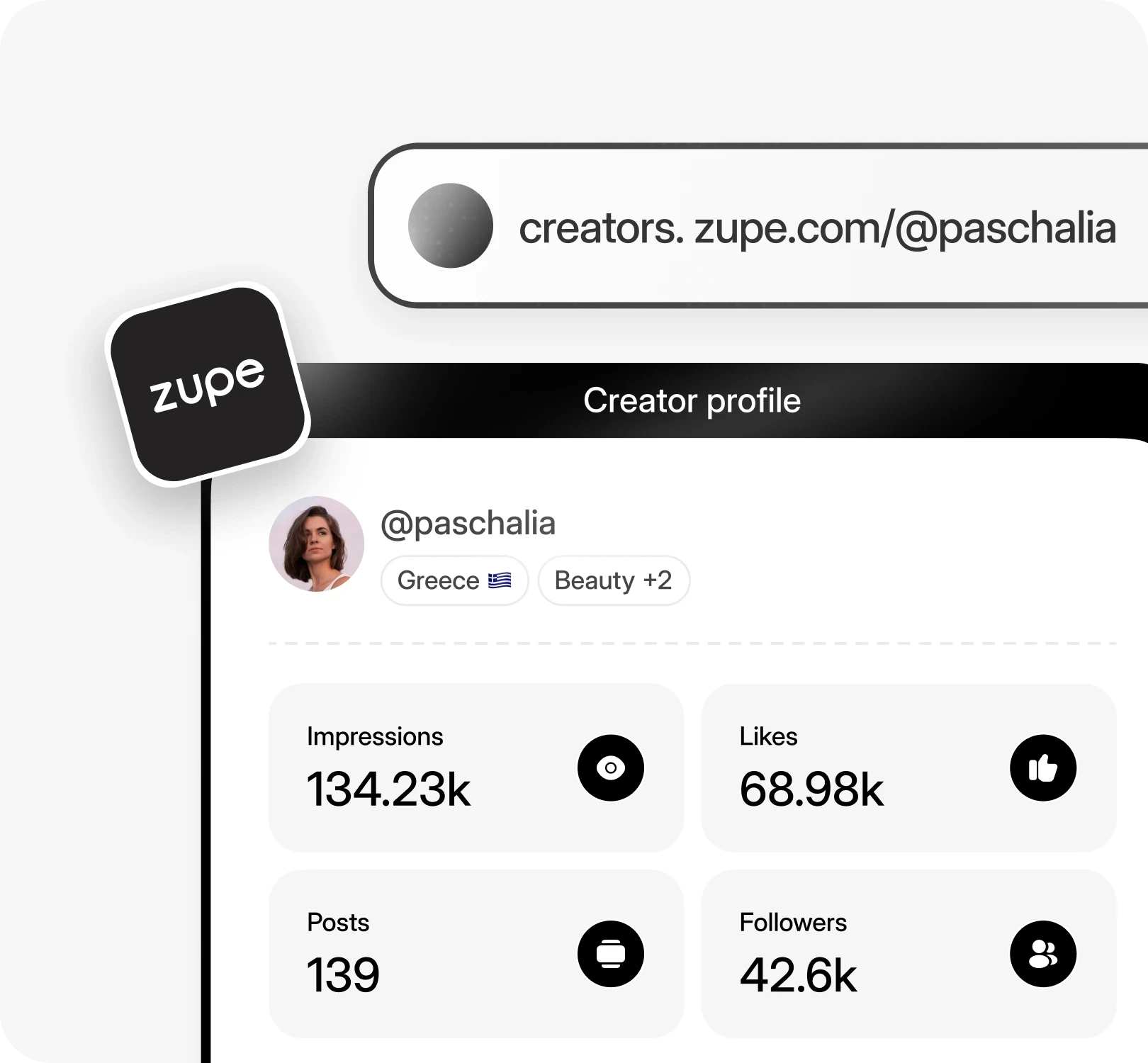
Onboard creators through branded intake forms that capture platform handles, audience demographics, content specialties (skincare, color cosmetics, fragrance, haircare), geographic location for in-store events, and preferred compensation structure. The built-in creator CRM segments your roster by tier, product category expertise, past performance, and activation history so you can quickly assemble the right creator cohort for any campaign.
Brief Distribution and Deliverable Tracking
Distribute campaign briefs with product-specific messaging guidelines, visual references, required hashtags, retailer tagging instructions, and FTC disclosure language. Track each creator's progress through deliverable submission, internal review, revision requests, and final approval. Beauty retail teams see at a glance which creators have submitted content, which are pending, and which need follow-up.
Content Approval Workflows with Compliance Layers
Route submitted content through multi-step approval workflows that include brand marketing review, legal compliance check for product claims, and retail partner approval where required. Each approval step is timestamped and logged, creating an audit trail that protects the brand when questions arise about authorized claims or usage rights.
Shoppable Content Embedding
Approved creator content can be embedded directly on product detail pages, category landing pages, and dedicated creator storefronts using shoppable widgets. A tutorial video showing application techniques for a new eyeshadow palette can be tagged with the exact SKUs used and embedded on the product page, turning inspiration into immediate purchase opportunity.
Centralized Asset Library with Smart Tagging
Every piece of creator content is stored with metadata including creator name, campaign, product SKUs, content format, platform, usage rights expiration date, and performance data. Beauty retail teams managing thousands of assets across dozens of campaigns per year can find exactly what they need in seconds rather than digging through shared drives.
Affiliate Link and Promo Code Management
Generate unique affiliate links and promo codes for each creator, track redemptions in real time, and calculate commission payouts automatically. For in-store activations, assign creator-specific promo codes that work at point of sale, connecting physical event attendance to measurable revenue.
Use Cases: Creator Collaboration Scenarios for Beauty Retailers
1. Multi-City In-Store Launch Event with Digital Amplification
A beauty retailer launching an exclusive skincare line across 15 flagship locations recruits local micro-influencers in each market to attend VIP preview events. Each creator receives a tailored brief with location-specific details, product education materials, and content deliverable requirements: one Instagram Reel from the event, one TikTok tutorial using the products at home, and one set of Instagram Stories with swipe-up links. All content is submitted through the platform, approved by the brand team within 24 hours, and the best-performing assets are repurposed as shoppable content on the retailer's website within the launch week.
2. Seasonal Affiliate Creator Program for Holiday Gift Guides
During Q4, the beauty retailer activates 80 creators across three tiers to produce holiday gift guide content. Nano-influencers receive curated product bundles under $50, mid-tier creators get premium sets, and macro-creators receive exclusive early access to limited-edition holiday collections. Each creator gets unique affiliate links tied to their specific product assortment. The team monitors real-time affiliate revenue by creator and tier, reallocating promotional budget mid-campaign to double down on top-performing creators and content formats.
3. UGC Collection Campaign for New Product Category Entry
A beauty retailer expanding into clean beauty recruits 50 creators who specialize in ingredient-conscious skincare content. The campaign focuses on educational content: ingredient breakdowns, texture comparisons, and 30-day skin diaries. All submitted content is collected, rights-managed, and organized by content type. The highest-performing UGC is embedded across the new clean beauty category page, email marketing campaigns, and paid social ads, creating an authentic content ecosystem that would cost ten times more to produce through traditional studio shoots.
4. Always-On Creator Storefront Program
Rather than running one-off campaigns, the beauty retailer establishes an ongoing creator storefront program where 25 top-performing creators maintain personalized storefronts on the retailer's website. Each storefront features the creator's curated product picks, tutorial content, and exclusive bundles. Creators receive ongoing commission on storefront sales and submit fresh content monthly. The program creates a persistent social commerce channel that drives revenue between major campaign moments and builds long-term creator loyalty.
Weekly and Monthly Operational Workflow for Beauty Retail Creator Programs
Running creator collaborations for beauty retailers requires disciplined operational cadences. Below is a practical workflow that beauty retail teams can implement using Socialscale to keep campaigns on track and maximize creator output.
Monthly Campaign Planning and Creator Selection
At the start of each month, review the upcoming promotional calendar, new product launches, and seasonal priorities. Use the creator CRM to identify and shortlist creators based on product category expertise, geographic location for in-store activations, past campaign performance, and audience alignment. Finalize creator rosters and send collaboration invitations through the platform.
Brief Development and Distribution (Week 1)
Build campaign briefs that include product details, key messaging points, visual guidelines, required hashtags, retailer tagging requirements, FTC disclosure language, and deliverable specifications. Distribute briefs to all confirmed creators and confirm receipt and understanding through the platform's messaging system.
Product Seeding and In-Store Event Coordination (Week 1–2)
Coordinate product shipments to online-only creators and confirm attendance logistics for in-store activation participants. Track shipping status and product receipt confirmations within the platform. For in-store events, share venue details, event run-of-show, and on-site content guidelines.
Content Creation Window (Week 2–3)
Creators produce and submit content according to brief specifications. Monitor submission progress daily through the campaign dashboard. Send reminder notifications to creators approaching deadlines. Flag any creators who need additional product information or creative direction.
Content Review and Approval (Week 3)
Route submitted content through the multi-step approval workflow: brand marketing review for creative quality and messaging alignment, legal review for product claims compliance, and retail partner review where applicable. Provide specific revision feedback through the platform and track resubmissions.
Content Publishing and Distribution (Week 3–4)
Coordinate publishing schedules so creator posts align with promotional windows, email marketing sends, and paid media flights. Approved content is simultaneously pushed to shoppable widgets on the retailer's e-commerce site. In-store event content is collected and organized in the asset library for ongoing use.
Weekly Performance Monitoring
Review creator-level and campaign-level performance metrics every Monday: social engagement rates, affiliate link clicks and conversions, shoppable content CTR, and revenue attribution. Identify top-performing creators and content formats. Adjust paid amplification budgets to boost highest-converting creator content.
Monthly Performance Review and Creator Scoring
At month end, compile comprehensive performance reports that connect creator activity to business outcomes. Update creator performance scores in the CRM. Identify creators for ongoing programs, those requiring different activation approaches, and new creator prospects to fill gaps in category coverage or geographic reach.
Key Performance Metrics for Beauty Retail Creator Programs
Beauty retailers should track these KPIs to evaluate creator collaboration effectiveness and optimize program performance over time.
Creator Activation Rate: Percentage of onboarded creators who complete deliverables within the campaign window. Target: 85%+ for established creator rosters.
Content Approval Turnaround Time: Average hours from content submission to final approval. Beauty retail teams should target under 48 hours to maintain publishing momentum.
Content Output per Creator: Number of approved assets produced per creator per campaign, segmented by content type (video, static, Stories).
Shoppable Content Click-Through Rate (CTR): Percentage of users who click on embedded shoppable creator content on the retailer's website. Benchmark: 3–7% for well-placed beauty content.
Conversion Rate (CVR) from Creator Content: Percentage of creator-driven traffic that results in a purchase. Track separately for affiliate links, shoppable widgets, and promo codes.
Creator-Attributed GMV: Total gross merchandise value driven by creator content across all channels, including affiliate sales, promo code redemptions, and shoppable content conversions.
Return on Creator Spend (ROAS): Total creator-attributed revenue divided by total creator program cost (product seeding, compensation, event costs, platform fees).
Cost Per Acquisition (CPA) by Creator Tier: Average cost to acquire a customer through each creator tier, enabling budget allocation optimization.
Content Reuse Rate: Percentage of creator content repurposed across additional channels (email, paid social, website) beyond the original creator post.
In-Store Event Attendance to Online Conversion: For hybrid activations, track how many event attendees subsequently purchase online using creator-specific promo codes or links.
Scenario: Mid-Size Beauty Retailer Scales Creator Program Across 20 Locations
A mid-size beauty retailer with 20 store locations and a growing e-commerce presence was running creator collaborations through a combination of spreadsheets, email, and a basic influencer discovery tool. Their team of three managed approximately 60 creator relationships, but campaign execution was inconsistent. Content from in-store events was rarely collected in usable format, approval cycles averaged 5–7 business days, and the team could not connect creator activity to sales data.
After implementing a structured creator collaboration platform, the team redesigned their operational workflow. They segmented their creator roster by geographic market and product category expertise using a centralized CRM. Campaign briefs were standardized with templates that included retailer-compliant messaging guidelines and FTC disclosure requirements.
Within the first quarter, the team expanded their active creator roster from 60 to 145 creators without adding headcount. Content approval turnaround dropped from 5.2 days to 1.4 days. The team collected and organized over 800 pieces of creator content, with 340 assets repurposed as shoppable content on their e-commerce site.
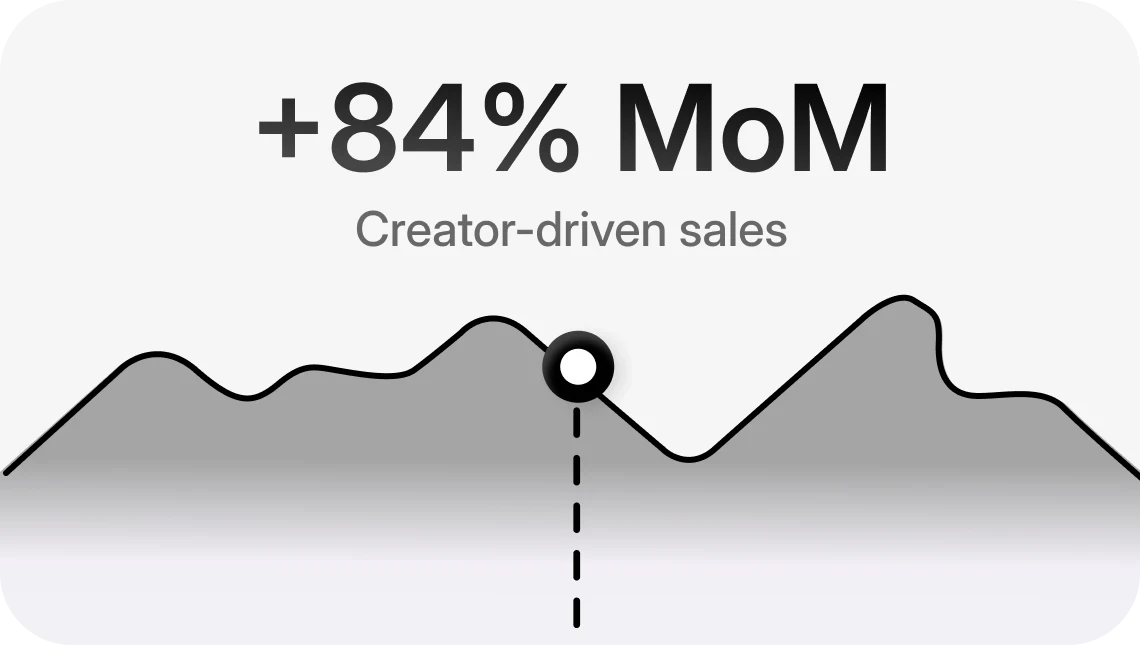
Measurable results after six months included a 38% increase in creator-attributed online revenue, a 4.2x average ROAS on creator program spend, a 22% lift in product page conversion rates on pages featuring embedded creator content, and a 15% increase in average order value when customers engaged with creator storefronts versus standard product pages. In-store events generated 2,100 pieces of content that were previously uncaptured, and creator-specific promo codes used at in-store events drove an additional $47,000 in trackable online follow-up purchases.
Frequently Asked Questions
How does Socialscale help coordinate in-store and online creator activations simultaneously?
The platform allows you to create campaign structures that include both in-store and online activation tracks within a single campaign. Each track has its own deliverable requirements, timelines, and logistics, but all content flows into the same approval workflow and asset library. This means a creator attending a store event in Chicago and a creator posting from home in Miami are managed under one campaign with full visibility into both tracks.
Can beauty retailers manage creator compensation across different models in one platform?
Yes. Socialscale supports multiple compensation structures within a single campaign, including flat fees, product-only gifting, affiliate commission, hybrid models, and performance bonuses. Each creator's compensation terms are tracked individually, and affiliate commissions are calculated automatically based on tracked conversions.
How does the platform handle content rights management for beauty retail?
Every piece of creator content is tagged with usage rights metadata including the scope of permitted use (organic social, paid media, website, email, in-store displays), geographic restrictions, and expiration dates. The system alerts teams when usage rights are approaching expiration so they can renegotiate or remove content before rights lapse.
What makes creator collaboration for beauty retailers different from other industries?
Beauty retail creator programs involve higher content volume per campaign, more complex product assortments (shades, formulations, routines), stricter regulatory requirements around product claims, and the need to coordinate across physical retail locations and digital channels simultaneously. The platform is designed to handle this complexity with product-level tagging, compliance review workflows, and omnichannel campaign structures.
How quickly can a beauty retail team get started with Socialscale?
Most beauty retail teams are fully operational within two to three weeks. The onboarding process includes importing existing creator contacts, setting up campaign templates aligned with the retailer's promotional calendar, configuring approval workflows with the appropriate stakeholders, and connecting e-commerce and social platform integrations. Teams with existing creator rosters can launch their first campaign within the first week. Book a demo to see the platform configured for beauty retail workflows.