Creator Collaboration Software Built for Subscription Brands
Subscription brands live and die by recurring revenue, and creator collaborations are one of the most powerful levers to drive trial, reduce churn, and increase lifetime value. But managing ongoing influencer activations across monthly product drops, seasonal campaigns, and always-on ambassador programs demands more than a spreadsheet and a shared inbox. You need a system designed for the cadence of subscription commerce.
Socialscale gives subscription brand teams a purpose-built operating system for social commerce that handles every stage of creator collaboration, from recruiting and onboarding creators to briefing recurring campaigns, collecting and organizing content, and measuring the downstream impact on subscriber acquisition and retention. Whether you run a meal kit service, a beauty box, a supplement subscription, or a pet care delivery brand, the platform centralizes the operational complexity that comes with activating dozens or hundreds of creators on a rolling basis.
This page breaks down how Socialscale solves the specific challenges subscription brands face when scaling creator programs, the workflows that keep activations running on schedule, and the metrics that connect creator output to subscriber growth.
Maintaining Creator Momentum Across Recurring Cycles
Subscription brands don't run one-off campaigns. They need creators producing fresh content every month aligned with new product shipments, flavor launches, or seasonal themes. Keeping creators engaged and briefed cycle after cycle is an operational burden that compounds as programs grow.
High Creator Churn and Re-Onboarding Costs
When creators lose interest or feel under-managed, they drop off. Subscription brands then spend weeks sourcing replacements, negotiating terms, and onboarding new partners, all while content pipelines go dry during critical acquisition windows.
Tracking Attribution Beyond First-Purchase
Most influencer tools track a single conversion event. Subscription brands need to understand which creators drive subscribers who stick around for three, six, or twelve months. Without this data, budget allocation is guesswork.
Content Fatigue and Repetitive Messaging
When the same creators post about the same subscription box every month, audiences tune out. Brands need systems to rotate messaging angles, brief creators on differentiated hooks, and track which content themes perform best over time.
Coordinating Across Multiple Product Lines
Many subscription brands offer tiered plans, add-on products, or multiple SKU categories. Assigning the right creators to the right products and ensuring accurate messaging across variants adds layers of complexity.
Managing Gifted Product Logistics at Scale
Sending subscription boxes to 50 or 200 creators every month means coordinating shipping addresses, tracking deliveries, confirming receipt, and following up on content deadlines. Without automation, this becomes a full-time job.
Compliance and Disclosure Consistency
Recurring partnerships require consistent FTC disclosure. When creators post monthly, the risk of a missed disclosure multiplies. Brands need a way to embed compliance requirements into every brief and review cycle.
Spreadsheets Cannot Handle Recurring Workflows
Tracking creator status, content deadlines, shipping confirmations, and performance data across monthly cycles in spreadsheets leads to version conflicts, missed deadlines, and zero visibility for leadership. The operational overhead grows linearly with every creator added to the program.
Generic Influencer Platforms Are Built for One-Off Campaigns
Most influencer marketing software is designed around a campaign-start, campaign-end model. They lack the infrastructure for rolling activations, recurring briefs, and longitudinal performance tracking that subscription brands require. Re-creating campaigns every month wastes hours and loses historical context.
Disconnected Tools Create Data Silos
When brands use one tool for creator discovery, another for communication, a cloud folder for content storage, and a separate dashboard for analytics, no single view connects creator activity to subscriber outcomes. Teams spend more time reconciling data than acting on it.
No Native Content Repurposing Pipeline
Subscription brands generate enormous volumes of creator content monthly. Without a centralized content library tied to usage rights and performance data, high-performing assets get buried and never make it into paid media, email, or on-site placements where they could drive additional conversions.
Approval Bottlenecks Delay Time-Sensitive Launches
When a new subscription tier launches or a limited-edition box drops, content needs to go live within a tight window. Email-based approval chains and scattered feedback threads cause delays that cost revenue during peak promotional moments.
How Socialscale Powers Recurring Creator Activations for Subscription Brands
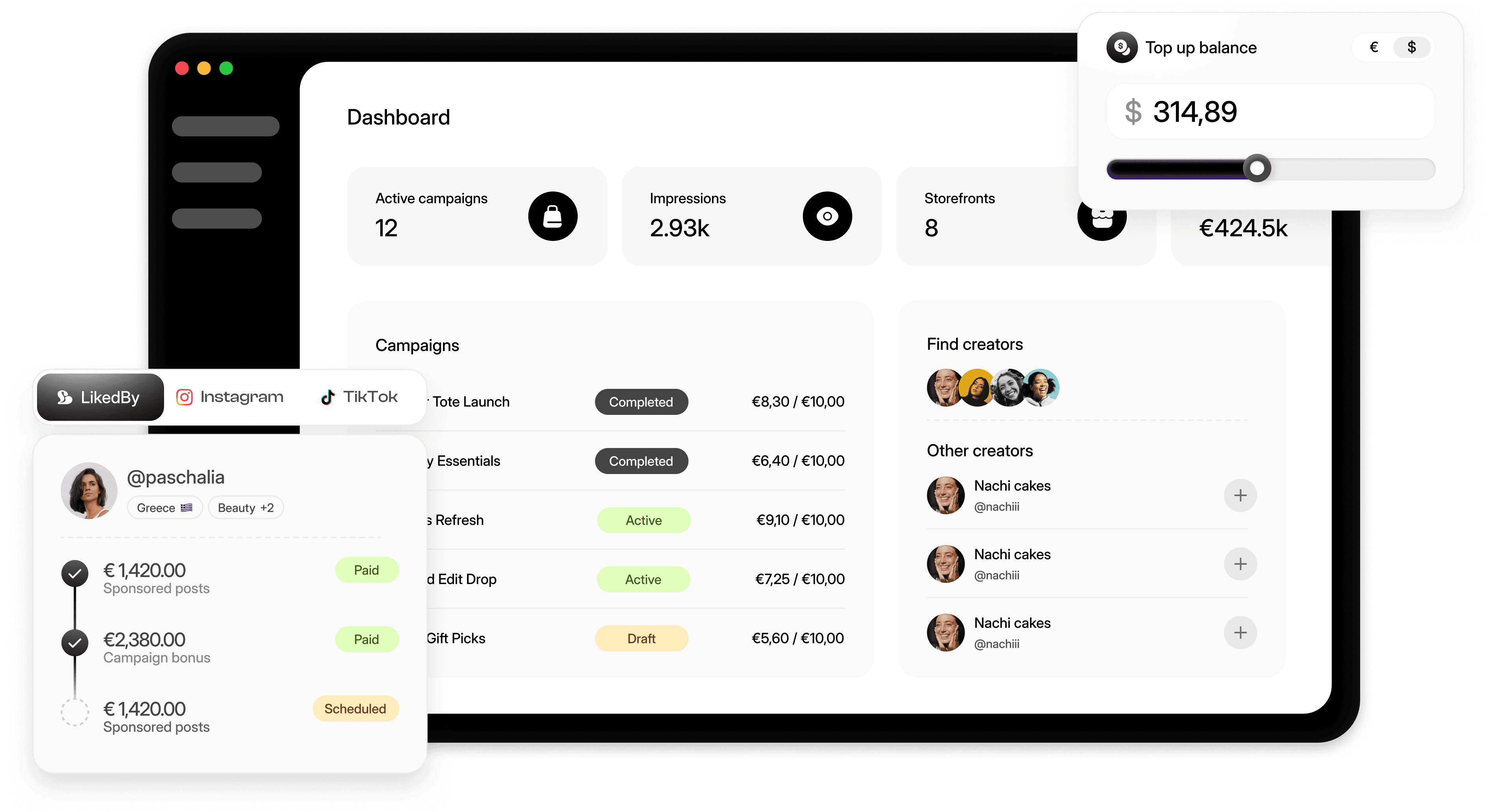
Socialscale is built as the end-to-end operating system for creator-driven social commerce. For subscription brands, this means a single platform that handles the full lifecycle of recurring influencer activations without forcing teams to stitch together disconnected tools.
The creator collaborations module lets teams set up recurring campaign structures that roll forward month to month. Instead of rebuilding briefs and re-assigning creators every cycle, program managers define activation templates with product details, messaging guidelines, content format requirements, and deadlines. Each cycle inherits the structure while allowing updates for new SKUs, seasonal angles, or promotional offers.
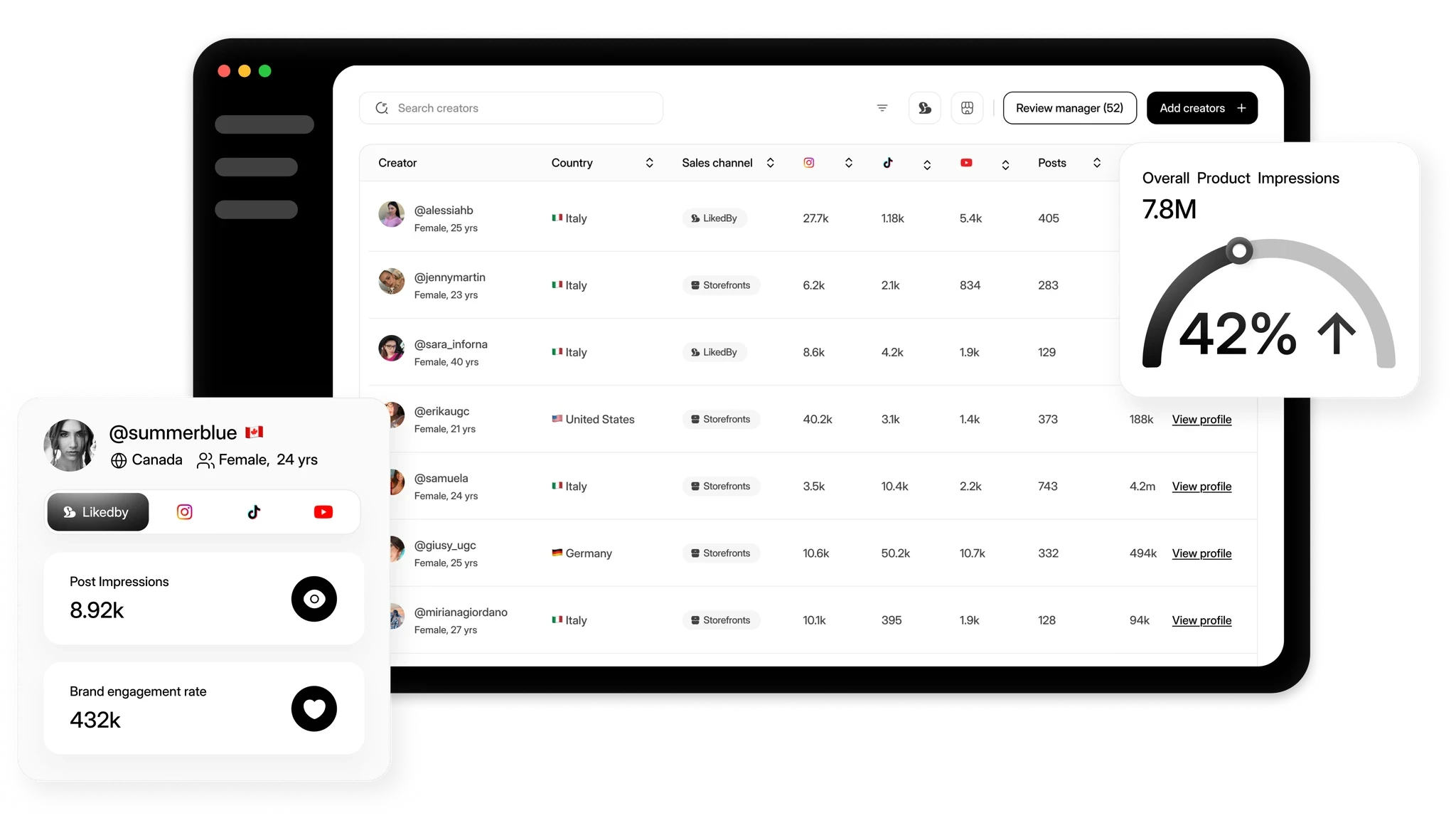
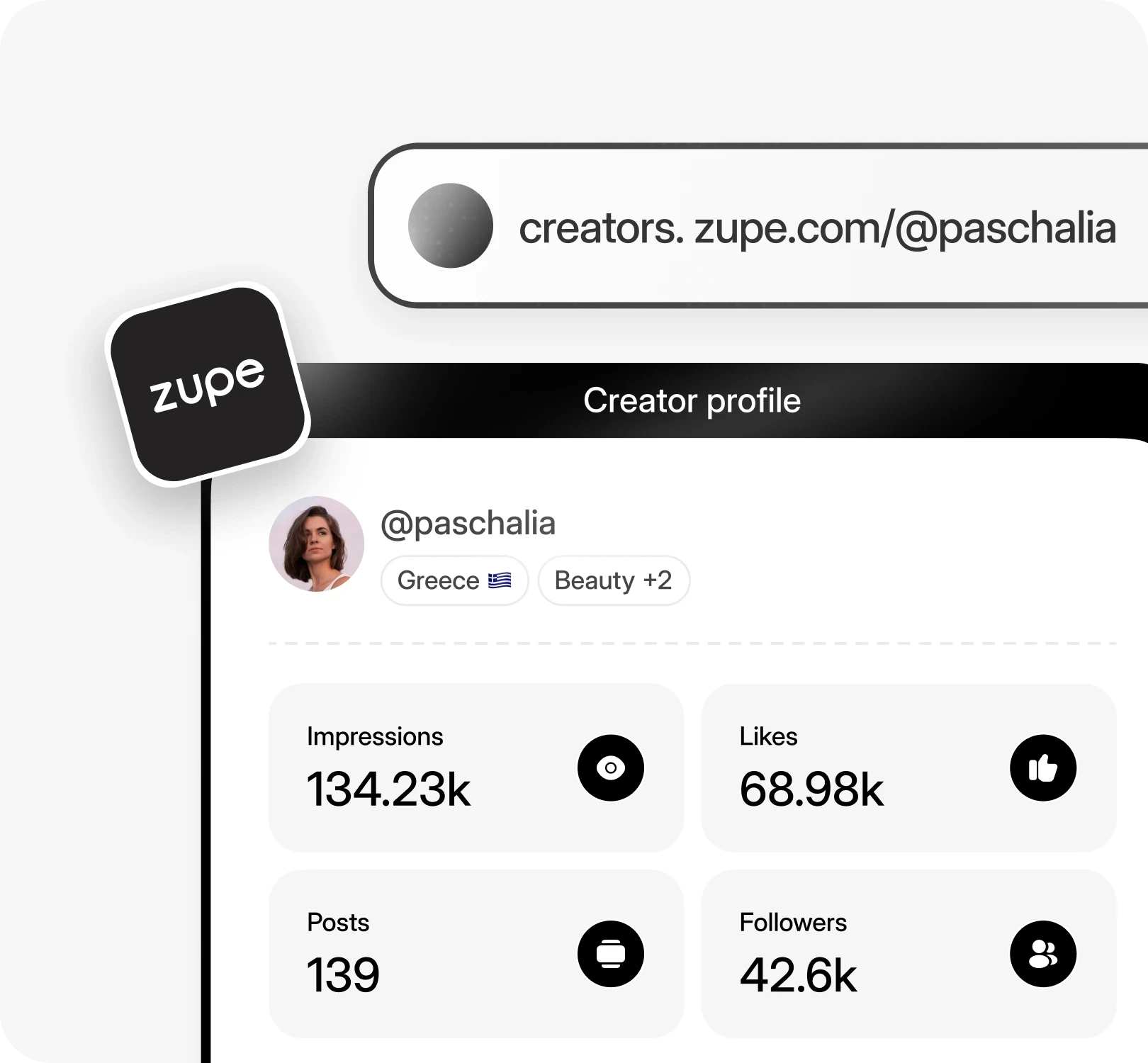
Creator relationships are managed through the creator CRM, which tracks every interaction, shipment, content submission, and performance metric across the full history of each partnership. When a creator has been part of your program for eight months, you can see their content output trend, audience engagement trajectory, and attributed subscriber conversions in one view.
Content collected from creators flows into a centralized asset library where teams can tag, filter, and repurpose UGC across channels. High-performing unboxing videos or testimonial clips can be pushed to paid social, embedded on product pages via shoppable content widgets, or featured in retention email sequences, all without hunting through DMs or cloud folders.
Performance tracking goes beyond vanity metrics. Socialscale connects creator activity to the KPIs that matter for subscription businesses: trial starts, first-box conversions, subscriber retention rates by cohort, and revenue per creator over time. This data feeds directly into budget decisions, helping teams double down on creators who drive long-term subscribers rather than one-time buyers.
Feature Breakdown for Subscription Brand Teams
Recurring Campaign Templates
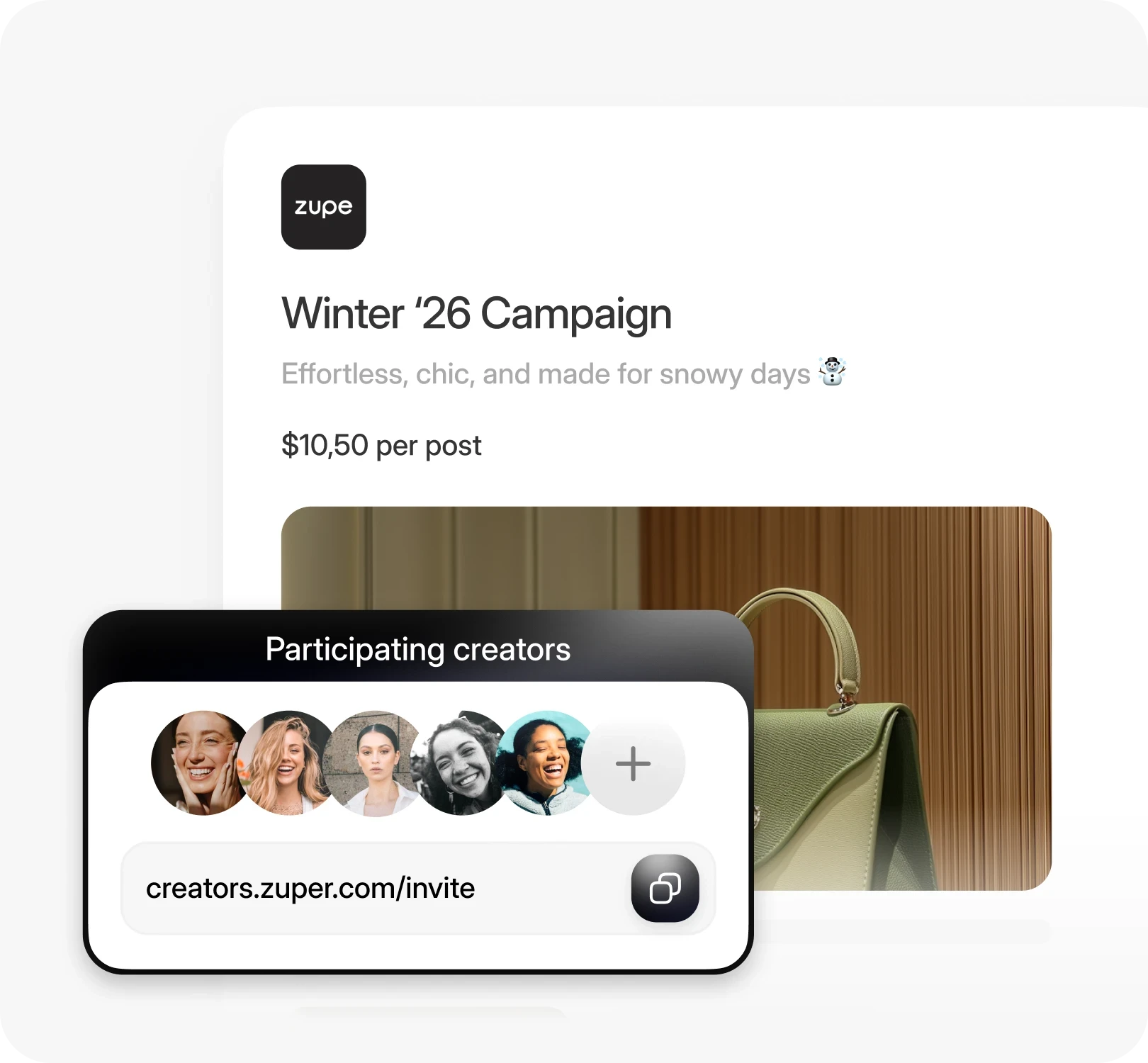
Create campaign structures that automatically roll into the next activation cycle. Define content deliverables, deadlines, product shipment schedules, and messaging frameworks once, then adjust only what changes each month. This eliminates the repetitive setup work that bogs down lean marketing teams managing monthly or bi-weekly creator activations.
Creator Onboarding and Tiering
Onboard creators through branded application forms that capture audience demographics, content style, platform presence, and subscription product preferences. Automatically tier creators into ambassador levels (e.g., micro, mid-tier, macro) with corresponding compensation structures, whether that is free product, commission-based affiliate payouts, or flat fees per deliverable.
Brief Management with Version Control
Distribute detailed creative briefs that include product talking points, do-and-don't lists, hashtag requirements, disclosure language, and visual references. When briefs are updated mid-cycle, creators receive notifications and the platform tracks which version each creator acknowledged, eliminating confusion about outdated instructions.
Content Submission and Approval Workflows
Creators submit drafts directly into the platform. Brand teams review, request revisions, or approve content with timestamped feedback threads attached to each asset. Approval status is visible at a glance across the entire creator roster, so program managers can instantly identify bottlenecks before deadlines pass.
Centralized UGC Library with Usage Rights Tracking
Every approved asset is stored in a searchable content library tagged by creator, campaign cycle, product, content format, and performance data. Usage rights and expiration dates are tracked per asset, so teams know exactly which content can be repurposed for paid ads, website embeds, or email without legal risk.
Affiliate Link and Promo Code Management
Generate unique tracking links and discount codes for each creator. For subscription brands running affiliate creator programs, the platform tracks clicks, trial sign-ups, first-box conversions, and ongoing subscription revenue attributed to each creator's links, giving a clear picture of creator-driven LTV.
Automated Reminders and Deadline Tracking
Set automated nudges for creators approaching content deadlines, product shipment confirmations, or brief acknowledgment windows. Reduce the manual follow-up load that consumes hours every week when managing 50 or more active creator relationships simultaneously.
Performance Dashboards by Creator and Cycle
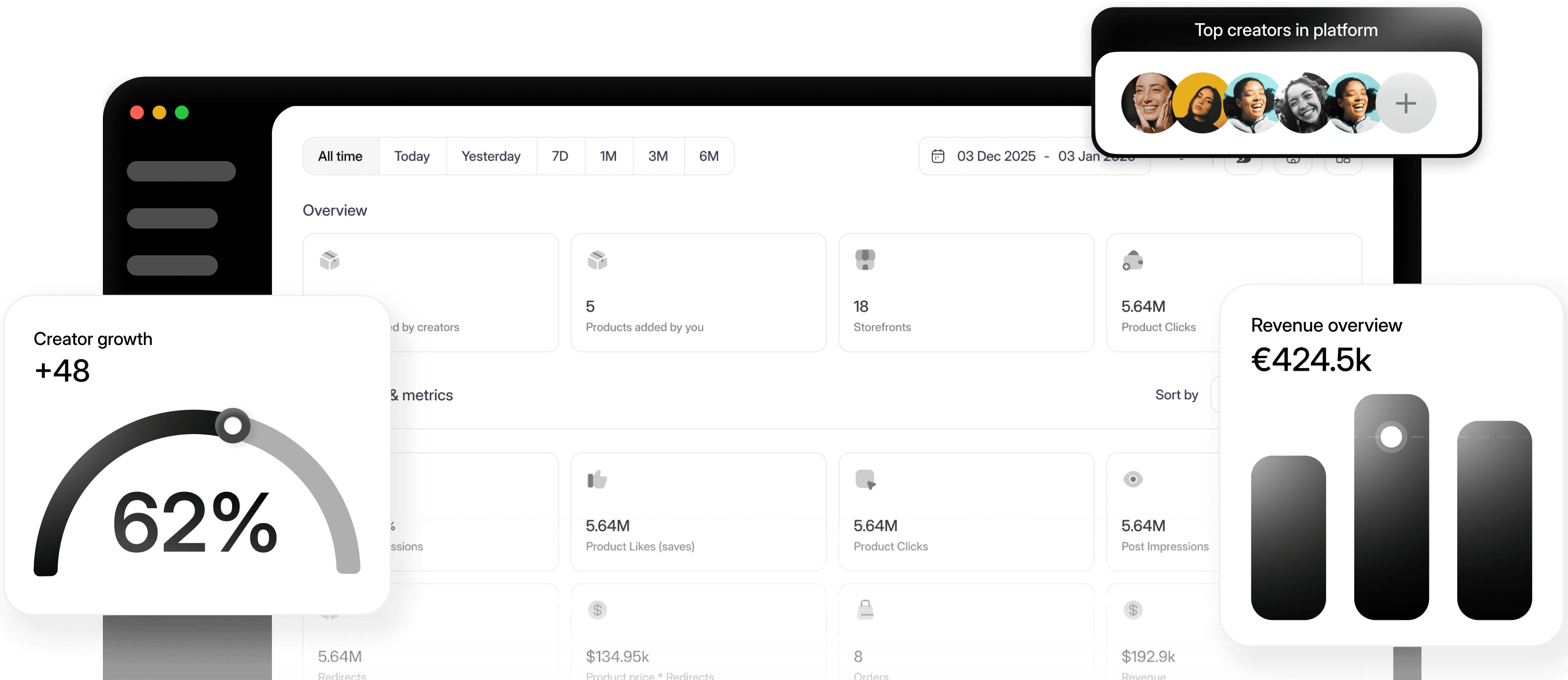
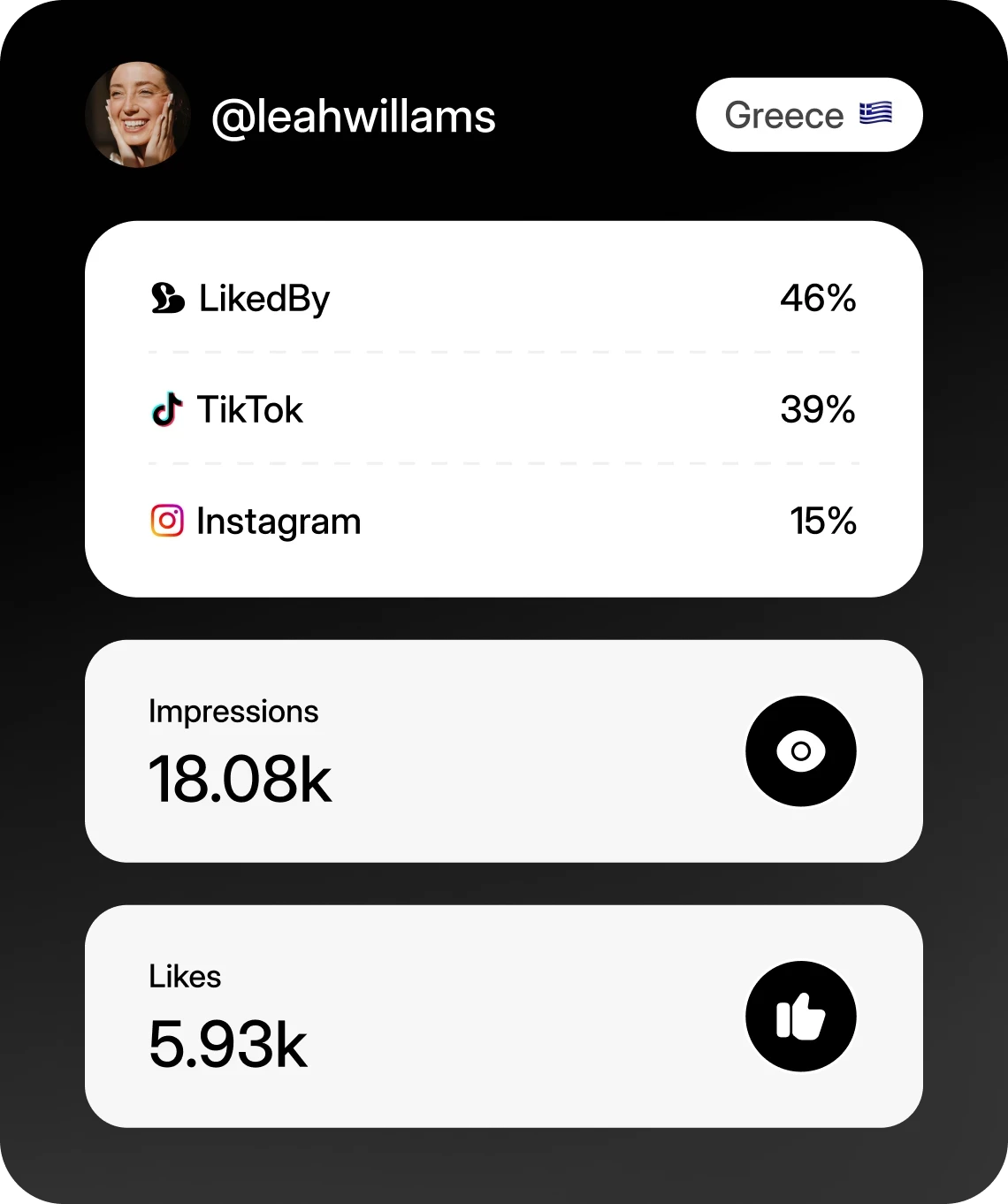
View creator performance across individual cycles and longitudinally over the lifetime of the partnership. The creator analytics dashboard surfaces engagement rates, content output consistency, audience growth, click-through rates, and conversion metrics tied to subscription sign-ups and retention.
Use Cases for Subscription Brand Teams
Monthly Unboxing Activation for a Beauty Subscription Box
A beauty subscription brand activates 80 micro-influencers each month to create unboxing content featuring that month's curated product selection. Each creator receives the box five days before the public ship date, submits a draft video within 48 hours, and publishes approved content on launch day. Briefs rotate messaging angles monthly, highlighting ingredient stories one month, value comparisons the next, and subscriber testimonials the following cycle. The brand tracks which messaging themes generate the highest trial-start rates and adjusts future briefs accordingly.
Seasonal Retention Campaign for a Meal Kit Service
A meal kit subscription brand runs a quarterly retention-focused creator campaign targeting existing subscribers at risk of cancellation. Creators who are genuine long-term subscribers share content about their favorite recipes, meal prep routines, and how the service fits into their weekly schedule. The content is collected, approved, and embedded as shoppable testimonials on the brand's cancellation-flow landing page and in win-back email sequences, directly addressing common churn reasons with authentic creator voices.
Tiered Ambassador Program for a Supplement Subscription
A supplement subscription company structures its creator program into three tiers: product-only gifting for nano-influencers, commission-based affiliate partnerships for mid-tier fitness creators, and paid retainer deals for top-performing ambassadors. Each tier has distinct brief requirements, content cadences, and performance benchmarks. The program manager uses a centralized CRM to track tier progression, automatically upgrading creators who consistently exceed engagement and conversion thresholds over three consecutive months.
Limited-Edition Drop Activation for a Pet Care Subscription
A pet care subscription brand launches a limited-edition holiday box and activates 40 creators for a two-week blitz campaign. Creators receive the box early, produce teaser content during week one, and publish full reveal content with exclusive subscriber discount codes during week two. The brand monitors real-time sign-up attribution by creator, reallocating paid amplification budget toward the top five performing creators' content within the first 72 hours of the campaign window.
Weekly and Monthly Operational Workflow
Running a recurring creator program for a subscription brand requires disciplined operational cadence. Below is a practical workflow that subscription brand teams follow to keep activations on track cycle after cycle.
Cycle Planning and Brief Preparation (Month Start, Days 1–3)
Review the upcoming month's product lineup, promotional calendar, and messaging priorities. Update the recurring campaign template with new product details, talking points, and any adjusted deliverable requirements. Lock the brief and prepare it for distribution.
Creator Roster Review and Outreach (Days 3–5)
Review the active creator roster in the CRM. Identify any creators who have dropped off or underperformed in recent cycles. Reach out to replacement candidates from the pipeline. Confirm participation from returning creators and send updated briefs to the full roster.
Product Shipment Coordination (Days 5–8)
Trigger product shipments to all confirmed creators. Track shipping status within the platform. Send automated confirmation requests to creators upon estimated delivery, ensuring everyone has received their box before the content creation window opens.
Content Creation Window (Days 8–18)
Creators produce content according to brief specifications. Automated reminders fire at the midpoint and two days before the deadline. Creators submit drafts directly into the platform for review.
Content Review and Approval (Days 18–22)
Brand team reviews submitted content, provides feedback or revision requests through in-platform threads, and approves final assets. Approved content is automatically tagged and stored in the UGC library with usage rights metadata.
Publish Window and Amplification (Days 22–28)
Creators publish approved content on their channels during the designated window. The brand monitors real-time engagement and conversion metrics. Top-performing content is flagged for paid amplification or repurposing on owned channels, including embedding as shoppable content on product and landing pages.
Performance Review and Reporting (Month End, Days 28–30)
Pull cycle performance reports from the analytics dashboard. Evaluate each creator's engagement rate, click-through rate, attributed trial starts, and subscriber conversion rate. Compare performance against previous cycles to identify trends. Share a summary report with leadership and use findings to inform next cycle's brief and roster decisions.
Creator Relationship Management (Ongoing)
Throughout the month, maintain communication with creators through the CRM. Acknowledge top performers, address questions or concerns promptly, and nurture the pipeline of prospective creators for future onboarding. Update creator tier assignments based on cumulative performance data.
Key Performance Metrics for Subscription Brand Creator Programs
Tracking the right KPIs ensures your creator program drives measurable subscriber growth, not just impressions. These are the metrics subscription brand teams monitor within the Socialscale platform.
Creator Activation Rate: Percentage of rostered creators who complete all deliverables within a given cycle. Target: 85%+ for mature programs.
Content Approval Turnaround Time: Average hours from content submission to final approval. Reducing this metric directly accelerates time-to-publish.
Content Output per Creator per Cycle: Number of approved assets delivered by each creator per activation period, tracked over time to identify consistency trends.
Click-Through Rate (CTR): Percentage of audience members who click creator-specific tracking links or promo codes, measured per creator and per content format.
Trial Start Rate: Number of new subscription trials attributed to creator content, segmented by creator tier, platform, and messaging theme.
First-Box Conversion Rate (CVR): Percentage of trial starts that convert to a paid first subscription box, indicating content quality and audience-product fit.
Subscriber Retention by Creator Cohort: Retention rate of subscribers acquired through specific creators at 30, 60, 90, and 180-day intervals. This is the most critical metric for subscription brands.
Revenue per Creator (GMV): Total gross merchandise value attributed to each creator over a defined period, including initial and recurring subscription revenue.
Cost per Acquisition (CPA): Total creator program cost divided by number of new subscribers acquired, benchmarked against paid media CPA for channel comparison.
ROAS on Creator Program Spend: Return on ad spend equivalent for creator investments, calculated using attributed subscription revenue over the program cost including product gifting, fees, and commissions.
Content Repurposing Rate: Percentage of creator-generated assets reused in paid media, email, or on-site placements, indicating how effectively the UGC library is being leveraged.
Scenario: Scaling a Creator Program for a Wellness Subscription Brand
A direct-to-consumer wellness supplement subscription brand was running its creator program across a combination of spreadsheets, email threads, and a generic project management tool. The team managed 35 active creators producing monthly content tied to their flagship daily vitamin subscription.
The Problem
Content deadlines were missed by 40% of creators each cycle because briefs were buried in email. The team spent 12+ hours per week on manual follow-ups. Product shipment tracking was handled in a separate spreadsheet with no connection to content status. Performance data was pulled manually from each social platform and reconciled in a quarterly report that arrived too late to inform budget decisions. The brand had no visibility into which creators drove subscribers who stayed beyond the second month.
The Shift
The brand consolidated its entire creator operation into Socialscale. Recurring campaign templates were set up for monthly activations. Creator onboarding moved to branded intake forms feeding directly into the CRM. Automated reminders replaced manual follow-up emails. Content submission and approval happened in-platform with threaded feedback. Affiliate tracking links were generated per creator with attribution flowing through to Shopify subscription data.
Results After Four Months
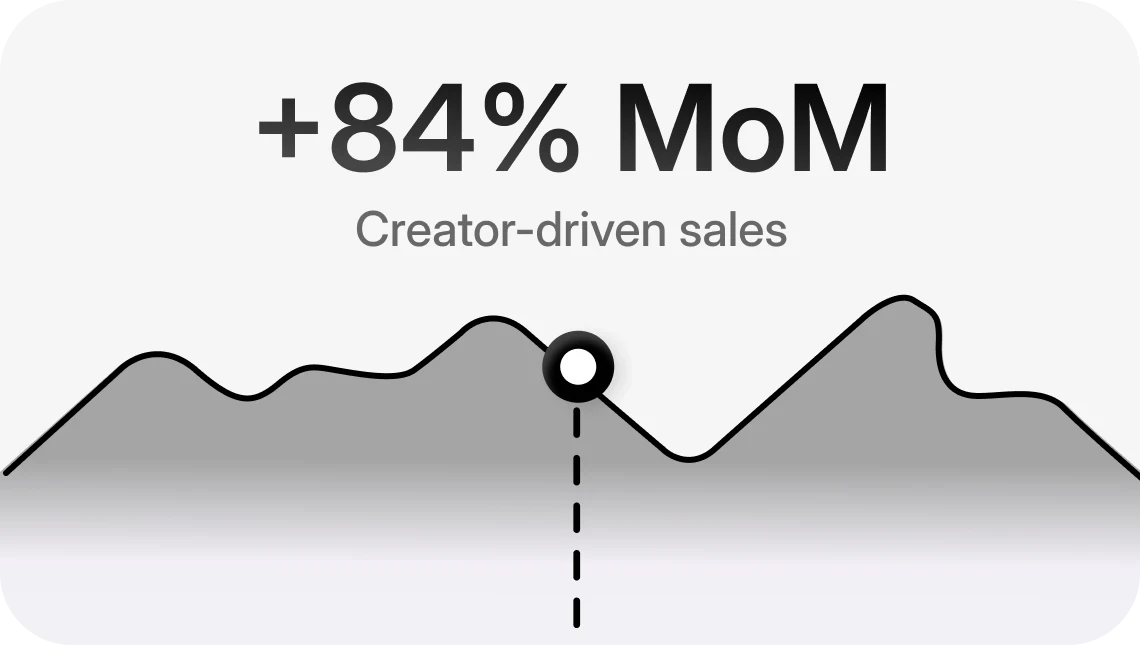
The brand expanded from 35 to 90 active creators without adding headcount. Content deadline compliance improved from 60% to 92%. Weekly operational time on creator management dropped from 12 hours to under 4 hours. The team identified that creators producing "morning routine" content drove subscribers with 2.3x higher 90-day retention than creators producing standard product review content. Budget was reallocated accordingly, reducing overall CPA by 31%. Creator-generated content repurposed on product pages via shoppable widgets contributed to a 17% increase in on-site conversion rate for subscription landing pages. Total creator-attributed subscriber revenue grew 68% over the four-month period.
Frequently Asked Questions
How does Socialscale handle recurring activations differently from standard influencer platforms?
Most influencer marketing software treats each campaign as a standalone project. Socialscale supports recurring campaign templates that carry forward creator assignments, brief structures, and performance baselines from cycle to cycle. This means subscription brands don't rebuild their activation infrastructure every month. Historical data accumulates per creator, enabling longitudinal performance analysis that one-off campaign tools simply cannot provide.
Can I track which creators drive subscribers who actually stay beyond the first box?
Yes. By connecting Socialscale with your Shopify store and subscription management tools, you can attribute not just the initial trial or first-box purchase but ongoing subscription renewals to specific creators. This subscriber retention data by creator cohort is surfaced in the analytics dashboard, allowing you to identify which creators attract high-LTV subscribers versus one-and-done buyers.
How does the platform manage content rights for repurposing creator assets?
Every content asset submitted through Socialscale is tagged with usage rights metadata, including permitted channels, duration of rights, and expiration dates. When rights approach expiration, the platform flags the asset so your team can renegotiate or retire the content. This prevents legal exposure when repurposing UGC in paid ads, email campaigns, or on-site shoppable widgets.
What size creator program is Socialscale designed for?
Socialscale supports programs ranging from 20 active creators to several hundred. The platform's automation features, including brief distribution, deadline reminders, content ingestion, and performance tracking, are specifically designed to reduce the per-creator operational burden so lean teams can scale without proportionally increasing headcount or hours spent on manual coordination.
How quickly can a subscription brand get up and running on Socialscale?
Most subscription brand teams complete initial setup within one to two weeks, including importing their existing creator roster, configuring their first recurring campaign template, and connecting their Shopify store. Teams that book a demo receive a guided onboarding process tailored to their specific subscription model, product cadence, and creator program structure.