Creator Collaboration Software Built for Social Media Agencies
Social media agencies juggle dozens of creator relationships across multiple client accounts, and the complexity only grows as brands demand more authentic, shoppable content at scale. Without a centralized system for managing collaborations, content approval pipelines for influencers break down fast — briefs get lost in email threads, feedback loops drag on for days, and deliverables miss posting windows that cost clients real revenue.
The shift toward social commerce has made this even more urgent. Agencies are no longer just producing awareness campaigns; they are responsible for driving measurable sales through creator storefronts, affiliate creator programs, and embedded shoppable content. Every delayed approval or misplaced asset directly impacts conversion rates and client retention.
Socialscale gives social media agencies a purpose-built operating system to run creator collaborations end-to-end — from onboarding and briefing to content review, approval, and performance tracking — so nothing falls through the cracks and every piece of creator content moves from draft to revenue as efficiently as possible.
Managing Multi-Client Creator Rosters Without a Central System
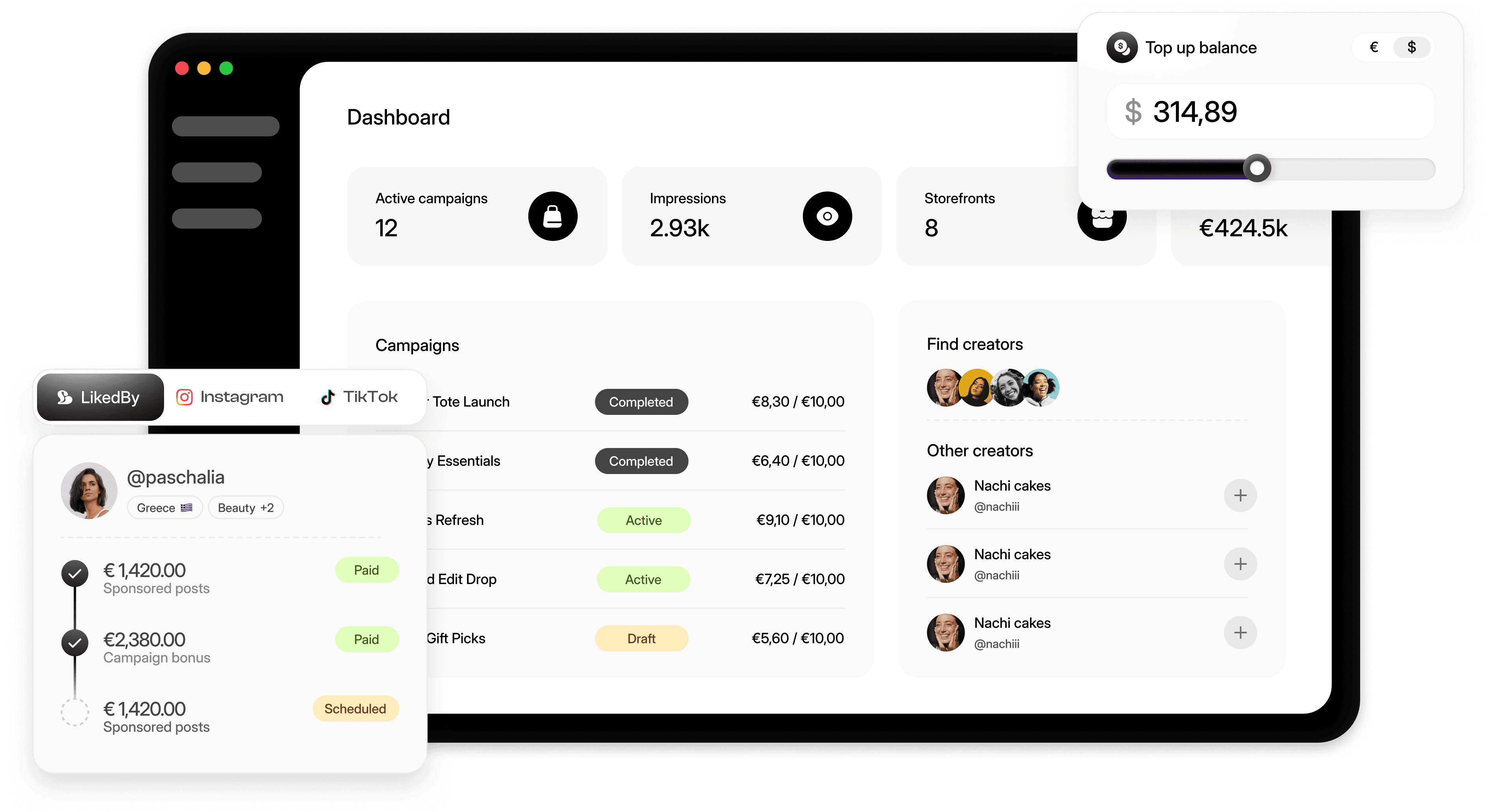
Most agencies manage creators across five, ten, or even fifty client accounts simultaneously. Without a unified creator CRM, teams waste hours cross-referencing spreadsheets, DMs, and email chains just to confirm who is working on what campaign and for which client.
Content Approval Bottlenecks That Kill Campaign Timelines
Content approval pipelines for influencers typically involve the agency team, the client's brand manager, and sometimes legal review. When these approvals happen across Slack threads, email, and Google Docs, rounds of feedback stack up and creators miss their posting deadlines.
Inconsistent Briefing Across Account Teams
Different account managers brief creators differently. Without standardized templates and workflows, the quality and format of deliverables vary wildly — leading to more revision cycles and frustrated creators who may churn from the program entirely.
Asset Disorganization Across Campaigns and Clients
Agencies produce hundreds of content assets monthly. Photos, videos, captions, and usage rights documents end up scattered across Dropbox folders, Google Drive, and individual hard drives with no tagging or searchability.
No Visibility Into Creator Performance by Client
Clients expect weekly or monthly reports showing which creators drove engagement, clicks, and sales. Agencies that cannot segment performance data by client, campaign, or creator type spend hours manually compiling reports instead of optimizing programs.
Scaling Affiliate and Commission Programs
As agencies expand into social commerce, they need to track affiliate links, commission structures, and creator-attributed revenue per client. Doing this manually across multiple platforms introduces errors and delays in creator payouts.
Onboarding New Creators at Speed
When a new client signs on or a campaign requires fresh talent, agencies need to onboard creators quickly — collecting tax forms, setting up payment details, sharing brand guidelines, and assigning them to campaigns within days, not weeks.
Project Management Tools Were Not Built for Creator Workflows
Tools like Asana, Monday, or Trello can track tasks, but they have no concept of a creator profile, content approval stages, asset libraries, or performance analytics. Agencies end up building fragile workarounds that break as soon as the team scales or a new client comes on board.
Email and Spreadsheets Create Dangerous Information Gaps
When content approvals live in email and creator rosters live in spreadsheets, there is no single source of truth. Account managers leave, files get mislabeled, and critical context — like a client's brand guidelines or a creator's contract terms — disappears. This is especially damaging when agencies manage content approval pipelines for influencers across ten or more brands simultaneously.
Influencer Marketing Platforms Focus on Discovery, Not Operations
Many influencer marketing software tools are built primarily for finding creators. They offer large databases and audience analytics, but their collaboration features are shallow — limited commenting, no multi-stage approval workflows, and minimal asset management. Agencies need operational depth, not just a search engine for influencers.
Disconnected Analytics Make Reporting a Manual Chore
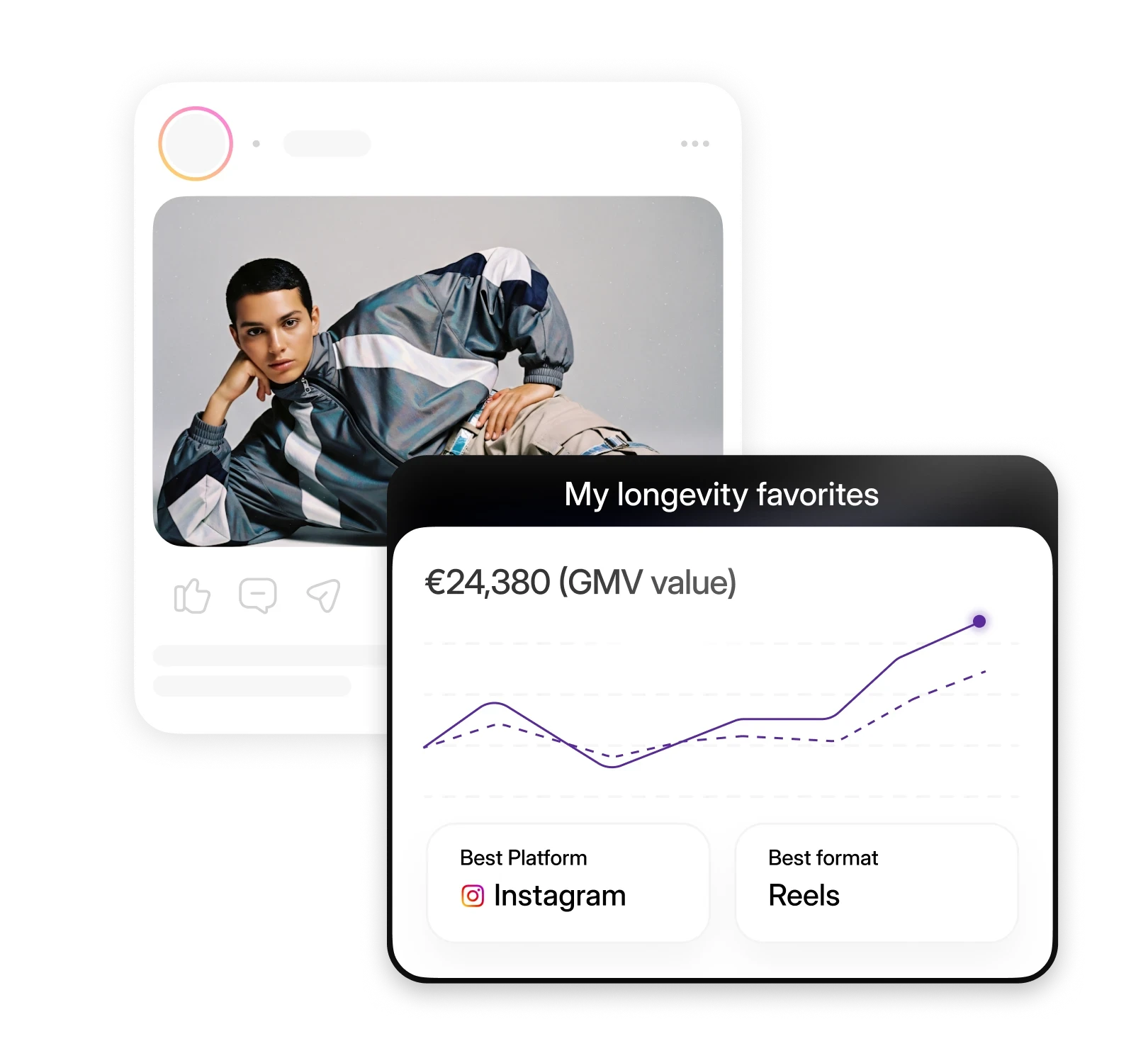
When performance data lives in Instagram Insights, TikTok Analytics, Shopify dashboards, and affiliate network portals, compiling a single client report requires hours of manual data pulling and formatting. This is unsustainable at agency scale and introduces errors that erode client trust.
How Socialscale Solves Creator Collaboration for Social Media Agencies
Socialscale is built as the complete operating system for agencies running creator programs across multiple clients. Rather than stitching together five or six disconnected tools, agencies get a single platform that handles every stage of the creator lifecycle — from recruitment and onboarding through content approval, publishing, and revenue tracking.
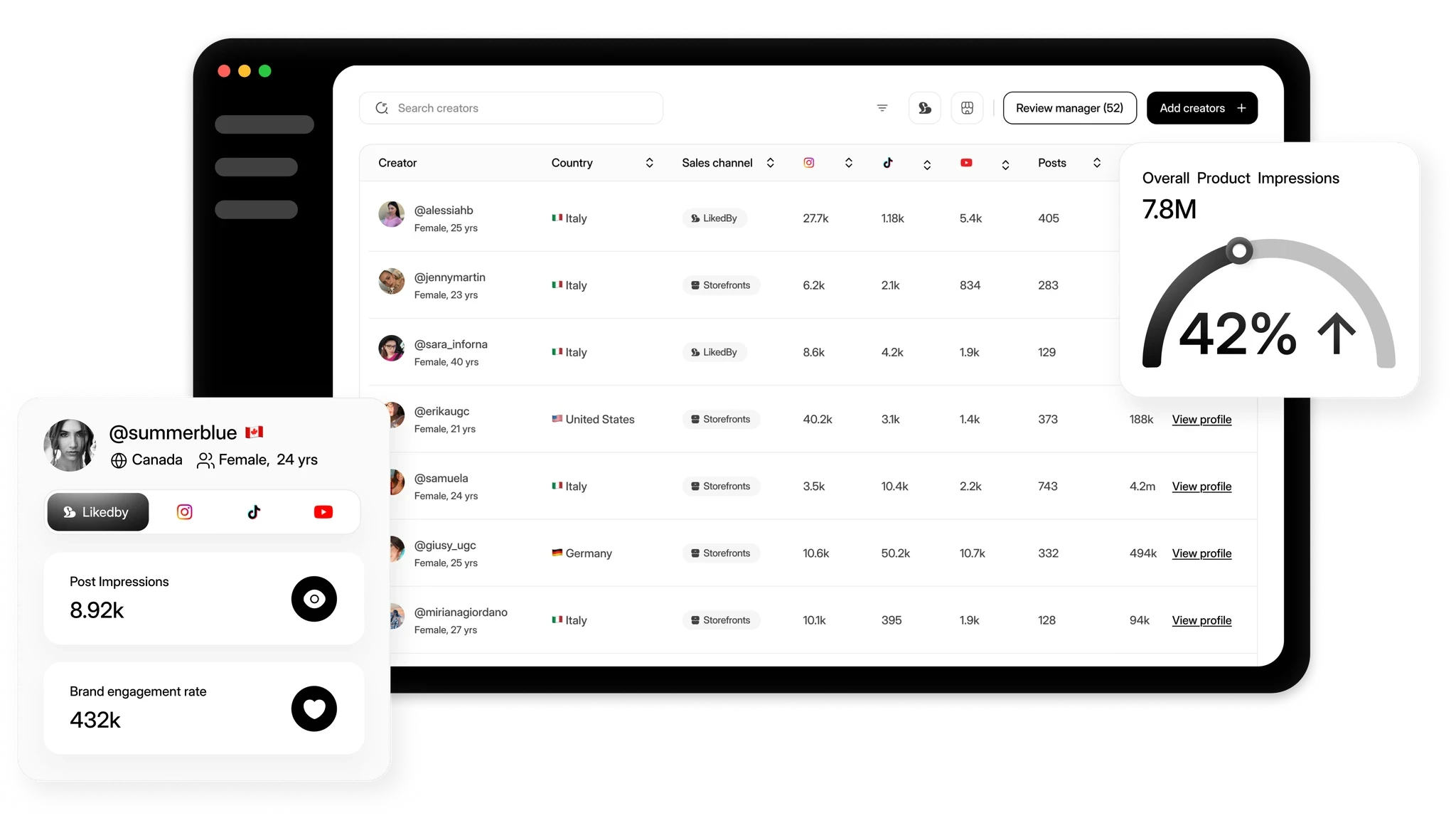
At the core is a powerful creator CRM that lets agencies organize their entire creator roster by client, campaign, niche, tier, and performance history. Every interaction, deliverable, and contract lives in one place, so any team member can pick up where another left off without losing context.
The creator collaborations module provides structured workflows for briefing, content submission, multi-stakeholder review, and approval — eliminating the email chaos that slows down campaigns. Agencies can configure approval pipelines per client, ensuring that brand managers, legal teams, and creative directors all review content in the right order before it goes live.
Once content is approved, agencies can store and organize every asset in Creator Drive, tagged by client, campaign, content type, and usage rights. This makes it easy to repurpose high-performing UGC across channels and provide clients with a searchable library of all their creator content. Combined with built-in creator analytics, agencies can report on performance at the creator, campaign, and client level without ever opening a spreadsheet.
Feature Breakdown: What Agencies Actually Use Daily
Multi-Stage Content Approval Pipelines
Configure approval workflows that match each client's review process. Set up sequential or parallel review stages — for example, agency creative review first, then client brand manager approval, then legal sign-off. Each reviewer gets notified automatically, can leave inline feedback, and approve or request revisions directly within the platform. No more chasing approvals across email and Slack.
Client-Segmented Creator CRM
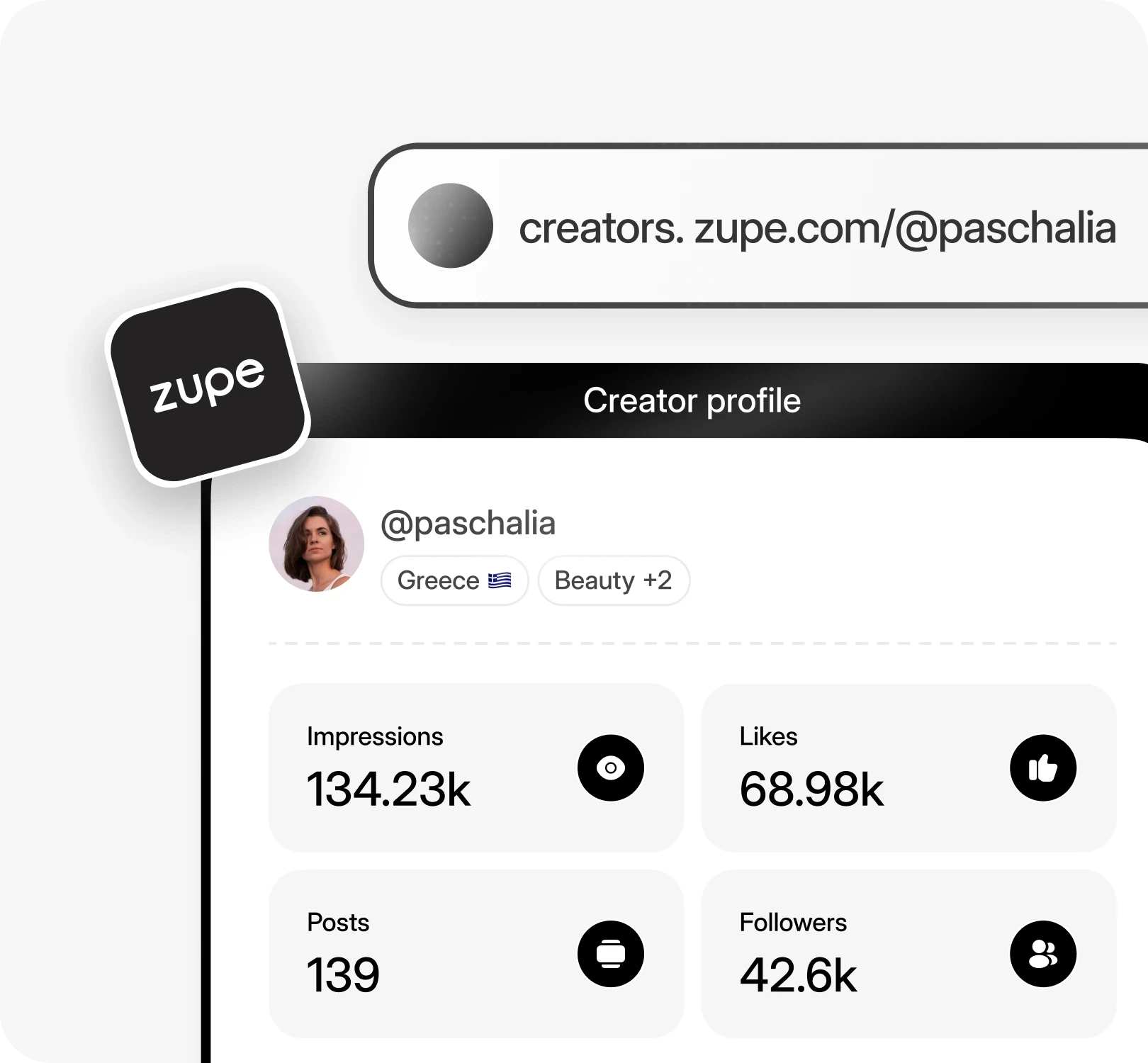
Organize your entire creator roster with client-level segmentation. Tag creators by brand affinity, content style, audience demographics, and past performance. When a new campaign launches, filter your roster instantly to find the right creators for the brief. Track every touchpoint — outreach, contracts, deliverables, payments — in a single creator profile.
Standardized Campaign Briefing Templates
Create reusable brief templates for each client that include brand guidelines, content specifications, do's and don'ts, hashtag requirements, and FTC disclosure instructions. When you assign a creator to a campaign, they receive a structured brief with everything they need — reducing back-and-forth questions and ensuring consistent output quality.
Centralized Asset Library with Smart Tagging
Every piece of approved content — photos, videos, captions, stories — is automatically stored and tagged by client, campaign, creator, content format, and usage rights expiration date. Account managers can search and retrieve assets in seconds, share curated collections with clients, and identify top-performing content for repurposing across paid media or shoppable widgets.
Creator Performance Dashboards by Client and Campaign
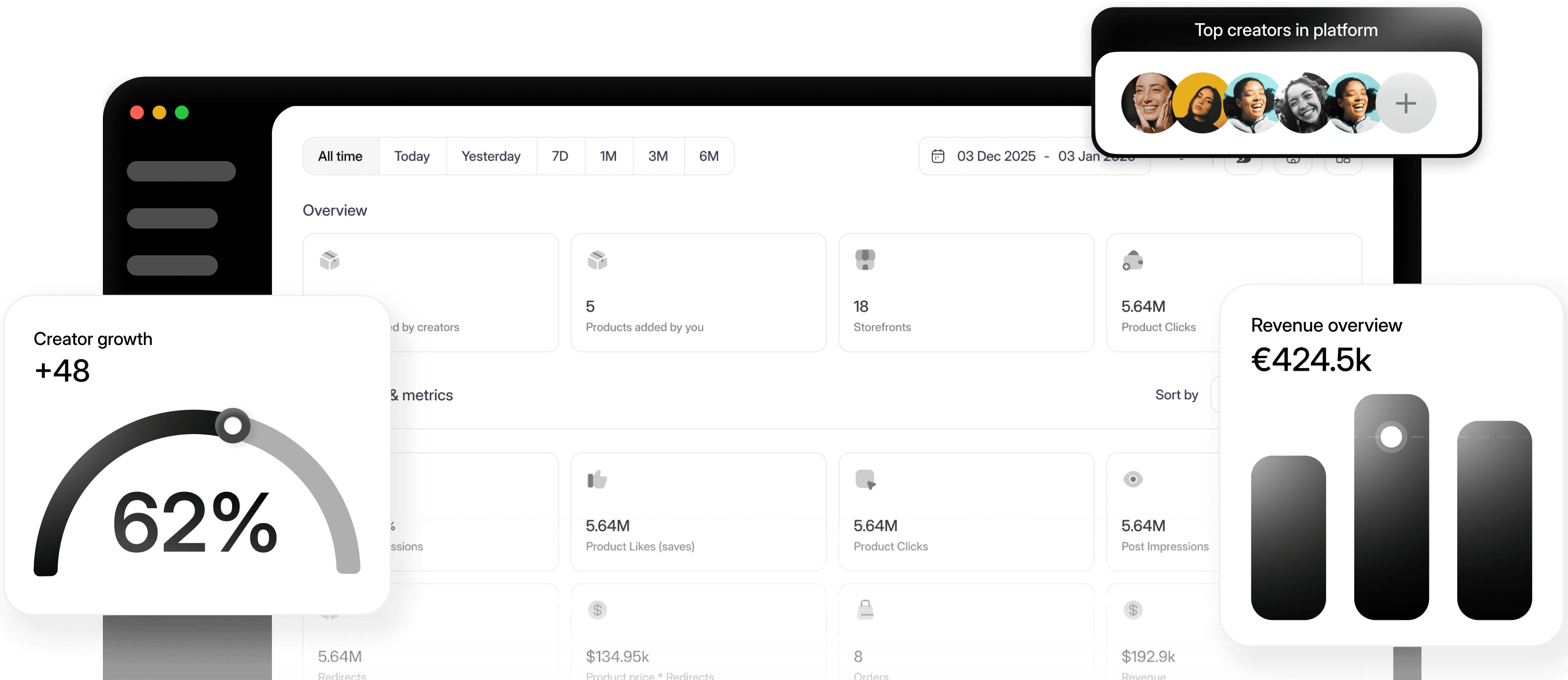
Track engagement rates, reach, click-through rates, conversion rates, and revenue attribution at the individual creator level, then roll it up by campaign or client. Generate client-ready reports without manual data compilation. Identify which creators consistently deliver ROI and which need to be replaced or re-briefed.
Shoppable Content Embedding
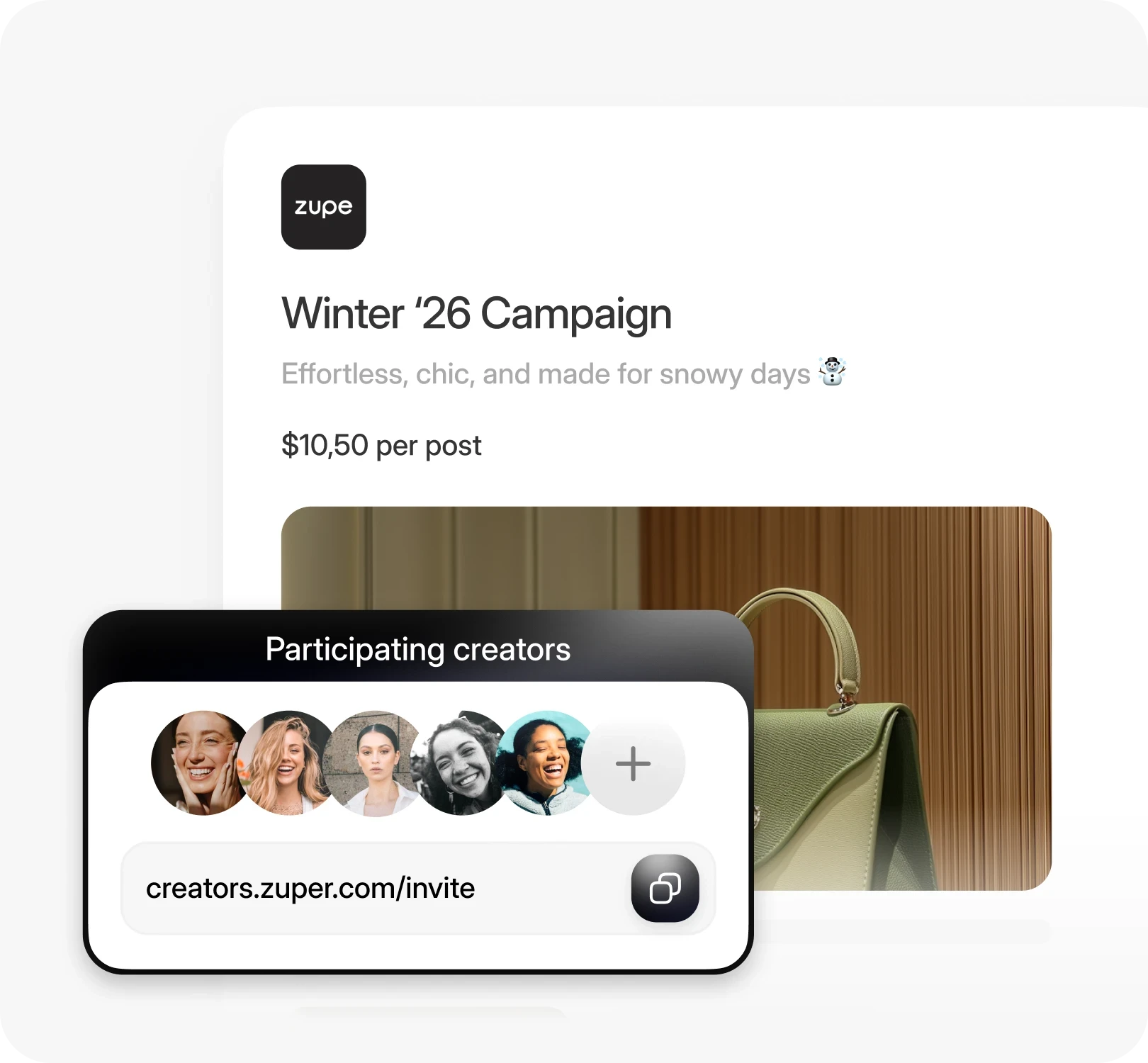
For agencies managing social commerce programs, Socialscale enables embedding approved creator content as shoppable widgets directly on client e-commerce sites. This turns UGC into a revenue-generating asset, not just a social media post, and gives agencies a powerful value proposition for client retention.
Affiliate Link and Commission Tracking
Assign unique affiliate links or discount codes to each creator per client campaign. Track clicks, conversions, and revenue attributed to each creator. Automate commission calculations so agencies can process creator payouts accurately and on time, even across dozens of simultaneous programs.
Real-World Use Cases for Social Media Agencies
1. Multi-Brand Holiday Campaign Coordination
A mid-size social media agency manages holiday campaigns for eight e-commerce clients simultaneously. Each client has 15–30 creators producing Instagram Reels, TikTok videos, and Instagram Stories over a six-week window. The agency uses structured content approval pipelines to route each piece of content through internal creative review and client approval within 48 hours. Centralized briefing templates ensure every creator across all eight brands receives clear, consistent instructions — reducing revision requests by half compared to the previous year's email-based process.
2. Always-On Affiliate Creator Program for a DTC Beauty Brand
An agency runs a year-round affiliate creator program for a direct-to-consumer beauty brand. Fifty micro-influencers receive monthly product drops and create shoppable content linked to the brand's Shopify store. The agency tracks each creator's affiliate revenue, identifies top performers for increased commission tiers, and uses the asset library to curate the best-performing UGC for the brand's product pages and paid social campaigns. Monthly performance reports are generated directly from the platform and shared with the client in under 30 minutes.
3. Rapid Creator Onboarding for a New Client Launch
A social media agency wins a new fitness apparel client and needs to launch a creator program within two weeks. The team uses the creator CRM to identify 25 fitness creators from their existing roster who match the brand's aesthetic and audience profile. Onboarding workflows collect W-9 forms, content agreements, and shipping addresses in a single intake flow. Creators receive their first campaign brief within three days of signing, and the first round of content enters the approval pipeline by the end of week one.
4. UGC Repurposing Strategy Across Paid and Organic Channels
An agency managing social commerce for a home goods brand collects over 200 pieces of creator content per quarter. Rather than letting approved assets sit idle after their initial social post, the team uses the centralized asset library to tag and categorize content by product, room type, and aesthetic. The paid media team pulls high-performing UGC for Facebook and Instagram ad creatives, while the e-commerce team embeds shoppable creator content on product detail pages — extending the value of every collaboration far beyond a single Instagram post.
Weekly Operational Workflow for Agency Teams
Running creator collaborations at agency scale requires a repeatable operational cadence. Here is how high-performing agency teams structure their week using Socialscale.
Monday: Campaign Planning and Creator Assignment
Account managers review upcoming campaign briefs for each client, finalize creator selections from the CRM based on performance history and availability, and send out campaign assignments with standardized briefs attached. New creators entering the roster are funneled through the onboarding workflow to collect contracts and payment details.
Tuesday–Wednesday: Creator Content Production Window
Creators produce content according to their briefs. The agency team monitors submission status in the collaboration dashboard, sends reminders to creators approaching deadlines, and answers any clarifying questions through the platform's messaging feature — keeping all communication tied to the specific campaign.
Thursday: Content Review and Approval Cycles
Submitted content enters the multi-stage approval pipeline. Agency creative directors review for quality and brand alignment first, then route approved drafts to the client's brand manager for final sign-off. Revision requests are sent back to creators with specific inline feedback, and re-submissions are tracked in the same thread.
Friday: Approved Content Scheduling and Asset Organization
Approved content is tagged, stored in the asset library by client and campaign, and scheduled for posting. For social commerce campaigns, shoppable widgets are updated with the latest approved UGC. Affiliate links and discount codes are verified and activated.
Weekly: Performance Check-In and Optimization
Account managers pull creator performance dashboards for each client, reviewing engagement rates, click-through rates, and conversion data. Underperforming creators are flagged for re-briefing or replacement. Top performers are noted for potential tier upgrades or expanded scope in upcoming campaigns.
Monthly: Client Reporting and Program Review
At month-end, the agency generates comprehensive performance reports for each client — covering creator output volume, content approval turnaround times, engagement benchmarks, affiliate revenue, and ROI metrics. These reports inform strategic recommendations for the next month's creator mix and campaign strategy.
Key Performance Indicators for Agency Creator Programs
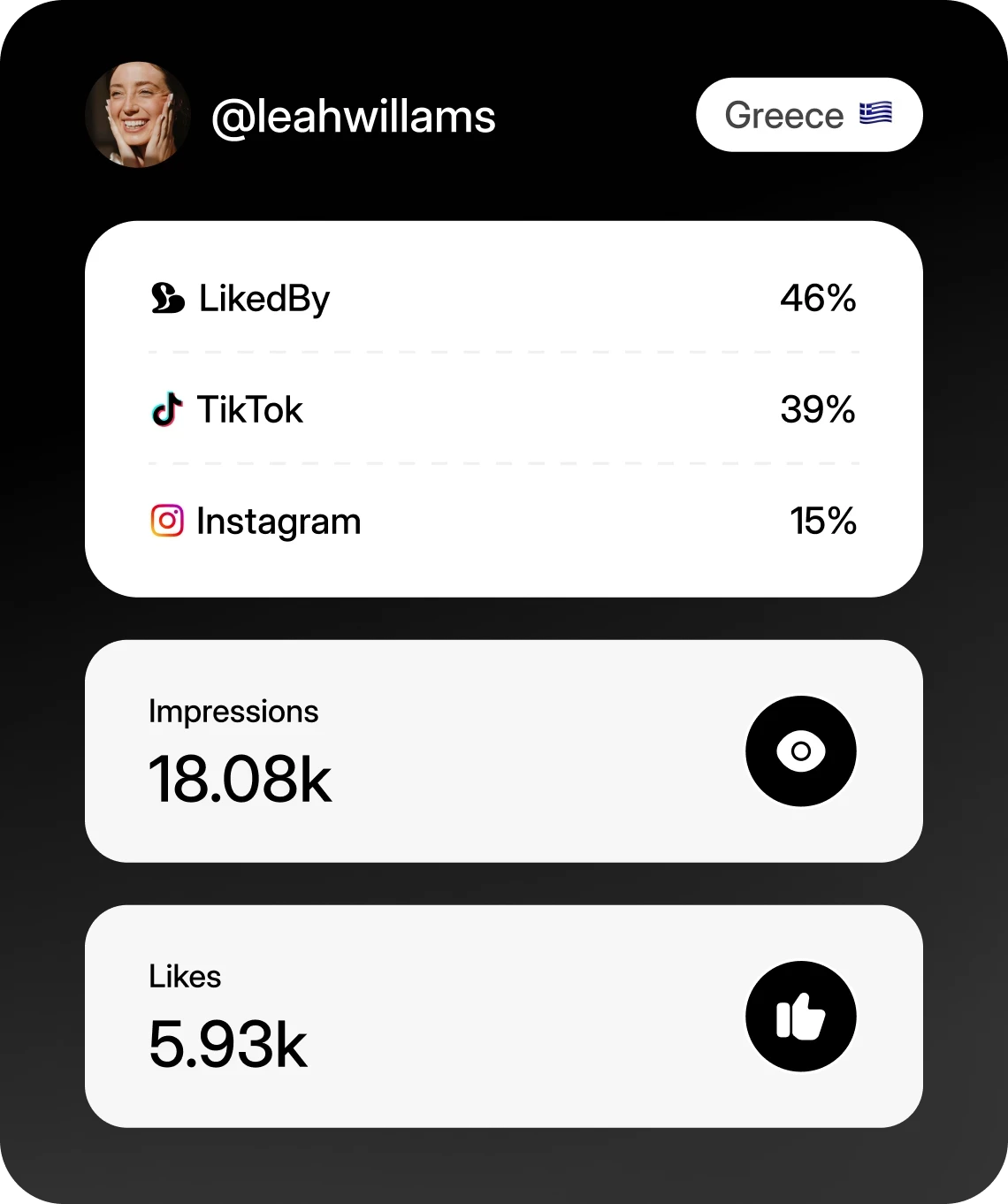
Agencies need to track metrics that demonstrate value to clients and optimize program performance over time. The following KPIs are essential for any agency running creator collaborations at scale.
Creator Activation Rate: Percentage of onboarded creators who submit content within the first campaign cycle. Target: above 85%.
Content Approval Turnaround Time: Average hours from content submission to final client approval. Benchmark: under 48 hours for standard campaigns.
Monthly Content Output per Creator: Number of approved deliverables produced per creator per month, segmented by content type and client.
Click-Through Rate (CTR): Percentage of viewers who click affiliate links or shoppable content embedded in creator posts.
Conversion Rate (CVR): Percentage of clicks that result in a completed purchase, tracked by creator and campaign.
Gross Merchandise Value (GMV): Total revenue generated through creator-attributed sales across all client programs.
Return on Ad Spend / Cost Per Acquisition (ROAS/CPA): For agencies running paid amplification of creator content, tracking the cost efficiency of boosted UGC versus traditional ad creatives.
Revision Rate: Percentage of submitted content requiring revisions before approval. A declining revision rate indicates improving brief quality and creator alignment.
Creator Retention Rate: Percentage of creators who continue participating across multiple campaign cycles, indicating program health and creator satisfaction.
Client Reporting Efficiency: Time spent generating monthly client reports. Target: under 30 minutes per client with automated dashboards.
Agency Scenario: Scaling Creator Programs Across Seven Clients
A 12-person social media agency based in Austin manages creator programs for seven e-commerce brands across fashion, beauty, and home goods. Before adopting a centralized creator collaboration platform, the team relied on a combination of Google Sheets for creator tracking, email for content approvals, Dropbox for asset storage, and manual spreadsheet calculations for affiliate commissions.
The problems were predictable and painful. Content approvals averaged 4.5 days because feedback bounced between email threads and Slack channels. Account managers spent roughly 6 hours per client per month compiling performance reports by pulling data from Instagram, TikTok, and Shopify individually. Creator onboarding took an average of 9 days due to manual contract collection and scattered communication.
After consolidating operations into a single creator marketing platform with structured approval pipelines, centralized asset management, and integrated performance tracking, the agency saw measurable improvements within the first quarter:
Content approval turnaround dropped from 4.5 days to 1.8 days — a 60% reduction.
Monthly reporting time per client decreased from 6 hours to 45 minutes.
Creator onboarding time was cut from 9 days to 3 days.
Revision rates dropped by 35% due to standardized briefing templates.
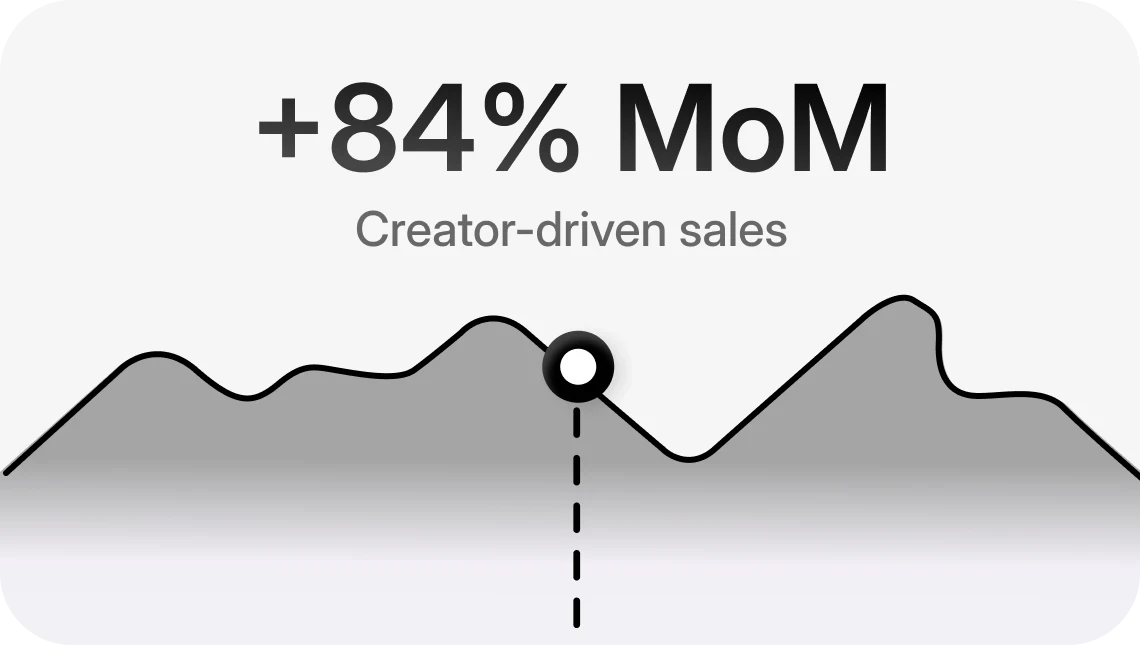
The agency was able to take on two additional clients without adding headcount, increasing revenue by 28% in the following quarter.
The operational efficiency gains also improved client satisfaction scores, with three clients expanding their creator program budgets based on the improved transparency and reporting quality.
Frequently Asked Questions
How does Socialscale handle content approval pipelines for influencers across multiple clients?
Socialscale allows agencies to configure unique approval workflows for each client account. You can set up sequential review stages — for example, internal agency review followed by client brand manager approval and optional legal review. Each stage has automated notifications, inline feedback tools, and revision tracking, so content moves through the pipeline without getting lost in email.
Can we manage creators who work across multiple client accounts?
Yes. The creator CRM supports tagging creators by client, campaign, and program type. If a creator works with multiple brands in your portfolio, their profile maintains separate campaign histories, deliverables, and performance data for each client — preventing any cross-contamination of brand assets or data.
How does the platform support social commerce and shoppable content for agency clients?
Socialscale enables agencies to embed approved creator content as shoppable widgets on client e-commerce sites. These widgets connect to the client's product catalog, allowing consumers to purchase directly from creator content. Combined with affiliate link tracking and Shopify integration, agencies can attribute revenue directly to specific creators and campaigns.
What does creator onboarding look like for agencies adding new talent at scale?
Agencies can set up onboarding workflows that collect contracts, tax forms, payment details, and shipping addresses through a single intake flow. Creators receive a branded onboarding experience with client-specific brand guidelines and content expectations. The entire process is tracked in the platform, so account managers can see exactly where each creator is in the onboarding pipeline.
How quickly can an agency get started with Socialscale?
Most agencies are fully operational within one to two weeks. The setup process involves importing your existing creator roster, configuring client-specific approval workflows, and connecting integrations like Shopify and Instagram. Socialscale's team provides onboarding support to ensure your workflows are configured correctly from day one. You can book a demo to see the platform in action and discuss your specific agency setup.