Creator Collaboration Software Built for PR Agencies
PR agencies manage dozens of client accounts simultaneously, each with unique messaging requirements, brand guidelines, and creator rosters. Coordinating influencer collaborations across these accounts without a centralized system leads to missed deadlines, inconsistent content, and reporting gaps that erode client confidence. Creator collaboration software designed for PR workflows solves these problems by giving teams a single operating layer for every creator touchpoint.
As social commerce reshapes how consumers discover and purchase products, PR agencies are no longer just pitching stories — they are orchestrating creator-driven campaigns that generate shoppable content, drive measurable revenue, and build long-term brand equity. The agencies that adopt purpose-built influencer coordination systems gain a structural advantage: faster campaign launches, tighter content quality control, and transparent performance data that justifies retainer fees and scope expansions.
Socialscale provides the infrastructure PR agencies need to run creator programs end-to-end, from onboarding and briefing to asset management and performance tracking, all within a platform built for multi-client, multi-campaign complexity.
Core Challenges PR Agencies Face in Creator Collaborations
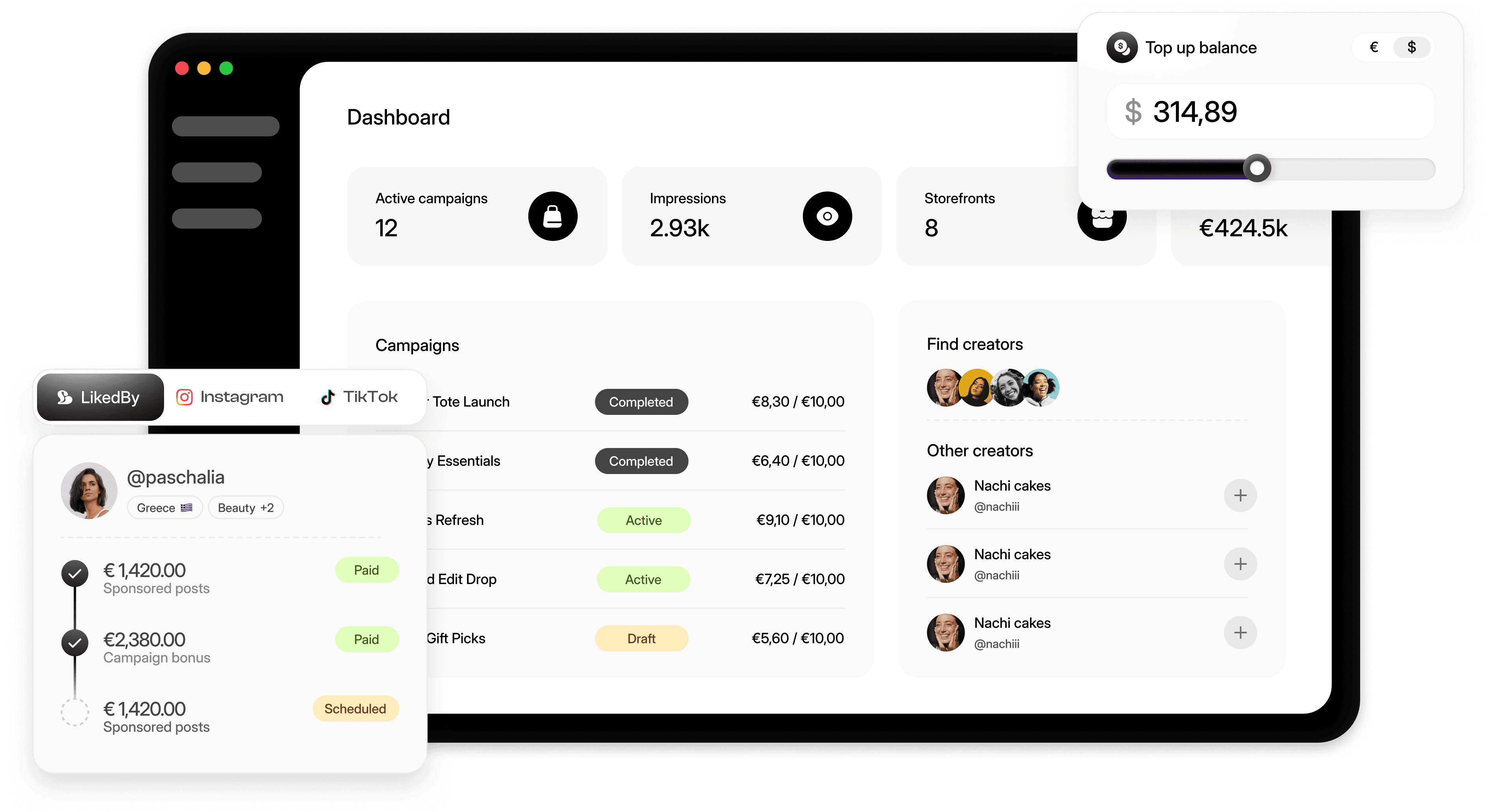
PR agencies operate under conditions that make creator coordination uniquely difficult. Unlike in-house brand teams managing a single roster, agencies juggle multiple client programs with overlapping timelines and competing priorities. Below are the most persistent operational challenges.
1. Multi-Client Creator Roster Management
Agencies often work with hundreds of creators across 10–30 client accounts. Without a unified creator CRM, teams lose track of which creators have exclusivity clauses, which ones have delivered for competing brands, and which are available for upcoming campaigns. Spreadsheets break down quickly at this scale.
2. Inconsistent Briefing and Approval Workflows
Each client has different brand guidelines, legal requirements, and approval chains. When briefs are sent via email and approvals happen in Slack threads, content revisions multiply, deadlines slip, and accountability becomes impossible to trace.
3. Content Asset Disorganization
PR campaigns generate enormous volumes of creator content — photos, videos, stories, reels, long-form posts. When these assets are scattered across Google Drive folders, email attachments, and DMs, agencies cannot efficiently repurpose content or provide clients with organized deliverable libraries.
4. Lack of Performance Transparency for Clients
Clients expect clear reporting on creator output, engagement metrics, and increasingly, commerce-driven KPIs like click-through rates and conversion data. Agencies that rely on manual screenshot-based reporting waste hours each week and still deliver incomplete pictures.
5. Creator Payment and Contract Tracking
Managing payment schedules, usage rights, and contract terms across dozens of active collaborations creates administrative overhead that pulls senior team members away from strategy work.
6. Scaling Without Proportional Headcount
Winning a new client account should not require hiring another coordinator. Yet without automation and structured workflows, agencies hit capacity ceilings that limit growth.
7. Difficulty Proving ROI Beyond Impressions
PR agencies historically report on earned media value and impressions. As clients shift budgets toward performance-oriented creator programs, agencies need systems that connect creator content to shoppable outcomes and revenue signals.
Why Traditional PR and Marketing Tools Fall Short
Email and Spreadsheet Workflows Cannot Scale
Most PR agencies start managing creator collaborations through email threads and shared spreadsheets. This works for a handful of creators on one client account. Once an agency manages 50+ active collaborations across multiple clients, these tools create information silos, version control nightmares, and zero visibility into pipeline status. A single missed email can derail a campaign timeline.
Generic Project Management Tools Lack Creator Context
Tools like Asana, Monday, or Trello are excellent for general project management but were not designed for creator program operations. They lack native features for creator profiles, content approval workflows, asset tagging by campaign, or performance metric tracking. Agencies end up building elaborate workarounds that are fragile and time-consuming to maintain.
Influencer Discovery Platforms Stop at the Search Phase
Many agencies subscribe to influencer discovery databases that help identify potential creators but offer no infrastructure for what happens after outreach — onboarding, briefing, content review, asset storage, and performance analysis. This forces teams to stitch together multiple disconnected tools, increasing the risk of data loss and workflow gaps.
Social Media Management Suites Ignore the Commerce Layer
Scheduling and publishing tools like Sprout Social or Hootsuite handle owned content distribution but do not address the creator collaboration lifecycle. They cannot manage creator storefronts, track affiliate link performance, or organize UGC assets for shoppable content deployment. As social commerce becomes central to PR campaign strategy, this gap becomes a liability.
Manual Reporting Destroys Margins
When agencies spend 4–6 hours per client per week compiling creator performance reports from multiple platforms, the labor cost erodes campaign margins. Clients also receive reports days after campaign milestones, reducing the agency's ability to optimize in real time.
How Socialscale Solves Creator Coordination for PR Agencies
Socialscale is the operating system for social commerce, purpose-built for teams that manage creator programs at scale. For PR agencies, it replaces the patchwork of spreadsheets, email chains, and disconnected tools with a single platform that handles every stage of the creator collaboration lifecycle.
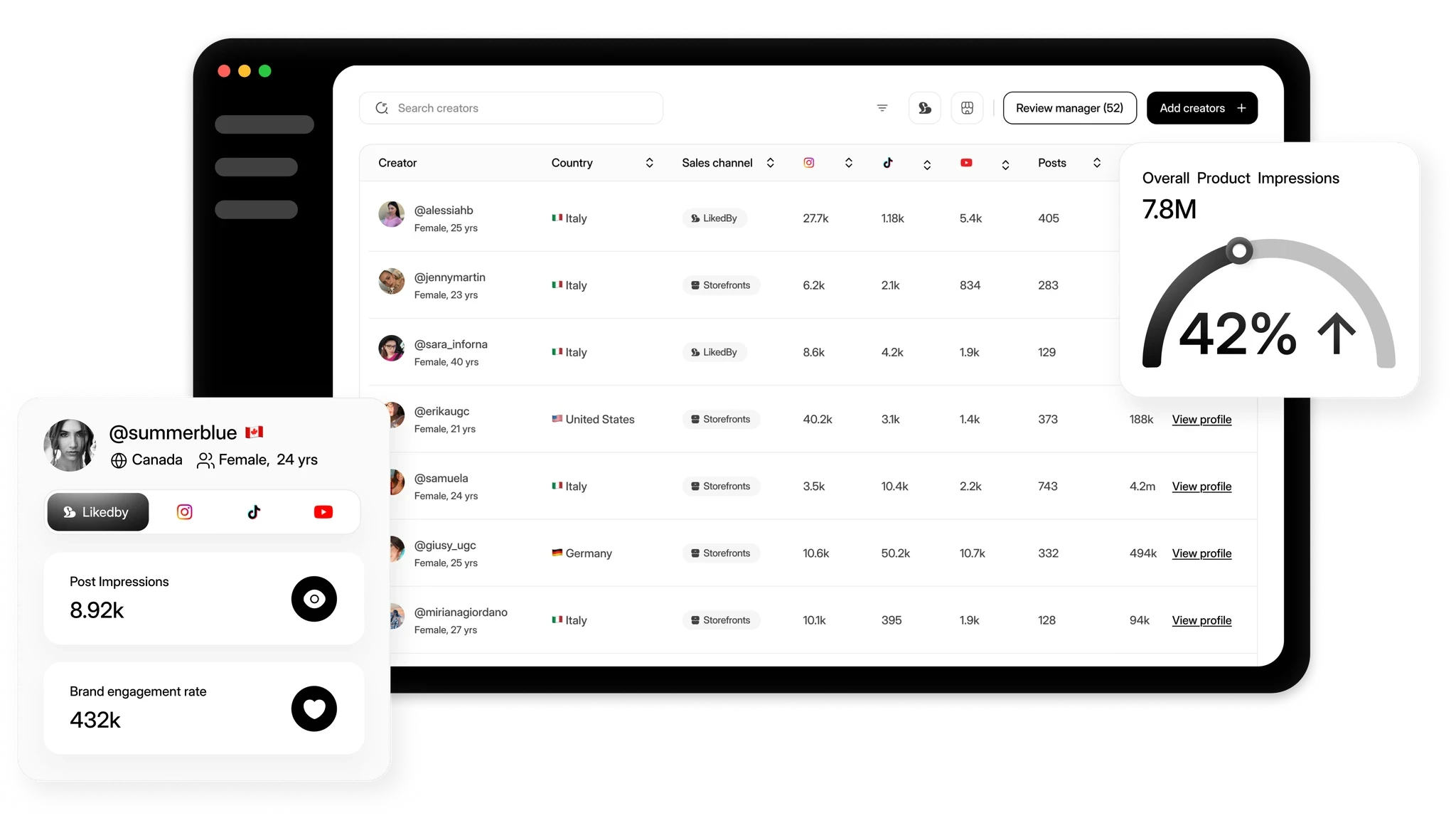
At the core is a powerful creator CRM that lets agencies organize creators by client account, campaign, content category, exclusivity status, and performance history. Instead of searching through inboxes to find a creator's last deliverable or contract terms, teams access a unified profile with every interaction, asset, and metric in one place.
The creator collaborations module gives agencies structured workflows for briefing, content submission, revision tracking, and multi-stakeholder approval — all configurable per client. This eliminates the ambiguity that causes missed deadlines and off-brand content.
For agencies managing shoppable content and affiliate creator programs, Socialscale connects creator output to commerce performance through integrated creator analytics. Teams can show clients not just impressions and engagement, but click-through rates, conversion data, and revenue attribution tied to specific creators and content pieces.
The platform also includes centralized content storage, embeddable shoppable widgets, and creator performance tracking — everything a PR agency needs to run, report on, and scale creator programs without adding headcount proportionally to client growth.
Feature Breakdown: What PR Agencies Get with Socialscale
Multi-Client Creator CRM
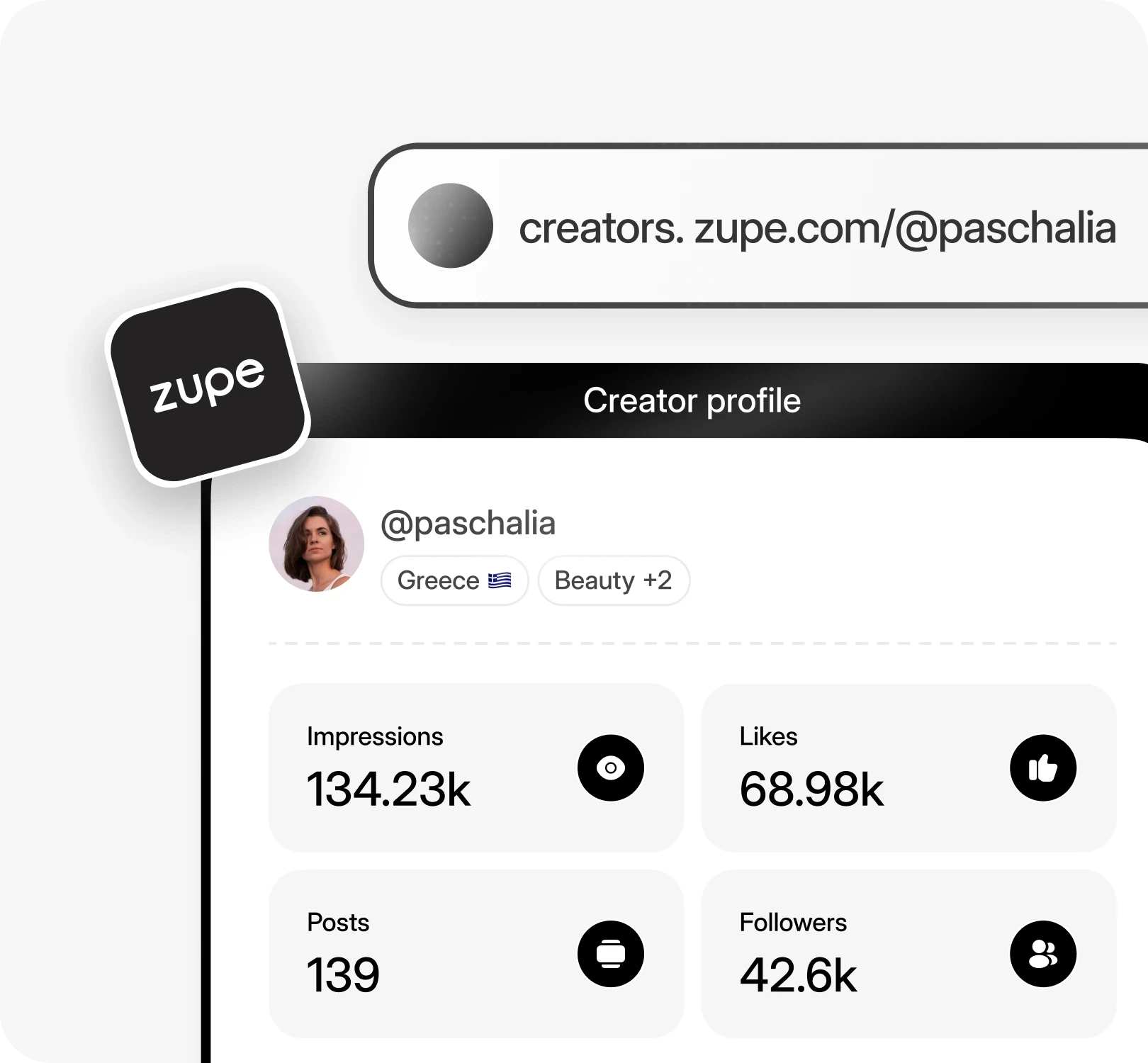
Organize your entire creator roster across all client accounts in a single system. Each creator profile stores contact information, collaboration history, content deliverables, contract terms, payment status, and performance data. Filter and segment creators by client, niche, platform, engagement rate, or custom tags. Prevent conflicts by flagging creators with active exclusivity agreements before assigning them to competing accounts.
Campaign-Level Collaboration Management
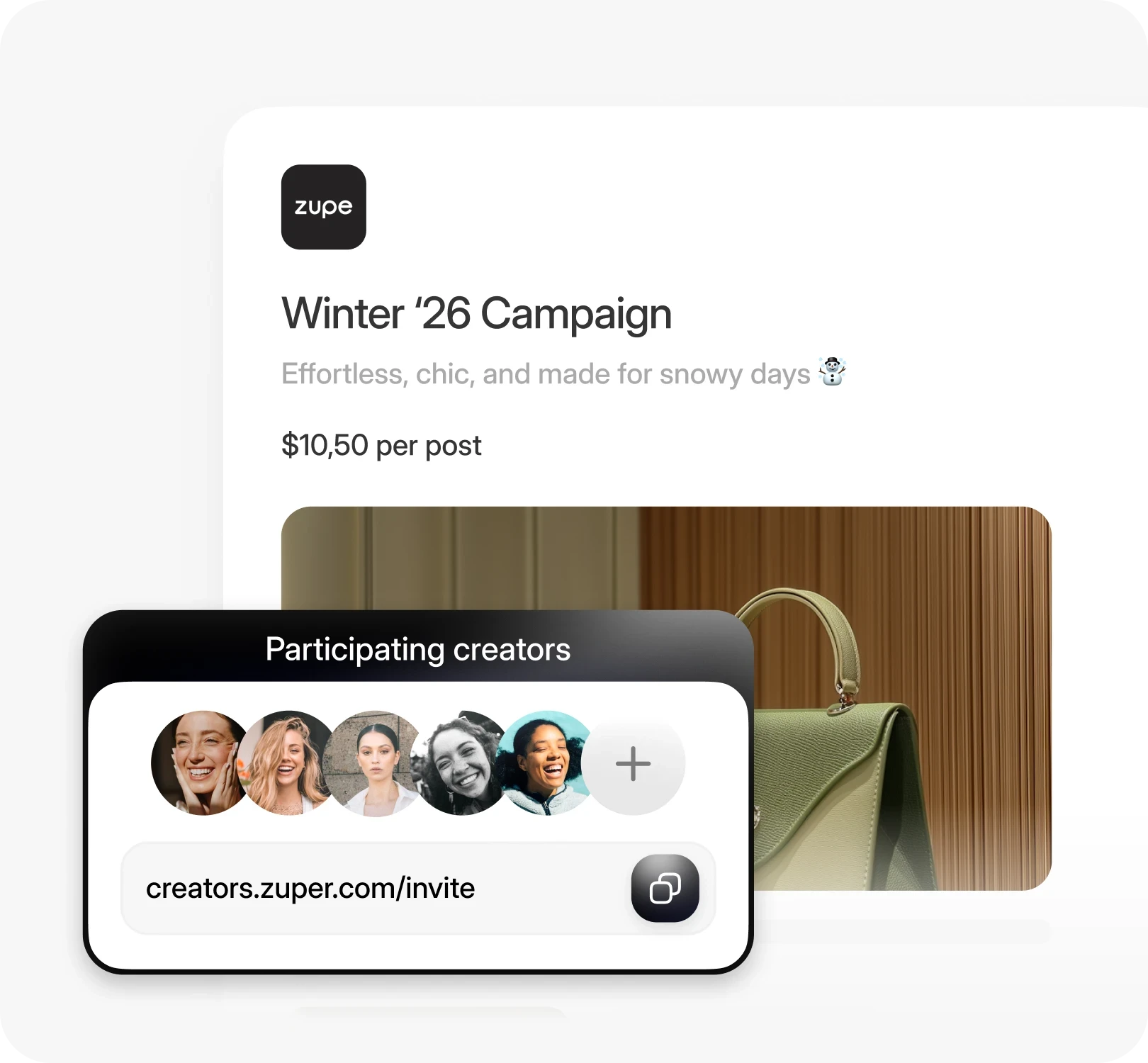
Create distinct campaigns within each client workspace. Assign creators, attach briefs, set deliverable deadlines, and define approval chains specific to each campaign. Track every collaboration through stages — outreach, confirmed, briefed, content submitted, revision requested, approved, published, and reported. This stage-based pipeline gives account managers instant visibility into where every deliverable stands.
Structured Briefing and Approval Workflows
Build brief templates that reflect each client's brand guidelines, messaging pillars, legal disclaimers, and visual standards. When creators submit content, route it through the appropriate approval chain — internal team review first, then client sign-off. Every revision request and approval is logged with timestamps, creating an audit trail that protects the agency in disputes.
Centralized Content Asset Library
Every piece of creator content — raw footage, edited posts, stories, reels, product photos — is stored in a centralized content drive organized by client, campaign, creator, and content type. Agencies can grant clients direct access to approved assets, eliminating the back-and-forth of file sharing. This also enables efficient UGC management and content repurposing across channels.
Shoppable Content Embedding
For clients running social commerce initiatives, Socialscale enables agencies to embed creator content as shoppable widgets directly on product pages, landing pages, and campaign microsites. This transforms earned media into a direct revenue channel and gives agencies a powerful value proposition when pitching creator-led commerce strategies.
Creator Performance Tracking and Client Reporting
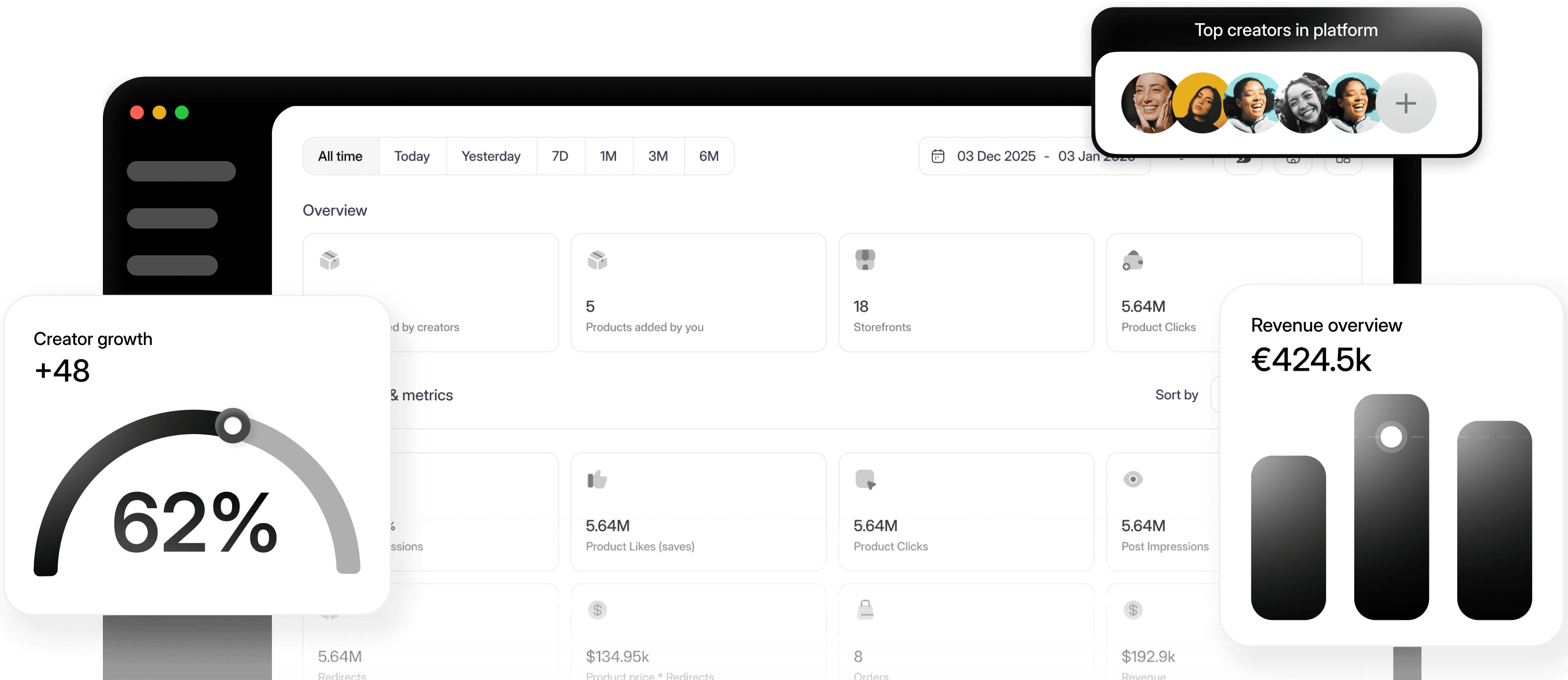
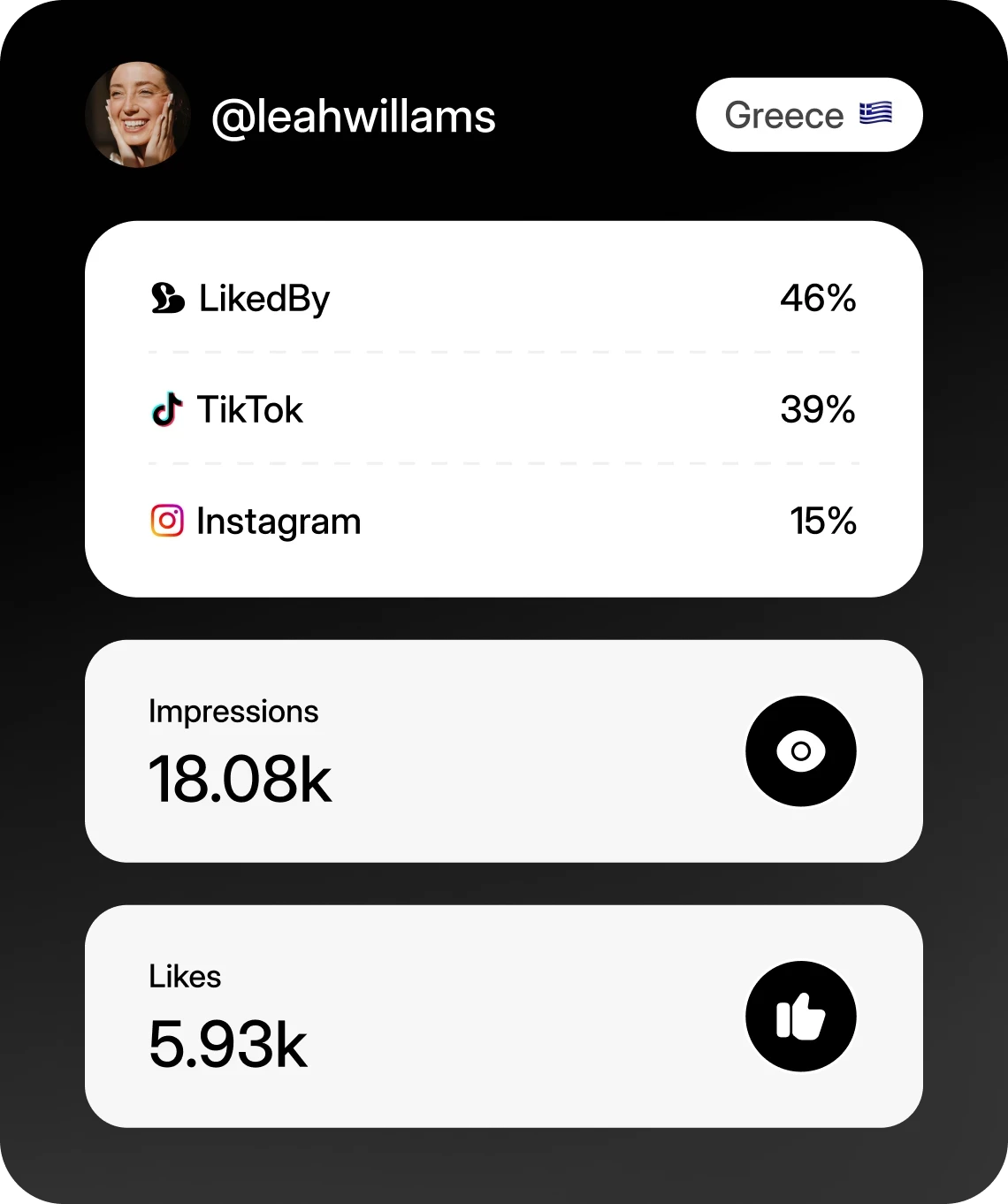
Track engagement metrics, content output volume, audience reach, click-through rates, and conversion data at the creator, campaign, and client level. Generate client-ready reports that combine qualitative highlights with quantitative performance data. Automated reporting cadences save hours of manual compilation each week.
Creator Onboarding at Scale
Send onboarding flows that collect creator information, tax forms, platform handles, content preferences, and rate cards. Standardized onboarding ensures every creator enters the system with complete data, reducing back-and-forth and accelerating time-to-first-deliverable.
Use Cases: How PR Agencies Apply Creator Collaboration Software
1. Multi-Brand Product Launch Coordination
A PR agency managing simultaneous product launches for three CPG clients needs to coordinate 45 creators across overlapping timelines. Each brand has distinct messaging, visual guidelines, and embargo dates. Using a centralized collaboration system, the agency creates separate campaign workspaces, assigns creators without overlap conflicts, stages content approvals through client-specific chains, and delivers all assets organized by brand before each launch date. The result is zero crossed wires, on-time delivery, and clients who see a professional, controlled process.
2. Always-On Creator Seeding Program
A beauty brand retains a PR agency to run a continuous creator seeding program, shipping products to 80+ micro-influencers monthly. The agency needs to track which creators received products, who posted organically, what content was generated, and which posts drove the most engagement and site traffic. A structured creator collaboration platform turns this from an untrackable gifting exercise into a measurable program with clear content output rates, creator activation percentages, and performance benchmarks that justify ongoing investment.
3. Crisis-Response Influencer Amplification
When a client faces a reputational challenge, the PR agency needs to rapidly activate trusted creator voices to amplify positive messaging. Speed matters. With a pre-organized creator CRM containing relationship history, past collaboration performance, and real-time availability, the agency can identify and brief the right creators within hours rather than days. Content approval workflows ensure messaging stays on point during a sensitive period, and performance tracking confirms reach and sentiment impact.
4. Affiliate Creator Program for E-Commerce Client
A PR agency pitches a fashion e-commerce client on an affiliate creator program where influencers earn commission on sales driven through their content. The agency needs to onboard creators with unique tracking links, monitor content production, track sales attribution, and report on ROAS by creator tier. A creator collaboration platform with commerce-layer integration makes this program operationally viable, turning the agency from a media relations shop into a performance marketing partner with creator storefronts and shoppable content as core deliverables.
Weekly and Monthly Operational Workflow for PR Agencies
Running creator collaborations efficiently requires a repeatable operational cadence. Below is a workflow that PR agencies can implement using Socialscale to maintain control across all client programs.
Monday: Pipeline Review and Creator Assignment
Account managers review the collaboration pipeline across all active client campaigns. New campaigns are set up with briefs, timelines, and approval chains. Creators are assigned based on availability, exclusivity status, and past performance data from the creator CRM. Any conflicts or gaps are flagged before outreach begins.
Tuesday–Wednesday: Creator Outreach and Onboarding
New creators receive onboarding flows that collect platform handles, rate cards, content preferences, and contract agreements. Returning creators are re-activated with updated briefs. All communication is logged within the platform to maintain a complete interaction history.
Thursday: Content Submission Check-In
Coordinators review the status of all pending deliverables. Creators who have not submitted content receive automated reminders. Early submissions enter the internal review queue for quality and brand guideline compliance before being routed to clients for approval.
Friday: Client Approval Routing and Asset Organization
Approved content is tagged, categorized, and stored in the centralized content library. Client-facing asset folders are updated. Any revision requests are sent back to creators with specific feedback documented in the approval workflow.
Bi-Weekly: Performance Snapshot Reports
Mid-campaign performance snapshots are generated showing content output volume, engagement rates, reach, and early commerce signals like link clicks and add-to-cart events. These reports are shared with clients to demonstrate progress and inform optimization decisions.
Monthly: Full Campaign Performance Report
Comprehensive reports are compiled at the campaign and creator level, including engagement metrics, content quality scores, audience demographics, conversion data, and ROI calculations. These reports feed into client QBRs and inform creator roster decisions for the next cycle.
Monthly: Creator Roster Optimization
Underperforming creators are flagged for review. High-performing creators are tagged for priority re-engagement. New creator prospects are added to the CRM pipeline based on campaign learnings and client feedback.
Quarterly: Program Strategy Review
Agency leadership reviews aggregate data across all client creator programs to identify trends, benchmark performance, refine pricing models, and develop case studies for new business pitches.
Key Performance Indicators for PR Agency Creator Programs
Tracking the right metrics ensures agencies can demonstrate value to clients and continuously optimize creator collaborations. The following KPIs should be monitored at the creator, campaign, and client level.
Creator Activation Rate: Percentage of onboarded creators who deliver at least one piece of content within the campaign window. Target: 85%+ for paid collaborations, 30–40% for gifting/seeding programs.
Content Approval Time: Average hours from content submission to final client approval. Reducing this metric directly accelerates campaign timelines.
Content Output Volume: Total deliverables produced per campaign, broken down by format (static, video, story, reel, long-form).
Engagement Rate by Creator Tier: Average engagement rate segmented by nano, micro, mid-tier, and macro creators to inform roster composition decisions.
Click-Through Rate (CTR): Percentage of audience members who click through from creator content to client landing pages or product pages.
Conversion Rate (CVR): Percentage of click-throughs that result in a desired action — purchase, sign-up, download, or other client-defined conversion.
GMV / Revenue Attribution: Gross merchandise value generated through creator-driven traffic, tracked via affiliate links, UTM parameters, or platform-native shopping features.
ROAS (Return on Ad Spend): Revenue generated divided by total creator program spend, including fees, product costs, and platform costs. Critical for agencies positioning creator programs as performance channels.
CPA (Cost Per Acquisition): Total program cost divided by number of conversions, useful for benchmarking creator programs against paid media channels.
Content Repurposing Rate: Percentage of creator content that is repurposed for paid ads, email marketing, website content, or other owned channels — a key value-add metric for agencies.
Client Retention Rate: Agencies that deliver transparent, data-rich reporting on creator programs see higher client retention. Track this as a business-level KPI tied to program quality.
Scenario: Mid-Size PR Agency Scales Creator Programs Across 12 Client Accounts
A 35-person PR agency specializing in lifestyle, beauty, and food brands was managing creator collaborations for 12 active client accounts. Their process relied on a combination of Google Sheets, email threads, Dropbox folders, and manual Instagram screenshot reports. The team of four influencer coordinators was at capacity, and the agency was turning down new business because they could not operationally support additional creator programs.
The Operational Shift
The agency implemented a centralized creator collaboration platform to consolidate all creator data, campaign workflows, content assets, and performance reporting into a single system. Each client account received its own workspace with customized briefing templates, approval chains, and reporting dashboards.
Results After 90 Days
Creator onboarding time reduced from an average of 5 days to 1.5 days per creator.
Content approval cycles shortened by 60%, from an average of 4.2 days to 1.7 days.
The team successfully onboarded 3 new client accounts without hiring additional coordinators.
Client-facing reports were generated in under 30 minutes per account per week, down from 4–5 hours of manual compilation.
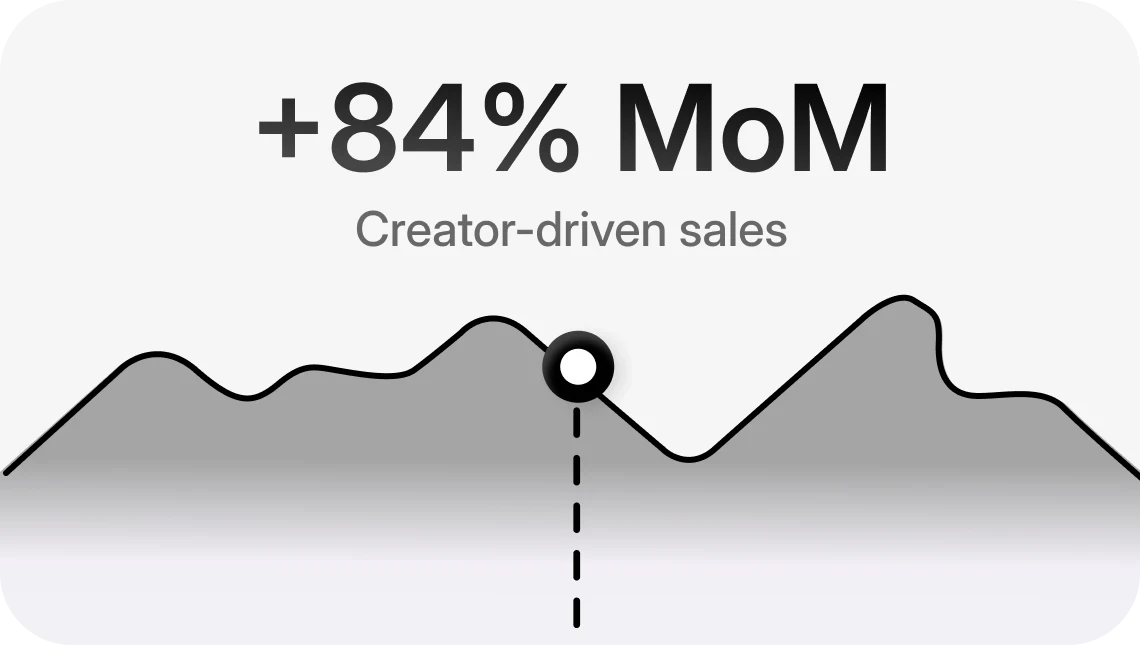
Two e-commerce clients saw a 28% increase in creator-attributed revenue after the agency introduced shoppable content embedding and affiliate tracking.
Creator activation rate across seeding programs improved from 24% to 41% due to better follow-up workflows and automated reminders.
The agency used performance data to build a case study that helped close a six-figure annual retainer with a new DTC brand.
The operational efficiency gains allowed the agency to grow revenue by 22% in one quarter while maintaining the same team size, fundamentally changing the unit economics of their creator program offering.
Frequently Asked Questions
Can Socialscale handle multiple client accounts within a single agency workspace?
Yes. Socialscale is designed for multi-client environments. Each client account operates as a separate workspace with its own creator roster, campaigns, briefing templates, approval workflows, and reporting dashboards. Agency team members can switch between client workspaces without data bleed, and creators can be shared across accounts with conflict flagging for exclusivity agreements.
How does the platform help with creator content rights and usage tracking?
Every collaboration within Socialscale can include contract terms specifying content usage rights, duration, and permitted channels. These terms are attached to the creator profile and the specific content assets, making it easy to verify whether a piece of content can be repurposed for paid ads, used on a client website, or shared beyond the original campaign scope.
What makes this different from influencer discovery platforms like CreatorIQ or Grin?
Discovery platforms focus primarily on finding creators and providing audience data. Socialscale focuses on what happens after you find them — onboarding, collaboration management, content approval, asset storage, shoppable content deployment, and performance tracking. For PR agencies that already have established creator relationships, the operational layer is where the real efficiency gains occur.
Can we track commerce metrics like sales and revenue for clients running social commerce campaigns?
Absolutely. When connected to a client's Shopify store or other e-commerce platform, Socialscale tracks creator-attributed traffic, add-to-cart events, conversions, and revenue. This allows agencies to report on GMV, ROAS, and CPA alongside traditional engagement metrics, positioning creator programs as measurable performance channels rather than awareness-only initiatives.
How long does it take for a PR agency to get fully operational on Socialscale?
Most agencies complete initial setup — including client workspace configuration, creator CRM import, and first campaign launch — within 1–2 weeks. Teams that have existing creator data in spreadsheets can bulk-import rosters. The platform is designed for fast adoption without requiring technical resources, so influencer coordinators and account managers can be productive within the first few days.