Creator Collaboration Software for Luxury Brands with Structured Approval Workflows
Luxury brands operate under a different set of rules when it comes to creator marketing. Every image, caption, and product placement must reflect the brand's heritage, exclusivity, and visual identity. A single off-brand post from an influencer can erode years of carefully cultivated positioning. That is why structured approval workflows for luxury influencers are not optional — they are foundational to running a credible social commerce program at scale.
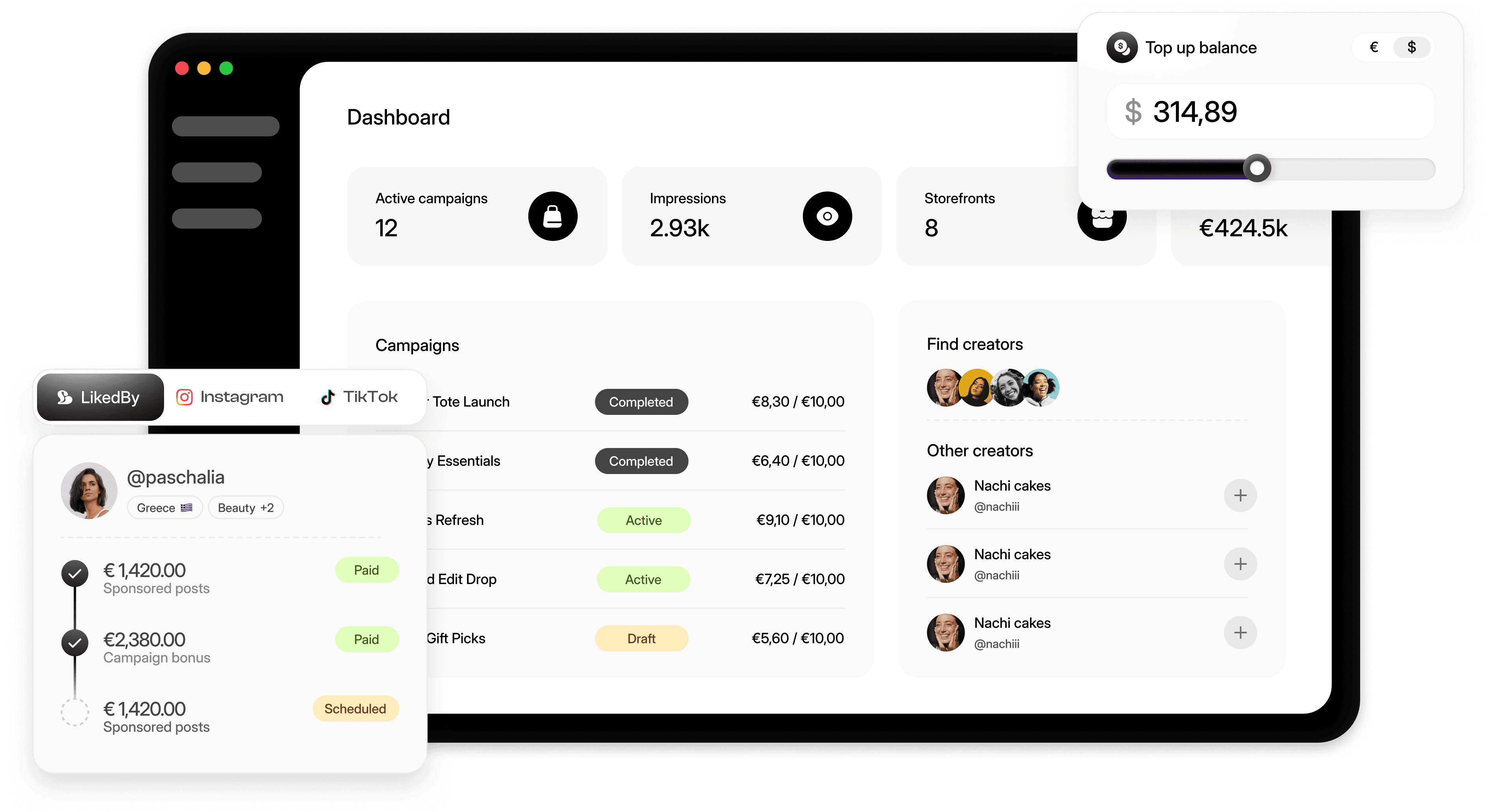
Socialscale provides the operating system luxury marketing teams need to manage creator collaborations end-to-end, from vetting high-profile influencers and negotiating deliverables to reviewing every piece of content through multi-stage approval gates before it goes live. Instead of relying on scattered email threads and spreadsheets, teams gain a single platform that enforces brand standards while giving creators the clarity they need to produce exceptional work.
Whether you are managing a capsule collection launch with five elite creators or orchestrating a seasonal campaign across forty micro-influencers in multiple markets, the right creator collaboration software ensures nothing slips through the cracks. The result is a social commerce engine that protects brand equity and drives measurable revenue through shoppable creator content.
Key Challenges Luxury Brands Face in Creator Collaborations
Luxury marketing teams deal with a unique set of operational and brand-safety challenges that most influencer marketing software was never designed to address. Below are the most pressing pain points.
1. Brand Integrity at Every Touchpoint
Luxury houses invest decades building visual and tonal consistency. A single creator post with the wrong lighting, background, or messaging can feel incongruent with the brand universe. Teams need granular control over every deliverable before publication.
2. Complex, Multi-Stakeholder Approval Chains
Content approvals in luxury often involve creative directors, legal teams, regional marketing leads, and sometimes the maison's global brand office. Without a structured workflow, approvals stall in email threads or WhatsApp groups, delaying campaigns by days or weeks.
3. Vetting Creators for Brand Fit Beyond Follower Count
Audience size means little if a creator's aesthetic, audience demographics, or past brand affiliations conflict with the luxury positioning. Teams need deep vetting capabilities that go beyond vanity metrics.
4. Managing Exclusivity and Contractual Obligations
Luxury collaborations frequently include exclusivity clauses, usage rights windows, and specific deliverable formats. Tracking these obligations manually across dozens of creators is error-prone and legally risky.
5. Content Asset Control and Archiving
High-production creator content — editorial-quality photography, cinematic video — represents significant investment. Brands need centralized, organized storage with clear rights metadata so assets can be repurposed across owned channels, retail, and paid media.
6. Measuring ROI Without Cheapening the Brand
Luxury brands cannot simply optimize for the lowest cost-per-click. Performance tracking must balance revenue signals like GMV and conversion rate with softer brand health indicators such as sentiment, audience quality, and engagement depth.
7. Coordinating Across Markets and Time Zones
Global luxury houses run creator programs in Paris, Milan, New York, Tokyo, and Dubai simultaneously. Without a unified platform, regional teams operate in silos, leading to duplicated efforts and inconsistent messaging.
Why Traditional Tools Fail Luxury Creator Programs
Email and Spreadsheets Cannot Enforce Approval Gates
Most luxury teams still manage creator approvals through email chains with attachments. Content gets lost, feedback is fragmented across threads, and there is no audit trail showing who approved what and when. For brands that face regulatory scrutiny or internal compliance requirements, this is a liability.
Generic Influencer Platforms Prioritize Volume Over Quality
Mass-market influencer marketing software is built for scale — onboard hundreds of creators, blast campaign briefs, and track coupon codes. Luxury brands need the opposite: curated rosters, bespoke briefs, and meticulous quality control. Tools designed for fast-fashion or CPG workflows create friction when applied to high-end collaborations.
Disconnected Systems Create Data Blind Spots
When creator vetting lives in one tool, content approvals in another, asset storage in a cloud drive, and performance tracking in a spreadsheet, teams lose the ability to connect inputs to outcomes. It becomes impossible to answer basic questions like which creator's content drove the highest average order value or which approval bottleneck delayed a launch.
No Native Commerce Layer
Most legacy tools stop at content publishing. They do not support shoppable content embeds, creator storefronts, or affiliate creator programs — the mechanisms that actually convert creator influence into trackable revenue for luxury e-commerce.
How Socialscale Solves Creator Collaboration for Luxury Brands
Socialscale is purpose-built as a creator marketing platform that gives luxury teams complete control over every stage of the creator lifecycle — without sacrificing the speed needed to stay culturally relevant.
At the core of the platform is a structured approval workflow engine that lets brand teams define multi-stage review processes tailored to their organizational hierarchy. A creative director can review visual assets in stage one, legal can check compliance in stage two, and the regional marketing lead can give final sign-off in stage three — all within a single interface with timestamped audit trails.
Beyond approvals, Socialscale's creator collaborations module manages the full campaign lifecycle: briefing, deliverable tracking, content revision rounds, and publication scheduling. Every collaboration lives in a structured workspace where stakeholders see real-time status without chasing updates.
For teams that need to connect creator output to revenue, the platform supports shoppable content embeds and integrates with e-commerce infrastructure so that every creator asset can be tied to conversion data. Combined with the creator analytics dashboard, luxury brands can finally measure the true commercial impact of their influencer investments while maintaining the brand standards their customers expect.
Feature Breakdown: What Luxury Teams Actually Use
Multi-Stage Approval Workflows
Define custom approval chains with as many stages as your organization requires. Assign specific reviewers to each stage — creative, legal, brand, regional — and set conditional logic so that certain content types (e.g., video vs. static, paid usage vs. organic-only) route through different review paths. Every approval action is logged with timestamps and reviewer identity for full compliance traceability.
Creator Vetting and CRM
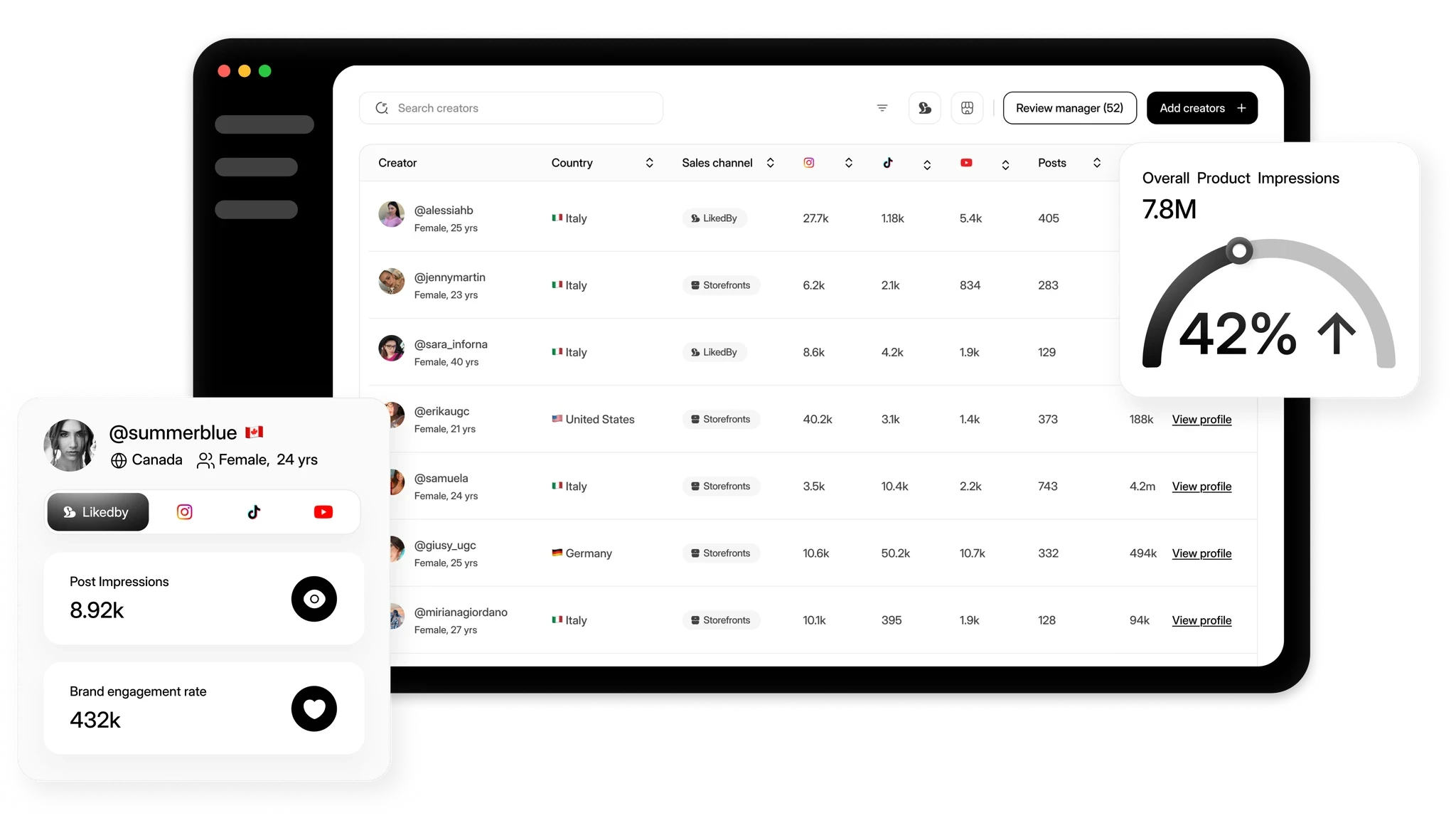
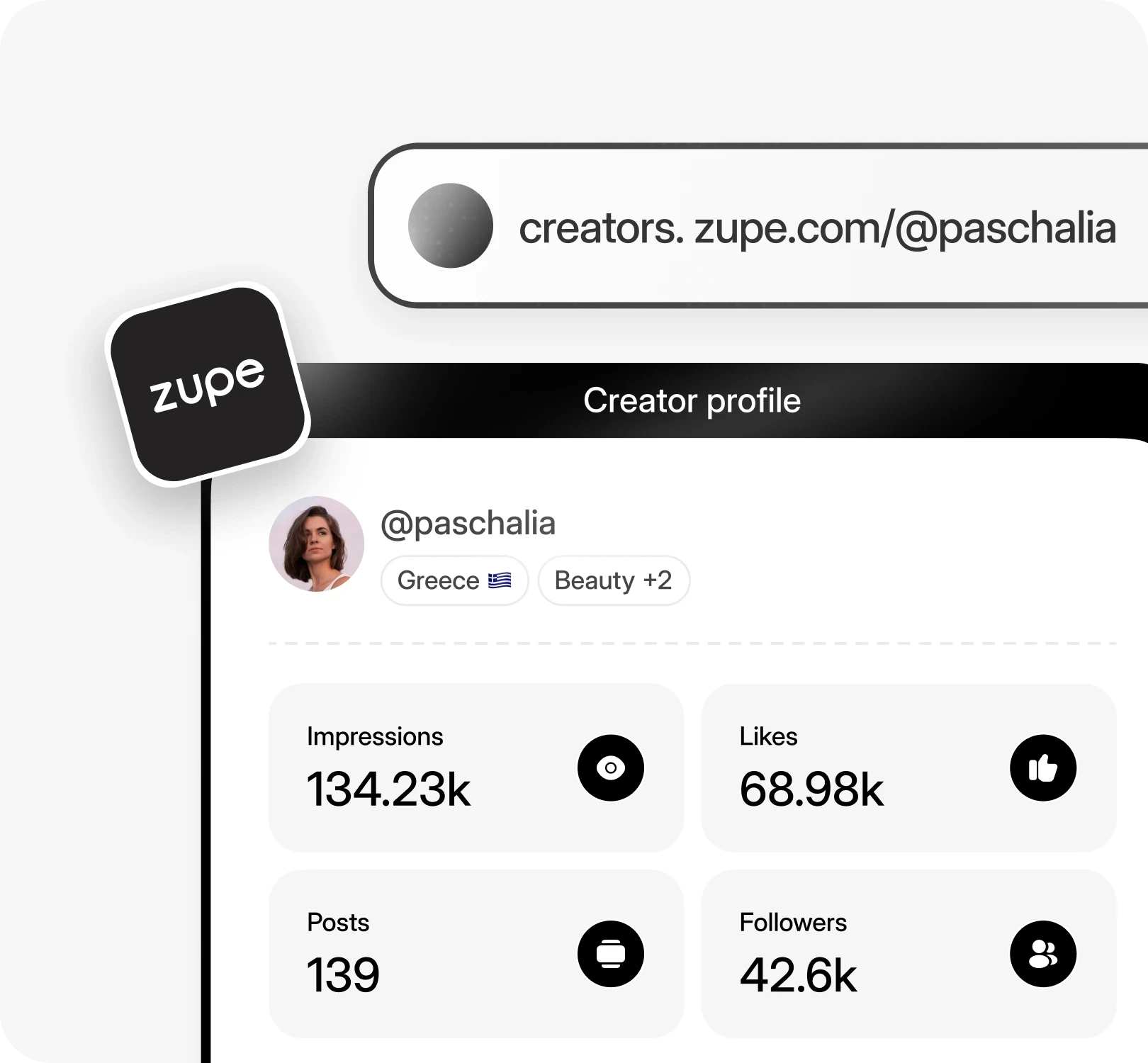
Socialscale's creator CRM lets teams build curated rosters with detailed profiles that go beyond follower counts. Tag creators by aesthetic alignment, past luxury brand work, audience income demographics, geographic reach, and exclusivity status. Filter and segment your roster before every campaign to ensure only brand-appropriate creators receive briefs.
Campaign Briefing and Deliverable Management
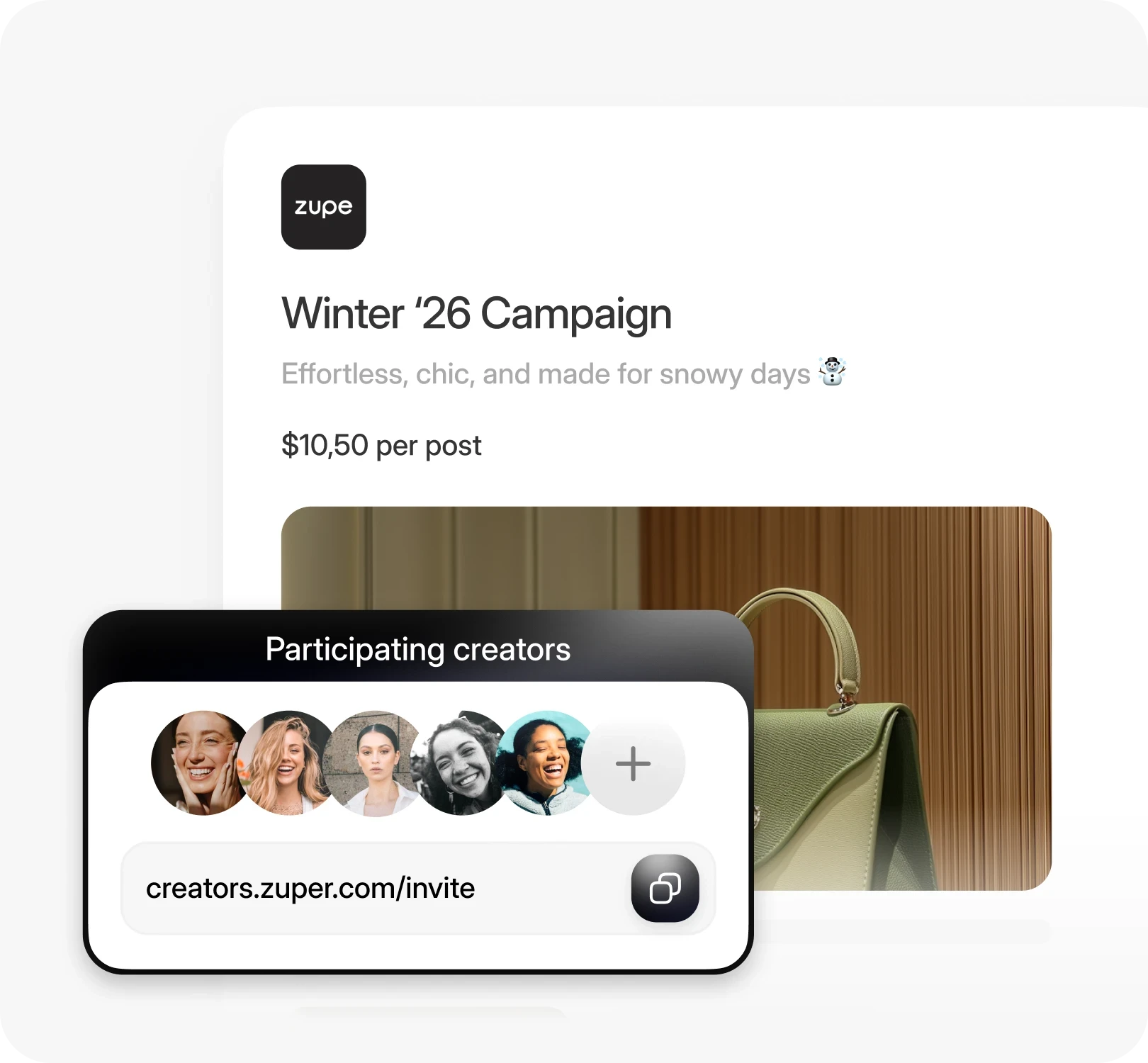
Create detailed campaign briefs with mood boards, shot lists, tone-of-voice guidelines, and contractual terms — all within the platform. Creators access their briefs through a dedicated portal, submit deliverables directly, and receive structured feedback without leaving the system. Track deliverable status across every creator in a single dashboard view.
Centralized Content Storage with Rights Metadata
Every approved asset is automatically archived in a centralized content library with metadata including usage rights expiration dates, approved channels, creator attribution requirements, and content format specifications. Teams can search, filter, and retrieve assets for repurposing across owned media, retail displays, and paid campaigns without digging through cloud folders.
Shoppable Content and Creator Storefronts
Embed approved creator content directly on product pages, landing pages, and lookbooks as shoppable widgets. Each piece of content links to specific SKUs, enabling direct attribution from creator impression to purchase. For affiliate creator programs, the platform tracks clicks, conversions, and commissions at the individual creator level.
Performance Tracking with Luxury-Relevant Metrics
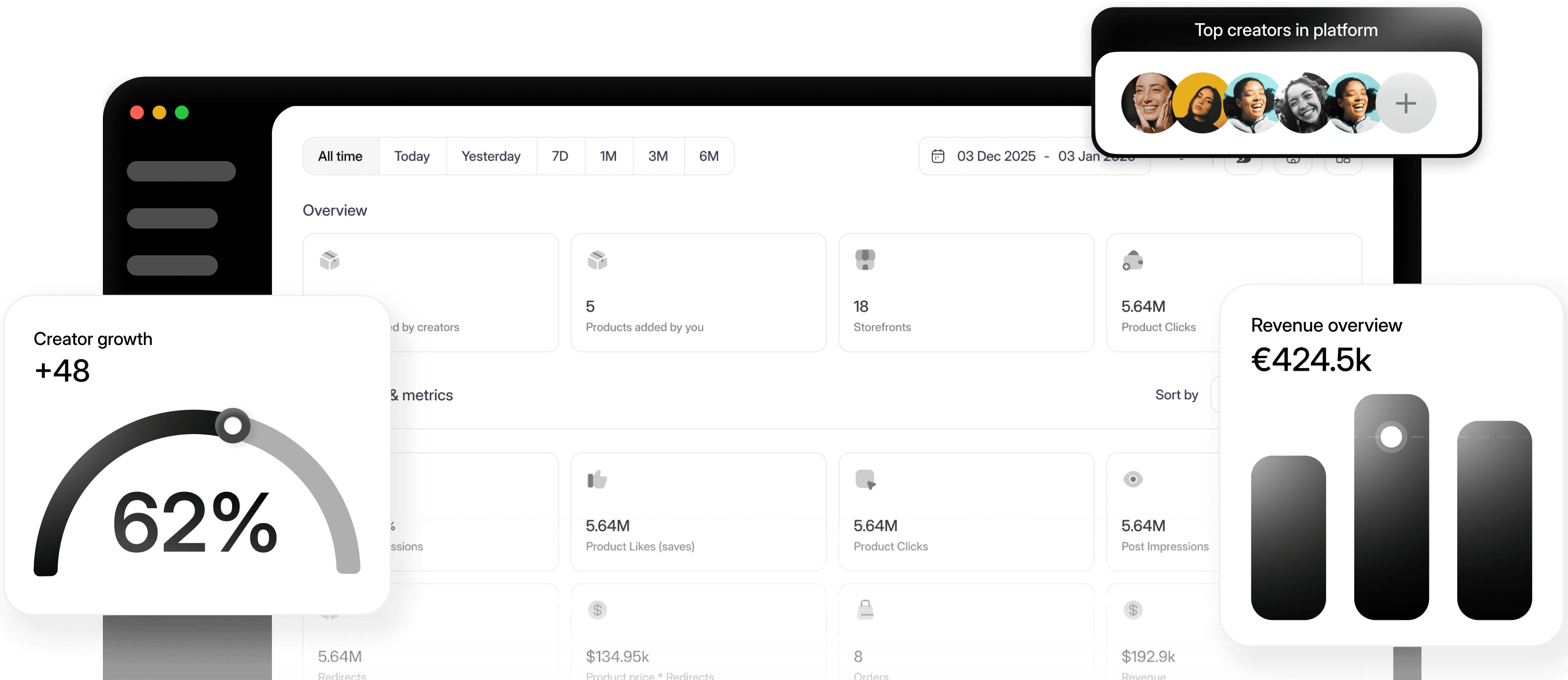
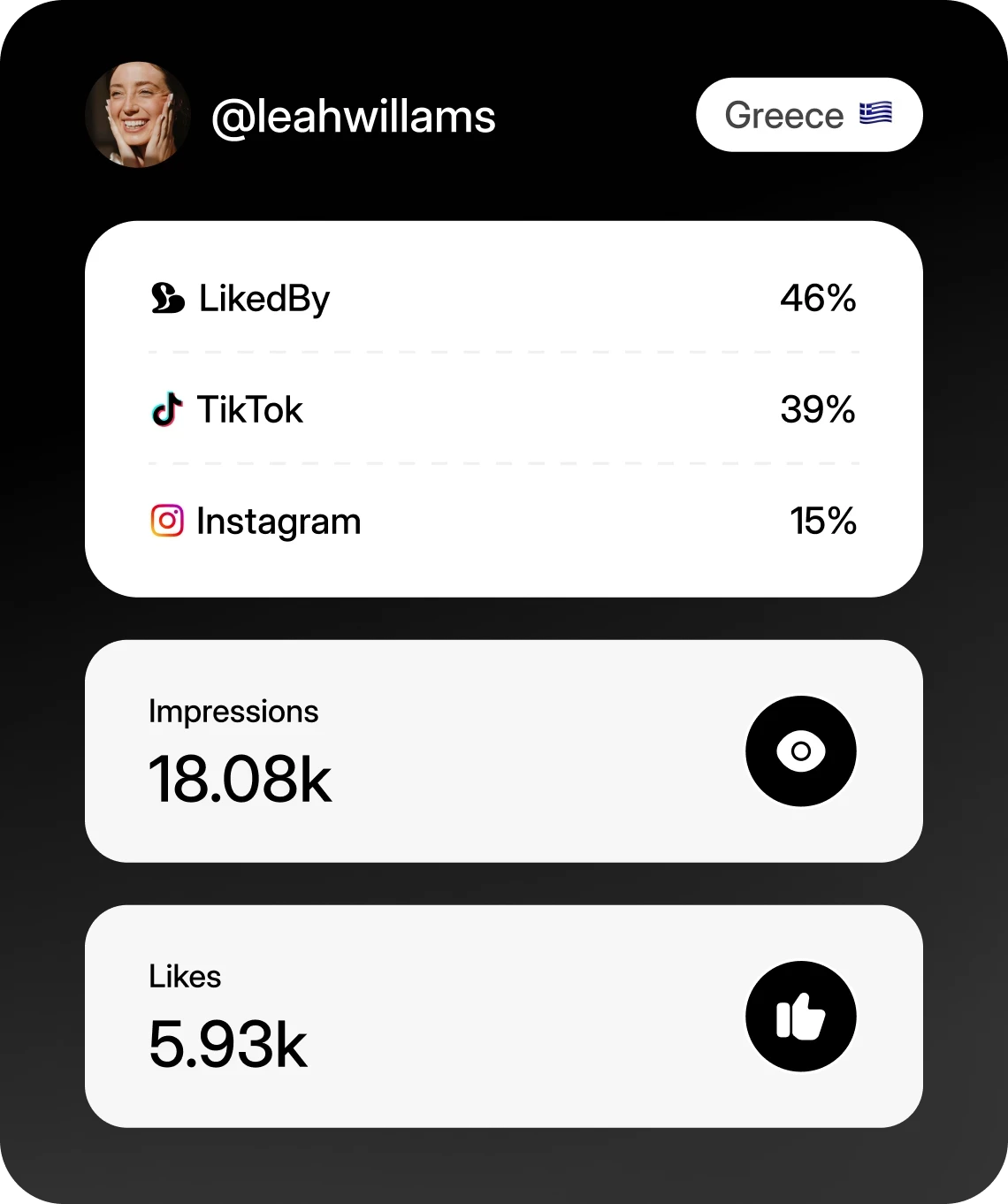
Standard influencer dashboards focus on reach and engagement rate. Socialscale layers in commerce metrics — conversion rate, average order value, GMV contribution, and ROAS — alongside content quality scores and audience sentiment indicators. This dual-lens view lets luxury teams optimize for both brand equity and commercial return.
Use Cases for Luxury Brand Creator Programs
The following scenarios illustrate how luxury marketing teams can structure their creator collaborations for maximum impact and brand safety.
1. Haute Couture Collection Launch with Tiered Creator Access
A heritage fashion house plans a couture collection reveal. The team selects three tiers of creators: two global ambassadors who receive exclusive early access and attend the show, eight fashion editors and stylists who receive lookbook assets for editorial-style content, and twenty micro-influencers in key markets who create street-style inspired posts. Each tier has a distinct brief, different approval workflows (ambassadors go through the global brand office; micro-influencers are approved regionally), and separate usage rights agreements. All content flows through a single platform, ensuring the creative director maintains visual coherence across every tier.
2. Fine Jewelry Seasonal Campaign Across Five Markets
A luxury jewelry brand runs a holiday gifting campaign across the US, UK, France, Japan, and the UAE. Regional marketing leads each select local creators who resonate with their market's cultural context. A global brief sets non-negotiable brand guidelines — lighting standards, product handling protocols, prohibited styling elements — while regional teams customize messaging for local relevance. The multi-stage approval workflow ensures every piece of content meets global standards before regional teams give final clearance for publication. Performance is tracked per market, per creator, and per SKU to inform next season's allocation.
3. Luxury Beauty Brand UGC Program for E-Commerce
A prestige beauty brand wants to enrich its product detail pages with authentic creator content. The team recruits fifty beauty creators across skin tones and age demographics to produce tutorial and review content for hero SKUs. Each video and image goes through a two-stage approval process: first for brand compliance (correct product names, no competitor mentions, approved claims only), then for visual quality. Approved assets are embedded as shoppable content on the brand's e-commerce site, and the team tracks which creator's content drives the highest conversion rate per product page.
4. Luxury Hospitality Experience-Driven Creator Residency
A luxury hotel group invites ten travel and lifestyle creators for a three-night residency at a newly opened property. Each creator receives a tailored brief specifying the experiences to highlight (spa, dining, suite design) and the content formats required (Instagram Reels, TikTok, blog post). The brand's PR and legal teams review all content before publication to ensure accurate property descriptions and compliance with advertising disclosure regulations. Post-campaign, the team measures booking inquiries attributed to creator content, engagement quality, and earned media value to calculate the true return on the residency investment.
Weekly and Monthly Operational Workflow for Luxury Creator Programs
Running a luxury creator program requires disciplined operational cadences. Below is a practical workflow that marketing teams can adopt using Socialscale.
Creator Scouting and Vetting (Monthly) — Review incoming creator applications and proactively scout talent using the creator CRM. Evaluate each candidate against brand alignment criteria: visual aesthetic, audience demographics, past brand affiliations, and exclusivity availability. Shortlist approved creators into campaign-ready segments.
Campaign Brief Development (Bi-Weekly or Per Campaign) — Build detailed briefs within the platform including mood boards, shot references, tone-of-voice guidelines, product handling instructions, contractual terms, and deliverable deadlines. Attach exclusivity clauses and usage rights specifications directly to each brief.
Creator Onboarding and Brief Distribution (Per Campaign) — Invite selected creators to the campaign workspace. Creators review and accept briefs, confirm deliverable timelines, and acknowledge contractual terms through the platform. All communications are centralized, eliminating side-channel confusion.
Content Submission and First Review (Weekly During Active Campaigns) — Creators submit draft content through the platform. The first-stage reviewer (typically the creative or campaign lead) evaluates visual quality, brief adherence, and brand tone. Feedback is provided with specific annotations, and creators revise within the same thread.
Multi-Stage Approval Routing (Weekly During Active Campaigns) — Approved drafts automatically route to the next approval stage — legal compliance, regional marketing lead, or global brand office depending on the configured workflow. Each reviewer sees only the content assigned to their stage, reducing noise and accelerating turnaround.
Publication and Commerce Activation (Per Deliverable) — Once fully approved, content is cleared for creator publication on their channels. Simultaneously, the brand team embeds approved assets as shoppable content on e-commerce pages and activates affiliate tracking links for creators enrolled in commission-based programs.
Performance Monitoring (Weekly) — Review creator performance dashboards tracking engagement rate, click-through rate, conversion rate, GMV contribution, and content quality scores. Identify top-performing creators and underperforming content for mid-campaign optimization.
Campaign Wrap and Asset Archiving (Per Campaign Close) — Archive all approved assets with full rights metadata. Generate campaign performance reports for stakeholder review. Update creator profiles in the CRM with performance data and collaboration notes to inform future casting decisions.
Key Performance Indicators for Luxury Creator Programs
Luxury brands need a balanced scorecard that measures both brand impact and commercial return. The following KPIs should be tracked consistently across every campaign.
Creator Activation Rate — Percentage of onboarded creators who complete and submit deliverables on time. Target: above 90% for curated luxury rosters.
Average Approval Turnaround Time — Hours or days from content submission to final approval. Reducing this metric directly accelerates time-to-market for campaigns.
Content Output per Creator — Number of approved, publishable assets produced per creator per campaign. Helps evaluate creator productivity and brief clarity.
Engagement Rate by Creator Tier — Engagement rate segmented by ambassador, macro, and micro tiers to understand where audience resonance is strongest.
Click-Through Rate (CTR) — Percentage of viewers who click from creator content to the brand's e-commerce site or product page.
Conversion Rate (CVR) — Percentage of creator-referred visitors who complete a purchase. Critical for evaluating the commercial effectiveness of shoppable content.
Average Order Value (AOV) from Creator Traffic — Measures whether creator-driven customers purchase at price points consistent with the brand's positioning.
Gross Merchandise Value (GMV) Contribution — Total revenue attributable to creator-driven traffic and shoppable content embeds.
Return on Ad Spend (ROAS) for Amplified Creator Content — When creator content is boosted through paid media, ROAS measures the efficiency of that spend.
Cost Per Acquisition (CPA) — Total creator program cost divided by the number of new customers acquired through creator channels.
Content Repurpose Rate — Percentage of creator assets reused across owned channels, paid media, and retail — a key efficiency metric for maximizing content investment.
Brand Safety Compliance Rate — Percentage of submitted content that passes approval without requiring revisions for brand guideline violations.
Scenario: European Luxury Accessories Brand Scales Creator Program with Structured Approvals
A European luxury accessories brand known for leather goods and silk scarves had been managing creator collaborations through a combination of email, WeTransfer, and a shared Google Sheet. The team of four managed relationships with approximately thirty creators across Europe and North America.
The Problem
Approval turnaround averaged eleven days because content had to pass through the campaign manager, the creative director in Milan, and the legal team in Paris — all via email. Creators frequently published content before receiving final approval because deadlines passed during the review bottleneck. In one quarter, three posts went live with incorrect product names and one featured a competitor's product in the background. The brand also had no way to track which creator content was driving traffic or sales on their Shopify Plus store.
The Implementation
The team adopted Socialscale and configured a three-stage approval workflow: campaign lead review, creative director review, and legal sign-off. Briefs were standardized with product photography guidelines, prohibited elements lists, and contractual terms embedded directly in each campaign workspace. All creator content submissions, feedback, and approvals moved into the platform.
Results After Two Quarters
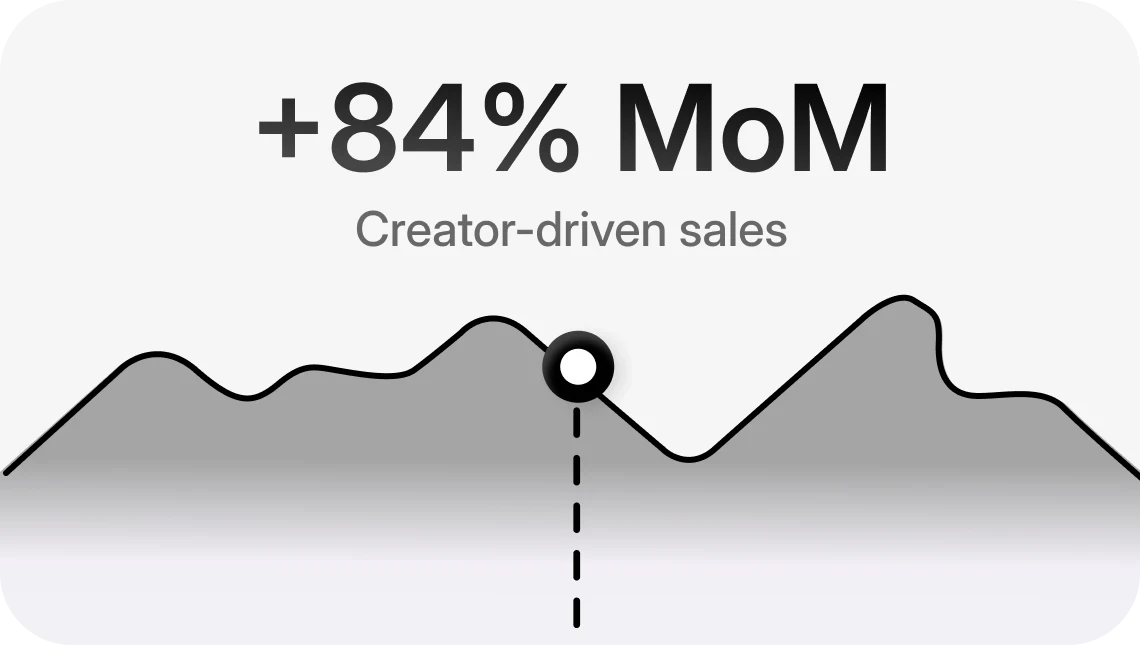
Average approval turnaround dropped from eleven days to three days. Zero unapproved posts went live across two full campaign cycles. The creative director reported spending 60% less time on email related to creator content. By embedding approved creator content as shoppable widgets on product pages, the brand attributed 14% of quarterly e-commerce revenue to creator-driven traffic. Top-performing creators were identified through the analytics dashboard and offered expanded contracts for the following season. The content library grew to over 400 approved, rights-cleared assets available for repurposing across paid social, email marketing, and in-store digital displays.
Frequently Asked Questions
How does Socialscale handle multi-stage approvals for luxury brands?
The platform allows you to configure custom approval workflows with as many stages as needed. Each stage can be assigned to a specific reviewer or team — creative, legal, regional, global brand office — with conditional routing based on content type, market, or creator tier. Every action is timestamped and logged for compliance purposes.
Can we manage exclusivity clauses and usage rights within the platform?
Yes. Contractual terms including exclusivity periods, usage rights windows, approved channels, and content ownership specifications are attached directly to each campaign brief and creator agreement within the platform. The system tracks expiration dates and alerts teams when rights windows are closing.
How does the platform support shoppable content for luxury e-commerce?
Approved creator content can be embedded on your e-commerce site as shoppable widgets linked to specific product SKUs. When a customer clicks on a creator's image or video, they are taken directly to the product page. Conversion and revenue data flows back into the creator analytics dashboard for attribution reporting.
Is Socialscale suitable for managing both large ambassadors and micro-influencers?
Absolutely. The creator CRM supports segmentation by tier, market, aesthetic alignment, and performance history. You can run different approval workflows, brief templates, and compensation structures for ambassadors versus micro-influencers within the same campaign or across separate campaigns.
What level of reporting is available for luxury brand stakeholders?
The platform provides campaign-level and creator-level reporting covering engagement metrics, commerce metrics (CTR, CVR, AOV, GMV), content output, approval efficiency, and brand compliance rates. Reports can be exported for executive presentations or integrated into broader marketing analytics dashboards.