Creator Collaboration Software for Fashion Brands Managing Influencer Lookbook Campaigns
Fashion brands operate in a visual-first economy where seasonal lookbooks, capsule drops, and trend-driven campaigns demand a constant stream of fresh, authentic creator content. Managing fashion influencer lookbook campaigns across dozens or hundreds of creators requires more than spreadsheets and email threads. It requires purpose-built creator collaboration software for fashion brands that centralizes briefs, approvals, asset delivery, and performance tracking in one place.
As social commerce reshapes how consumers discover and purchase fashion, the lookbook itself has evolved. It is no longer a static editorial PDF. Today, lookbooks live across Instagram carousels, TikTok styling videos, YouTube hauls, and shoppable creator storefronts. Brands that treat creator collaborations as an operational discipline rather than a one-off transaction are the ones converting attention into revenue.
This page breaks down the specific challenges fashion marketing teams face when running lookbook campaigns at scale, why legacy tools fall short, and how a dedicated creator marketing platform streamlines every step from creator onboarding to post-campaign analytics.
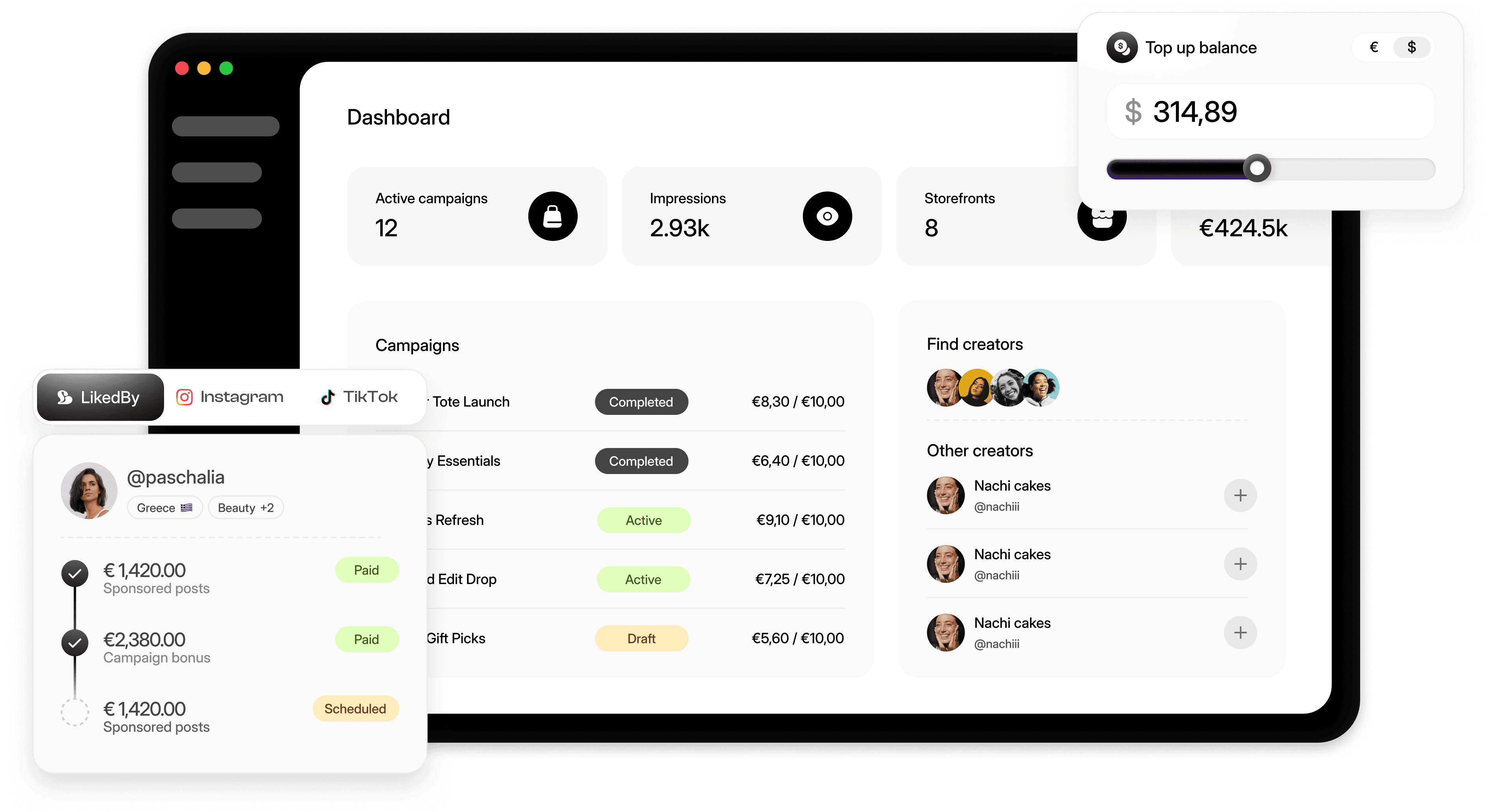
Coordinating Seasonal Timelines Across Large Creator Rosters
Fashion operates on rigid seasonal calendars. Pre-fall, resort, spring/summer, and fall/winter collections each have fixed launch windows. Coordinating lookbook content from 30 to 200 creators so that assets land before embargo dates and align with retail availability is a logistical challenge that compounds with every additional creator.
Maintaining Brand Aesthetic Consistency
Lookbook campaigns demand visual cohesion. When creators interpret styling briefs differently, the resulting content can feel disjointed. Fashion brands need a system to share detailed mood boards, color palettes, product pairing guidelines, and shot lists while still giving creators room for authentic expression.
Managing Product Seeding and Sample Logistics
Sending the right sizes, colorways, and SKUs to creators on time is a persistent pain point. Tracking which samples shipped, which arrived, which need returns, and which creators have posted creates a web of operational complexity that most teams manage through fragmented tools.
Content Approval Bottlenecks
Fashion brands often require legal, brand, and merchandising sign-off before content goes live. Without a centralized approval workflow, feedback loops stretch across Slack threads, email chains, and Google Docs, delaying campaign launches and frustrating creators.
Tracking Content Performance Across Channels
A single lookbook campaign might generate content across Instagram Reels, TikTok, Pinterest, and YouTube Shorts. Aggregating engagement, click-through, and conversion data across these platforms manually is time-intensive and error-prone.
Attributing Revenue to Individual Creators
Fashion brands investing in affiliate creator programs need clear attribution. Which creator drove which sale, at what cost per acquisition, and with what average order value? Without proper tracking, budget allocation decisions are based on guesswork.
Scaling Without Losing Relationships
As programs grow from 20 to 200 creators, the personal touch that makes fashion collaborations effective often disappears. Teams need systems that scale communication and management without reducing creators to anonymous line items in a spreadsheet.
Spreadsheets Cannot Handle Multi-Stage Campaign Workflows
Most fashion teams start managing lookbook campaigns in Google Sheets. Creator contact info in one tab, product seeding status in another, content links in a third. Within two weeks of a campaign launch, these sheets become unwieldy. Version control issues, missed status updates, and lack of automation mean that operational leads spend more time managing the spreadsheet than managing the campaign.
Email and DMs Create Fragmented Communication
Creator communication scattered across Instagram DMs, email, WhatsApp, and Slack means critical details get lost. A creator asks about sizing in a DM, receives a brief update via email, and gets approval feedback in a comment on a shared Google Doc. No single thread captures the full history, making it impossible to audit what was communicated and when.
Generic Project Management Tools Lack Creator-Specific Features
Tools like Asana, Monday, or Trello can organize tasks, but they were not built for influencer marketing software workflows. They lack native integrations with Instagram and TikTok APIs, cannot pull creator analytics automatically, do not support content approval with visual previews, and have no concept of creator tiers, usage rights, or affiliate link management.
Disconnected Analytics Prevent Optimization
When performance data lives in platform-native dashboards (Instagram Insights, TikTok Analytics, Shopify reports), teams must manually compile reports. This delay means optimization decisions happen after a campaign ends rather than during it, wasting budget on underperforming creators and missing opportunities to amplify top performers.
Asset Storage Is Chaotic
High-resolution lookbook images, behind-the-scenes footage, styled flat lays, and video content end up scattered across Google Drive folders, Dropbox links, and creator WeTransfer uploads. Finding the right asset for repurposing, paid amplification, or website embedding becomes a scavenger hunt that slows down every downstream team.
How Socialscale Solves Lookbook Campaign Management for Fashion Brands
Socialscale is built as the operating system for social commerce, giving fashion brands a single platform to run creator programs end-to-end. Rather than stitching together five or six disconnected tools, teams manage every stage of a lookbook campaign from one workspace.
The creator collaborations module lets fashion teams build campaign briefs with visual mood boards, assign creators, track deliverables, and manage multi-round approvals without leaving the platform. Every piece of communication, every asset submission, and every approval decision is logged in one place, creating a complete audit trail.
For teams managing large creator rosters across seasonal campaigns, the creator CRM stores detailed profiles including past collaboration history, content performance, sizing information, preferred product categories, and engagement rates. This means when planning a fall/winter lookbook, the team can filter for creators who performed well in previous seasonal campaigns, wear the right sample sizes, and have audiences aligned with the target demographic.
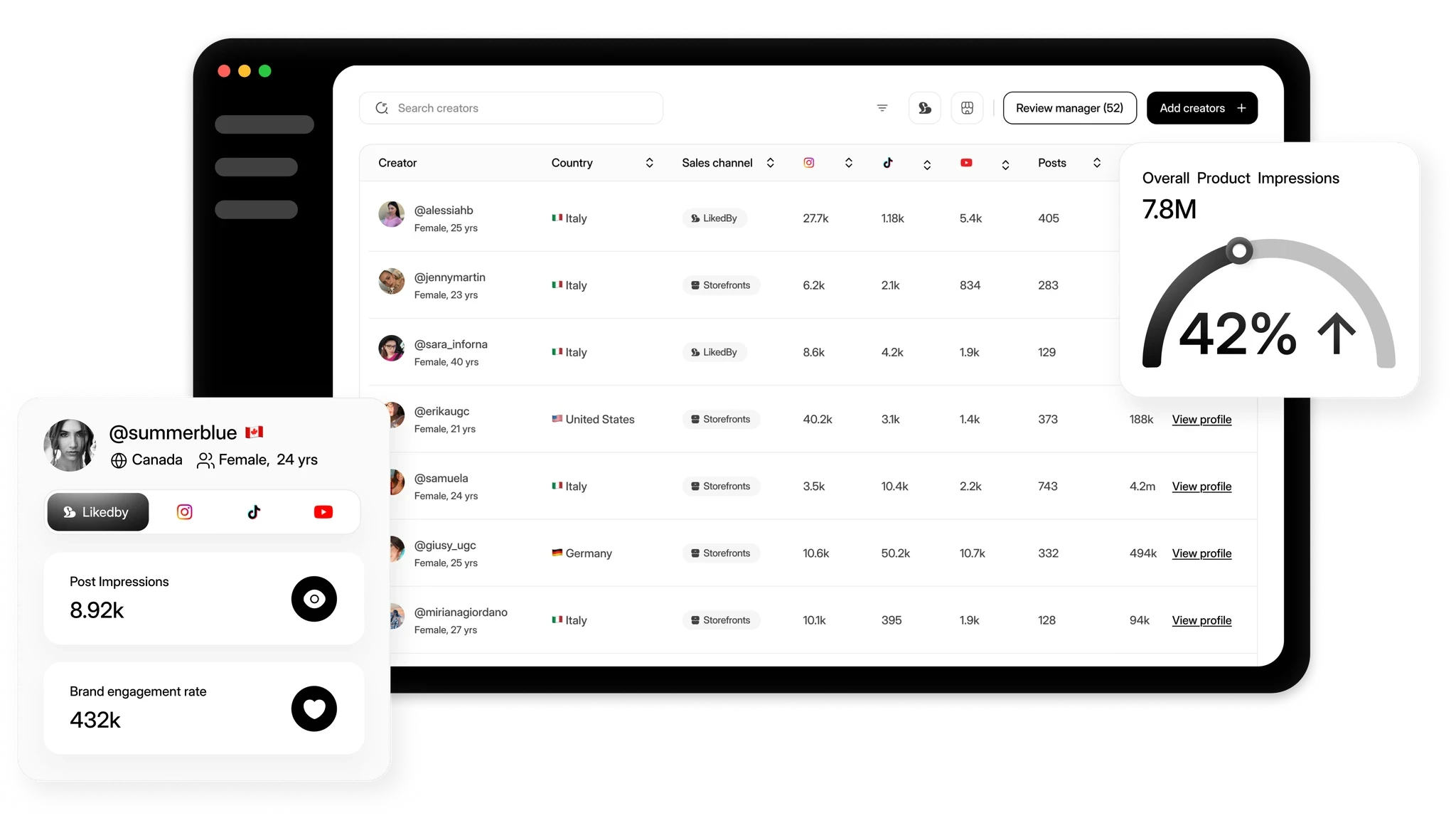
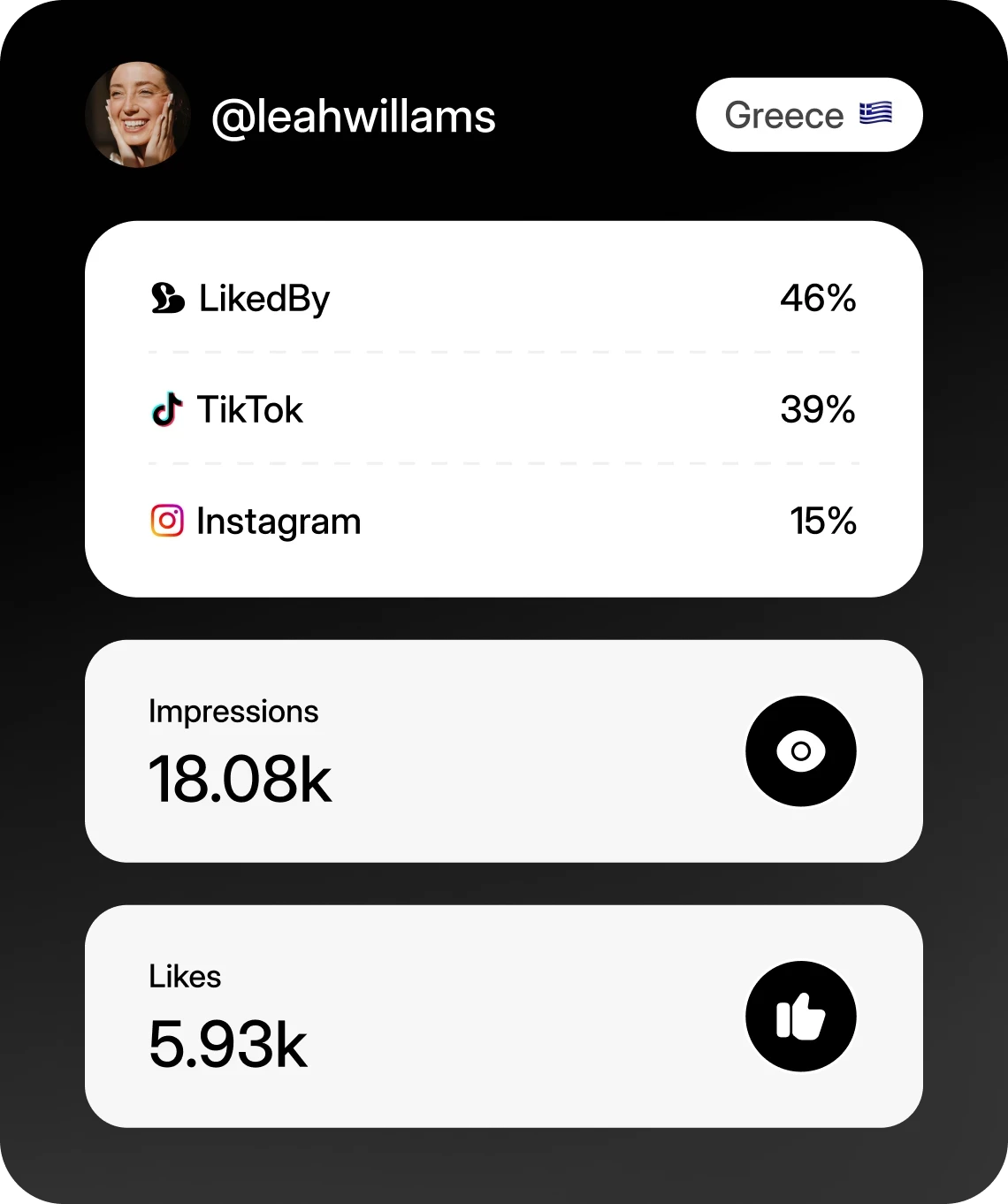
Once content is approved and live, Socialscale's creator analytics dashboard aggregates performance data across Instagram, TikTok, and YouTube. Teams can see which lookbook styling resonated, which creators drove the highest click-through rates, and which content is worth amplifying with paid spend or embedding on product pages as shoppable content.
The result is a workflow where fashion marketing teams spend less time on operational coordination and more time on creative strategy, relationship building, and revenue optimization.
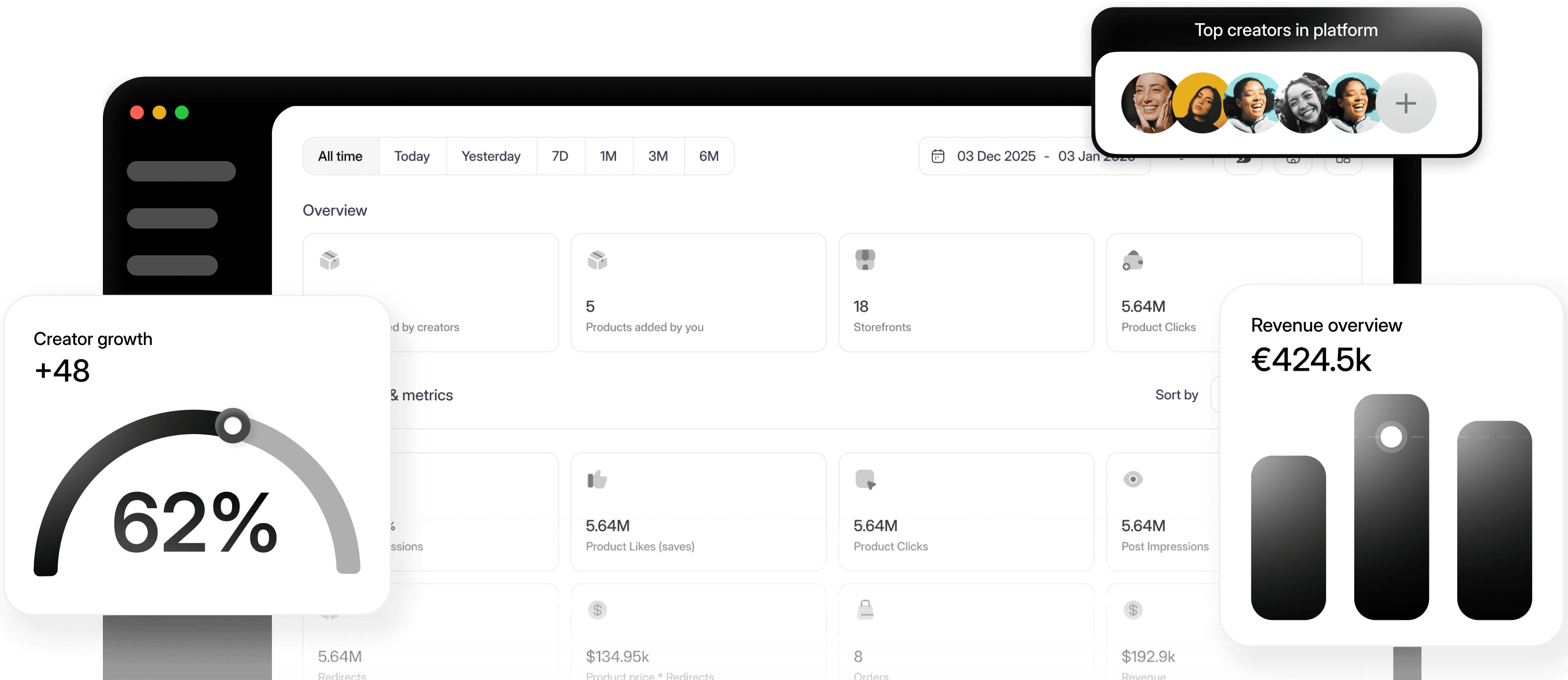
Feature Breakdown: What Fashion Teams Actually Use
Campaign Brief Builder with Visual References
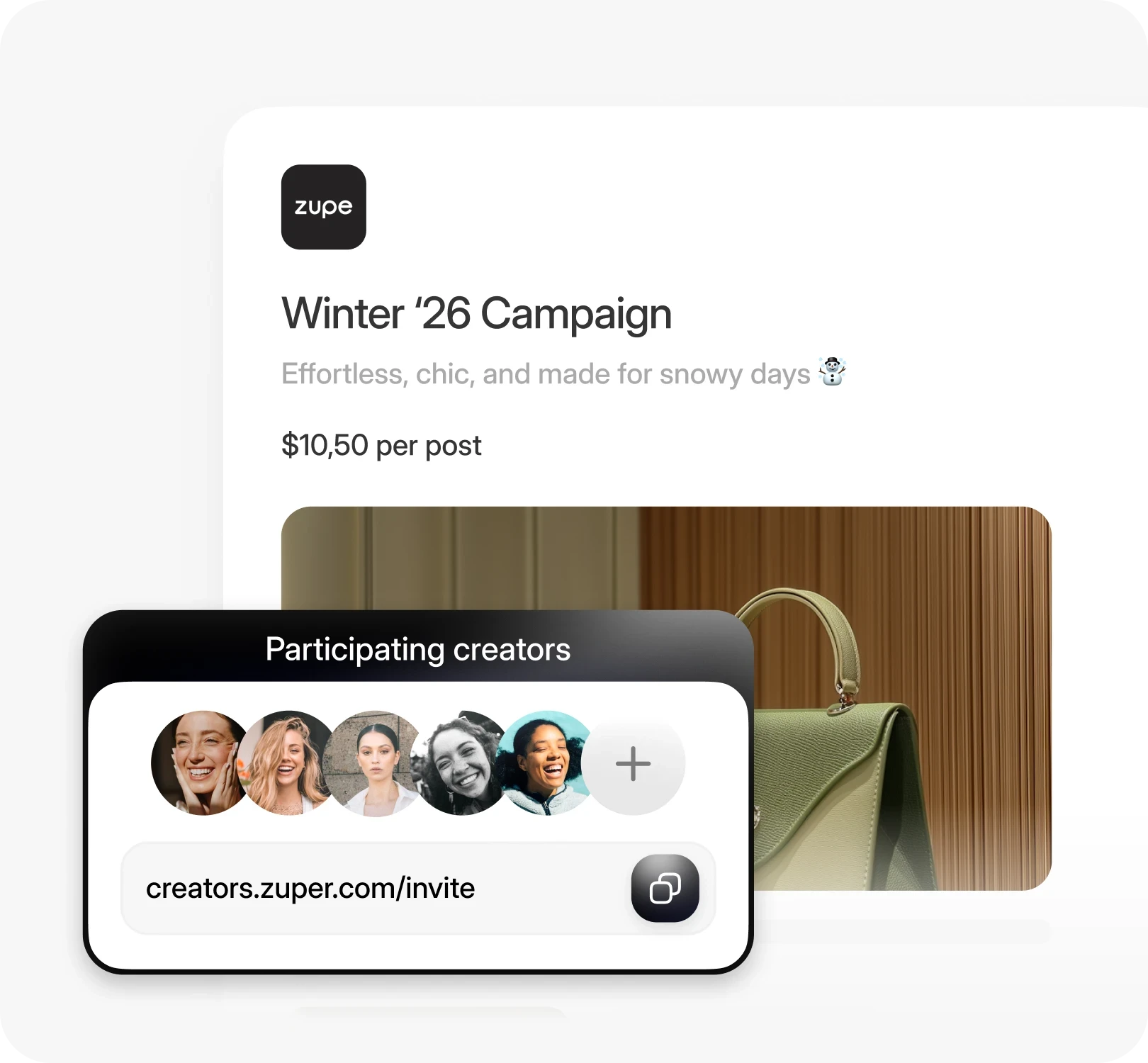
Create lookbook campaign briefs that include mood boards, color palettes, product pairing suggestions, shot composition guidelines, and hashtag requirements. Attach reference images directly to the brief so creators understand the aesthetic direction without lengthy email explanations. Assign different brief variations for different creator tiers or product categories within the same campaign.
Creator Onboarding and Profile Management
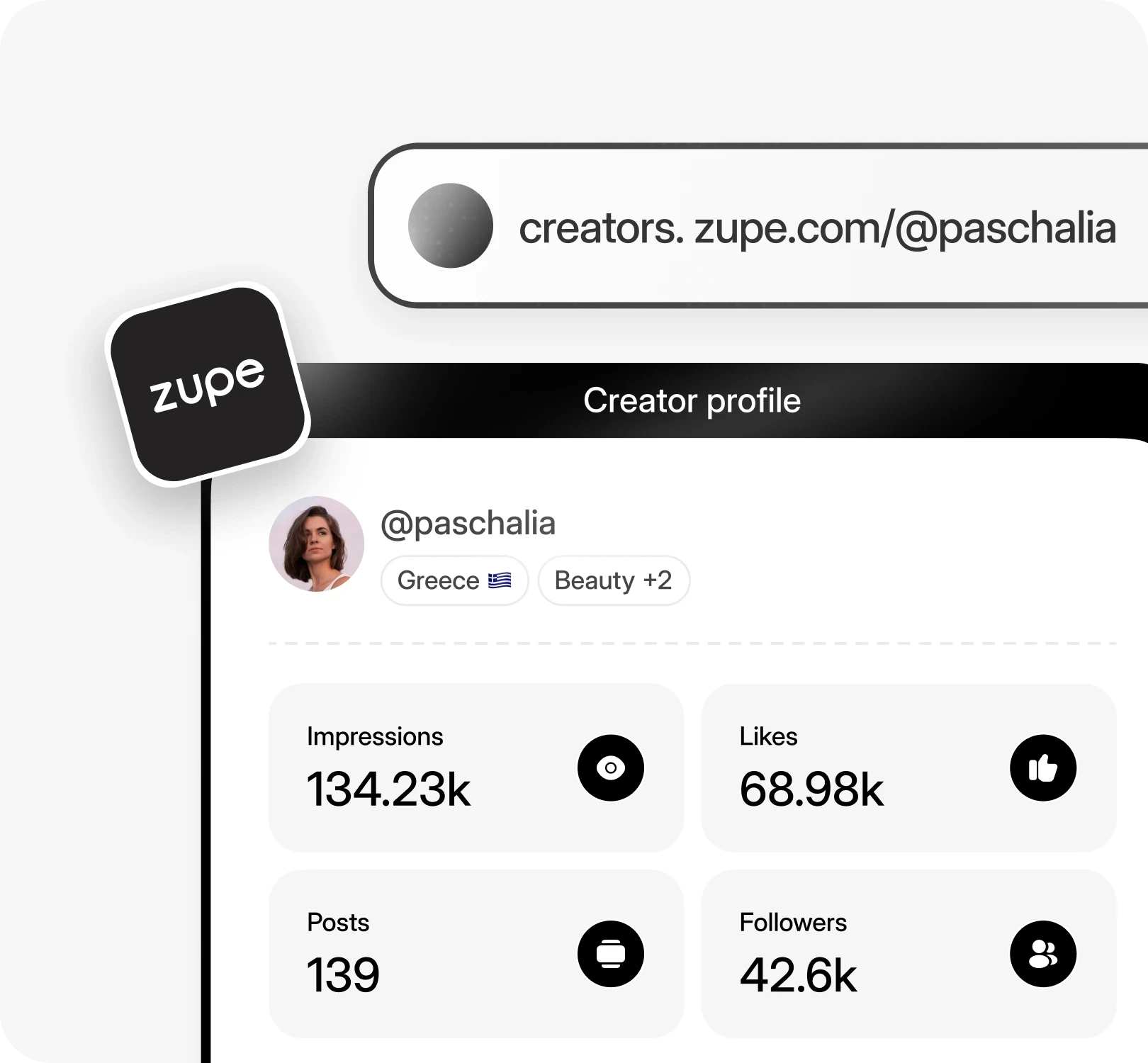
Onboard creators through branded intake forms that capture sizing, shipping addresses, content preferences, platform handles, and payment details. Each creator profile in the CRM automatically enriches with audience demographics and engagement metrics, giving the team a data-backed view of every collaborator.
Product Seeding Tracker
Log which products, sizes, and colorways were sent to each creator. Track shipment status, delivery confirmation, and return deadlines. Flag creators who have received product but have not submitted content by the agreed deadline, triggering automated reminder sequences.
Multi-Round Content Approval Workflow
Creators submit content directly into the platform where brand, legal, and merchandising stakeholders can review, comment, request revisions, or approve. Visual previews show how the content will appear on Instagram or TikTok before it goes live. Approval status is visible at a glance across the entire campaign roster.
Centralized Asset Library
All approved lookbook content is automatically organized in a centralized content storage system. Filter by creator, campaign, product, content format, or usage rights status. Download assets for paid amplification, email marketing, or e-commerce product pages without hunting through shared drives.
Shoppable Content Embedding
Turn approved lookbook content into shoppable widgets that embed directly on product detail pages, collection pages, or dedicated lookbook landing pages on your Shopify store. Each widget links creator content to specific SKUs, turning inspiration into a direct purchase path. The creator widgets module handles the technical implementation so marketing teams do not need developer support.
Affiliate Link and Promo Code Management
Generate unique affiliate links or promo codes for each creator within the platform. Track clicks, conversions, and revenue attributed to each creator in real time. This is essential for fashion brands running affiliate creator programs where compensation is tied to sales performance.
Performance Reporting by Creator, Campaign, and Product
Slice performance data by individual creator, by campaign, or by product SKU. Understand which pieces from the collection generated the most engagement, which styling approaches drove the highest conversion rates, and which creators consistently deliver above-benchmark results.
Use Cases: How Fashion Teams Run Lookbook Campaigns
1. Seasonal Collection Launch with Tiered Creator Strategy
A contemporary fashion brand launches its spring/summer collection with a three-tier creator strategy. Ten macro creators receive the full collection for editorial-style lookbook shoots. Forty mid-tier creators receive curated capsule selections for styling videos. One hundred micro creators receive a single hero piece each for everyday styling content. Each tier has a distinct brief, different deliverable requirements, and separate approval workflows. The campaign runs across Instagram, TikTok, and YouTube Shorts with staggered posting dates aligned to the retail launch calendar.
2. Capsule Drop with Real-Time Content Amplification
A streetwear-adjacent fashion label drops a limited capsule collection and seeds product to 25 creators 48 hours before launch. Creators post simultaneously on drop day. The marketing team monitors content performance in real time, identifies the top five performing posts within the first four hours, and immediately boosts them with paid spend. Approved content is embedded on the capsule landing page as shoppable UGC within the same day, turning creator content into a conversion asset while the hype cycle is still active.
3. Ongoing Affiliate Lookbook Program
A direct-to-consumer fashion brand runs a year-round affiliate creator program where 150 creators receive new arrivals monthly and create lookbook-style content in exchange for commission on sales driven through their unique links. The program operates on a rolling basis with weekly content submissions, monthly performance reviews, and quarterly creator tier adjustments based on revenue contribution. Top performers receive higher commission rates and early access to unreleased collections.
4. Multi-Brand Agency Managing Lookbooks for Fashion Clients
An influencer marketing agency manages lookbook campaigns for four fashion clients simultaneously. Each client has different brand guidelines, approval stakeholders, creator rosters, and reporting requirements. The agency uses a single platform to run all four programs, with client-specific workspaces that keep briefs, assets, and analytics separated. Weekly client reports are generated directly from the platform, showing content output, engagement metrics, and revenue attribution without manual data compilation.
Weekly and Monthly Operational Workflow
Running a fashion influencer lookbook campaign is not a one-time setup. It is an ongoing operational discipline with recurring tasks that need structure. Below is a realistic workflow for a fashion brand managing a seasonal lookbook campaign.
Campaign Planning and Brief Creation (Week 1)
Define campaign objectives, select products from the collection, build visual briefs with mood boards and styling direction, set deliverable requirements per creator tier, and establish the posting calendar aligned with retail availability dates.
Creator Selection and Outreach (Week 1-2)
Filter the creator CRM by past performance, audience demographics, content style, and sizing compatibility. Send collaboration invitations through the platform with brief previews. Track acceptance rates and follow up with non-responders.
Product Seeding and Logistics (Week 2-3)
Ship selected products to confirmed creators. Log shipment tracking numbers, monitor delivery confirmations, and flag any sizing or product issues. Ensure all creators have received product before the content creation window opens.
Content Creation Window (Week 3-5)
Creators produce lookbook content according to the brief. The team monitors submission progress, sends deadline reminders to creators who have not uploaded, and answers creative questions through the platform messaging system.
Content Review and Approval (Week 4-6)
Submitted content enters the multi-round approval workflow. Brand team reviews for aesthetic alignment, legal reviews for compliance and disclosure requirements, and merchandising confirms product representation accuracy. Revision requests are sent with specific visual annotations.
Content Publishing and Amplification (Week 5-7)
Approved content goes live according to the staggered posting calendar. The team monitors early performance signals, identifies top-performing content for paid amplification, and embeds high-converting creator content on the e-commerce site as shoppable lookbook galleries.
Weekly Performance Check-Ins (Ongoing)
Every week during the active campaign window, the team reviews engagement rates, click-through rates, and conversion data by creator and by product. Underperforming content is deprioritized for amplification. Top performers are flagged for future campaigns.
Post-Campaign Analysis and Creator Scoring (Campaign End + 1 Week)
Compile final campaign reports including total impressions, engagement, clicks, conversions, revenue attributed, cost per acquisition, and return on ad spend. Update creator profiles in the CRM with performance scores. Identify creators to retain, upgrade, or offboard for the next seasonal cycle.
Key Performance Indicators for Fashion Lookbook Campaigns
Fashion brands need to track both creative and commercial metrics to evaluate lookbook campaign success. The following KPIs should be monitored at the campaign, creator, and product level.
Creator Activation Rate: Percentage of invited creators who accept the collaboration and submit content on time. Benchmark target: 75-85%.
Content Approval Time: Average number of days from content submission to final approval. Target: under 3 business days to avoid posting calendar delays.
Content Output per Creator: Number of approved assets delivered per creator against the contracted deliverables. Tracks reliability and over-delivery patterns.
Engagement Rate by Content Format: Compare engagement rates across Reels, TikToks, carousels, and YouTube Shorts to identify which formats resonate for lookbook content.
Click-Through Rate (CTR): Percentage of viewers who click through to the product page from creator content. Measures how effectively styling drives purchase intent.
Conversion Rate (CVR): Percentage of clicks that result in a purchase. Indicates alignment between creator audience and product-market fit.
Gross Merchandise Value (GMV) Attributed: Total revenue generated through creator affiliate links and promo codes. The primary commercial metric for affiliate creator programs.
Return on Ad Spend (ROAS) for Amplified Content: Revenue generated per dollar spent boosting top-performing creator content. Measures the efficiency of paid amplification strategy.
Cost Per Acquisition (CPA): Total campaign cost divided by number of conversions. Compare against other acquisition channels to validate creator program ROI.
Content Repurposing Rate: Percentage of creator content repurposed for paid ads, email marketing, or on-site embedding. Measures the extended value of creator assets beyond organic posting.
Creator Retention Rate: Percentage of creators who participate in consecutive seasonal campaigns. High retention indicates strong relationships and program satisfaction.
Scenario: Mid-Size Fashion Brand Scales Seasonal Lookbook Program
A direct-to-consumer women's fashion brand with $15M in annual revenue had been running lookbook campaigns using a combination of Google Sheets, email, Dropbox, and manual Instagram analytics screenshots. Their team of three managed 40 creators per season, spending approximately 25 hours per week on operational coordination during active campaign windows.
The Operational Problem
Content approval cycles averaged 8 days due to feedback scattered across email and Slack. Product seeding errors resulted in 15% of creators receiving wrong sizes, causing delays and reshipping costs. Post-campaign reporting took two full weeks to compile because performance data had to be pulled manually from each platform. The team could not scale beyond 40 creators without hiring additional headcount.
The Shift to Structured Campaign Management
The brand adopted a centralized creator collaboration platform to manage their fall/winter lookbook campaign with an expanded roster of 85 creators across three tiers. Visual briefs with mood boards replaced text-heavy email instructions. Product seeding was tracked within the platform with size and colorway confirmation before shipping. Content approval moved to a visual workflow with inline commenting and one-click approvals.
Measurable Results Over One Season
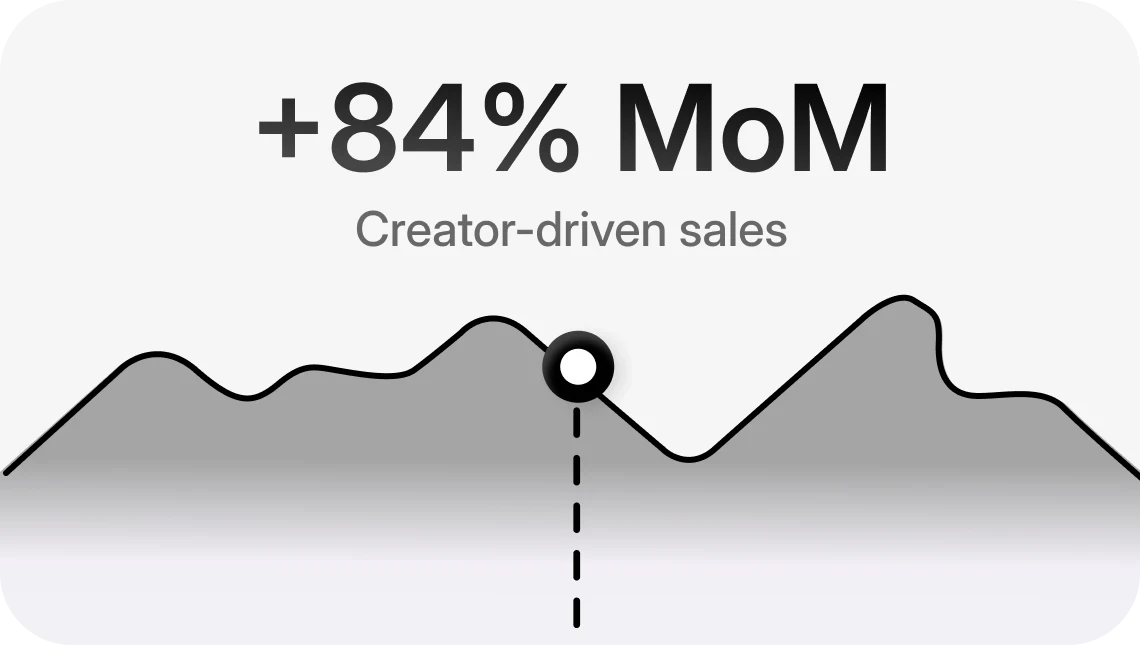
Content approval time dropped from 8 days to 2.5 days. Product seeding errors fell from 15% to under 3%. The team managed 85 creators with the same three-person team, eliminating the need for an additional hire. Total content output increased from 120 assets to 340 assets per campaign. Creator-attributed revenue grew 140% compared to the previous season, driven by better creator selection using historical performance data and faster content-to-market timelines. Shoppable lookbook galleries embedded on product pages contributed 12% of total e-commerce revenue during the campaign window. Weekly operational coordination time dropped from 25 hours to 11 hours, freeing the team to focus on creative strategy and creator relationship development.
How is creator collaboration software different from a standard influencer marketing platform?
Standard influencer marketing platforms focus primarily on creator discovery and outreach. Creator collaboration software goes deeper into the operational workflow: campaign brief management, multi-round content approvals, product seeding logistics, asset organization, and performance tracking. For fashion brands running lookbook campaigns, the collaboration and asset management capabilities are more critical than discovery, since most fashion teams already have established creator relationships.
Can we manage different brief requirements for different creator tiers within the same campaign?
Yes. Fashion lookbook campaigns typically involve multiple creator tiers with different deliverable requirements, product selections, and posting timelines. A proper collaboration platform allows you to create tier-specific briefs within a single campaign, so macro creators receive editorial-style direction while micro creators get simplified styling prompts, all tracked under one campaign umbrella.
How does the platform handle content usage rights for fashion assets?
Usage rights terms are defined during the collaboration setup and attached to each creator agreement. When content is approved, the usage rights status (organic only, paid amplification, e-commerce embedding, email marketing) is tagged to each asset. This ensures that when a downstream team pulls content from the asset library for a paid ad or product page, they can verify the rights status before publishing.
What happens to creator content after the campaign ends?
All approved content remains in the centralized asset library, organized by campaign, creator, product, and content format. Fashion brands commonly repurpose lookbook content for subsequent seasons, evergreen product pages, email campaigns, and paid social. Having a searchable, rights-tagged library means content retains value long after the original campaign window closes.
How do we measure whether a lookbook campaign is driving actual sales versus just engagement?
By assigning unique affiliate links or promo codes to each creator, the platform tracks clicks, conversions, and revenue at the individual creator level. This data is combined with engagement metrics to give a complete picture. A creator might generate high engagement but low conversions, or moderate engagement with strong purchase intent. Both signals inform future creator selection and budget allocation decisions.